

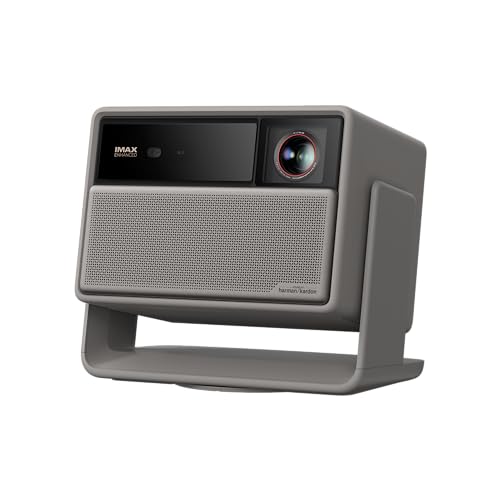
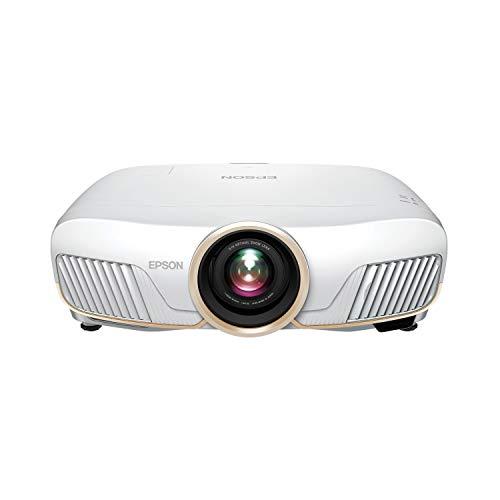
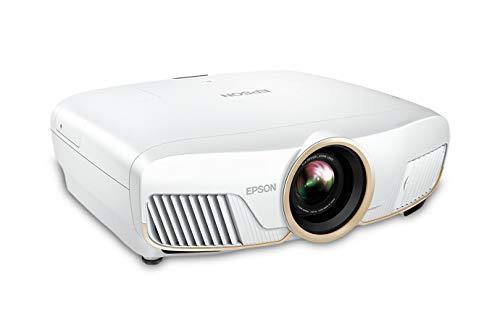
The home theater projector world has split into two distinct camps, and choosing between them can feel overwhelming. On one side, you have cutting-edge laser projectors like the XGIMI Horizon 20 Max that prioritize brightness and smart features. On the other, traditional cinema projectors like the Epson Home Cinema 5050UB focus on contrast and color accuracy for dedicated theater rooms.
After diving deep into both projectors' capabilities and analyzing countless user experiences, the decision comes down to how you plan to use your projector and what your room looks like. Let's break down everything you need to know to make the right choice.
The 4K projector market has evolved dramatically since 2019, when both these models first launched. The XGIMI Horizon 20 Max represents the newer wave of laser projection technology, while the Epson 5050UB continues the traditional lamp-based approach that's dominated home theaters for decades.
At the time of writing, laser projectors command premium pricing but offer significant advantages in brightness and maintenance. Lamp-based projectors remain more affordable upfront but require ongoing bulb replacements. Understanding these fundamental differences helps explain why these projectors perform so differently in real-world scenarios.
The most crucial difference between these projectors lies in their light sources, which affects everything from image quality to long-term costs.
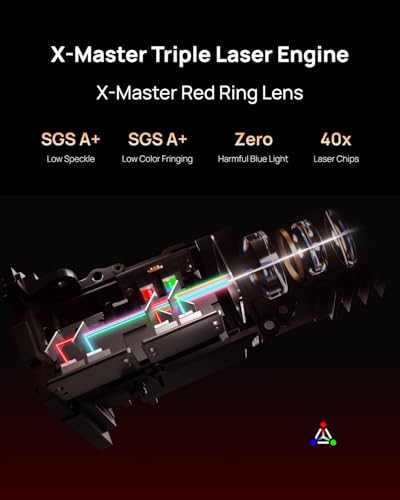
The XGIMI Horizon 20 Max uses what's called an RGB triple laser engine—essentially three separate laser modules (red, green, blue) that create light with incredible precision. This isn't just marketing speak; laser light sources offer several real advantages. They maintain consistent brightness throughout their 20,000+ hour lifespan, start instantly without warm-up time, and produce more saturated colors than traditional lamps.
The Epson 5050UB relies on a 250-watt UHE (Ultra High Efficiency) lamp that's been refined over decades. While this sounds old-fashioned, lamp technology has its own benefits. Lamps produce a warmer, more natural color temperature that many cinema purists prefer, and the initial purchase price stays lower because you're not paying for expensive laser diodes.
Here's the practical reality: with the XGIMI, you'll never need to replace the light source during normal use. With the Epson, you'll replace the lamp every 3-4 years at a cost of $200-300. Over a decade of ownership, this difference becomes significant both financially and practically.
Brightness fundamentally determines where you can use your projector, and the difference between these models is dramatic.
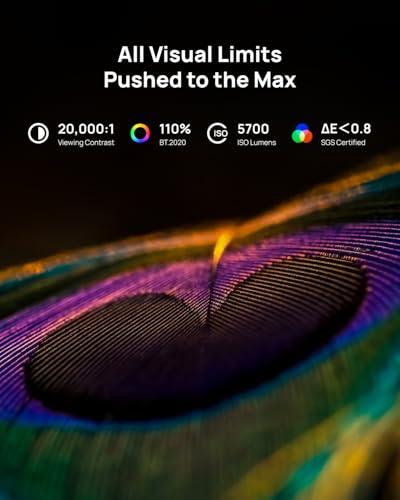
The XGIMI Horizon 20 Max pumps out 5,700 ISO lumens—that's genuinely bright enough for daytime viewing in most living rooms. ISO lumens represent standardized brightness measurements, so you can trust these numbers for comparison. This brightness level means you can watch movies with curtains open or lights on without the image looking washed out.
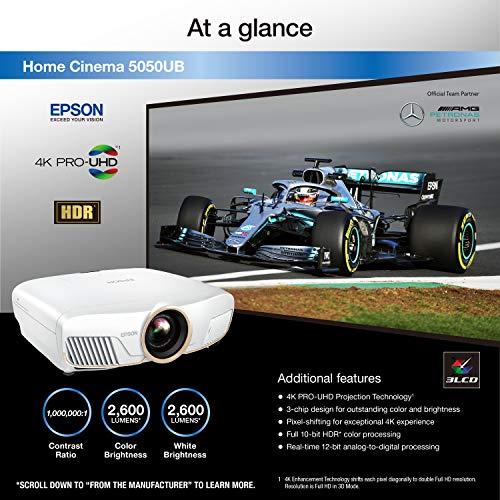
The Epson 5050UB produces 2,600 lumens, which might sound dim by comparison but tells a more nuanced story. This brightness level works beautifully in controlled environments where you can dim lights and close curtains. Many home theater enthusiasts actually prefer this approach because excessive brightness can cause eye fatigue during long viewing sessions.
Based on our research into user experiences, the brightness difference shapes how people actually use these projectors. XGIMI owners frequently mention using their projector casually throughout the day, while Epson users typically reserve viewing for dedicated movie nights with proper room preparation.
Neither projector offers true native 4K resolution, but they achieve 4K-like sharpness through different approaches that perform surprisingly well in practice.
The XGIMI Horizon 20 Max uses 4K XPR (eXpanded Pixel Resolution) with a single DLP chip that shifts pixels rapidly to create the impression of higher resolution. This Texas Instruments technology has improved significantly since 2019, and current implementations deliver genuinely sharp images that most viewers can't distinguish from native 4K at typical viewing distances.
The Epson 5050UB takes a different path with 4K PRO-UHD enhancement, starting with native 1080p panels and shifting pixels diagonally to double the resolution. Epson's three-chip design means each color gets its own panel, eliminating the "rainbow effect" that some people notice with single-chip DLP projectors.
In practical terms, both deliver excellent sharpness for home viewing. The XGIMI might have a slight technical edge in resolution processing, but the Epson's three-chip design offers other image quality advantages that often matter more.
Contrast ratio—the difference between the darkest black and brightest white—creates the sense of depth and realism that makes movies feel immersive. This is where these projectors diverge most dramatically.
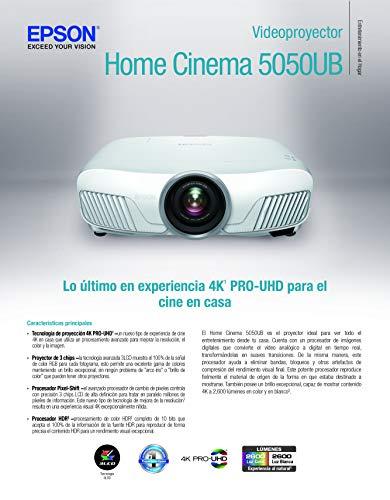
The Epson 5050UB achieves something remarkable for its price point: genuinely deep blacks that rival much more expensive projectors. Its 1,000,000:1 dynamic contrast ratio isn't just a marketing number—the three-chip 3LCD design combined with Epson's UltraBlack technology creates shadow detail and black levels that make dark scenes genuinely atmospheric.
The XGIMI Horizon 20 Max offers a 20,000:1 static contrast ratio, which is respectable but can't match the Epson's depth. However, its laser light source provides other advantages: colors stay saturated even in bright scenes, and there's no contrast shift as the light source ages.
For home theater use, contrast often matters more than peak brightness. Dark movie scenes—think Batman or horror films—showcase the Epson's strength dramatically. The XGIMI compensates with sheer brightness that makes bright scenes more impactful, but it can't create the same sense of depth in shadows.
Color accuracy separates good projectors from great ones, and both models excel here through different approaches.
The XGIMI Horizon 20 Max covers 110% of the BT.2020 color space with Delta E accuracy below 0.8 across all major color standards. In practical terms, this means colors appear vivid and accurate straight out of the box, with minimal need for adjustment. The laser light source maintains this accuracy throughout its lifespan.
The Epson 5050UB takes a more traditional but equally effective approach, covering 100% of the DCI-P3 color space with full 10-bit color processing. What sets it apart is the extensive calibration options—8-point white balance adjustment and 16-step HDR curve control let enthusiasts fine-tune color reproduction to their exact preferences.
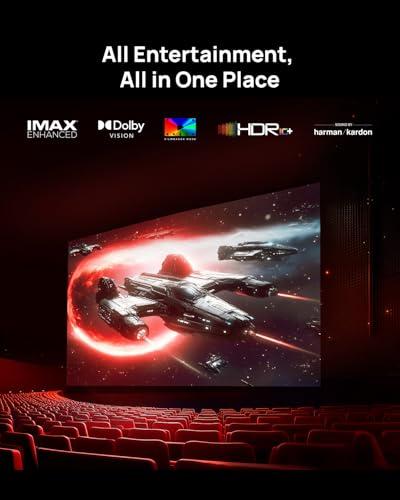
Both projectors handle HDR content well, but with different strengths. The XGIMI supports more HDR formats including Dolby Vision and HDR10+, while the Epson focuses on HDR10 and HLG with more granular control over tone mapping.
Gaming capabilities highlight these projectors' different target audiences clearly.
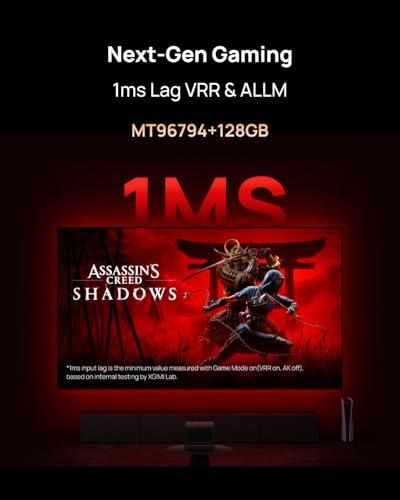
The XGIMI Horizon 20 Max delivers genuinely competitive gaming performance with 1ms input lag at 1080p/240Hz and support for variable refresh rate (VRR). These specs match serious gaming monitors, making it viable for competitive gaming on a massive screen. The 4K/60Hz input lag of 3ms remains excellent for console gaming.
The Epson 5050UB wasn't designed with gaming as a priority, showing 22.5ms input lag at 4K/60Hz. This works fine for single-player games and casual gaming but won't satisfy competitive players who need every millisecond advantage.
If gaming matters to you—especially with newer consoles that support high refresh rates—the XGIMI offers a clear advantage. For traditional home theater use focused on movies and TV shows, the Epson's gaming limitations become irrelevant.
These projectors represent fundamentally different approaches to home entertainment integration.
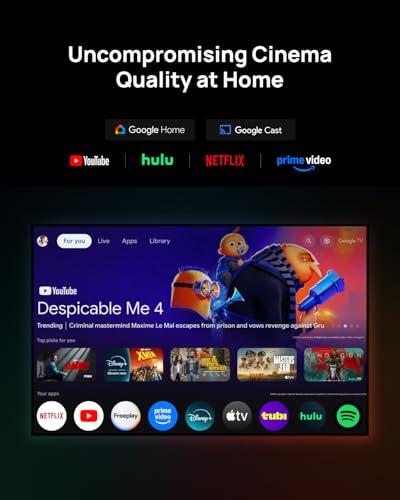
The XGIMI Horizon 20 Max functions as a complete entertainment center with Google TV built-in, Wi-Fi 6, Bluetooth 5.2, and automatic setup features. Its ISA 5.0 system handles focus, keystone correction, and screen alignment automatically—you literally just point it at a wall and turn it on. The dual 24W Harman Kardon speakers provide surprisingly good audio for many rooms.
The Epson 5050UB takes the purist approach as a dedicated display device. You'll need separate streaming devices, audio systems, and manual calibration, but many enthusiasts prefer this modular approach for ultimate flexibility and component quality.
This difference shapes daily use significantly. XGIMI owners appreciate the convenience of voice control and built-in apps, while Epson users often prefer the control that comes from choosing each system component separately.
Real-world installation experiences vary dramatically between these projectors based on their design philosophies.
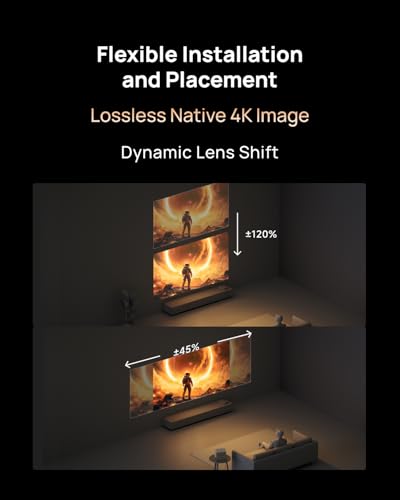
The XGIMI Horizon 20 Max excels at casual setup with its automatic calibration and built-in adjustable stand. You can literally set it on a coffee table, point it at a wall, and have a properly aligned image in minutes. This flexibility makes it perfect for renters, temporary setups, or families who want to move the projector between rooms.
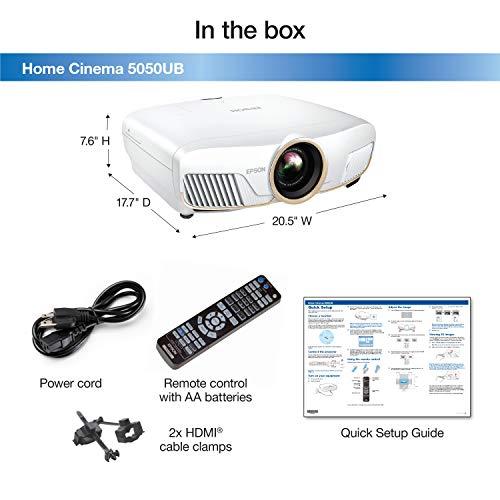
The Epson 5050UB offers professional-grade installation features including motorized lens shift (±96% vertical, ±47% horizontal), 2.1x optical zoom, and lens memory for different aspect ratios. These features require more initial setup but provide incredible precision for permanent installations.
Based on user feedback, the XGIMI suits people who want immediate gratification and flexibility, while the Epson appeals to those building dedicated theaters with custom mounting and screen setups.
Audio integration reveals another philosophical divide between these projectors.
The XGIMI Horizon 20 Max includes genuinely impressive built-in audio with dual 24W Harman Kardon speakers that can fill medium-sized rooms adequately. While serious audiophiles will still want external speakers, many users find the built-in audio sufficient for casual viewing.
The Epson 5050UB's dual 8W speakers function more as backup audio—adequate for setup and testing but requiring external sound systems for serious viewing. This aligns with its pure display philosophy but adds complexity and cost to complete installations.
For all-in-one convenience, the XGIMI provides better value. For ultimate audio quality, both projectors benefit from dedicated sound systems, but the Epson makes this mandatory rather than optional.
Total cost of ownership extends beyond initial purchase price, especially given these projectors' different maintenance requirements.
The XGIMI Horizon 20 Max essentially eliminates ongoing maintenance costs with its 20,000+ hour laser lifespan. At typical usage patterns (3-4 hours daily), this projector could run for over a decade without service. The smart features also provide software updates that extend functionality over time.
The Epson 5050UB requires lamp replacement every 3,500-5,000 hours, depending on usage modes. Replacement lamps cost $200-300 and require careful handling during installation. Over a decade of ownership, expect 2-3 lamp replacements, adding $400-900 to total costs.
At the time of writing, the XGIMI commands a premium price that often exceeds the Epson by several hundred dollars. However, factoring in lamp replacement costs and additional equipment needs (streaming devices, sound systems), the long-term value equation becomes more balanced.
After analyzing performance characteristics and user experiences, clear usage patterns emerge for each projector.
Choose the XGIMI Horizon 20 Max if you want maximum flexibility and convenience. This projector excels in family rooms, living rooms, or any space where you can't completely control lighting. Gamers will appreciate the low input lag and high refresh rate support. The all-in-one design with smart features and quality audio makes it perfect for people who want a single device that handles everything. Renters or anyone who might move the projector between rooms will love the automatic setup features.
Choose the Epson Home Cinema 5050UB if you're building a dedicated home theater space where you can control lighting completely. Cinema enthusiasts who prioritize contrast depth and color accuracy over peak brightness will prefer its image quality characteristics. The extensive calibration options appeal to tweakers who enjoy optimizing their setup. If you already have or plan to buy separate high-end audio equipment and streaming devices, the Epson's pure display approach makes more sense.
Both projectors excel at their intended purposes, making the choice largely about matching capabilities to your specific situation. The XGIMI Horizon 20 Max represents the future of home projection with its laser technology, smart features, and room adaptability. The Epson Home Cinema 5050UB continues the traditional home theater approach with superior contrast and color accuracy in controlled environments.
For most people in most rooms, the XGIMI's brightness advantage and convenience features provide better daily usability. For dedicated theater enthusiasts with proper room control, the Epson's image quality characteristics create a more cinematic experience.
The projector market continues evolving rapidly, with laser technology becoming more affordable and lamp-based projectors incorporating smarter features. Regardless of which you choose, both represent excellent value in their respective categories and should provide years of enjoyable viewing experiences.
| XGIMI Horizon 20 Max 4K Projector | Epson Home Cinema 5050UB 4K PRO-UHD 3-Chip Projector |
|---|---|
| Light Source - Determines maintenance costs and longevity | |
| RGB Triple Laser (20,000+ hour lifespan) | 250W UHE Lamp (3,500-5,000 hour lifespan) |
| Peak Brightness - Critical for room lighting flexibility | |
| 5,700 ISO lumens (excellent for bright rooms) | 2,600 lumens (requires controlled lighting) |
| Contrast Ratio - Essential for deep blacks and image depth | |
| 20,000:1 static (good laser performance) | 1,000,000:1 dynamic (exceptional black levels) |
| Native Resolution Technology - Affects image sharpness | |
| 4K XPR DLP with single-chip pixel shifting | 1080p native with 4K PRO-UHD enhancement |
| Color Gamut Coverage - Determines color vibrancy and accuracy | |
| 110% BT.2020 with ΔE < 0.8 accuracy | 100% DCI-P3 with full 10-bit processing |
| HDR Format Support - Important for streaming and UHD content | |
| Dolby Vision, HDR10+, HDR10, HLG, IMAX Enhanced | HDR10 and HLG only (limited modern format support) |
| Gaming Performance - Matters for console and PC gaming | |
| 1ms at 1080p/240Hz, 3ms at 4K/60Hz with VRR | 22.5ms at 4K/60Hz (casual gaming only) |
| Smart Features - Affects daily usability and convenience | |
| Google TV with Wi-Fi 6, Bluetooth 5.2, voice control | None (requires external streaming devices) |
| Automatic Setup Features - Reduces installation complexity | |
| ISA 5.0 (auto focus, keystone, obstacle avoidance) | Manual setup with motorized lens adjustments |
| Built-in Audio Quality - Determines need for external speakers | |
| Dual 24W Harman Kardon speakers | Dual 8W basic speakers (external audio recommended) |
| Lens Flexibility - Important for installation options | |
| Fixed lens with digital adjustments | 2.1x optical zoom with motorized lens shift |
| Connectivity Options - Affects device compatibility | |
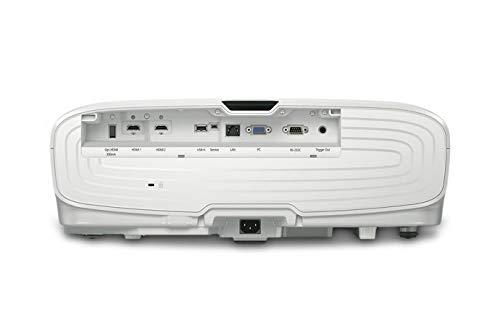
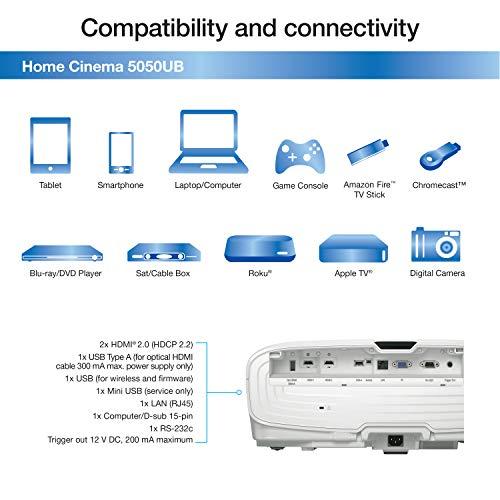
| HDMI 2.1 with eARC, USB 3.0/2.0 ports | Two HDMI 2.0 ports, basic USB power |
| Long-term Costs - Total ownership expense beyond purchase | |
| Maintenance-free laser operation | Lamp replacement every 3-4 years ($200-300) |
| Best Use Case - Primary intended environment | |
| Multi-purpose rooms with ambient light, gaming, all-in-one convenience | Dedicated dark theaters prioritizing cinema-quality contrast |
The XGIMI Horizon 20 Max delivers 5,700 ISO lumens compared to the Epson Home Cinema 5050UB's 2,600 lumens. This makes the XGIMI significantly better for rooms with ambient light or daytime viewing, while the Epson requires controlled lighting conditions for optimal image quality.
Neither projector offers native 4K resolution. The XGIMI Horizon 20 Max uses 4K XPR pixel-shifting technology with a single DLP chip, while the Epson Home Cinema 5050UB employs 4K PRO-UHD enhancement starting from native 1080p. Both deliver sharp, detailed images that appear 4K-like at typical viewing distances.
The XGIMI Horizon 20 Max excels for gaming with 1ms input lag at 1080p/240Hz and support for variable refresh rate (VRR). The Epson Home Cinema 5050UB has 22.5ms input lag at 4K/60Hz, making it suitable only for casual gaming. Competitive gamers should choose the XGIMI.
The XGIMI Horizon 20 Max uses a laser light source rated for 20,000+ hours with no maintenance required. The Epson Home Cinema 5050UB requires lamp replacement every 3,500-5,000 hours, typically costing $200-300 every 3-4 years of regular use.
The Epson Home Cinema 5050UB delivers superior contrast with a 1,000,000:1 dynamic ratio and exceptional black levels thanks to its 3-chip 3LCD design. The XGIMI Horizon 20 Max offers 20,000:1 contrast, which is good but cannot match the Epson's depth in dark scenes.
The XGIMI Horizon 20 Max includes Google TV with Wi-Fi 6, Bluetooth 5.2, and voice control for streaming apps. The Epson Home Cinema 5050UB has no smart features and requires external streaming devices like Apple TV or Roku for content access.
The XGIMI Horizon 20 Max offers automatic setup with ISA 5.0 technology that handles focus, keystone correction, and screen alignment automatically. The Epson Home Cinema 5050UB requires manual calibration but provides motorized lens shift and zoom for precise professional installation.
The XGIMI Horizon 20 Max supports Dolby Vision, HDR10+, HDR10, HLG, and IMAX Enhanced formats. The Epson Home Cinema 5050UB only supports HDR10 and HLG, lacking newer formats like Dolby Vision that are common on streaming services.
The XGIMI Horizon 20 Max features dual 24W Harman Kardon speakers that provide room-filling audio for most users. The Epson Home Cinema 5050UB has basic 8W speakers that require external audio systems for quality sound in home theater setups.
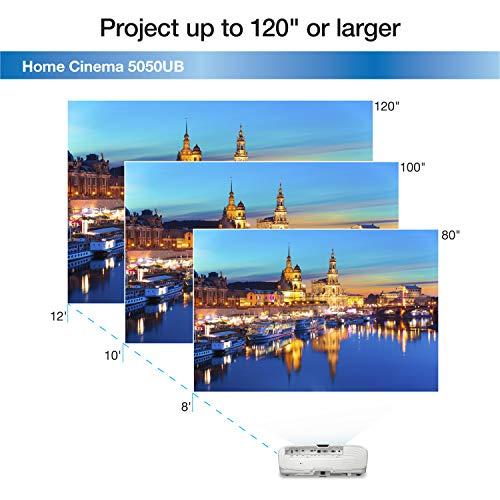
The XGIMI Horizon 20 Max performs well in bright rooms thanks to its 5,700-lumen output, making it suitable for living rooms with windows. The Epson Home Cinema 5050UB requires darkened rooms for optimal performance due to its lower 2,600-lumen brightness.
Both projectors excel at color accuracy through different approaches. The XGIMI Horizon 20 Max covers 110% BT.2020 with ΔE < 0.8 accuracy out of the box. The Epson Home Cinema 5050UB covers 100% DCI-P3 with extensive calibration options for professional-level color tuning.
The XGIMI Horizon 20 Max works best in multi-purpose family rooms where convenience and brightness matter most. The Epson Home Cinema 5050UB is ideal for dedicated home theaters with controlled lighting where contrast and cinematic image quality are prioritized over convenience features.
We've done our best to create useful and informative comparisons to help you decide what product to buy. Our research uses advanced automated methods to create this comparison and perfection is not possible - please contact us for corrections or questions. These are the sites we've researched in the creation of this article: dustinabbott.net - projectorcentral.com - youtube.com - us.xgimi.com - youtube.com - tweaktown.com - youtube.com - us.xgimi.com - youtube.com - youtube.com - thesmarthomehookup.com - youtube.com - us.xgimi.com - global.xgimi.com - projector-database.com - rtings.com - audiogurus.com - hometechnologyreview.com - projectorscreen.com - youtube.com - thesmarthomehookup.com - techgearlab.com - rtings.com - projectorreviews.com - projectorreviews.com - projectorreviews.com - projectorcentral.com - avsforum.com - avsforum.com - rtings.com - avsforum.com - audiogeneral.com - hifiheaven.net - manuals.plus - crutchfield.com - mediaserver.goepson.com - projectorcentral.com - epson.com - bestbuy.com - projectorreviews.com - projectorcentral.com

Privacy Policy
Terms and Conditions - Affiliate Policy
Home Security
© Copyright 2008-2026.
11816 Inwood Rd #1211, Dallas, TX 75244