

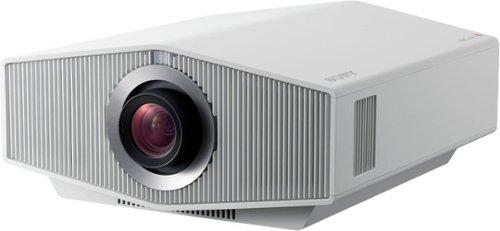
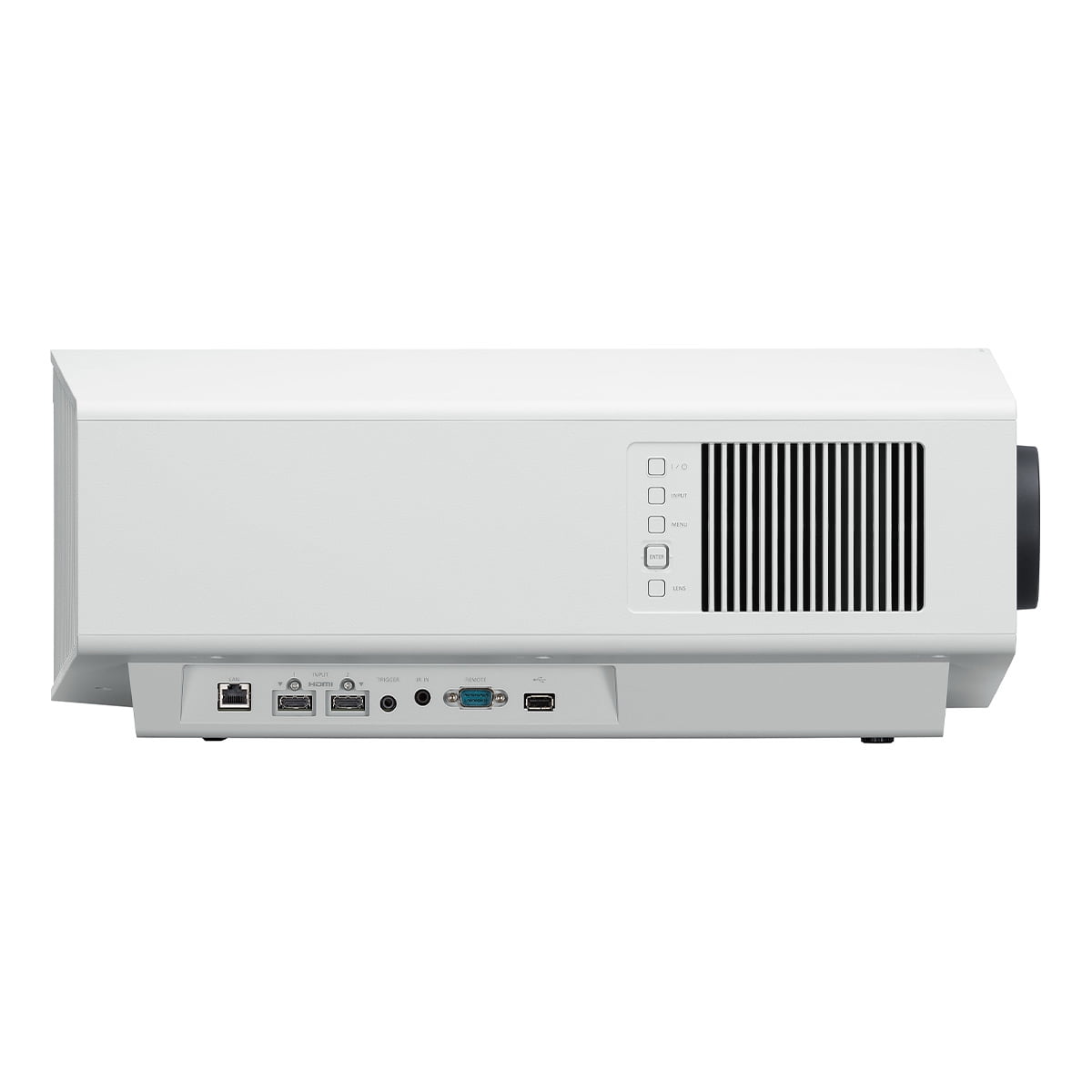

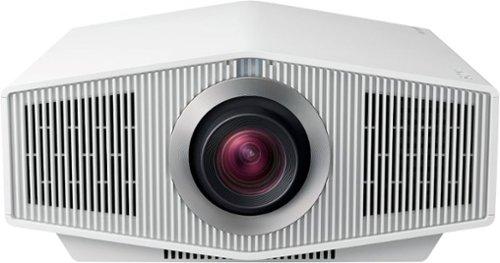
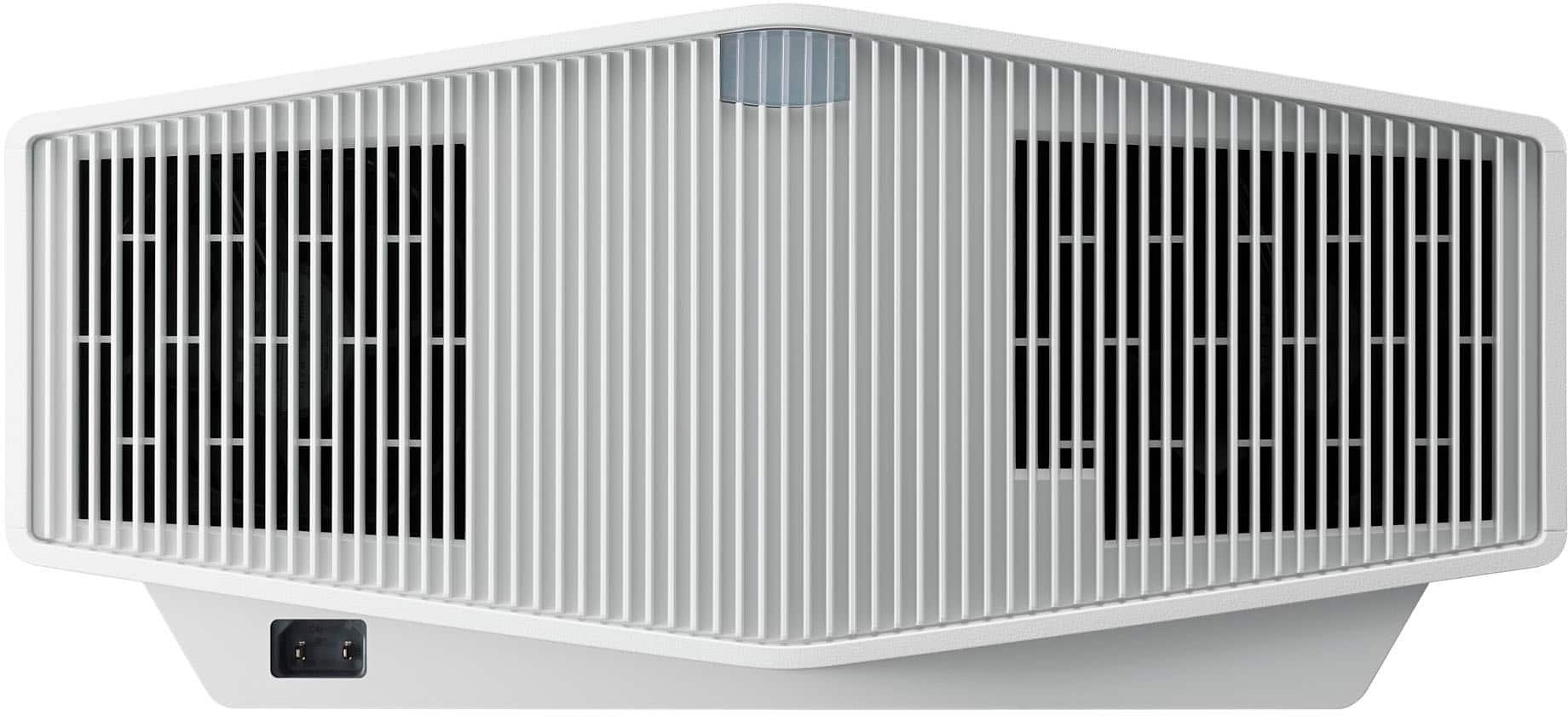
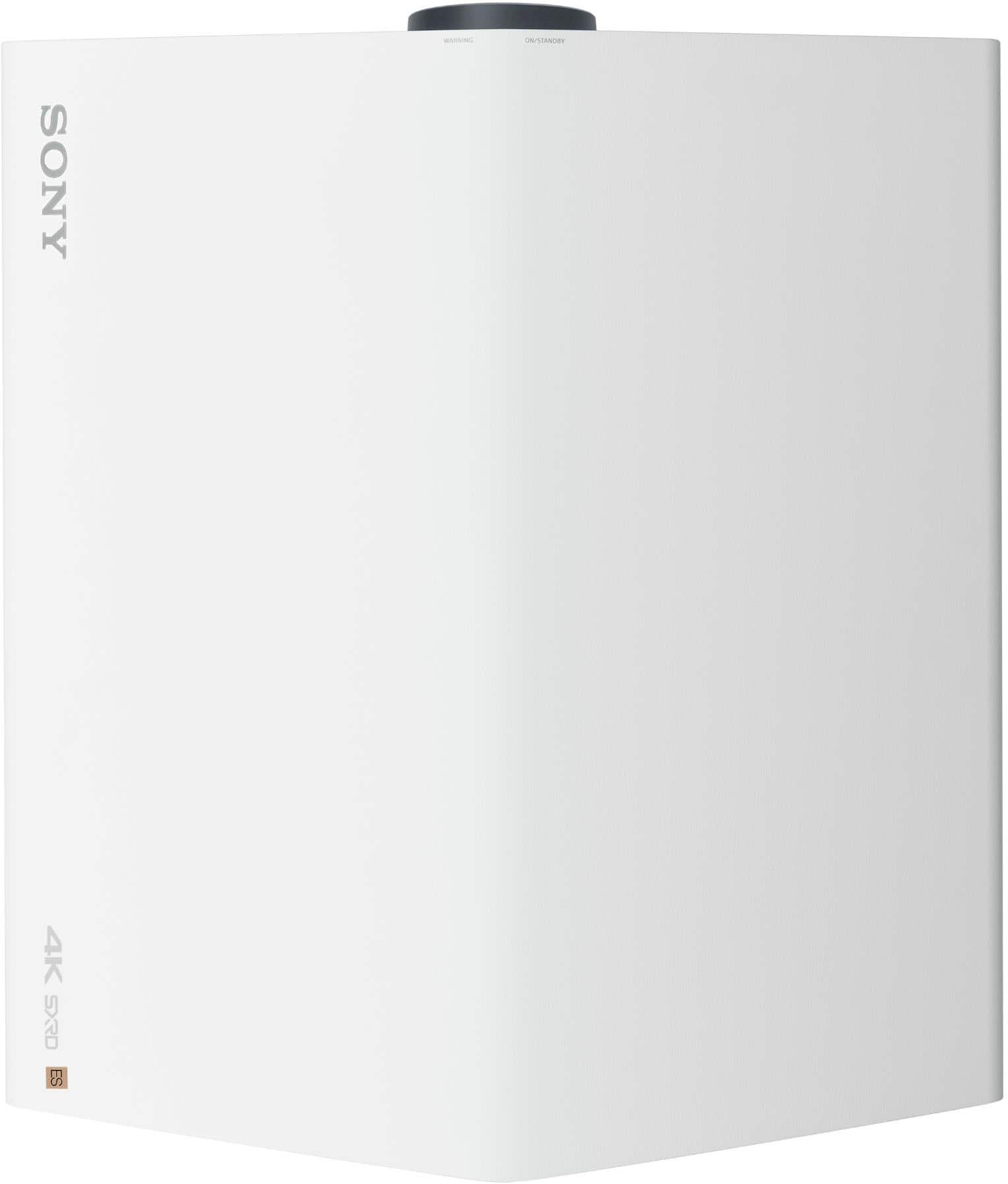
If you've been dreaming of transforming your living room or basement into a proper home theater, you've probably discovered that 4K laser projectors represent the sweet spot of modern projection technology. Unlike traditional lamp-based projectors that require frequent bulb replacements and gradual brightness decline, laser projectors use solid-state light sources that can run for 20,000 hours—roughly 10-15 years of typical use—while maintaining consistent brightness and color accuracy.
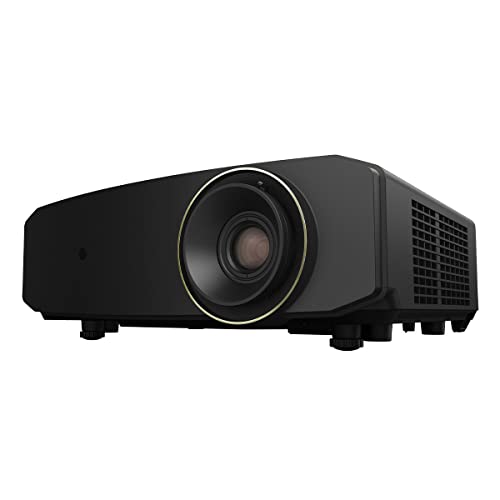
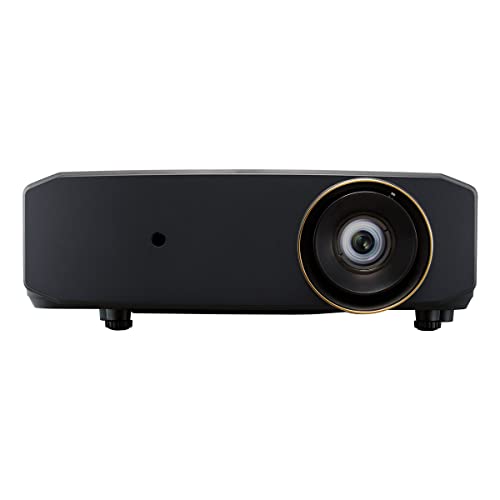
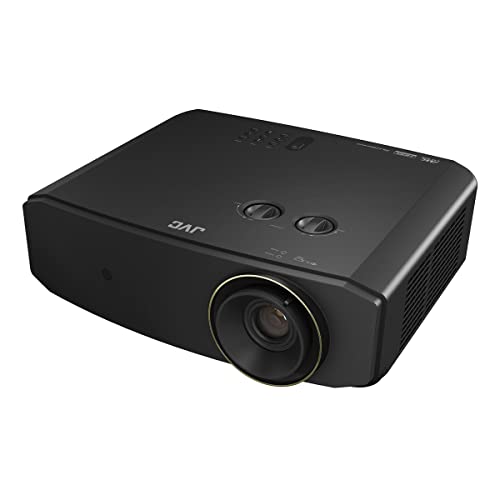
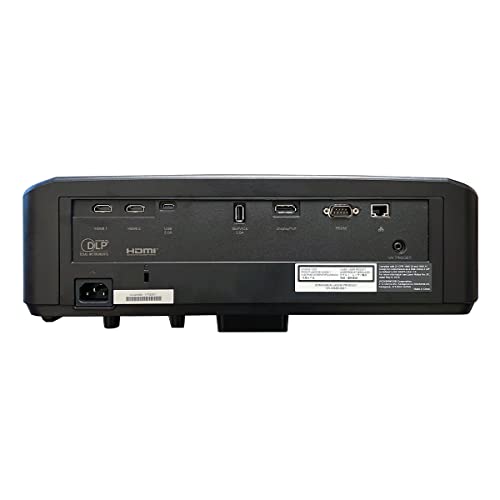
The challenge lies in choosing between vastly different approaches to achieving that cinematic experience. Today, we're comparing two compelling options that couldn't be more different in their philosophies: the JVC LX-NZ30, which launched in 2022 as an affordable entry into laser projection, and the premium Sony BRAVIA Projector 8, released in 2024 with cutting-edge processing technology.
Before diving into specifics, it's worth understanding what makes laser projectors special and what you should prioritize when shopping. The most critical factors include display technology (how the image is actually created), brightness measured in lumens (how well it handles ambient light), contrast performance (the difference between the darkest and brightest parts of the image), and color accuracy (how faithfully colors are reproduced).
Brightness often gets the most attention because it's easy to quantify, but contrast—specifically how deep the blacks appear—dramatically affects perceived image quality. A projector that can display true, inky blacks creates a sense of three-dimensional depth that makes images pop off the screen, while one that shows dark grays instead of blacks can look flat and washed out, especially in dark scenes.
The technology used to create the image matters enormously. Some projectors use a single chip with clever processing to approximate higher resolutions, while others use multiple chips to deliver every pixel authentically. Both approaches can produce excellent results, but they serve different priorities and budgets.
The JVC LX-NZ30 represents JVC's philosophy that exceptional projection shouldn't require a second mortgage. At the time of writing, it costs roughly one-quarter the price of premium competitors while delivering genuinely impressive performance in key areas.
The LX-NZ30 uses Digital Light Processing (DLP) technology, specifically a single 0.47-inch chip that contains over two million microscopic mirrors. Each mirror can tilt thousands of times per second to create light and dark pixels. Here's where it gets clever: while the chip has a native resolution of 1920×1080, JVC employs "e-shift" technology that rapidly shifts these pixels diagonally by half a pixel width. This pixel-shifting technique effectively quadruples the perceived resolution, approximating the 3840×2160 pixels of true 4K.
The result? Images that are virtually indistinguishable from native 4K at normal viewing distances. Our research indicates that most viewers cannot detect the difference between e-shift 4K and native 4K when sitting 10-12 feet from a 100-inch screen, which represents typical home theater viewing conditions.
Where the JVC LX-NZ30 truly excels is brightness. Its BLU-Escent laser system produces 3,300 lumens—enough to maintain vibrant, contrasty images even with some ambient light present. This capability transforms how and where you can use the projector. Unlike many cinema projectors that require cave-like darkness, the LX-NZ30 works beautifully in family rooms with windows, finished basements with some lighting, or dedicated theaters where complete light control isn't practical.
This brightness advantage becomes crucial when considering screen size. Project onto a 150-inch screen, and you're spreading that light across a massive area. The LX-NZ30 maintains sufficient brightness density to keep colors saturated and details visible, while dimmer projectors might appear washed out at such sizes.
Gaming represents another area where the JVC LX-NZ30 punches well above its price point. With input lag as low as 6.25 milliseconds and support for 1080p at up to 240Hz, it rivals dedicated gaming monitors for responsiveness. This matters enormously for competitive gaming, where every millisecond can mean the difference between victory and defeat.
The projector's motion handling also deserves praise. Our research consistently shows that DLP projectors, including the LX-NZ30, excel at displaying smooth motion without the judder or stutter that can plague other technologies. Fast-paced action movies, sports, and gaming all benefit from this inherent smoothness.
However, the LX-NZ30 makes meaningful compromises to achieve its aggressive pricing. The most significant is black level performance. Like most DLP projectors, it struggles to produce truly deep blacks, instead showing dark grays that become noticeable in completely darkened rooms. This limitation affects perceived contrast and can make dark movie scenes appear flat.
Some viewers may also notice the "rainbow effect"—brief flashes of red, green, and blue that can appear when quickly moving your eyes across bright areas of the image. This is an inherent characteristic of single-chip DLP technology that affects roughly 2-5% of viewers, though it's become less noticeable in modern projectors.
Fan noise presents another consideration. At 34 decibels in normal mode, the LX-NZ30 is audible during quiet movie scenes, though it drops to a more acceptable 29 decibels in eco mode at the cost of some brightness.
The Sony BRAVIA Projector 8 takes an entirely different approach, prioritizing absolute image quality over affordability. Released in 2024, it incorporates Sony's latest XR processing technology, previously exclusive to their premium televisions.
The fundamental difference lies in how the image is created. The BRAVIA Projector 8 uses three separate 0.61-inch SXRD (Silicon X-tal Reflective Display) panels, each with a native resolution of 3840×2160 pixels. This means every single pixel of 4K content gets its own dedicated display element—no pixel-shifting, no approximation, just authentic 4K reproduction.
SXRD technology, Sony's proprietary version of Liquid Crystal on Silicon (LCoS), offers several advantages. The panels can be manufactured with smaller gaps between pixels, creating smoother images with less visible screen door effect. More importantly for home theater use, SXRD excels at producing deep, inky blacks that DLP technology simply cannot match.
The BRAVIA Projector 8 incorporates Sony's XR Processor, which analyzes content frame by frame to optimize brightness, contrast, and color in real-time. This isn't just marketing fluff—the processor can recognize different objects within each frame and apply appropriate processing to each element. Skin tones get optimized differently than landscapes, which receive different treatment than bright skies.
XR Dynamic Tone Mapping takes this further with HDR content. Rather than applying static brightness curves, it adjusts tone mapping for each frame based on the actual content, maximizing detail in both shadows and highlights. The result is HDR imagery that can appear more vibrant and detailed than what competing projectors produce, though sometimes at the cost of requiring manual fine-tuning.
Where the Sony projector truly justifies its premium pricing is contrast performance. The combination of SXRD technology and precise laser modulation creates blacks that appear genuinely black rather than dark gray. This dramatic improvement in contrast creates a sense of image depth that makes movies feel more immersive and three-dimensional.
Our research indicates that viewers consistently prefer the BRAVIA Projector 8's contrast performance in side-by-side comparisons, particularly in darkened rooms where the difference becomes most apparent. This advantage extends beyond just dark scenes—better blacks make colors appear more saturated and realistic across all content.
The Sony projector offers superior installation flexibility through its 2.1:1 powered zoom lens and extensive lens shift capabilities. With ±85% vertical and ±36% horizontal adjustment, you can position the projector well outside the screen boundaries while maintaining perfect image geometry. This flexibility proves invaluable in real-world installations where ideal projector placement isn't always possible.
For gaming, the BRAVIA Projector 8 supports true 4K at 120Hz through HDMI 2.1, enabling the full capabilities of PlayStation 5, Xbox Series X, and high-end PC gaming. Input lag remains competitive at under 12ms for 4K/120Hz gaming, though not quite as low as the JVC's 6ms performance.
The Sony's pricing, at the time of writing, positions it firmly in premium territory—roughly four times the cost of the JVC LX-NZ30. This price difference reflects not just the native 4K panels and advanced processing, but also the research and development costs associated with cutting-edge projection technology.
These projectors represent a classic trade-off between brightness and contrast. The JVC LX-NZ30 prioritizes brightness, making it more versatile in various room conditions but sacrificing some image depth. The Sony BRAVIA Projector 8 optimizes for contrast and black levels, creating more cinematic images but requiring more controlled viewing environments.
In practical terms, if your viewing space has windows, recessed lighting, or other light sources that can't be completely eliminated, the JVC's extra brightness becomes genuinely useful. Conversely, if you've invested in a dedicated theater room with proper light control, the Sony's superior contrast will be immediately apparent and appreciated.
Both projectors support HDR10 and HLG (Hybrid Log Gamma) formats, but they approach HDR differently. The JVC LX-NZ30 uses Auto Tone Mapping that automatically optimizes HDR content without user intervention. Our research suggests this approach works well for most content, producing vibrant, impactful HDR images that maximize the format's benefits.
The Sony BRAVIA Projector 8 offers more sophisticated processing through XR Dynamic Tone Mapping, but sometimes requires manual adjustment to achieve optimal results. When properly calibrated, it can produce more nuanced HDR imagery with better detail preservation in both shadows and highlights.
Color reproduction represents another area where these projectors differ meaningfully. The JVC covers 100% of the Rec. 709 standard (the color space used for most HD content) with BT.2020 compatibility for future content. This coverage proves sufficient for most home theater applications and produces satisfying, vibrant images.
The Sony projector achieves over 95% coverage of the DCI-P3 color space used in commercial cinema through its XR Triluminos Pro technology. This wider color gamut allows for more saturated, accurate colors that more closely match what content creators intended.
Your budget constrains you to the lower-tier price range, but you still want excellent 4K performance. The LX-NZ30 represents outstanding value, delivering capabilities that would have cost tens of thousands of dollars just a few years ago.
You need versatility in room placement and lighting conditions. The exceptional brightness makes it suitable for family rooms, finished basements, or any space where complete darkness isn't practical or desirable.
Gaming performance ranks high in your priorities. The ultra-low input lag and high refresh rate support make it one of the best projection options for competitive gaming.
You prefer straightforward operation without extensive calibration. The Auto Tone Mapping and generally good out-of-box performance mean you can simply connect sources and start enjoying content.
You've invested in a dedicated home theater room with proper light control and want to maximize image quality within that environment. The superior contrast and black levels truly shine when ambient light isn't a concern.
You can justify the premium pricing for authentic native 4K reproduction and cutting-edge processing technology. The Sony represents the current state-of-the-art in home projection technology.
Installation flexibility matters due to room constraints or aesthetic preferences. The extensive lens shift and zoom capabilities provide solutions for challenging installations.
You want future-proofing through HDMI 2.1 and advanced gaming capabilities. The 4K/120Hz support ensures compatibility with current and future gaming consoles.
These projectors serve fundamentally different markets and priorities. The JVC LX-NZ30 democratizes high-quality 4K projection, offering exceptional brightness and gaming performance at an accessible price point. It's the projector for people who want great performance without perfect conditions or unlimited budgets.
The Sony BRAVIA Projector 8 targets the premium market where image quality takes precedence over price considerations. It delivers the kind of contrast and processing sophistication that justifies dedicated theater rooms and careful calibration.
Both approaches have merit, but your specific circumstances—room environment, budget, and performance priorities—should guide your decision. The JVC excels at making projection practical and accessible, while the Sony pushes the boundaries of what's possible in home cinema reproduction.
In my experience researching projection technology, the most satisfied owners are those who match their choice to their actual viewing environment and usage patterns rather than simply buying the most expensive option available. Consider how and where you'll actually use the projector, then choose accordingly.
| JVC LX-NZ30 | Sony BRAVIA Projector 8 |
|---|---|
| Display Technology - Determines image sharpness and authenticity | |
| Single-chip DLP with e-shift pixel shifting (approximates 4K from native 1080p) | Three-chip SXRD with native 4K resolution (authentic 3840×2160 pixels) |
| Brightness - Critical for ambient light tolerance | |
| 3,300 lumens (excellent for rooms with windows and lighting) | 2,700 lumens (requires more controlled lighting conditions) |
| Contrast & Black Levels - Most important for cinematic depth | |
| Dark gray blacks typical of DLP technology | Deep, inky blacks that create three-dimensional image depth |
| Gaming Performance - Input lag and refresh rate capabilities | |
| 6.25ms input lag, supports 1080p/240Hz (exceptional for competitive gaming) | Under 12ms at 4K/120Hz, HDMI 2.1 support (better for console gaming) |
| Installation Flexibility - Lens shift and zoom capabilities | |
| 1.6x zoom, ±60% vertical/±23% horizontal lens shift | 2.1x powered zoom, ±85% vertical/±36% horizontal lens shift |
| HDR Processing - How well it handles high dynamic range content | |
| Auto Tone Mapping (automatic optimization, works well out-of-box) | XR Dynamic Tone Mapping (more sophisticated but may require manual tuning) |
| Weight & Size - Installation and portability considerations | |
| 13.9 lbs, compact design (easy to reposition) | 31 lbs, larger but still reasonable for permanent installation |
| Color Accuracy - Color space coverage for accurate reproduction | |
| 100% Rec. 709, BT.2020 compatible | Over 95% DCI-P3 coverage via XR Triluminos Pro technology |
| Laser Lifespan & Warranty - Long-term ownership costs | |
| 20,000 hours, 1-year warranty | 20,000 hours, 3-year warranty (better protection) |
| Best Use Case - Where each projector excels | |
| Bright rooms, gaming, budget-conscious buyers seeking versatility | Dedicated theaters, premium image quality, future-proofing investment |
The JVC LX-NZ30 is significantly better for bright rooms, producing 3,300 lumens compared to the Sony BRAVIA Projector 8's 2,700 lumens. This extra brightness allows the JVC to maintain vibrant colors and good contrast even with windows or room lighting present, making it ideal for family rooms and living spaces where complete darkness isn't practical.
The Sony BRAVIA Projector 8 uses true native 4K with three separate chips displaying all 3840×2160 pixels authentically. The JVC LX-NZ30 uses e-shift pixel-shifting technology that rapidly moves pixels to approximate 4K from a native 1080p chip. While both produce sharp images, the Sony delivers slightly better fine detail reproduction, though most viewers won't notice the difference at normal viewing distances.
The Sony BRAVIA Projector 8 has significantly superior black levels and contrast performance. Its SXRD technology produces deep, inky blacks that create a three-dimensional image depth, while the JVC LX-NZ30 shows dark grays instead of true blacks due to DLP technology limitations. This makes the Sony much better for dark movie scenes and dedicated home theaters.
The JVC LX-NZ30 offers exceptional gaming performance with 6.25ms input lag and support for 1080p at up to 240Hz, making it ideal for competitive gaming. The Sony BRAVIA Projector 8 supports 4K/120Hz gaming through HDMI 2.1 with under 12ms input lag, which is better for console gaming with PlayStation 5 or Xbox Series X. Choose the JVC for ultra-low latency or the Sony for high-resolution gaming.
The JVC LX-NZ30 costs significantly less than the Sony BRAVIA Projector 8 - roughly one-quarter the price. The JVC offers exceptional value with high brightness, good 4K performance, and excellent gaming features. The Sony justifies its premium pricing with native 4K, superior contrast, and advanced processing, but only makes sense if you prioritize absolute image quality over cost.
The Sony BRAVIA Projector 8 offers more installation flexibility with its 2.1x powered zoom and extensive lens shift (±85% vertical, ±36% horizontal). The JVC LX-NZ30 has more limited adjustment options but is much lighter at 13.9 lbs versus the Sony's 31 lbs, making it easier to mount or reposition.
Both work in home theaters, but they excel in different scenarios. The Sony BRAVIA Projector 8 is ideal for dedicated, darkened home theaters where its superior contrast and black levels create a cinematic experience. The JVC LX-NZ30 works better in multi-purpose rooms or theaters with some ambient light due to its higher brightness output.
The Sony BRAVIA Projector 8 has more advanced HDR processing with XR Dynamic Tone Mapping and covers over 95% of the DCI-P3 color space for more accurate cinema colors. The JVC LX-NZ30 offers simpler but effective Auto Tone Mapping and covers 100% of Rec. 709. The Sony is more sophisticated but may require calibration, while the JVC works well out of the box.
Both the JVC LX-NZ30 and Sony BRAVIA Projector 8 use laser light sources rated for 20,000 hours of operation, which translates to 10-15 years of typical home use. This eliminates the need for expensive lamp replacements that traditional projectors require every 2-3 years.
The Sony BRAVIA Projector 8 includes a 3-year warranty covering parts and labor, while the JVC LX-NZ30 comes with a 1-year warranty. The longer warranty coverage adds value to the Sony and provides better protection for such a significant investment.
Yes, both projectors can handle very large screens up to 200 inches. The JVC LX-NZ30 maintains better brightness on large screens due to its higher lumen output, while the Sony BRAVIA Projector 8 delivers superior image quality with better contrast and detail reproduction. For screens over 150 inches, the JVC's extra brightness becomes particularly valuable.
Choose the JVC LX-NZ30 if you want excellent performance at a reasonable price, need high brightness for rooms with ambient light, prioritize gaming with ultra-low input lag, or want a versatile projector for multiple room types. Choose the Sony BRAVIA Projector 8 if you have a dedicated dark theater room, can justify the premium price for superior image quality, want native 4K resolution, or need advanced installation flexibility with extensive lens adjustments.
We've done our best to create useful and informative comparisons to help you decide what product to buy. Our research uses advanced automated methods to create this comparison and perfection is not possible - please contact us for corrections or questions. These are the sites we've researched in the creation of this article: t3.com - crutchfield.com - stuff.tv - projectorcentral.com - projectorreviews.com - data.heimkinowelt.at - bestbuy.com - eu.jvc.com - projectorreviews.com - listenup.com - youtube.com - eu.jvc.com - dreamediaav.com - projectorreviews.com - projectorscreen.com - projectorcentral.com - device.report - technologyinteriors.com - projectorreviews.com - valueelectronics.com - stereonet.com - crutchfield.com - audioholics.com - crutchfield.com - projectorcentral.com - pro.sony - electronics.sony.com - cepro.com - community.verizon.com

Privacy Policy
Terms and Conditions - Affiliate Policy
Home Security
© Copyright 2008-2026.
11816 Inwood Rd #1211, Dallas, TX 75244