

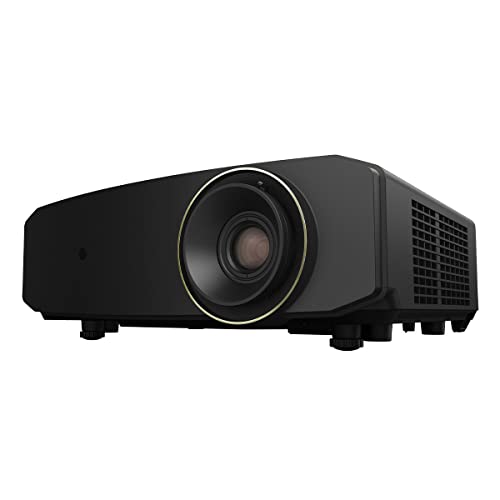
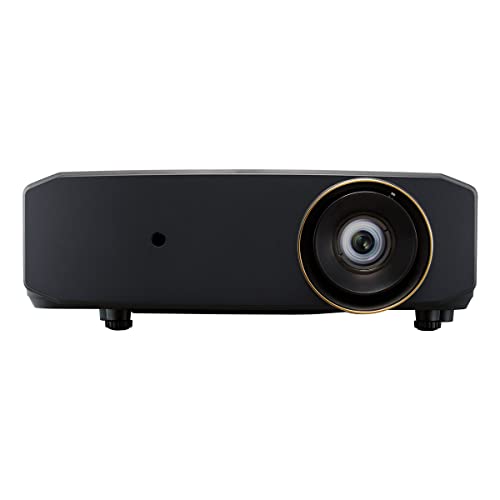
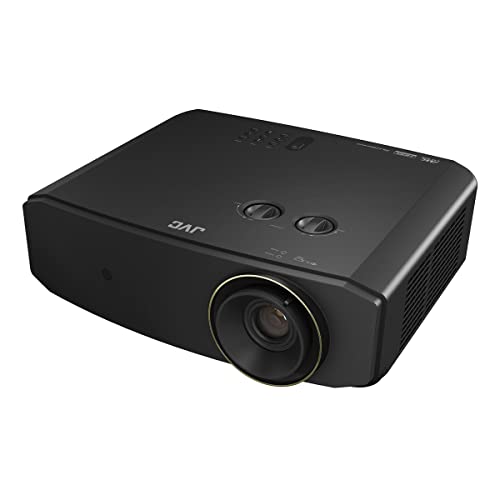
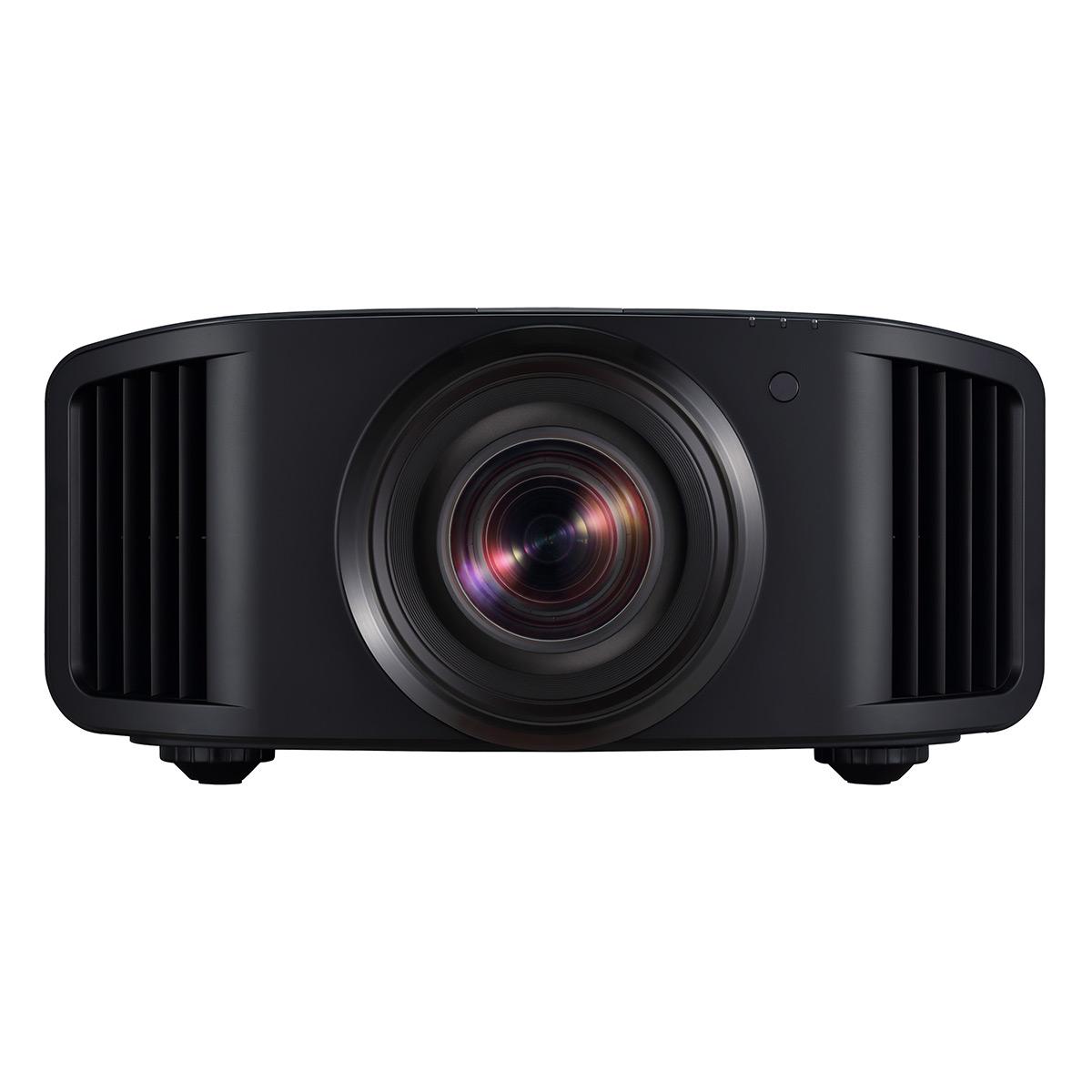
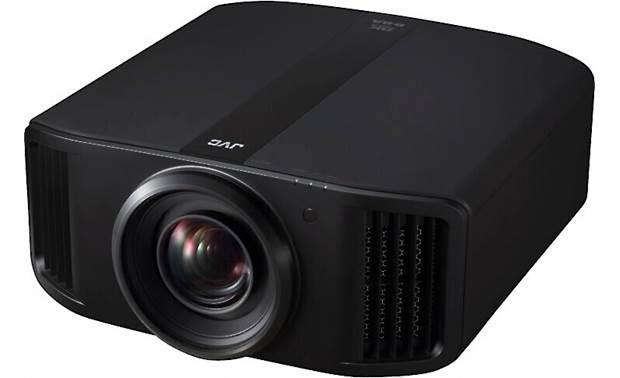
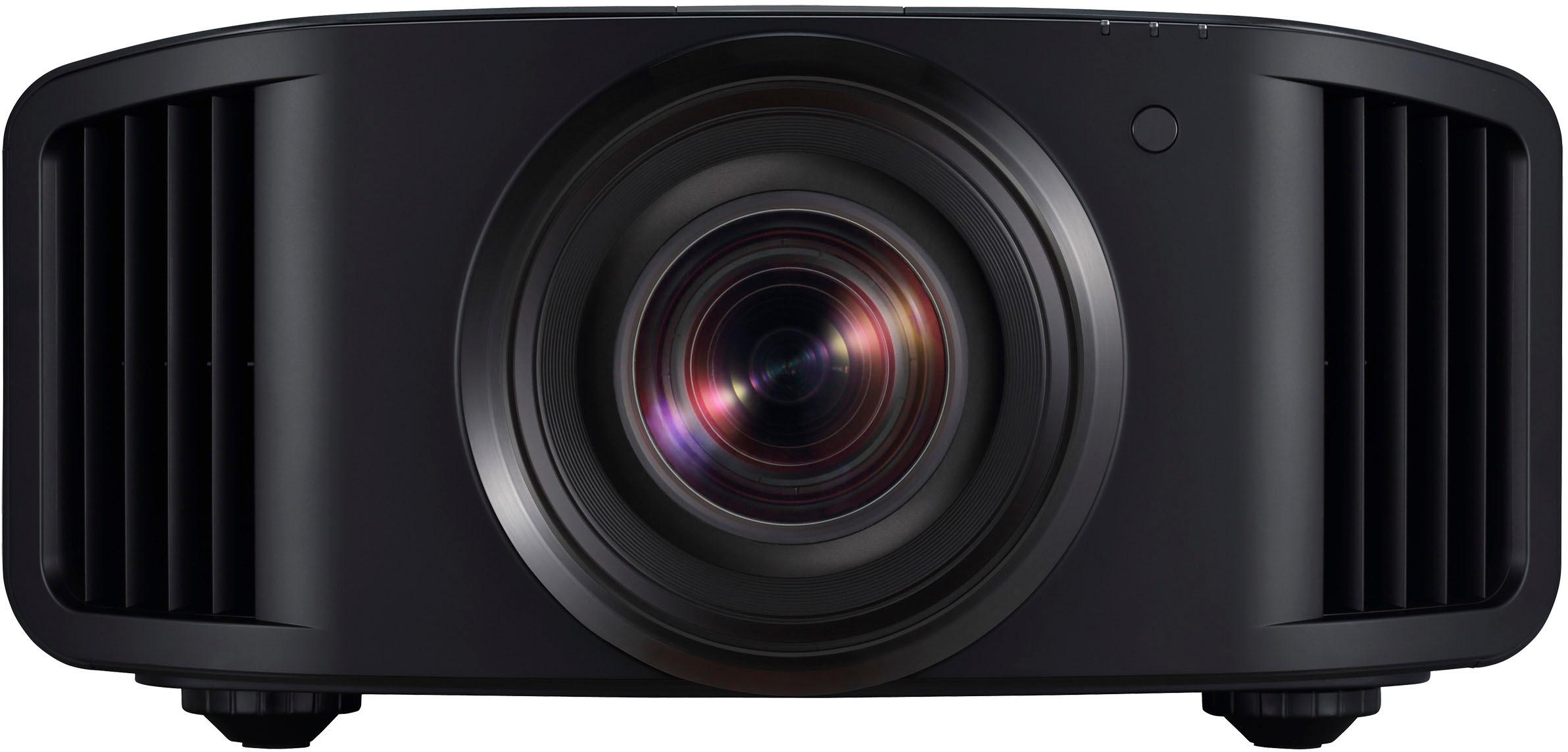
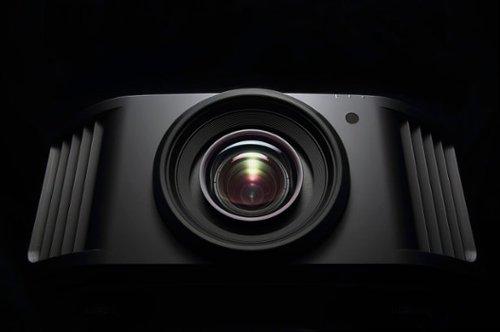
When JVC released the LX-NZ30 in 2023 and the flagship DLA-NZ9 in 2022, they showcased two dramatically different philosophies for home theater projection. At the time of writing, these projectors sit at opposite ends of JVC's lineup—one costs roughly the price of a decent used car, while the other could buy you that car plus a nice vacation. But the price difference tells only part of the story.
Before diving into these specific models, it's worth understanding what makes modern projectors tick. Both the LX-NZ30 and DLA-NZ9 use laser light sources instead of traditional lamps. This BLU-Escent technology (JVC's marketing name for their laser-phosphor system) means you'll never replace a bulb again—these lasers are rated for 20,000 hours, or about 10 years of normal viewing.
The real magic happens in how each projector creates the image. The LX-NZ30 uses a single DLP (Digital Light Processing) chip—think of it as millions of tiny mirrors that flip incredibly fast to create light and dark pixels. The DLA-NZ9 takes a completely different approach with three D-ILA chips (JVC's version of LCoS technology), which work more like advanced LCD panels that control light with liquid crystals.
These fundamental differences in image creation explain why these projectors excel in different areas, despite both carrying the JVC name.
Here's where things get interesting. The LX-NZ30 starts with a native 1080p chip—that's 1920×1080 individual pixels. To create a 4K image, it uses something called e-shift technology, which rapidly moves those pixels diagonally by half a pixel width. This pixel shifting happens so fast (multiple times per frame) that your eye perceives it as a true 4K image with 3840×2160 resolution.
Based on our research into user experiences, this e-shift 4K looks remarkably close to native 4K at typical viewing distances. You'd need to sit very close to a large screen—closer than most people prefer—to spot the difference between e-shift and native 4K.
The DLA-NZ9 starts from a position of strength with three native 4K chips, each displaying true 4096×2160 pixels (the cinema standard). But JVC doesn't stop there. They add their 8K e-shiftX technology on top, which shifts pixels in four directions to create an 8192×4320 image. That's over 35 million addressable pixels—more than four times what you get from regular 4K.
For most content today, including 4K Blu-rays and streaming, both projectors will look excellent. The resolution advantage of the DLA-NZ9 becomes most apparent with very large screens (over 150 inches) or when sitting closer than the typical 1.5× screen width viewing distance.
This is where the LX-NZ30 really shines—literally. At 3,300 lumens, it produces enough light to work well in rooms with some ambient light. That means you can watch during the day with curtains drawn, or in the evening with some room lights on. For families who want a projector in their living room rather than a dedicated theater, this brightness advantage is huge.
The DLA-NZ9 delivers 3,000 lumens, which might seem close on paper, but those 300 lumens represent a 10% difference that matters in brighter rooms. More importantly, the DLA-NZ9 is designed for controlled environments where you can eliminate most light sources. In a properly darkened room with a quality screen, 3,000 lumens is plenty—and actually preferable because it won't fatigue your eyes during long viewing sessions.
Based on expert reviews and user feedback, the LX-NZ30 excels in what we might call "real world" rooms—spaces where complete light control isn't practical or desired. The DLA-NZ9 demands more commitment to the viewing environment but rewards that commitment with superior image quality.
Contrast ratio—the difference between the darkest blacks and brightest whites—separates good projectors from great ones. This is where the DLA-NZ9 demonstrates why it costs significantly more.
The LX-NZ30 achieves what JVC calls "infinite" contrast through dynamic laser dimming. When the image calls for pure black, the laser can completely shut off, creating true black levels. This works well for most content, especially in rooms with some ambient light where absolute black performance is less critical.
But the DLA-NZ9 takes contrast to another level. Its native contrast ratio of 100,000:1 means that even with the laser at full power, the difference between black and white areas is phenomenal. Add dynamic laser dimming, and you get contrast performance that rivals the best OLED TVs, but on a screen that can be 10 times larger.
In practical terms, this superior contrast makes movie viewing more immersive. Dark scenes reveal subtle details that get lost on lesser projectors. The difference is most apparent in content like "The Batman" or "Blade Runner 2049"—films that use darkness as a storytelling element.
Here's where the LX-NZ30 shows its true colors. Released in 2023, it was designed with serious gamers in mind. It supports 1080p at 240Hz—that's four times the frame rate of standard TV. For competitive gaming where every millisecond matters, this high refresh rate provides a tangible advantage. Input lag (the delay between your controller input and on-screen action) can be as low as 6.25ms, which is excellent for a projector.
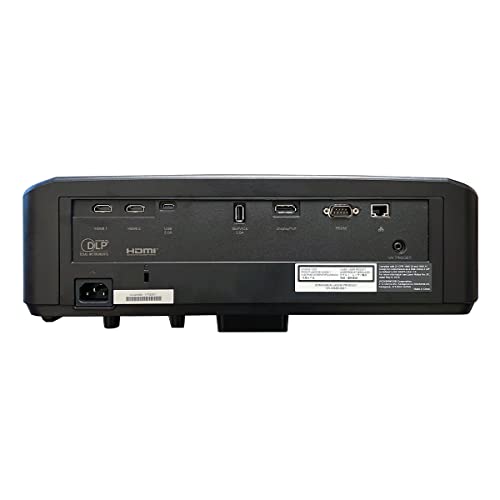
The LX-NZ30 also handles 4K gaming at 60Hz, which works well for single-player games where visual quality matters more than lightning-fast response times. However, its HDMI 2.0 inputs limit it to 4K/60Hz—you won't get 4K/120Hz gaming that newer consoles support.
The DLA-NZ9 approaches gaming differently. Its HDMI 2.1 inputs support 4K at 120Hz and even 8K at 60Hz, future-proofing for next-generation gaming. Input lag is higher than the LX-NZ30 but still acceptable for most gaming scenarios. Where the DLA-NZ9 excels is in visual quality—games look absolutely stunning with its superior contrast and color accuracy.
Based on gaming community feedback, competitive players gravitate toward the LX-NZ30, while those who prioritize visual spectacle in single-player games prefer the DLA-NZ9.
Both projectors support modern HDR (High Dynamic Range) formats, but they approach color reproduction differently. The LX-NZ30 covers 100% of the Rec. 709 color space (the standard for HD content) and offers BT.2020 compatibility for future content. Its Auto Tone Mapping feature automatically optimizes HDR content, making it largely "set and forget."
The colors from the LX-NZ30 are vibrant and engaging—what we might call "video store demo" colors that immediately grab attention. This approach works well for mixed content viewing, where you might jump from a nature documentary to an action movie to a video game.
The DLA-NZ9 takes a more reference-oriented approach. With its Cinema Filter engaged, it can reproduce nearly 100% of the DCI-P3 color space—the standard used in commercial movie theaters. This means colors appear exactly as the filmmaker intended, with subtle gradations and natural skin tones that look remarkably lifelike.
The DLA-NZ9 also features Frame Adapt HDR with Theater Optimizer, which analyzes each frame individually and adjusts the tone mapping in real-time. This creates more nuanced HDR performance than simple static tone curves.
For movie enthusiasts who want to see films as the director intended, the DLA-NZ9 is unmatched. For viewers who prefer colors that "pop" and engage, the LX-NZ30 delivers exactly that.
The LX-NZ30 weighs just 13 pounds—you can easily carry it from room to room or set it on a coffee table for movie night. Its compact size makes ceiling mounting straightforward and inexpensive. The 1.6× manual zoom lens and ±60% vertical lens shift provide reasonable placement flexibility, though you'll need to physically adjust the lens when moving the projector.
The DLA-NZ9 is a different beast entirely. At nearly 56 pounds, it requires substantial ceiling mounting hardware and preferably professional installation. However, it rewards this complexity with a premium 100mm all-glass lens featuring motorized zoom, focus, and lens shift. You can adjust the image precisely from your viewing position, and the projector remembers multiple lens positions for different aspect ratios.
The DLA-NZ9 can throw images from 60 to 300 inches, while the LX-NZ30 is optimized for 95 to 200 inches. For truly massive screens, only the DLA-NZ9 has the optical quality and resolution to maintain sharpness across the entire image.
Based on extensive research into user experiences and expert reviews, several performance patterns emerge. The LX-NZ30 excels in scenarios where flexibility and convenience matter. Users consistently praise its ability to produce impressive images in less-than-ideal conditions. It's forgiving of room lighting, screen quality, and placement compromises.
The DLA-NZ9 is less forgiving but more rewarding. Users report that it reveals details in familiar movies they never noticed before. Dark scenes that look murky on other projectors show subtle textures and details. However, it also reveals flaws in lower-quality content more readily than the LX-NZ30.
Fan noise differs significantly between the models. The LX-NZ30 produces 29-34dB depending on the mode—noticeable in quiet scenes but not intrusive. The DLA-NZ9 runs nearly silent at 24dB, which is crucial for critical listening in a dedicated home theater.
The LX-NZ30 makes sense for several specific scenarios. If you're setting up in a living room or family room where complete light control isn't possible, its high brightness and forgiving nature work in your favor. Serious gamers who prioritize response time over ultimate image quality will appreciate its 240Hz capability and low input lag.
Families who want one projector for everything—movie nights, sports viewing, gaming, and casual TV watching—will find the LX-NZ30 more versatile. Its compact size also makes it practical for renters or those who might move homes frequently.
The DLA-NZ9 is for enthusiasts who have committed to creating a dedicated home theater environment. If you have a light-controlled room, a quality screen, and primarily watch movies or premium TV content, its superior image quality justifies the significant price premium.
Interestingly, both projectors handle HDR content well, but the DLA-NZ9's superior contrast makes HDR more impactful. If you're building a system around 4K Blu-ray collection and premium streaming content, the DLA-NZ9 will showcase that content better than almost any other projector available.
When JVC released these projectors in 2022-2023, they were responding to different market pressures. The LX-NZ30 reflects the growing importance of gaming and the reality that most people don't have dedicated theater rooms. The DLA-NZ9 represents JVC pushing the boundaries of what's possible in home theater projection, introducing 8K capability ahead of significant 8K content availability.
Both projectors benefit from advances in laser technology that weren't available even five years ago. The reliability and longevity of these laser light sources eliminate the ongoing cost and hassle of lamp replacement that plagued earlier projectors.
At the time of writing, the price difference between these projectors is substantial—the DLA-NZ9 costs roughly seven times more than the LX-NZ30. That price gap reflects genuine performance differences, but also diminishing returns as you move up the quality ladder.
If your budget allows for either projector, the decision comes down to your room, your priorities, and your commitment level. The LX-NZ30 delivers exceptional value and performance that will satisfy most viewers. The DLA-NZ9 provides reference-quality performance that justifies its premium pricing only if you can appreciate and utilize its advantages.
For most people reading this, the LX-NZ30 represents the sweet spot of modern projector technology—bright enough for real rooms, sharp enough for large screens, and fast enough for serious gaming, all at a price that won't require a second mortgage. But for those pursuing the ultimate home theater experience, the DLA-NZ9 delivers image quality that rivals commercial cinemas, making every movie night a premium experience.
| JVC LX-NZ30 4K HDR Laser Projector | JVC DLA-NZ9 8K Home Theater Projector |
|---|---|
| Display Technology - Determines image quality foundation and price point | |
| Single-chip DLP with 0.47" DMD | Three-chip D-ILA with 0.70" chips |
| Native Resolution - Real pixels before any enhancement | |
| 1920 x 1080 (Full HD) | 4096 x 2160 (True 4K) |
| Maximum Resolution - What you actually see on screen | |
| 3840 x 2160 via 4K e-shift | 8192 x 4320 via 8K e-shiftX |
| Brightness - Critical for room flexibility and screen size | |
| 3,300 lumens (excellent for living rooms) | 3,000 lumens (requires light control for best results) |
| Contrast Ratio - Makes the biggest visual impact for movies | |
| Infinite dynamic (good DLP blacks) | 100,000:1 native (reference-level blacks) |
| Gaming Performance - Frame rates and input lag | |
| 1080p/240Hz, 4K/60Hz, <10ms lag | 4K/120Hz, 8K/60Hz, moderate lag |
| Lens System - Installation flexibility and image adjustment | |
| 1.6x manual zoom/focus, ±60% V shift | 2x motorized zoom/focus, ±100% V shift |
| HDMI Connectivity - Future-proofing and bandwidth | |
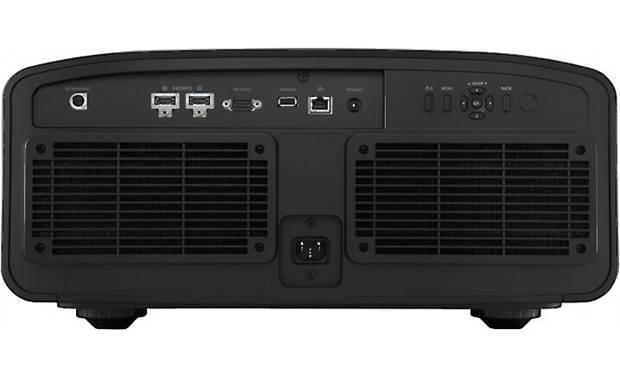
| 2x HDMI 2.0 (sufficient for current gaming) | 2x HDMI 2.1 48Gbps (full next-gen support) |
| Color Gamut - Accuracy vs vibrant presentation | |
| 100% Rec.709, BT.2020 compatible | 100% DCI-P3 with Cinema Filter |
| Weight and Size - Installation complexity and portability | |
| 13.1 lbs, compact desktop/ceiling mount | 55.8 lbs, requires professional installation |
| Recommended Screen Size - Optimal viewing experience | |
| 95" to 200" diagonal | 60" to 300" diagonal |
| Light Source Lifespan - Long-term ownership costs | |
| 20,000 hours BLU-Escent laser | 20,000 hours BLU-Escent laser |
| Warranty Coverage - Peace of mind and support | |
| 1 year parts and labor | 3 years with advanced replacement |
| Target Use Case - Who this projector serves best | |
| Gaming-focused, flexible room setup | Reference cinema, dedicated theaters |
The JVC LX-NZ30 is significantly better for gaming, especially competitive gaming. It supports 1080p at 240Hz with input lag as low as 6.25ms, making it ideal for fast-paced games. The JVC DLA-NZ9 offers 4K/120Hz gaming with higher visual quality but has more input lag, making it better suited for single-player cinematic games.
The core difference is their target audience and technology. The JVC LX-NZ30 uses single-chip DLP technology optimized for gaming and flexible room setups, while the JVC DLA-NZ9 uses three-chip D-ILA technology designed for reference-quality home theater viewing in dedicated dark rooms.
The JVC LX-NZ30 works well in living rooms with ambient light thanks to its 3,300 lumens brightness. The JVC DLA-NZ9 at 3,000 lumens requires more light control to showcase its superior image quality and is better suited for dedicated theater rooms with controlled lighting.
The JVC DLA-NZ9 delivers superior movie picture quality with its native 4K resolution, 100,000:1 contrast ratio, and reference-level color accuracy covering 100% of the DCI-P3 color space. The JVC LX-NZ30 provides excellent movie quality but prioritizes brightness and gaming performance over ultimate cinema accuracy.
Both projectors support 4K and HDR content. The JVC LX-NZ30 uses e-shift technology to create 4K images from a 1080p chip and supports HDR10 and HLG. The JVC DLA-NZ9 offers native 4K with 8K upscaling capability and advanced HDR processing including HDR10+ support.
The JVC LX-NZ30 is much easier to install at 13.1 pounds with simple ceiling or tabletop mounting options. The JVC DLA-NZ9 weighs 55.8 pounds and typically requires professional installation with robust mounting hardware, but offers motorized lens controls for precise adjustment.
The JVC LX-NZ30 offers exceptional value with high brightness, good 4K image quality, excellent gaming features, and compact design at a much lower price point. The JVC DLA-NZ9 provides reference-quality performance that justifies its premium pricing for serious home theater enthusiasts.
The JVC LX-NZ30 is optimized for 95" to 200" screens and works well with standard projection screens. The JVC DLA-NZ9 can handle screens from 60" to 300" and benefits from high-quality screens to showcase its superior contrast and resolution capabilities.
The JVC LX-NZ30 doesn't require a completely dark room and works well with some ambient lighting. The JVC DLA-NZ9 performs best in a dedicated dark theater room where you can fully appreciate its superior contrast ratio and black levels.
The JVC DLA-NZ9 has superior connectivity with HDMI 2.1 ports supporting 48Gbps bandwidth for 8K/60Hz and 4K/120Hz signals. The JVC LX-NZ30 uses HDMI 2.0 ports that handle current gaming and streaming needs but lack next-generation bandwidth for future content.
Both the JVC LX-NZ30 and JVC DLA-NZ9 feature BLU-Escent laser light sources rated for 20,000 hours of operation, eliminating the need for lamp replacements. This translates to approximately 10 years of normal use with no maintenance costs for the light source.
Choose the JVC LX-NZ30 if you want a versatile projector for gaming, sports, and movies in a flexible room setup with excellent value. Select the JVC DLA-NZ9 if you have a dedicated theater room, prioritize reference-quality movie viewing, and want the absolute best image quality available in home projection.
We've done our best to create useful and informative comparisons to help you decide what product to buy. Our research uses advanced automated methods to create this comparison and perfection is not possible - please contact us for corrections or questions. These are the sites we've researched in the creation of this article: t3.com - crutchfield.com - stuff.tv - projectorcentral.com - projectorreviews.com - data.heimkinowelt.at - bestbuy.com - eu.jvc.com - projectorreviews.com - listenup.com - youtube.com - eu.jvc.com - dreamediaav.com - projectorreviews.com - projectorscreen.com - projectorcentral.com - device.report - technologyinteriors.com - whathifi.com - soundandvision.com - worldwidestereo.com - projectorreviews.com - worldwidestereo.com - us.jvc.com - crutchfield.com - abtvaustin.com - valueelectronics.com - projectorcentral.com

Privacy Policy
Terms and Conditions - Affiliate Policy
Home Security
© Copyright 2008-2026.
11816 Inwood Rd #1211, Dallas, TX 75244