

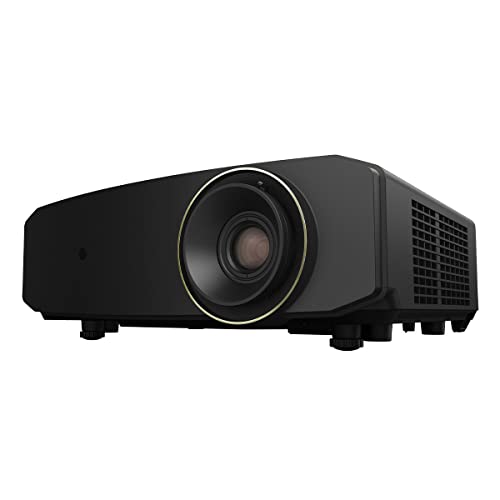
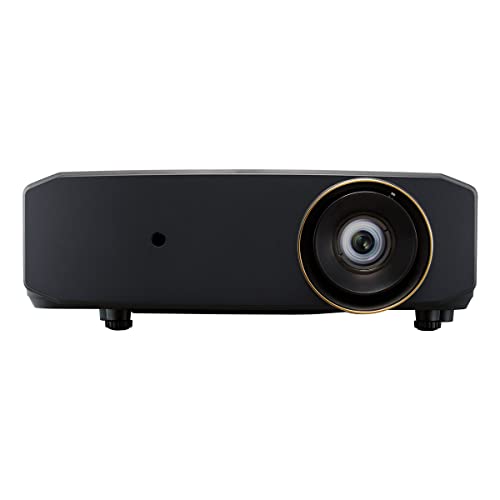
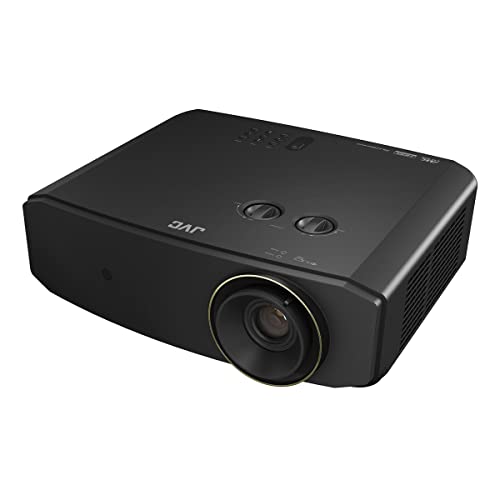
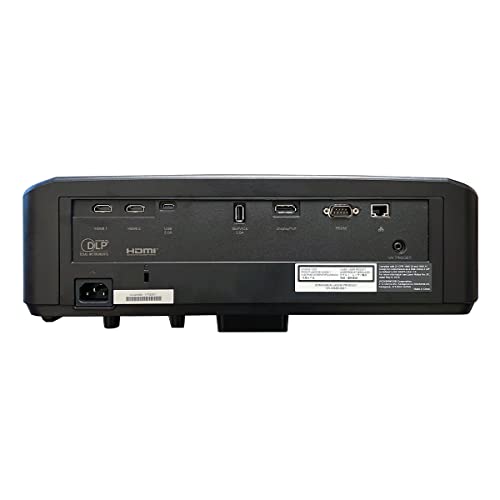

The world of home theater projectors has evolved dramatically over the past few years, with laser technology finally becoming accessible to regular consumers rather than just commercial installations. Both the JVC LX-NZ30 and Epson QL3000 represent this exciting shift—they're maintenance-free laser projectors that can create massive, cinema-quality images in your living room or dedicated theater space.
But here's the thing: despite both being 4K laser projectors, these two models take completely different approaches to achieving great picture quality. Understanding these differences is crucial because the "wrong" choice could leave you disappointed with your investment for years to come.
Before diving into specifics, let's establish what makes these projectors special. Traditional projectors use replaceable bulbs that dim over time, typically lasting 2,000-5,000 hours before needing expensive replacements. Laser projectors eliminate this hassle entirely, using solid-state light sources rated for 20,000+ hours—that's over a decade of typical use without any maintenance.
The "4K" designation here requires some explanation. Neither the JVC LX-NZ30 nor Epson QL3000 uses native 4K panels (those are reserved for projectors costing $15,000+). Instead, both employ pixel-shifting technology, where high-speed actuators move 1080p panels to display each frame multiple times in slightly different positions. This creates the full 8.3 million pixels needed for true 4K resolution, and from normal viewing distances, the result is virtually indistinguishable from native 4K.
When choosing between 4K laser projectors, your primary considerations boil down to brightness versus contrast, installation flexibility, gaming performance, and overall value for your specific use case.
The JVC LX-NZ30 launched in 2023 as JVC's most affordable laser projector, bringing the company's renowned image processing expertise to a broader audience. JVC has long been considered the gold standard for home theater projection, particularly their high-end D-ILA models that can cost $10,000-$50,000+. The LX-NZ30 represents their attempt to democratize laser projection while maintaining their reputation for excellent picture quality.
At the time of writing, the JVC LX-NZ30 positions itself as a value-oriented option that doesn't compromise on core performance. It's designed for the enthusiast who wants JVC's image quality in a compact, easy-to-install package.
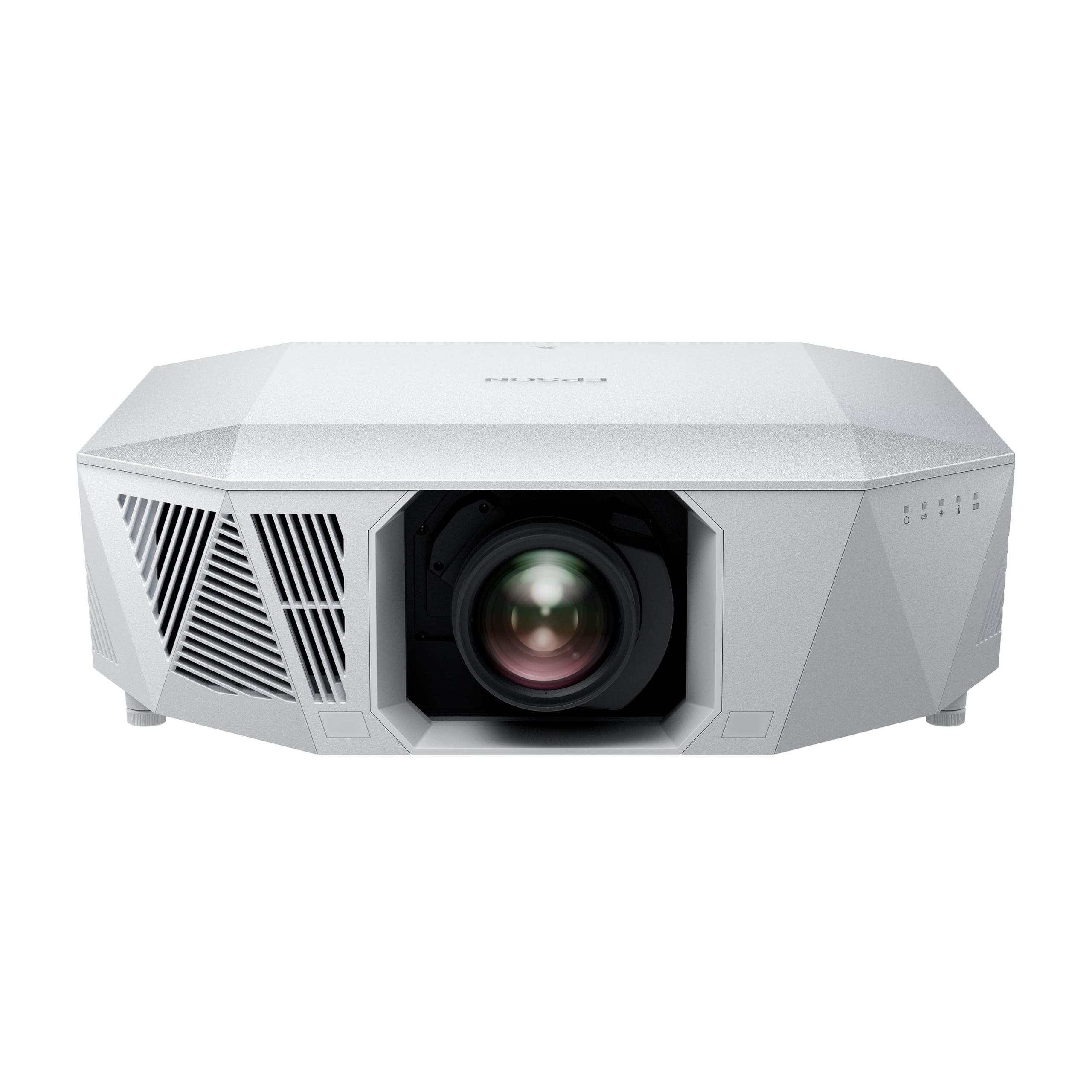
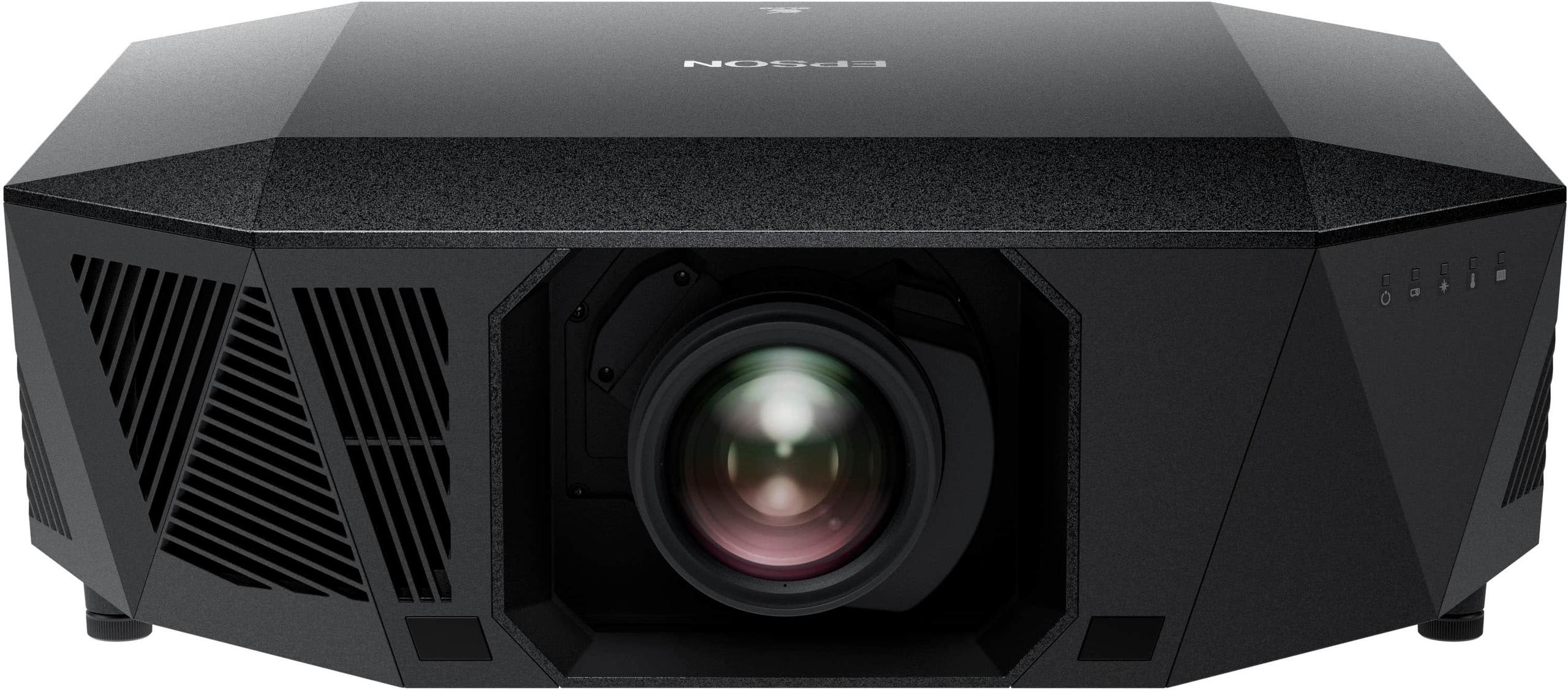
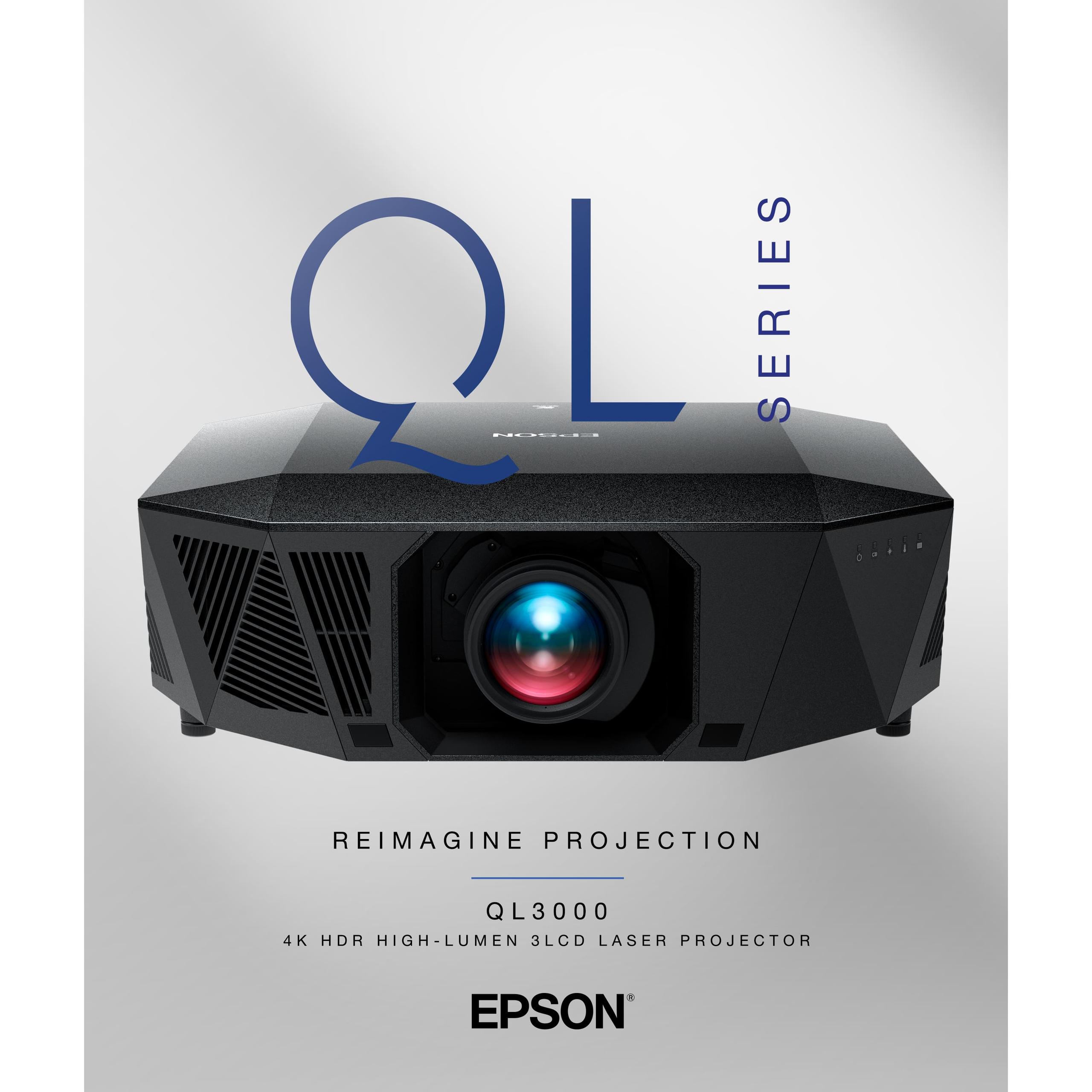
The Epson QL3000, while not as precisely dated in our research, represents Epson's professional-grade laser projection technology. Epson has been pushing brightness boundaries in projection for years, and the QL3000 continues this tradition with a focus on high-lumen output that can handle challenging installation environments.
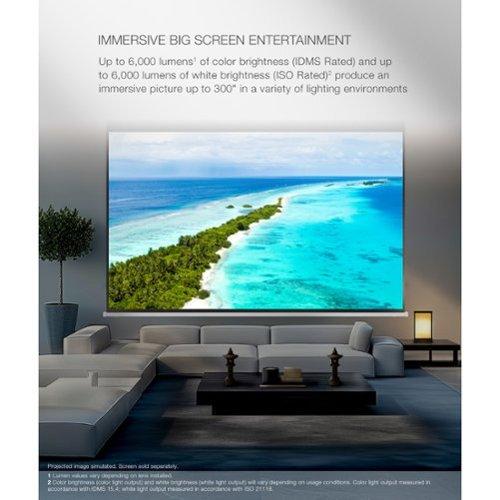
This is where these projectors diverge most dramatically. The Epson QL3000 produces 6,000 lumens compared to the JVC LX-NZ30's 3,300 lumens. While that might seem like simple numbers, the real-world impact is substantial.
Brightness in projectors isn't just about "brighter is better"—it's about capability and flexibility. Higher brightness enables larger screen sizes, better performance in rooms with ambient light, and more impactful HDR (High Dynamic Range) content. HDR requires significant brightness to reproduce the expanded range of light and dark that makes modern content look more realistic.
Our research into professional reviews reveals that the Epson QL3000 measured over 300 nits on a 160-inch screen in its most accurate picture mode. For context, that's approaching the brightness of a quality flat-panel TV, but on a screen the size of a small bedroom wall. This brightness advantage means the Epson can deliver compelling HDR performance even in rooms that aren't completely dark.
The JVC LX-NZ30, while less bright, isn't necessarily inferior—it's optimized for different conditions. In a properly darkened home theater, excessive brightness can actually be fatiguing and unnatural-looking. The JVC's 3,300 lumens prove ideal for dedicated theater spaces with screens in the 100-150 inch range.
Contrast ratio—the difference between the brightest whites and darkest blacks—often matters more than raw brightness for perceived image quality. This is where the technologies diverge significantly.
The JVC LX-NZ30 uses DLP (Digital Light Processing) technology with a single-chip design. DLP projectors typically struggle with black levels compared to other technologies, but JVC implements dynamic laser dimming—essentially turning down the laser output in real-time for dark scenes. This creates what they call an "infinite" dynamic contrast ratio, though the practical reality is more nuanced.
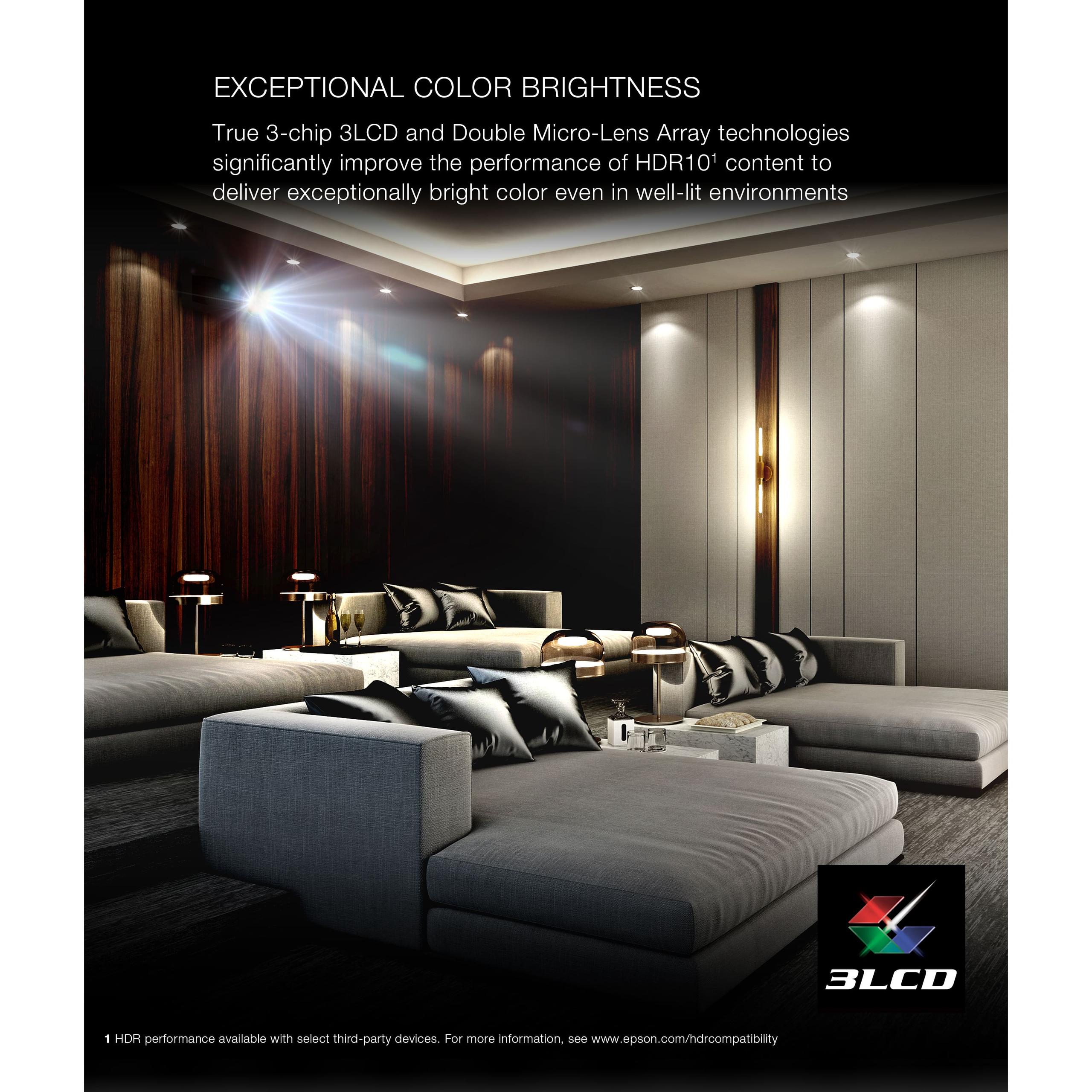
The Epson QL3000 employs 3LCD technology, which uses three separate LCD panels for red, green, and blue light. This approach traditionally offers better black levels than single-chip DLP, and our research suggests the QL3000 achieves a respectable native contrast ratio of around 3,000:1.
Here's where user preferences and viewing conditions become critical. In completely dark rooms watching challenging content like dark Batman scenes or space movies, better black levels provide obvious benefits. However, introduce any ambient light or switch to bright content like sports or animation, and the brightness advantage of the Epson QL3000 becomes more valuable than deeper blacks.
Both projectors achieve their 4K resolution through sophisticated pixel-shifting, but their approaches differ slightly. The JVC LX-NZ30 uses JVC's e-shift technology, rapidly moving pixels diagonally to create four sub-pixels for every native pixel. The Epson QL3000 employs dual-axis pixel-shifting, moving pixels both horizontally and vertically.
In practice, both create genuinely sharp, detailed 4K images. The difference lies in the processing. JVC has decades of experience in video processing, and it shows—the LX-NZ30 excels at upscaling lower-resolution content and handling difficult material like film grain or compression artifacts.
Epson's strength lies in their QZX picture processor, which performs excellently at scene analysis and dynamic adjustments. Our research indicates the QL3000 particularly impresses with its Scene Adaptive Gamma feature, which analyzes content in real-time to optimize the gamma curve for very dark or bright scenes.
Gaming has become a crucial projector feature as consoles like PlayStation 5 and Xbox Series X push 4K/120Hz gaming. This is where the Epson QL3000 shows its more recent technology heritage.
The QL3000 supports 4K/120Hz input through its HDMI 2.1 ports and includes Auto Low Latency Mode (ALLM), which automatically switches to gaming-optimized settings when it detects a game console. Input lag—the delay between pressing a button and seeing the result on screen—measures around 21 milliseconds at 4K/120Hz, which is excellent for a projector.
The JVC LX-NZ30 supports 4K/60Hz and 1080p/120Hz, which covers most current gaming scenarios but lacks the future-proofing of full 4K/120Hz support. However, it does include dedicated low-latency modes that help with gaming responsiveness.
For most gamers, the JVC provides sufficient performance, but serious gamers with next-generation consoles will appreciate the Epson's more complete gaming feature set.
HDR represents one of the biggest advances in home entertainment, expanding both the range of colors and brightness levels that content can display. However, HDR demands significant projector capabilities to look impressive.
The Epson QL3000's brightness advantage proves decisive here. HDR content often includes bright highlights like sunlight, explosions, or reflections that need substantial brightness to look realistic. Our research consistently shows that higher-brightness projectors make HDR content more impactful and lifelike.
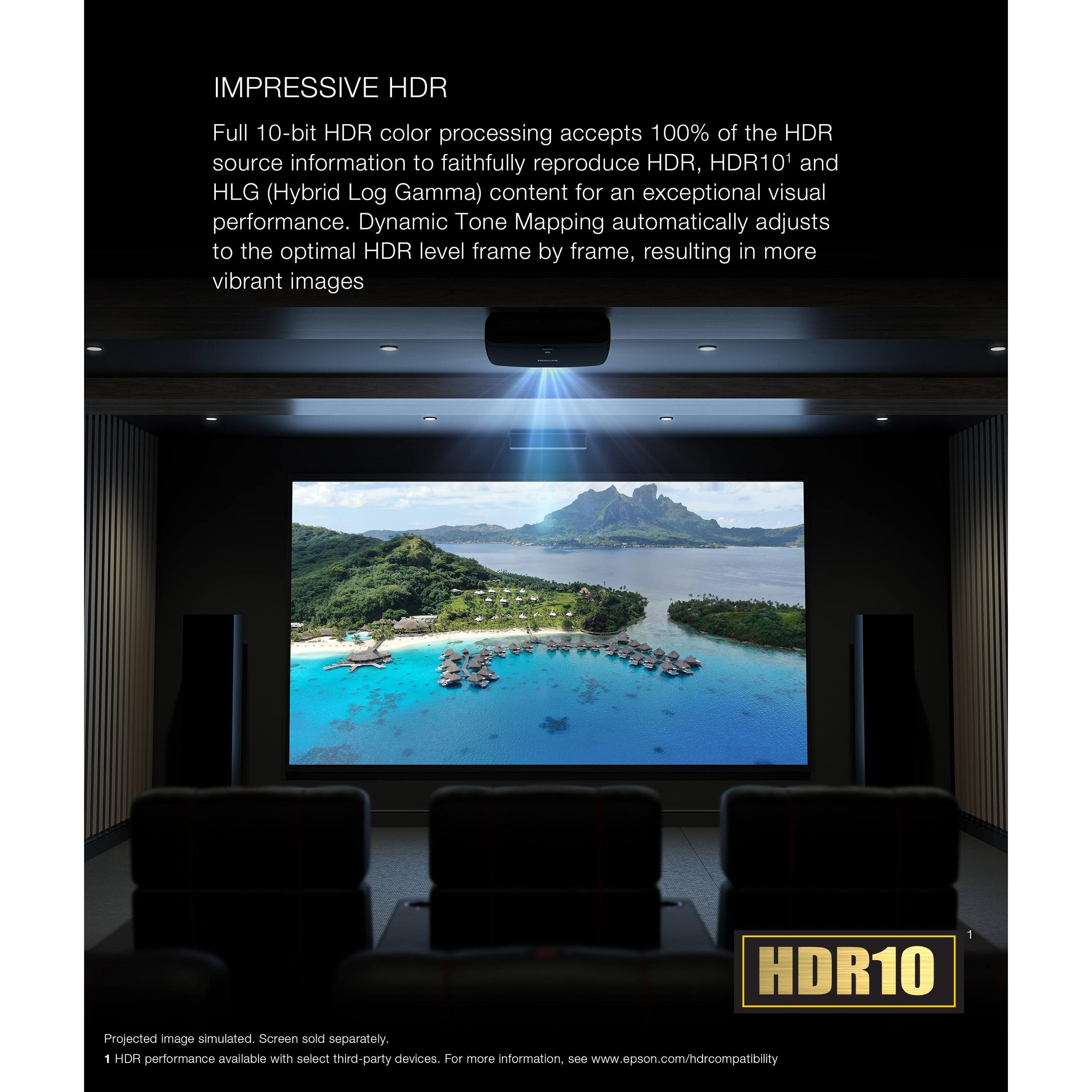
Both projectors support HDR10 and HLG (Hybrid Log Gamma) formats, but they handle tone mapping—the process of fitting wide-range HDR into the projector's capabilities—differently. The JVC LX-NZ30 includes Auto Tone Mapping, which automatically optimizes settings based on the content's metadata. The Epson QL3000 uses dynamic tone mapping with real-time scene analysis.
In practical terms, the Epson makes HDR content look more dramatic and closer to what you'd see on a high-end TV, while the JVC provides more subtle, cinema-like HDR presentation that some users prefer for movie watching.
These projectors take opposite approaches to installation flexibility. The JVC LX-NZ30 comes as a complete package—projector, lens, and everything needed for installation. It's compact at just 13 pounds and includes a 1.6x zoom lens with significant lens shift capabilities (±60% vertical, ±23% horizontal). This means you can place it off-center from your screen and still get perfect alignment.
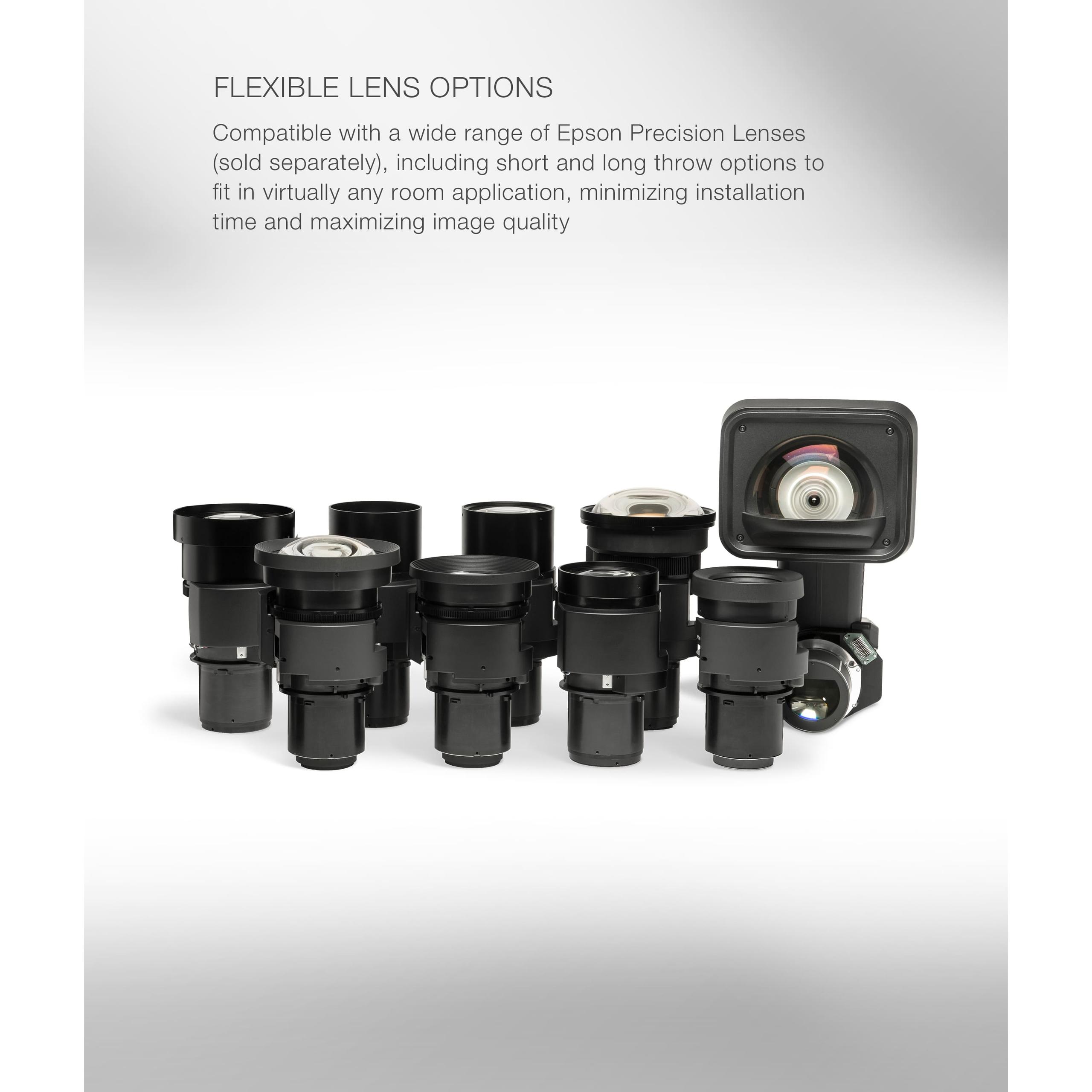
The Epson QL3000 sells as a "body only" unit, requiring separate lens purchases. While this increases initial complexity and cost, it provides enormous flexibility. Epson offers everything from ultra-short throw lenses (allowing 100+ inch images from just inches away from the wall) to long-throw options for challenging room layouts.
For most home theater enthusiasts, the JVC's approach proves more practical and cost-effective. The Epson's flexibility shines in custom installations or unusual room layouts where standard throw distances don't work.
In a purpose-built theater room with controlled lighting, comfortable seating, and acoustic treatments, the JVC LX-NZ30 often provides the more cinematic experience. Its better black levels and more appropriate brightness create that "you're in a movie theater" feeling that many enthusiasts prefer.
The JVC works beautifully with screens in the 100-150 inch range in these environments. The laser's consistency means you'll get the same great image quality years from now, and the compact size makes ceiling mounting straightforward.
This is where the Epson QL3000 truly excels. Family rooms typically have some ambient light from windows, hallways, or other sources. The Epson's 6,000-lumen output cuts through this light effectively, maintaining vibrant colors and good contrast even when conditions aren't perfect.
For families wanting massive screens (150+ inches) for movies, sports, and gaming, the Epson provides the brightness needed to make the experience compelling rather than washed out.
Gaming enthusiasts face an interesting choice. The Epson QL3000 offers superior gaming specifications with 4K/120Hz support and very low input lag. However, many gamers prefer darker rooms where the JVC LX-NZ30 might provide better overall image quality for the majority of gaming content that doesn't require 4K/120Hz.
Neither projector represents a compromise you'll quickly outgrow. The JVC provides genuine home theater quality that will satisfy for years, while the Epson offers professional-grade performance that handles any content or room condition.
At the time of writing, the JVC LX-NZ30 positions itself as the more affordable entry into laser projection, while the Epson QL3000 commands professional pricing. However, value isn't just about initial cost—it's about capability and satisfaction over time.
The JVC includes everything needed for installation and provides genuine cinema-quality images in appropriate conditions. It's the choice that makes sense for most home theater enthusiasts who want great image quality without complexity.
The Epson costs significantly more initially (especially after adding a lens), but provides capabilities that simply aren't available elsewhere at any price point just a few years ago. The ability to create compelling large-screen experiences in challenging lighting conditions represents genuine value for the right user.
Choose the JVC LX-NZ30 if you have a dedicated theater space or can control room lighting, prefer screens in the 100-150 inch range, and want the most cinema-like experience possible. It's also the clear choice if budget is a primary concern and you want to experience laser projection's benefits without paying professional prices.
The JVC particularly appeals to movie enthusiasts who prioritize that film-like quality over maximum brightness. Its compact size and complete package also make it ideal for users who want great results without installation complexity.
Choose the Epson QL3000 if you need screens larger than 150 inches, have challenging lighting conditions, watch significant amounts of HDR content, or require cutting-edge gaming performance. It's the projector for users who want maximum flexibility and aren't afraid of a more complex installation process.
The Epson represents the better choice for future-proofing, handling whatever content or room conditions you might encounter years from now. Its professional-grade brightness and feature set justify the higher investment for users who will utilize its capabilities.
Both projectors deliver on the core promise of laser projection—maintenance-free operation with consistent, high-quality 4K images. Your room, viewing preferences, and budget will ultimately determine which approach better serves your home theater goals.
The laser projector revolution has finally made truly cinematic experiences accessible for home use. Whether you choose the JVC's refined simplicity or the Epson's professional flexibility, you're getting technology that was unimaginable at these price points just a few years ago.
| JVC LX-NZ30 | Epson QL3000 |
|---|---|
| Brightness - Determines screen size capability and ambient light tolerance | |
| 3,300 ANSI lumens (ideal for 100-150" screens in dark rooms) | 6,000 lumens (enables 150-300" screens with ambient light handling) |
| Display Technology - Affects color accuracy and contrast performance | |
| Single-chip DLP with BLU-Escent laser (compact, dynamic contrast) | 3LCD with dual-axis pixel shifting (better color accuracy, no rainbow effect) |
| Resolution Method - How each achieves 4K display | |
| e-shift pixel shifting from native 1080p (JVC's proven technology) | Dual-axis pixel shifting from native 1080p (slightly better pixel structure) |
| Gaming Performance - Critical for console gaming | |
| 4K/60Hz, 1080p/120Hz with low latency mode | 4K/120Hz with HDMI 2.1 and Auto Low Latency Mode (~21ms input lag) |
| Contrast Performance - Affects dark scene detail and perceived image quality | |
| Infinite dynamic contrast with laser dimming (excellent blacks for DLP) | 3,000:1 native, 5,000,000:1 dynamic (good blacks, better than most 3LCD) |
| Installation Approach - Impacts total cost and setup complexity | |
| Complete package with 1.6x zoom lens and ±60%/±23% lens shift | Body-only design requiring separate lens purchase (more flexibility) |
| HDR Capability - Important for modern streaming and UHD Blu-ray content | |
| HDR10, HLG with Auto Tone Mapping (optimized for smaller screens) | HDR10, HLG with dynamic tone mapping (dramatic HDR on large screens) |
| Physical Size - Affects mounting options and room aesthetics | |
| Compact at 13 lbs, 15.88" x 13.50" x 5.75" (easy ceiling mount) | Professional size and weight (requires robust mounting) |
| Recommended Screen Size - Optimal performance range | |
| 95-200 inches (sweet spot 100-150" in dark rooms) | 150-300 inches (excels at very large screen sizes) |
| Target Use Case - Best application scenarios | |
| Dedicated home theater with controlled lighting | Multi-purpose rooms and commercial installations with ambient light |
| Value Proposition - Cost versus capability at time of writing | |
| Entry-level laser projection with premium image processing | Professional-grade brightness and flexibility at higher cost |
The Epson QL3000 produces 6,000 lumens compared to the JVC LX-NZ30's 3,300 lumens, making it nearly twice as bright. This brightness advantage allows the Epson QL3000 to handle screens up to 300 inches and perform well in rooms with ambient light, while the JVC LX-NZ30 is optimized for 100-150 inch screens in darker environments.
The JVC LX-NZ30 uses single-chip DLP technology, which provides compact size and excellent motion handling but can show rainbow artifacts in some viewers. The Epson QL3000 uses 3LCD technology with three separate panels for red, green, and blue light, eliminating rainbow effects and typically providing better color accuracy and more natural-looking images.
The Epson QL3000 offers superior gaming performance with 4K/120Hz support through HDMI 2.1 ports and Auto Low Latency Mode, achieving around 21ms input lag. The JVC LX-NZ30 supports 4K/60Hz and 1080p/120Hz with low latency modes, which is sufficient for most gaming but lacks the future-proofing of full 4K/120Hz support.
Both the JVC LX-NZ30 and Epson QL3000 use pixel-shifting technology rather than native 4K panels. The JVC employs e-shift technology that moves pixels diagonally, while the Epson uses dual-axis pixel shifting. Both create genuine 4K images with 8.3 million pixels that are virtually indistinguishable from native 4K at normal viewing distances.
The JVC LX-NZ30 typically provides better black levels through its DLP technology and dynamic laser dimming, creating an infinite dynamic contrast ratio. The Epson QL3000 offers good contrast with a 3,000:1 native ratio, but the JVC generally performs better in completely dark rooms with challenging dark content like space movies or film noir.
The JVC LX-NZ30 comes as a complete package including the projector, lens, remote control, and power cable - everything needed for installation. The Epson QL3000 is sold as a "body only" unit, meaning you must purchase a lens separately, which adds to the initial cost but provides more installation flexibility.
Both projectors feature long-lasting laser light sources rated for approximately 20,000 hours of use. This eliminates the need for expensive lamp replacements that traditional projectors require every 2,000-5,000 hours, making both the JVC LX-NZ30 and Epson QL3000 virtually maintenance-free for over a decade of typical use.
The Epson QL3000 excels in rooms with ambient light due to its 6,000-lumen output, maintaining vibrant colors and good contrast even when conditions aren't perfect. The JVC LX-NZ30 performs best in dedicated theater rooms with controlled lighting, as its lower brightness can appear washed out in brighter environments.
Both the JVC LX-NZ30 and Epson QL3000 support HDR10 and HLG formats. The JVC features Auto Tone Mapping that automatically optimizes HDR content, while the Epson uses dynamic tone mapping with real-time scene analysis. The Epson's higher brightness makes HDR content more impactful on large screens.
The JVC LX-NZ30 is significantly more compact at 13 pounds and measures 15.88" x 13.50" x 5.75", making it easier to ceiling mount or place on a shelf. It also includes ±60% vertical and ±23% horizontal lens shift for flexible positioning. The Epson QL3000 is larger and heavier, requiring more robust mounting solutions.
The JVC LX-NZ30 performs optimally with screens between 95-200 inches, with a sweet spot around 100-150 inches in dark rooms. The Epson QL3000 can handle much larger screens from 150-300 inches while maintaining excellent image quality, making it better suited for very large home theaters or commercial installations.
For dedicated home theaters with controlled lighting and moderate screen sizes (100-150"), the JVC LX-NZ30 typically offers better value with its complete package, excellent image processing, and appropriate brightness levels. For larger screens, multipurpose rooms, or challenging lighting conditions, the Epson QL3000 provides professional-grade capabilities that justify its higher cost despite requiring additional lens purchases.
We've done our best to create useful and informative comparisons to help you decide what product to buy. Our research uses advanced automated methods to create this comparison and perfection is not possible - please contact us for corrections or questions. These are the sites we've researched in the creation of this article: t3.com - crutchfield.com - stuff.tv - projectorcentral.com - projectorreviews.com - data.heimkinowelt.at - bestbuy.com - eu.jvc.com - projectorreviews.com - listenup.com - youtube.com - eu.jvc.com - dreamediaav.com - projectorreviews.com - projectorscreen.com - projectorcentral.com - device.report - technologyinteriors.com - projectorreviews.com - epson.com - audiogeneral.com - hometechnologyreview.com - mediaserver.goepson.com - hifiheaven.net - epson.com - new-age-electronics.com - stereoeast.com - projectorreviews.com - bestbuy.com - youtube.com - avsforum.com - youtube.com - youtube.com - projectorscreen.com - hifiheaven.net - shopsilica.com - planettv.com - audiogeneral.com - audiogeneral.com

Privacy Policy
Terms and Conditions - Affiliate Policy
Home Security
© Copyright 2008-2026.
11816 Inwood Rd #1211, Dallas, TX 75244