

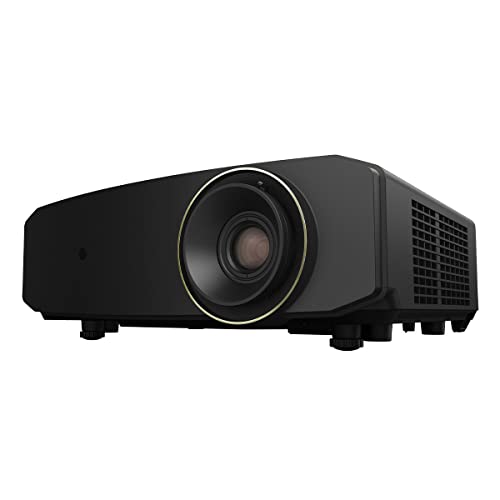
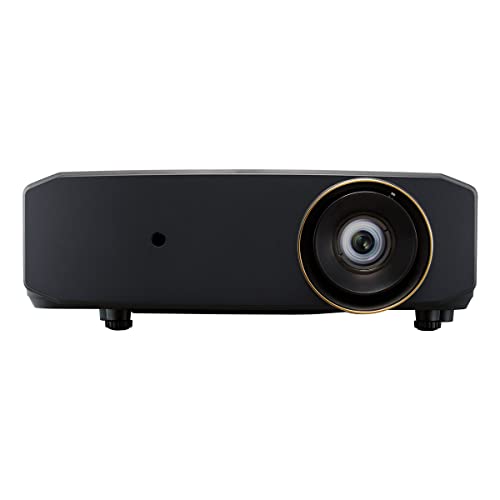
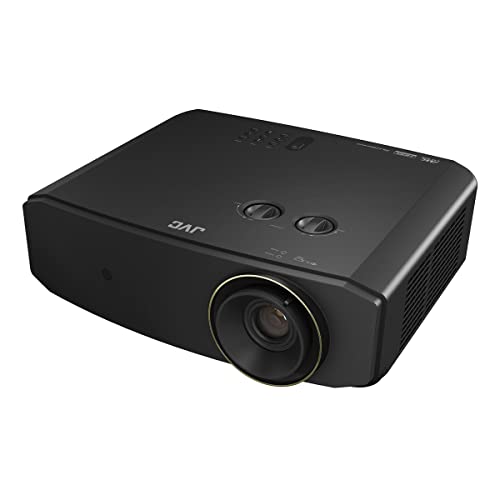
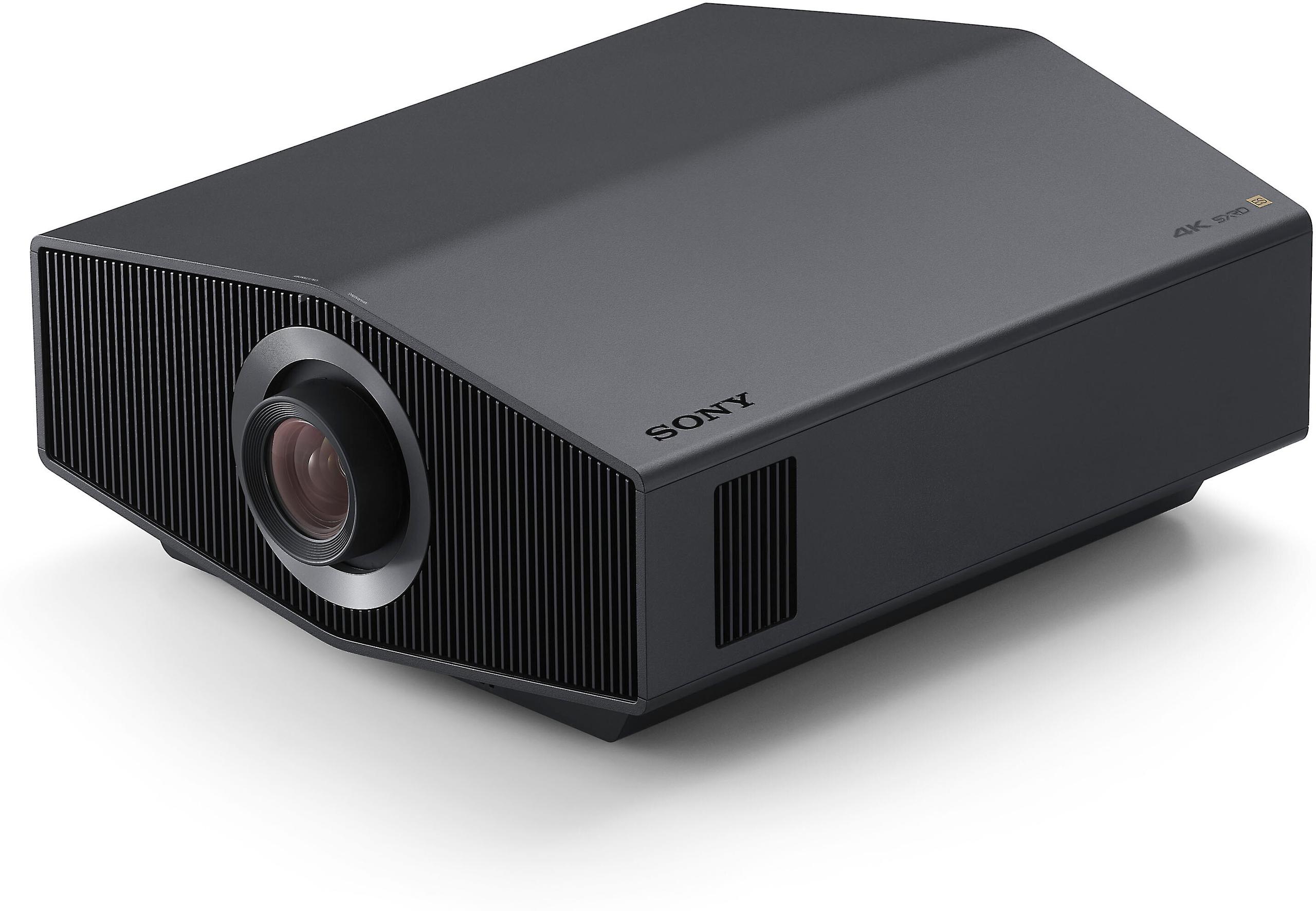
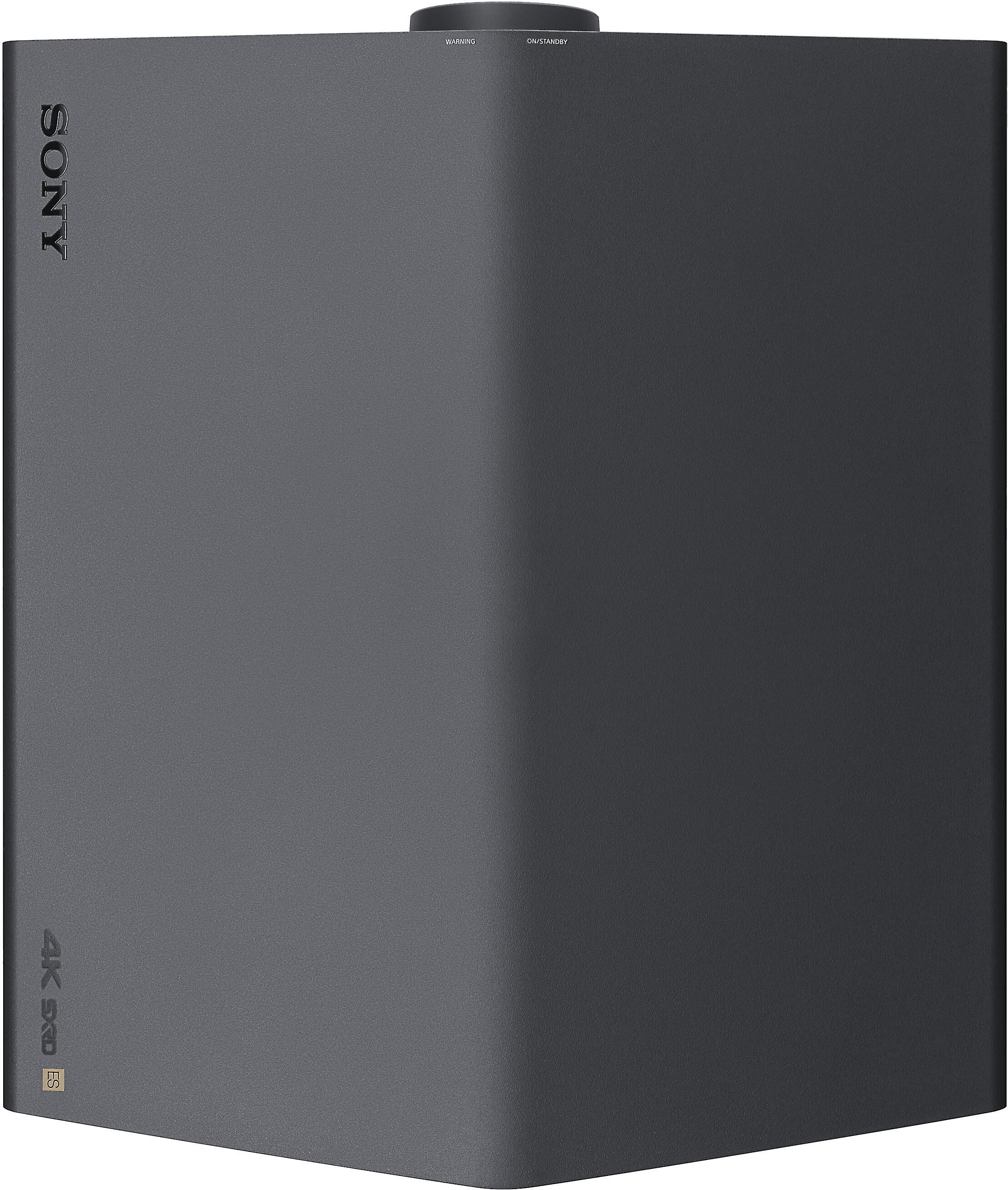
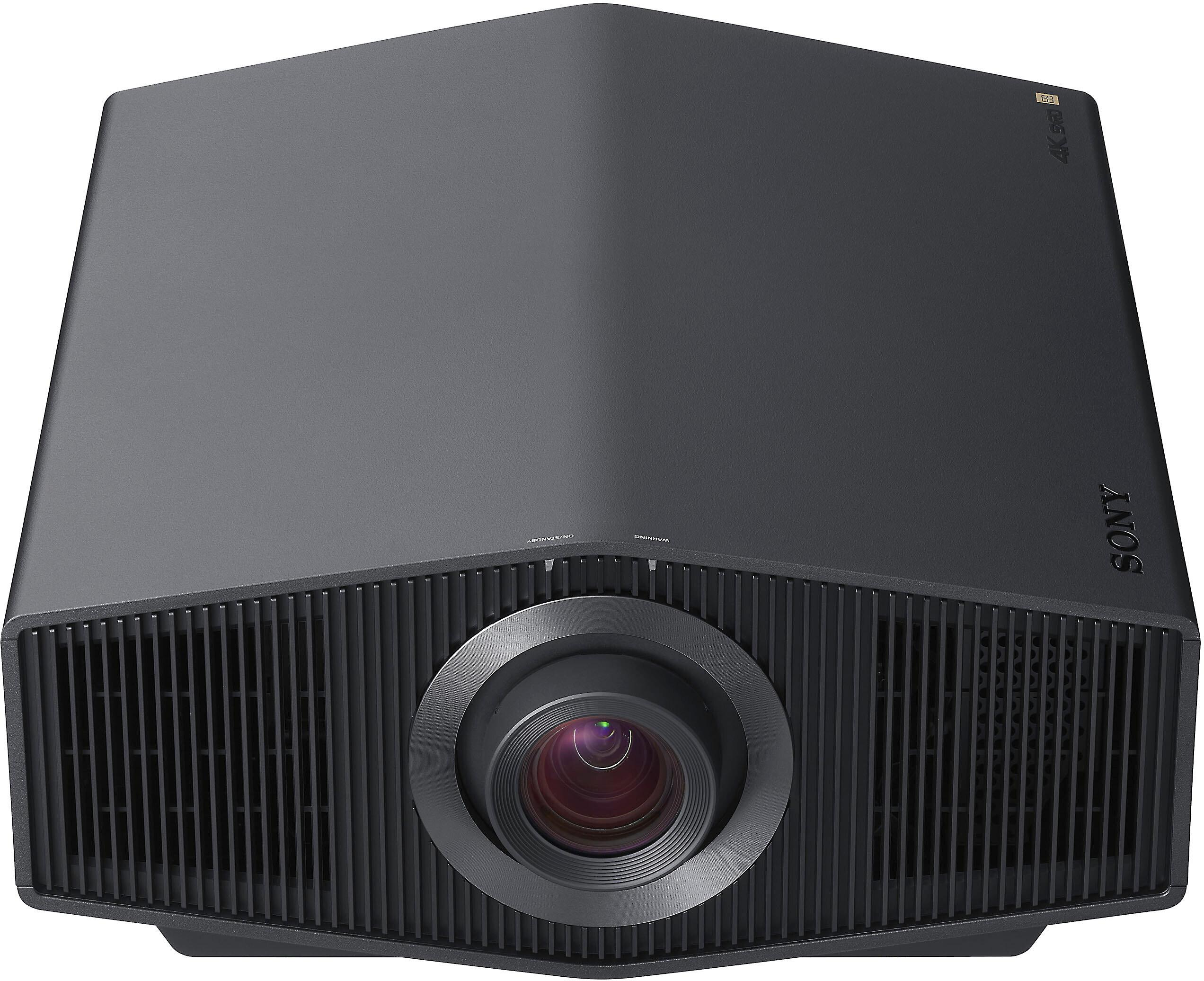
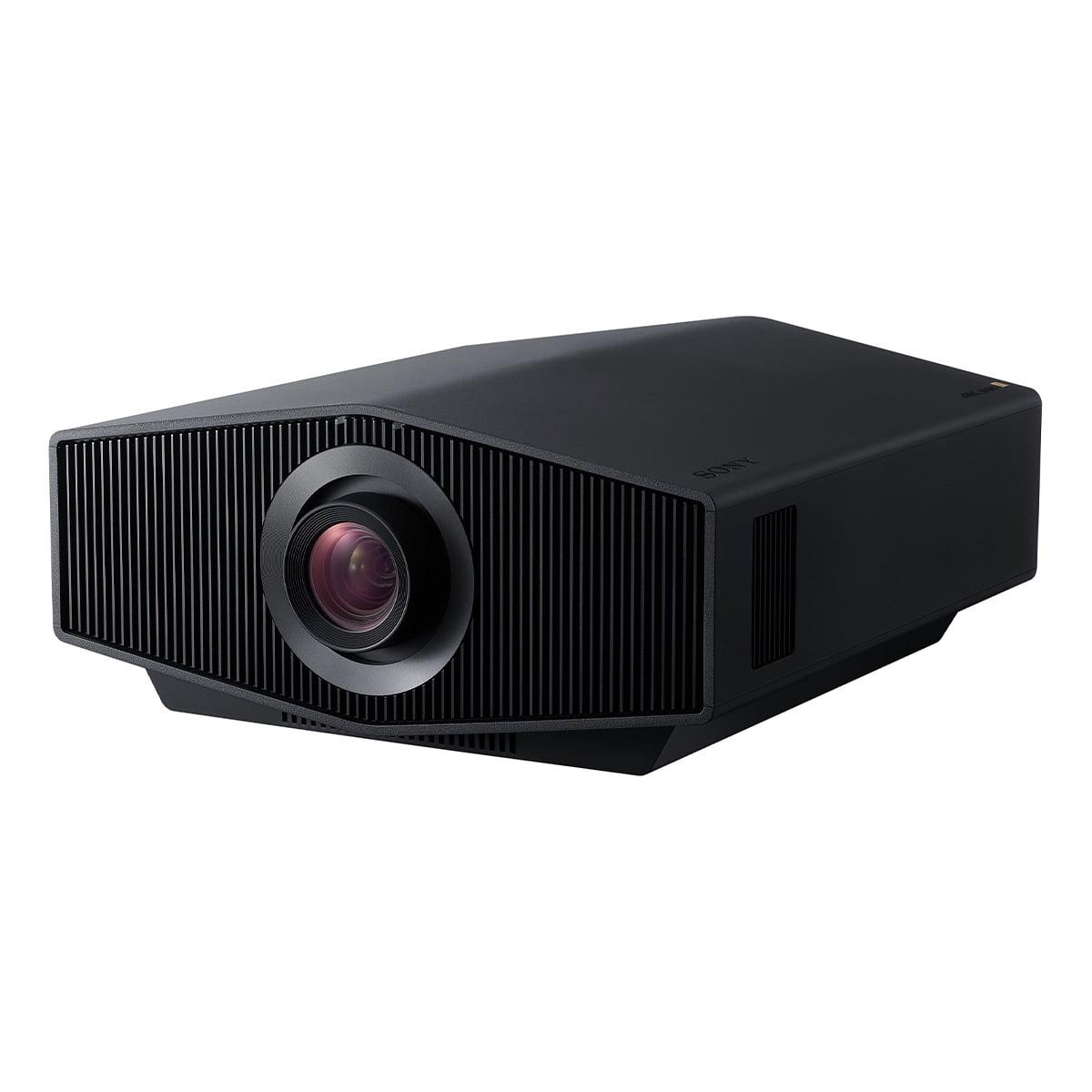
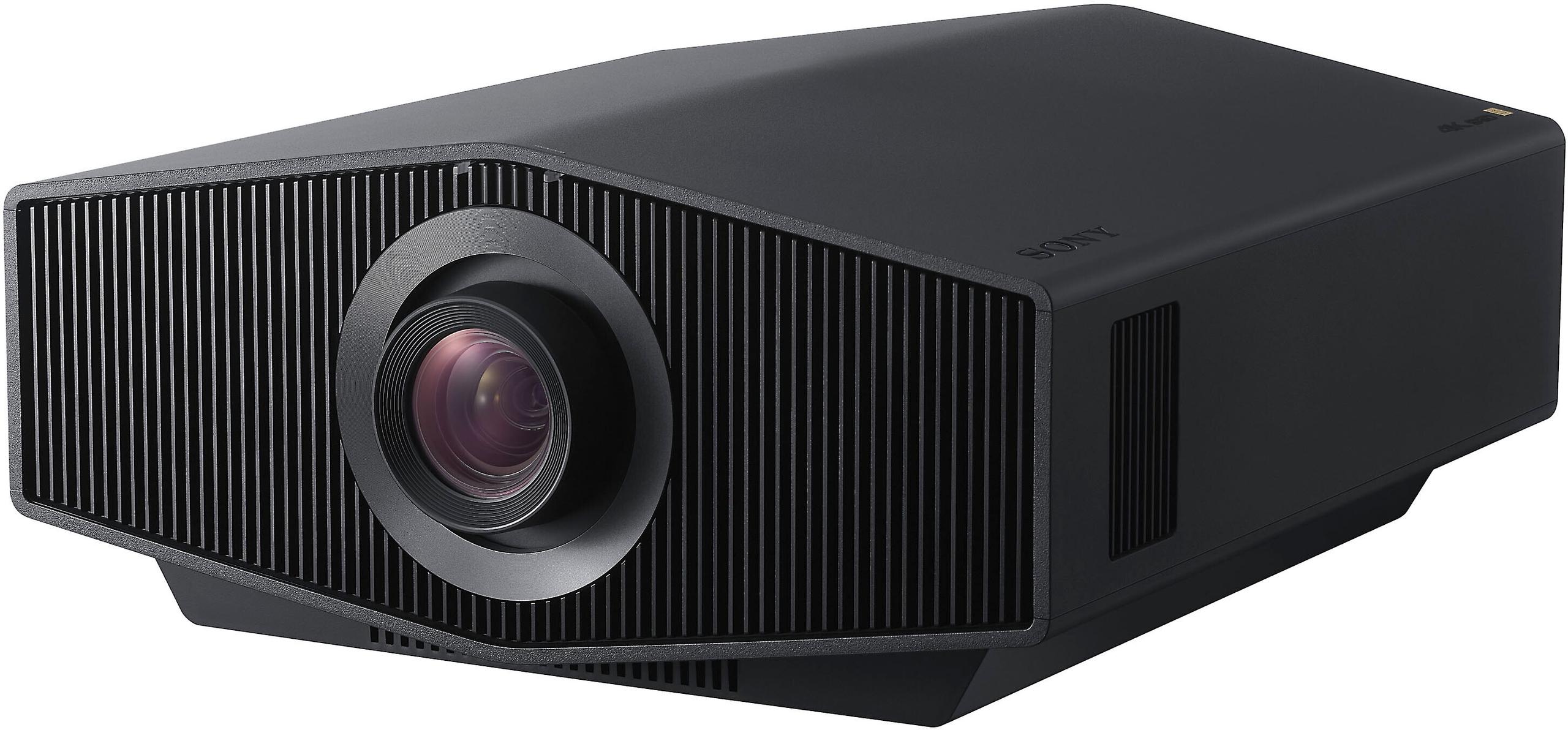

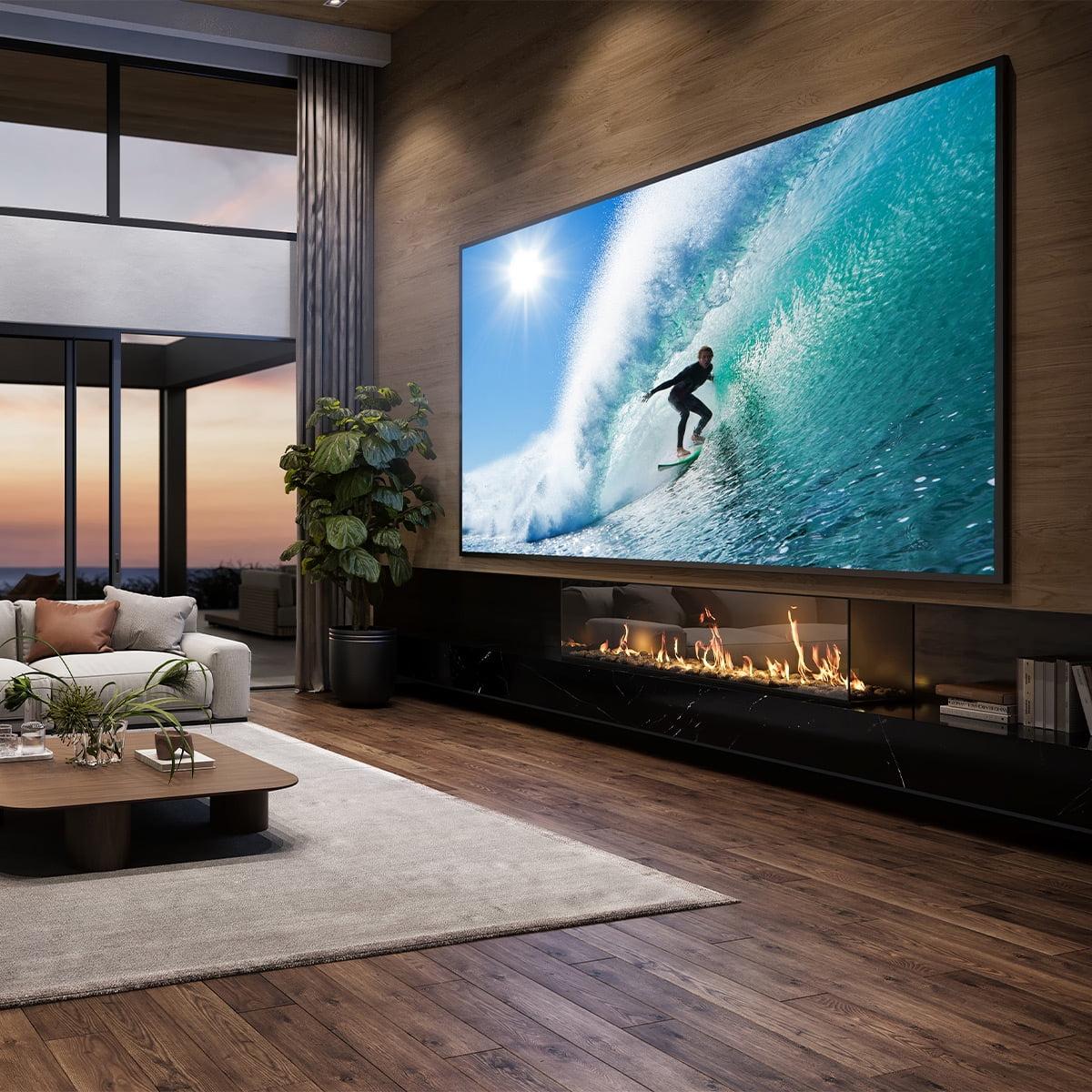
The world of home theater projection has transformed dramatically over the past few years. Traditional lamp-based projectors, with their frequent bulb replacements and gradually dimming output, are giving way to laser-powered systems that promise decades of consistent performance. Two projectors that perfectly illustrate this evolution—and the dramatically different approaches manufacturers are taking—are the JVC LX-NZ30 and the Sony BRAVIA Projector 9.
At the time of writing, these projectors sit at opposite ends of the market spectrum, with the JVC positioned as an accessible entry into laser projection while the Sony commands ultra-premium pricing. But the price difference tells only part of the story. Understanding which projector makes sense for your setup requires diving deep into the technology, performance trade-offs, and real-world usability of each approach.
Before comparing these specific models, it's worth understanding what makes laser projectors special. Traditional projectors use high-pressure mercury or xenon lamps that gradually dim over 2,000-5,000 hours of use. These lamps also take time to warm up, produce inconsistent color as they age, and require expensive replacements every few years.
Laser projectors solve all these problems. They use solid-state laser diodes (essentially ultra-powerful versions of the lasers in Blu-ray players) to generate light. This light source turns on instantly, maintains consistent brightness for 20,000+ hours, and produces more accurate colors across a wider range. The technology has matured significantly since its introduction in the mid-2010s, with costs dropping and reliability improving to the point where laser projectors now dominate the high-performance home theater market.
The JVC LX-NZ30, released in 2023, represents JVC's attempt to bring this laser technology to a broader audience. The Sony BRAVIA Projector 9, launched in 2022, showcases what's possible when cost is no object. Both use 20,000-hour laser light sources, but their approaches to creating the actual image couldn't be more different.
The most fundamental difference between these projectors lies in how they create 4K images. The Sony uses what's called "native 4K"—its imaging chip actually contains 8.3 million individual pixels arranged in a 3840x2160 grid. Each pixel can be controlled independently, creating true 4K resolution without any processing tricks.
The JVC LX-NZ30 takes a different approach using technology called "e-shift" or pixel-shifting. Its imaging chip contains 2.1 million pixels in a 1920x1080 arrangement—standard HD resolution. However, JVC uses an optical element that rapidly shifts the entire image by exactly half a pixel diagonally. This happens so quickly (120 times per second) that your eye perceives it as a single, higher-resolution image. The result displays 3840x2160 pixels, even though the chip itself is only 1080p.
This might sound like marketing trickery, but pixel-shifting has proven remarkably effective in practice. At typical viewing distances (8-12 feet from a 100-inch screen), the difference between native 4K and good pixel-shifting is often imperceptible to most viewers. The JVC's e-shift technology is particularly sophisticated, having been refined over multiple generations since its introduction in 2012.
However, there are scenarios where native 4K shows its advantage. If you sit very close to large screens, use the projector for detailed PC work, or display static content with fine text, the Sony's true pixel-for-pixel rendering becomes noticeable. For typical movie and TV viewing, both deliver convincing 4K experiences.
Both projectors produce similar brightness levels—around 3,300-3,400 lumens—but this raw number doesn't tell the complete story. Brightness in projectors is measured in ANSI lumens, which represents light output across the entire image after accounting for uniformity and color accuracy. For context, a typical living room with some ambient light requires 2,000-2,500 lumens for comfortable viewing, while a dedicated dark theater room can work with as little as 1,500 lumens.
The JVC LX-NZ30 uses what JVC calls "BLU-Escent" laser technology, which combines blue laser diodes with phosphor materials to create the full color spectrum. This approach has become the industry standard because it's efficient and produces natural-looking colors. The projector can modulate its laser output in real-time, creating what JVC calls "infinite dynamic contrast"—essentially, it can make dark scenes truly dark by dimming the laser completely in black areas.
The Sony BRAVIA Projector 9 uses similar laser technology but adds sophisticated processing through what Sony calls "Wide Dynamic Range Optics." This system optimizes light control and distribution, maximizing the effective brightness while maintaining color accuracy. The Sony also includes "XR Dynamic Tone Mapping," which analyzes each frame in real-time and adjusts brightness levels for optimal HDR performance.
In practical terms, both projectors handle moderate ambient light well. You can watch them in a living room with some light leakage, though both perform best in darker environments. The Sony's slightly higher brightness and more sophisticated processing give it a small edge in challenging lighting conditions.
The biggest performance gap between these projectors lies in image processing—the computer brain that takes incoming video signals and optimizes them for display. The JVC includes competent processing that handles standard tasks like scaling, color management, and motion smoothing effectively. It supports HDR10 and HLG formats with automatic tone mapping that adjusts HDR content to work well with the projector's brightness capabilities.
The Sony operates on an entirely different level with its XR Processor for Projector, adapted from Sony's flagship BRAVIA TVs. This processor uses what Sony calls "cognitive intelligence"—algorithms that analyze images more like human vision than traditional pixel-by-pixel processing. The XR Processor identifies objects in each scene (faces, sky, grass, buildings) and optimizes each element separately for color, contrast, and sharpness.
This approach produces several noticeable benefits. The Sony's "XR Clear Image" technology reduces noise while preserving fine detail better than conventional processing. "XR Deep Black" enhances shadow detail in dark scenes without washing out the overall image. Most impressively, the processor's depth mapping creates a subtle but noticeable sense of three-dimensional depth, making foreground objects appear more prominent and realistic.
For color accuracy, the Sony covers 95% of the DCI-P3 color space used in commercial cinema, compared to the JVC's 100% Rec. 709 coverage (the standard for broadcast TV and Blu-ray). While this might seem like the JVC has broader color coverage, DCI-P3 is actually a larger, more demanding standard. The Sony's wider color gamut allows it to display more vivid and accurate colors, particularly in HDR content.
Gaming performance has become increasingly important as PlayStation 5 and Xbox Series X consoles push 4K gaming at higher frame rates. This is where the generational difference between these projectors becomes most apparent.
The JVC LX-NZ30 handles gaming respectably with support for 4K at 60 frames per second and 1080p at 120fps. Its HDMI 2.0 inputs can't handle the full bandwidth of next-generation consoles, but they work well with most current games. Input lag—the delay between when you press a controller button and see the response on screen—measures reasonably low in the projector's gaming modes, though specific numbers vary by resolution and settings.
The Sony BRAVIA Projector 9 represents the current pinnacle of projector gaming technology. Its dual HDMI 2.1 inputs support 4K at 120fps with full 4:4:4 color sampling—the highest quality signal that gaming consoles can produce. More impressively, input lag drops to just 12 milliseconds at 4K/120Hz, rivaling dedicated gaming monitors. The Auto Low Latency Mode (ALLM) automatically detects game console signals and switches to the lowest-lag settings without manual intervention.
For competitive gaming or anyone who prioritizes the absolute best gaming experience on a large screen, the Sony currently has no equal among home theater projectors. Casual gamers will find the JVC perfectly adequate for most titles.
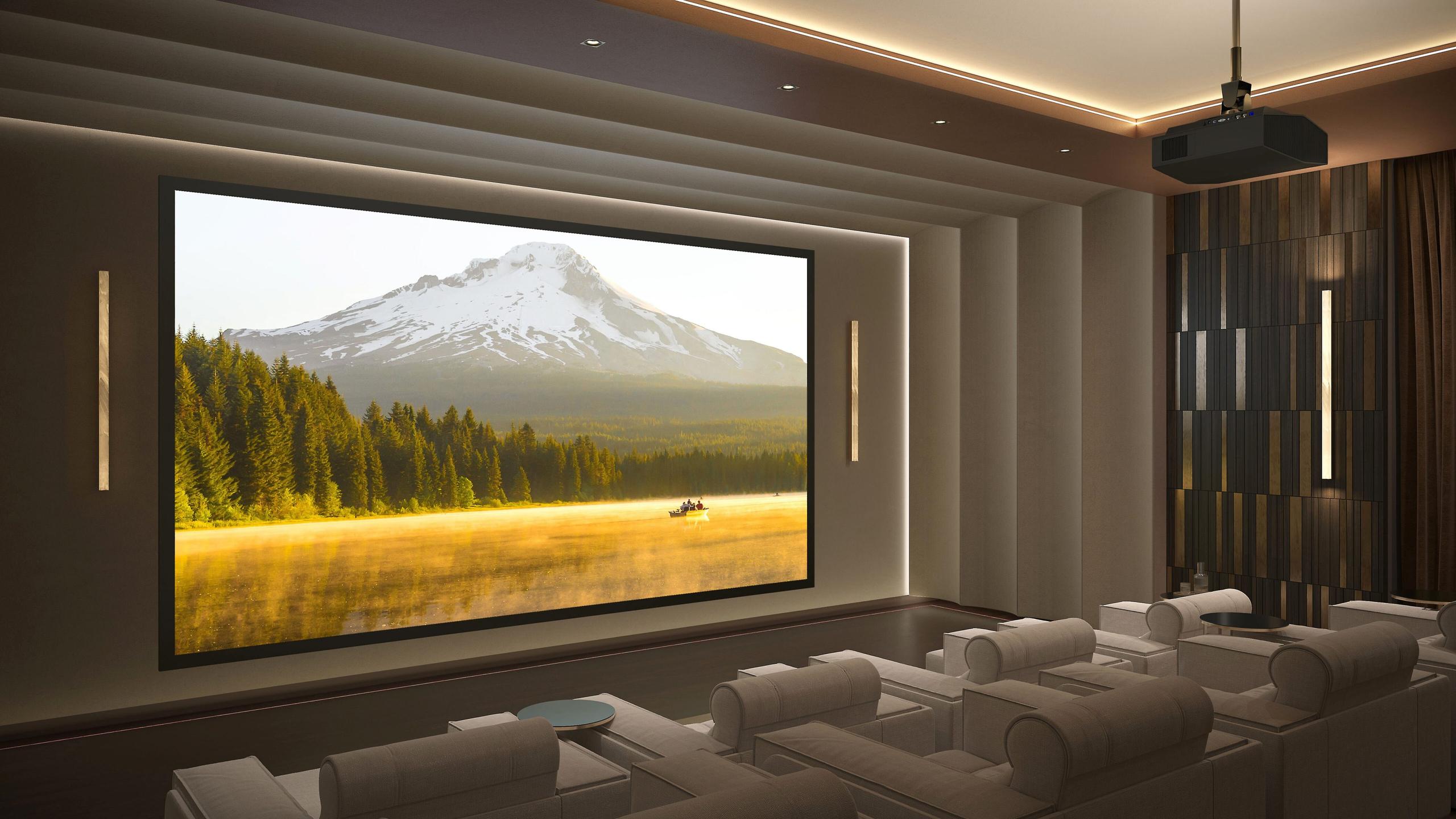
Both projectors offer good installation flexibility, but with different strengths. The JVC LX-NZ30 weighs just 14 pounds and measures roughly 16 inches wide, making it one of the most compact laser projectors available. This size advantage makes ceiling mounting straightforward and reduces the visual impact in living spaces.
The projector includes manual lens shift (±23% horizontal, ±60% vertical), which means you can adjust the image position without moving the projector itself. This flexibility helps avoid the trapezoidal distortion you get when projecting at an angle. The 1.6x zoom range provides reasonable throw distance flexibility, working well in rooms from about 9 to 22 feet deep for a 120-inch screen.
The Sony BRAVIA Projector 9 is significantly larger and heavier at 31 pounds, requiring more robust mounting solutions. However, this bulk accommodates more sophisticated optics. The powered lens system includes 2.1x zoom and more generous lens shift (±36% horizontal, ±85% vertical), providing greater installation flexibility for challenging room layouts.
The Sony's Advanced Crisp-Focused lens system uses multiple moving lens groups to maintain sharp focus across the entire image, even at the extreme edges. This optical sophistication is particularly noticeable on very large screens (150+ inches) where cheaper lenses often show softness in the corners.
Here's where the fundamental technology differences become most apparent. The JVC uses single-chip DLP (Digital Light Processing) technology, where microscopic mirrors tilt to reflect light toward or away from the screen. While DLP produces sharp, vibrant images with excellent color accuracy, it struggles with absolute black levels. Even when the mirrors tilt fully away, some light still reflects off the optical system, creating what appears as dark gray rather than true black.
The Sony uses SXRD (Silicon X-tal Reflective Display) technology, Sony's version of LCoS (Liquid Crystal on Silicon). This technology can block light more completely, achieving deeper blacks and higher native contrast ratios. Combined with the XR processor's intelligent contrast enhancement, the Sony produces noticeably superior performance in dark scenes.
This difference is most apparent when watching movies with lots of dark content—horror films, space movies, or dramatic scenes with deep shadows. The Sony reveals detail in shadows that disappears into muddy gray on lesser projectors. However, this advantage diminishes in brighter content or rooms with ambient light, where both projectors perform more similarly.
At the time of writing, these projectors occupy completely different market segments. The JVC LX-NZ30 represents exceptional value in the laser projector space, delivering compelling 4K performance at roughly one-seventh the cost of the Sony. For most home theater enthusiasts, the JVC provides 80-90% of the Sony's image quality at a fraction of the price.
The Sony BRAVIA Projector 9 commands premium pricing that reflects its position as a flagship product with no-compromise engineering. Every aspect—from the native 4K panels to the advanced processing to the precision optics—represents best-in-class technology. However, the law of diminishing returns applies strongly here. The performance improvements, while real and noticeable, don't scale proportionally with the price increase.
The JVC LX-NZ30 makes sense for enthusiasts who want to experience large-screen 4K without spending premium prices. It's ideal for dedicated theater rooms with light control, where its brightness and processing capabilities shine without highlighting its limitations. The compact size and straightforward installation make it perfect for DIY setups. Gaming enthusiasts who primarily play single-player or casual multiplayer games will find its performance entirely adequate.
The Sony BRAVIA Projector 9 targets buyers for whom budget isn't a primary constraint. It's the choice for custom installation theaters where professional setup maximizes its capabilities. Competitive gamers who want the absolute best large-screen gaming experience, color-critical users who notice subtle image quality differences, and anyone building a long-term reference system should consider the Sony's premium features.
Our research across professional reviews and user experiences reveals some important practical considerations. The JVC occasionally shows the "rainbow effect"—brief color flashes that some people notice with single-chip DLP projectors. This affects roughly 10-15% of viewers and varies by individual sensitivity. The fan noise, while reasonable at 29dB in eco mode, becomes noticeable in very quiet viewing environments.
The Sony virtually eliminates these issues through superior engineering, but introduces different considerations. Its size and weight require professional mounting in most installations. The advanced features benefit from professional calibration to reach their full potential. Some users report occasional image processing artifacts with certain content, though these are rare and typically correctable through settings adjustments.
Both projectors deliver on their laser light source promises. Users consistently report stable brightness and color accuracy even after thousands of hours of use, validating the maintenance-free operation that makes laser projection so appealing.
For most buyers, the JVC LX-NZ30 represents the sweet spot of performance and value in today's laser projector market. It provides a genuine large-screen 4K experience with laser reliability at accessible pricing. The technology compromises are real but rarely intrusive in typical viewing scenarios.
The Sony BRAVIA Projector 9 justifies its premium pricing for buyers who can appreciate and afford its technical superiority. It's not just incrementally better than the JVC—in areas like gaming, processing, and black level performance, it operates in a different class entirely.
The choice ultimately depends on your priorities: maximum value and solid performance with the JVC, or technical excellence regardless of cost with the Sony. Both represent their respective market segments exceptionally well, just with very different target audiences and expectations.
| JVC LX-NZ30 | Sony BRAVIA Projector 9 |
|---|---|
| Resolution Technology - Core image quality foundation | |
| 1080p DLP with e-shift 4K enhancement (convincing 4K at normal viewing distances) | Native 4K SXRD panels (true pixel-for-pixel 4K resolution) |
| Brightness Output - Determines room lighting compatibility | |
| 3,300 ANSI lumens (excellent for dedicated theaters, good for moderate ambient light) | 3,400 lumens with advanced light management (superior ambient light handling) |
| Gaming Performance - Critical for console compatibility | |
| 4K@60Hz, 1080p@120Hz via HDMI 2.0 (solid for most gaming) | 4K@120Hz with 12ms input lag via HDMI 2.1 (best-in-class gaming projector) |
| Image Processing - Affects overall picture quality | |
| Competent HDR10/HLG processing with auto tone mapping | XR Processor with cognitive intelligence and object-based optimization |
| Black Level Performance - Most noticeable in dark scenes | |
| DLP technology with laser dimming (dark gray blacks, infinite dynamic contrast) | SXRD with XR Deep Black processing (superior true blacks and shadow detail) |
| Color Accuracy - Important for realistic image reproduction | |
| 100% Rec. 709 coverage (excellent for standard content) | 95% DCI-P3 coverage with TRILUMINOS PRO (wider cinema-grade color gamut) |
| Installation Flexibility - Affects room placement options | |
| 1.6x manual zoom, ±23%H/±60%V lens shift, 14 lbs (compact and DIY-friendly) | 2.1x powered zoom, ±36%H/±85%V lens shift, 31 lbs (maximum flexibility, requires robust mounting) |
| Light Source Lifespan - Long-term maintenance costs | |
| 20,000-hour BLU-Escent laser (decade-plus operation) | 20,000-hour laser with advanced thermal management (decade-plus operation) |
| Warranty Coverage - Protection for your investment | |
| 1 year parts and labor (standard consumer warranty) | 3 years parts and labor (premium support reflecting product positioning) |
| Best Use Cases - Who should choose each projector | |
| Value-focused home theaters, first-time 4K upgraders, DIY installations | No-compromise custom theaters, competitive gaming, professional installations |
The JVC LX-NZ30 provides exceptional value for most home theater setups, delivering convincing 4K performance with laser reliability at a fraction of premium projector costs. The Sony BRAVIA Projector 9 offers superior image quality and features but at significantly higher pricing that may not justify the performance gains for typical viewers.
The Sony BRAVIA Projector 9 uses true native 4K with 8.3 million physical pixels, while the JVC LX-NZ30 employs e-shift technology that rapidly moves a 1080p image to create 4K-level detail. At normal viewing distances, both deliver convincing 4K experiences, though the Sony provides slightly sharper text and fine details.
The Sony BRAVIA Projector 9 excels for gaming with 4K@120Hz support, 12ms input lag, and HDMI 2.1 connectivity for next-generation consoles. The JVC LX-NZ30 handles gaming well with 4K@60Hz and 1080p@120Hz capabilities, making it suitable for casual gaming but less ideal for competitive play.
Both projectors produce similar brightness levels around 3,300-3,400 lumens, making them suitable for moderate ambient light. The Sony BRAVIA Projector 9 has a slight edge with advanced light management processing, while the JVC LX-NZ30 performs best in controlled lighting environments.
The JVC LX-NZ30 weighs just 14 pounds with compact dimensions, making DIY ceiling mounting straightforward. The Sony BRAVIA Projector 9 weighs 31 pounds and typically requires professional installation, but offers more flexible lens shift and zoom capabilities for challenging room layouts.
The Sony BRAVIA Projector 9 delivers superior black levels through SXRD technology and advanced processing, revealing more shadow detail in dark scenes. The JVC LX-NZ30 uses DLP technology with laser dimming for infinite dynamic contrast, but shows dark gray rather than true blacks.
Both the JVC LX-NZ30 and Sony BRAVIA Projector 9 feature laser light sources rated for 20,000 hours of operation, equivalent to over a decade of typical daily use without requiring lamp replacements or maintenance.
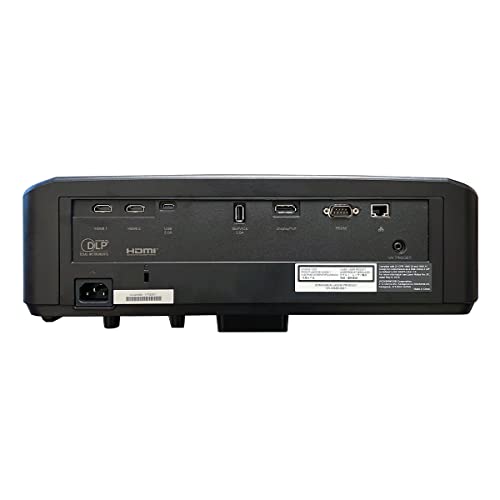
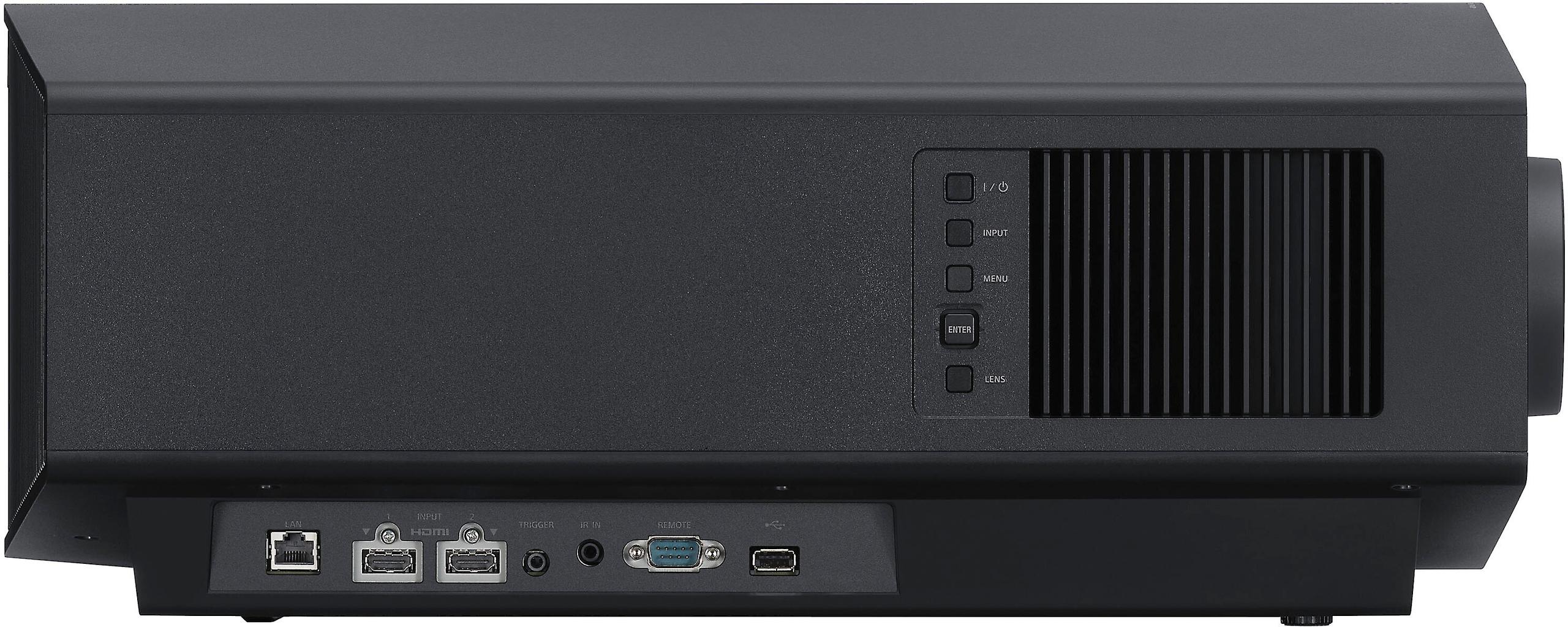
The JVC LX-NZ30 includes two HDMI 2.0 ports, DisplayPort, USB-C, and control connections suitable for most setups. The Sony BRAVIA Projector 9 features dual HDMI 2.1 inputs for future-proofing with next-generation gaming consoles and high-bandwidth content.
The Sony BRAVIA Projector 9 covers 95% of the DCI-P3 cinema color space with advanced TRILUMINOS PRO processing for wider, more accurate colors. The JVC LX-NZ30 provides excellent 100% Rec. 709 coverage that handles standard content beautifully but with a narrower overall color gamut.
The JVC LX-NZ30 includes a standard 1-year warranty, while the Sony BRAVIA Projector 9 provides 3-year coverage reflecting its premium positioning and giving buyers greater long-term protection for their investment.
Both the JVC LX-NZ30 and Sony BRAVIA Projector 9 work well with screens from 100-200 inches. The Sony's superior optics and native 4K resolution show more advantage on very large screens above 150 inches, while the JVC performs excellently on typical home theater screen sizes.
Choose the JVC LX-NZ30 if you want excellent 4K performance at accessible pricing for a dedicated theater room. Select the Sony BRAVIA Projector 9 if budget isn't a constraint and you want the absolute best image quality, gaming performance, and professional-grade features for your home theater investment.
We've done our best to create useful and informative comparisons to help you decide what product to buy. Our research uses advanced automated methods to create this comparison and perfection is not possible - please contact us for corrections or questions. These are the sites we've researched in the creation of this article: t3.com - crutchfield.com - stuff.tv - projectorcentral.com - projectorreviews.com - data.heimkinowelt.at - bestbuy.com - eu.jvc.com - projectorreviews.com - listenup.com - youtube.com - eu.jvc.com - dreamediaav.com - projectorreviews.com - projectorscreen.com - projectorcentral.com - device.report - technologyinteriors.com - projectorcentral.com - worldwidestereo.com - formovie.com - electronics.sony.com - sonypremiumhome.com - thesonyshop.ca - crutchfield.com - youtube.com - valueelectronics.com - greatsoundsav.com - pro.sony - skybygramophone.com - avsforum.com - projectorcentral.com - projectorscreenstore.com

Privacy Policy
Terms and Conditions - Affiliate Policy
Home Security
© Copyright 2008-2026.
11816 Inwood Rd #1211, Dallas, TX 75244