

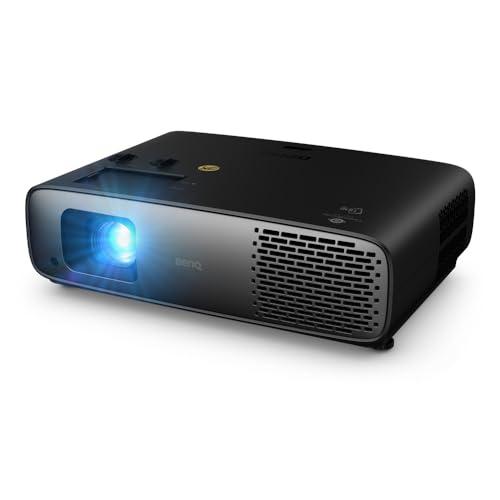
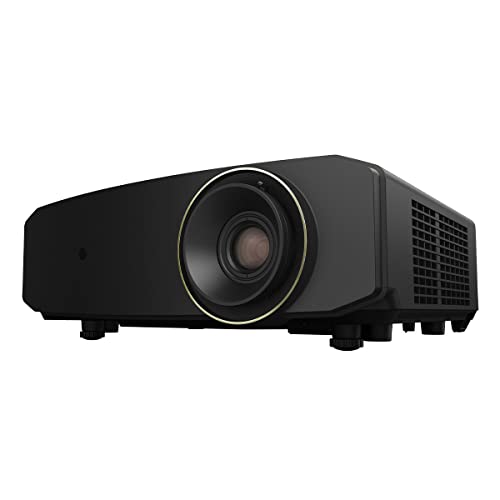
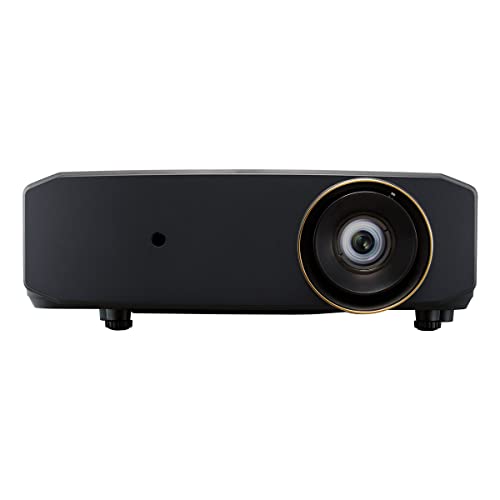
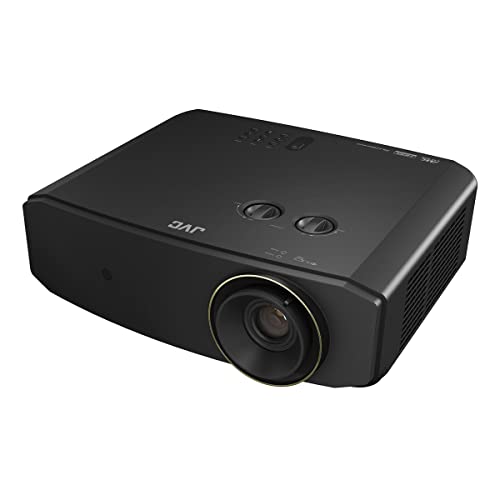
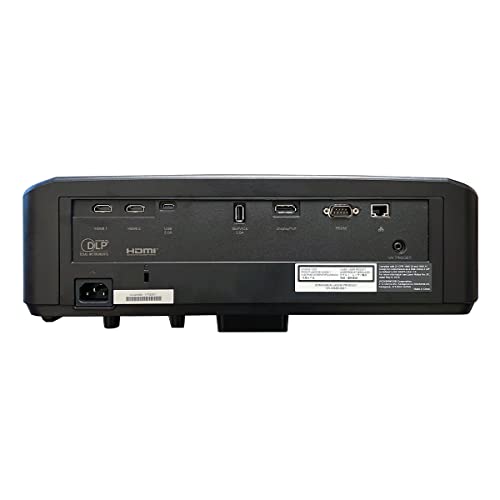
If you're shopping for a serious 4K home theater projector without breaking into flagship territory, you've probably encountered the BenQ W4100i and JVC LX-NZ30. Both released in recent years as manufacturers refined their mid-range offerings, these projectors represent different philosophies in achieving cinema-quality visuals at home. The BenQ W4100i launched in 2025 as an evolution of BenQ's popular W-series, while the JVC LX-NZ30 represents JVC's push into more accessible laser projection technology.
Understanding what separates these projectors requires diving beyond the marketing specs into how they actually perform in real home environments. At the time of writing, both compete in the premium mid-range segment, with the BenQ W4100i typically positioned as the more affordable option while the JVC LX-NZ30 commands a premium for its laser light source and installation flexibility.
Before diving into specifics, it's worth understanding what defines this category. Mid-range 4K projectors sit between budget pixel-shifting models and reference-grade cinema projectors. They're designed for enthusiasts who want genuine home theater experiences but can't justify spending flagship money. Key considerations include light source technology (how long it lasts and how much it costs to replace), actual 4K capabilities versus upscaled resolution, brightness for different room conditions, and features like HDR support and gaming performance.
The technology landscape has evolved significantly since 2020. LED light sources have become brighter and more color-accurate, while laser technology has become more affordable. HDR processing has improved dramatically, with frame-by-frame tone mapping becoming standard rather than exceptional. Gaming features like low input lag and high refresh rates have also become essential rather than nice-to-have additions.
The heart of any projector comparison lies in picture quality, and here's where these models take distinctly different approaches. The BenQ W4100i uses a larger 0.65-inch DLP chip with Texas Instruments' XPR technology to achieve true 4K resolution. This means it can display all 8.3 million pixels of 4K content without compromise. The chip physically shifts pixels to create the full 4K image, and with the larger chip size, each individual pixel is bigger and more precisely controlled.
In contrast, the JVC LX-NZ30 employs a smaller 0.47-inch chip with native 1080p resolution, then uses JVC's e-shift technology to create a 4K image through pixel shifting. Think of it as rapidly moving the image by half a pixel diagonally to create the impression of higher resolution. While this works well at normal viewing distances, it's technically not displaying all 4K pixels simultaneously.
The difference becomes apparent in fine detail rendering and text sharpness. Based on expert reviews and user feedback, the BenQ W4100i consistently delivers crisper, more detailed images, particularly noticeable on large screens exceeding 120 inches. This advantage stems from both the larger chip and true 4K processing pipeline.
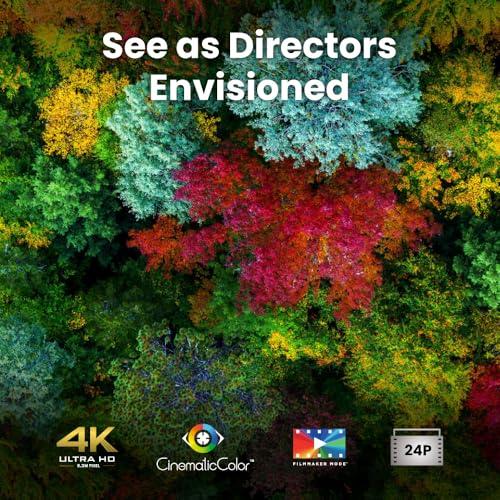
Color accuracy tells another compelling story. The BenQ W4100i comes factory-calibrated to meet Delta E less than 2 standards, meaning color accuracy is nearly perfect out of the box. It covers 100% of both DCI-P3 (the digital cinema standard) and Rec.709 (the broadcast television standard) color spaces. Each unit ships with an individual calibration report, ensuring consistency across units. The JVC LX-NZ30 covers 100% Rec.709 and is BT.2020 compatible, but lacks the comprehensive factory calibration of its competitor.
Here's where the battle gets interesting. The JVC LX-NZ30 edges out the BenQ W4100i with 3,300 lumens versus 3,200 lumens, but this small difference matters less than how each projector maintains brightness across different content types. The BenQ W4100i's 4LED system (red, green, blue, plus an additional blue LED) provides more consistent brightness across the color spectrum, preventing the color brightness drop-off common in some projection technologies.
Laser versus LED technology creates the most significant operational difference. The JVC LX-NZ30's BLU-Escent laser system delivers instant on/off capability and maintains consistent brightness throughout its 20,000-hour lifespan. LED systems like the BenQ W4100i's gradually dim over time, though its 30,000-hour rating means this happens very slowly.
For room compatibility, both projectors handle moderate ambient light reasonably well, but excel in dedicated theater environments. The JVC LX-NZ30's slight brightness advantage helps in living rooms with some window light, while the BenQ W4100i's superior contrast processing makes it the better choice for light-controlled spaces.
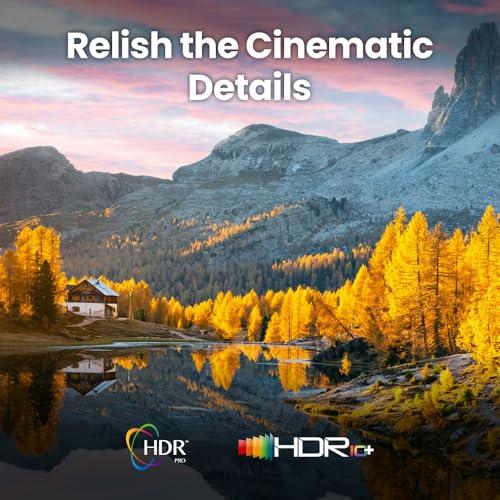
HDR (High Dynamic Range) support has become crucial for modern content, and this is where the BenQ W4100i pulls significantly ahead. It supports HDR10, HDR10+, and HLG formats, while the JVC LX-NZ30 lacks HDR10+ compatibility. HDR10+ adds dynamic metadata that optimizes each scene in real-time, rather than applying static settings across an entire movie.
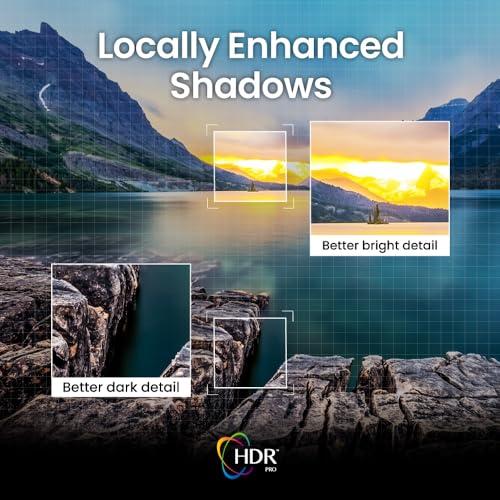
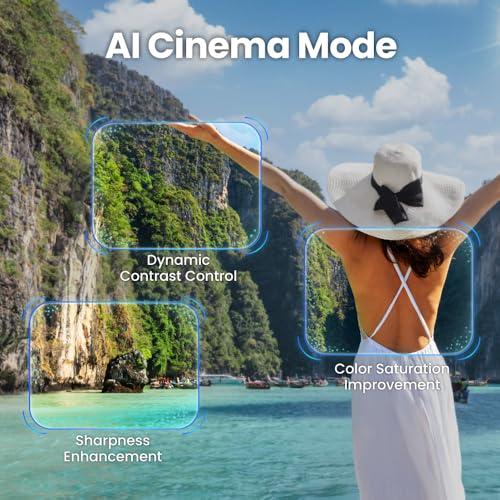
More importantly, the BenQ W4100i's HDR-PRO technology with dynamic tone mapping analyzes content frame-by-frame, adjusting brightness and contrast in real-time. This prevents the common HDR problem of blown-out highlights or crushed shadow details. The AI Cinema Mode takes this further by specifically optimizing compressed streaming content, compensating for artifacts that occur when Netflix or YouTube compress their video streams.
The JVC LX-NZ30's Auto Tone Mapping is competent but less sophisticated, reading basic HDR metadata and making broader adjustments. User reviews consistently note more natural-looking HDR content from the BenQ W4100i, particularly with challenging scenes that mix very bright and very dark elements.
Both projectors excel for gaming, but with different strengths. The BenQ W4100i achieves 6.5ms input lag at 1080p/240Hz and 17.9ms at 4K/60Hz, with three HDMI 2.1 inputs supporting the latest gaming consoles and graphics cards. HDMI 2.1 enables 4K gaming at 120Hz (though displayed at 1080p/120Hz due to processing limitations) and features like Auto Low Latency Mode (ALLM) that automatically switches to gaming mode when it detects a console.
The JVC LX-NZ30 achieves slightly better 6.25ms lag at 1080p/240Hz but slower 25ms at 4K/60Hz. Its HDMI 2.0 inputs limit future compatibility with upcoming gaming features, though the DisplayPort and USB-C inputs provide additional connectivity options for PC gaming.
For competitive gaming, the BenQ W4100i's HDMI 2.1 support and better 4K lag performance make it the clear choice. For casual gaming, both perform excellently, with the massive screen size making racing games and adventure titles incredibly immersive.
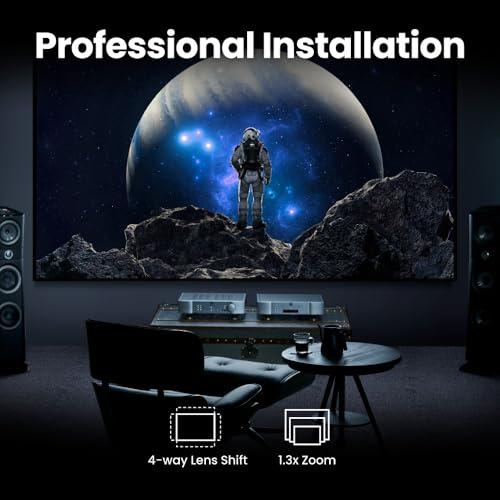
Installation flexibility represents the JVC LX-NZ30's strongest advantage. Its 1.6x zoom range exceeds the BenQ W4100i's 1.3x zoom, providing more placement options. More significantly, the JVC LX-NZ30 offers ±60% vertical and ±23% horizontal lens shift, compared to the BenQ W4100i's 60% vertical and ±15% horizontal adjustment.
Lens shift allows you to move the projected image without physically repositioning the projector, crucial for ceiling mounts or situations where the projector can't be perfectly centered. The JVC LX-NZ30's superior lens shift means it can work in more challenging room layouts without compromising image geometry.
Both projectors include keystone correction for minor adjustments, but the JVC LX-NZ30 adds advanced geometric correction including four-corner adjustment and warping correction. This helps when projecting onto slightly curved walls or in rooms where perfect rectangular screens aren't possible.
The fundamental difference between LED and laser technology affects long-term ownership costs and performance. The BenQ W4100i's 4LED system offers 30,000 hours of maintenance-free operation, gradually dimming over time but maintaining color accuracy throughout its lifespan. When it eventually needs replacement, the entire projector typically gets replaced since LED arrays aren't user-serviceable.
The JVC LX-NZ30's laser system provides 20,000 hours of consistent brightness, then drops off more sharply. However, laser systems traditionally offer more stable color temperature and eliminate the warm-up time required by older lamp technologies. Both projectors essentially offer "set and forget" operation for their rated lifespans.
At typical usage patterns (3-4 hours daily), both projectors will last 15-20 years before requiring attention. The BenQ W4100i's longer rating provides additional peace of mind, though both exceed practical ownership timeframes.
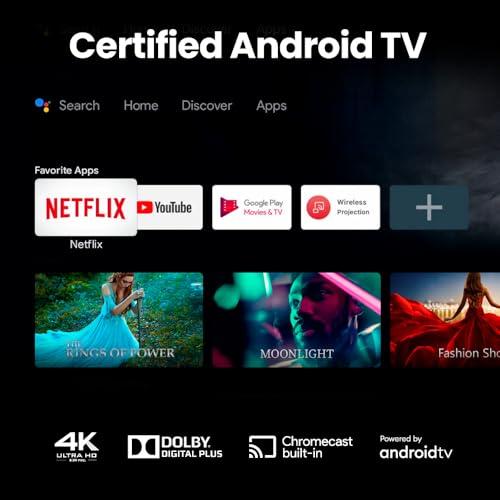
Modern projector usage extends beyond just displaying content from Blu-ray players and game consoles. The BenQ W4100i includes an Android TV dongle, providing direct access to Netflix, Disney+, YouTube, and other streaming services without external devices. Google Assistant support and voice search add convenience, while Apple AirPlay and Google Cast enable easy wireless streaming from phones and tablets.
The JVC LX-NZ30 takes a purist approach, focusing on image quality while requiring external streaming devices. Its connectivity includes HDMI 2.0, DisplayPort 1.2a, USB-C, and network control options, but no smart TV features. This appeals to enthusiasts who prefer dedicated streaming devices but requires additional purchases for complete functionality.
Both projectors include 12V triggers for automated screen deployment and RS-232/network control for integration with home automation systems.
Neither projector provides meaningful audio solutions. The BenQ W4100i includes a basic 5W speaker suitable only for setup testing, while the JVC LX-NZ30 omits built-in speakers entirely. Both support advanced audio pass-through – the BenQ W4100i via HDMI eARC with Dolby Atmos support, and the JVC LX-NZ30 through standard HDMI audio output. Serious home theater setups require dedicated audio systems regardless of projector choice.
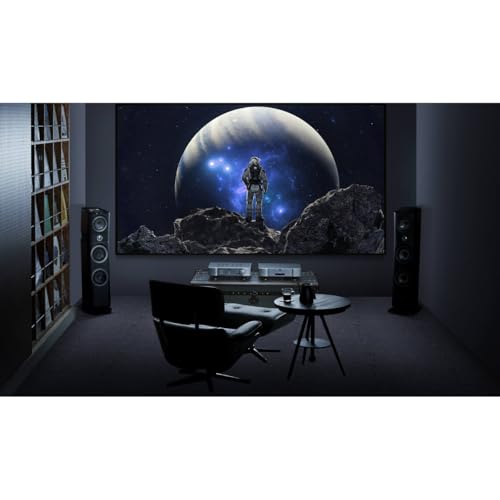
The BenQ W4100i represents the better overall value for most home theater enthusiasts. Its superior image quality, comprehensive HDR support, built-in streaming, and typically lower price point make it ideal for users wanting maximum features and performance per dollar. It excels in dedicated theater rooms where its excellent contrast can shine, and appeals to gamers needing HDMI 2.1 connectivity.
Choose the BenQ W4100i if you prioritize color accuracy, want built-in streaming, need comprehensive HDR support, or use the projector primarily in a controlled lighting environment. It's also the smart choice for mixed gaming and movie usage, or when budget considerations matter.
The JVC LX-NZ30 justifies its premium pricing for users with specific installation challenges or bright room requirements. Its superior lens shift and zoom range solve placement problems that would defeat other projectors. The laser light source provides peace of mind for commercial installations or users who prefer consistent brightness throughout the projector's lifespan.
Choose the JVC LX-NZ30 if you have challenging installation requirements, use the projector primarily in bright rooms, prefer JVC's traditional strengths in motion handling, or already own comprehensive streaming and audio equipment. It's particularly appealing for users upgrading from older JVC projectors who value brand consistency and installation familiarity.
Based on comprehensive research into expert reviews and user experiences, the BenQ W4100i delivers superior value for most home theater applications. Its combination of true 4K processing, factory calibration, comprehensive HDR support, modern connectivity, and competitive pricing creates a compelling package that's hard to beat in this price segment.
The JVC LX-NZ30 serves specific niches exceptionally well – challenging installations, bright rooms, and users who prioritize traditional projector virtues like motion handling and build quality. However, its higher price point and more limited feature set make it a specialized choice rather than a mainstream recommendation.
For most readers building or upgrading a home theater, the BenQ W4100i provides the best combination of performance, features, and value. It delivers reference-quality images while including modern conveniences that make day-to-day usage more enjoyable. Unless you have specific installation challenges that require the JVC LX-NZ30's superior flexibility, the BenQ W4100i represents the smarter choice for serious home theater enthusiasts.
| BenQ W4100i 4K Home Theater Projector | JVC LX-NZ30 4K HDR Laser Projector |
|---|---|
| Display Technology - Determines true resolution capability and image sharpness | |
| 0.65" DLP chip with true 4K XPR processing | 0.47" DLP chip with 1080p native, e-shift to 4K |
| Brightness - Critical for room lighting flexibility | |
| 3,200 ANSI lumens (4LED light source) | 3,300 ANSI lumens (BLU-Escent laser) |
| Light Source Lifespan - Affects long-term ownership costs | |
| 30,000 hours (LED maintenance-free) | 20,000 hours (laser maintenance-free) |
| HDR Support - Essential for modern streaming and UHD content | |
| HDR10, HDR10+, HLG with dynamic tone mapping | HDR10, HLG with auto tone mapping (no HDR10+) |
| Gaming Performance - Input lag matters for responsive gameplay | |
| 6.5ms at 1080p/240Hz, 17.9ms at 4K/60Hz | 6.25ms at 1080p/240Hz, 25ms at 4K/60Hz |
| HDMI Connectivity - Future-proofs for new gaming consoles and devices | |
| 3x HDMI 2.1 ports (one with eARC) | 2x HDMI 2.0 ports (no HDMI 2.1) |
| Installation Flexibility - Determines placement options in your room | |
| 1.3x zoom, 60% vertical/±15% horizontal lens shift | 1.6x zoom, ±60% vertical/±23% horizontal lens shift |
| Color Accuracy - Ensures movies look as directors intended | |
| Factory calibrated to Delta E<2, 100% DCI-P3/Rec.709 | 100% Rec.709, BT.2020 compatible (no factory calibration) |
| Smart Features - Convenience for streaming without external devices | |
| Android TV dongle included with Netflix, Disney+, etc. | No smart features (requires external streaming device) |
| Contrast Technology - Affects black levels and image depth | |
| 3,000,000:1 dynamic contrast with local enhancement | Infinite dynamic contrast via laser dimming |
| Additional Connectivity - Useful for PC gaming and professional setups | |
| USB, Wi-Fi, Bluetooth, 12V trigger | DisplayPort 1.2a, USB-C, RS-232C, LAN, 12V trigger |
The BenQ W4100i delivers superior 4K image quality with its larger 0.65" DLP chip and true 4K XPR processing, displaying all 8.3 million pixels of 4K content. The JVC LX-NZ30 uses a smaller 0.47" chip with native 1080p that's upscaled to 4K through e-shift technology. For the sharpest, most detailed images, the BenQ W4100i is the clear winner.
The JVC LX-NZ30 edges out slightly with 3,300 lumens compared to the BenQ W4100i's 3,200 lumens. However, this 100-lumen difference is minimal in real-world use. Both projectors handle moderate ambient light well, but the JVC LX-NZ30's laser technology maintains more consistent brightness over time.
The BenQ W4100i is superior for gaming with three HDMI 2.1 ports, lower 4K input lag (17.9ms vs 25ms), and support for modern gaming features like Auto Low Latency Mode. The JVC LX-NZ30 only has HDMI 2.0 ports, limiting future compatibility with next-gen gaming consoles.
The BenQ W4100i's 4LED system is rated for 30,000 hours compared to the JVC LX-NZ30's 20,000-hour laser lifespan. Both are maintenance-free, but the BenQ W4100i provides 10,000 additional hours of use, translating to several extra years of typical home theater usage.
The BenQ W4100i offers more comprehensive HDR support with HDR10, HDR10+, and HLG formats, plus advanced HDR-PRO dynamic tone mapping that adjusts frame-by-frame. The JVC LX-NZ30 supports HDR10 and HLG but lacks HDR10+ compatibility and has less sophisticated tone mapping.
The JVC LX-NZ30 provides superior installation flexibility with 1.6x zoom (vs 1.3x), ±60% vertical lens shift, and ±23% horizontal lens shift compared to the BenQ W4100i's more limited adjustment range. This makes the JVC LX-NZ30 better for challenging ceiling mount situations.
Only the BenQ W4100i includes smart features with an Android TV dongle providing access to Netflix, Disney+, YouTube, and other streaming services. The JVC LX-NZ30 requires external streaming devices like Apple TV or Roku to access streaming content.
The BenQ W4100i comes factory-calibrated to Delta E<2 standards with 100% coverage of DCI-P3 and Rec.709 color spaces, including an individual calibration report. The JVC LX-NZ30 covers 100% Rec.709 but lacks comprehensive factory calibration, requiring manual adjustment for optimal colors.
The BenQ W4100i excels in dedicated home theaters with superior contrast processing, better black levels, and comprehensive HDR support that shines in controlled lighting environments. While both work well in dark rooms, the BenQ W4100i's image processing advantages become more apparent in light-controlled spaces.
The BenQ W4100i typically offers better value with superior image quality, more features (including built-in streaming), longer light source life, and modern HDMI 2.1 connectivity. The JVC LX-NZ30 commands a premium for its installation flexibility and laser technology but provides fewer overall features.
The JVC LX-NZ30 operates more quietly with fan noise as low as 29dB in eco mode compared to the BenQ W4100i's somewhat more audible operation. For noise-sensitive environments, the JVC LX-NZ30 has the advantage, though both are reasonably quiet for home theater use.
The BenQ W4100i is ideal for first-time home theater builders, offering better overall value, built-in streaming, superior image quality, and modern connectivity. The JVC LX-NZ30 is better suited for users with specific installation challenges or those upgrading from existing setups who already own external streaming devices.
We've done our best to create useful and informative comparisons to help you decide what product to buy. Our research uses advanced automated methods to create this comparison and perfection is not possible - please contact us for corrections or questions. These are the sites we've researched in the creation of this article: blog.son-video.com - notebookcheck.net - whathifi.com - newatlas.com - hometheaterhifi.com - benq.com - youtube.com - shop.avispl.com - projectorcentral.com - benq.com - youtube.com - projectorcentral.com - benq.com - device.report - pssav.com - newegg.com - t3.com - crutchfield.com - stuff.tv - projectorcentral.com - projectorreviews.com - data.heimkinowelt.at - bestbuy.com - eu.jvc.com - projectorreviews.com - listenup.com - youtube.com - eu.jvc.com - dreamediaav.com - projectorreviews.com - projectorscreen.com - projectorcentral.com - device.report - technologyinteriors.com

Privacy Policy
Terms and Conditions - Affiliate Policy
Home Security
© Copyright 2008-2026.
11816 Inwood Rd #1211, Dallas, TX 75244