

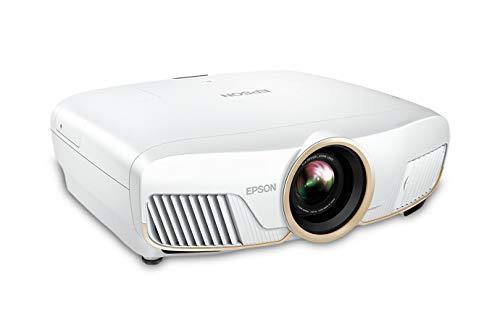
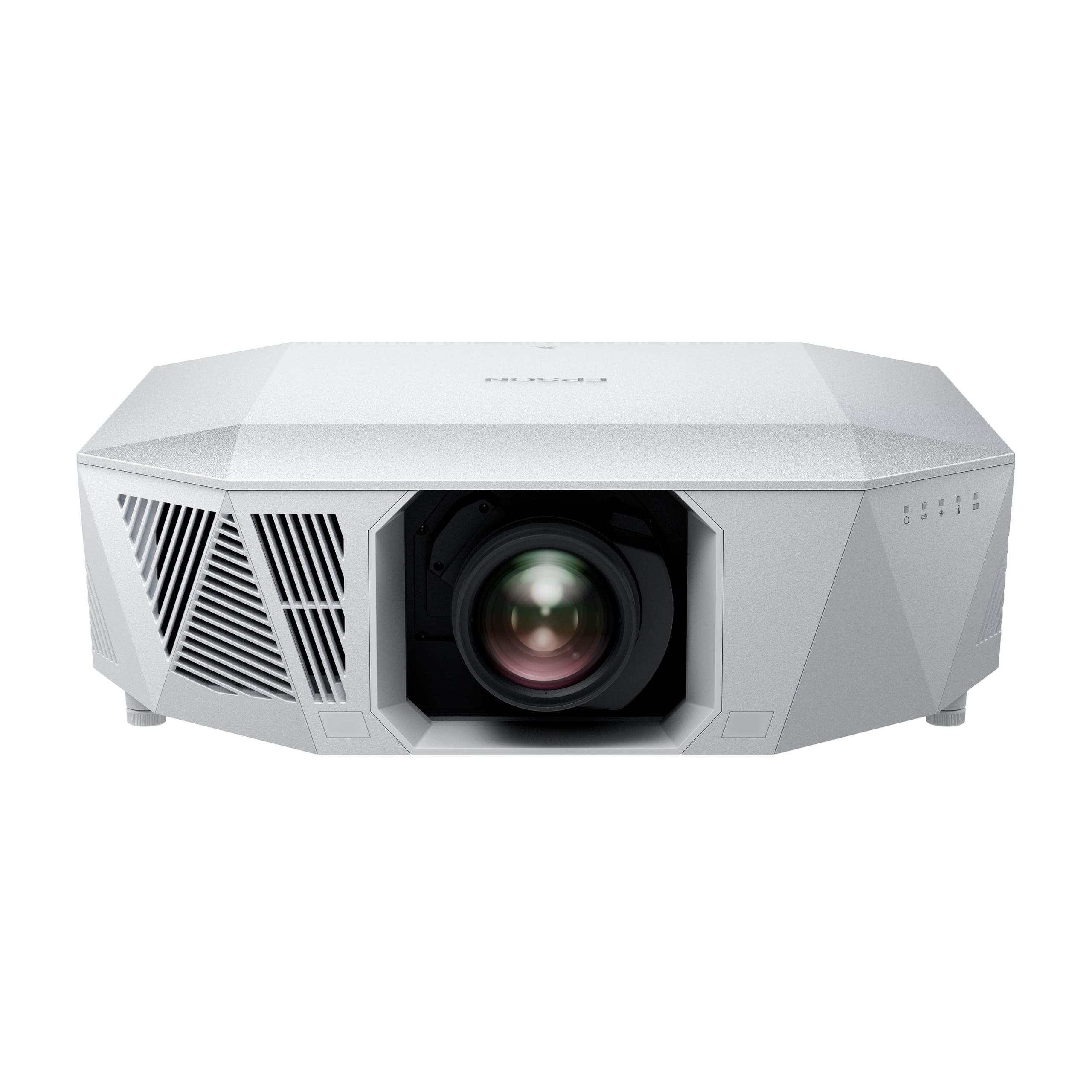

When you're ready to step up from a basic projector to something that delivers truly cinematic experiences, Epson's lineup offers two compelling but very different options. The Home Cinema 5050UB and QL3000 both use advanced projection technology, but they're designed for completely different scenarios—and budgets.
At the time of writing, the price difference between these projectors is dramatic: the 5050UB sits in the premium consumer range, while the QL3000 commands about five times more and belongs in the professional installation category. This isn't just a simple case of "better costs more"—these projectors solve different problems entirely.
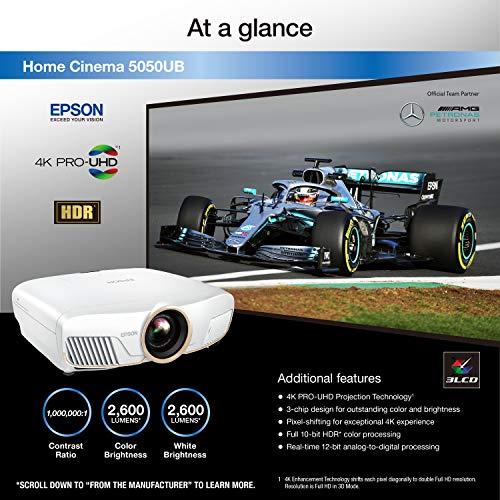
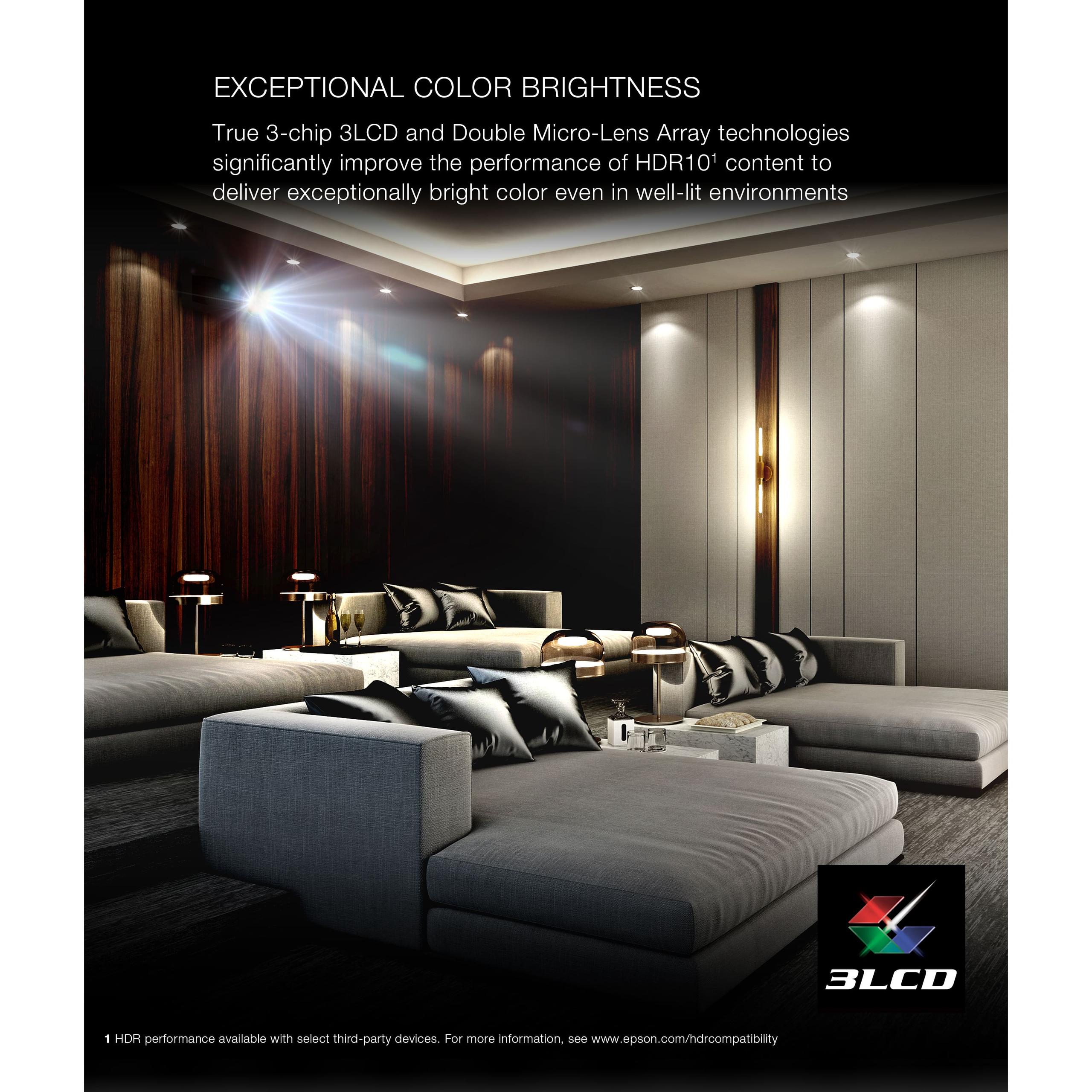
Both projectors use Epson's 3LCD technology, which is fundamentally different from the single-chip DLP systems you'll find in many competitors. Here's why this matters: instead of using one chip that rapidly switches between red, green, and blue light (which can create a "rainbow effect" some people notice), 3LCD uses three separate LCD panels simultaneously. This eliminates color artifacts and typically delivers more accurate, consistent colors.
Both models also use pixel-shifting technology to achieve 4K-like resolution from native 1080p panels. Think of pixel-shifting as a high-speed optical trick—the projector rapidly moves each pixel to four different positions, effectively quadrupling the apparent resolution. While this isn't quite the same as native 4K (which uses actual 4K chips), the difference is nearly impossible to spot at typical viewing distances.
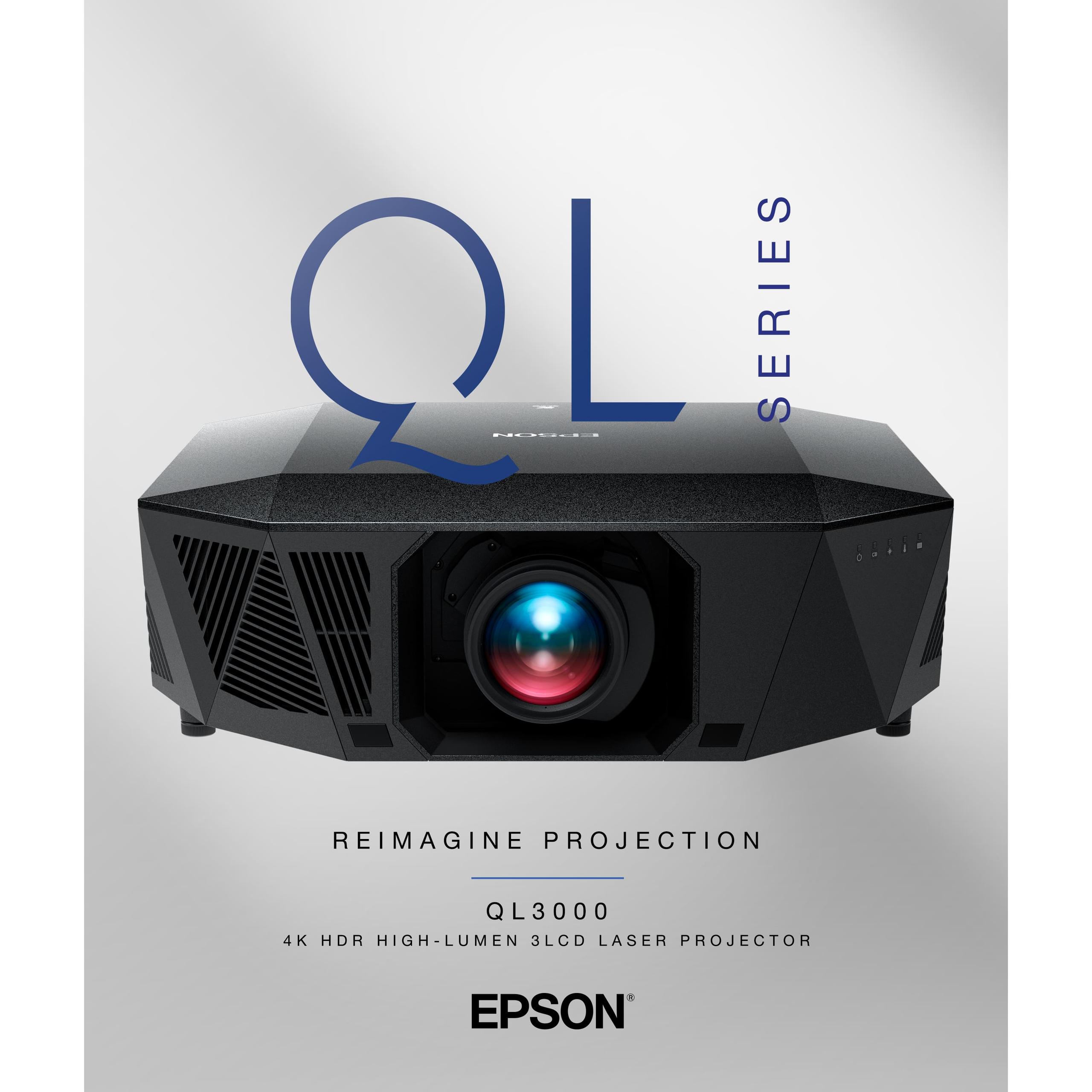
The 5050UB was released in 2019 and represented Epson's flagship consumer model at the time. The QL3000 is much newer, arriving in 2024 as part of Epson's professional Q-series lineup, incorporating several years of technological advancement.
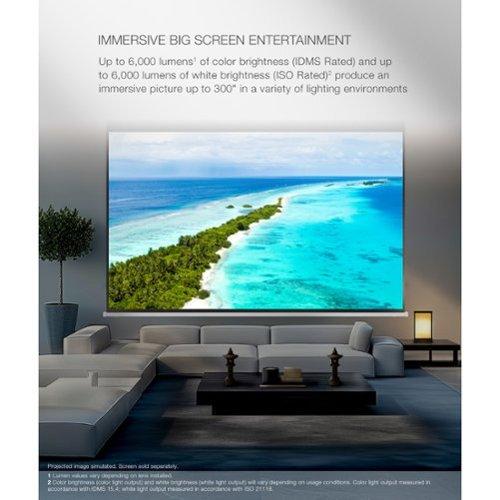
Here's where these projectors diverge dramatically. The 5050UB produces 2,600 lumens of brightness, which sounds impressive until you compare it to the QL3000's massive 6,000 lumens—more than double the output.
But why does brightness matter so much? In our research across dozens of user reviews and professional evaluations, brightness determines more than just how well you can see the image. Higher brightness enables:
The QL3000 can cut through ambient light that would make the 5050UB unwatchable. Based on user feedback, the 5050UB really needs a light-controlled room to perform its best, while the QL3000 can maintain excellent image quality even in family rooms with windows and normal lighting.
However, brightness isn't everything. The 5050UB uses that moderate brightness more efficiently for dark-room viewing, where excessive brightness can actually hurt the cinematic experience.
If brightness gets the headlines, contrast performance delivers the emotional impact. This is where the 5050UB fights back against its much more expensive sibling.
The 5050UB features Epson's UltraBlack technology—a proprietary filter system that controls light polarization to achieve deeper blacks. In practice, this means when you're watching a space scene or a dark thriller, the black parts of the image actually look black instead of gray. Professional reviews consistently praise the 5050UB's contrast performance, with many noting it rivals projectors costing significantly more.
The QL3000 claims a higher contrast ratio on paper (5,000,000:1 versus 1,000,000:1), but these numbers use different measurement methods and don't tell the whole story. In real-world dark room viewing, expert reviews suggest the 5050UB actually delivers deeper, more convincing blacks.
This creates an interesting trade-off: the QL3000 wins in bright rooms where its superior brightness overcomes contrast limitations, while the 5050UB excels in dark theaters where contrast and black level performance matter most.
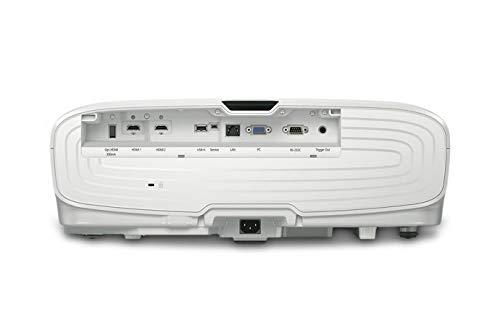
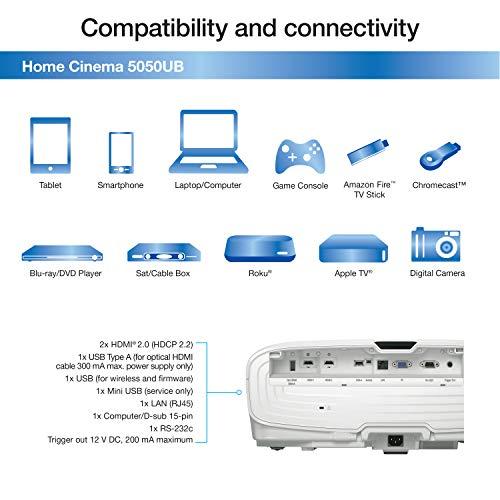
For gaming enthusiasts, the QL3000 offers clear advantages thanks to its newer technology. Released in 2024, it includes HDMI 2.1 ports that can handle 4K gaming at 120Hz—crucial for getting the most from PlayStation 5 and Xbox Series X consoles.
Input lag (the delay between pressing a controller button and seeing the result on screen) measures about 21 milliseconds on the QL3000 with its gaming mode enabled. That's excellent for a projector and competitive with many gaming monitors.
The 5050UB, being older technology, maxes out at 4K/60Hz and has slightly higher input lag around 22.5 milliseconds. While this is fine for casual gaming and single-player experiences, competitive gamers will notice the difference.
Both projectors include auto low-latency modes that automatically minimize lag when they detect game signals, but the QL3000's newer processing gives it the edge here.
This is perhaps the biggest practical difference between these projectors, and it significantly impacts who should buy each one.
The 5050UB includes everything you need in one package. Its built-in motorized lens offers impressive flexibility: 2.1x zoom range, extensive lens shift (you can move the image up to 96% of its height and 47% of its width without moving the projector), and lens memory that saves different zoom/focus settings. This lens memory feature is particularly clever—you can instantly switch between different aspect ratios, say from standard 16:9 movies to ultra-wide 2.35:1 films, with the press of a button.
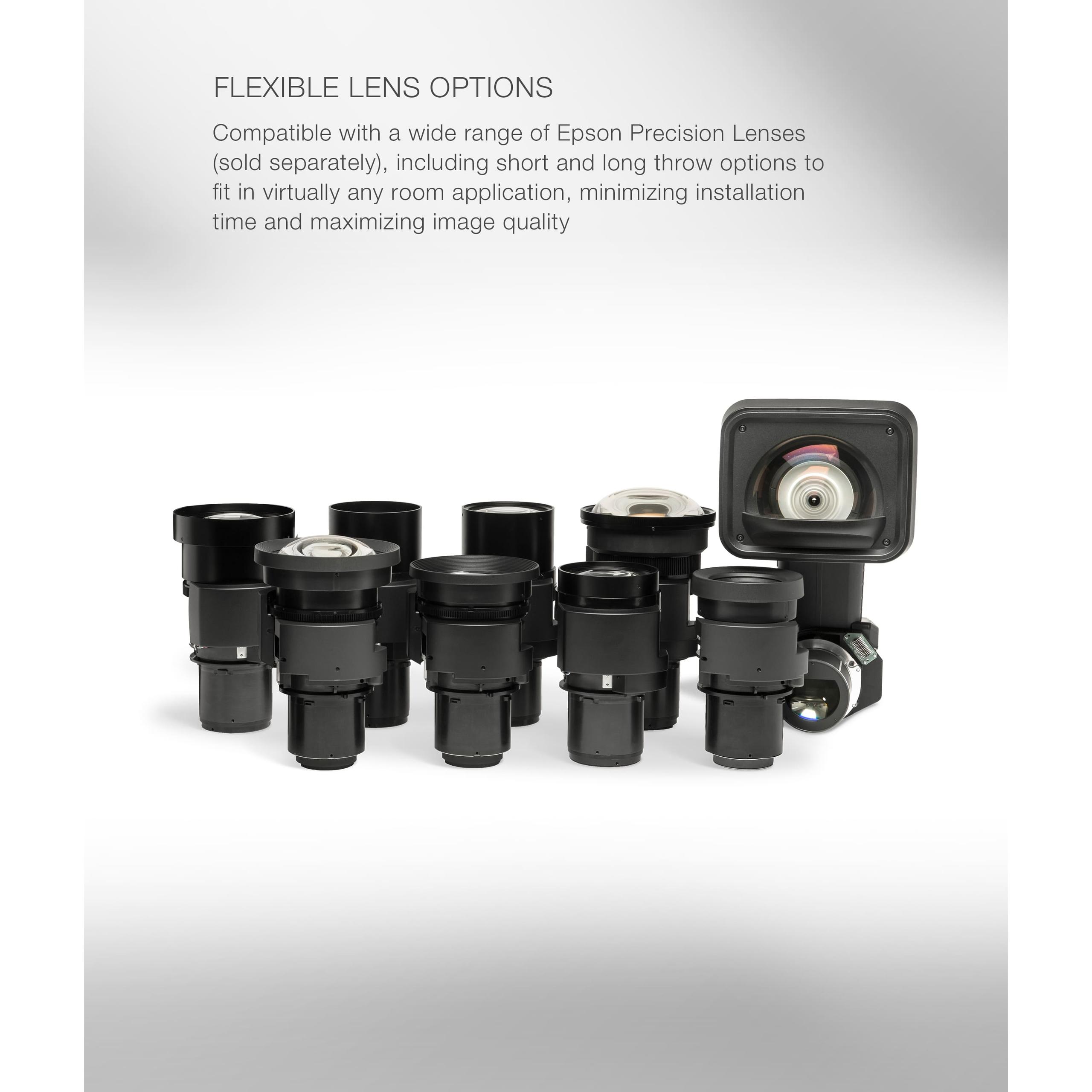
The QL3000 takes a completely different approach. It ships as a "body only" unit with no lens at all. Instead, you choose from Epson's professional lens lineup based on your specific needs. Want to mount it just inches from the wall? There's an ultra-short throw lens for that. Need to project from the back of a large room? Long-throw lenses are available.
This modularity is powerful but expensive. Professional-grade lenses can cost several thousand dollars each, and you'll likely want professional installation to get the most from the system. The trade-off is ultimate flexibility—the right lens can solve almost any installation challenge.
Here's where long-term ownership costs come into play. The 5050UB uses a traditional high-pressure mercury lamp that lasts about 3,500-5,000 hours depending on brightness settings. When it burns out (and it will), replacement costs several hundred dollars and requires careful handling of the old lamp.
The QL3000 uses a blue laser phosphor light source rated for 20,000 hours—essentially the lifetime of the projector for most users. No replacement parts, no gradual dimming over time, and instant on/off operation. The laser also maintains consistent color temperature throughout its life, while traditional lamps shift color as they age.
From our analysis of total cost of ownership, the laser's higher upfront cost often balances out over 7-10 years when you factor in lamp replacements and the value of consistent performance.
Both projectors excel at color reproduction thanks to their 3LCD design, but they approach HDR (High Dynamic Range) content differently.
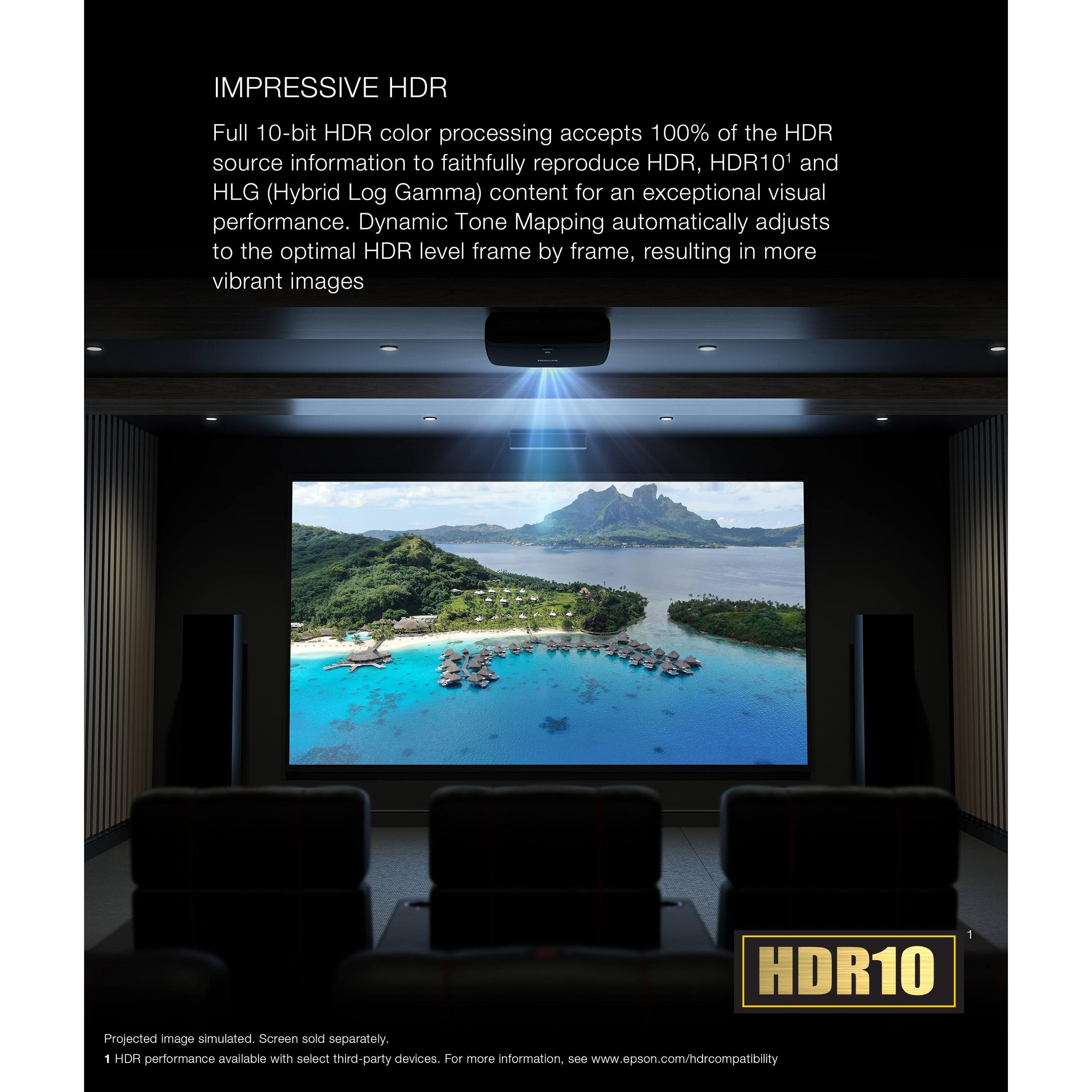
HDR requires both bright highlights and deep shadows to work properly—it's not just about making everything brighter. The 5050UB supports both HDR10 and HLG (Hybrid Log-Gamma) formats and uses its excellent contrast performance to deliver convincing shadow detail. However, its moderate brightness limits how impactful bright HDR highlights appear.
The QL3000 takes the opposite approach, using its massive brightness advantage to make HDR highlights pop dramatically. User reviews consistently note that HDR content looks more "TV-like" and impactful on the QL3000, even though it doesn't support HLG format.
For color accuracy, both projectors ship with excellent factory calibration, though the 5050UB has earned particular praise from home theater enthusiasts for its out-of-box performance.
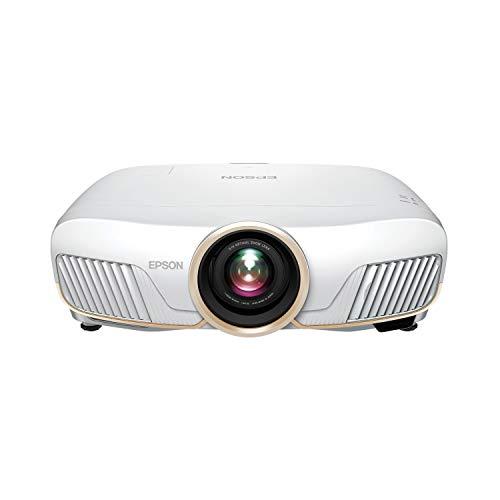
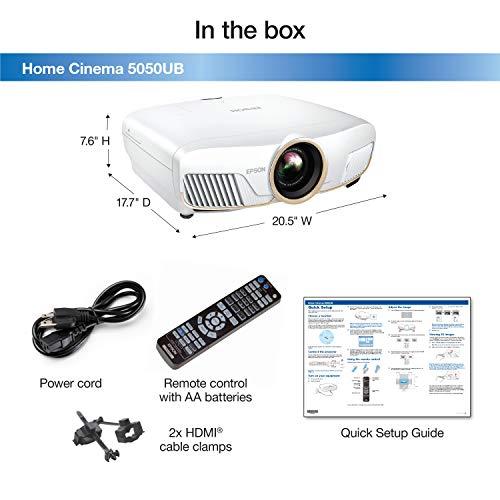
The 5050UB weighs about 25 pounds and measures roughly 20x18x8 inches—manageable for DIY installation but substantial enough to require proper ceiling mounting. Its consumer-grade construction is solid but not industrial.
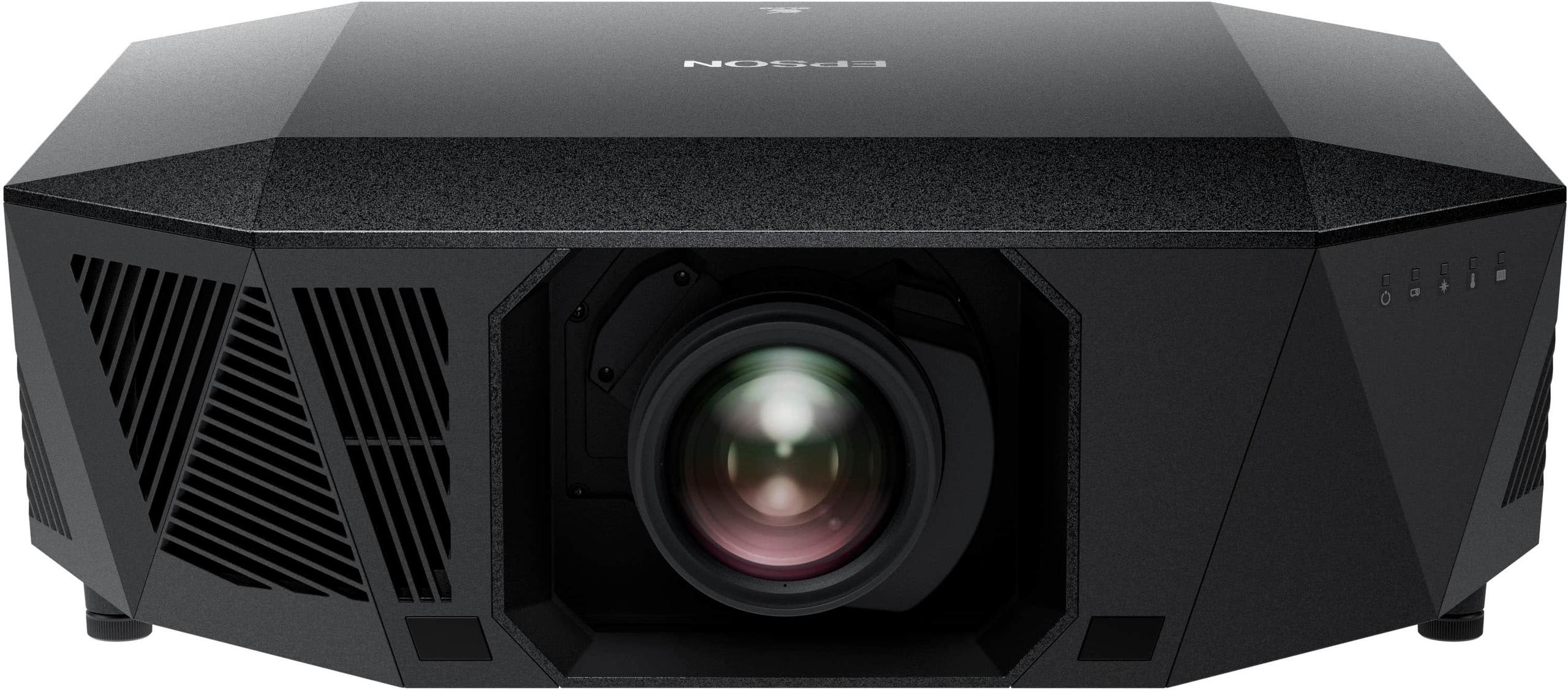
The QL3000 is a different beast entirely: 47 pounds of professional-grade engineering in a 23x22x7 inch chassis. This isn't something most people will want to handle alone, and its build quality reflects its commercial origins.
Noise levels favor the QL3000 slightly despite its higher power consumption. It runs at about 28 decibels in normal mode compared to the 5050UB's 31 decibels—both quiet enough for home theater use, though some users report the 5050UB's fan can be noticeable during quiet movie scenes.
After analyzing extensive user feedback and professional reviews, clear patterns emerge for each projector's ideal buyer.
Choose the Home Cinema 5050UB if:
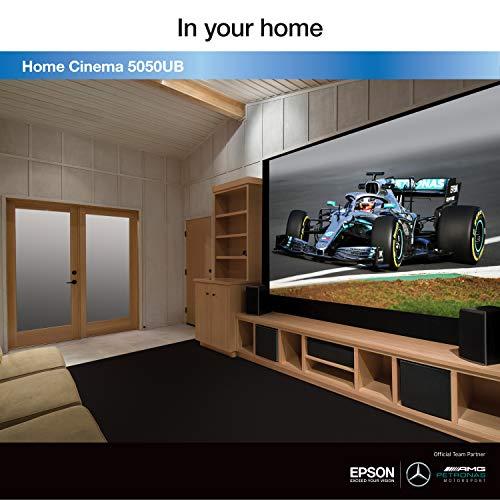
You're building a dedicated home theater room with good light control. The 5050UB excels in this environment, delivering cinematic contrast and color accuracy that rivals much more expensive projectors. Its integrated lens system makes installation straightforward, and its moderate price point (at the time of writing) offers exceptional value for serious movie watching.
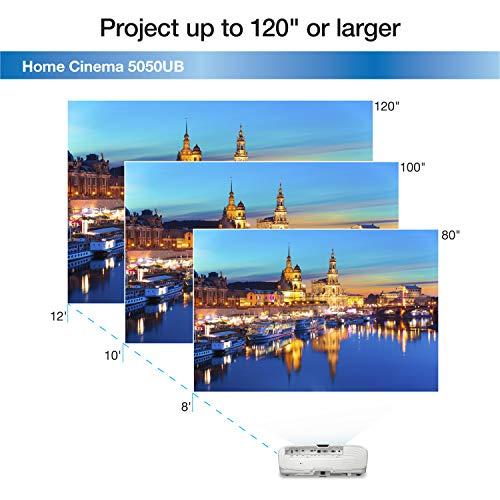
The 5050UB particularly shines for users who prioritize image quality over brightness and want a complete solution without additional lens purchases. If you're watching primarily movies and TV shows on screens between 100-150 inches in a darkened room, this projector delivers reference-quality images.
Choose the QL3000 if:
You need a projector that works in challenging environments—rooms with ambient light, commercial installations, or ultra-large screens over 200 inches. The QL3000's professional-grade brightness and modular lens system solve problems the 5050UB simply can't handle.
This projector also makes sense for serious gamers who want 4K/120Hz capability and plan to use it for many years. The laser light source means no maintenance headaches, and the modular design future-proofs your investment.
However, the QL3000 requires a significantly larger budget (at the time of writing, roughly five times more than the 5050UB when you include a professional lens) and typically professional installation.
If you're drawn to the QL3000's capabilities but find its price prohibitive, consider that Epson and competitors offer several models between these extremes. The key is understanding which features matter most for your specific situation: brightness for ambient light, contrast for dark rooms, or gaming features for console use.
Both projectors represent excellent engineering, but they solve different problems. The 5050UB maximizes image quality per dollar for traditional home theaters, while the QL3000 conquers installation challenges that would defeat lesser projectors.
Your room lighting conditions matter more than any feature comparison. If you can achieve good light control, the 5050UB delivers stunning cinematic experiences at a reasonable price. If ambient light is unavoidable or you need extreme flexibility, the QL3000 justifies its premium through sheer capability.
Consider also your long-term plans. The 5050UB will need lamp replacements and may feel dated as HDMI standards evolve. The QL3000 is built for the long haul with laser reliability and modern connectivity.
Ultimately, both projectors can deliver transformative home entertainment experiences—they just do it in very different ways, for very different budgets and room situations.
| Epson Home Cinema 5050UB | Epson QL3000 |
|---|---|
| Brightness - Critical for screen size and ambient light tolerance | |
| 2,600 lumens (requires controlled lighting for best results) | 6,000 lumens (cuts through ambient light, supports massive screens) |
| Light Source Technology - Affects long-term ownership costs | |
| Traditional lamp (3,500-5,000 hours, requires costly replacements) | Blue laser phosphor (20,000 hours, no maintenance needed) |
| Contrast Performance - Essential for cinematic black levels | |
| 1,000,000:1 with UltraBlack technology (exceptional dark room performance) | 5,000,000:1 dynamic (good but prioritizes brightness over deep blacks) |
| Lens System - Determines installation flexibility | |
| Built-in motorized 2.1x zoom with extensive lens shift (complete solution) | Body only, requires separate professional lens purchase (ultimate flexibility) |
| Gaming Performance - Important for console compatibility | |
| HDMI 2.0, 4K/60Hz, 22.5ms input lag (adequate for casual gaming) | HDMI 2.1, 4K/120Hz, 21ms input lag with ALLM (excellent for modern consoles) |
| Resolution Technology - Both use pixel-shifting for 4K enhancement | |
| 4K PRO-UHD pixel-shifting from 1080p panels | Advanced 4K Display Technology with 32-bit processor |
| HDR Support - Enhances dynamic range for compatible content | |
| HDR10 and HLG with 16-step precision adjustment | HDR10 with advanced tone mapping (no HLG support) |
| Installation Requirements - Affects total project complexity | |
| DIY-friendly with integrated lens and lens memory features | Professional installation recommended due to modular design |
| Physical Specs - Important for mounting and room planning | |
| 24.7 lbs, 31 dB operation (manageable for home installation) | 46.5 lbs, 28 dB operation (commercial-grade construction) |
| Target Market - Defines ideal use scenarios | |
| Dedicated home theater rooms with light control | Bright multipurpose spaces and professional installations |
| Screen Size Sweet Spot - Optimal performance range | |
| 100-150 inches in dark rooms | 150-300 inches in any lighting condition |
| Total Cost Consideration - Initial investment plus ongoing expenses | |
| Complete system at consumer price point | Professional-grade pricing plus separate lens costs |
The Epson Home Cinema 5050UB is specifically designed for dedicated home theaters with controlled lighting. Its UltraBlack technology delivers exceptional contrast and deep blacks that create a truly cinematic experience. While the Epson QL3000 is more versatile, the 5050UB provides better value and performance for traditional dark-room home theater setups.
The biggest difference is brightness and target use. The QL3000 produces over twice the brightness of the 5050UB, making it suitable for rooms with ambient light and much larger screens. The 5050UB focuses on contrast and color accuracy for dark room viewing, while the QL3000 is built for challenging installation environments.
The Epson QL3000 delivers 6,000 lumens compared to the 5050UB's 2,600 lumens. This massive brightness advantage allows the QL3000 to maintain vibrant colors in rooms with ambient light, support screens over 200 inches, and deliver more impactful HDR content. Higher brightness is essential for multipurpose rooms where you can't control all the lighting.
Yes, both the Epson Home Cinema 5050UB and QL3000 support 4K resolution through pixel-shifting technology and HDR content. However, the 5050UB supports both HDR10 and HLG formats, while the QL3000 focuses on HDR10 with more advanced processing. Both deliver excellent 4K image quality that's nearly indistinguishable from native 4K at typical viewing distances.
The Epson QL3000 is significantly better for gaming, especially with modern consoles. It features HDMI 2.1 ports that support 4K gaming at 120Hz, Auto Low Latency Mode, and slightly lower input lag. The 5050UB is limited to 4K at 60Hz and is better suited for casual gaming rather than competitive play.
The QL3000 uses a laser light source rated for 20,000 hours with no lamp replacements needed over its lifetime. The 5050UB uses a traditional lamp lasting 3,500-5,000 hours that will need periodic replacement. While the QL3000 costs more upfront, the laser technology eliminates ongoing maintenance expenses that can add up over time with the 5050UB.
The Epson QL3000 offers ultimate installation flexibility with its interchangeable lens system, including ultra-short throw options. However, the 5050UB provides excellent built-in flexibility with extensive motorized lens shift, zoom, and focus plus lens memory for different aspect ratios. For most home installations, the 5050UB's integrated lens system is more practical and cost-effective.
The Epson Home Cinema 5050UB delivers superior contrast performance with its UltraBlack technology, producing deeper blacks that are essential for cinematic viewing. While the QL3000 claims higher contrast ratios on paper, real-world performance in dark rooms favors the 5050UB for pure image quality and shadow detail.
The QL3000 operates slightly quieter at 28 dB compared to the 5050UB's 31 dB in normal mode. Both are quiet enough for home theater use, though some users report the 5050UB fan can be noticeable during very quiet movie scenes. The QL3000's commercial-grade design contributes to its quieter operation despite higher power consumption.
The 5050UB performs optimally with 100-150 inch screens in dark rooms, while the QL3000 can handle screens from 150-300 inches even in bright environments. If you want a massive screen over 200 inches or have ambient light challenges, the QL3000 is the better choice. For traditional home theater screen sizes, the 5050UB provides excellent performance.
The Epson Home Cinema 5050UB offers exceptional value for dedicated home theater setups, providing high-end image quality at a consumer-friendly price point with everything included. The QL3000 costs significantly more and requires separate lens purchases, but justifies its premium for challenging installations or commercial applications where its superior brightness and flexibility are essential.
The QL3000 excels in rooms with ambient light thanks to its 6,000-lumen output that cuts through competing light sources. The 5050UB really needs controlled lighting to perform at its best - ambient light will wash out its image and reduce contrast. If light control isn't possible in your space, the QL3000 is the clear choice despite its higher cost.
We've done our best to create useful and informative comparisons to help you decide what product to buy. Our research uses advanced automated methods to create this comparison and perfection is not possible - please contact us for corrections or questions. These are the sites we've researched in the creation of this article: rtings.com - audiogurus.com - hometechnologyreview.com - projectorscreen.com - youtube.com - thesmarthomehookup.com - techgearlab.com - rtings.com - projectorreviews.com - projectorreviews.com - projectorreviews.com - projectorcentral.com - avsforum.com - avsforum.com - rtings.com - avsforum.com - audiogeneral.com - hifiheaven.net - manuals.plus - crutchfield.com - mediaserver.goepson.com - projectorcentral.com - epson.com - bestbuy.com - projectorreviews.com - projectorcentral.com - projectorreviews.com - epson.com - audiogeneral.com - hometechnologyreview.com - mediaserver.goepson.com - hifiheaven.net - epson.com - new-age-electronics.com - stereoeast.com - projectorreviews.com - bestbuy.com - youtube.com - avsforum.com - youtube.com - youtube.com - projectorscreen.com - hifiheaven.net - shopsilica.com - planettv.com - audiogeneral.com - audiogeneral.com

Privacy Policy
Terms and Conditions - Affiliate Policy
Home Security
© Copyright 2008-2026.
11816 Inwood Rd #1211, Dallas, TX 75244