

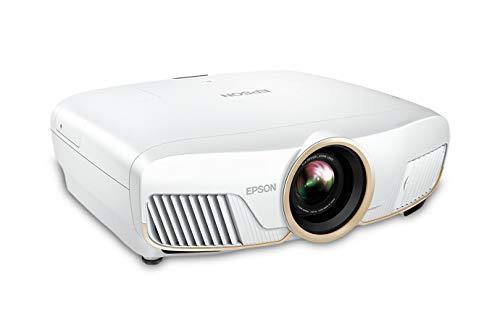
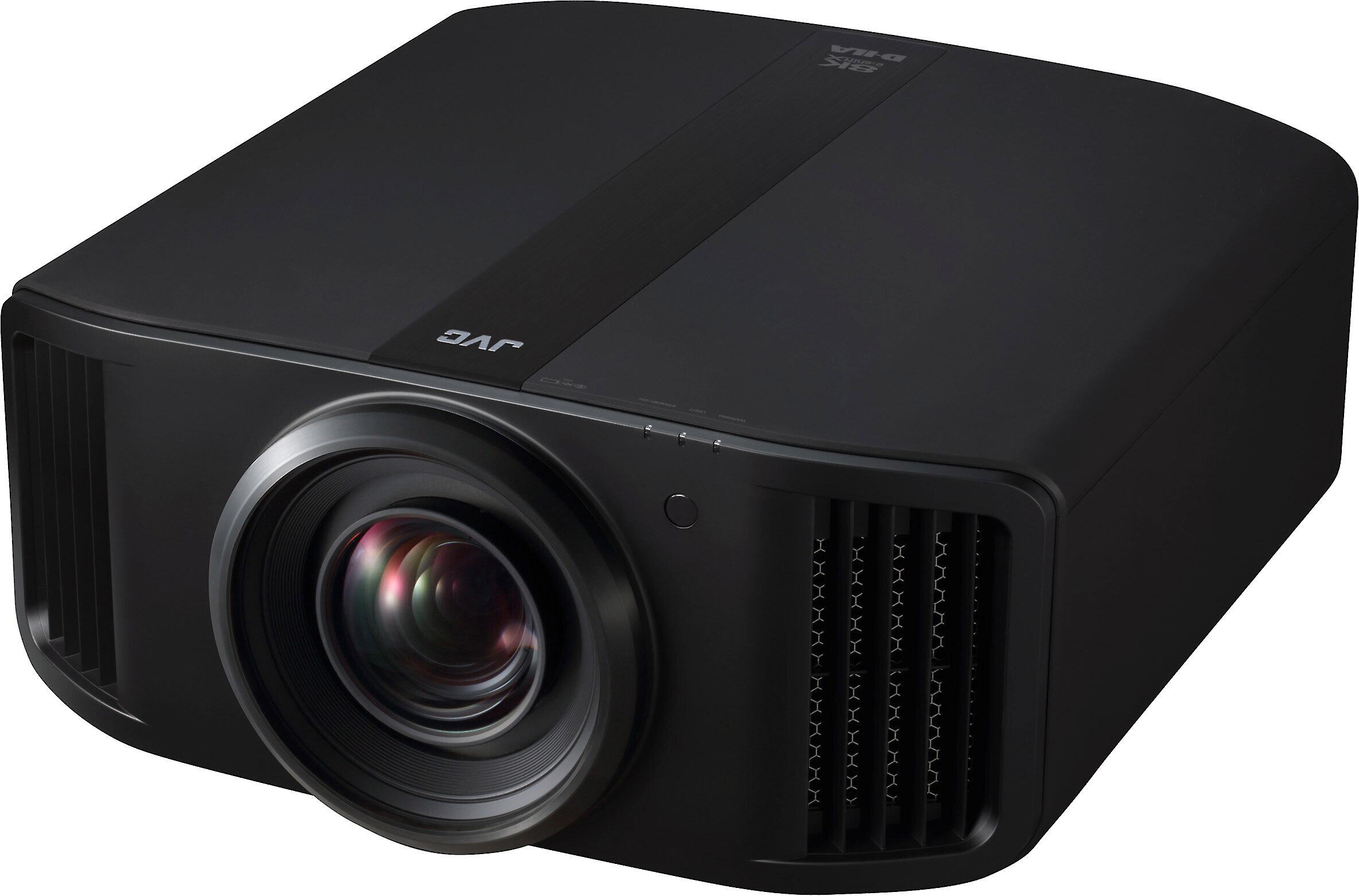

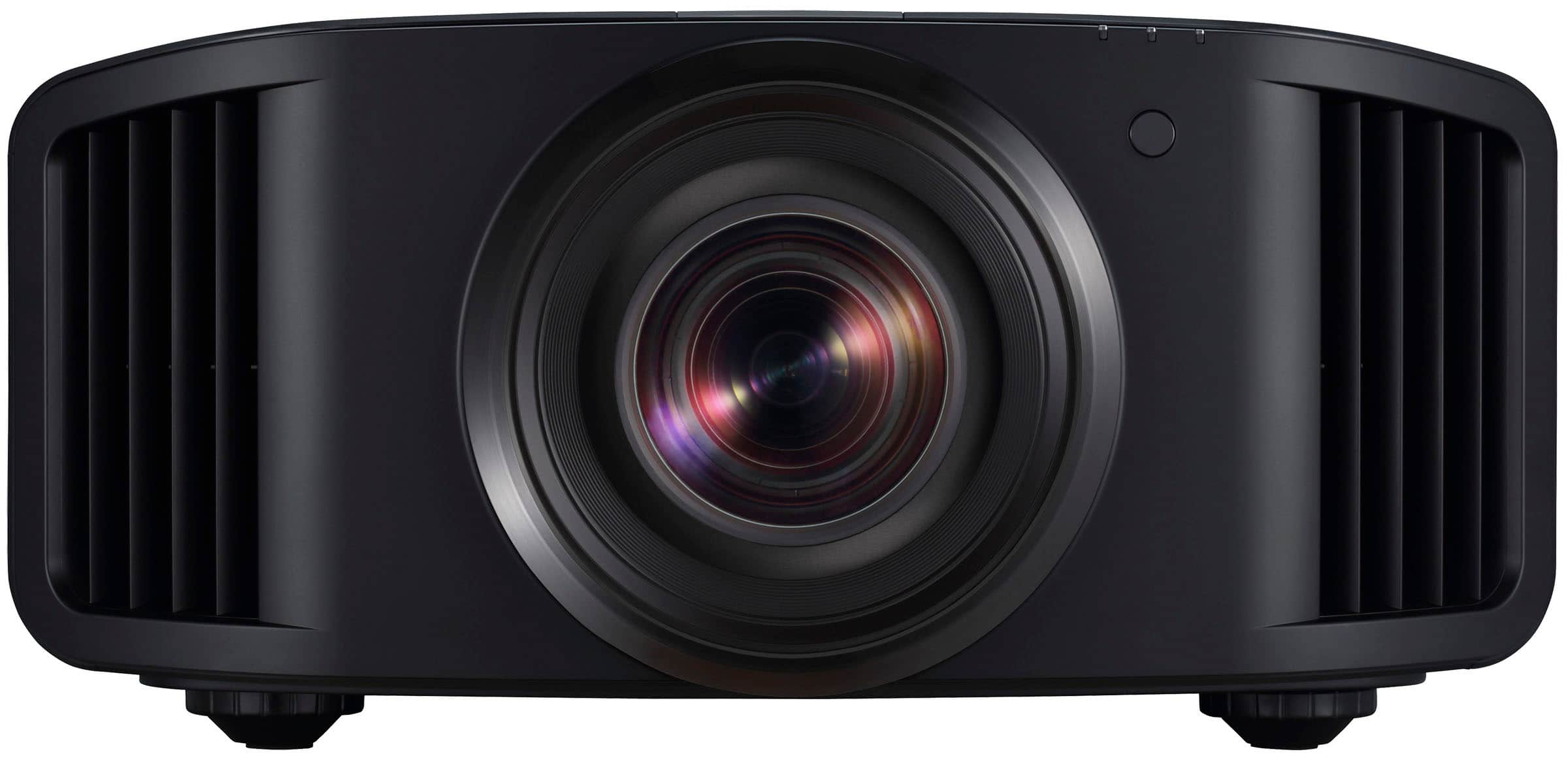
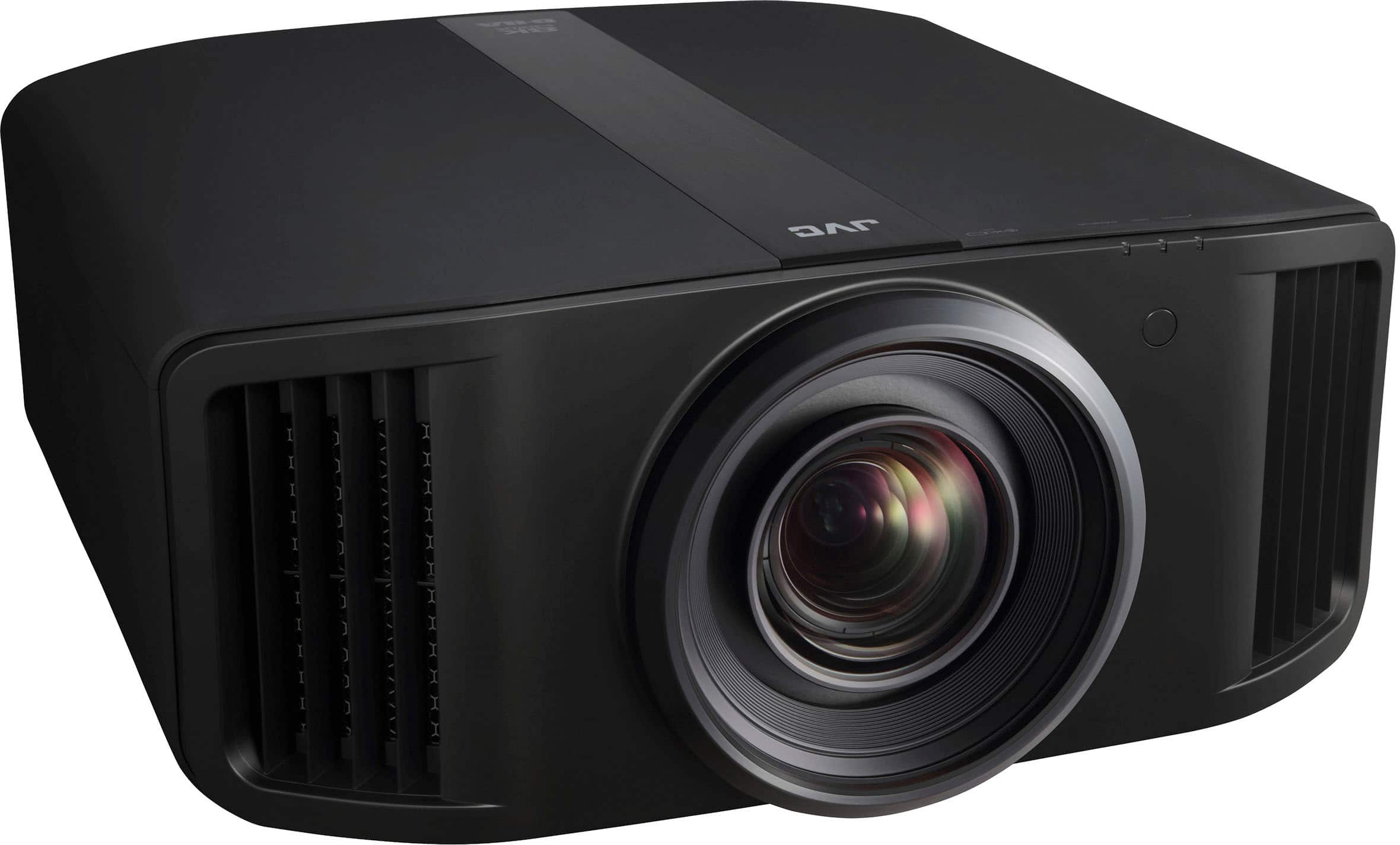
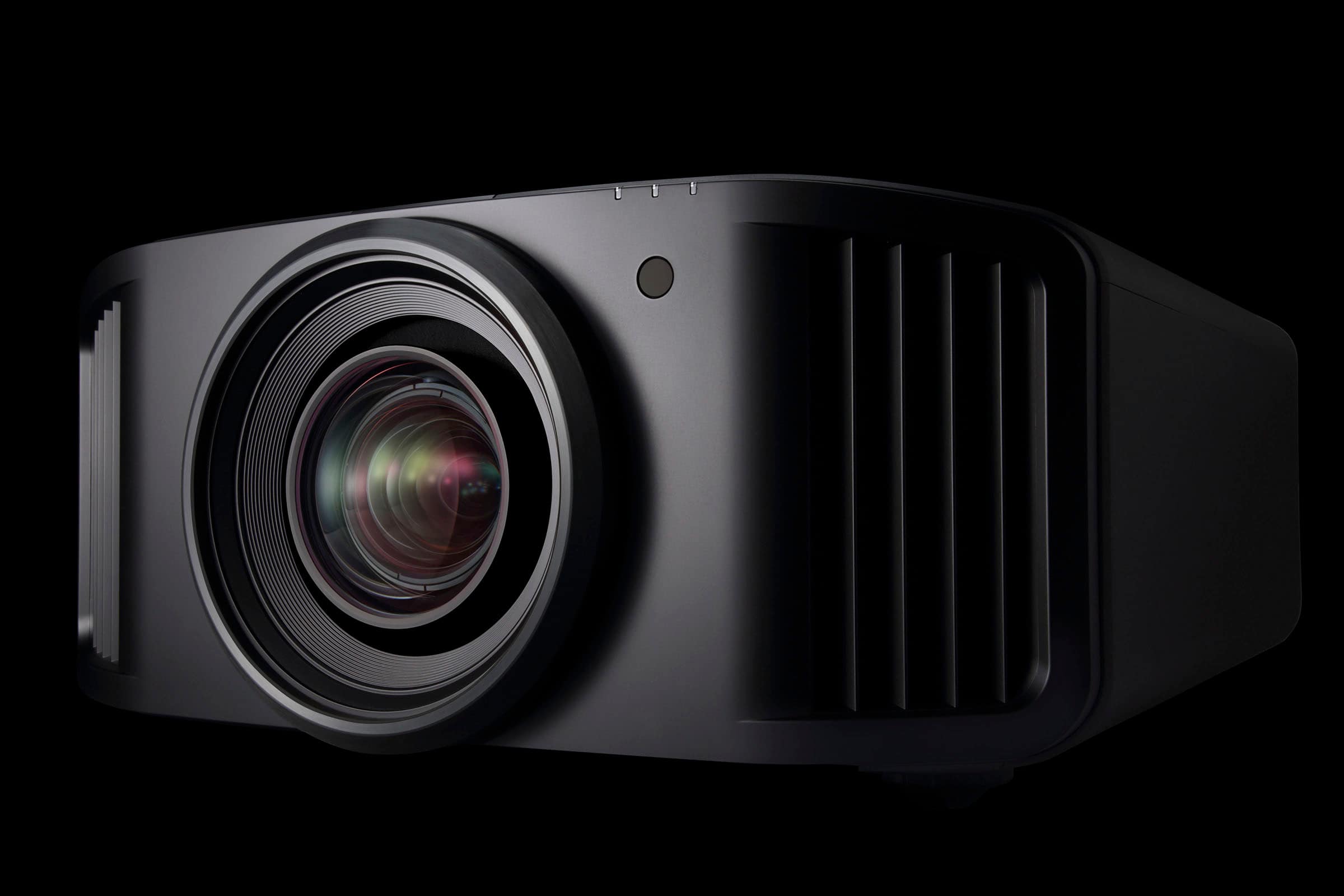
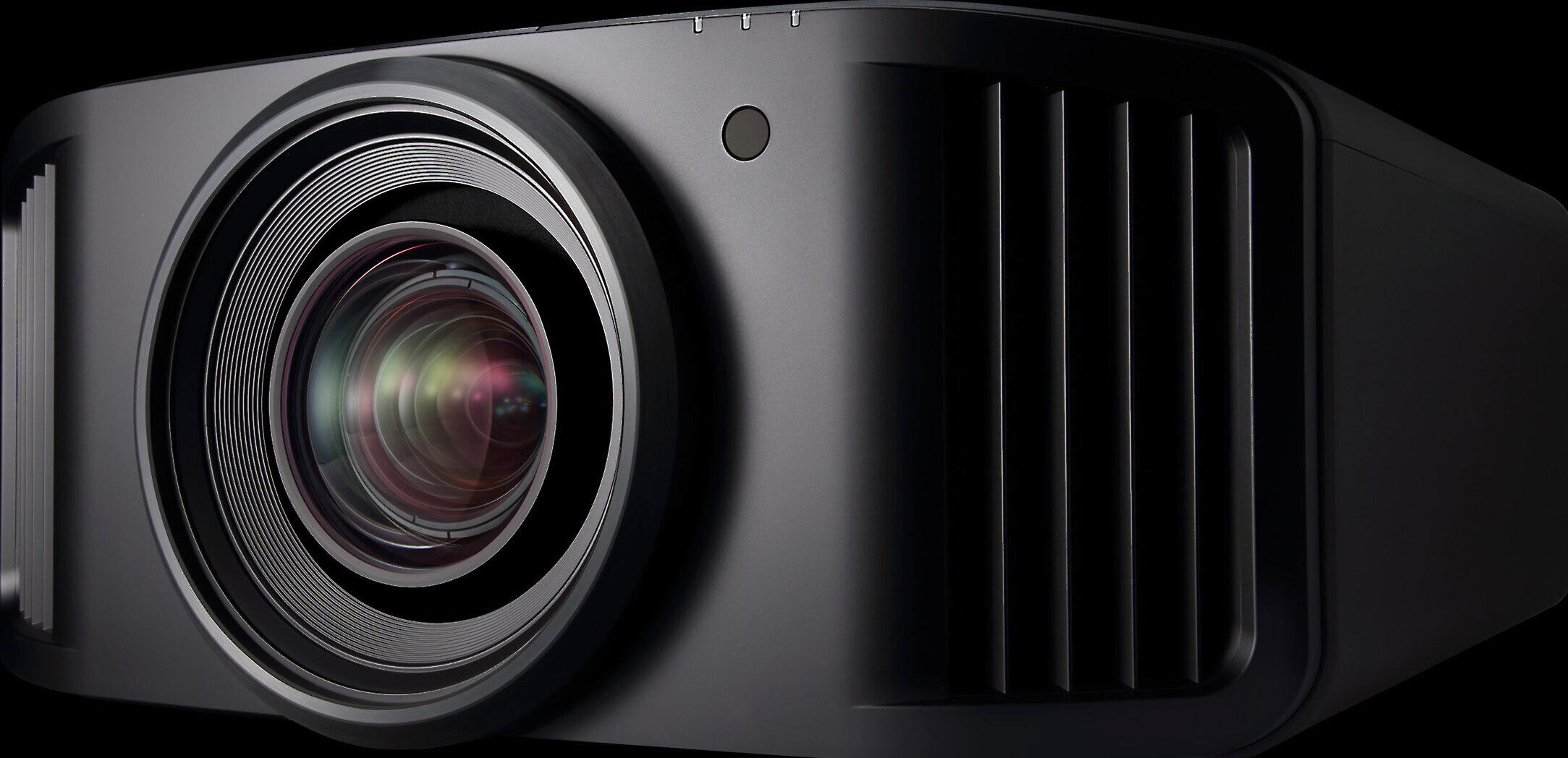
When you're ready to transform your living space into a cinema experience, choosing the right projector can feel overwhelming. Today, we're diving deep into two projectors that represent completely different philosophies in home theater: the Epson Home Cinema 5050UB and the JVC DLA-NZ900. One delivers exceptional performance at an accessible price point, while the other pushes the boundaries of what's possible—regardless of cost.
Before we compare these specific models, let's establish what makes a home theater projector truly great. The most critical factors are brightness (measured in lumens—essentially how much light the projector can produce), contrast ratio (the difference between the darkest black and brightest white), color accuracy (how faithfully it reproduces the colors filmmakers intended), and resolution (the number of pixels that create the image).
Beyond the technical specs, consider your room setup. A dedicated theater room with complete light control has different needs than a family room with windows. Screen size matters too—larger screens reveal more detail differences between projectors but also require more brightness to look their best.
The technology behind the projector also shapes performance. 3LCD projectors like the Epson 5050UB use three separate LCD panels for red, green, and blue light, eliminating the rainbow effect some people see with single-chip projectors. D-ILA technology in the JVC NZ900 uses liquid crystal on silicon for superior contrast and black levels—think of it as a more refined version of LCD technology.
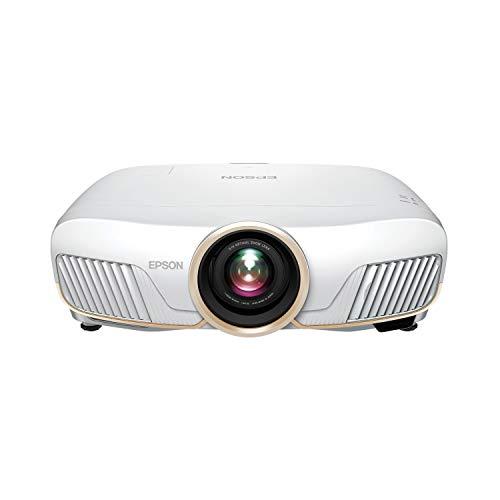
The Epson Home Cinema 5050UB, released in 2019, represents the pinnacle of lamp-based projector design. It uses a traditional high-pressure mercury lamp that produces light through an arc between electrodes—similar to how street lights work, but much more refined. This lamp typically lasts 3,500 to 5,000 hours before needing replacement, which costs several hundred dollars.
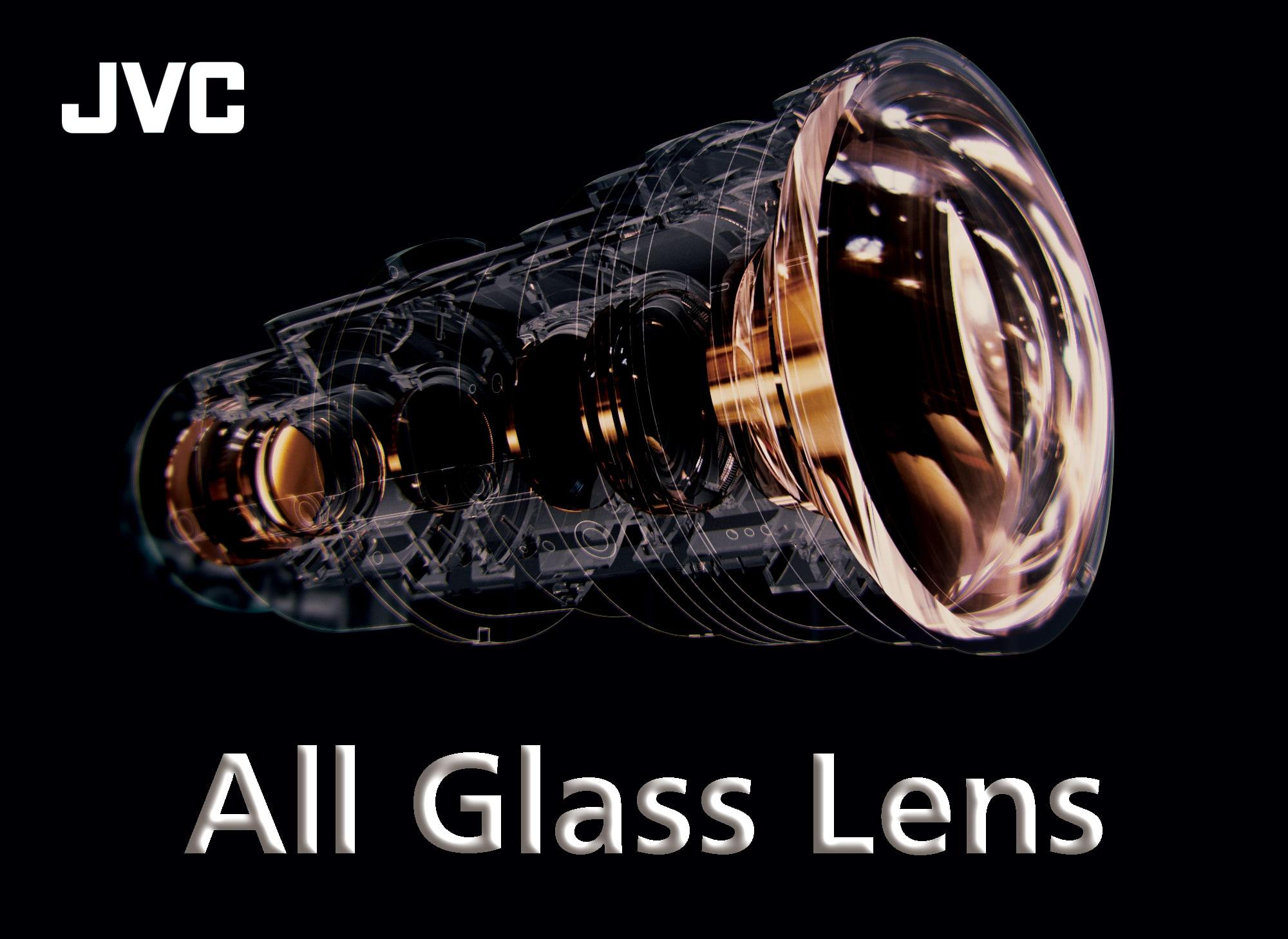
The JVC DLA-NZ900, launched in 2024, showcases newer laser technology. Its BLU-Escent laser system combines blue laser diodes with phosphor materials to create white light. This isn't just a different way of making light—it fundamentally changes the projector's performance and ownership experience. The laser source lasts 20,000 hours with minimal brightness degradation, essentially eliminating maintenance for most users.
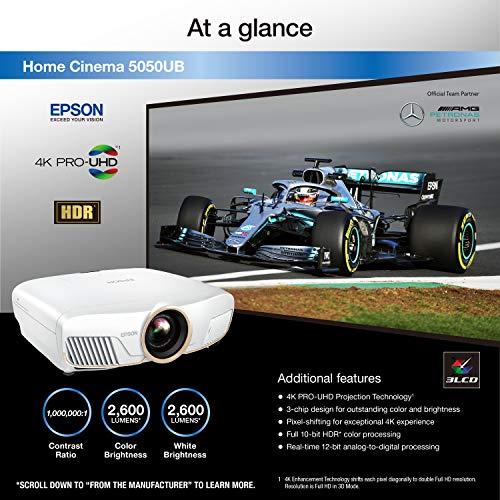
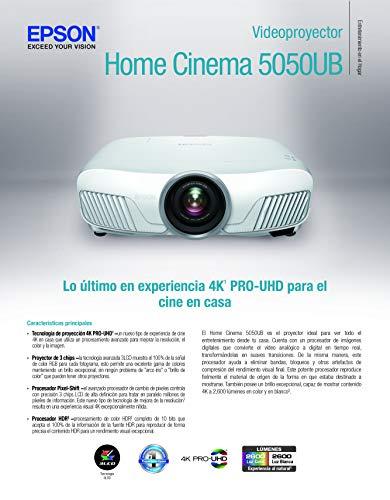
Here's where things get interesting. The Epson 5050UB uses native 1080p panels (1920 x 1080 pixels) but employs 4K PRO-UHD enhancement technology. This system rapidly shifts each pixel diagonally by half a pixel's width, effectively doubling the resolution information displayed. It's clever engineering that creates noticeably sharper images than standard 1080p, though it can't fully match true 4K for fine detail resolution.
The JVC NZ900 takes a completely different approach with genuine native 4K D-ILA panels displaying 4096 x 2160 pixels. But it doesn't stop there—JVC's 8K/e-shiftX technology shifts pixels in four diagonal directions to create an effective 8192 x 4320 resolution display. This means the JVC can actually process and display 8K content with all its detail intact.
In practical terms, both projectors look impressively sharp, but the differences become more apparent on larger screens (over 150 inches) and when viewing native 4K content with fine details like text or intricate patterns.
The Epson 5050UB delivers 2,600 lumens of brightness, which sounds lower than the JVC's 3,300 lumens. However, brightness alone doesn't tell the whole story. The Epson's 3LCD design typically produces more accurate colors at higher brightness levels compared to some competing technologies.
That said, the extra 700 lumens from the JVC NZ900 makes a real difference for larger screens or rooms with some ambient light. More importantly, the JVC's laser source maintains consistent brightness throughout its lifespan, while the Epson's lamp gradually dims over time.
Both projectors offer multiple brightness modes. The Epson provides eco, medium, and high settings that balance brightness with lamp life and fan noise. The JVC features 101 discrete laser power steps, allowing incredibly precise brightness tuning—a level of control previously found only in commercial cinema projectors.
This is where the fundamental technology differences really shine through. The Epson 5050UB achieves its impressive 1,000,000:1 dynamic contrast ratio through UltraBlack technology—a proprietary compensation filter that controls light polarization to reduce internal reflections and light leakage. Combined with its high-speed auto iris that adjusts the light output in real-time, it delivers genuinely deep blacks for a lamp-based projector.
The JVC DLA-NZ900 operates on another level entirely. Its native contrast ratio of 150,000:1 might sound lower than the Epson's dynamic figure, but native contrast tells the real story—this is what the projector achieves without any dynamic adjustments. D-ILA technology inherently produces deeper blacks and better shadow detail than LCD designs.
In dark movie scenes, the difference is immediately apparent. The JVC reveals subtle details in shadows that the Epson might render as pure black. It's like the difference between looking into a moderately dark room versus a truly pitch-black cave.
Both projectors cover the DCI-P3 color space—the standard used in digital cinemas—but approach color differently. The Epson 5050UB provides excellent color accuracy straight out of the box, with its Cinema Filter achieving nearly complete DCI-P3 coverage. Its 3LCD design eliminates the color wheel artifacts that some single-chip projectors exhibit, creating smooth, natural color transitions.
The JVC NZ900 exceeds 100% DCI-P3 coverage and includes advanced color management tools. Its auto-calibration function uses an optical sensor to automatically optimize color balance, gamma characteristics, and color tracking—features typically requiring expensive calibration equipment and professional setup.
For most users, both projectors will deliver satisfying color performance, but the JVC offers more precise control and consistency over time.
High Dynamic Range (HDR) content contains much more brightness and color information than standard video, creating more lifelike images with deeper shadows and brighter highlights. The Epson 5050UB supports HDR10 and HLG formats with 16-step manual adjustment, allowing you to fine-tune how HDR content appears based on your room and preferences.
The JVC DLA-NZ900 advances this with HDR10+ support and Frame Adapt HDR with Theatre Optimizer. This system analyzes each frame of HDR content individually and automatically adjusts the image based on both the content's requirements and your room's characteristics. It's like having a professional colorist constantly optimizing the image in real-time.
The practical difference is significant. While the Epson can display HDR content beautifully with proper adjustment, the JVC does much of this optimization automatically while providing more sophisticated tone mapping.
Modern gaming demands low input lag—the delay between when your controller sends a signal and the projector displays the result. The Epson 5050UB delivers approximately 22.5ms of input lag at 4K/60Hz, which works fine for most gaming but might feel sluggish for competitive players.
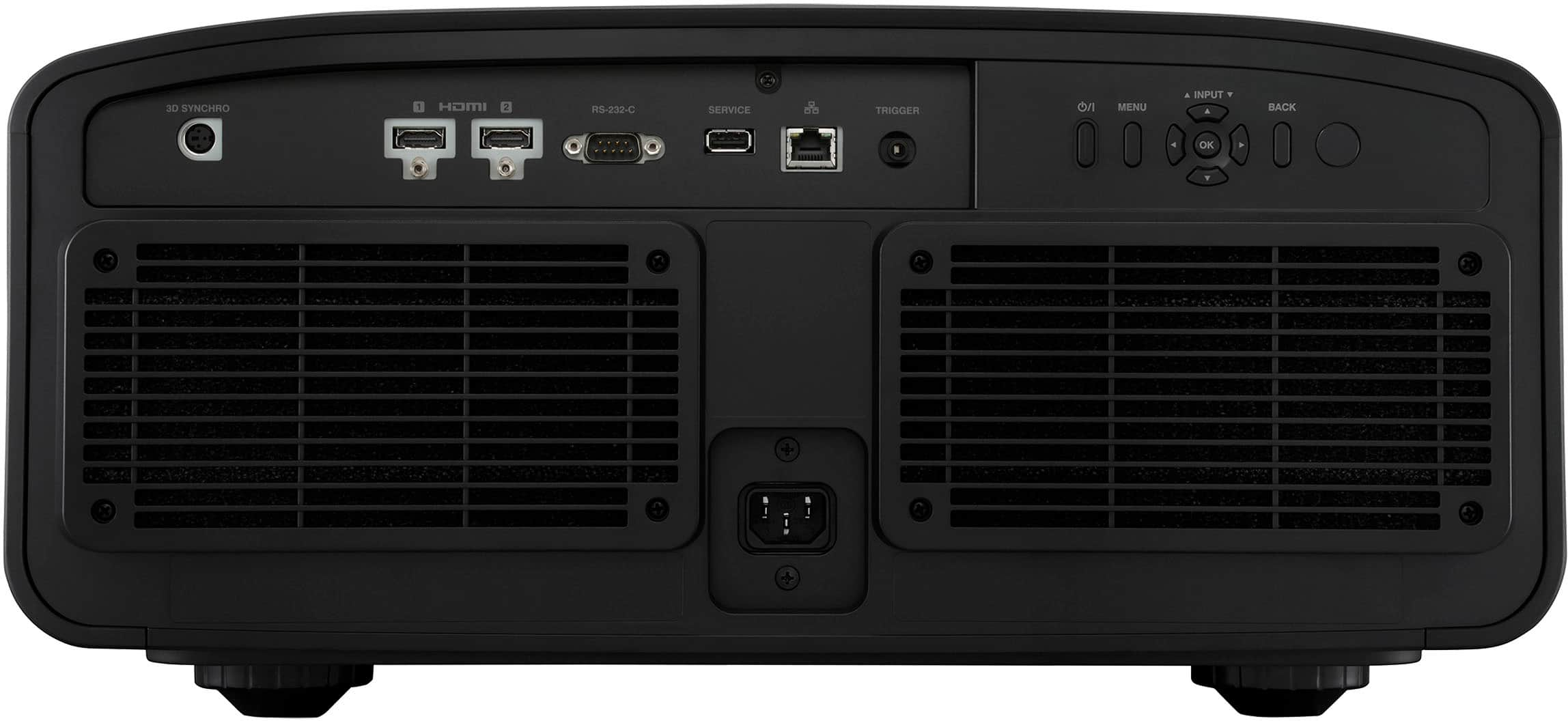
The JVC NZ900 achieves 30ms at 4K/120Hz with its Low Latency Mode enabled. While this might seem higher, the 120Hz refresh rate creates smoother motion that often feels more responsive than 60Hz gaming. More importantly, the JVC's dual HDMI 2.1 inputs support the full feature set of PlayStation 5 and Xbox Series X consoles.
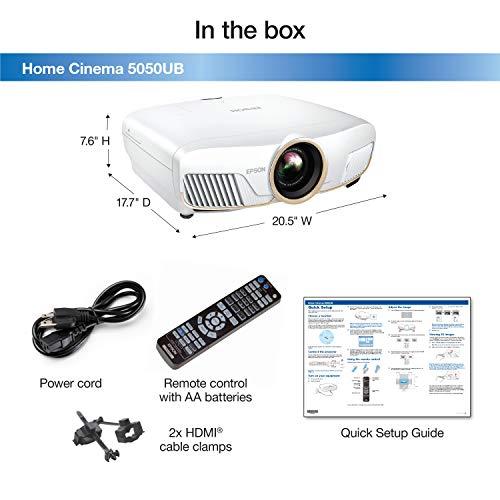
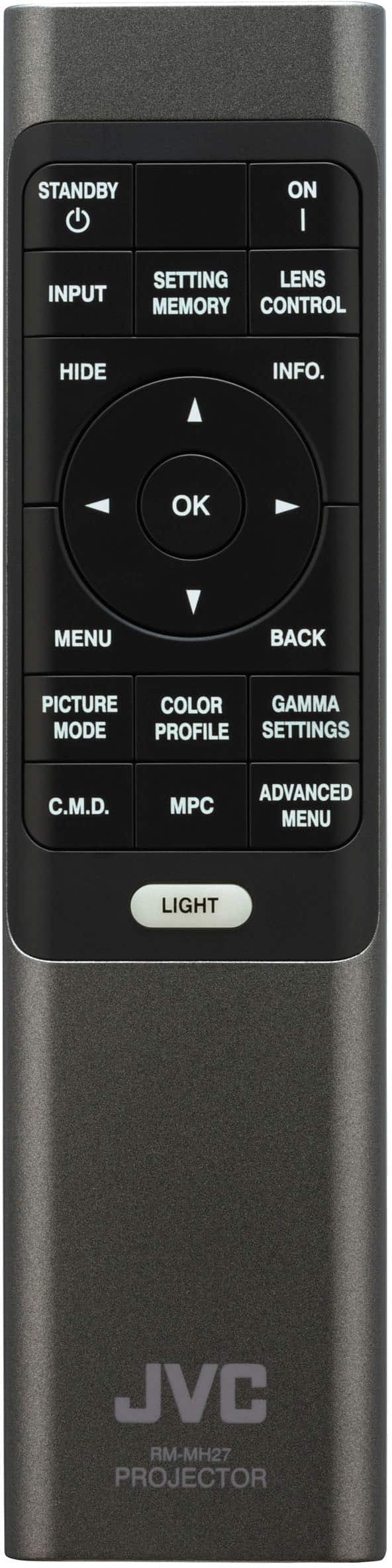
Both projectors offer fully motorized lens systems with extensive lens shift capabilities—this means you can move the image position without physically moving the projector, crucial for flexible installation. The Epson 5050UB weighs 24.7 pounds and operates with moderate fan noise (20-31 dB depending on settings).
The JVC DLA-NZ900 weighs 55.7 pounds and requires more substantial mounting, but runs quieter at 24 dB even at higher output levels. Its laser design also eliminates the heat buildup common with lamp projectors, potentially extending the life of other internal components.
At the time of writing, the Epson 5050UB represents exceptional value in the mid-tier projector market, delivering performance that competes with projectors costing significantly more. When you factor in the need for periodic lamp replacements (roughly every 3-5 years for most users), the total cost of ownership remains reasonable.
The JVC DLA-NZ900 costs approximately eight times more than the Epson, placing it firmly in luxury territory. However, its laser light source eliminates ongoing maintenance costs, and the image quality improvements, while incremental, are meaningful for dedicated home theater enthusiasts.
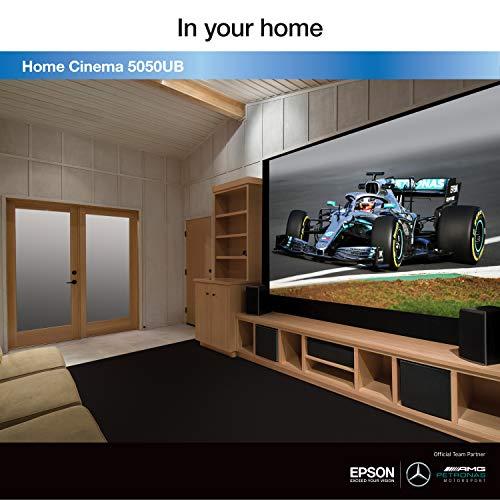
For multi-purpose rooms with some ambient light, the Epson 5050UB excels. Its higher brightness tolerance and excellent color saturation work well when complete darkness isn't possible. The 3LCD design also handles varied content types effectively, from bright sports broadcasts to dark movies.
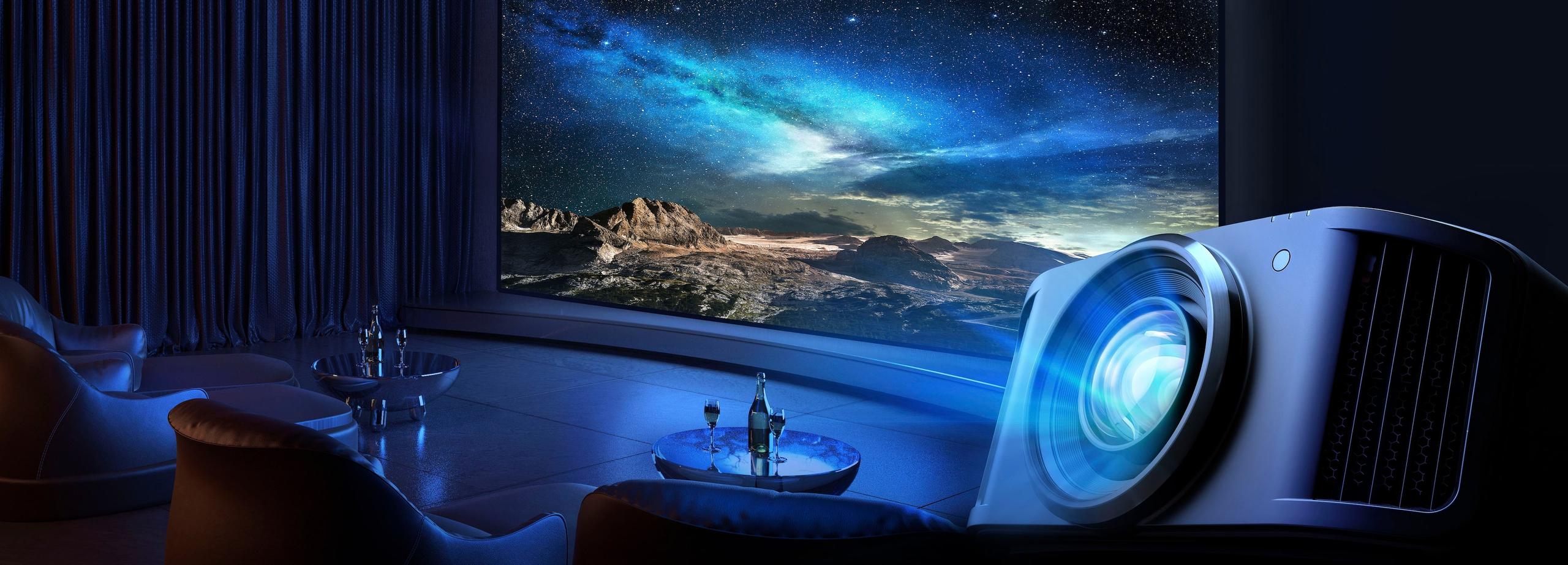
Dedicated home theaters benefit most from the JVC DLA-NZ900. In completely controlled lighting environments, its superior contrast ratio and black levels create a more immersive experience. The native 4K resolution also becomes more apparent on the larger screens typical in dedicated theaters.
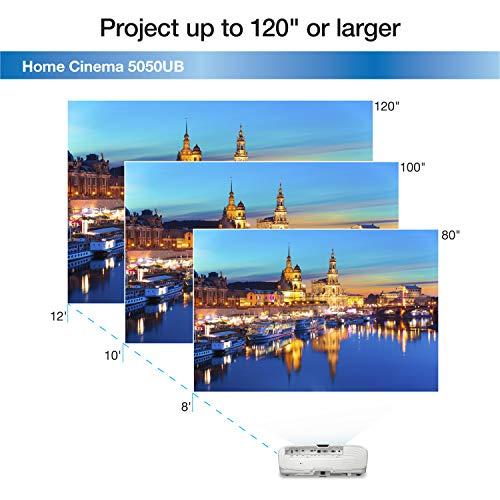
On screens under 120 inches, both projectors deliver excellent results, with the resolution difference being minimal at typical viewing distances. Between 120-180 inches, the JVC's native 4K resolution becomes more noticeable, particularly with detailed content.
Above 180 inches, the JVC NZ900 clearly pulls ahead. Its higher brightness, superior contrast, and true 4K resolution all become crucial for maintaining image quality at these larger sizes.
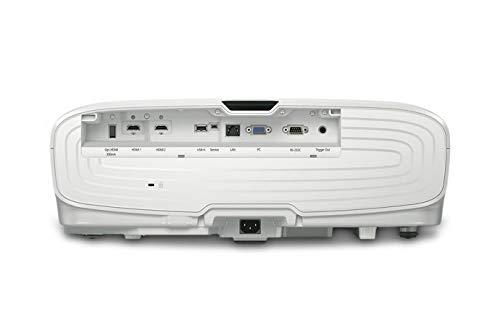
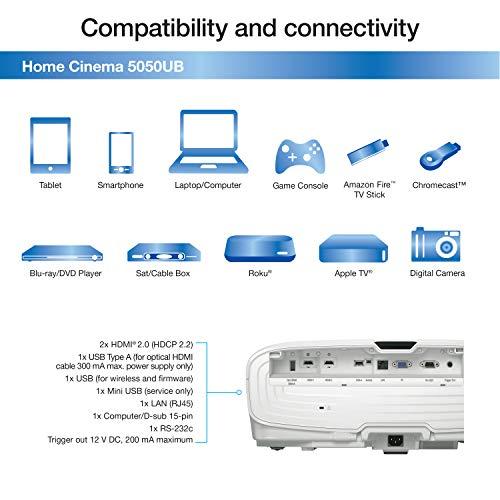
The Epson 5050UB provides excellent performance with current content but lacks the connectivity for future gaming features and 8K content. Its HDMI 2.0 inputs limit it to 4K/60Hz maximum.
The JVC DLA-NZ900 is genuinely future-ready with HDMI 2.1, 8K processing capability, and advanced HDR formats. As content creators adopt these newer standards, the JVC will maintain relevance longer.
Choose the Epson Home Cinema 5050UB if you want flagship-level performance without the flagship price. It's ideal for enthusiasts building their first serious home theater, rooms with modest ambient light, or anyone prioritizing value without sacrificing image quality. The ongoing lamp costs are manageable, and the performance satisfies all but the most demanding viewers.
Select the JVC DLA-NZ900 for the ultimate home theater experience. If you have a dedicated theater room, a large screen (over 150 inches), and budget isn't the primary concern, the JVC delivers measurably superior performance. The laser light source and native 4K resolution future-proof your investment, while the contrast performance truly elevates the viewing experience.
Both projectors represent the best of their respective categories. The Epson democratizes high-end projection technology, while the JVC pushes the boundaries of what's possible in home cinema. Your choice ultimately depends on your room, budget, and how much the incremental improvements matter to your viewing experience.
For most enthusiasts, the Epson 5050UB delivers 85% of the ultimate projection experience at a fraction of the cost. For those seeking the absolute best, the JVC DLA-NZ900 justifies its premium through measurable performance advantages and long-term value.
| Epson Home Cinema 5050UB | JVC DLA-NZ900 |
|---|---|
| Display Technology - Determines image quality ceiling | |
| 3LCD with native 1080p + 4K pixel-shifting enhancement | Native 4K D-ILA with 8K/e-shiftX pixel-shifting |
| Native Resolution - Critical for large screens over 150 inches | |
| 1920 x 1080 (enhanced to 4K-like via pixel-shifting) | 4096 x 2160 true 4K (enhanced to 8K-like) |
| Brightness - Essential for screen size and room lighting | |
| 2,600 lumens (good for screens up to 150") | 3,300 lumens (handles 200"+ screens well) |
| Light Source - Affects maintenance and long-term costs | |
| Traditional lamp (3,500-5,000 hour lifespan, needs replacement) | BLU-Escent laser (20,000 hours, maintenance-free) |
| Contrast Ratio - Most important for dark room cinema experience | |
| 1,000,000:1 dynamic (with UltraBlack technology) | 150,000:1 native / ∞:1 dynamic (superior D-ILA blacks) |
| Color Gamut - Affects color richness and accuracy | |
| Full DCI-P3 coverage with Cinema Filter | Over 100% DCI-P3 with auto-calibration |
| HDR Support - Critical for modern streaming and UHD content | |
| HDR10, HLG with 16-step manual adjustment | HDR10+, HDR10, HLG with automatic Frame Adapt HDR |
| Gaming Performance - Important for console compatibility | |
| 22.5ms input lag, HDMI 2.0 (4K/60Hz max) | 30ms at 4K/120Hz, dual HDMI 2.1 (8K/60Hz, 4K/120Hz) |
| Weight and Installation - Affects mounting requirements | |
| 24.7 lbs (easier installation, standard mounts) | 55.7 lbs (requires robust mounting, professional install recommended) |
| Fan Noise - Critical for quiet home theater environments | |
| 20-31 dB (quieter in eco mode, more audible at full brightness) | 24 dB (consistently quiet across all brightness levels) |
| Lens System - Determines installation flexibility | |
| Motorized zoom, focus, lens shift with memory | Motorized zoom, focus, lens shift with 10 installation presets |
| Best Use Case - Who should choose this projector | |
| Multi-purpose rooms, first serious home theater, value-focused buyers | Dedicated theaters, large screens 180"+, ultimate quality seekers |
The Epson Home Cinema 5050UB is much better for beginners due to its more accessible price point and simpler operation. It delivers excellent image quality without requiring professional installation or complex calibration. The JVC DLA-NZ900 is designed for serious enthusiasts with dedicated home theaters and typically benefits from professional setup.
The primary difference is that the JVC DLA-NZ900 uses genuine native 4K panels with laser technology, while the Epson Home Cinema 5050UB uses 1080p panels with 4K enhancement via pixel-shifting. The JVC also costs significantly more but delivers superior contrast and eliminates lamp replacements.
The JVC DLA-NZ900 is brighter at 3,300 lumens compared to the Epson Home Cinema 5050UB's 2,600 lumens. However, both projectors are bright enough for most home theater applications, with the extra brightness mainly benefiting very large screens over 180 inches.
Only the Epson Home Cinema 5050UB requires bulb replacement every 3,500-5,000 hours of use. The JVC DLA-NZ900 uses a laser light source rated for 20,000 hours with minimal brightness degradation, essentially eliminating maintenance concerns for most users.
The JVC DLA-NZ900 has superior contrast with its 150,000:1 native contrast ratio and D-ILA technology that produces deeper blacks. While the Epson Home Cinema 5050UB achieves impressive contrast through its UltraBlack technology, the JVC's native performance is measurably better in dark room environments.
Yes, both can display 4K content, but differently. The Epson Home Cinema 5050UB uses pixel-shifting to enhance 1080p to 4K-like resolution, while the JVC DLA-NZ900 has true native 4K panels. The difference is most noticeable on screens larger than 150 inches or when viewing detailed content up close.
The JVC DLA-NZ900 is better for modern gaming with its HDMI 2.1 inputs supporting 4K at 120Hz and lower input lag at high refresh rates. The Epson Home Cinema 5050UB is limited to HDMI 2.0 and 4K/60Hz, though its 22.5ms input lag is acceptable for casual gaming.
The Epson Home Cinema 5050UB works excellently on screens up to 150 inches, while the JVC DLA-NZ900 can handle much larger screens up to 300 inches thanks to its higher brightness and native 4K resolution. Both offer flexible installation with motorized lens systems.
The JVC DLA-NZ900 runs quieter at a consistent 24 dB across all brightness levels due to its laser design. The Epson Home Cinema 5050UB ranges from 20 dB in eco mode to 31 dB at full brightness, with the lamp generating more heat and requiring more cooling.
Both support HDR, but the JVC DLA-NZ900 offers more advanced processing with HDR10+ support and automatic Frame Adapt HDR optimization. The Epson Home Cinema 5050UB supports HDR10 and HLG with manual 16-step adjustment, which still delivers excellent HDR performance when properly configured.
The Epson Home Cinema 5050UB offers exceptional value, delivering high-end performance at a much lower price point. The JVC DLA-NZ900 provides the ultimate viewing experience but at a premium cost that's only justified for dedicated home theaters where the performance differences matter most.
The Epson Home Cinema 5050UB works well in both multi-purpose rooms and dedicated theaters, handling some ambient light effectively. The JVC DLA-NZ900 excels in dedicated, light-controlled home theaters where its superior contrast and black levels can be fully appreciated, making it ideal for serious movie enthusiasts.
We've done our best to create useful and informative comparisons to help you decide what product to buy. Our research uses advanced automated methods to create this comparison and perfection is not possible - please contact us for corrections or questions. These are the sites we've researched in the creation of this article: rtings.com - audiogurus.com - hometechnologyreview.com - projectorscreen.com - youtube.com - thesmarthomehookup.com - techgearlab.com - rtings.com - projectorreviews.com - projectorreviews.com - projectorreviews.com - projectorcentral.com - avsforum.com - avsforum.com - rtings.com - avsforum.com - audiogeneral.com - hifiheaven.net - manuals.plus - crutchfield.com - mediaserver.goepson.com - projectorcentral.com - epson.com - bestbuy.com - projectorreviews.com - projectorcentral.com - projectorcentral.com - valueelectronics.com - crutchfield.com - projectorreviews.com - soundapproach.com - houseofstereo.com - puretheatre.com - projectorscreen.com - projectorcentral.com - stereonet.com

Privacy Policy
Terms and Conditions - Affiliate Policy
Home Security
© Copyright 2008-2026.
11816 Inwood Rd #1211, Dallas, TX 75244