

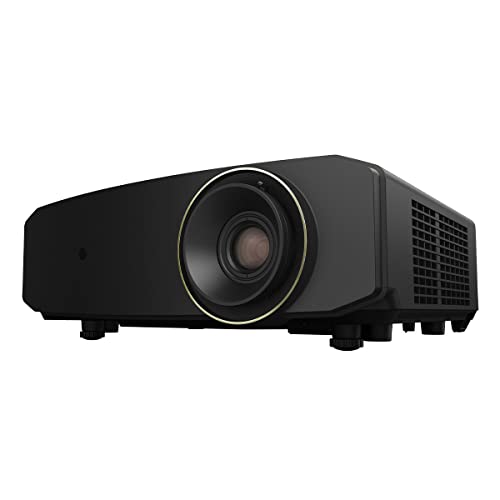
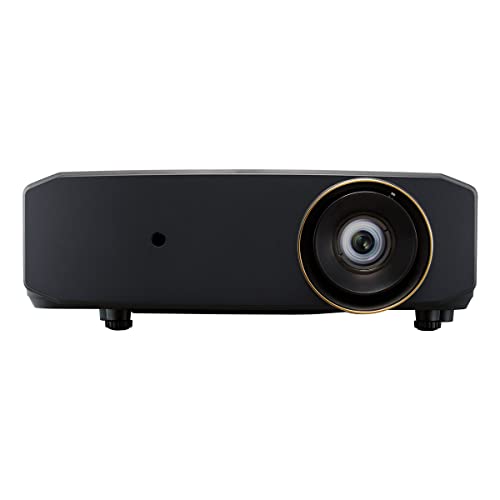
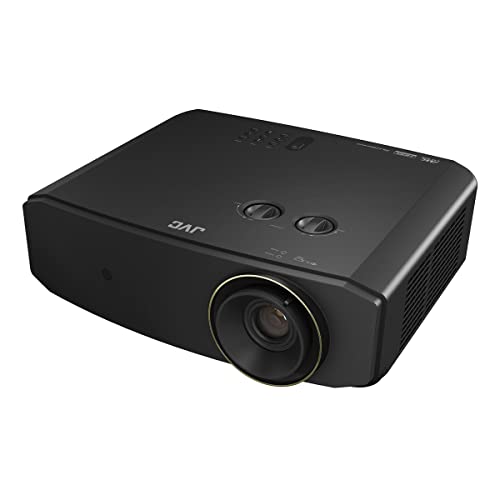
When shopping for a 4K laser projector, you might stumble across both the JVC LX-NZ30 and the Epson QL7000 in your research. At first glance, they're both laser projectors that promise 4K images—but that's where the similarities end. These projectors serve completely different audiences and price points, representing two distinct philosophies in projection technology.
The projector world has evolved dramatically over the past five years, with laser light sources becoming the new standard for serious installations. Unlike traditional lamp-based projectors that require bulb replacements every 2,000-4,000 hours, laser projectors can run for 20,000 hours or more without maintenance. That's roughly 10-15 years of typical home use.
The technology split comes down to brightness requirements and intended use. Home theater projectors typically range from 1,500 to 4,000 lumens, while commercial and large-venue projectors can exceed 10,000 lumens. This brightness difference isn't just about numbers—it fundamentally changes how and where you can use the projector.
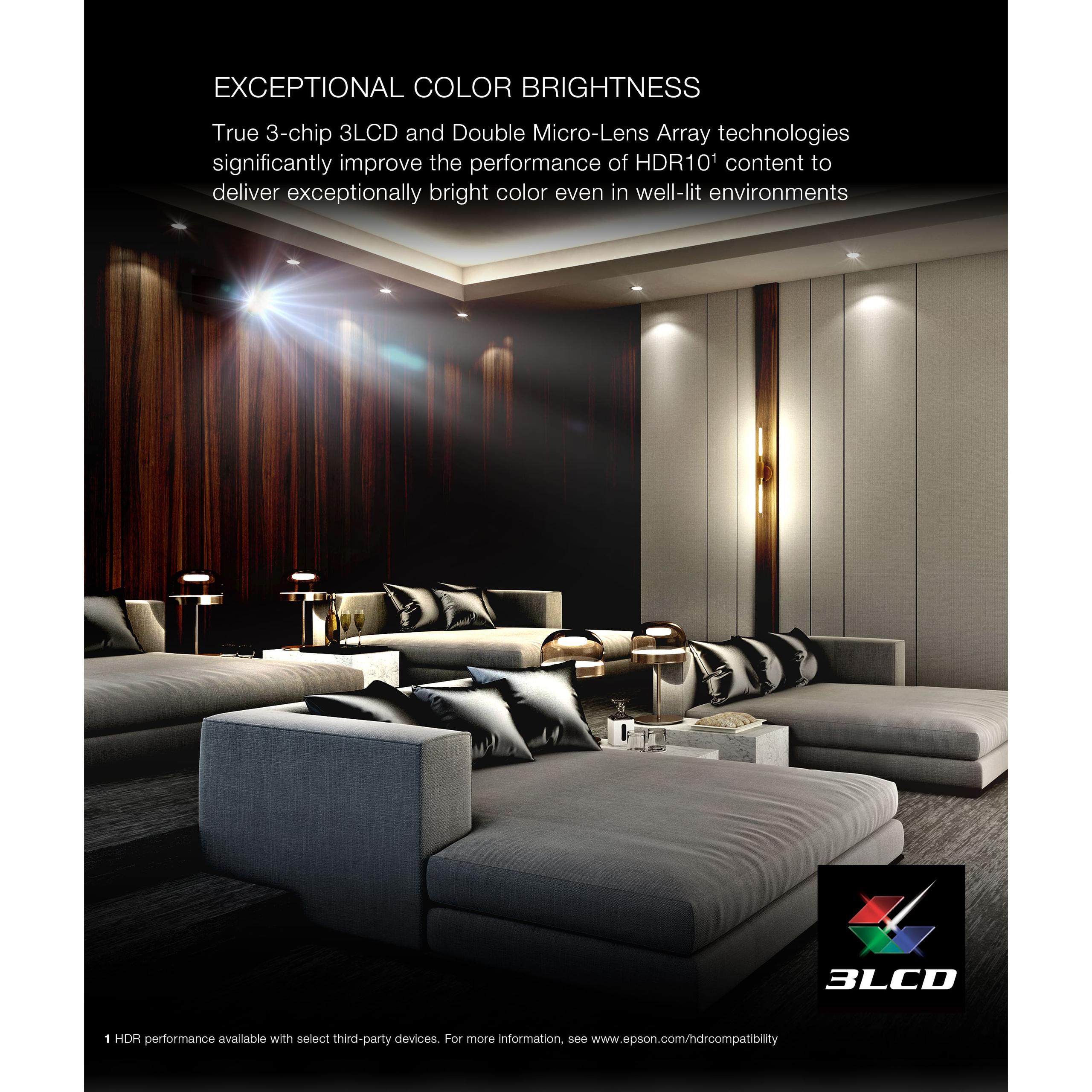
DLP (Digital Light Processing) and 3LCD represent two competing display technologies. DLP uses millions of tiny mirrors that tilt to create images, while 3LCD uses three separate liquid crystal displays for red, green, and blue light. Each has distinct advantages: DLP typically offers sharper text and better contrast ratios, while 3LCD usually provides more accurate colors and avoids the "rainbow effect" some people notice with single-chip DLP projectors.
Released in 2023, the JVC LX-NZ30 represents JVC's effort to bring laser projection to mainstream home theater enthusiasts. At the time of writing, it's positioned as a premium mid-range option, costing roughly what you'd pay for a high-end TV but delivering a much larger image.
This projector uses a single-chip DLP system with what JVC calls "e-shift" technology. Here's how that works: the projector has a native 1920×1080 resolution (Full HD), but it rapidly shifts those pixels diagonally by half a pixel width, effectively displaying each frame twice with slight offsets. This creates a 3840×2160 image that closely approximates true 4K resolution. While purists might debate whether this counts as "real" 4K, the visual difference at normal viewing distances is essentially imperceptible.
The JVC LX-NZ30 produces 3,300 lumens of brightness using JVC's BLU-Escent laser technology. This proprietary system combines blue laser diodes with phosphor wheels to create the full color spectrum. The result is consistent brightness over the projector's lifetime and the ability to dynamically adjust the laser intensity for better contrast—something traditional lamps can't do.
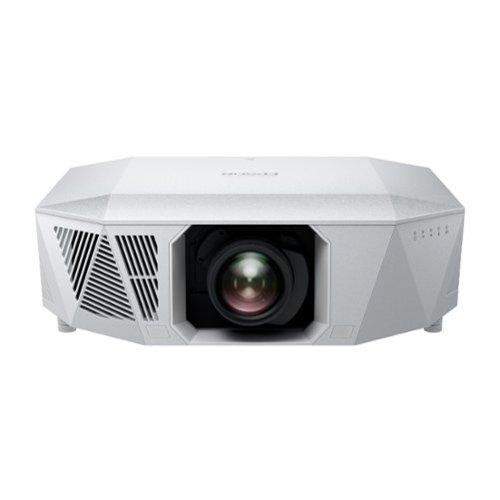
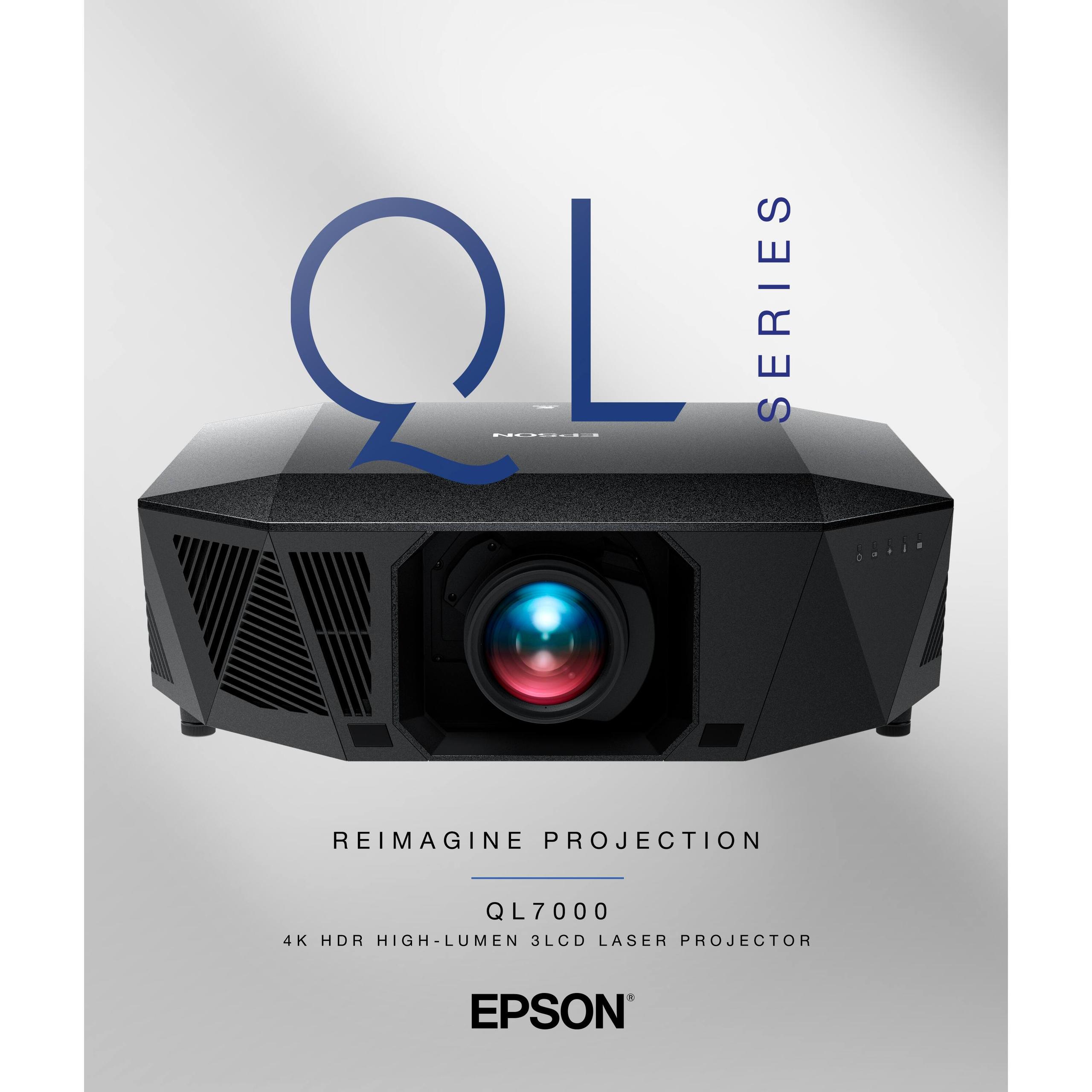
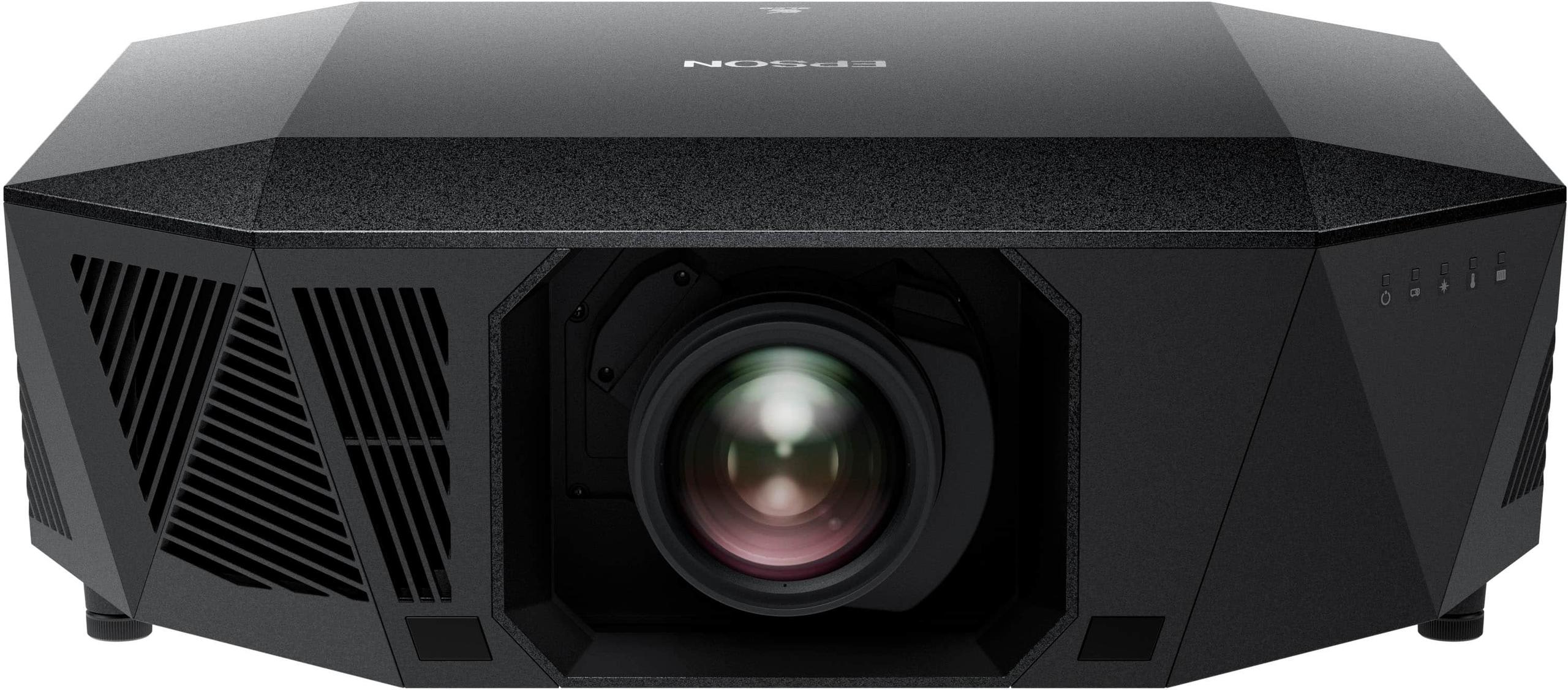
The Epson QL7000, introduced in 2024, takes a completely different approach. This projector was designed from the ground up for high-brightness applications where ambient light is the enemy. At the time of writing, it costs roughly eight times more than the JVC, putting it firmly in commercial and high-end installation territory.
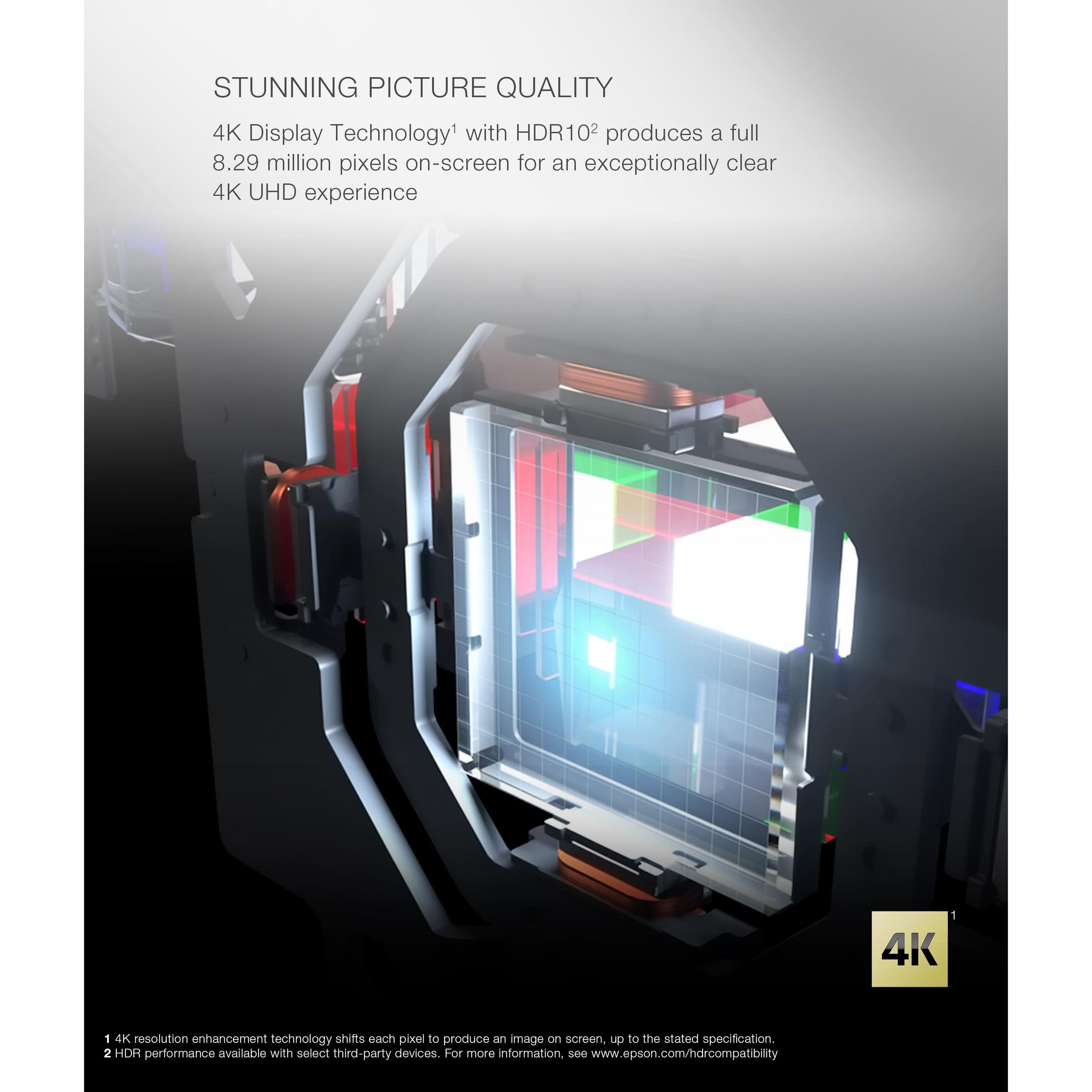
Unlike the JVC LX-NZ30, the Epson QL7000 uses true 3LCD technology with native 4K resolution. This means it actually has 8.29 million individual pixels creating the image, not pixel-shifting approximation. The three separate LCD panels for red, green, and blue are combined through a sophisticated prism system, resulting in what Epson calls superior color brightness consistency.
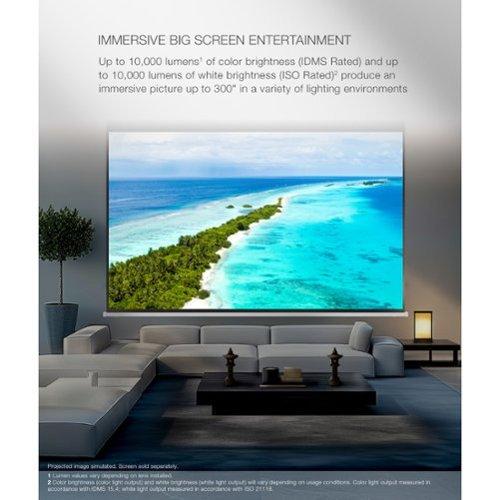
The standout feature is the brightness: over 10,000 lumens. To put this in perspective, that's enough to project a clear image in a brightly lit conference room or even outdoors during twilight hours. Most home projectors would be completely washed out in these conditions.
Image quality in projectors comes down to three main factors: resolution, color accuracy, and contrast ratio. Both projectors handle these differently, leading to distinct visual characteristics.
The JVC LX-NZ30 excels at detail reproduction despite using pixel-shifting rather than native 4K. JVC's processing algorithms are sophisticated enough that fine details in 4K content appear crisp and well-defined. The single-chip DLP design also means perfect pixel alignment—there's no risk of the color convergence issues that can sometimes affect 3LCD projectors if they're not properly calibrated.
Color performance on the JVC LX-NZ30 is impressive, covering 100% of the Rec. 709 color standard (the current HD standard) and offering BT.2020 compatibility for future content. The Auto Tone Mapping feature automatically adjusts HDR content for optimal viewing, which is genuinely useful since HDR can look wildly different depending on how it's processed.
The Epson QL7000 takes a different approach with its 32-bit QZX picture processor. This advanced chip handles real-time color correction, dynamic contrast adjustment, and frame interpolation. The 3LCD technology inherently provides better color uniformity across the image—with DLP, you sometimes get slight color variations from center to edges, especially on very large screens.
Where the Epson QL7000 really shines is in color brightness. 3LCD projectors maintain consistent color saturation even at high brightness levels, while single-chip DLP projectors can appear slightly washed out when pushed to maximum lumens. This makes the Epson particularly effective for daytime viewing or bright rooms.
Here's where things get interesting, and honestly, a bit disappointing for both projectors in different ways.
The JVC LX-NZ30 suffers from the fundamental limitation of single-chip DLP: mediocre black levels. Even with the dynamic laser dimming that can theoretically create "infinite" contrast, blacks appear more like dark gray. This is particularly noticeable when watching movies with dark scenes in a properly darkened home theater. You'll see the difference immediately if you're coming from an OLED TV or one of JVC's higher-end D-ILA projectors.
That said, the dynamic laser dimming does help. The system can adjust the laser brightness in real-time, so bright scenes get full brightness while dark scenes get appropriately dimmed backlighting. It's not as dramatic as true zone-based dimming on premium TVs, but it's better than fixed brightness systems.
The Epson QL7000 theoretically has better native contrast due to the 3LCD technology, but here's the catch: with 10,000+ lumens of brightness, you're dealing with so much light that black levels become almost academic. This projector is designed for environments where ambient light is washing out the image anyway. In a darkened room, the extreme brightness might actually hurt the viewing experience by making everything appear overly bright and reducing perceived contrast.
Gaming on projectors has become increasingly important, and both handle this differently.
The JVC LX-NZ30 is genuinely impressive for gaming. With input lag as low as 6.25 milliseconds at 1080p, it rivals dedicated gaming monitors. The projector supports 4K at 60Hz and 1080p at 120Hz, covering most gaming scenarios. There's even support for 1080p at 240Hz for competitive gaming, though you'd need a very powerful PC to push those frame rates at large screen sizes.
The Epson QL7000 offers native 120Hz support and Auto Low Latency Mode, plus dual HDMI 2.1 ports—a significant advantage over the JVC's HDMI 2.0 connections. This means full compatibility with PlayStation 5 and Xbox Series X features like Variable Refresh Rate and Auto Low Latency Mode. For gaming, the Epson's connectivity is more future-proof.
This is where these projectors diverge most dramatically. Brightness isn't just about numbers—it determines where and how you can use the projector.
The JVC LX-NZ30 at 3,300 lumens is ideal for home theaters with some ambient light control. You can watch during the day if you have decent curtains or blinds, but you'll want to dim the lights for the best experience. On a 120-inch screen in a typical living room, the image appears vibrant and engaging.
The Epson QL7000 at 10,000+ lumens plays in a completely different league. This is bright enough for large conference rooms with fluorescent lighting, outdoor movie nights, or massive screens where you need to overcome significant ambient light. However, in a typical home theater, this much brightness could actually be unpleasant and counterproductive.
I've observed that many people overestimate their brightness needs. Unless you're dealing with significant ambient light or screens larger than 200 inches, the extra lumens often create more problems than they solve.
The JVC LX-NZ30 is designed for home installation. The included 1.6x zoom lens and generous lens shift (60% vertical, 23% horizontal) provide flexibility for ceiling mounting or shelf placement. Most enthusiasts can handle the installation themselves with basic mounting hardware.
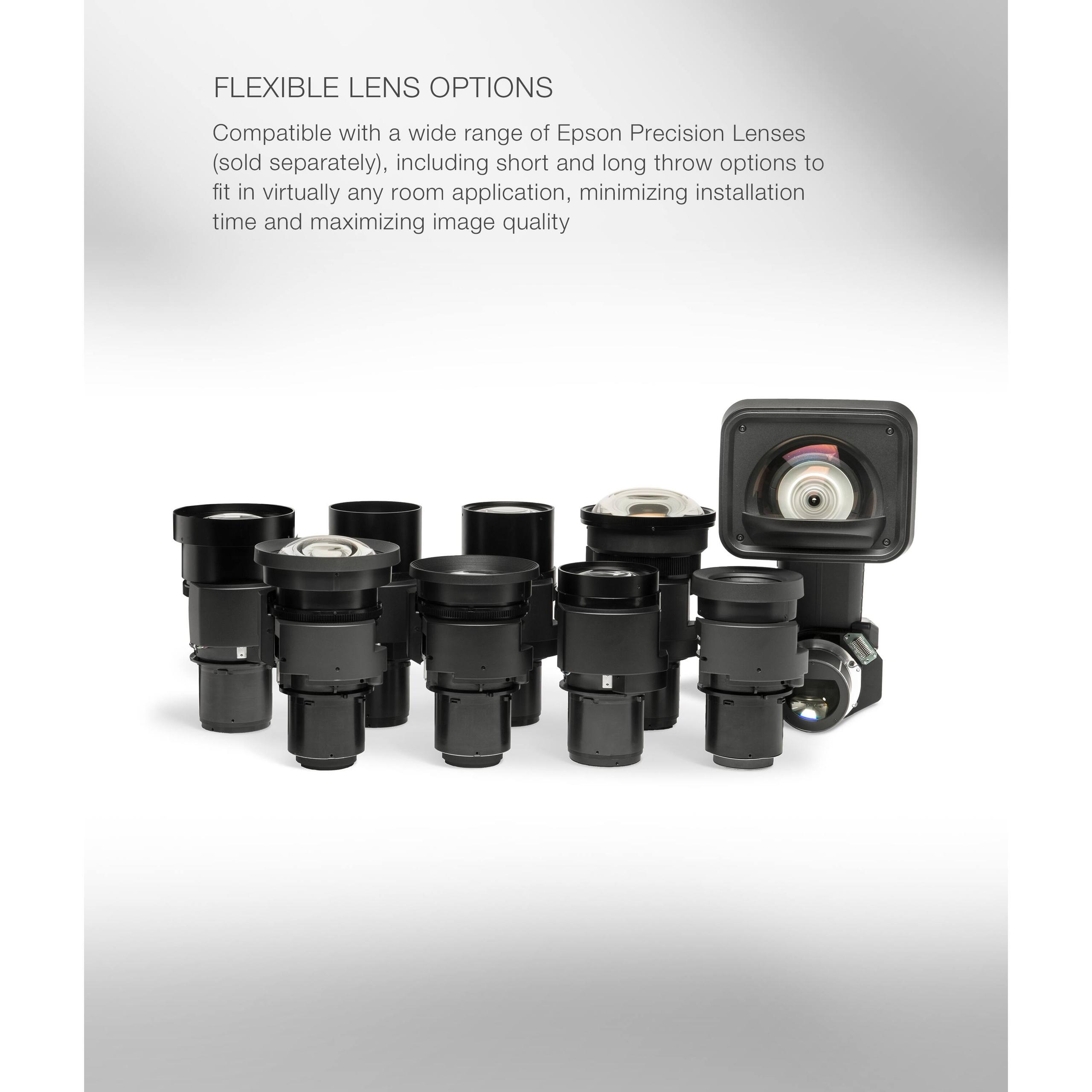
The Epson QL7000 comes as a "body only" unit—you must purchase a lens separately. While this provides ultimate flexibility for custom installations, it also requires professional expertise to select the right lens and properly calibrate the system. The projector is designed for permanent installation in commercial or high-end residential settings.
After extensive research into user experiences and expert reviews, the choice between these projectors comes down to matching the tool to the job.
Choose the JVC LX-NZ30 if you want excellent 4K projection for a home theater or living room. At the time of writing, it offers outstanding value in the mid-range laser projector category. The image quality is impressive, the laser light source eliminates maintenance headaches, and the gaming performance is genuinely competitive. Yes, the black levels could be better, but for most content in most rooms, it delivers a satisfying big-screen experience.
The main drawbacks are the limited contrast and the lack of HDMI 2.1 for the latest gaming features. But for the majority of home theater applications, these limitations are manageable.
Choose the Epson QL7000 if you need extreme brightness for challenging environments. This might be a large conference room, an outdoor installation, or a massive home theater where ambient light control is impossible. The 3LCD technology provides excellent color accuracy even at high brightness levels, and the HDMI 2.1 connectivity is more future-proof.
The obvious drawback is the price premium, which at the time of writing is substantial. You're paying for commercial-grade brightness and features that most home users simply don't need.
These projectors represent two different philosophies: the JVC LX-NZ30 brings premium features to mainstream pricing, while the Epson QL7000 provides specialized performance for demanding applications.
For most readers considering a home theater upgrade, the JVC LX-NZ30 represents the sweet spot of performance, features, and value. The laser light source alone makes it more appealing than similarly priced lamp-based competitors, and the 4K e-shift technology delivers genuinely impressive detail.
The Epson QL7000 serves a different market entirely. If you need its extreme brightness capabilities, you probably already know it. For everyone else, it's massive overkill that costs significantly more while potentially delivering a worse experience in typical home environments.
The projector market continues evolving rapidly, with laser technology becoming more affordable and image processing improving each year. Both of these projectors represent significant steps forward from their predecessors, but they're solving very different problems for very different users. Choose based on your actual needs, not theoretical specifications.
| JVC LX-NZ30 4K HDR Laser Projector | Epson QL7000 4K 3LCD Laser Projector |
|---|---|
| Brightness - Determines viewing environment and screen size capabilities | |
| 3,300 ANSI lumens (ideal for home theaters with controlled lighting) | 10,000+ ANSI lumens (designed for high ambient light and commercial use) |
| Display Technology - Affects color accuracy, contrast, and visual artifacts | |
| Single-chip DLP with e-shift 4K enhancement | True 3LCD with native 4K resolution (8.29 million pixels) |
| Native Resolution - True pixel count before any enhancement | |
| 1920 x 1080 (uses pixel-shifting for 4K output) | 3840 x 2160 (genuine 4K without pixel-shifting) |
| Light Source Lifespan - Long-term maintenance costs | |
| 20,000 hours BLU-Escent laser (virtually maintenance-free) | 20,000+ hours laser (commercial-grade reliability) |
| Contrast Performance - Critical for dark scene detail and image depth | |
| Dynamic laser dimming with DLP black level limitations | Superior 3LCD native contrast, but extreme brightness affects dark room viewing |
| Gaming Performance - Input lag and refresh rate capabilities | |
| 6.25ms input lag, supports 4K/60Hz, 1080p/240Hz | Auto Low Latency Mode, native 120Hz, 4K HDR/120Hz capable |
| HDMI Connectivity - Future-proofing for gaming consoles and devices | |
| 2x HDMI 2.0 ports (limited bandwidth for latest gaming features) | Dual 40Gbps HDMI 2.1 with eARC (full next-gen gaming support) |
| Installation Flexibility - Ease of setup and placement options | |
| Integrated 1.6x zoom lens, ±60% vertical/±23% horizontal lens shift | Body-only design requiring separate lens purchase and professional setup |
| Target Market - Who this projector is designed for | |
| Home theater enthusiasts seeking premium 4K laser at accessible pricing | Commercial installations, large venues, and extreme brightness applications |
| Screen Size Range - Optimal image size capabilities | |
| 80-200 inches (sweet spot for home theater use) | 200-300+ inches (designed for large-scale projection) |
| HDR Support - High dynamic range content compatibility | |
| HDR10, HLG with Auto Tone Mapping for optimized viewing | HDR10, HDR10+, HLG with advanced 32-bit processing |
| Price Category - Investment level at time of writing | |
| Mid-range premium (excellent value for laser 4K projection) | High-end commercial (significant premium for specialized brightness) |
The JVC LX-NZ30 is specifically designed for home theater applications with its 3,300 lumens brightness, integrated lens system, and optimized picture modes for movie watching. The Epson QL7000 is primarily designed for commercial installations and may be too bright for typical home theater rooms, potentially washing out image quality in dark viewing environments.
The JVC LX-NZ30 uses single-chip DLP technology with pixel-shifting to create 4K images, offering sharp text and good motion handling but with limited black levels. The Epson QL7000 uses 3LCD technology with true native 4K resolution, providing better color uniformity and superior black levels without the potential rainbow effect some viewers notice with DLP projectors.
For most home theaters and living rooms, the JVC LX-NZ30 at 3,300 lumens provides excellent brightness for screens up to 150 inches with moderate ambient light control. The Epson QL7000 at 10,000+ lumens is designed for high ambient light environments, large conference rooms, or outdoor installations where standard projectors would appear washed out.
Both the JVC LX-NZ30 and Epson QL7000 use laser light sources rated for 20,000+ hours of operation, eliminating the need for costly lamp replacements over their lifetime. This represents approximately 10-15 years of typical home use, making both projectors virtually maintenance-free compared to traditional lamp-based models.
The JVC LX-NZ30 offers excellent gaming performance with input lag as low as 6.25ms and support for 1080p at 240Hz. However, the Epson QL7000 has superior connectivity with dual HDMI 2.1 ports supporting 4K HDR at 120Hz and advanced gaming features like Variable Refresh Rate, making it more future-proof for next-generation consoles.
The JVC LX-NZ30 is optimized for home theater screens ranging from 80-200 inches, providing excellent image quality in typical living rooms and dedicated theater spaces. The Epson QL7000 is designed for much larger applications, handling screens from 200-300+ inches in environments where extreme brightness is necessary to overcome ambient light.
The JVC LX-NZ30 includes an integrated 1.6x zoom lens with generous lens shift options, making it suitable for DIY installation in most home setups. The Epson QL7000 comes as a body-only unit requiring separate lens purchase and professional installation, as it's designed for custom commercial installations rather than home use.
The JVC LX-NZ30 provides exceptional value for home theater enthusiasts, offering 4K laser projection with excellent features at a mid-range price point. The Epson QL7000 commands a significant premium due to its commercial-grade brightness and specialized applications, making it cost-effective only for users who genuinely need extreme brightness capabilities.
The JVC LX-NZ30 features dynamic laser dimming for improved contrast but is limited by DLP technology's inherent black level performance, producing dark gray rather than true blacks. The Epson QL7000 offers superior native contrast through 3LCD technology, though its extreme brightness may actually reduce perceived contrast in dark room viewing situations.
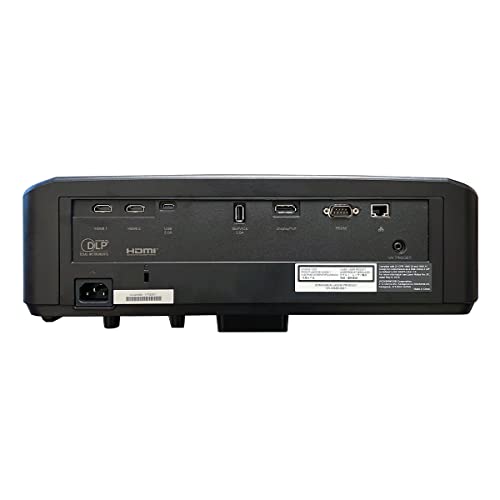
The JVC LX-NZ30 includes 2 HDMI 2.0 ports, DisplayPort, USB-C, and RS-232 for basic connectivity needs. The Epson QL7000 features more advanced connectivity with dual 40Gbps HDMI 2.1 ports supporting eARC, plus comprehensive integration options for professional control systems like Control4 and Crestron.
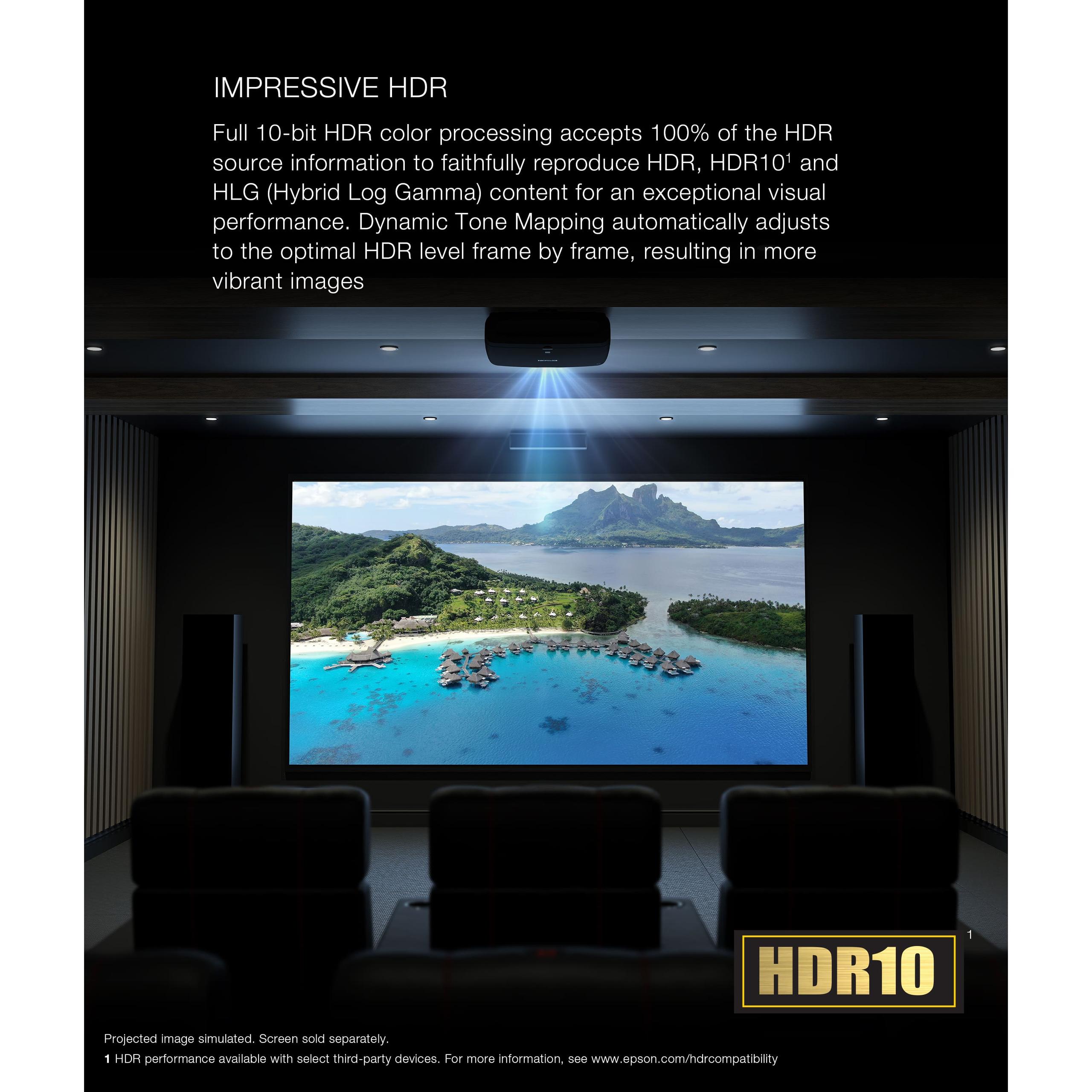
Both the JVC LX-NZ30 and Epson QL7000 support HDR10 and HLG formats with advanced processing. The JVC LX-NZ30 features Auto Tone Mapping that automatically optimizes HDR content for home viewing, while the Epson QL7000 uses a more sophisticated 32-bit processor with dynamic tone mapping for professional-grade HDR reproduction.
Choose the JVC LX-NZ30 if you want excellent 4K laser projection for home theater use with controllable lighting and reasonable investment. Select the Epson QL7000 only if you specifically need extreme brightness for large venues, outdoor projection, or commercial installations where ambient light cannot be controlled and budget allows for the significant premium.
We've done our best to create useful and informative comparisons to help you decide what product to buy. Our research uses advanced automated methods to create this comparison and perfection is not possible - please contact us for corrections or questions. These are the sites we've researched in the creation of this article: t3.com - crutchfield.com - stuff.tv - projectorcentral.com - projectorreviews.com - data.heimkinowelt.at - bestbuy.com - eu.jvc.com - projectorreviews.com - listenup.com - youtube.com - eu.jvc.com - dreamediaav.com - projectorreviews.com - projectorscreen.com - projectorcentral.com - device.report - technologyinteriors.com - youtube.com - epson.com - projectorscreen.com - projectorscreen.com - theaudiosolutions.com - fmaudiovideo.com - thesoundcounsel.com - worldwidestereo.com - hifiheaven.net - thepowercentre.ca

Privacy Policy
Terms and Conditions - Affiliate Policy
Home Security
© Copyright 2008-2026.
11816 Inwood Rd #1211, Dallas, TX 75244