

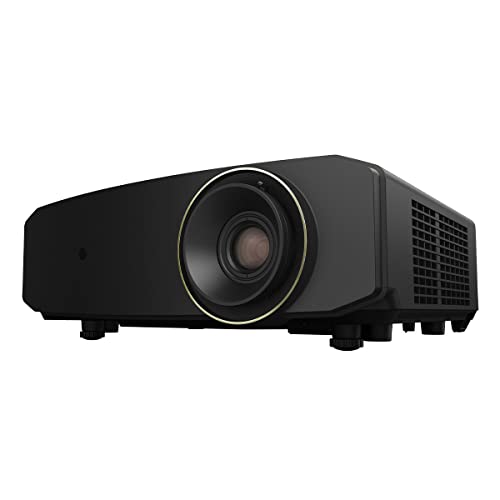
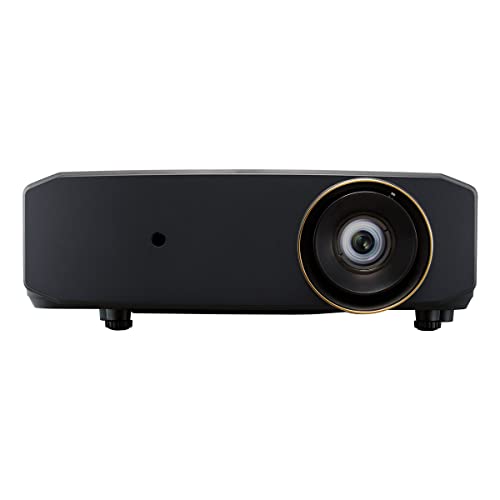
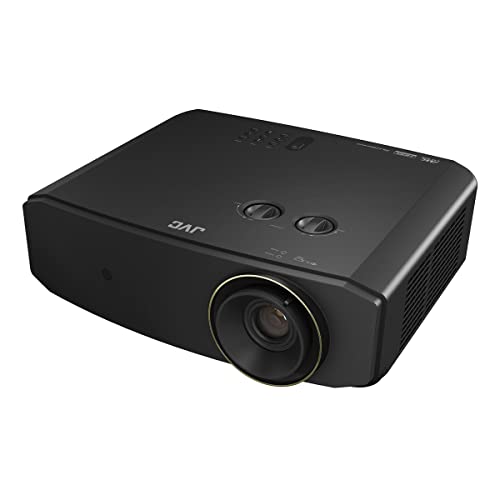
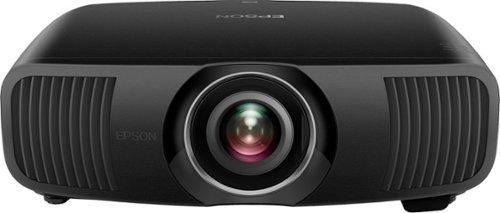
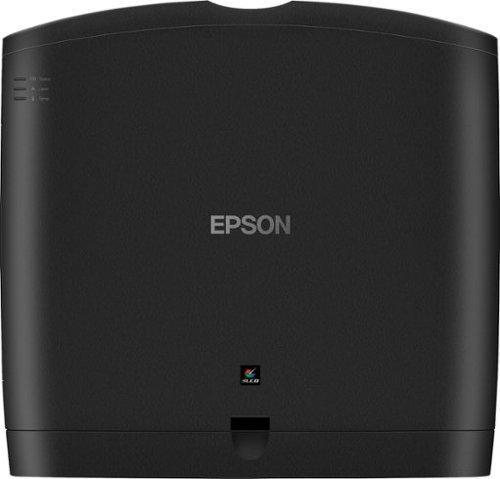
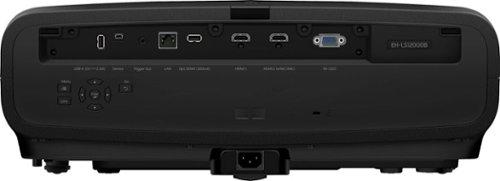
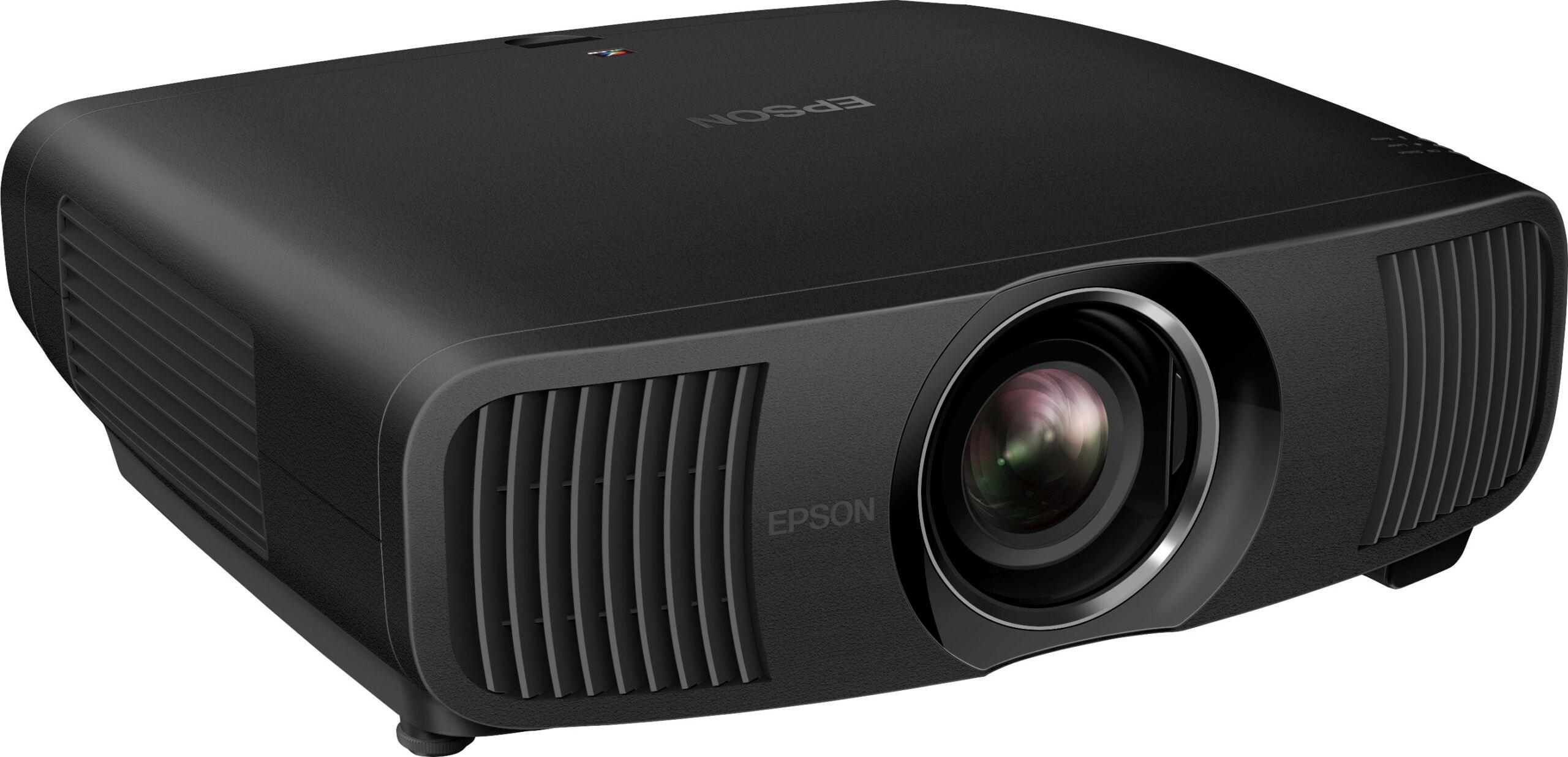
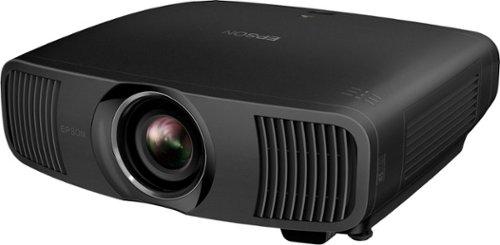
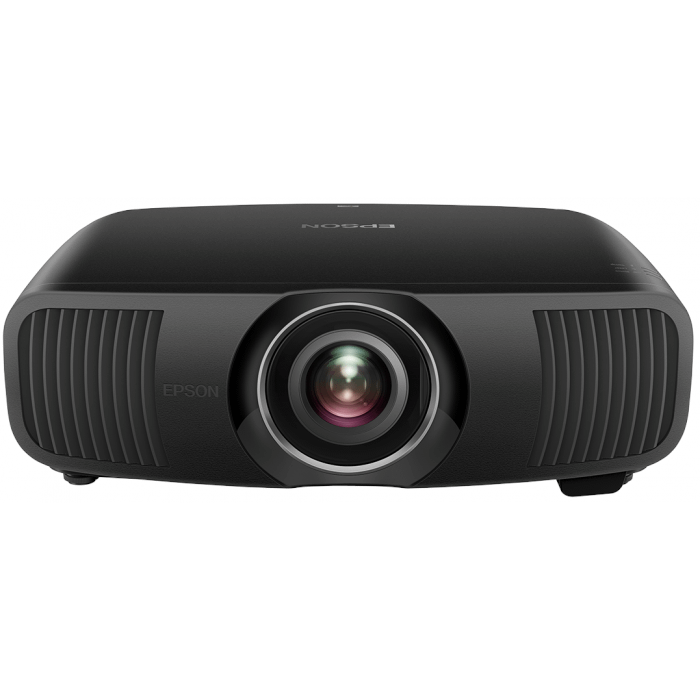
When shopping for a premium home theater projector, you'll quickly discover that the 4K laser projector market has become incredibly competitive. Two standouts that consistently appear on enthusiast shortlists are the JVC LX-NZ30 and the Epson Pro Cinema LS12000. At the time of writing, these projectors represent different philosophies in home theater design, with meaningful price differences that affect their value propositions.
The laser projector category itself has revolutionized home theater ownership. Unlike traditional lamp-based projectors that require expensive bulb replacements every 2,000-4,000 hours, laser projectors promise 20,000+ hours of maintenance-free operation. That's roughly 10 years of movie nights before you need to think about service. More importantly, laser light sources maintain consistent brightness and color over their entire lifespan, eliminating the gradual dimming that plagued older projector technologies.
The fundamental difference between these projectors starts with their display technology. The JVC LX-NZ30 uses single-chip DLP (Digital Light Processing), while the Epson LS12000 employs 3-chip 3LCD technology. This isn't just technical jargon – it dramatically affects what you see on screen.
DLP technology works by using millions of tiny mirrors that tilt rapidly to create images. These mirrors reflect light from a spinning color wheel, creating colors sequentially. It's an elegant solution that produces sharp, bright images in a compact package. However, some people can see "rainbow artifacts" – brief flashes of red, green, or blue – especially when moving their eyes quickly across bright areas of the screen.
3LCD takes a different approach, splitting white light into red, green, and blue components that pass through separate LCD panels simultaneously. This eliminates rainbow effects entirely but typically requires more complex optics and results in larger, heavier projectors. The Epson LS12000 exemplifies this approach with its three-chip design that processes all colors at once.
Both projectors achieve 4K resolution through pixel-shifting technology rather than native 4K panels. This means they start with 1080p resolution and rapidly shift pixels to create the appearance of 4K detail. The JVC LX-NZ30 uses e-shift technology with diagonal pixel movement, while the Epson LS12000 employs what they call 4K PRO-UHD with a precision shift glass plate. In practice, both deliver images that are virtually indistinguishable from true 4K at normal viewing distances.
Here's where these projectors diverge significantly. The JVC LX-NZ30 produces 3,300 ANSI lumens, while the Epson LS12000 delivers approximately 2,700 lumens in its brightest mode. This 600-lumen difference might not sound dramatic, but it represents a 22% brightness advantage that transforms room compatibility.
ANSI lumens measure actual light output under standardized conditions, and every additional lumen expands your installation options. The JVC's higher brightness makes it significantly more versatile for family rooms, basements with some ambient light, or situations where complete darkness isn't practical. If you're planning a 150-inch screen or larger, that extra brightness becomes crucial for maintaining image impact.
The Epson LS12000, despite lower peak brightness, offers a key advantage through its 3LCD technology: equal color and white brightness. Many single-chip DLP projectors, including some competitors, show reduced brightness when displaying colorful content compared to white test patterns. The Epson maintains consistent brightness whether you're watching a snow scene or a vibrant animated movie.
Based on our research into user experiences and professional reviews, the brightness difference proves more significant in real-world use than specifications suggest. Users consistently report that the JVC LX-NZ30 performs better in rooms with windows or ambient lighting, while the Epson LS12000 requires more careful light control to achieve its best performance.
Color reproduction reveals another philosophical split. The Epson LS12000 targets professional-grade color accuracy with extensive calibration options. It covers 93.1% of the DCI-P3 color gamut (the standard used in digital cinemas) with natural, film-like color reproduction. For serious movie enthusiasts who want to see films as directors intended, this accuracy proves invaluable.
The projector includes professional calibration tools typically found in much more expensive models: 11-point grayscale adjustment, individual RGB gain and offset controls, and even color uniformity correction across different screen areas. These features allow professional installers to fine-tune the image to precise standards.
The JVC LX-NZ30 takes a different approach, prioritizing brightness and visual impact over ultimate accuracy. Our research suggests it produces cooler, more neutral colors across all picture modes. While this might sound like a limitation, many users find these colors appealing for mixed content viewing, from sports to gaming to movies. The projector covers 100% of the Rec.709 color standard (used for HD content) and supports the wider BT.2020 color space for future content.
For HDR (High Dynamic Range) content, both projectors support HDR10 and HLG standards, but they handle tone mapping differently. HDR tone mapping is the process of converting high brightness HDR signals to what your projector can actually display. The JVC LX-NZ30 includes automatic tone mapping that analyzes each scene and adjusts brightness curves in real-time. The Epson LS12000 offers more manual control over HDR presentation, appealing to users who want to fine-tune the experience.
Gaming performance has become increasingly important as PlayStation 5 and Xbox Series X consoles demand low input lag and high refresh rates. Input lag measures the delay between when a gaming console sends a signal and when it appears on screen – crucial for competitive gaming where milliseconds matter.
The JVC LX-NZ30 dominates this category with input lag as low as 6.25 milliseconds at 1080p resolution. That's exceptional performance that rivals dedicated gaming monitors. At 4K resolution, it maintains approximately 25ms lag, still excellent for projector standards. The projector also supports 1080p at up to 240Hz refresh rate, perfect for competitive PC gaming.
The Epson LS12000 offers respectable but notably higher input lag around 20ms at 4K/60Hz. While perfectly adequate for casual gaming and single-player experiences, serious competitive gamers will notice the difference. However, the Epson includes HDMI 2.1 inputs that support newer console features, though with bandwidth limitations that prevent full 4K/120Hz gaming.
This performance difference reflects design priorities. JVC optimized the LX-NZ30 for versatility, including gaming scenarios. Epson focused the LS12000 on cinematic accuracy, where gaming performance, while important, wasn't the primary concern.
Both projectors offer excellent installation flexibility, but with different strengths. The JVC LX-NZ30 weighs just 13.9 pounds and measures roughly 16 inches wide, making it one of the most compact 4K laser projectors available. This compact design simplifies ceiling mounting and reduces structural requirements.
Its 1.6x manual zoom lens provides reasonable placement flexibility, though not as extensive as some competitors. The lens shift capabilities (±60% vertical and ±23% horizontal) allow positioning adjustments without image distortion, helpful for non-ideal mounting locations. The throw ratio of 1.36:1 to 2.17:1 means you need roughly 11 to 18 feet from the projector to create a 100-inch diagonal image.
The Epson LS12000 offers more sophisticated installation features through its 2.1x powered zoom and motorized focus system. This allows remote adjustment of image size and sharpness, plus lens memory settings for different aspect ratios or screen configurations. The more extensive lens shift range (±96% vertical, ±47% horizontal) provides greater mounting flexibility.
However, the Epson's zoom system comes with a significant caveat: light loss. At maximum telephoto setting, the projector loses approximately 35% of its brightness compared to the wide-angle position. Given the LS12000's already lower brightness compared to the JVC, this zoom penalty requires careful installation planning.
Assessing long-term value requires considering both initial cost and operational expenses. At the time of writing, the JVC LX-NZ30 carries a significantly lower price point, offering substantial savings that could fund screen upgrades, audio improvements, or room treatments.
Both projectors promise 20,000-hour laser lifespans, essentially eliminating traditional lamp replacement costs. The JVC's simpler single-chip DLP design potentially offers fewer failure points, while the Epson's more complex three-chip system provides redundancy if one panel develops issues.
The technology landscape has evolved significantly since these projectors' releases. The JVC LX-NZ30, launched in 2023, represents JVC's effort to bring their premium D-ILA projector expertise to a more accessible price point using DLP technology. The Epson LS12000 arrived in 2022 as part of Epson's push to compete directly with JVC and Sony's high-end home theater projectors.
Since their releases, both manufacturers have continued refining their laser and processing technologies, but these models remain current and competitive in their respective segments.
Your room characteristics should heavily influence your decision. For dedicated home theaters with complete light control, the Epson LS12000 can fully leverage its superior color accuracy and contrast capabilities. In these environments, its lower brightness becomes less relevant, and the professional calibration options become more valuable.
The JVC LX-NZ30 excels in multi-purpose rooms where complete darkness isn't always possible. Family rooms, finished basements with some ambient light, or spaces where daytime viewing occurs benefit significantly from its higher brightness output. The projector's gaming capabilities also make it ideal for rooms serving both movie watching and gaming duties.
Screen size considerations also matter. For screens larger than 150 inches, the JVC's brightness advantage becomes increasingly important for maintaining image impact and HDR effectiveness. Smaller screens under 120 inches allow the Epson LS12000 to shine with its superior color accuracy.
After extensive research into professional reviews and user experiences, clear recommendations emerge for different scenarios.
Choose the JVC LX-NZ30 if you want maximum versatility and value. Its combination of high brightness, excellent gaming performance, compact design, and lower cost makes it the superior choice for most home theater enthusiasts. The projector handles various lighting conditions gracefully and offers exceptional brightness-per-dollar value that's hard to match.
The Epson LS12000 makes sense for dedicated home theater purists who prioritize color accuracy above all else and have the budget for premium features. If you're building a light-controlled theater room and plan to invest in professional calibration, the Epson's superior color science and adjustment capabilities justify its higher cost.
For most buyers, however, the JVC LX-NZ30 represents the smarter choice. Its practical advantages – brightness for versatile room use, gaming performance for modern consoles, compact design for easier installation, and significant cost savings – outweigh the Epson's color accuracy advantages in real-world use.
The home theater projector market continues evolving rapidly, but both projectors represent solid long-term investments. The JVC offers broad appeal and practical benefits, while the Epson serves the more specialized needs of dedicated theater enthusiasts. Your room, viewing habits, and budget will ultimately determine which philosophy better serves your home theater dreams.
| JVC LX-NZ30 | Epson Pro Cinema LS12000 |
|---|---|
| Brightness - Critical for room versatility and large screens | |
| 3,300 ANSI lumens (excellent for ambient light) | 2,700 ANSI lumens (requires darker rooms) |
| Display Technology - Affects color accuracy and rainbow artifacts | |
| Single-chip DLP with e-shift 4K | 3-chip 3LCD with 4K PRO-UHD |
| Input Lag - Essential for gaming performance | |
| 6.25ms at 1080p, 25ms at 4K (excellent for gaming) | 20ms at 4K/60Hz (adequate for casual gaming) |
| Color Gamut Coverage - Determines color accuracy | |
| 100% Rec.709, BT.2020 compatible | 93.1% DCI-P3, 138.9% BT.709 |
| Calibration Options - Important for professional setup | |
| Basic picture modes, limited adjustment | Professional 11-point grayscale, RGBCMY control |
| Lens Features - Affects installation flexibility | |
| 1.6x manual zoom, ±60% V/±23% H shift | 2.1x powered zoom with memory, ±96% V/±47% H shift |
| Weight and Size - Important for mounting and installation | |
| 13.9 lbs, compact design | Larger 3LCD design (weight not specified) |
| HDMI Support - Affects future compatibility | |
| 2x HDMI 2.0, DisplayPort 1.2a | 2x HDMI 2.1 with eARC support |
| Laser Life - Long-term maintenance costs | |
| 20,000 hours rated life | 20,000 hours rated life |
| Fan Noise - Important for quiet viewing | |
| 29-34 dB (quiet to moderate) | 22-30 dB (very quiet to moderate) |
| Release Year - Technology generation | |
| 2023 (latest JVC laser technology) | 2022 (established Epson 3LCD platform) |
| Best Use Case - Who should choose this projector | |
| Multi-purpose rooms, gaming, large screens, budget-conscious | Dedicated dark theaters, color accuracy priority, professional calibration |
The JVC LX-NZ30 is significantly brighter at 3,300 ANSI lumens compared to the Epson Pro Cinema LS12000 at 2,700 lumens. This 600-lumen advantage makes the JVC LX-NZ30 much better for family rooms, basements with windows, or any space where you can't achieve complete darkness.
The JVC LX-NZ30 uses single-chip DLP technology, which creates bright, sharp images but may show rainbow artifacts for some viewers. The Epson Pro Cinema LS12000 uses 3-chip 3LCD technology, which eliminates rainbow effects entirely and provides more accurate colors, but typically at lower brightness levels.
The JVC LX-NZ30 is superior for gaming with input lag as low as 6.25ms at 1080p and support for 240Hz refresh rates. The Epson LS12000 has higher input lag around 20ms, making the JVC LX-NZ30 the clear choice for competitive gaming.
The Epson Pro Cinema LS12000 offers superior color accuracy with 93.1% DCI-P3 coverage and professional calibration options including 11-point grayscale adjustment. The JVC LX-NZ30 covers 100% Rec.709 but has more limited calibration features and tends toward cooler color tones.
For dedicated dark home theaters, the Epson Pro Cinema LS12000 is preferable due to its superior color accuracy, professional calibration capabilities, and elimination of rainbow artifacts. However, the JVC LX-NZ30 remains excellent for theaters where some ambient light control isn't perfect.
The JVC LX-NZ30 is more compact at 13.9 pounds with manual zoom and lens shift. The Epson LS12000 offers more advanced installation features like powered zoom with memory settings and greater lens shift range, but experiences significant light loss at maximum zoom.
Both the JVC LX-NZ30 and Epson Pro Cinema LS12000 feature laser light sources rated for 20,000 hours of operation, which equals roughly 10 years of regular movie watching without any bulb replacements or maintenance.
The JVC LX-NZ30 provides better overall value with significantly higher brightness, excellent gaming performance, and a lower purchase price. The Epson LS12000 costs more but justifies it with professional-grade color accuracy and calibration features for serious enthusiasts.
Yes, both the JVC LX-NZ30 and Epson Pro Cinema LS12000 display 4K resolution using pixel-shifting technology from native 1080p panels. The JVC uses e-shift technology while the Epson uses 4K PRO-UHD with precision shift glass plates.
Both projectors support HDR10 and HLG formats. The JVC LX-NZ30 features automatic tone mapping that adjusts HDR curves in real-time, while the Epson Pro Cinema LS12000 also supports HDR10+ and offers more manual control over HDR presentation.
The Epson Pro Cinema LS12000 operates slightly quieter with fan noise ranging from 22-30 dB depending on the mode. The JVC LX-NZ30 produces 29-34 dB of fan noise, which is still quiet but more noticeable in very quiet theater environments.
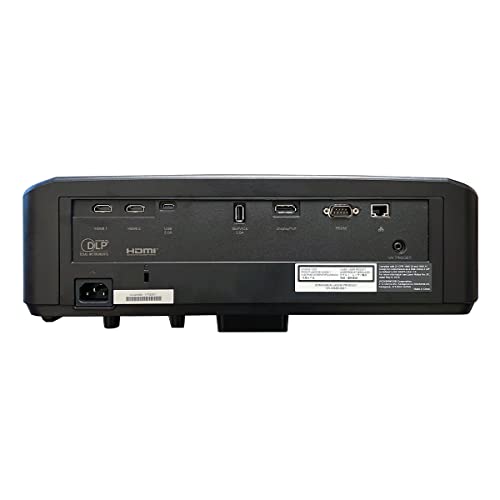
The JVC LX-NZ30 includes two HDMI 2.0 ports plus DisplayPort 1.2a for PC gaming compatibility. The Epson Pro Cinema LS12000 features two HDMI 2.1 ports with eARC support, providing better future compatibility with next-generation gaming consoles and AV equipment.
We've done our best to create useful and informative comparisons to help you decide what product to buy. Our research uses advanced automated methods to create this comparison and perfection is not possible - please contact us for corrections or questions. These are the sites we've researched in the creation of this article: t3.com - crutchfield.com - stuff.tv - projectorcentral.com - projectorreviews.com - data.heimkinowelt.at - bestbuy.com - eu.jvc.com - projectorreviews.com - listenup.com - youtube.com - eu.jvc.com - dreamediaav.com - projectorreviews.com - projectorscreen.com - projectorcentral.com - device.report - technologyinteriors.com - techradar.com - projectorreviews.com - safeandsoundhq.com - news.epson.com - youtube.com - projectorcentral.com - bestbuy.com - projectorcentral.com - digitalhomecreations.com - new-age-electronics.com - flanners.com - paulsonsav.com

Privacy Policy
Terms and Conditions - Affiliate Policy
Home Security
© Copyright 2008-2026.
11816 Inwood Rd #1211, Dallas, TX 75244