

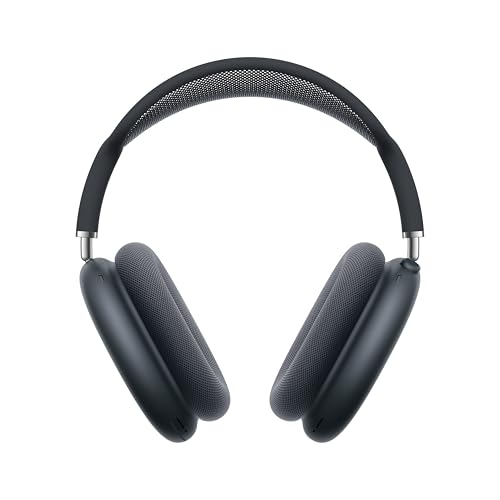
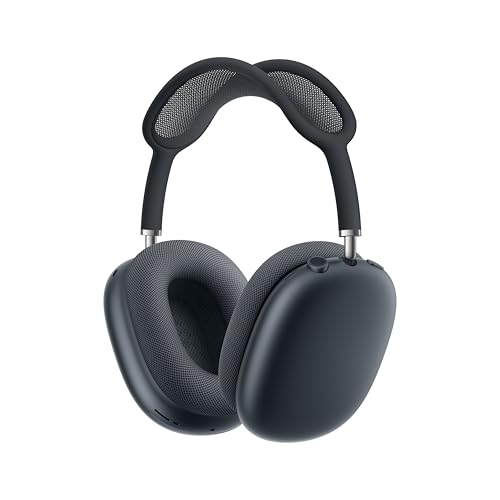
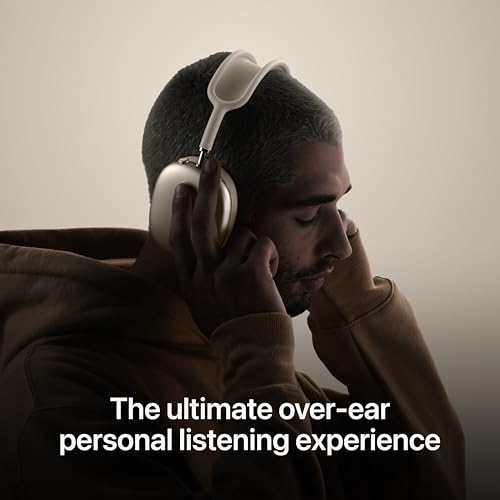
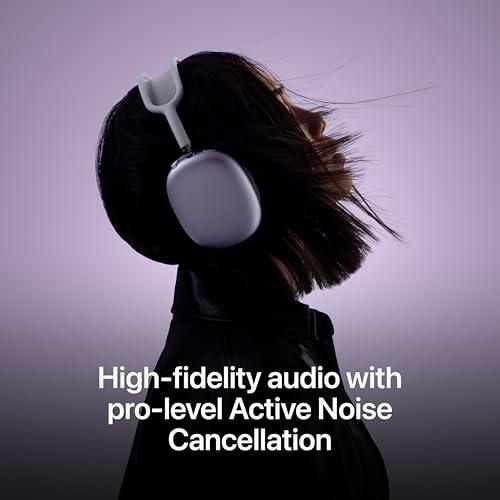
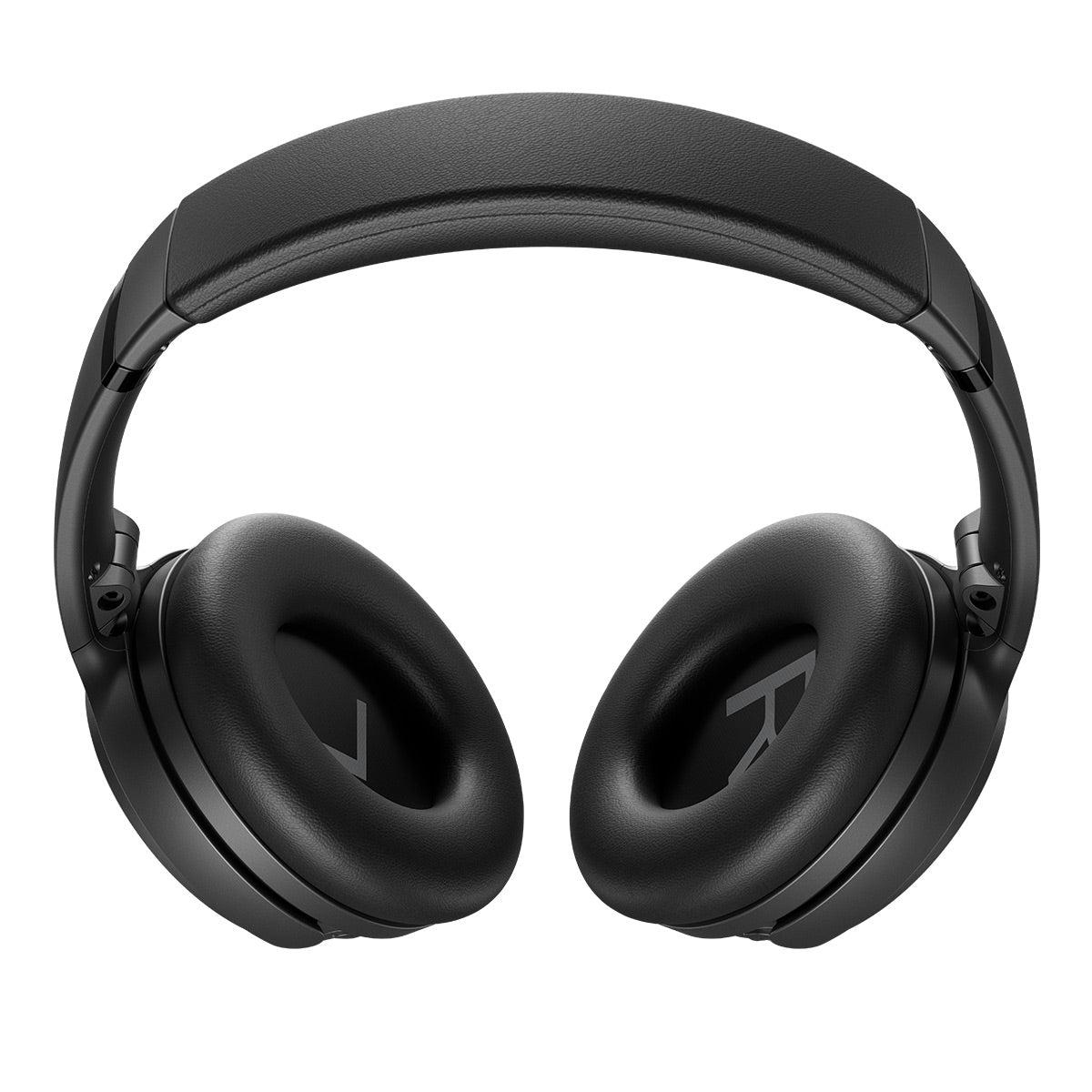
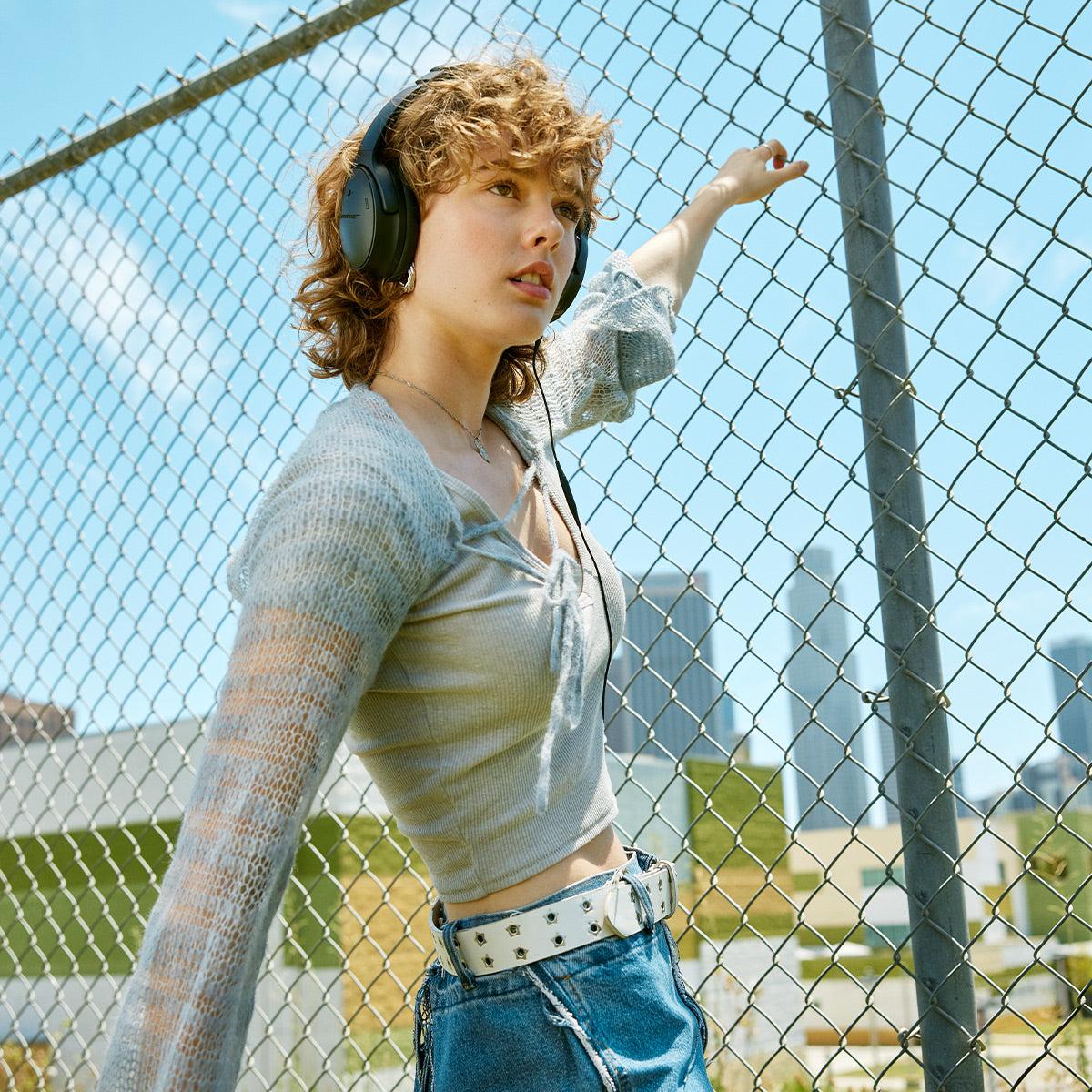
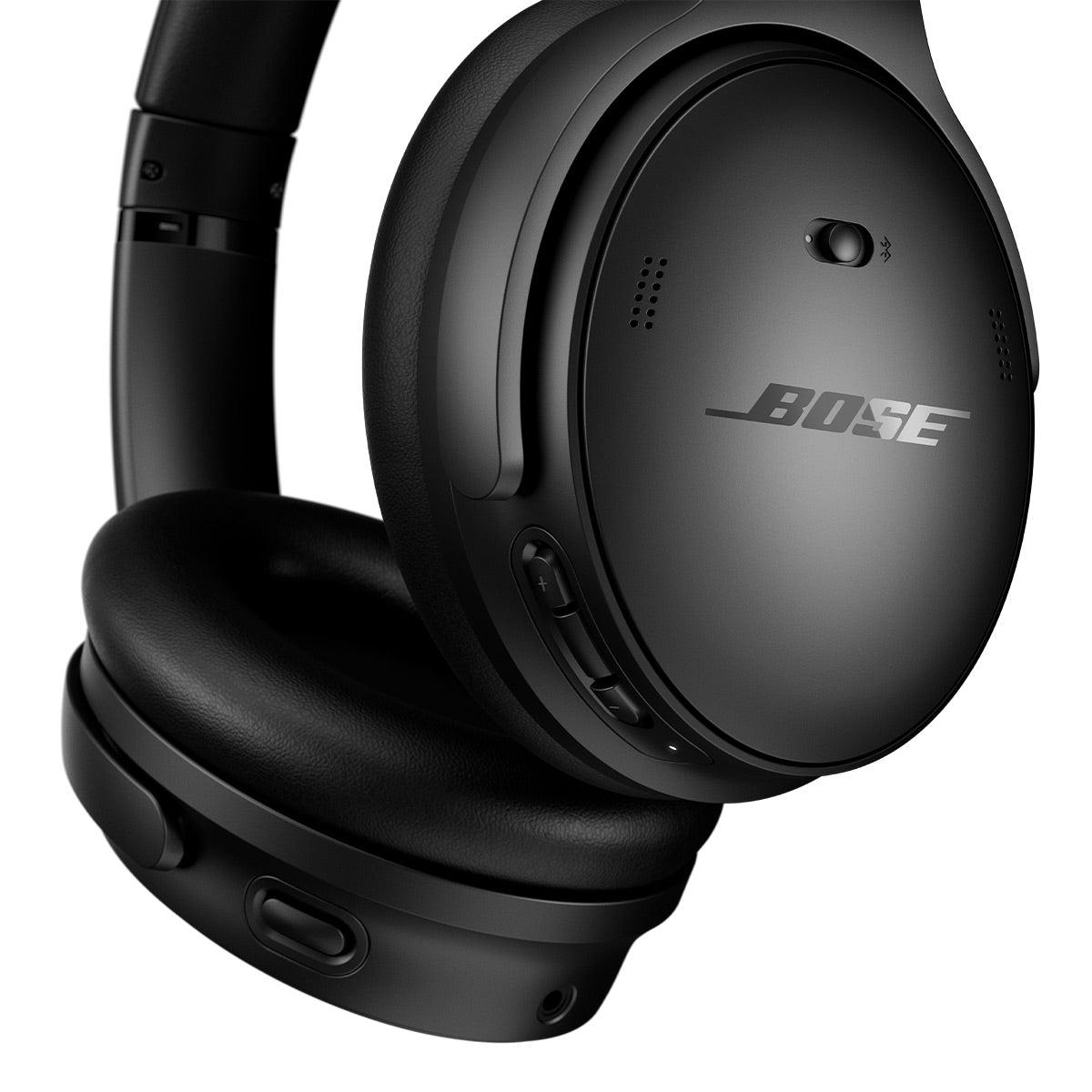

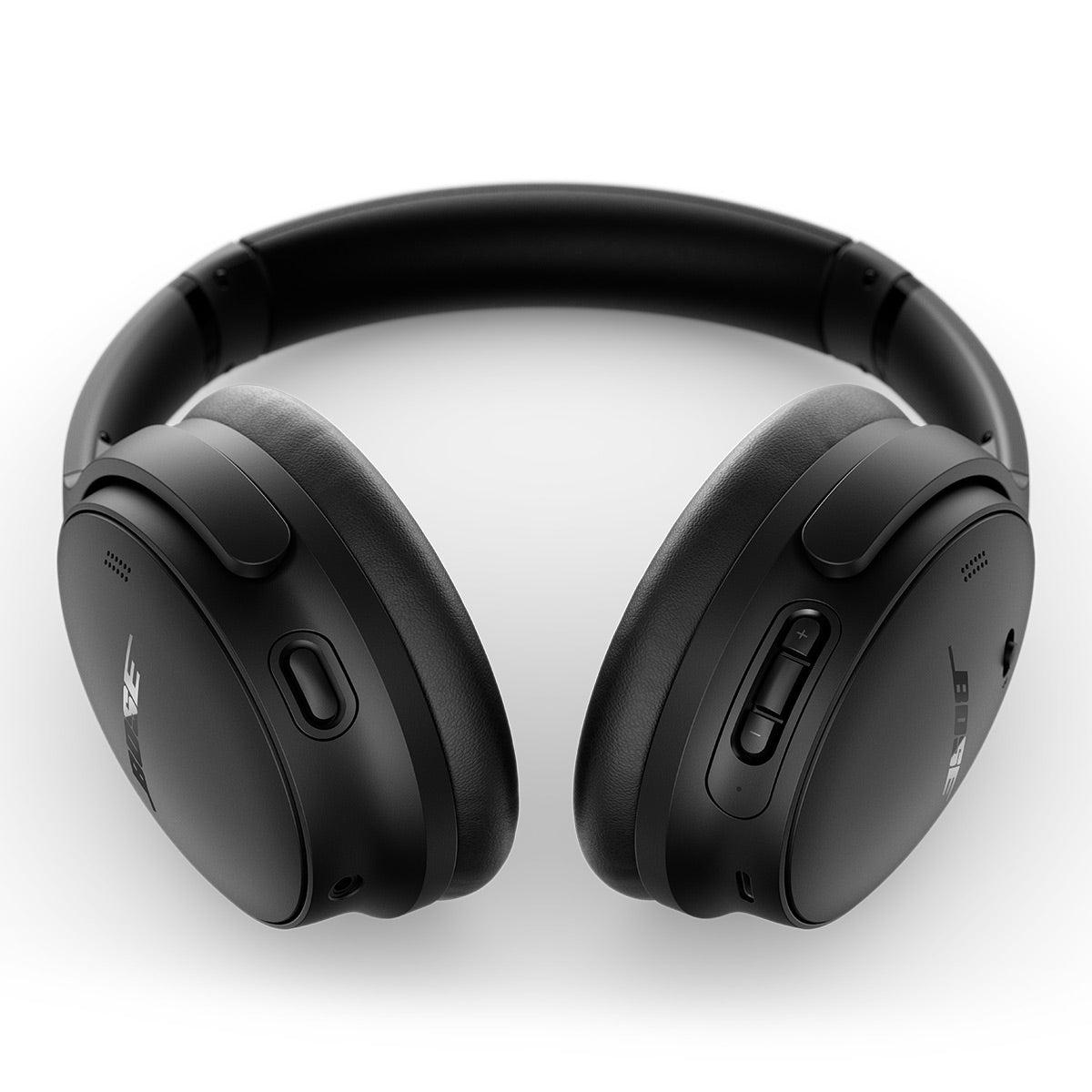

When you're ready to invest in premium over-ear headphones, two names consistently rise to the top: Apple and Bose. But choosing between the Apple AirPods Max and Bose QuietComfort Wireless Headphones isn't just about picking a brand—it's about understanding two completely different philosophies in headphone design.
At the time of writing, these headphones occupy different price tiers, with the AirPods Max positioned as a luxury product at nearly double the cost of the Bose QuietComfort. This price gap reflects more than just marketing; it represents fundamentally different approaches to what makes headphones "premium."
Premium over-ear headphones have evolved far beyond simple audio playback. Today's flagship models integrate advanced digital signal processing (computer algorithms that enhance and modify audio in real-time), sophisticated noise cancellation systems, and wireless technologies that were unimaginable just a decade ago.
The key considerations when evaluating these headphones go beyond basic sound quality. You're looking at active noise cancellation (ANC)—technology that uses microphones to detect external sounds and generates opposite sound waves to cancel them out. You're considering computational audio, where built-in processors continuously adjust the sound based on your environment and head position. And you're weighing ecosystem integration—how well the headphones work with your existing devices and apps.
What makes this comparison particularly interesting is that both the AirPods Max and Bose QuietComfort excel in different areas, making the choice highly dependent on your specific needs and priorities.
The Apple AirPods Max launched in December 2020 as Apple's bold entry into the premium over-ear market. Apple had dominated true wireless earbuds but had never produced over-ear headphones before. Their approach was characteristically Apple: premium materials, deep ecosystem integration, and a price that positioned them firmly in luxury territory.
Since their 2020 release, Apple has made minimal changes to the AirPods Max, with the most significant update coming in 2024 when they switched from Lightning to USB-C charging and added new color options. The core technology—the H1 chips, drivers, and noise cancellation system—remains essentially unchanged, which speaks to either the maturity of the original design or Apple's confidence in their initial engineering choices.
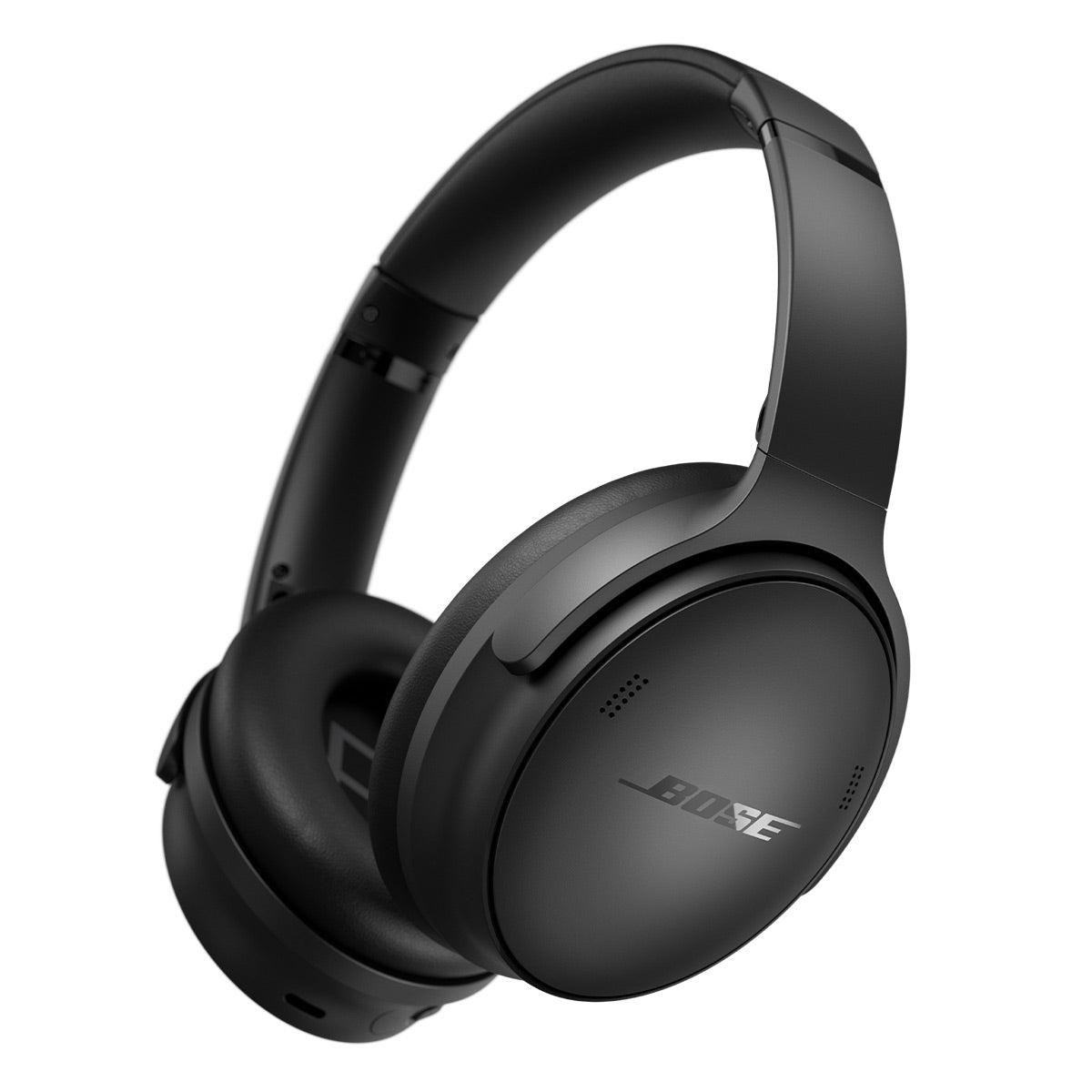
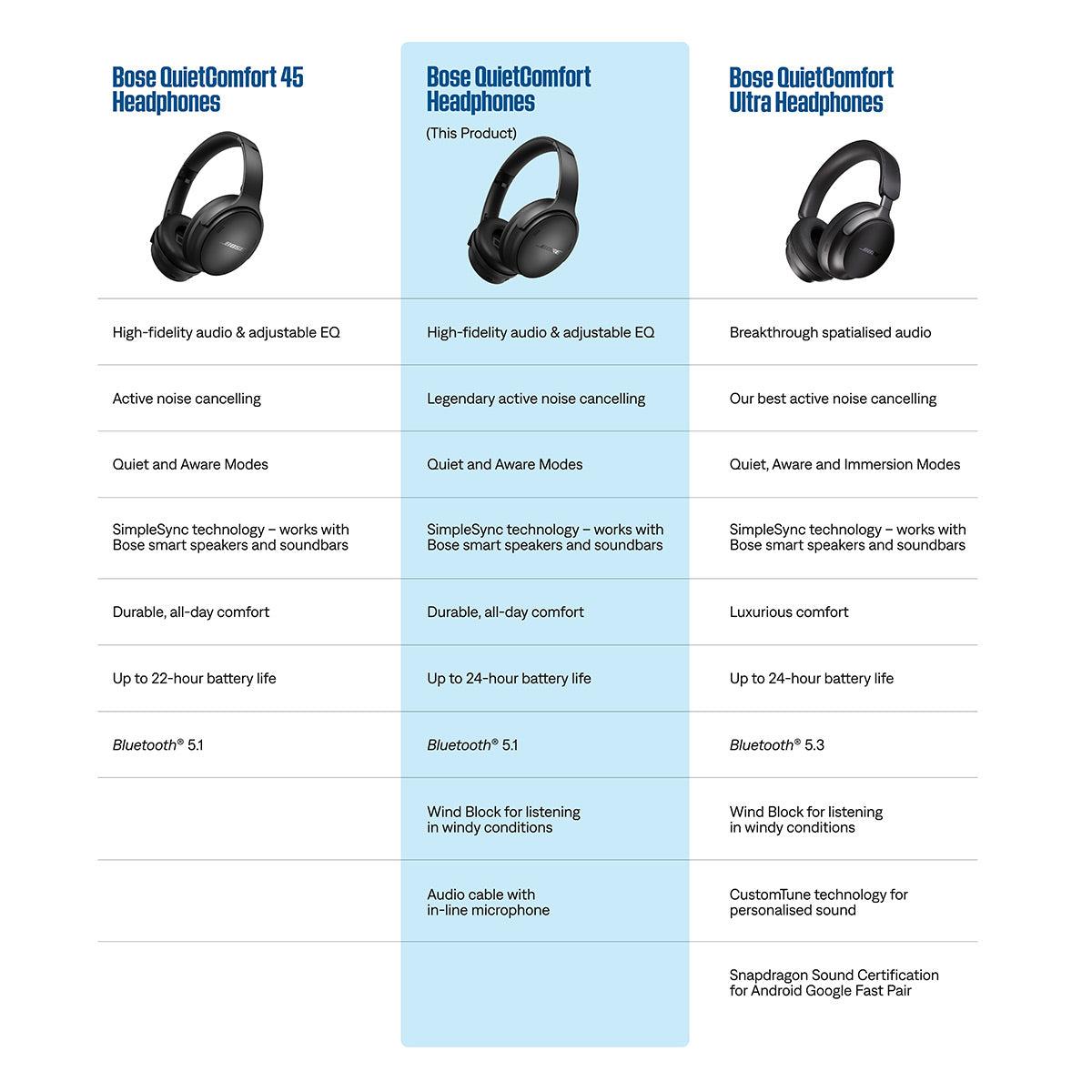
The Bose QuietComfort Wireless, released in 2023, represents the evolution of Bose's legendary QuietComfort line. Unlike Apple's dramatic market entry, Bose refined decades of noise cancellation expertise. The company that essentially invented consumer active noise cancellation continued iterating on their core strengths while adding modern features like Bluetooth multipoint connectivity and app-based customization.
When I first put on the AirPods Max, what struck me immediately was how "right" they sounded without any adjustment. Apple's approach to sound tuning is remarkably confident—they've engineered what they believe is the ideal sound signature and don't give you much room to change it.
The AirPods Max use custom-designed dynamic drivers paired with Apple's H1 chip in each ear cup. This setup enables computational audio features like Adaptive EQ, which automatically adjusts the sound based on how the headphones fit your ears. The result is consistently excellent audio reproduction with remarkable spatial imaging—you can pinpoint where different instruments are positioned in a recording with impressive accuracy.
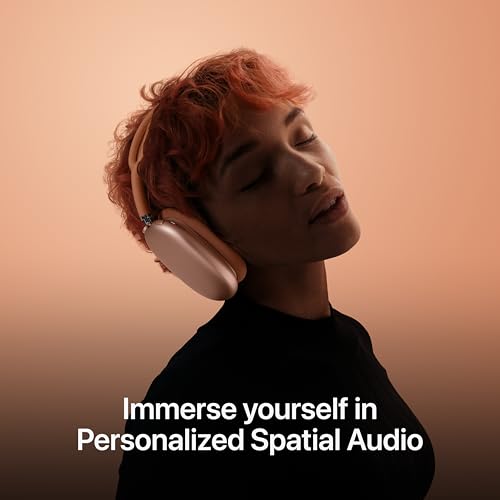
Apple's Spatial Audio deserves special mention, particularly for home theater use. When connected to an Apple TV or watching movies on an iPad, the AirPods Max create a convincing surround sound experience. The built-in gyroscopes and accelerometers track your head movements, keeping the sound anchored to your screen even as you turn your head. It's genuinely impressive technology that transforms movie watching into something approaching a personal theater experience.
However, the AirPods Max offer virtually no sound customization. There's no equalizer in Apple's ecosystem, and third-party EQ apps have limited effectiveness due to how Apple processes audio. You get Apple's vision of perfect sound, and that's it.
The Bose QuietComfort takes the opposite approach. Out of the box, they sound good but not exceptional—slightly warm with emphasized bass that some might find muddy. But here's where Bose's philosophy shines: the companion app includes a full equalizer that transforms these headphones into something special.
Through the Bose app, you can adjust bass, midrange, and treble to your exact preferences. I've found that reducing the bass slightly and boosting the mids creates a much more balanced and engaging sound. This customizability means the Bose QuietComfort can adapt to different music genres and personal preferences in ways the AirPods Max simply cannot.
For home theater use, the Bose QuietComfort work well with any device but lack the sophisticated spatial audio processing of the AirPods Max. They'll deliver clear dialogue and good dynamics for movie watching, but won't create that enveloping surround sound experience that makes the Apple headphones special for video content.
This is where decades of specialization matter. Bose didn't just add noise cancellation to their headphones—they built their entire reputation on mastering this technology. The Bose QuietComfort represent the current pinnacle of their expertise.
The difference becomes immediately apparent on an airplane. While the AirPods Max significantly reduce engine noise, the Bose QuietComfort virtually eliminate it. Bose uses a more sophisticated microphone array and processing system that reacts faster to changing noise conditions. Their proprietary algorithms have been refined through years of acoustic research and real-world testing.
The Bose QuietComfort also offer more nuanced control over noise cancellation. Beyond simple on/off, you can create custom modes that blend different levels of noise cancellation with environmental awareness. The Wind Block feature is particularly clever—it selectively disables certain microphones when wind noise is detected, preventing that annoying whooshing sound that can plague other ANC headphones.
Apple's implementation in the AirPods Max is certainly effective, using eight microphones and the H1 chip's processing power to deliver solid noise reduction. But in direct comparison, especially in challenging environments like busy coffee shops or airplane cabins, the Bose system proves more effective at creating that cone of silence that makes long listening sessions truly comfortable.
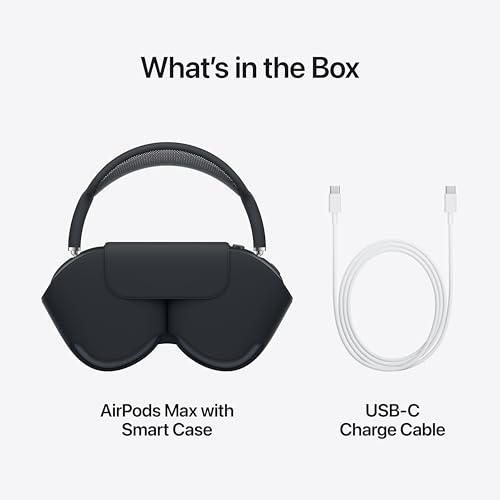
Picking up the AirPods Max immediately communicates their premium positioning. The aluminum ear cups feel substantial, the stainless steel headband exudes quality, and the memory foam cushions wrapped in breathable mesh suggest these were designed without cost constraints. Apple clearly wanted to create headphones that felt as expensive as they are.
But premium materials come with trade-offs. At 384 grams, the AirPods Max are notably heavy. During extended listening sessions, this weight becomes fatiguing in a way that lighter headphones don't. The non-folding design also makes them impractical for travel—they take up significant space in any bag, and Apple's "Smart Case" offers minimal protection while looking somewhat ridiculous.
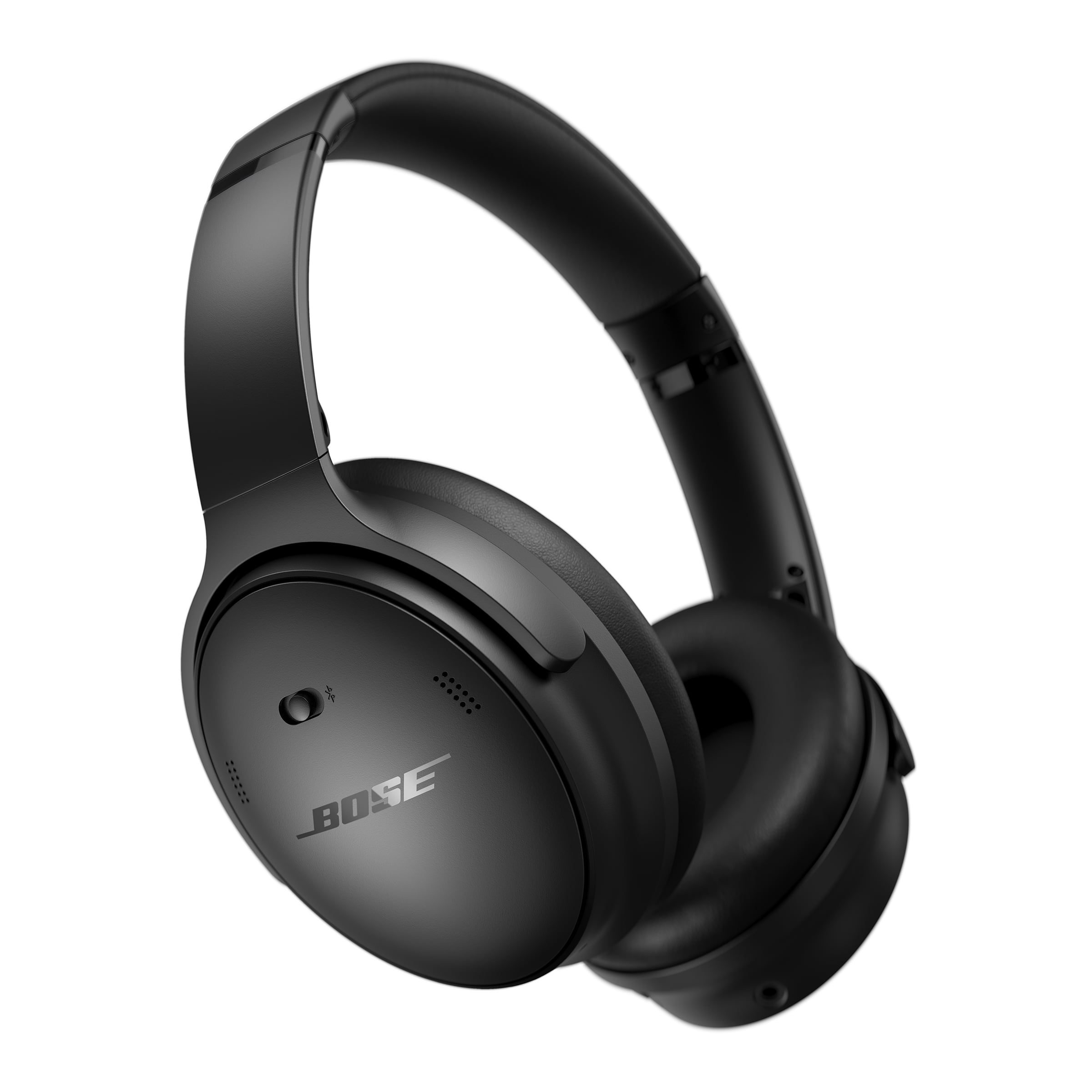
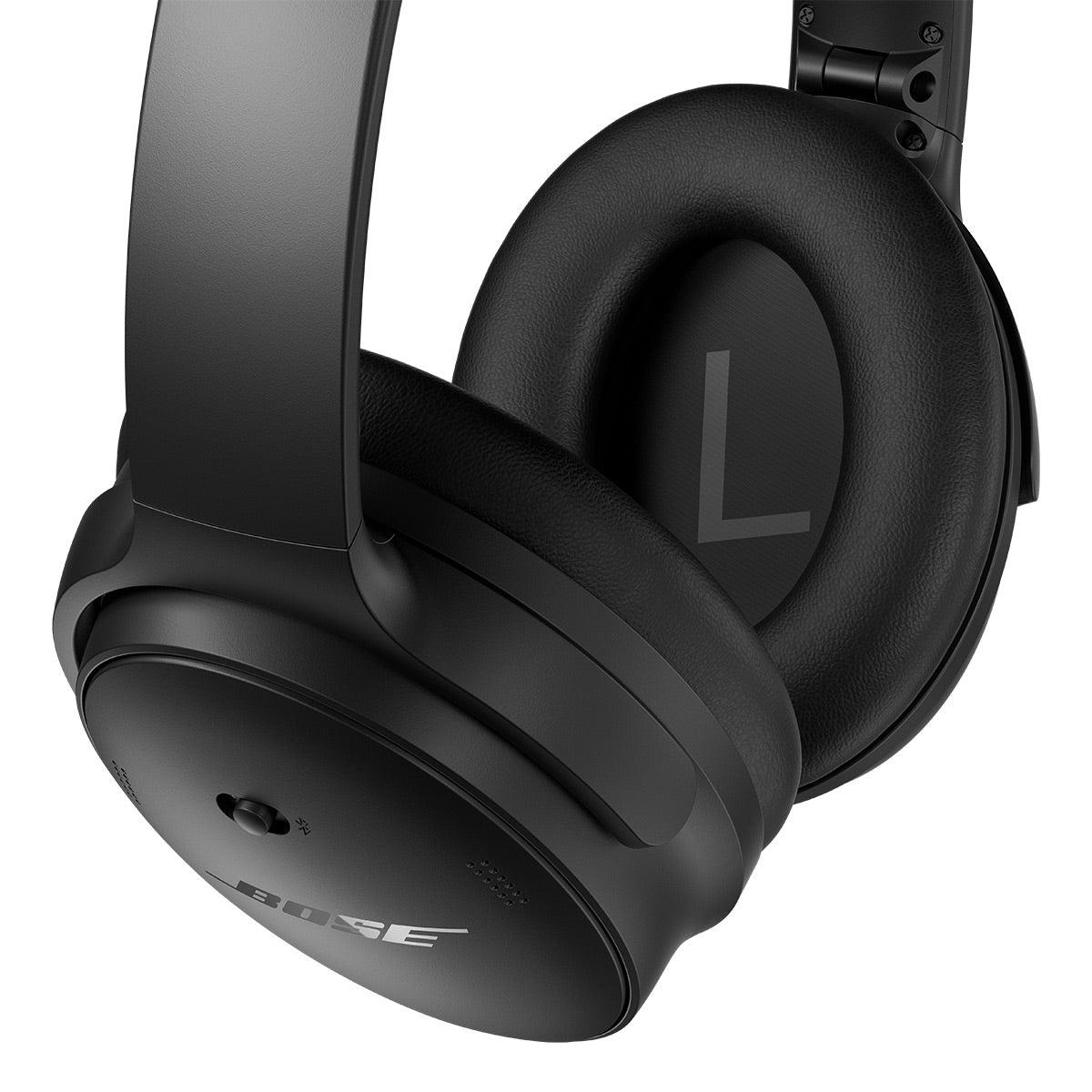
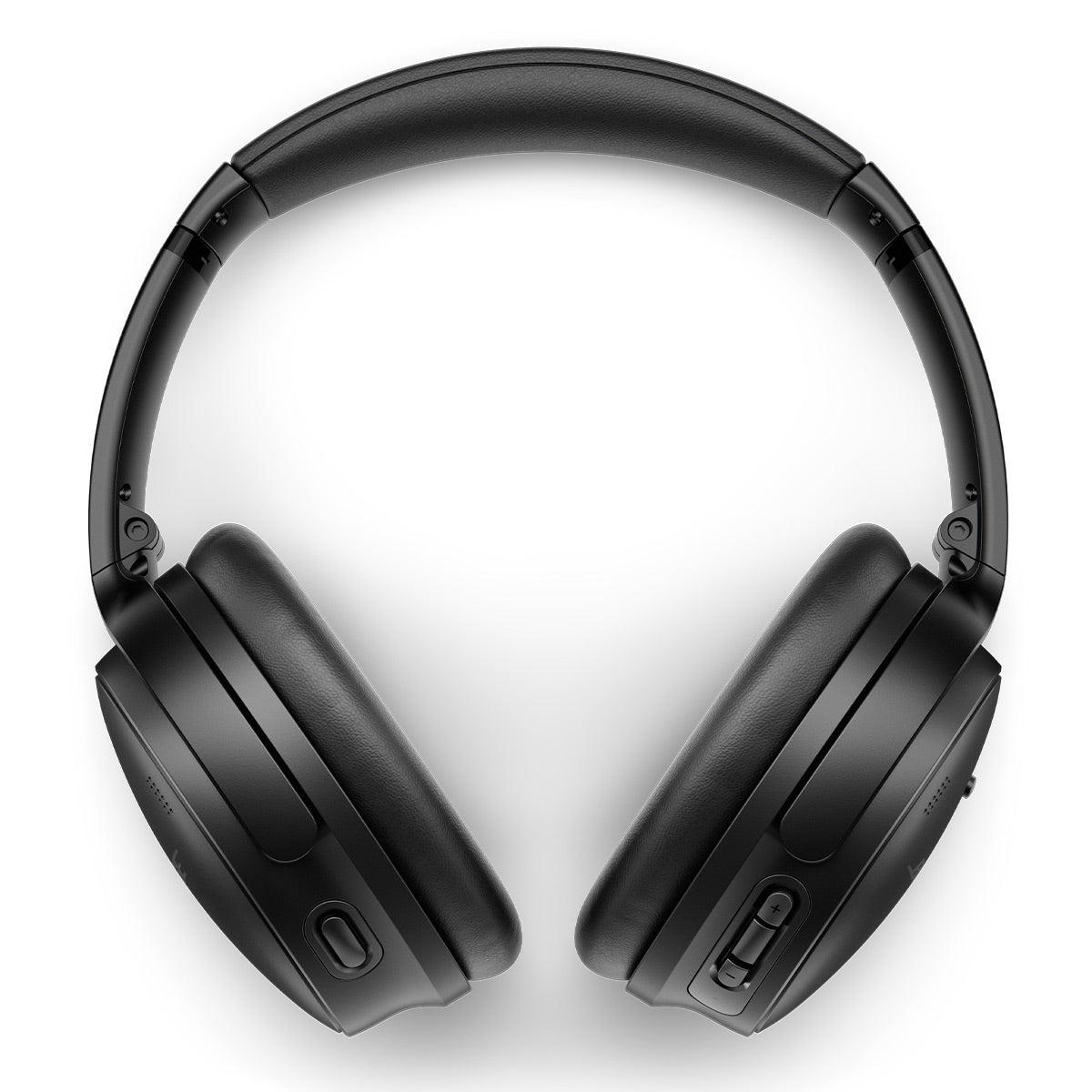
The Bose QuietComfort, at 236 grams, immediately feel more practical. The protein leather ear cushions and adjustable headband prioritize comfort over luxury aesthetics. These headphones were clearly designed for people who wear headphones for hours at a time. The folding mechanism is robust and space-saving, and the included case actually protects your investment.
After wearing both headphones for full work days, the comfort difference is substantial. The Bose QuietComfort disappear on your head in a way the heavier AirPods Max never quite manage. If you're someone who wears headphones for video calls, long music sessions, or extended travel, this comfort advantage becomes increasingly important.
Both headphones offer solid battery life, but their power management philosophies differ significantly. The Bose QuietComfort provide up to 24 hours of listening with ANC enabled and feature a straightforward power button. When you're done listening, you turn them off. Simple.
The AirPods Max offer around 20 hours of battery life, but Apple made a baffling design choice: there's no power button. The headphones enter a low-power mode when you stop using them, but they never truly turn off unless placed in their Smart Case. This means they can slowly drain battery over days or weeks of non-use, which feels like an inexcusable oversight at this price point.
Quick charging works well on both models, though the Bose QuietComfort edge ahead with 15 minutes providing four hours of playback compared to the AirPods Max's five minutes for 1.5 hours. The 2024 AirPods Max switched to USB-C from Lightning, finally bringing them in line with modern charging standards.
Here we see the clearest distinction between Apple's ecosystem approach and Bose's universal compatibility strategy. The AirPods Max with Apple devices create an almost magical experience. They pair instantly when you pull them from the case, seamlessly switch between your iPhone, iPad, and Mac as you move between tasks, and respond to "Hey Siri" without touching any buttons.
This ecosystem integration extends to features like automatic device switching and precise battery level reporting across all your Apple devices. When it works—and with Apple devices, it almost always does—it represents the future of seamless wireless audio.
But step outside Apple's ecosystem, and the AirPods Max become much less compelling. They'll work with Android phones or Windows laptops, but you lose most of the smart features and integration that justify their premium price.
The Bose QuietComfort take the opposite approach with Bluetooth multipoint connectivity, allowing simultaneous connection to two devices regardless of manufacturer. You can have them connected to both your phone and laptop, automatically switching audio sources as needed. The companion app works across platforms, providing full feature access whether you're using iOS, Android, Windows, or Mac.
For most people juggling multiple devices, this universal approach proves more practical than Apple's elegant but restrictive ecosystem integration.
For home entertainment, these headphones serve different purposes. The AirPods Max excel when paired with Apple devices for video content. Connected to an Apple TV, they deliver one of the best personal theater experiences available. The spatial audio processing creates convincing surround sound effects, and the seamless integration means you can easily switch between speakers and headphones without missing dialogue.
The dynamic head tracking adds an extra dimension to movie watching—sound effects and music remain anchored to the screen even as you move your head, creating a more immersive experience than traditional stereo headphones can provide.
The Bose QuietComfort work well for home theater but in a more straightforward way. They'll deliver clear dialogue and good dynamics when connected to any TV, gaming console, or streaming device, but they don't offer the spatial processing that makes the AirPods Max special for video content. However, their superior noise cancellation makes them excellent for late-night viewing when you need to keep volume low but still catch every whisper of dialogue.
At the time of writing, the price difference between these headphones reflects two different value propositions. The AirPods Max command a significant premium that's difficult to justify purely on performance grounds. You're paying extra for premium materials, Apple ecosystem integration, and the prestige of owning Apple's flagship headphones.
The Bose QuietComfort offer what most people would consider better practical value. They excel in the areas that matter most for daily headphone use: comfort, noise cancellation, battery life, and device compatibility. The money you save compared to the AirPods Max could buy additional accessories or go toward other audio equipment.
However, value isn't purely about specifications. If you're deeply invested in Apple's ecosystem and frequently watch video content on Apple devices, the AirPods Max offer unique benefits that no other headphones can match. The seamless integration and spatial audio capabilities justify the premium for the right user.
Choose the Apple AirPods Max if you're primarily an Apple user who values premium materials and doesn't want to adjust settings. They're ideal if you frequently watch movies on Apple devices, appreciate luxury build quality, and primarily listen in quiet environments where their noise cancellation limitations won't be apparent.
The AirPods Max make the most sense for someone who sees headphones as both a technical tool and a luxury accessory, and who doesn't mind the extra weight and bulk for the premium experience they provide.
Choose the Bose QuietComfort Wireless if you prioritize practical performance over luxury materials. They're the better choice for frequent travelers, multi-device users, anyone who needs the absolute best noise cancellation, or those who prefer customizing their sound profile through EQ adjustments.
The Bose QuietComfort represent the headphones most people should buy if they want professional-grade performance without paying for premium materials they might not notice day-to-day.
Ultimately, both represent excellent headphones that approach the same goals—premium wireless audio with effective noise cancellation—through very different philosophies. Your choice depends on whether you value Apple's integrated luxury approach or Bose's practical excellence, and whether the premium for the AirPods Max aligns with how you'll actually use these headphones in your daily life.
| Apple AirPods Max | Bose QuietComfort Wireless |
|---|---|
| Weight - Critical for extended comfort during long listening sessions | |
| 384.8g (noticeably heavy, can cause fatigue) | 236g (lightweight, ideal for all-day wear) |
| Active Noise Cancellation - Essential for blocking distracting background noise | |
| Very good (8 microphones, effective but not class-leading) | Excellent (industry-leading Bose technology, superior on flights) |
| Sound Quality Out of Box - How good they sound without adjustments | |
| Exceptional (no EQ needed, audiophile-grade tuning) | Good (benefits significantly from EQ customization via app) |
| Battery Life - How long you can listen before recharging | |
| Up to 20 hours (ANC on, no manual power off button) | Up to 24 hours (ANC on, simple on/off control) |
| Build Materials - Affects durability and premium feel | |
| Aluminum cups, stainless steel frame (luxury materials) | Metal, plastic, protein leather (durable, practical materials) |
| Portability - Important for travel and storage | |
| Non-folding design, minimal case protection | Folding design with proper protective carrying case |
| Device Compatibility - How well they work across different platforms | |
| Best with Apple devices (limited features on Android/PC) | Universal compatibility with full features on any platform |
| Spatial Audio - Creates immersive surround sound experience | |
| Advanced implementation with head tracking (excellent for movies) | Basic stereo only (no spatial processing) |
| Customization Options - Ability to adjust sound and features | |
| Minimal (no user EQ, Apple's tuning only) | Extensive (full EQ, custom noise modes, app integration) |
| Multi-Device Connectivity - Connecting to multiple devices simultaneously | |
| Seamless within Apple ecosystem only | Bluetooth multipoint (two devices at once, any brand) |
| Quick Charge - How much listening time from short charging sessions | |
| 5 min = 1.5 hours playback | 15 min = 4 hours playback (much faster recovery) |
| Price Positioning - Value relative to features and performance | |
| Premium luxury pricing (luxury materials and ecosystem integration) | Mid-premium pricing (excellent performance-per-dollar ratio) |
The Apple AirPods Max deliver superior sound quality out of the box with audiophile-grade tuning that requires no adjustment. They offer exceptional clarity, spatial imaging, and balanced frequency response. The Bose QuietComfort Wireless sound good initially but truly shine when you customize the EQ through the Bose app, allowing you to tailor the sound to your preferences.
The Bose QuietComfort Wireless have significantly better noise cancellation, especially for airplane travel and consistent background noise. Bose's decades of ANC expertise show in their superior ability to block external sounds. While the Apple AirPods Max offer very good noise cancellation with eight microphones, they can't match Bose's industry-leading performance.
The Bose QuietComfort Wireless are much more comfortable for extended wear due to their lightweight design at 236g compared to the Apple AirPods Max at 384g. The Bose headphones use minimal clamping force and protein leather cushions designed for all-day comfort, while the heavier AirPods Max can cause fatigue during long sessions.
The Apple AirPods Max will connect to Android phones via Bluetooth but lose most smart features like automatic device switching, spatial audio, and Siri integration. The Bose QuietComfort Wireless offer full functionality across all platforms including Android, with the same app features and performance regardless of your phone type.
The Bose QuietComfort Wireless provide up to 24 hours of listening time with ANC enabled, compared to 20 hours for the Apple AirPods Max. Additionally, Bose offers better power management with a simple on/off button, while the AirPods Max lack a power button and can drain battery when not in use.
For home theater use, the Apple AirPods Max excel when paired with Apple devices, offering advanced Spatial Audio with head tracking that creates a convincing surround sound experience. The Bose QuietComfort Wireless work well for movies with clear dialogue and good dynamics but don't offer spatial audio processing.
The Bose QuietComfort Wireless are superior for travel due to their folding design, lightweight construction, proper carrying case, and industry-leading noise cancellation for flights. The Apple AirPods Max are bulky, heavy, and come with an inadequate case that offers minimal protection.
The Bose QuietComfort Wireless offer extensive customization through the Bose app, including full EQ controls and custom noise cancellation modes. The Apple AirPods Max provide minimal customization options, relying on Apple's fixed tuning with automatic Adaptive EQ that adjusts based on fit.
The Bose QuietComfort Wireless support Bluetooth multipoint connectivity, allowing simultaneous connection to two devices of any brand with seamless switching. The Apple AirPods Max offer seamless device switching only within the Apple ecosystem but work best when used primarily with Apple devices.
The Bose QuietComfort Wireless charge faster with 15 minutes providing 4 hours of playback time. The Apple AirPods Max require 5 minutes of charging for 1.5 hours of playback. Both headphones now use USB-C charging for convenience.
The Bose QuietComfort Wireless provide better overall value with superior noise cancellation, comfort, battery life, and universal compatibility at a lower price point. The Apple AirPods Max justify their premium pricing mainly for Apple ecosystem users who value luxury materials and spatial audio features.
Choose the Apple AirPods Max if you're primarily an Apple user who values premium build quality and spatial audio for video content. Choose the Bose QuietComfort Wireless if you prioritize comfort, noise cancellation, travel-friendly design, and universal device compatibility at better value.
We've done our best to create useful and informative comparisons to help you decide what product to buy. Our research uses advanced automated methods to create this comparison and perfection is not possible - please contact us for corrections or questions. These are the sites we've researched in the creation of this article: recordingnow.com - t3.com - telegraph.co.uk - soundguys.com - youtube.com - forums.macrumors.com - youtube.com - youtube.com - apple.com - support.apple.com - idownloadblog.com - media.distrelec.com - en.wikipedia.org - apple.com - apple.com - support.apple.com - rtings.com - techradar.com - whathifi.com - bose.com - rtings.com - recordingnow.com - bose.com - ottorinobruni.com - whathifi.com - costco.com - recordingnow.com - youtube.com - bose.com - bestbuy.com - global.bose.com - boselatam.com - projectorscreen.com - bose.com - bose.com - bose.com

Privacy Policy
Terms and Conditions - Affiliate Policy
Home Security
© Copyright 2008-2026.
11816 Inwood Rd #1211, Dallas, TX 75244