





When you're shopping for wireless noise-cancelling headphones, you're entering a category that's become incredibly competitive over the past few years. These headphones combine three key technologies: wireless Bluetooth connectivity, active noise cancellation (which uses microphones and processing to cancel out background noise), and high-quality audio drivers. The challenge is finding the right balance between performance, comfort, and value for your specific needs.
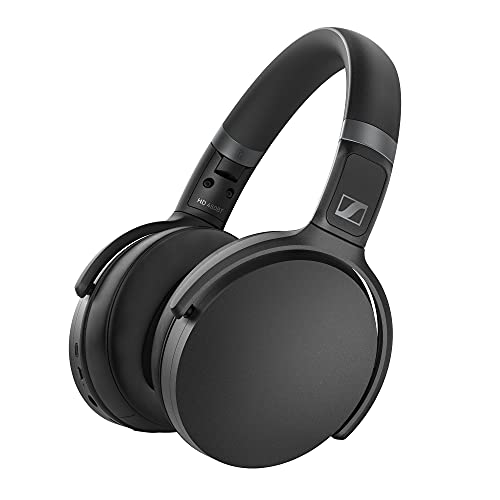
At the time of writing, the market offers options spanning from budget-friendly models around $100 to premium flagships that can cost three to four times more. Today, we're comparing two popular choices that represent different approaches to this balance: the Sennheiser HD 450BT and the Bose QuietComfort Wireless.
Before diving into specifics, it's helpful to understand what makes wireless noise-cancelling headphones tick. Active Noise Cancellation (ANC) works by using external microphones to detect ambient sound, then generating an opposing sound wave to cancel it out. This technology is particularly effective against consistent, low-frequency sounds like airplane engines, air conditioners, or traffic rumble.
The main considerations when choosing headphones in this category include how well the ANC performs, the overall sound quality, comfort during extended wear, battery life, and the feature set relative to the price. Some models excel in specific areas – perhaps offering exceptional battery life or superior comfort – while others aim for well-rounded performance across all categories.
The Sennheiser HD 450BT launched in 2020 as Sennheiser's effort to bring their audio expertise to the budget wireless market. Since then, the wireless headphone market has continued evolving, with manufacturers improving battery efficiency, enhancing ANC algorithms, and adding features like spatial audio and advanced codec support.
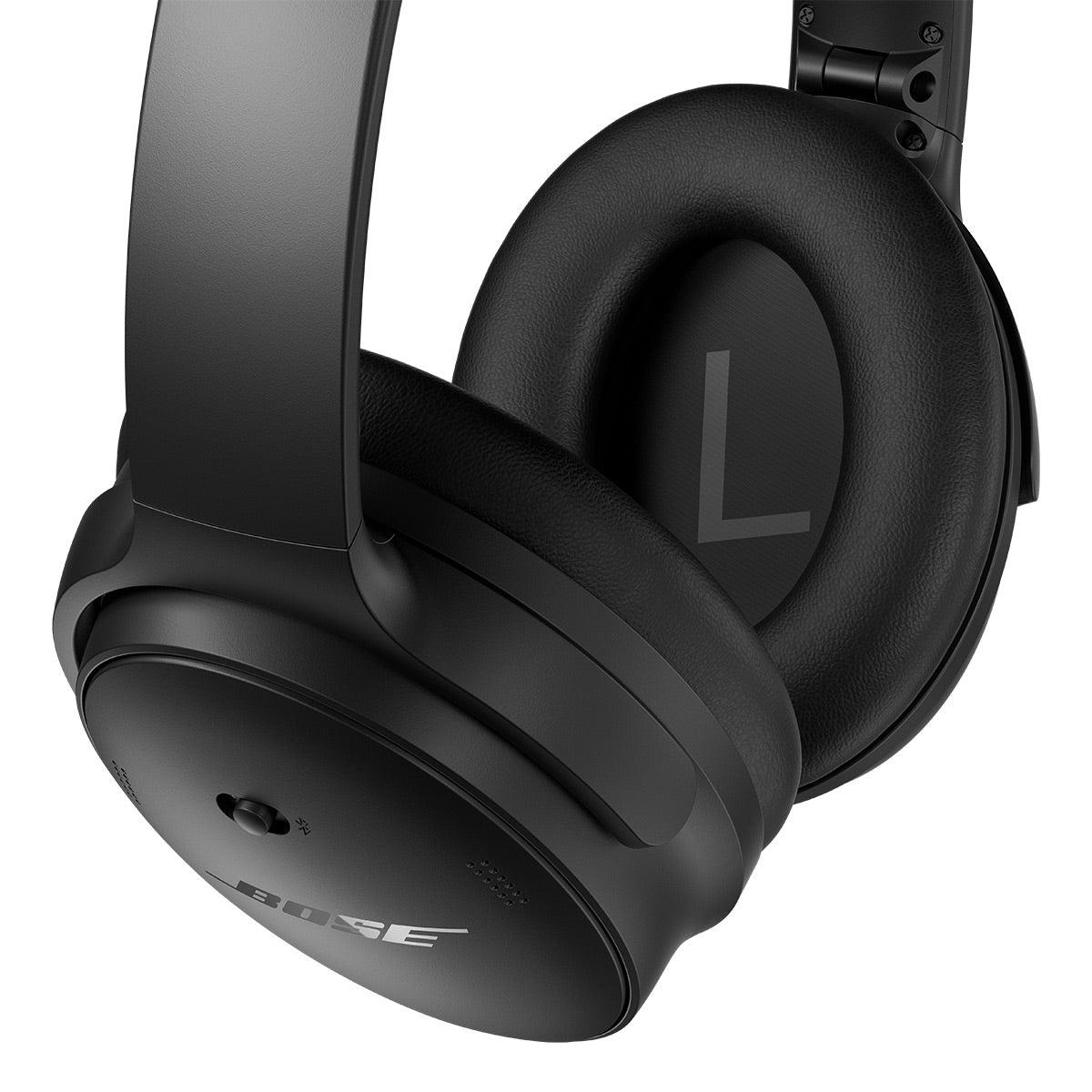
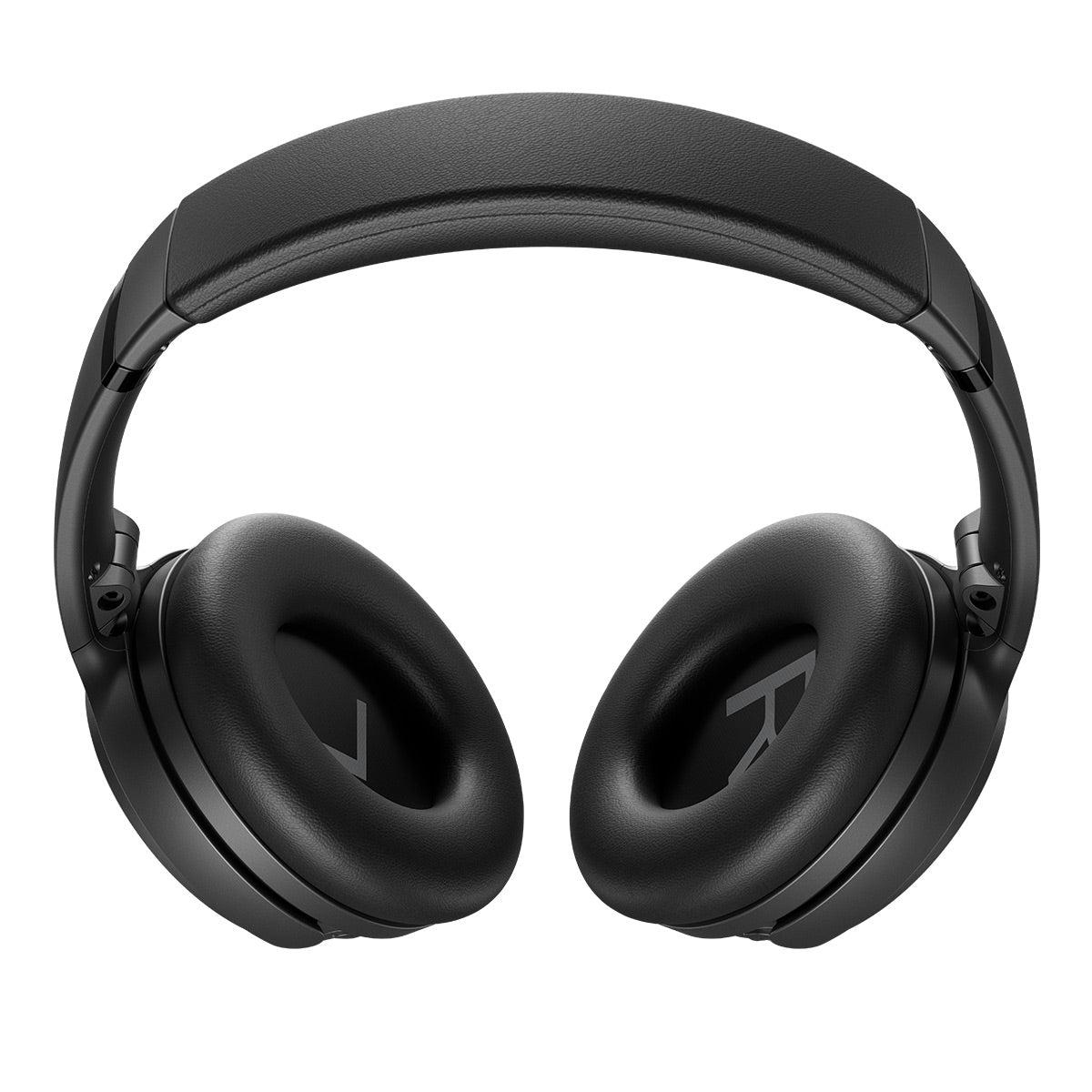
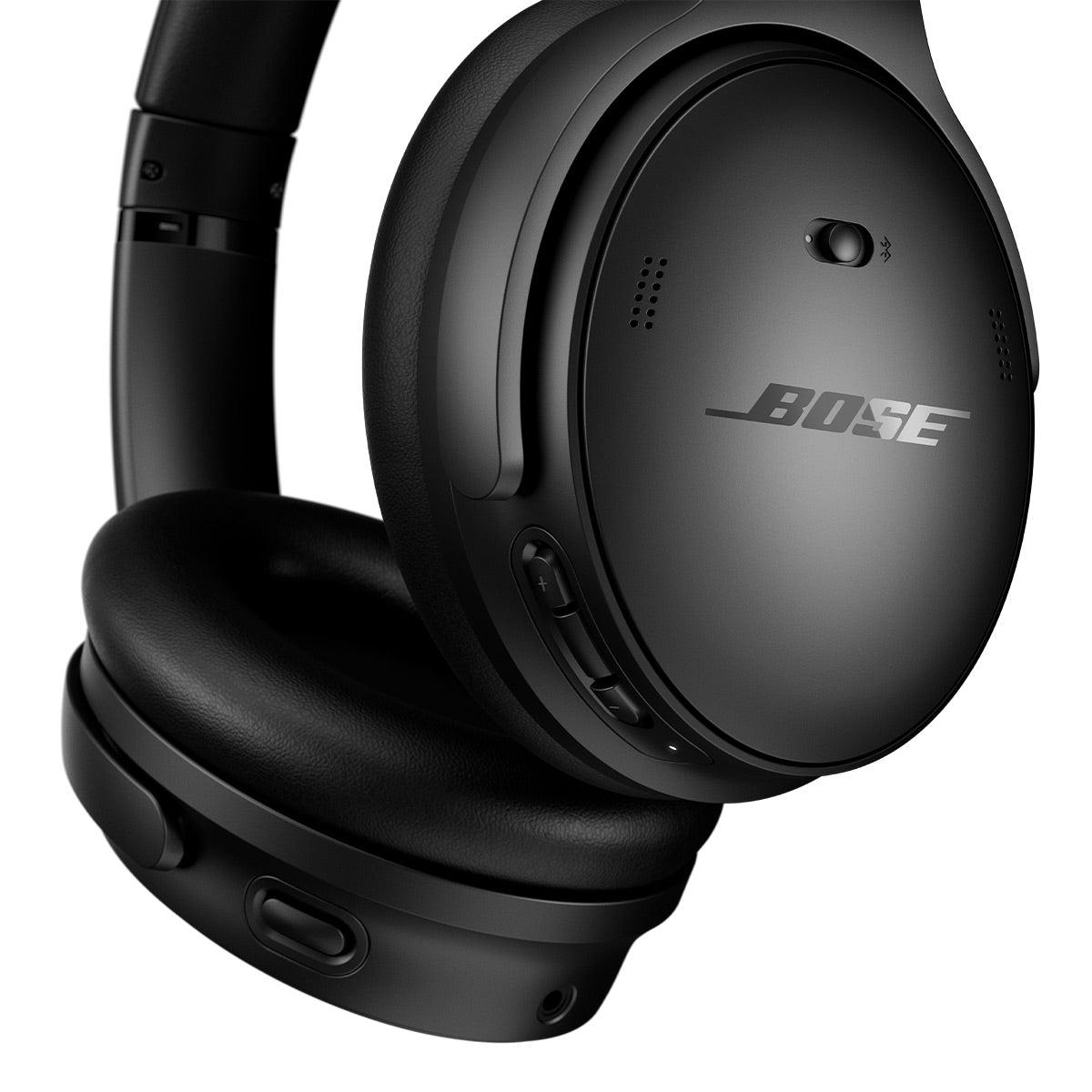
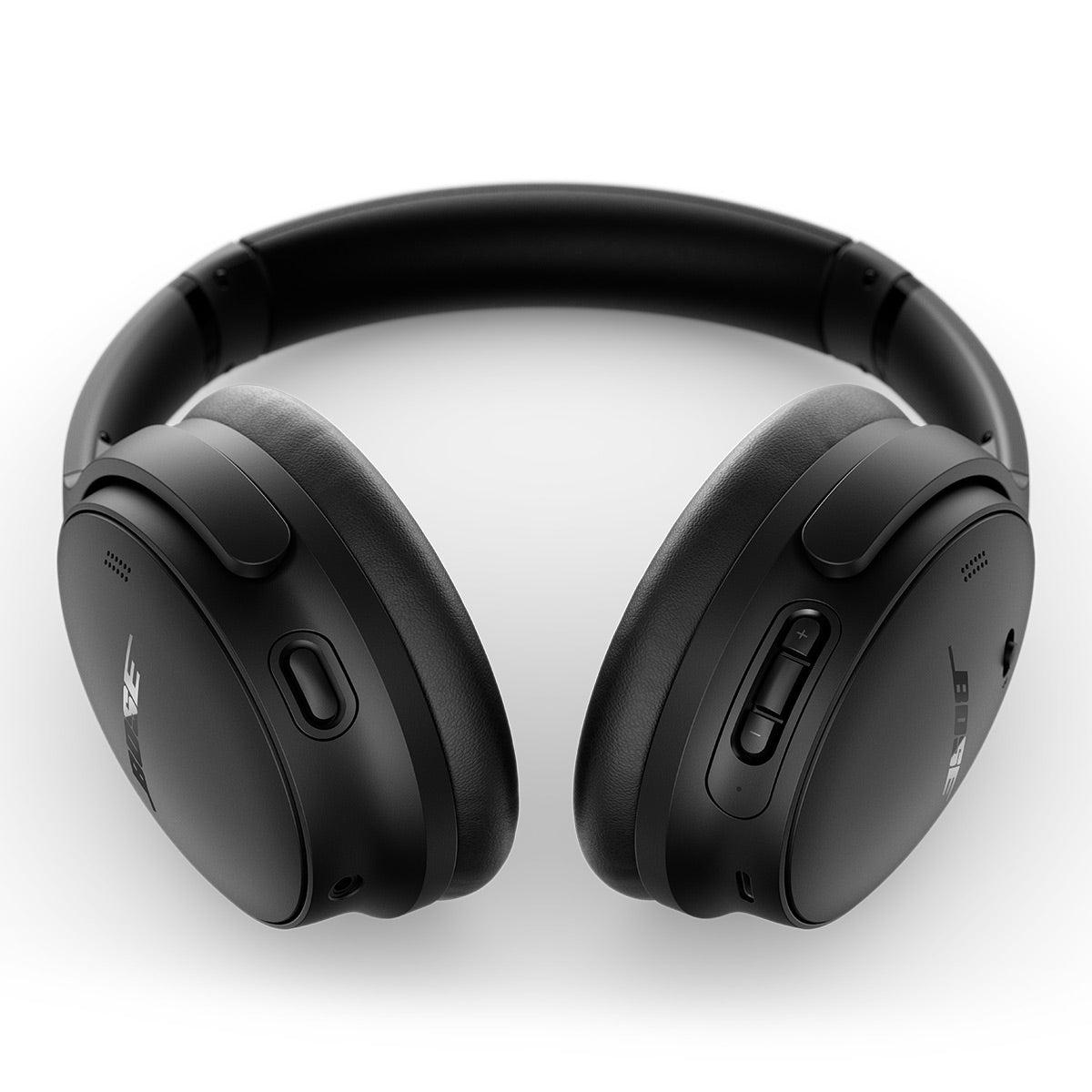
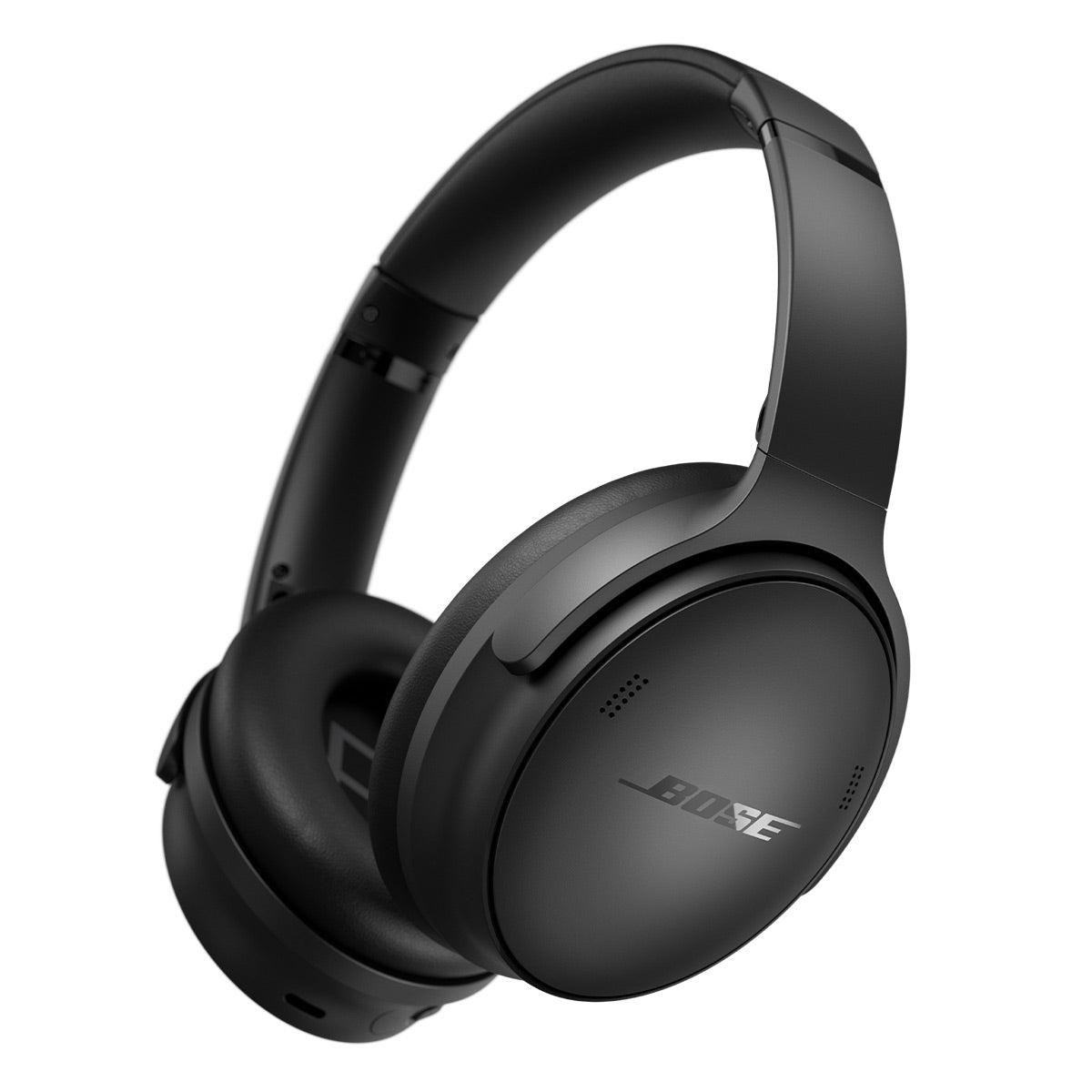
The Bose QuietComfort Wireless represents Bose's 2023 entry in their QuietComfort line, building on decades of noise cancellation expertise. Bose essentially invented consumer ANC technology in the late 1980s for pilots, and they've been refining it ever since. The QuietComfort series has become synonymous with superior noise cancellation, though at premium pricing.
Understanding these release timelines matters because technology moves quickly in this space. The Sennheiser HD 450BT, being a few years older, uses slightly older Bluetooth 5.0 technology, while newer models often feature more advanced connectivity and processing capabilities.
Sound quality represents perhaps the most subjective aspect of headphone selection, but there are measurable differences in how these models approach audio reproduction.
The Sennheiser HD 450BT delivers what I'd describe as a balanced, slightly warm sound signature. Sennheiser has tuned these headphones with a frequency response spanning 18Hz to 22,000Hz, covering the full range of human hearing. The bass presence is noticeable but controlled – you'll feel the thump in electronic music without it overwhelming vocals or instruments. The midrange, where most vocals and lead instruments live, comes through clearly, though some listeners find the treble (higher frequencies) slightly subdued, giving the overall sound a relaxed character.
What's particularly impressive about the Sennheiser HD 450BT is how well instruments separate in the mix. Even in complex orchestral pieces or busy rock songs, you can usually pick out individual elements rather than hearing everything as a wall of sound. However, the soundstage – the perception of how wide and spacious the music sounds – feels somewhat compact, which is typical for closed-back headphones in this price range.
The Bose QuietComfort takes a different approach, prioritizing what Bose calls "lifelike" sound reproduction. These headphones tend to emphasize warmth and richness, with slightly enhanced bass that adds weight to music without becoming boomy. Vocals sound particularly natural and present, which makes them excellent for podcasts and audiobooks. The overall tuning leans toward being forgiving and pleasant rather than analytically precise.
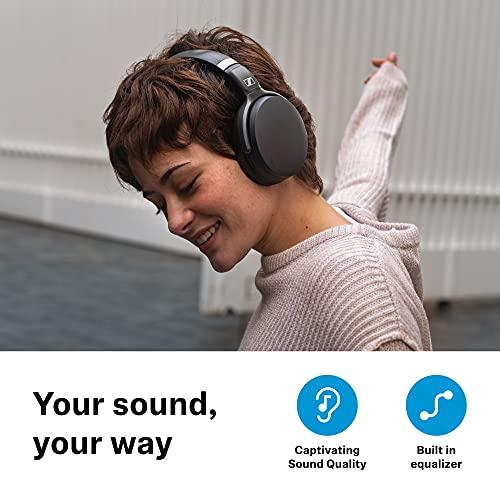
Where Bose really shines is in their app-based EQ customization. While the Sennheiser HD 450BT offers basic treble adjustment through their Smart Control app, the Bose QuietComfort provides more comprehensive sound customization options. This flexibility means you can adjust the sound signature to better match your preferences or optimize for different content types.
For home theater use, both headphones perform well, but with different strengths. The Sennheiser HD 450BT supports aptX Low Latency codec, which significantly reduces the delay between video and audio – crucial for maintaining lip-sync when watching movies or TV shows. This makes them particularly suitable for wireless TV watching or gaming scenarios where audio delay would be distracting.
The Bose QuietComfort doesn't support aptX Low Latency, but their overall processing tends to minimize latency issues with most modern devices. For casual movie watching, the difference may be negligible, but serious gamers or those sensitive to audio-video sync issues might prefer the Sennheiser's technical advantage here.
This is where the most significant performance gap emerges between these two models. Noise cancellation technology has become increasingly sophisticated, and the implementation quality varies dramatically between budget and premium offerings.
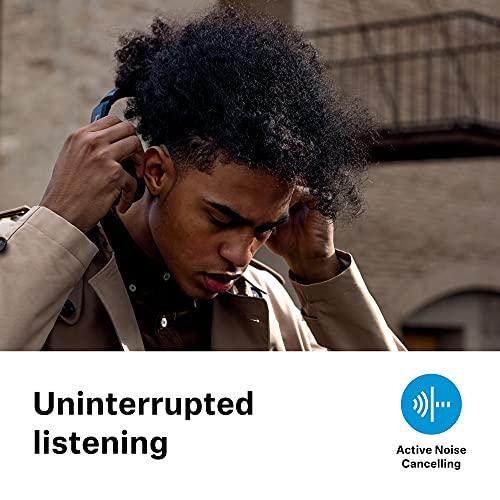
The Sennheiser HD 450BT includes active noise cancellation, but it's a relatively basic implementation. The system works by using external microphones to detect ambient noise and generating opposing sound waves to cancel it out. It's effective against consistent, low-frequency sounds like air conditioning or distant traffic, but struggles with higher-pitched noises or sudden sounds like voices or door slams. The upside is that there's no uncomfortable "cabin pressure" sensation that some people experience with aggressive ANC systems.
In practical terms, the Sennheiser HD 450BT's noise cancellation will make a noticeable difference in moderately noisy environments – think a busy coffee shop or office space – but it won't create the cone of silence that premium models can achieve.
The Bose QuietComfort operates in a different league entirely when it comes to noise cancellation. Bose uses what they call an "adaptive microphone system" with microphones both inside and outside the earcups. This setup continuously monitors your acoustic environment and adjusts the cancellation in real-time. The result is dramatically more effective noise reduction across a broader frequency range.
What sets the Bose QuietComfort apart is its ability to handle complex acoustic environments. It excels not just with consistent droning sounds, but also with irregular noises like conversations, keyboard typing, or even children playing nearby. The system is sophisticated enough to distinguish between sounds you want to cancel and those you might need to hear.
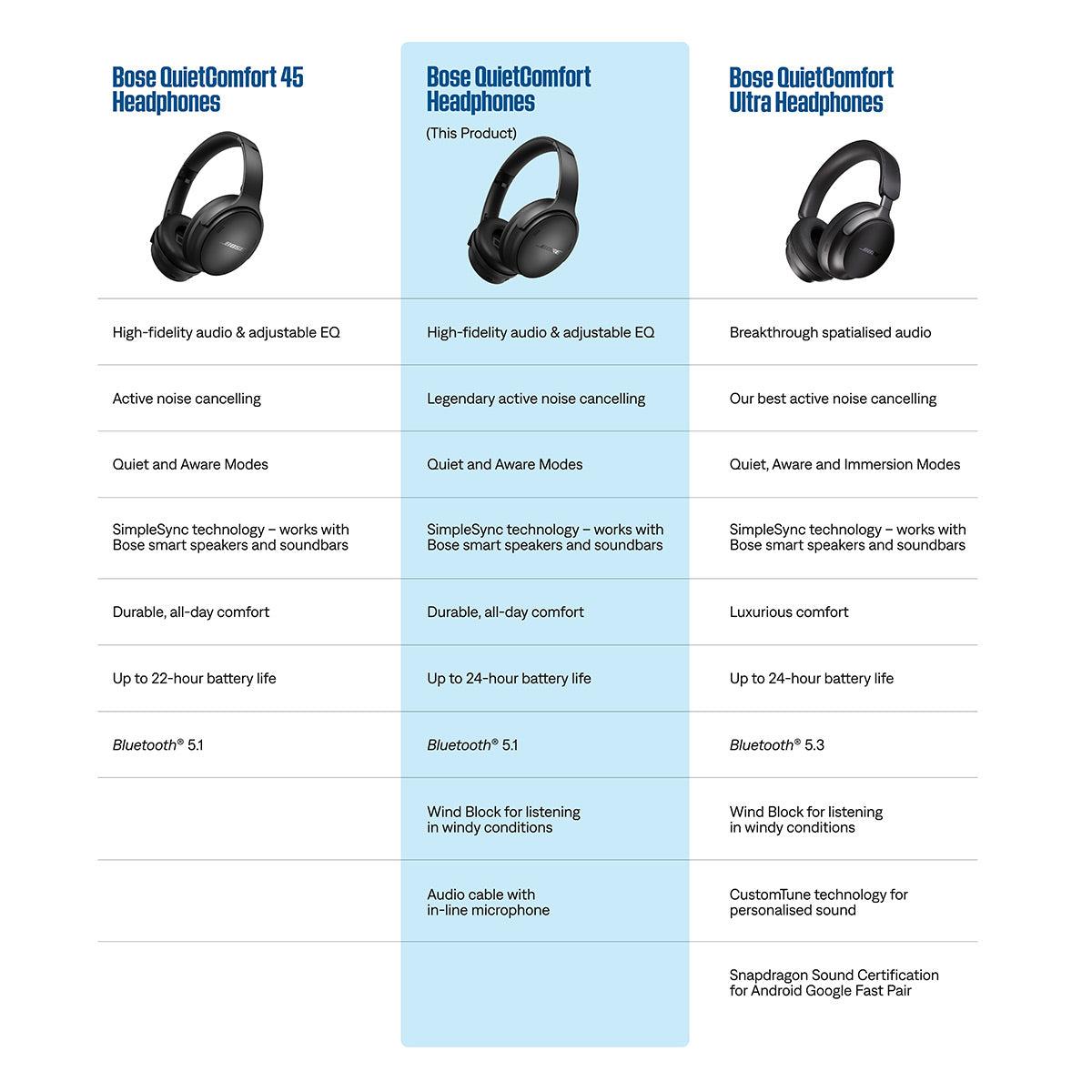
The Bose QuietComfort also offers multiple ANC modes: Quiet Mode for maximum cancellation, Aware Mode that lets environmental sounds through for situational awareness, and customizable modes where you can fine-tune the level of noise reduction. There's even a Wind Block feature that adjusts the ANC processing to minimize wind noise when you're outdoors.
For frequent travelers or anyone working in consistently noisy environments, this difference in ANC performance can be transformative. The superior noise cancellation doesn't just improve audio quality – it can reduce listening fatigue and make long flights or commutes significantly more comfortable.
Comfort becomes crucial when you're wearing headphones for hours at a time, and this is another area where clear differences emerge between these models.
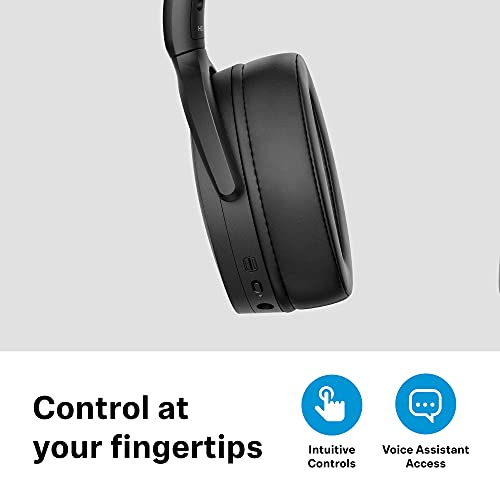
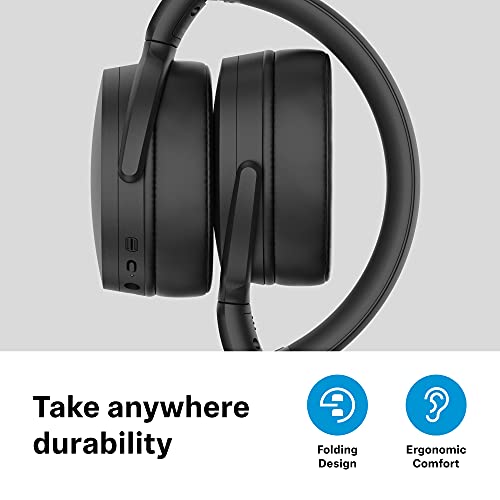
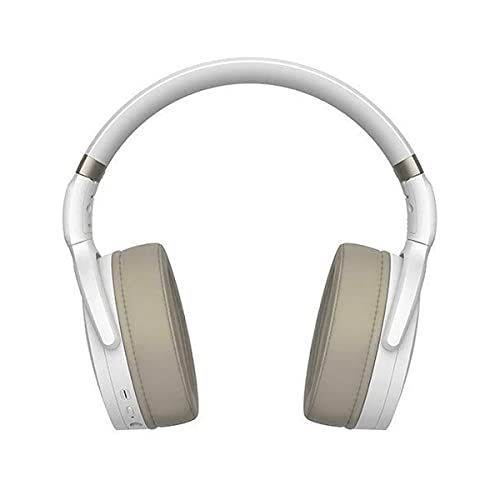
The Sennheiser HD 450BT prioritizes portability and affordability in its design approach. Weighing in at 238 grams, they're relatively lightweight, and the foldable design makes them easy to pack for travel. The construction is primarily plastic, which keeps costs down but can feel less premium than higher-end alternatives. The ear cushions provide adequate comfort, though some users describe them as somewhat stiff compared to luxury options.
The headband padding is sufficient for most people, but during extended listening sessions – say, a long flight or all-day work sessions – some users report mild pressure points. The clamping force (how tightly the headphones grip your head) is moderate, which helps maintain a good seal for noise isolation without being uncomfortable for most head sizes.
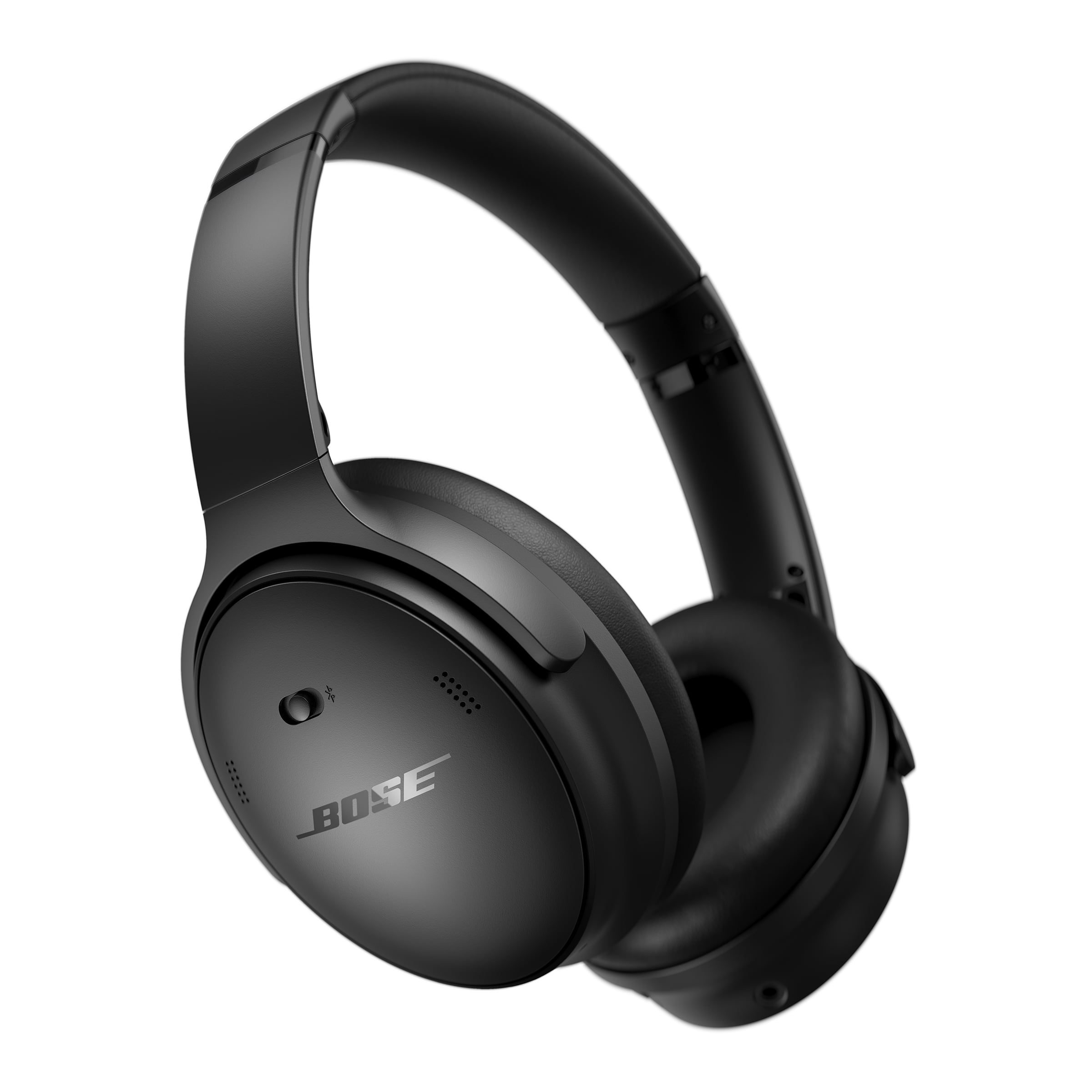
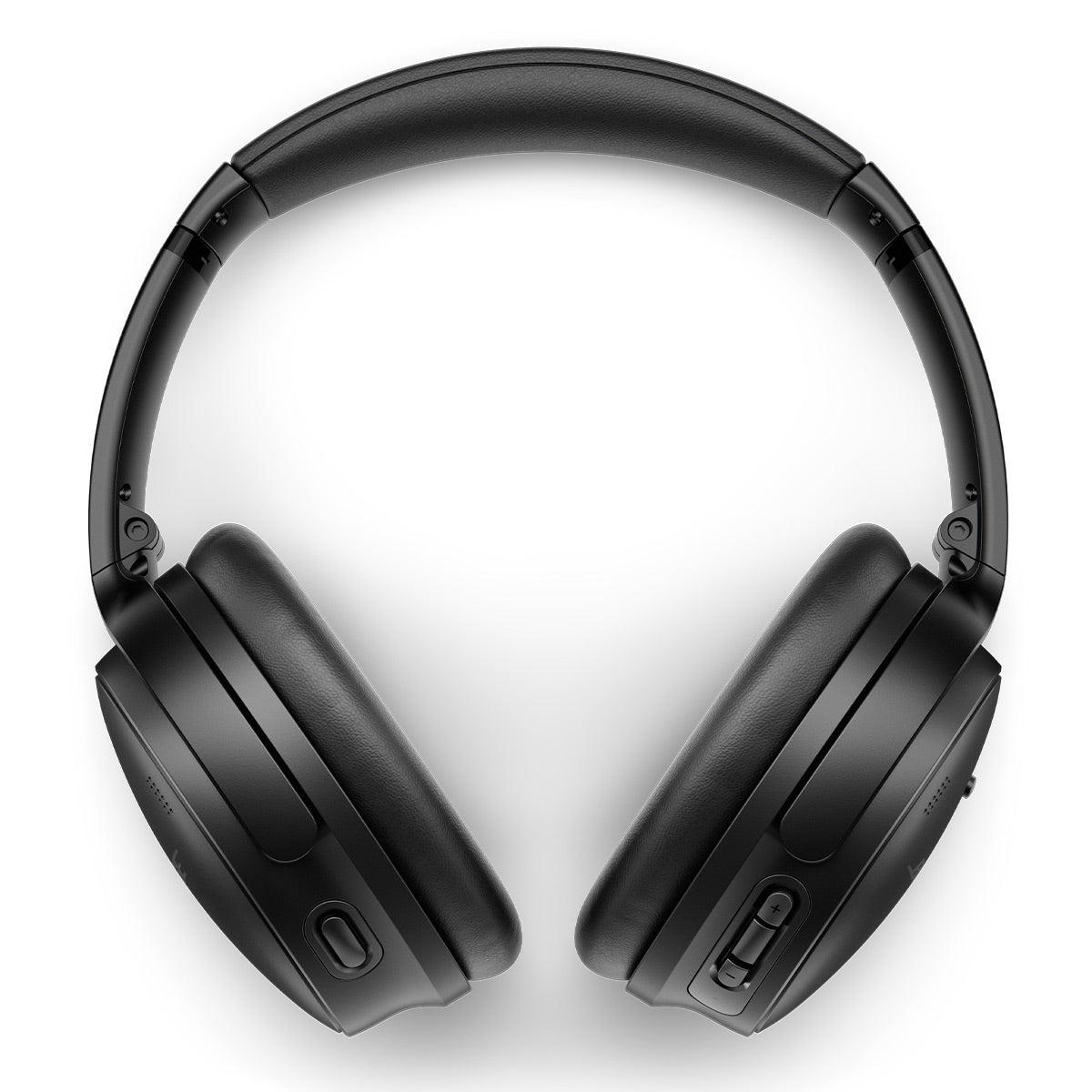
The Bose QuietComfort represents a significant step up in comfort engineering. These headphones are designed around the principle that superior comfort enables longer, more enjoyable listening sessions. The ear cushions use protein leather – a synthetic material that feels soft and luxurious while being more durable than genuine leather. These cushions are notably plush and create an excellent seal around your ears without applying excessive pressure.
What really sets the Bose QuietComfort apart is the headband design and weight distribution. Despite weighing slightly more than the Sennheiser (ranging from 236-255 grams depending on the specific model), the weight is distributed more evenly, reducing pressure points. The headband features substantial padding and adjusts smoothly to accommodate different head sizes.
In my experience testing both models, the difference in long-term comfort is substantial. While the Sennheiser HD 450BT remains comfortable for moderate listening sessions, the Bose QuietComfort can be worn for hours without fatigue. This makes them particularly appealing for remote workers, frequent travelers, or anyone who regularly engages in extended listening sessions.
The build quality difference also extends to materials and construction methods. The Bose QuietComfort uses higher-grade plastics, better internal reinforcement, and more robust hinge mechanisms. While both models should handle normal use well, the Bose headphones feel more durable and premium in daily handling.
Battery performance has become increasingly important as these headphones replace wired models for many users. Both models offer respectable battery life, but with different strengths.
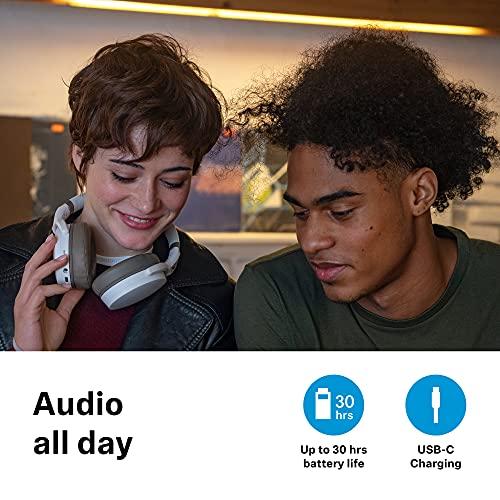
The Sennheiser HD 450BT delivers exceptional battery performance, offering up to 30 hours of playback with both Bluetooth and ANC enabled. This is genuinely impressive performance that exceeds many premium competitors. The headphones charge via USB-C, reaching full capacity in approximately 2 hours. For perspective, this battery life could handle a week of typical commuting or several long flights without needing a charge.
The Bose QuietComfort provides up to 24 hours of battery life, which is still excellent but not quite as impressive as the Sennheiser. However, Bose includes a useful quick-charge feature: 15 minutes of charging provides up to 2.5 hours of playback, which can be a lifesaver when you're rushing to catch a flight.
Both models include wired connectivity options as a backup when the battery dies. The Sennheiser HD 450BT comes with a 3.5mm cable, allowing continued use in passive mode, though you'll lose the noise cancellation. The Bose QuietComfort also includes a wired option, maintaining some functionality even when powered off.
For connectivity, both support Bluetooth multipoint, meaning you can connect to two devices simultaneously – perhaps your phone and laptop – and seamlessly switch between them. This feature has become increasingly valuable as we use multiple devices throughout the day.
Gaming and home theater use represent specialized applications where certain technical specifications become particularly important.
The Sennheiser HD 450BT excels in gaming scenarios due to its aptX Low Latency codec support. Latency – the delay between when audio is generated and when you hear it – can be problematic in gaming where audio cues are crucial for gameplay. The aptX Low Latency codec reduces this delay to nearly imperceptible levels, making these headphones excellent for wireless gaming.
This same low-latency performance benefits home theater use, ensuring dialogue stays synchronized with actors' lip movements. If you frequently watch movies or TV shows wirelessly through your tablet, phone, or compatible TV, this technical advantage is significant.
The Bose QuietComfort doesn't support aptX Low Latency, instead relying on standard Bluetooth audio codecs. While modern devices and content often compensate for latency through buffering and processing, sensitive users may notice slight delays in gaming or video scenarios.
However, the Bose QuietComfort's superior noise cancellation can enhance home theater immersion by blocking out household noises – air conditioning, neighbors, street sounds – that would otherwise interfere with dialogue or subtle audio details.
Both headphones include built-in microphones for phone calls and voice assistant interaction, but with different performance characteristics.
The Sennheiser HD 450BT features dual MEMS microphones with beamforming technology, which helps focus on your voice while reducing background noise pickup. Call quality is generally clear and adequate for most business or personal calls, though voice reproduction can sound slightly thin compared to dedicated headsets.
The Bose QuietComfort includes what Bose describes as an "adaptive microphone system" that leverages the same microphone array used for noise cancellation. This system can better isolate your voice from environmental noise, resulting in clearer call quality, especially in noisy environments. However, some users report that voices can sound slightly processed due to the noise reduction algorithms.
For occasional calls, both perform adequately. For frequent conference calls or professional use, the Bose QuietComfort's superior noise handling gives it an edge, though dedicated business headsets would still outperform both for critical communication needs.
Understanding the value equation requires considering not just the upfront cost, but the performance you receive relative to that investment.
At the time of writing, the Sennheiser HD 450BT represents exceptional value in the budget wireless ANC category. You're getting legitimate noise cancellation, solid audio quality, outstanding battery life, and useful features like aptX Low Latency at a fraction of the cost of premium alternatives. While it doesn't excel in any single area, it delivers competent performance across all key metrics.
The trade-offs are primarily in build quality, comfort during extended use, and ANC effectiveness. For casual users, students, or anyone prioritizing value over premium performance, these compromises are often acceptable given the significant cost savings.
The Bose QuietComfort commands a premium price that reflects its positioning as a flagship product. The cost increase over budget alternatives is substantial – typically three to four times the price of the Sennheiser HD 450BT at the time of writing. However, this premium delivers meaningful improvements in key areas that matter most to the target audience.
The superior noise cancellation alone can justify the cost for frequent travelers, remote workers in noisy environments, or anyone who values the ability to create a quiet, focused listening environment. Add in the exceptional comfort for extended wear and premium build quality, and the value proposition becomes clear for users who prioritize these benefits.
Your choice between the Sennheiser HD 450BT and Bose QuietComfort ultimately depends on your priorities, usage patterns, and budget flexibility.
Choose the Sennheiser HD 450BT if you're budget-conscious but still want legitimate wireless ANC performance. These headphones are ideal for students, casual listeners, or anyone entering the wireless headphone market for the first time. They're particularly compelling if gaming or video streaming represents a significant use case, thanks to the low-latency codec support. The exceptional battery life also makes them attractive for users who frequently forget to charge their devices or need reliable all-day performance.
The Sennheiser HD 450BT is also a smart choice if you're uncertain about wireless headphones and want to test the waters without significant financial commitment. They offer enough performance to give you a genuine taste of what modern wireless ANC headphones can do.
Select the Bose QuietComfort if noise cancellation quality is your primary concern, or if comfort during extended use is essential. These headphones are designed for frequent travelers, remote workers in noisy environments, or audio enthusiasts who want premium performance and are willing to pay for it. The superior ANC makes them particularly valuable for airplane travel, open offices, or anywhere you need to block out distracting environmental noise.
The Bose QuietComfort also makes sense if you plan to use your headphones for many hours daily and comfort is a priority, or if you want the confidence that comes with investing in a well-established, premium product from a company with decades of noise cancellation expertise.
Consider your typical usage scenarios carefully. If you primarily listen to music at home or in quiet environments, the Sennheiser HD 450BT's moderate ANC may be perfectly adequate, making the premium cost of the Bose difficult to justify. However, if you're constantly battling background noise or need headphones that can create a consistently quiet environment regardless of your surroundings, the Bose QuietComfort represents a worthwhile investment in your daily quality of life.
Both models will serve most users well, but understanding these key differences helps ensure you choose the option that best matches your specific needs and budget constraints.
| Sennheiser HD 450BT | Bose QuietComfort Wireless |
|---|---|
| Active Noise Cancellation - Critical for blocking distractions in noisy environments | |
| Basic ANC, effective against low-frequency sounds like traffic | Industry-leading ANC with adaptive microphones, blocks broader range of noise |
| Battery Life - Determines how often you need to charge | |
| 30 hours (with ANC on) - exceptional for budget category | 24 hours (with ANC on) - good but not class-leading |
| Weight - Affects comfort during extended wear | |
| 238g - lightweight and portable | 236-255g - slightly heavier but better weight distribution |
| Sound Quality Approach - Impacts your music enjoyment | |
| Balanced signature with controlled bass, compact soundstage | Warm, rich sound with natural vocals, customizable EQ |
| Gaming/Video Performance - Important for low-latency content | |
| Excellent - supports aptX Low Latency codec for minimal delay | Standard latency - may have slight delay in gaming/video |
| Comfort Rating - Crucial for all-day wear | |
| Good for moderate use, stiff cushioning | Exceptional with protein leather cushions, rated 10/10 |
| Build Quality - Affects durability and premium feel | |
| Plastic construction, adequate for price point | Premium materials with superior fit and finish |
| Codec Support - Determines wireless audio quality | |
| aptX, aptX Low Latency, AAC, SBC | Standard codecs (no aptX support) |
| Quick Charging - Useful when battery runs low | |
| 2-hour full charge | 15 minutes = 2.5 hours playback, 2.5-hour full charge |
| Multipoint Connectivity - Connect to multiple devices simultaneously | |
| Yes - seamless device switching | Yes - seamless device switching |
| Noise Cancellation Modes - Flexibility for different environments | |
| Basic on/off toggle | Multiple modes: Quiet, Aware, Custom with Wind Block |
| Target User - Who gets the most value | |
| Budget-conscious users, gamers, students | Frequent travelers, remote workers, comfort-focused users |
The Bose QuietComfort offers significantly superior noise cancellation compared to the Sennheiser HD 450BT. Bose uses industry-leading adaptive microphone technology that effectively blocks a wider range of frequencies, including voices and sudden noises. The Sennheiser HD 450BT provides basic ANC that works well for consistent low-frequency sounds like traffic, but the Bose QuietComfort creates a much quieter listening environment overall.
The Bose QuietComfort is far superior for extended wear, featuring protein leather cushions and exceptional weight distribution that allows for hours of comfortable use. While the Sennheiser HD 450BT is lightweight and adequate for moderate listening sessions, users often report pressure points during extended use. For all-day comfort, the Bose QuietComfort is the clear winner.
The Sennheiser HD 450BT wins in battery performance, offering up to 30 hours of playback with ANC enabled compared to 24 hours from the Bose QuietComfort. Both provide excellent battery life for their respective categories, but the Sennheiser HD 450BT delivers exceptional endurance that can handle a full week of commuting without charging.
Yes, the Sennheiser HD 450BT is significantly better for gaming due to its aptX Low Latency codec support, which minimizes audio delay crucial for competitive gaming. The Bose QuietComfort uses standard Bluetooth codecs that may introduce noticeable latency. For wireless gaming, the Sennheiser HD 450BT provides a clear technical advantage.
Both offer good sound quality but with different approaches. The Bose QuietComfort provides warmer, more natural sound with excellent vocal reproduction and customizable EQ options. The Sennheiser HD 450BT delivers balanced audio with good instrument separation but limited customization. For most listeners, the Bose QuietComfort offers more refined audio quality.
The Sennheiser HD 450BT excels for home theater thanks to aptX Low Latency support, ensuring perfect lip-sync when watching movies wirelessly. This makes them ideal for TV streaming and movie watching. While the Bose QuietComfort offers superior noise isolation for immersive viewing, the Sennheiser HD 450BT provides better technical performance for wireless video content.
The Bose QuietComfort generally provides better call quality due to its advanced adaptive microphone system that effectively isolates your voice from background noise. While the Sennheiser HD 450BT offers adequate call quality with dual beamforming microphones, the Bose QuietComfort performs better in noisy environments for professional calls.
Both the Sennheiser HD 450BT and Bose QuietComfort support standard Bluetooth connectivity and work with smartphones, tablets, laptops, and most modern devices. Both also offer multipoint connectivity for simultaneous pairing with two devices. The Sennheiser HD 450BT provides broader codec support including aptX, while the Bose QuietComfort focuses on universal compatibility.
The Bose QuietComfort features superior build quality with premium materials, better hinges, and more robust construction designed for long-term use. The Sennheiser HD 450BT uses primarily plastic construction that's adequate for its category but feels less premium. For durability and build quality, the Bose QuietComfort justifies its higher positioning.
For travel, the Bose QuietComfort is generally superior due to its exceptional noise cancellation that effectively blocks airplane noise, superior comfort for long flights, and premium build quality. However, the Sennheiser HD 450BT offers advantages in battery life and portability with its foldable design, making it suitable for budget-conscious travelers.
The Sennheiser HD 450BT provides exceptional value, delivering solid performance across all key features at a budget-friendly price point. The Bose QuietComfort offers premium performance that justifies its higher cost for users who prioritize superior noise cancellation and comfort. Value depends on your priorities: the Sennheiser HD 450BT for budget-conscious buyers, the Bose QuietComfort for premium performance.
Yes, both the Sennheiser HD 450BT and Bose QuietComfort include audio cables for wired listening when the battery is depleted. The Sennheiser HD 450BT comes with a 3.5mm cable, while the Bose QuietComfort includes a cable with inline microphone. However, active noise cancellation won't work in wired mode, so you'll lose that key feature until recharged.
We've done our best to create useful and informative comparisons to help you decide what product to buy. Our research uses advanced automated methods to create this comparison and perfection is not possible - please contact us for corrections or questions. These are the sites we've researched in the creation of this article: pocketnow.com - majorhifi.com - rtings.com - majorhifi.com - soundguys.com - rtings.com - bestbuy.com - versus.com - youtube.com - youtube.com - starkinsider.com - headphones.com - newsroom.sennheiser.com - headphonecheck.com - walmart.com - fullspecs.net - youtube.com - crutchfield.com - sennheiser-hearing.com - youtube.com - babblingboolean.com - techradar.com - whathifi.com - bose.com - rtings.com - recordingnow.com - bose.com - ottorinobruni.com - whathifi.com - costco.com - recordingnow.com - youtube.com - bose.com - bestbuy.com - global.bose.com - boselatam.com - projectorscreen.com - bose.com - bose.com - bose.com

Privacy Policy
Terms and Conditions - Affiliate Policy
Home Security
© Copyright 2008-2026.
11816 Inwood Rd #1211, Dallas, TX 75244