

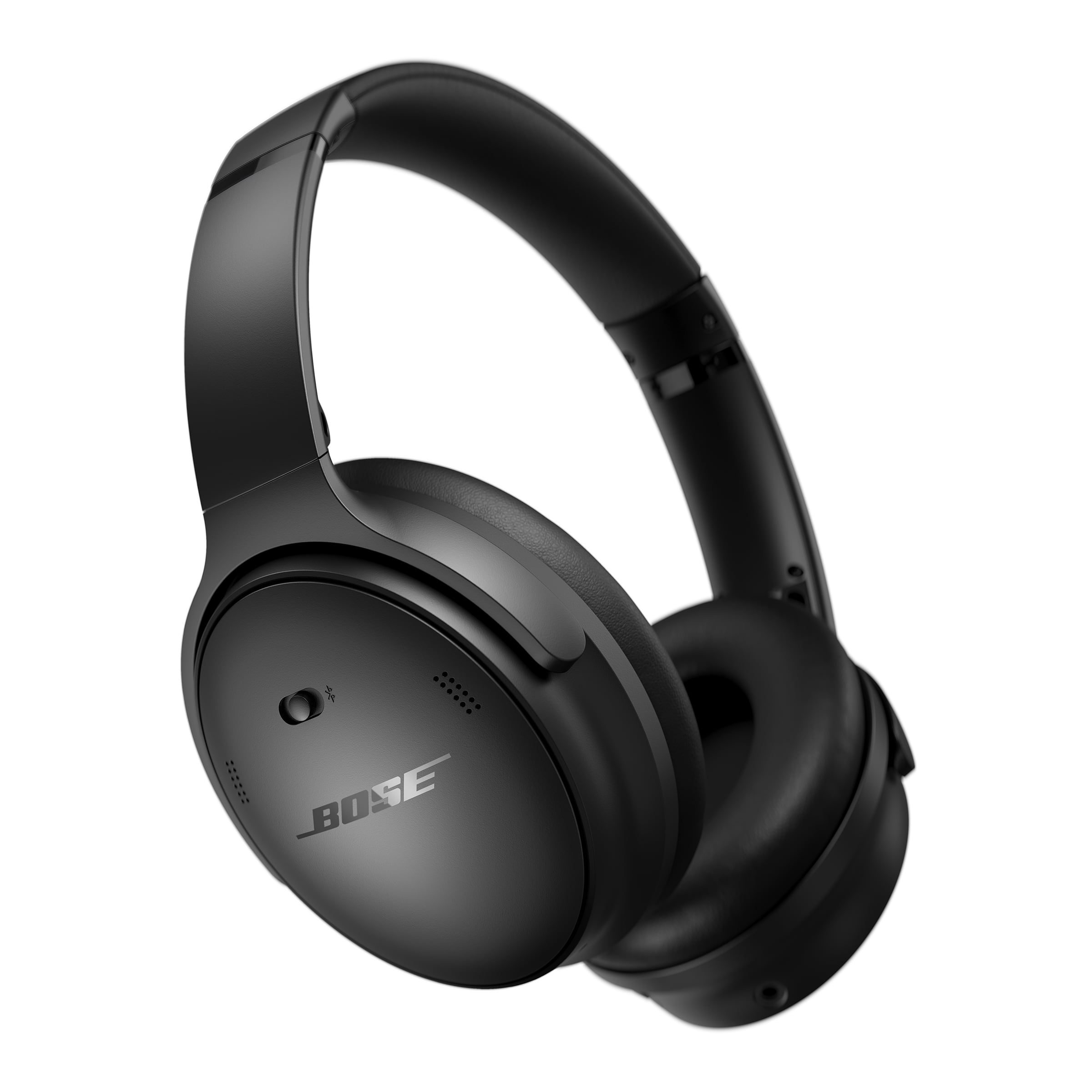
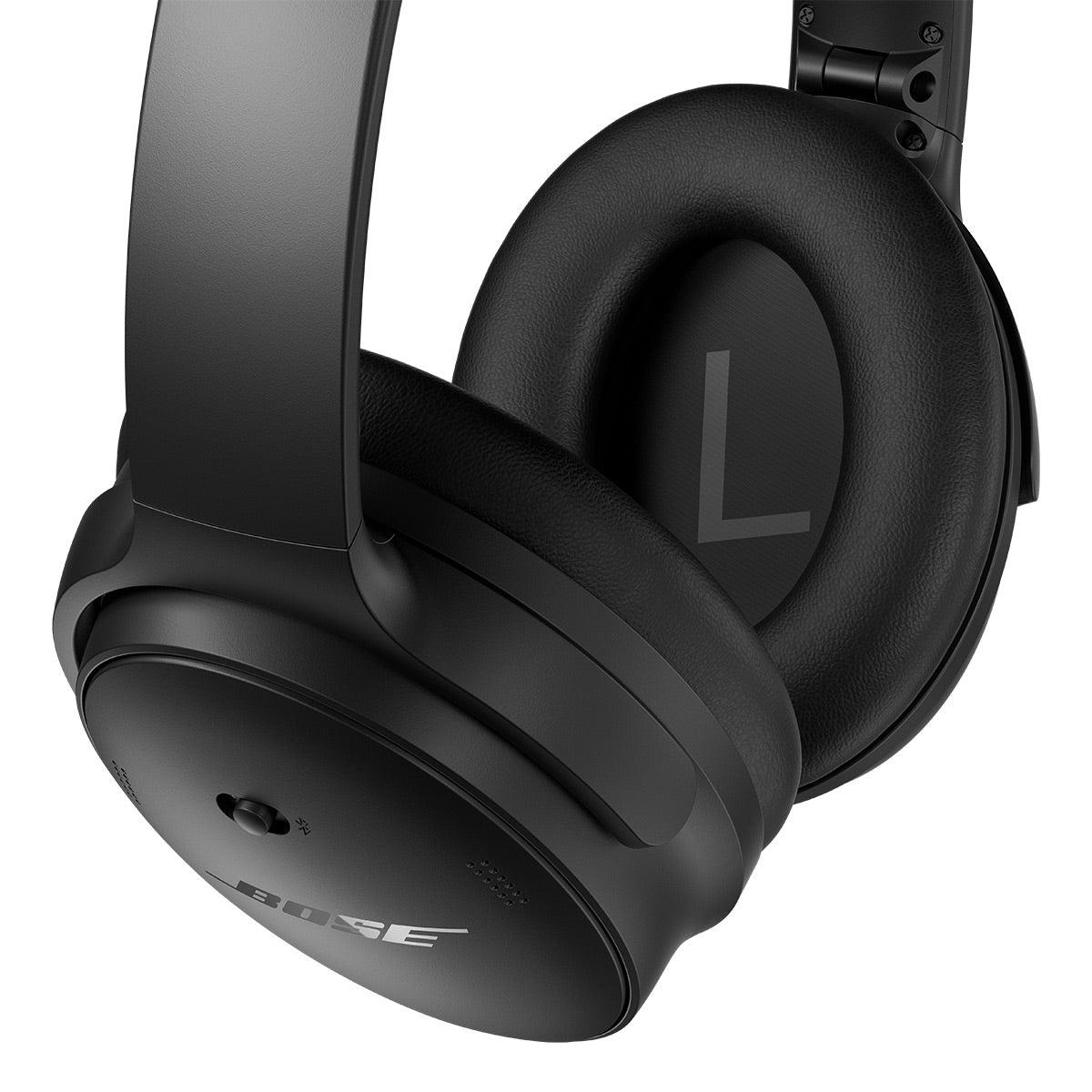
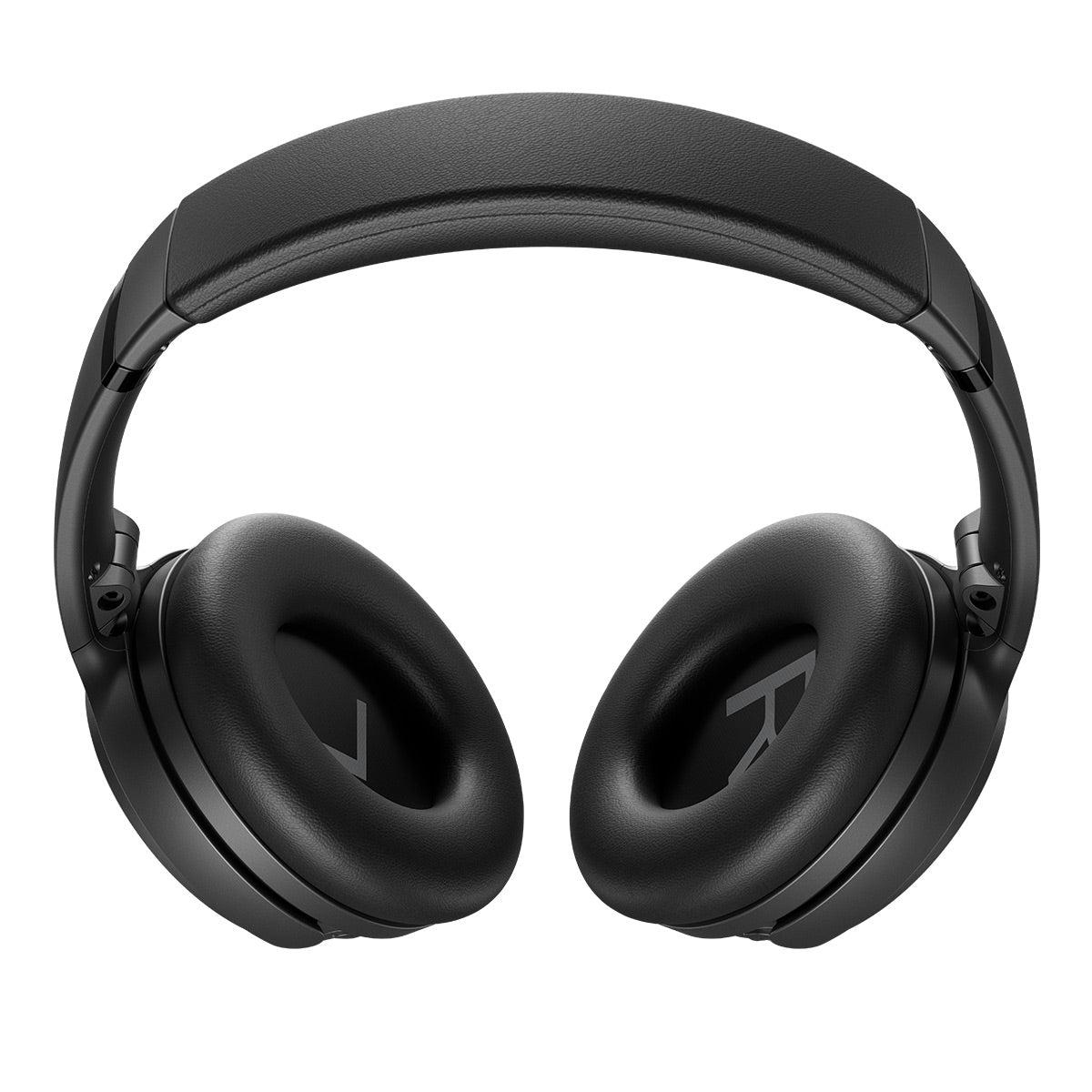

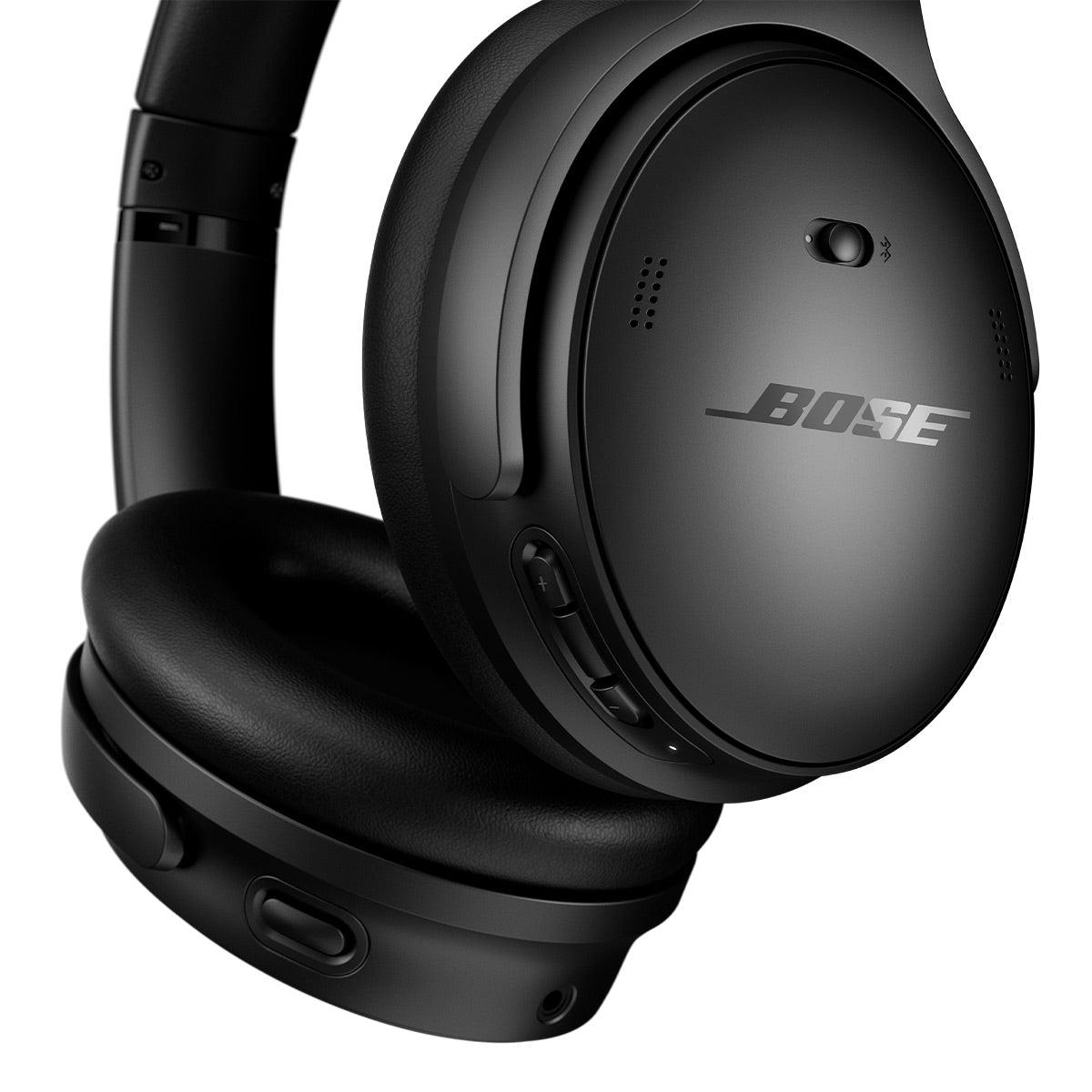

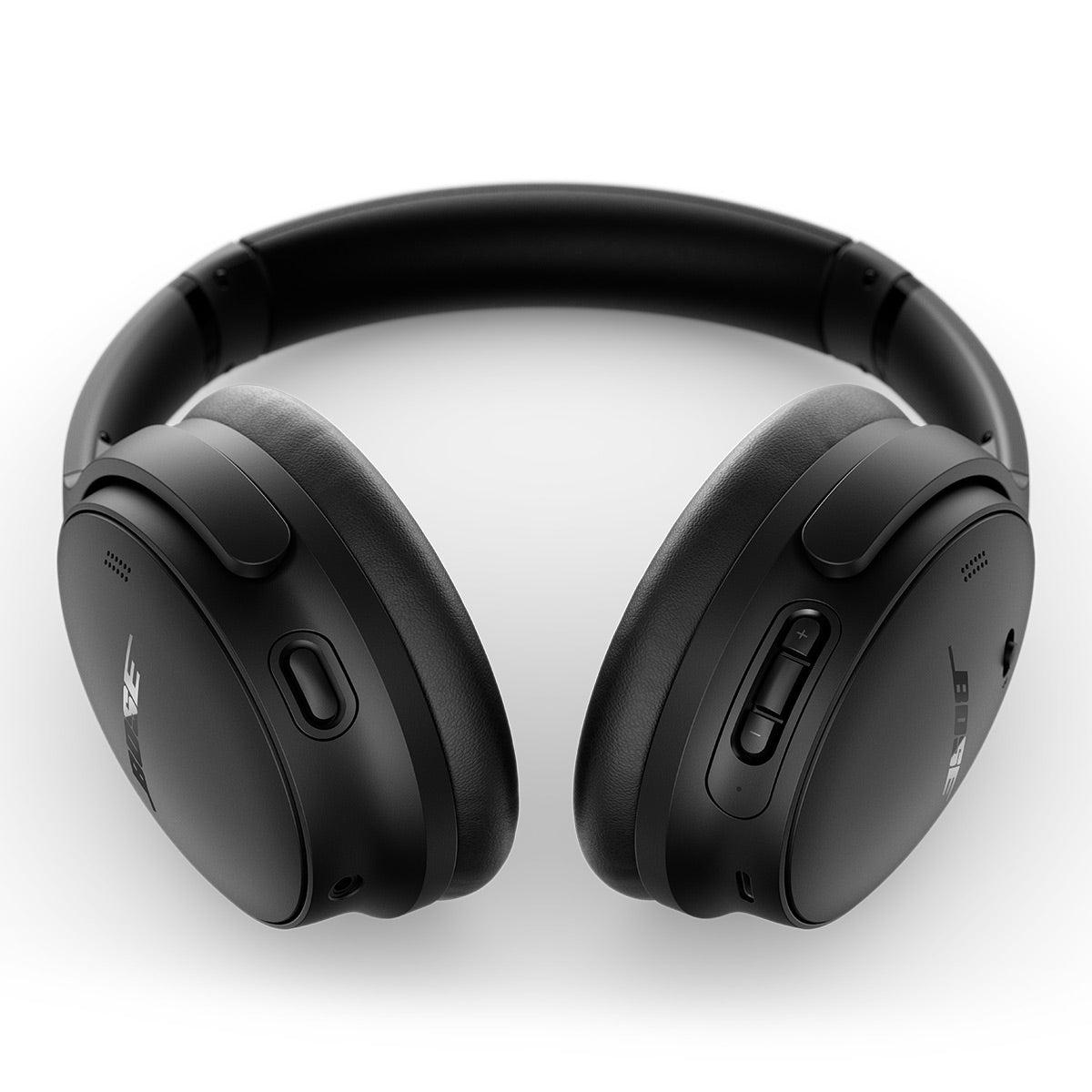

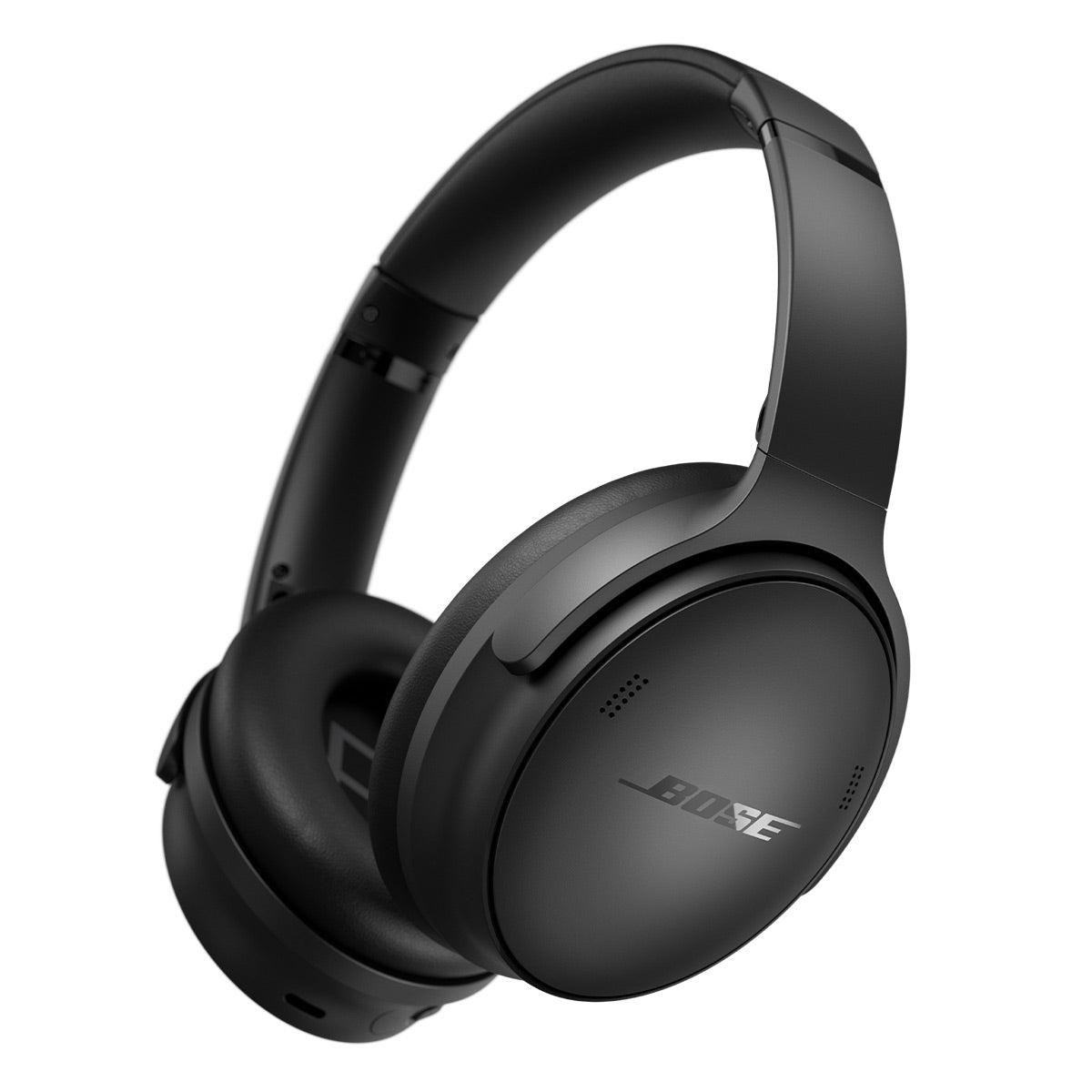
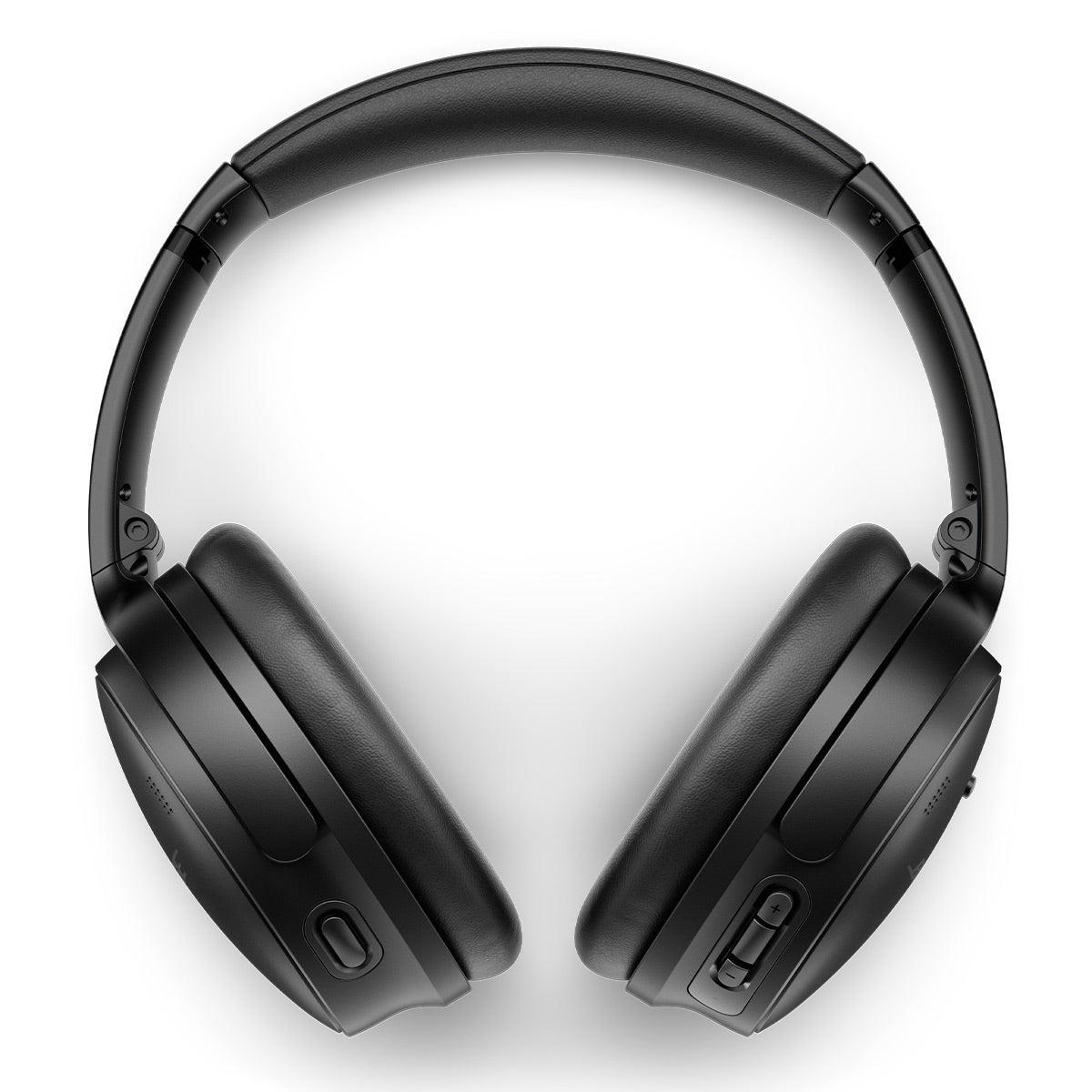


If you're shopping for premium wireless headphones, you've likely encountered two standout options: the Bose QuietComfort Wireless Headphones and the Sennheiser Momentum 4 Wireless. Both represent different philosophies in high-end audio design, and choosing between them depends on what matters most to your listening experience.
The Bose QuietComfort, launched in September 2023 at $359, represents Bose's latest refinement of their noise-canceling expertise. Meanwhile, the Sennheiser Momentum 4 arrived earlier in 2022 at $299.95, focusing on audiophile-quality sound with impressive battery life. These headphones compete in the premium active noise-canceling (ANC) category, where manufacturers balance multiple demanding requirements: exceptional sound quality, effective noise isolation, all-day comfort, and practical features for daily use.
Premium ANC headphones serve a unique role in today's audio landscape. Unlike basic wireless headphones, these models use sophisticated microphone systems and digital processing to actively cancel external noise. This technology works by capturing ambient sound through external microphones, then generating an "anti-noise" signal through the drivers to cancel unwanted frequencies - particularly effective against constant, low-frequency sounds like airplane engines or air conditioning hum.
The key considerations when evaluating headphones in this category include sound quality (how accurately and enjoyably they reproduce music), noise cancellation effectiveness, comfort for extended wear, battery life, and the overall value proposition. Both the Bose and Sennheiser models target users who refuse to compromise on audio quality but approach this goal differently.
When it comes to pure audio performance, the Sennheiser Momentum 4 takes a clear lead. This advantage stems from Sennheiser's audiophile heritage and their approach to driver design. The Momentum 4 uses 42mm dynamic drivers - the small speakers inside each earcup - with a frequency response spanning 6 Hz to 22 kHz. This wide range means the headphones can reproduce everything from the deepest bass notes to the highest harmonic overtones that give instruments their distinctive character.
Professional reviewers consistently describe the Momentum 4's sound as more refined and natural compared to the Bose QuietComfort. The Sennheiser headphones stick closer to what audio engineers call "studio target curves" - essentially, they reproduce music more like how it was intended to sound during recording and mixing. This translates to vocals that sound present and clear, instruments with proper spatial placement, and bass that adds impact without overwhelming other frequencies.
The Bose QuietComfort, while delivering good sound quality, shows more noticeable distortion and a tendency toward a bass-heavy presentation that can make vocals sound slightly recessed. This isn't necessarily bad - many listeners prefer a "fun" sound signature with enhanced bass - but it's less accurate to the original recording.
For home theater use, these differences become more pronounced. The Momentum 4's wider soundstage creates a more immersive experience when watching movies, with better separation between dialogue, music, and sound effects. The headphones' superior clarity helps maintain dialogue intelligibility even during complex action sequences, while their natural frequency response ensures that film soundtracks sound as intended by the mixing engineers.
Both headphones offer companion smartphone apps for sound customization. The Sennheiser Smart Control app provides more comprehensive equalization options and includes a unique "Sound Personalization" feature developed with the Fraunhofer Institute. This technology analyzes your hearing characteristics and adjusts the sound accordingly - essentially creating a custom audio profile tailored to your ears' specific strengths and weaknesses.
Despite the Sennheiser's audio advantages, the Bose QuietComfort maintains a significant edge in noise cancellation effectiveness. Bose essentially created the consumer ANC category and continues to refine their proprietary technology with each generation.
The QuietComfort's ANC system uses microphones both inside and outside each earcup to create what engineers call a "hybrid" design. External microphones capture ambient noise, while internal microphones monitor what actually reaches your ears, allowing the system to make real-time adjustments. This sophisticated approach proves especially effective against consistent, droning sounds like aircraft engines, air conditioning systems, or traffic noise.
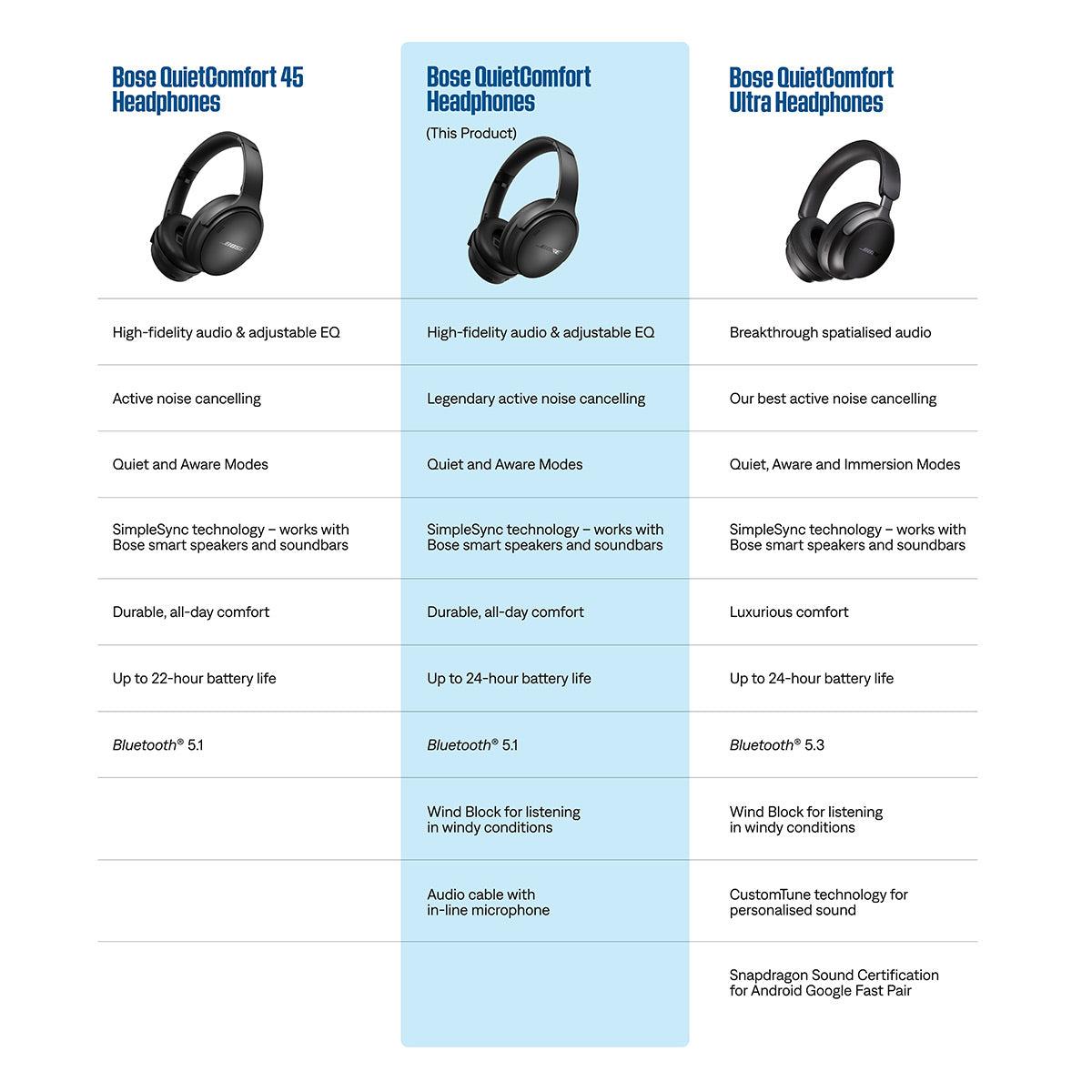
Bose also includes multiple noise control modes in the QuietComfort. "Quiet Mode" provides maximum noise cancellation, while "Aware Mode" uses the external microphones to pipe in ambient sound, letting you stay aware of your surroundings without removing the headphones. There's even a "Wind Block" feature that reduces wind interference when you're outdoors - a common problem with ANC headphones where wind hitting the microphones can create unpleasant rushing sounds.
The Sennheiser Momentum 4 includes adaptive ANC that automatically adjusts based on your environment, but it simply doesn't match Bose's effectiveness. While perfectly adequate for most situations - you'll still enjoy significantly reduced airplane cabin noise or coffee shop chatter - the difference becomes apparent in particularly noisy environments.
For frequent travelers or people working in consistently noisy environments, this ANC advantage might justify the Bose's higher price. However, for most home and casual use scenarios, the Momentum 4's noise cancellation proves entirely sufficient.
Perhaps the most striking specification difference between these headphones is battery life, where the Sennheiser Momentum 4 delivers a remarkable 60 hours of continuous playback compared to the Bose QuietComfort's 24 hours. This isn't just a minor convenience upgrade - it fundamentally changes how you interact with the headphones.
With 60 hours of battery life, you might charge the Momentum 4 once per month even with heavy daily use. This eliminates the anxiety of checking battery levels before long trips or important listening sessions. The practical implications extend beyond convenience: fewer charge cycles typically mean longer overall battery lifespan, potentially keeping your headphones functional for more years.
Both headphones offer fast charging capabilities, but again the Sennheiser edges ahead. Five minutes of charging provides four hours of playback on the Momentum 4, compared to 15 minutes for 2.5 hours on the Bose. When you do need to charge, both reach full capacity in approximately 2-2.5 hours using their included USB-C cables.
This battery advantage makes the Momentum 4 particularly appealing for users who frequently forget to charge devices or who want headphones that simply work without constant maintenance. For home theater use, it means you can enjoy multiple movie marathons without worrying about power management.
Both manufacturers understand that premium headphones must remain comfortable during extended listening sessions. The Bose QuietComfort weighs 236 grams and uses a combination of metal, plastic, and protein leather materials. The protein leather - a synthetic material designed to mimic genuine leather while being more durable and easier to clean - covers both the ear cushions and headband padding.
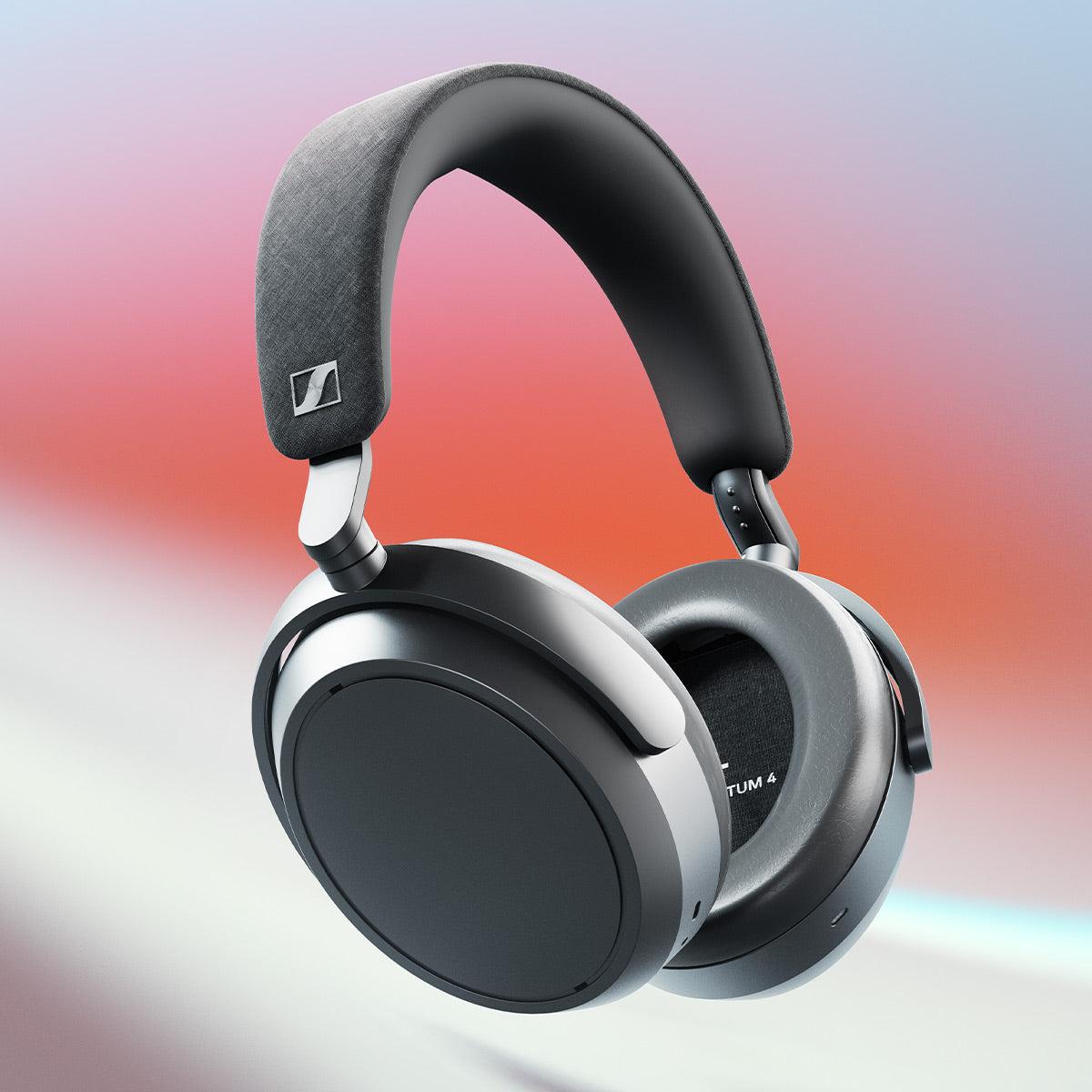
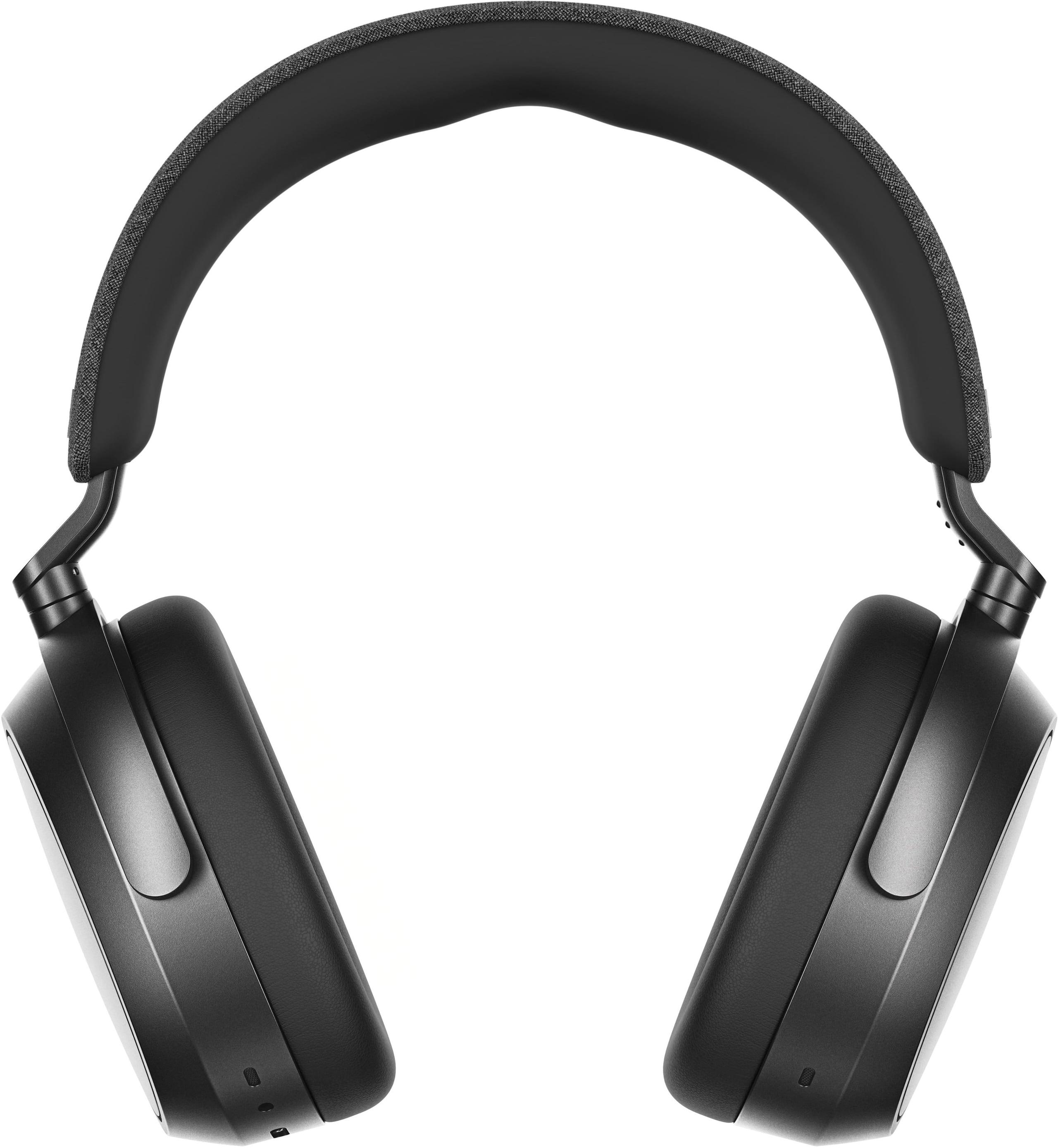
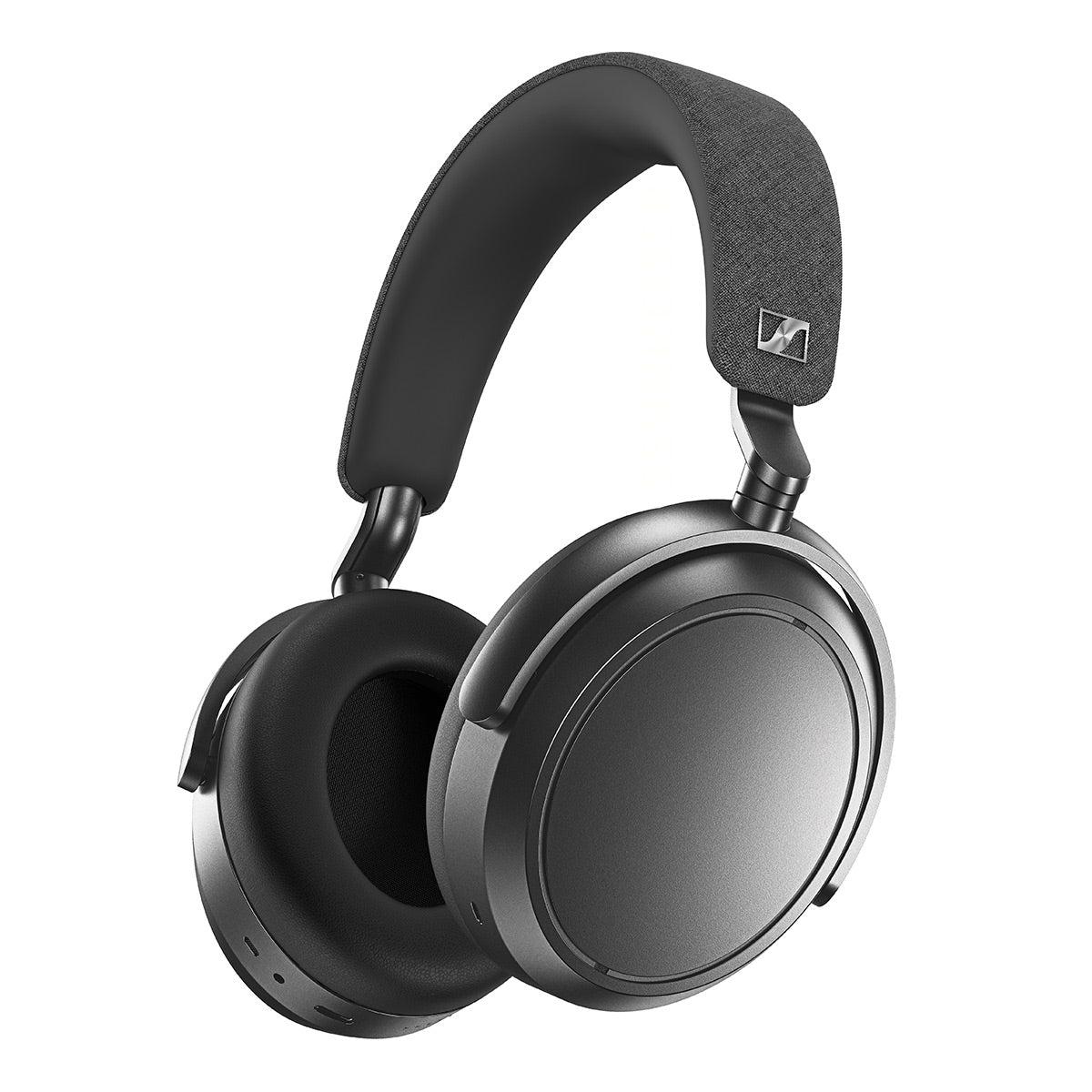
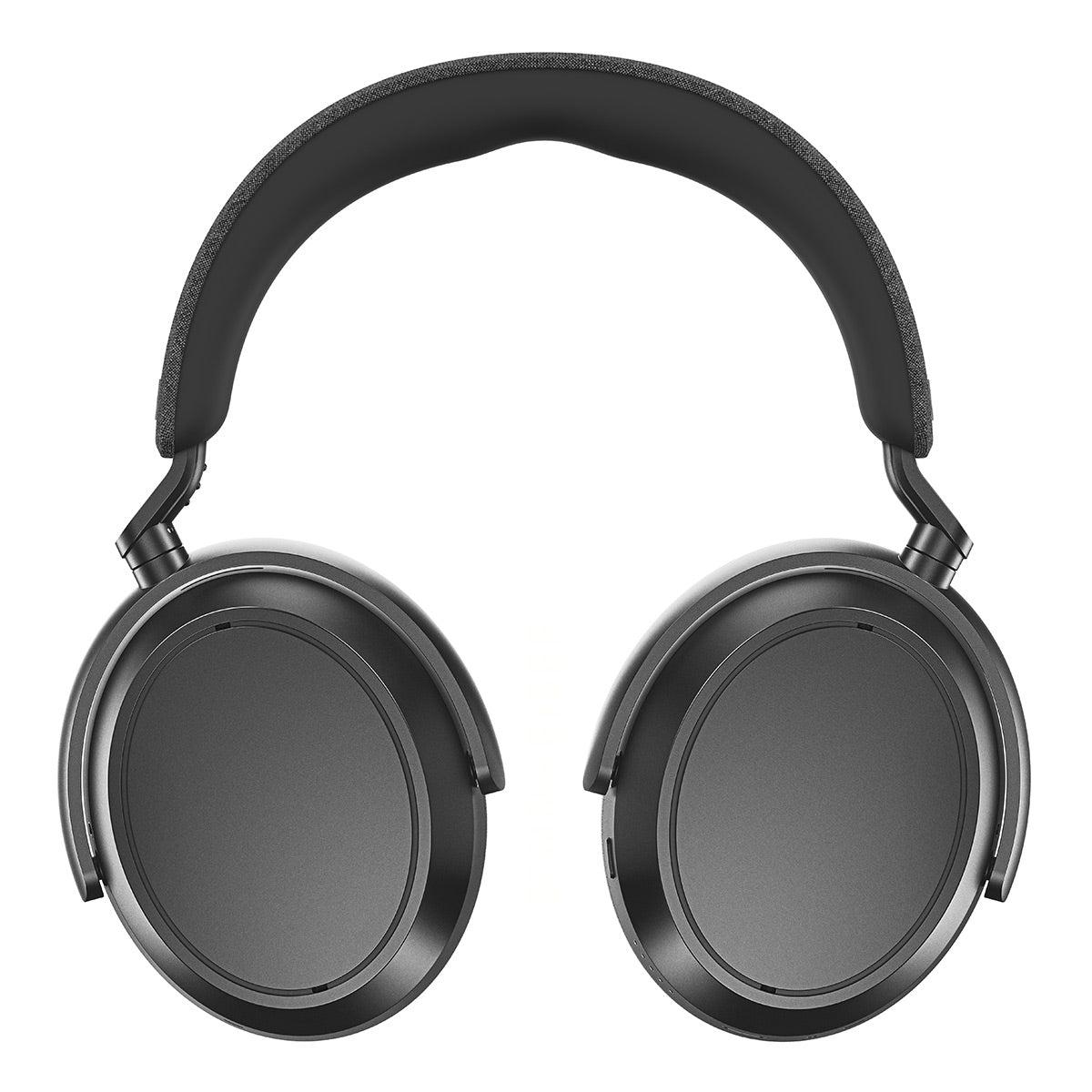
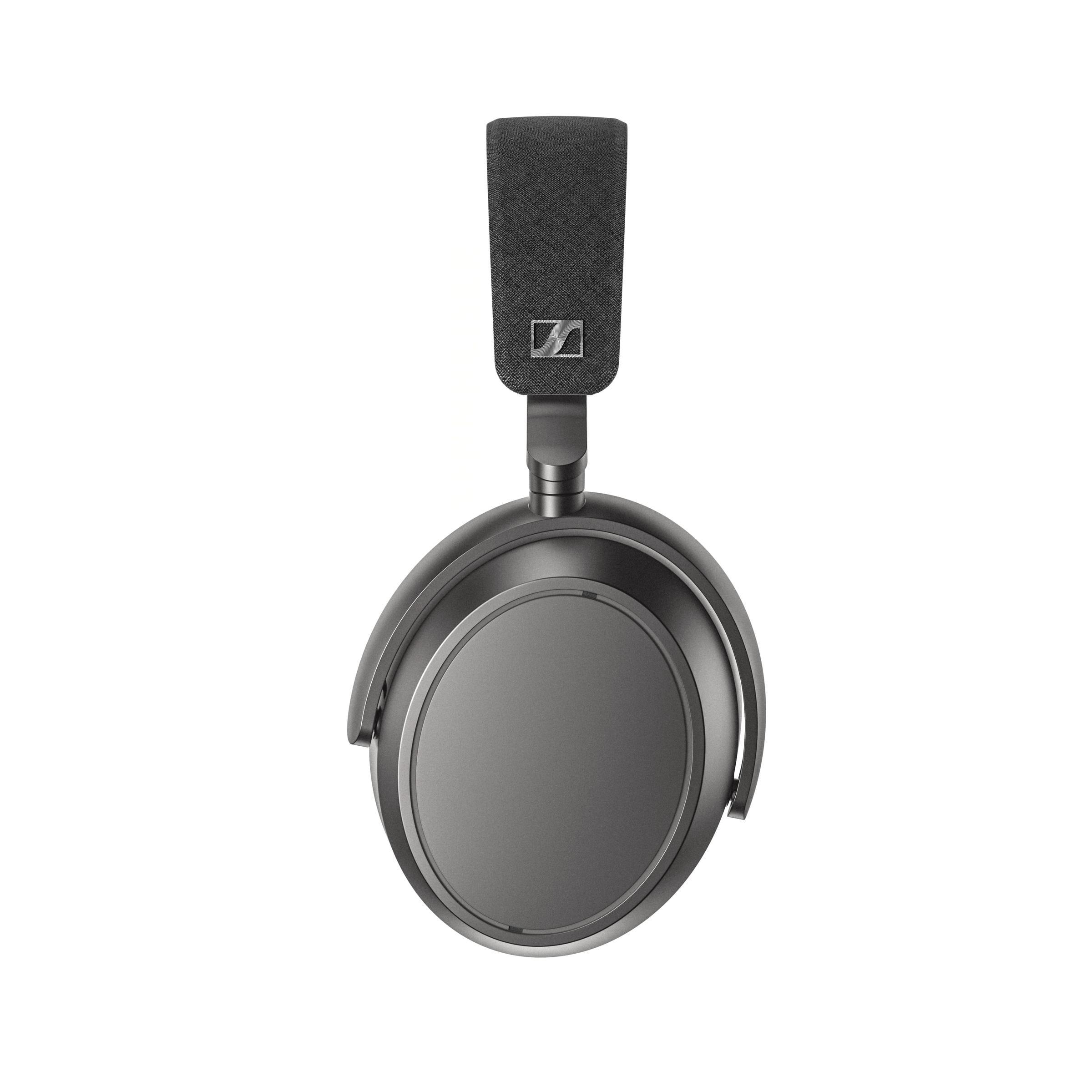
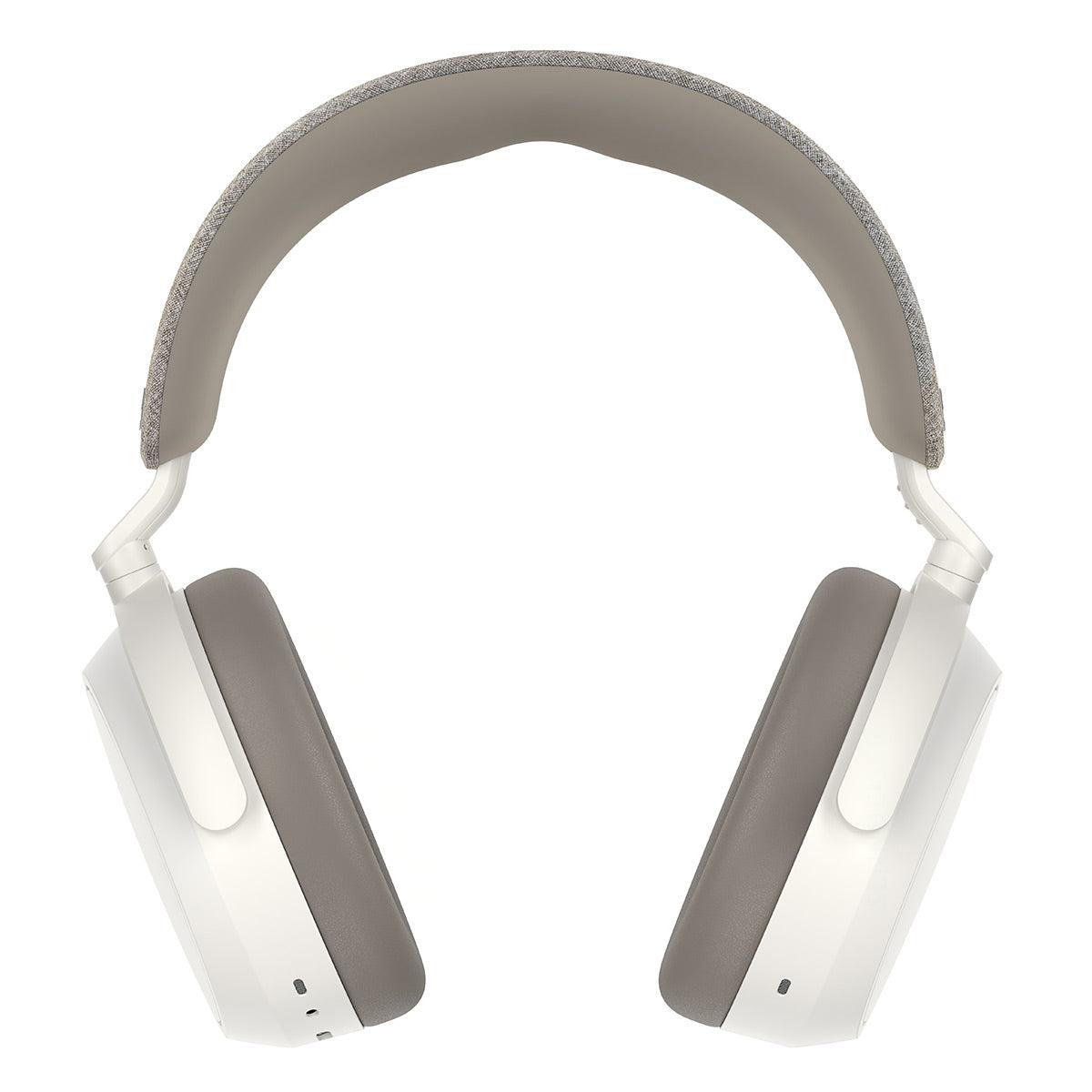
The Sennheiser Momentum 4 comes in slightly heavier at 293 grams but distributes this weight well through its padded headband and deep cushioned earpads. The design represents a significant departure from previous Momentum models, adopting a more streamlined appearance with premium fabric details.
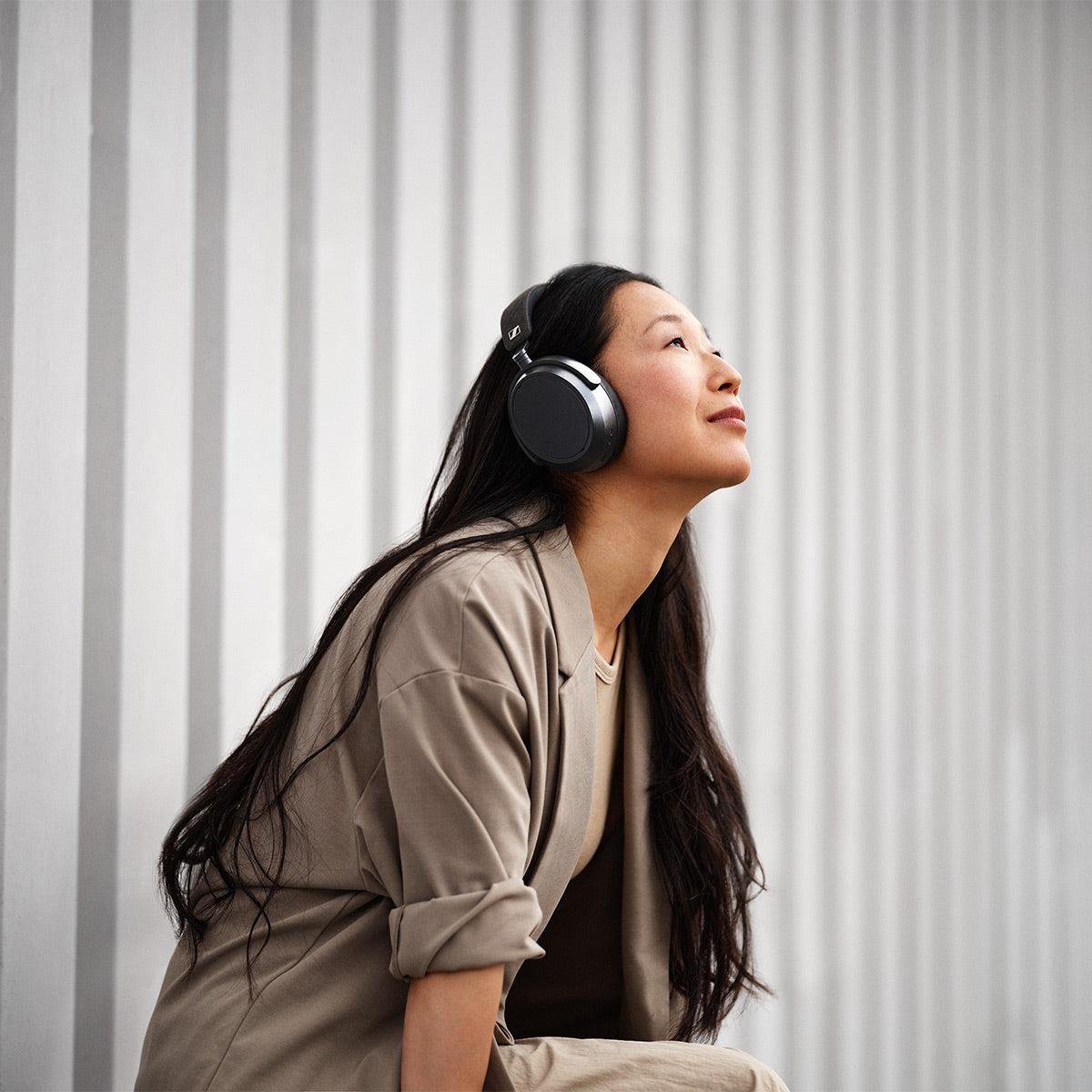
In practical use, both headphones excel at long-term comfort. The minimal clamping force means they don't create pressure points around your ears, while the generous padding prevents the headband from digging into the top of your head. The over-ear design completely encompasses most people's ears, creating a good seal for both sound isolation and comfort.
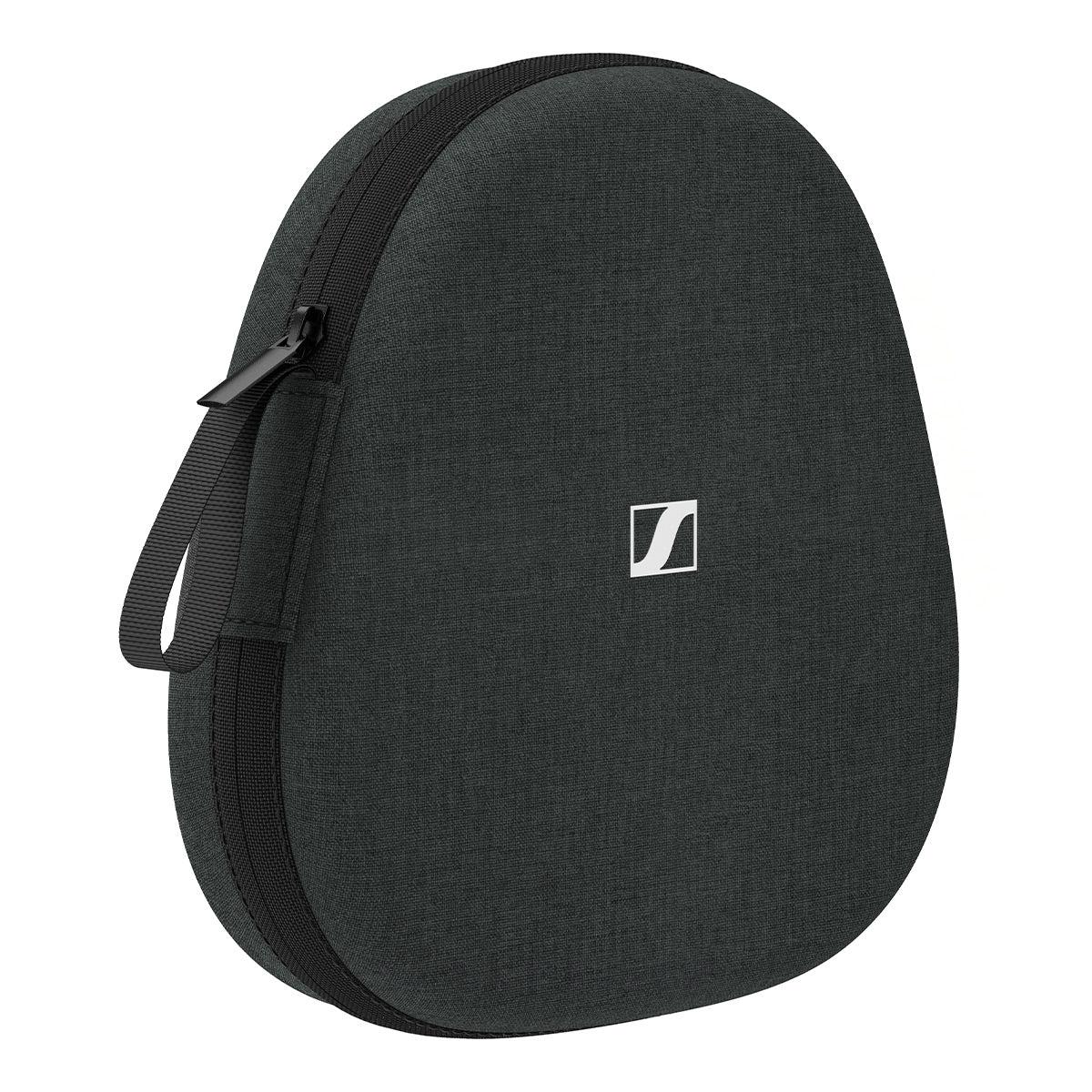
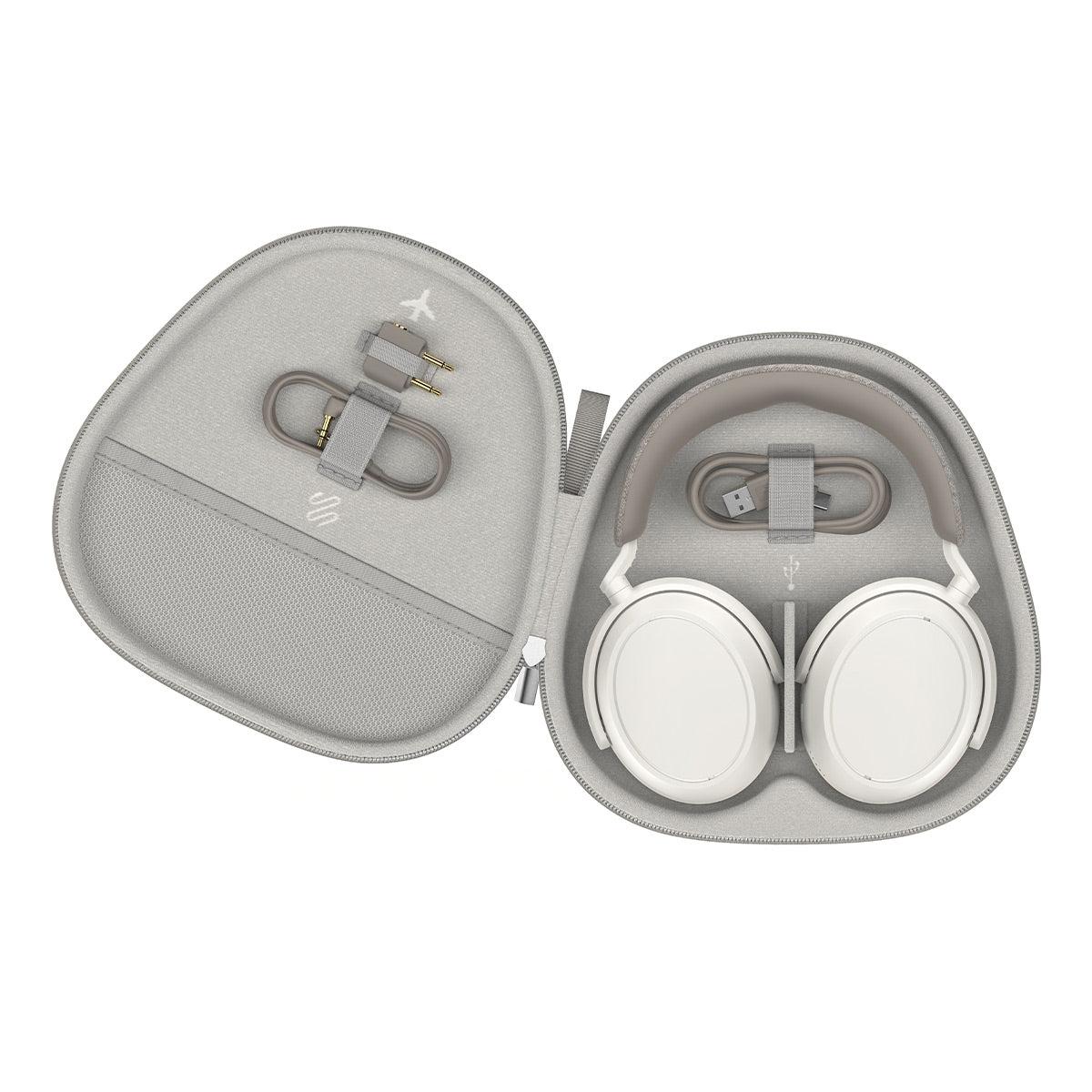
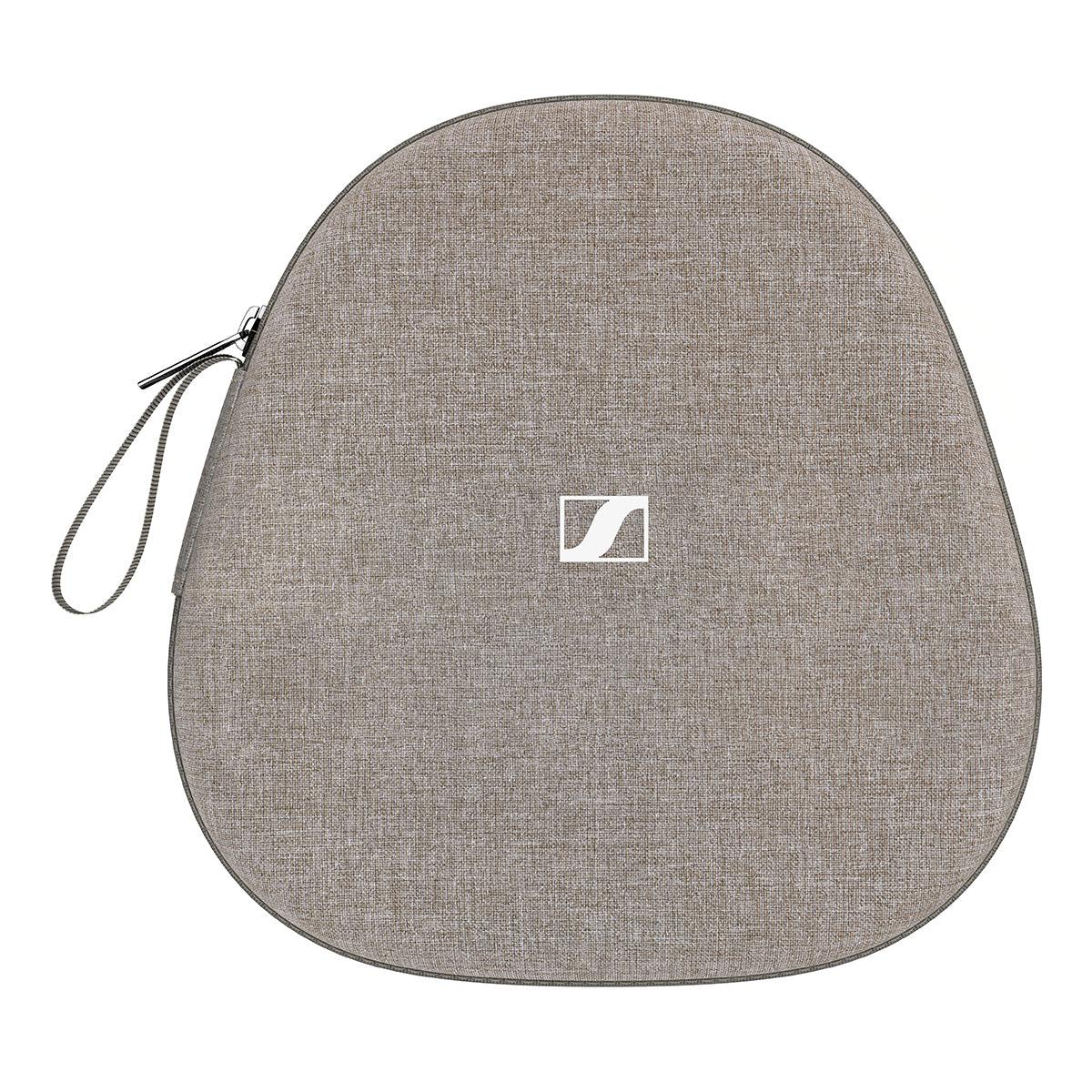
Both models fold flat for travel and include premium carrying cases - a hard case for the Sennheiser and a soft case for the Bose. The build quality feels solid and premium on both, though some users report minor creaking from the Momentum 4's headband pivot mechanism.
Modern premium headphones extend far beyond basic audio playback, and both models include sophisticated features that enhance daily usability. The Sennheiser Momentum 4 particularly excels in this area, offering more advanced Bluetooth connectivity with support for high-quality audio codecs including aptX and aptX Adaptive.
Codec support might sound technical, but it directly impacts audio quality over wireless connections. Standard Bluetooth audio uses basic compression that can make music sound flat or lifeless. The Momentum 4's support for aptX Adaptive allows compatible devices (many Android phones and some computers) to stream much higher quality audio wirelessly, approaching wired connection quality.
The Sennheiser also includes several smart convenience features. Auto On/Off powers the headphones up when you pick them up and turns them off after 15 minutes of inactivity. Smart Pause automatically pauses your music when you remove the headphones and resumes when you put them back on. These features might seem minor, but they create a more seamless, intuitive user experience.
Both headphones support multipoint Bluetooth connectivity, meaning they can connect to two devices simultaneously - perhaps your phone and laptop - and automatically switch audio sources as needed. This proves invaluable for people who regularly move between devices throughout the day.
The Bose QuietComfort focuses more on physical controls and noise cancellation customization. The right earcup includes intuitive touch controls for playback, volume, and calls, while physical buttons handle power and noise cancellation modes. Some users prefer this hybrid approach, finding it more reliable than purely touch-based systems.
Both headphones include sophisticated microphone systems for phone calls and voice assistant access. The Sennheiser Momentum 4 uses four digital beamforming microphones with automatic wind noise suppression, while the Bose QuietComfort incorporates an adaptive microphone system optimized for calls and voice commands.
In practice, both deliver clear voice pickup for phone calls, though neither matches the absolute best performers in this category like the Sony WH-1000XM5. The Bose tends to provide slightly more natural-sounding voice reproduction, while the Sennheiser offers better background noise suppression during calls.
For voice assistant integration, both headphones work with Siri, Google Assistant, and other popular platforms. The Bose includes a dedicated button for quick voice assistant access, while the Sennheiser integrates this function into its touch controls.
At their current prices - $359 for the Bose QuietComfort and $299.95 for the Sennheiser Momentum 4 - the value equation clearly favors Sennheiser. You're getting superior sound quality, much longer battery life, more advanced features, and better wireless connectivity at a $60 lower price point.
This pricing reflects different market strategies. Bose maintains premium pricing based on brand reputation and noise cancellation leadership, while Sennheiser positions the Momentum 4 as a high-value offering that doesn't compromise on audio quality. Professional reviews consistently note that the Momentum 4 delivers more performance per dollar across most meaningful metrics.
However, value isn't purely about specifications. If noise cancellation represents your absolute top priority - perhaps you're a frequent business traveler or work in consistently noisy environments - the Bose's superior ANC might justify its premium. Similarly, users deeply embedded in the Bose ecosystem or those who prefer the brand's established support network might find additional value in the QuietComfort.
For most users, the Sennheiser Momentum 4 Wireless represents the better choice. Its superior sound quality becomes apparent within minutes of listening, while the 60-hour battery life eliminates a major friction point of wireless headphone ownership. The lower price sweetens an already compelling package.
Choose the Sennheiser Momentum 4 if you prioritize audio quality, want exceptional battery life, appreciate advanced wireless connectivity features, or simply want the best overall performance per dollar. These headphones particularly excel for home entertainment, music listening, and general daily use where their sound quality advantages shine.
The Bose QuietComfort Wireless makes sense for users who absolutely require the strongest possible noise cancellation. If you're frequently in extremely noisy environments - think regular international flights or consistently loud offices - Bose's ANC superiority might outweigh other considerations. However, many users would find equally good value in discounted older Bose models like the QuietComfort 45 or Noise Cancelling Headphones 700.
Both headphones deliver excellent comfort, premium build quality, and the sophisticated features expected in this price range. Your choice ultimately depends on whether you prioritize the Bose's class-leading noise cancellation or the Sennheiser's superior sound quality and exceptional battery life. For most listeners, the Momentum 4 offers a more compelling overall package that will provide years of exceptional audio enjoyment.
| Bose QuietComfort Wireless Headphones | Sennheiser Momentum 4 Wireless Headphones |
|---|---|
| Price - Significant $60 difference for similar premium features | |
| $359 | $299.95 |
| Sound Quality - Most important factor for music enjoyment | |
| Good but less refined, some distortion, bass-heavy tuning | Superior audiophile sound, natural presentation, minimal distortion |
| Noise Cancellation - Critical for travel and noisy environments | |
| Industry-leading ANC with multiple modes and Wind Block | Good adaptive ANC but not class-leading |
| Battery Life - Major convenience factor for daily use | |
| 24 hours (standard for premium headphones) | 60 hours (exceptional, 2.5x longer than Bose) |
| Driver Size - Affects sound quality and frequency response | |
| Not specified | 42mm dynamic drivers |
| Weight - Impacts long-term comfort | |
| 236g (0.520 lb) | 293g (slightly heavier but well-distributed) |
| Bluetooth Codecs - Determines wireless audio quality | |
| Standard codecs | SBC, AAC, aptX, aptX Adaptive (superior quality) |
| Smart Features - Convenience for daily use | |
| Aware Mode, customizable controls, multipoint | Auto On/Off, Smart Pause, multipoint, touch controls |
| Charging Speed - Important when battery runs low | |
| 15 min = 2.5 hours playback | 5 min = 4 hours playbook (3x faster) |
| Frequency Response - Range of sound reproduction | |
| Not specified | 6 Hz – 22 kHz (wider range for fuller sound) |
| Release Date - Indicates newest technology | |
| September 2023 (newest) | 2022 (more mature, proven design) |
| App Features - Customization options | |
| Basic EQ and noise control | Advanced EQ, Sound Personalization technology |
| Best For | |
| Maximum noise cancellation, frequent travelers | Superior sound quality, long battery life, overall value |
The Sennheiser Momentum 4 Wireless delivers superior sound quality with more refined, natural audio reproduction and minimal distortion. Professional reviewers consistently prefer the Momentum 4's audiophile-focused tuning over the Bose QuietComfort Wireless Headphones, which tend to sound more bass-heavy with noticeable distortion at higher volumes.
Yes, the Bose QuietComfort Wireless Headphones offer significantly better noise cancellation than the Sennheiser Momentum 4 Wireless. Bose's industry-leading ANC technology with multiple modes and Wind Block feature provides stronger noise isolation, making the QuietComfort ideal for frequent travelers and noisy environments.
The Sennheiser Momentum 4 Wireless offers exceptional 60-hour battery life compared to the Bose QuietComfort's 24-hour battery. This means you could use the Momentum 4 for weeks without charging, while the Bose requires more frequent charging for heavy users.
The Sennheiser Momentum 4 Wireless costs $299.95, while the Bose QuietComfort Wireless Headphones are priced at $359 – a $60 difference that makes the Sennheiser the more affordable option despite offering superior sound quality and battery life.
Both the Bose QuietComfort and Sennheiser Momentum 4 offer excellent comfort with protein leather ear cushions and padded headbands. The Bose is slightly lighter at 236g versus 293g for the Sennheiser, but both are designed for all-day wear without fatigue.
The Sennheiser Momentum 4 Wireless excels for home theater use with its wider soundstage, superior dialogue clarity, and more immersive audio presentation. While the Bose QuietComfort works fine for movies, the Momentum 4's better sound quality creates a more cinematic experience.
Both headphones offer good call quality, but the Bose QuietComfort Wireless Headphones provide slightly more natural voice reproduction. The Sennheiser Momentum 4 uses four beamforming microphones with better background noise suppression, making both suitable for work calls and video conferences.
Yes, both the Bose QuietComfort and Sennheiser Momentum 4 support multipoint Bluetooth connectivity, allowing connection to two devices at once. This lets you seamlessly switch between your phone and laptop without manual reconnection.
The Sennheiser Momentum 4 Wireless provides better overall value at $299.95 with superior sound quality, 60-hour battery life, and advanced features. The Bose QuietComfort at $359 is mainly justified if you prioritize maximum noise cancellation over other features.
The Sennheiser Momentum 4 Wireless supports superior audio codecs including aptX and aptX Adaptive for higher quality wireless streaming, especially with Android devices. The Bose QuietComfort Wireless Headphones use standard codecs, which may result in slightly lower wireless audio quality.
For frequent travelers, choose based on priorities: the Bose QuietComfort for maximum noise cancellation on flights and in airports, or the Sennheiser Momentum 4 for exceptional 60-hour battery life that eliminates charging concerns during long trips.
The Sennheiser Momentum 4 Wireless includes more advanced smart features like Auto On/Off, Smart Pause when removed, and comprehensive app customization with Sound Personalization. The Bose QuietComfort focuses on noise control features like Aware Mode and customizable ANC settings through the Bose app.
We've done our best to create useful and informative comparisons to help you decide what product to buy. Our research uses advanced automated methods to create this comparison and perfection is not possible - please contact us for corrections or questions. These are the sites we've researched in the creation of this article: techradar.com - whathifi.com - bose.com - rtings.com - recordingnow.com - bose.com - ottorinobruni.com - whathifi.com - costco.com - recordingnow.com - youtube.com - bose.com - bestbuy.com - global.bose.com - boselatam.com - projectorscreen.com - bose.com - bose.com - bose.com - recordingnow.com - recordingnow.com - soundguys.com - tomsguide.com - headphones.com - thegreatestsong.com - forum.headphones.com - loudnwireless.com - bloomaudio.com - loudnwireless.com - sennheiser-hearing.com - bhphotovideo.com - audio46.com - techpowerup.com - moon-audio.com - bloomaudio.com - pianoclack.com - gsmarena.com - rtings.com

Privacy Policy
Terms and Conditions - Affiliate Policy
Home Security
© Copyright 2008-2026.
11816 Inwood Rd #1211, Dallas, TX 75244