

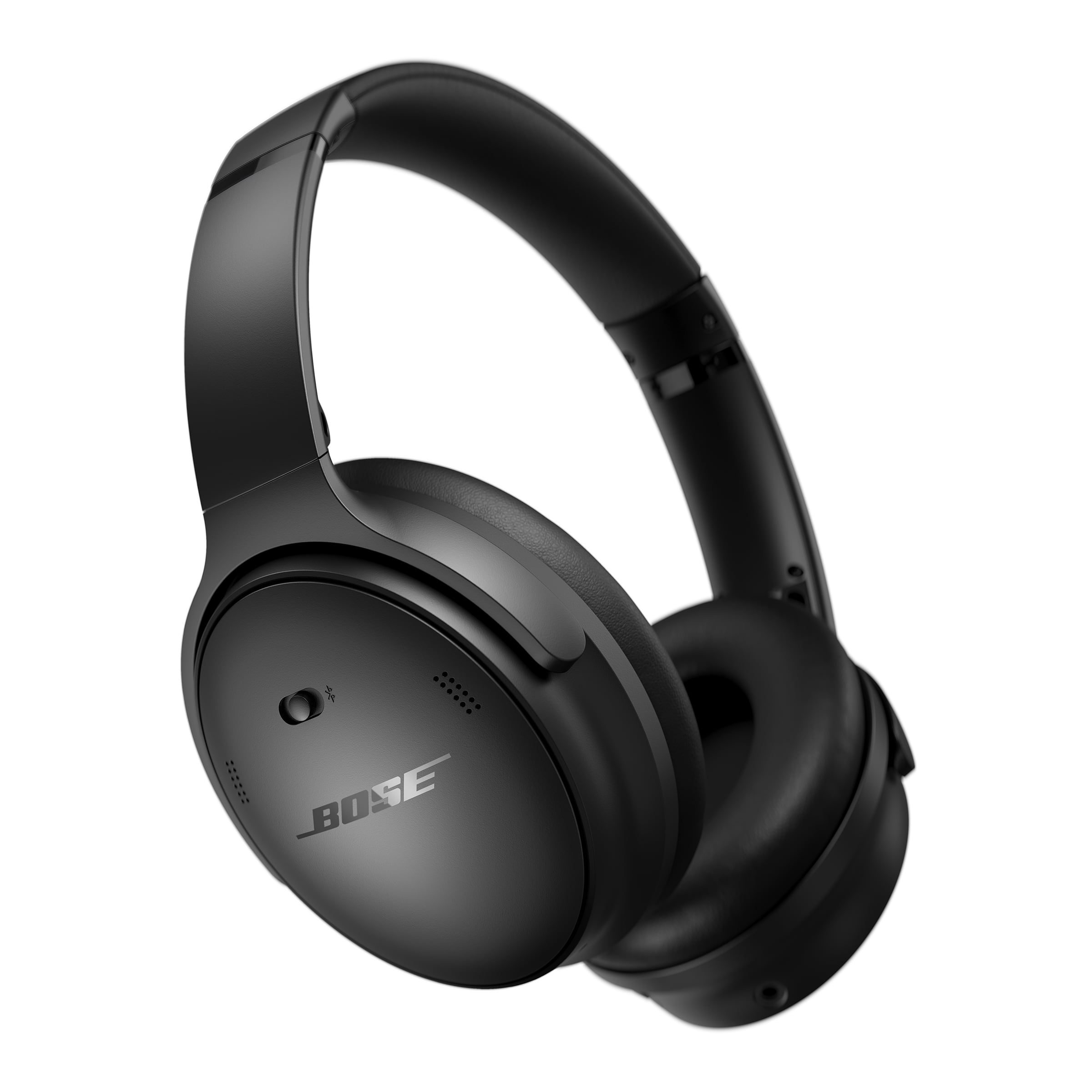
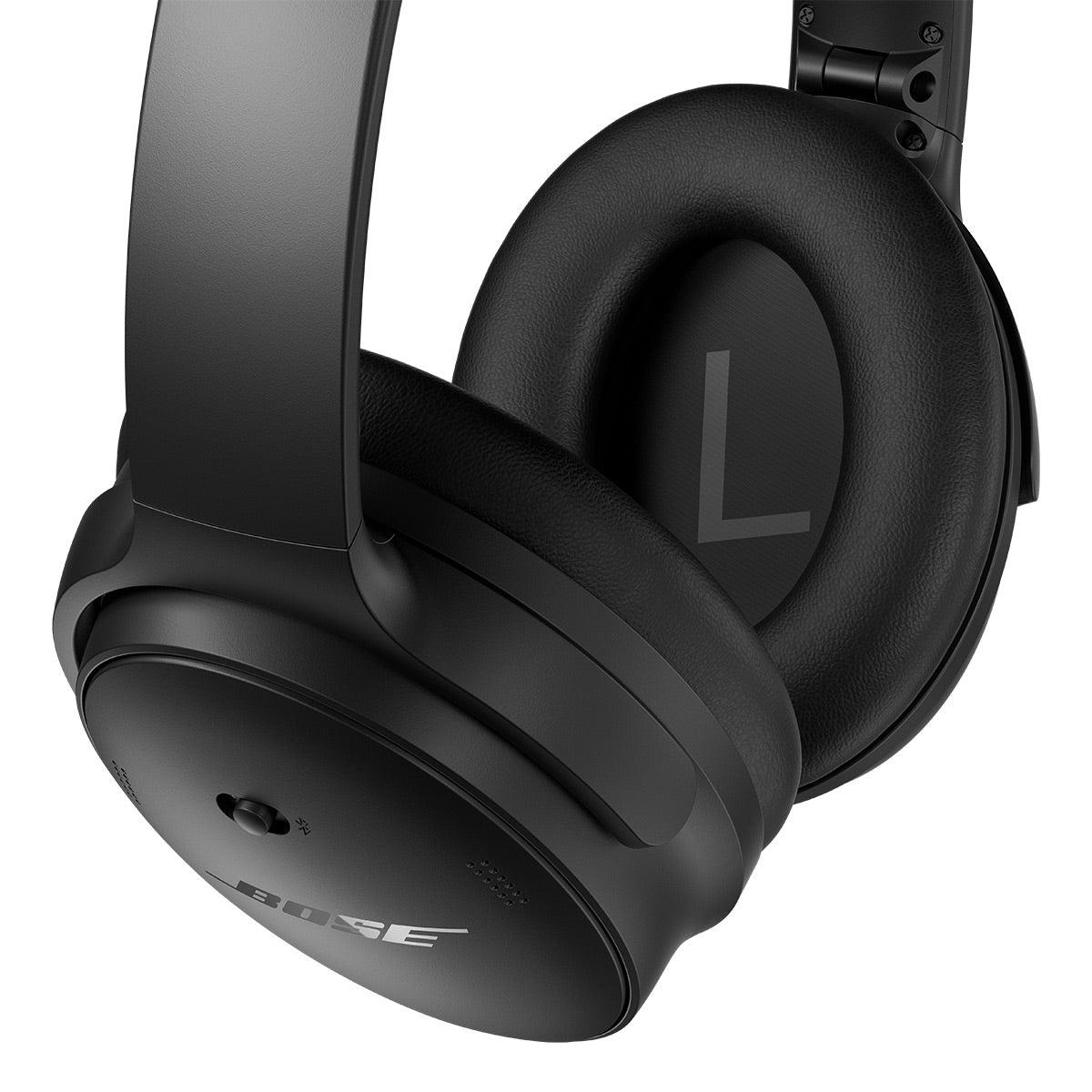
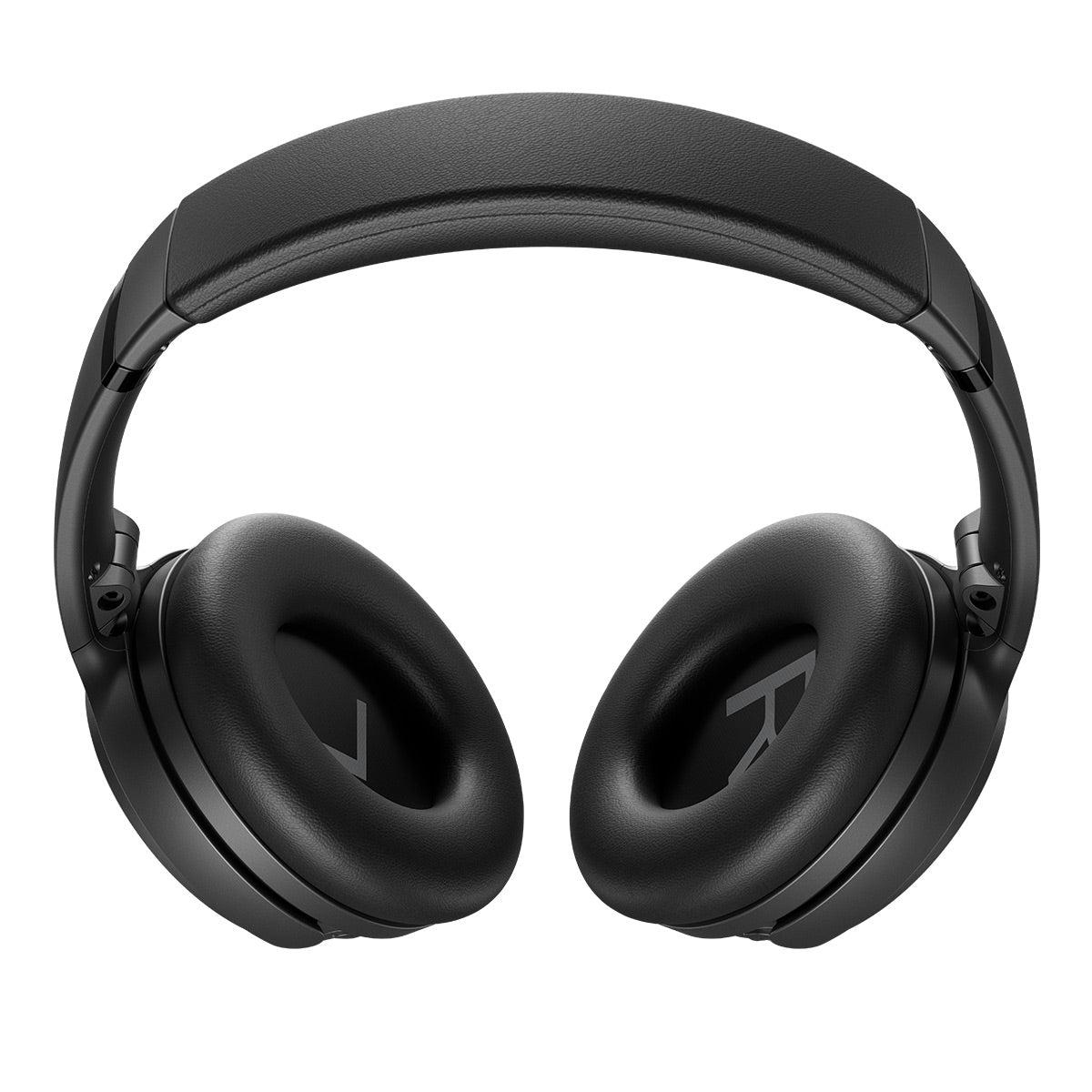

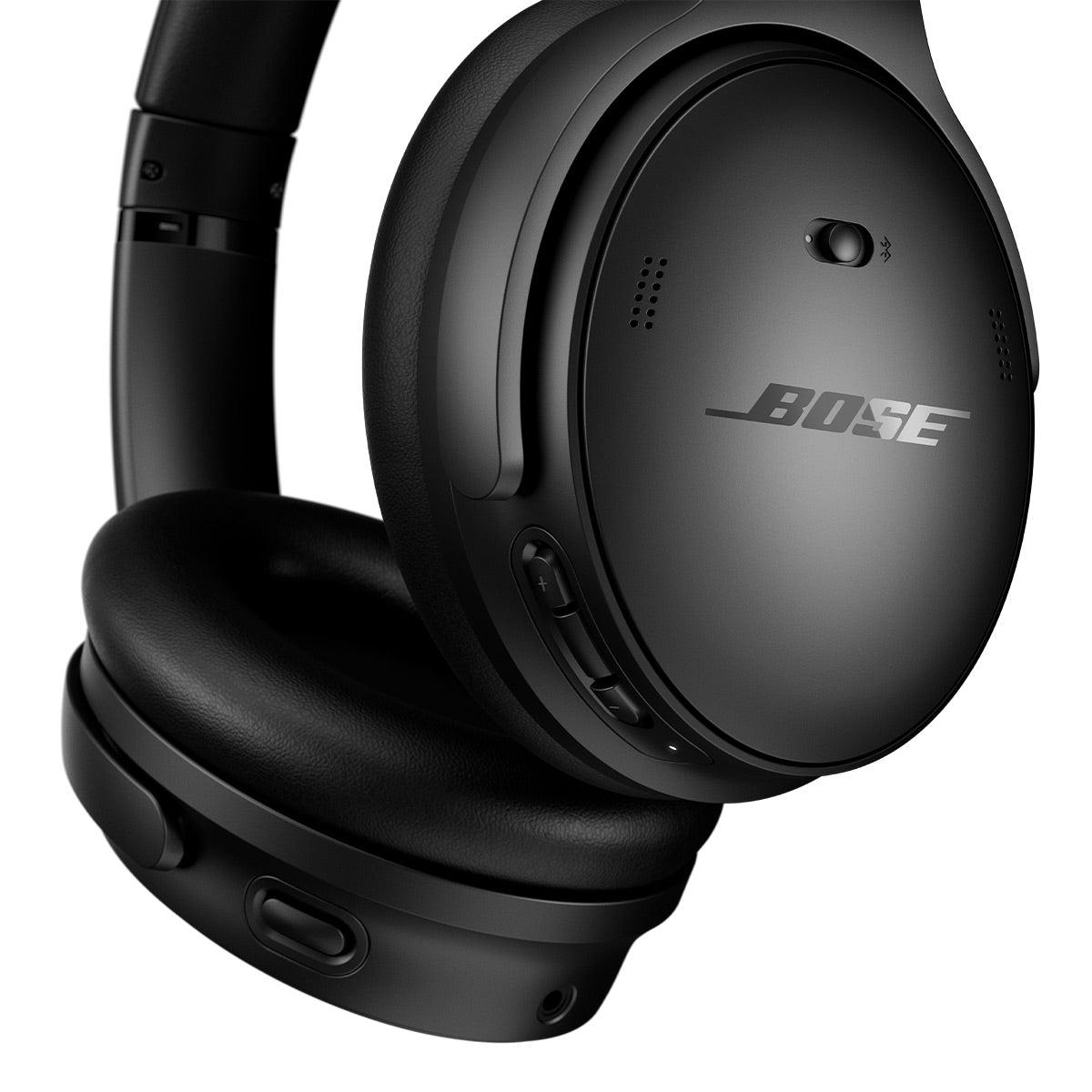

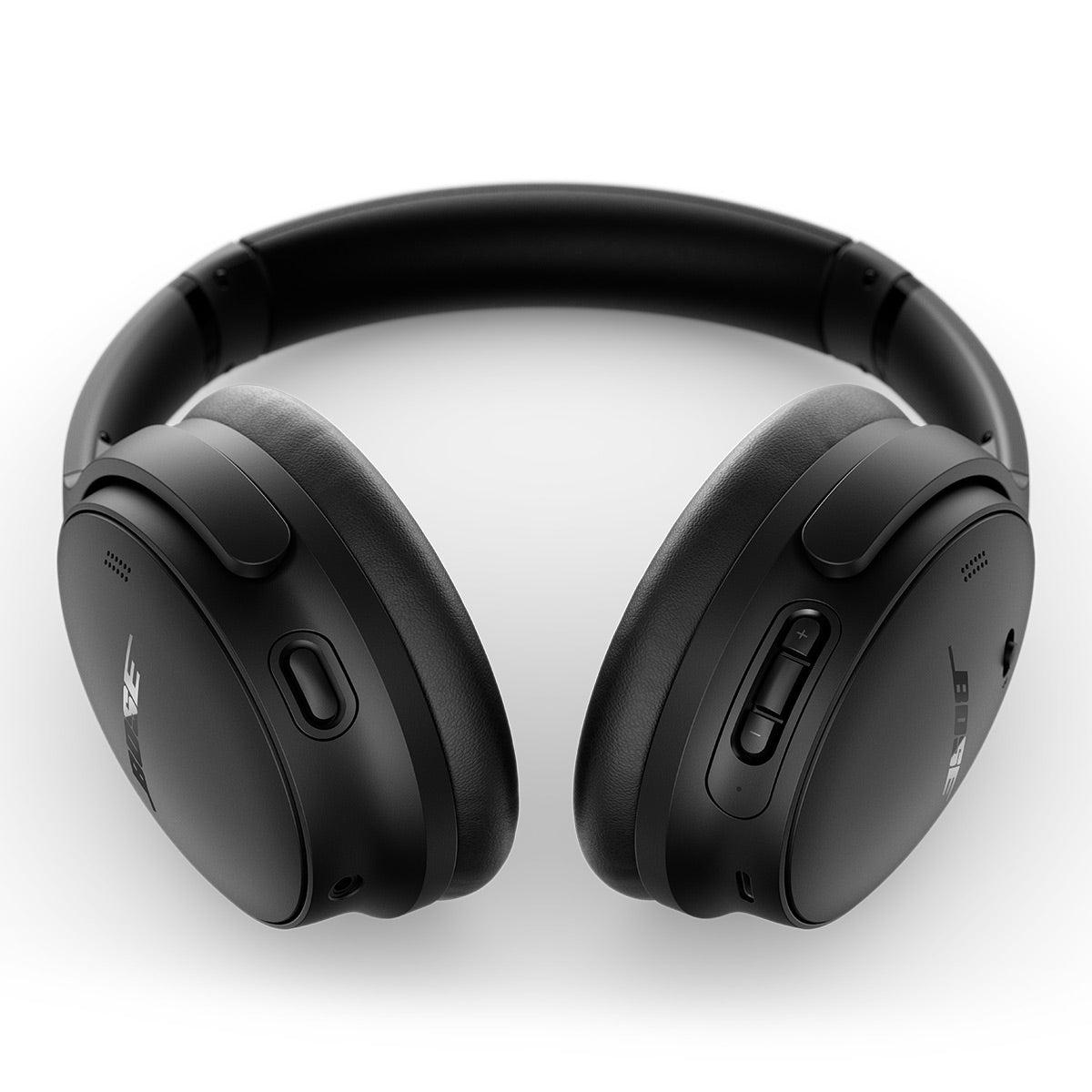

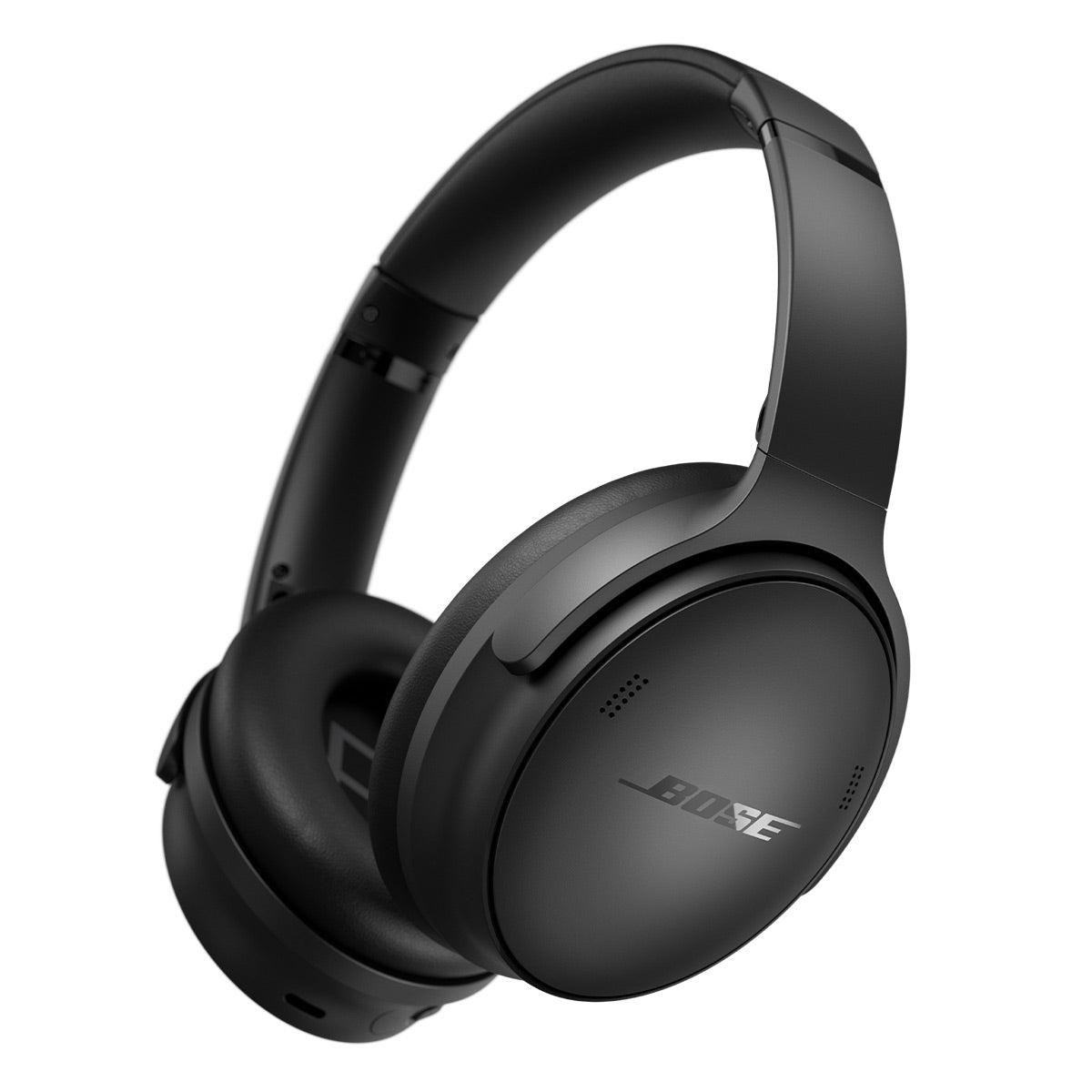
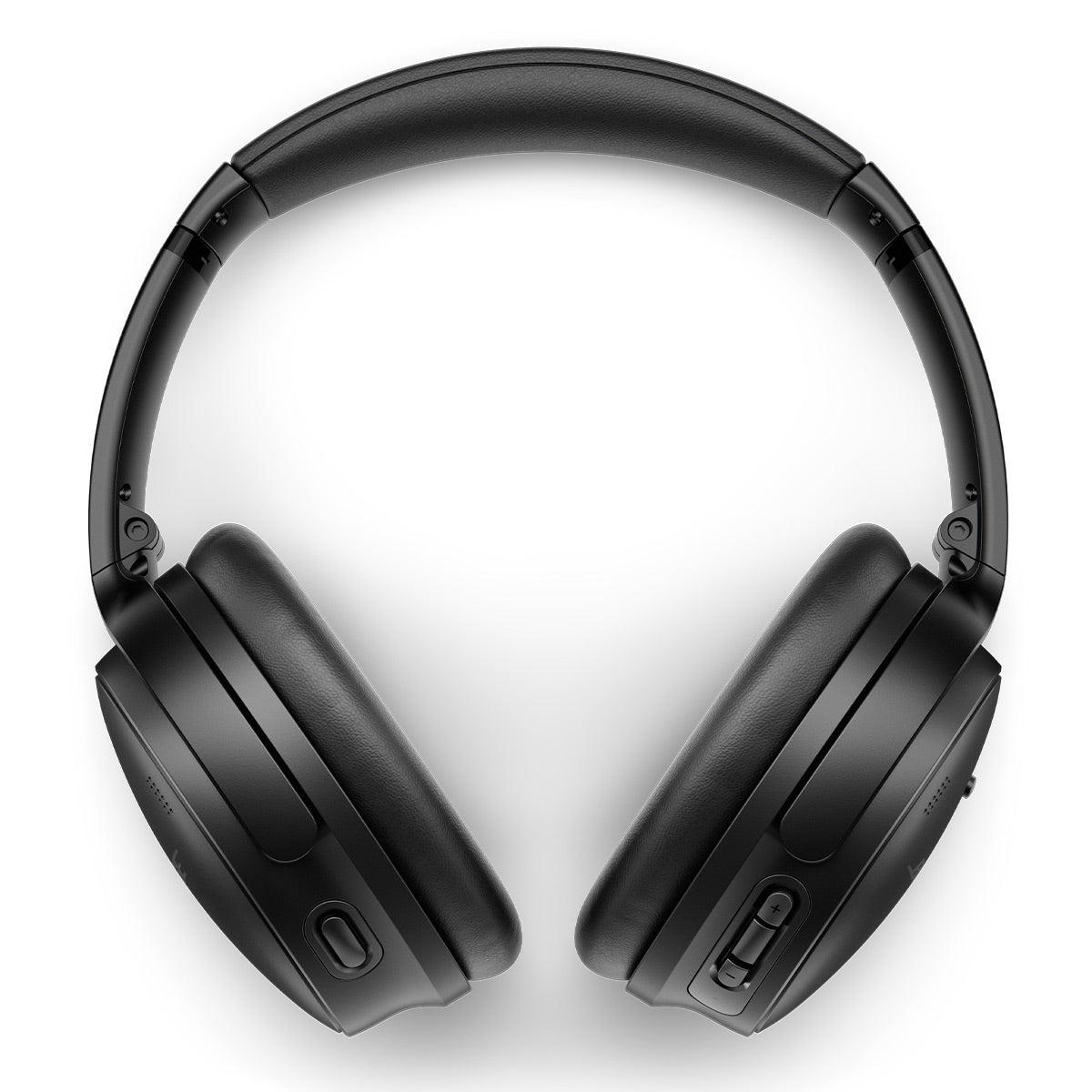
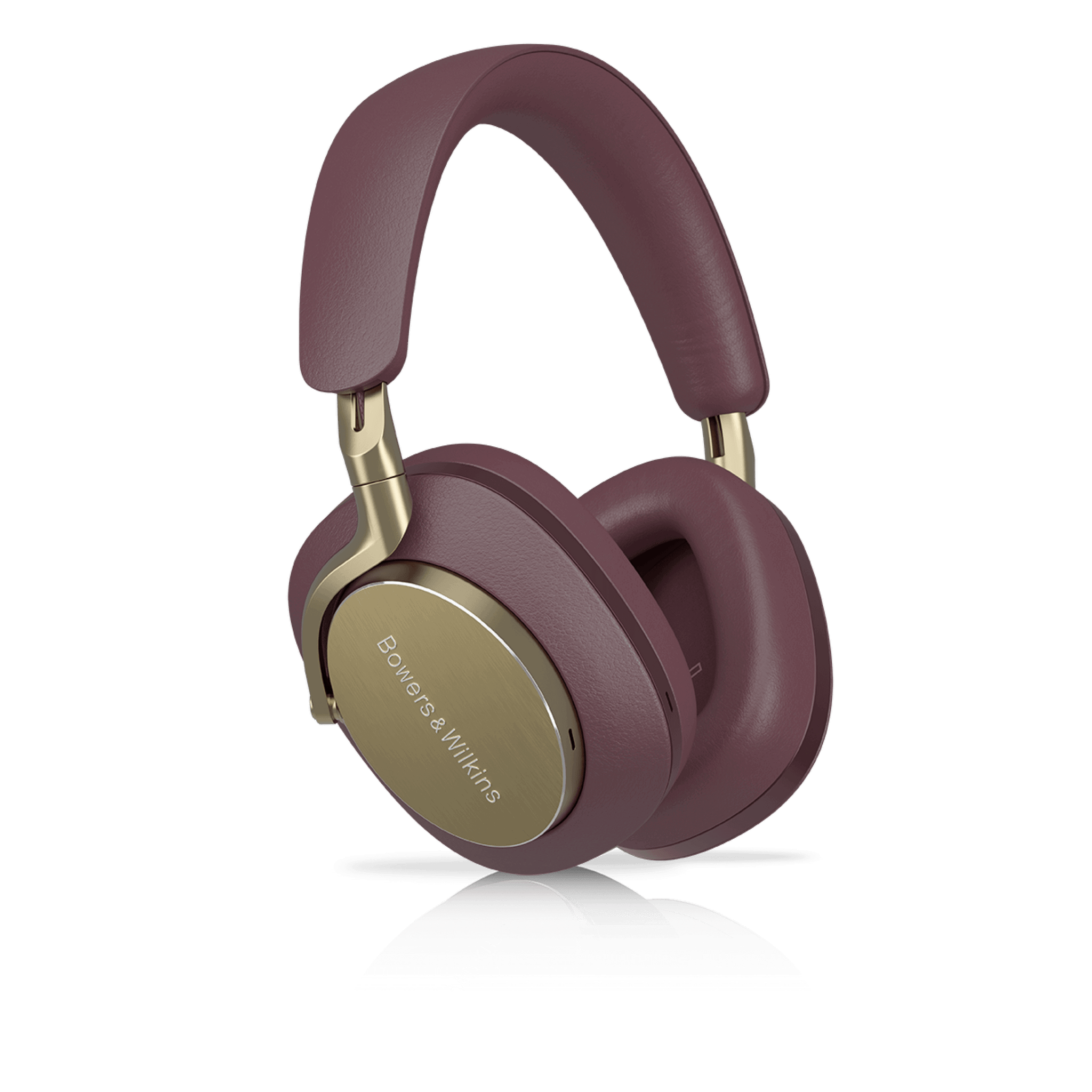
When you're ready to invest in premium wireless headphones, you're entering a world where every detail matters. The difference between good and great becomes much more noticeable, and frankly, more important when you're spending several hundred dollars. Today we're comparing two distinctly different approaches to premium audio: the Bose QuietComfort Wireless Headphones, which prioritize comfort and noise cancellation, against the Bowers & Wilkins Px8, which focus on audiophile-grade sound quality and luxury materials.
Premium wireless noise-cancelling headphones represent the sweet spot where cutting-edge technology meets everyday usability. Unlike budget options that might excel in one area while sacrificing others, these headphones aim to deliver excellence across multiple dimensions simultaneously.
The key considerations that separate premium models from the rest include sound quality (how accurately and pleasingly they reproduce music), noise cancellation effectiveness (how well they block unwanted ambient sound), build quality and comfort (materials, durability, and how they feel during extended wear), battery performance (how long they last and how quickly they charge), and connectivity features (wireless protocols, multi-device support, and additional smart functions).
What's particularly interesting about comparing the Bose QuietComfort and B&W Px8 is that they represent fundamentally different philosophies in headphone design. Bose has built their reputation on making the most comfortable, reliable noise-cancelling headphones possible, while Bowers & Wilkins comes from a high-end speaker background, bringing that audiophile expertise to personal audio.
The Bose QuietComfort Wireless Headphones, released in 2023, represent Bose's latest refinement of their mainstream premium formula. At the time of writing, they're positioned in the mid-to-upper premium range, making them accessible to serious listeners who want proven performance without breaking the bank. These headphones build on decades of Bose's noise-cancellation expertise, incorporating their latest TriPort acoustic structure – a clever engineering solution that uses external ports to make the drivers sound like they're in a larger space without actually making the earcups bigger.
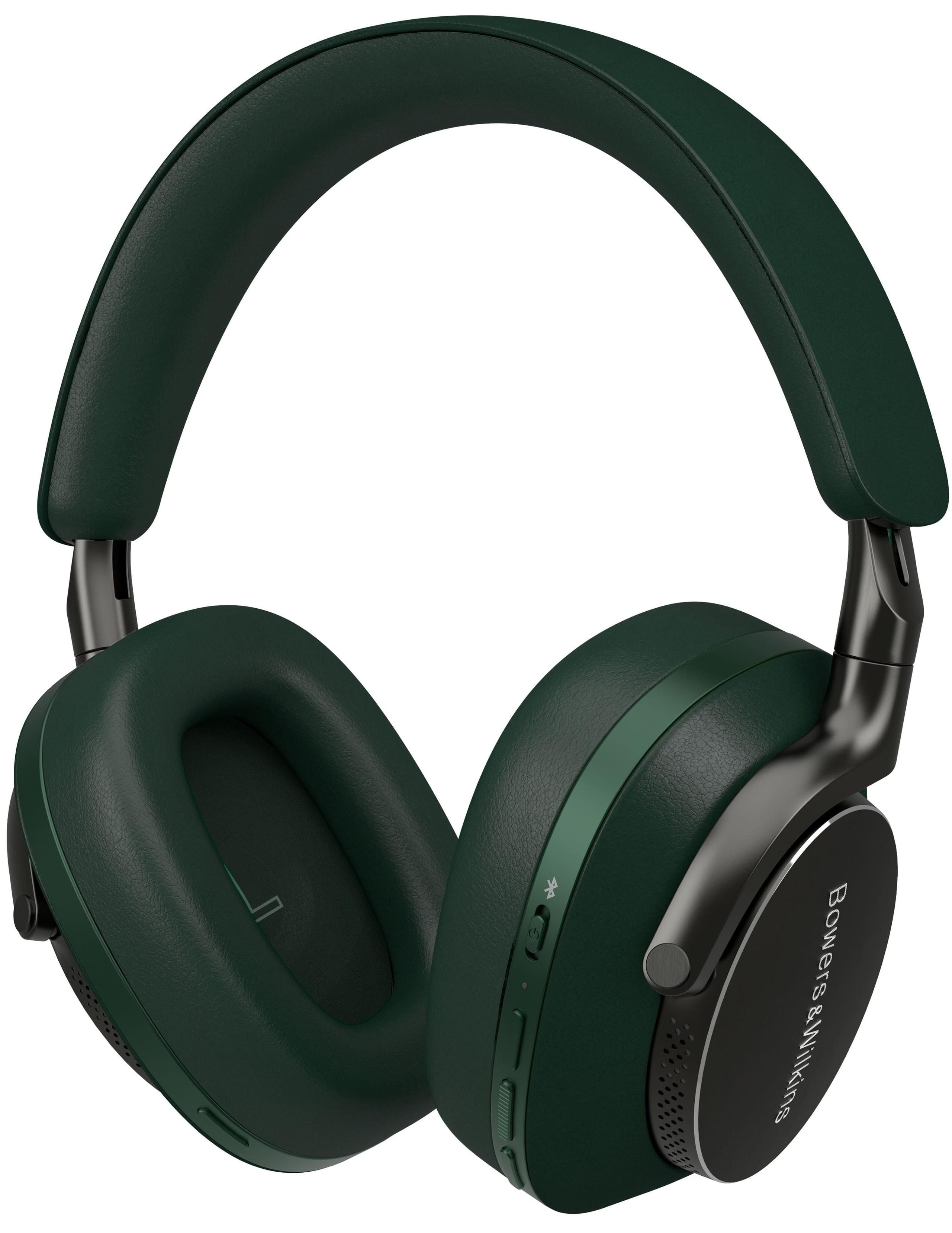
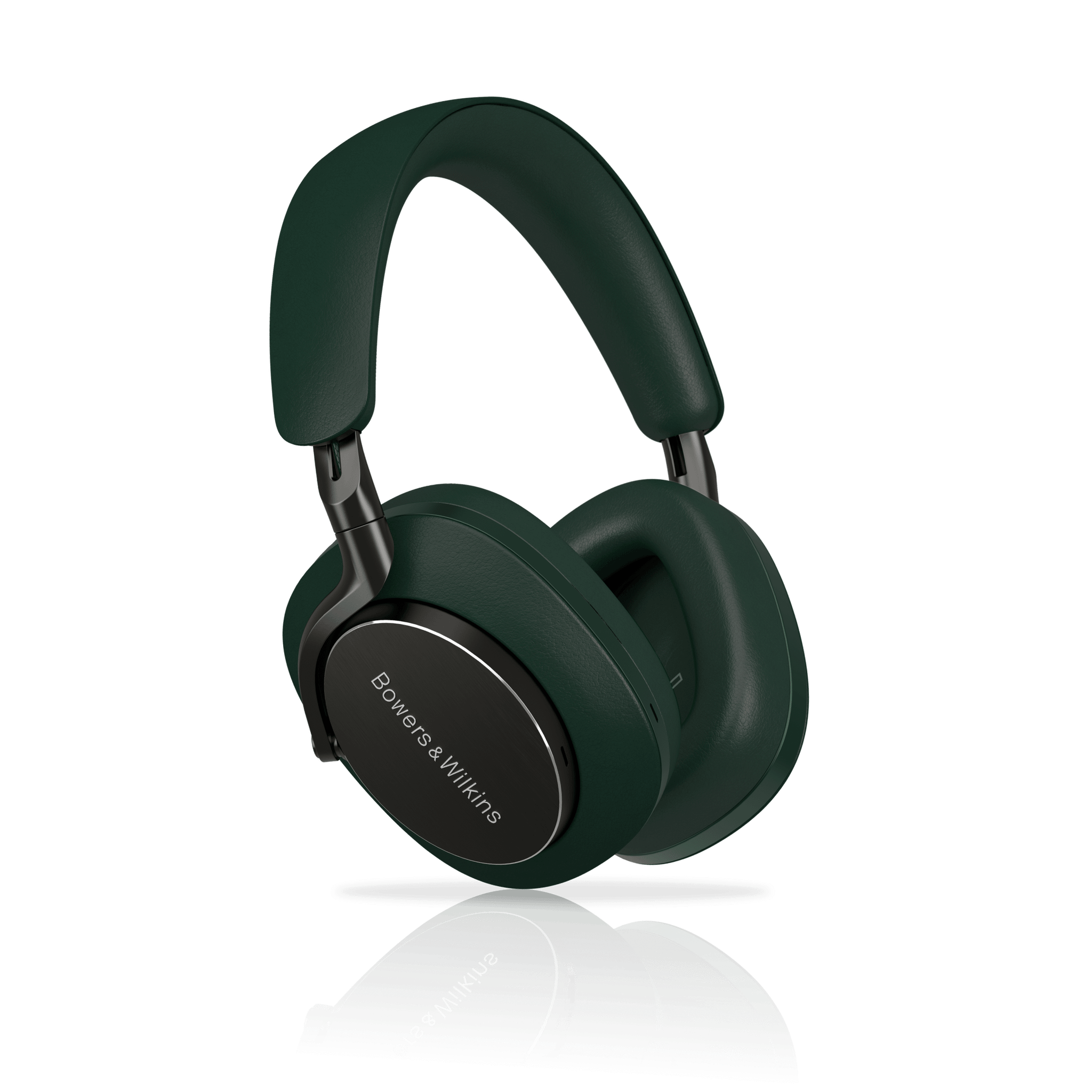
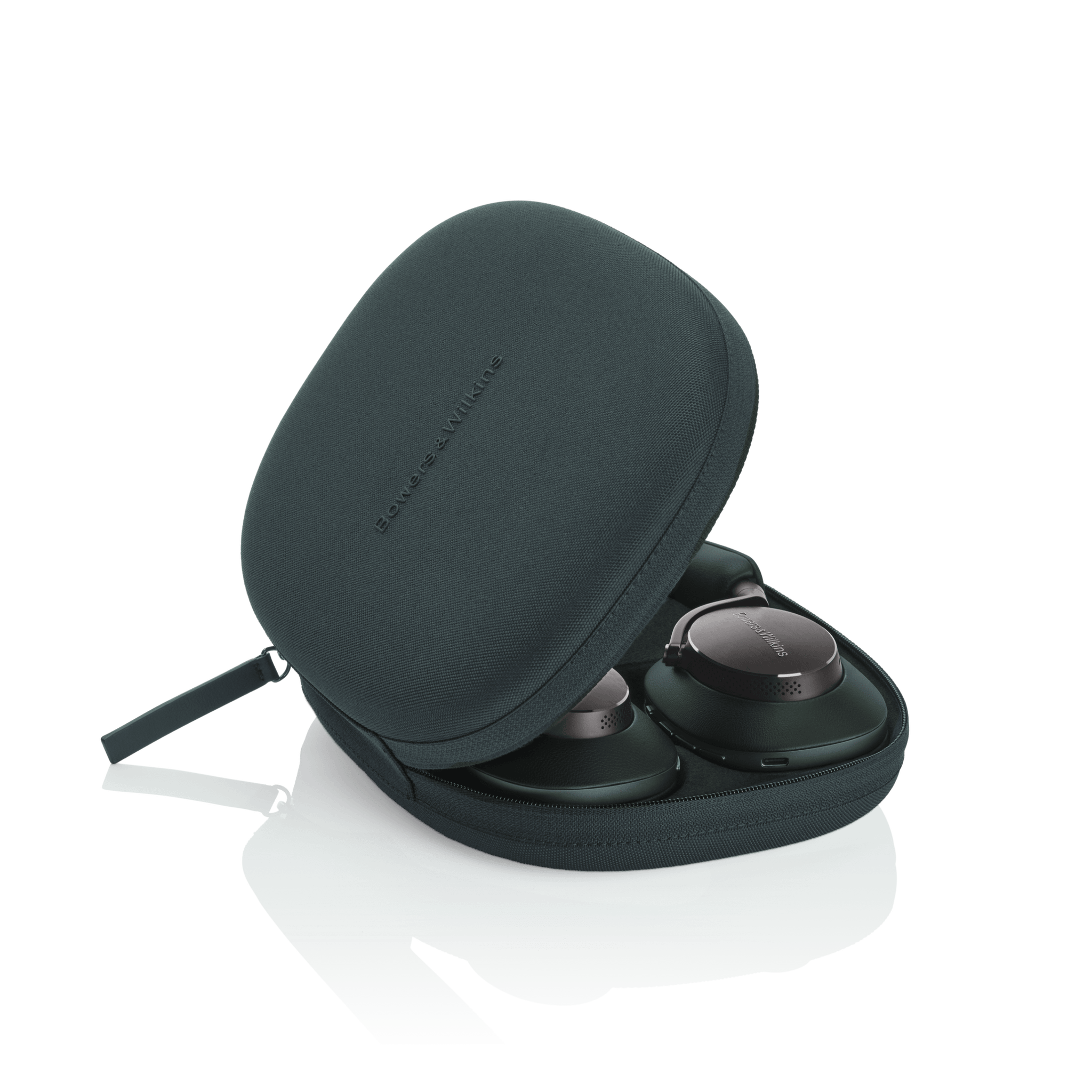
The Bowers & Wilkins Px8, launched in 2024, takes a completely different approach. Originally priced in the flagship territory but often available at significant discounts, these headphones showcase B&W's speaker-making expertise translated to personal audio. They feature 40mm angled carbon cone drivers – the same material used in high-end speakers – combined with 24-bit digital signal processing to deliver what B&W calls "ultra-high-resolution sound."
Here's where the fundamental differences between these headphones become crystal clear. The Bose QuietComfort delivers what I'd call "consumer-optimized" sound – it's designed to make everything you listen to sound good, whether it's a compressed Spotify stream or a high-resolution audio file. The sound signature emphasizes bass and vocal presence, creating an engaging, warm listening experience that works well for virtually any genre.
The frequency response (how the headphones handle different pitches from low bass to high treble) on the Bose is tuned for broad appeal. This means they add some extra punch to the low end and ensure voices cut through clearly, making them excellent for everything from hip-hop to podcasts. The downside is that they're not as revealing of subtle details in complex music, and some audiophiles might find them too colored for critical listening.
In contrast, the B&W Px8 approaches sound reproduction more like a high-end speaker system. Those carbon cone drivers aren't just marketing fluff – carbon fiber is exceptionally rigid and lightweight, which means it can start and stop vibrating very quickly. This translates to better transient response (how accurately the headphones reproduce sudden sounds like drum hits or guitar plucks) and reduced distortion across the frequency range.
The Px8's support for aptX Adaptive and aptX HD codecs is particularly significant. These are wireless audio compression standards that preserve much more detail than standard Bluetooth audio. Think of it like the difference between streaming a movie in 4K versus standard definition – you're getting substantially more information, which translates to clearer, more detailed sound. The Bose QuietComfort uses more basic codecs, which is perfectly adequate for most listening but won't take full advantage of high-quality source material.
From a practical standpoint, if you primarily listen to popular music, podcasts, or use your headphones for video calls, the Bose QuietComfort will likely sound more immediately pleasing. However, if you're someone who listens to complex orchestral music, jazz, or high-resolution audio files, the B&W Px8 will reveal layers of detail that the Bose simply can't reproduce as accurately.
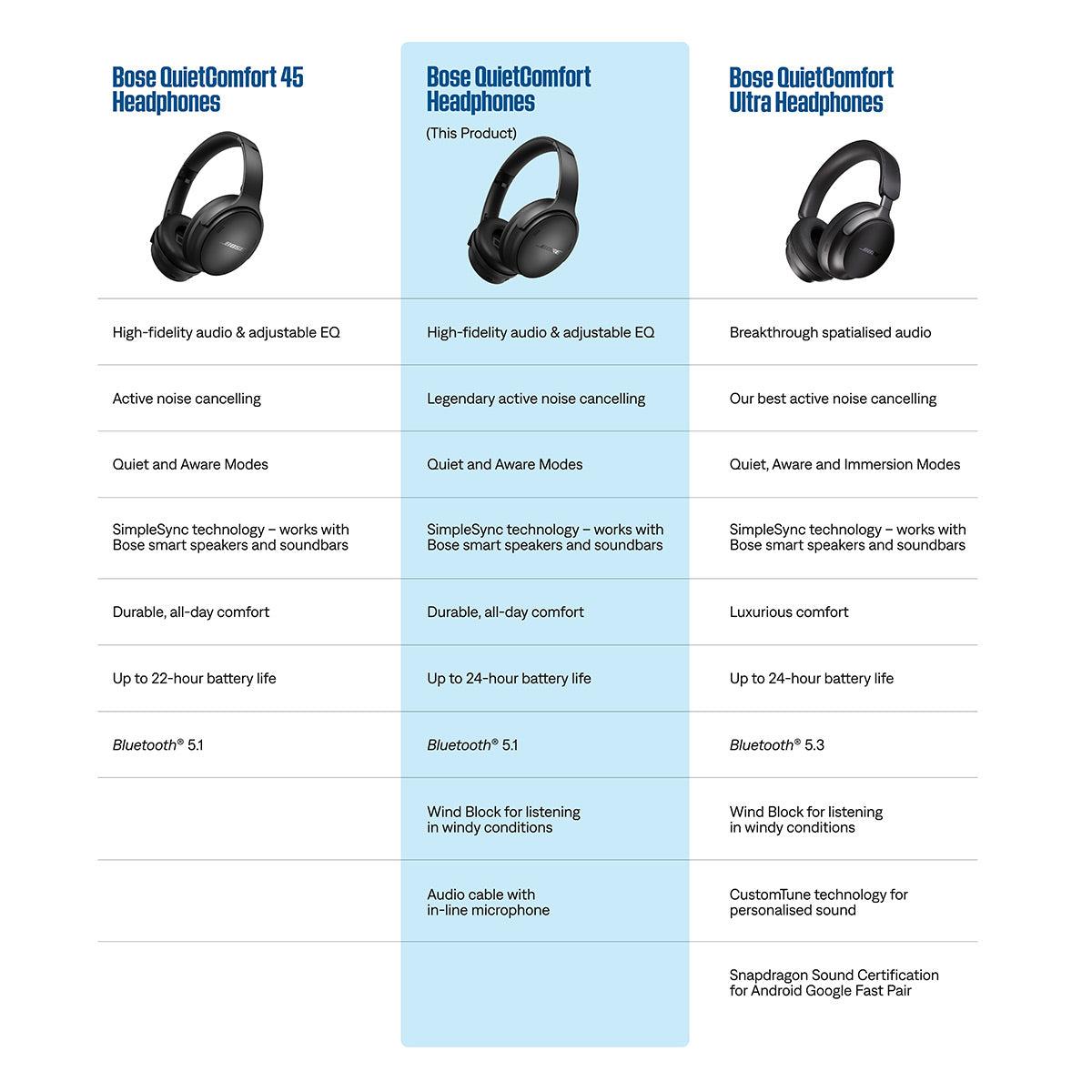
This is where Bose's decades of specialization really show. The Bose QuietComfort uses what they call an adaptive microphone system – essentially, microphones both inside and outside the earcups constantly monitor ambient noise and generate opposing sound waves to cancel it out. This active noise cancellation (ANC) technology is particularly effective against consistent, low-frequency sounds like airplane engines, air conditioners, or traffic noise.
What makes the Bose system special is its ability to adapt quickly to changing noise environments. The processing is fast enough to handle sudden sounds while maintaining excellent cancellation of steady background noise. The headphones also offer multiple modes: Quiet Mode for maximum noise cancellation, Aware Mode that lets environmental sounds through for safety, and customizable settings that let you dial in exactly how much outside world you want to hear.
The B&W Px8 includes a hybrid ANC system with six microphones, which sounds impressive on paper. However, in practice, it's more focused on maintaining audio quality while providing noise cancellation rather than achieving maximum noise blocking. This is actually quite sophisticated – inferior ANC systems can introduce distortion or alter the sound signature when activated, but B&W has prioritized keeping the audio pristine even with ANC engaged.
For most users, especially those who travel frequently or work in noisy environments, the Bose QuietComfort will provide noticeably better isolation from the outside world. If you're primarily using headphones in quieter environments and prioritize sound quality over maximum noise blocking, the Px8's approach makes more sense.
Comfort is where personal preference really matters, and both headphones excel in different ways. The Bose QuietComfort is remarkably lightweight at just 236 grams, using protein leather ear cushions and a carefully engineered headband that distributes weight evenly. The clamping force – how tightly the headphones grip your head – is calibrated to maintain a good seal for noise cancellation without causing fatigue during extended wear.
I've worn these for entire workdays without discomfort, and that's something I can't say about many headphones in this category. The design is clearly optimized for people who wear headphones for hours at a time, whether for work, travel, or extended listening sessions.
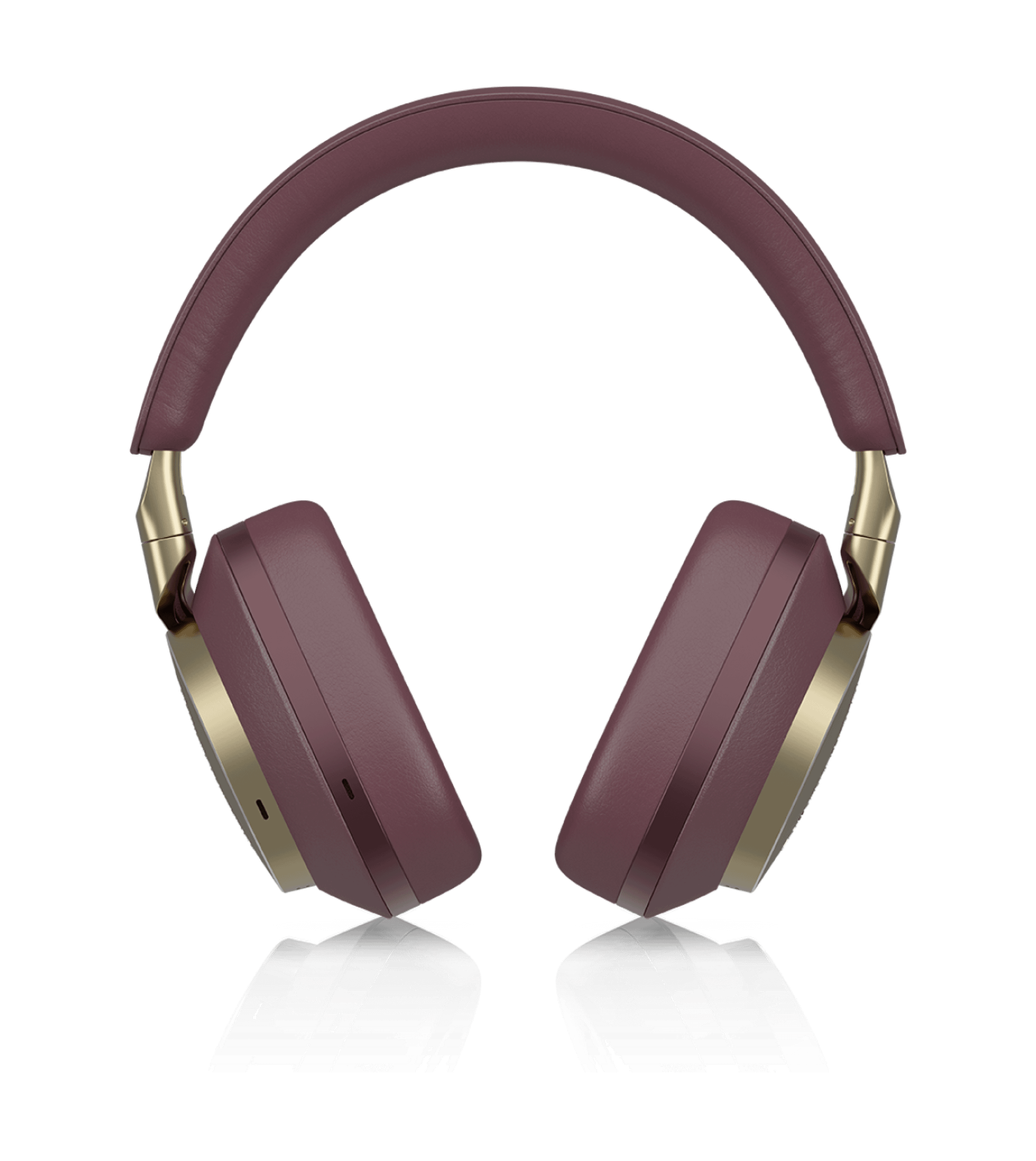
The B&W Px8 takes a more luxurious approach with cast aluminum arms, Nappa leather earpads, and memory foam cushions. These materials feel significantly more premium and are built to last decades rather than years. However, at 320 grams, they're noticeably heavier, and the more substantial build can cause fatigue during very long sessions.
The Px8's build quality is genuinely impressive – the diamond-cut metal detailing and multiple finish options (including sophisticated colors like Royal Burgundy and Dark Forest) make these headphones feel like luxury accessories rather than just tech gadgets. If you appreciate fine materials and craftsmanship, the difference is immediately apparent.
For home theater use, both headphones work well, but with different strengths. The Bose QuietComfort excels for late-night movie watching where you need to block out household noise and maintain comfort during long films. The B&W Px8 provides more detailed sound reproduction that can enhance the cinematic experience, particularly for films with complex soundtracks or nuanced dialogue.
Battery performance has improved dramatically in recent years, and both headphones reflect this advancement. The Bose QuietComfort provides 24 hours of playback with ANC active, which is solid performance that will handle even the longest travel days or work weeks without charging. The quick charge feature gives you 4 hours of listening from just 15 minutes of charging, which is genuinely useful when you're rushing to catch a flight.
The B&W Px8 goes further with 30 hours of battery life and an even more impressive quick charge that provides 7 hours from 15 minutes of charging. This superior battery performance comes from more recent battery technology and efficient power management in the newer 2024 design.
Both headphones use USB-C charging, which is convenient since it's likely the same cable you use for your phone or laptop. However, the B&W Px8 also supports USB-C audio input, meaning you can get a completely digital signal path from compatible devices, potentially improving sound quality even further.
The connectivity features differ significantly between the models. The Bose QuietComfort supports Bluetooth multipoint, allowing you to connect to two devices simultaneously – incredibly useful for switching between your phone and laptop without manual reconnection. The B&W Px8 uses the newer Bluetooth 5.2 standard and includes wear detection sensors that automatically pause playback when you remove the headphones.
At the time of writing, these headphones occupy different value propositions in the market. The Bose QuietComfort represents strong value in the established premium category, offering proven performance at a price point that's accessible to serious listeners without requiring audiophile-level investment.
The B&W Px8, while originally positioned in flagship territory, often becomes available at substantial discounts that make it competitive with mid-tier premium options. When available at reduced pricing, it offers exceptional value for the level of materials and audio engineering typically found in much more expensive products.
The question of value really depends on what you prioritize. If you need maximum noise cancellation for travel or noisy work environments, the Bose QuietComfort delivers that core functionality better than almost anything else available. If you're more focused on audio quality and appreciate luxury materials, the B&W Px8 provides flagship-level performance at potentially accessible pricing.
Choose the Bose QuietComfort if you prioritize reliability, comfort, and noise cancellation effectiveness. These headphones excel for frequent travelers, people working in noisy environments, or anyone who values the peace of mind that comes with a proven, widely-supported product. They're also the better choice if you primarily listen to popular music, podcasts, or use headphones for calls and video meetings.
The B&W Px8 makes more sense if you're an audio enthusiast who can appreciate superior driver technology and high-resolution wireless audio. They're ideal for listeners who enjoy complex music genres, want luxury build quality, or are building a high-end audio system where these headphones need to match the quality of other components.
For home theater applications, consider your primary use case. The Bose QuietComfort excels for late-night viewing where noise isolation is crucial, while the B&W Px8 provides more detailed sound reproduction that can enhance the cinematic experience.
Ultimately, both headphones represent different but valid approaches to premium audio. The Bose QuietComfort perfects the formula of comfort and noise cancellation that has made Bose a household name, while the B&W Px8 brings high-end audio engineering to the wireless headphone market. Your choice should align with whether you prioritize maximum ANC performance and comfort, or superior audio quality and luxury materials.
| Bose QuietComfort Wireless Headphones | Bowers & Wilkins Px8 Wireless Headphones |
|---|---|
| Active Noise Cancellation - Critical for blocking distractions in noisy environments | |
| Industry-leading ANC with adaptive microphone system, multiple modes including Wind Block | Hybrid ANC with 6 microphones, effective but prioritizes audio quality over maximum blocking |
| Sound Quality Approach - Determines if you get consumer-friendly or audiophile sound | |
| Warm, bass-forward signature optimized for broad appeal and easy listening | Neutral, detailed reproduction with 40mm angled carbon cone drivers for critical listening |
| Weight & Comfort - Essential for extended daily wear | |
| 236g ultralight design with protein leather cushions, minimal clamping force | 320g premium build with Nappa leather and memory foam, more substantial feel |
| Battery Life - How long between charges during heavy use | |
| 24 hours with ANC, 15-min charge = 4 hours playback | 30 hours total, 15-min charge = 7 hours playback |
| Bluetooth Codecs - Determines wireless audio quality from high-end sources | |
| Standard codecs (AAC, SBC) suitable for mainstream streaming | Premium codecs (aptX Adaptive, aptX HD) for high-resolution wireless audio |
| Build Materials - Impacts durability and premium feel | |
| Lightweight plastics with protein leather, engineered for comfort | Cast aluminum arms, Nappa leather, diamond-cut metal detailing |
| Multi-Device Support - Convenience for switching between phone and laptop | |
| Bluetooth multipoint connects 2 devices simultaneously | Single device connection but includes wear detection sensors |
| Target User - Who gets the most value from each approach | |
| Frequent travelers, office workers, casual listeners prioritizing comfort and ANC | Audio enthusiasts, home listeners, users who appreciate luxury materials and detailed sound |
The Bose QuietComfort Wireless Headphones have significantly better noise cancellation than the Bowers & Wilkins Px8. Bose's industry-leading ANC technology with adaptive microphones excels at blocking consistent background noise like airplane engines, air conditioning, and traffic. The B&W Px8 offers effective noise reduction but prioritizes maintaining audio quality over maximum noise blocking.
The Bowers & Wilkins Px8 delivers superior sound quality with 40mm angled carbon cone drivers, 24-bit DSP processing, and support for high-resolution wireless codecs like aptX Adaptive. The Bose QuietComfort offers warm, consumer-friendly sound that's immediately pleasing but less detailed for critical listening. Audiophiles will prefer the B&W Px8, while casual listeners may enjoy the Bose's approachable sound signature.
The Bose QuietComfort Wireless Headphones are more comfortable for extended wear, weighing only 236g with protein leather cushions and minimal clamping force. The Bowers & Wilkins Px8 uses premium Nappa leather and memory foam but weighs 320g, which can cause fatigue during very long sessions. For all-day comfort, the Bose QuietComfort has the advantage.
The Bowers & Wilkins Px8 offers superior battery performance with 30 hours of playback and a 15-minute quick charge providing 7 hours of listening. The Bose QuietComfort provides 24 hours of battery life with a 15-minute quick charge giving 4 hours of playback. Both use USB-C charging, but the B&W Px8 clearly leads in battery endurance.
The Bowers & Wilkins Px8 features premium materials including cast aluminum arms, Nappa leather earpads, and diamond-cut metal detailing that create a luxury feel. The Bose QuietComfort uses lightweight plastics with protein leather cushions, prioritizing comfort over premium materials. The B&W Px8 feels significantly more luxurious and is built for long-term durability.
The Bose QuietComfort Wireless Headphones support Bluetooth multipoint, allowing connection to two devices simultaneously for easy switching between phone and laptop. The Bowers & Wilkins Px8 connects to one device at a time but includes wear detection sensors and newer Bluetooth 5.2 technology. For multi-device convenience, the Bose QuietComfort has the advantage.
Both work well for home theater, but serve different needs. The Bose QuietComfort excels for late-night viewing where blocking household noise is important, while maintaining comfort during long films. The Bowers & Wilkins Px8 provides more detailed sound reproduction that enhances complex movie soundtracks and dialogue clarity. Choose Bose for noise isolation or B&W for audio fidelity.
The Bose QuietComfort Wireless Headphones perform better for calls with their adaptive microphone system and superior background noise blocking, making your voice clearer in noisy environments. The Bowers & Wilkins Px8 offers good call quality but focuses more on music reproduction than call optimization. For frequent business calls, the Bose QuietComfort is the better choice.
Value depends on your priorities and current pricing. The Bose QuietComfort offers excellent value for proven noise cancellation and comfort features. The Bowers & Wilkins Px8 provides exceptional value when available at discounted pricing, offering flagship-level audio quality and premium materials. The B&W Px8 represents better long-term value for audio quality, while Bose delivers immediate practical benefits.
Both headphones support wired listening. The Bose QuietComfort includes a 3.5mm audio cable with inline microphone for basic wired use. The Bowers & Wilkins Px8 offers both USB-C digital audio input and 3.5mm analog connection, providing more flexibility and potentially better sound quality through the digital connection. The B&W Px8 has more versatile wired options.
The Bose QuietComfort Wireless Headphones excel with popular music, podcasts, and bass-heavy genres like hip-hop and electronic music due to their warm, engaging sound signature. The Bowers & Wilkins Px8 better serves complex genres like classical, jazz, and acoustic music where detail and accuracy matter most. The B&W Px8 reveals more musical nuances, while Bose makes everything sound immediately enjoyable.
Choose the Bose QuietComfort Wireless Headphones if you prioritize noise cancellation, all-day comfort, and reliable performance for travel or noisy environments. Select the Bowers & Wilkins Px8 if you value superior audio quality, premium materials, and detailed sound reproduction for critical listening. The Bose suits practical daily use, while the B&W Px8 appeals to audio enthusiasts seeking luxury and performance.
We've done our best to create useful and informative comparisons to help you decide what product to buy. Our research uses advanced automated methods to create this comparison and perfection is not possible - please contact us for corrections or questions. These are the sites we've researched in the creation of this article: techradar.com - whathifi.com - bose.com - rtings.com - recordingnow.com - bose.com - ottorinobruni.com - whathifi.com - costco.com - recordingnow.com - youtube.com - bose.com - bestbuy.com - global.bose.com - boselatam.com - projectorscreen.com - bose.com - bose.com - bose.com - whathifi.com - marius.ink - bowerswilkins.com - rtings.com - whathifi.com - whathifi.com - soundguys.com - audio46.com - youtube.com - futureaudiophile.com - listenup.com - telquestintl.com - bowerswilkins.com - bowerswilkins.com - bestbuy.com - bhphotovideo.com - audioholics.com - bowerswilkins.com - bowerswilkins.com - headphone.guru - bhphotovideo.com - bowerswilkins.com

Privacy Policy
Terms and Conditions - Affiliate Policy
Home Security
© Copyright 2008-2026.
11816 Inwood Rd #1211, Dallas, TX 75244