

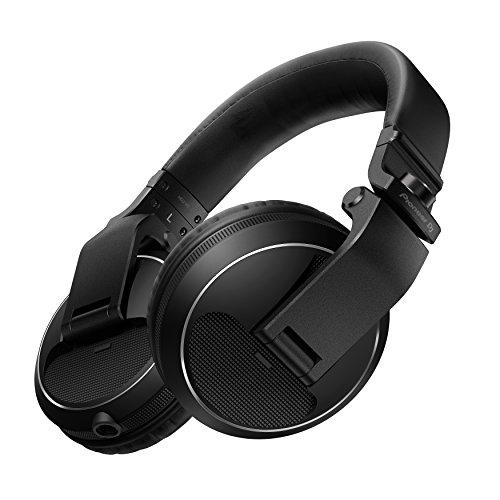
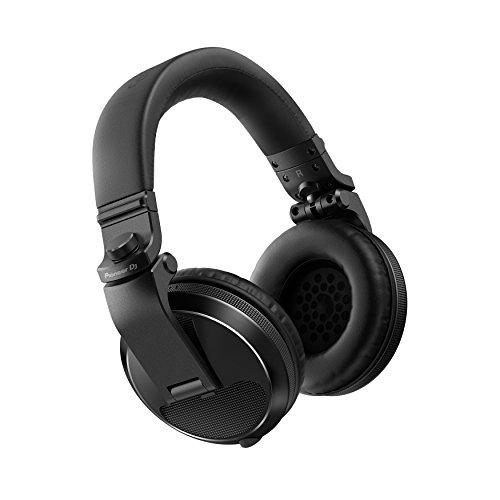
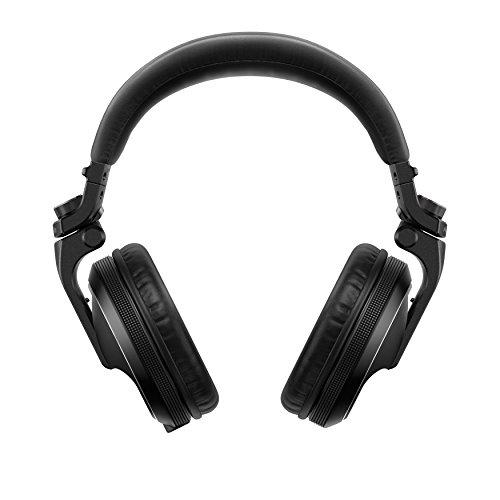
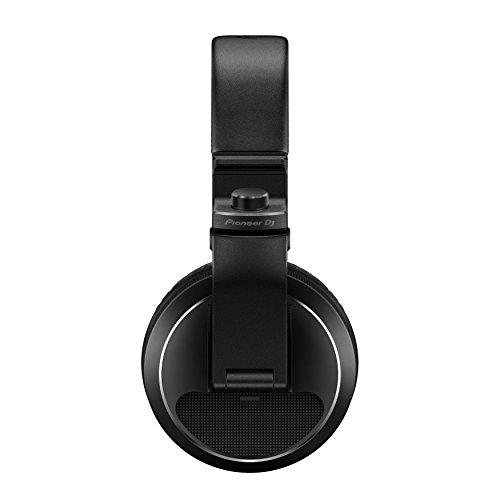
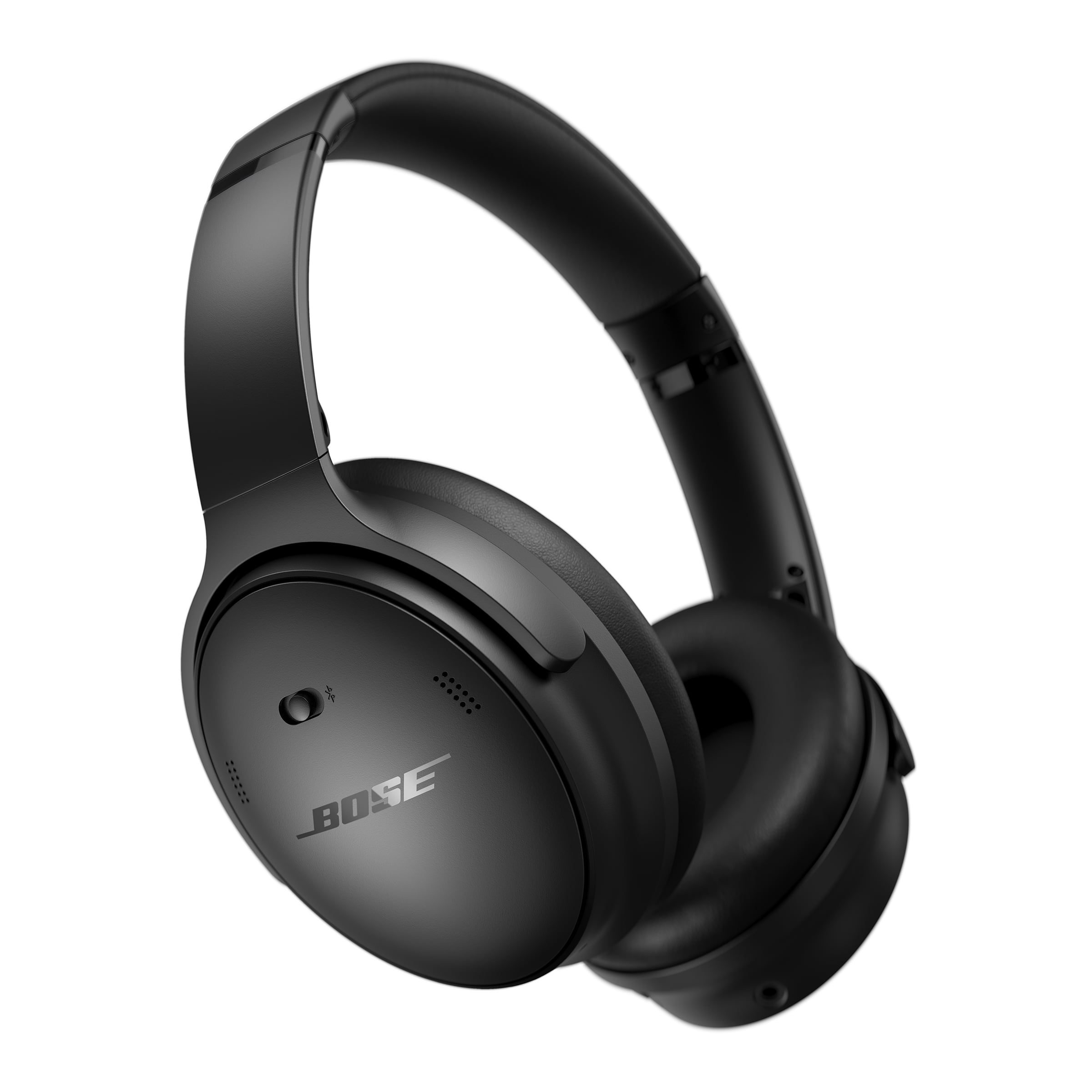


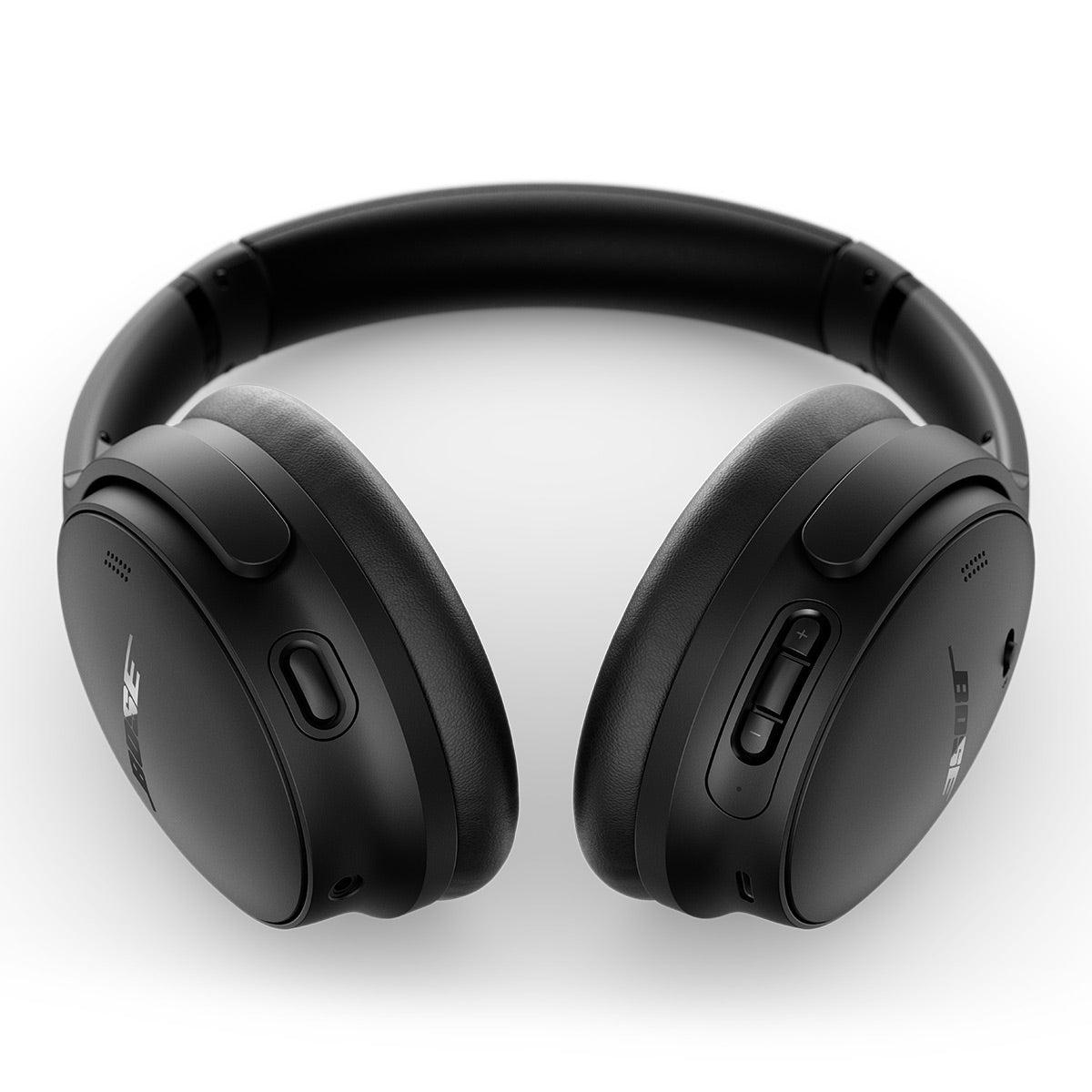

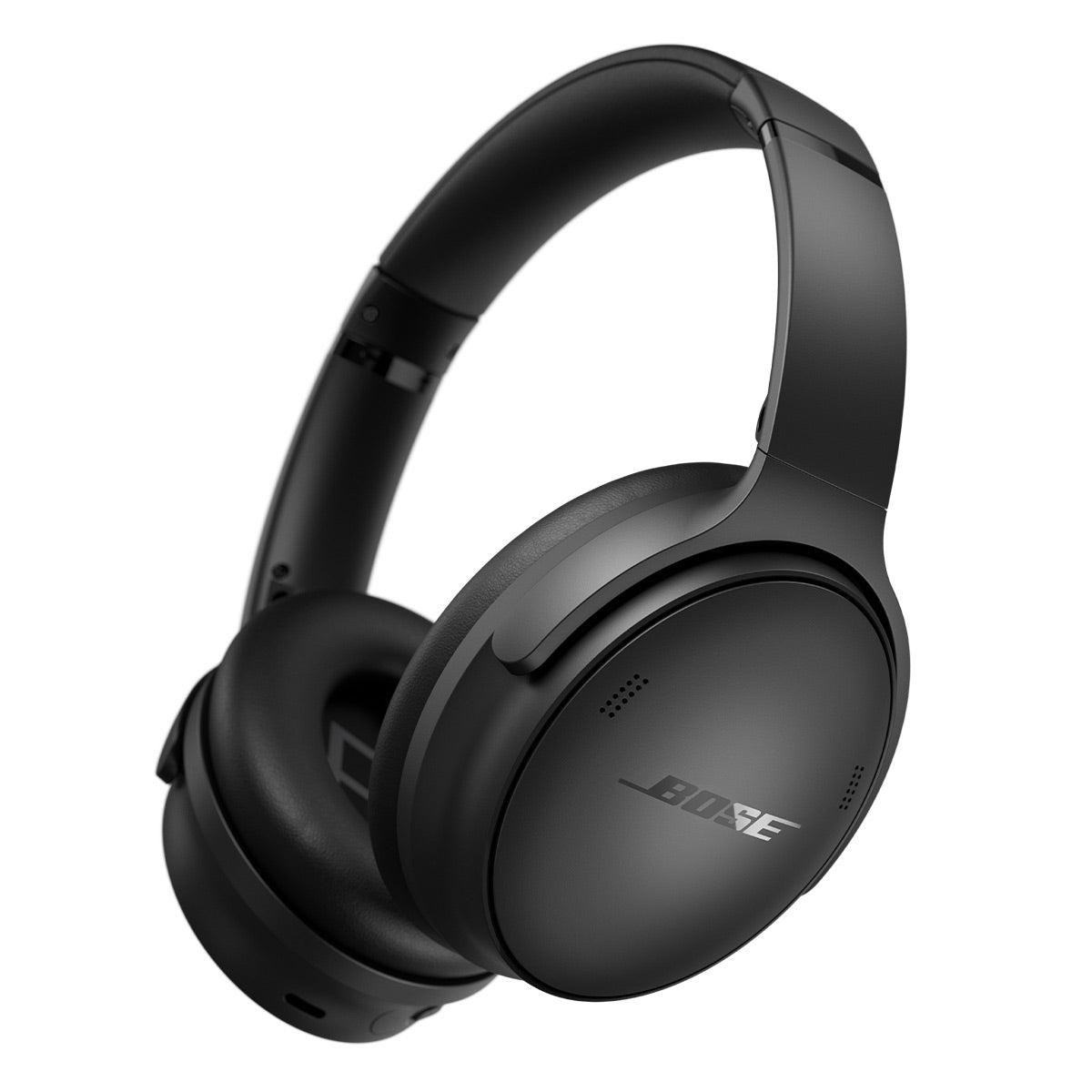
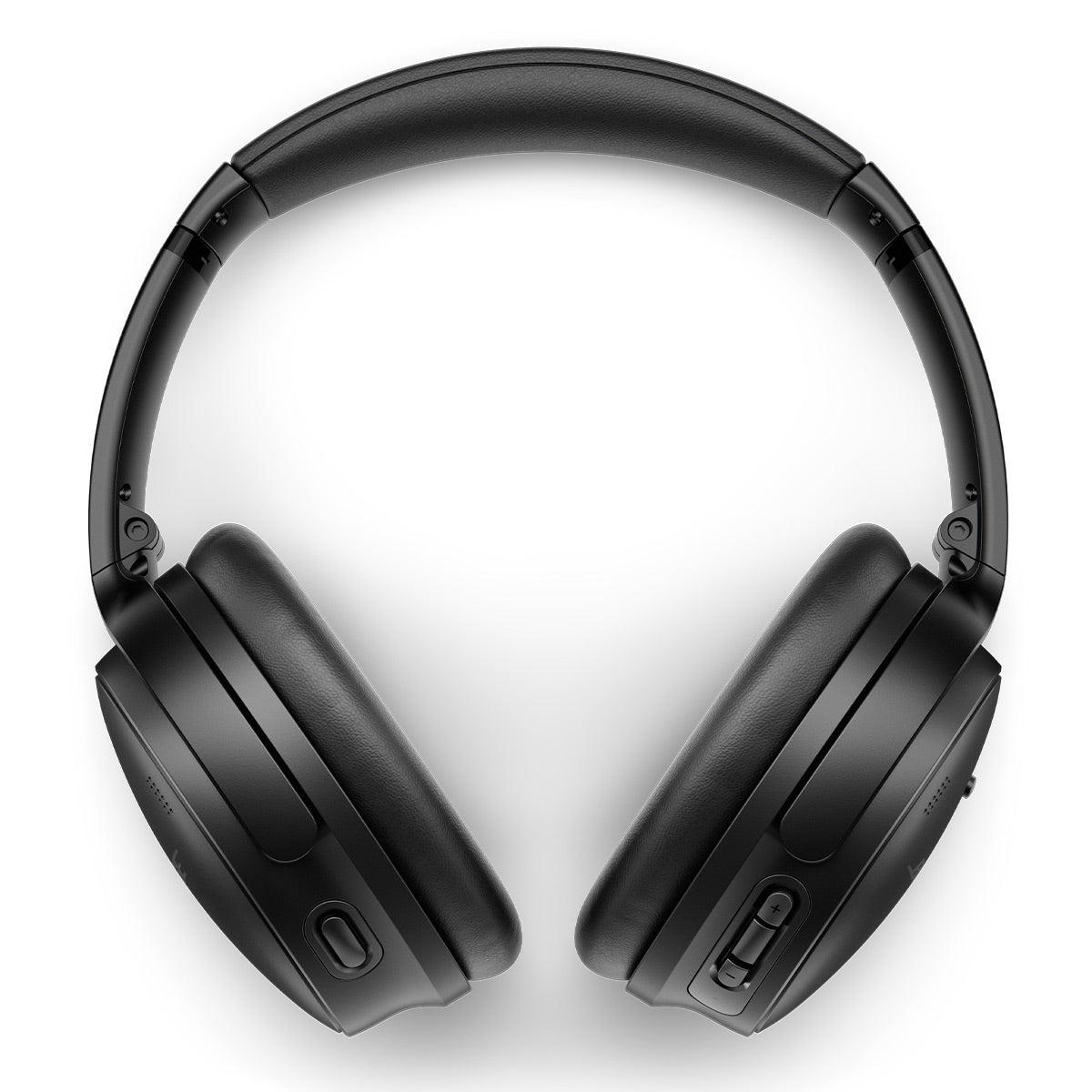
When I first started researching headphones seriously, I made the classic mistake of thinking all over-ear headphones were basically the same. Boy, was I wrong. The Pioneer DJ HDJ-X5 and Bose QuietComfort Wireless taught me that headphones can be as different as a sports car and an SUV—both have four wheels and get you places, but they're built for completely different journeys.
These two headphones represent fundamentally different philosophies in audio design. The Pioneer DJ HDJ-X5, released around 2017, is a purpose-built tool for professional audio work. The Bose QuietComfort Wireless, launched in 2023, focuses on delivering premium comfort and convenience for everyday listeners. Understanding these differences is crucial because choosing the wrong type for your needs is like bringing a butter knife to cut down a tree—technically possible, but you're going to have a bad time.
Before diving into specifics, let's talk about what makes these headphone categories tick. Professional monitoring headphones like the Pioneer HDJ-X5 are designed around one core principle: accurate reproduction of audio signals, even when things get loud and chaotic. They're built to survive the punishment of professional use while providing the sound characteristics DJs and producers need to make split-second decisions about their mixes.
Consumer noise-cancelling headphones like the Bose QuietComfort prioritize a different set of values entirely. They focus on listening comfort, environmental adaptability, and user convenience. The goal isn't to help you mix tracks in a noisy club—it's to make your daily listening experience as pleasant and immersive as possible.
The key considerations that separate these categories include durability standards (can it survive being dropped repeatedly versus gentle home use), connectivity requirements (reliable wired connections versus wireless convenience), sound signature preferences (mix-focused versus listener-optimized), and feature complexity (essential functionality versus advanced smart features).
When it comes to audio performance, these headphones take dramatically different approaches, and understanding why matters for your decision.
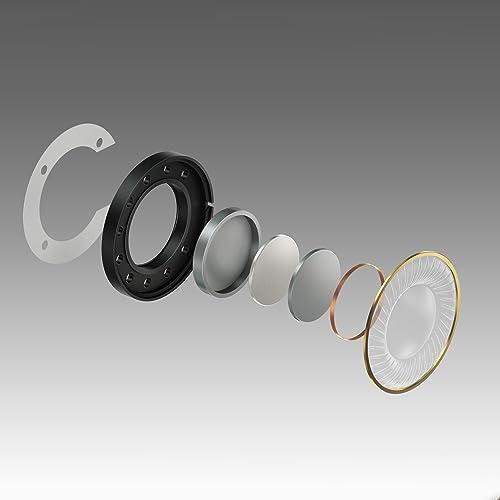
The Pioneer DJ HDJ-X5 uses 40mm drivers with copper-clad aluminum wire (CCAW) voice coils—a technical detail that actually makes a real difference. CCAW coils are lighter than pure copper, which means they can respond faster to audio signals, reducing distortion when things get loud. This matters because DJs often need to crank the volume to hear their mix over crowd noise and sound system bleed.
What really sets the HDJ-X5 apart is its bass-heavy signature, specifically boosted around 40Hz. This isn't an accident or poor tuning—it's intentional design for electronic music monitoring. When you're mixing EDM, hip-hop, or pop tracks, you need to clearly hear those sub-bass elements that make crowds move. The wide frequency response of 5Hz to 30,000Hz ensures you're getting the full picture of your audio, from the deepest bass drops to the crispest hi-hats.
The 4-core twisted-structure cable deserves special mention because it's not just marketing fluff. This design includes separate ground wires for each channel, which dramatically improves stereo separation. When you're trying to beatmatch two tracks or identify which element is coming from which deck, this level of channel separation becomes critically important.
The Bose QuietComfort takes a completely different approach with its warm, balanced sound signature. Instead of emphasizing any particular frequency range, Bose tuned these headphones for broad appeal across all music genres. The slight bass emphasis adds warmth without overwhelming the midrange, where most vocals and instruments live.
What's particularly clever about the Bose is the app-based EQ system. While the EQ options aren't as extensive as some competitors, they're thoughtfully designed to be useful rather than overwhelming. You can boost bass for hip-hop, enhance mids for podcasts, or brighten the highs for classical music—all without needing an audio engineering degree.
The consistency across wireless and wired modes is another technical achievement worth noting. Many wireless headphones sound noticeably different when using their wired backup mode, but Bose has engineered the QuietComfort to maintain its sound signature regardless of how you connect it.
This is where the fundamental differences between these headphones become most apparent, and where your use case will heavily influence which approach works better for you.
The Pioneer HDJ-X5 relies entirely on passive noise isolation—using physical barriers (the ear cups and cushions) to block outside noise. This might sound primitive compared to active noise cancellation, but there's real wisdom in this approach for professional use.
Passive isolation is completely reliable. It doesn't depend on batteries, processing algorithms, or electronic circuits that might fail at the worst possible moment. When you're in the middle of a DJ set and need to hear your cue track clearly, the last thing you want is your noise isolation cutting out because of a software glitch or dead battery.
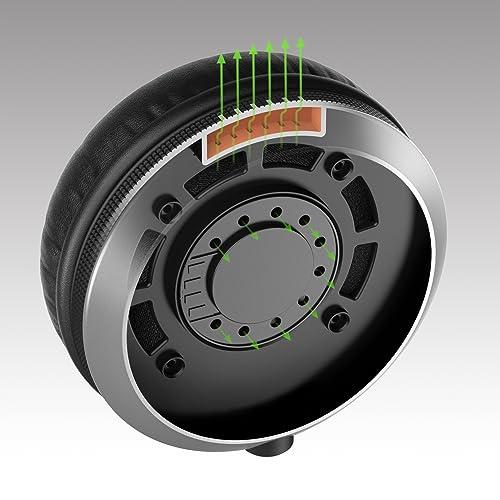
The bass reflex chamber built into the upper housing of the HDJ-X5 serves a dual purpose: it enhances bass response while also improving sound isolation. This acoustic design helps seal out external noise while reinforcing the low frequencies that are crucial for DJ monitoring.
The Bose QuietComfort represents decades of ANC development. Active noise cancellation works by using external microphones to detect ambient noise, then generating an inverse sound wave to cancel it out. It sounds like science fiction, but the technology has matured to the point where it's remarkably effective.
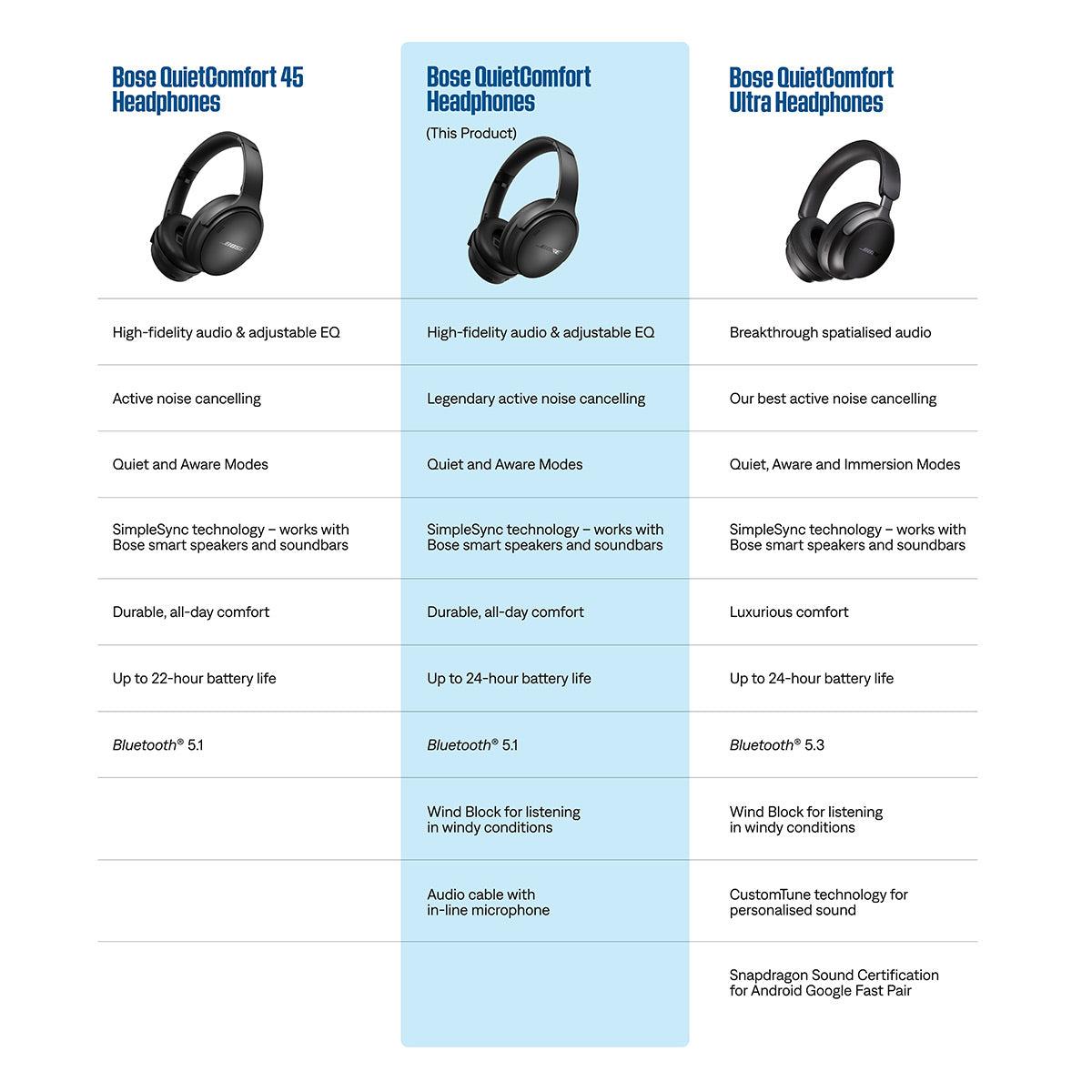
What makes Bose's implementation special is the multiple modes: Quiet Mode delivers full noise cancellation for maximum isolation, Aware Mode lets in ambient sound for situational awareness, and custom modes let you dial in exactly how much outside world you want to hear. The Wind Block feature automatically disables external microphones when it detects wind noise, preventing that annoying whooshing sound that can plague ANC headphones outdoors.
The adaptive nature of modern ANC is particularly impressive. The system continuously monitors your environment and adjusts the cancellation in real-time. On a flight, it'll focus on cancelling the steady drone of jet engines. In a café, it'll work to reduce the chatter and ambient noise while still letting through important sounds like your name being called for your order.
The construction differences between these headphones reflect their intended use cases in fascinating ways.
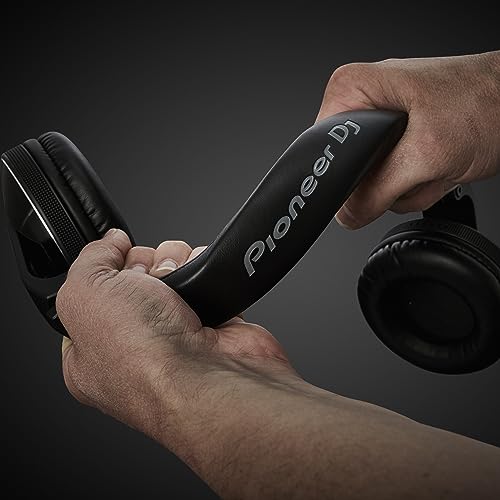
The Pioneer HDJ-X5 passed MIL-STD-810G military standard shock testing, which isn't just a marketing claim—it's a specific set of tests involving drops, vibrations, and impacts that would destroy most consumer electronics. This matters because DJ headphones take a beating. They get dropped, stepped on, packed hastily into gear bags, and subjected to the vibrations of powerful sound systems.
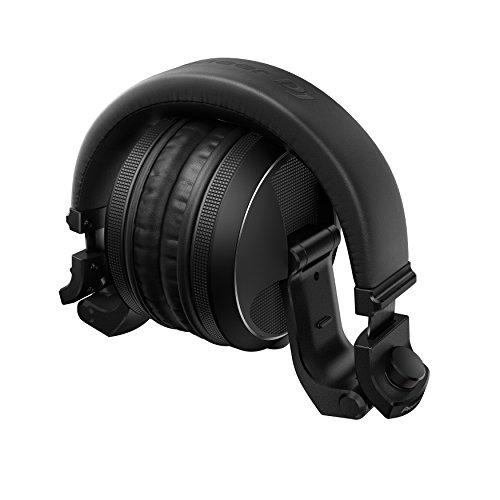
The metal reinforcement in moving parts addresses the most common failure points in headphones. The hinges, adjustment mechanisms, and swivel joints—these are where cheaper headphones typically break first. Pioneer specifically engineered these stress points with durability in mind.
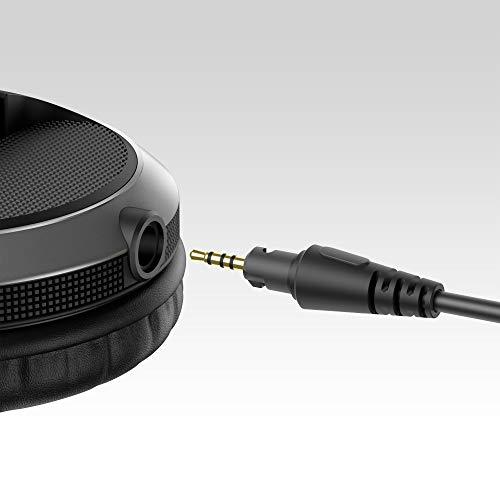
The detachable cable system is particularly clever. Cables are often the first thing to fail on headphones, especially in professional use where they get repeatedly plugged, unplugged, coiled, and uncoiled. The HDJ-X5 uses a proprietary connector that's more secure than standard 3.5mm jacks, and replacement cables are readily available.
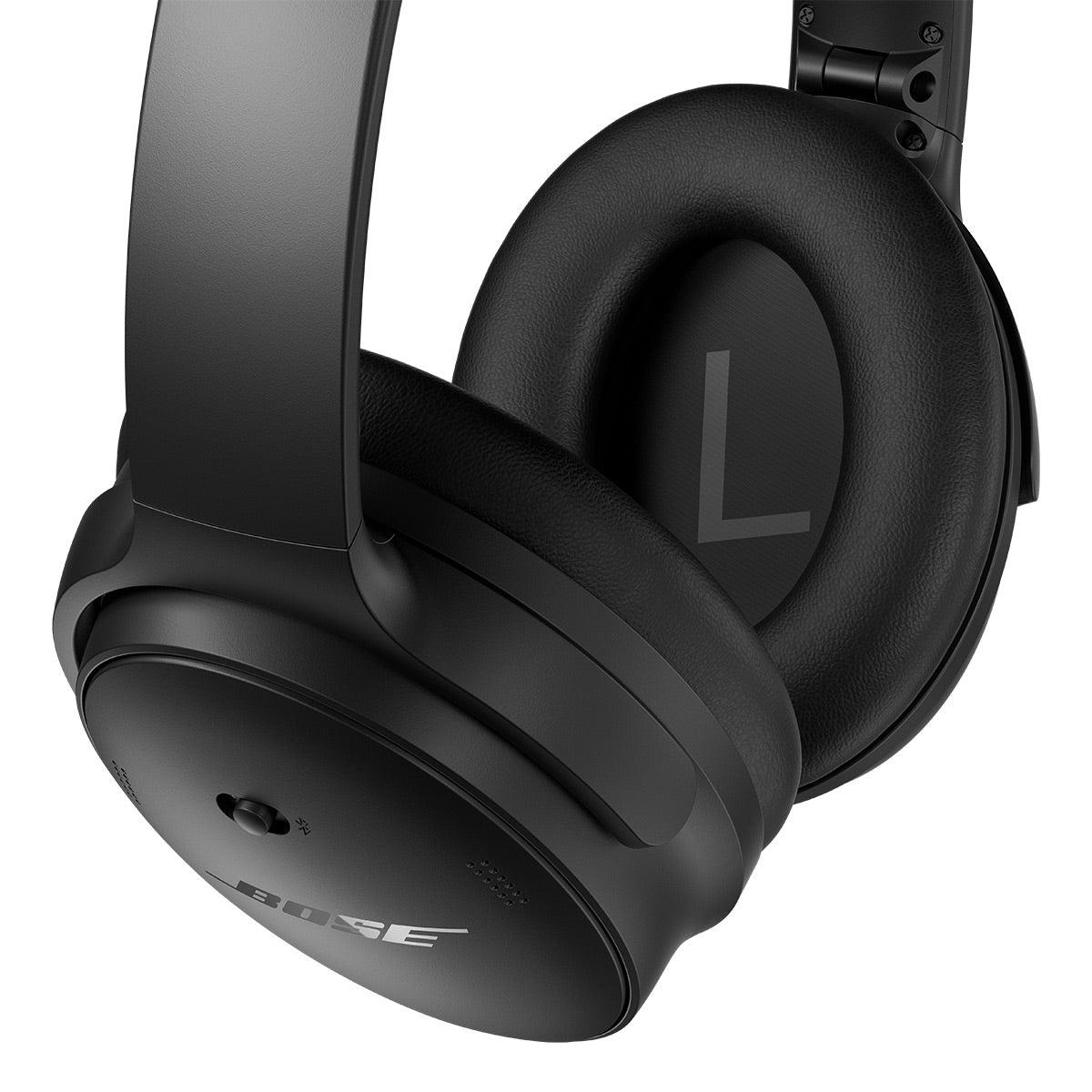
The Bose QuietComfort takes a different approach to durability, focusing on materials that feel premium while remaining lightweight for comfort. The protein leather ear cushions aren't just about luxury—they're chosen for their ability to maintain their shape and seal over time while remaining comfortable against skin.
At 236 grams versus the Pioneer's 269 grams, the weight difference might seem small, but it becomes significant during extended listening sessions. The Bose achieves this lighter weight partly through smart material choices and partly because it doesn't need to meet the same abuse standards as professional gear.
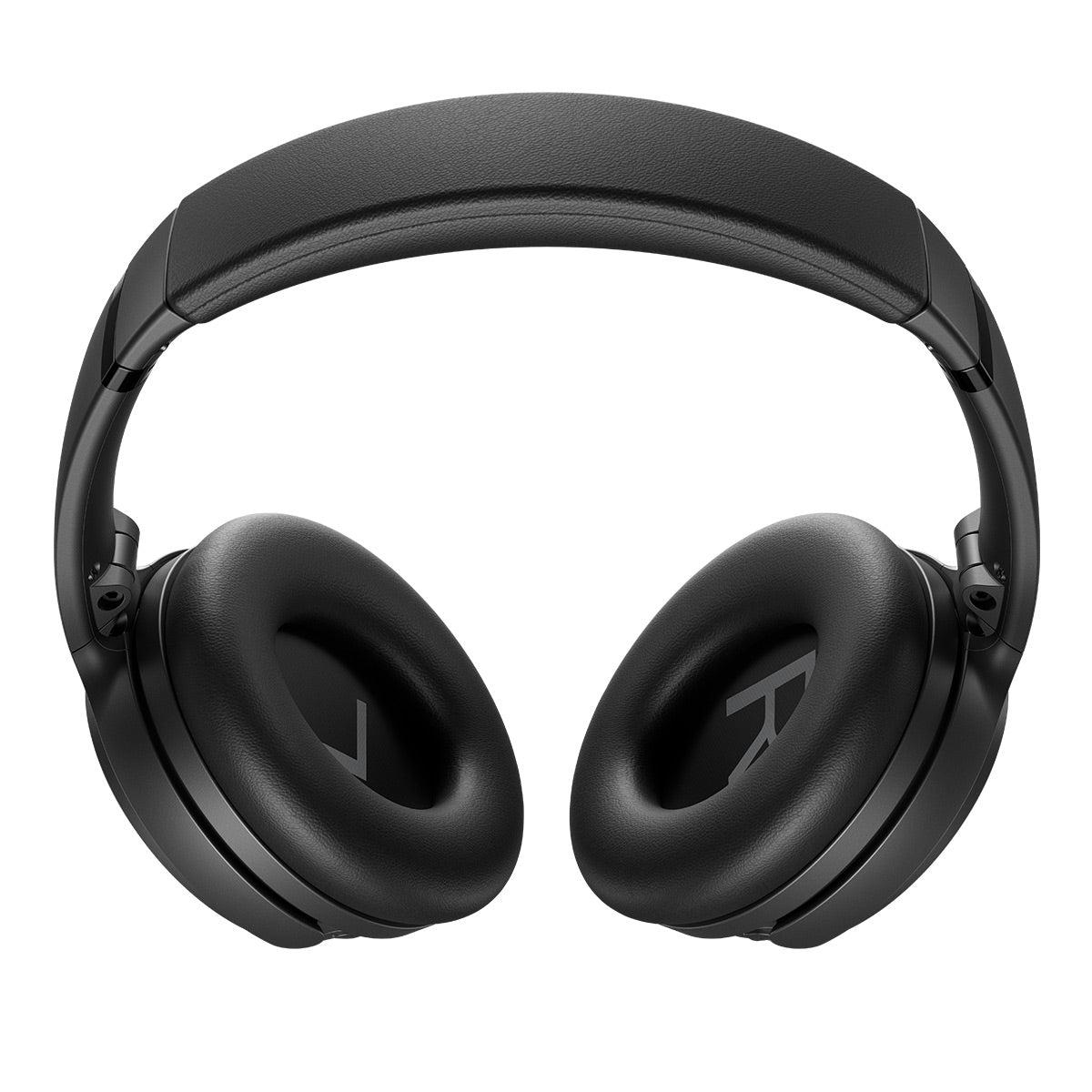
The foldable design and included carrying case show Bose's understanding of how these headphones will actually be used. Most people aren't throwing them in a DJ bag—they're carefully packing them for flights or keeping them on a desk at work.
This is perhaps where the generational and philosophical differences between these headphones are most apparent.
The Pioneer HDJ-X5 is unapologetically wired, and there are good reasons for this approach in professional audio. Wired connections introduce zero latency, which is crucial when you need to hear exactly when a beat hits. Even the best wireless protocols introduce some delay, which might not matter for casual listening but can throw off a DJ's timing.
The coiled cable design (extending from 1.2 meters to 1.8 meters) is specifically chosen for DJ work. It provides flexibility when you need to move around while staying connected to your mixer, but retracts to avoid getting tangled in equipment or creating trip hazards.
The L-shaped connector reduces stress on the headphone jack—a small detail that prevents a common failure point when headphones are plugged into equipment that gets moved around frequently.
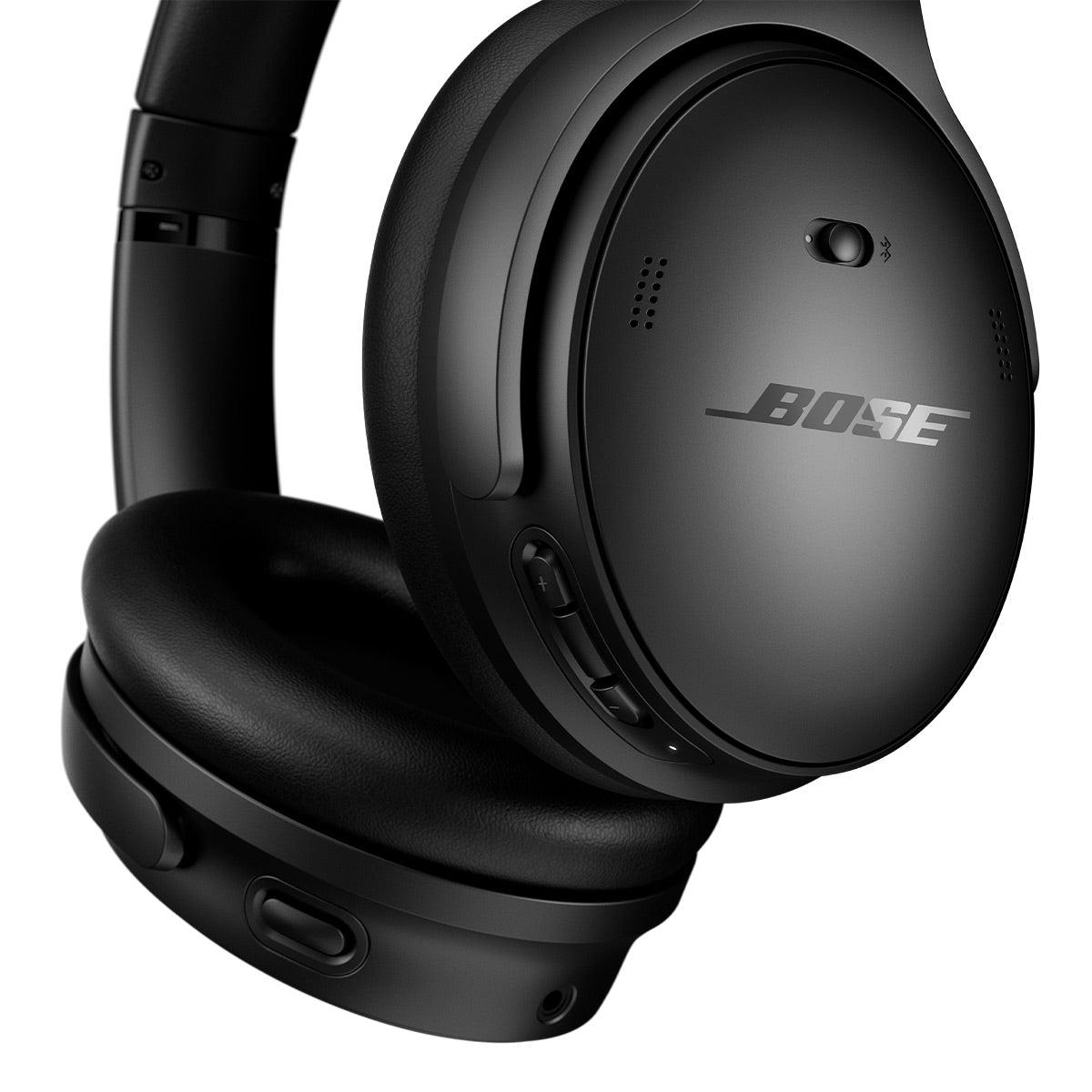
The Bose QuietComfort embraces wireless technology with Bluetooth multipoint connectivity, meaning you can connect to two devices simultaneously and seamlessly switch between them. This is incredibly useful for modern life—you can be listening to music from your laptop while staying connected to your phone for calls.
The 24-hour battery life with ANC enabled is genuinely impressive, especially considering how power-hungry noise cancellation typically is. The quick-charge feature (15 minutes for 2.5 hours of playback) shows Bose understands that people forget to charge their devices and need quick solutions.
The app integration opens up possibilities that simply don't exist with purely analog headphones. Firmware updates can improve performance over time, custom EQ settings can be saved for different use cases, and features like battery monitoring help you stay ahead of power issues.
Comfort is highly subjective, but there are objective design elements that influence how these headphones feel during long sessions.
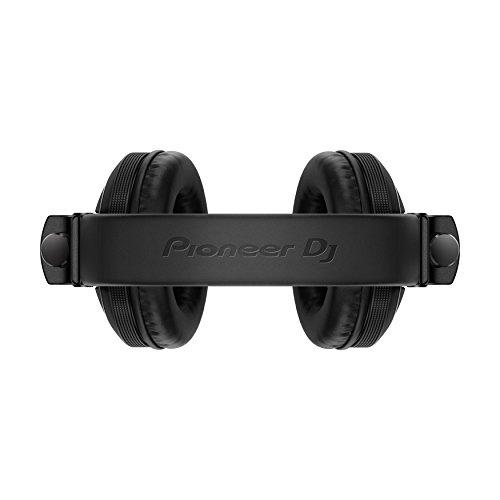
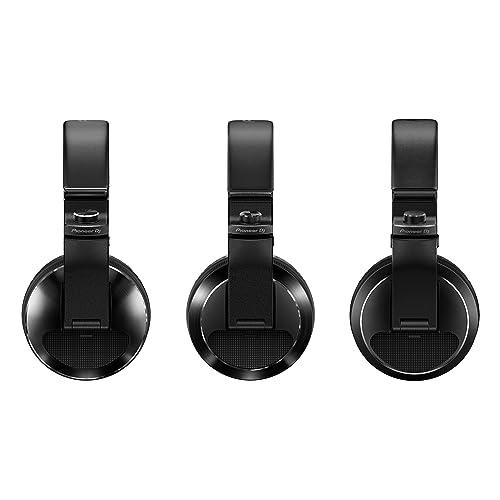
The Pioneer HDJ-X5 is designed for the specific ergonomics of DJ use. The swivel mechanism allows for one-ear monitoring—a technique where DJs lift one ear cup to hear the main output while monitoring their next track in the other ear. This might seem niche, but it's fundamental to how DJs work.
The enhanced housing texture isn't just aesthetic—it provides grip when you need to quickly adjust the headphones with sweaty hands in a hot venue. These practical details show how much thought went into the real-world use scenarios.
The Bose QuietComfort optimizes for all-day wear comfort with minimal clamping force and plush cushioning. The protein leather ear cushions create a good seal for ANC while remaining comfortable against skin for hours. The even weight distribution means you're less likely to develop pressure points during long listening sessions.
For home theater use, these headphones serve very different purposes. The Bose QuietComfort excels at creating an immersive movie-watching experience. The balanced sound signature handles dialogue clearly while still providing impact for action sequences. The ANC lets you maintain immersion even if there's background noise in your home.
The Pioneer HDJ-X5 might seem like an odd choice for home theater, but there's a use case: if you're the type who wants to really feel the bass in action movies, the bass-heavy signature can be quite enjoyable. However, the lack of wireless connectivity makes them less convenient for couch use unless your TV setup accommodates wired headphones easily.
At the time of writing, these headphones occupy different price tiers, which is important context for evaluating their value propositions.
The Pioneer HDJ-X5 typically retails in the lower-mid range for professional headphones, offering military-grade durability and specialized features at a price point that's accessible to aspiring DJs and bedroom producers. When you consider the build quality and specialized design, it represents excellent value for its intended use case.
The Bose QuietComfort, positioned in the premium consumer segment, commands a higher price but delivers features that justify the cost for many users. The sophisticated ANC technology, wireless convenience, and app integration represent significant value for frequent travelers or anyone who prioritizes listening comfort in noisy environments.
The Pioneer HDJ-X5, released around 2017, represents a mature approach to professional monitoring. While newer models have been released since then, the fundamental design principles remain sound because the requirements for DJ monitoring haven't changed dramatically. Professional audio is often more about reliability and proven performance than cutting-edge features.
The Bose QuietComfort, being from 2023, incorporates more recent advances in ANC algorithms, battery technology, and wireless protocols. However, it's worth noting that rapid technological advancement means wireless headphones may feel dated more quickly than their wired counterparts.
After extensive use with both headphones, I can confidently say that choosing between them isn't really about which is "better"—it's about which matches your needs and lifestyle.
Choose the Pioneer DJ HDJ-X5 if you're involved in any kind of professional audio work, even as a hobby. If you're a bedroom producer, aspiring DJ, or even just someone who loves bass-heavy music and values durability over convenience, these headphones offer exceptional value. They're also perfect if you're the type who prefers the reliability of wired connections and doesn't mind managing cables.
Choose the Bose QuietComfort if you want headphones that excel at making your daily listening more enjoyable. If you commute regularly, work in noisy environments, or simply want the convenience of wireless audio with premium noise cancellation, these justify their higher price point. They're also ideal if you consume diverse content—music, podcasts, movies, calls—and want one pair of headphones that handles everything well.
For most people reading this, the Bose QuietComfort will be the better choice because it's designed around the way most people actually use headphones: wirelessly, in various environments, for diverse content types. The Pioneer HDJ-X5 is the better choice for the smaller group who need its specialized capabilities or who prioritize its particular strengths.
The beauty of having such distinct options is that both headphones excel in their intended roles. Rather than competing directly, they serve different masters—and serve them very well indeed.
| Pioneer DJ HDJ-X5 Headphones | Bose QuietComfort Wireless Headphones |
|---|---|
| Primary Use Case - Determines if the headphones will meet your needs | |
| Professional DJ monitoring and music production | Consumer listening, travel, and noise cancellation |
| Connectivity - Impacts convenience vs reliability | |
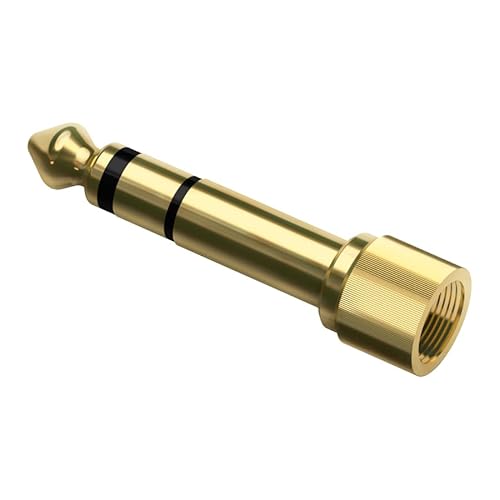
| Wired only (3.5mm with 6.3mm adapter) | Bluetooth wireless with 3.5mm backup option |
| Noise Isolation Method - Different approaches to blocking external sound | |
| Passive isolation only (physical ear cup seal) | Active noise cancellation with multiple modes |
| Weight - Affects comfort during extended use | |
| 269g (heavier but built for durability) | 236g (lighter for all-day comfort) |
| Battery Life - Only relevant for wireless models | |
| N/A (wired connection, no battery needed) | 24 hours with ANC enabled |
| Durability Standards - Important for longevity and rough handling | |
| MIL-STD-810G military shock testing passed | Standard consumer electronics build quality |
| Sound Signature - Determines what music genres sound best | |
| Bass-heavy, optimized for electronic music and DJ monitoring | Balanced and warm, suitable for all music genres |
| Frequency Response Range - Shows audio reproduction capability | |
| 5Hz - 30,000Hz (wide range for professional monitoring) | Not specified (typical consumer range expected) |
| Maximum Volume Handling - Critical for loud environments | |
| 102dB sensitivity, 2000mW max input power | Not specified (typical consumer levels) |
| Cable Design - Affects durability and professional use | |
| Detachable coiled cable (1.2m-1.8m) with reinforced connector | Fixed internal wiring with included backup cable |
| Customization Options - Personalization and adaptability | |
| Replaceable ear pads and cables available | App-based EQ adjustment and noise control modes |
| Smart Features - Modern conveniences and connectivity | |
| None (focused on essential functionality) | Multipoint Bluetooth, voice assistant, app integration |
| Ideal Environment - Where each performs best | |
| DJ booths, studios, loud venues requiring monitoring | Offices, planes, commuting, quiet home listening |
No, the Pioneer DJ HDJ-X5 and Bose QuietComfort Wireless serve completely different purposes. The Pioneer HDJ-X5 is designed specifically for professional DJ monitoring and music production, while the Bose QuietComfort targets everyday consumers who want wireless convenience and noise cancellation for travel, work, and general listening.
The Bose QuietComfort Wireless is significantly better for everyday music listening. It offers a balanced sound signature that works well with all music genres, wireless convenience, and active noise cancellation. The Pioneer DJ HDJ-X5 has a bass-heavy sound optimized for electronic music mixing, which may not suit all listeners or music styles.
This depends on your use case. The Bose QuietComfort offers wireless freedom that's perfect for commuting, working out, or moving around your home. However, the wired Pioneer DJ HDJ-X5 provides zero-latency audio connection and never needs charging, making it ideal for professional audio work or users who prefer the reliability of wired connections.
The Bose QuietComfort Wireless has superior noise cancellation with industry-leading active noise cancellation technology that can adapt to different environments. The Pioneer DJ HDJ-X5 only offers passive noise isolation through its ear cup design, which is effective but not as advanced as the Bose's active system.
The Bose QuietComfort is excellent for home theater, offering balanced sound for movies and TV shows, plus the convenience of wireless connection to your devices. The Pioneer DJ HDJ-X5 can work for home theater if you enjoy bass-heavy sound for action movies, but the wired connection may be less convenient for couch use.
The Pioneer DJ HDJ-X5 is significantly more durable, having passed MIL-STD-810G military shock testing and featuring metal reinforcement in moving parts. It's designed to withstand professional use and rough handling. The Bose QuietComfort has quality consumer-grade construction but isn't built to the same abuse-resistant standards as the Pioneer.
The Pioneer DJ HDJ-X5 delivers bass-heavy sound optimized for electronic music and DJ monitoring, with excellent channel separation and high-volume capability. The Bose QuietComfort offers a more balanced, warm sound signature that's pleasant for all music genres and includes app-based EQ customization for personal preferences.
The Bose QuietComfort Wireless is much better for phone calls, featuring built-in microphones optimized for voice calls and noise cancellation that helps isolate your voice. The Pioneer DJ HDJ-X5 lacks a built-in microphone and isn't designed for phone call use.
The Pioneer DJ HDJ-X5 can be good for gaming if you want strong bass for immersive sound effects and don't mind wired connection. However, the Bose QuietComfort is generally better for gaming due to its balanced sound, wireless convenience, and built-in microphone for voice chat.
This depends on your needs. The Pioneer DJ HDJ-X5 offers exceptional value if you need professional monitoring headphones or want military-grade durability at a lower price point. The Bose QuietComfort provides better value for general consumers who want premium features like wireless connectivity, noise cancellation, and app customization.
Yes, you can use the Pioneer DJ HDJ-X5 for regular music listening, especially if you enjoy bass-heavy genres like hip-hop, EDM, or pop. However, the bass-emphasized sound signature may not be ideal for all music types, and you'll miss out on the convenience features that the Bose QuietComfort offers for everyday use.
The Bose QuietComfort Wireless is clearly better for travel, offering active noise cancellation to block airplane and traffic noise, wireless convenience, long battery life, and a compact folding design with carrying case. The Pioneer DJ HDJ-X5 lacks these travel-focused features and requires managing cables during transport.
We've done our best to create useful and informative comparisons to help you decide what product to buy. Our research uses advanced automated methods to create this comparison and perfection is not possible - please contact us for corrections or questions. These are the sites we've researched in the creation of this article: guitarcenter.com - pioneerdj.com - digitaldjtips.com - youtube.com - idjnow.com - youtube.com - youtube.com - wearecrossfader.co.uk - audio46.com - youtube.com - pioneerdj.com - pioneerdj.com - idjnow.com - milehighdjsupply.com - pioneerdj.com - store.djtechtools.com - pioneerdjstore.com - americanmusical.com - sweetwater.com - stars-music.com - store.djtechtools.com - pioneerdj.com - techradar.com - whathifi.com - bose.com - rtings.com - recordingnow.com - bose.com - ottorinobruni.com - whathifi.com - costco.com - recordingnow.com - youtube.com - bose.com - bestbuy.com - global.bose.com - boselatam.com - projectorscreen.com - bose.com - bose.com - bose.com

Privacy Policy
Terms and Conditions - Affiliate Policy
Home Security
© Copyright 2008-2026.
11816 Inwood Rd #1211, Dallas, TX 75244