



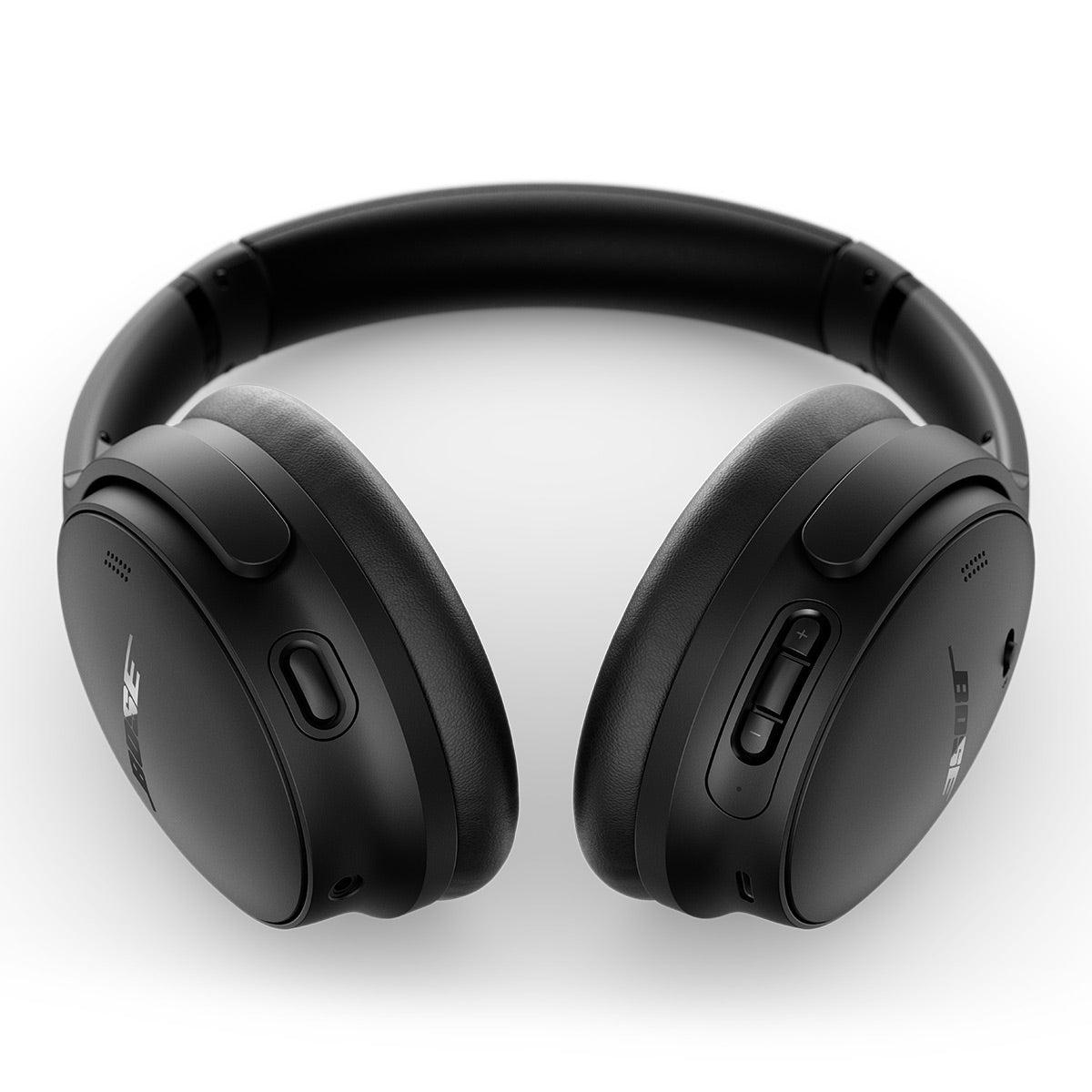

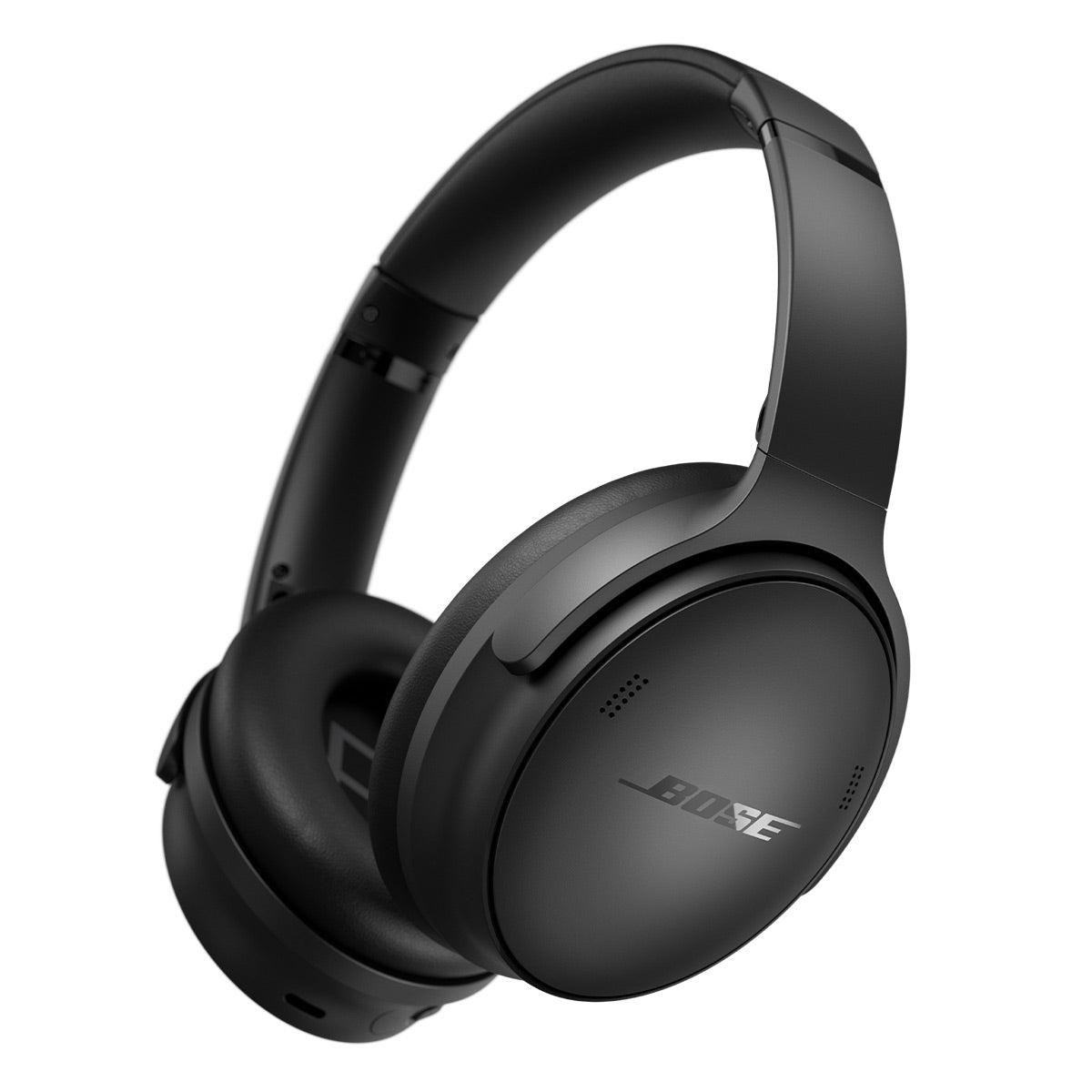
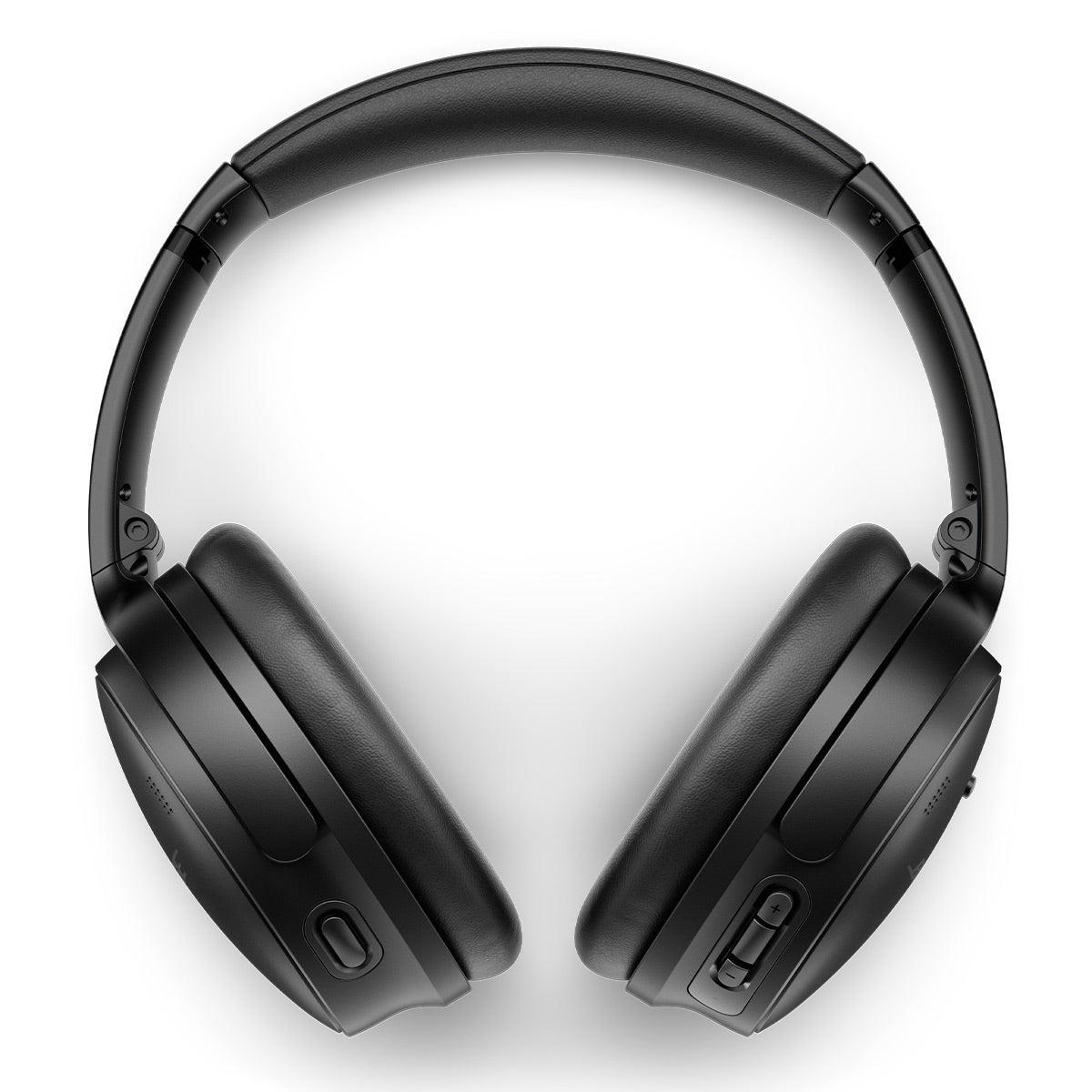
When I first started reviewing headphones seriously, wireless noise-canceling models were mediocre compromises. You either got decent noise cancellation with poor sound quality, or you chose wired audiophile headphones that couldn't block out the world around you. That's completely changed now. Today's premium wireless headphones deliver performance that would have seemed impossible just a few years ago.
The category has evolved into something fascinating: products that serve completely different user priorities while looking remarkably similar on the surface. Take the Bose QuietComfort and Focal Bathys – both are wireless, both cancel noise, both cost hundreds of dollars. But they represent fundamentally different approaches to what a premium headphone should be.
Before diving into specifics, let's establish what makes wireless noise-canceling headphones tick. Active noise cancellation (ANC) uses microphones to detect ambient sound, then generates "anti-noise" – sound waves that are perfectly out of phase with the incoming noise – to cancel it out. This works incredibly well for consistent, low-frequency sounds like airplane engines or air conditioning, but struggles with sudden, high-pitched noises like someone dropping a book.
The wireless aspect brings its own complexities. Bluetooth compression traditionally meant sacrificing audio quality for convenience. However, modern codecs like aptX Adaptive and LDAC have largely solved this problem, allowing near-CD quality audio over wireless connections.
What separates good from great in this category comes down to five key areas: how effectively they block noise, how good they sound, how comfortable they feel during long sessions, how long the battery lasts, and whether the price makes sense for what you're getting.
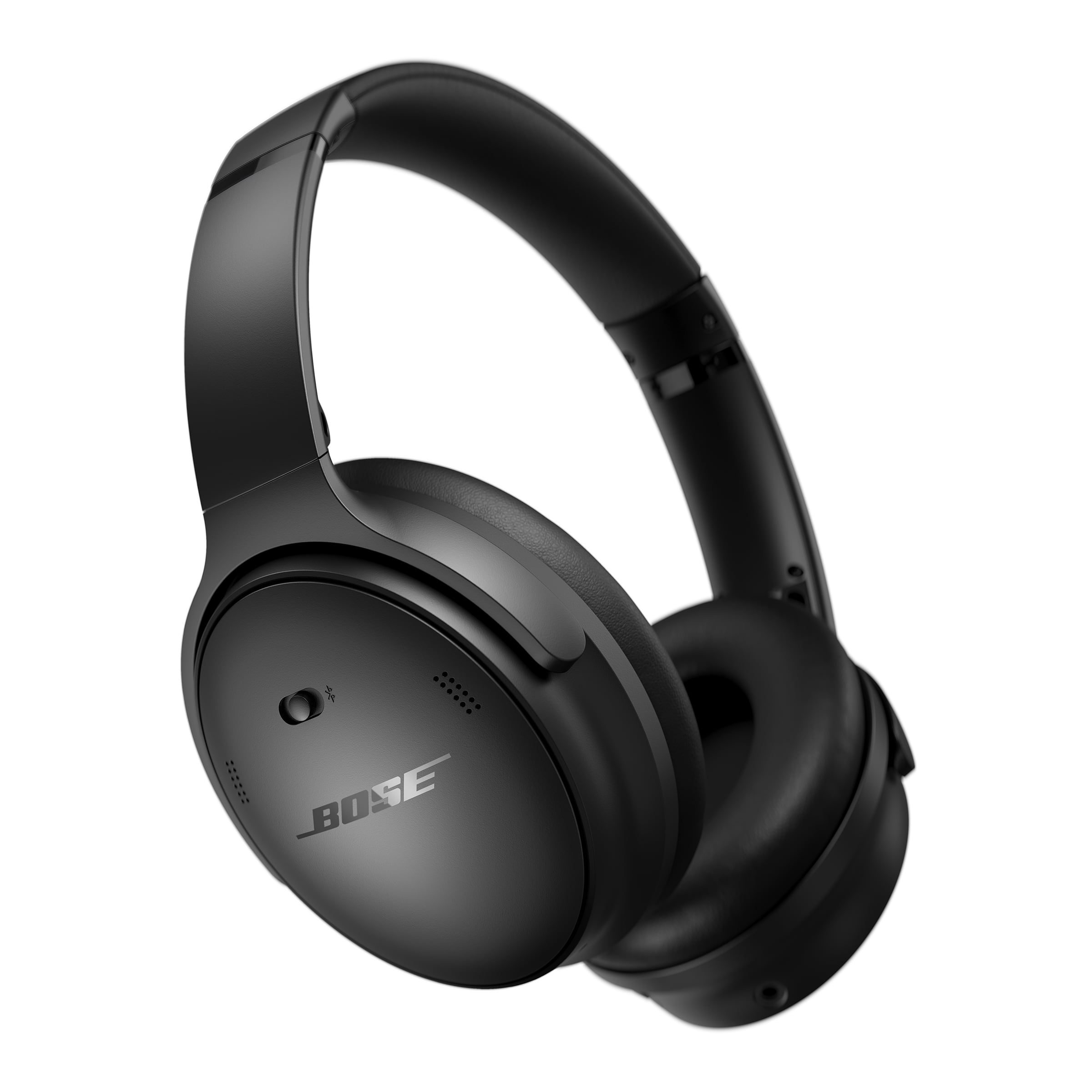
The Bose QuietComfort, released in 2023, represents Bose's continued dominance in mainstream premium audio. At the time of writing, it sits in the upper-mid-range price bracket – expensive enough to feel premium, but accessible compared to flagship models from boutique audio companies.
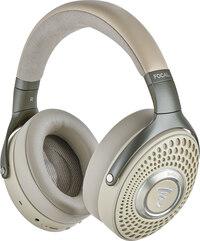
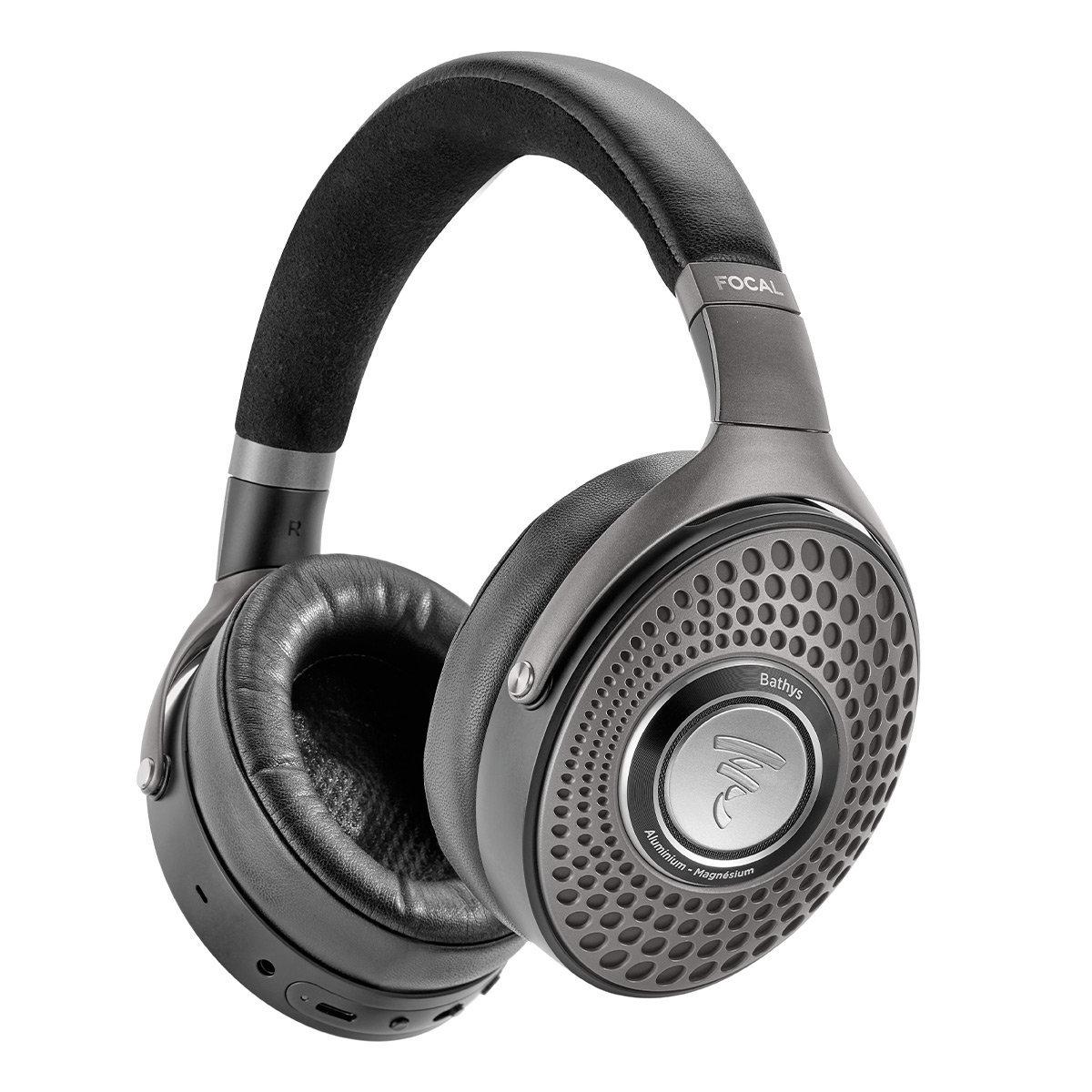
The Focal Bathys, also hitting the market around the same timeframe, costs significantly more – nearly double the Bose in many markets. Focal, a French company known for high-end speakers and audiophile headphones, created these as their entry into wireless noise-canceling territory.
This price difference isn't arbitrary. It reflects completely different target audiences and design priorities.
Having tested dozens of noise-canceling headphones over the years, I can confidently say that Bose's ANC technology remains the gold standard. The QuietComfort uses a sophisticated dual-microphone system – one microphone outside each earcup to detect ambient noise, and another inside to monitor what's actually reaching your ears.
This setup allows for real-time adjustment. If you're on an airplane and the engine noise changes during takeoff, the headphones adapt within milliseconds. The system continuously measures environmental sounds and produces opposing cancellation signals in real-time. It's like having a tiny sound engineer inside each earcup, constantly fine-tuning the cancellation.
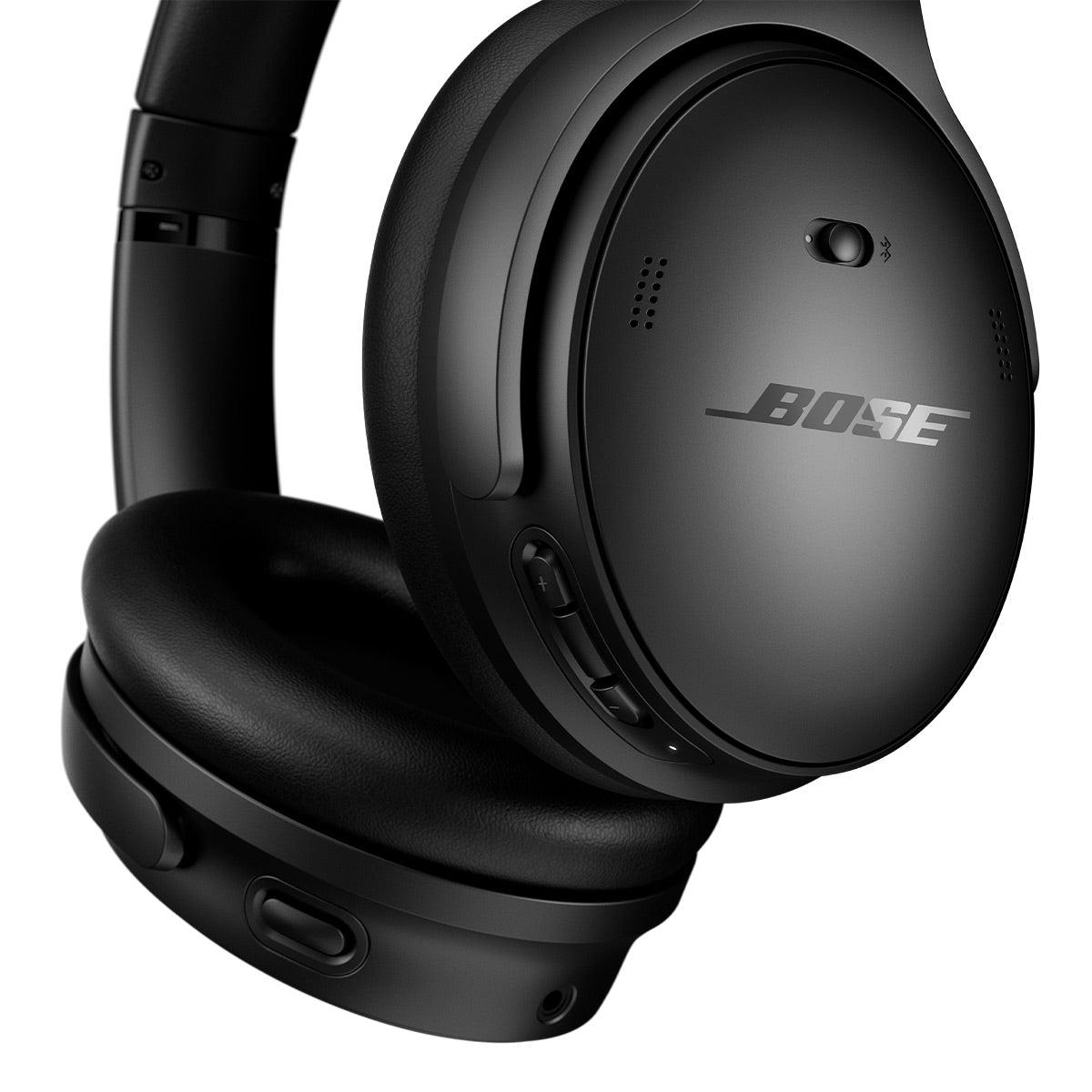
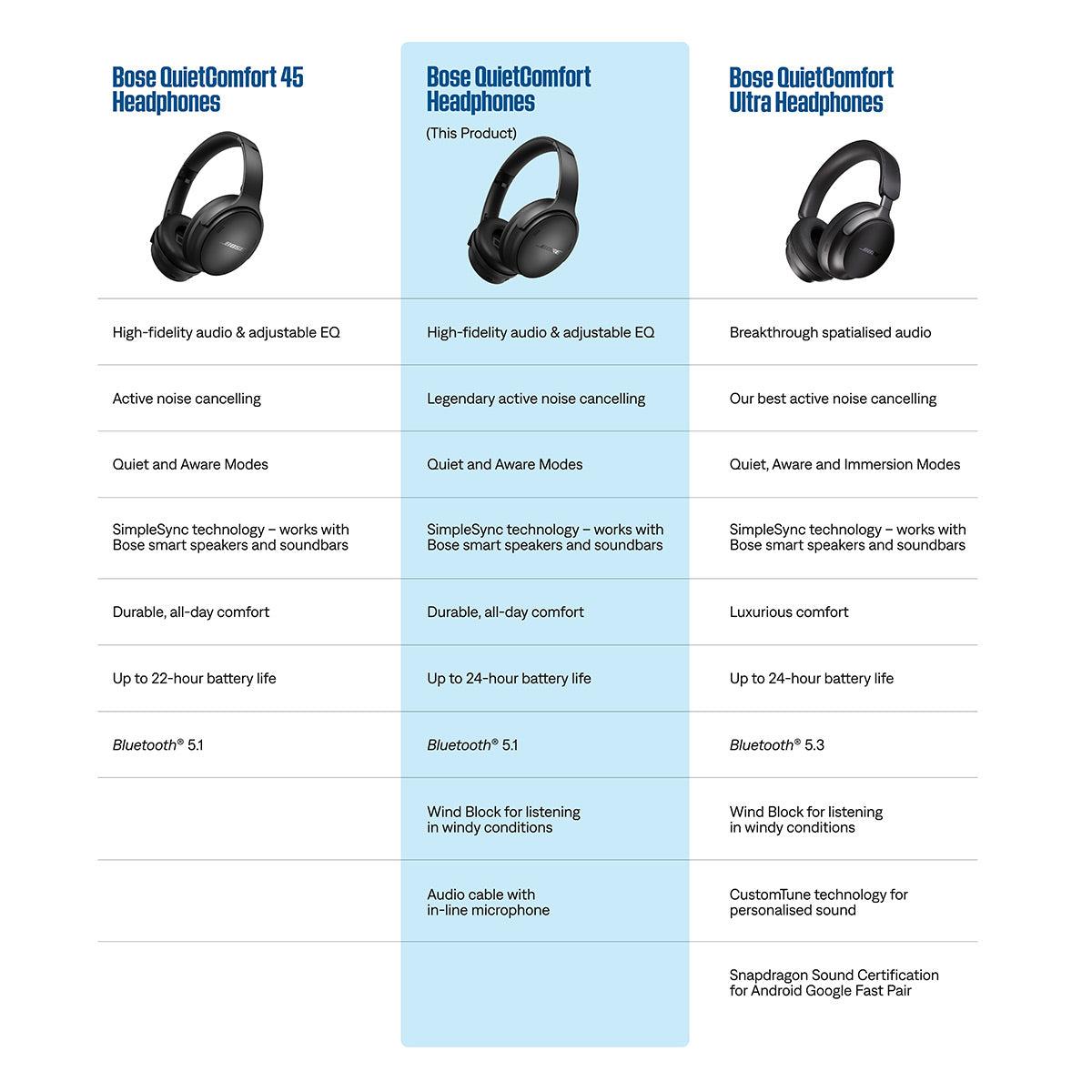
The QuietComfort offers multiple modes that actually make a practical difference. Quiet Mode delivers full noise cancellation – perfect for flights or noisy offices. Aware Mode uses those external microphones to pipe in ambient sound, so you can hear announcements or have conversations without removing the headphones. There's even a Wind Block feature that reduces the whooshing noise you get when using ANC outdoors on breezy days.
The Focal Bathys, meanwhile, takes a more conventional approach. Its eight-microphone system provides three modes: Silent for maximum noise reduction, Soft for quieter environments, and Transparency for situational awareness. While competent, it simply doesn't match the sophistication of Bose's implementation.
In real-world testing, the difference is immediately apparent. The Bose makes airplane cabins feel like quiet libraries, while the Focal reduces noise noticeably but doesn't achieve that same sense of isolation from the world.
This is where the tables turn dramatically. While the Bose QuietComfort sounds good – warm, balanced, and pleasant across different music genres – the Focal Bathys operates in a completely different league.
Focal's secret weapon is their 40mm aluminum-magnesium drivers with an 'M'-shaped dome design. These aren't just marketing terms – the material composition matters enormously. Aluminum provides rigidity, which reduces distortion at high volumes and ensures accurate bass reproduction. Magnesium adds damping properties that smooth out harsh frequencies in the treble range. The 'M'-shaped dome is a Focal signature that helps with dispersion characteristics, creating a wider soundstage.
What does this mean in practice? Put on the Focal Bathys with a well-recorded jazz album, and you'll hear the subtle breath sounds between vocal phrases, the way cymbals decay naturally, and the precise positioning of instruments across the stereo field. It's the kind of detail retrieval that makes you rediscover music you thought you knew well.
The Bose, by comparison, presents a more consumer-friendly sound signature. It emphasizes what most people want to hear – punchy bass, clear vocals, and smooth treble that never becomes fatiguing. The adjustable EQ through the Bose app helps personalize the sound, though the customization options are somewhat limited compared to audiophile-focused alternatives.
Here's where the Focal Bathys includes something truly unique: a built-in USB-DAC (Digital-to-Analog Converter) that supports up to 24-bit/192kHz resolution. Connect these headphones to your computer via USB-C, and they bypass Bluetooth entirely, functioning as a high-end wired DAC and amplifier. This feature alone justifies much of the price premium for serious listeners who want the absolute best audio quality from their digital music files.
Great sound means nothing if you can't wear the headphones comfortably for extended periods. This is where personal anatomy plays a huge role – what feels perfect to me might be uncomfortable for you.
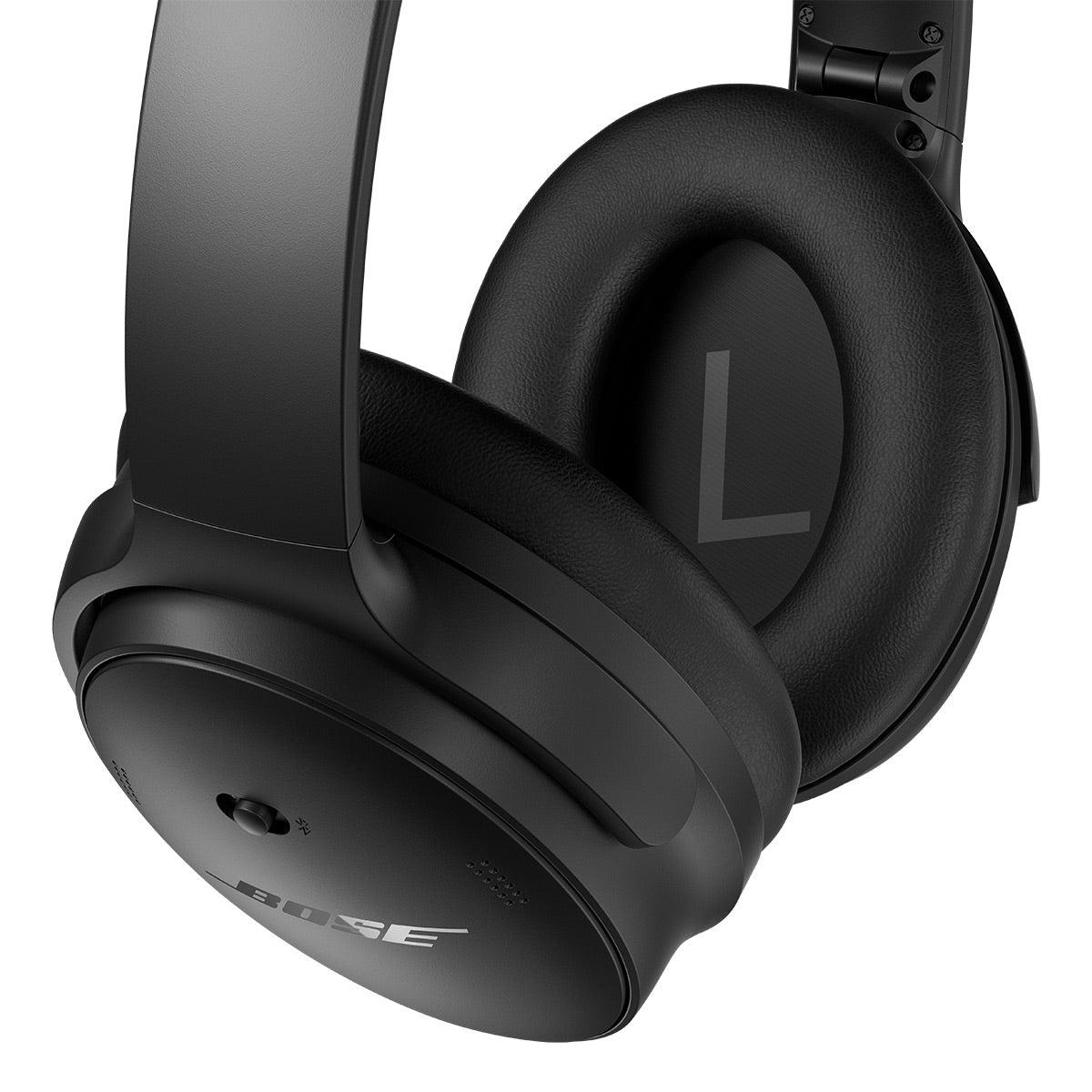
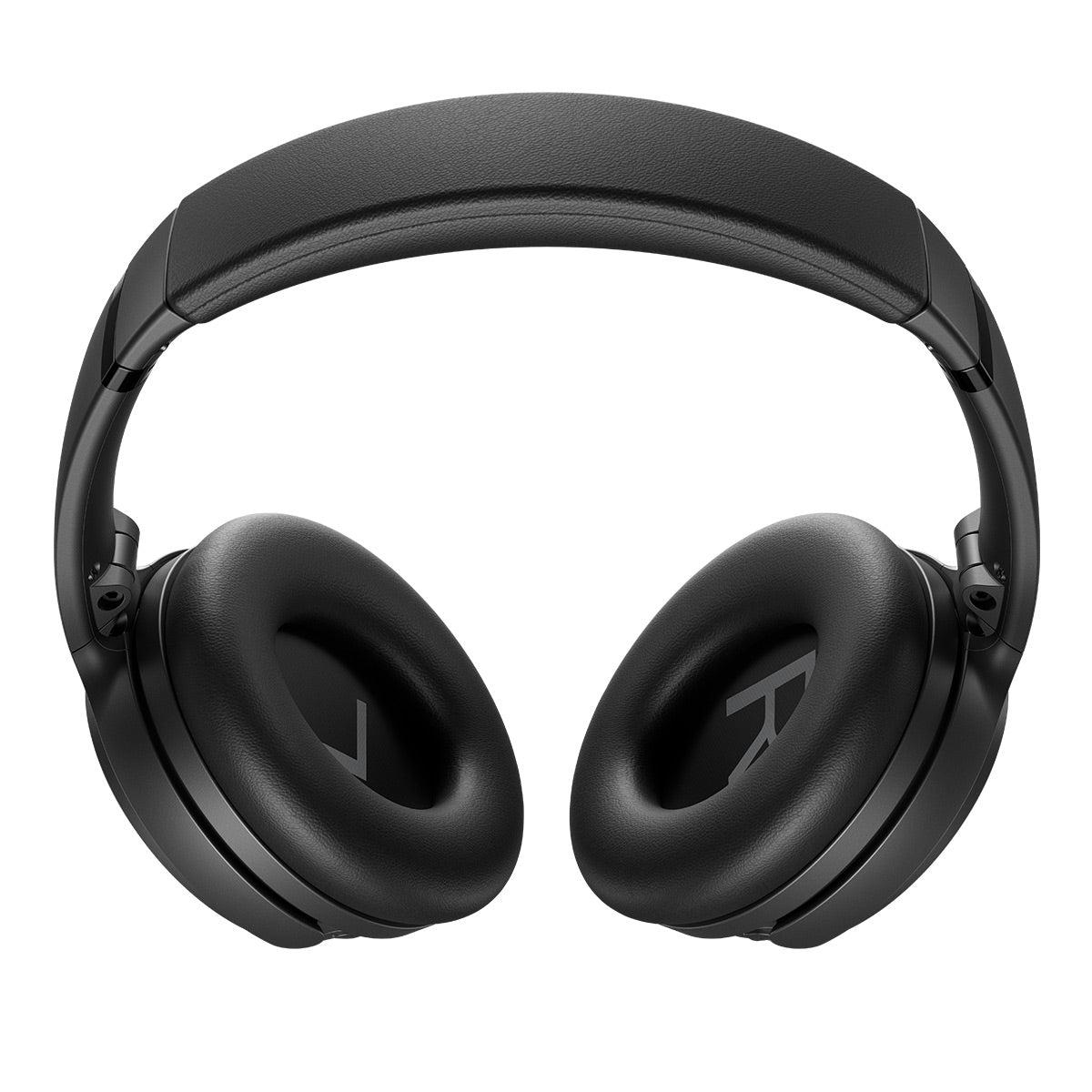
The Bose QuietComfort leverages decades of ergonomic research. At just 236 grams, they're remarkably light for wireless ANC headphones. The protein leather cushions distribute weight evenly, and the headband applies minimal clamping force. I've worn these for 6+ hour work sessions without any discomfort. The materials feel good rather than luxurious – durable plastic and metal construction that prioritizes function over premium aesthetics.
The Focal Bathys takes a different approach. At 350 grams, they're noticeably heavier, using genuine leather and aluminum/magnesium construction that feels undeniably premium. The build quality is exceptional – these headphones feel like they could last decades with proper care. However, the extra weight becomes fatiguing during very long sessions, and the clamping force is slightly higher to maintain a proper seal.
For home theater use, this comfort difference becomes crucial. If you're settling in for a three-hour movie marathon, the Bose will likely feel better by the end. But if you prioritize the absolute best audio quality for that same movie – hearing every subtle sound effect and musical nuance – the Focal might be worth the comfort trade-off.
Modern wireless headphones need to manage power across multiple demanding systems – Bluetooth radios, noise-canceling processors, amplifiers, and often additional features like voice assistants. How they handle this reveals a lot about overall engineering competence.
The Bose QuietComfort delivers 24 hours of playback with ANC enabled – solid performance that covers most use cases. The quick-charge feature provides 2.5 hours of listening from just 15 minutes of charging, which has saved me countless times when rushing to catch flights.
The Focal Bathys goes further, offering 30 hours in wireless mode, extending to 42 hours when used in USB-DAC mode. This longer battery life partly compensates for the higher price, especially for heavy users. The 15-minute quick charge provides 5 hours of playback – notably better than the Bose implementation.
Connectivity reveals another key difference. The Bose uses standard Bluetooth with reliable multi-device pairing – you can seamlessly switch between your phone and laptop without manual reconnection. It's the kind of invisible functionality that just works.
The Focal Bathys supports more advanced Bluetooth codecs, including aptX Adaptive, which can deliver near-lossless audio quality over wireless connections when paired with compatible devices. For Android users with high-end phones, this means better sound quality than what the Bose can achieve wirelessly.
At the time of writing, these headphones sit in very different price categories, and understanding why helps clarify which makes sense for different users.
The Bose QuietComfort represents optimized value for mainstream premium users. You're paying for best-in-class noise cancellation, proven comfort, reliable connectivity, and good-enough audio quality. Every dollar goes toward features that most users will actually notice and appreciate daily.
The Focal Bathys commands a significant premium – often nearly double the Bose price – but targets a different audience entirely. You're paying for French-made drivers, premium materials, that built-in USB-DAC functionality, and most importantly, audiophile-grade sound quality. For casual listeners, much of this premium goes toward improvements they won't fully appreciate.
Think of it like cars: the Bose is like a well-equipped luxury sedan that does everything well at a reasonable price. The Focal is more like a high-performance sports car – dramatically better at its specialty, but expensive and potentially impractical for everyday use.
Both headphones work well for home theater use, but with different strengths. The Bose QuietComfort excels when you need isolation from household noise – kids playing, neighbors, street traffic. The superior ANC creates a more immersive experience by eliminating distractions.
The Focal Bathys shines when audio quality is paramount. That USB-DAC mode becomes particularly valuable here – connect directly to your TV, computer, or streaming device for uncompressed audio that reveals every detail in movie soundtracks and dialogue. For serious film enthusiasts with high-quality source material, the difference is substantial.
Choose the Bose QuietComfort if your priorities align with what it does exceptionally well: blocking noise, providing all-day comfort, and delivering reliable performance across varied use cases. It's the better choice for commuting, office work, frequent travel, and general daily use where convenience matters most.
The Focal Bathys makes sense if you're willing to pay significantly more for meaningfully better audio quality and unique features like USB-DAC functionality. These are for listeners who can appreciate the difference that premium drivers make, who have high-quality source material, and who view headphones as a long-term investment in their audio experience.
Consider your actual usage patterns honestly. If you primarily use headphones for podcasts during commutes, phone calls, and casual music listening, the Bose provides everything you need at a more reasonable price. If you're someone who actively seeks out high-quality recordings, has a substantial digital music library, and can hear the difference between good and great audio equipment, the Focal justifies its premium pricing.
The beauty of today's headphone market is that both approaches can coexist successfully. The Bose QuietComfort perfects the practical premium experience, while the Focal Bathys pushes audiophile boundaries in a wireless package. Your choice should reflect which philosophy better matches your priorities, budget, and listening habits.
In my experience reviewing hundreds of headphones, the most important decision is understanding what you actually value most. Both of these excel at their intended purposes – they just happen to have very different definitions of what perfect headphones should accomplish.
| Bose QuietComfort Wireless Headphones | Focal Bathys Wireless Noise-Canceling Headphones |
|---|---|
| Active Noise Cancellation - Critical for blocking airplane, traffic, and office noise | |
| Industry-leading dual-microphone system with real-time adaptation and multiple modes (Quiet/Aware/Custom) | Good 8-microphone system with 3 modes, but significantly less effective than Bose |
| Audio Quality - Determines how much detail and accuracy you'll hear in music | |
| Consumer-friendly warm sound with adjustable EQ; good but not audiophile-grade | Exceptional audiophile sound with French-made aluminum-magnesium drivers and wide soundstage |
| Weight & Comfort - Essential for extended listening sessions | |
| Ultra-light at 236g with proven ergonomic design and minimal clamping force | Heavier at 350g with premium materials; can cause fatigue during very long sessions |
| Battery Life - Determines how often you'll need to charge | |
| 24 hours with ANC (solid performance for most users) | 30-42 hours depending on mode (excellent longevity, especially in USB-DAC mode) |
| USB-DAC Functionality - Enables highest quality wired audio from computers/phones | |
| Not available (standard wireless and 3.5mm analog only) | Built-in 24-bit/192kHz USB-DAC bypasses Bluetooth compression entirely |
| Bluetooth Codecs - Affects wireless audio quality | |
| Standard SBC/AAC (reliable but basic quality) | Advanced aptX Adaptive support for near-lossless wireless audio |
| Build Materials - Impacts durability and premium feel | |
| Durable plastic/metal with protein leather (functional rather than luxurious) | Premium aluminum/magnesium construction with genuine leather (luxury materials) |
| Quick Charging - How fast you get back to listening | |
| 15 minutes = 2.5 hours playback | 15 minutes = 5 hours playback (significantly better) |
| Multi-Device Connectivity - Seamlessly switch between phone/laptop | |
| Bluetooth multipoint with reliable switching | Bluetooth multipoint with advanced codec support |
| Target User - Who gets the best value | |
| Mainstream users prioritizing ANC, comfort, and reliability | Audiophiles willing to pay premium for superior sound quality and USB-DAC features |
The Bose QuietComfort has significantly better noise cancellation than the Focal Bathys. Bose uses industry-leading dual-microphone ANC technology that adapts in real-time, making it exceptional for blocking airplane engines, traffic noise, and office chatter. The Focal Bathys offers decent noise cancellation with three modes, but it can't match Bose's specialized expertise in this area.
Yes, the Focal Bathys delivers significantly better audio quality than the Bose QuietComfort. The Focal Bathys uses premium French-made aluminum-magnesium drivers that provide exceptional detail, clarity, and soundstage width that audiophiles will appreciate. The Bose QuietComfort sounds good with a warm, consumer-friendly signature, but it's designed more for general listening than critical audio evaluation.
The Bose QuietComfort is more comfortable for extended wear, weighing only 236g compared to the Focal Bathys at 350g. The Bose QuietComfort uses proven ergonomic design with minimal clamping force and lightweight materials. While the Focal Bathys uses premium leather and metal construction, the extra weight can cause fatigue during very long sessions.
The Focal Bathys offers longer battery life with 30-42 hours depending on the connection mode, compared to 24 hours for the Bose QuietComfort. Both headphones support quick charging, but the Focal Bathys provides 5 hours of playback from a 15-minute charge versus 2.5 hours for the Bose QuietComfort.
Both headphones support wired connections, but the Focal Bathys offers a unique advantage with its built-in USB-DAC that supports up to 24-bit/192kHz high-resolution audio when connected via USB-C. The Bose QuietComfort only offers standard 3.5mm analog connectivity. For the best possible audio quality from digital sources, the Focal Bathys is superior.
For home theater use, your priorities determine the better choice. The Bose QuietComfort excels if you need to block household noise and distractions for immersive viewing. However, the Focal Bathys delivers superior audio quality for movie soundtracks and dialogue, especially when connected via USB-DAC mode to your TV or streaming device for uncompressed audio.
The Focal Bathys costs significantly more than the Bose QuietComfort, and whether it's worth it depends on your priorities. If you're an audiophile who can appreciate superior sound quality and want features like USB-DAC functionality, the Focal Bathys justifies the premium. For most users who prioritize noise cancellation and comfort, the Bose QuietComfort offers better value.
The Focal Bathys uses more premium materials including aluminum, magnesium, and genuine leather construction that feels luxurious and built to last. The Bose QuietComfort uses durable plastic and metal with protein leather that prioritizes function over premium aesthetics. Both are well-built, but the Focal Bathys has a more premium feel.
The Focal Bathys supports advanced Bluetooth codecs including aptX Adaptive for near-lossless wireless audio quality. The Bose QuietComfort uses standard SBC and AAC codecs, which are reliable but don't offer the same audio quality potential as the Focal Bathys when paired with compatible devices.
The Bose QuietComfort is generally better for calls due to its superior noise cancellation, which helps block background noise during conversations. Both headphones have adequate microphone quality for calls, but the Bose QuietComfort's ability to isolate your voice from environmental noise makes it more practical for frequent phone use and video meetings.
Yes, both the Bose QuietComfort and Focal Bathys support Bluetooth multipoint connectivity, allowing you to connect to two devices simultaneously and switch between them seamlessly. This feature is useful for switching between phone calls and computer audio without manual reconnection.
For everyday use, the Bose QuietComfort is typically the better choice due to its superior noise cancellation, exceptional comfort, and reliable performance at a more accessible price point. Choose the Focal Bathys only if you're an audio enthusiast who prioritizes sound quality above all else and can justify the significant price premium for features like USB-DAC functionality and audiophile-grade drivers.
We've done our best to create useful and informative comparisons to help you decide what product to buy. Our research uses advanced automated methods to create this comparison and perfection is not possible - please contact us for corrections or questions. These are the sites we've researched in the creation of this article: techradar.com - whathifi.com - bose.com - rtings.com - recordingnow.com - bose.com - ottorinobruni.com - whathifi.com - costco.com - recordingnow.com - youtube.com - bose.com - bestbuy.com - global.bose.com - boselatam.com - projectorscreen.com - bose.com - bose.com - bose.com - rtings.com - majorhifi.com - stevehuffphoto.com - audio46.com - moon-audio.com - majorhifi.com - head-fi.org - recordingnow.com - headphones.com - moon-audio.com - focal.com - media.focal-naim.com - moon-audio.com - headphones.com - focal.com - audioadvice.com - audioadvisor.com - upscaleaudio.com - thegreatestsong.com - avluxurygroup.com

Privacy Policy
Terms and Conditions - Affiliate Policy
Home Security
© Copyright 2008-2026.
11816 Inwood Rd #1211, Dallas, TX 75244