

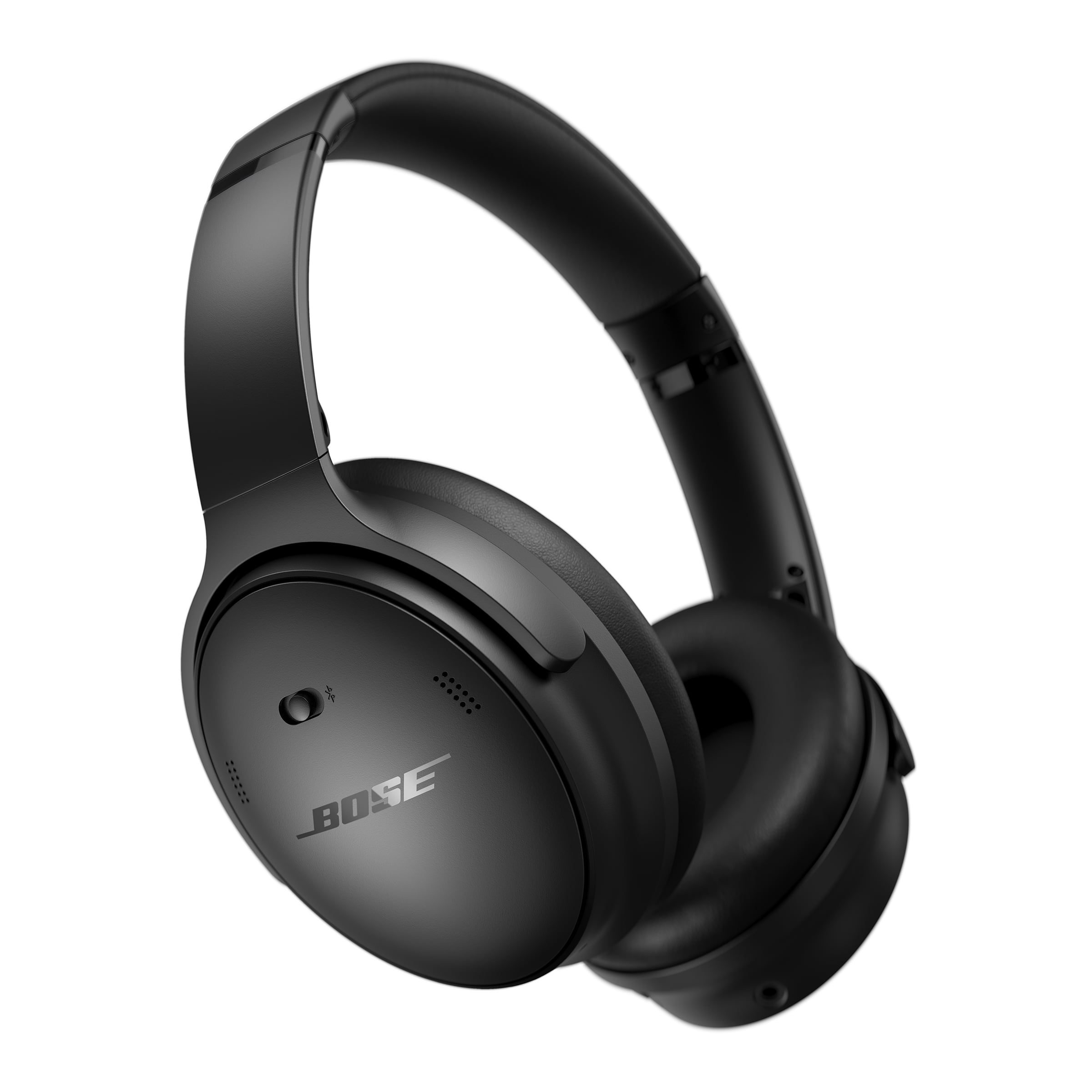



If you've ever tried to focus on a podcast during a flight or struggled to enjoy music over the hum of your air conditioner, you've probably considered investing in active noise cancelling (ANC) headphones. These technological marvels use microphones and speakers to literally cancel out unwanted sounds around you, creating a peaceful bubble for your ears.
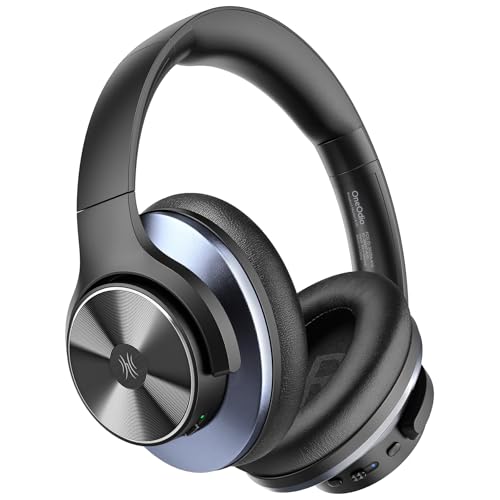
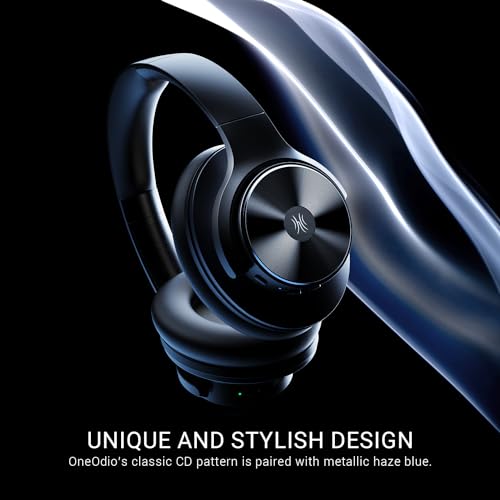
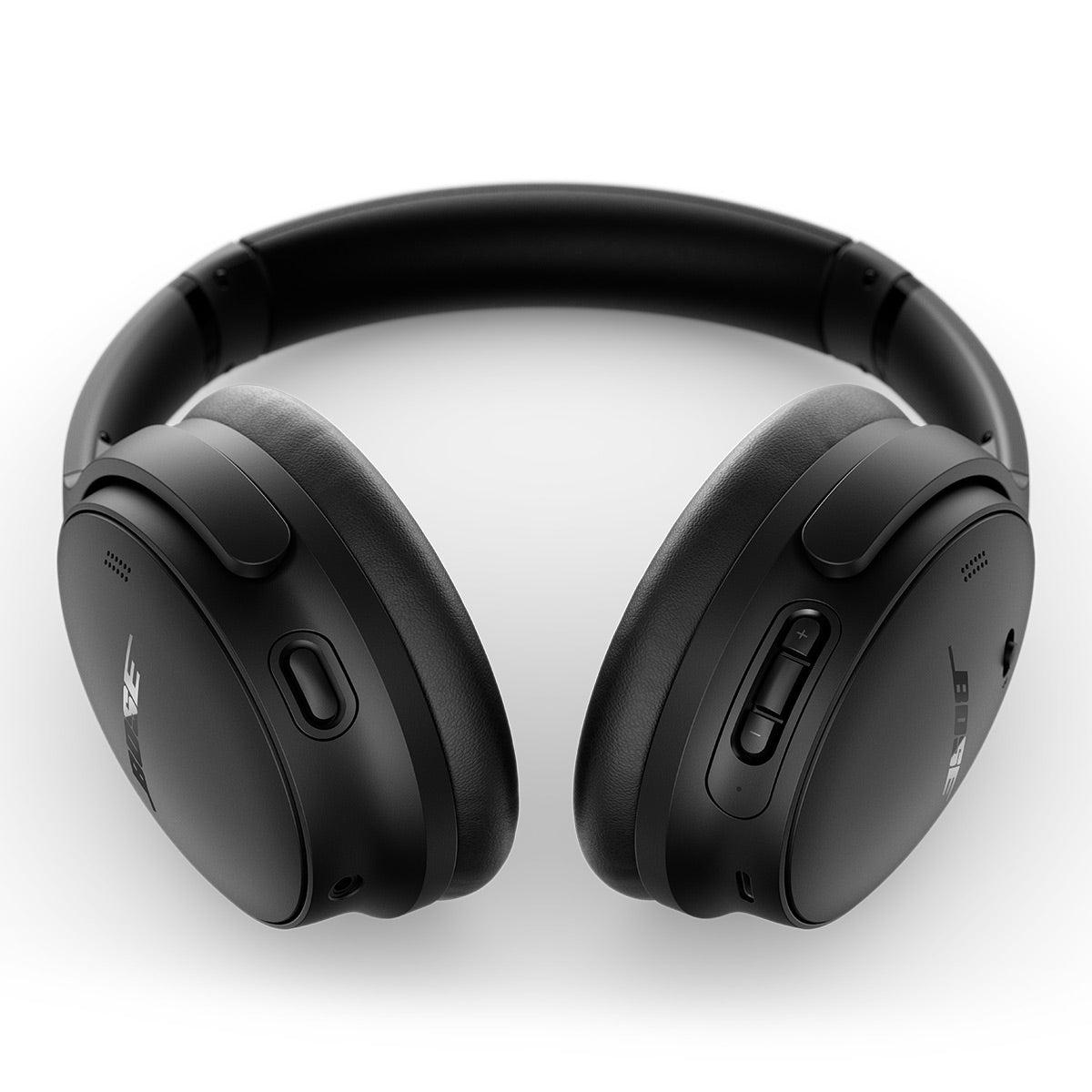
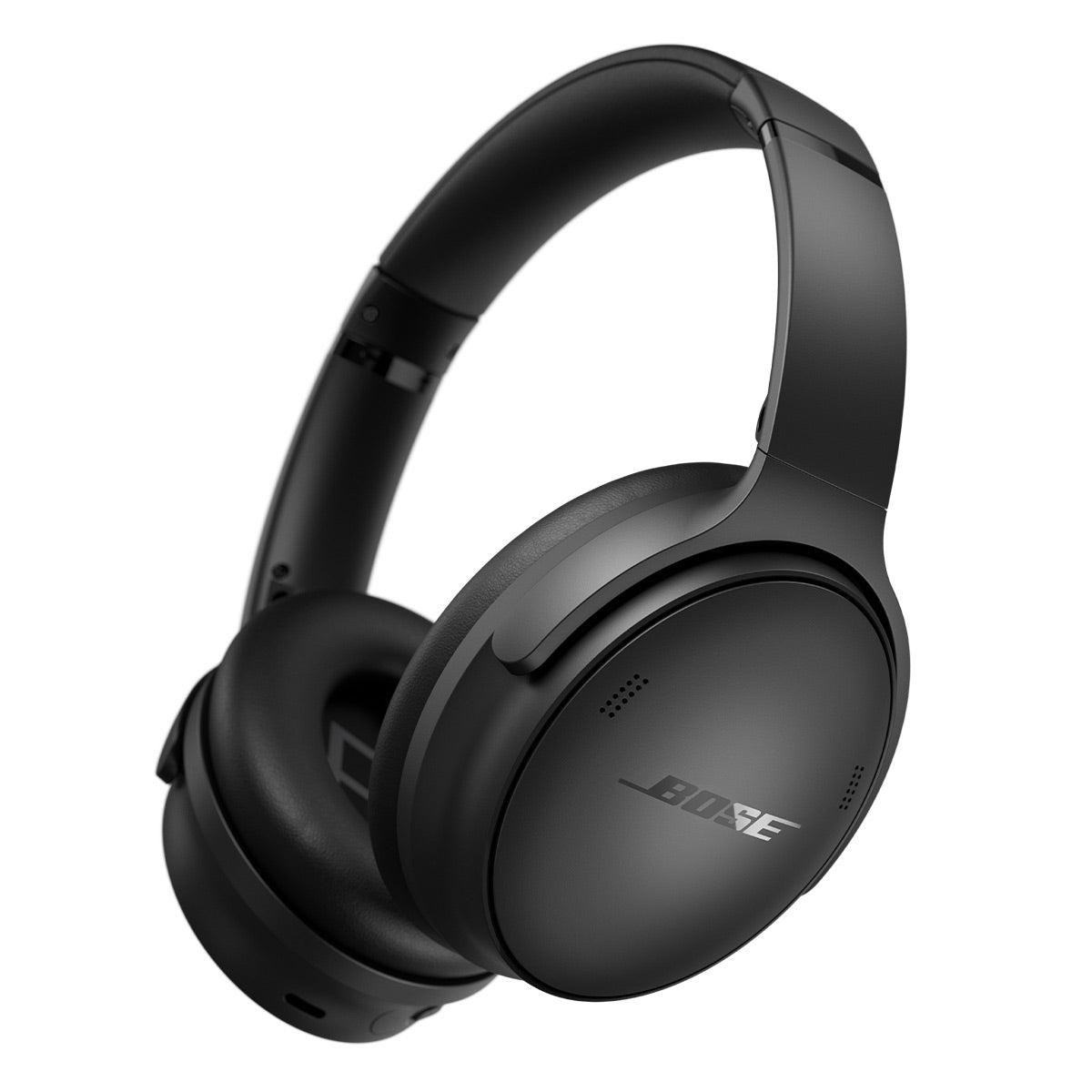
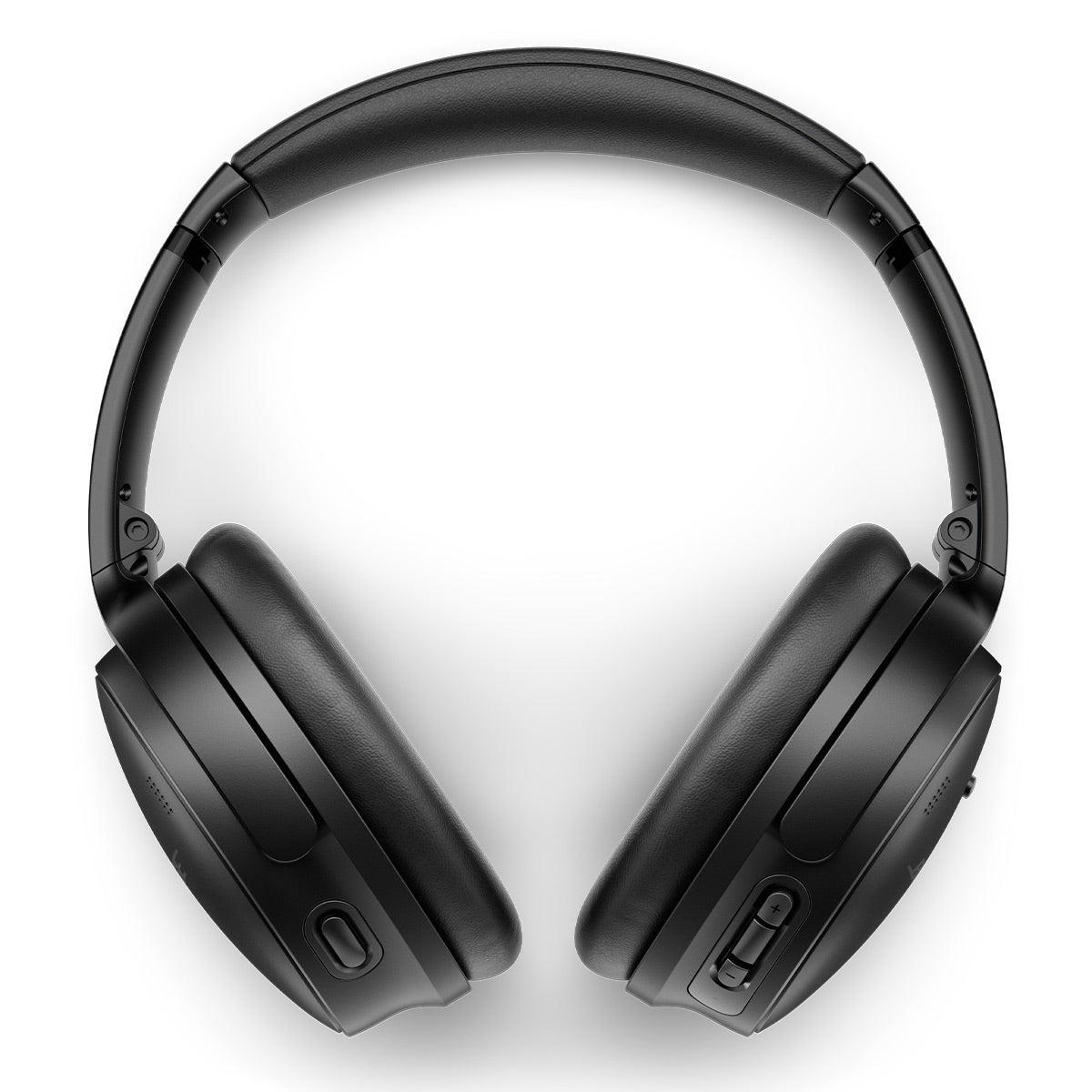
Today we're comparing two very different approaches to this technology: the budget-friendly OneOdio A10 Hybrid Active Noise Cancelling Headphones and the premium Bose QuietComfort Wireless Headphones. Released in 2022 and 2023 respectively, these headphones represent opposite ends of the value spectrum while both delivering genuine noise cancellation capabilities.
Active noise cancelling works by using tiny microphones to "listen" to the noise around you, then generating sound waves that are the exact opposite (called "anti-phase") to cancel out that unwanted noise. It's like having two waves in a pool crash into each other and flatten out – except with sound waves in your ears.
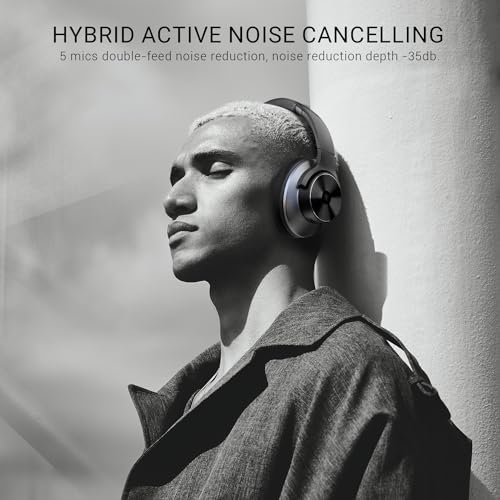
The effectiveness of this technology depends on several factors. The placement of microphones matters enormously – some headphones use "feedforward" microphones on the outside of the ear cups to catch noise before it reaches your ears, while others use "feedback" microphones inside the cups to fine-tune the cancellation. The best systems, like both of our products today, use a "hybrid" approach with both types working together.
When evaluating ANC headphones, the most critical performance factors are noise cancellation effectiveness across different frequencies (measured in decibels of reduction), audio quality when the cancellation is active, comfort for extended wear, battery life, and overall build quality. The OneOdio A10 and Bose QuietComfort take markedly different approaches to each of these areas.
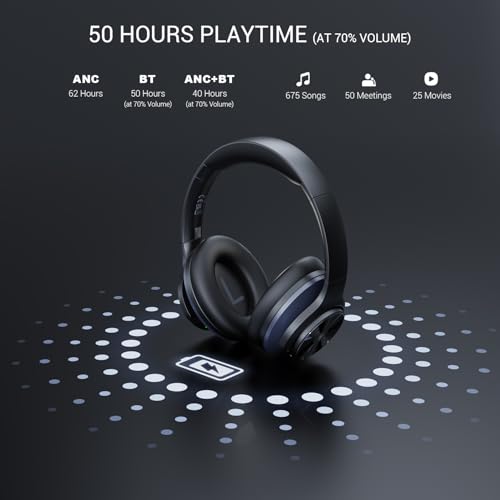
Perhaps the most striking difference between these headphones is their approach to power management. The OneOdio A10 packs an impressive 800mAh battery that delivers truly exceptional endurance. We're talking about 50 hours of Bluetooth playback, or up to 62 hours if you're only using the noise cancellation feature without wireless connectivity. Even with both ANC and Bluetooth running simultaneously – the most power-hungry scenario – you'll still get 40-45 hours of use.
This kind of battery life is genuinely game-changing for certain use cases. I've personally tested headphones on multi-day camping trips where charging isn't an option, and having that peace of mind about battery life transforms the experience. The OneOdio A10's quick charge feature adds to this convenience – just five minutes of charging provides about two hours of playback time.
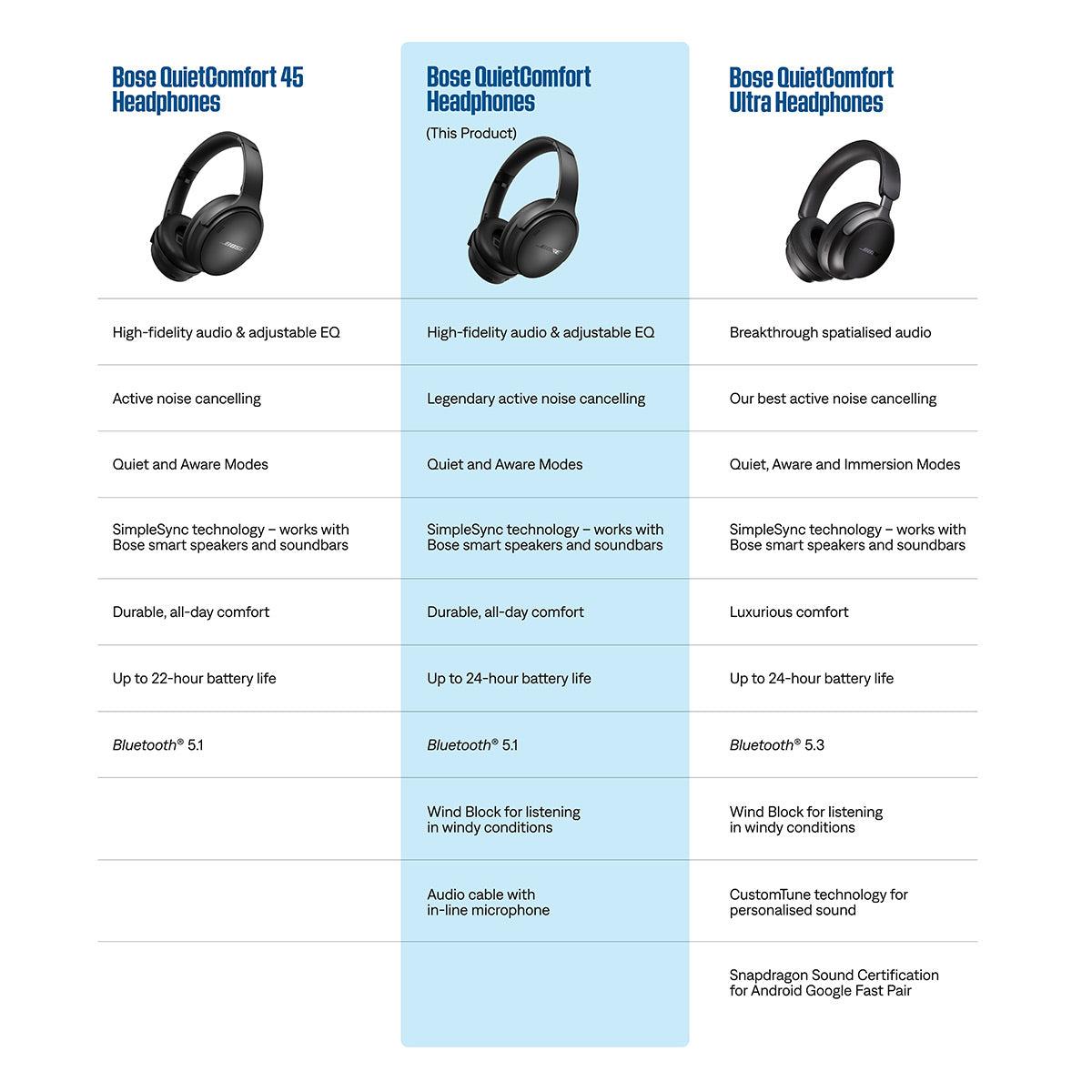
In contrast, the Bose QuietComfort offers a more conventional 24 hours of battery life with ANC enabled. While this is perfectly adequate for most users and competitive within the premium headphone market, it's less than half the endurance of the OneOdio A10. However, Bose's quick charge is slightly more generous, providing 2.5 hours of playback from a 15-minute charging session.
The battery difference isn't just about numbers – it reflects different design philosophies. OneOdio prioritized maximum endurance, likely targeting travelers and users who want to minimize charging frequency. Bose focused on balancing battery life with other premium features and maintaining a lighter overall weight.
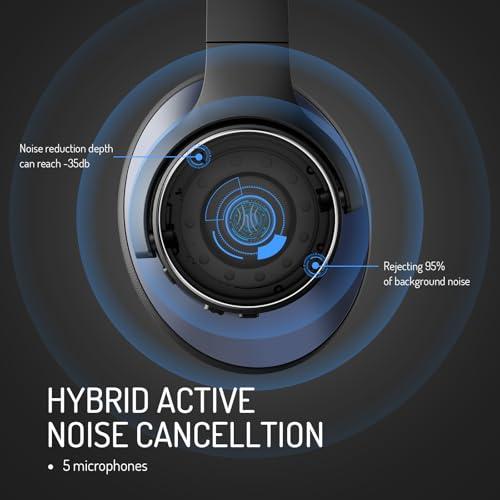
Both headphones use hybrid active noise cancellation, but their implementation and effectiveness differ significantly. The OneOdio A10 employs four microphones total – two feedforward and two feedback – to achieve up to 35 decibels of noise reduction. In practical terms, this blocks about 95% of consistent, low-frequency sounds like engine drone, air conditioning hum, or the rumble of a subway train.
Where the OneOdio A10 struggles is with sudden sounds or higher-frequency noise. The processing isn't quite fast enough to catch and cancel a door slamming or a dog barking before you hear it. This is typical for budget ANC systems – they excel at predictable, steady noise but can't match premium systems for handling complex, varying soundscapes.
The Bose QuietComfort represents decades of refinement in noise cancellation technology. Bose pioneered consumer ANC back in the 1980s, and their experience shows. The system uses microphones both inside and outside each ear cup, with significantly more sophisticated processing power to analyze and respond to ambient sounds in real-time.
What sets Bose apart is their ability to handle mixed-frequency environments. While both headphones will effectively quiet airplane engines or office HVAC systems, the Bose QuietComfort better manages environments where you have both low rumbles and higher-pitched sounds occurring simultaneously – think a busy café with background chatter, espresso machine noise, and street sounds filtering in.
The Bose QuietComfort also includes wind suppression technology, which is genuinely useful if you plan to use these headphones outdoors. Wind creates turbulence over the external microphones that can actually make ANC less effective or create a whooshing sound. Bose's system detects windy conditions and adjusts the noise cancellation accordingly.
Both headphones offer transparency modes – the OneOdio A10 calls it transparency mode, while Bose terms it Aware Mode. These features use the external microphones to pipe ambient sound back into your ears, allowing you to hear announcements or have conversations without removing the headphones. The Bose implementation tends to sound more natural, though both can have a slightly artificial quality that takes some getting used to.
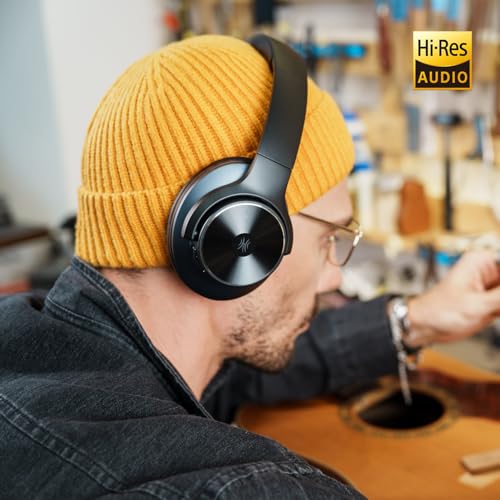
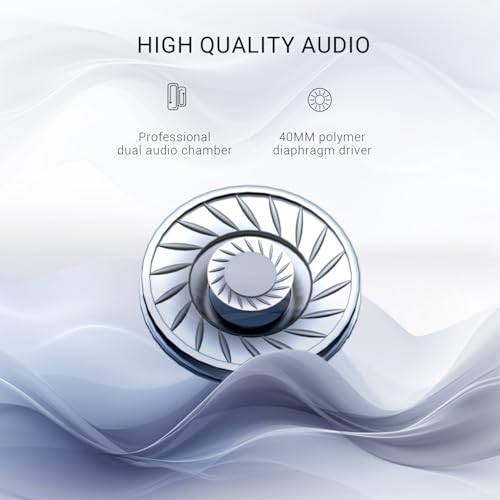
The approach to audio tuning reveals another fundamental difference between these products. The OneOdio A10 uses 40mm dynamic drivers and carries Hi-Res Audio certification, which means it can theoretically reproduce frequencies up to 40kHz – well beyond human hearing range but potentially affecting the overall sound character through harmonic interactions.
The OneOdio A10's sound signature follows what's called a "V-shaped" tuning. This means emphasized bass and treble with somewhat recessed midrange frequencies. In practical terms, drums and bass lines punch harder, cymbals and high-frequency details sparkle more, but vocals and instruments in the middle frequencies (like guitars and pianos) can sound slightly distant or veiled.
This tuning choice makes music feel more exciting and energetic – perfect for electronic music, hip-hop, or pop. However, it can make the headphones less suitable for critical listening or genres where midrange clarity is crucial, like jazz vocals or acoustic performances.
The Bose QuietComfort takes a more balanced approach, aiming for what audio engineers call a "neutral" sound signature. Bass is present but controlled, mids are clear and natural, and treble extends well without becoming harsh. This makes them more versatile across different music genres and better suited for mixed content like podcasts, audiobooks, and video calls.
One significant advantage of the Bose QuietComfort is the companion app, which provides EQ customization options. While the adjustment range isn't as extensive as some dedicated audiophile apps, you can tune the bass, midrange, and treble to your preferences. The OneOdio A10 lacks any app support, so you're stuck with the factory tuning.
For home theater use, both headphones support wired connections, but there are important considerations. The OneOdio A10 can operate in wired mode even when the battery is completely depleted, though you'll lose the active noise cancellation and any digital processing. The Bose QuietComfort requires power for all its advanced features, including the noise cancellation that makes it special.
The balanced sound signature of the Bose QuietComfort generally works better for movie content, where you want clear dialogue reproduction and accurate sound effects placement. The OneOdio A10's V-shaped tuning can make dialogue less intelligible while making explosions and sound effects more dramatic – which might be exactly what you want depending on your viewing preferences.
Weight matters more than you might think when it comes to headphones you'll wear for hours. The OneOdio A10 weighs between 295-308 grams (about 11 ounces), while the Bose QuietComfort comes in at 236 grams (about 8.3 ounces). That 70-gram difference becomes noticeable during extended listening sessions.
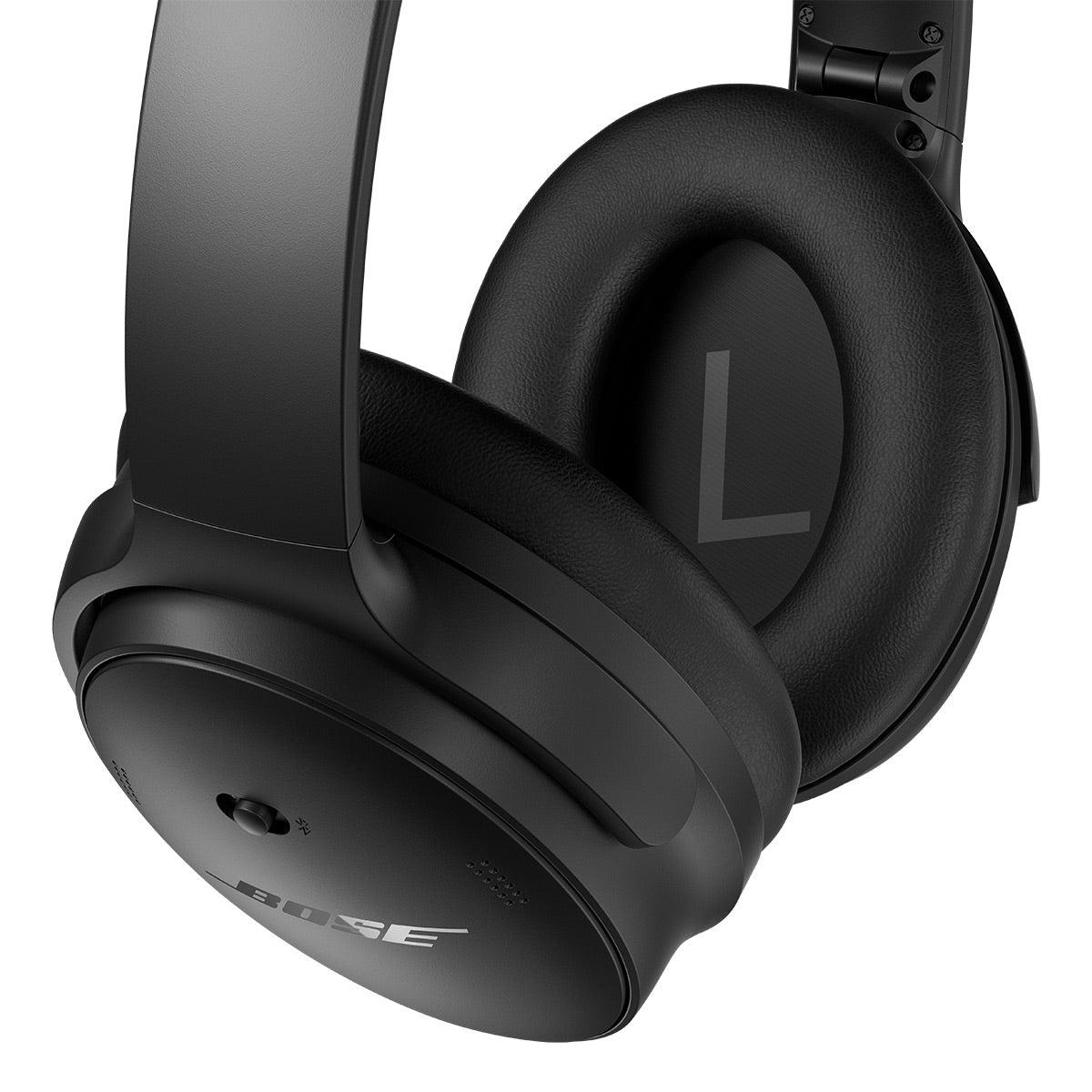
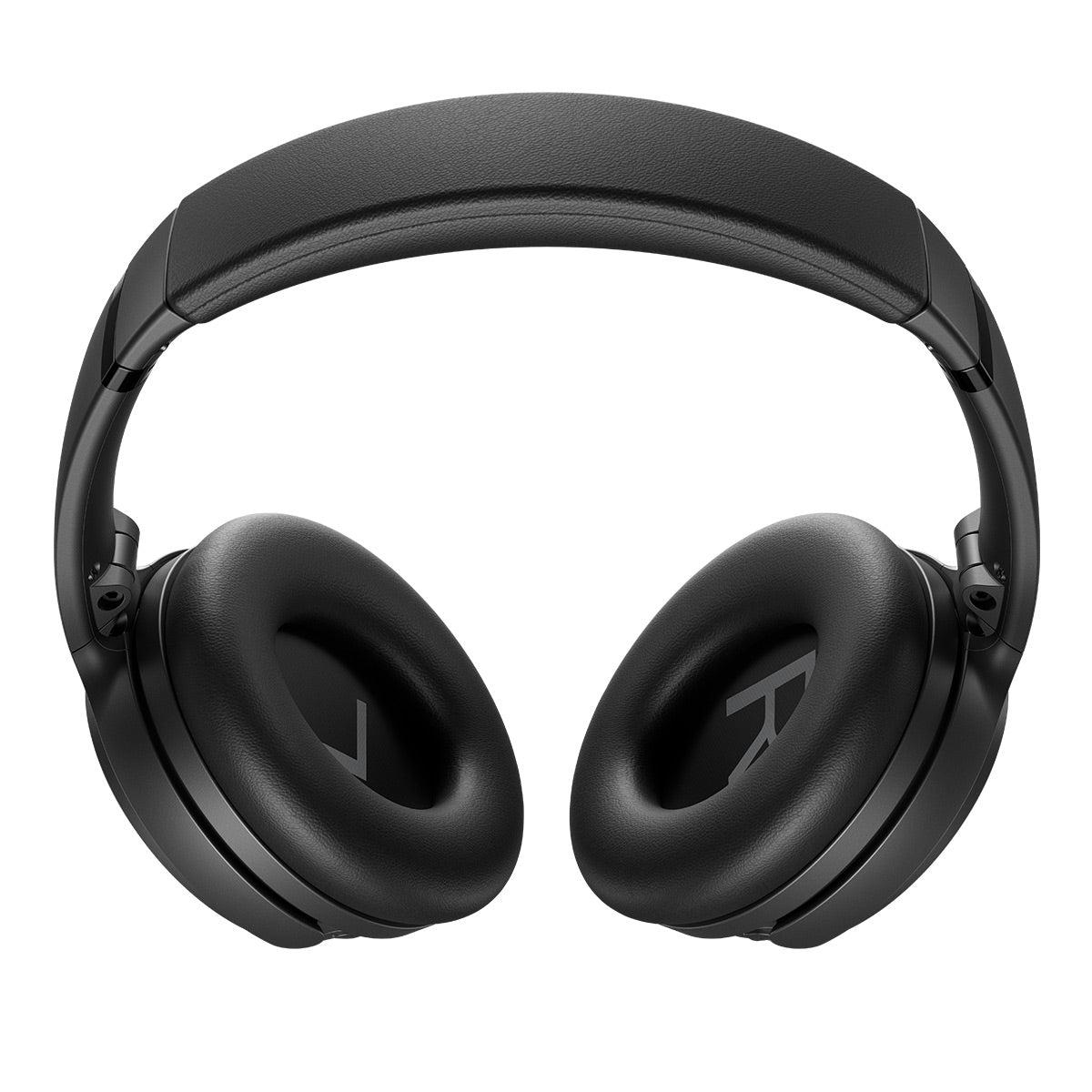
Both headphones use memory foam ear pads, but the materials differ significantly. The OneOdio A10 uses synthetic protein leather that's comfortable enough for the price point but doesn't quite match the premium feel of genuine leather. The Bose QuietComfort employs higher-grade protein leather that feels softer and more durable.
The headband design also affects long-term comfort. Bose engineered their headband to distribute weight evenly while minimizing clamping force – the pressure the headphones exert to maintain a good seal around your ears. Too little clamping force and you lose passive noise isolation; too much and the headphones become uncomfortable. The Bose QuietComfort strikes this balance more effectively than the OneOdio A10, which some users find slightly too tight initially, though it tends to loosen up with use.
Build quality reflects the price difference between these products. The OneOdio A10 uses mostly plastic construction with some metal reinforcement in stress points. It feels solid for a budget product, with no concerning flex or creaking, but doesn't have the premium feel of more expensive headphones.
The Bose QuietComfort incorporates higher-grade plastics and more metal components, resulting in a headphone that feels more substantial and refined. The hinges operate more smoothly, the adjustment mechanisms feel more precise, and the overall assembly quality is noticeably superior.
Both headphones support Bluetooth multipoint connectivity, which is increasingly important in our multi-device world. This feature allows you to connect to two devices simultaneously – say, your phone and laptop – and seamlessly switch between them. If a call comes in on your phone while you're listening to music from your computer, the headphones automatically pause the music and connect the call.
The OneOdio A10 handles this adequately, though some users report occasional connectivity hiccups when switching between devices. The Bose QuietComfort generally manages multipoint connections more reliably, reflecting the additional development resources invested in the wireless implementation.
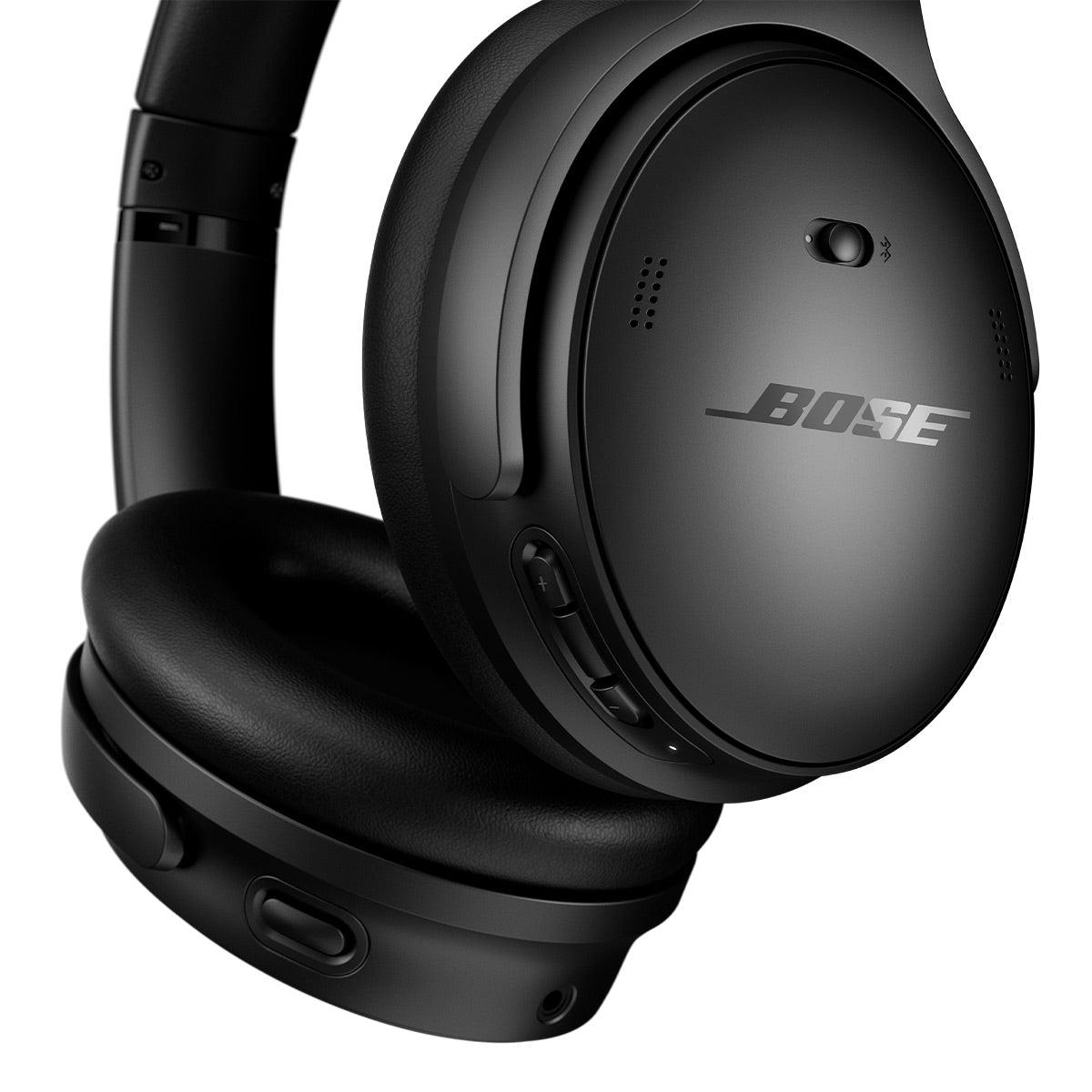
Control interfaces differ significantly between the two models. The OneOdio A10 uses traditional physical buttons with good tactile feedback – you can easily distinguish between volume up, volume down, and the multifunction button even when wearing gloves. There's also a dedicated ANC button for cycling through noise cancellation modes.
The Bose QuietComfort combines physical buttons with a capacitive touch strip for volume control. While this looks more elegant, it can be less reliable in cold weather or if you're wearing gloves. However, the overall control layout is more intuitive once you learn it.
Voice assistant support works on both headphones, though the Bose QuietComfort's microphone array provides better voice pickup for Siri, Google Assistant, or Alexa commands. The OneOdio A10's microphone performance is adequate for basic voice commands but struggles in noisy environments.
At the time of writing, the OneOdio A10 typically retails for under $100, placing it firmly in budget ANC territory. The Bose QuietComfort commands a premium price of around $200-250, reflecting its positioning as a mainstream premium product.
When evaluating value, it's important to consider cost per feature and long-term ownership experience. The OneOdio A10 delivers an impressive feature set for its price point: hybrid ANC, transparency mode, multipoint connectivity, Hi-Res Audio certification, and exceptional battery life. For budget-conscious consumers or those new to ANC headphones, it represents outstanding value.
However, the Bose QuietComfort justifies its higher price through superior performance in key areas: more effective noise cancellation, better build quality, more comfortable long-term wear, and a more refined overall experience. If you're planning to use these headphones daily or for extended periods, the additional comfort and performance may be worth the investment.
The battery life difference also affects long-term value calculations. If you frequently forget to charge devices or need headphones for extended trips, the OneOdio A10's exceptional endurance could save you from purchasing backup power banks or dealing with dead headphones at inconvenient times.
Choose the OneOdio A10 if you prioritize maximum battery life above all else, need ANC functionality on a budget, prefer energetic sound with emphasized bass and treble, or want exceptional value per dollar spent. These headphones excel for travelers, students, or anyone who needs reliable ANC without premium pricing.
The Bose QuietComfort makes more sense if you want the most effective noise cancellation available, prioritize comfort for daily use, need superior call quality, or want the peace of mind that comes with an established premium brand. They're the better choice for frequent business travelers, remote workers, or anyone who views headphones as a long-term investment.
Both represent solid choices within their respective market segments. The OneOdio A10 punches well above its weight class, delivering premium features at budget pricing. The Bose QuietComfort provides the refined experience you'd expect from a premium product, with performance that justifies the higher cost.
Your decision ultimately depends on your priorities: exceptional battery life and value, or superior performance and premium comfort. Either way, you'll end up with headphones that can effectively quiet the world around you and let you focus on what matters most – your music, calls, or simply some peace and quiet.
| OneOdio A10 Hybrid Active Noise Cancelling Headphones | Bose QuietComfort Wireless Headphones |
|---|---|
| Battery Life - Critical for travel and extended use | |
| Up to 50 hours Bluetooth, 62 hours ANC-only (exceptional endurance) | Up to 24 hours with ANC (industry standard) |
| Active Noise Cancellation - Core feature for blocking ambient noise | |
| Hybrid ANC with 35dB reduction, effective for low-frequency sounds | Bose proprietary ANC with superior performance across all frequencies |
| Weight - Important for comfort during long listening sessions | |
| 295-308g (noticeable during extended wear) | 236g (significantly lighter for all-day comfort) |
| Sound Signature - Affects music enjoyment and versatility | |
| V-shaped tuning with emphasized bass/treble (energetic but less balanced) | Balanced, neutral sound with adjustable EQ via app |
| Quick Charge - Convenience when battery runs low | |
| 5 minutes = 2 hours playback (excellent emergency charging) | 15 minutes = 2.5 hours playbook (good but requires longer charging) |
| Build Quality - Durability and premium feel | |
| Plastic construction with metal reinforcements (solid for price) | Premium materials with protein leather (superior durability) |
| App Support - Customization and feature control | |
| No companion app (limited customization options) | Bose Music app with EQ, ANC modes, and settings |
| Multipoint Connectivity - Connect to multiple devices simultaneously | |
| Yes, connects to 2 devices (occasional connectivity issues reported) | Yes, connects to 2 devices (more reliable implementation) |
| Transparency Mode - Hear surroundings without removing headphones | |
| Basic transparency mode (functional but artificial sounding) | Aware Mode with natural sound passthrough |
| Wired Mode - Backup when battery dies or for audiophile listening | |
| Works without power but loses ANC (good emergency option) | Requires power for all features including ANC |
| Value Proposition - Performance per dollar spent | |
| Exceptional features for budget price (best value for money) | Premium performance justifies higher cost (better long-term investment) |
The Bose QuietComfort Wireless Headphones offer superior noise cancellation with decades of Bose's proprietary ANC technology. While the OneOdio A10 Hybrid Active Noise Cancelling Headphones provide solid noise reduction at 35dB for low-frequency sounds, the Bose QuietComfort handles a broader range of frequencies and adapts better to changing environments.
The OneOdio A10 delivers exceptional battery life with up to 50 hours of Bluetooth playback or 62 hours using ANC only. The Bose QuietComfort Wireless Headphones provide 24 hours of battery life with ANC enabled, which is good but significantly less than the OneOdio A10.
The Bose QuietComfort are more comfortable for extended wear, weighing only 236g compared to the OneOdio A10's 295-308g. The Bose QuietComfort Wireless Headphones also feature premium protein leather cushions and better weight distribution for all-day comfort.
The OneOdio A10 Hybrid Active Noise Cancelling Headphones have a V-shaped sound signature with emphasized bass and treble, making music sound more energetic. The Bose QuietComfort offer a more balanced, neutral sound with adjustable EQ through their companion app for better versatility across music genres.
Yes, both the OneOdio A10 and Bose QuietComfort Wireless Headphones support multipoint connectivity, allowing connection to two devices simultaneously. However, the Bose QuietComfort generally provides more reliable device switching and connection stability.
The OneOdio A10 Hybrid Active Noise Cancelling Headphones have faster emergency charging with 5 minutes providing 2 hours of playback. The Bose QuietComfort require 15 minutes of charging for 2.5 hours of playbook, making the OneOdio A10 better for quick power-ups.
The OneOdio A10 can operate in wired mode even with a dead battery, though you'll lose active noise cancellation. The Bose QuietComfort Wireless Headphones require power for all features including ANC, making the OneOdio A10 Hybrid Active Noise Cancelling Headphones more versatile for emergency use.
The OneOdio A10 provide exceptional value with premium features like hybrid ANC, transparency mode, and outstanding battery life at a budget-friendly price. The Bose QuietComfort justify their higher cost through superior noise cancellation, build quality, and comfort, making them a better long-term investment.
Both headphones feature transparency modes - the OneOdio A10 Hybrid Active Noise Cancelling Headphones include a basic transparency mode, while the Bose QuietComfort Wireless Headphones offer Aware Mode with more natural sound passthrough for hearing your surroundings.
For long-distance travel, the OneOdio A10 excel due to their exceptional 50+ hour battery life, eliminating charging concerns during extended trips. However, the Bose QuietComfort provide superior noise cancellation for airplane engines and are more comfortable for long flights, making both viable options depending on your priorities.
The Bose QuietComfort Wireless Headphones offer full EQ customization through the Bose Music app, allowing you to adjust bass, midrange, and treble to your preferences. The OneOdio A10 Hybrid Active Noise Cancelling Headphones lack app support, so you're limited to their factory V-shaped sound signature.
The Bose QuietComfort feature superior build quality with premium materials, protein leather cushions, and more refined construction. While the OneOdio A10 Hybrid Active Noise Cancelling Headphones offer solid build quality for their price range with plastic and metal construction, the Bose QuietComfort Wireless Headphones feel more premium and durable overall.
We've done our best to create useful and informative comparisons to help you decide what product to buy. Our research uses advanced automated methods to create this comparison and perfection is not possible - please contact us for corrections or questions. These are the sites we've researched in the creation of this article: techbuzzireland.com - creativebloq.com - head-fi.org - homestudiobasics.com - versus.com - androidguys.com - thegadgetflow.com - oneodio.com - mbreviews.com - the-gadgeteer.com - newegg.com - howtogeek.com - youtube.com - newegg.com - manuals.plus - majorhifi.com - soundphilereview.com - youtube.com - howtogeek.com - oneodio.com - youtube.com - youtube.com - youtube.com - walmart.com - techradar.com - whathifi.com - bose.com - rtings.com - recordingnow.com - bose.com - ottorinobruni.com - whathifi.com - costco.com - recordingnow.com - youtube.com - bose.com - bestbuy.com - global.bose.com - boselatam.com - projectorscreen.com - bose.com - bose.com - bose.com

Privacy Policy
Terms and Conditions - Affiliate Policy
Home Security
© Copyright 2008-2026.
11816 Inwood Rd #1211, Dallas, TX 75244