

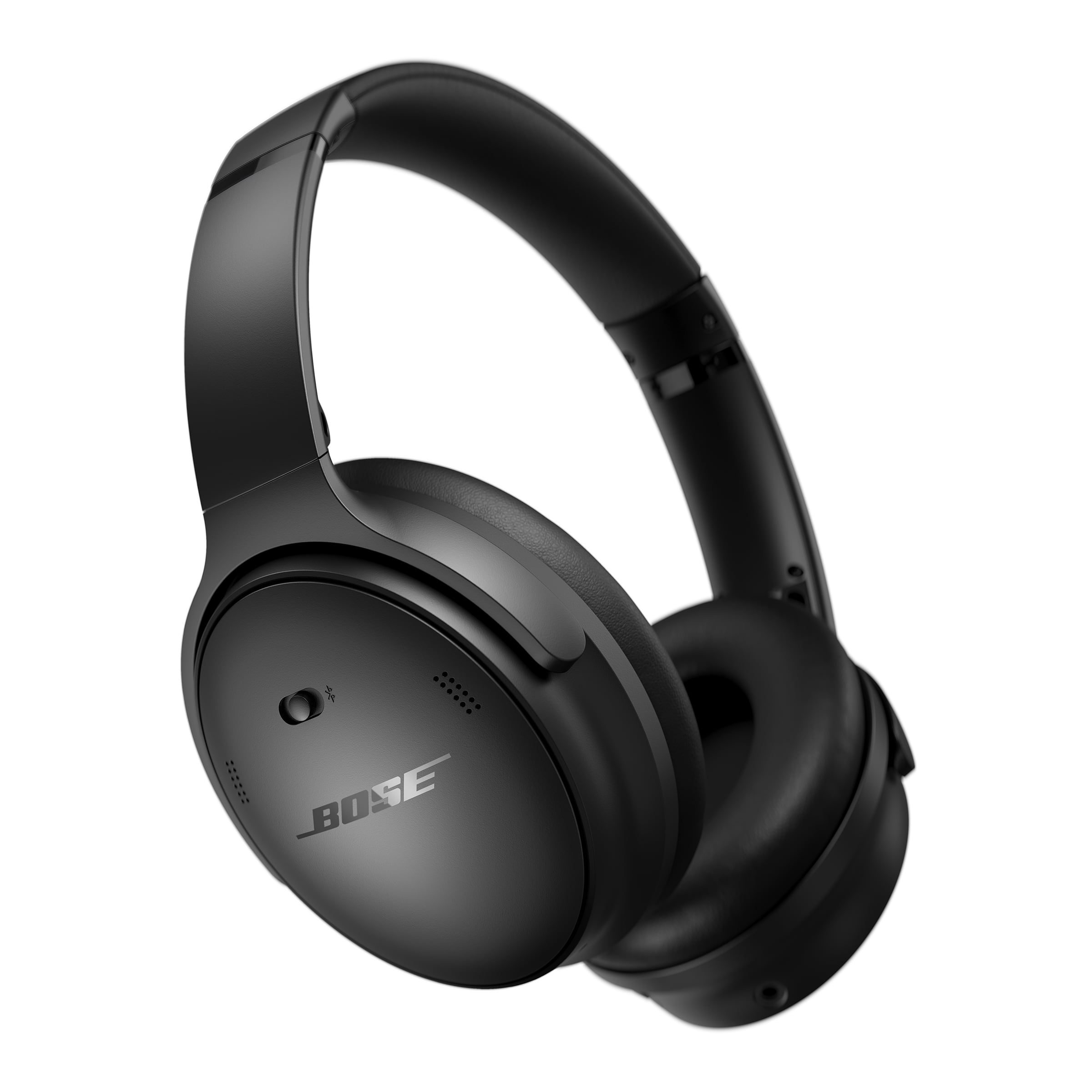
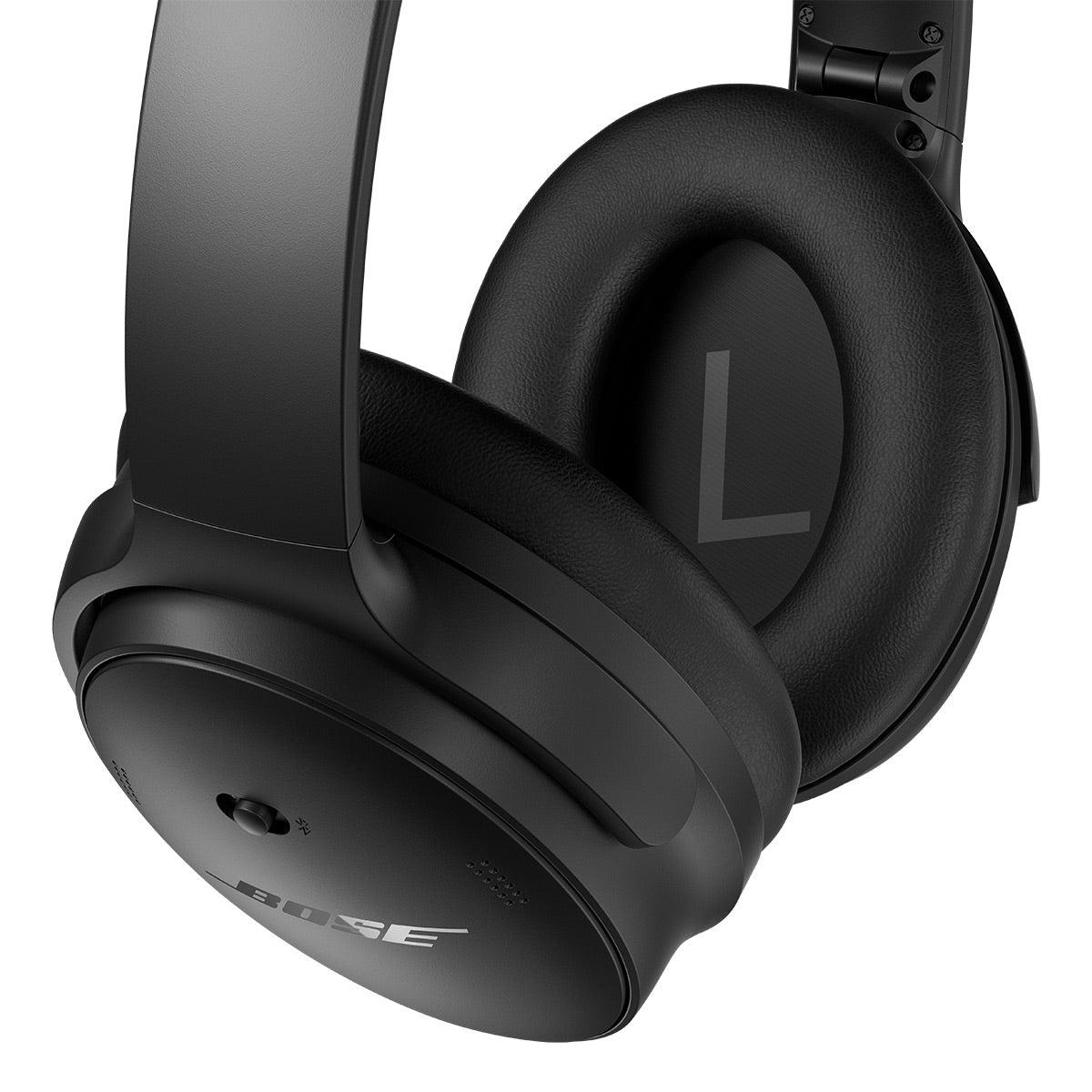
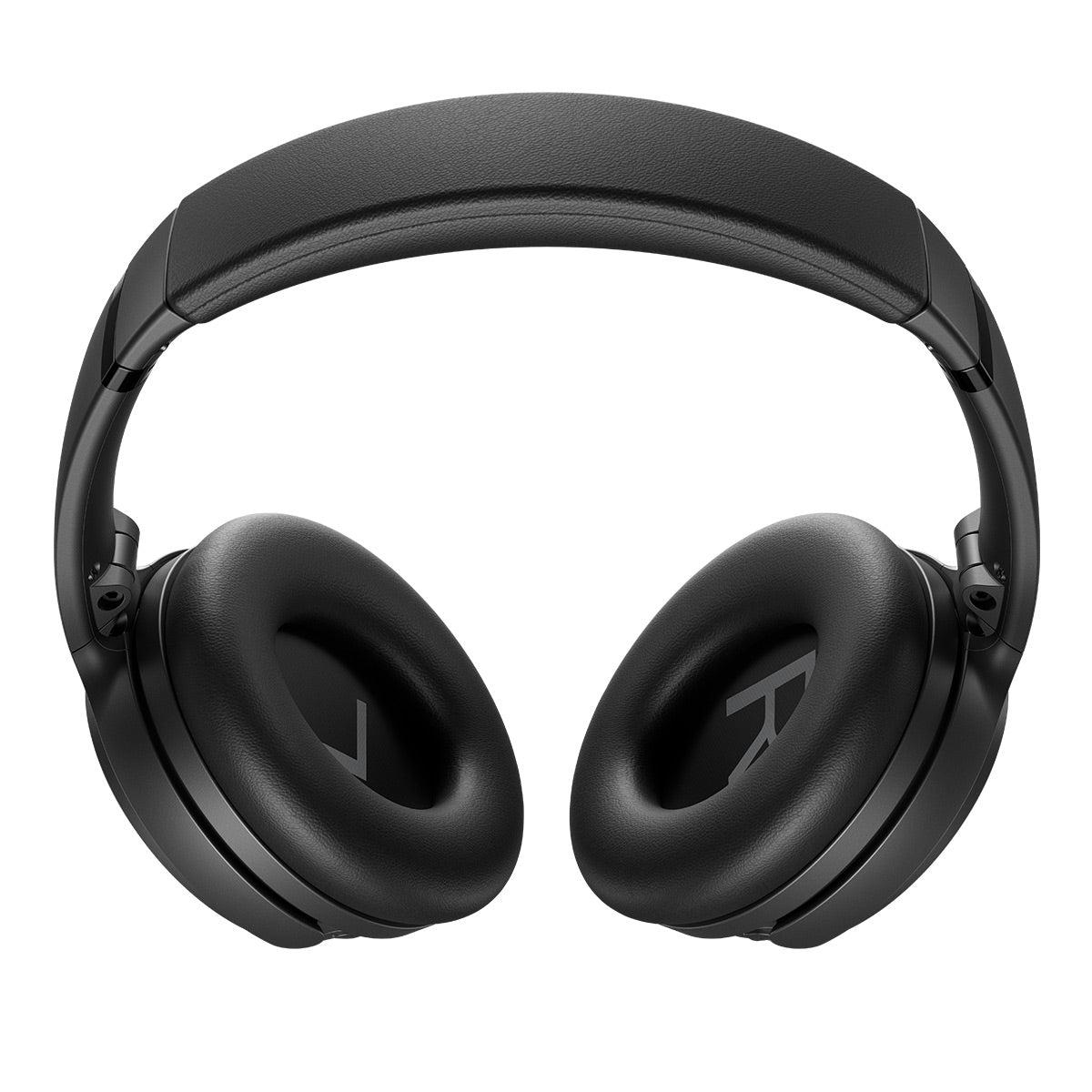

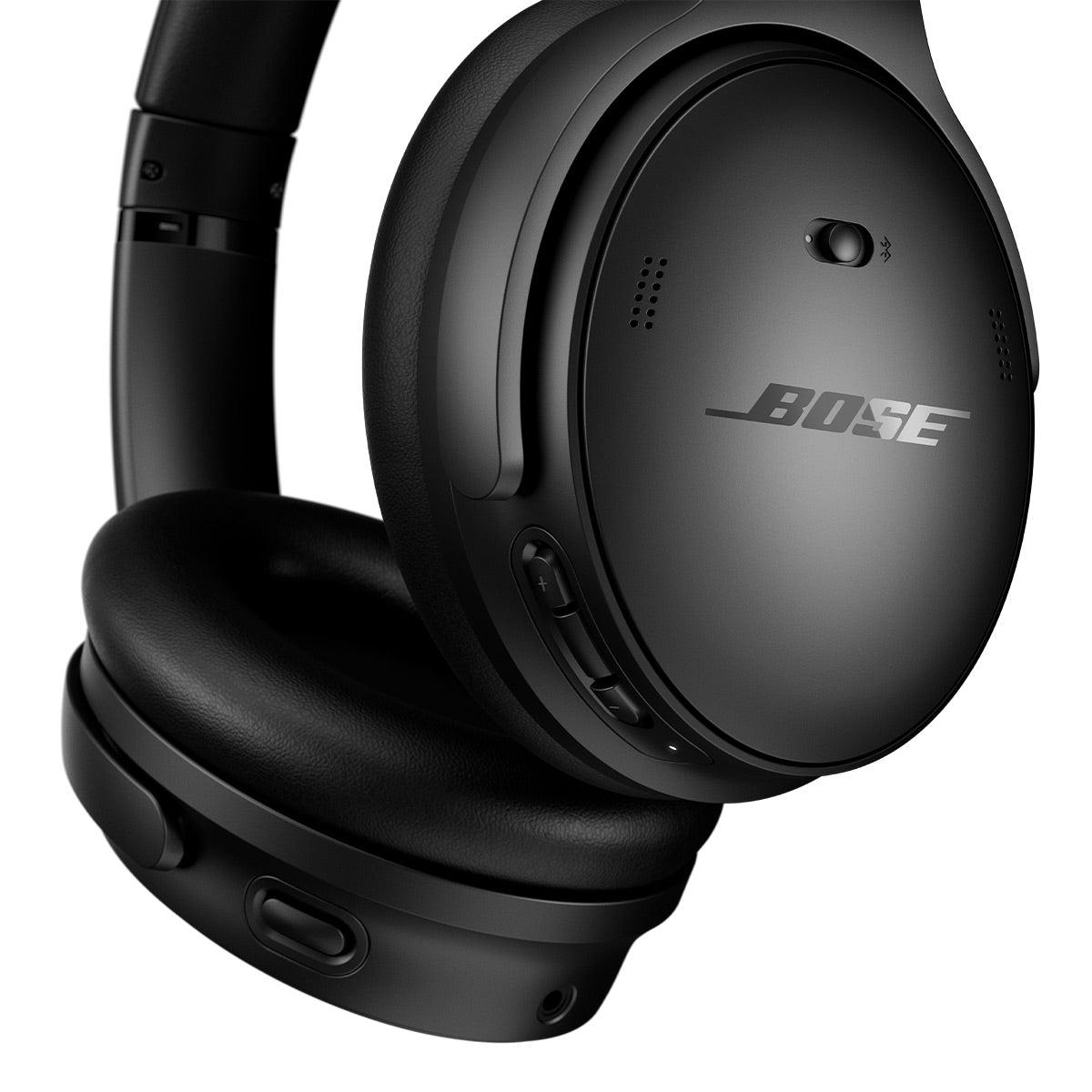

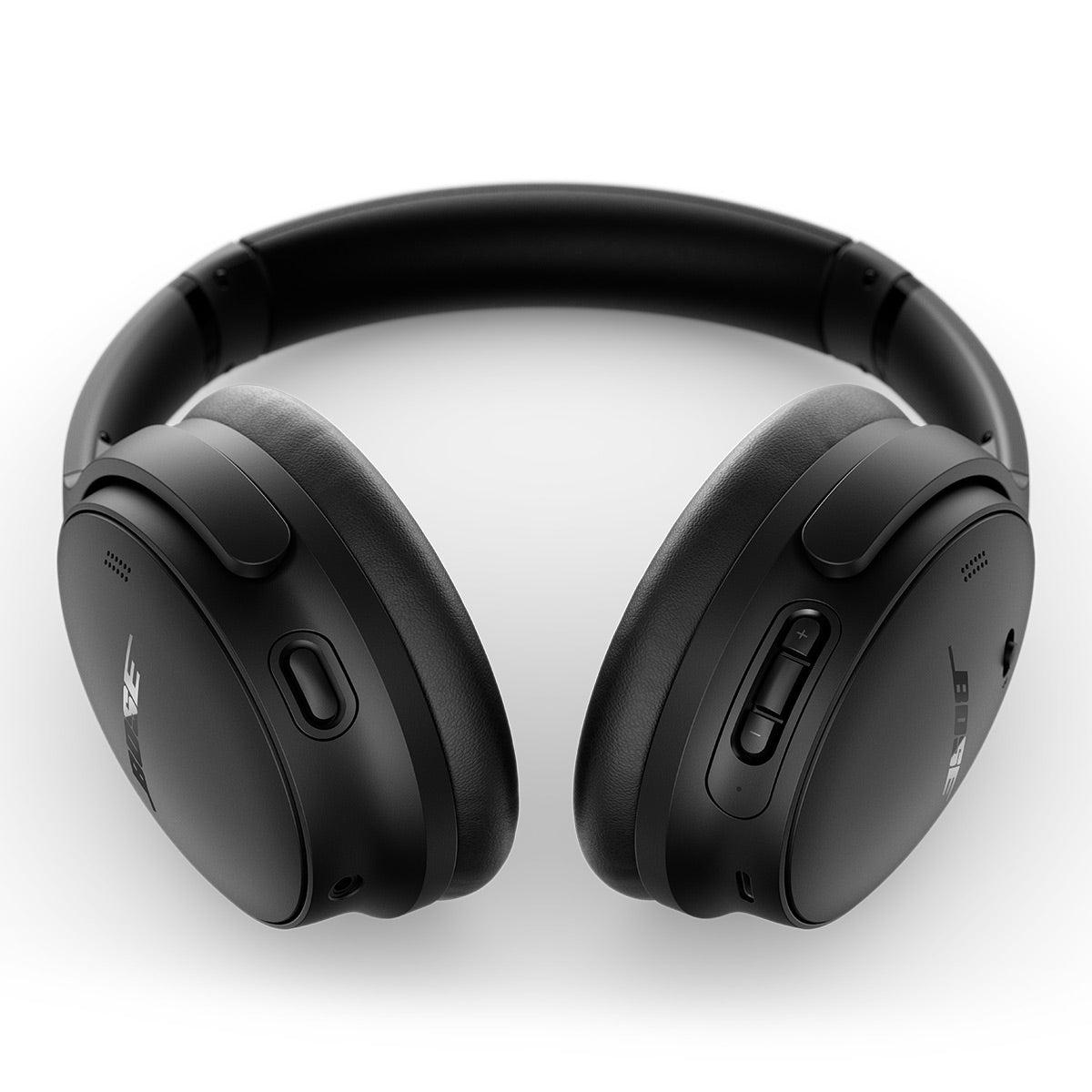

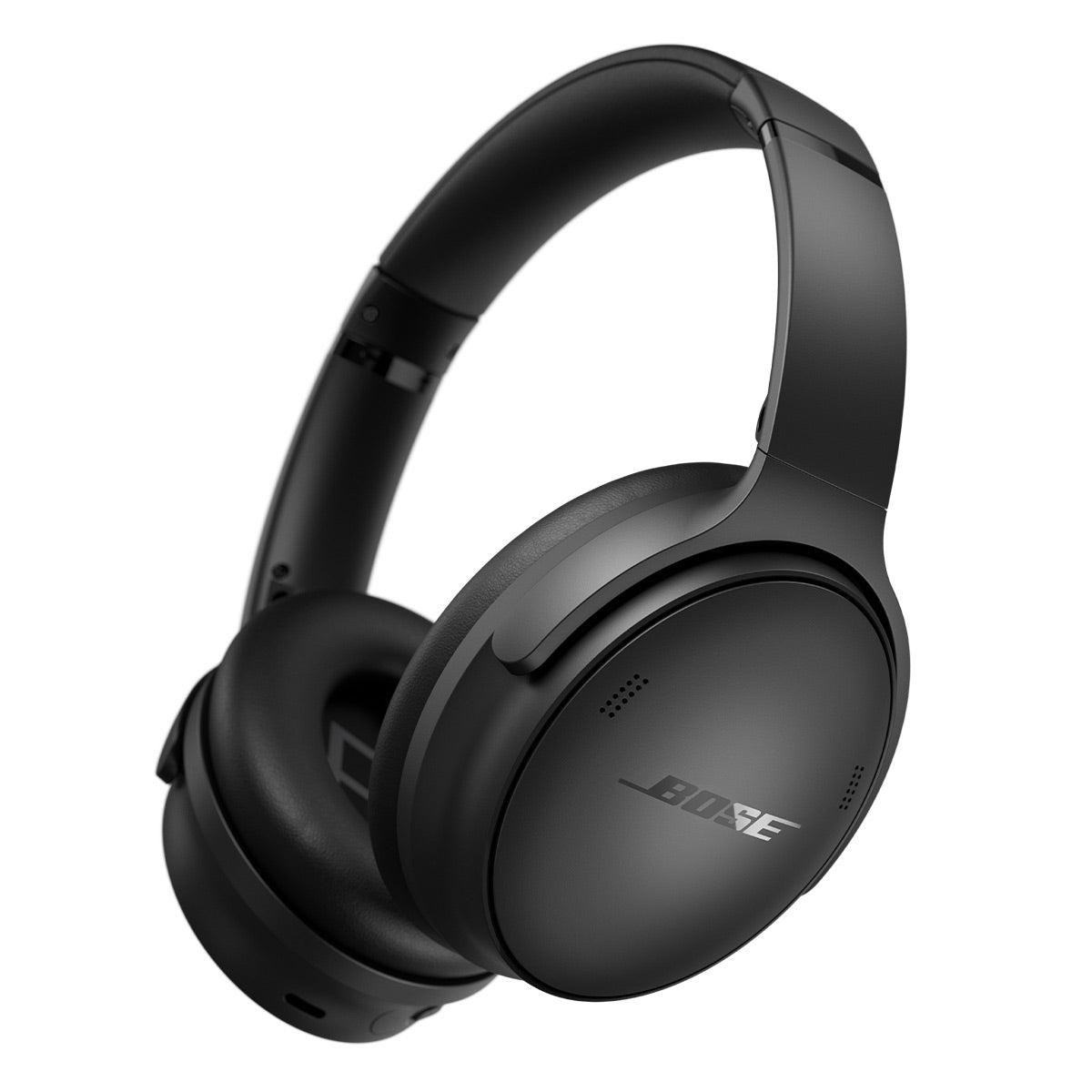
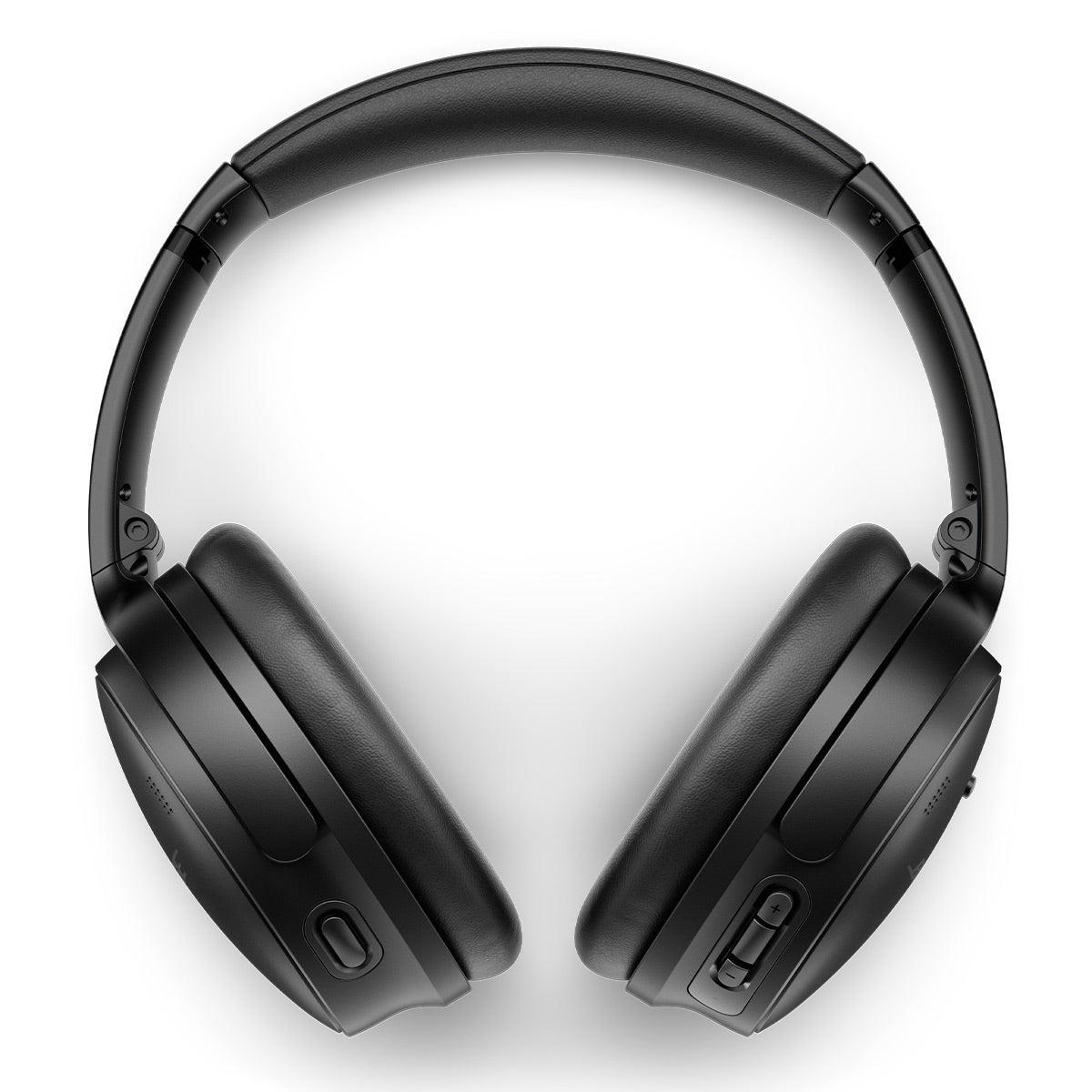
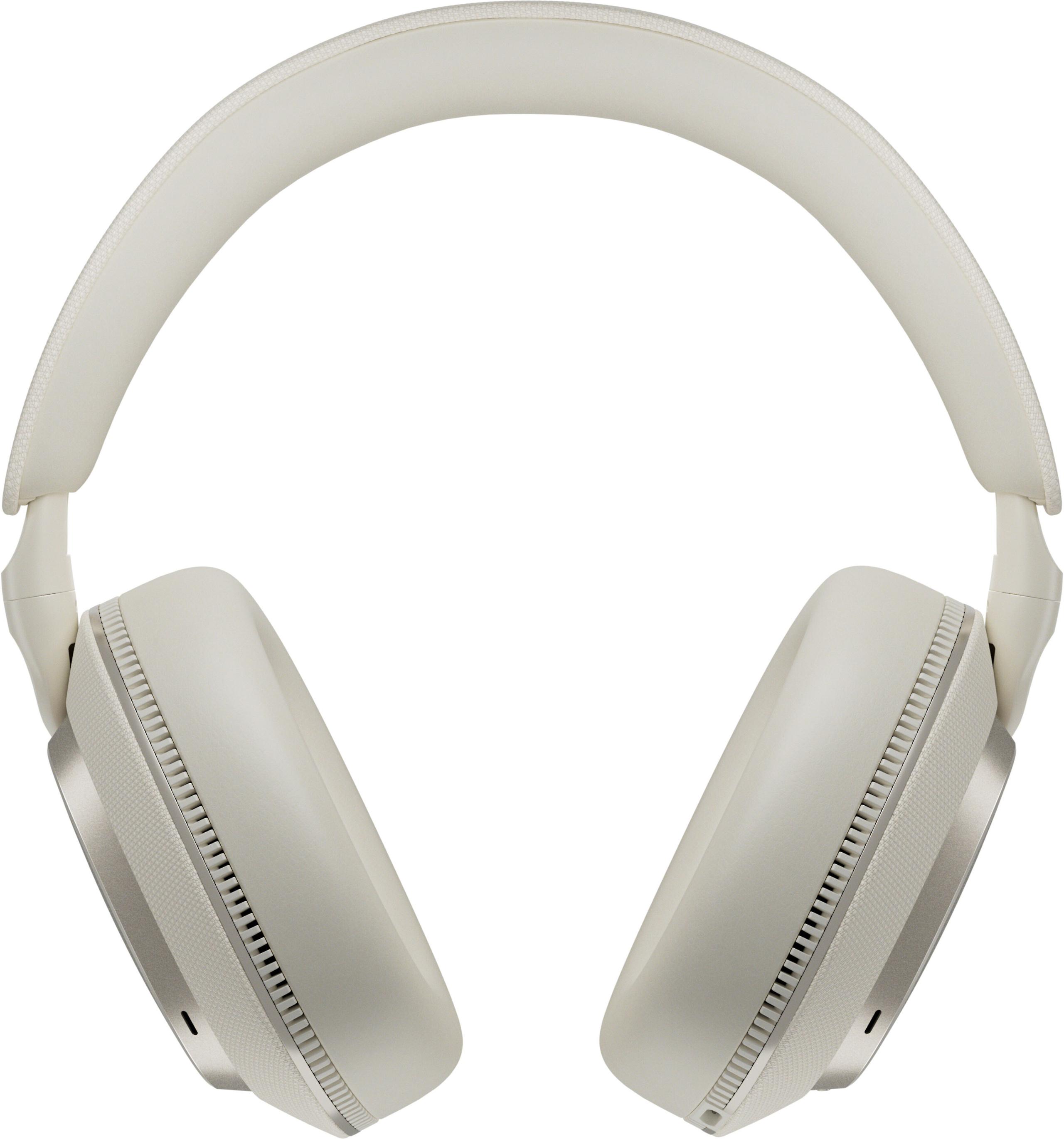
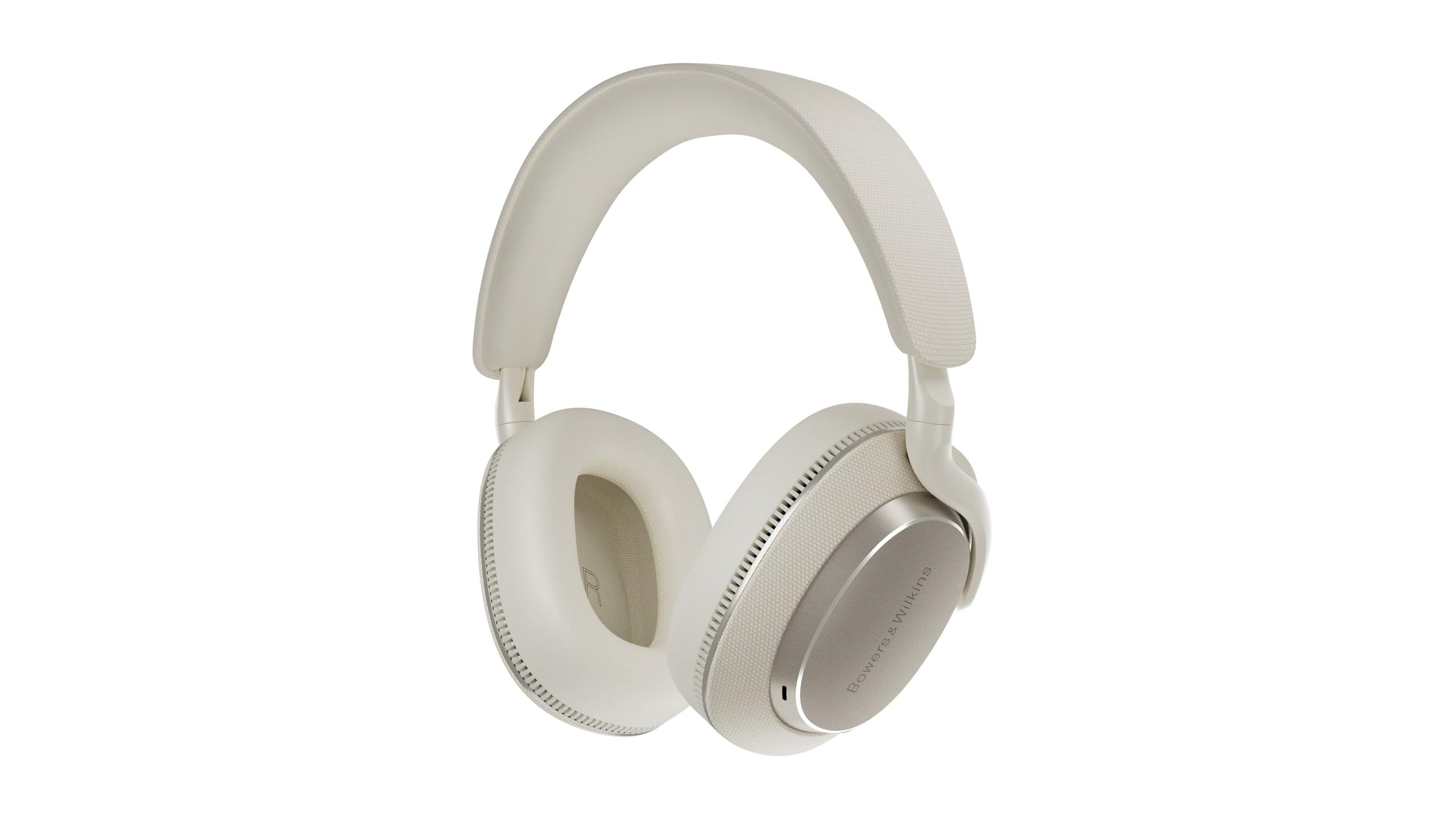
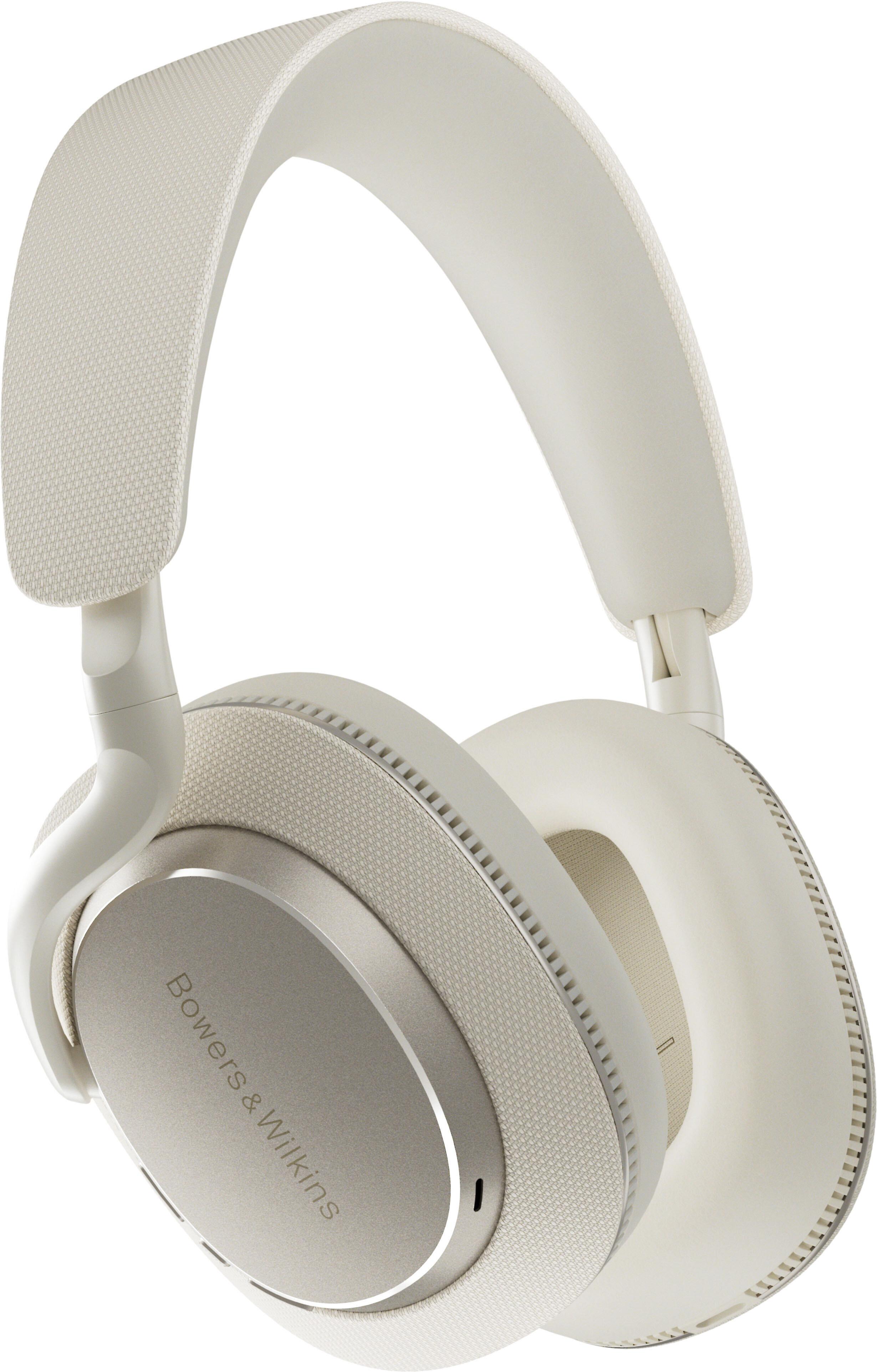
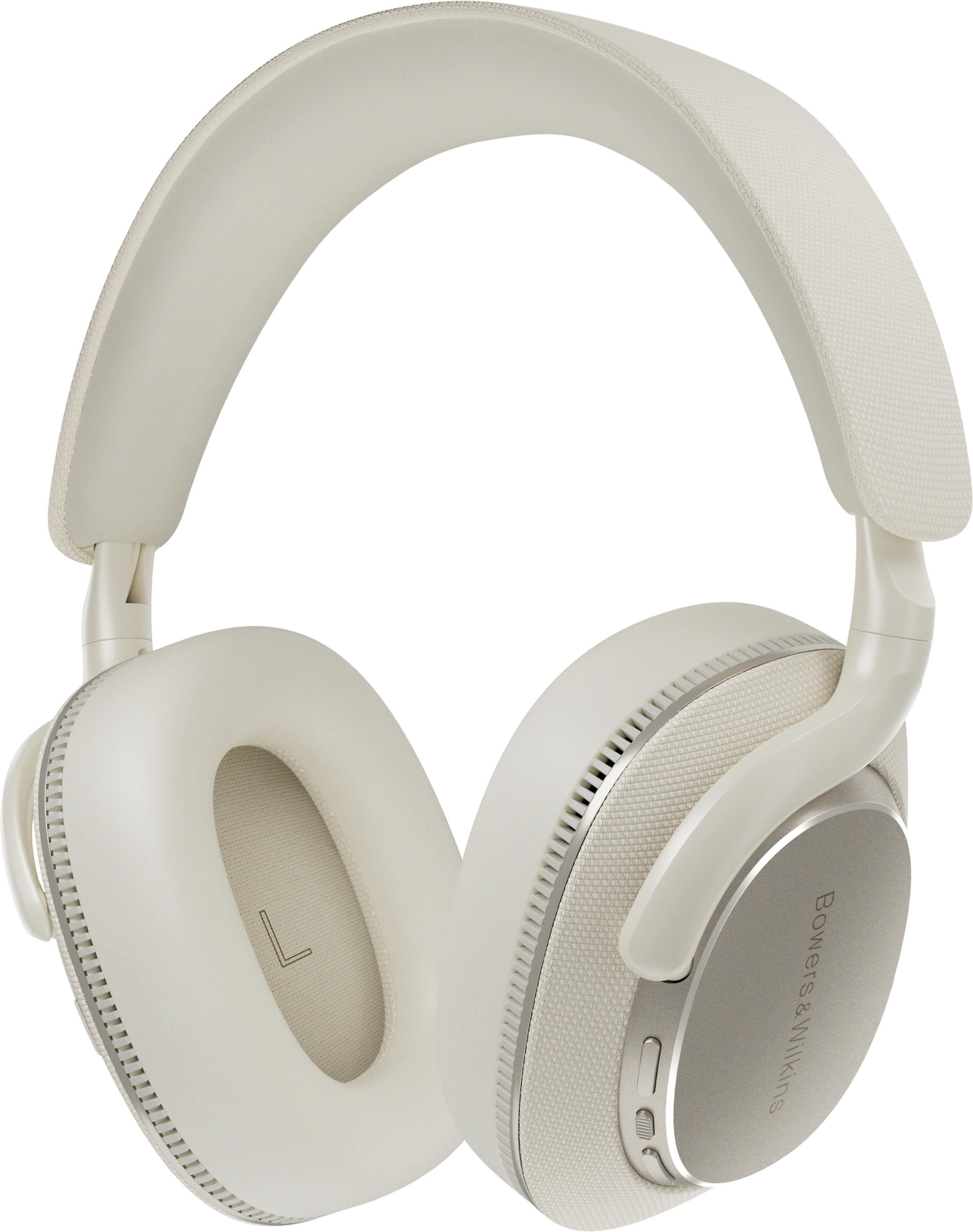
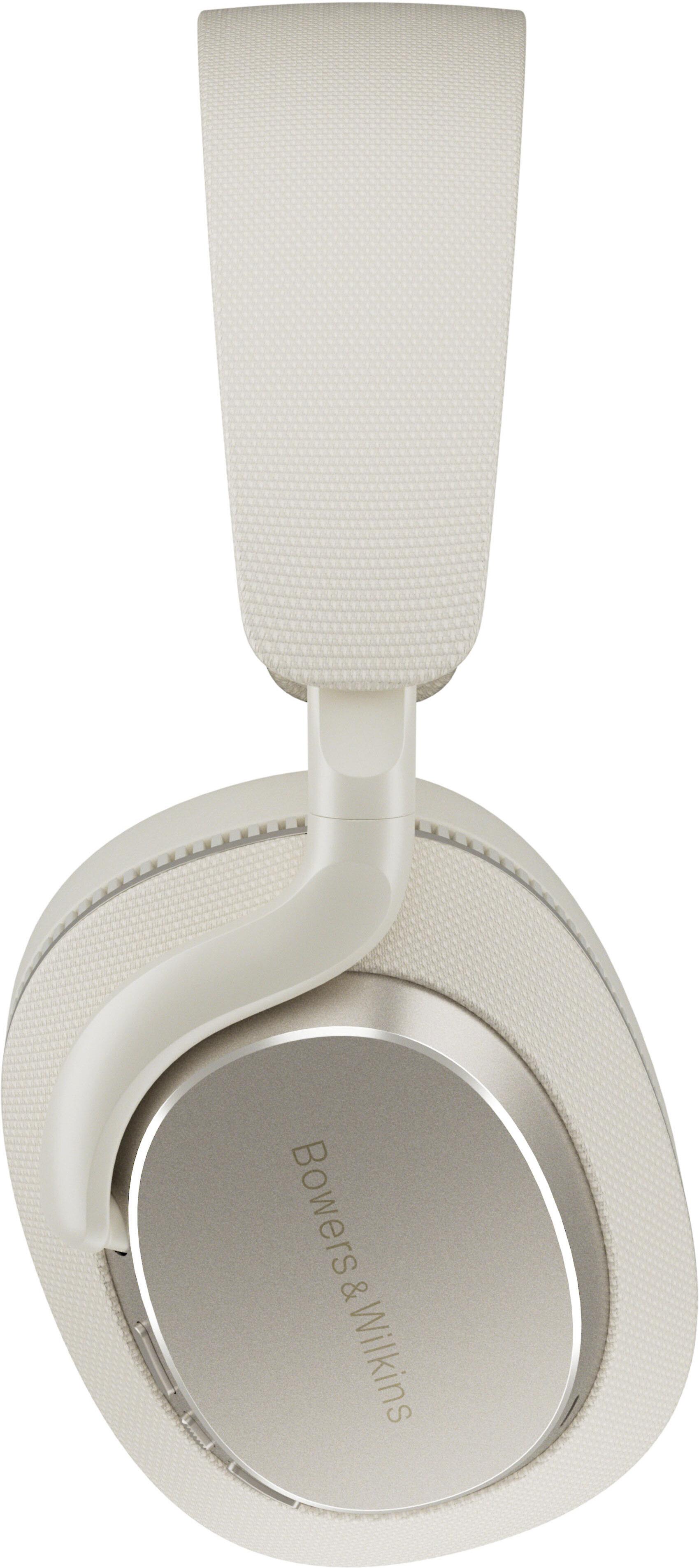
When you're ready to invest in truly premium wireless headphones, the decision often comes down to what matters most to you: Do you want the quietest possible listening experience, or are you after the most detailed, beautiful sound? This fundamental question lies at the heart of comparing the Bose QuietComfort Wireless Headphones and the Bowers & Wilkins Px7 S3 – two excellent headphones that take distinctly different approaches to audio excellence.
Both headphones sit in the premium over-ear category, where you're paying for advanced active noise cancellation (ANC), superior comfort, and high-quality wireless audio. But understanding their differences will help you make the right choice for your listening habits and budget.
The premium wireless headphone market has evolved dramatically over the past few years. What started as simple Bluetooth audio devices has transformed into sophisticated pieces of technology featuring multiple microphones, advanced digital signal processing (DSP – the computer chips that handle audio processing), and premium materials.
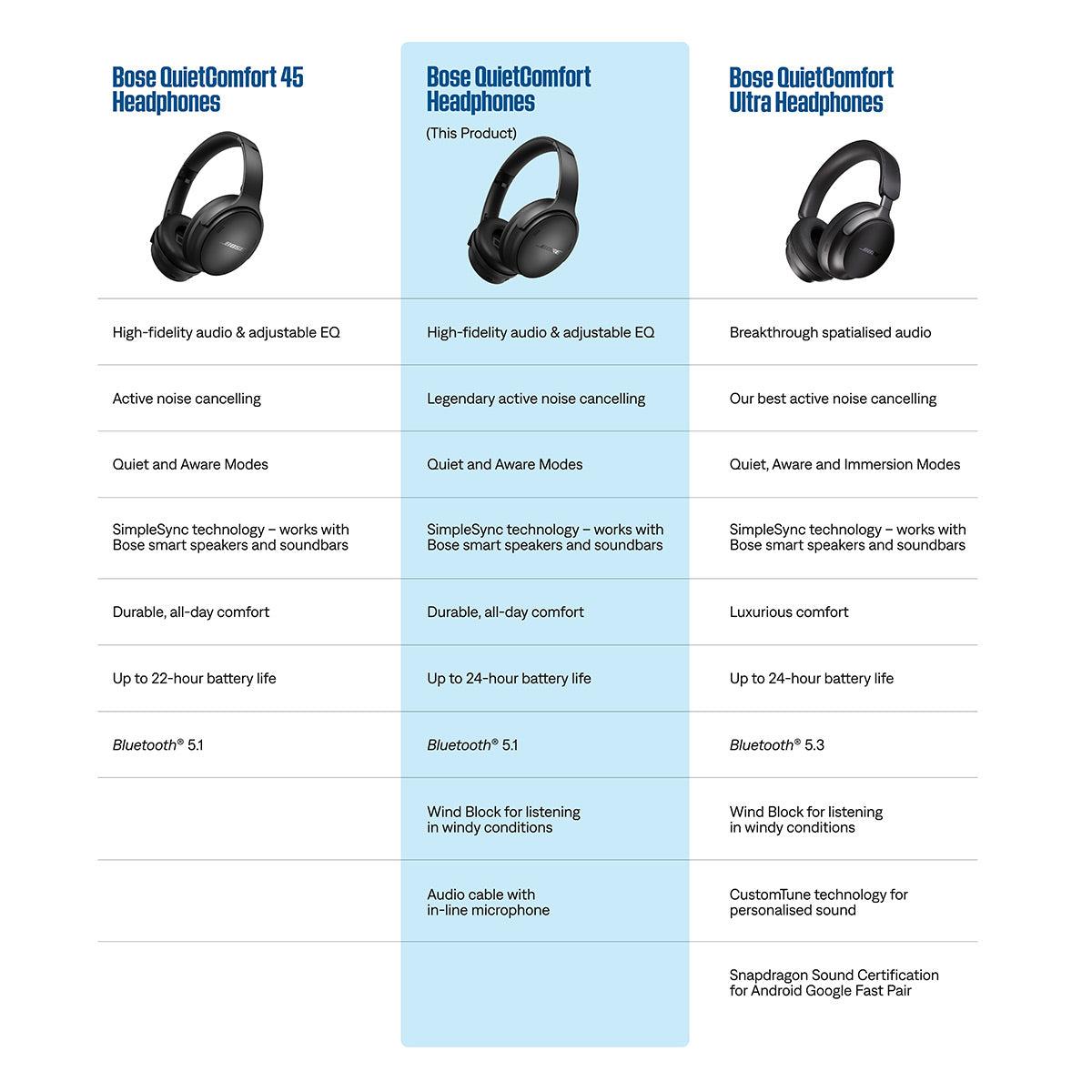
The Bose QuietComfort launched in 2023 as an update to Bose's popular QuietComfort 45, while the Bowers & Wilkins Px7 S3 represents the third generation of B&W's flagship wireless headphones, arriving more recently with significant improvements over its predecessors. Both companies have used the years since their previous models to refine their approaches – Bose focusing on perfecting their already excellent noise cancellation, while Bowers & Wilkins concentrated on elevating sound quality to audiophile levels.
When shopping in this category, you're looking at headphones that cost significantly more than basic wireless options, but the investment brings substantial benefits: all-day comfort, professional-grade noise cancellation, and sound quality that can rival dedicated home audio systems.
This is where these two headphones truly diverge, and frankly, it's the most important consideration for most buyers. The Bowers & Wilkins Px7 S3 takes a clear lead in pure audio performance, and the difference is immediately noticeable.
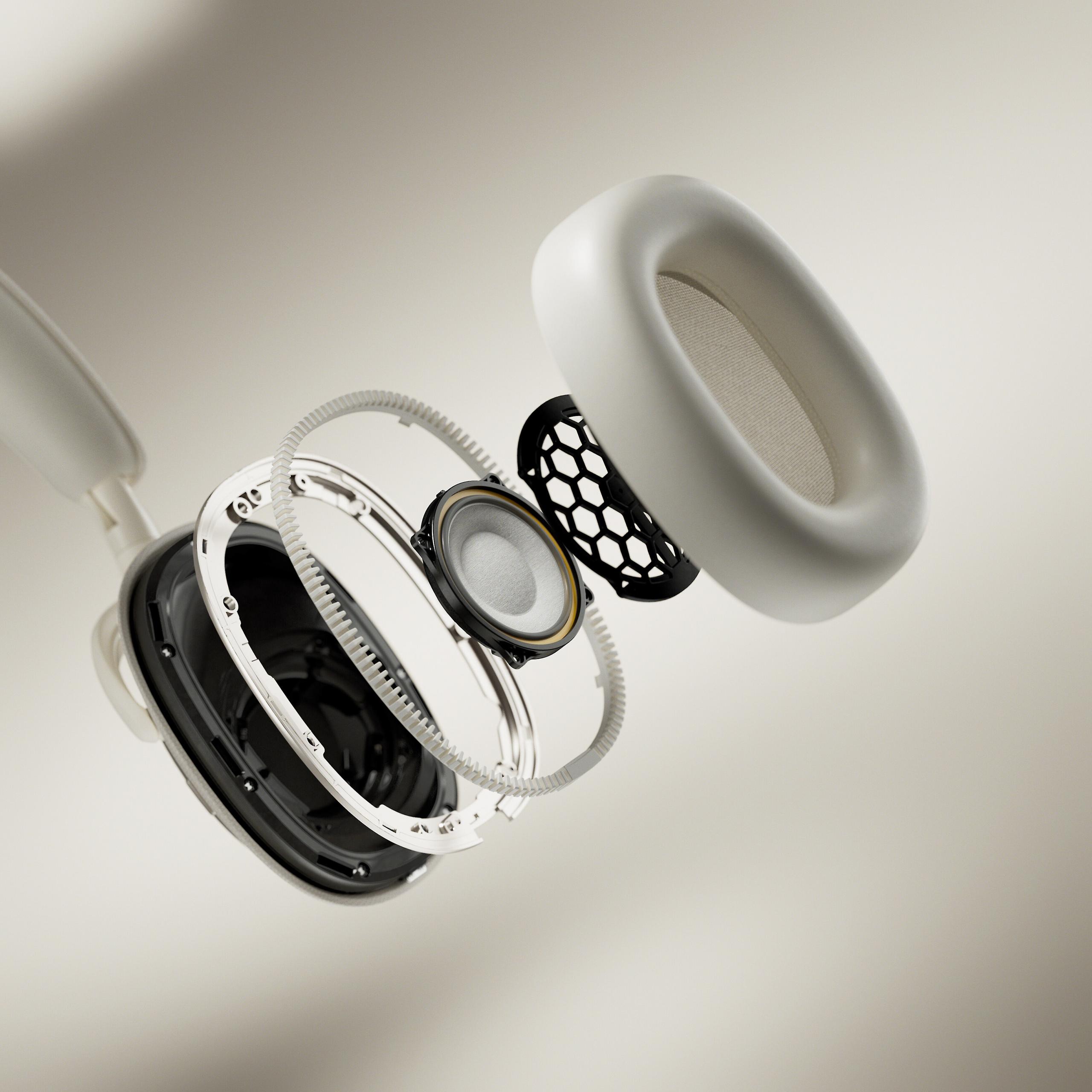
The Px7 S3 uses 40mm bio-cellulose drivers – think of these as the speakers inside the headphones, made from a special organic material that's lighter and more rigid than typical plastic drivers. This allows them to move more precisely, creating clearer sound with less distortion. What's particularly impressive is that B&W has paired these drivers with dedicated amplification, meaning each driver gets its own power supply optimized specifically for headphone use. This is unusual in wireless headphones and represents a significant technical advancement.
When you listen to the Px7 S3, you immediately notice the spacious soundstage – that sense that instruments and voices are positioned in a three-dimensional space around your head rather than just coming from left and right speakers. The detail retrieval is exceptional; you'll hear subtle elements in familiar songs that you might have missed before. The bass is present and impactful without overwhelming the midrange frequencies where vocals live, and the treble extends cleanly without becoming harsh or fatiguing.
The Bose QuietComfort, while significantly improved over previous Bose models, takes a more conservative approach to sound tuning. Bose has traditionally prioritized a warm, comfortable sound signature that most people find immediately pleasing. The bass has a slight emphasis that makes music feel fuller, and the overall presentation is smooth and non-fatiguing. However, when compared directly to the Px7 S3, the Bose can sound somewhat compressed and less detailed, particularly in complex musical passages where multiple instruments are playing simultaneously.
Both headphones offer equalizer (EQ) customization through their respective apps – think of this as tone controls that let you adjust bass, midrange, and treble to your preferences. The Px7 S3 provides a more sophisticated 5-band EQ plus something called "TrueSound" mode, which delivers the audio exactly as the engineers intended without any processing. The Bose QuietComfort offers simpler but still effective EQ options that work well for most users.
For home theater use, the Px7 S3 is the clear winner. Its superior detail and soundstage make movie soundtracks more immersive, and dialogue remains clear and natural. The Bose isn't bad for movies, but the B&W's ability to separate different audio elements makes action sequences more engaging and dramatic scenes more emotionally impactful.
Here's where the tables turn completely. Bose has been perfecting active noise cancellation for decades, and the QuietComfort represents their latest refinement of this technology. The system works by using microphones both inside and outside the ear cups to detect ambient noise, then generating precisely timed "anti-noise" signals to cancel it out. It's like audio noise-cancelling magic, and Bose does it better than almost anyone.
The Bose QuietComfort offers multiple ANC modes: Quiet Mode delivers maximum noise reduction, while Aware Mode lets in ambient sound so you can hear announcements or have conversations without removing the headphones. There's even a customizable mode where you can adjust the level of noise cancellation and enable "Wind Block" – a feature that reduces the annoying rushing sound you get when wearing ANC headphones in breezy conditions.
The Bowers & Wilkins Px7 S3 has significantly improved its noise cancellation compared to previous B&W models, using an eight-microphone array (four in each ear cup) with adaptive algorithms that adjust to your environment. However, it's simply not as effective as the Bose system, particularly with mid-to-high frequency noises like conversations or keyboard typing. The B&W system works well for low-frequency rumble like airplane engines or air conditioning, but the Bose is more comprehensive in its noise blocking.
For frequent travelers, commuters, or anyone who works in noisy environments, this difference is significant. The Bose QuietComfort can transform a noisy airplane cabin into a peaceful listening environment in a way that the Px7 S3 simply cannot match.
Comfort is crucial for headphones you'll wear for hours at a time, and both models excel here, though in different ways.
The Bose QuietComfort weighs just 236 grams and uses protein leather ear cushions – a synthetic material that feels like real leather but is more durable and easier to clean. The headband padding is generous, and the clamping force (how tightly the headphones grip your head) is carefully calibrated to stay secure without causing pressure points. The foldable design makes them highly portable, and they're available in six different color options.
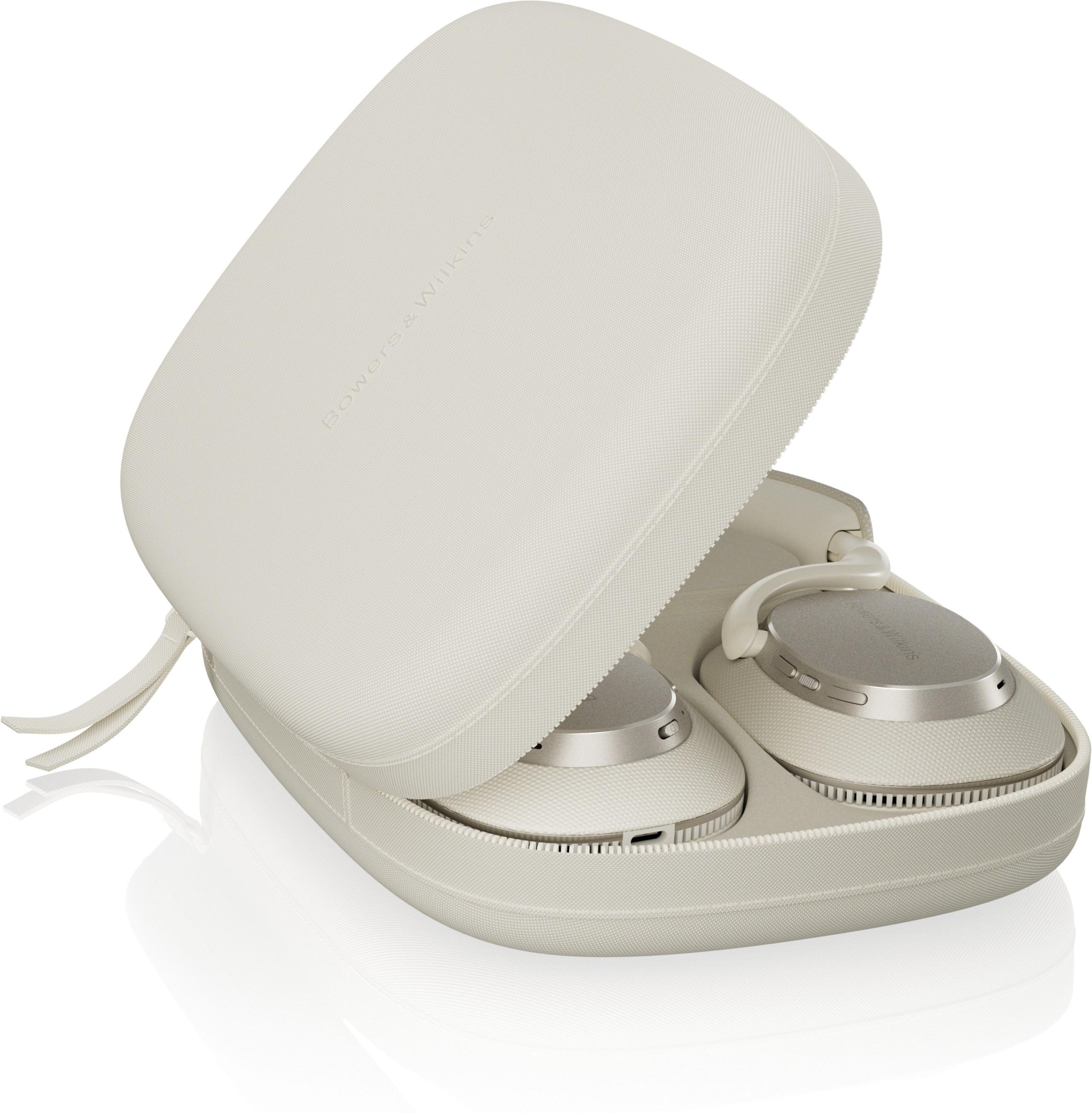
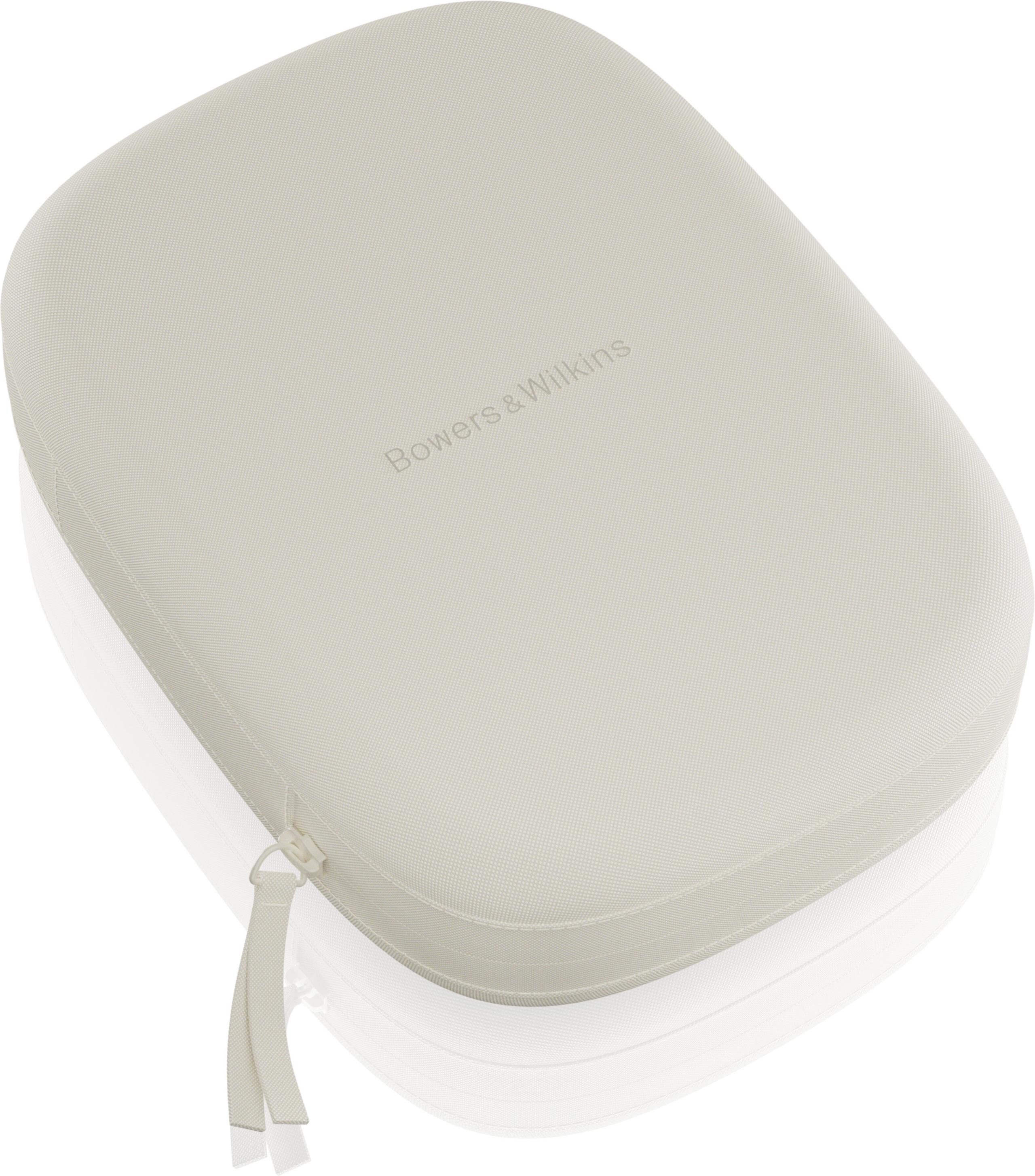
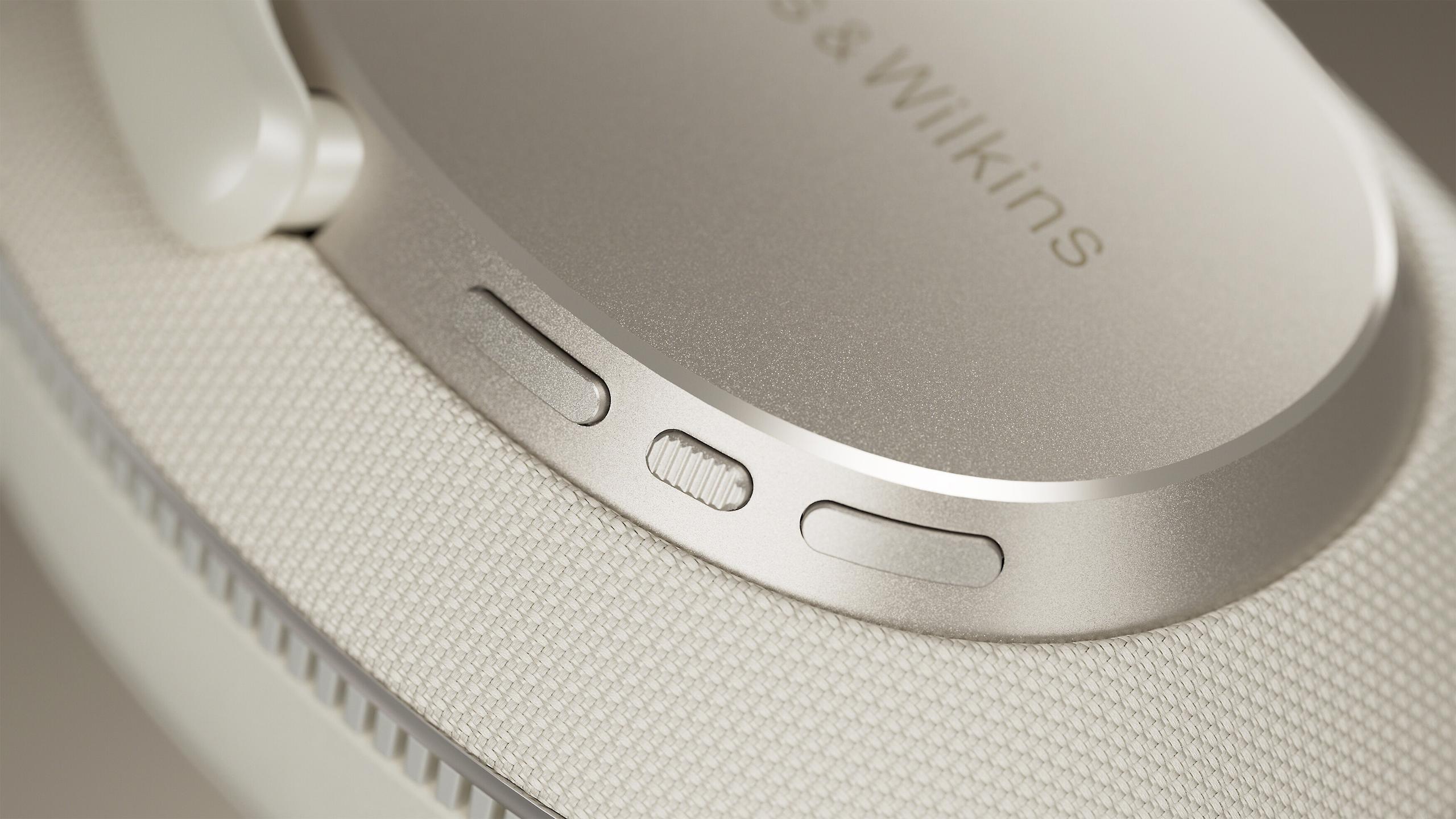
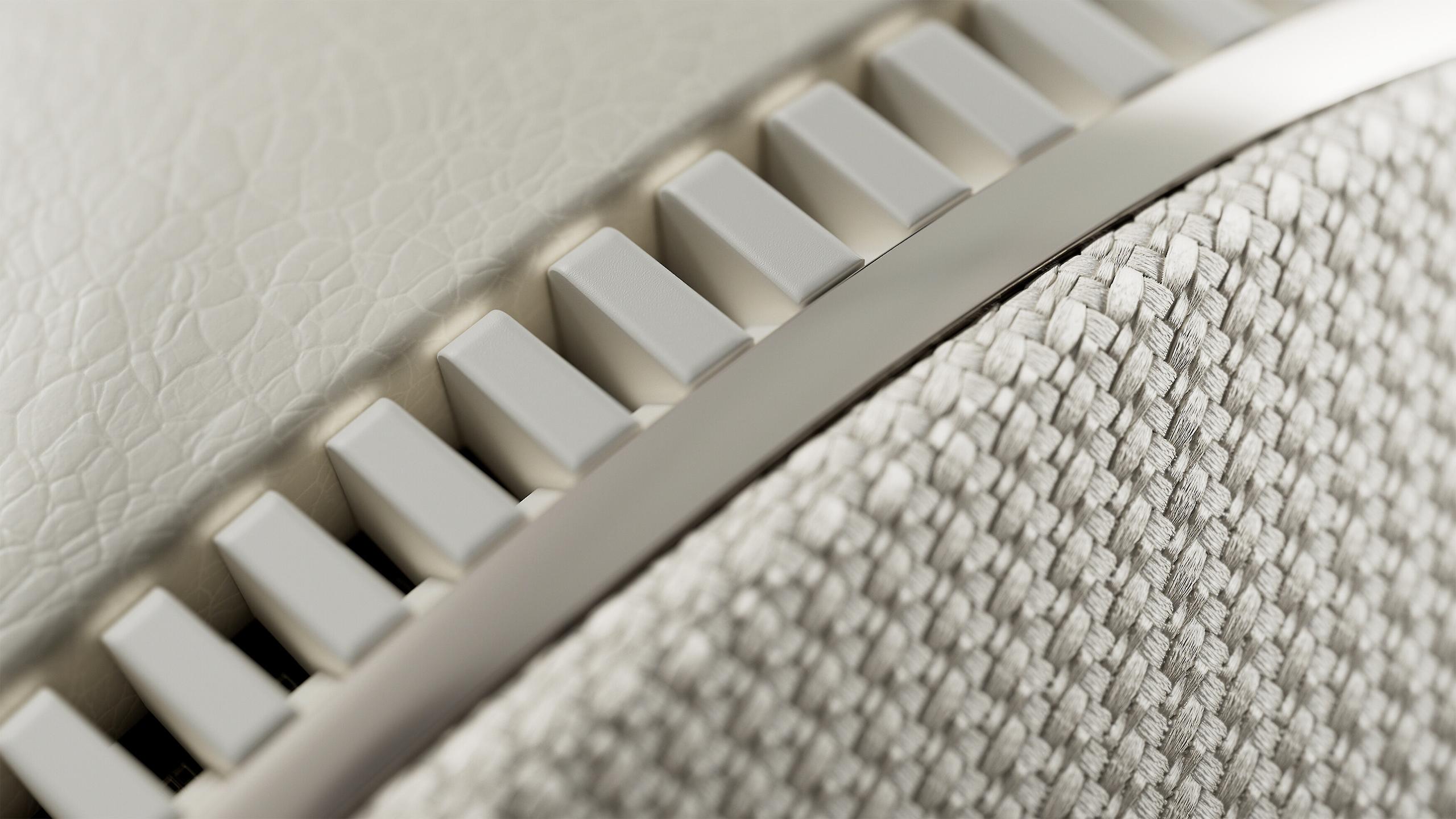
The Bowers & Wilkins Px7 S3 is heavier at 298 grams but uses premium materials throughout. The metal housing feels substantially more luxurious than the Bose's plastic construction, and the memory foam padding adapts to your head shape over time. While it doesn't fold, it comes with a high-quality hard-shell carrying case that offers better protection than typical soft cases.
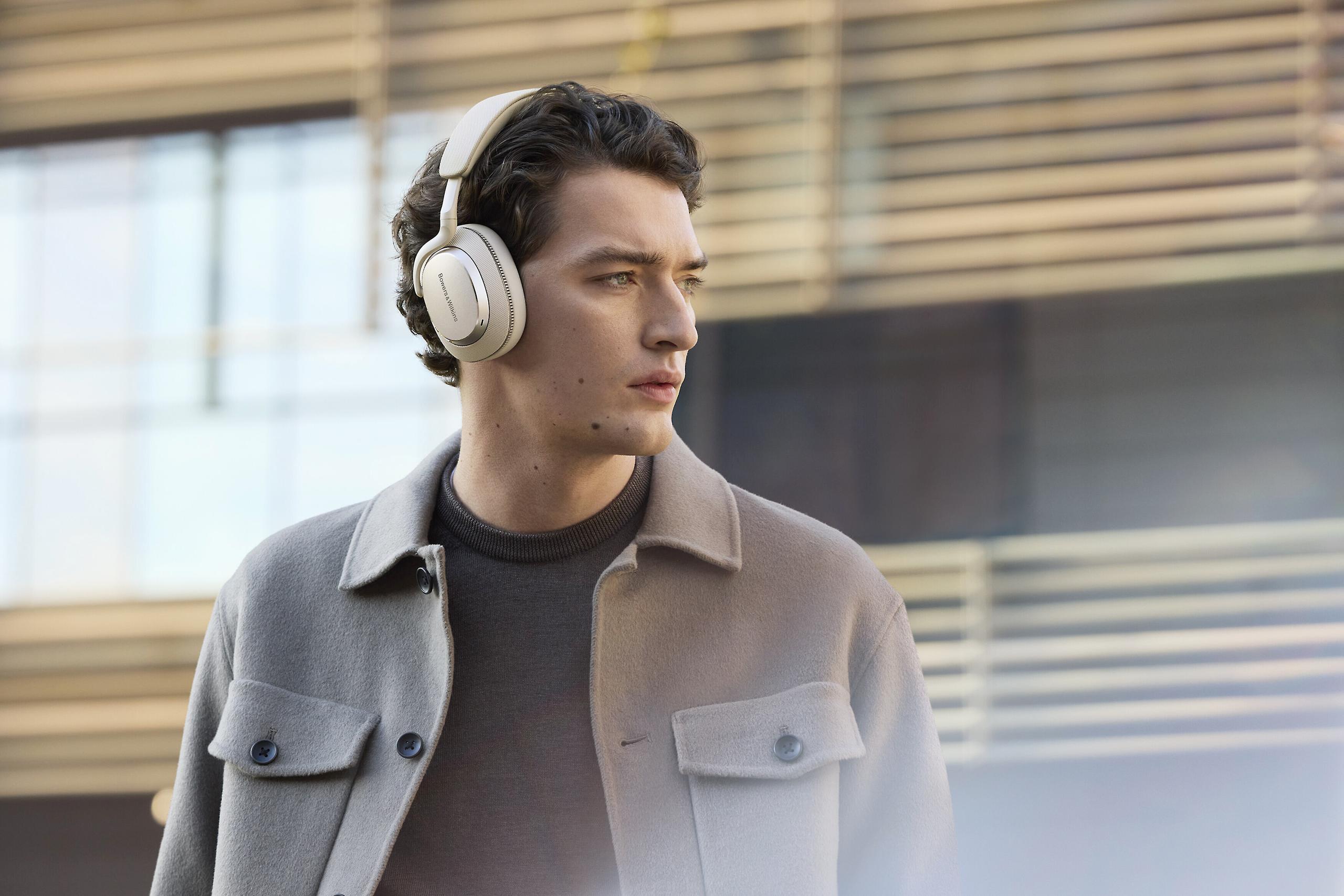
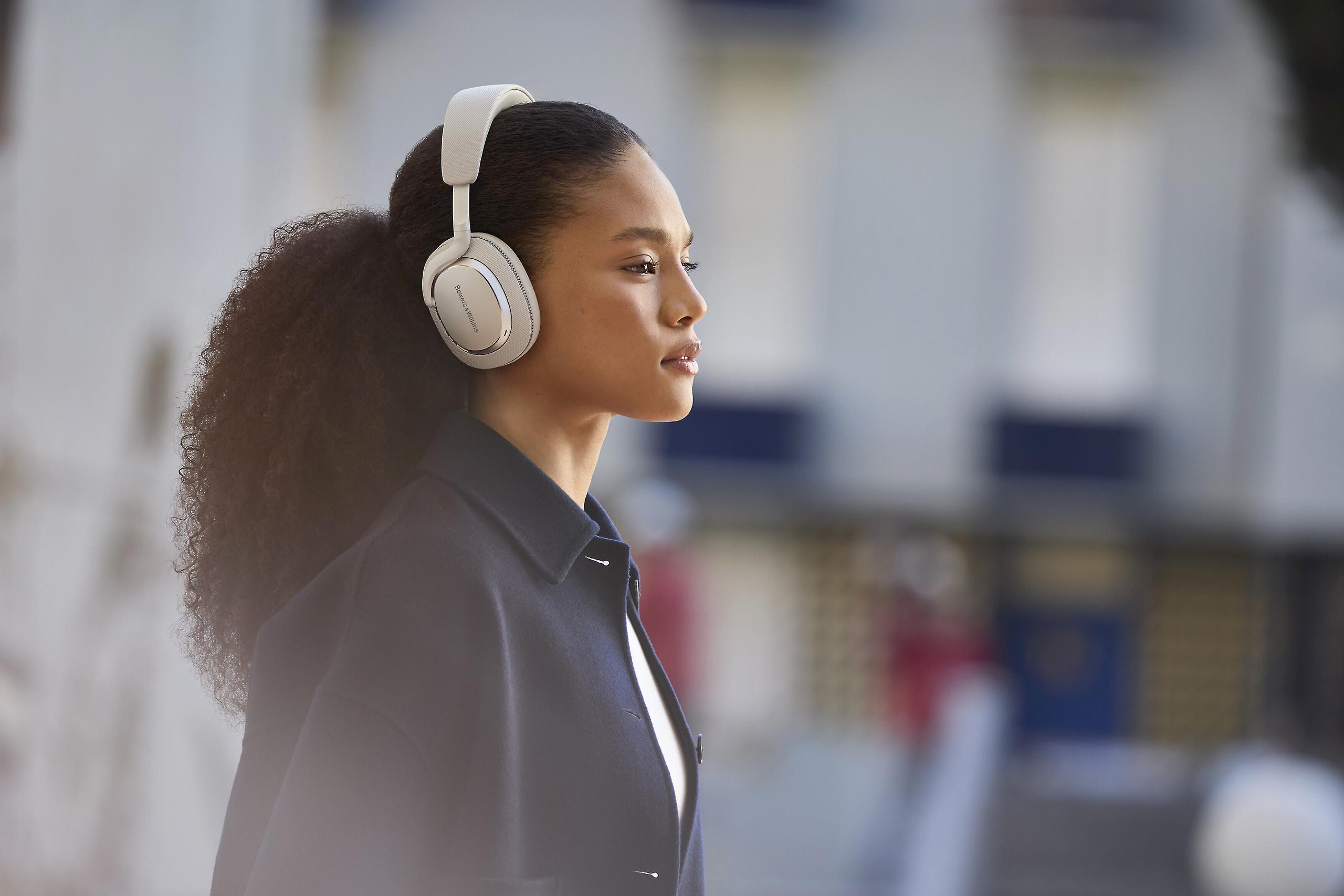
In my experience, both are comfortable for extended listening sessions, but they feel different on your head. The Bose feels lighter and less noticeable – almost like it disappears once you put it on. The B&W has more presence but in a premium, substantial way that some users prefer. Neither caused discomfort during multi-hour listening sessions, though the B&W's slightly firmer clamping force might feel more secure during movement.
Battery life has become increasingly important as we use headphones for longer periods throughout the day. The Px7 S3 offers up to 30 hours of playback time, while the Bose QuietComfort provides 24 hours – both with noise cancellation active. In practical terms, both will easily last through long international flights or several days of regular use.
Quick charging capabilities differ significantly. The Px7 S3 provides seven hours of playback from a 15-minute charge, while the Bose offers 2.5 hours from the same charging time. This difference could matter if you frequently forget to charge your headphones overnight.
Both support multipoint connectivity, meaning you can connect to your phone and laptop simultaneously and seamlessly switch between them. However, the Px7 S3 offers superior codec support, including aptX Adaptive and aptX HD, which can deliver higher-quality wireless audio from compatible devices. It also supports wired listening up to 24-bit/96kHz resolution through its USB-C port, essentially turning it into a high-quality digital-to-analog converter (DAC) and headphone amplifier.
For remote work and phone calls, microphone quality has become increasingly important. The Px7 S3 uses its eight-microphone array with something called ADI Pure Voice technology to isolate your voice from background noise. The result is clearer speech transmission and better background noise suppression compared to the Bose QuietComfort, which, while adequate for calls, doesn't quite match the B&W's performance in challenging acoustic environments.
At the time of writing, these headphones occupy different price tiers, with the Px7 S3 commanding a premium over the Bose QuietComfort. The question becomes whether the superior sound quality, build materials, and longer battery life justify the additional cost.
For users primarily interested in noise cancellation – travelers, commuters, or those working in noisy environments – the Bose QuietComfort offers exceptional value. Its noise-cancelling performance is genuinely best-in-class, and the comfort and usability are excellent.
For music enthusiasts, audiophiles, or users who prioritize sound quality above all else, the Px7 S3's premium is easier to justify. The improvement in audio quality is substantial and immediately noticeable, making it worthwhile for serious listening.
Your choice should primarily depend on how you plan to use these headphones and what aspects of performance matter most to you.
Choose the Bose QuietComfort if you:
Choose the Bowers & Wilkins Px7 S3 if you:
Both represent excellent choices within their respective strengths. The Bose excels at creating a peaceful, comfortable listening environment regardless of external conditions, while the Px7 S3 delivers a more premium, audiophile-focused experience with superior materials and exceptional sound quality.
Consider also that headphones are often long-term investments. While the initial price difference might seem significant, when amortized over years of daily use, the premium for superior build quality and audio performance often proves worthwhile for dedicated listeners.
The good news is that both headphones represent mature, refined products from companies with decades of audio expertise. Whichever you choose, you'll be getting a genuinely premium listening experience that will serve you well for years to come.
| Bose QuietComfort Wireless Headphones | Bowers & Wilkins Px7 S3 Wireless Over-Ear Headphones |
|---|---|
| Sound Quality - The most important factor for serious listening | |
| Warm, balanced with slight bass emphasis; good clarity but less detailed | Exceptional detail and dynamics; audiophile-grade with superior soundstage |
| Active Noise Cancellation - Critical for travel and noisy environments | |
| Industry-leading ANC with multiple customizable modes; blocks all frequency ranges | Improved over previous B&W models but not class-leading; struggles with mid-high frequencies |
| Battery Life - Determines how long you can listen without charging | |
| 24 hours with ANC (excellent for most users) | 30 hours with ANC (25% longer, ideal for extended travel) |
| Build Quality & Materials - Affects durability and premium feel | |
| Solid plastic construction with protein leather; lightweight and practical | Premium metal housing with memory foam; heavier but more luxurious |
| Weight & Portability - Important for travel and daily carry | |
| 236g, foldable design with soft case | 298g, non-foldable but includes premium hard-shell case |
| Quick Charge Performance - How quickly you can get back to listening | |
| 15 minutes = 2.5 hours playback | 15 minutes = 7 hours playbook (nearly 3x faster recovery) |
| Audio Codec Support - Determines wireless audio quality potential | |
| Standard Bluetooth codecs only | aptX Lossless, aptX Adaptive, aptX HD; USB-C up to 24-bit/96kHz |
| Call Quality - Important for remote work and phone conversations | |
| Adequate with some background noise leakage | Superior with 8-mic array and ADI Pure Voice noise suppression |
| Comfort for Extended Wear - Essential for long listening sessions | |
| Excellent with minimal clamping force; protein leather cushions | Very good with memory foam padding; slightly firmer grip |
| EQ Customization - Ability to tailor sound to your preferences | |
| Basic but functional EQ via Bose app | 5-band EQ plus TrueSound mode for unprocessed audio |
| Color Options - Personalization and style choices | |
| Six color options including unique shades | Limited color options with focus on premium finishes |
The Bowers & Wilkins Px7 S3 delivers significantly better sound quality with exceptional detail retrieval, superior soundstage, and audiophile-grade performance. The Bose QuietComfort offers warm, pleasant sound but lacks the clarity and dynamics of the Px7 S3. For serious music listening, the B&W is the clear winner.
The Bose QuietComfort provides industry-leading noise cancellation that's significantly more effective than the Bowers & Wilkins Px7 S3. Bose's ANC blocks noise across all frequencies and offers multiple customizable modes, while the B&W struggles with mid-to-high frequency sounds despite improvements over previous models.
The Bowers & Wilkins Px7 S3 offers 30 hours of battery life compared to 24 hours for the Bose QuietComfort. The Px7 S3 also charges faster, providing 7 hours of playback from a 15-minute charge versus 2.5 hours for the Bose.
Both are excellent for extended wear, but they feel different. The Bose QuietComfort is lighter at 236g with minimal clamping force and folds for portability. The Bowers & Wilkins Px7 S3 is heavier at 298g but uses premium memory foam padding. Most users find both comfortable for hours of use.
The Bose QuietComfort is better for travel due to superior noise cancellation, lighter weight, and foldable design. The Bowers & Wilkins Px7 S3 offers longer battery life but lacks the portability and noise-blocking performance that makes flights and commutes more pleasant.
The Bowers & Wilkins Px7 S3 uses premium materials including metal housing and memory foam, creating a more luxurious feel. The Bose QuietComfort uses quality plastic construction with protein leather that's practical and durable but not as premium-feeling as the B&W's metal and fabric finishes.
The Bowers & Wilkins Px7 S3 has superior call quality with an 8-microphone array and ADI Pure Voice technology for better background noise suppression. The Bose QuietComfort provides adequate call quality but doesn't isolate your voice from background noise as effectively as the Px7 S3.
The Bowers & Wilkins Px7 S3 supports advanced codecs including aptX Lossless, aptX Adaptive, and aptX HD, plus wired listening up to 24-bit/96kHz via USB-C. The Bose QuietComfort only supports standard Bluetooth codecs, limiting high-resolution audio capabilities.
The Bowers & Wilkins Px7 S3 is excellent for home theater use thanks to its superior soundstage, detail retrieval, and ability to separate different audio elements in complex movie soundtracks. The Bose QuietComfort works well for movies but doesn't deliver the same immersive experience as the Px7 S3.
Both offer good app experiences, but the Bowers & Wilkins Px7 S3 provides more advanced audio customization with a 5-band EQ and TrueSound mode. The Bose QuietComfort app focuses more on noise cancellation settings and offers simpler but effective EQ options that work well for most users.
Value depends on priorities: the Bose QuietComfort offers excellent value for noise cancellation and general use at a lower price point. The Bowers & Wilkins Px7 S3 justifies its premium with superior sound quality, build materials, and longer battery life for users who prioritize audio performance.
Choose the Bose QuietComfort if you prioritize noise cancellation, travel frequently, or want proven comfort at a more accessible price. Choose the Bowers & Wilkins Px7 S3 if sound quality is paramount, you appreciate premium materials, or you're willing to pay extra for audiophile-level performance and longer battery life.
We've done our best to create useful and informative comparisons to help you decide what product to buy. Our research uses advanced automated methods to create this comparison and perfection is not possible - please contact us for corrections or questions. These are the sites we've researched in the creation of this article: techradar.com - whathifi.com - bose.com - rtings.com - recordingnow.com - bose.com - ottorinobruni.com - whathifi.com - costco.com - recordingnow.com - youtube.com - bose.com - bestbuy.com - global.bose.com - boselatam.com - projectorscreen.com - bose.com - bose.com - bose.com - techradar.com - recordingnow.com - tomsguide.com - tomsguide.com - loudersound.com - whathifi.com - headphonecheck.com - loudnwireless.com - recordingnow.com - techradar.com - bowerswilkins.com - bhphotovideo.com - audio46.com - bowerswilkins.com - smarthomesounds.co.uk - audioadvisor.com - audiograde.uk - bowerswilkins.com - my.tcacoustic.asia - whathifi.com

Privacy Policy
Terms and Conditions - Affiliate Policy
Home Security
© Copyright 2008-2026.
11816 Inwood Rd #1211, Dallas, TX 75244