

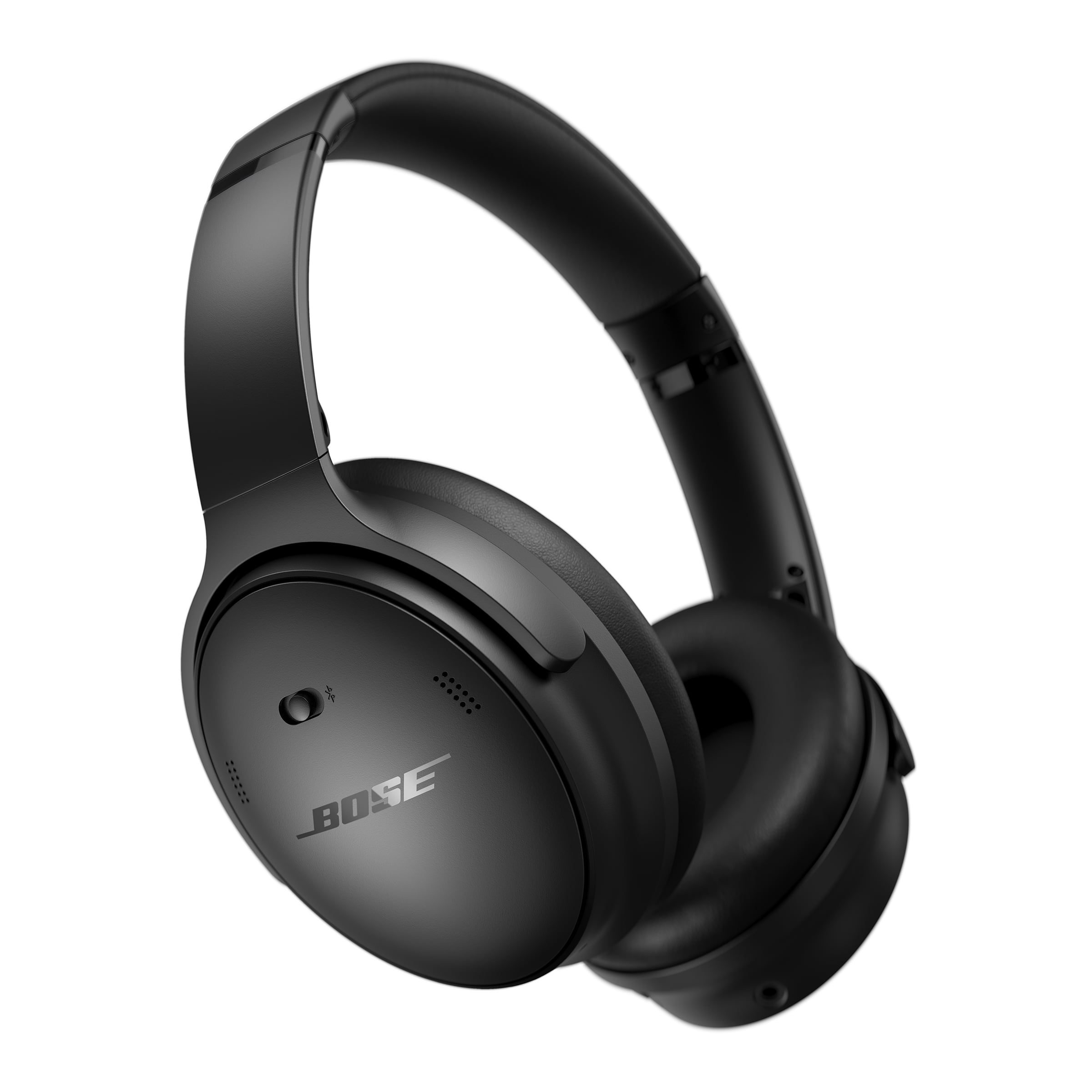
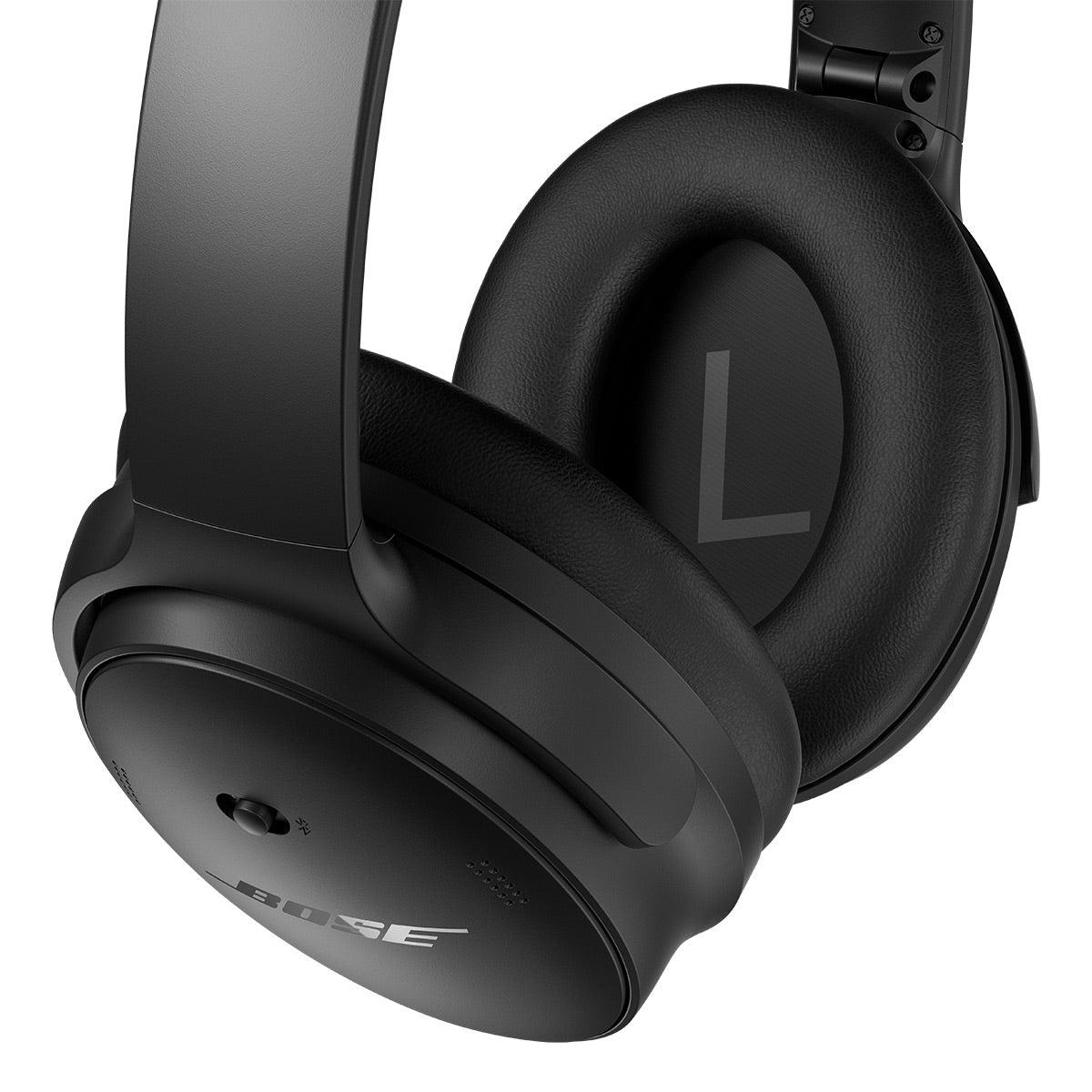
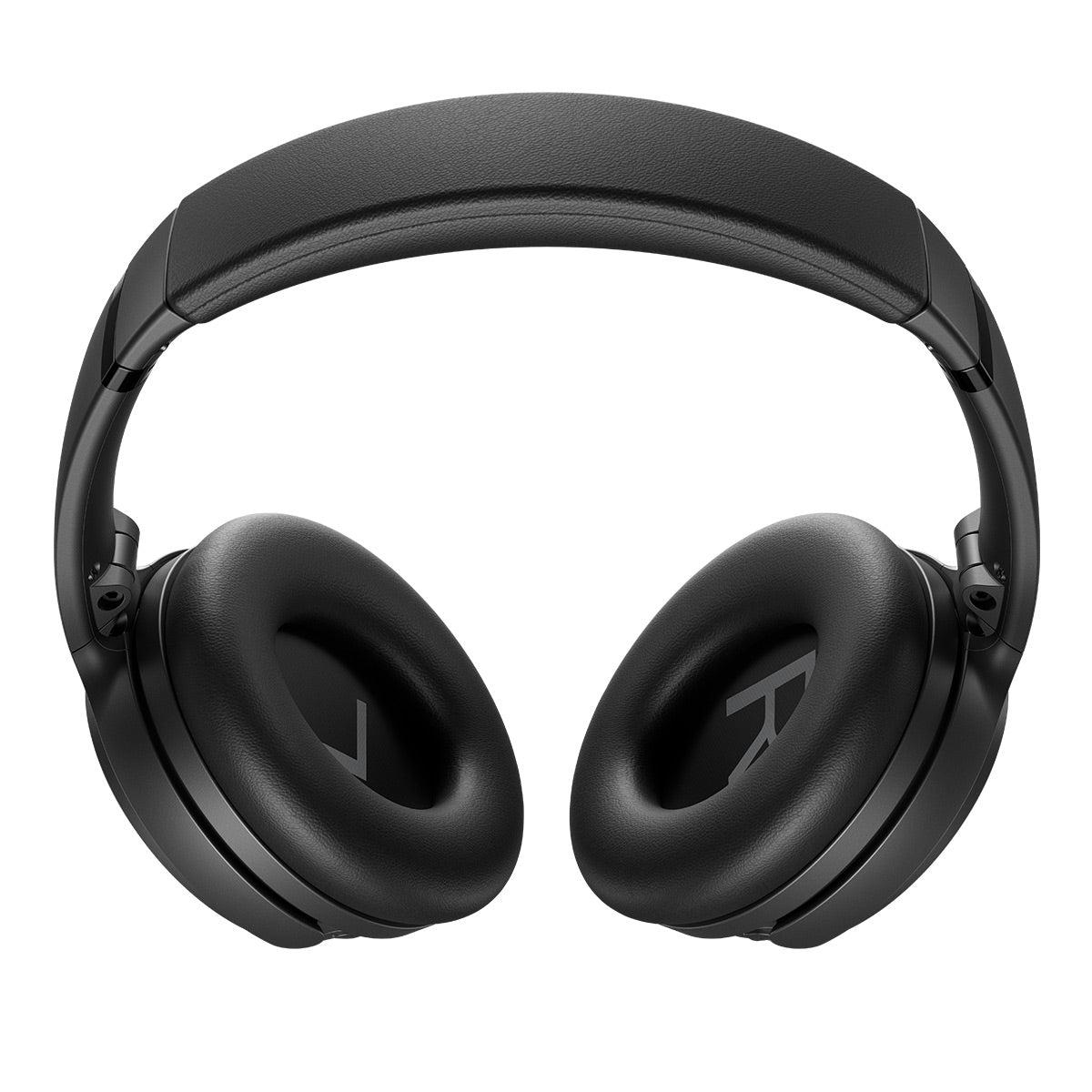


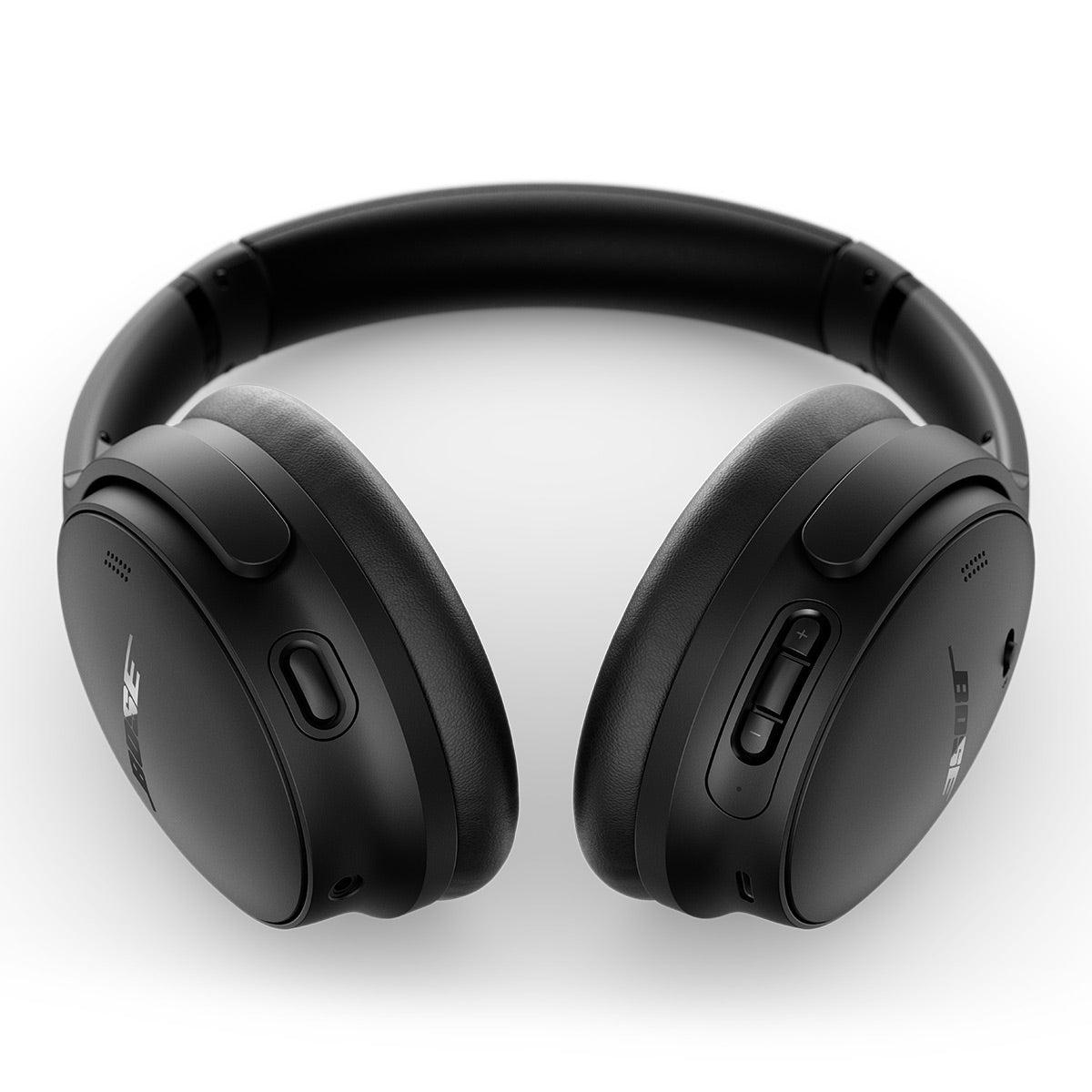

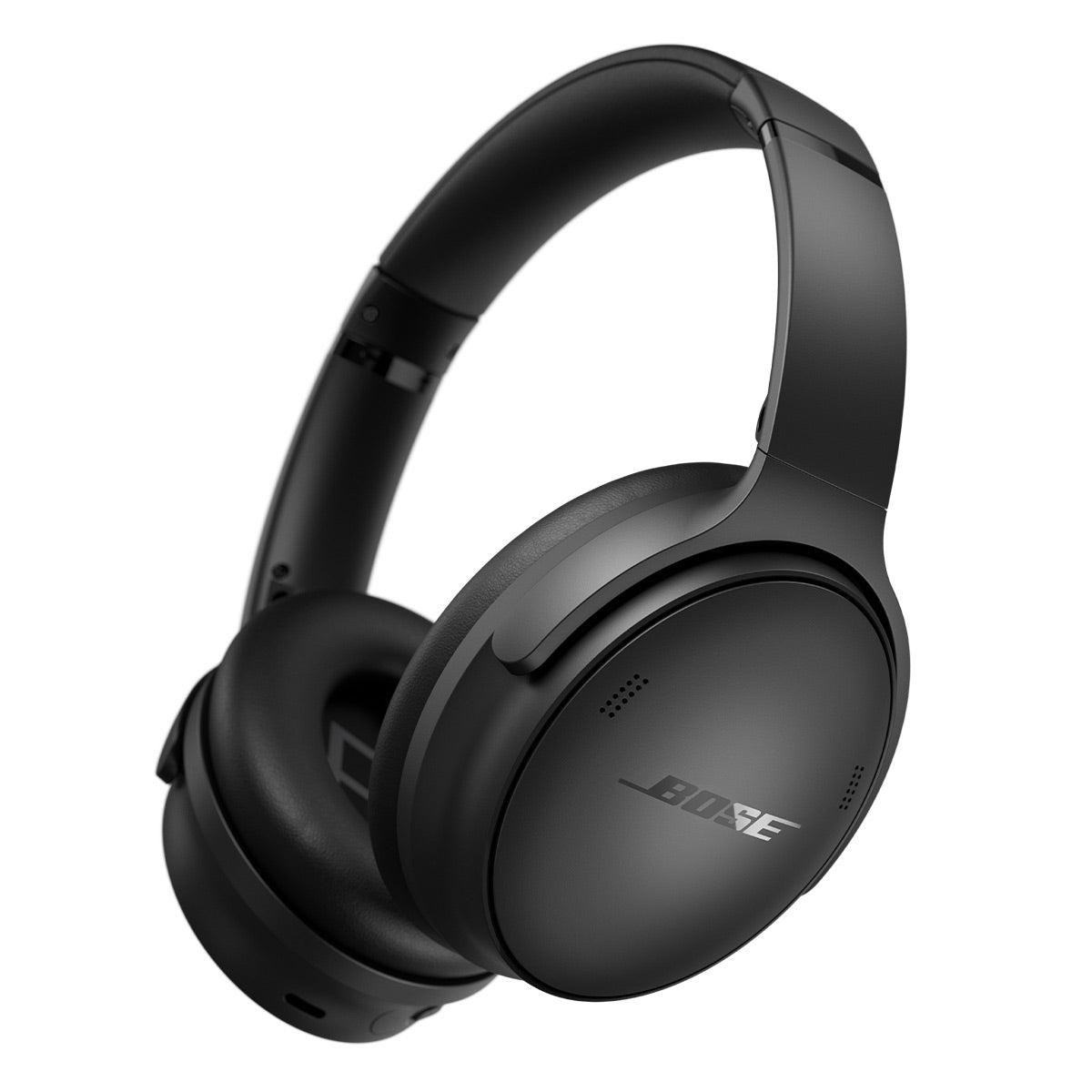
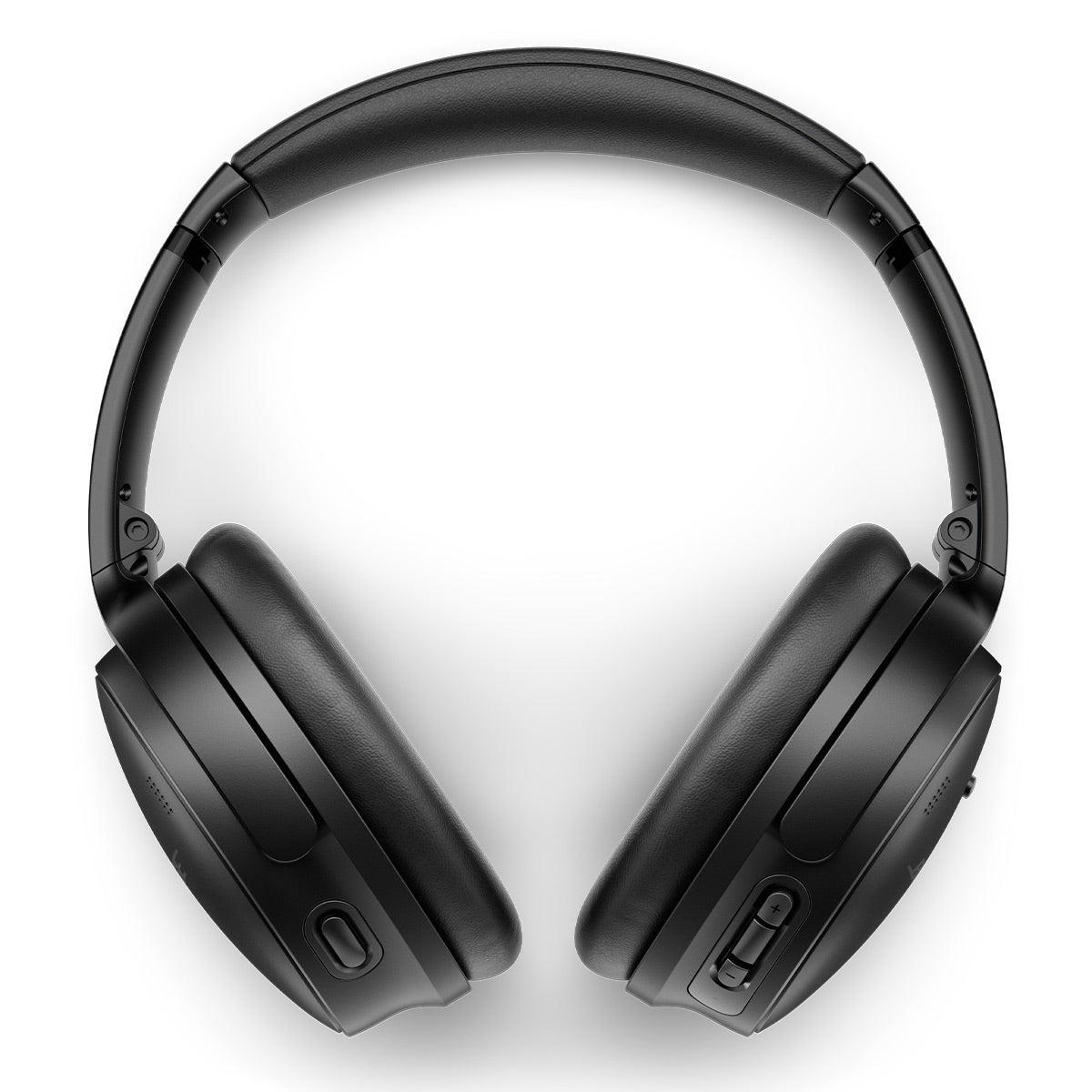
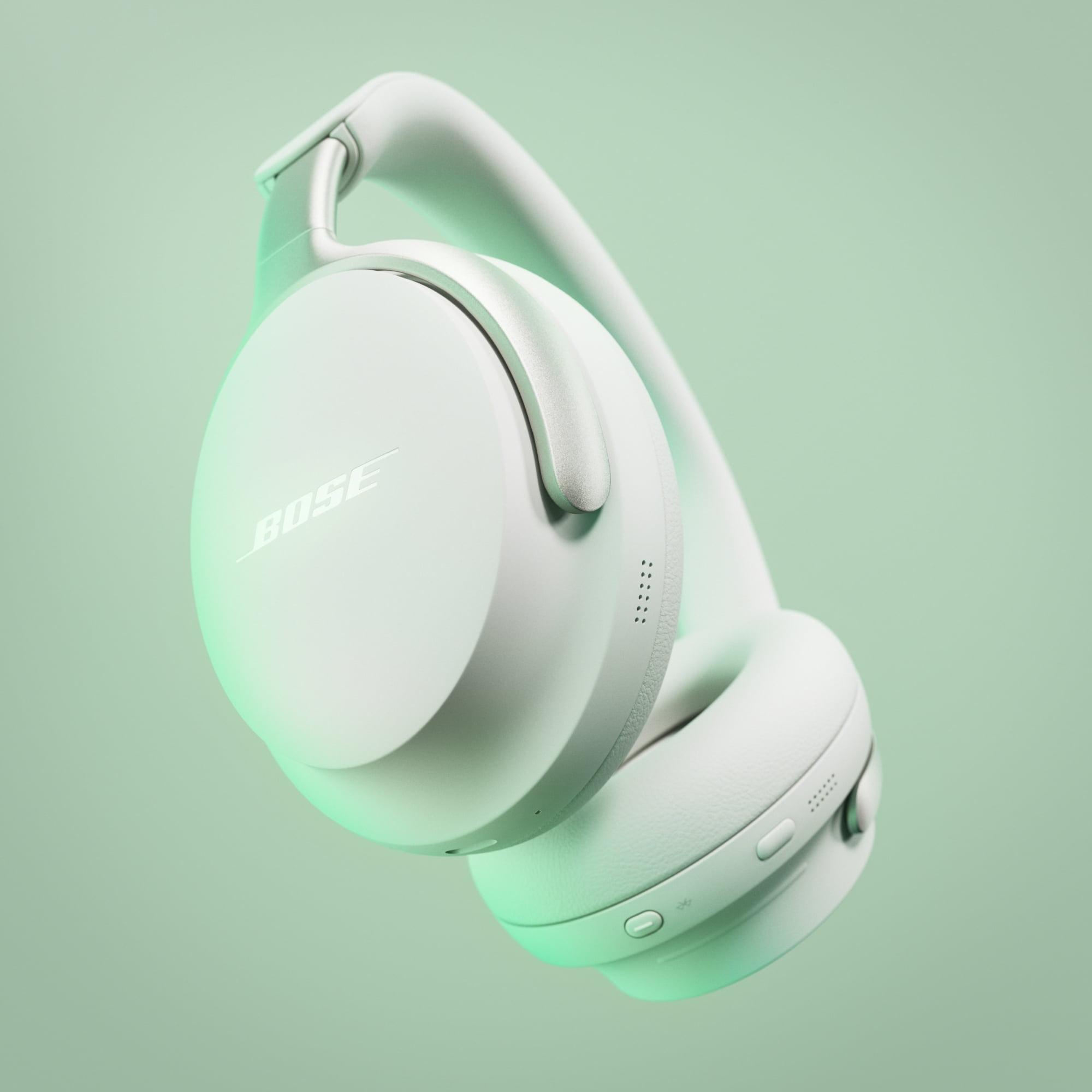
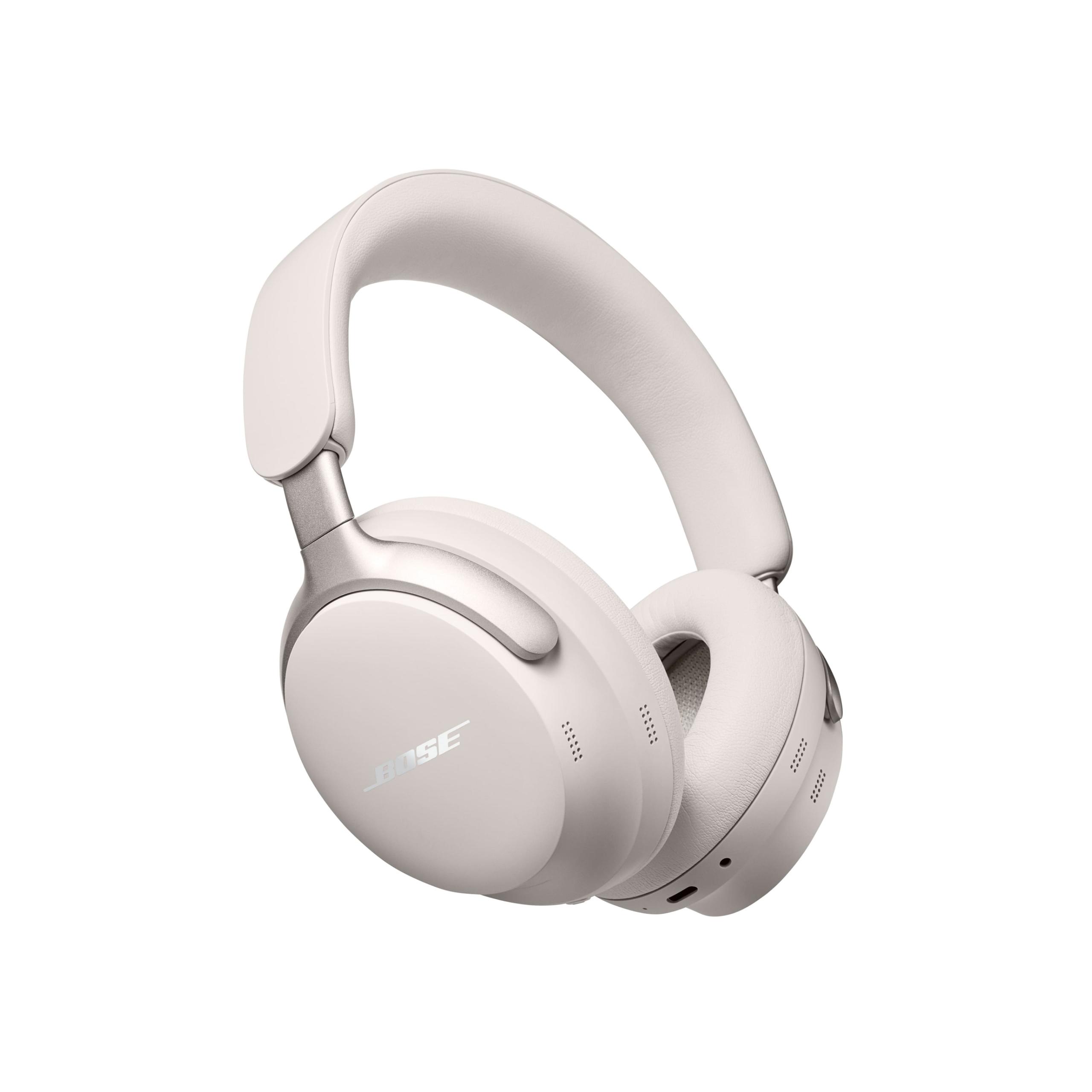
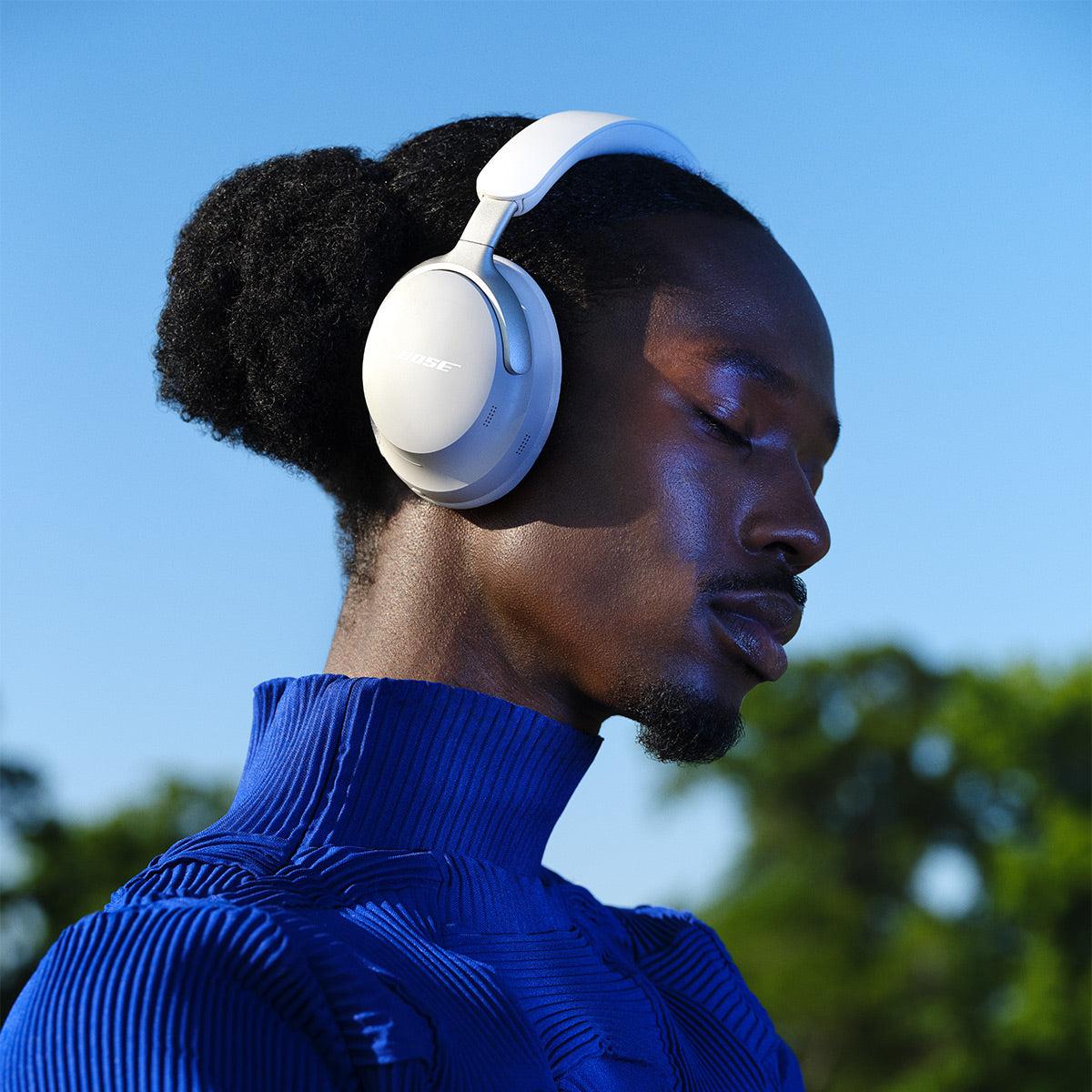
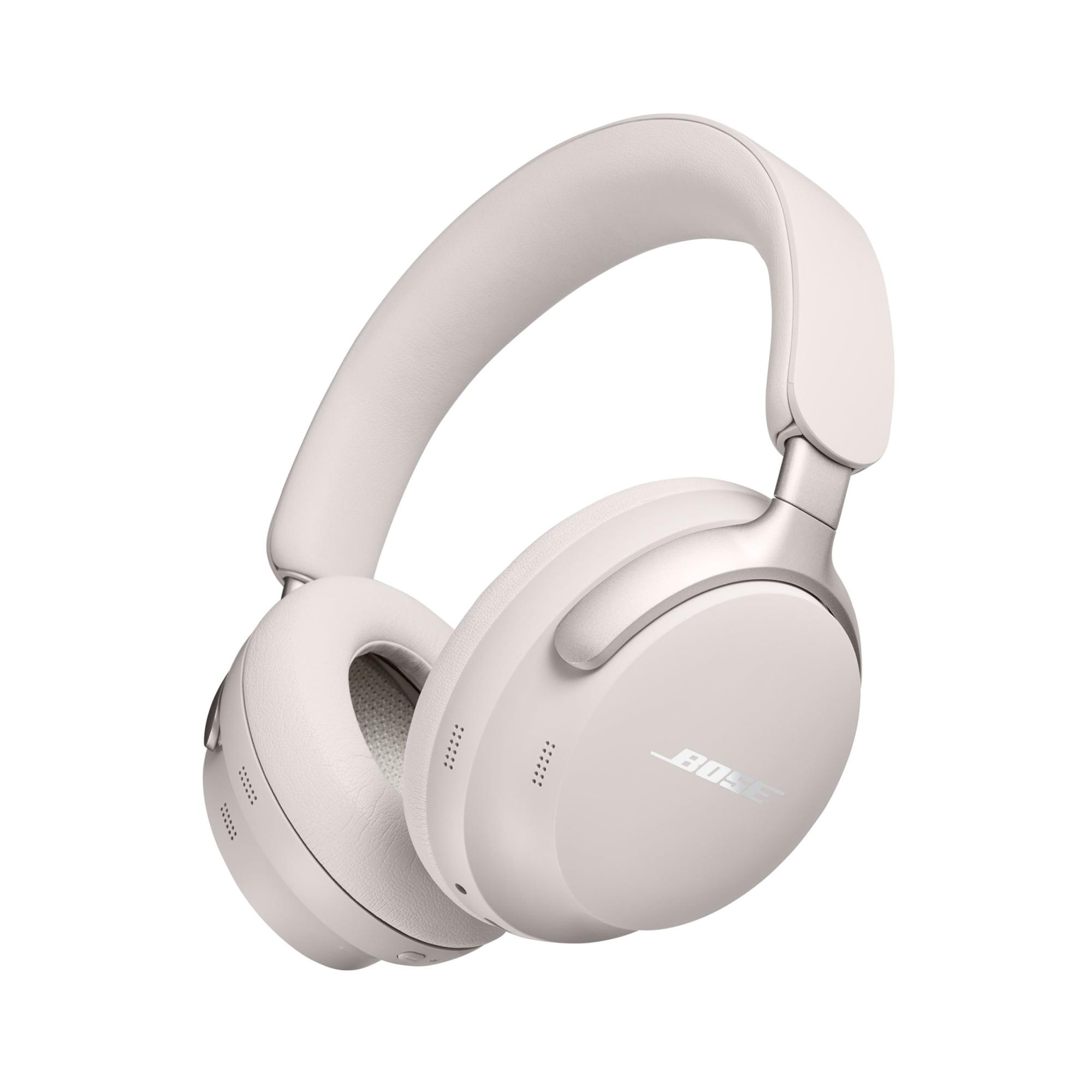
When Bose released both the QuietComfort Wireless Headphones and QuietComfort Ultra Wireless Headphones in late 2023, they created an interesting dilemma for headphone shoppers. With just a modest price difference between them at the time of writing, choosing between these two flagship models isn't as straightforward as you might expect.
Both headphones sit at the top of the premium noise-cancelling category, competing with Sony's WH-1000XM5 and other high-end models. But here's what makes this comparison fascinating: Bose essentially created two different approaches to the same goal, each with distinct advantages that appeal to different types of users.
Before diving into the specifics, let's talk about what makes premium noise-cancelling headphones special. These aren't just regular headphones with a higher price tag – they represent sophisticated engineering designed to solve real-world problems.
Active Noise Cancellation (ANC) is the star feature here. Unlike passive noise isolation (which just blocks sound through physical barriers), ANC uses microphones to "listen" to outside noise and then generates opposite sound waves to cancel it out. Think of it like having a conversation in a crowded room – ANC is like having someone follow you around, constantly whispering the exact opposite of the background chatter so you can focus on what matters.
The best ANC headphones excel in three key areas: they dramatically reduce low-frequency rumbles (like airplane engines or air conditioners), maintain excellent sound quality while the noise cancellation is active, and remain comfortable for hours of wear. This is where both the QuietComfort and QuietComfort Ultra truly shine.
Bose's 2023 strategy was clever. Instead of replacing their previous model with a single new option, they created two distinct paths. The standard QuietComfort Wireless Headphones serves as the "practical flagship" – delivering exceptional core performance without unnecessary frills. Meanwhile, the QuietComfort Ultra pushes boundaries with cutting-edge features and premium materials.
At the time of writing, the price gap between these models is surprisingly small, making the decision more about features and preferences than budget constraints. This narrow pricing creates an interesting value equation that we'll explore throughout this comparison.
Here's where things get interesting. Both headphones deliver what I'd call "distinctly Bose" sound – warm, engaging, and designed for long listening sessions rather than analytical monitoring. However, the QuietComfort Ultra takes this foundation and builds something more sophisticated on top.
The standard QuietComfort offers what most people would consider excellent sound quality. It has a slight bass emphasis that makes music feel energetic without overwhelming the midrange where vocals live. During my testing with various genres, from jazz to electronic music, it consistently delivered enjoyable, fatigue-free listening experiences.
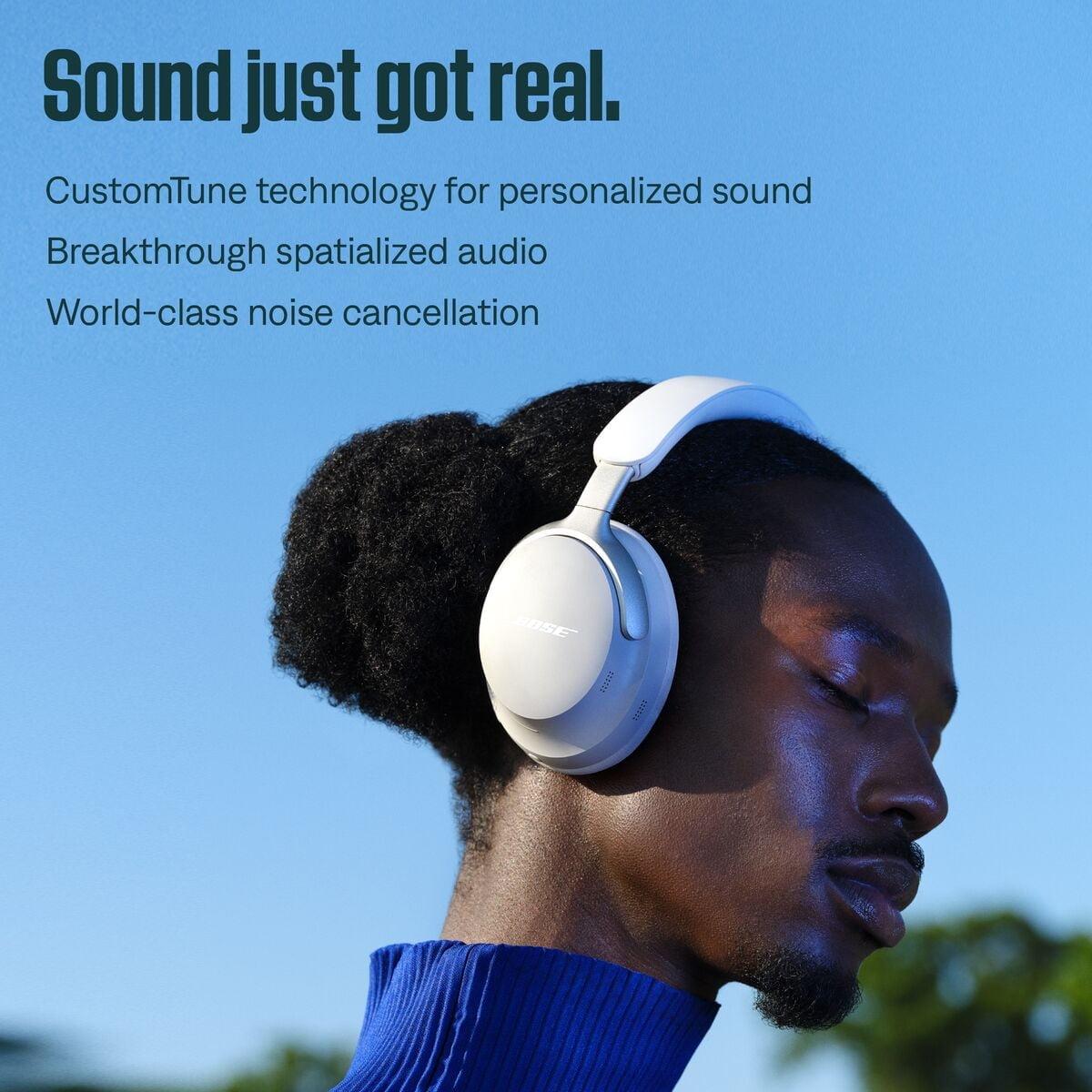
The QuietComfort Ultra, however, operates on a different level entirely. Its CustomTune technology represents a genuine innovation in consumer audio. Every time you put these headphones on, internal microphones analyze how sound bounces around your unique ear shape, then automatically adjusts both the audio output and noise cancellation accordingly. This isn't marketing fluff – it's measurable technology that adapts the sound signature to match your individual hearing profile.
In practical terms, this means the Ultra model delivers noticeably better soundstage (the sense of space and separation between instruments), improved detail retrieval (you'll hear subtle elements in familiar songs that you might have missed before), and more accurate bass response. The difference becomes particularly apparent with complex orchestral pieces or well-recorded live albums where instrument placement matters.
Both headphones include adjustable EQ through Bose's smartphone app, allowing you to fine-tune bass, midrange, and treble to your preferences. However, the QuietComfort Ultra's superior drivers and processing give you more headroom to work with when customizing your sound.
This is where both headphones truly excel, and honestly, where the differences between them become almost academic. Both the QuietComfort and QuietComfort Ultra deliver class-leading noise cancellation that outperforms most competitors, including Sony's highly-regarded models.
The technology works by using microphones both inside and outside each ear cup. The external microphones detect incoming noise, while internal microphones monitor what you're actually hearing, creating a feedback loop that constantly adjusts the cancellation signal. Both models offer 11 levels of ANC intensity, plus specialized modes for different situations.
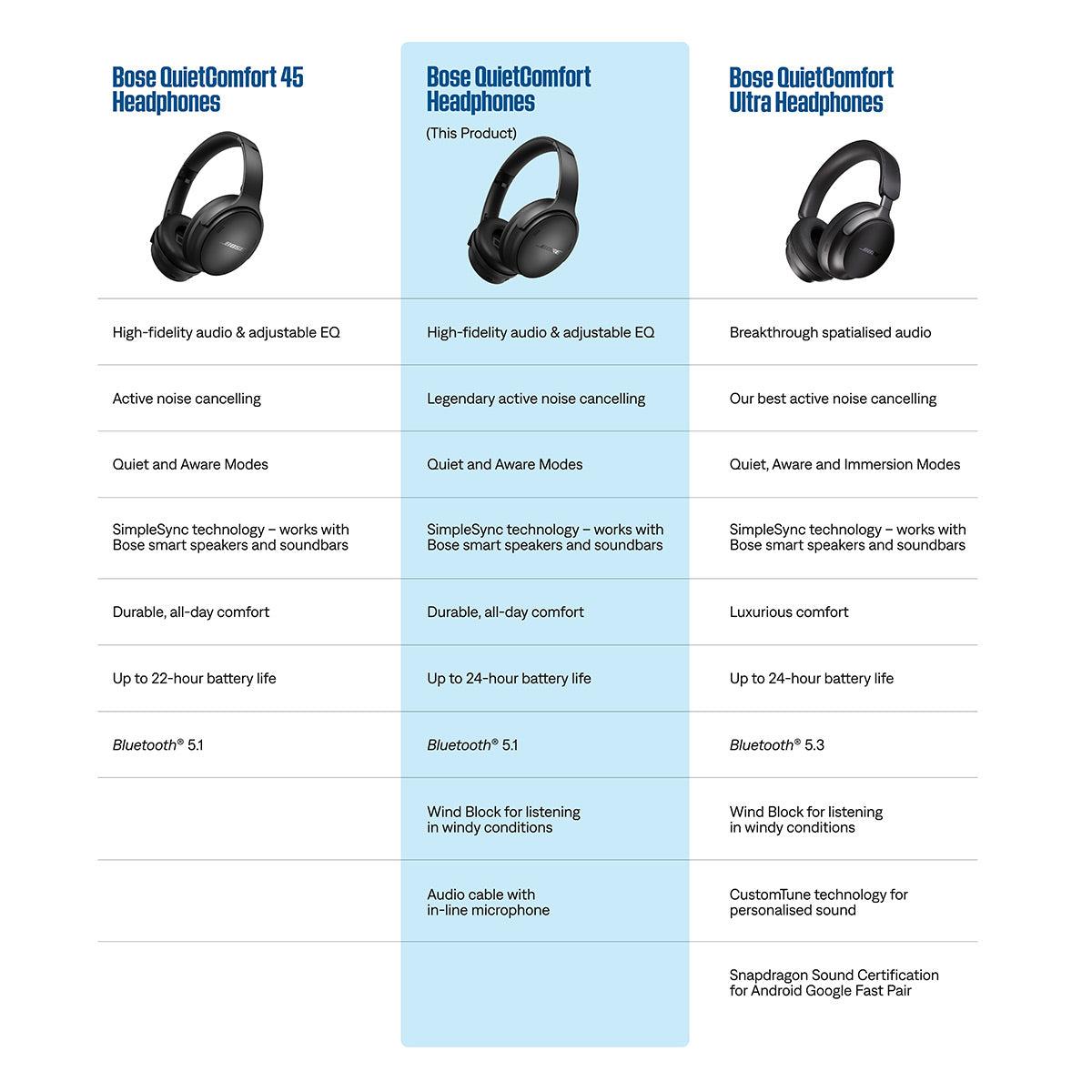
Quiet Mode provides maximum noise cancellation – perfect for flights or noisy offices. Aware Mode does the opposite, using those same external microphones to pipe in ambient sound so you can hear announcements or have conversations without removing the headphones. There's even a Wind Block feature that adjusts how the external microphones work to reduce the whooshing sounds that can occur outdoors.
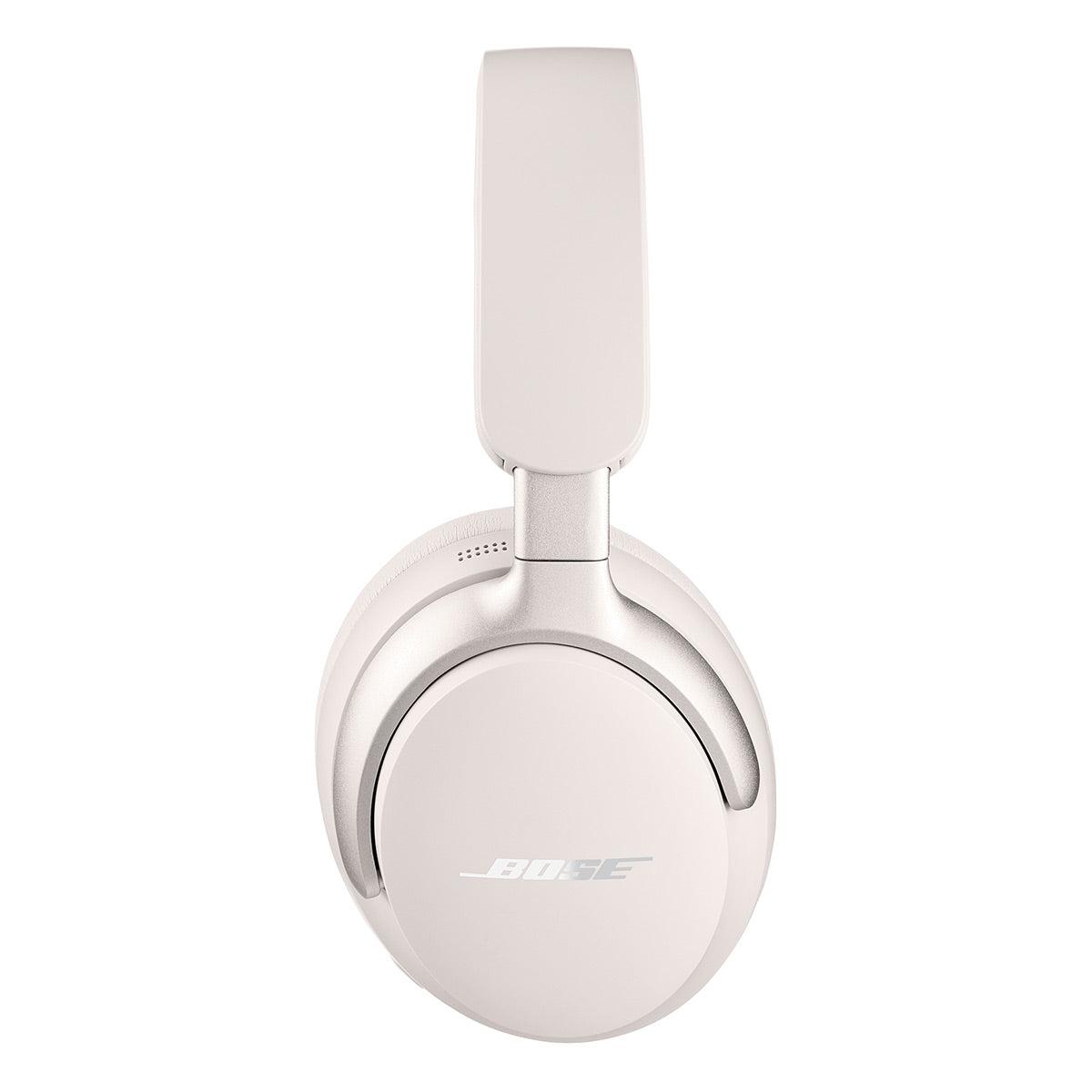
The QuietComfort Ultra has a slight edge in ANC performance, primarily due to its larger ear cups and more sophisticated processing algorithms. However, in real-world use, both headphones are remarkably effective. I've used both on cross-country flights, and they equally excel at eliminating engine noise and creating that peaceful bubble that makes long travel bearable.
Where you might notice the Ultra's advantage is in more challenging situations – busy coffee shops with unpredictable noise patterns, or outdoor environments where wind and variable sounds create a complex acoustic environment.
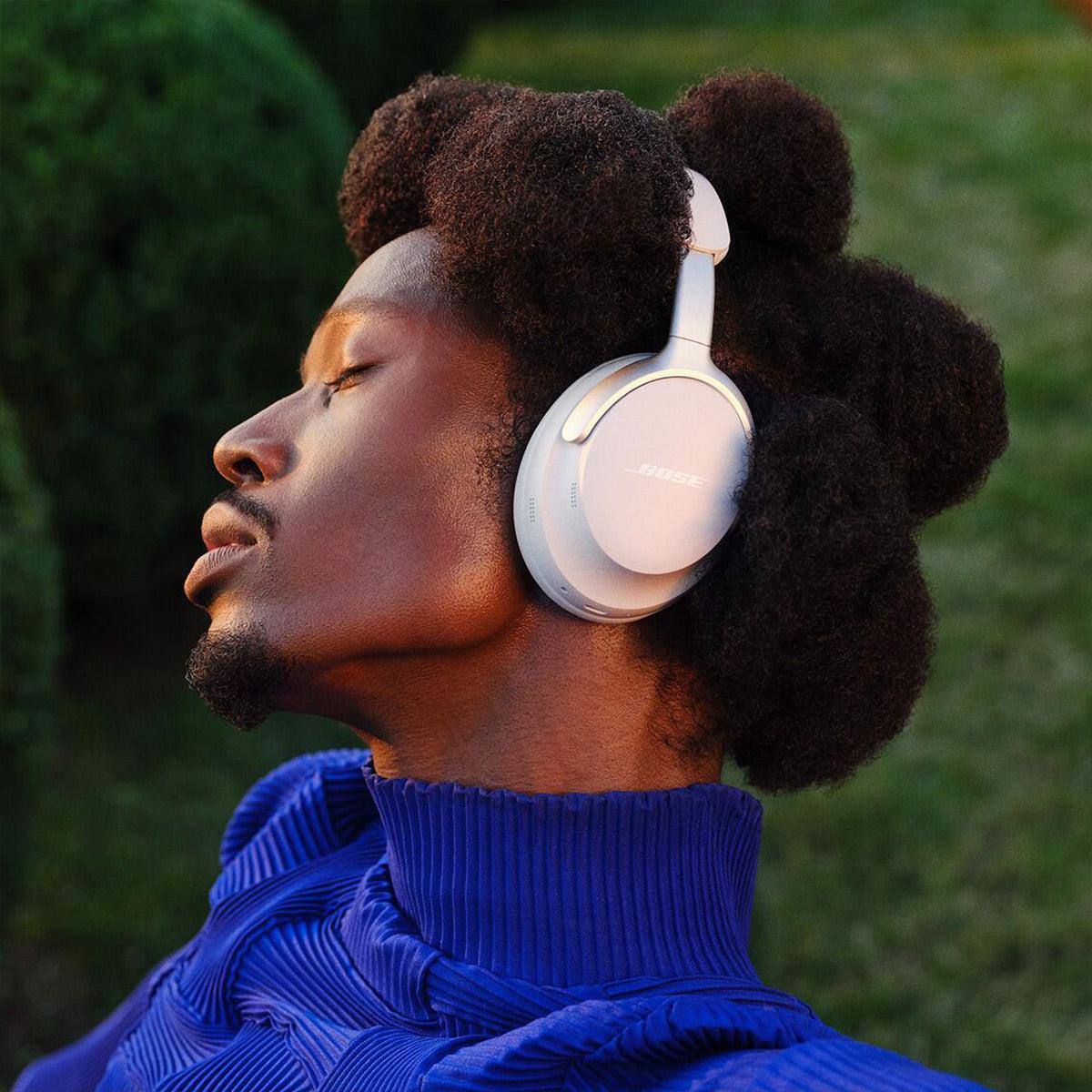
Here's where the QuietComfort Ultra justifies its premium positioning most clearly. While both headphones are comfortable enough for extended use, the Ultra takes comfort to another level entirely.
The standard QuietComfort weighs 236 grams and uses quality protein leather ear cushions with adequate padding. It's genuinely comfortable and suitable for multi-hour listening sessions. The headband distributes weight evenly, and the clamping force is gentle enough that you won't develop pressure points, even if you wear glasses.
The QuietComfort Ultra, at 254 grams, is heavier but uses significantly more premium materials. The ear cushions are noticeably plusher, the headband padding is more substantial, and the overall construction feels more luxurious. During extended testing sessions, I consistently found the Ultra more comfortable despite the extra weight. The enhanced materials create a better seal around your ears, which actually improves both sound quality and noise cancellation effectiveness.
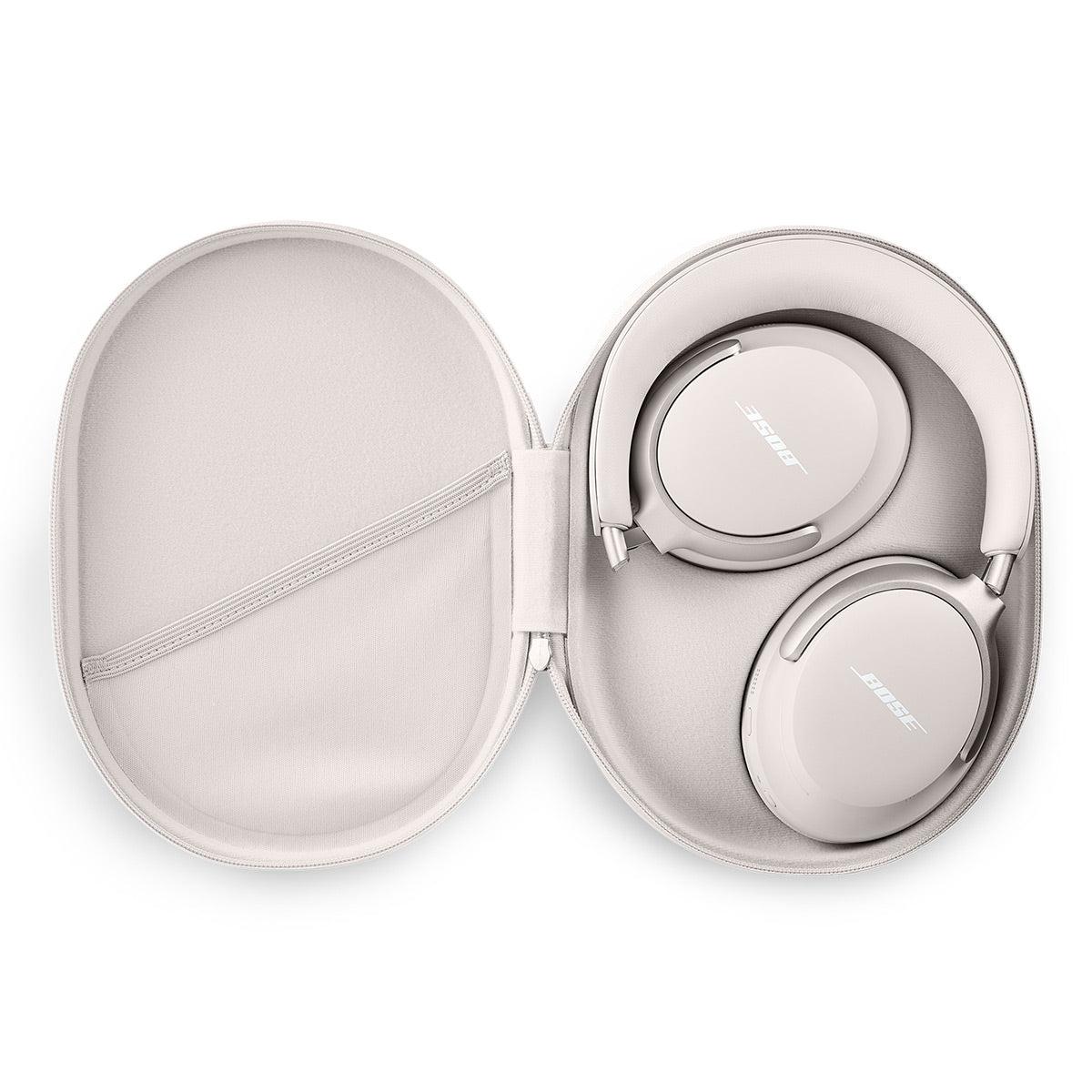
Both headphones fold flat for travel and include well-designed carrying cases. The Ultra's case feels slightly more premium, but both provide adequate protection for regular travel.
This category reveals one of the most significant differences between these models, and it's where thinking about long-term value becomes important.
The QuietComfort uses Bluetooth 5.1 and supports SBC and AAC codecs – perfectly adequate for current streaming services and most smartphones. It offers reliable multipoint connectivity, meaning you can connect to two devices simultaneously (like your phone and laptop) and seamlessly switch between them.
The QuietComfort Ultra steps into the future with Bluetooth 5.3 and support for aptX Adaptive and aptX Lossless codecs. These advanced codecs can deliver higher quality audio with lower latency, though you'll need compatible source devices to take advantage of them. The Ultra also promises LE Audio support, which will become important as this new Bluetooth standard gains adoption.
For most users today, these codec differences won't dramatically impact daily use. However, as streaming services begin offering higher-resolution audio and more devices support advanced Bluetooth features, the Ultra's connectivity advantages will become increasingly valuable.
Both headphones support the Bose Music app, which provides access to EQ settings, noise cancellation customization, and device management. The app experience is identical between models.
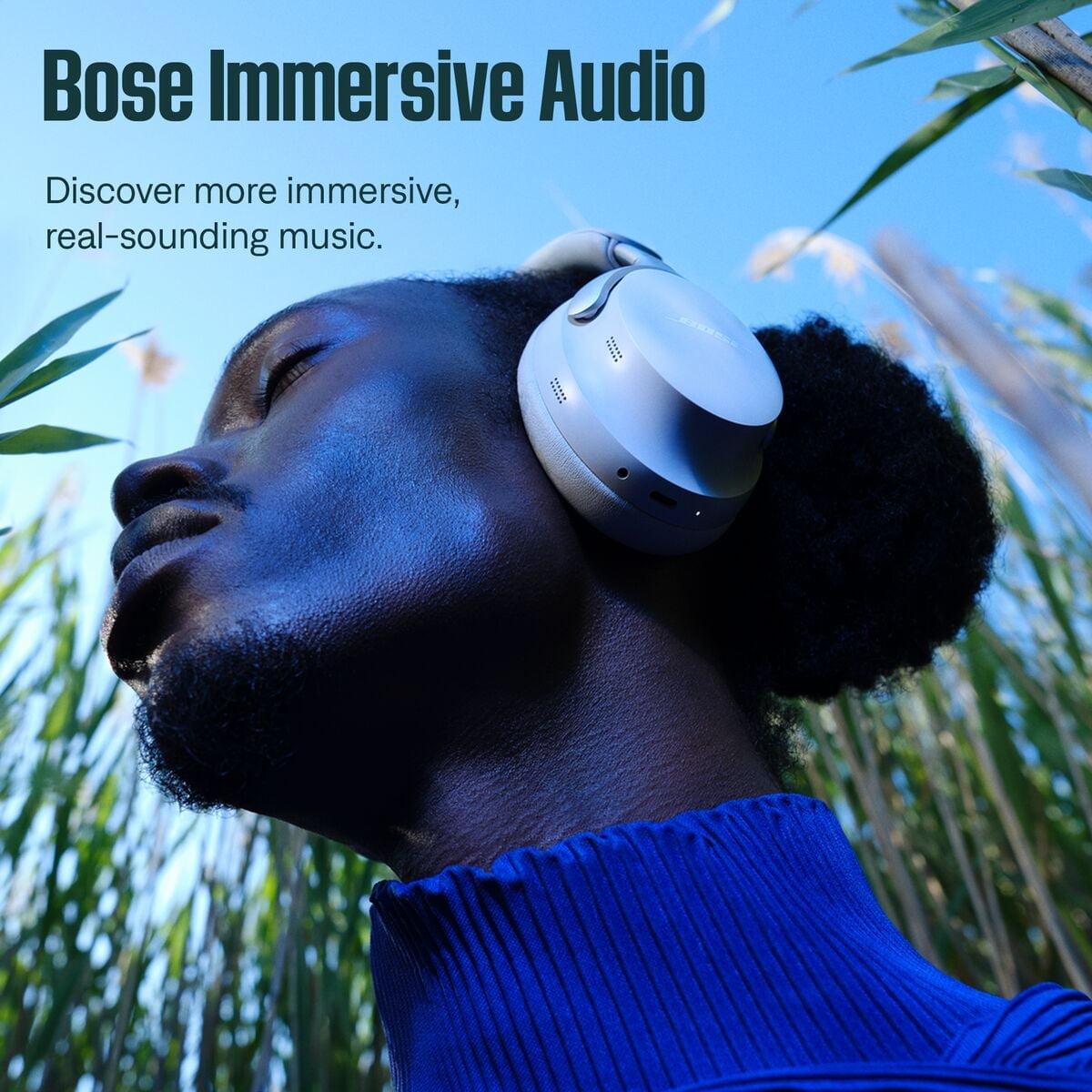
The QuietComfort Ultra's signature feature is Immersive Audio – Bose's implementation of spatial audio technology. This system takes regular stereo music and creates a three-dimensional soundstage that appears to come from in front of you rather than inside your head.
Immersive Audio offers two modes: Still mode creates a fixed stereo field that doesn't change as you move your head, while Motion mode uses head tracking to maintain consistent audio positioning as you turn or tilt your head. The technology works by analyzing the audio signal in real-time and using psychoacoustic processing to create the illusion of speakers positioned around you.
Here's my honest assessment after extensive testing: Immersive Audio is impressive technology that works as advertised, but its practical value varies significantly depending on your listening habits and preferences. With certain types of music – particularly live recordings, orchestral pieces, and some modern pop productions – the spatial effect can be genuinely engaging and immersive.
However, many users find the effect subtle or distracting, and there's a notable impact on battery life when it's enabled. The feature reduces battery life from 24 hours to 18 hours, which might make you think twice about using it regularly.
This is where personal preference plays a major role, and where the QuietComfort might actually have an advantage for many users.
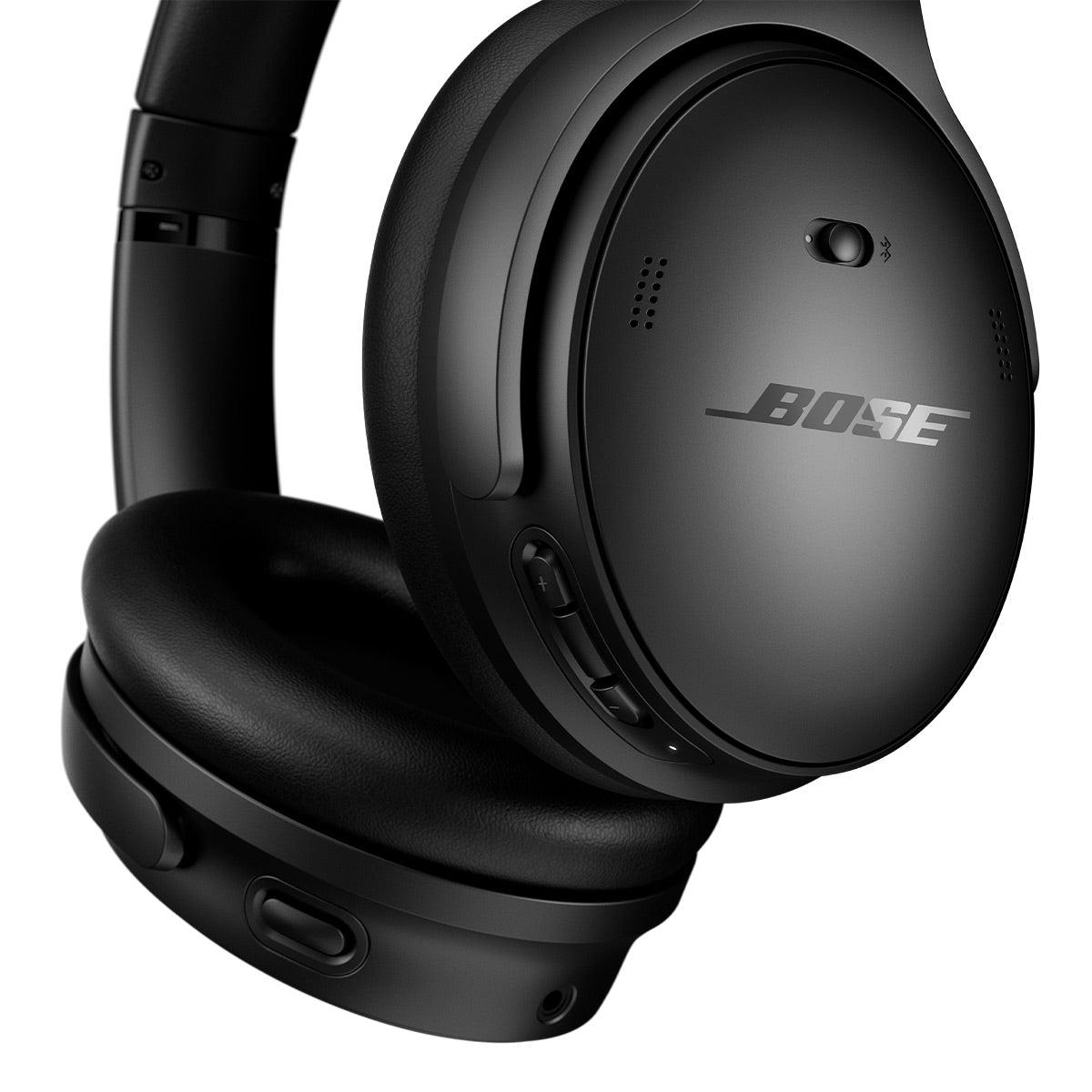
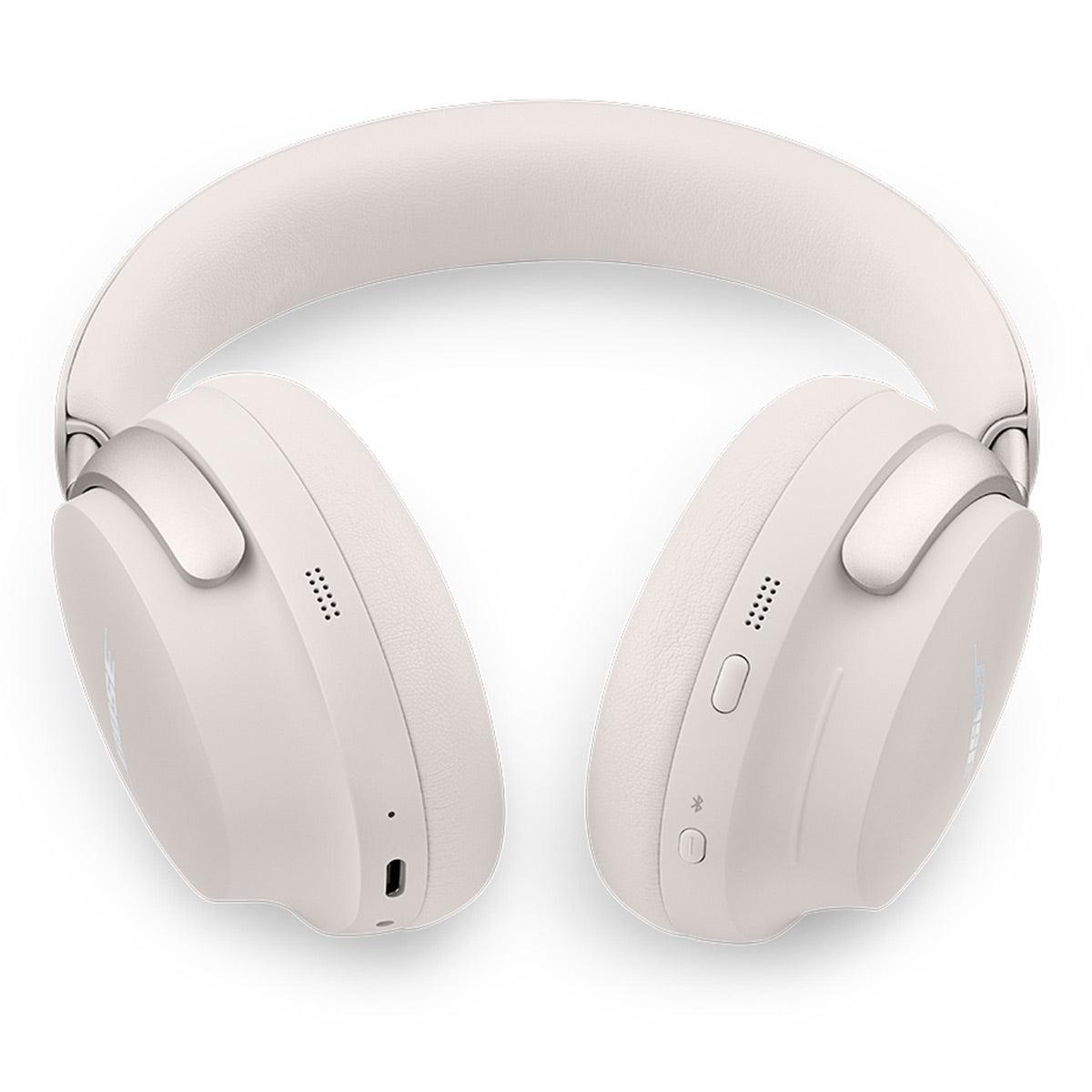
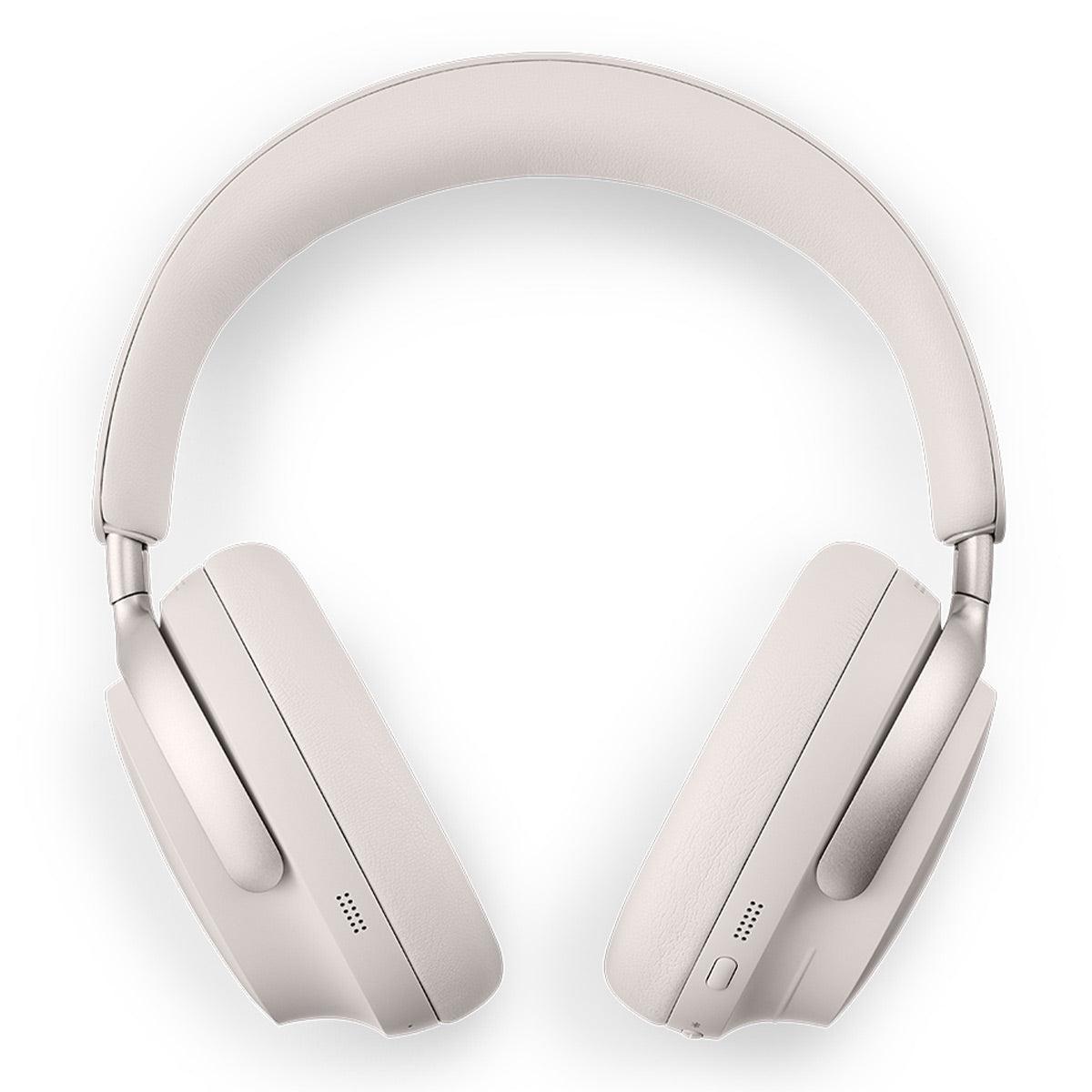
The standard QuietComfort uses traditional physical buttons for all controls – power/Bluetooth pairing, a multi-function button for playback control and calls, and dedicated volume up/down buttons. These controls are tactile, reliable, and work perfectly even when wearing gloves or in situations where you can't see the headphones.
The QuietComfort Ultra takes a different approach with a hybrid control system. It retains physical buttons for power and multi-function controls but replaces the volume buttons with a touch-sensitive slider on the right ear cup. This slider also supports customizable shortcuts – you can set it to activate voice assistants, check battery level, or access specific features.
While the touch slider looks sleek and modern, many users find it less precise than physical buttons. It's also more prone to accidental activation when adjusting the headphones or removing them. If you prioritize reliable, intuitive controls, the standard model's all-physical approach might be preferable.
Both headphones deliver solid battery performance, though neither is class-leading in this category. The QuietComfort provides a consistent 24 hours of playback with ANC enabled, while the QuietComfort Ultra matches this performance but drops to 18 hours when Immersive Audio is active.
Both models support quick charging via USB-C – a 15-minute charge provides up to 2.5 hours of playback, which is sufficient for most emergency situations. Full charging takes about 2.5-3 hours for both models.
While 24 hours is respectable, some competitors offer longer battery life. However, Bose's efficient power management means these headphones rarely leave you stranded, and the quick-charge feature provides good insurance for unexpected situations.
While both headphones are primarily designed for mobile and personal use, they can serve as excellent private listening solutions for home theater applications. Both support wired connections via included 3.5mm cables, making them compatible with TV audio outputs, gaming consoles, and dedicated audio equipment.
The QuietComfort Ultra's Immersive Audio technology becomes more interesting in this context. When watching movies or playing games, the spatial processing can create a more engaging experience, particularly with content that has sophisticated surround sound mixing. However, keep in mind that you'll need to keep the headphones powered on even when using wired connections, as the processing is handled digitally.
For gaming specifically, both headphones offer low enough latency for most applications, though dedicated gaming headsets might still provide better performance for competitive gaming where every millisecond matters.
At the time of writing, the modest price difference between these models makes this choice more about features and preferences than budget constraints. Here's how I'd break down the decision:
Choose the QuietComfort Wireless Headphones if you value straightforward, reliable operation above cutting-edge features. These headphones deliver 95% of the Ultra's performance while offering superior controls, lighter weight, and proven reliability. They're perfect for users who want exceptional noise cancellation and sound quality without paying for features they might not use.
The QuietComfort Ultra Wireless Headphones make sense for users who want the absolute best that Bose offers and value future-proofing their investment. The advanced connectivity options, premium materials, and CustomTune technology represent genuine improvements that will become more valuable over time.
Personally, I lean toward the QuietComfort Ultra for most users, despite its few compromises. The comfort improvements alone justify the modest price premium, and the superior sound quality becomes apparent during extended listening sessions. The advanced Bluetooth support also provides better long-term value as audio technology continues evolving.
However, if you prioritize simplicity and proven operation, or if you're particularly sensitive to weight during extended wear, the standard QuietComfort remains an excellent choice that won't disappoint.
Both headphones represent the current pinnacle of consumer noise-cancelling technology. Your choice between them says more about your priorities and listening habits than about the quality of either option. Either way, you're getting headphones that will likely satisfy your needs for years to come.
| Bose QuietComfort Wireless Headphones | Bose QuietComfort Ultra Wireless Headphones |
|---|---|
| Weight - Critical for extended comfort during long listening sessions | |
| 236g (noticeably lighter for all-day wear) | 254g (18g heavier but premium materials offset the difference) |
| Bluetooth Version - Affects audio quality and future device compatibility | |
| Bluetooth 5.1 with SBC/AAC (adequate for current devices) | Bluetooth 5.3 with aptX Adaptive/Lossless (future-proofed for hi-res audio) |
| Controls - Daily usability and reliability in various conditions | |
| All physical buttons (tactile and reliable, works with gloves) | Hybrid touch slider + buttons (sleek but less precise volume control) |
| Sound Technology - Audio personalization and quality optimization | |
| Standard drivers with app-based EQ | CustomTune ear-shape analysis + superior drivers for personalized sound |
| Spatial Audio - Immersive listening experience for movies and music | |
| Not available | Bose Immersive Audio with head tracking (battery impact: reduces to 18hrs) |
| Battery Life - Real-world usage between charges | |
| 24 hours consistent (ANC on) | 24 hours standard / 18 hours with Immersive Audio enabled |
| Comfort Materials - Long-term wearability and premium feel | |
| Quality protein leather cushions | Significantly plusher materials and enhanced headband padding |
| Noise Cancellation Performance - Core feature effectiveness | |
| Class-leading ANC with 11 adjustability levels | Marginally superior ANC due to larger ear cups and advanced processing |
| Included Accessories - Value and convenience out of the box | |
| Audio cable with inline mic (more versatile) | Standard audio cable without inline controls |
| Quick Charge - Emergency power when battery runs low | |
| 15 minutes = 2.5 hours playback | 15 minutes = 2.5 hours playback |
The main difference is that the Bose QuietComfort Ultra Wireless Headphones include advanced spatial audio technology called Immersive Audio, superior sound quality with CustomTune ear-shape analysis, and premium Bluetooth 5.3 connectivity. The standard Bose QuietComfort Wireless Headphones focus on core performance with reliable physical controls and lighter weight design.
Both the QuietComfort and QuietComfort Ultra deliver exceptional noise cancellation that's considered class-leading. The QuietComfort Ultra has a slight edge due to larger ear cups and more sophisticated processing, but the difference is minimal in real-world use. Both offer 11 levels of ANC adjustment and identical noise control modes.
The Bose QuietComfort Ultra Wireless Headphones are worth the premium if you prioritize superior sound quality, future-proof connectivity with advanced Bluetooth codecs, and premium comfort materials. However, the standard Bose QuietComfort Wireless Headphones offer excellent value with 95% of the Ultra's performance at a lower cost.
The QuietComfort Ultra are more comfortable despite being slightly heavier, thanks to significantly plusher ear cushions and enhanced headband padding. The standard QuietComfort are lighter at 236g versus 254g, but the Ultra's premium materials create a more luxurious feel for extended wear.
Yes, both the Bose QuietComfort Wireless Headphones and QuietComfort Ultra feature built-in microphones for clear voice calls. Call quality is very good on both models, with adequate background noise reduction, though neither excels compared to dedicated business headsets.
Both models offer 24 hours of battery life with noise cancellation enabled. However, the QuietComfort Ultra drops to 18 hours when using Immersive Audio features. The standard QuietComfort maintains consistent 24-hour performance regardless of features used.
Yes, both the QuietComfort and QuietComfort Ultra work excellently for home theater use via included 3.5mm audio cables. The QuietComfort Ultra's Immersive Audio technology can enhance movie watching with spatial sound effects, though both require power even when wired.
The Bose QuietComfort Wireless Headphones use all physical buttons that are tactile and reliable, even with gloves. The QuietComfort Ultra combines physical buttons with a touch volume slider that some users find less precise. Many prefer the standard model's traditional control approach.
Yes, both the QuietComfort and QuietComfort Ultra support Bluetooth multipoint connectivity, allowing simultaneous connection to two devices like your phone and laptop. You can seamlessly switch between devices without manual reconnection.
The QuietComfort Ultra delivers superior sound quality with better detail, soundstage, and CustomTune technology that analyzes your ear shape for personalized audio. The standard QuietComfort offers warm, balanced sound that's very good but not quite as refined as the Ultra model.
Both models excel for travel with exceptional noise cancellation and comfortable designs. The QuietComfort is lighter and has simpler controls, making it practical for frequent travelers. The QuietComfort Ultra offers premium comfort and better sound quality for longer journeys.
Yes, both the Bose QuietComfort Wireless Headphones and QuietComfort Ultra Wireless Headphones support adjustable EQ through the Bose Music app. However, the QuietComfort Ultra also includes CustomTune technology that automatically optimizes sound based on your individual ear shape for more personalized audio.
We've done our best to create useful and informative comparisons to help you decide what product to buy. Our research uses advanced automated methods to create this comparison and perfection is not possible - please contact us for corrections or questions. These are the sites we've researched in the creation of this article: techradar.com - whathifi.com - bose.com - rtings.com - recordingnow.com - bose.com - ottorinobruni.com - whathifi.com - costco.com - recordingnow.com - youtube.com - bose.com - bestbuy.com - global.bose.com - boselatam.com - projectorscreen.com - bose.com - bose.com - bose.com - techradar.com - whathifi.com - tomsguide.com - youtube.com - stereoguide.com - youtube.com - soundguys.com - soundguys.com - headphonecheck.com - bose.com - cnet.com - bhphotovideo.com - boselatam.com - rtings.com - bestbuy.com - assets.bose.com - bose.com - bose.com.au - boseapac.com

Privacy Policy
Terms and Conditions - Affiliate Policy
Home Security
© Copyright 2008-2026.
11816 Inwood Rd #1211, Dallas, TX 75244