

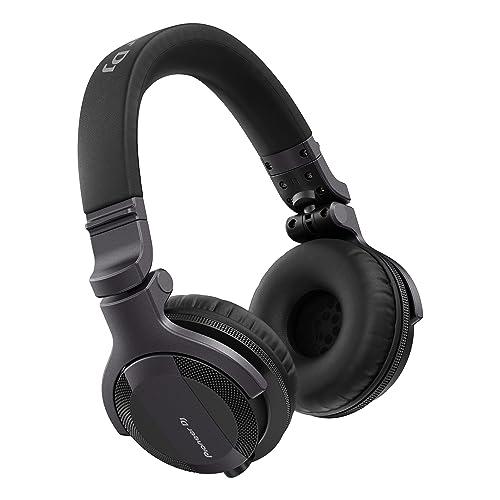
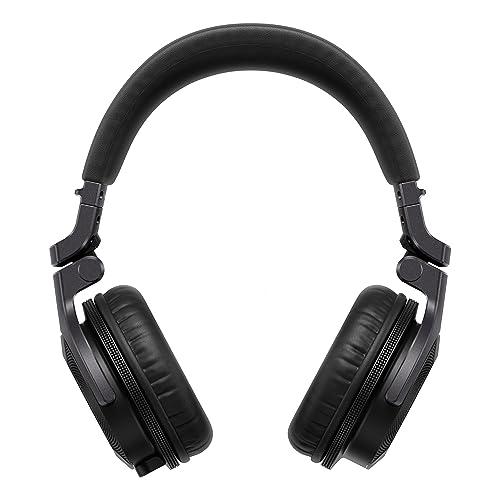
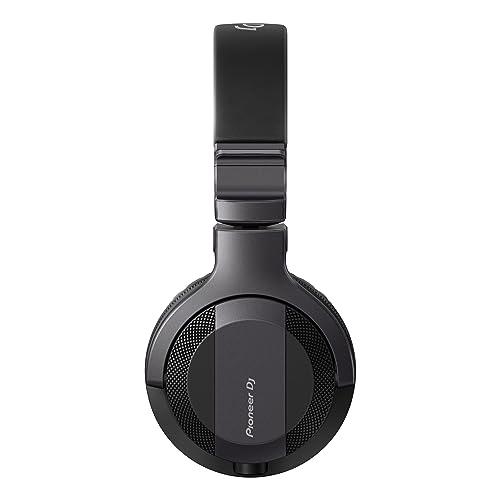
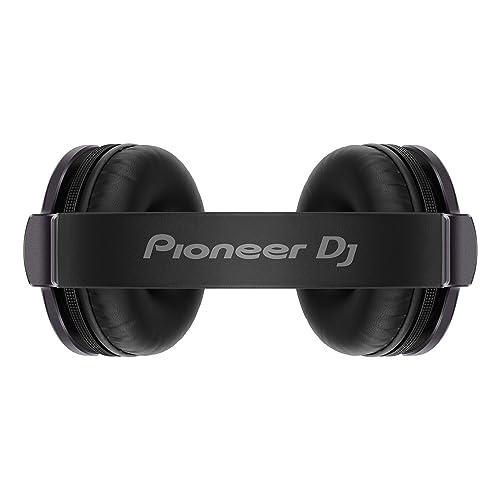
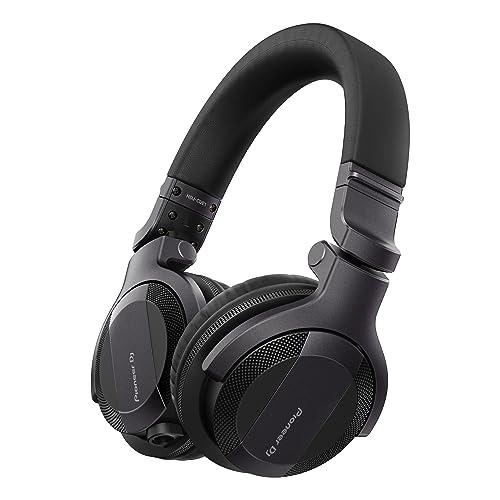




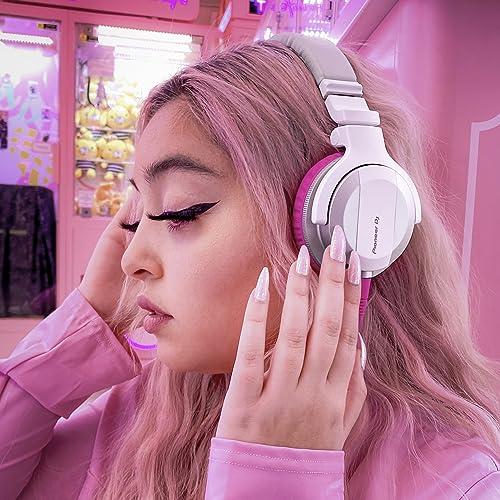
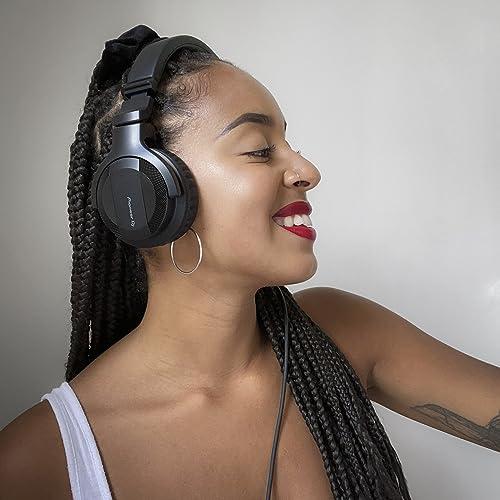
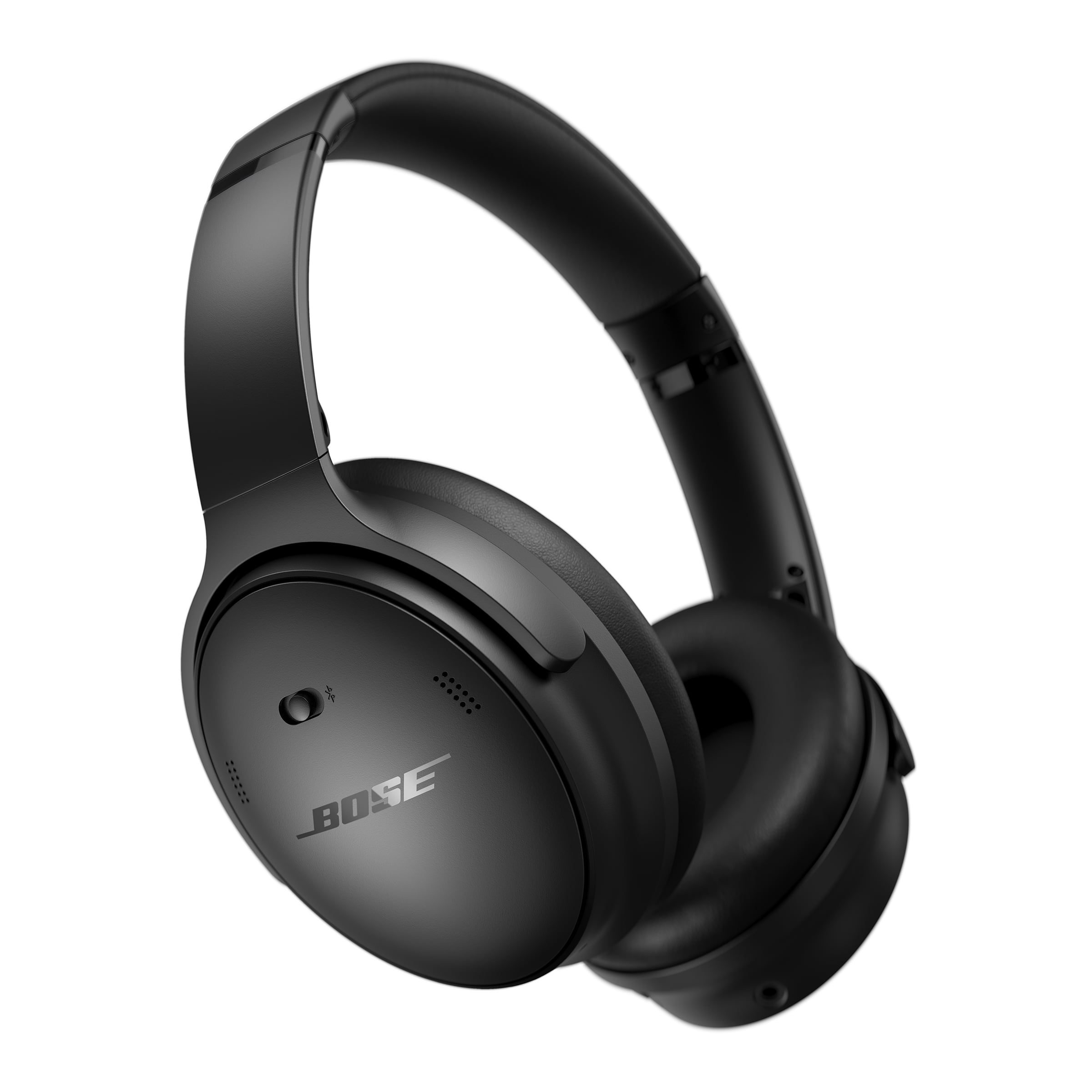
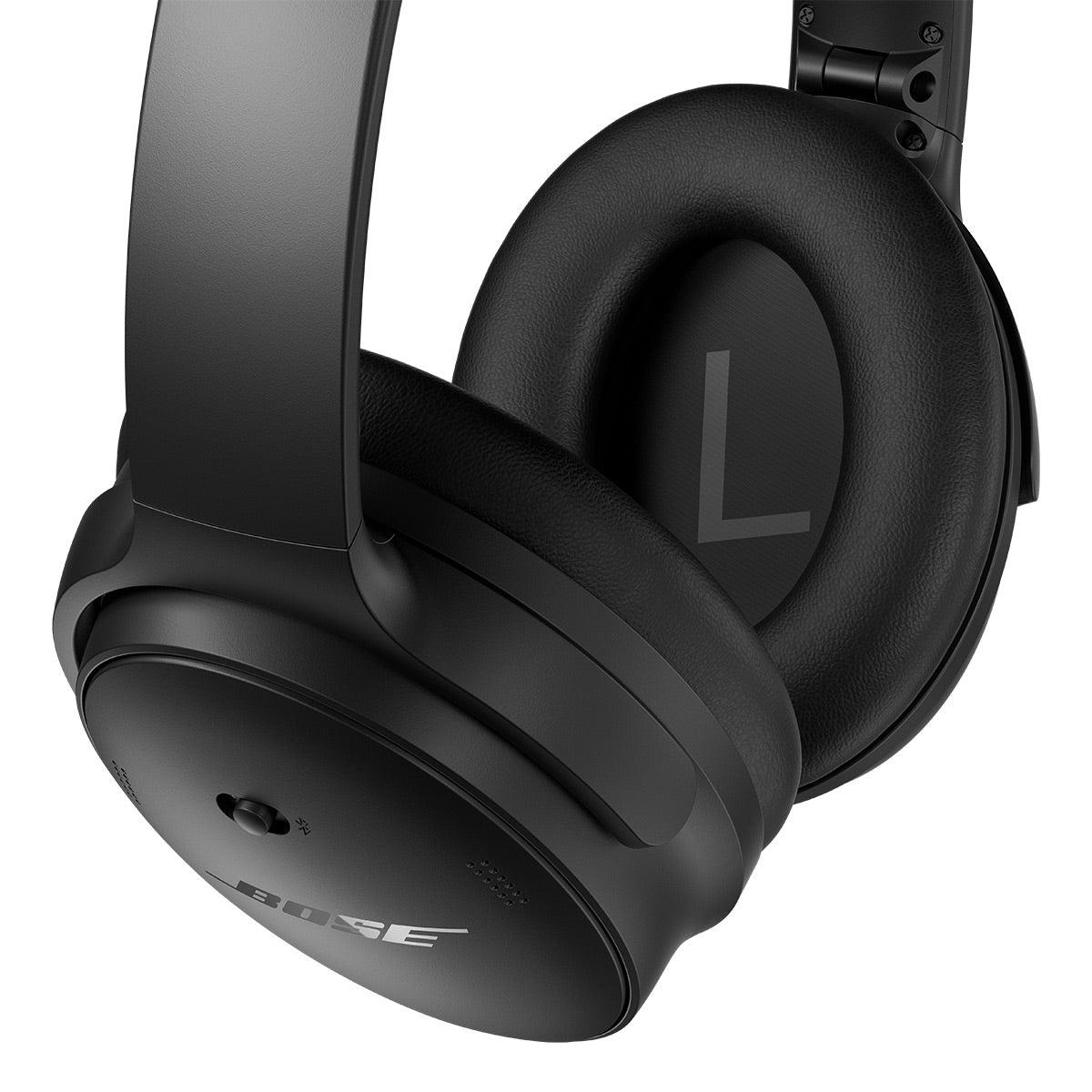
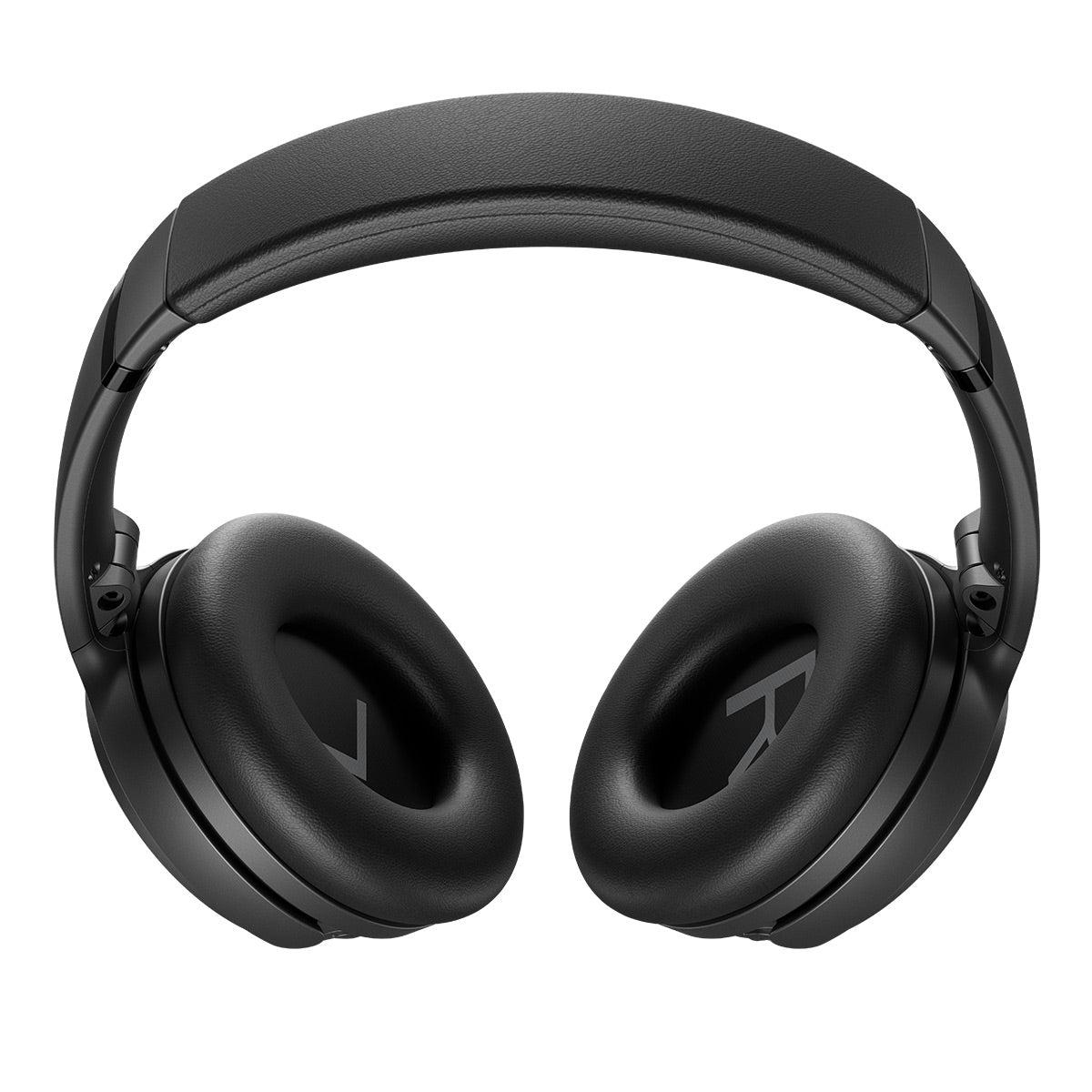

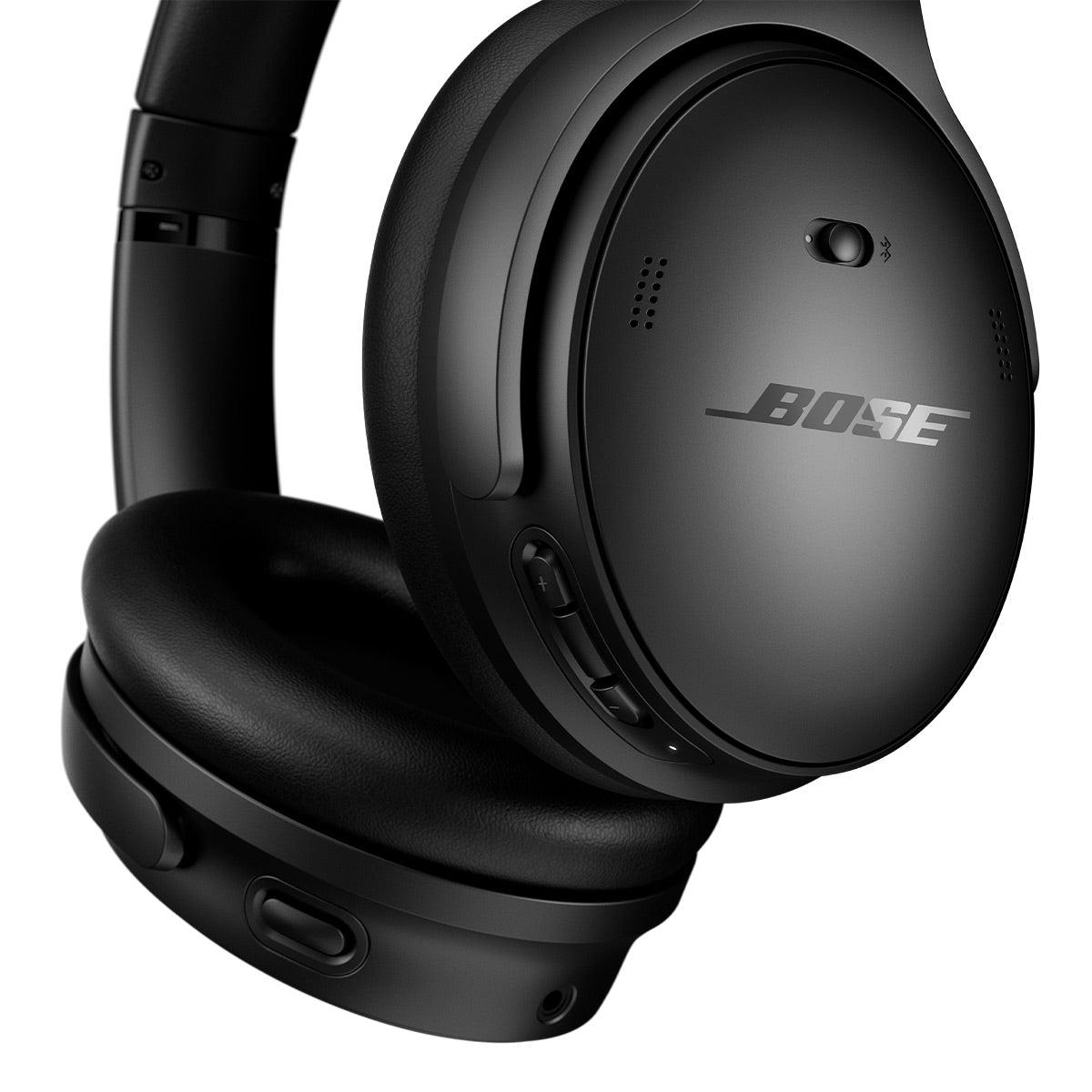

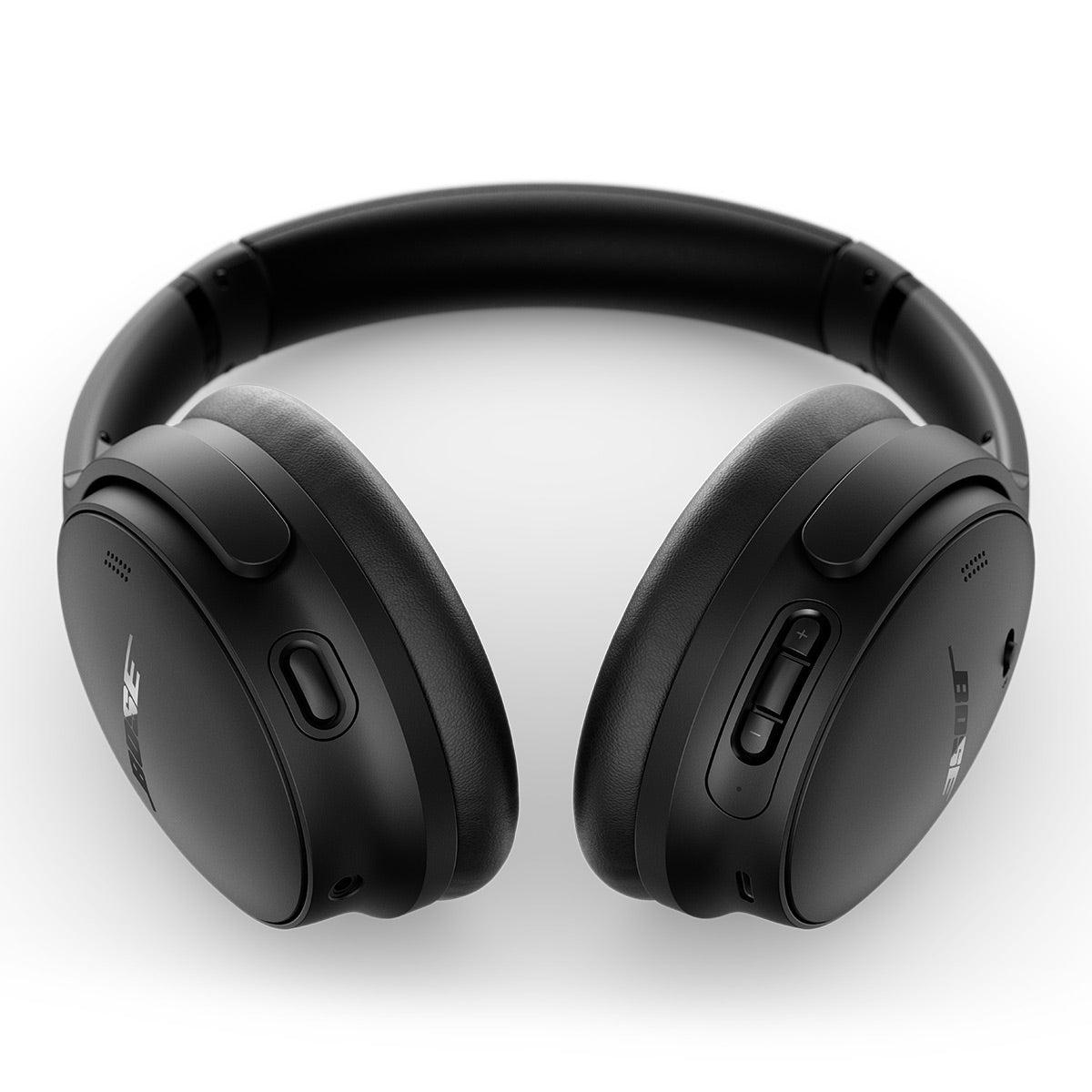

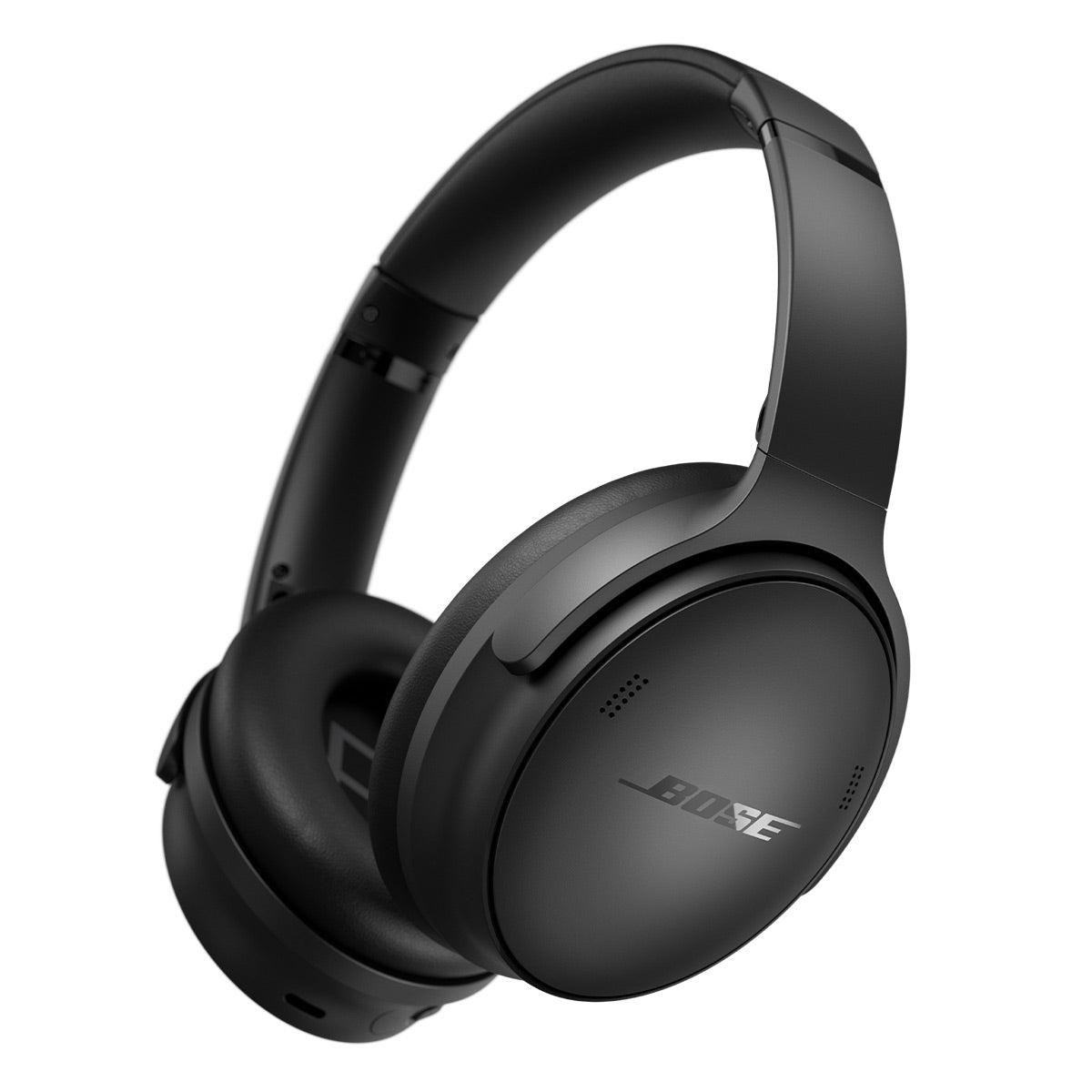
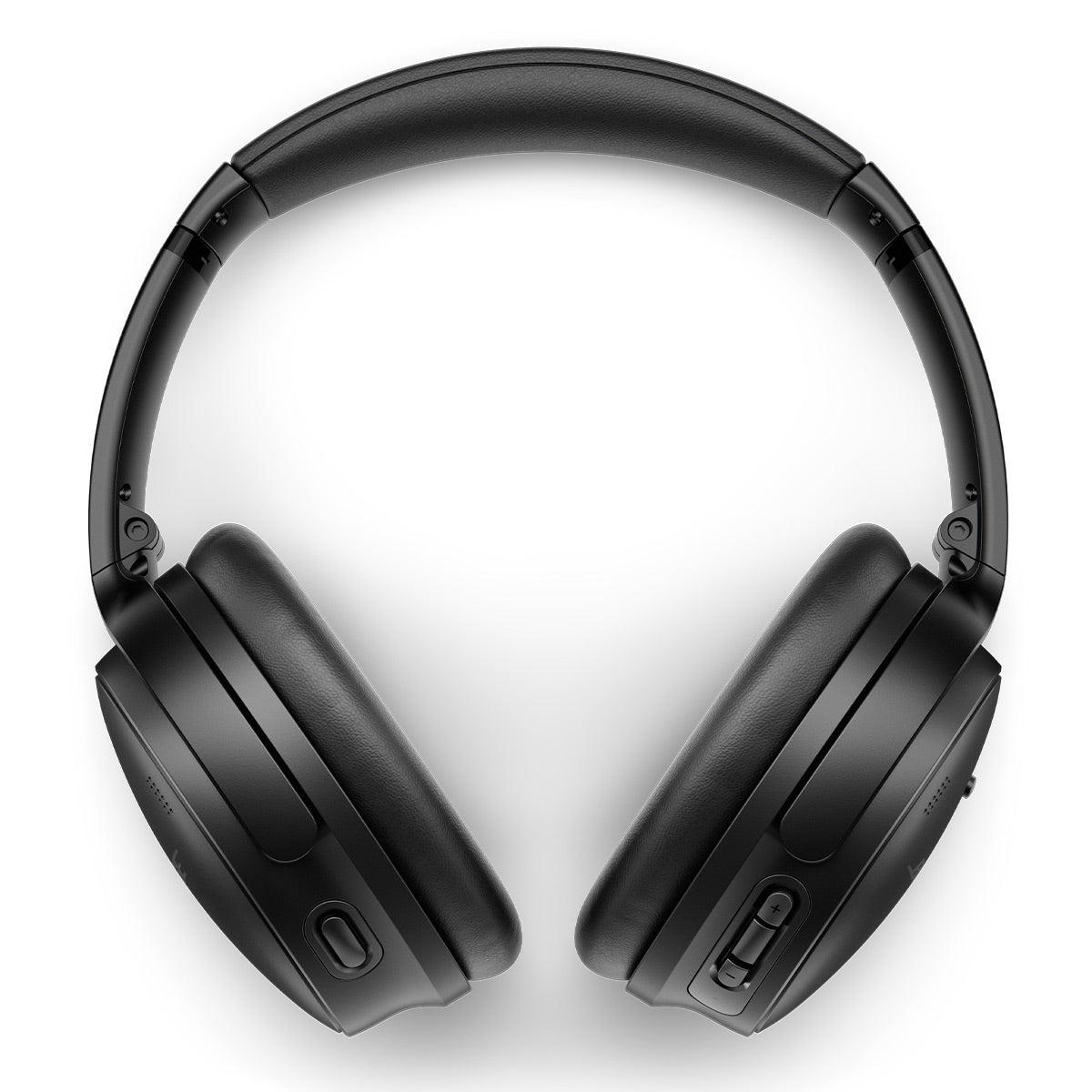
When I first started exploring headphones seriously, I made the classic mistake of thinking all headphones were basically the same – just speakers you wear on your head. Boy, was I wrong. The Pioneer DJ HDJ-CUE1 and Bose QuietComfort Wireless taught me that headphones can be as different as a pickup truck and a luxury sedan. Both get you where you're going, but they're built for completely different journeys.
These headphones represent fundamentally different approaches to personal audio. The Pioneer DJ HDJ-CUE1, released in 2019, is purpose-built for professional DJ monitoring – think of it as a precision tool designed for one specific job. The Bose QuietComfort Wireless, launched in 2023 as an update to Bose's flagship noise-canceling line, is engineered for premium everyday listening experiences.
The key thing to understand is that "professional" doesn't automatically mean "better for everyone." A Formula 1 car is incredibly sophisticated, but you wouldn't want to drive it to the grocery store. Similarly, DJ headphones are optimized for specific tasks that might not align with your listening preferences.
What makes these categories different? DJ headphones prioritize accurate sound reproduction for mixing, durability under heavy use, and the ability to monitor audio while performing. Consumer noise-canceling headphones focus on comfort during extended wear, blocking out environmental noise, and delivering an enjoyable listening experience across various content types.
The Pioneer DJ HDJ-CUE1 uses what's called a "bass-forward" sound signature. This isn't about making music sound "better" – it's about making specific elements easier to hear in noisy club environments. The 40mm dynamic drivers are tuned to emphasize low frequencies, particularly kick drums and bass lines that are crucial for beatmatching (syncing the tempo of two songs).
Think of it like having specialized safety glasses that filter out certain light wavelengths to help you see specific details more clearly. The frequency response spans from 5Hz to 30kHz, which covers the full range of human hearing, but the emphasis is deliberately placed on the low end. When I've used similar DJ headphones, vocals and higher instruments can sound slightly recessed compared to consumer headphones, but kick drums punch through with remarkable clarity.
This tuning inherits characteristics from Pioneer's professional HDJ-X5 model, meaning you're getting technology that's proven in actual DJ booths worldwide. The impedance is 32 ohms, which means they'll play loudly from phones and DJ mixers without requiring additional amplification.
The Bose QuietComfort Wireless takes a fundamentally different approach. Bose uses their proprietary TriPort acoustic architecture – essentially, this means they've designed external ports that vent the earcups to effectively increase the internal acoustic volume without making the headphones physically larger. It's a clever engineering trick that allows for better bass response while maintaining portability.
The sound signature is described as warm and balanced, meaning no frequency range dominates the others dramatically. This makes them versatile across music genres, movies, podcasts, and video calls. The built-in equalizer through the Bose app lets you customize the sound – boost bass for hip-hop, emphasize mids for vocal clarity, or create a custom curve for your preferences.
What's particularly impressive is how Bose has optimized these for long-term listening comfort. Many consumer headphones sound great for 20 minutes but become fatiguing over hours of use. The Bose QuietComfort Wireless maintains an enjoyable balance that works whether you're listening to classical music or watching action movies.
This is where the biggest technological gap appears between these headphones.
The Pioneer DJ HDJ-CUE1 relies entirely on passive noise isolation – basically, the physical seal created by the ear cushions against your head. The on-ear design creates enough isolation to focus on your mix while still allowing some awareness of the crowd and venue acoustics. For DJs, complete isolation isn't always desirable; you need to read the room and adjust your set accordingly.
The Bose QuietComfort Wireless, however, represents some of the most advanced noise cancellation technology available. Active Noise Cancellation (ANC) works by using microphones both inside and outside the earcups to measure ambient sound, then generating an exact opposite sound wave to cancel it out. It's like having a mirror that reflects sound waves instead of light.
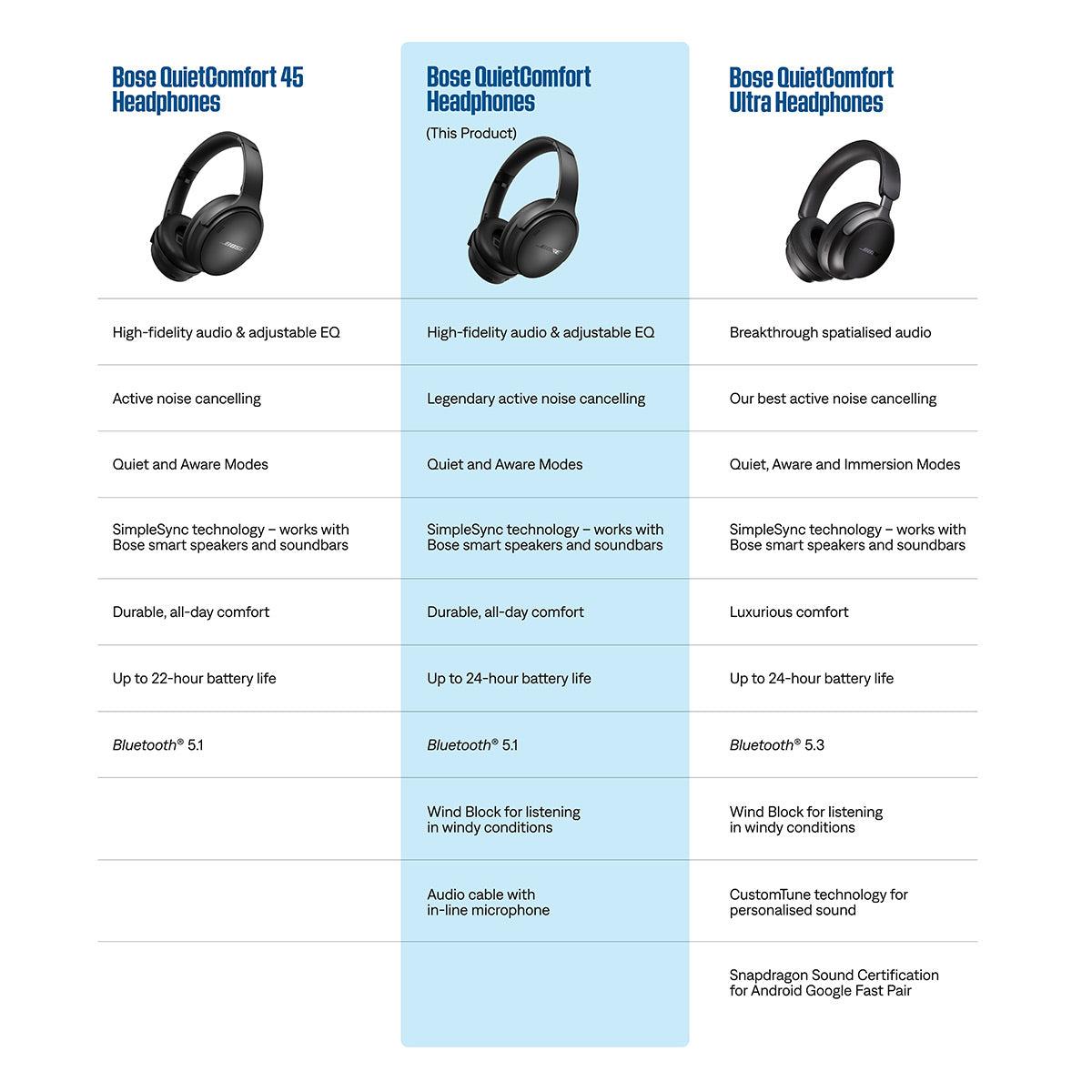
The system operates in real-time, constantly adjusting to changing environmental conditions. Low-frequency sounds like airplane engines, air conditioning, and traffic rumble are nearly eliminated. The headphones offer multiple modes: Quiet Mode for maximum cancellation, Aware Mode that uses the external microphones to pipe in ambient sound for situational awareness, and customizable settings that let you dial in exactly how much outside world you want to hear.
I've found ANC particularly effective for air travel and open offices. The difference is striking – put on the Bose QuietComfort Wireless in a noisy coffee shop, and suddenly it's like you're in a library. The Pioneer headphones would provide some reduction, but nowhere near this level.
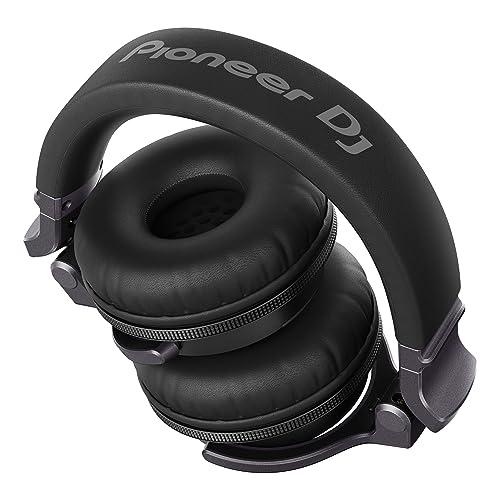
The Pioneer DJ HDJ-CUE1 weighs just 215 grams without the cable, making them light enough for 6-hour DJ sets. The ear cups swivel 90 degrees, allowing the classic "one ear on, one ear off" monitoring technique that DJs use to blend between tracks. However, the on-ear design means they rest on your ears rather than around them, which can cause pressure fatigue during very long sessions.
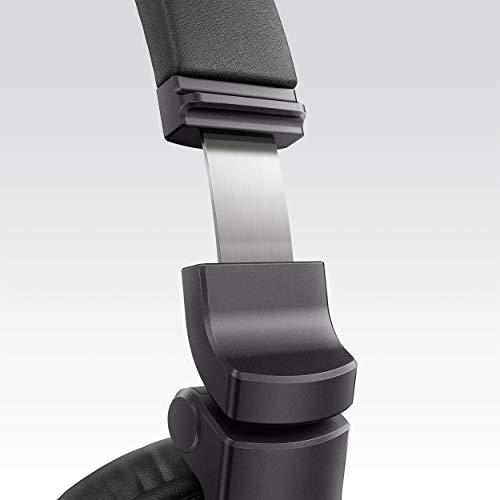
The build quality focuses on durability over luxury. Metal sliders in the headband resist the repeated adjustment and rough handling that comes with professional use. The headphones fold flat for transport in DJ bags, and all moving parts have passed Pioneer's internal durability testing. They're designed to survive being tossed in bags, set up and torn down repeatedly, and used in environments with drink spills and cigarette smoke.
The Bose QuietComfort Wireless takes the opposite approach – maximum comfort for extended consumer use. The over-ear (circumaural) design means the ear cups surround your ears completely, distributing weight across a larger area. The protein leather cushions are plush and replaceable, and the headband applies minimal clamping force.
At 236 grams, they're slightly heavier than the Pioneers, but the weight distribution is superior for all-day wear. I can comfortably wear these for 8+ hours without the pressure hotspots that develop with on-ear designs. The build quality feels premium – not necessarily more durable than the Pioneers under abuse, but certainly more luxurious for careful handling.
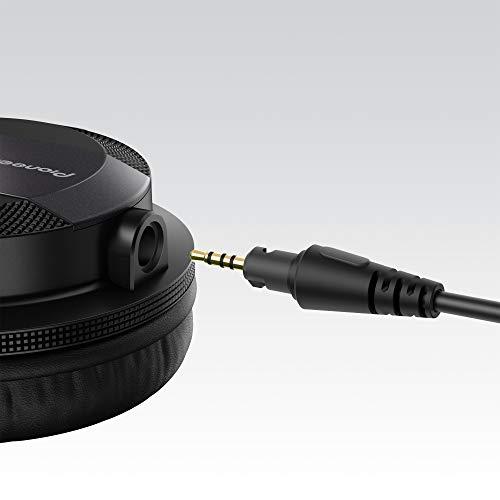
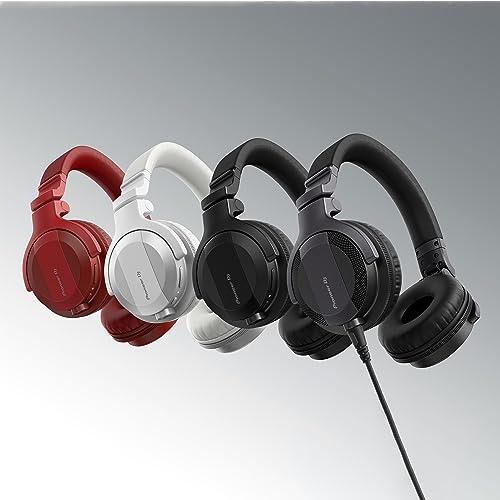
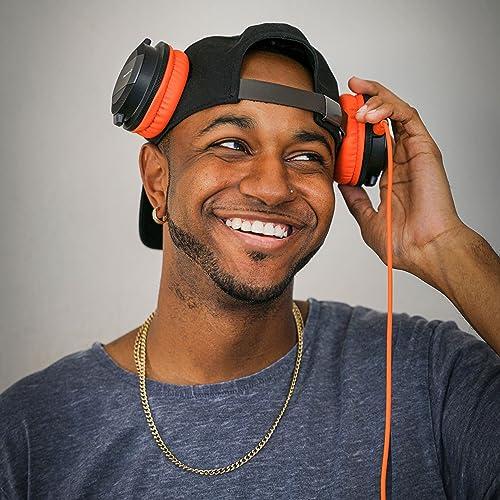
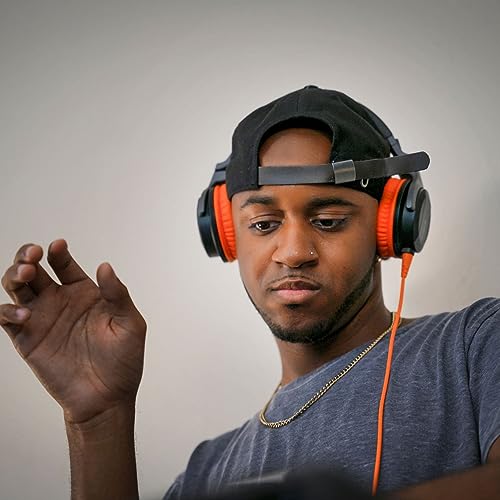
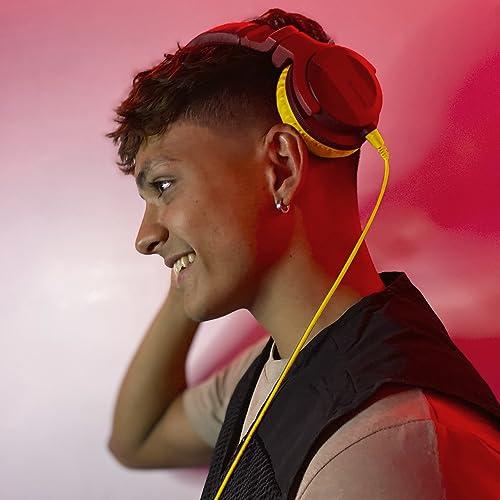
The Pioneer DJ HDJ-CUE1 offers something unique: customizable appearance through interchangeable cables and earpads available in multiple colors. This reflects the DJ culture's emphasis on personal style and brand expression. It's functional customization – you can swap out a damaged cable quickly between sets.
The Bose QuietComfort Wireless comes in several sophisticated color options but focuses on timeless, elegant design rather than flashy customization. The aesthetic works equally well in corporate boardrooms and coffee shops.
The Pioneer DJ HDJ-CUE1 comes with a 1.2-meter coiled cable that extends to 1.8 meters. The coiled design is crucial – it provides flexibility for movement while preventing the cable from getting tangled in DJ equipment or dragging on the floor. The L-shaped (right-angled) connector reduces stress on the headphone jack and is less likely to get caught or accidentally pulled out.
For DJ applications, wired connections are essential because even tiny delays (latency) between what you hear and what's actually playing can throw off your mixing. When you're beatmatching two songs, even 20-30 milliseconds of delay can make precise mixing impossible.
The Bose QuietComfort Wireless represents modern wireless sophistication. Bluetooth multipoint connectivity means you can be connected to your phone and laptop simultaneously – take a call from your phone while listening to music from your computer, and the headphones automatically switch between sources. The 30-foot wireless range provides freedom of movement around your home or office.
When the battery dies, there's a backup wired connection, though you lose the active noise cancellation in wired mode. For most consumers, the wireless convenience far outweighs the minimal latency, but it makes these unsuitable for professional DJ work.
Here's where the approaches diverge completely. The Pioneer DJ HDJ-CUE1 requires no battery – they're always ready for use as long as you have a source device. This is crucial for professional applications where battery failure could ruin a performance.
The Bose QuietComfort Wireless offers up to 24 hours of listening time with ANC enabled, which is competitive for premium wireless headphones in 2023. The quick-charge feature provides 2.5 hours of playback from just 15 minutes of charging, making them practical for daily use. USB-C charging means you can use the same cable as most modern devices.
Neither of these headphones is primarily designed for home theater, but they handle the task differently. The Bose QuietComfort Wireless excels here – the balanced sound signature works well with movie soundtracks, dialogue is clear, and the wireless connection eliminates the need to sit close to your TV or receiver.
The active noise cancellation creates an immersive experience by blocking out household noises – air conditioning, traffic, family members in other rooms. For late-night movie watching without disturbing others, they're excellent.
The Pioneer DJ HDJ-CUE1 would work for home theater, but the bass-forward tuning might make dialogue less clear, and you'd need to ensure your TV or receiver has an appropriate headphone output. The coiled cable could actually be beneficial here, preventing tangles while providing sufficient length to reach your seating position.
This is where the philosophical differences become most apparent. The Pioneer DJ HDJ-CUE1 is designed for making mixing decisions, not necessarily for enjoying music in the traditional sense. They'll reveal problems in recordings and help you identify when elements of different tracks clash, but they might not make your favorite album sound as magical as you remember.
The Bose QuietComfort Wireless is optimized for enjoyment. They're designed to make most content sound pleasant and engaging, which sometimes means subtly enhancing certain frequencies or smoothing over harsh elements. This is great for casual listening but less ideal for analytical work.
Gaming presents interesting considerations for both headphones. The Pioneer DJ HDJ-CUE1 offers the advantage of zero latency, which is crucial for competitive gaming where audio cues need to be perfectly synchronized with visual information. The bass emphasis can actually enhance the impact of explosions and gunfire in action games.
However, the lack of a microphone limits their utility for team communication. The Bose QuietComfort Wireless includes a built-in microphone for voice chat and offers the convenience of wireless connectivity for console gaming, but the slight wireless latency might be noticeable to serious competitive gamers.
At the time of writing, these headphones occupy very different price segments, with the Bose QuietComfort Wireless commanding a significant premium over the Pioneer DJ HDJ-CUE1. This price difference reflects not just feature sets, but entirely different development costs and target markets.
The Pioneer DJ HDJ-CUE1 offers exceptional value for its intended purpose. You're getting professional-grade monitoring capabilities at an entry-level price point, inheriting technology from much more expensive Pioneer models. For aspiring DJs or producers, this represents a legitimate professional tool accessible at a reasonable cost.
The Bose QuietComfort Wireless commands premium pricing for premium features. The sophisticated active noise cancellation technology, wireless convenience, and superior comfort justify the higher cost for users who prioritize these features. When you consider the engineering required for effective ANC and the premium materials used throughout, the pricing becomes more understandable.
Professional equipment like the Pioneer DJ HDJ-CUE1 often maintains its value better within its target community. DJs understand the specific benefits these headphones provide, and the build quality suggests they'll survive years of professional use.
The Bose QuietComfort Wireless represents a different type of investment – you're paying for daily quality of life improvements. If you commute regularly, work in noisy environments, or simply value the convenience of wireless audio, the premium pricing pays dividends through regular use.
You're interested in DJing, music production, or need headphones for mixing applications. The bass-forward tuning and professional build quality make them excellent for these specific tasks. They're also a good choice if you prioritize wired reliability, need headphones that can handle rough treatment, or want professional functionality without professional pricing.
The customizable appearance might appeal to you if personal style expression is important, and the lightweight design works well for extended active use.
You frequently travel, work in noisy environments, or prioritize comfort for long listening sessions. The active noise cancellation technology provides significant value for these scenarios. They're also ideal if you want wireless convenience, need headphones for varied content types (music, movies, calls, podcasts), or prefer a more refined, balanced sound signature.
The premium build quality and sophisticated feature set justify the higher cost if these capabilities align with your regular usage patterns.
Here's the thing I wish someone had told me years ago: there's no such thing as the "perfect" headphones for everyone. The Pioneer DJ HDJ-CUE1 and Bose QuietComfort Wireless are both excellent at what they're designed to do, but those designs serve different masters.
If you're torn between them, consider this: the Pioneer headphones will make you a better DJ or music producer if that's your goal, but they might disappoint for casual listening. The Bose headphones will enhance your daily life if you value comfort and convenience, but they're completely unsuitable for professional audio work.
The decision ultimately comes down to honest self-assessment about how you'll actually use them. Don't buy DJ headphones because they seem more "professional" if you'll primarily use them for Netflix. Don't buy noise-canceling headphones if you're serious about learning to DJ. Choose the tool that matches your actual needs, and you'll be much happier with your investment.
Both represent thoughtful engineering solutions to different problems. The key is figuring out which problem you actually need solved.
| Pioneer DJ HDJ-CUE1 | Bose QuietComfort Wireless |
|---|---|
| Design Type - Determines comfort and isolation approach | |
| On-ear (supra-aural), closed-back | Over-ear (circumaural), closed-back |
| Weight - Critical for extended wear comfort | |
| 215g (lightweight for DJ sets) | 236g (well-distributed for all-day wear) |
| Noise Control - Key difference in environmental sound management | |
| Passive isolation only | Active Noise Cancellation with multiple modes |
| Sound Signature - Affects music enjoyment vs professional monitoring | |
| Bass-heavy, optimized for DJ monitoring | Balanced, warm sound with customizable EQ |
| Driver Size - Impacts sound quality and power handling | |
| 40mm dynamic drivers | Not specified (proprietary TriPort technology) |
| Frequency Response - Shows full audio spectrum coverage | |
| 5Hz - 30,000Hz | Not specified |
| Impedance - Affects compatibility with devices | |
| 32Ω (works with phones/mixers) | Not specified |
| Connectivity - Wired reliability vs wireless convenience | |
| Wired only (1.2m coiled cable) | Bluetooth wireless + wired backup |
| Battery Life - Only applies to wireless models | |
| No battery required | Up to 24 hours with ANC |
| Ear Cup Rotation - Essential for DJ monitoring techniques | |
| 90-degree swivel for one-ear monitoring | No swivel (fixed position) |
| Durability Focus - Professional vs consumer build priorities | |
| Metal-reinforced, DJ-tested durability | Premium consumer build with carry case |
| Customization Options - Personalization possibilities | |
| Interchangeable cables and earpads (5 colors) | Multiple color options, no part swapping |
| Microphone - Communication capabilities | |
| None built-in | Built-in mic for calls and voice assistant |
| Multi-device Support - Modern connectivity features | |
| Single wired connection | Bluetooth multipoint (2 devices simultaneously) |
| Target Use Case - Primary intended application | |
| Professional DJ monitoring and mixing | Travel, commuting, and everyday listening |
The Bose QuietComfort Wireless headphones are significantly better for everyday listening. They feature a balanced, warm sound signature that works well across all music genres, movies, and podcasts. The Pioneer DJ HDJ-CUE1 headphones have a bass-heavy tuning specifically designed for DJ monitoring, which can make vocals and mid-range instruments sound less clear during casual listening.
Noise cancellation can be very beneficial for home use, especially in noisy environments or shared spaces. The Bose QuietComfort Wireless offers industry-leading active noise cancellation that blocks out air conditioning, traffic, and household sounds. The Pioneer DJ HDJ-CUE1 only provides passive noise isolation, which is sufficient for quiet environments but won't eliminate background noise effectively.
The Bose QuietComfort Wireless are much more comfortable for extended wear. Their over-ear design with plush protein leather cushions distributes weight evenly and doesn't put pressure on your ears. The Pioneer DJ HDJ-CUE1 use an on-ear design that sits directly on your ears, which can cause discomfort and pressure fatigue after several hours of use.
Yes, the Bose QuietComfort Wireless are excellent for movie watching. They provide wireless freedom, balanced sound that handles dialogue and soundtracks well, and noise cancellation that creates an immersive experience. The Pioneer DJ HDJ-CUE1 require a wired connection and have bass-heavy tuning that might make movie dialogue less clear.
For casual gaming, the Bose QuietComfort Wireless offer wireless convenience and a built-in microphone for team communication. However, for competitive gaming where timing is critical, the Pioneer DJ HDJ-CUE1 provide zero-latency wired connection, though they lack a microphone. The choice depends on whether you prioritize convenience or competitive performance.
You can use the Pioneer DJ HDJ-CUE1 for regular music listening, but they're not optimized for this purpose. Their bass-heavy sound signature works well for electronic music and hip-hop but may not sound balanced with acoustic music, classical, or vocal-heavy content. The Bose QuietComfort Wireless are specifically designed for versatile music enjoyment across all genres.
Both have excellent build quality for their intended purposes. The Pioneer DJ HDJ-CUE1 are built like professional tools with metal reinforcement and durability testing for rough handling. The Bose QuietComfort Wireless use premium materials and sophisticated engineering but are designed for careful consumer use rather than professional abuse.
Not necessarily. The Pioneer DJ HDJ-CUE1 offer professional-grade sound monitoring at an entry-level price point, though they're specialized for DJ use. The Bose QuietComfort Wireless command premium pricing but include advanced features like noise cancellation and wireless technology that justify the cost for many users.
The Bose QuietComfort Wireless work seamlessly with phones and tablets through Bluetooth, offering features like multipoint connectivity to switch between devices. The Pioneer DJ HDJ-CUE1 require a wired connection and work well with devices that have headphone jacks, but many modern phones lack these ports.
The Bose QuietComfort Wireless are excellent for home theater use, providing wireless freedom, balanced sound for movies, and noise cancellation for late-night viewing without disturbing others. The Pioneer DJ HDJ-CUE1 can work for home theater but their bass-heavy tuning may affect dialogue clarity, and you'll need appropriate wired connections.
Both are built to last, but in different ways. The Pioneer DJ HDJ-CUE1 are designed for professional durability and rough handling, with replaceable parts and proven longevity in DJ environments. The Bose QuietComfort Wireless use premium materials and sophisticated electronics that should provide years of reliable service with proper care.
This depends on your priorities. The Bose QuietComfort Wireless offer modern convenience with wireless connectivity, though they require charging and have slight latency. The Pioneer DJ HDJ-CUE1 provide reliable wired connection with no battery concerns or latency, but limit your movement and require devices with headphone jacks.
We've done our best to create useful and informative comparisons to help you decide what product to buy. Our research uses advanced automated methods to create this comparison and perfection is not possible - please contact us for corrections or questions. These are the sites we've researched in the creation of this article: bestbuy.com - pioneerdjstore.com - rtings.com - idjnow.com - youtube.com - pioneerdj.com - soundguys.com - pioneerdj.com - digitaldjtips.com - pioneerdj.com - guitarcenter.com - empirepro.com - idjnow.com - emiaudio.com - pioneerdj.com - sfm.ca - sweetwater.com - pioneerdj.com - pioneerdj.com - pioneerdj.com - techradar.com - whathifi.com - bose.com - rtings.com - recordingnow.com - bose.com - ottorinobruni.com - whathifi.com - costco.com - recordingnow.com - youtube.com - bose.com - bestbuy.com - global.bose.com - boselatam.com - projectorscreen.com - bose.com - bose.com - bose.com

Privacy Policy
Terms and Conditions - Affiliate Policy
Home Security
© Copyright 2008-2026.
11816 Inwood Rd #1211, Dallas, TX 75244