

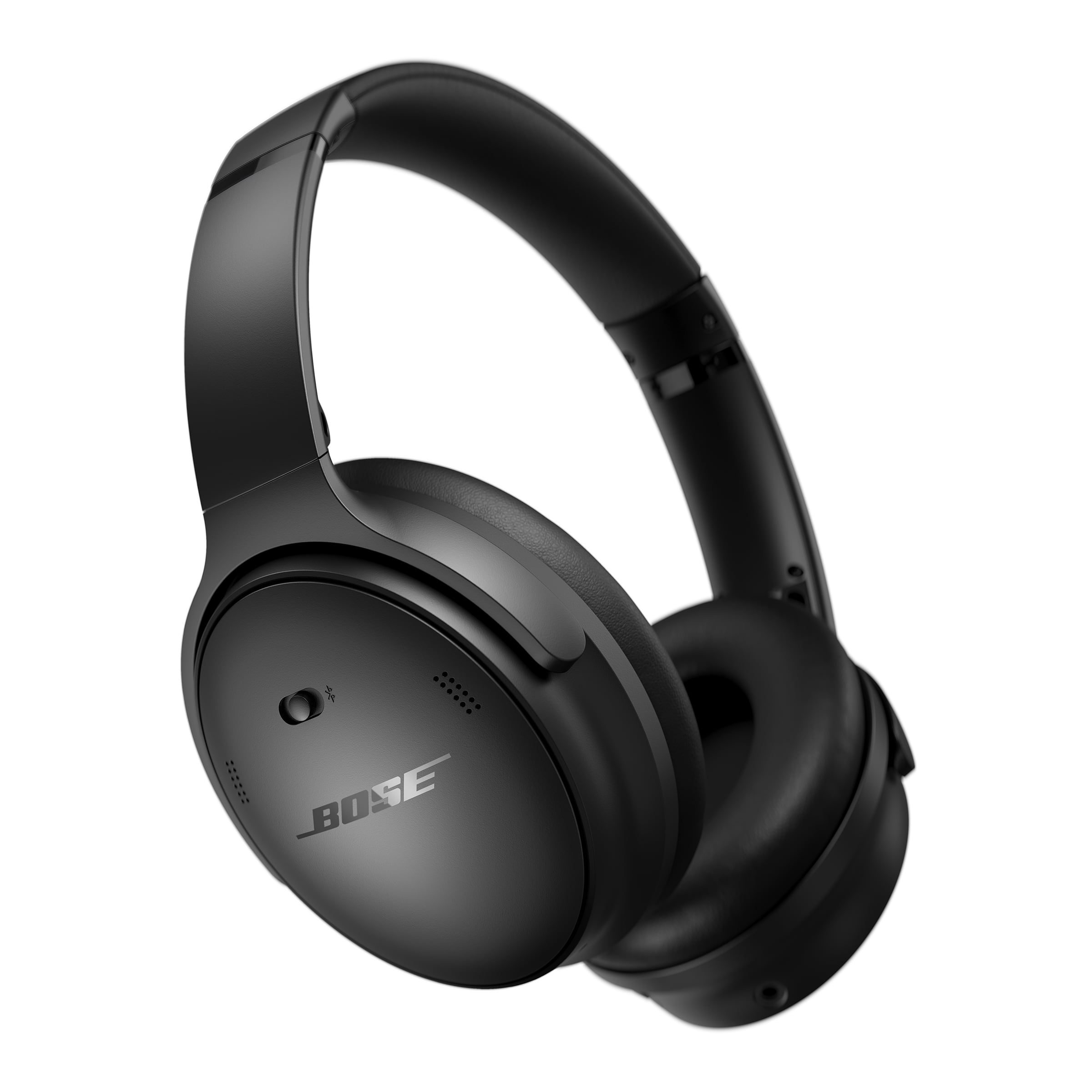


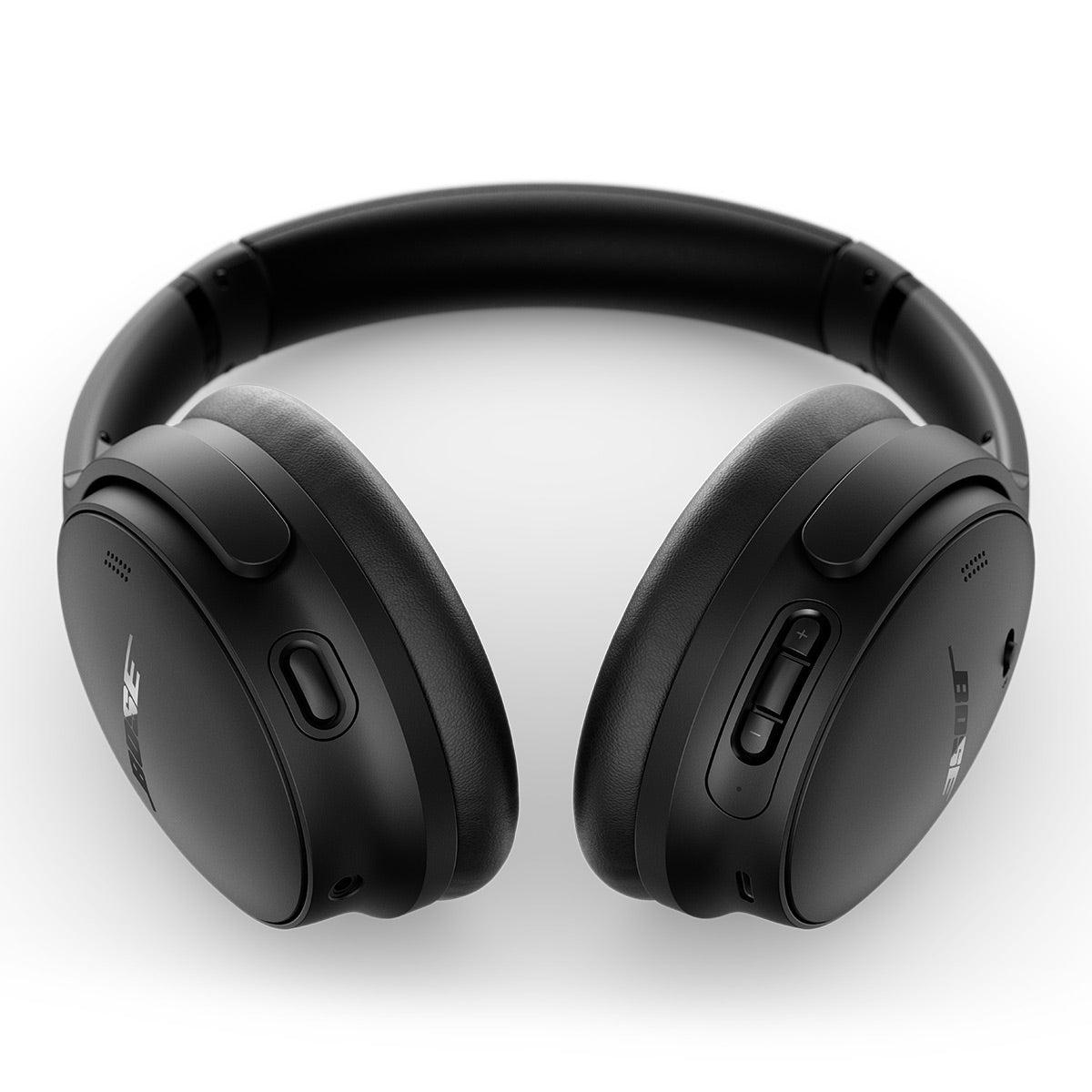

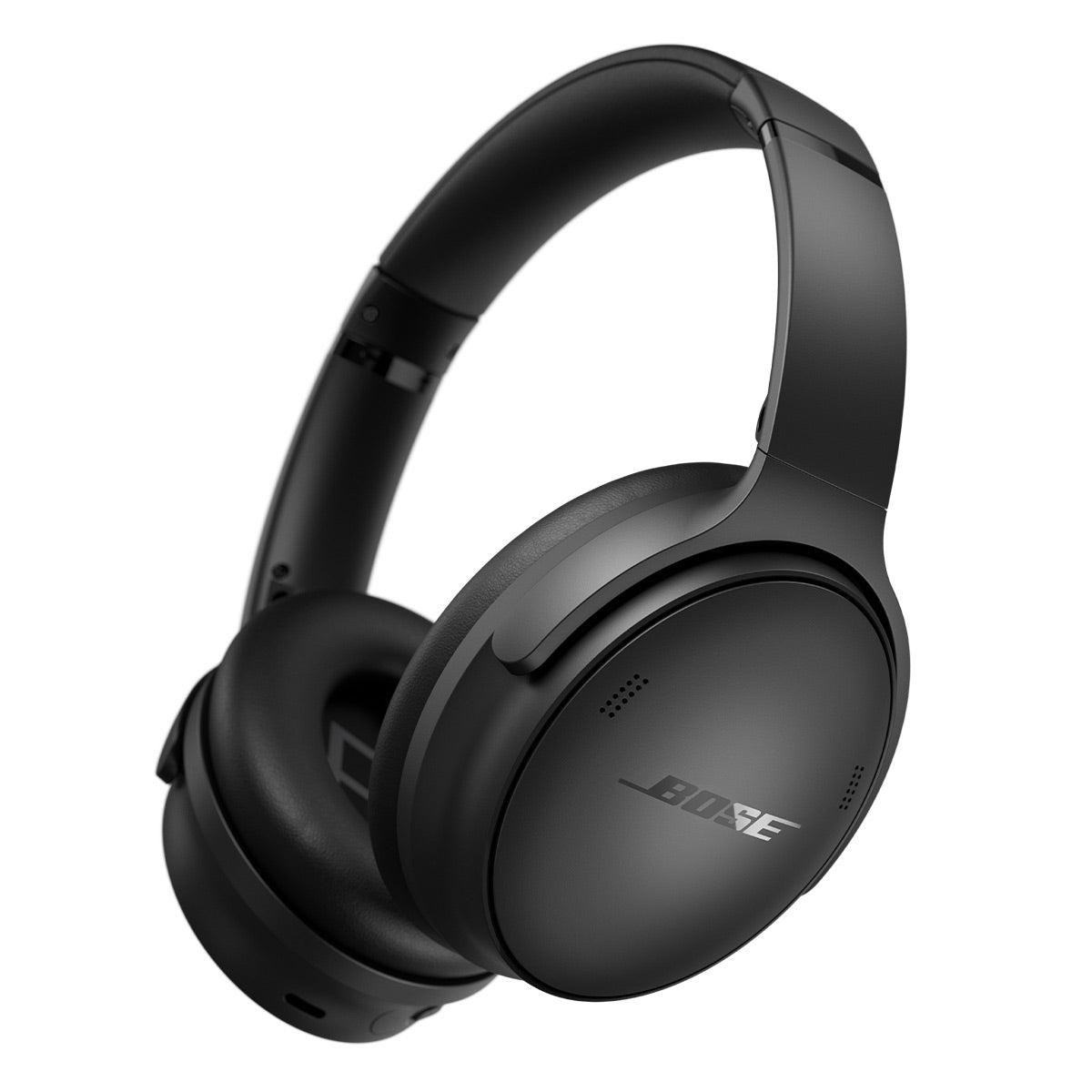
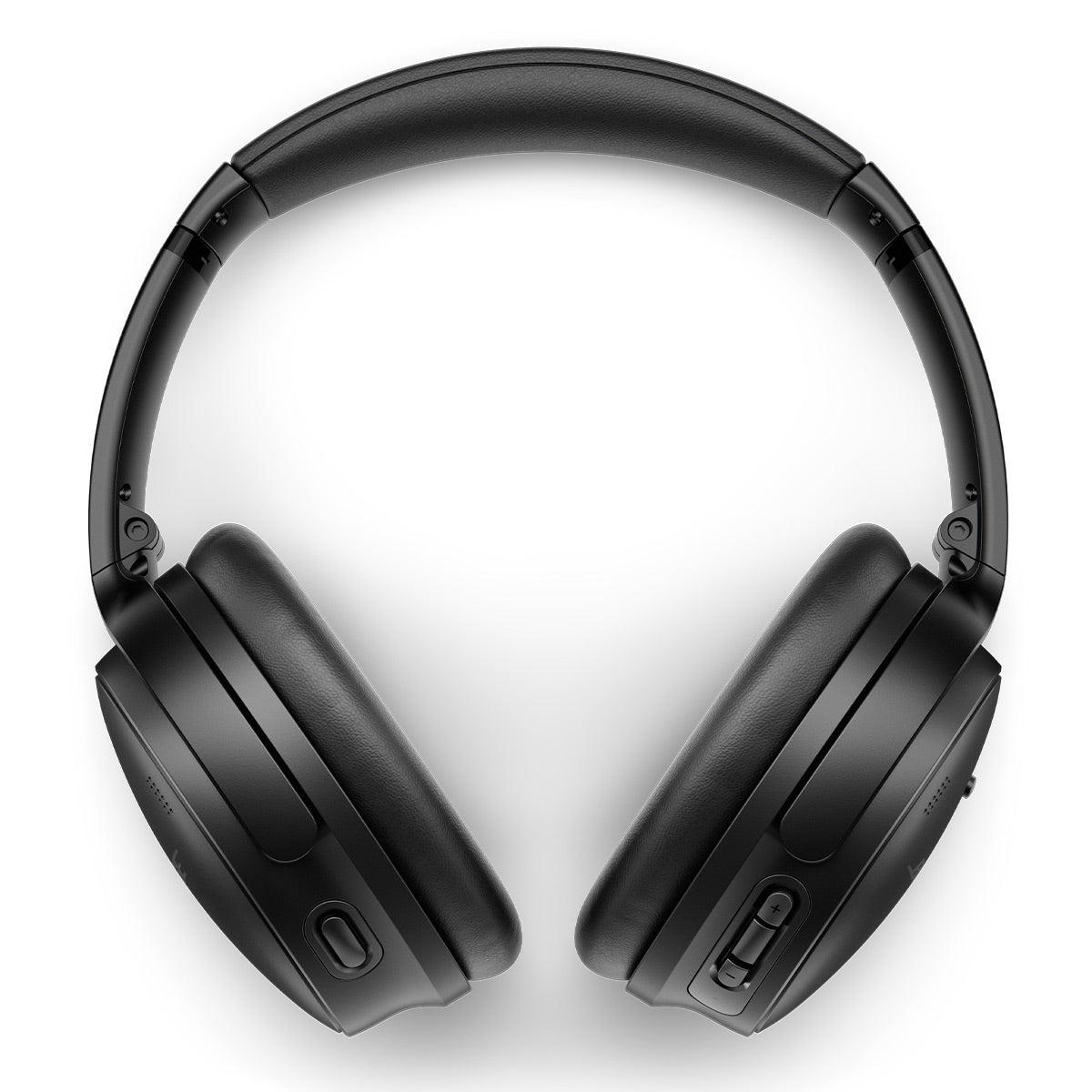
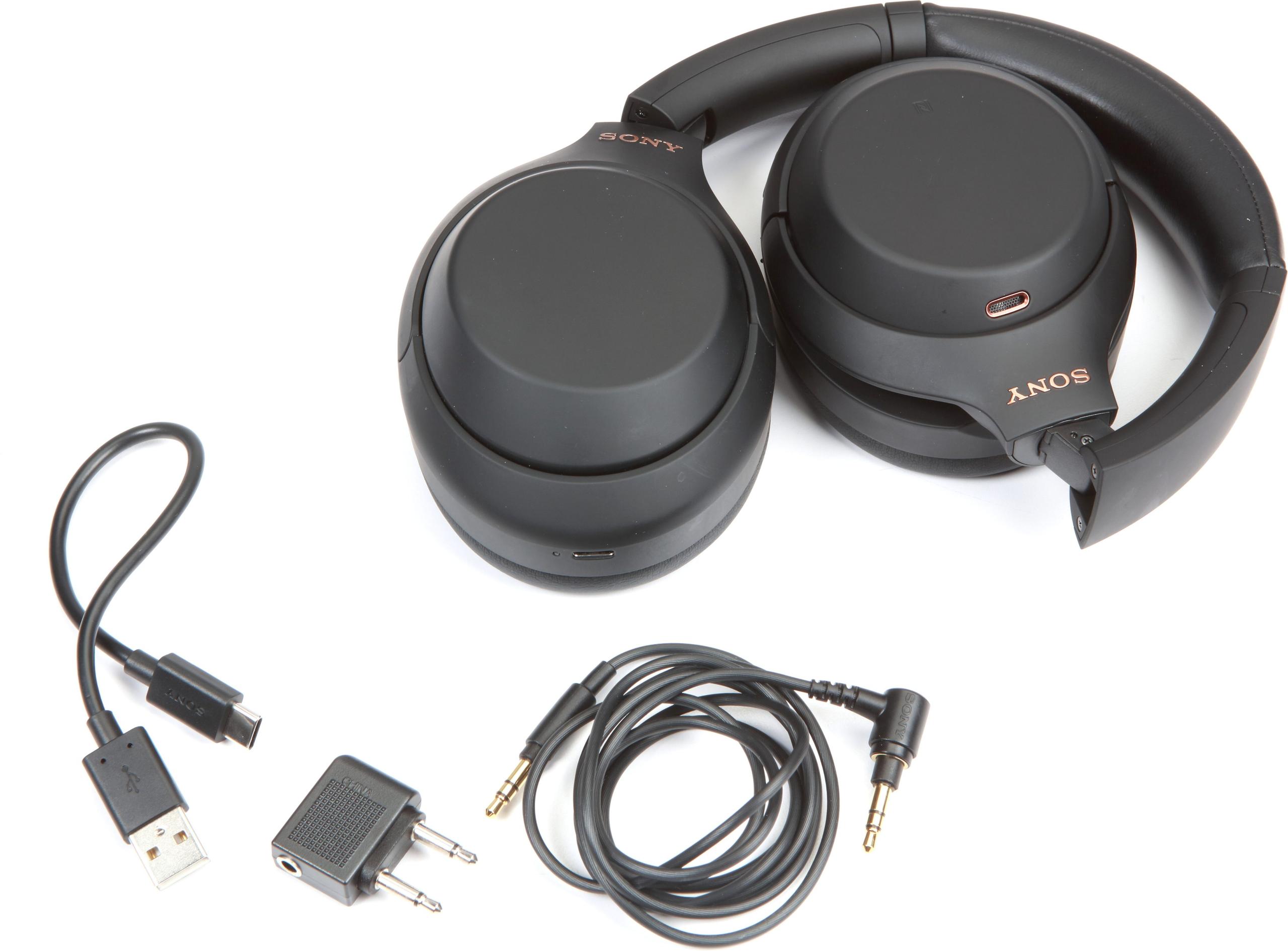
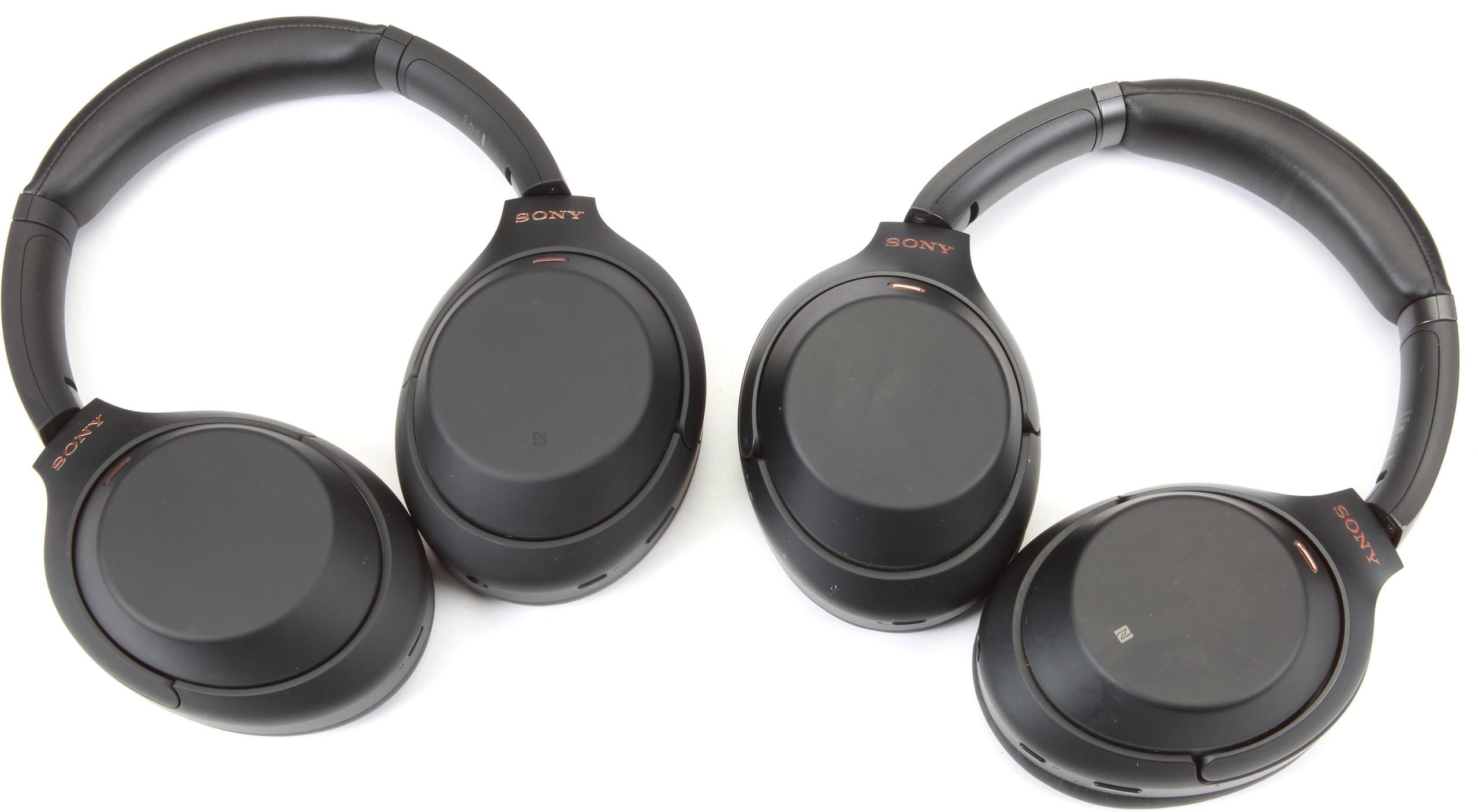
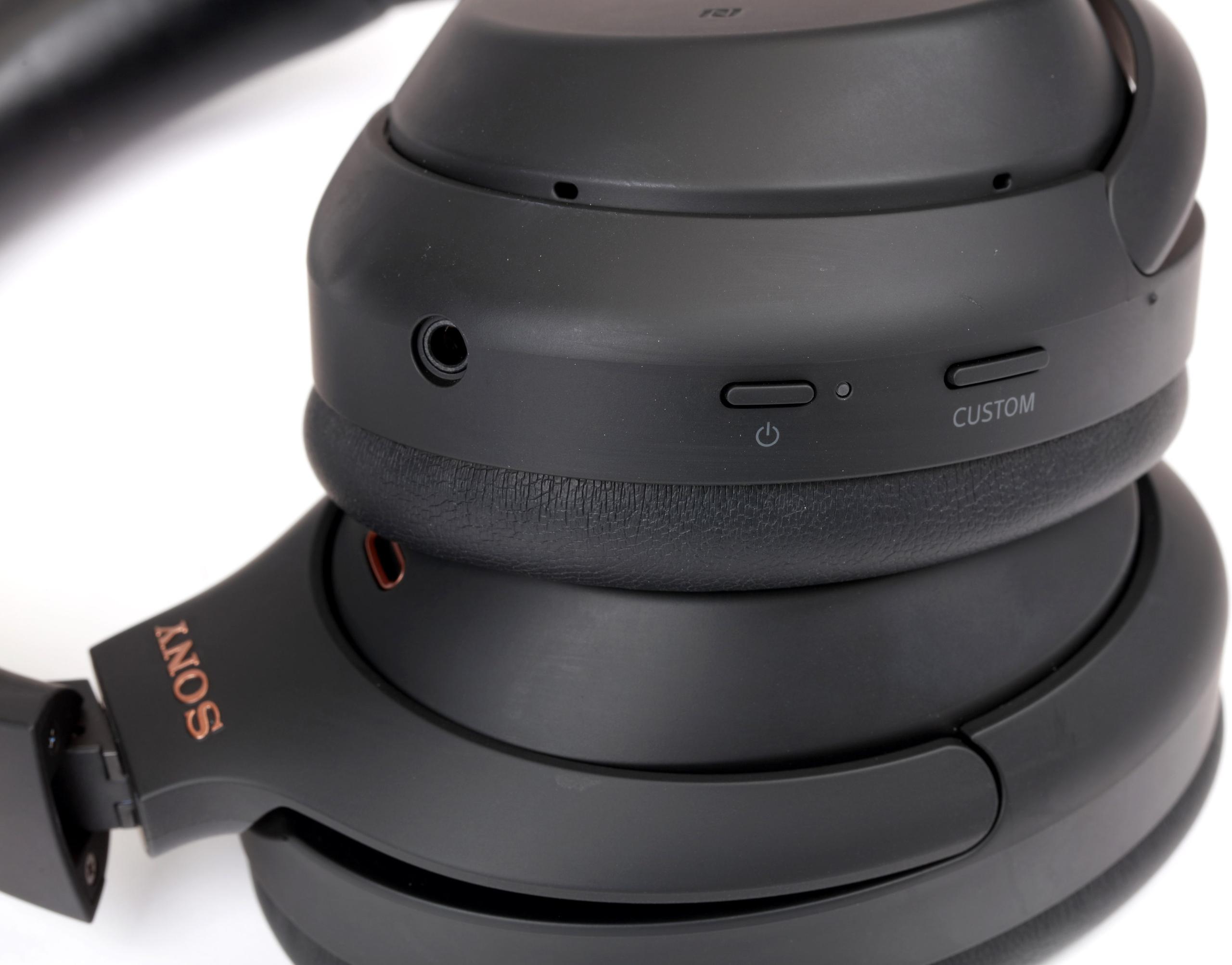
When you're ready to invest in premium wireless noise-canceling headphones, two names consistently rise to the top: the Bose QuietComfort Wireless Headphones and the Sony WH-1000XM4. Both represent the pinnacle of consumer audio technology, but they take distinctly different approaches to delivering that premium experience. Understanding these differences can save you from buyer's remorse and help you choose the pair that best fits your lifestyle.
Premium wireless noise-canceling headphones combine three sophisticated technologies into one device. First, there's active noise cancellation (ANC) – a system that uses microphones to detect ambient sound and generates opposing sound waves to cancel out unwanted noise. Think of it like noise-fighting noise. Second, high-quality wireless audio transmission ensures your music sounds crisp without the tether of cables. Finally, advanced digital signal processing fine-tunes everything to deliver the best possible listening experience.
The key considerations when choosing between premium models aren't just about sound quality anymore. Modern flagship headphones have largely solved the basic audio reproduction challenge. Instead, you're choosing between different philosophies of what makes headphones great: Should they prioritize pure audio performance, maximize smart features, or focus on all-day comfort? The answer depends entirely on how you plan to use them.
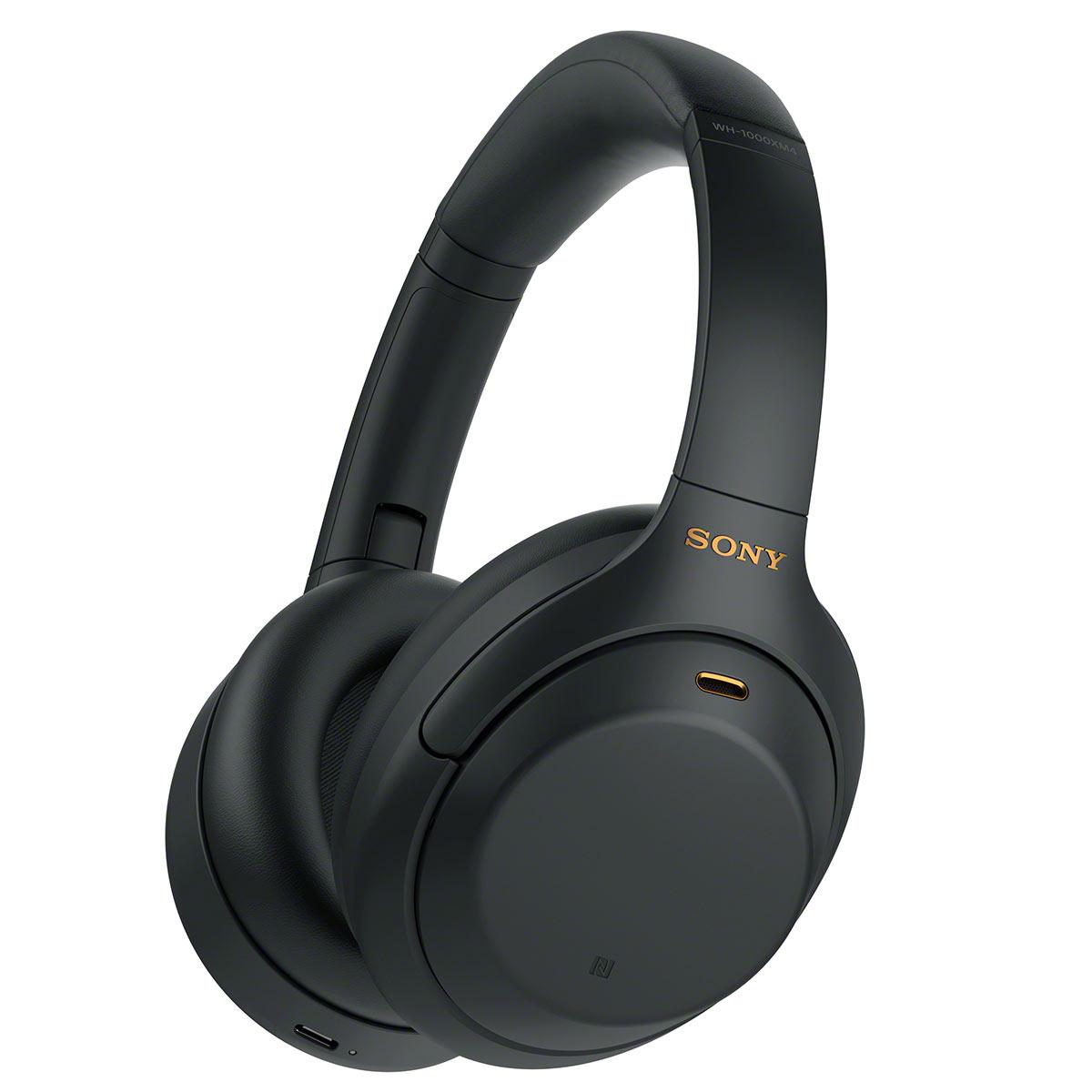
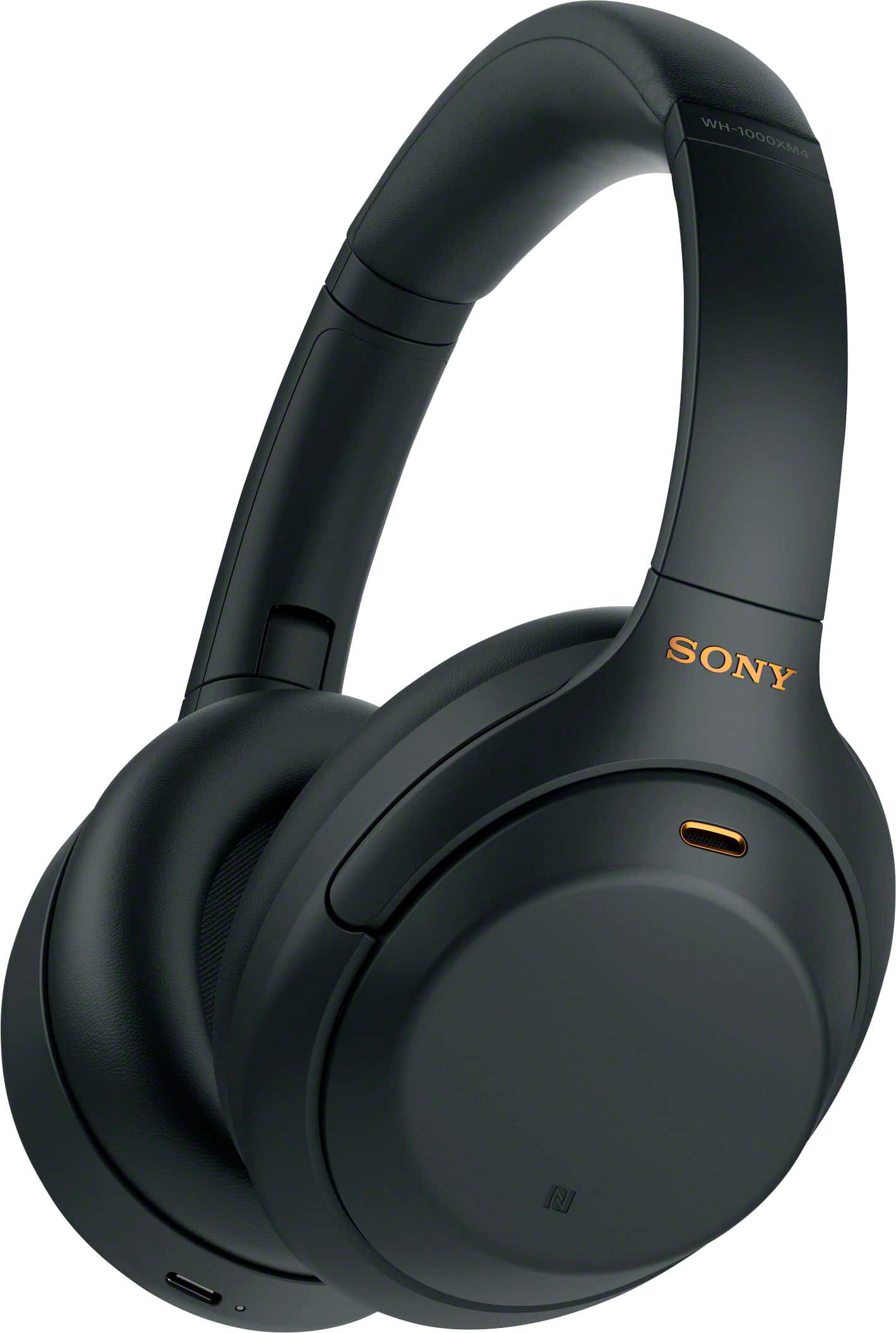
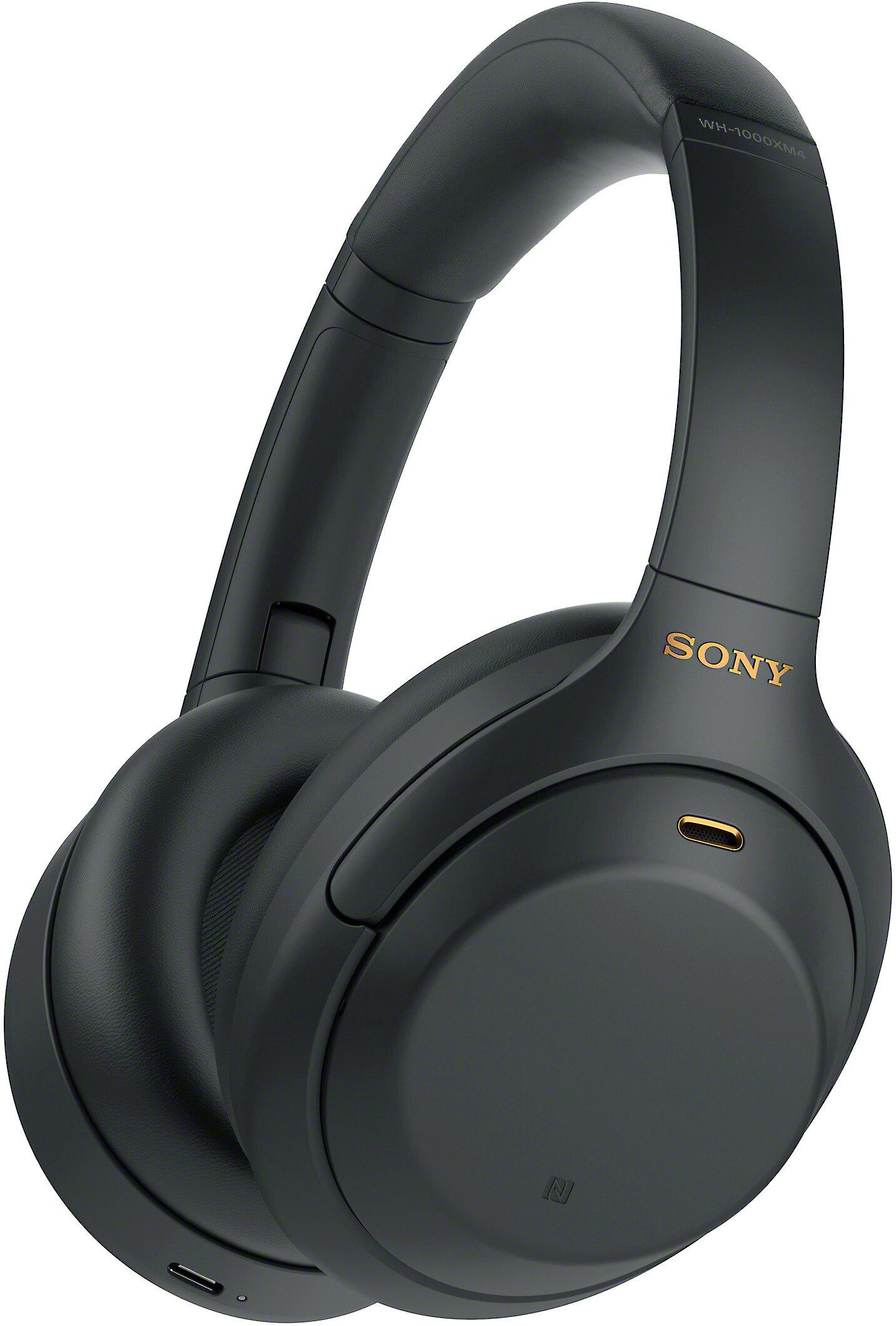
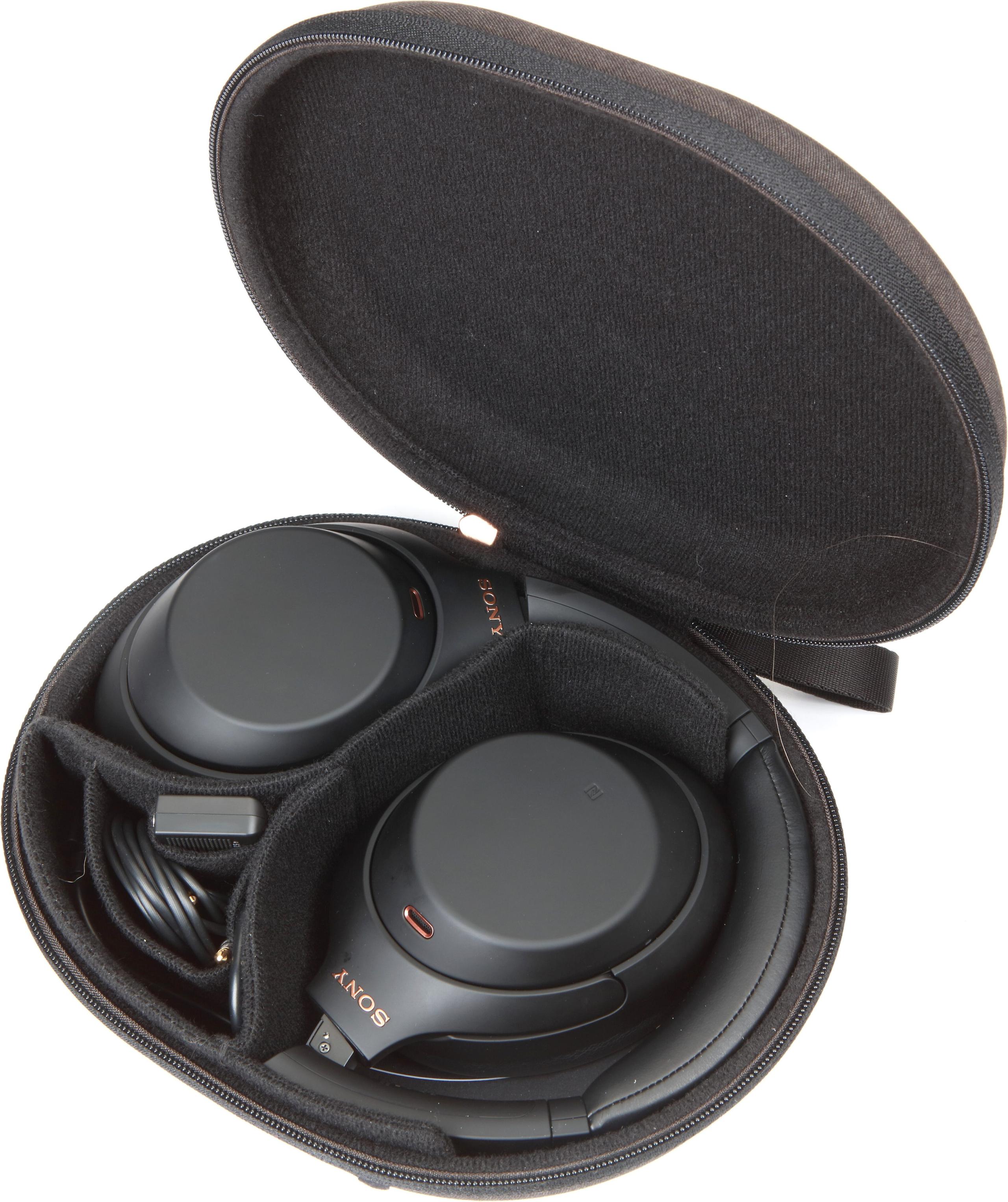
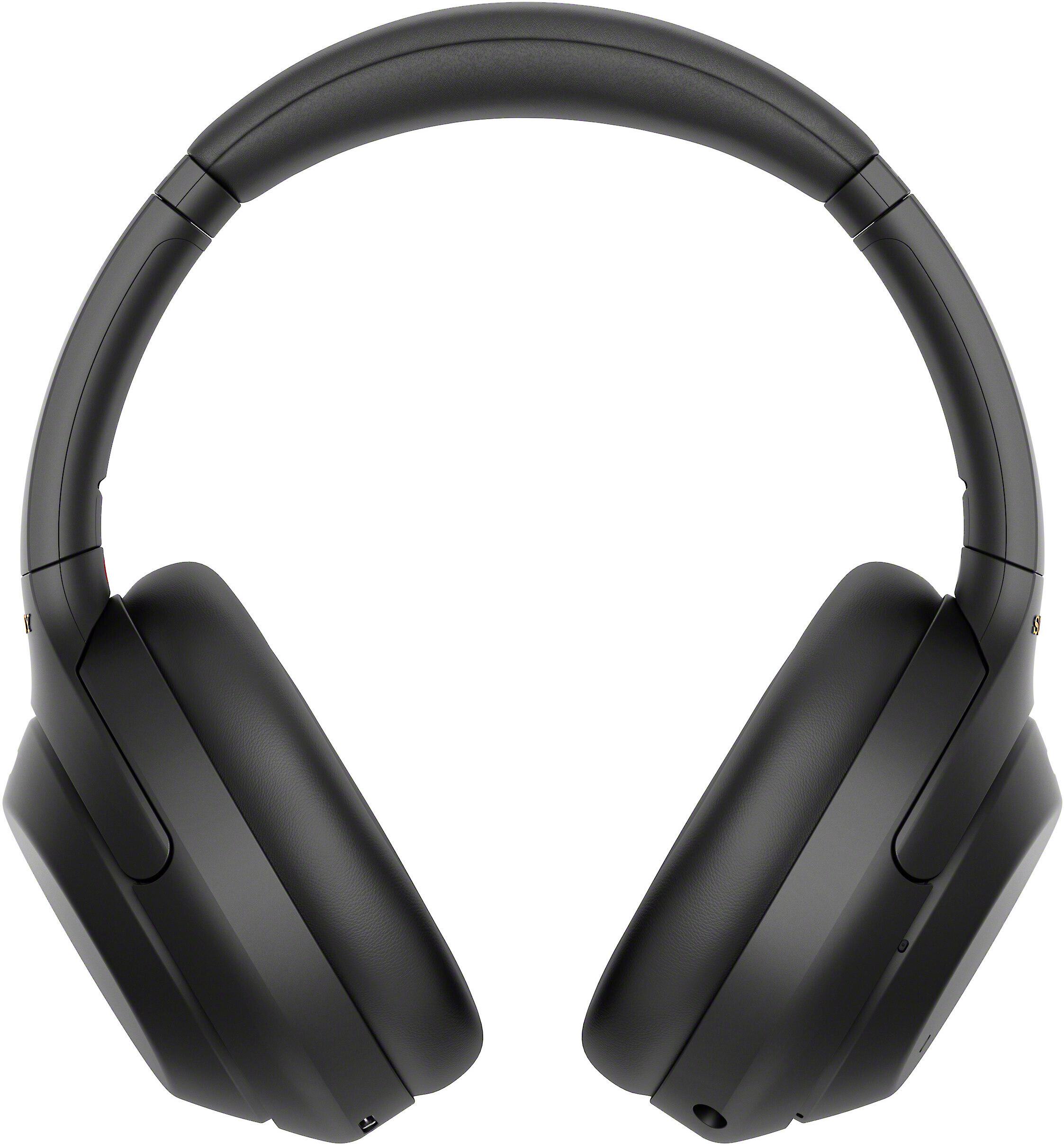
The Sony WH-1000XM4 launched in 2020 as Sony's fourth-generation flagship, building on years of refinement in their noise-canceling technology. At the time of writing, it represents excellent value in the premium segment, typically priced significantly lower than newer competing models while maintaining most of the performance that made it a standout when new.
The Bose QuietComfort Wireless Headphones, released in 2023, represent Bose's more recent entry into this space. As the newer model, it commands a premium price – usually $100-150 more than the Sony – but brings updated features and refinements that come from an additional three years of technological development.
This generational gap creates an interesting dynamic: you're essentially choosing between proven, mature technology at a great price versus newer innovations at a premium cost.
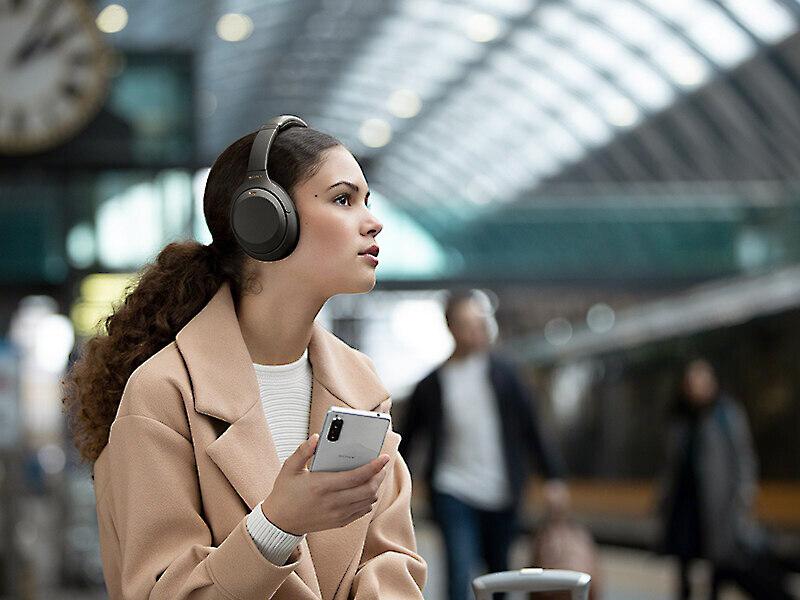
Active noise cancellation is where both headphones shine, but they achieve their results through different technical approaches. The Sony WH-1000XM4 uses what Sony calls "Dual Noise Sensor Technology" – two microphones on each earcup that work with the HD Noise Cancelling Processor QN1. This processor analyzes ambient sound over 700 times per second, constantly adjusting the cancellation signal. Sony also includes atmospheric pressure optimization, which adjusts the ANC when you're flying at high altitudes where air pressure changes can affect performance.
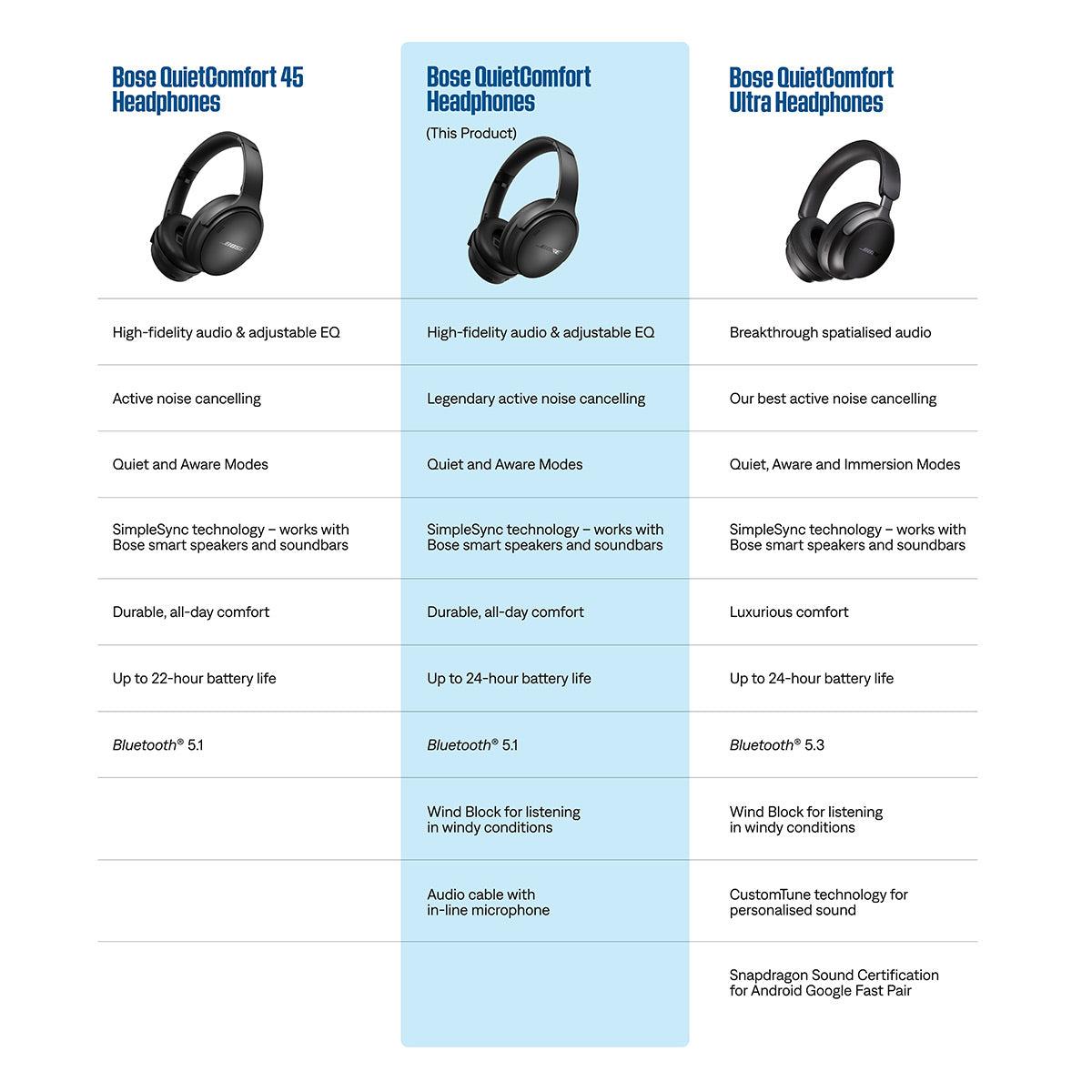
The Bose QuietComfort takes a more refined approach with their adaptive microphone system. Rather than overwhelming you with technical specifications, Bose focuses on practical usability. Their system offers distinct modes: Quiet Mode for maximum noise cancellation, Aware Mode that lets important sounds through, and customizable modes you can create for specific environments. There's even a Wind Block feature that reduces the whooshing sound you get when using ANC outdoors on breezy days.
In real-world performance, both excel at the primary job of blocking low-frequency rumble from airplanes, air conditioners, and traffic. However, the Bose QuietComfort typically edges out the Sony WH-1000XM4 in the 200-1000Hz range – the frequency band where most annoying ambient noise lives. This translates to slightly better performance in offices with chattering coworkers or busy coffee shops.
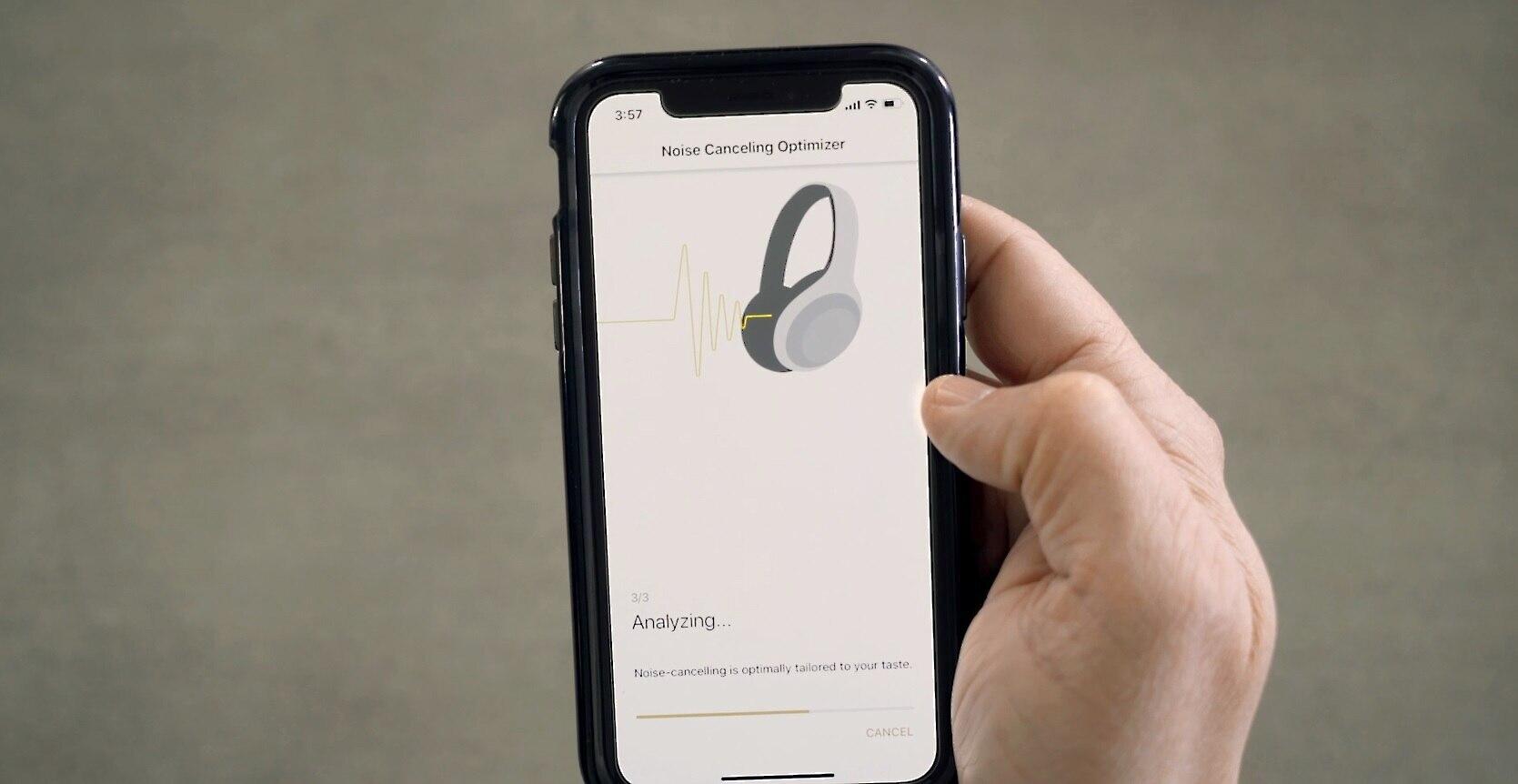
The Sony's strength lies in its customization options. With 20 different levels of noise cancellation available through the app, you can fine-tune the experience to your exact preferences. Some people find maximum ANC creates an uncomfortable pressure sensation, and the Sony's granular control helps address this issue.
Here's where the philosophical differences between these companies become most apparent. The Sony WH-1000XM4 approaches audio reproduction like an engineer's dream. It supports LDAC, Sony's proprietary high-resolution audio codec that transmits roughly three times more data than standard Bluetooth audio. The headphones also feature DSEE Extreme, an AI-powered system that analyzes your music in real-time and attempts to restore detail lost during compression.
These technical achievements result in a mostly neutral sound signature with slight warmth. However, the Sony's frequency response reveals some quirks that affect the listening experience. There's a slight muddiness in the upper bass and lower midrange that can make male vocals sound less clear than ideal. The soundstage – how wide and spacious the music feels – is also quite intimate, placing instruments and vocals close to your head rather than creating a sense of space.
The Bose QuietComfort takes a more intuitive approach. Rather than focusing on technical specifications, Bose tunes for what they call "the Bose sound" – a warm, rich presentation with controlled but impactful bass. The frequency response is more naturally balanced, requiring less equalization to sound pleasing. Vocals come through with better clarity, and the overall presentation feels more cohesive across different music genres.
For home theater use, this difference becomes more pronounced. The Bose QuietComfort handles movie soundtracks and dialogue with better clarity and impact. Action sequences benefit from the controlled but powerful bass response, while dialogue remains intelligible without the slight muddiness that can affect the Sony. However, the Sony WH-1000XM4 offers more customization through its app-based EQ, allowing you to tailor the sound for specific content types.
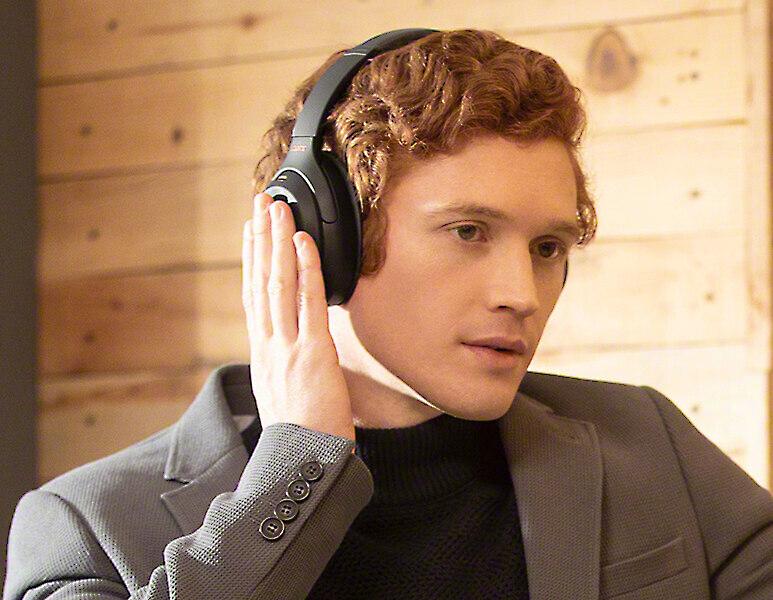
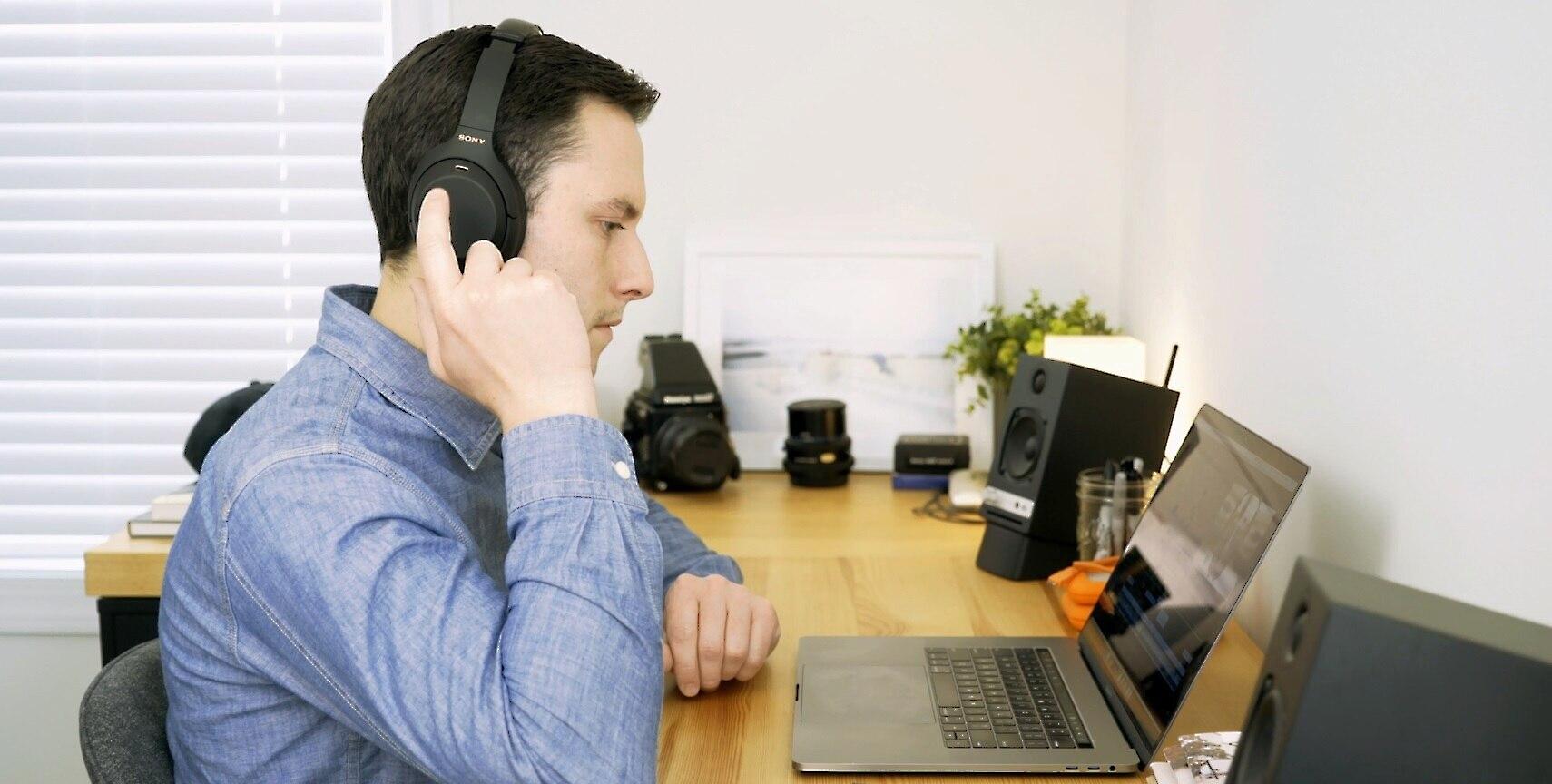
The Sony WH-1000XM4 represents the pinnacle of smart headphone features. The touch-sensitive controls on the right earcup respond to taps, swipes, and holds for different functions. Speak-to-Chat technology automatically pauses your music and activates ambient sound when you start talking – incredibly useful for quick conversations without removing the headphones. Wearing detection sensors pause playback when you take the headphones off and resume when you put them back on.
Adaptive Sound Control learns your habits over time, automatically adjusting noise cancellation based on your location and activity. If you're at the gym, it might reduce ANC and increase ambient sound awareness. At your desk, it switches to maximum noise cancellation. This level of automation works well when it works, but some users find it unpredictable or prefer manual control.
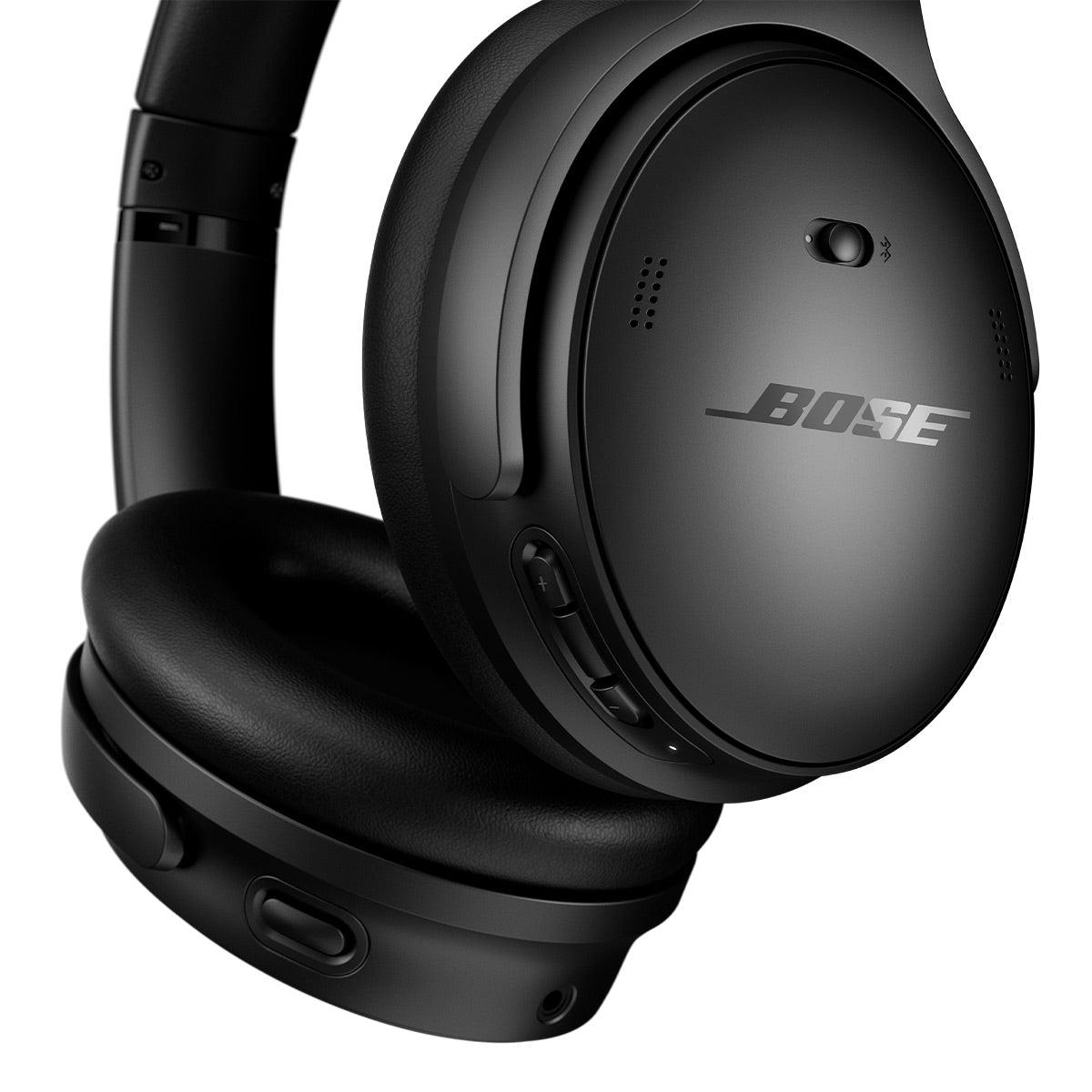
The Bose QuietComfort takes a more straightforward approach with physical button controls. While this might seem old-fashioned compared to Sony's touch interface, many users actually prefer the tactile feedback and reliability of physical buttons. You always know when you've pressed something, and there's no risk of accidental activation when adjusting the headphones or cleaning them.
Both models support multipoint Bluetooth connectivity, allowing you to connect to two devices simultaneously – essential for modern users who juggle smartphones and laptops throughout the day.
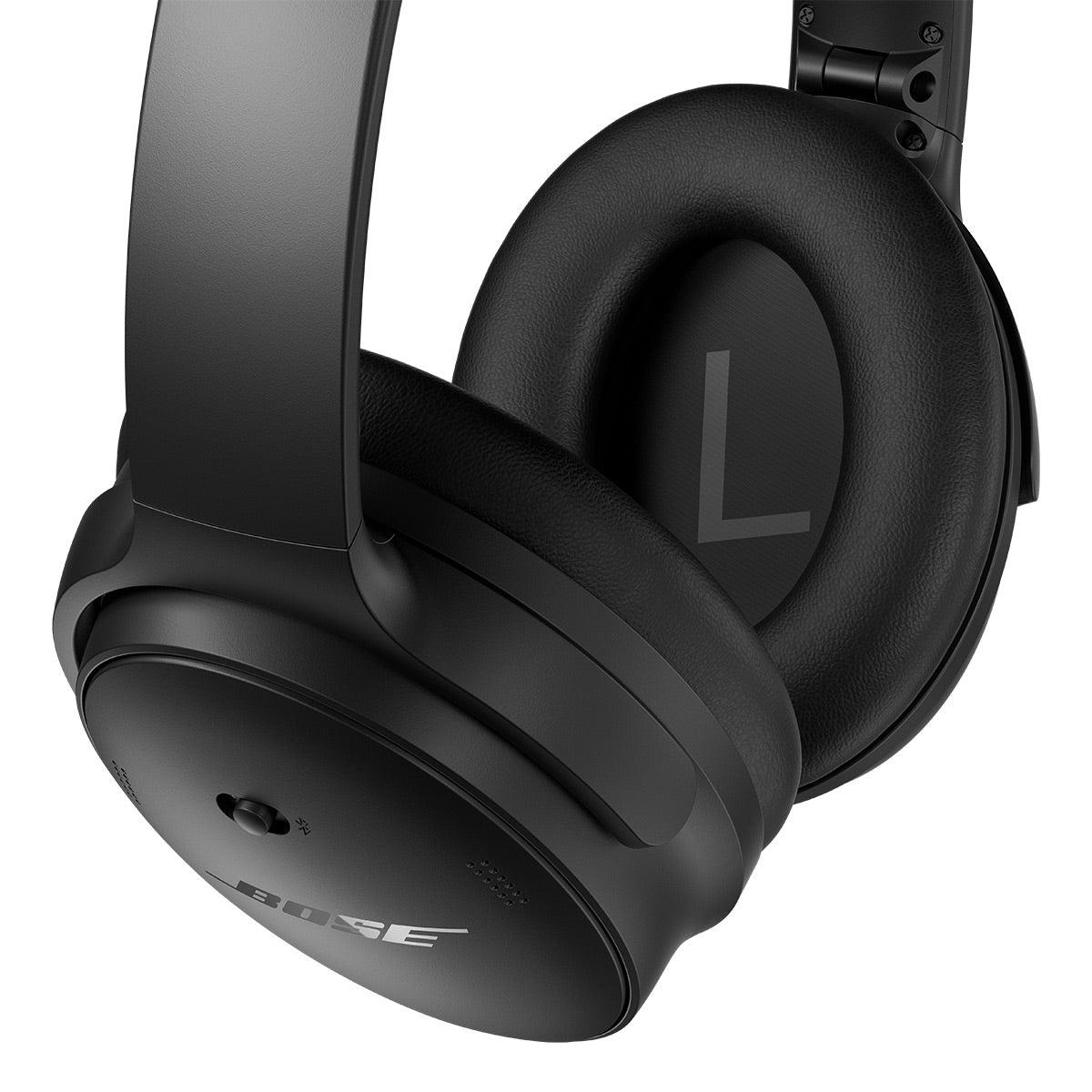
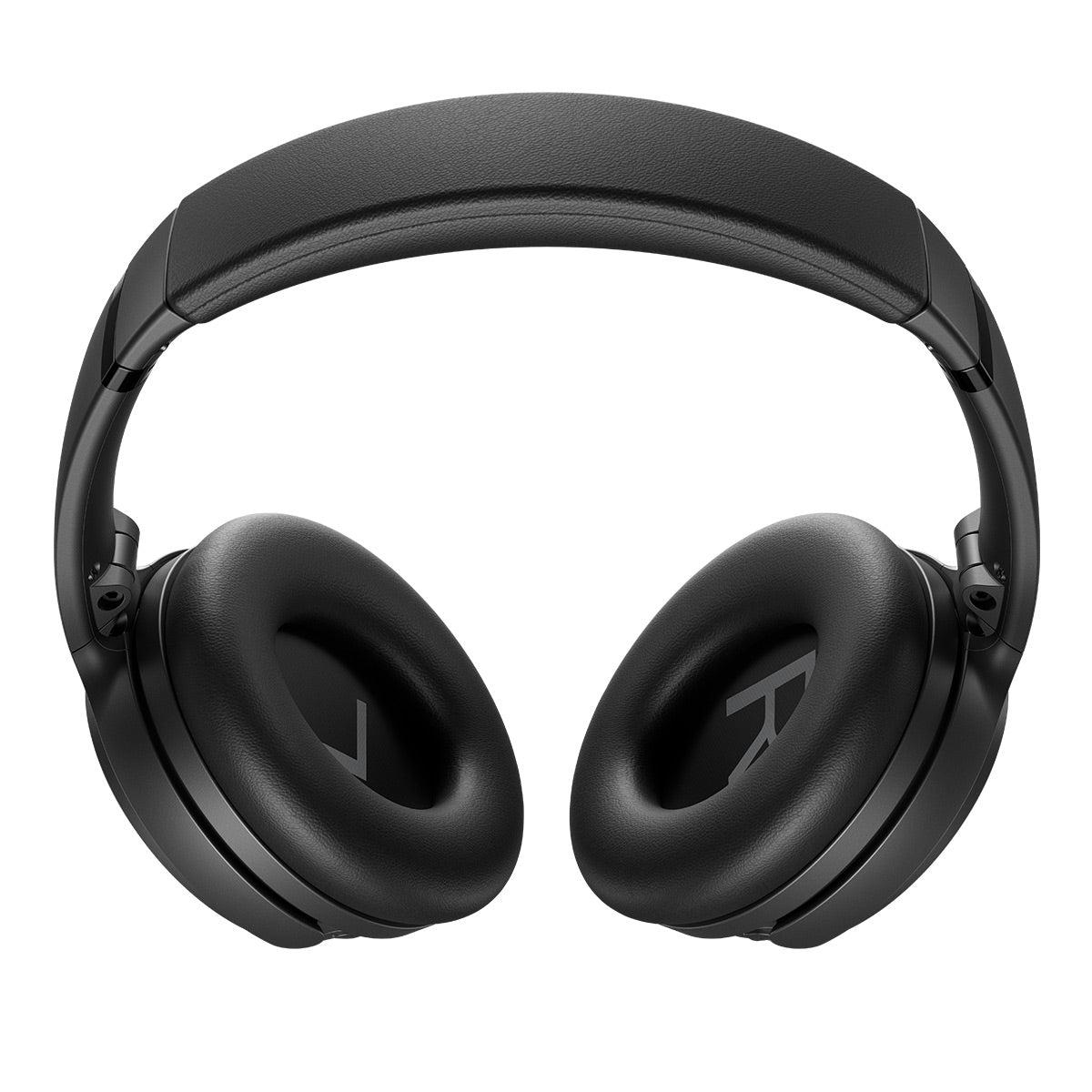
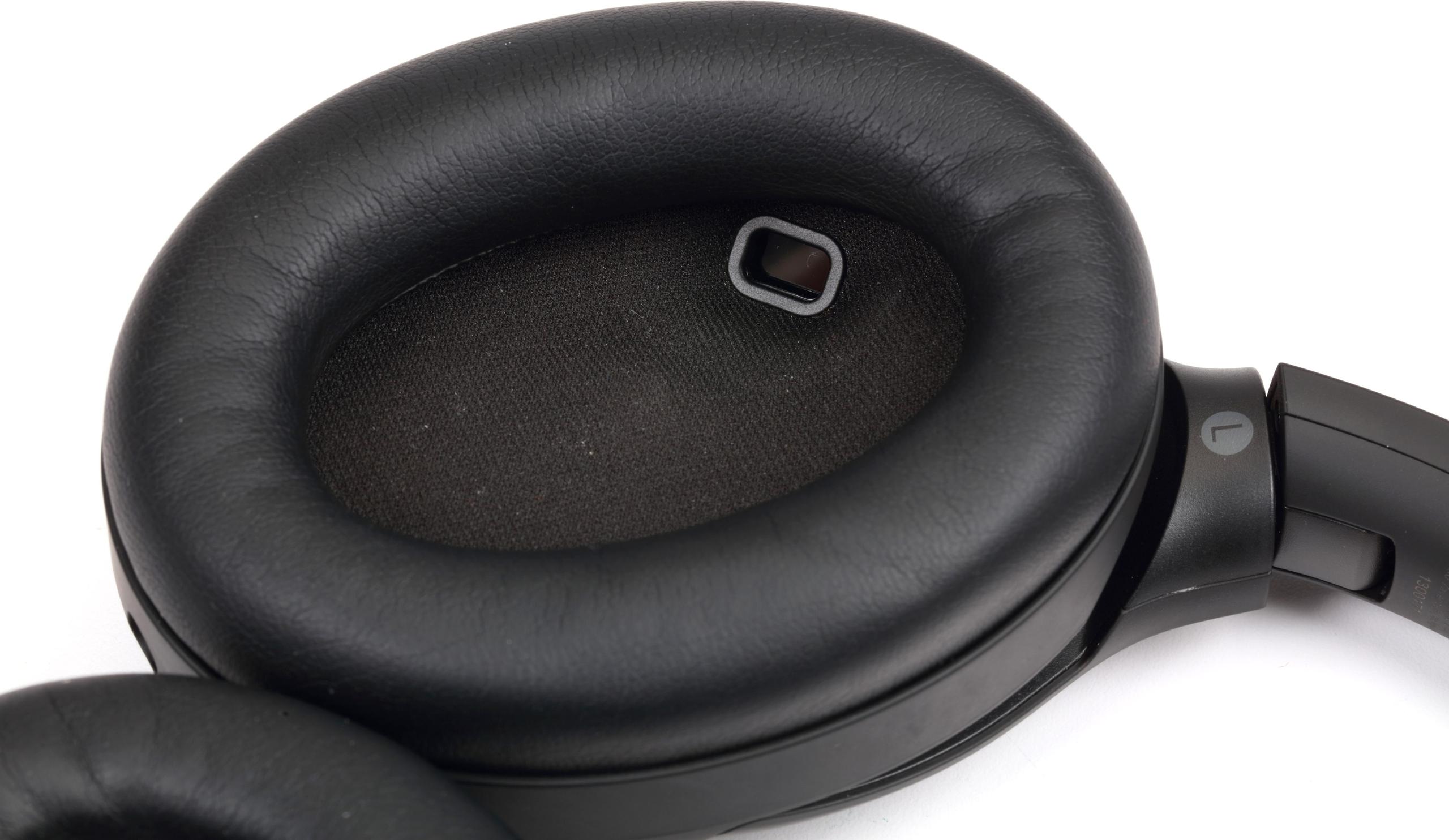
Comfort becomes crucial when you're spending premium money on headphones you plan to wear for hours at a time. The Bose QuietComfort earns its name through meticulous attention to ergonomics. At 240 grams, it's lighter than the Sony, and the weight distribution feels more balanced. The protein leather ear cushions and minimal clamping force make extended listening sessions comfortable, even for users who wear glasses.
The Sony WH-1000XM4 weighs 254 grams and uses super-soft memory foam ear pads. While still comfortable, the slightly higher weight and different weight distribution can become noticeable during very long sessions. The memory foam initially feels luxurious but can retain heat more than Bose's materials.
For home theater use, comfort becomes even more important since movie sessions often stretch beyond two hours. The lighter weight and better heat dissipation of the Bose QuietComfort provides a clear advantage for extended viewing sessions.
Battery performance reveals another key difference in design philosophy. The Sony WH-1000XM4 prioritizes maximum runtime, delivering up to 30 hours of playback with ANC enabled – exceptional for any wireless headphone. Quick charging provides five hours of playback from just ten minutes of charging, making it nearly impossible to be caught with dead headphones.
The Bose QuietComfort offers up to 24 hours of battery life, which is still excellent but noticeably less than Sony's offering. However, Bose optimizes for efficiency in other ways, with faster overall charging and more predictable battery performance over time.
For frequent travelers or people who forget to charge their devices regularly, Sony's superior battery life provides valuable peace of mind.
If you regularly take phone calls or participate in video conferences, microphone quality becomes crucial. This is one area where the Bose QuietComfort significantly outperforms the Sony WH-1000XM4. Bose's microphone system delivers natural-sounding voice reproduction with effective background noise isolation.
The Sony's microphone performance is frankly disappointing for a premium product. Voices sound thin and muffled, and the system struggles to isolate your voice from background noise. While acceptable for occasional personal calls, it's not suitable for professional use.
At the time of writing, the Sony WH-1000XM4 typically costs significantly less than the Bose QuietComfort – often $100-150 less. This price difference makes the value calculation complex. The Sony delivers about 90% of the Bose's performance in key areas while offering superior battery life and more advanced smart features, all at a substantially lower price.
The Bose QuietComfort justifies its premium through superior sound quality, better comfort, excellent microphone performance, and more refined user experience. Whether these improvements are worth the additional cost depends on your priorities and budget.
Choose the Sony WH-1000XM4 if you want maximum value without sacrificing performance. It's ideal for tech enthusiasts who appreciate advanced features, anyone who needs exceptional battery life, and users who don't frequently make phone calls. The money saved could go toward other audio equipment or simply stay in your pocket.
Choose the Bose QuietComfort if you prioritize audio quality above all else, need excellent microphone performance for professional calls, or want the most comfortable headphones for extended wear. The premium price reflects genuine improvements in the areas that matter most for daily use.
Both represent excellent choices in the premium noise-canceling headphone category. Your decision should ultimately come down to which set of compromises aligns better with your specific needs and budget. Neither will disappoint, but one will likely feel like the perfect fit for your lifestyle.
| Bose QuietComfort Wireless Headphones | Sony WH-1000XM4 Wireless Headphones |
|---|---|
| Active Noise Cancellation - Critical for blocking ambient noise in travel and work environments | |
| Adaptive microphone system with customizable modes, excellent in 200-1000Hz range | Dual Noise Sensor Technology with HD Noise Cancelling Processor QN1, 20 customization levels |
| Audio Quality - Determines how your music and media will sound | |
| Warm, balanced "Bose sound" with natural frequency response, minimal EQ needed | Mostly neutral with slight warmth, supports LDAC high-res audio but needs EQ for optimal sound |
| Comfort & Weight - Essential for extended listening sessions | |
| 240g with protein leather cushions, minimal clamping force, designed for all-day wear | 254g with memory foam pads, comfortable but slightly heavier and retains more heat |
| Battery Life - How long you can use them between charges | |
| Up to 24 hours with ANC on, 15-min charge gives 2.5 hours playback | Up to 30 hours with ANC on, 10-min charge gives 5 hours playbook - clear winner |
| Smart Features - Convenience and automation capabilities | |
| Physical button controls, multipoint Bluetooth, voice assistant support | Touch controls, Speak-to-Chat, auto-pause/play, adaptive sound control, multipoint Bluetooth |
| Call Quality - Important for phone calls and video conferences | |
| Excellent microphone with natural voice reproduction and noise isolation | Poor microphone quality with thin, muffled sound - major weakness |
| Codec Support - Affects wireless audio quality | |
| Standard SBC and AAC codecs | SBC, AAC, plus LDAC for high-resolution audio transmission |
| Release Year - Age of technology and current market positioning | |
| 2023 release with latest refinements | 2020 release, mature technology at value pricing |
| Value Proposition - Performance relative to typical market price | |
| Premium pricing justified by superior sound, comfort, and call quality | Exceptional value with 90% of premium performance at significantly lower cost |
Both the Bose QuietComfort Wireless Headphones and Sony WH-1000XM4 offer excellent active noise cancellation, but the Bose QuietComfort has a slight edge. Bose excels particularly in the 200-1000Hz frequency range where most annoying ambient sounds occur, making it more effective in offices and cafes. The Sony WH-1000XM4 offers 20 levels of customization, which some users prefer for fine-tuning their experience.
The Bose QuietComfort Wireless Headphones deliver a more naturally balanced sound with the signature "Bose sound" - warm, rich audio with controlled bass that sounds great without adjustment. The Sony WH-1000XM4 offers a mostly neutral signature with LDAC high-resolution audio support, but may require EQ tweaking to match the natural sound quality of the Bose QuietComfort.
The Bose QuietComfort Wireless Headphones are designed specifically for all-day comfort, weighing 240g with protein leather cushions and minimal clamping force. The Sony WH-1000XM4 weighs 254g with memory foam pads that feel luxurious initially but can retain more heat during extended use. For sessions over 2-3 hours, the Bose QuietComfort typically provides superior comfort.
The Sony WH-1000XM4 clearly wins in battery life, offering up to 30 hours with ANC enabled compared to 24 hours from the Bose QuietComfort Wireless Headphones. The Sony WH-1000XM4 also provides better quick charging with 5 hours of playback from a 10-minute charge versus 2.5 hours from the Bose QuietComfort.
The Bose QuietComfort Wireless Headphones significantly outperform the Sony WH-1000XM4 for calls. Bose offers excellent microphone quality with natural voice reproduction and effective background noise isolation. The Sony WH-1000XM4 has notably poor microphone performance with thin, muffled audio that's not suitable for professional use.
Yes, both work excellently for home theater use, but the Bose QuietComfort Wireless Headphones have advantages for movie watching. The balanced frequency response handles dialogue more clearly, while the controlled bass provides good impact for action scenes. The superior comfort of the Bose QuietComfort also makes it better suited for lengthy movie sessions compared to the Sony WH-1000XM4.
The Sony WH-1000XM4 offers more advanced smart features including touch controls, Speak-to-Chat technology that auto-pauses when you talk, automatic play/pause when removing headphones, and adaptive sound control. The Bose QuietComfort Wireless Headphones focuses on simplicity with physical button controls, though both models support multipoint Bluetooth and voice assistants.
The Sony WH-1000XM4 typically offers better value, delivering about 90% of premium performance at a significantly lower cost than the Bose QuietComfort Wireless Headphones. However, the Bose QuietComfort justifies its premium through superior sound quality, comfort, and call performance - the value depends on your priorities.
Yes, both the Bose QuietComfort Wireless Headphones and Sony WH-1000XM4 include audio cables for wired use. However, the Sony WH-1000XM4 sounds significantly worse in passive wired mode when powered off, while the Bose QuietComfort maintains better audio quality when used passively.
Both excel for travel, but they serve different priorities. The Sony WH-1000XM4 offers superior battery life (30 vs 24 hours) which is crucial for long trips, plus more automation features. The Bose QuietComfort Wireless Headphones provides slightly better noise cancellation and superior comfort for long flights, making either a solid choice depending on whether you prioritize battery life or comfort.
Both offer comprehensive mobile apps, but with different strengths. The Sony Headphones Connect app provides more customization options including 20 ANC levels, detailed EQ controls, and adaptive sound features. The Bose Music app for the Bose QuietComfort Wireless Headphones focuses on simplicity and ease of use while still offering essential customization options.
For first-time premium headphone buyers, the Bose QuietComfort Wireless Headphones often provides a more immediately satisfying experience with its natural sound quality and superior comfort, though at a higher cost. The Sony WH-1000XM4 offers excellent value and more features to explore, making it ideal for those who enjoy customization and want maximum bang for their buck.
We've done our best to create useful and informative comparisons to help you decide what product to buy. Our research uses advanced automated methods to create this comparison and perfection is not possible - please contact us for corrections or questions. These are the sites we've researched in the creation of this article: techradar.com - whathifi.com - bose.com - rtings.com - recordingnow.com - bose.com - ottorinobruni.com - whathifi.com - costco.com - recordingnow.com - youtube.com - bose.com - bestbuy.com - global.bose.com - boselatam.com - projectorscreen.com - bose.com - bose.com - bose.com - soundguys.com - headphones.com - recordingnow.com - electronics.sony.com - rtings.com - headphonereview.com - youtube.com - audiosciencereview.com - cnet.com - hyderseatravels.com - sony.com - sonylatvija.com - sony.com - sony.com - electronics.sony.com - sony.com - headphonecheck.com - fullspecs.net - sony.com - uclastore.com - bestbuy.com - sony.ca - helpguide.sony.net - device.report

Privacy Policy
Terms and Conditions - Affiliate Policy
Home Security
© Copyright 2008-2026.
11816 Inwood Rd #1211, Dallas, TX 75244