

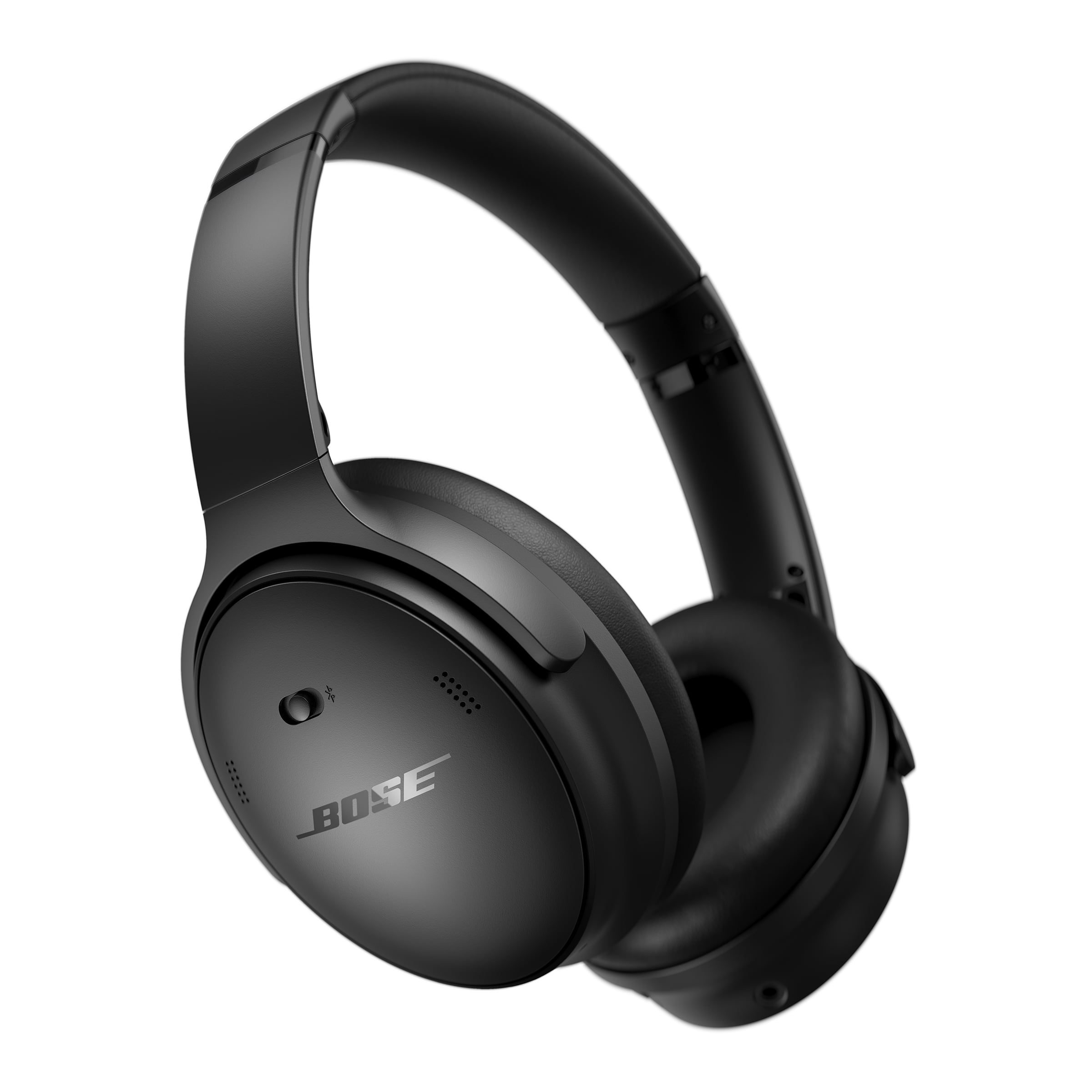
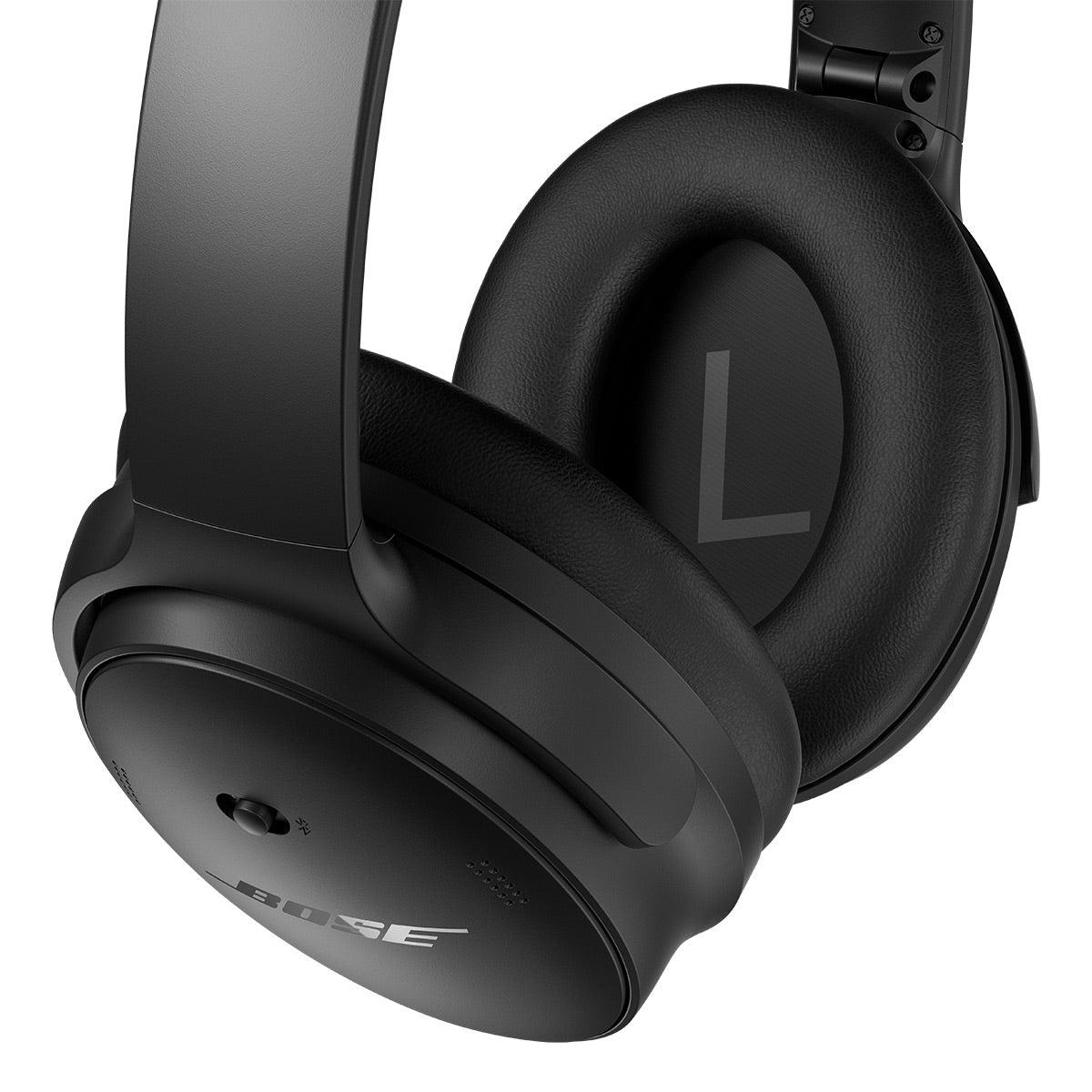
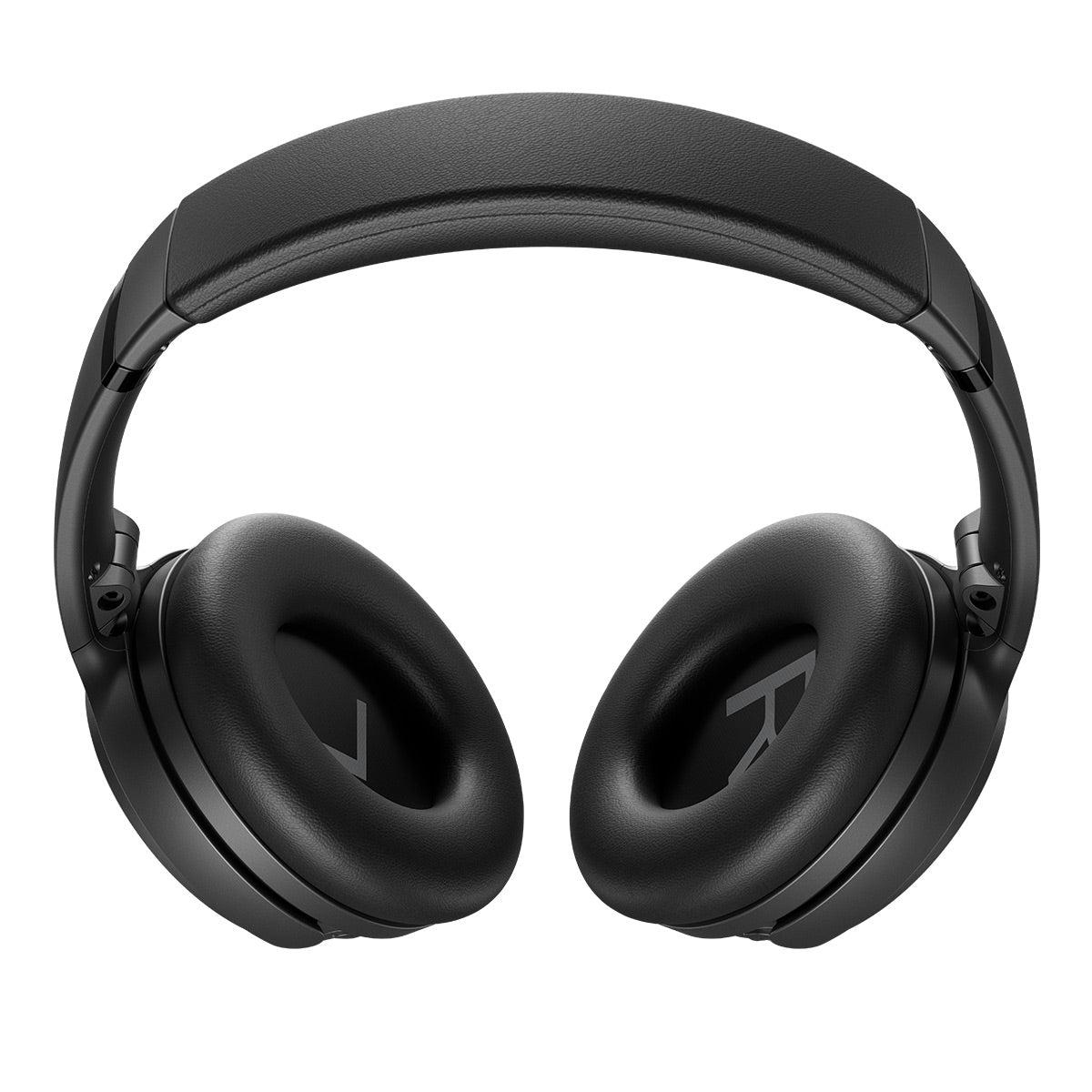

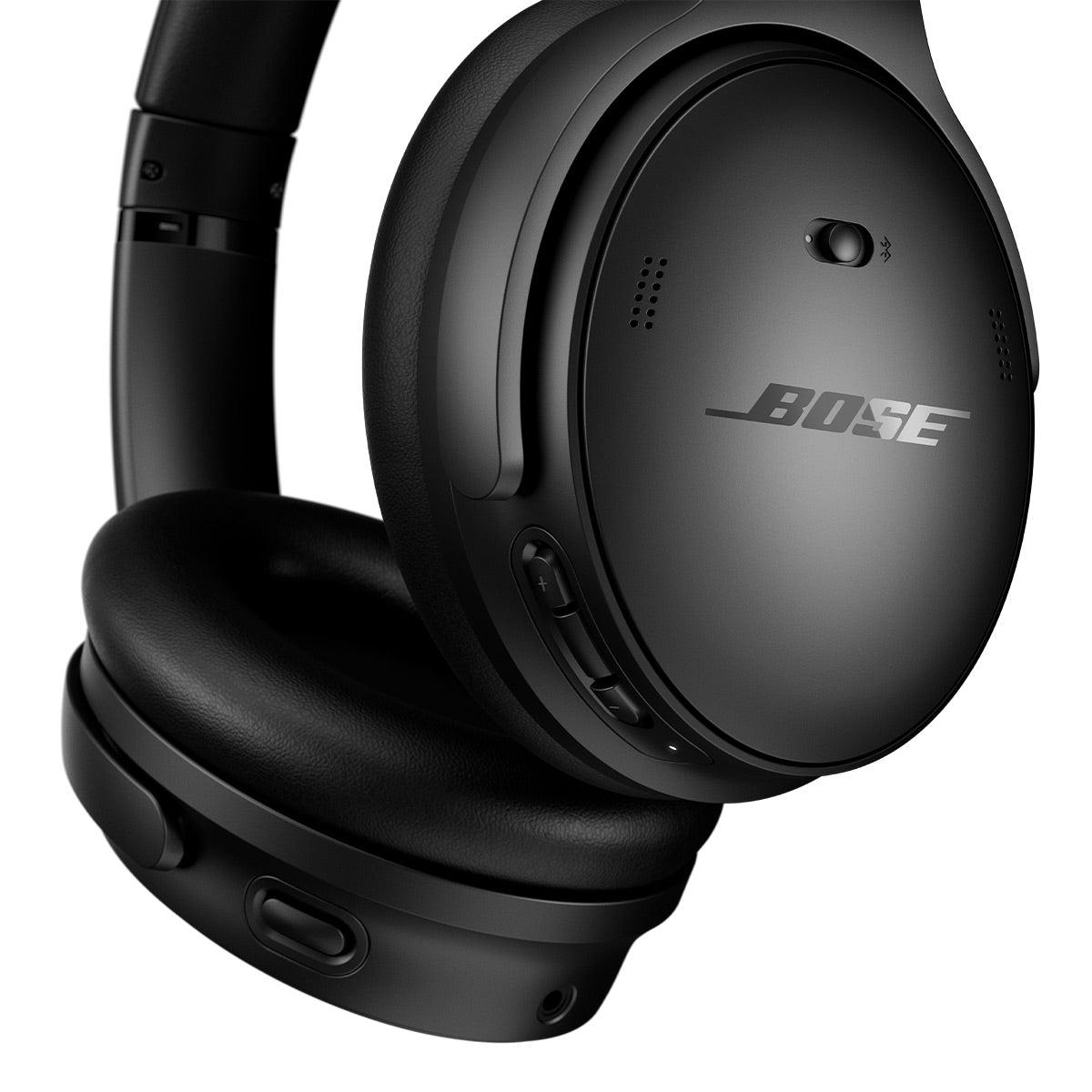

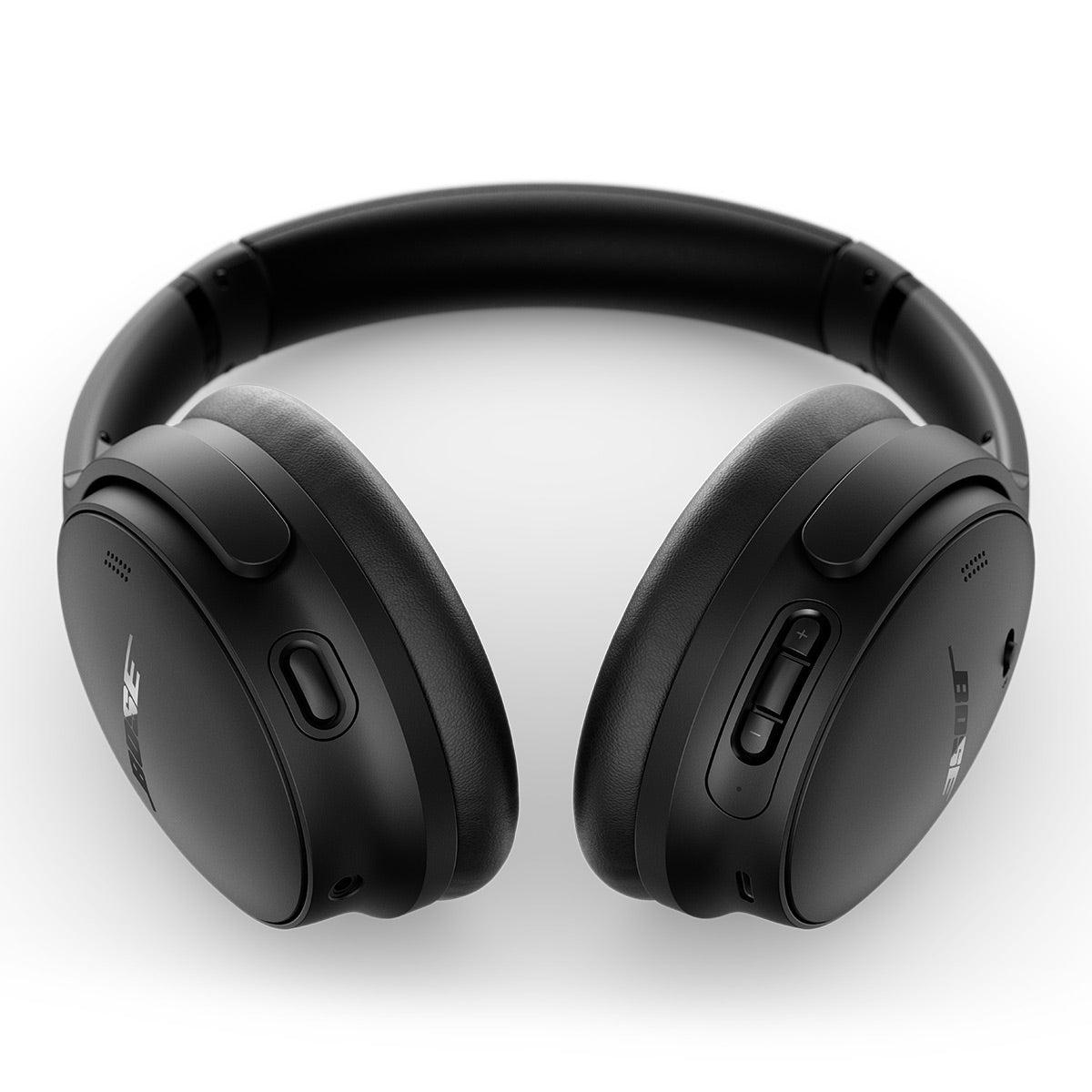

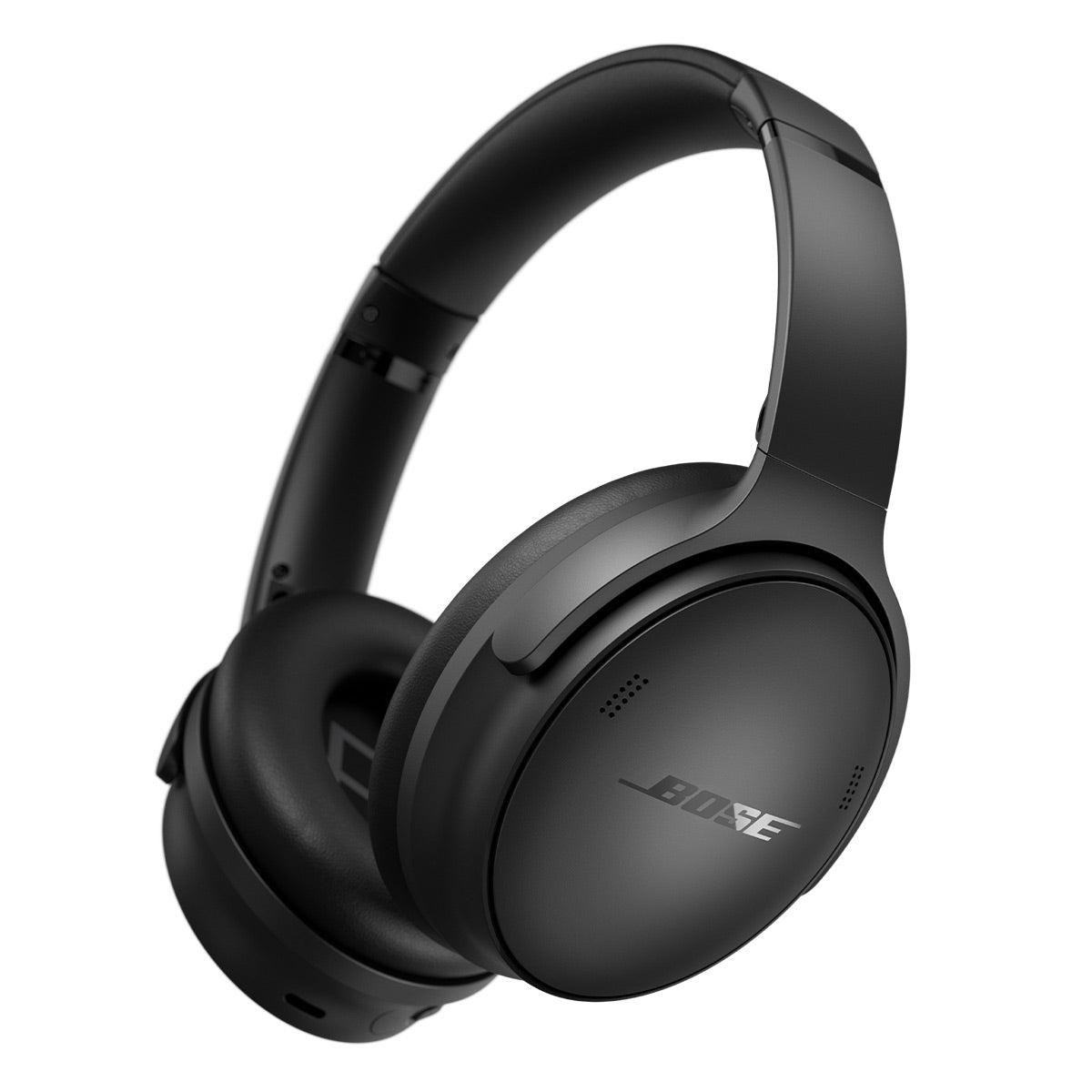
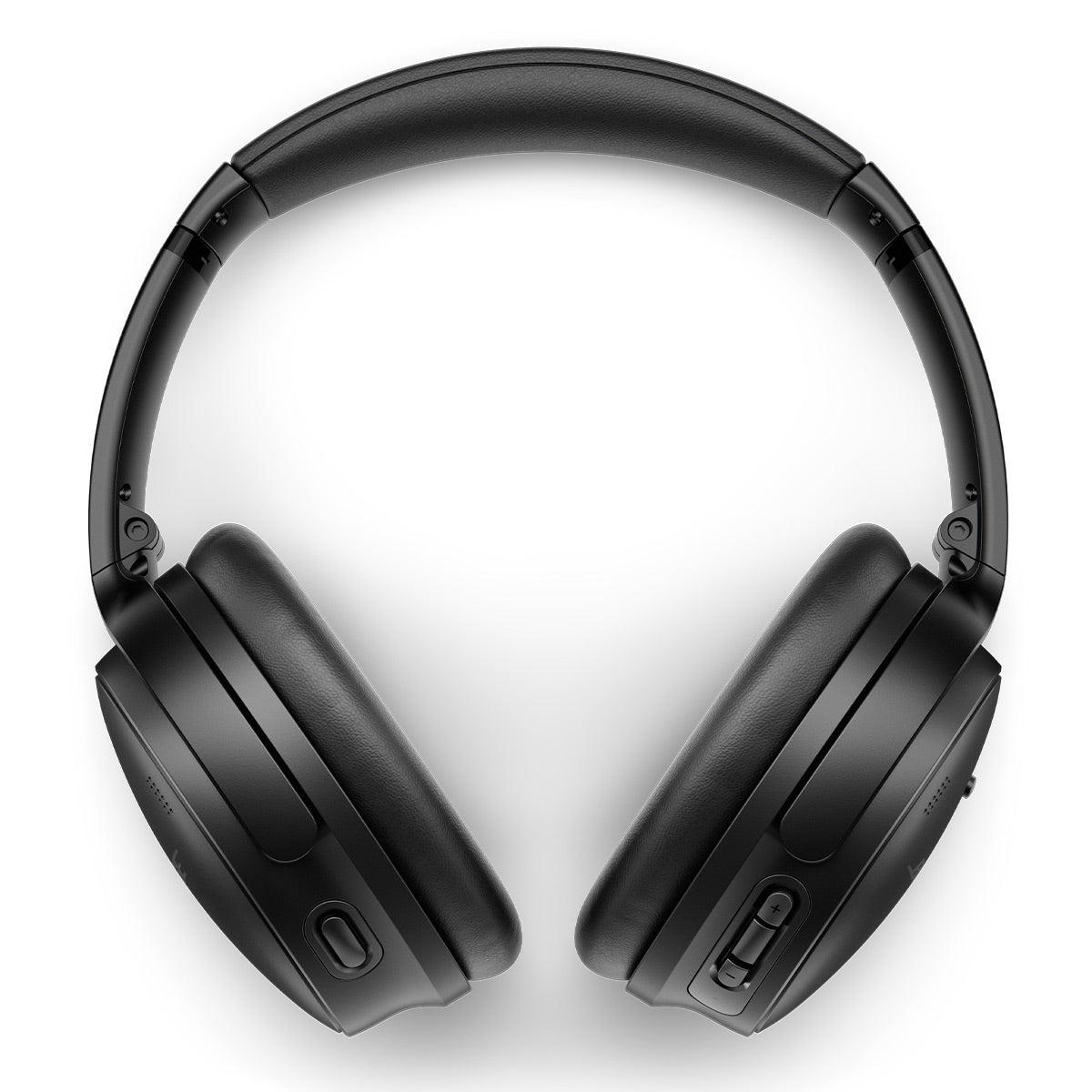
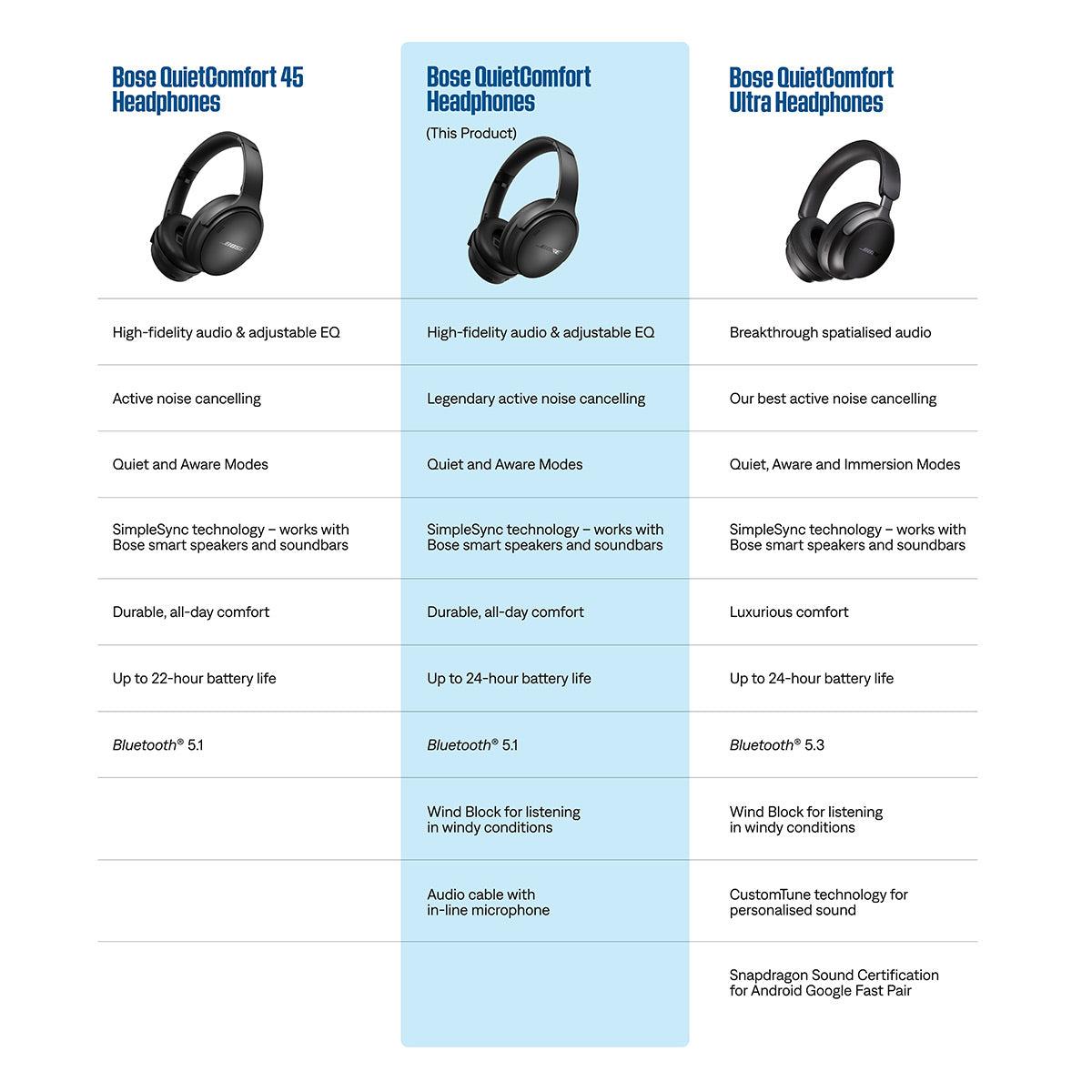
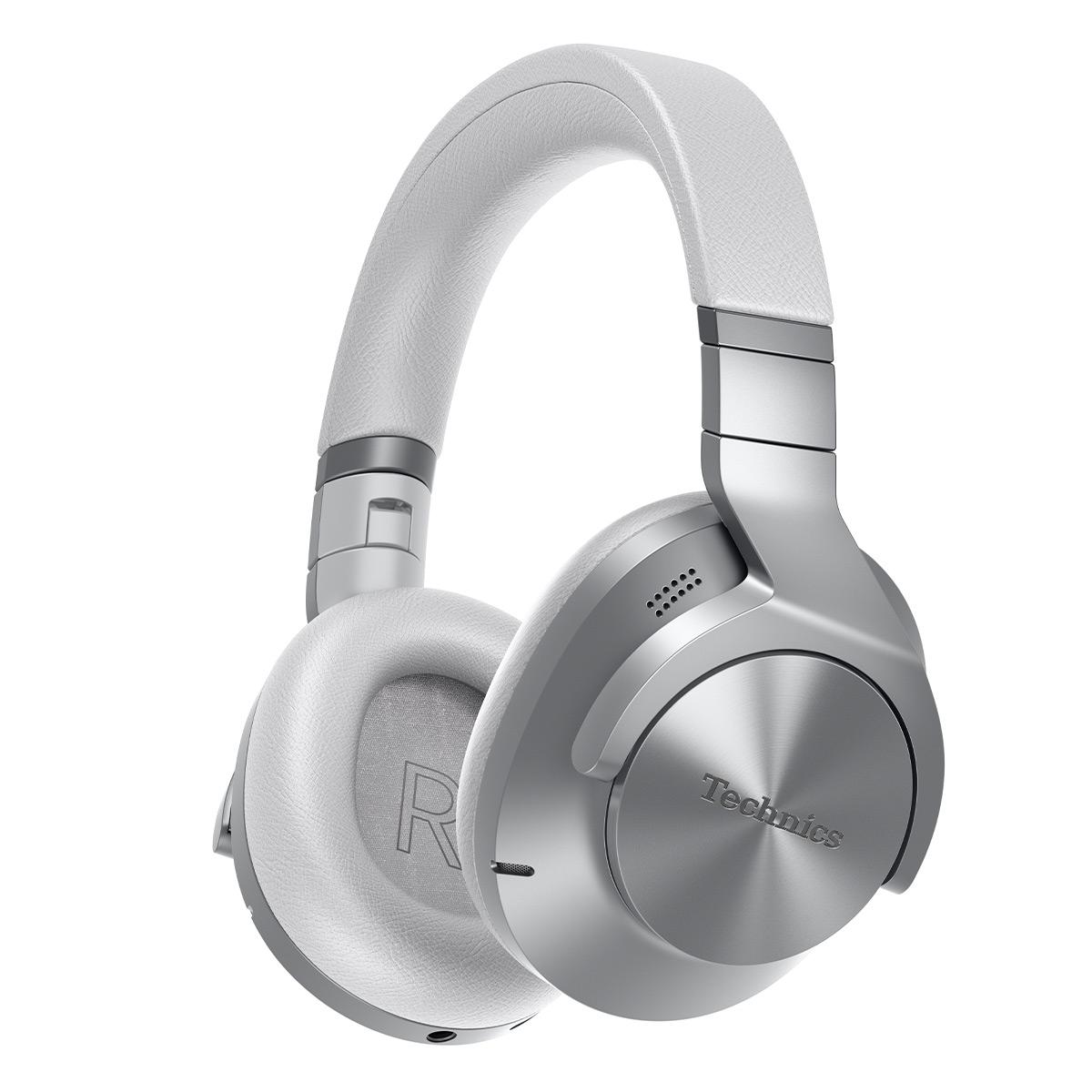
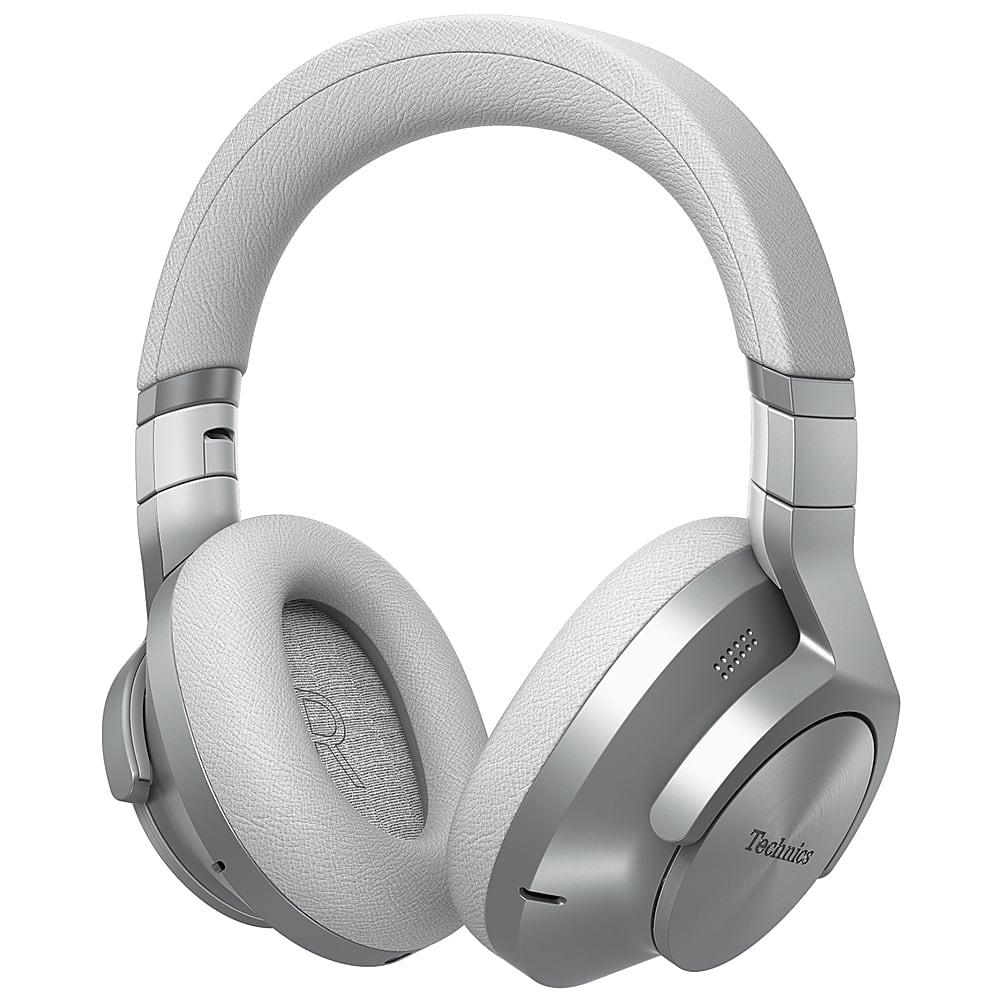
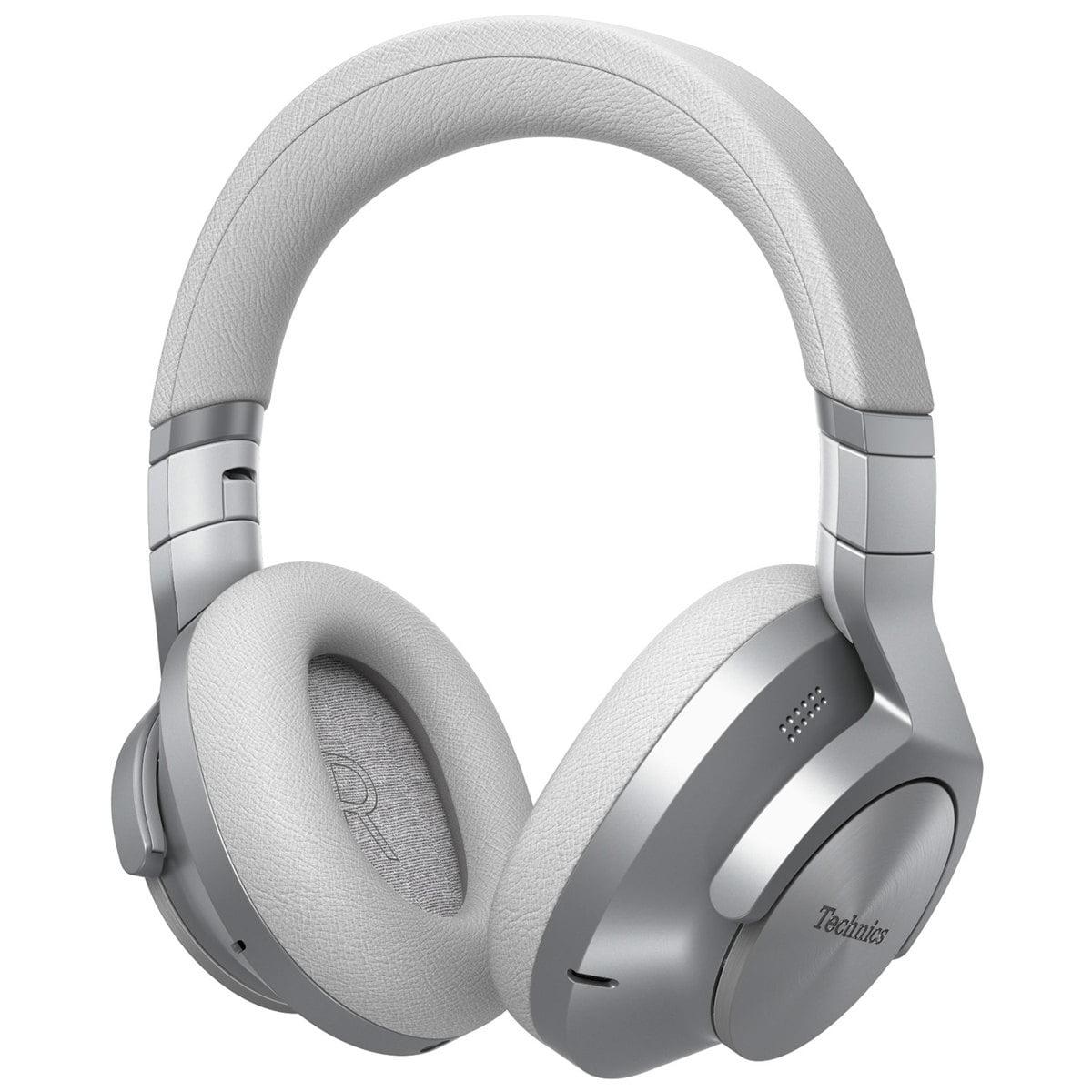
When you're ready to invest in premium wireless noise-cancelling headphones, you're entering a category where the differences between models can significantly impact your daily experience. Today, we're comparing two compelling options that represent different philosophies in headphone design: the Bose QuietComfort Wireless Headphones and the Technics EAH-A800.
These aren't just expensive headphones with fancy marketing—they're sophisticated pieces of audio technology designed to solve real problems. Whether you're trying to focus in a noisy office, enjoy music during long flights, or simply escape into your favorite podcast, the right choice between these models can make the difference between a frustrating experience and audio bliss.
Premium wireless noise-cancelling headphones serve multiple masters. They need to block out the world when you want silence, deliver exceptional audio quality for music and movies, provide crystal-clear call quality for work, and remain comfortable during hours of wear. It's a tall order, and the technology required to pull it off is genuinely impressive.
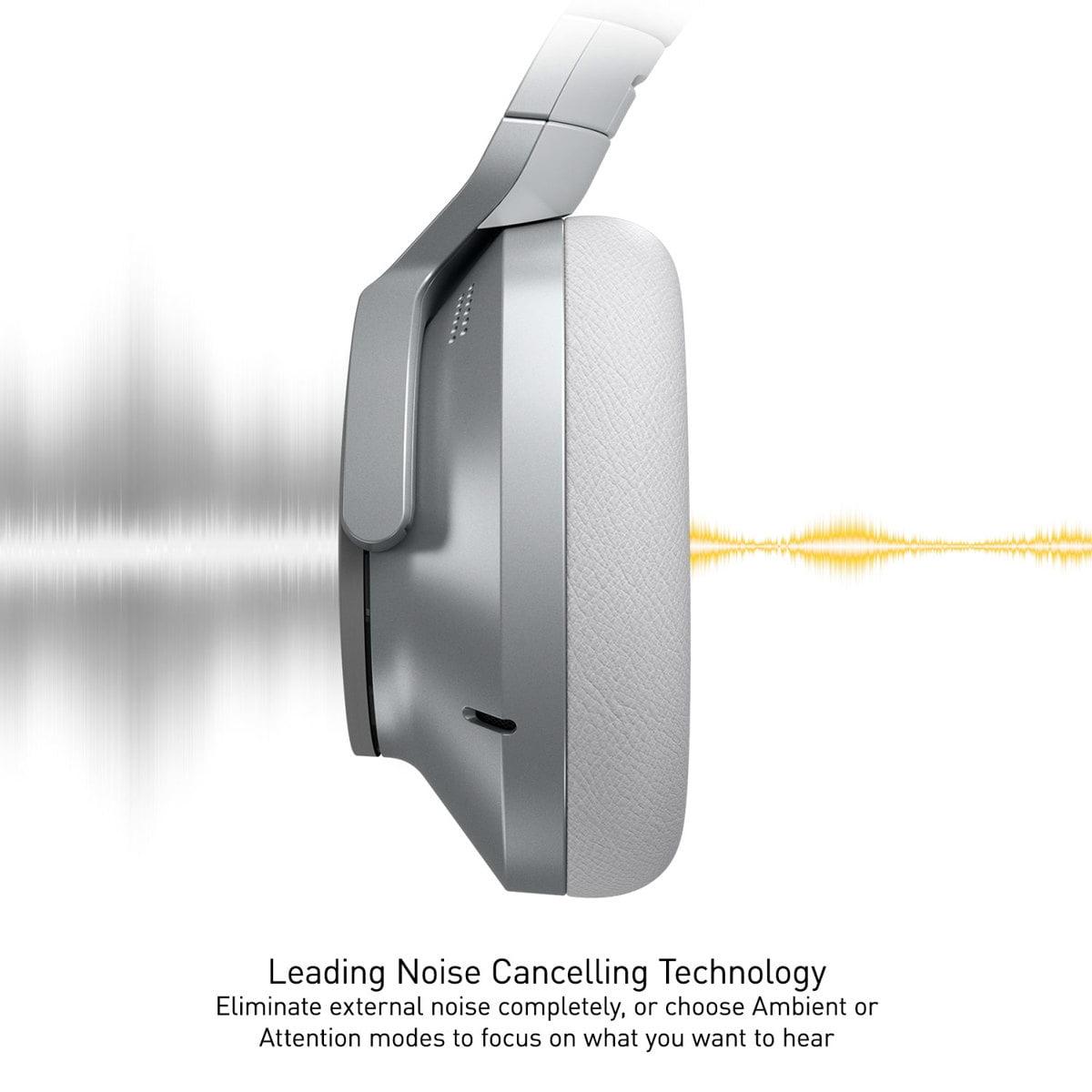
At the heart of these headphones lies Active Noise Cancellation (ANC)—a technology that uses microphones to "listen" to ambient noise, then generates sound waves that are perfectly out of phase with that noise, effectively canceling it out. Think of it like noise-cancelling math happening in real-time. The Bose QuietComfort and Technics EAH-A800 both excel at this, but in notably different ways.
The other crucial element is audio quality. These headphones need to reproduce everything from the subtle breathing in a jazz recording to the thunderous explosions in an action movie. They accomplish this through carefully engineered drivers (the speakers inside the headphones), sophisticated digital signal processing, and thoughtful tuning that balances different frequency ranges.
The Bose QuietComfort Wireless Headphones, released in 2023, represent the evolution of decades of noise-cancellation expertise. Bose essentially invented consumer ANC technology, and these headphones showcase their refined approach to creating a seamless user experience. At the time of writing, they're positioned as a premium option that commands a higher price but delivers exceptional reliability and ease of use.
The Technics EAH-A800, which entered the market in 2022, represents something different—a traditional audio company's serious attempt to break into the premium ANC market. Technics has been making high-end audio equipment for decades, and they've brought that expertise to bear on these headphones, offering compelling features at a more accessible price point.
When comparing ANC performance, the Bose QuietComfort demonstrates why the company has maintained its leadership position for so long. The noise cancellation is remarkably clean and effective across all frequency ranges. Low-frequency sounds like airplane engines, air conditioners, and traffic rumble simply disappear. But what's equally impressive is how well they handle mid and high-frequency noise—the kinds of sounds that many competing headphones struggle with.
The technical implementation uses microphones both inside and outside the ear cups. The external microphones detect incoming noise, while internal microphones monitor what's actually reaching your ears, creating a feedback loop that continuously optimizes the cancellation. The result is what engineers call "broadband noise cancellation"—effective across the entire spectrum of problematic sounds.
The Technics EAH-A800 takes a different approach with their Dual Hybrid system, combining both analog and digital processing. This is actually quite sophisticated—analog processing can react faster to sudden noises, while digital processing can be more precise for sustained sounds. In practice, the low-frequency noise cancellation rivals the Bose QuietComfort, which is impressive for a first-generation product from Technics.
However, there's a significant caveat with the Technics EAH-A800: they produce a constant, audible hiss during ANC operation. This isn't unusual in noise-cancelling headphones, but it's more noticeable here than with the Bose QuietComfort, which operates virtually silently. For some users, this hiss becomes distracting, especially during quiet passages in music or when no audio is playing.
Here's where things get interesting. The Bose QuietComfort delivers what most people would consider excellent sound quality right out of the box. The tuning is balanced and natural, with controlled bass that doesn't overwhelm the mids and highs. Vocals sound clear and lifelike, instruments have proper separation, and the overall presentation works well across different music genres.
This approach reflects Bose's consumer-focused philosophy. They've tuned these headphones to sound good to most people with most music, without requiring any adjustment. The included EQ in their app allows for some customization, but it's not really necessary for most users.
The Technics EAH-A800 tells a different story. Out of the box, they have a notably bass-heavy signature with what audio engineers call "overemphasized mid-bass." This can make the sound feel "wobbly" or uncontrolled, particularly with bass-heavy music. However, this isn't necessarily a flaw—it's a different approach that some users prefer, especially for genres like hip-hop or electronic music.
What makes the Technics EAH-A800 particularly interesting for audio enthusiasts is their support for LDAC codec. LDAC is Sony's high-resolution Bluetooth codec that can transmit much more audio data than standard Bluetooth. While the Bose QuietComfort supports the more common AAC and SBC codecs, the Technics EAH-A800 can potentially deliver higher fidelity when paired with compatible devices and high-resolution audio files.
For home theater use, both headphones perform well, but with different strengths. The Bose QuietComfort's balanced tuning works excellently for movies and TV shows, where dialogue clarity is crucial. The Technics EAH-A800's bass emphasis can add impact to action scenes, though you might want to adjust the EQ for dialogue-heavy content.
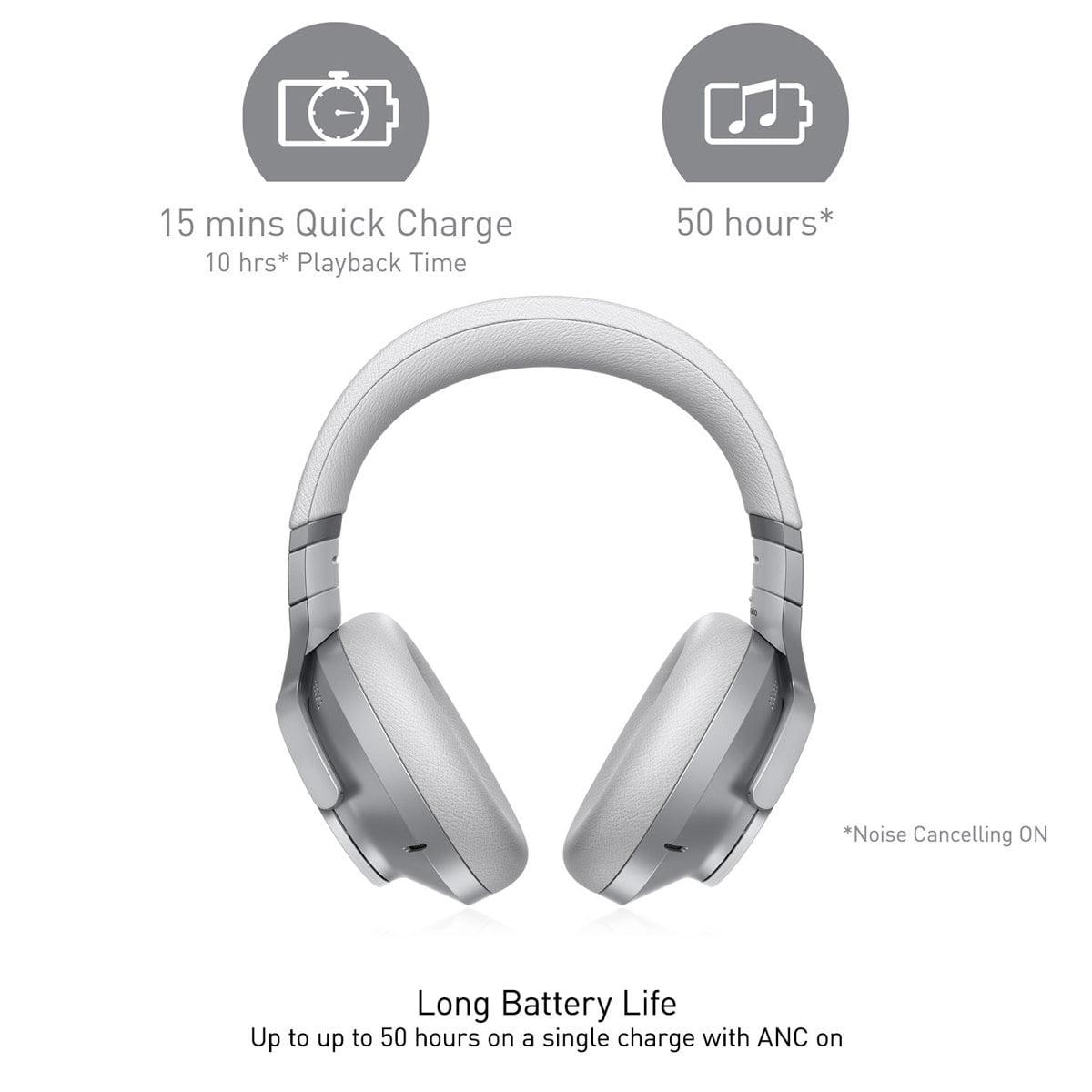
This is where the Technics EAH-A800 truly shines. With up to 50 hours of playback time (and up to 60 hours with ANC off), these headphones can literally last a full work week on a single charge. Even when using the power-hungry LDAC codec, you're still looking at around 40 hours of playback. This is exceptional performance that addresses one of the most common complaints about wireless headphones.
The Bose QuietComfort offers a more typical 24 hours of battery life, which is still quite good for most users. What they lack in total capacity, they make up for in charging convenience. The quick charge feature gives you 2.5 hours of playback from just 15 minutes of charging, while the Technics EAH-A800 provides an impressive 10 hours from a 15-minute charge.
However, there's a significant usability issue with the Technics EAH-A800: they don't have an automatic power-off feature. If you forget to turn them off manually, they'll continue draining battery even when not in use. This seems like an oversight in an otherwise well-engineered product, especially when the Bose QuietComfort handles this automatically.
Both headphones are designed for extended wear, but they achieve comfort through different approaches. The Bose QuietComfort are notably lighter at 236 grams, using a combination of metal, high-quality plastics, and protein leather. The ear cushions are plush and well-ventilated, and the headband distributes weight evenly. Having worn them for multiple cross-country flights, I can attest that they remain comfortable even after 6+ hours of continuous use.
The Technics EAH-A800 are heavier at 298 grams, but they distribute that weight well through their design. The ear pads are particularly generous and enveloping, which helps with both comfort and passive noise isolation (blocking noise through physical design rather than electronic cancellation). Some users actually prefer the more substantial feel, as it can feel more premium and secure.
Build quality is solid for both, though they represent different design philosophies. The Bose QuietComfort feels refined and carefully engineered, with tight tolerances and premium materials throughout. The Technics EAH-A800 has a more robust, almost industrial feel that suggests durability and serious engineering.
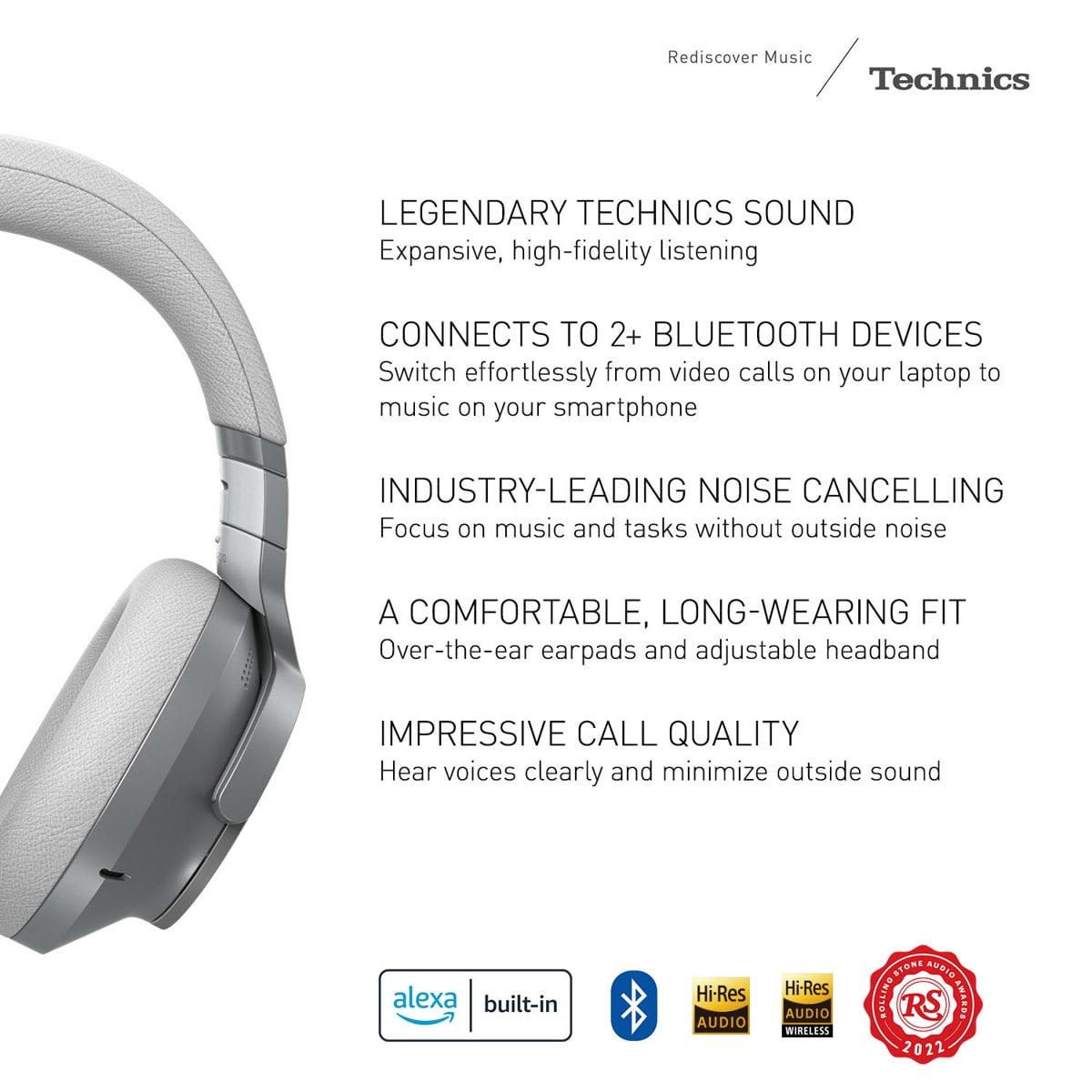
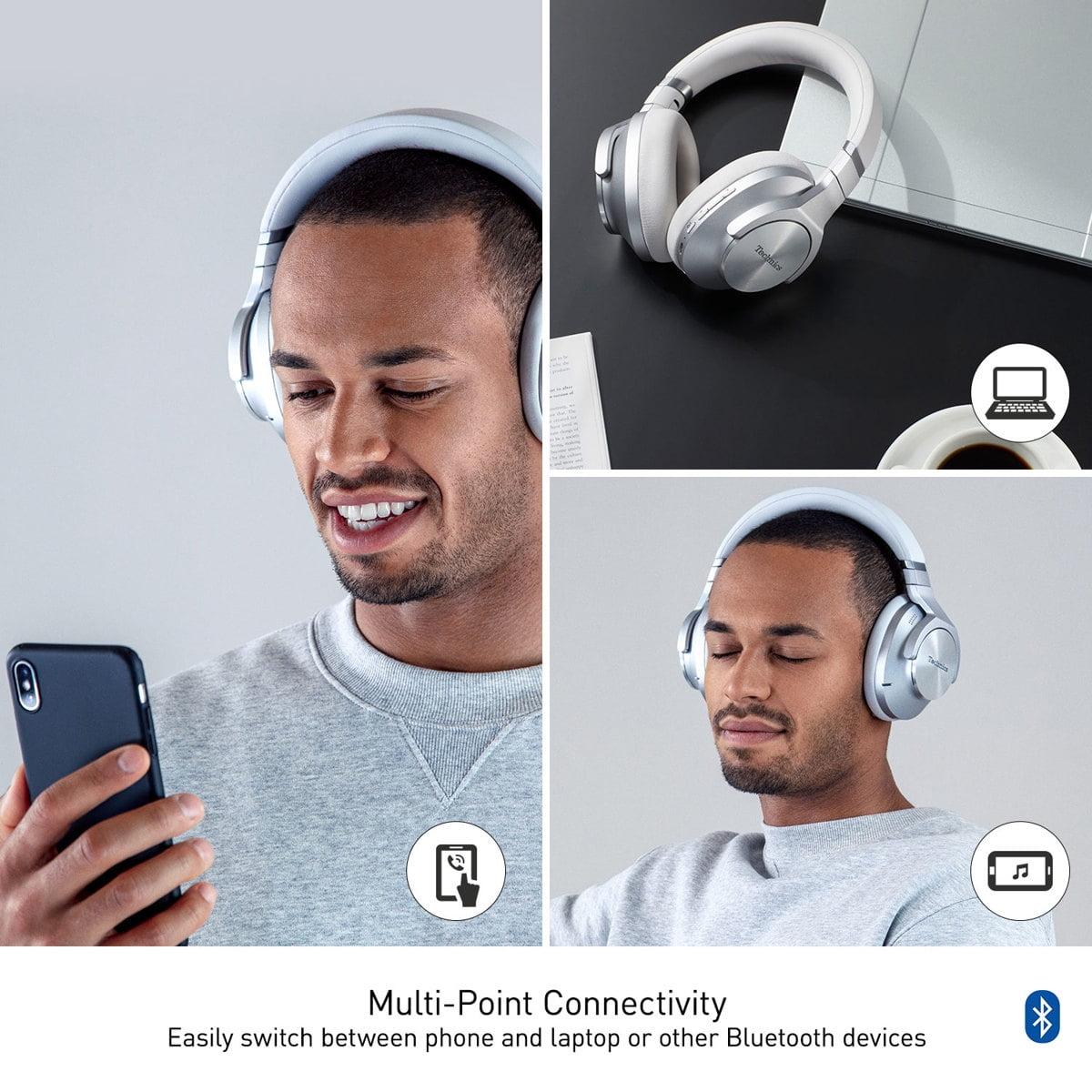
The Technics EAH-A800 takes the lead in connectivity features with Bluetooth 5.2 and support for multiple high-quality codecs including LDAC. The multipoint connectivity works seamlessly, allowing you to stay connected to both your phone and computer simultaneously—a feature that's become essential for many users working from home.
The Bose QuietComfort uses standard Bluetooth but implements it very well, with reliable connections and smooth device switching. Their app integration is particularly polished, making it easy to customize settings and update firmware.
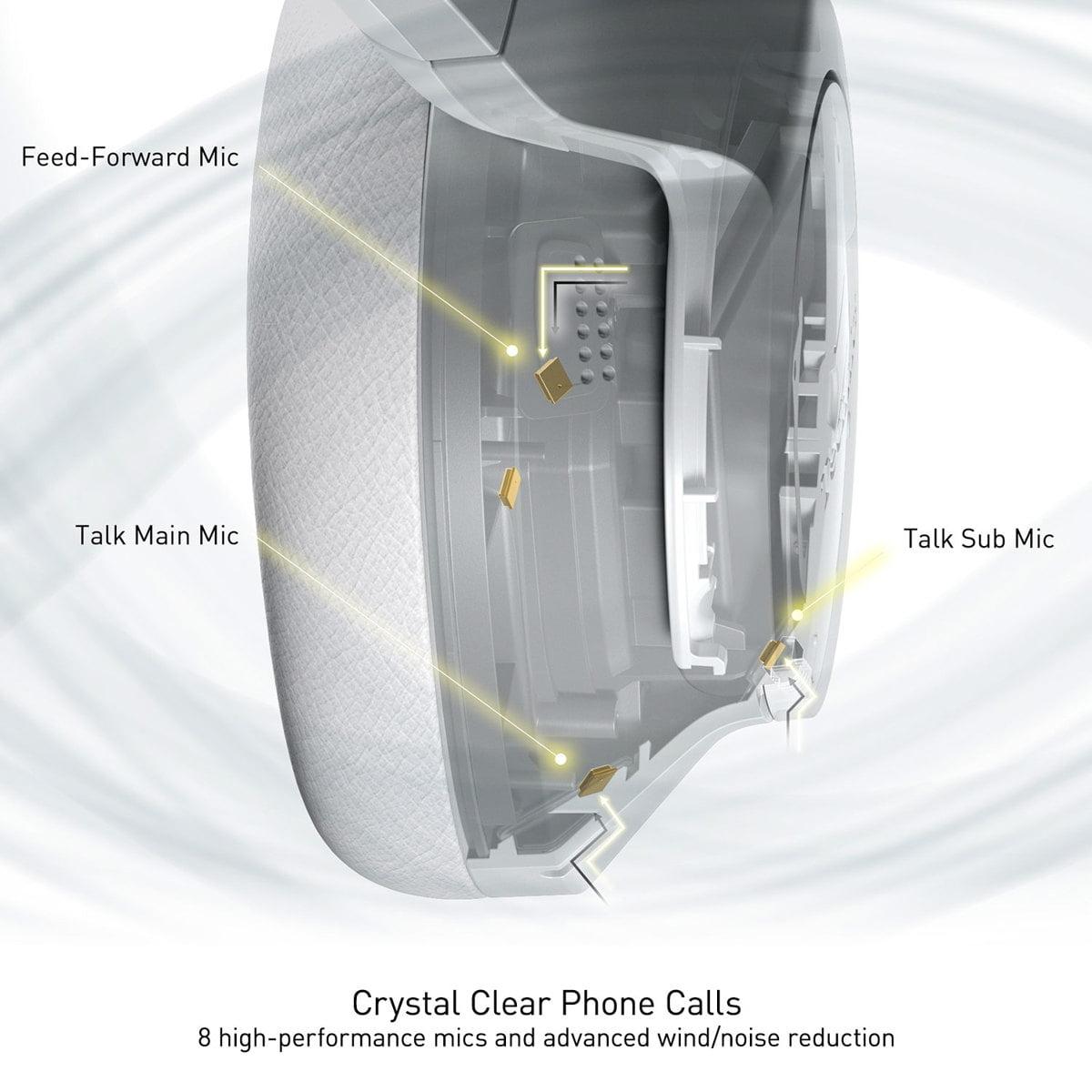
For call quality, the Technics EAH-A800 has a notable advantage with their eight-microphone array and beamforming technology. This system can isolate your voice from background noise more effectively than simpler implementations, making them excellent for video calls and phone conversations in noisy environments.
This is where personal preference and daily usage patterns become crucial. The Bose QuietComfort uses primarily physical controls that are intuitive and reliable. You can operate them by feel without looking, which is invaluable when they're on your head.
The Technics EAH-A800 employs a hybrid approach with both physical buttons and touch controls. While this provides more functionality, it also creates a learning curve. Some users find the mixed control scheme confusing, especially when switching between different functions.
At the time of writing, the Bose QuietComfort commands a premium price that reflects their market positioning and brand reputation. You're paying for proven technology, refined user experience, and the confidence that comes with a well-established product line. For many users, this premium is justified by the hassle-free experience and consistent quality.
The Technics EAH-A800 offers compelling value with a significantly lower price point while delivering some genuinely superior features like exceptional battery life and advanced codec support. However, this value comes with trade-offs in terms of user experience and the need for more hands-on optimization.
Choose the Bose QuietComfort if you prioritize ease of use and want headphones that work excellently right out of the box. They're ideal for frequent travelers who need reliable, effective noise cancellation, and users who prefer not to fiddle with settings. The premium price reflects genuine engineering excellence and user experience refinement.
The Technics EAH-A800 makes sense if you're willing to invest some time in optimization for potentially better results. They're perfect for users who want exceptional battery life, advanced audio features like LDAC support, and don't mind adjusting EQ settings to get the sound signature they prefer. The lower price point makes premium features more accessible.
For home theater use specifically, both work well, but the Bose QuietComfort's balanced tuning might edge out for movie watching, while the Technics EAH-A800's bass emphasis could be preferred for gaming or action-heavy content.
Both the Bose QuietComfort and Technics EAH-A800 represent excellent approaches to premium noise-cancelling headphones, but they serve different types of users. The Bose QuietComfort delivers a refined, reliable experience that justifies its premium pricing through superior user experience and proven performance. The Technics EAH-A800 offers exceptional value and some genuinely superior technical features, but requires more user involvement to reach their full potential.
Your choice ultimately depends on whether you value convenience and refinement (Bose QuietComfort) or are willing to engage more deeply with your headphones for potentially better results and significant cost savings (Technics EAH-A800). Either way, you'll be getting headphones that represent the current state of the art in personal audio technology.
| Bose QuietComfort Wireless Headphones | Technics EAH-A800 Wireless Noise Cancelling Headphones |
|---|---|
| Active Noise Cancellation - Critical for blocking distractions in noisy environments | |
| Industry-leading ANC across all frequencies with silent operation | Very effective low-frequency ANC, but produces audible hiss during operation |
| Battery Life - Determines how often you need to charge | |
| 24 hours with ANC on (good for most users) | 50+ hours with ANC on (exceptional, can last over a week) |
| Audio Quality Out of Box - How good they sound without adjustments | |
| Balanced, natural sound that works well for all genres | Bass-heavy signature requiring EQ adjustment for optimal performance |
| Weight and Comfort - Important for extended wearing sessions | |
| 236g, lightweight with protein leather cushions | 298g, heavier but well-distributed with plush ear pads |
| Quick Charging - How fast you can get back to listening | |
| 15 minutes = 2.5 hours playback | 15 minutes = 10 hours playback (significantly better) |
| Bluetooth Codecs - Affects wireless audio quality | |
| SBC, AAC (standard quality, works with all devices) | SBC, AAC, LDAC (high-res audio support for compatible devices) |
| Auto Power-Off - Prevents accidental battery drain | |
| Yes, automatically turns off when not in use | No, must manually power off or battery will drain |
| Call Quality - Important for work and personal calls | |
| Good adaptive microphone system | Excellent 8-microphone array with beamforming technology |
| Controls - Daily usability and ease of operation | |
| Intuitive physical buttons, easy to use by feel | Mixed physical/touch controls, more features but learning curve |
| App Integration - Customization and firmware updates | |
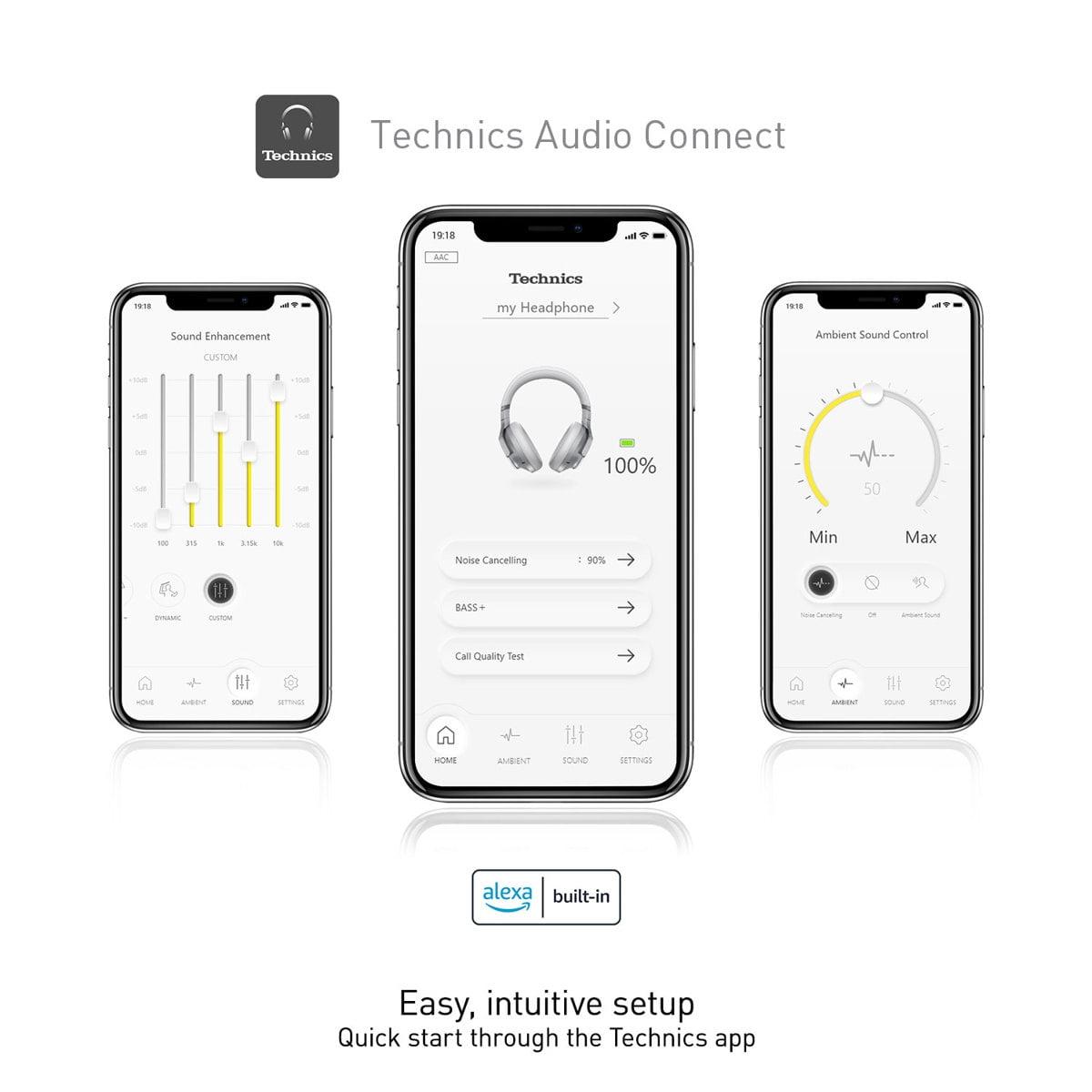
| Polished Bose app with comprehensive features | Technics app with EQ and touch control customization |
| Multipoint Connectivity - Connect to multiple devices simultaneously | |
| Yes, reliable device switching | Yes, Bluetooth 5.2 with stable connections |
| Value Proposition - What you get for your investment | |
| Premium pricing for refined, hassle-free experience | Strong value with advanced features at lower cost, requires more setup |
The Bose QuietComfort Wireless Headphones offer superior overall noise cancellation with clean, silent operation across all frequency ranges. While the Technics EAH-A800 provides very effective low-frequency noise blocking that rivals Bose, it produces an audible hiss during ANC operation and is less effective at canceling mid and high-frequency sounds like voices and sudden noises.
The Technics EAH-A800 delivers exceptional battery life with up to 50 hours of playbook with ANC enabled, making it ideal for extended travel or heavy daily use. The Bose QuietComfort Wireless Headphones provide 24 hours of battery life, which is still very good for most users but about half of what the Technics offers.
The Bose QuietComfort Wireless Headphones offer more balanced, natural sound quality right out of the box that works well across all music genres. The Technics EAH-A800 has a bass-heavy sound signature that some find overwhelming, though it supports high-resolution LDAC codec for potentially better audio quality with compatible devices and requires EQ adjustment for optimal performance.
Both models are designed for extended wear, but the Bose QuietComfort Wireless Headphones are lighter at 236 grams with proven ergonomic design and protein leather cushions. The Technics EAH-A800 are heavier at 298 grams but feature generous, plush ear pads that many users find very comfortable despite the extra weight.
The Technics EAH-A800 excels in call quality with its advanced 8-microphone array and beamforming technology that effectively isolates your voice from background noise. While the Bose QuietComfort Wireless Headphones provide good call quality with their adaptive microphone system, the Technics offers superior performance for professional use and noisy environments.
The Bose QuietComfort Wireless Headphones use intuitive physical buttons that are easy to operate by feel without looking. The Technics EAH-A800 employs a hybrid approach with both physical buttons and touch controls, offering more functionality but requiring a learning curve to master the different control methods.
The Technics EAH-A800 offers superior quick charging with 15 minutes providing up to 10 hours of playback time. The Bose QuietComfort Wireless Headphones provide 2.5 hours of playback from a 15-minute charge, which is decent but significantly less than the Technics model.
Yes, both the Bose QuietComfort Wireless Headphones and Technics EAH-A800 support multipoint connectivity, allowing you to connect to two devices simultaneously. This feature is essential for users who switch between phones and computers throughout the day for work and personal use.
The Technics EAH-A800 provides compelling value with advanced features like exceptional battery life, LDAC codec support, and superior call quality at a lower price point. However, the Bose QuietComfort Wireless Headphones justify their premium pricing with refined user experience, proven reliability, and superior out-of-box performance that requires no adjustment.
The Bose QuietComfort Wireless Headphones main limitation is the higher price point, while the Technics EAH-A800 has several usability issues including audible ANC hiss, bass-heavy sound requiring EQ adjustment, and lack of automatic power-off feature that can lead to accidental battery drain.
For frequent travelers, the Bose QuietComfort Wireless Headphones are generally preferred due to their superior noise cancellation across all frequencies, lighter weight, and automatic power-off feature. However, the Technics EAH-A800 could be ideal for extended trips thanks to their exceptional 50+ hour battery life that can last an entire week without charging.
Choose the Bose QuietComfort Wireless Headphones if you want a premium, hassle-free experience with proven technology and don't mind paying more for refined performance. Select the Technics EAH-A800 if you prioritize exceptional battery life, advanced features like LDAC support, and want strong value for money while being willing to spend time optimizing settings for best performance.
We've done our best to create useful and informative comparisons to help you decide what product to buy. Our research uses advanced automated methods to create this comparison and perfection is not possible - please contact us for corrections or questions. These are the sites we've researched in the creation of this article: techradar.com - whathifi.com - bose.com - rtings.com - recordingnow.com - bose.com - ottorinobruni.com - whathifi.com - costco.com - recordingnow.com - youtube.com - bose.com - bestbuy.com - global.bose.com - boselatam.com - projectorscreen.com - bose.com - bose.com - bose.com - blog.son-video.com - expertreviews.co.uk - youtube.com - whathifi.com - youtube.com - bhphotovideo.com - futureaudiophile.com - versus.com - versus.com - soundphilereview.com - help.na.panasonic.com - technics.com - retailspecs.com - headphonecheck.com - us.technics.com - help.na.panasonic.com - bhphotovideo.com - technics.com - technics.com - valueelectronics.com - us.technics.com - us.technics.com - youtube.com - hometheaterhifi.com

Privacy Policy
Terms and Conditions - Affiliate Policy
Home Security
© Copyright 2008-2026.
11816 Inwood Rd #1211, Dallas, TX 75244