

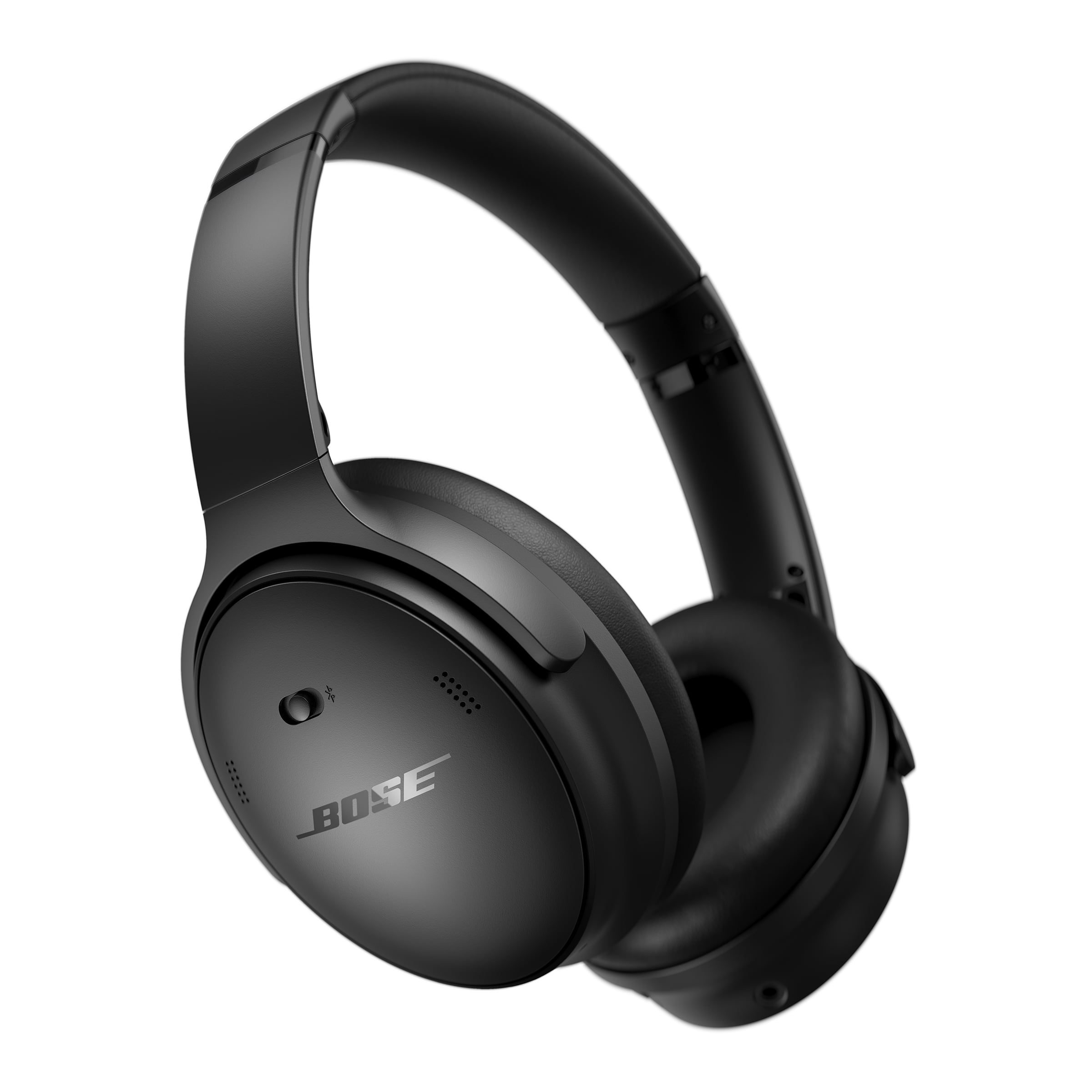




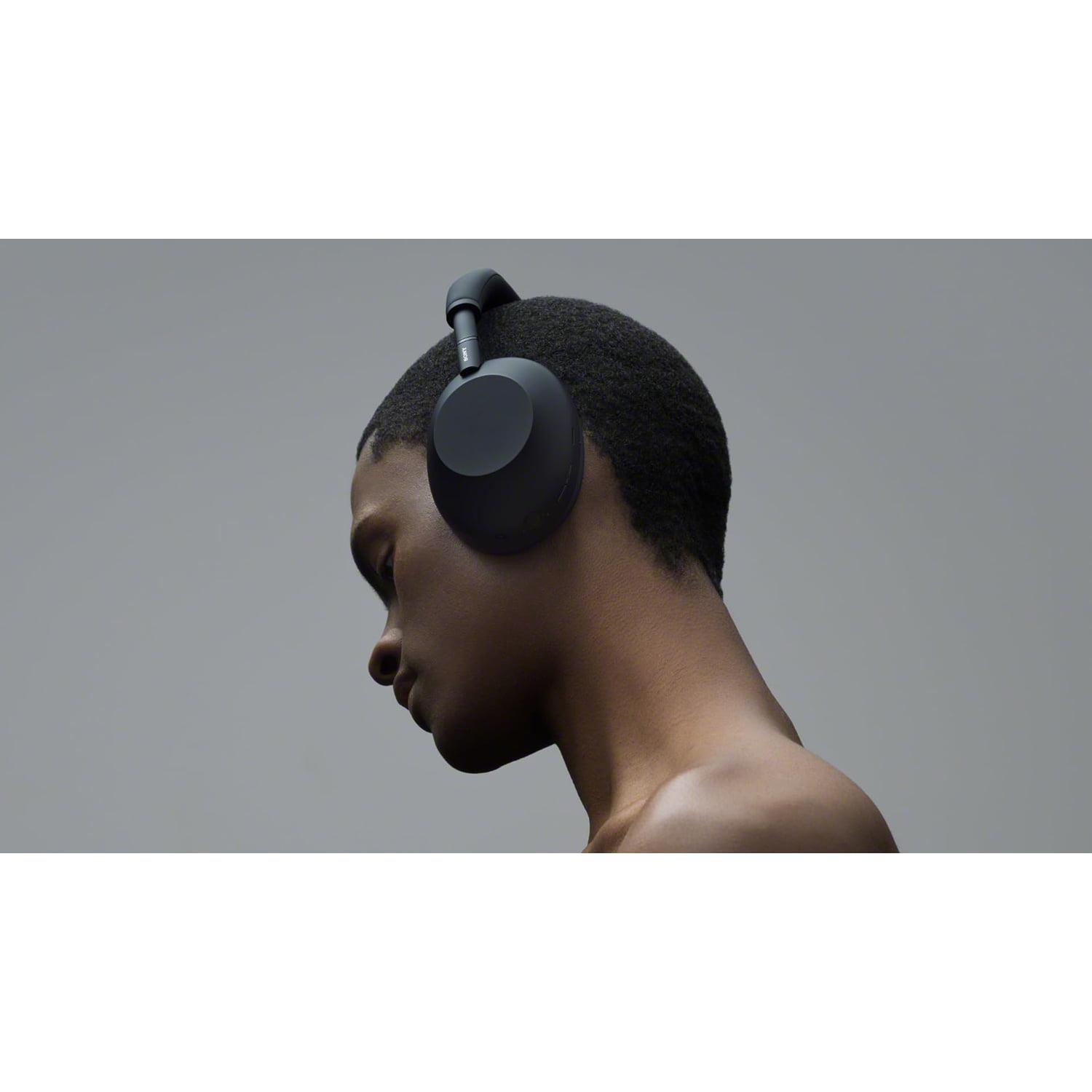
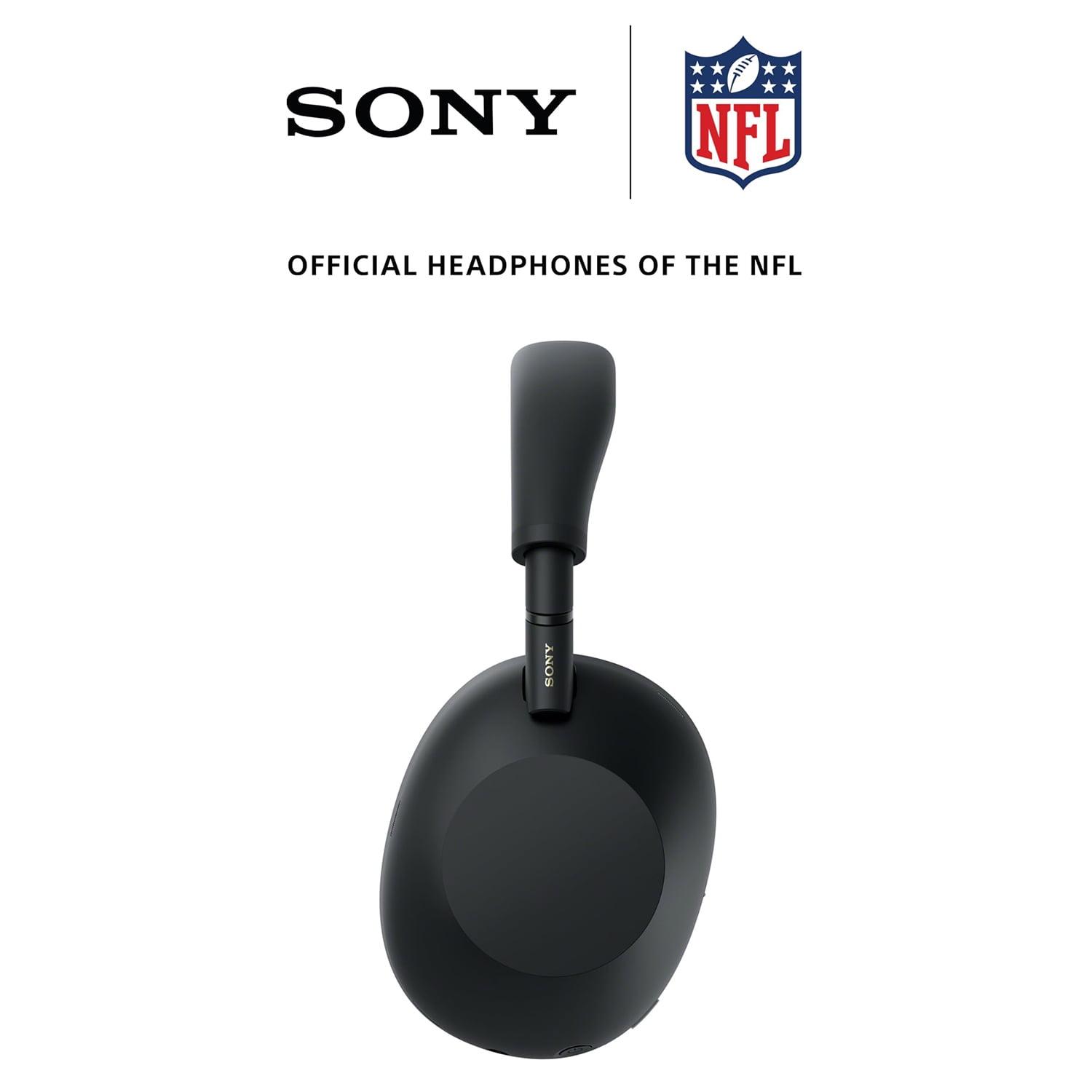
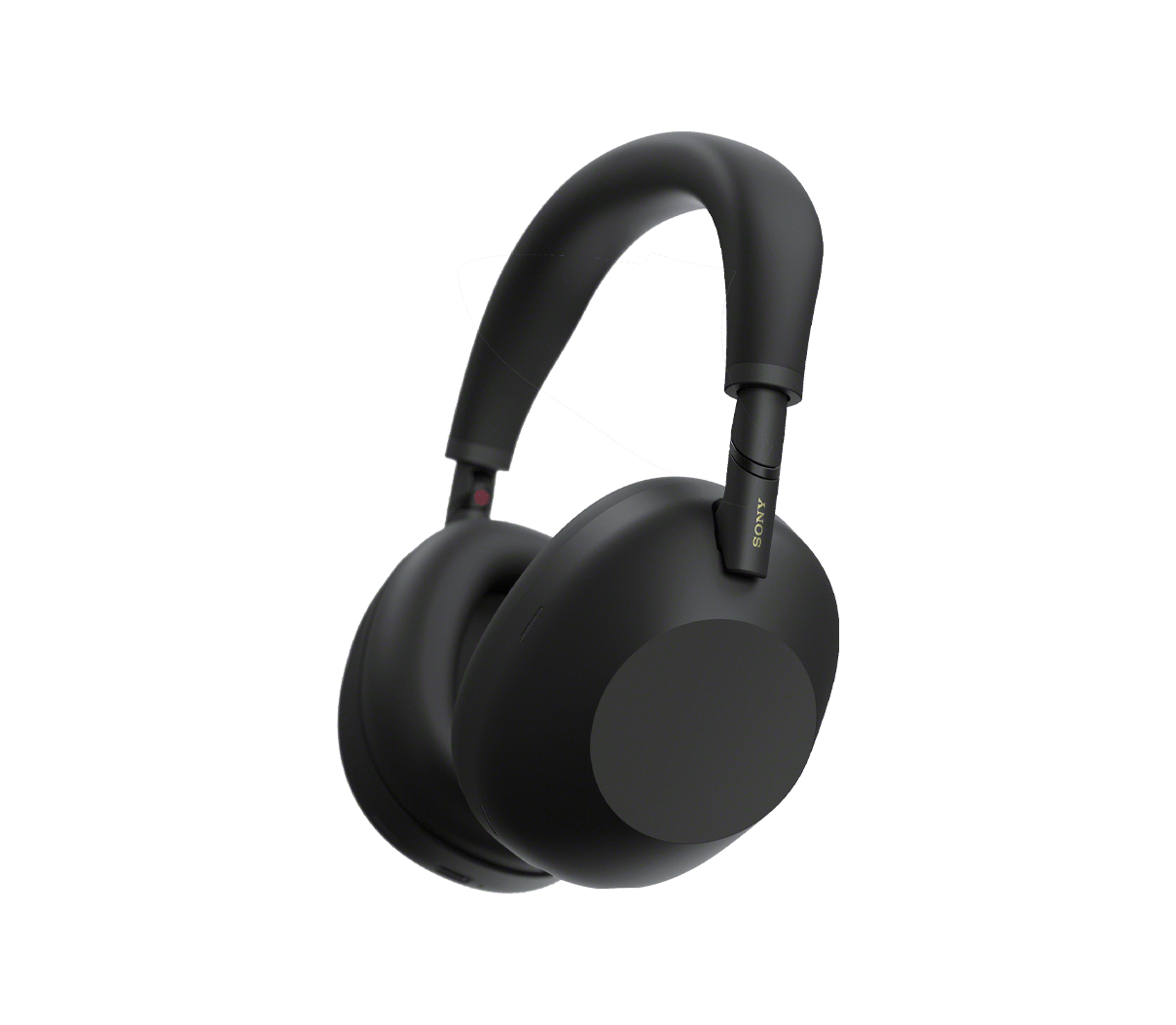
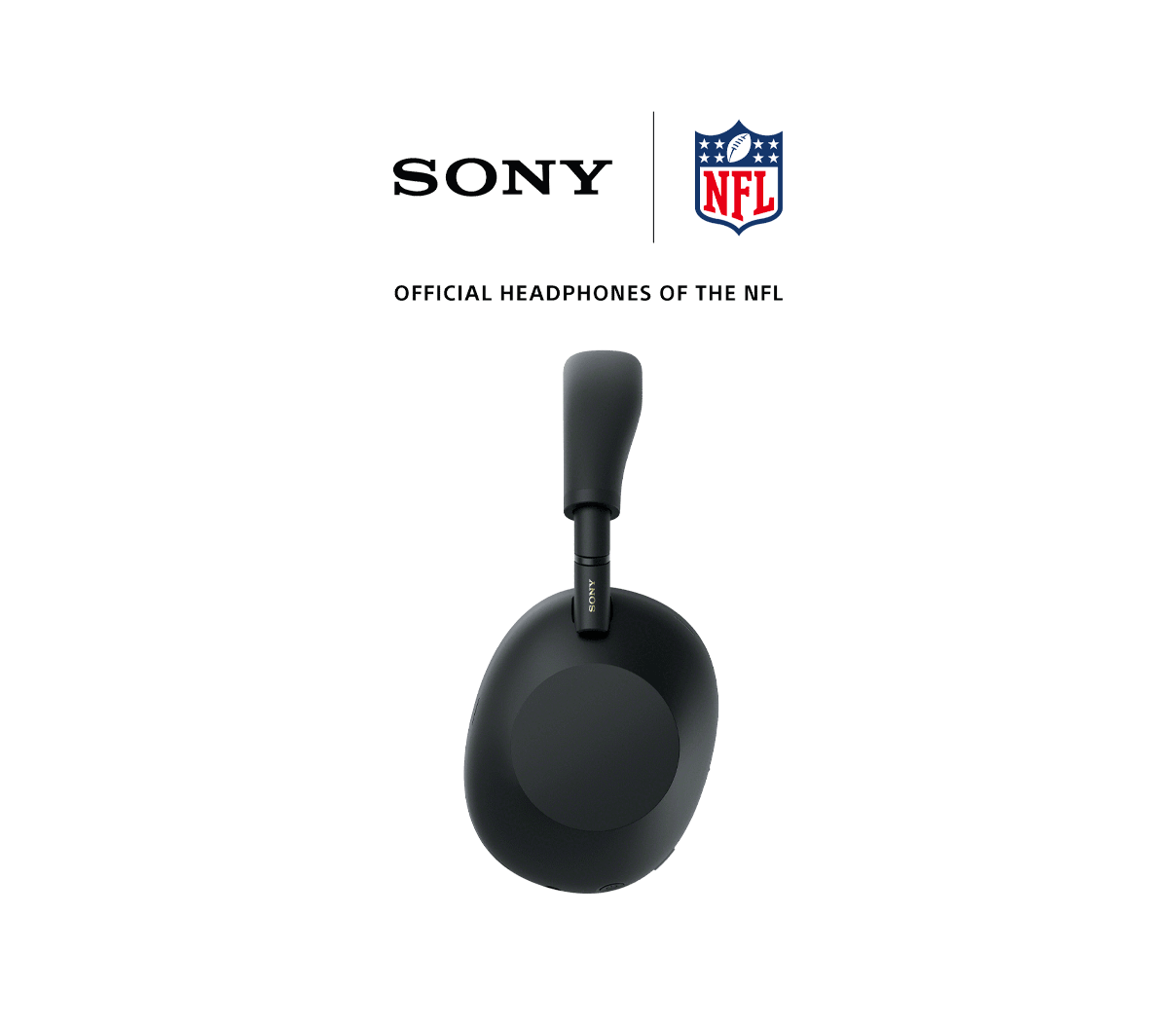
When you're ready to invest in premium wireless noise-canceling headphones, you're entering a category where the smallest details can make a huge difference in your daily listening experience. At the time of writing, two headphones dominate this space: the Bose QuietComfort and the Sony WH-1000XM6. Both represent the pinnacle of their respective company's audio engineering, but they take surprisingly different approaches to solving the same problems.
I've spent considerable time with both headphones across various scenarios—from cross-country flights to late-night movie sessions—and the differences between them are more nuanced than you might expect. While both excel at blocking out the world and delivering exceptional audio, your choice will likely depend on what matters most in your daily routine.
Before diving into the comparison, it's worth understanding what makes these headphones special. Premium noise-canceling headphones combine several advanced technologies that work together to create an immersive listening experience. Active noise cancellation (ANC) uses tiny microphones to detect ambient sounds, then generates opposing sound waves to cancel them out—like creating silence by adding the exact opposite of noise.
The key considerations when choosing premium headphones include noise cancellation effectiveness, sound quality across different types of content, comfort during extended wear, battery performance, and the overall feature set. Price becomes less of a primary factor in this category since you're already investing in top-tier technology, but value—what you get for your investment—remains crucial.
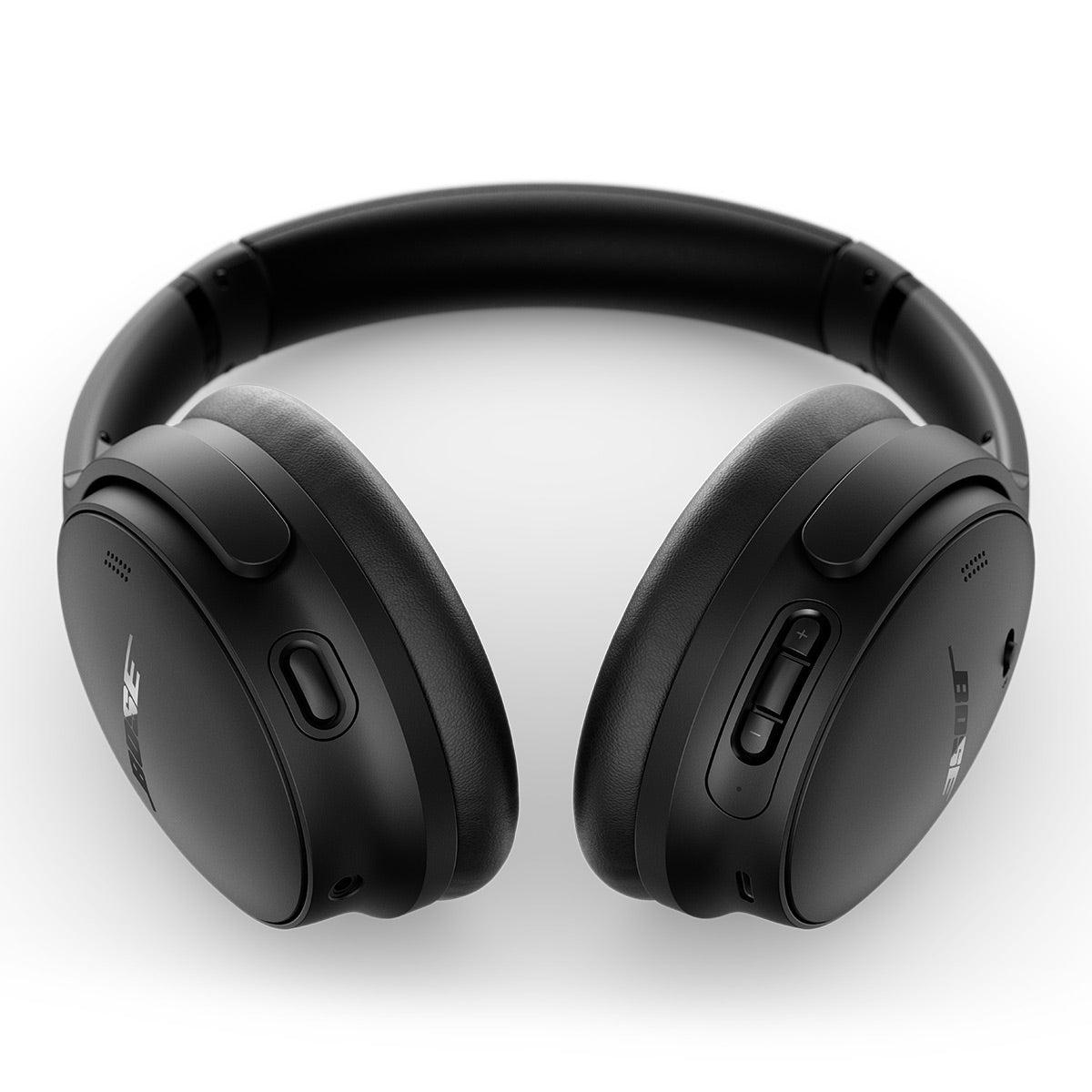
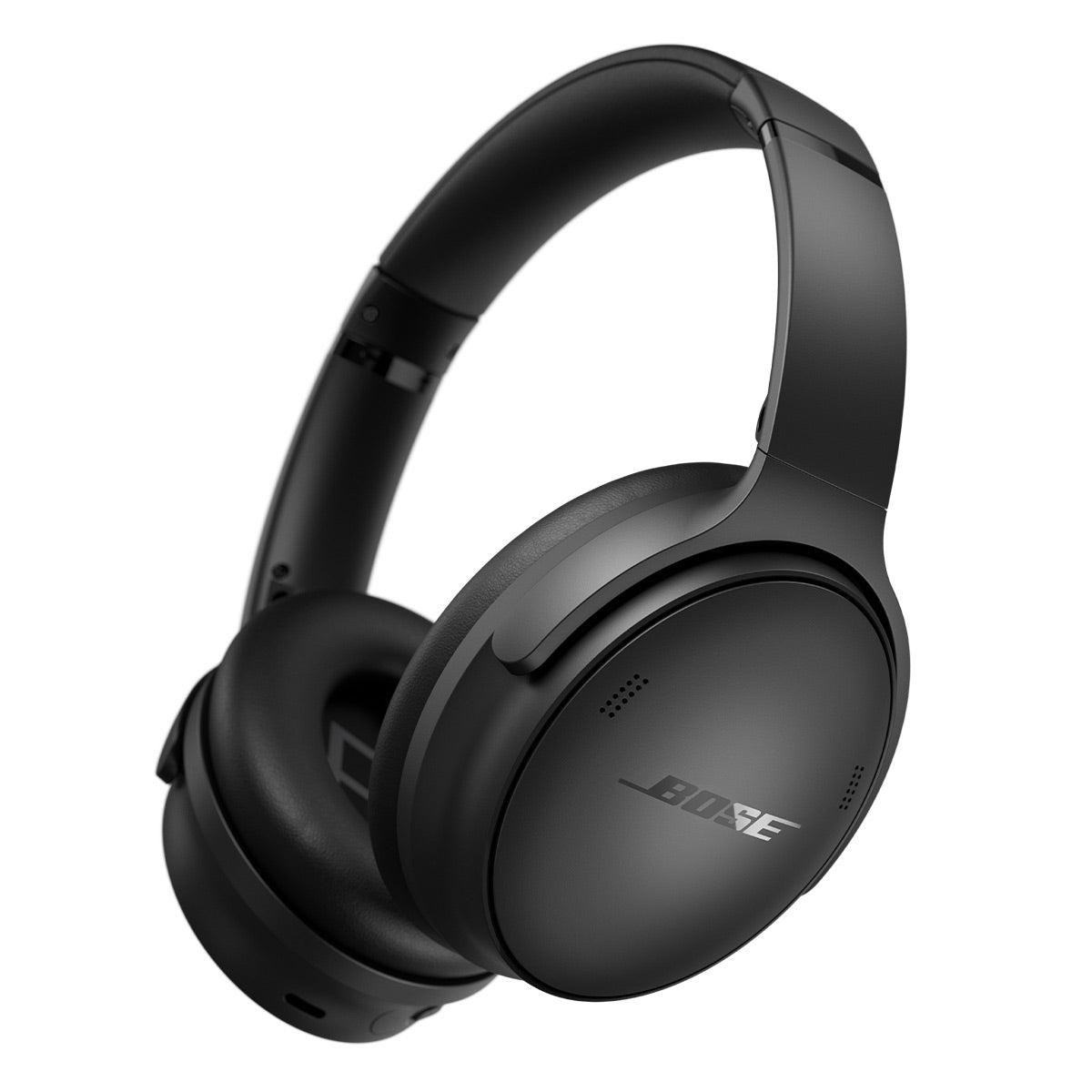
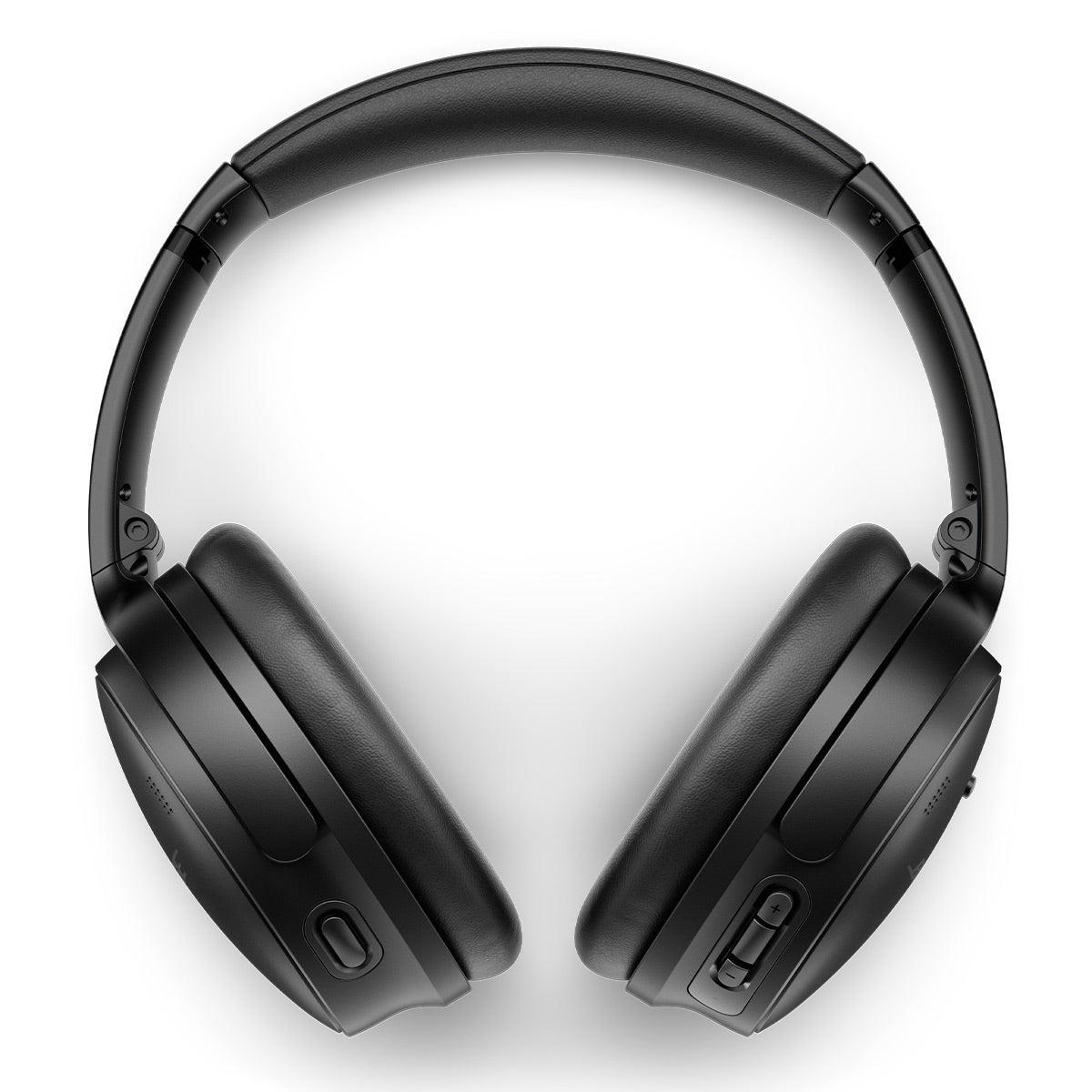
The Bose QuietComfort, released in 2023, represents Bose's refined approach to premium headphones. It's an evolution of their proven formula: prioritize comfort and reliable noise cancellation while delivering a warm, approachable sound signature. Bose built their reputation on making headphones that simply work well without requiring much thought from the user.
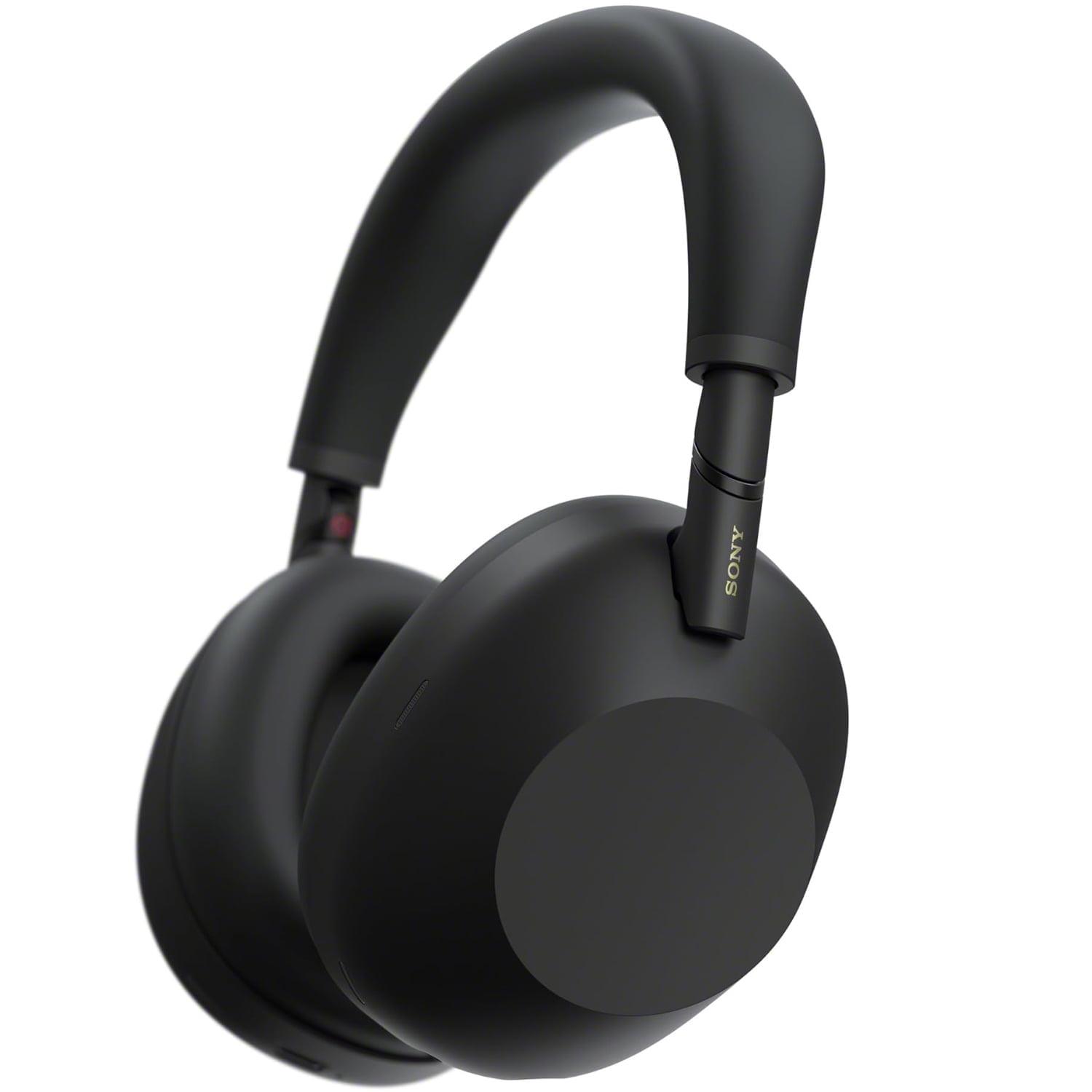
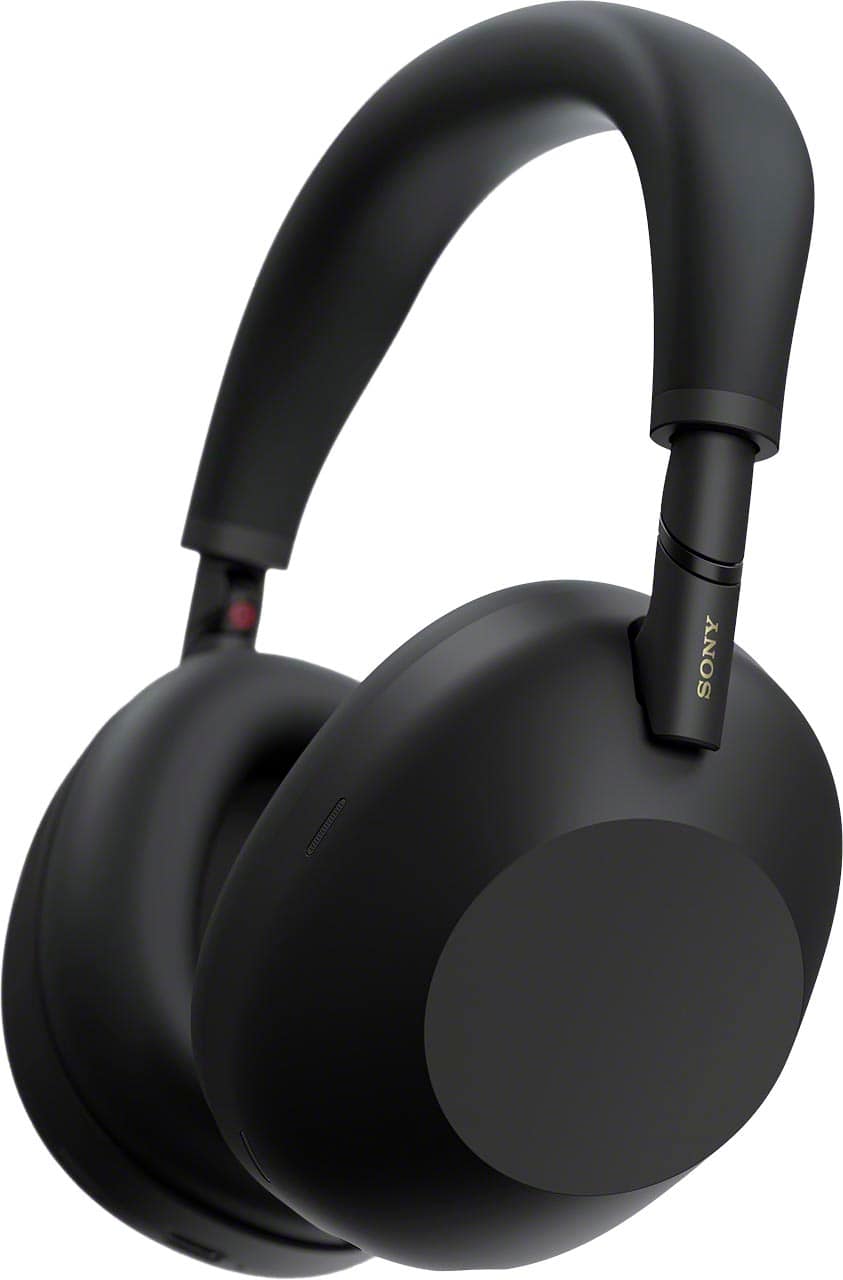
The Sony WH-1000XM6, launched in 2025, takes a different approach entirely. It's packed with cutting-edge technology and offers extensive customization options for users who want to fine-tune their experience. Sony has positioned these headphones as tools for audio enthusiasts who appreciate having control over every aspect of their listening experience.
At the time of writing, both headphones occupy similar price ranges in the premium category, though the Sony WH-1000XM6 typically costs slightly less while offering more features—an important consideration for value-conscious buyers.
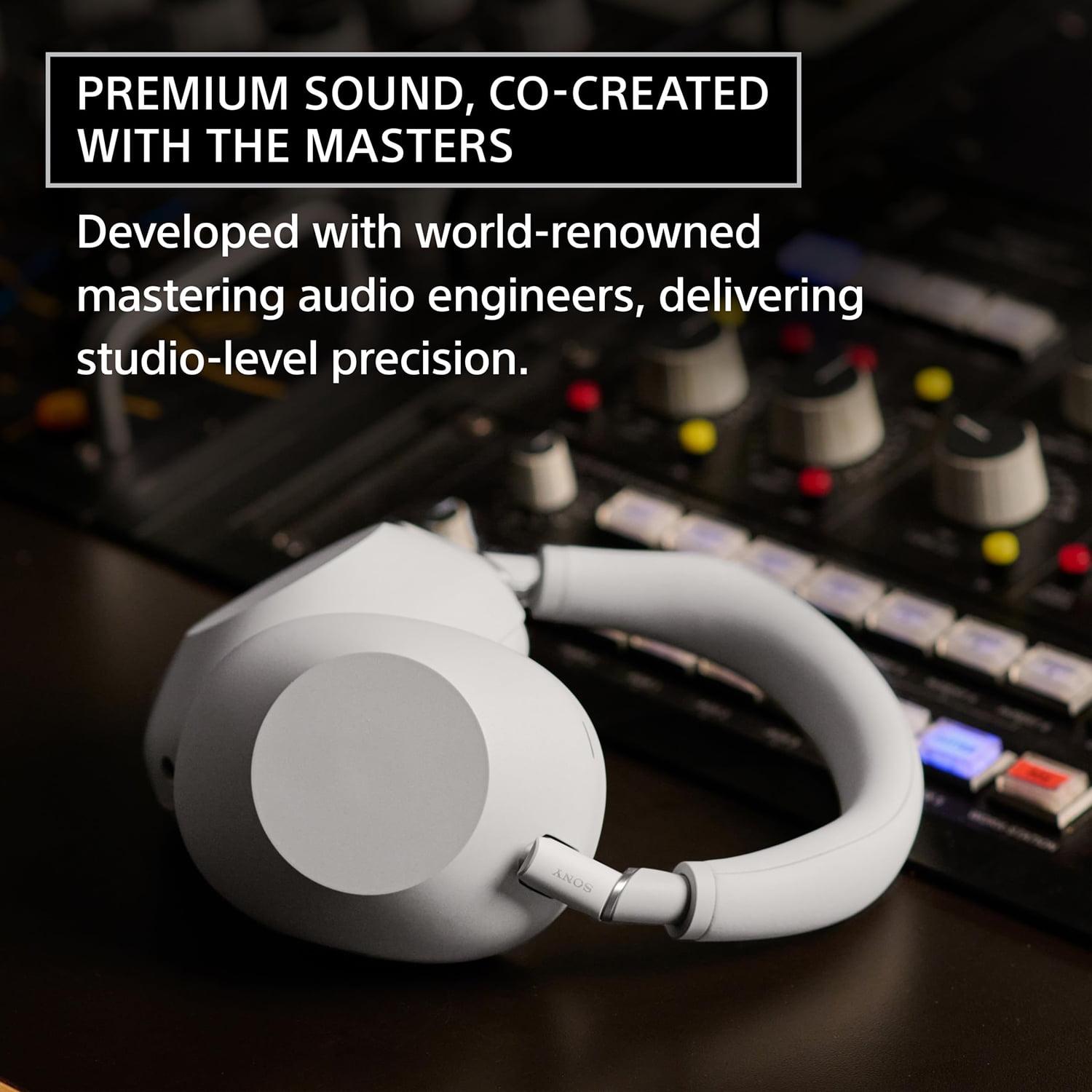
The Sony WH-1000XM6 delivers what I consider the more technically accomplished sound. Sony collaborated with mastering engineers during development, and it shows in the final product. The frequency response—how the headphones reproduce different pitches from deep bass to sparkling highs—is more even and balanced than previous Sony generations.
What impressed me most about the Sony WH-1000XM6 is its soundstage, which refers to how spacious and three-dimensional music feels. When listening to orchestral pieces or well-recorded rock albums, instruments seem to occupy distinct positions around your head rather than feeling compressed into a narrow space. This creates a more engaging and realistic listening experience.
The bass response deserves special mention. While the Sony WH-1000XM6 can deliver powerful low-end when needed, it doesn't overwhelm the midrange frequencies where vocals and most instruments live. This balance means you can enjoy bass-heavy electronic music without losing the clarity of lead vocals or guitar parts.
Sony's support for LDAC codec is another significant advantage. LDAC transmits roughly three times more audio data than standard Bluetooth connections, preserving more detail from high-resolution audio files. If you stream from services like Tidal or have a collection of high-quality downloads, this makes a noticeable difference in clarity and dynamics.
The Bose QuietComfort takes a different but equally valid approach to sound reproduction. Bose tuned these headphones with a warmer, more bass-forward signature that many listeners find immediately appealing. Vocals sound rich and present, while the overall presentation feels cohesive and musical rather than analytical.
Where Bose excels is in making music sound consistently enjoyable across different genres and recording qualities. Even poorly recorded tracks or highly compressed streaming audio sounds pleasant through the Bose QuietComfort. This forgiving character makes them excellent for casual listening where you want music to simply sound good without thinking about it.
However, the bass emphasis can sometimes mask details in the midrange, and the soundstage feels more intimate compared to the Sony WH-1000XM6. This isn't necessarily worse—some listeners prefer the more focused presentation—but it's worth considering if you listen to complex music where instrument separation matters.
This is where the Sony WH-1000XM6 pulls significantly ahead. Sony includes a comprehensive 10-band equalizer in their app, allowing precise adjustment of different frequency ranges. I found this particularly useful for compensating for different recording styles or personal preferences. The EQ also includes presets for gaming, which boost certain frequencies to help with positional audio in competitive games.
The Bose QuietComfort offers EQ adjustment through their app, but with fewer bands and less precise control. For most listeners, Bose's simpler approach might be preferable, but audio enthusiasts will appreciate Sony's granular control.
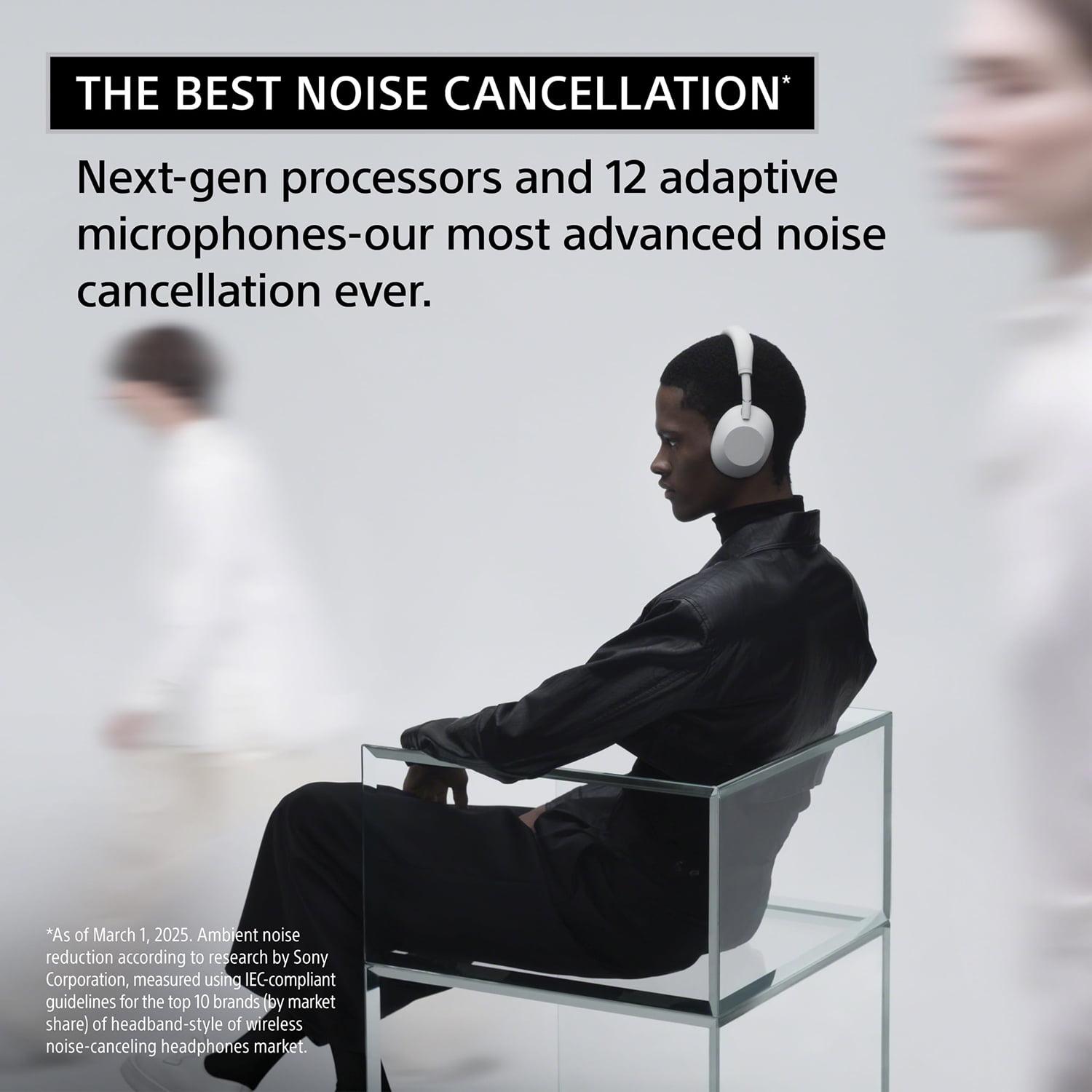
The Sony WH-1000XM6 features Sony's newest QN3 processor, which operates seven times faster than previous generations. This speed increase allows for more sophisticated real-time analysis of ambient noise and more precise cancellation. The headphones use 12 microphones—50% more than the previous model—to capture a complete picture of surrounding sounds.
What makes Sony's implementation special is its adaptability. The system continuously adjusts based on your environment, air pressure (useful during flights), and even how the headphones fit on your head. I noticed this particularly during travel, where the noise cancellation seamlessly adapted as I moved from the airport terminal to the airplane cabin.
In practical terms, the Sony WH-1000XM6 achieves approximately 87% average noise reduction according to laboratory measurements. This translates to incredibly quiet listening environments where even loud air conditioning or airplane engines become barely noticeable whispers.
Bose pioneered consumer noise cancellation technology, and their experience shows in the Bose QuietComfort. While not quite matching Sony's latest technical specifications, Bose's implementation feels more stable and predictable. The system uses microphones inside and outside each earcup to create an effective barrier against environmental noise.
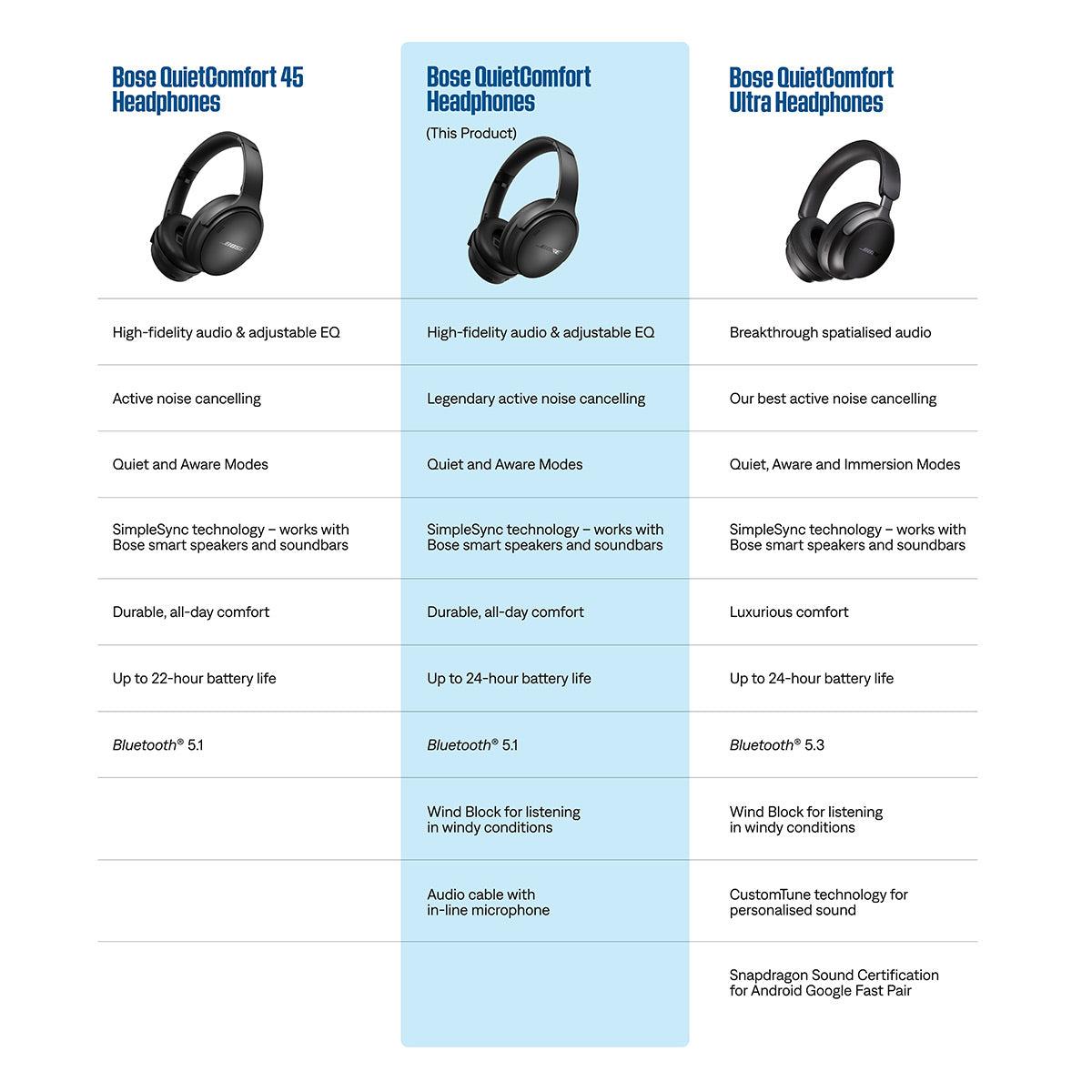
The Bose QuietComfort offers three distinct modes: Quiet Mode for maximum cancellation, Aware Mode that lets environmental sounds through for safety, and a customizable mode where you can fine-tune the balance. The Wind Block feature specifically addresses one of noise cancellation's common problems—wind interference that can create uncomfortable sounds in your ears.
Where Bose excels is in the naturalness of their noise cancellation. Some ANC systems create a sense of pressure or unnatural quiet that can be fatiguing. Bose's implementation feels more organic, making it comfortable for extended use without the weird sensations some people experience with aggressive noise cancellation.
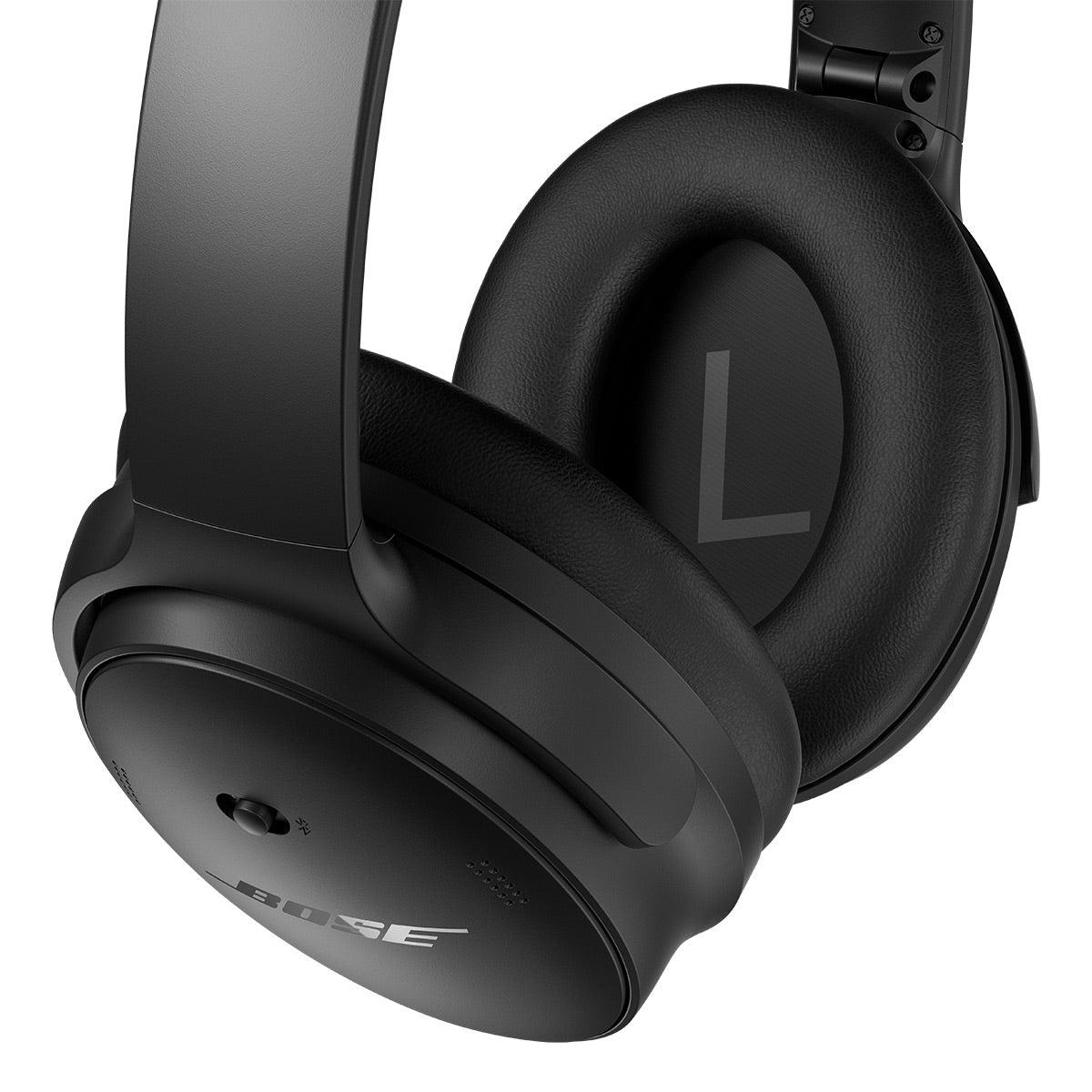
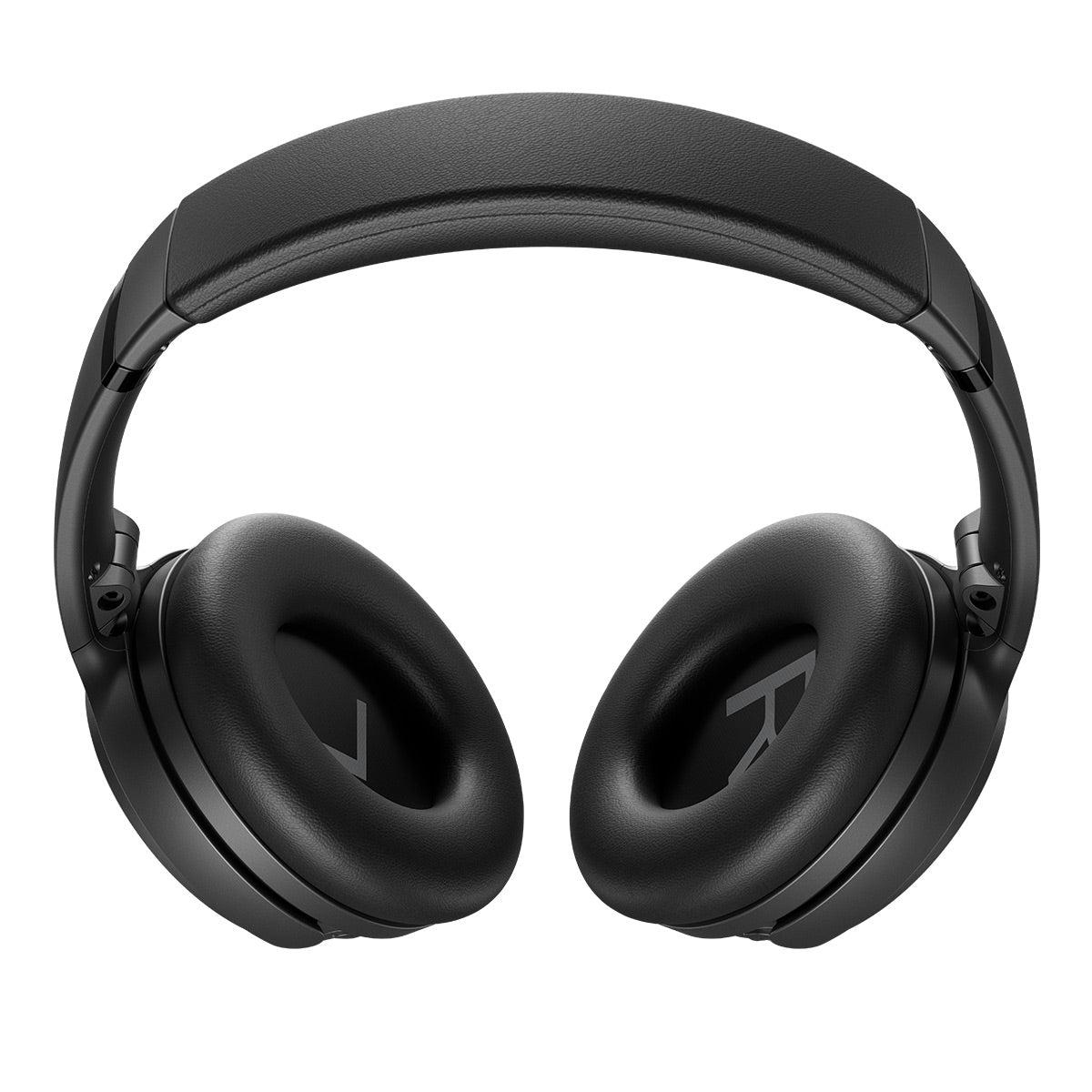
This is where the Bose QuietComfort truly shines. Bose designed these headphones specifically for extended wear, and it shows in every detail. The protein leather ear cushions distribute pressure evenly around your ears rather than pressing against them. The headband padding is substantial without being bulky, and the clamping force—how tightly the headphones grip your head—is carefully calibrated to maintain a good seal without causing fatigue.
At 236 grams, the Bose QuietComfort feels lighter than many competitors despite solid construction. I've worn these for entire workdays and long flights without the usual pressure points or heat buildup that eventually makes you want to take them off.
The ear cups rotate to accommodate different head shapes and wearing styles, ensuring a consistent seal for optimal noise cancellation. This attention to ergonomics makes the Bose QuietComfort an excellent choice if you plan to wear headphones for several hours at a time regularly.
The Sony WH-1000XM6 represents an improvement in comfort over previous Sony models, but it still doesn't quite match Bose's ergonomic expertise. The initial clamping force can feel tight, particularly if you have a larger head or wear glasses. However, the headphones do break in over time, and the clamping force becomes more comfortable with regular use.
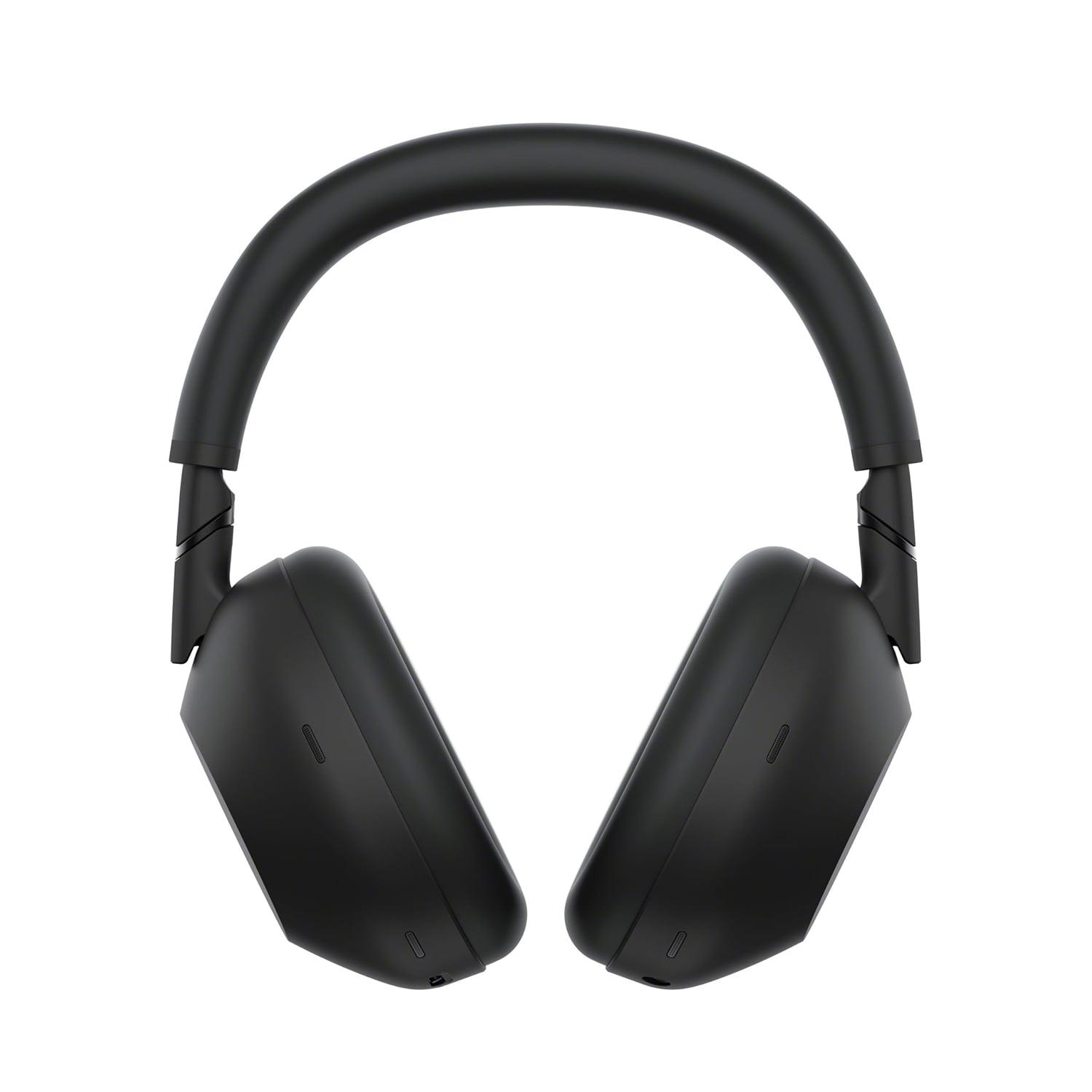
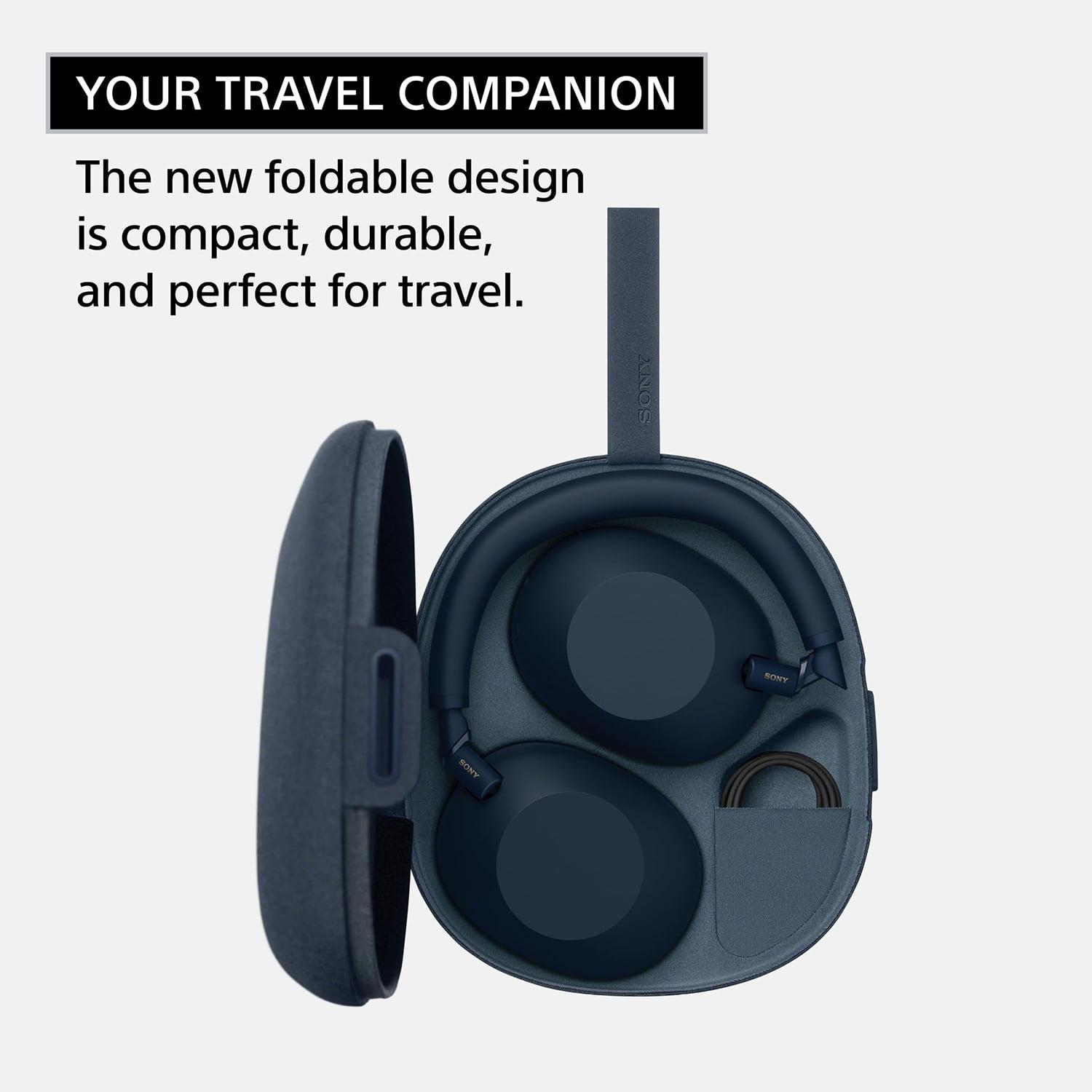
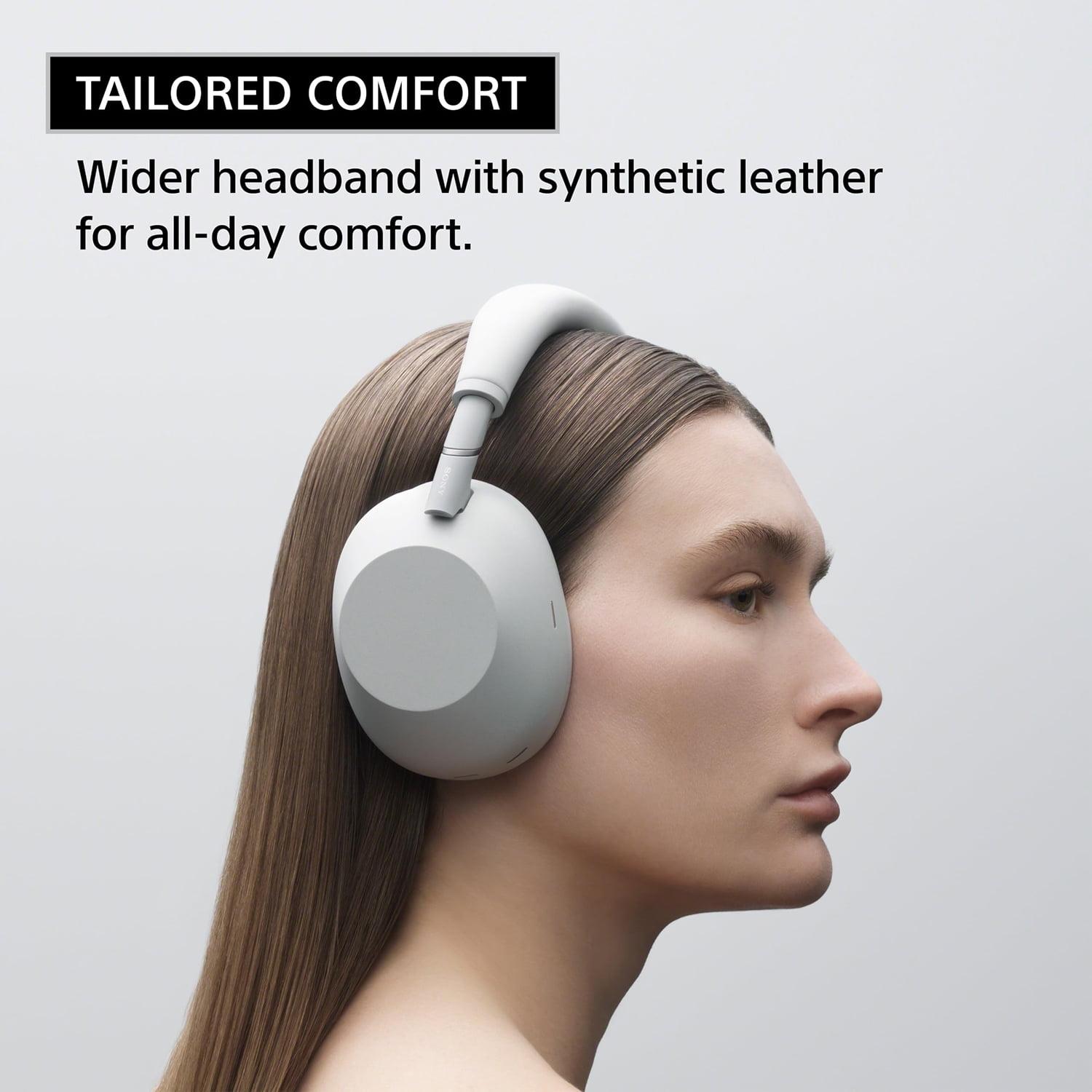
Sony did address some comfort concerns with the WH-1000XM6 by improving the headband design and ear cup materials. The build quality feels premium with fingerprint-resistant coatings and durable construction, but comfort remains a secondary consideration compared to technical performance.
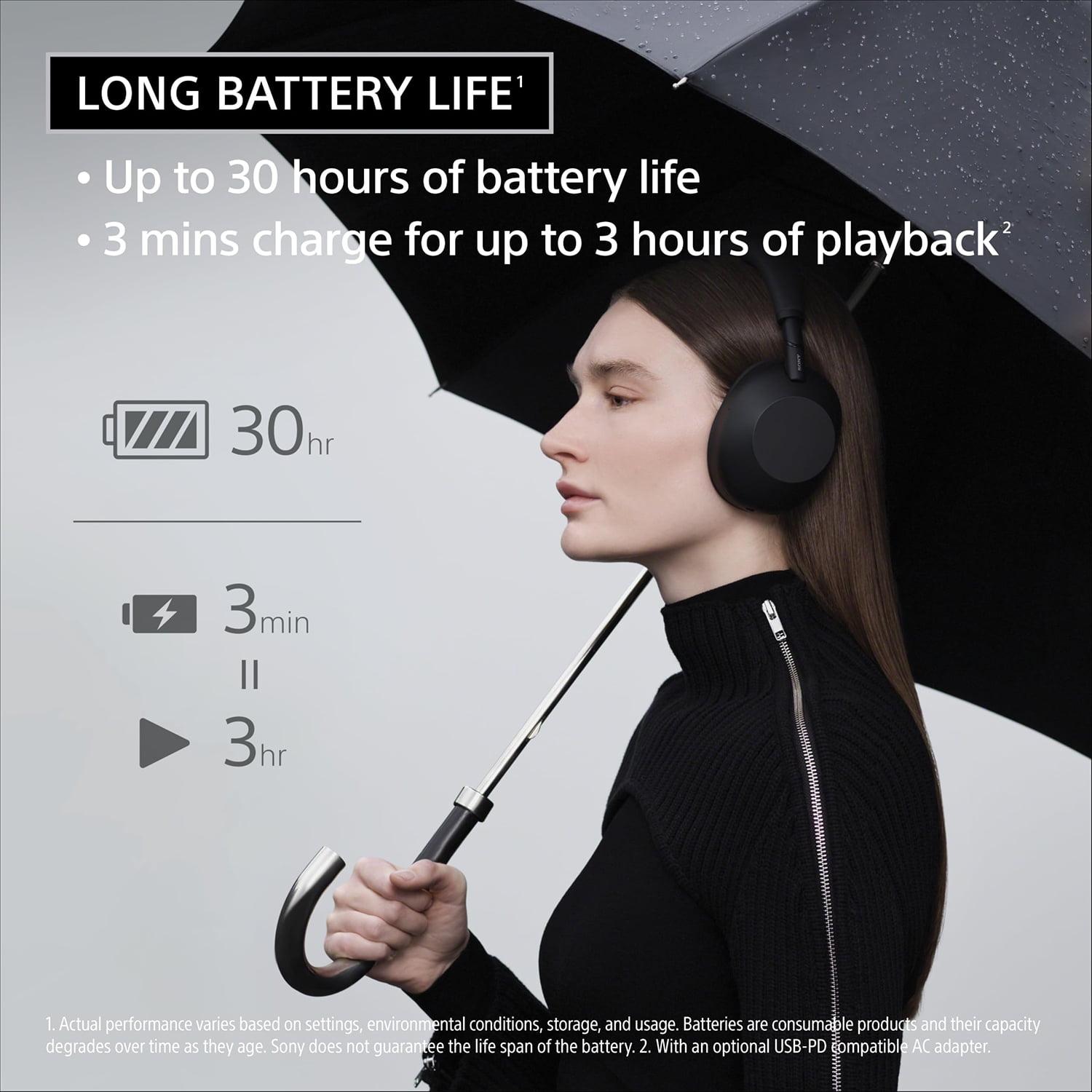
The Sony WH-1000XM6 offers 30 hours of playback with noise cancellation enabled, extending to 40 hours when ANC is disabled. This six-hour advantage over the Bose QuietComfort might not seem significant, but it can be the difference between charging every few days versus every day with heavy use.
Sony's fast charging implementation is particularly impressive. Just three minutes of charging provides three hours of playback—perfect for those moments when you realize your headphones are dead right before a long commute. The headphones also support listening while charging, a feature that seems obvious but isn't universal among premium headphones.
The Bose QuietComfort provides 24 hours of battery life with ANC enabled, which is solid if not exceptional. The 15-minute quick charge feature gives 2.5 hours of playback, which handles most emergency situations. While not matching Sony's performance, Bose's battery life consistently meets their specifications in real-world use.
The Sony WH-1000XM6 is packed with advanced features that showcase Sony's technical ambitions. Speak-to-Chat automatically pauses music when you start talking, resuming playback when you finish—incredibly convenient during brief conversations. The 360 Reality Audio with head tracking creates immersive spatial audio experiences, particularly effective with compatible content on services like Tidal.
Adaptive Sound Control uses AI to recognize your environment and activities, automatically adjusting noise cancellation and ambient sound settings. Over time, the headphones learn your preferences and anticipate the settings you'll want in different locations.
The touch controls on the right ear cup handle volume, playback, and calls through swipes and taps. While there's a learning curve, the system becomes intuitive with practice and offers more functionality than physical buttons.
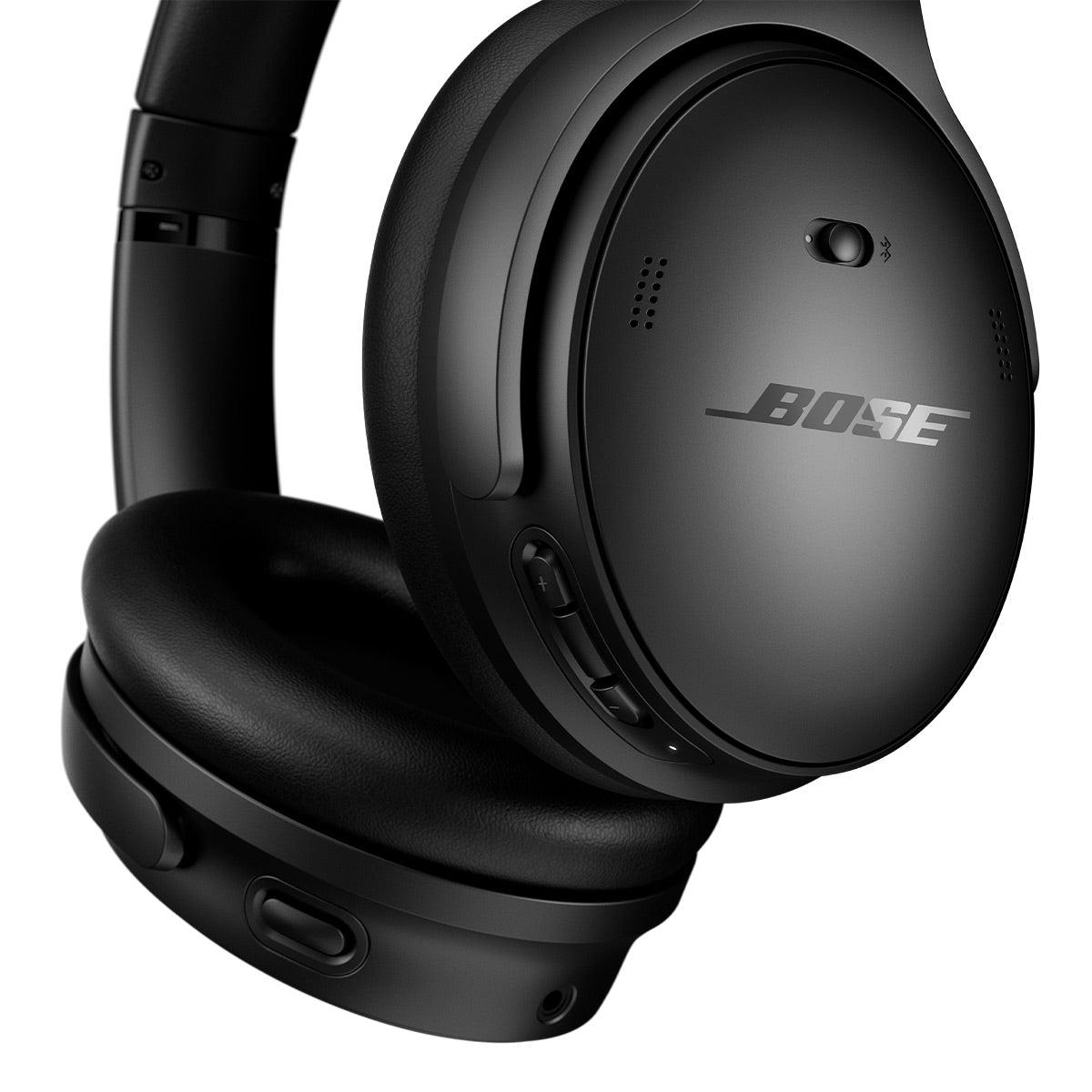
The Bose QuietComfort takes a more traditional approach with physical controls that are immediately intuitive. The right ear cup features a power button, a multi-function button for calls and playback, and a capacitive volume strip that responds to finger slides. These controls work reliably without the accidental activation issues that sometimes plague touch-sensitive systems.
Bose includes useful features like automatic pause when you remove the headphones and customizable shortcuts through their app. The approach prioritizes reliability and simplicity over cutting-edge functionality.
Both headphones can enhance your home theater experience, though in different ways. The Sony WH-1000XM6 supports spatial audio formats that can create more immersive experiences with compatible content from streaming services or Blu-ray discs. The wider soundstage and more detailed imaging help with dialogue clarity and environmental effects in movies.
However, both headphones introduce some audio delay (latency) when used wirelessly with video content. This can cause lip-sync issues where dialogue appears slightly out of sync with mouth movements. For serious home theater use, the wired connections available on both models eliminate this delay entirely.
The comfort factor becomes crucial for movie marathons. The Bose QuietComfort's superior ergonomics make it better suited for extended viewing sessions, while the Sony WH-1000XM6's more detailed sound reproduction might be preferable for films where audio quality is paramount.
Your choice between the Bose QuietComfort and Sony WH-1000XM6 should align with your priorities and usage patterns.
Choose the Sony WH-1000XM6 if you value technical performance above all else. These headphones offer superior sound quality, more advanced noise cancellation, longer battery life, and extensive customization options. They're ideal for audio enthusiasts, frequent travelers who need maximum noise blocking, and users who appreciate having control over their listening experience. At the time of writing, they also provide better value with more features at a lower price point.
Choose the Bose QuietComfort if comfort and simplicity are your primary concerns. These headphones excel at being effortlessly enjoyable—they sound good, feel great, and work reliably without requiring much thought or adjustment. They're perfect for users who want premium performance without complexity, those who wear headphones for extended periods daily, and anyone who prioritizes proven reliability over cutting-edge features.
Both represent excellent investments in premium audio technology. The Sony WH-1000XM6 pushes the boundaries of what's technically possible, while the Bose QuietComfort perfects the fundamentals that matter most for daily enjoyment. Your personal preferences for sound signature, comfort, and feature complexity will ultimately determine which serves you better in the long run.
| Bose QuietComfort Wireless Headphones | Sony WH-1000XM6 Wireless Noise Canceling Headphones |
|---|---|
| Sound Quality - Core audio performance and signature | |
| Warm, bass-forward signature with rich vocals; smooth treble reduces fatigue | More balanced, studio-quality sound with wider soundstage; co-developed with mastering engineers |
| Noise Cancellation - Effectiveness at blocking ambient sounds | |
| Excellent dual-microphone ANC system with three modes (Quiet, Aware, Custom) | Best-in-class with QN3 processor (7x faster) and 12 adaptive microphones; 87% average noise reduction |
| Comfort - Critical for extended wear | |
| Superior all-day comfort with protein leather cushions, minimal clamping force (236g) | Good comfort but initial clamping force issues; improves over time with smaller interior earcup space |
| Battery Life - Playback time between charges | |
| 24 hours with ANC; 15-minute charge gives 2.5 hours playback | 30 hours with ANC (40 hours without); 3-minute charge gives 3 hours playback |
| EQ Customization - Ability to adjust sound signature | |
| Basic EQ adjustment through Bose app with limited bands | Comprehensive 10-band EQ with gaming presets and extensive customization options |
| Audio Codecs - Wireless audio quality support | |
| Standard SBC, AAC codecs for broad compatibility | SBC, AAC, plus high-resolution LDAC codec (3x more data than standard Bluetooth) |
| Controls - How you interact with the headphones | |
| Physical buttons and capacitive volume strip; intuitive and reliable operation | Touch controls on right earcup with gesture support; more functionality but learning curve required |
| Smart Features - Advanced functionality beyond basic playback | |
| Auto pause/play, customizable shortcuts, multipoint connection | Speak-to-Chat, 360 Reality Audio with head tracking, Adaptive Sound Control AI, multipoint connection |
| Build Quality - Materials and construction durability | |
| Premium materials with protein leather and lightweight design | Robust build with fingerprint-resistant coating and premium feel |
| Release Year - Technology generation and future-proofing | |
| 2023 model with proven, refined technology | 2025 model with latest Bluetooth 5.3 and cutting-edge features |
| Value Proposition - Performance relative to investment | |
| Premium price for comfort-focused design and reliable performance | Better price-to-performance ratio with more features and superior technical specs |
The Sony WH-1000XM6 has superior noise canceling performance with its advanced QN3 processor and 12 adaptive microphones, achieving approximately 87% average noise reduction. The Bose QuietComfort still offers excellent noise canceling with its proven dual-microphone system, but Sony's latest technology provides slightly better ambient noise blocking in most environments.
The Sony WH-1000XM6 delivers better overall sound quality with a more balanced frequency response, wider soundstage, and support for high-resolution LDAC codec. The Bose QuietComfort offers a warmer, more bass-forward sound that many find immediately appealing, but the Sony provides more technical accuracy and detail retrieval for serious listening.
Yes, the Bose QuietComfort is significantly more comfortable for extended wear. Bose designed these specifically for all-day use with protein leather cushions, minimal clamping force, and superior weight distribution. The Sony WH-1000XM6 has some initial clamping force issues and smaller interior earcup space, though comfort improves over time.
The Sony WH-1000XM6 offers superior battery performance with 30 hours of playback with noise canceling on (40 hours with it off) compared to the Bose QuietComfort's 24 hours. Sony also provides faster charging with 3 minutes giving 3 hours of playback versus Bose's 15 minutes for 2.5 hours.
The Sony WH-1000XM6 offers extensive sound customization with a comprehensive 10-band equalizer and multiple presets through the Sony app. The Bose QuietComfort provides basic EQ adjustment through the Bose app, but with fewer bands and less precise control. Sony clearly wins for users who want detailed audio customization.
The Sony WH-1000XM6 has superior call quality with its six-microphone AI beamforming system that effectively isolates your voice from background noise. The Bose QuietComfort provides adequate call quality with natural-sounding voice reproduction, but Sony's advanced microphone array performs better in challenging environments.
Both headphones work well for home entertainment, though each has advantages. The Sony WH-1000XM6 offers better spatial audio support and wider soundstage for more immersive movie experiences. The Bose QuietComfort excels for marathon viewing sessions due to superior comfort. Both support wired connections to eliminate audio delay issues with video content.
The Sony WH-1000XM6 is significantly more feature-rich with Speak-to-Chat, 360 Reality Audio, Adaptive Sound Control AI, head tracking, and extensive app integration. The Bose QuietComfort focuses on essential features with reliable physical controls, auto pause/play, and customizable shortcuts. Sony offers more advanced technology while Bose prioritizes simplicity.
The Sony WH-1000XM6 typically costs less than the Bose QuietComfort while offering superior sound quality, noise canceling, battery life, and more features, making it the better value proposition. However, if maximum comfort is your priority and you prefer simpler operation, the Bose may still be worth the premium for your specific needs.
The Sony WH-1000XM6 is generally better for travel due to superior noise canceling performance, longer battery life, and adaptive features that automatically adjust to different environments. However, the Bose QuietComfort might be preferable for very long flights where comfort becomes the deciding factor for extended wear.
Yes, both the Bose QuietComfort and Sony WH-1000XM6 support both wireless Bluetooth connectivity and wired connections through included 3.5mm cables. This is particularly useful for airline entertainment systems, gaming consoles, or when the battery is depleted. Both headphones can also operate passively when powered off.
Both brands have excellent reputations for reliability. The Bose QuietComfort benefits from Bose's long-established expertise in noise canceling technology and proven track record for durability. The Sony WH-1000XM6 represents Sony's latest technological advancement with more cutting-edge features, though this newer technology carries slightly more complexity. Both offer solid build quality and manufacturer warranties.
We've done our best to create useful and informative comparisons to help you decide what product to buy. Our research uses advanced automated methods to create this comparison and perfection is not possible - please contact us for corrections or questions. These are the sites we've researched in the creation of this article: techradar.com - whathifi.com - bose.com - rtings.com - recordingnow.com - bose.com - ottorinobruni.com - whathifi.com - costco.com - recordingnow.com - youtube.com - bose.com - bestbuy.com - global.bose.com - boselatam.com - projectorscreen.com - bose.com - bose.com - bose.com - moon-audio.com - soundguys.com - electronics.sony.com - recordingnow.com - tomsguide.com - electronics.sony.com - rtings.com - recordingnow.com - youtube.com - soundguys.com - whathifi.com - bhphotovideo.com - sony.com - sony.com - bestbuy.com - youtube.com - sony.eu - soundguys.com - audio46.com - electronics.sony.com

Privacy Policy
Terms and Conditions - Affiliate Policy
Home Security
© Copyright 2008-2026.
11816 Inwood Rd #1211, Dallas, TX 75244