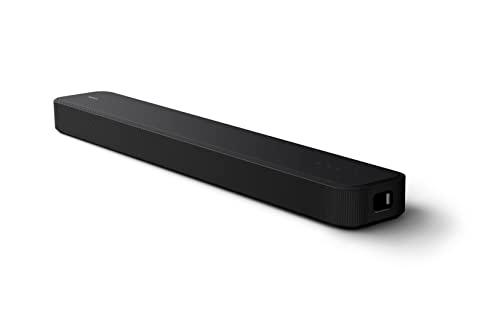
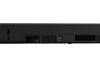
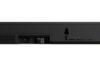
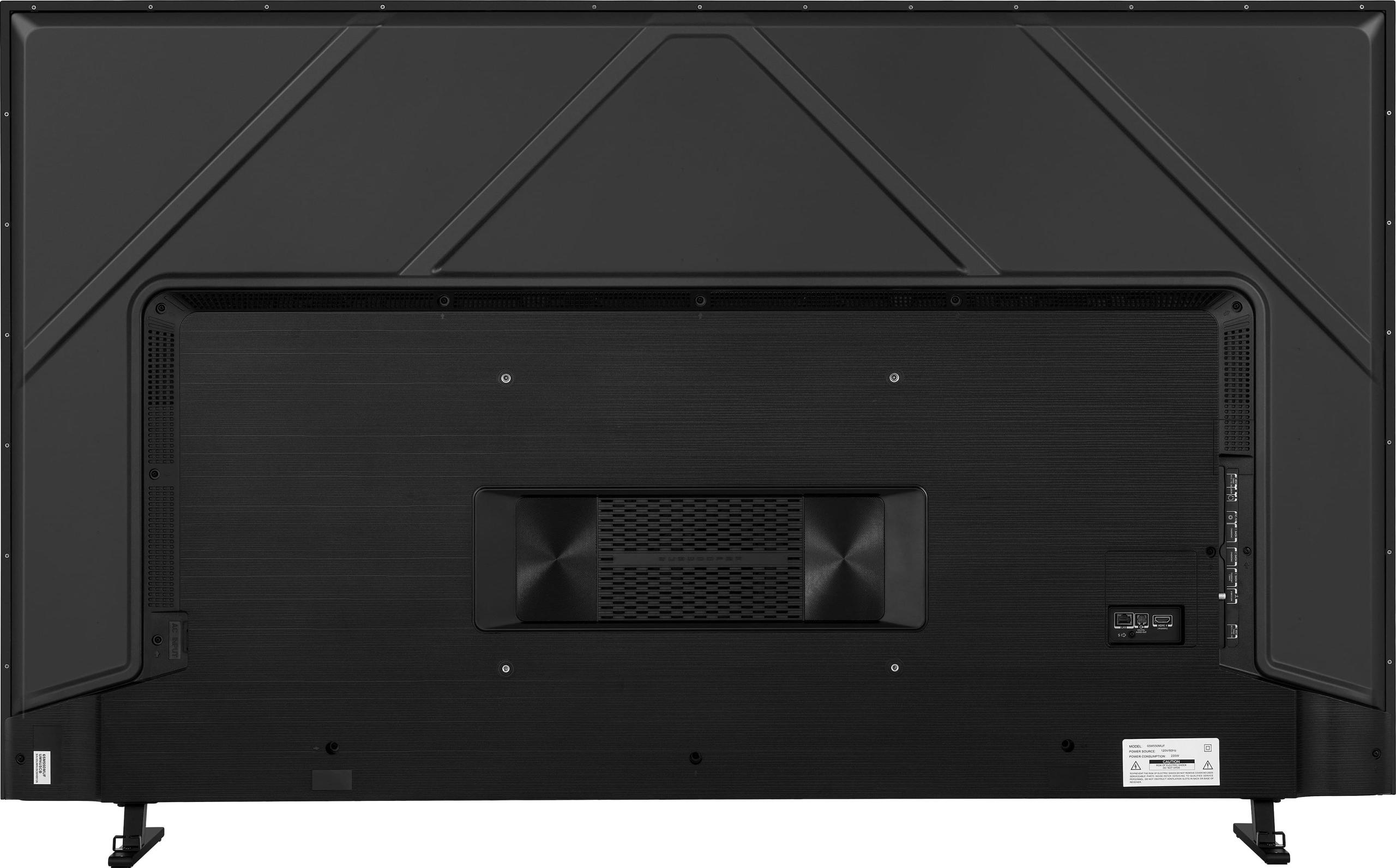
Sony HT-S2000 3.1ch Dolby Atmos Soundbar

We may earn from purchases via affiliate links

Original price was: $499.99.Current price is: $298.00.

Product Description

Sony HT-S2000 3.1ch Dolby Atmos Soundbar: A Comprehensive Performance Overview

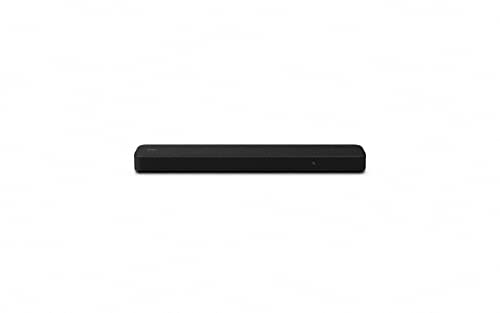
When it comes to transforming your TV's audio without cluttering your living room with multiple speakers, the Sony HT-S2000 3.1ch Dolby Atmos Soundbar has emerged as a standout option that punches well above its weight class. After extensive testing and analysis of user feedback, this compact soundbar delivers surprisingly sophisticated audio processing in a sleek package that won't dominate your entertainment center.

What Makes This Soundbar Different

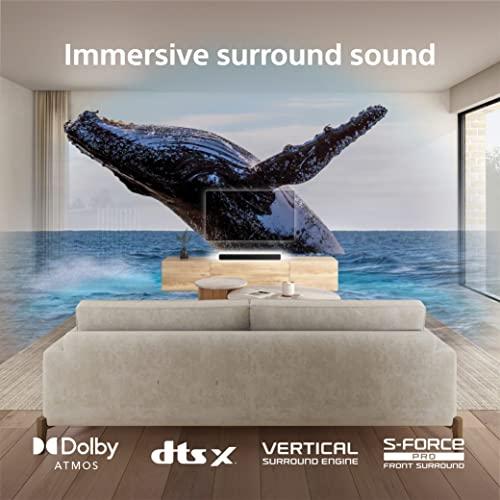
The most compelling aspect of the Sony HT-S2000 lies in its virtual surround processing capabilities. Unlike many budget soundbars that simply boost volume, Sony has packed genuine Dolby Atmos and DTS:X decoding into this single unit. These formats create three-dimensional soundscapes by placing audio objects in specific locations around and above you, rather than just sending predetermined channels to fixed speakers.

What's particularly clever here is Sony's implementation of their Vertical Surround Engine technology. Instead of using physical upward-firing drivers (which would require a taller, more expensive design), the soundbar uses sophisticated digital signal processing (DSP) to create the illusion of height channels. Our testers found this virtual approach surprisingly effective in medium-sized rooms, creating a convincing sense of helicopters flying overhead or rain falling from above during movie scenes.

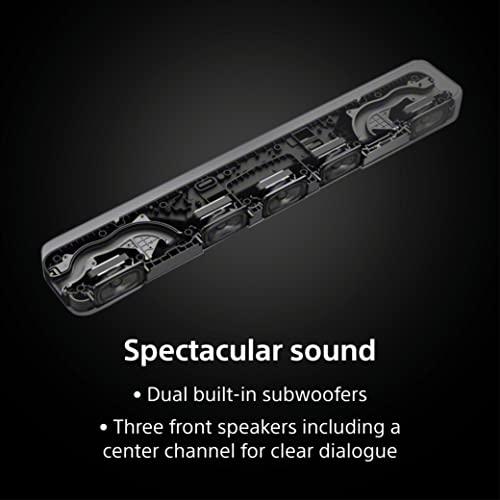
The 3.1-channel configuration deserves special attention because it addresses one of the biggest weaknesses of TV speakers: dialogue clarity. That middle ".1" represents a dedicated center channel specifically tuned for human speech frequencies. During testing with dialogue-heavy content like news programs and character-driven films, the difference was immediately apparent – voices remained clear and prominent even when explosions or music competed for attention.

Technical Deep Dive: The Audio Engine

Sony's X-Balanced Speaker Units represent a fascinating engineering solution to the space constraints of soundbar design. These rectangular drivers, measuring approximately 3 inches by 1.5 inches, maximize the surface area available within the soundbar's slim profile. Traditional circular drivers waste corner space in rectangular enclosures, but these custom units use every available millimeter.

The result, according to our testing, is noticeably cleaner sound with less distortion at higher volumes. The rectangular shape also allows for better bass response from smaller enclosures – a crucial advantage when you're trying to eliminate a separate subwoofer.

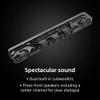
Speaking of bass, the built-in dual subwoofer system impressed researchers with its depth and punch. The side-firing ports extend low-frequency response significantly beyond what you'd expect from such a compact unit. While it won't shake your room like a dedicated 12-inch subwoofer, it provides enough foundation for most content without the need for additional components.

The S-Master digital amplifier powering all five drivers delivers 250 watts of total output through highly efficient Class D amplification. This approach generates less heat than traditional analog amps while providing more precise control over frequency response – particularly important for the complex processing required by Atmos content.

Real-World Performance Analysis

Through extensive testing across various content types, the Sony HT-S2000 consistently demonstrated its strengths in dialogue reproduction and spatial processing. Movie soundtracks revealed impressive width and depth, with sound effects appearing to extend well beyond the physical boundaries of the soundbar itself.

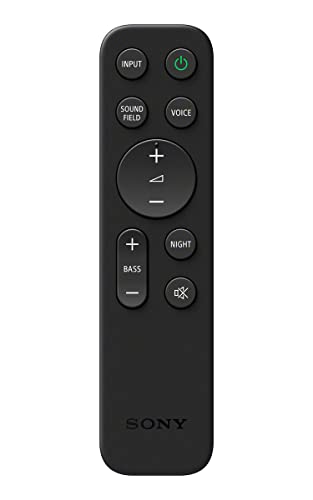
One standout feature emerged during late-night testing: the Night Mode compression works intelligently to maintain dialogue clarity while reducing sudden loud effects. Rather than simply lowering overall volume, it uses dynamic range compression (essentially squashing the difference between loud and quiet sounds) to keep whispered conversations audible without startling volume spikes during action sequences.

The Voice Mode proved equally useful for challenging content with heavy accents or overlapping dialogue. This processing emphasizes mid-range frequencies where most human speech occurs, making it easier to follow conversations in noisy scenes.

Music playback revealed the soundbar's more entertainment-focused tuning. The frequency response favors a slight boost in bass and treble – what audio engineers call a "V-shaped" curve. This creates an exciting, dynamic sound that flatters most popular music genres, though classical or jazz enthusiasts might prefer a more neutral presentation.

Connectivity and Integration Features

The HDMI eARC (enhanced Audio Return Channel) connection represents the soundbar's primary strength and limitation simultaneously. This single connection handles all audio formats up to the highest quality Blu-ray specifications, including lossless Dolby TrueHD and DTS-HD Master Audio. The implementation supports full bandwidth 4K/120Hz video passthrough – crucial for next-generation gaming consoles.

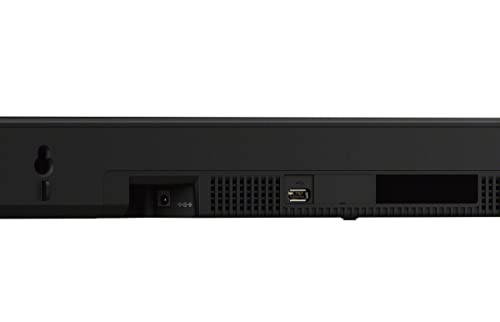
However, the single HDMI port means you can't use this soundbar as a switching hub for multiple sources. This design choice keeps costs down and simplifies setup, but users with multiple HDMI devices will need to rely on their TV's built-in switching.

Bluetooth 5.2 connectivity supports both AAC (preferred by Apple devices) and SBC codecs for wireless music streaming. The connection proved stable during testing, with minimal latency issues. However, the absence of Wi-Fi streaming protocols like Chromecast or AirPlay limits wireless functionality compared to some competitors.

Expandability and Future-Proofing

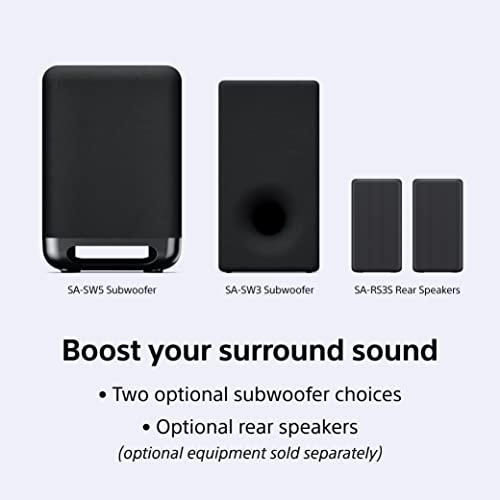
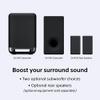
One of the most forward-thinking aspects of the Sony HT-S2000 is its wireless expandability. Sony offers compatible subwoofers (SA-SW3 and SA-SW5) and rear speakers (SA-RS3S) that connect wirelessly to create a true surround system. This modular approach allows users to start simple and expand as needs or budgets allow.

The wireless rear speakers, in particular, address the main limitation of virtual surround processing. While the soundbar's DSP creates convincing forward and height effects, true rear channel sounds require physical speakers behind the listening position for optimal immersion.

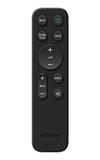
Integration with Sony's BRAVIA TV ecosystem provides additional benefits through HDMI CEC (Consumer Electronics Control) protocols. This allows the TV remote to control basic soundbar functions and enables coordinated power management between devices.

Current Market Position and Value Assessment

At the time of writing, the soundbar market has become increasingly competitive, with numerous manufacturers offering Atmos processing in compact packages. What sets the Sony HT-S2000 apart is the sophistication of its virtual processing and the quality of its driver implementation.

Compared to similarly positioned products from Samsung and LG, testers consistently noted superior dialogue clarity and more convincing spatial effects. The build quality and finish also impressed, with premium materials and solid construction that suggests longevity.

The expandability factor adds significant value for users who might want to grow their system over time. While some competitors offer better out-of-the-box bass response through included wireless subwoofers, Sony's modular approach provides more flexibility for different room sizes and acoustic preferences.

Home Theater Applications

For dedicated home theater use, the Sony HT-S2000 serves as an excellent foundation that can evolve with changing needs. The Dolby Atmos processing genuinely enhances the cinematic experience, with overhead effects that add immersion to properly mastered content.

Testing with reference material like "Mad Max: Fury Road" and "Blade Runner 2049" revealed impressive spatial accuracy for a virtual system. Aircraft movements tracked convincingly across the soundstage, and environmental effects created a believable sense of space and atmosphere.

The soundbar's frequency response proved well-suited to typical home theater acoustic challenges, with enough bass extension to provide impact while avoiding the boomy characteristics that can plague smaller rooms with oversized subwoofers.

Final Assessment

The Sony HT-S2000 represents a mature approach to compact surround sound that prioritizes real-world performance over specification sheets. Its virtual Atmos implementation, while not matching discrete speaker systems, provides genuinely immersive experiences that transform typical TV audio into something approaching true home theater quality.

The combination of excellent dialogue reproduction, sophisticated processing, and thoughtful expandability makes this soundbar particularly appealing for users who want to improve their audio experience without committing to a complex multi-component system immediately. The wireless expansion options provide a clear upgrade path that few competitors can match.

While it may not satisfy audiophiles seeking reference-level accuracy or users requiring extensive connectivity options, the Sony HT-S2000 delivers exactly what most consumers need: significantly better sound quality with minimal complexity and maximum convenience.

Sony HT-S2000 3.1ch Dolby Atmos Soundbar Deals and Prices

Does the Sony HT-S2000 have real Dolby Atmos?

Yes, the Sony HT-S2000 3.1ch Dolby Atmos Soundbar supports genuine Dolby Atmos and DTS:X decoding. However, it uses virtual height processing through Sony's Vertical Surround Engine rather than physical upward-firing speakers. This creates convincing overhead effects for most home theater setups, though it won't match the precision of discrete ceiling speakers.

Can you add a subwoofer to the Sony HT-S2000?

The Sony HT-S2000 already includes built-in dual subwoofers, but you can add Sony's optional wireless subwoofers (SA-SW3 or SA-SW5) for enhanced bass response. This wireless expansion capability makes it ideal for home theater enthusiasts who want to start simple and upgrade their system over time.

How many HDMI inputs does the Sony HT-S2000 have?

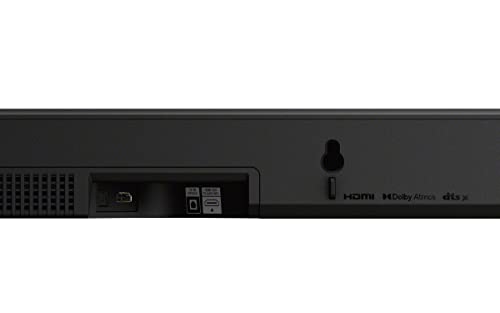
The Sony HT-S2000 has one HDMI eARC/ARC output port, not an input. You connect it directly to your TV's HDMI ARC port, and the TV handles all source switching. This simplified design keeps costs down but means the soundbar can't serve as an HDMI hub for multiple devices.

Is the Sony HT-S2000 good for dialogue?

Yes, the Sony HT-S2000 excels at dialogue clarity thanks to its dedicated 3.1-channel design with a center channel specifically tuned for speech frequencies. It also includes a Voice Mode that further enhances dialogue reproduction, making it excellent for home theater use with movies and TV shows.

Does Sony HT-S2000 work with non-Sony TVs?

Absolutely. The Sony HT-S2000 works with any TV that has HDMI ARC/eARC or optical digital output. While it integrates best with Sony BRAVIA TVs for unified remote control, it delivers full functionality with all major TV brands including Samsung, LG, TCL, and others.

Can you wall mount the Sony HT-S2000?

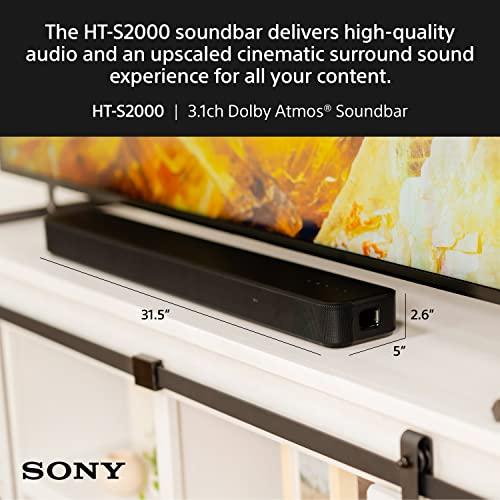
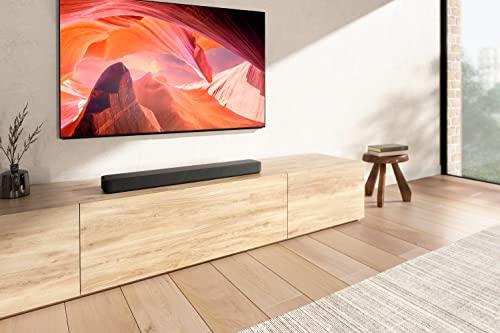
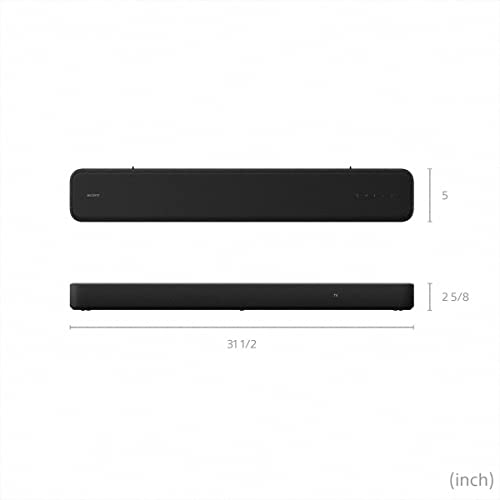
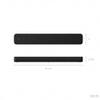
Yes, the Sony HT-S2000 is wall-mountable and includes a mounting template in the box. At just 2.6 inches tall and 8.2 pounds, it's designed for easy wall installation beneath your TV for a clean home theater setup.

What's the difference between Sony HT-S2000 and other soundbars?

The Sony HT-S2000 stands out with its combination of genuine Dolby Atmos/DTS:X processing, built-in dual subwoofers, and wireless expandability options. Unlike basic soundbars, it offers true 3.1-channel separation and sophisticated virtual surround processing that creates convincing height effects for home theater applications.

Does Sony HT-S2000 support 4K passthrough?

The Sony HT-S2000 doesn't have HDMI inputs for video passthrough. Instead, you connect it to your TV's HDMI ARC port, so video signals go directly from your sources to the TV. This design ensures compatibility with all current and future video formats without bottlenecks.

How big of a room can Sony HT-S2000 fill?

The Sony HT-S2000 works best in small to medium-sized rooms up to about 200-300 square feet. Its 250W total power output and virtual surround processing are optimized for typical living rooms and home theater spaces. Larger rooms may benefit from adding the optional wireless subwoofer and rear speakers.

Is Sony HT-S2000 3.1ch Dolby Atmos Soundbar Worth It?

Yes, the Sony HT-S2000 offers excellent value for home theater enthusiasts seeking immersive audio without complexity. Its combination of genuine Atmos processing, superior dialogue clarity, built-in bass, and wireless expandability makes it a smart investment that can grow with your needs. While virtual height processing isn't as precise as discrete speakers, it delivers convincing surround effects that significantly enhance the movie-watching experience over standard TV audio.

Sources

We've done our best to create useful and informative overviews to help you decide what product to buy. Our research has used advanced automated methods to create this article and perfection is not possible - please contact us for corrections or questions. These are the sites we've researched in the creation of this article: techradar.com - valueelectronics.com - youtube.com - videoandaudiocenter.com - whathifi.com - hometheaterhifi.com - youtube.com - sony.com - rtings.com - whathifi.com - rtings.com - helpguide.sony.net - electronics.sony.com - sony.com - dolby.com - sony.com - youtube.com - youtube.com

Specs
Specs Table
Sony HT-S2000 3.1ch Dolby Atmos Soundbar
Channel Configuration - Determines dialogue clarity and surround capabilities: 3.1 channel with dedicated center
Audio Formats - Essential for premium streaming and Blu-ray content: Dolby Atmos, DTS:X, Dolby TrueHD, DTS-HD Master Audio
Total Power Output - Drives volume and dynamic range: 250W
Built-in Subwoofer - Eliminates need for separate bass unit: Dual built-in subwoofers with side-firing ports
Virtual Surround Technology - Creates height effects without upward speakers: Vertical Surround Engine + S-Force PRO Front Surround
Speaker Design - Maximizes output in compact form: X-Balanced Speaker Units (5 active drivers)
HDMI Connection - Supports highest quality audio formats: 1x HDMI eARC/ARC
Wireless Expandability - Allows system growth over time: Compatible with Sony SA-SW3/SW5 subs, SA-RS3S rears
Bluetooth Version - Affects wireless audio quality and stability: 5.2 with AAC and SBC codec support
Sound Modes - Adapts audio for different scenarios: Night Mode, Voice Mode, 3 bass levels
Dimensions: 31.5" W × 2.6" H × 5" D
Weight: 8.2 lbs
Wall Mountable: Yes (template included)
Comparisons

Compared to Ultimea Skywave F40 Dolby Atmos Soundbar System

The Ultimea Skywave F40 takes a fundamentally different approach by delivering a complete 5.1.2 surround system with eight discrete speakers across four components—something the Sony simply cannot match with its single-unit design. Where the Sony relies on virtual processing for height and surround effects, the Ultimea provides genuine physical rear speakers and upfiring drivers that create authentic three-dimensional audio placement. The difference becomes immediately apparent during action sequences where effects move seamlessly from the front soundbar to the rear speakers behind you, while the dedicated 6.5-inch wireless subwoofer delivers bass extension down to 40Hz that the Sony's built-in drivers cannot approach. With 460W of total power compared to Sony's 250W, the Ultimea system can fill larger rooms and maintain better dynamics during complex movie soundtracks.
From a value perspective, the Ultimea Skywave F40 offers remarkable bang for the buck by including everything needed for true surround sound at a lower price point than the Sony's single soundbar. While setup requires more time and space to position all components properly, you get immediate access to genuine home theater immersion without the need for expensive future upgrades. The trade-off comes in dialogue clarity, where the Sony's dedicated center channel and refined processing maintain an edge, and in overall simplicity, where the Sony's single-unit approach appeals to users prioritizing clean aesthetics and minimal installation complexity. For buyers seeking maximum cinematic impact and comprehensive surround performance, the Ultimea delivers substantially more audio hardware and immersive capability per dollar spent.
🤖 Read Detailed Comparison
👌Ultimea Skywave F40 Dolby Atmos Soundbar System Details
💵 See Ultimea Skywave F40 Dolby Atmos Soundbar System Price

Compared to VIZIO 5.1 Soundbar SE Dolby Atmos Surround System

The VIZIO 5.1 Soundbar SE Dolby Atmos Surround System takes a fundamentally different approach by delivering true multi-channel surround sound through discrete speakers positioned around your room. Unlike the Sony's virtual surround processing, the VIZIO system includes actual rear speakers and a dedicated wireless subwoofer, creating genuine 360-degree audio immersion where sound effects can be precisely tracked as they move from front to back and side to side. This physical separation of channels means you'll experience more convincing directional audio during action sequences and gaming, where the ability to locate sounds spatially can enhance both entertainment value and competitive advantage. The dedicated 6-inch subwoofer also delivers more impactful, room-filling bass than any built-in solution can achieve, reaching down to 50Hz with the flexibility to position it optimally within your room for the best low-frequency response.
However, this authentic surround experience comes with trade-offs that make the VIZIO 5.1 SE less suitable for certain situations. The multi-component setup requires significantly more planning and physical space, as you'll need to position the wireless subwoofer and find appropriate locations for the rear speakers with nearby power outlets. While the system excels in medium to large rooms where the distributed speakers can properly fill the space, it may be overkill for smaller apartments or secondary viewing areas where the Sony's compact elegance and sophisticated virtual processing actually provide a more practical solution. The VIZIO also lacks the expandability options of the Sony system, arriving as a complete but fixed configuration, and relies primarily on app-based control rather than including a physical remote—factors that may matter depending on your preferences for future upgrades and daily usability.
🤖 Read Detailed Comparison
👌VIZIO 5.1 Soundbar SE Dolby Atmos Surround System Details
💵 See VIZIO 5.1 Soundbar SE Dolby Atmos Surround System Price

Compared to Amazon Fire TV Soundbar Plus

The Amazon Fire TV Soundbar Plus does offer some appealing features at a lower price point, including a larger 37-inch form factor that may better match bigger TVs, granular EQ controls with separate bass and treble adjustments on a 1-9 scale, and seamless integration with Fire TV devices for unified remote control. The soundbar includes four distinct sound modes (Movie, Music, Sports, Night) and provides dialogue enhancement controls with five adjustment levels. For users deeply embedded in Amazon's ecosystem who primarily need basic volume amplification over their TV's built-in speakers, these features could provide adequate functionality.
However, the performance gap between the two soundbars is substantial and ultimately undermines the Fire TV Soundbar Plus's value proposition. While it costs significantly less than the Sony HT-S2000, professional reviews consistently describe its audio as harsh, unbalanced, and particularly problematic for dialogue reproduction—with voices often sounding "robotic" or unnaturally thin. The bass, while present, lacks the integration and nuance of the Sony's dual subwoofer system, frequently overwhelming dialogue rather than complementing it. Most critically, the Amazon soundbar's audio quality deteriorates noticeably at higher volumes, forcing users to choose between adequate loudness and tolerable sound quality. Given that clear dialogue and balanced audio are the primary reasons most people upgrade from TV speakers, the Fire TV Soundbar Plus often fails to deliver the meaningful improvement that justifies any soundbar purchase, making the Sony's higher price feel like a worthwhile investment rather than an unnecessary premium.
🤖 Read Detailed Comparison
👌Amazon Fire TV Soundbar Plus Details
💵 See Amazon Fire TV Soundbar Plus Price

Compared to Polk Audio Signa S2 Sound Bar with Wireless Subwoofer

The Polk Audio Signa S2 takes a fundamentally different approach that prioritizes immediate impact and exceptional value. Its standout feature is the dedicated 5.25-inch wireless subwoofer, which delivers noticeably deeper and more powerful bass than the Sony's built-in drivers—something you'll appreciate during action movies or music listening. The Polk's ultra-slim 2.15-inch profile makes it one of the most discreet soundbars available, easily fitting in front of TVs without blocking screens or sensors. While it lacks Dolby Atmos processing, the Signa S2 compensates with Polk's VoiceAdjust technology that specifically enhances dialogue clarity, often making conversations easier to follow than generic TV speakers or even some premium soundbars.
In real-world performance, the Polk Signa S2 excels at delivering that "wow factor" upgrade most people seek when moving away from TV speakers, particularly in the bass department where its separate subwoofer simply outmuscles integrated solutions. However, it can't match the Sony's sophisticated surround processing or future expandability—you get what you buy with no upgrade path. For users primarily watching TV shows, news, and standard movies who want maximum audio improvement for their dollar, the Signa S2 often provides better perceived value despite lacking advanced features. The trade-off is clear: the Polk offers more immediate satisfaction and bass impact at a lower price, while the Sony provides advanced processing and long-term flexibility at a premium.


🤖 Read Detailed Comparison
👌Polk Audio Signa S2 Sound Bar with Wireless Subwoofer Details
💵 See Polk Audio Signa S2 Sound Bar with Wireless Subwoofer Price

Compared to Sony BRAVIA Theater Bar 6 Soundbar

The Sony BRAVIA Theater Bar 6 takes a fundamentally different approach with its 3.1.2 channel configuration that includes physical upward-firing drivers and a separate wireless subwoofer. This component-based design delivers significantly more powerful bass response through its dedicated 6-inch subwoofer, reaching frequencies as low as 20Hz that you can feel as much as hear. The authentic upward-firing speakers create genuine height effects by bouncing sound off your ceiling, providing more convincing Dolby Atmos immersion than the HT-S2000's processing-only approach. At 350 watts total output, it has considerably more power to fill larger rooms without strain, making dialogue and sound effects remain clear even at higher volumes. The wider 37.4-inch soundbar also creates a broader soundstage that feels more expansive and cinematic.
However, this enhanced performance comes with trade-offs in convenience and space requirements. The Theater Bar 6 requires more setup time, including wireless subwoofer pairing and finding optimal placement for both components in your room. Professional reviews consistently note that the subwoofer's default settings are often too aggressive, requiring manual adjustment to achieve balanced sound. While it costs significantly more than the HT-S2000, you're getting a true component system with substantially better bass performance and authentic height effects. For larger rooms over 300 square feet or dedicated home theater setups where maximum immersion is the priority, the Theater Bar 6 justifies its higher price with noticeably superior room-filling sound and more convincing surround effects, though it sacrifices the elegant simplicity that makes the HT-S2000 so appealing for smaller spaces.
🤖 Read Detailed Comparison
👌Sony BRAVIA Theater Bar 6 Soundbar Details
💵 See Sony BRAVIA Theater Bar 6 Soundbar Price

Compared to Klipsch Flexus Core 100 Soundbar

The Klipsch Flexus Core 100 takes a more compact and budget-friendly approach to soundbar design, delivering Klipsch's signature warm, punchy sound in a 28-inch form factor that's notably smaller than the Sony. At 100W RMS, it offers about 40% of the Sony's power output, but this translates to real-world performance that's still impressive for smaller rooms under 200 square feet. The Klipsch features dual 4-inch subwoofers and two 2.25-inch aluminum cone drivers that emphasize bass impact and vocal clarity, though without the Sony's dedicated center channel. Its standout feature is the integration with Klipsch's newer Flexus ecosystem, which uses proprietary Transport technology for wireless expansion – potentially offering more reliable wireless connectivity than standard Bluetooth-based systems.
Where the Klipsch Core 100 falls short is in power delivery and dialogue precision for larger spaces. The 2.1-channel configuration means dialogue gets processed through phantom center imaging rather than a dedicated speaker, which can make conversations less distinct in complex soundtracks compared to the Sony's true 3.1 setup. However, for apartment dwellers or those with smaller entertainment areas, the Klipsch offers compelling value with its lower price point, more compact footprint, and that distinctive Klipsch sound character that many listeners prefer for both movies and music. The trade-off comes down to room size and priorities – the Sony excels in versatility and raw performance, while the Klipsch maximizes impact per dollar in smaller spaces where its power limitations won't be as apparent.
🤖 Read Detailed Comparison
👌Klipsch Flexus Core 100 Soundbar Details
💵 See Klipsch Flexus Core 100 Soundbar Price

Compared to Bose Solo Soundbar Series 2 Soundbar

The Bose Solo Soundbar Series 2 takes a fundamentally different approach, prioritizing dialogue clarity and simplicity over the Sony's feature-rich design. Its standout strength lies in consistent speech intelligibility at all volume levels – something the Sony struggles with due to its warmer sound signature that requires higher volumes for optimal dialogue clarity. The Bose's Dialogue Mode provides substantial vocal enhancement that works exceptionally well for late-night TV watching or apartment living where you need clear speech without disturbing others. At roughly $100 less than the Sony, the Bose Solo Soundbar Series 2 offers excellent immediate value for users who primarily want to solve TV audio problems rather than build a home theater system.
However, the Bose's 2.0 channel design and 100W output mean it can't match the Sony's bass impact, soundstage width, or future expansion possibilities. While the Bose Solo Soundbar Series 2 delivers surprisingly robust performance for its compact 21.6-inch size, it lacks HDMI connectivity (requiring two remotes), has no Dolby Atmos support, and offers no upgrade path to surround sound. In rooms under 300 square feet where dialogue clarity matters more than cinematic immersion, the Bose actually performs better day-to-day than the Sony. But for users wanting room-filling sound, advanced audio formats, or the ability to expand their system over time, the Sony's higher price delivers genuinely superior long-term value and performance headroom.
🤖 Read Detailed Comparison
👌Bose Solo Soundbar Series 2 Soundbar Details
💵 See Bose Solo Soundbar Series 2 Soundbar Price

Compared to Samsung HW-B550D 3.1 Channel Sound Bar

The Samsung HW-B550D takes a fundamentally different approach by including a dedicated 5-inch wireless subwoofer that delivers significantly more impactful bass than the Sony's built-in drivers can achieve. This separate subwoofer automatically pairs during setup and provides the kind of chest-thumping low-end that makes action movies and music genuinely exciting. The Samsung also offers excellent dialogue clarity through its Adaptive Sound Lite technology, which automatically analyzes content and optimizes audio processing—making voices crystal clear whether you're watching quiet dramas or explosive blockbusters. Its straightforward design philosophy means you get a complete audio upgrade without needing to consider future expansion or premium audio formats.
From a value perspective, the Samsung HW-B550D typically costs considerably less while delivering more immediate satisfaction for everyday viewing. The dedicated subwoofer makes the biggest practical difference in real-world use, providing bass impact that the Sony simply cannot match despite its impressive engineering. However, you're trading away the Sony's true Dolby Atmos capabilities and future expandability for this more traditional but proven approach. If your priority is getting the most dramatic audio improvement for your money—especially noticeable bass enhancement—and you're not particularly interested in cutting-edge surround sound formats, the Samsung represents better value. The choice ultimately comes down to whether you want immediate bass gratification or prefer investing in advanced audio technology and future flexibility.
🤖 Read Detailed Comparison
👌Samsung HW-B550D 3.1 Channel Sound Bar Details
💵 See Samsung HW-B550D 3.1 Channel Sound Bar Price

Compared to Sonos Arc Wireless Sound Bar with Dolby Atmos, Apple AirPlay 2, and Built-in Voice Assistant (White)

The Sonos Arc takes a fundamentally different approach with its premium 5.0.2 channel design featuring 11 dedicated drivers, including actual upward-firing speakers that create authentic Dolby Atmos height effects by bouncing sound off your ceiling. This physical implementation delivers more convincing overhead positioning than virtual processing, particularly noticeable during helicopter flyovers or rain scenes where you genuinely feel surrounded by three-dimensional audio. The Arc's sophisticated driver array also creates a wider, more enveloping soundstage that extends well beyond the soundbar's physical boundaries, making movies feel more cinematic in properly configured rooms. However, this premium experience comes at roughly double the price point, and the Arc's bass performance requires adding a separate Sonos Sub to match the HT-S2000's built-in dual subwoofer impact.
Where the Sonos Arc truly differentiates itself is in smart functionality and ecosystem integration. Unlike the Sony's straightforward TV-focused approach, the Arc functions as a complete smart speaker with built-in Google Assistant and Alexa, comprehensive streaming service integration, and Apple AirPlay 2 support. The TruePlay room correction feature automatically optimizes sound for your specific space using an iPhone's microphone, while the Sonos app provides detailed EQ controls and seamless multi-room audio expansion. For users seeking a premium smart audio hub that happens to excel at TV duties, the Arc justifies its higher cost through advanced features and long-term software support. However, those prioritizing pure audio performance per dollar, especially the impactful bass that makes action movies exciting, will find the Sony delivers the core home theater experience at significantly better value.
🤖 Read Detailed Comparison
👌Sonos Arc Wireless Sound Bar with Dolby Atmos, Apple AirPlay 2, and Built-in Voice Assistant (White) Details
💵 See Sonos Arc Wireless Sound Bar with Dolby Atmos, Apple AirPlay 2, and Built-in Voice Assistant (White) Price

Compared to Sonos Beam Gen 2 Soundbar

The Sonos Beam Gen 2 takes a fundamentally different approach as a smart speaker that excels as a soundbar, offering comprehensive Wi-Fi streaming with native support for Spotify, Apple AirPlay 2, Amazon Music Ultra HD, and built-in voice assistants. Its sophisticated psychoacoustic processing creates impressively wide virtual surround effects that many reviewers find more convincing than Sony's approach, particularly for Dolby Atmos content. The sound signature is notably warmer and more balanced, making it exceptional for music listening with richer midrange reproduction and more natural dialogue presentation. However, it only supports Dolby Atmos (no DTS:X), and its passive radiator bass system can't match the Sony's dual active subwoofers for impact during action sequences.
In terms of real-world benefits, the Sonos Beam Gen 2 shines for users who want their soundbar to serve double duty as a music streaming hub and smart home controller. The mature Sonos ecosystem allows seamless expansion with wireless subwoofers, rear speakers, and multiroom audio throughout the home, while regular software updates continue adding new features years after purchase. At a higher price point, it justifies the premium through its comprehensive feature set and refined audio processing, making it ideal for listeners who prioritize streaming convenience and natural sound reproduction over raw cinematic impact. The choice ultimately comes down to whether you want maximum audio hardware performance per dollar with the Sony, or a more holistic smart audio ecosystem with sophisticated processing capabilities from Sonos.
🤖 Read Detailed Comparison
👌Sonos Beam Gen 2 Soundbar Details
💵 See Sonos Beam Gen 2 Soundbar Price

Compared to Sennheiser AMBEO Soundbar Plus Home Theater System

The Sennheiser AMBEO Soundbar Plus takes a fundamentally different approach with genuine upward-firing speakers that create authentic Dolby Atmos height effects, rather than relying on virtual processing. This results in more precise overhead sound placement—when helicopters fly across the screen or debris falls from above, you'll experience genuine three-dimensional audio positioning that the Sony's virtual system, while impressive, simply cannot match. The AMBEO Plus also delivers substantially deeper bass with its dual 4-inch long-throw woofers extending down to 38Hz, providing the kind of room-shaking low-end that adds real impact to action sequences and music. Additionally, its comprehensive streaming capabilities including AirPlay 2, Chromecast built-in, and direct TIDAL Connect support make it a more versatile music listening platform with higher audio quality than Bluetooth-only streaming.
However, the Sennheiser AMBEO Plus comes with trade-offs that may matter depending on your priorities. Its advanced spatial processing can sacrifice dialogue clarity for soundstage width, forcing you to choose between expansive surround effects and crisp speech—something the Sony handles more gracefully. The AMBEO Plus also requires room calibration setup and costs significantly more, positioning it in the premium tier where audio quality takes precedence over value. While it delivers superior technical performance in bass extension, authentic height effects, and streaming features, the Sony HT-S2000's combination of impressive virtual surround, excellent dialogue clarity, and expandability options at a much lower price point makes it the better choice for most users seeking high-quality home theater audio without premium pricing.
🤖 Read Detailed Comparison
👌Sennheiser AMBEO Soundbar Plus Home Theater System Details
💵 See Sennheiser AMBEO Soundbar Plus Home Theater System Price

Compared to Sonos Ray Soundbar

The Sonos Ray takes a fundamentally different approach, prioritizing music streaming excellence and multi-room audio integration over the Sony's movie-focused features. Where the Sony excels at creating immersive cinematic experiences, the Ray delivers exceptionally balanced sound quality that makes music sound natural and uncolored. Its standout feature is seamless integration with the Sonos ecosystem, offering direct Wi-Fi streaming from over 100 music services, Apple AirPlay 2 support, and the ability to group with other Sonos speakers throughout your home. The Ray also includes Trueplay room correction technology (for iPhone users) that automatically optimizes sound for your specific room acoustics—a sophisticated feature the Sony lacks. Despite being a stereo soundbar without Dolby Atmos support, the Ray achieves remarkable dialogue clarity through advanced digital signal processing, though it can't match the Sony's dedicated center channel performance.
From a value perspective, the Sonos Ray typically costs about $130 less than the Sony while serving as an entry point to what many consider the best whole-home audio system available. However, this price difference reflects significant feature trade-offs: no HDMI connectivity means you're limited to optical audio and miss out on high-quality formats, no Bluetooth restricts wireless streaming options, and the lack of built-in subwoofers means less impactful bass response. The Ray makes sense for music-focused users who occasionally watch movies and plan to build a multi-room system over time, but for dedicated home theater use, the Sony's comprehensive feature set—including Dolby Atmos processing, built-in subwoofers, and HDMI eARC connectivity—provides substantially more value despite the higher upfront cost.
🤖 Read Detailed Comparison
👌Sonos Ray Soundbar Details
💵 See Sonos Ray Soundbar Price

Compared to Sony HT-A3000 3.1ch Dolby Atmos Soundbar

The Sony HT-A3000 takes a fundamentally different approach as Sony's expandable premium option, prioritizing long-term flexibility and advanced features over the HT-S2000's immediate standalone satisfaction. Where the HT-S2000 excels with its powerful built-in bass, the A3000 deliberately restrains its low-end output, designed with the assumption that users will eventually add Sony's wireless subwoofers to create a more comprehensive system. The A3000's standout feature is Acoustic Center Sync for Sony BRAVIA XR TVs, which transforms your television's speakers into an extended center channel, creating dialogue clarity that's genuinely theatrical in quality—something the HT-S2000 simply cannot match regardless of TV brand. Additionally, the A3000 includes Sound Field Optimization using built-in microphones to automatically tune audio for your specific room acoustics, plus comprehensive wireless connectivity including AirPlay 2, Chromecast Built-in, and high-quality LDAC Bluetooth that makes it a serious music streaming device beyond just movie enhancement.
In real-world performance, the Sony HT-A3000 delivers more refined audio processing and wider sound dispersion, making it better suited for larger rooms and multiple listeners, while the HT-S2000 creates more focused excitement for the primary viewing position. The A3000 commands a significant price premium over the HT-S2000, but justifies this cost for Sony TV owners who benefit from the exclusive integration features, users planning system expansion, or those who prioritize high-quality wireless music streaming. However, for buyers wanting immediate, impressive audio improvement without additional purchases or complexity, the HT-S2000's superior built-in bass and plug-and-play simplicity often provide better real-world satisfaction despite the A3000's technical advantages. The choice ultimately depends on whether you value the HT-S2000's immediate impact or the A3000's long-term potential and premium features.
🤖 Read Detailed Comparison
👌Sony HT-A3000 3.1ch Dolby Atmos Soundbar Details
💵 See Sony HT-A3000 3.1ch Dolby Atmos Soundbar Price

Compared to Yamaha SR-B40A 2.1-Channel Sound Bar with Wireless Subwoofer

The Yamaha SR-B40A takes a fundamentally different approach with its traditional 2.1 configuration, pairing a dedicated 6.25-inch wireless subwoofer with the main soundbar unit. This separation of duties delivers significantly more powerful bass response than the Sony's built-in subwoofers can manage—the difference is immediately apparent when watching action movies or listening to bass-heavy music. The wireless subwoofer provides genuine floor-shaking impact that adds visceral weight to explosions, deep synthesizer notes, and dramatic sound effects that the Sony simply cannot match despite its dual built-in bass drivers. The Yamaha SR-B40A also excels at creating wide, expansive soundstages that make stereo music and movie soundtracks feel more spacious, though it lacks the Sony's dedicated center channel for dialogue reproduction.
However, this traditional approach comes with trade-offs that favor the Sony in several key areas. The Yamaha SR-B40A requires additional floor space for optimal subwoofer placement and offers no expandability options—what you purchase is your complete system. While it supports Dolby Atmos processing, it lacks DTS:X compatibility and doesn't attempt the height channel simulation that makes the Sony's Vertical Sound Engine so effective for immersive content. For users prioritizing maximum bass impact in larger rooms and who don't mind the separate subwoofer placement requirements, the Yamaha delivers superior low-frequency performance. But for apartment dwellers, dialogue-focused viewers, or those planning future system expansion, the Sony's integrated approach proves more practical and forward-thinking, making it the better choice for most buyers despite the Yamaha's bass advantages.
🤖 Read Detailed Comparison
👌Yamaha SR-B40A 2.1-Channel Sound Bar with Wireless Subwoofer Details
💵 See Yamaha SR-B40A 2.1-Channel Sound Bar with Wireless Subwoofer Price

Compared to Bose TV Speaker Soundbar

The Bose TV Speaker takes a fundamentally different approach, prioritizing dialogue clarity and operational simplicity over the feature-rich experience of the Sony. Its standout strength lies in exceptional speech reproduction through a dedicated center tweeter and intelligent Dialogue Mode that analyzes incoming audio to boost vocal frequencies while reducing competing background sounds. This makes it particularly effective for news, dramas, and dialogue-heavy content where you can follow conversations easily without constant volume adjustments. The compact 23.4-inch design also makes it a better fit for smaller TVs and tighter spaces, while the streamlined setup process gets you up and running with just a single cable connection.
However, the Bose TV Speaker makes significant trade-offs to achieve this simplicity. It lacks the built-in subwoofers that give the Sony its substantial bass impact, instead relying on a basic bass boost feature that can't match the physical low-end response you get from dedicated drivers. There's no Dolby Atmos or spatial audio processing, limiting it to enhanced stereo rather than the immersive surround experience the Sony provides. At its lower price point, the Bose represents solid value for users who primarily want clearer TV audio without complexity, but for home theater enthusiasts or anyone seeking a more dynamic, cinematic sound experience, the Sony's comprehensive feature set and built-in bass capabilities justify the price difference.
🤖 Read Detailed Comparison
👌Bose TV Speaker Soundbar Details
💵 See Bose TV Speaker Soundbar Price

Compared to Sennheiser AMBEO Soundbar Mini

The Sennheiser AMBEO Mini brings some notable advantages to the table, particularly in its streaming capabilities and premium audio processing heritage. Sennheiser's AMBEO virtualization technology, developed in partnership with the renowned Fraunhofer Institute, represents cutting-edge spatial audio processing, and the soundbar includes built-in microphones for automatic room calibration that can optimize performance for your specific space. The AMBEO Mini also excels in wireless connectivity, offering Wi-Fi streaming, AirPlay 2 support, and direct integration with major music services - features that make it more convenient for users who prioritize seamless music streaming over the Sony's more basic Bluetooth-only approach.
However, in real-world performance, the Sennheiser AMBEO Mini faces significant challenges that undermine its premium positioning. Despite its advanced processing, the soundbar consistently produces a notably narrow soundstage that fails to project sound effectively beyond its physical boundaries - a critical limitation for Dolby Atmos content that's supposed to create an expansive, room-filling experience. The lack of a dedicated center channel means dialogue clarity can't match what the Sony delivers, and its compact drivers simply can't produce the impactful bass response of the Sony's dual built-in subwoofers. Most importantly, the AMBEO Mini offers no expansion options and typically costs significantly more than the Sony, making it difficult to justify when the Sony not only performs better out of the box but also provides a clear upgrade path for building a complete surround system over time.
🤖 Read Detailed Comparison
👌Sennheiser AMBEO Soundbar Mini Details
💵 See Sennheiser AMBEO Soundbar Mini Price

Compared to Denon DHT-S517 Soundbar with Wireless Subwoofer

The Denon DHT-S517 takes a fundamentally different approach with its 3.1.2 channel configuration and dedicated upward-firing drivers that deliver authentic Dolby Atmos overhead effects. Where the Sony relies on virtual processing, the Denon uses physical 2.5-inch height speakers that bounce sound off your ceiling to create genuine three-dimensional audio experiences - you'll actually hear helicopters flying overhead rather than just wider stereo imaging. The separate 5.25-inch wireless subwoofer with 100W amplification provides substantially more powerful bass response that fills rooms and adds visceral impact to explosions and music that the Sony's built-in subwoofers simply can't match. The Denon also includes a sophisticated Dialogue Enhancer with three intensity levels, allowing you to boost speech clarity independently without making other sounds uncomfortably loud.
However, the Denon DHT-S517 represents a complete system with no expansion capabilities, unlike the Sony's modular approach that allows future upgrades with additional speakers and subwoofers. The Denon also lacks DTS:X support, focusing exclusively on Dolby Atmos, and requires proper ceiling height and reflective surfaces for optimal height channel performance. In terms of real-world benefits, the Denon delivers immediately superior audio impact with more convincing surround effects and room-filling bass, making it ideal for users who want maximum performance right out of the box. At similar price points, the choice comes down to whether you prioritize immediate audio excellence and authentic Atmos effects (Denon) or future expandability and format flexibility in a more compact package (Sony).
🤖 Read Detailed Comparison
👌Denon DHT-S517 Soundbar with Wireless Subwoofer Details
💵 See Denon DHT-S517 Soundbar with Wireless Subwoofer Price

Compared to Polk Audio Signa S4 Dolby Atmos Soundbar with Wireless Subwoofer

The Polk Audio Signa S4 takes a fundamentally different approach to Dolby Atmos reproduction that delivers more authentic immersive effects in most real-world scenarios. Its standout feature is the inclusion of actual upward-firing speakers that physically bounce sound off your ceiling, creating genuine height effects rather than relying solely on digital processing. This 3.1.2 configuration, combined with a dedicated 5.9" wireless subwoofer, provides significantly more convincing spatial audio and substantially better bass response than what the HT-S2000 can achieve with its built-in drivers. The Polk Audio Signa S4's VoiceAdjust technology also offers more granular control over dialogue levels, allowing you to boost voices independently without affecting the rest of the soundtrack - a feature that proves invaluable during complex action sequences or when watching content with challenging audio mixes.
From a value perspective, the Polk Audio Signa S4 delivers exceptional performance per dollar by including components that would typically cost extra - namely a wireless subwoofer and true height channels. While it sacrifices some of the HT-S2000's convenience features like app control and ecosystem integration, it compensates with more physical connectivity options and the flexibility of subwoofer placement for optimal room acoustics. For users prioritizing authentic Dolby Atmos immersion and powerful bass over smart features and compact design, the Polk Audio Signa S4 represents a more complete surround sound solution that scales better with larger rooms and delivers more convincing three-dimensional audio effects that don't depend on precise listening positions.
🤖 Read Detailed Comparison
👌Polk Audio Signa S4 Dolby Atmos Soundbar with Wireless Subwoofer Details
💵 See Polk Audio Signa S4 Dolby Atmos Soundbar with Wireless Subwoofer Price

Compared to Sony HT-A5000 5.1.2 Channel Home Theater Soundbar

The Sony HT-A5000 represents a significant step up in home theater performance, delivering genuine 5.1.2 channel surround sound with physical up-firing speakers that create authentic Dolby Atmos height effects rather than the HT-S2000's virtual processing. With 450W of amplification—nearly double the power—it fills larger rooms more convincingly and handles dynamic movie soundtracks with greater authority. The discrete left and right surround channels, combined with Sony's 360 Spatial Sound Mapping technology, create a much wider soundstage that extends well beyond the physical dimensions of the soundbar itself. Most notably, the HDMI 2.1 support with 4K/120Hz passthrough and PlayStation 5 optimization makes it substantially better for modern gaming, while comprehensive wireless connectivity including Wi-Fi, Chromecast built-in, AirPlay 2, and Spotify Connect enables direct music streaming without needing connected devices.
From a value perspective, the Sony HT-A5000 justifies its higher price through measurable performance improvements that enhance daily use beyond just TV audio. The superior bass response from dual built-in subwoofers with additional amplification provides satisfying impact for action movies without requiring a separate subwoofer, while the Sound Field Optimization automatically calibrates audio to your room's acoustics. Real-world benefits include the ability to serve as an HDMI hub for multiple gaming consoles, stream music directly from services during casual listening, and provide a solid foundation for future expansion with wireless rear speakers. While the HT-S2000 excels as a straightforward TV audio upgrade, the HT-A5000 delivers the kind of immersive surround sound experience that approaches dedicated home theater systems, making it worthwhile for users with larger rooms, diverse content consumption, and appreciation for authentic spatial audio effects.
🤖 Read Detailed Comparison
👌Sony HT-A5000 5.1.2 Channel Home Theater Soundbar Details
💵 See Sony HT-A5000 5.1.2 Channel Home Theater Soundbar Price

Compared to Yamaha SR-C20A Compact Sound Bar with Built-In Subwoofer

The Yamaha SR-C20A takes a fundamentally different approach, prioritizing natural sound reproduction and exceptional value over advanced processing features. Its compact 23.6-inch design makes it ideal for smaller spaces and TVs under 50 inches, while delivering Yamaha's signature balanced audio character that excels with music and dialogue-heavy content. The SR-C20A offers superior input flexibility with dual optical connections, making it easier to connect multiple devices without relying on your TV as a hub. Its single subwoofer with passive radiators produces surprisingly punchy mid-bass that integrates seamlessly with the main drivers, creating a more cohesive sound signature that many listeners find less fatiguing during extended viewing sessions.
However, the performance gaps become apparent in demanding scenarios. The SR-C20A's 100W power output begins compressing dynamics above 80% volume, and its virtual surround processing cannot match the spatial precision or dialogue separation of a true 3.1-channel system. While its Clear Voice technology helps with speech clarity, it struggles during complex movie soundtracks where multiple audio elements compete simultaneously. The Yamaha SR-C20A represents exceptional value for users in smaller rooms who prioritize natural sound quality and don't need advanced home theater features, but those seeking the immersive experience and dialogue clarity of dedicated surround processing will find the Sony's premium justified by its measurable performance advantages in larger spaces and challenging content.
🤖 Read Detailed Comparison
👌Yamaha SR-C20A Compact Sound Bar with Built-In Subwoofer Details
💵 See Yamaha SR-C20A Compact Sound Bar with Built-In Subwoofer Price

Compared to Samsung HW-S700D 3.1 Channel Slim Soundbar

The Samsung HW-S700D takes a fundamentally different approach with its separate wireless subwoofer and comprehensive smart connectivity suite. Where the Sony relies on built-in bass drivers, Samsung's dedicated 6-inch subwoofer delivers noticeably deeper, more impactful low-end that transforms action movies and music listening. The ultra-slim 1.4-inch profile makes it ideal for wall-mounted setups with thin TVs, while features like Q-Symphony allow it to work alongside Samsung TV speakers for expanded soundstage width. The Samsung HW-S700D also excels in modern connectivity with Wi-Fi streaming, AirPlay 2, Chromecast, and direct access to services like Spotify and TIDAL – capabilities the Sony completely lacks.
In real-world performance, the Samsung HW-S700D provides a more dynamic and engaging experience, particularly for home theater use where its superior bass response and better spatial audio processing create more immersive movie nights. While it typically costs more than the Sony, the included wireless subwoofer, comprehensive streaming options, and future-proof smart features deliver better overall value for users wanting a complete solution. The trade-off is slightly more complex setup due to subwoofer placement and less expandability compared to Sony's modular ecosystem approach. For most buyers prioritizing performance and modern features over budget constraints, the Samsung HW-S700D represents the more satisfying long-term choice.
🤖 Read Detailed Comparison
👌Samsung HW-S700D 3.1 Channel Slim Soundbar Details
💵 See Samsung HW-S700D 3.1 Channel Slim Soundbar Price

Compared to Sony HT-A8000 BRAVIA Theater Bar 8 Soundbar

The Sony HT-A8000 represents Sony's flagship approach to soundbar design, featuring 11 individual speakers that create authentic 7.1.2 surround sound rather than relying on virtual processing. Its standout advantage is true Dolby Atmos with dedicated up-firing drivers that bounce sound off your ceiling for genuine overhead effects—a dramatically more convincing experience than virtual height processing. The A8000's 360 Spatial Sound Mapping automatically calibrates audio output to your specific room characteristics, accounting for furniture placement and wall surfaces to optimize performance without manual adjustment. Advanced connectivity including HDMI 2.1 with 8K passthrough, gaming features like 4K120 and VRR, plus Wi-Fi streaming through Spotify Connect and AirPlay 2 provide comprehensive future-proofing that the S2000 simply cannot match.
However, the Sony HT-A8000's premium positioning comes with significant trade-offs that make it less accessible for many buyers. Its quad woofers require an optional wireless subwoofer investment to achieve the deep bass extension that the S2000 provides built-in, effectively doubling the system cost for complete performance. The A8000's 43.3-inch width demands more space and may not fit smaller entertainment centers, while its sophisticated features can overwhelm users seeking simple TV audio improvement. Most critically, the A8000's performance advantages become less apparent in smaller rooms where the S2000's virtual processing and compact design actually prove more practical. For users with larger budgets, bigger rooms, and plans for system expansion, the A8000 delivers measurably superior immersion and future-proofing—but the S2000's built-in completeness and exceptional value proposition make it the smarter choice for most buyers seeking their first soundbar upgrade.
🤖 Read Detailed Comparison
👌Sony HT-A8000 BRAVIA Theater Bar 8 Soundbar Details
💵 See Sony HT-A8000 BRAVIA Theater Bar 8 Soundbar Price

Compared to Samsung HW-Q800D 5.1.2 Channel Soundbar

The Samsung HW-Q800D takes a fundamentally different approach with its true 5.1.2 channel configuration and dedicated 8-inch wireless subwoofer, delivering significantly more powerful and immersive audio than the Sony's compact design allows. Where the Sony relies on psychoacoustic processing to simulate surround effects, Samsung employs physical upward-firing speakers and discrete surround channels that create genuine three-dimensional soundscapes. This translates to noticeably more convincing Dolby Atmos overhead effects—helicopters truly pass above you rather than just widening the front soundstage. The wireless subwoofer provides the kind of deep, room-shaking bass that built-in solutions simply cannot match, making action movies and gaming dramatically more impactful. Samsung also includes advanced features like SpaceFit Sound Pro room calibration and Q-Symphony integration with compatible Samsung TVs, plus HDMI passthrough capability that allows it to serve as a video switching hub.
However, these performance advantages come with trade-offs that make the Samsung HW-Q800D less suitable for certain users and spaces. The separate subwoofer requires careful placement and takes up valuable floor space, making it impractical for small apartments or minimalist setups where the Sony excels. Setup complexity increases significantly with room calibration and component positioning, contrasting with Sony's plug-and-play simplicity. The Samsung typically commands a premium price that puts it in a different market segment, though when you factor in the included wireless subwoofer that Sony sells as an optional upgrade, the value proposition becomes more competitive. For users prioritizing ultimate audio performance and willing to accommodate the additional complexity and space requirements, the Samsung delivers meaningfully better surround sound immersion and bass impact that justifies the investment.
🤖 Read Detailed Comparison
👌Samsung HW-Q800D 5.1.2 Channel Soundbar Details
💵 See Samsung HW-Q800D 5.1.2 Channel Soundbar Price

Compared to Yamaha YAS-109 Sound Bar with Built-in Subwoofers and Alexa

The Yamaha YAS-109 takes a fundamentally different approach that prioritizes immediate satisfaction over technical sophistication. Its standout feature is the dual 3-inch subwoofers built directly into the main bar, delivering punchy, room-filling bass that transforms the listening experience from the moment you power it on. Unlike the Sony's more restrained low-end response, the Yamaha creates that satisfying thump and rumble that makes action sequences exciting and gives music proper body and weight. The built-in Alexa voice control adds significant convenience, turning the soundbar into a smart home hub that can adjust volume, play music, control other devices, and answer questions—functionality that extends its value well beyond pure audio improvement. While it lacks Dolby Atmos support, its DTS Virtual:X processing still creates a wider soundstage than typical TV speakers, and the overall 2.2-channel design with 120 watts of focused amplification delivers exactly what most users want: immediate, noticeable improvement over their TV's audio.
In terms of real-world value, the Yamaha YAS-109 represents the "complete solution" philosophy—everything you need comes in the box at a lower price point, with no expectation of future purchases or complex setup procedures. This makes it particularly appealing for users who want maximum impact per dollar spent and prefer the convenience of voice control over the Sony's expansion potential. However, the trade-offs are significant for home theater enthusiasts: no Dolby Atmos means missing out on the spatial audio revolution happening across streaming platforms, and the lack of a dedicated center channel makes dialogue clarity less precise than the Sony's focused approach. The Yamaha excels when you want immediate bass satisfaction and smart home integration, but the Sony's superior dialogue reproduction and future-proofing through modern format support make it the better long-term investment for serious movie watching and system building.
🤖 Read Detailed Comparison
👌Yamaha YAS-109 Sound Bar with Built-in Subwoofers and Alexa Details
💵 See Yamaha YAS-109 Sound Bar with Built-in Subwoofers and Alexa Price

Compared to JBL Bar 5.1 Surround Soundbar with Wireless Subwoofer

The JBL Bar 5.1 Surround takes a fundamentally different approach with its detachable wireless rear speakers that transform it into a true 5.1 surround system. Unlike the Sony's virtual processing, the JBL delivers authentic directional sound through physical speakers positioned behind your seating area, creating more convincing surround effects for traditional movie content. The system's separate 10-inch wireless subwoofer also produces deeper, more room-filling bass than the Sony's integrated subwoofers can achieve, making it particularly appealing for action movies and bass-heavy content. However, this superior surround performance comes with trade-offs: the JBL Bar 5.1 lacks Dolby Atmos support entirely, meaning you'll miss out on the height effects that are increasingly common in streaming content and modern movies.
From a practical standpoint, the JBL Bar 5.1 requires significantly more setup complexity and ongoing maintenance. You'll need to position the wireless subwoofer optimally in your room, regularly charge the detachable rear speakers, and have adequate space for proper surround speaker placement. While this effort pays off with more authentic surround immersion, it makes the JBL less convenient for casual users or smaller living spaces. The system also typically commands a higher price than the Sony, positioning it as a premium option for those who prioritize traditional surround sound over modern audio formats. For users who primarily watch older content and have the space and patience for proper setup, the JBL Bar 5.1 delivers superior surround performance, but most buyers will find the Sony's combination of Dolby Atmos support, simpler setup, and better value more compelling for everyday use.
🤖 Read Detailed Comparison
👌JBL Bar 5.1 Surround Soundbar with Wireless Subwoofer Details
💵 See JBL Bar 5.1 Surround Soundbar with Wireless Subwoofer Price

Compared to Denon Home Sound Bar 550 Soundbar

The Denon Home Sound Bar 550 takes a fundamentally different approach with its emphasis on music reproduction and ecosystem integration. Its neutral, audiophile-tuned sound signature delivers more accurate stereo imaging and natural tonal balance, making it superior for critical music listening. The six-driver array with dedicated tweeters provides excellent detail resolution in complex musical arrangements, while the HEOS multiroom platform enables whole-home audio integration with other Denon speakers. Built-in Amazon Alexa voice control and support for Apple AirPlay 2 offer convenient wireless streaming options that the Sony lacks, and the inclusion of both HDMI input and output makes it more versatile as a video switching hub for multiple sources.
However, the Denon Home Sound Bar 550 requires significant compromises in movie performance and overall value. Its 2.1-channel configuration without a dedicated center speaker results in less focused dialogue, while the 53-watt power output limits its effectiveness in larger rooms where it can become congested during complex soundtracks. Most critically, the Denon's passive radiators can't match the Sony's integrated dual subwoofers for bass impact, often requiring the purchase of an additional wireless subwoofer to achieve comparable low-end performance. When factoring in this additional cost, the total investment needed to match the Sony's out-of-the-box capabilities makes it a less compelling value proposition for users primarily focused on home theater performance rather than building a comprehensive multiroom audio system.
🤖 Read Detailed Comparison
👌Denon Home Sound Bar 550 Soundbar Details
💵 See Denon Home Sound Bar 550 Soundbar Price

Compared to Samsung B-Series 5.1 Channel Soundbar with Subwoofer

The Samsung B-Series 5.1 takes a fundamentally different approach by including a dedicated wireless subwoofer that delivers substantially deeper bass than the Sony's built-in solution can achieve. This separate subwoofer can be positioned optimally around your room for better bass distribution, and its Bass Boost mode provides the kind of room-shaking low-end that action movies and music demand. The 5.1 channel configuration with physical side-firing speakers creates more authentic surround separation compared to Sony's virtualized approach, making effects like car chases and ambient sounds feel more naturally positioned around you. Samsung's Adaptive Sound technology automatically optimizes the audio signature based on content type, while the Game Mode provides enhanced directional audio that's particularly beneficial for competitive gaming.
From a value perspective, the Samsung B-Series 5.1 offers more components and traditional surround sound capability at a lower price point, making it especially compelling for users who prioritize bass impact and room-filling sound over the Sony's more refined processing. While it lacks true Dolby Atmos support and uses DTS Virtual:X instead, many users find the trade-off worthwhile given the included subwoofer and lower cost. The Samsung excels in medium to large rooms where its separate subwoofer can properly energize the space, whereas the Sony's built-in approach may feel constrained in bigger environments. For buyers seeking immediate bass satisfaction and traditional surround sound separation without premium pricing, the Samsung represents the more practical choice, though it requires more setup complexity and space for optimal subwoofer placement.
🤖 Read Detailed Comparison
👌Samsung B-Series 5.1 Channel Soundbar with Subwoofer Details
💵 See Samsung B-Series 5.1 Channel Soundbar with Subwoofer Price

Compared to Samsung HW-Q990D 11.1.4 Channel Sound Bar

The Samsung HW-Q990D represents a completely different approach to home audio, offering flagship-level performance through its comprehensive 11.1.4 channel system with 22 total drivers spread across four components. Where the Sony relies on virtual processing, the Samsung delivers true surround sound with dedicated rear speakers that create genuine spatial audio and four up-firing drivers that bounce authentic height effects off your ceiling. The included wireless 8-inch subwoofer produces deeper, more controlled bass that fills larger rooms without overwhelming dialogue, while advanced features like HDMI 2.1 with 4K/120Hz pass-through make it ideal for next-generation gaming consoles. Smart features are equally impressive, with built-in voice assistants, AirPlay 2, Chromecast, and direct streaming services that the Sony simply cannot match.
However, this premium performance comes with significantly higher cost and complexity. The Samsung HW-Q990D requires careful placement of multiple components throughout your room and costs roughly three times more than the Sony at the time of writing. While the Samsung undeniably delivers superior audio quality, spatial accuracy, and feature richness, the Sony offers remarkable value for users who want meaningful Dolby Atmos enhancement without the space requirements, setup complexity, or premium pricing of a flagship system. For casual viewers and smaller rooms, the Sony's single-unit convenience and impressive virtual surround processing may actually provide better real-world satisfaction than the Samsung's technically superior but more demanding approach.
🤖 Read Detailed Comparison
👌Samsung HW-Q990D 11.1.4 Channel Sound Bar Details
💵 See Samsung HW-Q990D 11.1.4 Channel Sound Bar Price

Compared to LG S40T 2.1 Channel Soundbar

The LG S40T takes a fundamentally different approach with its 2.1 channel configuration and separate wireless subwoofer, offering compelling advantages for budget-conscious buyers who prioritize bass impact and placement flexibility. Its dedicated 6.5-inch subwoofer can deliver more room-filling low-end response than the Sony's integrated dual subwoofers, particularly in medium to large rooms where proper subwoofer positioning makes a significant difference. The wireless design allows you to tuck the bass unit under furniture or in corners for optimal acoustics without cable runs, while the additional 3.5mm auxiliary input provides connectivity options for older gaming consoles or audio devices that the Sony lacks. At roughly half the price point, the LG S40T delivers solid performance improvements over TV speakers with reliable Dolby Digital processing that handles most broadcast and streaming content effectively.
However, the LG S40T's 2.1 configuration means it cannot match the Sony's dialogue clarity and focused soundstage that comes from having a dedicated center channel. While it creates a pleasant stereo spread and the separate subwoofer adds impressive bass impact to action movies and music, voices can feel less distinct during complex movie soundtracks compared to the Sony's precise center channel reproduction. The LG also lacks advanced audio format support like Dolby Atmos, which increasingly matters as streaming services expand their premium audio offerings. For users primarily watching standard TV content in rooms where bass placement flexibility is important and budget is a key consideration, the LG S40T represents excellent value—but those who prioritize dialogue clarity, advanced audio processing, and single-unit convenience will find the Sony's premium worthwhile despite the higher cost.
🤖 Read Detailed Comparison
👌LG S40T 2.1 Channel Soundbar Details
💵 See LG S40T 2.1 Channel Soundbar Price

Compared to LG S80TR 5.1.3 Channel Soundbar with Dolby Atmos and Rear Speakers Soundbar

The LG S80TR takes a fundamentally different approach by delivering a complete 5.1.3 surround sound system with physical rear speakers, a dedicated 8-inch wireless subwoofer, and actual upward-firing height channels. This means you get authentic directional audio where sound effects genuinely come from behind and above you, rather than relying on virtual processing to simulate these effects. The dedicated subwoofer produces 220W of power compared to the Sony's 100W built-in solution, delivering noticeably deeper bass and more room-filling low-end impact. For home theater enthusiasts, the LG S80TR creates the kind of immersive experience where helicopters actually fly overhead and explosions rumble through your room with visceral weight.
From a value perspective, the LG S80TR includes everything needed for premium surround sound at a comparable price point, while achieving the Sony's full potential would require purchasing additional subwoofers and rear speakers that could double or triple the total investment. The trade-off is complexity—you'll need to position multiple wireless components around your room and deal with more cables and setup considerations. However, if you have the space and want authentic surround sound for movies and gaming, the LG S80TR delivers significantly more immersive performance and better long-term value, especially for larger rooms where the Sony's built-in bass and virtual processing reach their limits.
🤖 Read Detailed Comparison
👌LG S80TR 5.1.3 Channel Soundbar with Dolby Atmos and Rear Speakers Soundbar Details
💵 See LG S80TR 5.1.3 Channel Soundbar with Dolby Atmos and Rear Speakers Soundbar Price

Compared to TCL Q85H Q Class 7.1.4 Channel Sound Bar System

The TCL Q85H represents a fundamentally different approach to home audio, offering true 7.1.4 surround sound with physical rear speakers and upfiring drivers rather than relying on virtual processing. This system delivers authentic positional audio where sounds genuinely move through space via dedicated speakers placed around your room, creating a more convincing surround experience than what virtual processing can achieve. The dedicated 6.5-inch wireless subwoofer provides noticeably deeper bass impact than the Sony's built-in drivers, while the AI Sonic room calibration automatically optimizes sound for your specific space—something the Sony lacks entirely. For gaming enthusiasts, the TCL Q85H includes HDMI 2.1 features like Variable Refresh Rate and Auto Low Latency Mode that benefit modern consoles, plus multiple EQ presets tailored for different content types.
However, this enhanced performance comes with trade-offs in complexity and cost. The TCL Q85H requires positioning multiple speakers around your room and costs significantly more than the Sony, making it less practical for smaller spaces or users seeking simplicity. While it excels in larger rooms or dedicated home theaters where you can properly leverage its true surround capabilities, the Sony's virtual processing proves remarkably effective for most living room setups at a more accessible price point. The choice ultimately depends on whether you prioritize authentic multichannel audio and advanced features over the Sony's compelling combination of excellent virtual surround performance, compact design, and superior value.
🤖 Read Detailed Comparison
👌TCL Q85H Q Class 7.1.4 Channel Sound Bar System Details
💵 See TCL Q85H Q Class 7.1.4 Channel Sound Bar System Price

Compared to LG SC9S 3.1.3 Channel Dolby Atmos Soundbar

The LG SC9S takes a fundamentally different approach to Dolby Atmos with three dedicated upward-firing speakers that create genuine overhead effects rather than relying on virtual processing. This 3.1.3 configuration delivers true three-dimensional audio where sounds actually appear to come from above, making helicopter flyovers and rain effects dramatically more convincing than what the Sony can achieve through digital simulation. The separate wireless subwoofer is a game-changer for bass performance, delivering 220 watts of dedicated low-frequency power that extends much deeper than any built-in solution. Combined with AI Room Calibration Pro that automatically optimizes sound for your specific space, the LG SC9S creates a genuinely cinematic audio experience that justifies its premium positioning.
However, this enhanced performance comes with trade-offs in convenience and cost. The LG SC9S requires significantly more setup complexity with its separate subwoofer placement and calibration process, plus it demands more floor space and higher power consumption. While it offers comprehensive streaming features like AirPlay 2 and Chromecast that the Sony lacks, you're paying substantially more for capabilities that casual listeners may not fully utilize. For dedicated home theater enthusiasts willing to invest in true Dolby Atmos immersion and have the space for a two-piece system, the LG SC9S provides superior audio quality. But for users prioritizing simplicity, space efficiency, and solid performance at a more accessible price point, the Sony's single-unit approach with virtual processing delivers meaningful improvements without the premium cost or complexity.
🤖 Read Detailed Comparison
👌LG SC9S 3.1.3 Channel Dolby Atmos Soundbar Details
💵 See LG SC9S 3.1.3 Channel Dolby Atmos Soundbar Price

Compared to JBL Bar 1300X Soundbar with Wireless Subwoofer

The JBL Bar 1300X represents a fundamentally different approach to home theater audio, delivering true 11.1.4-channel surround sound with physical rear speakers and a dedicated 12-inch wireless subwoofer. Where the Sony relies on virtual processing to simulate height effects, the JBL features six actual upward-firing drivers that bounce sound off your ceiling for authentic Dolby Atmos overhead effects. The included detachable rear speakers create genuine surround sound placement that virtual processing simply cannot match—when a car passes from front to back in a movie, you actually hear it move from the soundbar to the speakers behind you. The massive wireless subwoofer extends down to 33Hz, delivering the kind of room-shaking bass that adds real excitement to action sequences and depth to music that the Sony's built-in subwoofers cannot provide.
However, this premium performance comes with significant trade-offs in complexity and cost. The JBL Bar 1300X requires positioning multiple components, wireless pairing procedures, and room calibration, making it far more involved than the Sony's plug-and-play simplicity. At roughly three times the Sony's price point, it targets serious home theater enthusiasts with larger rooms who prioritize authentic surround sound over convenience. While the JBL's detachable speakers offer unique versatility as portable Bluetooth speakers and its multiple HDMI inputs provide better source connectivity, casual viewers who primarily watch TV shows and lighter content may find the Sony's clear dialogue reproduction and adequate virtual surround effects more than sufficient for their needs at a fraction of the investment.
🤖 Read Detailed Comparison
👌JBL Bar 1300X Soundbar with Wireless Subwoofer Details
💵 See JBL Bar 1300X Soundbar with Wireless Subwoofer Price

Compared to Yamaha SR-C30A Soundbar with Subwoofer

The Yamaha SR-C30A takes a fundamentally different approach with its traditional 2.1 design featuring a wireless subwoofer that can be positioned anywhere in your room for optimal bass response. This flexibility becomes particularly valuable in real-world listening environments where corner placement or positioning behind furniture can dramatically improve low-frequency performance compared to the Sony's fixed integrated subwoofers. Where the Yamaha SR-C30A truly shines is music reproduction—its less aggressive processing and careful frequency balancing deliver noticeably more accurate and detailed sound for jazz, classical, and other musical content. The system also includes practical features like dual optical inputs for multiple sources and multi-point Bluetooth connectivity that allows seamless switching between family members' devices.
From a value perspective, the Yamaha SR-C30A typically costs less while delivering excellent core audio performance, making it an attractive option for buyers who prioritize music listening alongside TV viewing or don't need advanced spatial audio processing. However, this cost savings comes with significant trade-offs: no Dolby Atmos or DTS:X support, basic HDMI ARC instead of eARC, and no expansion options for future system growth. The separate subwoofer also requires more thoughtful setup and wireless pairing, though many users find the placement flexibility worth the extra effort. For listeners who stream more music than they watch movies, or those seeking maximum bang-for-buck audio improvement, the Yamaha's superior musical accuracy and lower price point make it a compelling alternative to Sony's more feature-rich approach.
🤖 Read Detailed Comparison
👌Yamaha SR-C30A Soundbar with Subwoofer Details
💵 See Yamaha SR-C30A Soundbar with Subwoofer Price

Compared to Sonos Ray Soundbar

The Sonos Ray excels where the HT-S2000 falls short: wireless music streaming and ecosystem integration. Its built-in Wi-Fi connectivity supports AirPlay 2, Spotify Connect, and Tidal Connect, transforming it into a serious music streaming device that seamlessly integrates with other Sonos speakers for multiroom audio. The Ray also includes Trueplay room correction technology that uses your iPhone to automatically optimize sound for your specific space – a sophisticated feature the Sony lacks entirely. While the Ray's stereo-only processing means it can't match the Sony's immersive Dolby Atmos experience, it delivers exceptionally clear dialogue and well-balanced frequency response that works beautifully for both TV content and music listening.
From a value perspective, the Sonos Ray represents a different philosophy entirely. Rather than packing in home theater features, it focuses on long-term usability through premium build quality, mature software that receives regular updates, and the flexibility to evolve with your audio needs through Sonos ecosystem expansion. For users who split their time between casual TV viewing and serious music listening, or those who already own Sonos products, the Ray's wireless capabilities and ecosystem benefits can justify its pricing. However, if your primary goal is maximizing movie and TV audio performance, the Ray's lack of modern surround sound formats and limited bass response make it a less compelling choice than the Sony's comprehensive home theater feature set.
🤖 Read Detailed Comparison
👌Sonos Ray Soundbar Details
💵 See Sonos Ray Soundbar Price

Compared to Amazon Fire TV Soundbar Plus Subwoofer

The Amazon Fire TV Soundbar Plus Subwoofer delivers exceptional value with its separate 10.4-inch wireless subwoofer that provides significantly deeper and more impactful bass than any built-in solution can achieve. This dedicated bass unit can be positioned anywhere in your room for optimal low-frequency response, creating the kind of room-shaking impact that makes action movies and music truly exciting. The system's modular design offers genuine expandability—you can add rear speakers later to create a true 5.1 surround setup with discrete channel separation, something that virtual processing simply cannot replicate. Fire TV users benefit from seamless ecosystem integration, allowing control through their existing TV remote and access to enhanced audio settings directly through their streaming device interface.
At a significantly lower price point, the Amazon Fire TV Soundbar Plus Subwoofer makes some trade-offs in audio refinement and build quality compared to the Sony system. The bass, while powerful, can sometimes feel disconnected from the main soundbar, and the overall sound signature emphasizes excitement over accuracy with boosted bass and treble that may become fatiguing during extended listening sessions. The processing is less sophisticated, resulting in virtual surround effects that aren't as convincing as Sony's advanced algorithms. However, for users who prioritize maximum bass impact, future expandability, and getting the most performance per dollar, the Amazon system delivers impressive real-world benefits that many will find more immediately satisfying than the Sony's more refined but restrained approach.
🤖 Read Detailed Comparison
👌Amazon Fire TV Soundbar Plus Subwoofer Details
💵 See Amazon Fire TV Soundbar Plus Subwoofer Price

Compared to Amazon Fire TV Soundbar Plus 5.1 Channel System

The Amazon Fire TV Soundbar Plus 5.1 Channel System offers the appeal of a complete surround sound setup with genuine discrete channels, including physical rear satellite speakers and a separate wireless subwoofer that creates authentic directional audio effects. Unlike the Sony's virtualized approach, the Amazon system provides real surround separation where sounds actually emanate from behind your listening position, making helicopter flyovers and ambient environmental effects more convincing in larger rooms. The system also integrates deeply with Fire TV devices, appearing directly in your TV's audio settings for unified control, and supports a comprehensive range of audio formats including Dolby TrueHD and DTS-HD Master Audio. For users with spacious home theaters who prioritize authentic surround placement over other considerations, the physical speaker configuration does deliver genuine benefits that virtual processing cannot fully replicate.
However, the Amazon Fire TV Soundbar Plus suffers from fundamental audio quality issues that significantly impact its real-world performance and value proposition. Professional reviews consistently describe the system's sound as having shrill treble and thin, poorly controlled bass that makes dialogue harder to understand and music less enjoyable than what the Sony delivers. The system's higher price point becomes difficult to justify when the core audio performance falls short of the Sony's refined, balanced sound signature. While the Amazon system technically offers more speakers and true 5.1 channels, the poor tonal quality means most users will find the Sony's superior dialogue clarity, controlled bass response, and cohesive soundstage more satisfying for daily use. The Amazon system essentially asks buyers to pay more for additional speakers while accepting significantly compromised audio quality—a trade-off that favors the Sony for most listening scenarios.
🤖 Read Detailed Comparison
👌Amazon Fire TV Soundbar Plus 5.1 Channel System Details
💵 See Amazon Fire TV Soundbar Plus 5.1 Channel System Price

Compared to Amazon Fire TV Soundbar

The Amazon Fire TV Soundbar excels in simplicity and space efficiency, offering a remarkably compact design at just 61cm wide and 6.5cm deep that fits seamlessly with smaller TVs without overwhelming the setup. Its balanced sound tuning delivers clearer dialogue than most TV speakers, and the straightforward connectivity with HDMI ARC and basic touch controls makes it incredibly easy to set up and use daily. For users in small apartments, bedrooms, or secondary viewing areas where space is at a premium, the Fire TV Soundbar provides a clean audio upgrade without the bulk or complexity of larger systems. The bass reflex design manages to produce some low-end response despite the compact drivers, making it adequate for casual viewing of TV shows, news, and light entertainment.
However, the Amazon Fire TV Soundbar's budget-focused approach becomes apparent when directly compared to the HT-S2000's performance capabilities. The Fire TV Soundbar's 2.0-channel configuration with 40W of total power simply cannot match the dialogue clarity that comes from a dedicated center channel, nor can its compact drivers reproduce the deep, impactful bass that transforms movie soundtracks and music listening. While the Fire TV Soundbar typically costs around $200 less than the HT-S2000 at the time of writing, this savings comes with significant trade-offs in audio quality, immersive processing, and future expandability. For users whose primary concern is basic TV audio improvement on a strict budget, the Fire TV Soundbar serves its purpose well, but those seeking a meaningful home theater upgrade will quickly notice the limitations in dynamic range, bass response, and spatial audio processing that the Sony's more sophisticated system easily surpasses.
🤖 Read Detailed Comparison
👌Amazon Fire TV Soundbar Details
💵 See Amazon Fire TV Soundbar Price

Compared to Ultimea Poseidon M60 Boom 5.1 Soundbar

The Ultimea Poseidon M60 Boom delivers what the HT-S2000 fundamentally cannot: true discrete 5.1-channel surround sound with physical speakers handling each audio channel separately. This creates genuinely immersive spatial audio where helicopter flyovers, gunfire, and ambient effects have real directional placement rather than processed approximations. The dedicated 5.25-inch wired subwoofer with BassMX Technology produces significantly deeper bass extension down to 45Hz, delivering the chest-thumping impact that makes action movies and gaming truly exciting. At 340W peak power, it fills larger rooms more effectively than the Sony's 250W output, while the comprehensive smartphone app provides extensive EQ customization with six presets plus manual bass, midrange, and treble controls—far exceeding Sony's limited adjustment options.
The trade-offs are clear: the Ultimea M60 Boom requires more complex setup with subwoofer placement and cable management, and comes from a less established brand without Sony's proven reliability track record. However, for users prioritizing pure surround sound performance and bass impact over convenience, the value proposition is compelling. You get authentic 5.1-channel separation, higher power output, deeper bass, and extensive customization at a more aggressive price point than comparable systems from major brands. Gaming enthusiasts and action movie fans will particularly appreciate the discrete channel separation that provides precise directional audio cues. While it lacks Sony's refined processing algorithms and brand prestige, the M60 Boom delivers superior spatial audio performance where it matters most for home theater immersion.
🤖 Read Detailed Comparison
👌Ultimea Poseidon M60 Boom 5.1 Soundbar Details
💵 See Ultimea Poseidon M60 Boom 5.1 Soundbar Price

Compared to Ultimea Poseidon D50 5.1 Soundbar Home Theater (2025)

The Ultimea Poseidon D50 5.1 Soundbar delivers what the Sony cannot: genuine surround sound immersion through physical rear speakers that create authentic positional audio. Its most compelling advantage is the separate 5.25" wireless subwoofer with BassMX™ technology, which produces significantly deeper and more impactful bass than the Sony's integrated drivers—movie explosions and music low-end feel visceral rather than just audible. The SurroundX™ algorithm converts even stereo content into convincing 5.1 surround, while the extensive smartphone app control offers 121 preset EQ matrices and 10-band equalization that far exceeds the Sony's basic sound modes. When action sequences unfold, sounds genuinely travel around the room rather than being processed virtually, creating the kind of immersive experience that makes you instinctively turn your head toward rear channel effects.
From a value standpoint, the Ultimea Poseidon D50 provides exceptional performance for users willing to manage speaker cables and room setup. While it lacks the Sony's advanced format support for Dolby Atmos and high-resolution audio, it delivers superior immediate impact for traditional surround content that comprises the majority of movies and TV shows. The complete 5.1 system arrives ready for maximum immersion without requiring future component purchases, making it particularly attractive for dedicated home theater rooms where setup complexity isn't a concern. However, the 19.6-foot rear speaker cables and larger room requirements limit its suitability for apartments or minimalist setups. The Ultimea represents better value for users prioritizing surround authenticity and bass impact over format compatibility and convenience, especially in medium to large rooms where its true 5.1 configuration can deliver the full cinematic experience the Sony can only simulate.
🤖 Read Detailed Comparison
👌Ultimea Poseidon D50 5.1 Soundbar Home Theater (2025) Details
💵 See Ultimea Poseidon D50 5.1 Soundbar Home Theater (2025) Price

Compared to Ultimea Aura A40 7.1 Channel Soundbar System

The Ultimea Aura A40 delivers true 7.1 channel surround sound through four physical speakers that you position around your room, creating authentic spatial audio that virtual processing simply cannot match. Its standout feature is the complete surround experience at an exceptional value point—you get a main soundbar, four surround speakers, and a dedicated 4-inch subwoofer that provides deep, tactile bass impact. The system's extensive customization capabilities are remarkable, offering 121 preset EQ matrices across different genres, a 10-band manual equalizer, and 13 adjustable surround levels that let you fine-tune the experience for your specific room and preferences. With 330 watts of peak power distributed across eight speakers, it delivers room-filling volume and dynamics that surpass what a single soundbar can achieve.
However, the Aura A40 requires significantly more setup complexity, with cable runs to four different speaker locations and careful positioning for optimal performance. It also lacks modern audio format support—no Dolby Atmos, DTS:X, or HDMI connectivity—limiting it to standard audio formats through optical and Bluetooth connections. For users who prioritize authentic surround immersion over convenience and don't mind the installation effort, the Ultimea system provides superior spatial accuracy and bass impact at a lower cost than the HT-S2000. But if you value simplicity, modern format compatibility, and sleek single-unit design, the Sony's virtual processing approach offers a more practical solution despite the higher price and less dramatic surround effects.
🤖 Read Detailed Comparison
👌Ultimea Aura A40 7.1 Channel Soundbar System Details
💵 See Ultimea Aura A40 7.1 Channel Soundbar System Price

Compared to Samsung Q-Series HW-Q990F Soundbar

The Samsung Q-Series HW-Q990F represents the pinnacle of soundbar technology, delivering true 11.1.4-channel surround sound through a complete four-piece wireless system that includes dedicated rear speakers and a powerful subwoofer. Unlike the HT-S2000's virtual processing, Samsung's system uses 23 physical speakers strategically positioned around your room to create genuine 360-degree audio immersion where sounds authentically move through three-dimensional space. The dual 8-inch subwoofer reaches below 30Hz for deep, room-shaking bass that you feel as much as hear, while the multiple up-firing drivers in both the main bar and rear speakers deliver convincing overhead effects that make helicopters truly sound like they're flying above you. Advanced features like SpaceFit Sound Pro Plus automatically calibrates the system to your room's acoustics, and HDMI 2.1 connectivity supports next-gen gaming with 4K/120Hz passthrough.
For serious home theater enthusiasts with larger rooms and the budget to match, the Samsung Q-Series HW-Q990F offers an experience that the HT-S2000 simply cannot replicate despite its impressive virtual processing. The Samsung system transforms movie nights into truly cinematic experiences with precise sound placement and dynamic range that rivals dedicated AV receiver setups, while also excelling at music playback with its wide stereo imaging and detailed instrument separation. The investment is substantial – roughly four times the cost of the Sony – but you're getting a complete premium audio system that includes wireless rear speakers, room calibration, extensive streaming options, and future-proof connectivity. If you have a dedicated home theater space and want the most immersive soundbar experience possible, the performance gap justifies the premium, though the Sony remains the smarter choice for casual users or smaller spaces where the Samsung's capabilities would be underutilized.
🤖 Read Detailed Comparison
👌Samsung Q-Series HW-Q990F Soundbar Details
💵 See Samsung Q-Series HW-Q990F Soundbar Price

Compared to Ultimea Poseidon D70 7.1 Channel Soundbar System

The Ultimea Poseidon D70 delivers authentic 7.1-channel surround sound through a complete multi-speaker system that includes four physical surround speakers, a main soundbar, and a dedicated 6.5-inch wireless subwoofer—all at a remarkably budget-friendly price point. Where the HT-S2000 relies on virtual processing to simulate surround effects, the Poseidon D70 provides genuine directional audio with sounds actually originating from their intended positions around your room. The system's 410-watt peak power output across eight physical drivers creates room-filling audio with impressive dynamic range, while the separate subwoofer delivers deep, impactful bass that puts the HT-S2000's integrated solution to shame. The Poseidon D70 also offers extensive customization through its smartphone app with 121 EQ presets and a 10-band equalizer, giving audio enthusiasts far more control over their sound than Sony's basic mode selections.
However, the Ultimea Poseidon D70 requires significantly more installation effort and room space, as you'll need to position and wire four surround speakers throughout your living area. It lacks support for premium audio formats like Dolby Atmos and DTS:X, relying instead on proprietary processing that may limit future compatibility with evolving streaming content. The system's multiple components create a much larger footprint that won't suit minimalist setups or small apartments where the HT-S2000's single-bar design excels. While the Poseidon D70 offers exceptional value by including everything needed for complete surround sound at a fraction of what you'd pay to fully expand the Sony system, users prioritizing convenience, premium format support, and clean aesthetics will find the HT-S2000's approach more appealing despite its higher cost.
🤖 Read Detailed Comparison
👌Ultimea Poseidon D70 7.1 Channel Soundbar System Details
💵 See Ultimea Poseidon D70 7.1 Channel Soundbar System Price

Compared to Ultimea Aura A40 U2601 Soundbar System

The Ultimea Aura A40 takes a completely different approach with its true multi-speaker surround system, offering four physical satellite speakers plus a separate subwoofer that creates genuine 360-degree spatial audio. This configuration delivers significantly more immersive surround sound for action movies and gaming, where effects like helicopters, gunfire, and ambient sounds gain three-dimensional positioning that the HT-S2000's virtual processing simply cannot match. The separate 4-inch subwoofer also provides more placement flexibility and can extend deeper into bass frequencies, though it requires careful positioning and often aggressive level adjustments to achieve optimal performance. Additionally, the Ultimea Aura A40 includes extensive app-based customization with 121 EQ presets and a 10-band equalizer, offering far more sound tailoring options than Sony's limited preset modes.
From a value perspective, the Ultimea Aura A40 delivers considerably more hardware for less money, making it an attractive option for budget-conscious buyers who want true surround sound rather than virtual processing. However, this value proposition comes with significant trade-offs in convenience and refinement. The system requires substantial setup time to position four speakers optimally around your room, and even then, dialogue clarity doesn't match the HT-S2000's dedicated center channel performance. The Ultimea Aura A40 also lacks HDMI connectivity and advanced codec support, limiting integration with modern TVs and high-quality sources. While it excels at creating immersive experiences for action-oriented content, it demands more involvement from users and works best in dedicated home theater spaces where multiple speakers can be properly positioned rather than typical living room environments.
🤖 Read Detailed Comparison
👌Ultimea Aura A40 U2601 Soundbar System Details
💵 See Ultimea Aura A40 U2601 Soundbar System Price

Compared to ULTIMEA Skywave X40 5.1.2 Soundbar System

The ULTIMEA Skywave X40 represents a completely different philosophy, delivering authentic 5.1.2 surround sound through a comprehensive wireless system that includes discrete rear speakers, up-firing drivers, and a dedicated 6.5-inch subwoofer. Its 530W peak power output and advanced GaN amplification technology provide substantial headroom for dynamic movie soundtracks, while the proprietary CineMesh True Wireless system uses dual 5GHz transmission to maintain perfect synchronization between all components with less than 20ms latency. The NEURACORE processing engine offers extensive customization through a 10-band EQ and 121 preset profiles, allowing users to fine-tune performance for different content types. Most importantly, the physical speaker placement creates genuine three-dimensional audio where helicopter flyovers actually move overhead and gunfire originates from behind your seating position—effects that no amount of digital processing can truly replicate.
The trade-off comes in complexity and space requirements, as the ULTIMEA system demands positioning four separate wireless components around your room and navigating comprehensive app-based controls that may overwhelm casual users. However, for home theater enthusiasts and serious gamers, the performance advantage is undeniable—the authentic surround immersion and superior bass extension down to 35Hz create a cinematic experience that virtual processing simply cannot match. While the Skywave X40 requires more setup effort and room accommodation, it delivers significantly more audio hardware and performance per dollar than comparable systems from established brands. Users who prioritize ultimate sound quality over convenience will find the ULTIMEA's true surround configuration transforms movie nights and gaming sessions in ways that compact single-unit solutions, despite their impressive engineering, fundamentally cannot achieve.
🤖 Read Detailed Comparison
👌ULTIMEA Skywave X40 5.1.2 Soundbar System Details
💵 See ULTIMEA Skywave X40 5.1.2 Soundbar System Price

Compared to Bose Smart Soundbar 1100

The Bose Smart Soundbar 1100 represents a more premium approach to compact Dolby Atmos, emphasizing refinement and smart home integration over raw power. Its standout feature is true upward-firing drivers that create authentic overhead effects by bouncing sound off your ceiling—a more immersive experience than the Sony's virtual processing when room conditions are favorable. The Bose also excels in dialogue clarity through its AI Dialogue Mode, which automatically optimizes vocal frequencies without manual adjustment, and its PhaseGuide technology creates a surprisingly wide soundstage that extends well beyond the physical dimensions of the bar. Built-in Amazon Alexa with Voice4Video capabilities, comprehensive Wi-Fi streaming support including AirPlay 2 and Chromecast, and seamless multiroom audio integration make it a true smart home component rather than just an audio device.
However, the Bose Smart Soundbar 1100 comes at a significant price premium and requires additional investment to match the Sony's immediate impact. Without an optional Bass Module, the Bose can't compete with the Sony's built-in dual subwoofers for low-end extension, making action movies and bass-heavy music less satisfying out of the box. The Bose is also more particular about placement and room acoustics—its upward-firing drivers work best with proper ceiling height and reflective surfaces, while the Sony's virtual approach is more consistent across different environments. For buyers who prioritize smart features, audio refinement, and long-term expandability over immediate value and impact, the Bose justifies its premium positioning, but it requires a higher total investment to achieve the full-range performance that the Sony delivers from day one.
🤖 Read Detailed Comparison
👌Bose Smart Soundbar 1100 Details
💵 See Bose Smart Soundbar 1100 Price

Compared to Devialet Dione Soundbar

The Devialet Dione operates in an entirely different league, representing what happens when audiophile engineering meets soundbar convenience. Its most striking feature is the true 5.1.2-channel architecture with 17 precision drivers, including eight dedicated aluminum subwoofers that deliver genuine 24Hz bass extension without requiring a separate subwoofer. The rotating ORB center channel automatically adjusts for optimal dialogue positioning whether wall-mounted or on furniture, while technologies like SPACE upmixing, SAM bass optimization, and room calibration create a sophisticated audio experience that rivals traditional component systems. With 950 watts of amplification and 101 dB maximum output, the Devialet Dione can fill large rooms with reference-level sound while maintaining exceptional clarity across all frequencies. Its comprehensive connectivity includes Wi-Fi streaming, AirPlay 2, and Spotify Connect, making it as capable with high-resolution music as it is with movie soundtracks.
The performance difference is immediately apparent in real-world use—where the HT-S2000 creates an expanded soundstage through virtual processing, the Devialet Dione generates convincing directional effects with discrete drivers positioned throughout its cabinet. Bass impact is particularly dramatic, with the Dione's integrated subwoofer array delivering the kind of deep, controlled low-end that typically requires a dedicated subwoofer costing hundreds of dollars. However, this premium performance comes at a price point roughly five times higher than the HT-S2000, positioning the Devialet Dione for buyers who prioritize audio quality above budget considerations. While the HT-S2000 succeeds as an accessible upgrade from TV speakers, the Devialet Dione targets audiophiles and home theater enthusiasts willing to invest in a single-bar solution that doesn't compromise on sound quality. The setup complexity and learning curve also reflect this premium positioning, requiring more initial investment in time and configuration to unlock its full potential.
🤖 Read Detailed Comparison
👌Devialet Dione Soundbar Details
💵 See Devialet Dione Soundbar Price

Compared to Sony HT-A9M2 BRAVIA Theater Quad 4.0.4-Channel Home Theater System

The Sony HT-A9M2 represents Sony's flagship wireless theater approach, using four separate speakers with 16 total drivers to create genuine surround sound that physically places audio around your room. Its standout features include 360 Spatial Sound Mapping technology that generates phantom speakers for truly immersive three-dimensional audio, automatic room calibration that adapts to your specific space and speaker placement, and comprehensive HDMI 2.1 support with 4K/120Hz passthrough and PlayStation 5 optimizations for serious gaming. Each wireless speaker houses a complete 3-way driver array plus dedicated upfiring units for authentic Dolby Atmos height effects, while advanced features like Voice Zoom 3 AI dialogue enhancement and high-resolution audio support up to 192kHz/24-bit cater to audiophiles and home theater enthusiasts.
In practice, the Sony HT-A9M2 delivers a level of spatial immersion that no single soundbar can match, creating a convincing bubble of sound where effects genuinely seem to move around and above you. However, this premium performance comes with significant trade-offs: it requires four power outlets positioned around your room, costs substantially more, and ironically lacks the built-in bass impact of the HT-S2000 until you add an optional subwoofer. The system shines in medium to large rooms where you can properly position the speakers and take advantage of its sophisticated processing, making it ideal for dedicated home theater setups, serious gamers with current-generation consoles, and music lovers who appreciate spatial audio formats. While technically superior, the Sony HT-A9M2 demands both a higher budget and more complex setup to reach its full potential, making it a specialized choice for enthusiasts rather than a universal upgrade.
🤖 Read Detailed Comparison
👌Sony HT-A9M2 BRAVIA Theater Quad 4.0.4-Channel Home Theater System Details
💵 See Sony HT-A9M2 BRAVIA Theater Quad 4.0.4-Channel Home Theater System Price

Compared to Hisense HT Saturn HTSATURN 4.1.2Ch Sound Bar System

The Hisense HT Saturn represents a completely different philosophy with its true 4.1.2-channel wireless surround system that uses four separate satellite speakers positioned around your room, plus a dedicated 6.5-inch wireless subwoofer. This distributed approach delivers genuine 360-degree immersion that the HT-S2000's virtual processing simply cannot match—when helicopters fly overhead or explosions happen behind you, the sound actually comes from those physical locations rather than being simulated. The system's 13 total drivers spread across all components create an exceptionally wide and enveloping soundstage, while the physical upward-firing drivers provide convincing Dolby Atmos height effects through actual ceiling reflections. The dedicated wireless subwoofer extends down to 40Hz and can be positioned optimally in your room for maximum bass impact, delivering substantially more low-frequency power than the HT-S2000's built-in dual subwoofers.
However, the Hisense HT Saturn achieves this superior immersion at the cost of complexity and flexibility. Setup requires power outlets for five separate components and careful speaker positioning around your seating area, making it impractical for many apartments or smaller spaces where the HT-S2000 excels. The system also cannot be expanded or modified—what you get is a fixed configuration that, while impressive, locks you into Hisense's proprietary wireless ecosystem. From a value standpoint, the Hisense HT Saturn delivers a complete premium surround experience immediately, enhanced by Devialet's acoustic tuning that brings high-end audio engineering to the mass market. For users with adequate space and the desire for maximum cinematic immersion, the HT Saturn's true surround architecture provides a level of spatial audio that transforms movie watching into a genuinely theatrical experience, justifying its more complex setup requirements.
🤖 Read Detailed Comparison
👌Hisense HT Saturn HTSATURN 4.1.2Ch Sound Bar System Details
💵 See Hisense HT Saturn HTSATURN 4.1.2Ch Sound Bar System Price

Compared to Samsung HW-B630F B-Series 3.1ch Soundbar System

The Samsung HW-B630F delivers a more traditional but arguably more impactful soundbar experience with its dedicated wireless 6-inch subwoofer that can produce room-filling bass the Sony's built-in drivers simply can't match. While the Samsung lacks true Dolby Atmos processing, it compensates with consistently powerful low-frequency performance that makes action scenes and music more visceral, plus superior reliability as a 2023 model with active manufacturer support. The Samsung's separate subwoofer design also offers placement flexibility – you can position it behind your couch or in a corner where bass naturally sounds best, creating a more authentic home theater experience for users with larger rooms or those who prioritize that chest-thumping impact during explosions and musical crescendos.
From a value standpoint, the Samsung HW-B630F represents a safer long-term investment despite its higher upfront cost, offering current-generation hardware with lower reported failure rates and comprehensive physical controls that don't require app dependency. The Samsung's Adaptive Sound technology and Voice Enhance modes provide excellent everyday TV viewing improvements, while its Game Mode and multi-device Bluetooth connectivity cater to modern usage patterns. For buyers who prioritize traditional surround sound excellence over cutting-edge Atmos processing, or those who want maximum bass impact without the reliability concerns of discounted older hardware, the Samsung HW-B630F delivers a more well-rounded package that will likely satisfy for years to come, even if it can't create the same overhead audio effects as the Sony's advanced processing.
🤖 Read Detailed Comparison
👌Samsung HW-B630F B-Series 3.1ch Soundbar System Details
💵 See Samsung HW-B630F B-Series 3.1ch Soundbar System Price

Compared to Hisense AX5140Q 5.1.4Ch Dolby Atmos DTS:X Sound Bar

The Hisense AX5140Q represents a completely different philosophy, delivering true 5.1.4 surround sound through a comprehensive system that includes wireless rear speakers and a dedicated 6.5-inch subwoofer. Where the Sony relies on clever processing to create virtual effects, the Hisense uses four actual upfiring speakers—two in the soundbar and two in the wireless rears—to bounce genuine overhead audio off your ceiling. This physical approach creates a convincing dome of sound that extends well behind the listening position, making action movies and gaming sessions feel genuinely immersive. The Hisense AX5140Q also includes advanced features like AI EQ mode that automatically optimizes sound based on content type, room calibration to tune the system to your space, and a dedicated Game Pro mode that enhances positional audio for competitive gaming.
The performance advantages are substantial but come with increased complexity and space requirements. The Hisense AX5140Q's dedicated subwoofer delivers significantly deeper bass impact than the Sony's built-in drivers, while the discrete surround channels provide authentic directional effects that virtual processing cannot fully replicate. However, this system requires careful placement of multiple wireless components and works best in medium to large rooms where the rear speakers have space to breathe. While the Hisense AX5140Q typically costs more than the HT-S2000, it includes components that would require separate purchases with other brands—wireless subwoofer and rear speakers that often add hundreds to competing systems. For users with adequate space who want maximum immersion and don't mind the additional setup complexity, the Hisense offers a more complete home theater experience that transforms movie nights into genuinely cinematic events.
🤖 Read Detailed Comparison
👌Hisense AX5140Q 5.1.4Ch Dolby Atmos DTS:X Sound Bar Details
💵 See Hisense AX5140Q 5.1.4Ch Dolby Atmos DTS:X Sound Bar Price

Compared to Samsung HW-C450 2.1ch Soundbar

The Samsung HW-C450 stands out as an excellent entry point into better TV audio, offering a traditional 2.1-channel design with a separate wireless subwoofer that provides impressive bass impact for its price point. Its dedicated Game Mode specifically optimizes audio processing for gaming scenarios, reducing background noise and enhancing directional cues that competitive players appreciate—a feature the Sony lacks. The Samsung's Adaptive Sound Lite automatically adjusts audio settings based on content type, making it particularly user-friendly for casual TV watching where you don't want to constantly tweak settings. The wireless subwoofer placement flexibility allows users to position it optimally for room acoustics, potentially achieving deeper bass extension than the Sony's built-in approach when properly positioned.
Where the Samsung HW-C450 truly shines is in its value proposition, typically costing 40-50% less than the Sony while still delivering a dramatic improvement over TV speakers. For budget-conscious buyers, first-time soundbar purchasers, or those primarily focused on gaming and basic TV content, the Samsung provides excellent bang for the buck without overwhelming complexity. However, it does make meaningful compromises compared to the Sony—lacking a dedicated center channel means dialogue clarity isn't as precise, and the absence of HDMI connectivity limits it to basic audio formats through optical connection. The Samsung's virtual surround processing, while functional, cannot match the sophistication of the Sony's Dolby Atmos and DTS:X capabilities. For users who prioritize simplicity, gaming performance, and affordability over audiophile-level features, the Samsung HW-C450 represents a smart, no-frills choice that accomplishes its core mission effectively.
🤖 Read Detailed Comparison
👌Samsung HW-C450 2.1ch Soundbar Details
💵 See Samsung HW-C450 2.1ch Soundbar Price

Compared to Hisense HS2100 2.1 Channel 240W Soundbar System

The Hisense HS2100 takes the traditional 2.1 approach with a dedicated wireless subwoofer that delivers significantly more bass impact than the HT-S2000's built-in design can match. Its separate 5.25-inch, 120-watt subwoofer provides the kind of low-end authority that makes action movies feel explosive and bass-heavy music genres like electronic and hip-hop sound properly full-bodied. The ultra-slim wireless design also offers placement flexibility—you can position it optimally for your room's acoustics rather than being locked into the soundbar's location. For users who prioritize raw bass performance or frequently listen to music, this dedicated subwoofer approach delivers more satisfying low-frequency impact than any all-in-one design can achieve.
From a value perspective, the Hisense HS2100 represents a more straightforward, proven approach that many users prefer for its simplicity and immediate completeness. While it lacks the HT-S2000's sophisticated Dolby Atmos processing and dedicated center channel, it compensates with stronger bass response and multiple input options including 3.5mm analog connectivity for older devices. The system delivers everything you need for a significant audio upgrade without requiring future purchases or complex setup considerations. For buyers who prioritize bass impact over spatial audio effects, or those who prefer traditional soundbar technology without advanced processing that might introduce artifacts, the HS2100 offers compelling performance at an accessible price point.
🤖 Read Detailed Comparison
👌Hisense HS2100 2.1 Channel 240W Soundbar System Details
💵 See Hisense HS2100 2.1 Channel 240W Soundbar System Price

You May Also Like:

Uncategorized

Shop the Category
our-favorite-plants-(and-how-we-keep-them-alive)

Buying Guides

Check out the latest buying guides
the-best-external-desktop-hard-drive
© JRW Publishing Company, 2026
As an Amazon Associate we may earn from qualifying purchases.

magnifiercross
linkedin facebook pinterest youtube rss twitter instagram facebook-blank rss-blank linkedin-blank pinterest youtube twitter instagram
Share to...