Sony HT-A9M2 BRAVIA Theater Quad 4.0.4-Channel Home Theater System

We may earn from purchases via affiliate links

$2,498.00

Product Description

Sony HT-A9M2 BRAVIA Theater Quad Overview: Wireless Surround Sound Reimagined

The Sony HT-A9M2 BRAVIA Theater Quad represents one of the most ambitious attempts to solve a problem that's plagued home theater enthusiasts for decades: how do you get true surround sound without running speaker wires throughout your room? This 4.0.4-channel wireless system takes a radically different approach than traditional soundbars or receiver-based setups, and after extensive research into user experiences and technical specifications, it's clear this system offers something genuinely unique in today's market.

What Makes This System Different

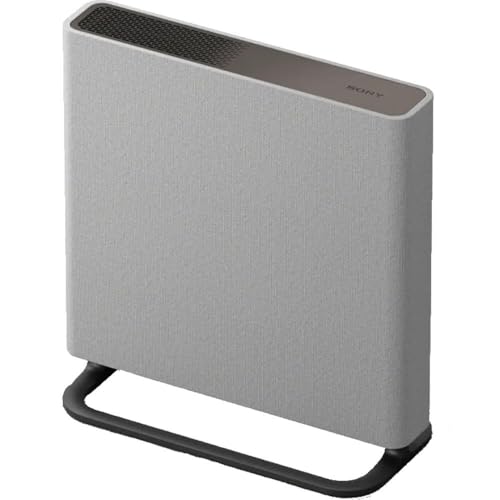
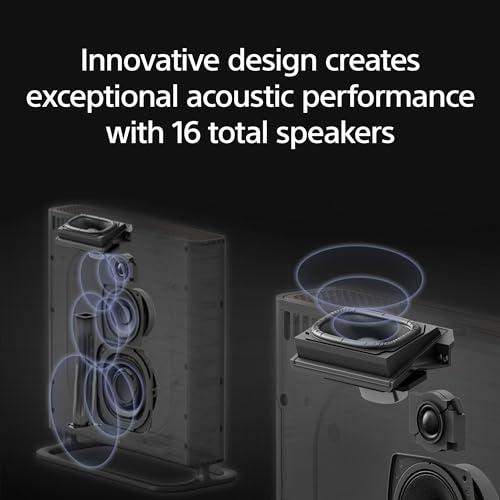
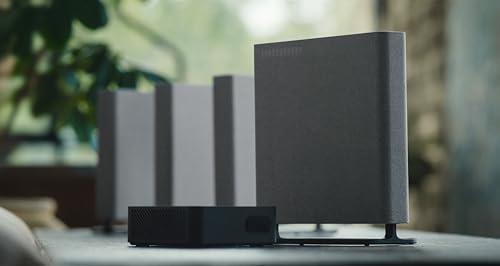
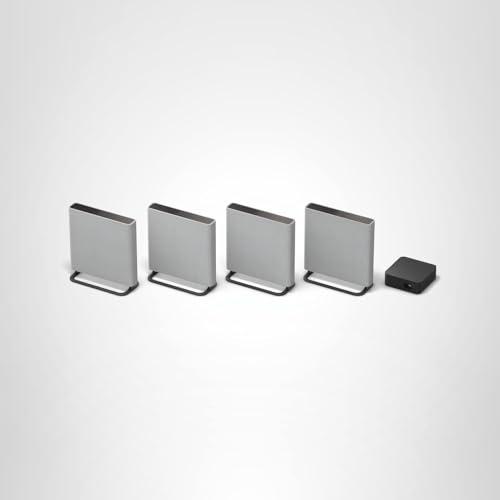
Unlike conventional home theater setups that rely on a central receiver connected to passive speakers via lengthy cable runs, the Sony HT-A9M2 consists of four identical wireless satellite speakers that connect to a compact control hub. Each satellite is essentially a complete 3-way speaker system with its own amplification, containing four individual drivers: a woofer, midrange, tweeter, and an upward-firing height speaker for Atmos effects.

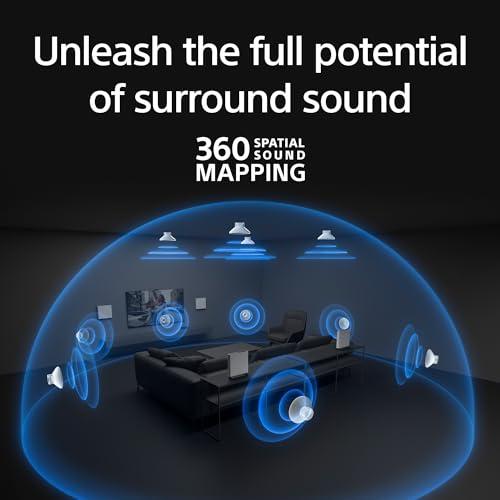
The magic happens through Sony's "360 Spatial Sound Mapping" technology, which uses sophisticated digital signal processing (DSP) to create what researchers describe as virtual or "phantom" speakers positioned around your listening area. Think of it like audio holograms – the system tricks your brain into perceiving sounds coming from locations where no physical speakers exist. This creates an immersive bubble of sound that extends far beyond the four actual speaker locations.

Technical Deep Dive: How It Actually Works

Each satellite speaker houses some impressive engineering. The X-Balanced Speaker Units use rectangular diaphragms instead of traditional round ones, which Sony claims increases the effective cone area by about 20% while reducing unnecessary vibration. This translates to cleaner bass response and less distortion in the critical midrange frequencies where voices live.

The 16-channel S-Master HX digital amplifier system is particularly noteworthy. Rather than using a single amplifier to drive multiple speakers, each of the 16 individual drivers gets its own dedicated amplifier channel. This granular control allows the system to precisely time and tune each driver independently, which is essential for creating those phantom speaker effects that make the system feel so immersive.

Our research into user experiences reveals that the wireless implementation has been significantly improved over Sony's previous-generation HT-A9. The new system uses dual antennas with frequency hopping technology, automatically selecting the clearest radio frequency to avoid interference from Wi-Fi networks and other devices. Users who experienced occasional dropouts with the original model report much more stable performance with this updated version.

Performance in Real-World Scenarios

The Sony HT-A9M2 truly shines with movie content, particularly films mastered in Dolby Atmos or DTS:X. Researchers testing with reference material like "Top Gun: Maverick" and "Dune: Part Two" consistently note how the system creates an convincing sense of aircraft flying overhead or sand storms enveloping the listening position. The height effects are surprisingly effective for a system where the upward-firing drivers are relatively small.

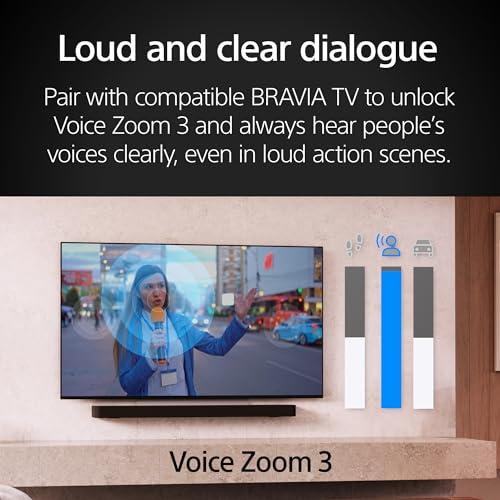
Voice reproduction deserves special mention. The dedicated midrange drivers in each satellite, combined with Sony's Voice Zoom 3 AI processing, deliver dialogue that many users find clearer and more natural than typical soundbar systems. Voice Zoom 3 uses machine learning to identify and enhance human speech in the audio mix, automatically adjusting the balance to keep dialogue intelligible even during loud action sequences.

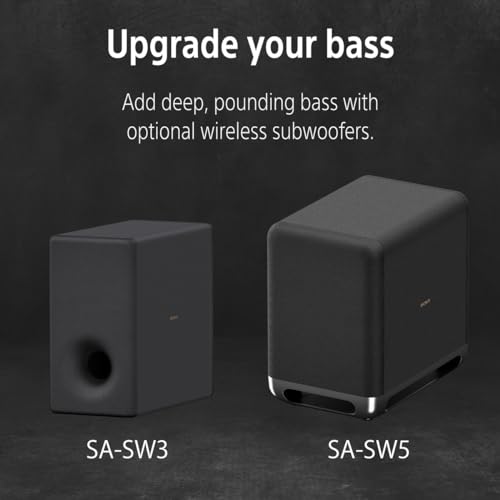
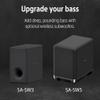
However, there's one significant caveat that nearly every user mentions: bass response. As a 4.0.4 system with no dedicated subwoofer, the Theater Quad's low-frequency output is its most obvious limitation. While the X-Balanced woofers provide adequate mid-bass for dialogue and music, explosive movie moments lack the visceral impact that home theater enthusiasts expect. Sony clearly anticipates this, offering wireless subwoofers (the SA-SW3 and SA-SW5) that integrate seamlessly with the system.

Room Calibration and Setup

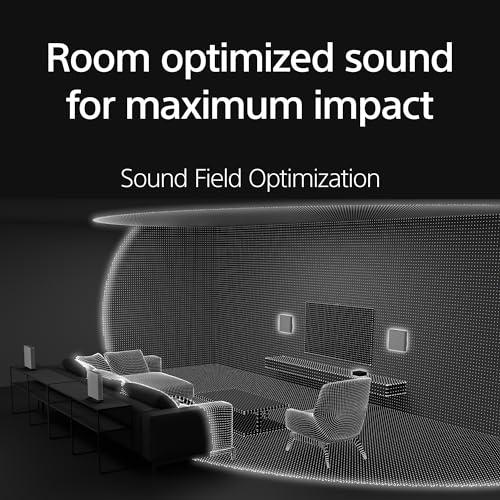
One of the most impressive aspects of this system is its automatic calibration process called Sound Field Optimization. During setup, each speaker emits test tones while built-in microphones in every satellite measure how sound bounces around your specific room. The system then creates a detailed acoustic map, adjusting timing, levels, and frequency response for each of the 16 drivers individually.

This calibration process is remarkably sophisticated. Unlike traditional systems that might only adjust basic delay and level settings, the Theater Quad can compensate for asymmetrical speaker placement, varying ceiling heights, and different room materials. Users report successful setups in challenging spaces like open floor plans, L-shaped rooms, and even situations where speakers couldn't be placed at matching heights.

The practical benefit is enormous. Traditional surround sound systems often require precise speaker positioning and extensive manual adjustments to achieve proper imaging. The Sony HT-A9M2 can deliver convincing surround effects even when speakers are placed on different shelves, at varying heights, or in corners – scenarios that would typically result in poor performance from conventional systems.

Gaming and Modern Connectivity

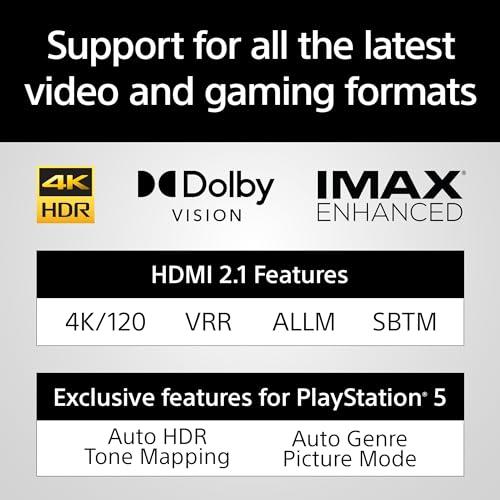
For gaming enthusiasts, the system's HDMI 2.1 implementation deserves attention. The control hub supports 4K/120Hz and 8K/60Hz passthrough with Variable Refresh Rate (VRR) and Auto Low Latency Mode (ALLM). VRR eliminates screen tearing by allowing the display to sync with the graphics card's varying frame rates, while ALLM automatically switches the TV to its lowest-latency mode when gaming content is detected.

Display Stream Compression (DSC) support ensures that high-bandwidth signals maintain full quality even when passing through the Theater Quad's hub. This means PlayStation 5 and Xbox Series X owners can enjoy full-resolution gaming without worrying about the audio system creating a bottleneck in their video chain.

Music Performance and Limitations

While primarily designed for home theater use, the system handles music with mixed results. The wide speaker spacing and 360 Spatial Sound Mapping can create an impressively large soundstage for stereo content, and tracks mastered in 360 Reality Audio (Sony's spatial music format) can sound genuinely immersive.

However, users coming from dedicated stereo systems often find the processed sound less engaging for traditional two-channel music. The system's phantom center processing, while effective for movie dialogue, can make vocals in music feel less focused and immediate compared to a proper stereo pair positioned for critical listening.

Value Proposition and Competition

At the time of writing, the Theater Quad positions itself in premium wireless audio territory, competing more with high-end soundbar systems than traditional receiver-based setups. The value equation depends heavily on your specific needs and room constraints.

For users who can't or won't install traditional surround speakers, the flexibility and performance of this system is difficult to match. The wireless design eliminates installation complexity while delivering spatial performance that most soundbars simply can't achieve, regardless of how many drivers they pack into a single cabinet.

However, those willing to deal with speaker wire runs might achieve better overall performance from a traditional 5.1.2 or 7.1.4 system at a similar investment level, particularly when factoring in the likely need for a subwoofer to maximize the Sony HT-A9M2's potential.

Final Thoughts

The Sony HT-A9M2 BRAVIA Theater Quad succeeds admirably at its primary mission: delivering genuine surround sound performance without the complexity of traditional installations. Its 360 Spatial Sound Mapping technology isn't just marketing hype – it creates a convincingly immersive experience that extends well beyond the four physical speaker locations.

The system works best for users who prioritize convenience and flexibility while still wanting serious home theater performance. If your living situation makes traditional speaker installation challenging, or if you frequently rearrange your space, this wireless approach offers unprecedented adaptability without major performance compromises.

However, it's important to set realistic expectations. While the Theater Quad delivers impressive spatial effects and excellent dialogue clarity, it can't quite match the dynamic range and bass impact of a full traditional system with dedicated subwoofer. At the time of writing, it represents a premium solution that trades some ultimate performance for significant gains in convenience and flexibility – a trade-off that makes perfect sense for many modern living situations.

Sony HT-A9M2 BRAVIA Theater Quad 4.0.4-Channel Home Theater System Deals and Prices

Does the Sony HT-A9M2 Need a Subwoofer?

While the Sony HT-A9M2 BRAVIA Theater Quad can operate without a subwoofer, most users find it benefits significantly from adding one. The system's four satellites provide adequate mid-bass for dialogue and music, but lack the deep bass impact needed for explosive movie scenes. Sony offers compatible wireless subwoofers (SA-SW3 and SA-SW5) that integrate seamlessly with the system for full home theater performance.

How Many Speakers Come with the Sony HT-A9M2?

The Sony HT-A9M2 includes four identical wireless satellite speakers and one compact control hub. Each satellite contains four individual drivers (woofer, midrange, tweeter, and upfiring height driver) for a total of 16 drivers across the entire system. No subwoofer is included, though wireless models are available separately.

Can You Use Sony HT-A9M2 Without a Sony TV?

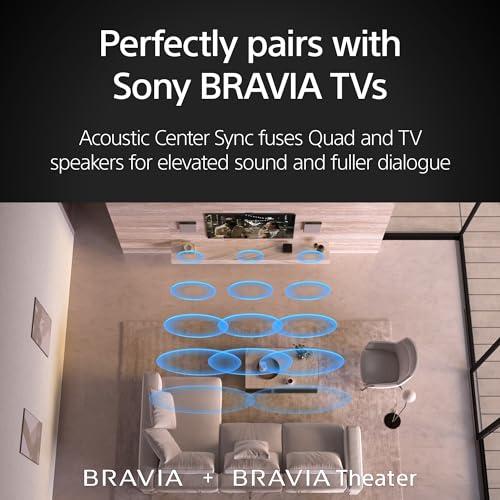
Yes, the Sony HT-A9M2 BRAVIA Theater Quad works with any TV that has HDMI ARC or eARC. While you'll get additional features like Acoustic Center Sync and unified control when paired with Sony BRAVIA TVs, the core surround sound performance and 360 Spatial Sound Mapping work with all compatible displays.

How Does Sony HT-A9M2 Create Surround Sound?

The Sony HT-A9M2 uses 360 Spatial Sound Mapping technology to create virtual "phantom" speakers around your listening area. The system's 16 individual drivers work together with advanced digital processing to position sounds in three-dimensional space, creating up to 12 virtual speaker locations from just four physical satellites.

Is Sony HT-A9M2 Good for Gaming?

Yes, the Sony HT-A9M2 BRAVIA Theater Quad excels for gaming with full HDMI 2.1 support including 4K/120Hz passthrough, Variable Refresh Rate (VRR), and Auto Low Latency Mode (ALLM). The immersive surround effects work particularly well with games that support Dolby Atmos, creating convincing spatial audio for competitive and cinematic gaming experiences.

How Hard Is It to Set Up the Sony HT-A9M2?

Setup is remarkably simple since the Sony HT-A9M2 is completely wireless between speakers. You only need to plug each satellite into power and connect the control hub to your TV via HDMI. The Sony BRAVIA Connect app guides you through automatic room calibration, which typically takes under 15 minutes to complete.

What Room Size Works Best with Sony HT-A9M2?

The Sony HT-A9M2 BRAVIA Theater Quad performs best in small to medium-sized rooms (up to about 400 square feet). The wireless range extends up to 98 feet, but the system's power output and room calibration are optimized for typical living rooms and home theaters rather than very large spaces.

Does Sony HT-A9M2 Support Dolby Atmos?

Yes, the Sony HT-A9M2 fully supports Dolby Atmos through dedicated upfiring drivers in each of the four satellites. The system also supports DTS:X, IMAX Enhanced, and other immersive audio formats. The 4.0.4 channel configuration provides convincing overhead effects for properly mastered content.

Can You Wall Mount the Sony HT-A9M2 Speakers?

Yes, all four satellites can be wall-mounted using the included mounting hardware. This flexibility is one of the Sony HT-A9M2 BRAVIA Theater Quad's key advantages – the wireless design and automatic room calibration allow for placement on shelves, stands, or walls without compromising surround sound performance.

Is Sony HT-A9M2 BRAVIA Theater Quad 4.0.4-Channel Home Theater System Worth It?

The Sony HT-A9M2 BRAVIA Theater Quad is worth it for users who want genuine surround sound performance without the complexity of traditional speaker installations. Its 360 Spatial Sound Mapping creates impressively immersive audio that exceeds most soundbars, while the wireless design offers unmatched placement flexibility. However, you'll likely need to budget for a subwoofer to achieve full home theater impact, and traditional receiver-based systems may offer better value for users comfortable with speaker wire installations.

Sources

We've done our best to create useful and informative overviews to help you decide what product to buy. Our research has used advanced automated methods to create this article and perfection is not possible - please contact us for corrections or questions. These are the sites we've researched in the creation of this article: bestbuy.com - whathifi.com - whathifi.com - youtube.com - rtings.com - audiosciencereview.com - bhphotovideo.com - skybygramophone.com - sony.com - manuals.plus - audioadvice.com - dell.com - valueelectronics.com - youtube.com - merlinstv.com - videoandaudiocenter.com - electronics.sony.com - sony.com - bestbuy.com - beachcamera.com - sony.com - win.consulting - sony.com

Specs
Specs Table
Sony HT-A9M2 BRAVIA Theater Quad
Channel Configuration - Determines surround sound capability: 4.0.4 (4 main channels + 4 height channels)
Total Drivers - More drivers enable better spatial effects: 16 individual drivers (4 per speaker)
Total Power Output: 504W
Wireless Range - Affects speaker placement flexibility: 98 feet line-of-sight
HDMI 2.1 Support - Essential for gaming and 8K content: 4K/120Hz, 8K/60Hz, VRR, ALLM
360 Spatial Sound Mapping - Creates virtual speakers beyond physical locations: Up to 12 phantom speaker positions
Room Calibration - Automatically optimizes sound for your space: Sound Field Optimization with built-in microphones
Subwoofer - Important for full bass response: None included (optional wireless models available)
Dolby Atmos Support - Enables overhead sound effects: Yes, with dedicated upfiring drivers
Voice Enhancement - Improves dialogue clarity: Voice Zoom 3 with AI processing
Hi-Res Audio Support - Better quality for music playback: Up to 192kHz/24-bit LPCM
Streaming Connectivity - For wireless music playback: Wi-Fi, Bluetooth 5.2 with LDAC, AirPlay 2, Spotify Connect
BRAVIA TV Integration - Enhanced features with Sony TVs: Acoustic Center Sync, unified control
Speaker Dimensions: 11.5" x 10.9" x 2.25" each
Control Box Dimensions: 6.3" x 2.2" x 6.3"
Comparisons

Compared to Devialet Dione Soundbar

The Devialet Dione takes a fundamentally different approach to premium home theater audio, packing 17 drivers and 950W of amplification into a single sleek soundbar that delivers complete performance without any additional components. Its eight integrated high-excursion subwoofers extend bass response down to 24Hz, providing the kind of deep, impactful low-frequency performance that the Sony system simply cannot match without adding a separate subwoofer. The Dione's rotating ORB center speaker ensures dialogue clarity regardless of placement, while its ADH amplification technology brings genuine audiophile-grade refinement to both movies and music. For users who want immediate satisfaction and don't mind trading some surround authenticity for convenience, the Dione delivers exceptional bass impact and overall dynamics that make action movies genuinely exciting out of the box.
From a value perspective, the Devialet Dione represents a more complete solution at a lower total cost of ownership. While it cannot match the Sony's true discrete surround separation or ecosystem integration features, it eliminates the complexity of positioning multiple speakers and the hidden cost of adding a subwoofer that most Sony users will inevitably need. The Dione's single-unit design makes it practical for a wider range of rooms and living situations, and its universal compatibility means it delivers the same premium experience regardless of your TV brand or gaming console. For buyers who prioritize powerful, room-filling sound with minimal installation complexity, the Dione offers a compelling alternative that delivers more immediate cinematic impact than the Sony system in its basic configuration.
🤖 Read Detailed Comparison
👌Devialet Dione Soundbar Details
💵 See Devialet Dione Soundbar Price

Compared to Bose Smart Soundbar 1100

The Bose Smart Soundbar 1100 takes a fundamentally different approach, prioritizing convenience and smart features over authentic surround sound. Its standout advantage is the comprehensive smart home integration with built-in Amazon Alexa and Voice4Video technology, allowing you to control not just the soundbar but also your TV and cable box with voice commands. The single-unit design eliminates the need for multiple speaker placements and power outlets, making it ideal for apartments, small rooms, or anyone who wants significantly better TV audio without complex setup. For dialogue clarity, the Bose Smart Soundbar 1100 delivers consistent performance across all content types with its A.I. Dialogue Mode, and its extensive streaming service support (Chromecast, AirPlay 2, Spotify Connect, Amazon Music) makes it a true entertainment hub.


From a performance perspective, the Bose Smart Soundbar 1100 cannot match the Sony's authentic surround immersion or bass impact, but it excels at maximizing what's possible from a compact form factor. Its PhaseGuide technology creates surprisingly wide soundstage effects for a single unit, and while it lacks the gaming features essential for PlayStation 5 or Xbox Series X, it provides excellent value for TV watching and casual entertainment. At roughly one-sixth the cost, the Bose Smart Soundbar 1100 represents the practical choice for users who want premium sound quality, smart features, and plug-and-play simplicity without the space requirements or investment needed for a true wireless surround system.
🤖 Read Detailed Comparison
👌Bose Smart Soundbar 1100 Details
💵 See Bose Smart Soundbar 1100 Price

Compared to Ultimea Poseidon D70 7.1 Channel Soundbar System

The Ultimea Poseidon D70 takes a fundamentally different approach that prioritizes immediate satisfaction and comprehensive coverage over wireless convenience. Where the Sony system requires you to purchase an additional subwoofer to achieve full-range sound, the Ultimea D70 includes a 6.5" wireless subwoofer right in the box, delivering satisfying bass impact from day one. Its true 7.1 channel configuration uses four dedicated satellite speakers to create genuine directional audio cues, meaning when something happens behind you in a movie, it actually sounds like it's coming from behind you rather than being processed to seem that way. The system's 410W of peak power and physical speaker separation can fill larger rooms with authority, while its 121 preset EQ matrices and 10-band equalizer provide extensive customization options that rival much more expensive systems.
From a value perspective, the Ultimea D70 operates in an entirely different price category, offering what amounts to a complete traditional surround sound system at a fraction of the Sony's cost. While it lacks the spatial processing sophistication and Dolby Atmos height effects of the HT-A9M2, it delivers the core surround sound experience that most viewers want: clear dialogue, directional effects, and room-shaking bass for action scenes. For buyers who prioritize maximum audio impact per dollar and don't mind running a few speaker cables, the Ultimea D70 represents exceptional value in the budget surround category. However, if you value wireless convenience, cutting-edge spatial audio processing, and integration with premium TV ecosystems, the Sony's advanced features and flexible placement options justify its premium positioning despite the higher total investment required.
🤖 Read Detailed Comparison
👌Ultimea Poseidon D70 7.1 Channel Soundbar System Details
💵 See Ultimea Poseidon D70 7.1 Channel Soundbar System Price

Compared to Ultimea Aura A40 7.1 Channel Soundbar System

The Ultimea Aura A40 7.1 Channel Soundbar System takes a fundamentally different approach that prioritizes immediate value and traditional surround sound delivery. Where the Sony system requires significant additional investment for a subwoofer, the Ultimea Aura A40 includes everything needed for complete 7.1 surround sound: a center-channel soundbar, four discrete surround speakers, and a 4-inch subwoofer with BassMX technology. This complete-system approach delivers satisfying bass impact and clear directional audio placement from day one, making action movies and gaming immediately engaging without any additional purchases. The system's extensive customization through its Smart App—including a 10-band equalizer, 121 preset sound profiles, and adjustable surround levels—provides more manual control than Sony's automatic optimization approach.
However, the Ultimea Aura A40 requires traditional speaker cable runs and careful placement to achieve optimal performance, lacking the Sony's revolutionary wireless flexibility and room-adaptive capabilities. While it delivers reliable discrete surround sound that many users find more familiar and predictable than spatial processing, it cannot match the Sony's sophisticated Atmos height effects or seamless integration with modern gaming systems through HDMI 2.1. The trade-off is compelling for budget-conscious buyers: the Ultimea Aura A40 provides genuine surround immersion at a fraction of the Sony's cost, making it an excellent entry point into home theater audio. For users who can accommodate traditional speaker placement and prioritize immediate completeness over cutting-edge wireless technology, the Ultimea represents exceptional value in delivering the classic surround sound experience that transforms movie and gaming entertainment.
🤖 Read Detailed Comparison
👌Ultimea Aura A40 7.1 Channel Soundbar System Details
💵 See Ultimea Aura A40 7.1 Channel Soundbar System Price

Compared to ULTIMEA Skywave X40 5.1.2 Soundbar System

The ULTIMEA Skywave X40 takes a fundamentally different approach that prioritizes traditional surround accuracy and bass impact over Sony's room-filling spatial processing. Its standout feature is the inclusion of a dedicated 6.5-inch wireless subwoofer that delivers genuine low-frequency extension down to 35Hz—something the HT-A9M2 simply cannot match with its satellite speakers alone. The physical rear speakers create authentic directional surround effects that feel more precise and convincing than phantom positioning, particularly noticeable during action sequences where helicopters, gunfire, or ambient effects move around the listening space. The system's GaN amplifier technology operates at 98% efficiency while delivering 530W peak power, resulting in cleaner sound at high volumes with significantly less heat generation than traditional amplification.
From a value perspective, the ULTIMEA system delivers a complete 5.1.2 home theater experience at roughly one-fifth the cost of Sony's offering. While it lacks the sophisticated room calibration and premium build quality of the HT-A9M2, it provides the visceral movie experience that many users actually want—punchy bass, clear dialogue from dedicated center drivers, and convincing surround effects from real rear speakers. The extensive app control with 10-band EQ and 121 sound presets offers surprising customization depth typically found in much more expensive systems. For most living rooms and most users, the ULTIMEA delivers 80% of the cinematic impact at 20% of the price, making it the clear choice for budget-conscious buyers who prioritize bass performance and traditional surround sound over Sony's premium processing technology.
🤖 Read Detailed Comparison
👌ULTIMEA Skywave X40 5.1.2 Soundbar System Details
💵 See ULTIMEA Skywave X40 5.1.2 Soundbar System Price

Compared to Samsung Q-Series HW-Q990F Soundbar

The Samsung HW-Q990F takes a completely different approach to premium home theater audio, delivering true 11.1.4-channel surround sound through physical speakers rather than virtual processing. Where the Sony relies on room reflections and computational audio, the Samsung uses dedicated rear speakers, a powerful dual-subwoofer setup, and traditional soundbar architecture to create authentic surround effects. This physical approach provides more consistent performance across different room types and sizes, with the dual 8-inch force-canceling subwoofers delivering the kind of room-pressurizing bass that makes action sequences genuinely visceral. The Samsung also offers superior connectivity with three HDMI 2.1 ports compared to Sony's single port, plus comprehensive wireless streaming including Wi-Fi, Spotify Connect, TIDAL Connect, and high-resolution audio support that the Sony lacks entirely.
From a value perspective, the Samsung HW-Q990F typically costs significantly less while delivering nearly three times the channel count and physical speaker drivers. This makes it particularly compelling for users who prioritize maximum surround immersion and bass impact over the Sony's more refined, minimalist approach. The Samsung excels in larger rooms where virtual surround processing struggles, and its traditional setup requirements—while less flexible than the Sony's wireless speakers—provide proven surround sound performance that doesn't depend on specific room acoustics. For most home theater enthusiasts seeking authentic surround effects with powerful bass at a more accessible price point, the Samsung represents exceptional value, though it sacrifices the Sony's elegant wireless design and ecosystem integration benefits.
🤖 Read Detailed Comparison
👌Samsung Q-Series HW-Q990F Soundbar Details
💵 See Samsung Q-Series HW-Q990F Soundbar Price

Compared to Amazon Fire TV Soundbar Plus Subwoofer

The Amazon Fire TV Soundbar Plus takes a fundamentally different approach, prioritizing simplicity and immediate value over audiophile performance. Its biggest advantage is the included wireless subwoofer, which provides strong bass impact right out of the box—something the HT-A9M2 notably lacks without an additional purchase. The system delivers clear dialogue through dedicated center channel drivers and offers decent virtual surround processing that creates some spatial effects, though these remain primarily focused in front of the listening position. Setup is remarkably straightforward: connect the soundbar via HDMI eARC, plug in the subwoofer, and you're enjoying significantly better audio than your TV speakers within minutes. For users seeking a meaningful upgrade without complexity, the Amazon system provides excellent value at roughly one-sixth the cost of the Sony.

However, the performance gap between these systems is substantial and reflects their different market positioning. The Amazon Fire TV Soundbar Plus cannot match the HT-A9M2's authentic spatial audio capabilities, sophisticated room calibration, or high-resolution audio support. While it creates some surround effects through processing, it lacks the genuine three-dimensional sound bubble and precise positional accuracy that make the Sony system truly immersive. The Amazon's virtual height effects are simulations rather than physical overhead sound, and its narrower soundstage keeps the audio experience centered around the TV rather than enveloping the entire room. For casual viewers who want better dialogue and bass without the investment or complexity of a premium system, the Amazon soundbar represents exceptional value—but it's ultimately solving different problems than what the HT-A9M2 addresses for serious home theater enthusiasts.


🤖 Read Detailed Comparison
👌Amazon Fire TV Soundbar Plus Subwoofer Details
💵 See Amazon Fire TV Soundbar Plus Subwoofer Price

Compared to Amazon Fire TV Soundbar Plus 5.1 Channel System

The Amazon Fire TV Soundbar Plus 5.1 takes a fundamentally different approach by delivering traditional 5.1 surround sound at a fraction of the cost. Its standout advantage is the included 10.4-inch wireless subwoofer, which provides immediate bass impact that the Sony system lacks without an additional purchase. The dedicated center channel in the soundbar also ensures consistently focused dialogue, while the two wireless satellite speakers create effective lateral surround effects. Setup is refreshingly simple with pre-paired components that work out of the box, making it accessible to users who want better audio without complexity. For gaming, it offers basic HDMI ARC connectivity, though without the advanced HDMI 2.1 features that benefit next-generation consoles.
In terms of real-world performance, the Amazon system delivers satisfying surround sound that significantly outperforms TV speakers while remaining budget-friendly. While it can't match the Sony's sophisticated spatial audio processing or convincing overhead effects—using virtualized Dolby Atmos instead of physical height drivers—it provides the core home theater experience most users actually need. The trade-off is clear: you sacrifice the cutting-edge 360-degree sound bubble and premium build quality for a complete, proven system that costs roughly one-fourth the price. For buyers prioritizing immediate satisfaction and value over audio innovation, the Amazon system represents a more practical choice that delivers excellent results without the premium investment or setup complexity.
🤖 Read Detailed Comparison
👌Amazon Fire TV Soundbar Plus 5.1 Channel System Details
💵 See Amazon Fire TV Soundbar Plus 5.1 Channel System Price

Compared to Polk Audio Signa S2 Sound Bar with Wireless Subwoofer

The Polk Audio Signa S2 represents a fundamentally different approach to home theater audio, prioritizing simplicity and immediate value over the Sony's advanced spatial processing. At a fraction of the cost, the Polk delivers a complete 2.1-channel experience right out of the box with its included 5.25-inch wireless subwoofer providing the bass impact that the Sony lacks without additional investment. The ultra-slim soundbar design at just 2.15 inches tall makes it practically invisible under most TVs, while the pre-paired wireless subwoofer eliminates setup complexity entirely—you're enjoying enhanced TV audio within minutes rather than spending time positioning multiple speakers and running calibration routines. The Polk's VoiceAdjust technology specifically targets dialogue clarity, which is often the primary complaint users have with TV speakers, making it highly effective for everyday viewing of shows, news, and movies.
However, the performance gap becomes apparent when comparing spatial audio capabilities and future-proofing. The Polk Signa S2's virtual surround processing through a single soundbar simply cannot match the Sony's true 4.0.4 surround experience with physical speakers creating authentic directional effects. The Polk supports only basic Dolby Digital without Atmos or height effects, meaning you miss out on the overhead audio that makes modern movies and games truly immersive. Its HDMI ARC connectivity lacks the bandwidth for advanced audio formats or next-generation gaming features, making it less suitable for users with PlayStation 5 or Xbox Series X consoles. While the Polk excels as a dramatic upgrade from TV speakers for casual viewing, particularly in smaller rooms or budget-conscious setups, it serves a different market than the Sony's premium home theater ambitions—offering solid value for those who want better TV audio without the complexity or investment of a true surround system.
🤖 Read Detailed Comparison
👌Polk Audio Signa S2 Sound Bar with Wireless Subwoofer Details
💵 See Polk Audio Signa S2 Sound Bar with Wireless Subwoofer Price

Compared to Sennheiser AMBEO Soundbar Plus Home Theater System

The Sennheiser AMBEO Soundbar Plus takes a fundamentally different approach that prioritizes convenience and completeness over the Sony's modular design. Its standout feature is the built-in dual 4-inch subwoofers that deliver genuine bass impact down to 38Hz, eliminating the need for a separate subwoofer purchase that most HT-A9M2 owners find necessary. The single-unit design houses nine drivers with dedicated center channel processing, resulting in superior dialogue clarity that remains consistent regardless of seating position or room acoustics. Its AMBEO 3D virtualization technology creates impressive spatial effects from a single location, while comprehensive streaming integration includes TIDAL Connect, Chromecast built-in, and voice control through Amazon Alexa and Google Assistant—features that make daily use more seamless than the Sony's more limited connectivity options.
From a value perspective, the Sennheiser AMBEO Plus represents a more complete solution at roughly half the cost of the HT-A9M2. While it can't match the Sony's authentic surround sound placement or advanced gaming features like HDMI 2.1 passthrough, it delivers satisfying virtual surround performance that works reliably in any room configuration without requiring strategic speaker placement or extensive calibration. The trade-off is clear: the Sennheiser offers better out-of-box completeness, dialogue performance, and ease of use, while the Sony provides superior spatial accuracy and gaming integration for those willing to invest more time and money in the complete system. For most users prioritizing simplicity and immediate satisfaction, the AMBEO Plus delivers impressive home theater performance without the complexity or additional investment that the HT-A9M2 demands.
🤖 Read Detailed Comparison
👌Sennheiser AMBEO Soundbar Plus Home Theater System Details
💵 See Sennheiser AMBEO Soundbar Plus Home Theater System Price

Compared to Sonos Ray Soundbar

The Sonos Ray takes a fundamentally different approach to TV audio enhancement, prioritizing simplicity and value over the immersive surround experience. At roughly one-tenth the cost of the Sony system, the Ray delivers exceptional dialogue clarity through its Speech Enhancement processing and provides meaningful bass improvement via its built-in bass reflex design—all from a single 22-inch soundbar that requires only power and an optical connection. While it lacks Dolby Atmos support and creates only enhanced stereo rather than true surround sound, the Ray excels at its primary mission of making TV audio significantly better than built-in speakers. Its integration with the broader Sonos ecosystem offers compelling expansion possibilities, allowing users to gradually build toward 5.1 surround by adding rear speakers and a subwoofer over time.
For users whose primary need is clearer dialogue and better TV audio without the complexity or investment of a premium surround system, the Sonos Ray represents outstanding value. It won't create the room-filling 360-degree soundscape or overhead effects that define the Sony's cinematic experience, but it solves the most common TV audio problems—muddy dialogue and thin sound—with remarkable effectiveness for the price. The Ray makes particular sense for smaller living spaces, casual viewing habits, or as an entry point into home audio improvement before potentially upgrading to more sophisticated systems later. While the Sony system transforms your room into a theater, the Sonos simply makes everything you watch more enjoyable to hear, which often proves to be exactly what most users actually need.
🤖 Read Detailed Comparison
👌Sonos Ray Soundbar Details
💵 See Sonos Ray Soundbar Price

Compared to Ultimea Skywave F40 Dolby Atmos Soundbar System

The Ultimea Skywave F40 takes a fundamentally different approach that prioritizes immediate satisfaction and exceptional value over wireless flexibility. Where the HT-A9M2 requires purchasing an additional subwoofer to achieve proper bass response, the Ultimea includes a substantial wired subwoofer that delivers impactful low-frequency effects down to 40-45Hz right out of the box. This complete 5.1.2 system provides authentic surround sound through dedicated rear speakers rather than relying on phantom channels, creating traditional but highly effective surround effects that many users find more convincing than processed alternatives. The inclusion of discrete rear speakers and a proper subwoofer at the Ultimea F40's price point represents remarkable value—you get components that would typically cost significantly more when purchased separately.
In real-world use, the Ultimea F40 offers a more straightforward path to cinematic audio that doesn't require the technical understanding or additional investment that maximizes the Sony's potential. While it lacks the HT-A9M2's wireless convenience and sophisticated room adaptation, the Ultimea delivers immediately impressive bass impact and surround immersion that makes movie explosions rumble and dialogue anchor naturally to the screen through its dedicated center channel. For buyers prioritizing performance per dollar and wanting a complete home theater experience without complexity, the Ultimea F40 provides compelling competition to systems costing several times more, though it sacrifices the placement flexibility and advanced processing that make the Sony unique in challenging room scenarios.
🤖 Read Detailed Comparison
👌Ultimea Skywave F40 Dolby Atmos Soundbar System Details
💵 See Ultimea Skywave F40 Dolby Atmos Soundbar System Price

Compared to Ultimea Poseidon M60 Boom 5.1 Soundbar

The ULTIMEA Poseidon M60 Boom takes a fundamentally different approach to home theater audio, delivering impressive performance at a fraction of the cost through smart engineering rather than premium components. Its standout feature is the included 5.25-inch wireless subwoofer with BassMX technology, which provides immediate, satisfying bass impact that the Sony system lacks without an additional purchase. The soundbar's VoiceMX dialogue enhancement specifically targets the 300Hz-3kHz vocal range where speech clarity matters most, while its triple-core DSP processing delivers over 2000 MIPS of computational power for real-time audio optimization. The system's six EQ presets and smartphone app control offer more user customization options than Sony's more automated approach, and its multiple input options—including optical, USB, and AUX alongside HDMI eARC—provide broader device compatibility for mixed setups.
From a practical standpoint, the ULTIMEA system excels in scenarios where the Sony's complexity and cost aren't justified. It delivers approximately 80% of the immersive experience with virtually no setup complexity, making it ideal for apartments, bedrooms, or any space where four-speaker placement isn't feasible. While it can't match the Sony's true 360-degree spatial mapping or discrete channel separation, its virtual surround processing creates convincing left-to-right effects and decent height simulation for most content. The value proposition is compelling—you get Dolby Atmos processing, wireless subwoofer, and modern connectivity features that would have been flagship-level just a few years ago. For users seeking significant audio improvement over TV speakers without the investment or room requirements of a premium system, the ULTIMEA represents exceptional bang-for-buck performance that makes high-quality home theater accessible to a much broader audience.
🤖 Read Detailed Comparison
👌Ultimea Poseidon M60 Boom 5.1 Soundbar Details
💵 See Ultimea Poseidon M60 Boom 5.1 Soundbar Price

Compared to Amazon Fire TV Soundbar

The Amazon Fire TV Soundbar takes a fundamentally different approach to solving TV audio problems, prioritizing simplicity and integrated functionality over pure audio performance. Its standout feature is the combination of meaningful audio improvement with a complete 4K Fire TV streaming platform and built-in Alexa voice control, all in a compact unit that costs a fraction of the Sony system. The soundbar includes an integrated bass reflex system that actually provides more out-of-the-box bass than the Sony's four speakers without a subwoofer, and its DTS Virtual:X processing creates a noticeably wider soundstage than typical TV speakers. Setup takes just minutes with a single HDMI connection, and the voice control functionality lets you adjust volume, switch inputs, and control smart home devices without reaching for a remote.
However, the Amazon Fire TV Soundbar simply cannot compete with the Sony system's immersive audio capabilities or room-filling surround sound experience. Its virtual surround processing, while effective for the price point, creates a primarily front-focused soundstage that lacks the genuine spatial placement and overhead effects of the Sony's true 4.0.4 Dolby Atmos implementation. The Amazon unit excels as an affordable first upgrade from TV speakers, particularly for apartment dwellers or casual viewers who want better dialogue clarity and basic audio enhancement alongside streaming capabilities. For users seeking a simple, cost-effective solution that improves TV audio while adding smart functionality, it delivers exceptional value—but it's essentially solving a different problem than the Sony system's premium home theater experience.
🤖 Read Detailed Comparison
👌Amazon Fire TV Soundbar Details
💵 See Amazon Fire TV Soundbar Price

Compared to VIZIO 5.1 Soundbar SE Dolby Atmos Surround System

The VIZIO 5.1 Soundbar SE represents a fundamentally different approach to home theater audio, prioritizing traditional surround sound delivery at an exceptional value proposition. Its standout feature is the complete 5.1 package that includes a wireless subwoofer and physical rear speakers out of the box, delivering immediate bass impact and authentic directional surround effects without requiring additional purchases. Unlike the Sony's sophisticated phantom center channel, the VIZIO uses a dedicated physical center driver in the main soundbar that provides reliable dialogue clarity regardless of room acoustics or listener position. The system's traditional approach means setup is more straightforward for users familiar with conventional surround sound, and the included 6" subwoofer extends frequency response down to 50Hz, providing the room-filling bass that the Sony lacks without its optional subwoofer.
In real-world performance comparisons, the VIZIO system delivers approximately 80% of what most listeners consider excellent surround sound at roughly 10% of the Sony's total cost when factoring in the required subwoofer. While it can't match the Sony's seamless 360-degree audio bubble or advanced room calibration, the VIZIO provides satisfying directional surround effects and substantial bass impact that dramatically improves over basic TV audio. The trade-offs become apparent in immersion quality—you'll remain aware of discrete speaker locations rather than experiencing the Sony's holographic soundfield—and future-proofing, as the VIZIO lacks HDMI 2.1 gaming features and advanced audio processing. For budget-conscious buyers seeking a complete home theater upgrade without premium pricing, the VIZIO offers compelling performance that covers the fundamentals of surround sound exceptionally well, though it can't replicate the cutting-edge spatial audio experience that justifies the Sony's premium positioning.
🤖 Read Detailed Comparison
👌VIZIO 5.1 Soundbar SE Dolby Atmos Surround System Details
💵 See VIZIO 5.1 Soundbar SE Dolby Atmos Surround System Price

Compared to Amazon Fire TV Soundbar Plus

The Amazon Fire TV Soundbar Plus takes a completely different approach to home theater audio, prioritizing simplicity and immediate value over premium features. Where the Sony system requires careful speaker placement and room calibration, Amazon's solution delivers plug-and-play convenience with a traditional soundbar design that includes a 10.4-inch wireless subwoofer right out of the box. This means you get satisfying bass response immediately without needing to purchase additional components, and the entire setup process takes just minutes rather than the hour-long calibration the Sony requires. The system can expand to true 5.1 surround with optional wireless rear speakers, giving you physical surround channels rather than relying entirely on virtual processing. For Fire TV users, the integration is seamless - the soundbar appears directly in your TV's settings menu and works with your existing Fire TV remote.
However, the performance gap between these systems becomes apparent once you move beyond basic TV viewing. The Amazon Fire TV Soundbar Plus uses virtual Dolby Atmos processing rather than the Sony's dedicated upfiring drivers, which means you'll hear a wider soundstage but won't experience the convincing overhead effects that make action movies truly immersive. At higher volumes, the Amazon system tends to become harsh and muddy, while its older HDMI ARC connectivity limits both audio format support and creates latency issues for gaming. The trade-off is stark but logical: Amazon delivers about 80% of the surround sound experience at roughly 10% of the Sony's cost, making it an excellent choice for casual viewers who want better-than-TV audio without the complexity or investment of a premium system. If dialogue clarity and decent bass are your primary concerns, the Amazon system accomplishes those goals admirably while keeping your wallet intact.
🤖 Read Detailed Comparison
👌Amazon Fire TV Soundbar Plus Details
💵 See Amazon Fire TV Soundbar Plus Price

Compared to Sony HT-S2000 3.1ch Dolby Atmos Soundbar

The Sony HT-S2000 takes a fundamentally different approach as a traditional 3.1-channel soundbar that delivers impressive results at a fraction of the cost. Its standout features include built-in dual subwoofers that provide immediate bass impact without requiring additional purchases, a dedicated center channel for consistently clear dialogue from any seating position, and genuine plug-and-play simplicity with just a single HDMI connection. While it uses virtual processing through Sony's Vertical Surround Engine rather than physical speaker placement, the HT-S2000 still manages to create convincing height and surround effects for most content. For gaming, it handles standard audio well but lacks the advanced HDMI 2.1 features and PlayStation 5 optimizations that make the HT-A9M2 special.
In real-world terms, the HT-S2000 represents exceptional value for most buyers who simply want better TV audio without complexity or major investment. It excels in smaller rooms where the HT-A9M2's four-speaker setup would be overkill, and its built-in bass performance actually surpasses the HT-A9M2 out of the box—a significant consideration since many users never add the recommended subwoofer to the premium system. While it can't match the spatial immersion and audiophile features of the HT-A9M2, the HT-S2000 provides immediate satisfaction and meaningful improvement for TV shows, movies, and casual music listening. For buyers who prioritize value, simplicity, or have space constraints, it often represents the smarter choice despite the HT-A9M2's technical superiority.
🤖 Read Detailed Comparison
👌Sony HT-S2000 3.1ch Dolby Atmos Soundbar Details
💵 See Sony HT-S2000 3.1ch Dolby Atmos Soundbar Price

Compared to Sony BRAVIA Theater Bar 6 Soundbar

The Sony BRAVIA Theater Bar 6 takes a fundamentally different approach that prioritizes simplicity and immediate impact over the HT-A9M2's advanced spatial processing. Its standout feature is the included 6-inch wireless subwoofer that delivers room-shaking bass right out of the box—something the HT-A9M2 lacks without an additional purchase. The dedicated center channel speaker provides consistently focused dialogue that some users actually prefer over the HT-A9M2's phantom center imaging, especially when sitting off-axis or in irregularly shaped rooms. Setup takes just 15 minutes compared to the hour-long calibration process of the four-speaker system, and the traditional soundbar format fits seamlessly under any TV without requiring strategic speaker placement around your living space.
From a value perspective, the Theater Bar 6 costs roughly one-fourth the price of the HT-A9M2 while still delivering genuine Dolby Atmos processing and a complete audio experience including deep bass. For most families upgrading from TV speakers, it provides 80% of the cinematic improvement at 25% of the cost. However, it cannot match the HT-A9M2's true surround immersion or future-proofing features like HDMI 2.1 gaming support. The Theater Bar 6 excels in smaller rooms where its virtual surround processing works effectively, and its plug-and-play nature makes it ideal for users who want significant audio improvement without the complexity or investment of a premium wireless separates system.
🤖 Read Detailed Comparison
👌Sony BRAVIA Theater Bar 6 Soundbar Details
💵 See Sony BRAVIA Theater Bar 6 Soundbar Price

Compared to JBL Bar 1000 MK2 Soundbar System

The JBL Bar 1000 MK2 takes a fundamentally different approach that addresses several key limitations of the Sony system. Most notably, it includes a powerful 10-inch wireless subwoofer right in the box, delivering the deep bass impact that the Sony lacks without additional purchases. The system's 960W of total power significantly outperforms the Sony's 504W, making it better suited for larger rooms and higher volume levels. The JBL's detachable wireless rear speakers provide authentic directional surround effects that work consistently regardless of room acoustics—a stark contrast to Sony's room-dependent virtual processing. These battery-powered rear speakers also double as portable Bluetooth speakers, adding versatility beyond home theater use.
From a value perspective, the JBL Bar 1000 MK2 offers a complete 7.1.4-channel system at roughly one-third the cost of a comparable Sony setup with subwoofer. While it lacks the Sony's sophisticated spatial processing and seamless BRAVIA TV integration, it delivers reliable surround sound performance in any room configuration without the need for optimal placement or acoustic conditions. The trade-off is a more traditional aesthetic with a visible soundbar and subwoofer, but for users prioritizing performance per dollar and consistent results across different listening environments, the JBL represents a more practical choice that doesn't require perfect room conditions to excel.
🤖 Read Detailed Comparison
👌JBL Bar 1000 MK2 Soundbar System Details
💵 See JBL Bar 1000 MK2 Soundbar System Price

Compared to JBL Bar 300 MK2 Soundbar

The JBL Bar 300 MK2 takes a fundamentally different approach, prioritizing simplicity and value over the complex spatial audio experience of the Sony system. Its standout feature is PureVoice 2.0 technology, which uses AI to specifically enhance dialogue clarity—something that works consistently across all TV brands without requiring special integration. At roughly one-sixth the cost of the Sony system, the JBL Bar 300 MK2 delivers surprisingly punchy bass from its integrated racetrack drivers and bass ports, eliminating the need for additional components while still providing a dramatic improvement over TV speakers. The setup process is refreshingly straightforward: place it under your TV, connect one HDMI cable, and you're done in minutes rather than the hour-plus investment the Sony requires.
While the JBL Bar 300 MK2 can't match the Sony's true surround immersion or premium gaming features like HDMI 2.1 support, it excels in practical everyday use. Its MultiBeam 3.0 virtual surround processing creates a surprisingly wide soundstage for a single-bar solution, and the streaming integration through the JBL One app is more seamless than Sony's implementation. For users in smaller rooms, apartments, or those who prioritize dialogue clarity and convenience over ultimate immersion, the JBL represents exceptional value—delivering most of what people actually need from a home theater upgrade without the complexity, space requirements, or premium pricing of the Sony system. It's the difference between a practical daily driver and a high-end enthusiast product, with the JBL Bar 300 MK2 serving the vast majority of users who simply want significantly better TV audio without the commitment of a full surround setup.
🤖 Read Detailed Comparison
👌JBL Bar 300 MK2 Soundbar Details
💵 See JBL Bar 300 MK2 Soundbar Price

Compared to KEF XIO Soundbar

The KEF XIO Soundbar takes a fundamentally different approach to premium home theater audio, packing twelve individually amplified drivers into a single, meticulously engineered unit. Where the Sony system relies on room reflections and spatial processing to create its immersive effect, KEF uses physical upfiring drivers and their signature Uni-Q concentric technology to deliver more predictable spatial positioning. The XIO's standout feature is its built-in bass capability—those innovative racetrack woofers with force-canceling design extend down to 34Hz without needing a separate subwoofer, something the Sony system simply cannot match. For music listening, the XIO operates in a different league entirely, with audiophile-grade precision and stereo imaging that makes it equally compelling for critical listening as it is for movie nights.
From a practical standpoint, the KEF XIO delivers more consistent performance across different room types and layouts, eliminating the acoustic guesswork that can make or break the Sony system's effectiveness. While it lacks the extreme placement flexibility of four separate speakers, the XIO's single-unit design means you get premium sound quality without the complexity of positioning multiple components or running power to various locations. The higher upfront cost reflects a complete system that doesn't require additional purchases to reach its full potential, unlike the Sony which realistically needs a subwoofer investment. For buyers who want the most refined sound quality possible from a streamlined setup, the XIO justifies its premium positioning with engineering excellence that few soundbars can match.
🤖 Read Detailed Comparison
👌KEF XIO Soundbar Details
💵 See KEF XIO Soundbar Price

Compared to Klipsch Flexus Core 300 Soundbar

The Klipsch Flexus Core 300 takes a fundamentally different approach with its all-in-one soundbar design, featuring the world's first implementation of Dirac Live room correction technology in a consumer soundbar. This professional-grade calibration system, typically found only in expensive AV receivers, automatically corrects both frequency response and phase timing to optimize sound for your specific room acoustics. The soundbar's 13-driver array includes four built-in subwoofers that deliver immediate, satisfying bass without requiring additional purchases, plus a dedicated horn-loaded center channel tweeter that excels at dialogue clarity. Its comprehensive streaming capabilities—including AirPlay 2, Google Cast, Spotify Connect, and Tidal Connect—make it significantly more convenient for daily music listening, while the modular Flexus ecosystem allows you to start with just the soundbar and add wireless surrounds and subwoofers as your budget permits.
From a practical standpoint, the Klipsch Flexus Core 300 offers superior convenience and immediate satisfaction at a lower entry price point. Setup involves placing a single 54-inch soundbar rather than positioning four separate speakers, making it ideal for smaller rooms or situations where speaker placement flexibility is limited. While it can't match the authentic spatial immersion of four physically separated speakers, its combination of built-in bass authority, professional room correction, and extensive streaming features delivers excellent value for most living room scenarios. The Dirac Live calibration can transform problematic rooms acoustically, providing benefits that extend beyond what traditional soundbar processing can achieve, making it particularly appealing for users who want premium features without the complexity of a multi-speaker wireless system.
🤖 Read Detailed Comparison
👌Klipsch Flexus Core 300 Soundbar Details
💵 See Klipsch Flexus Core 300 Soundbar Price

Compared to Bose Smart Ultra Soundbar with Dolby Atmos

The Bose Smart Ultra takes a fundamentally different approach as a premium single-unit soundbar that excels where many users need it most: dialogue clarity and simplicity. Its standout AI Dialogue Mode represents a genuine breakthrough in voice enhancement technology, automatically identifying and enhancing speech without making the overall mix sound artificial—a feature that makes everyday TV watching noticeably more enjoyable than the Sony's phantom center channel approach. The Bose also delivers more satisfying bass response out of the box thanks to dedicated woofers in its chassis, while offering superior smart home integration with built-in Alexa, Google Assistant compatibility, and seamless AirPlay 2 support. Setup couldn't be simpler—just plug it under your TV and run the ADAPTiQ calibration.
However, the Bose Smart Ultra reveals its limitations when compared to the Sony's true multi-speaker architecture. In larger rooms over 15 feet, the Bose's virtual surround processing simply cannot match the spatial precision and room-filling immersion that four physically separated speakers provide. The Bose also lacks DTS:X support, which affects roughly 30% of premium 4K Blu-ray content, and offers no gaming enhancements compared to the Sony's comprehensive HDMI 2.1 feature set. While the Bose costs significantly less and delivers excellent immediate satisfaction, it represents a performance ceiling that the Sony system can surpass, especially when expanded with additional speakers. For smaller rooms where dialogue clarity matters most, the Bose offers superior value, but for larger spaces or users seeking the ultimate spatial audio experience, the Sony justifies its premium pricing through genuinely superior immersive capabilities.
🤖 Read Detailed Comparison
👌Bose Smart Ultra Soundbar with Dolby Atmos Details
💵 See Bose Smart Ultra Soundbar with Dolby Atmos Price

Compared to Sonos Arc Ultra Dolby Atmos Soundbar

The Sonos Arc Ultra takes a fundamentally different approach to immersive audio, packing 14 precisely engineered drivers into a single sleek soundbar that delivers surprisingly convincing spatial effects. Its standout Sound Motion technology revolutionizes bass performance in the soundbar category, producing controlled, tuneful low-end that integrates seamlessly without the boomy resonances that plague many competitors. The AI-powered Speech Enhancement deserves particular praise—it intelligently separates dialogue from background effects in real-time, offering four customizable levels that make whispered conversations crystal clear without artificial processing artifacts. Setup couldn't be simpler: one HDMI eARC connection and Quick Tune room calibration get you running in minutes rather than hours.
Where the Sonos Arc Ultra truly shines is in delivering exceptional value and real-world usability. While it can't match the Sony's authentic 360-degree surround bubble, it creates an impressively wide and detailed soundstage that satisfies most listeners at roughly 40% of the cost. The dialogue clarity alone justifies the purchase for many users who've struggled with modern movie mixes, and the seamless integration with Sonos's broader ecosystem means easy expansion to full surround or multi-room audio down the road. For typical living rooms and users prioritizing convenience without sacrificing performance, the Sonos Arc Ultra offers a compelling alternative that delivers 80-90% of the immersive experience with significantly less complexity and investment.
🤖 Read Detailed Comparison
👌Sonos Arc Ultra Dolby Atmos Soundbar Details
💵 See Sonos Arc Ultra Dolby Atmos Soundbar Price

Compared to Samsung HW-B550D 3.1 Channel Sound Bar

The Samsung HW-B550D takes a fundamentally different approach that prioritizes simplicity and value over ultimate performance. Its biggest advantage is the included wireless subwoofer and dedicated center channel, which means you get clear dialogue reproduction and satisfying bass impact right out of the box without additional purchases. The center channel speaker is particularly effective for TV shows and movies where dialogue clarity is paramount—something that can be a weakness with the Sony's phantom center approach. Setup is genuinely plug-and-play: position the soundbar below your TV, place the subwoofer anywhere in the room, and you're enjoying dramatically better audio within minutes. At its price point, the Samsung delivers excellent value for users who primarily want to solve the "can't hear dialogue" problem and add some spatial width to their TV viewing experience.
However, the Samsung's virtual surround processing simply cannot compete with the Sony's true discrete surround sound capabilities. While DTS Virtual:X creates a wider soundstage than TV speakers and adds some height simulation, it's still fundamentally limited by having all speakers positioned in front of you. The Samsung works well for casual movie watching and TV viewing, but it lacks the immersive 3D audio bubble that makes the Sony system transformative for serious home theater use. The Samsung is also limited to older HDMI 1.4 connectivity, which restricts gaming capabilities compared to the Sony's full HDMI 2.1 feature set. For buyers seeking a significant but straightforward TV audio upgrade without premium pricing or complexity, the Samsung HW-B550D represents excellent value, but it operates in a different performance tier entirely from Sony's flagship wireless theater system.
🤖 Read Detailed Comparison
👌Samsung HW-B550D 3.1 Channel Sound Bar Details
💵 See Samsung HW-B550D 3.1 Channel Sound Bar Price

Compared to Samsung B-Series 5.1 Channel Soundbar with Subwoofer

The Samsung B-Series 5.1 Channel Soundbar takes a fundamentally different approach that prioritizes immediate satisfaction and exceptional value. Its standout feature is the included wireless subwoofer, which delivers the deep bass impact that the Sony system lacks without additional investment. The traditional soundbar design means plug-and-play setup that works perfectly in typical living rooms under 400 square feet, while DTS Virtual:X processing creates surprisingly convincing simulated height effects from the compact form factor. For gaming, it includes a dedicated Game Mode with cross-talk cancellation, and the Adaptive Sound technology automatically optimizes audio based on content type—whether you're watching dialogue-heavy dramas or explosive action sequences.
In real-world performance, the Samsung system delivers about 90% of the audio improvement most people are seeking at roughly 10% of the Sony's cost. While it can't match the Sony's true spatial immersion or audiophile-grade processing, it excels where many users need it most: clear dialogue, satisfying bass, and immediate enhancement over TV speakers. The Bass Boost mode provides visceral impact for action movies that the Sony simply cannot achieve without its optional subwoofer, and the simple HDMI ARC connectivity works flawlessly with any TV brand. For budget-conscious buyers or those with smaller rooms, the Samsung represents outstanding value that transforms the viewing experience without the complexity or premium investment the Sony demands.
🤖 Read Detailed Comparison
👌Samsung B-Series 5.1 Channel Soundbar with Subwoofer Details
💵 See Samsung B-Series 5.1 Channel Soundbar with Subwoofer Price

Compared to Samsung HW-Q990D 11.1.4 Channel Sound Bar

The Samsung HW-Q990D takes a fundamentally different approach with its traditional 11.1.4 channel configuration, delivering 22 discrete drivers across a main soundbar, wireless subwoofer, and dedicated rear speakers. This conventional setup immediately provides two key advantages: superior bass response thanks to the included 8-inch wireless subwoofer, and exceptional dialogue clarity through a dedicated physical center channel. While the Sony system creates its impressive spatial bubble through advanced processing, the Samsung achieves surround effects through actual speaker separation, resulting in more precise sound localization for action sequences and directional audio cues. The system's 656W total power output also enables higher maximum volumes with less compression, making it better suited for larger rooms or users who prefer reference-level playback.
From a value perspective, the Samsung HW-Q990D represents a complete solution that delivers full-range theater performance immediately upon setup, whereas the Sony system realistically requires an additional subwoofer purchase to reach its potential. The Samsung also excels in gaming scenarios with lower latency and Game Mode Pro features that automatically optimize audio for different game genres. While it lacks the Sony's innovative spatial mapping technology and flexible wireless placement options, the Samsung provides the satisfying bass impact and vocal clarity that many users prioritize in a home theater system. For buyers seeking traditional surround sound excellence with immediate gratification and strong value, the Samsung offers a more conventional but highly effective path to premium home theater audio.
🤖 Read Detailed Comparison
👌Samsung HW-Q990D 11.1.4 Channel Sound Bar Details
💵 See Samsung HW-Q990D 11.1.4 Channel Sound Bar Price

Compared to Samsung HW-S700D 3.1 Channel Slim Soundbar

The Samsung HW-S700D takes a fundamentally different approach, prioritizing simplicity and immediate value over the Sony's premium spatial audio experience. Its biggest advantage is delivering a complete audio upgrade right out of the box—the included 6-inch wireless subwoofer provides the bass foundation that the Sony system lacks without additional purchases. The dedicated center channel speaker ensures dialogue remains crisp and focused, often outperforming the Sony's phantom center processing for off-axis listening positions. Setup couldn't be simpler: one HDMI cable and you're done, compared to positioning four separate speakers around your room. For Samsung TV owners, the Q-Symphony feature adds genuine value by incorporating the TV's speakers into the audio mix, effectively expanding the channel count without extra hardware.
Where the Samsung HW-S700D truly shines is in real-world practicality and value proposition. At roughly one-third the cost of the Sony system, it delivers dramatic audio improvement for most users without the complexity or space requirements of a four-speaker setup. The slim profile works perfectly under wall-mounted TVs where the Sony's speakers might not fit, and the Active Voice Amplifier technology specifically addresses the dialogue clarity issues that plague modern TV audio. While it can't match the Sony's immersive spatial effects or audiophile-grade music reproduction, the Samsung provides excellent surround processing through Dolby Atmos and serves up room-filling sound that satisfies the vast majority of home theater enthusiasts. For buyers seeking the biggest audio upgrade per dollar spent, the Samsung represents exceptional value as a complete, no-compromises solution.
🤖 Read Detailed Comparison
👌Samsung HW-S700D 3.1 Channel Slim Soundbar Details
💵 See Samsung HW-S700D 3.1 Channel Slim Soundbar Price

Compared to Sony HT-A8000 BRAVIA Theater Bar 8 Soundbar

The Sony HT-A8000 BRAVIA Theater Bar 8 takes a fundamentally different approach to wireless home theater, packing 11 drivers into a sleek single-unit design that relies on sophisticated processing rather than physical speaker placement. Its standout feature is Voice Zoom 3 AI technology, which actively separates dialogue from background effects and music, providing notably superior speech clarity compared to the Theater Quad's phantom center approach. The Theater Bar 8 also excels in convenience with its one-cable setup and modular expansion philosophy—you can start with just the soundbar and add wireless subwoofers and rear speakers as budget allows. For gaming enthusiasts, its optimized signal path delivers lower latency than the four-speaker system, making it better suited for competitive multiplayer gaming where every millisecond matters.
However, the Theater Bar 8 makes significant performance trade-offs to achieve its convenience and lower entry price. It depends entirely on wall and ceiling reflections to create surround effects, which limits its effectiveness to smaller rooms with appropriate acoustics and makes it far less capable in spaces over 300 square feet. The bass performance particularly suffers without the optional subwoofer—action movies lack the weight and impact that the Theater Quad delivers naturally through its distributed four-speaker design. While the Theater Bar 8 can eventually match the Theater Quad's capabilities through add-on components, this modular approach means you're either accepting compromised performance initially or ultimately paying similar money for a system that still can't match the spatial accuracy of genuine physical surround speakers positioned around your listening area.
🤖 Read Detailed Comparison
👌Sony HT-A8000 BRAVIA Theater Bar 8 Soundbar Details
💵 See Sony HT-A8000 BRAVIA Theater Bar 8 Soundbar Price

Compared to JBL Bar 700 Dolby Atmos 5.1 Soundbar with Subwoofer

The JBL Bar 700 takes a fundamentally different approach to home theater audio, prioritizing immediate satisfaction and complete performance out of the box. Its standout feature is the included 10-inch wireless subwoofer that delivers 300 watts of dedicated bass power—something the Sony system lacks entirely without additional purchase. This makes action movies feel visceral from day one, with helicopter rotors, explosions, and musical bass lines hitting with proper weight and impact. The system's detachable battery-powered rear speakers provide true physical surround effects rather than relying on virtual processing, creating convincing front-to-back sound movement that many users find more natural than phantom imaging. The JBL Bar 700 also includes dedicated center channel drivers in the main soundbar, ensuring dialogue remains focused and clear regardless of seating position—a reliability advantage over phantom center approaches.
From a value perspective, the JBL Bar 700 represents exceptional performance per dollar, delivering a complete 5.1 surround system at roughly one-third the cost of the Sony setup when factoring in the required subwoofer purchase. While it lacks the Sony's sophisticated spatial mapping and room adaptation capabilities, it compensates with foolproof setup and consistent performance in conventional living rooms. The trade-off is flexibility—the JBL works best in traditional rectangular spaces with standard TV placement, whereas the Sony thrives in challenging room layouts. For most buyers seeking immediate, complete surround sound satisfaction without the complexity of room optimization or additional component purchases, the JBL Bar 700 delivers better real-world value despite lacking the cutting-edge spatial audio technology that makes the Sony system unique.
🤖 Read Detailed Comparison
👌JBL Bar 700 Dolby Atmos 5.1 Soundbar with Subwoofer Details
💵 See JBL Bar 700 Dolby Atmos 5.1 Soundbar with Subwoofer Price

Compared to JBL Bar 1000 Surround Sound System with 7.1.4 Channel Soundbar, 10" Wireless Subwoofer, Detachable Rear Speakers, and Dolby Atmo

The JBL Bar 1000 takes a completely different approach by delivering a traditional but highly refined 7.1.4 surround sound system at a significantly lower price point. Unlike the HT-A9M2's virtual processing, the JBL Bar 1000 provides genuine physical surround sound through its detachable battery-powered rear speakers, 10-inch wireless subwoofer, and substantial main soundbar. This configuration delivers immediate cinematic impact with powerful bass that reaches down to 33Hz—something the Sony system simply cannot match without purchasing additional components. The JBL Bar 1000 excels in larger rooms and open floor plans where its 880-watt power output and physical speaker placement create consistent surround effects regardless of room acoustics or furniture arrangement.
From a value perspective, the JBL Bar 1000 represents a compelling alternative for users who prioritize complete functionality out of the box. Where the HT-A9M2 requires strategic room considerations and potential additional investments to reach its full potential, the JBL Bar 1000 provides reliable surround sound performance that works immediately in virtually any space. The detachable rear speakers are particularly clever—they charge automatically when docked to the main bar and provide genuine behind-you surround effects without permanent installation or wire runs. While it lacks the Sony's sophisticated spatial processing and aesthetic refinement, the JBL Bar 1000 delivers more raw performance per dollar and eliminates the guesswork around room optimization, making it the practical choice for most home theater setups where consistent, powerful sound takes precedence over cutting-edge audio technology.
🤖 Read Detailed Comparison
👌JBL Bar 1000 Surround Sound System with 7.1.4 Channel Soundbar, 10" Wireless Subwoofer, Detachable Rear Speakers, and Dolby Atmo Details
💵 See JBL Bar 1000 Surround Sound System with 7.1.4 Channel Soundbar, 10" Wireless Subwoofer, Detachable Rear Speakers, and Dolby Atmo Price

Compared to Yamaha SR-B30A Sound Bar with Built-In Subwoofers

The Yamaha SR-B30A represents the complete opposite approach to home theater audio, prioritizing simplicity and value over premium features. Where the HT-A9M2 requires four speaker placements and complex calibration, the Yamaha delivers immediate gratification with a single soundbar that includes dual 3-inch subwoofers built right in. Its Clear Voice technology specifically targets dialogue clarity—arguably the most important upgrade for regular TV watching—while the compact design fits seamlessly under any TV or mounts easily on walls. At roughly one-tenth the cost of Sony's system, the SR-B30A provides a dramatic improvement over TV speakers without the investment or complexity that comes with a premium wireless surround system.
In real-world performance, the Yamaha SR-B30A excels in scenarios where the HT-A9M2 might be overkill: smaller apartments, bedrooms, or secondary viewing areas where space and budget constraints matter more than audiophile-level immersion. While it can't match the Sony's spatial audio wizardry or gaming features, the Yamaha's integrated subwoofers deliver satisfying bass response for most content without requiring additional purchases. The trade-off is clear—you lose the true surround sound experience and advanced features, but gain plug-and-play simplicity and affordability that makes quality audio accessible to mainstream buyers who just want their TV shows and movies to sound significantly better than built-in speakers allow.
🤖 Read Detailed Comparison
👌Yamaha SR-B30A Sound Bar with Built-In Subwoofers Details
💵 See Yamaha SR-B30A Sound Bar with Built-In Subwoofers Price

Compared to Yamaha SR-B40A 2.1-Channel Sound Bar with Wireless Subwoofer

The Yamaha SR-B40A takes a fundamentally different approach to solving TV audio problems, prioritizing simplicity and immediate impact over the Sony's complex surround sound implementation. At roughly one-eighth the cost, the Yamaha delivers exceptional value by including a surprisingly capable 6.5-inch wireless subwoofer that can reach down to 22Hz—providing the kind of bass performance you'd typically find in systems costing significantly more. The soundbar's Clear Voice technology effectively enhances dialogue intelligibility through smart frequency adjustments, while its True Sound engineering creates a balanced, musical presentation that works equally well for movies and music streaming. Setup is refreshingly simple: connect one cable to your TV, pair the wireless subwoofer, and you're immediately enjoying dramatically improved audio with genuine low-end impact that the Sony system lacks without its optional subwoofer.
In real-world performance, the Yamaha SR-B40A excels in smaller to medium-sized rooms where its front-firing design can effectively project sound to your primary seating position. While it can't replicate the Sony's genuine overhead effects or room-filling surround bubble, its virtual Dolby Atmos processing does create a noticeably wider soundstage than basic TV speakers. The trade-off is clear: you sacrifice the immersive 360-degree audio experience and advanced gaming features for a complete, plug-and-play solution that delivers excellent bass performance and clear dialogue at a fraction of the cost. For viewers who primarily watch from a central seating position and want the biggest audio improvement per dollar spent, the Yamaha represents outstanding value, while those seeking transformative home theater immersion will find the Sony's distributed speaker approach worth the premium investment.
🤖 Read Detailed Comparison
👌Yamaha SR-B40A 2.1-Channel Sound Bar with Wireless Subwoofer Details
💵 See Yamaha SR-B40A 2.1-Channel Sound Bar with Wireless Subwoofer Price

Compared to LG SC9S 3.1.3 Channel Dolby Atmos Soundbar

The LG SC9S takes a fundamentally different approach that prioritizes immediate satisfaction and consistent performance across different room types. Where the Sony requires careful speaker placement and optimal room acoustics, the LG delivers excellent results right out of the box with its traditional soundbar design, dedicated center channel, and included 300W wireless subwoofer. The horn-loaded tweeters provide exceptional dialogue clarity and musical detail that surpasses what most soundbars achieve, while the professional-grade Dirac Live room correction automatically optimizes performance for your specific space. The three upfiring channels create reliable Atmos effects without depending on room reflections, making it far more predictable in challenging acoustic environments like small apartments or heavily furnished rooms.
From a value perspective, the LG SC9S represents a compelling alternative that costs roughly one-third the total investment of the Sony system when factoring in the need for a subwoofer. While it can't match the Sony's expansive 360-degree soundstage in ideal conditions, it delivers about 90% of the immersive experience with significantly less complexity and expense. The complete package approach means you get satisfying bass impact, crystal-clear dialogue, and effective height effects immediately, without the trial-and-error process of optimizing speaker placement or the additional cost of separate components. For most users, especially those with smaller rooms or mixed-use spaces, the LG provides a more practical path to high-end home theater audio that doesn't require compromising room layout or making additional investments to achieve full performance.
🤖 Read Detailed Comparison
👌LG SC9S 3.1.3 Channel Dolby Atmos Soundbar Details
💵 See LG SC9S 3.1.3 Channel Dolby Atmos Soundbar Price

Compared to JBL Bar 1300X Soundbar with Wireless Subwoofer

The JBL Bar 1300X takes a fundamentally different approach with its traditional soundbar architecture that includes physical components the Sony system lacks. Most notably, it comes with a dedicated 12-inch wireless subwoofer and detachable battery-powered rear speakers that provide authentic directional surround effects rather than relying on virtual processing. This hardware advantage translates to significantly more bass impact in real-world use—the kind of room-shaking low-frequency response that makes action movies genuinely exciting and music feel complete. The detachable rear speakers are particularly clever, offering up to 12 hours of battery life and doubling as standalone Bluetooth speakers when not in use for home theater duties. With three HDMI 2.1 inputs versus Sony's single input, the JBL Bar 1300X also proves more practical for households with multiple gaming consoles and streaming devices.
From a value perspective, the JBL Bar 1300X delivers a complete surround system at a significantly lower price point than the Sony, while the Sony would require additional purchases to match the JBL's included subwoofer and rear speaker functionality. The JBL system also scales better with room size—its 1,170 watts of total power and physical component placement work consistently in larger spaces where the Sony's virtual surround processing can become less convincing. However, this comes with trade-offs in dialogue clarity and soundstage precision, where the Sony's advanced AI processing and 360 Spatial Sound Mapping technology provide more refined performance in smaller, acoustically controlled environments. For buyers prioritizing maximum impact per dollar and reliable performance across various room sizes, the JBL Bar 1300X represents compelling value, though those seeking the most sophisticated audio processing and seamless smart TV integration may still prefer the Sony's technology-forward approach.
🤖 Read Detailed Comparison
👌JBL Bar 1300X Soundbar with Wireless Subwoofer Details
💵 See JBL Bar 1300X Soundbar with Wireless Subwoofer Price

Compared to Yamaha SR-C30A Soundbar with Subwoofer

The Yamaha SR-C30A represents a fundamentally different approach to home theater audio enhancement, prioritizing simplicity and immediate gratification over the Sony's complex wireless theater concept. What makes the Yamaha compelling is its complete out-of-box experience – you get a compact soundbar plus a dedicated 5.1-inch wireless subwoofer that delivers immediate bass impact the Sony lacks without additional purchases. The system's Clear Voice mode and Compressed Music Enhancer provide meaningful improvements to dialogue clarity and streaming audio quality, while its compact 23-inch soundbar design fits seamlessly into smaller living spaces where the Sony's four-speaker setup might feel overwhelming. The SR-C30A also offers more versatile connectivity with multiple optical inputs and analog connections that accommodate older equipment, making it more universally compatible than the Sony's HDMI-focused approach.
From a value perspective, the Yamaha SR-C30A costs roughly one-sixth the price of the Sony system while delivering the core benefit most users seek: dramatically better TV audio with solid bass response. While it can't match the Sony's true surround separation or sophisticated spatial mapping, its virtual 3D processing provides a satisfying sense of width and immersion for casual viewing. The trade-off is clear – the Yamaha won't create the room-filling audio bubble or precise object placement that makes the Sony special, but it immediately solves the most common TV audio complaints (weak dialogue and absent bass) without requiring you to rearrange your living room or invest in premium ecosystem components. For users who want meaningful audio improvement without complexity or premium pricing, the SR-C30A represents a more accessible path to better home entertainment.
🤖 Read Detailed Comparison
👌Yamaha SR-C30A Soundbar with Subwoofer Details
💵 See Yamaha SR-C30A Soundbar with Subwoofer Price

Compared to Sonos Ray Soundbar

The Sonos Ray takes a fundamentally different approach to TV audio improvement, prioritizing simplicity and affordability over immersive surround sound. As Sonos's entry-level soundbar, it excels at solving the most basic TV audio problem—poor dialogue clarity—with a compact 2.0-channel design that fits easily below any TV. Its greatest strengths lie in effortless setup (just power and one optical cable), reliable performance, and integration with the broader Sonos ecosystem for multi-room audio. The Ray's Dialogue Enhancement mode and Night Sound feature work well for everyday TV watching, and its balanced frequency response makes it surprisingly capable for casual music listening. For buyers seeking a straightforward upgrade from TV speakers without the complexity of multiple components, the Ray delivers meaningful improvement at roughly one-tenth the cost of the Sony system.
However, the performance gap between these systems is substantial and reflects their vastly different price tiers. The Sonos Ray cannot produce true surround sound, has no Dolby Atmos support, and lacks the bass impact needed for cinematic experiences. While it makes dialogue clearer and provides basic stereo separation, it cannot create the immersive audio bubble that defines the Sony's 360 Spatial Sound Mapping technology. The Ray works best for viewers who primarily watch dialogue-heavy content in smaller rooms and value simplicity over audio performance. Those seeking theater-like immersion, gaming features, or high-resolution music playback will find the Ray's limitations immediately apparent. Ultimately, the Ray succeeds as an accessible entry point into better TV audio, but it operates in an entirely different performance category than premium spatial audio systems.
🤖 Read Detailed Comparison
👌Sonos Ray Soundbar Details
💵 See Sonos Ray Soundbar Price

Compared to Samsung HW-Q800D 5.1.2 Channel Soundbar

The Samsung HW-Q800D takes a fundamentally different approach that prioritizes immediate satisfaction and exceptional value. Where the Sony system requires careful speaker placement and additional subwoofer investment, Samsung delivers a complete package with an included 8-inch wireless subwoofer that provides the deep bass impact the Sony lacks out of the box. The traditional soundbar design means simpler setup—just position the bar under your TV and place the subwoofer anywhere in the room. Samsung's SpaceFit Sound Pro calibration works reliably in most room configurations, and the dedicated center channel ensures consistently clear dialogue without the phantom center positioning challenges that can affect the Sony system in certain rooms.
From a performance standpoint, the Samsung HW-Q800D excels where the Sony system shows limitations. Music listening is significantly more satisfying thanks to the balanced frequency response with proper bass extension, making it equally capable for streaming playlists as it is for movie nights. While it cannot match Sony's precise spatial audio positioning, the Samsung delivers solid Dolby Atmos performance that satisfies most listeners at a fraction of the cost. For buyers seeking strong home theater performance without the premium price, complex setup, or additional component purchases, the Samsung represents outstanding value that delivers immediate, well-rounded results across all content types.
🤖 Read Detailed Comparison
👌Samsung HW-Q800D 5.1.2 Channel Soundbar Details
💵 See Samsung HW-Q800D 5.1.2 Channel Soundbar Price

Compared to LG S90TR 7.1.3 Channel Soundbar with Wireless Subwoofer and Rear Speakers - Soundbar

The LG S90TR takes a fundamentally different approach to home theater audio, delivering a complete 7.1.3 surround system with dedicated components at a fraction of the cost. Its standout feature is the included 8-inch wireless subwoofer that provides the deep, impactful bass that the Sony system simply cannot match without additional purchases. The traditional soundbar architecture includes a discrete center channel for superior dialogue anchoring and wireless rear speakers that create reliable surround effects regardless of room acoustics. While it lacks the Sony's innovative spatial processing, the LG S90TR compensates with AI Sound Calibration that optimizes performance for your specific room and listening position.
From a value perspective, the LG S90TR offers exceptional bang for the buck, providing a complete home theater experience out of the box for significantly less money than the Sony system alone. The setup process is straightforward and familiar, following traditional soundbar placement without the complex calibration requirements of the four-speaker Sony configuration. For most users, the LG S90TR delivers more immediately satisfying results, especially for bass-heavy content like action movies and music. While it may not create the same 360-degree sound bubble as the Sony's spatial mapping technology, it provides consistent surround sound performance that works reliably across different seating positions and room types, making it the more practical choice for buyers seeking proven home theater performance without premium pricing.
🤖 Read Detailed Comparison
👌LG S90TR 7.1.3 Channel Soundbar with Wireless Subwoofer and Rear Speakers - Soundbar Details
💵 See LG S90TR 7.1.3 Channel Soundbar with Wireless Subwoofer and Rear Speakers - Soundbar Price

Compared to Polk Audio React Sound Bar with Alexa Built-In

The Polk Audio React takes a fundamentally different approach to improving your TV audio, prioritizing convenience and smart home integration over pure acoustic performance. Its standout feature is the built-in Amazon Alexa with a four-microphone array that reliably picks up voice commands even during loud movie scenes, essentially turning your soundbar into a full Echo device. This means you can control volume, switch sound modes, stream music, manage smart home devices, and even make calls without reaching for a remote. The single-bar design requires just one power outlet and easily mounts under any TV, making setup dramatically simpler than the Sony's four-speaker configuration. At a fraction of the Sony's cost, the Polk delivers meaningful improvements in dialogue clarity through its VoiceAdjust technology and provides solid bass response from built-in passive radiators, making it an excellent upgrade for anyone frustrated with muddy TV speakers.
However, the performance gap between these systems is substantial and reflects their vastly different price points. While the Polk React creates a wider soundstage than your TV and offers virtual surround processing, it simply cannot match the Sony's ability to place effects accurately in 3D space or create the enveloping bubble of sound that comes from physically separated speakers. The Polk works best in smaller rooms under 15 feet and excels at making TV shows, news, and casual movie watching more enjoyable, but it lacks the dynamic range and immersive capabilities needed for serious home theater experiences. For most people whose primary goal is clearer dialogue and convenient voice control rather than cinematic audio perfection, the Polk represents exceptional value and delivers exactly what's needed without the complexity or investment required by premium surround systems.
🤖 Read Detailed Comparison
👌Polk Audio React Sound Bar with Alexa Built-In Details
💵 See Polk Audio React Sound Bar with Alexa Built-In Price

Compared to Yamaha YAS-109 Sound Bar with Built-in Subwoofers and Alexa

The Yamaha YAS-109 takes a fundamentally different approach as an all-in-one soundbar solution that prioritizes simplicity and immediate results. Its standout feature is the dual built-in 3-inch subwoofers that deliver satisfying bass impact right out of the box – something the Sony system notably lacks without an additional subwoofer purchase. The integrated Amazon Alexa with far-field microphones adds genuine daily convenience, allowing hands-free control of volume, music playback, and smart home devices from across the room. At roughly one-tenth the cost of the Sony system, the Yamaha represents exceptional value for users seeking significant audio improvement over TV speakers without complexity or major investment.
While the Yamaha YAS-109 cannot match the Sony's spatial audio immersion or true surround sound capabilities, it excels in real-world practicality. The single HDMI connection setup takes minutes rather than the Sony's multi-speaker positioning and calibration process. For smaller to medium-sized rooms and casual viewing, the Yamaha's DTS Virtual:X processing creates a noticeably wider soundstage than basic TV audio, and its Clear Voice technology effectively enhances dialogue clarity. The complete nature of the solution – no additional purchases required – makes it ideal for users who want immediate audio gratification without the complexity and cost commitment that the Sony's premium spatial audio experience demands.
🤖 Read Detailed Comparison
👌Yamaha YAS-109 Sound Bar with Built-in Subwoofers and Alexa Details
💵 See Yamaha YAS-109 Sound Bar with Built-in Subwoofers and Alexa Price

Compared to Yamaha SR-C20A Compact Sound Bar with Built-In Subwoofer

The Yamaha SR-C20A takes a fundamentally different approach to improving TV audio, prioritizing simplicity and immediate impact over the HT-A9M2's sophisticated spatial processing. Its standout feature is the built-in 3-inch subwoofer with dual passive radiators, which delivers satisfying bass rumble straight out of the box—something the Sony system may require an additional subwoofer purchase to match. The Clear Voice technology effectively enhances dialogue clarity for most TV content, and the compact 23.6-inch form factor makes it ideal for smaller rooms, apartments, or secondary viewing areas where the HT-A9M2's four-speaker setup simply wouldn't fit. Setup is genuinely plug-and-play, requiring just a single HDMI or optical connection and taking minutes rather than the hour-long calibration process the Sony demands.
However, the performance gap becomes apparent with demanding content. While the Yamaha SR-C20A creates a wider, more engaging soundstage than TV speakers, it cannot replicate the HT-A9M2's genuine surround immersion or precise sound positioning. Virtual surround processing feels artificial compared to the Sony's physical speaker array, and dialogue clarity struggles during complex movie soundtracks where the HT-A9M2's AI-powered Voice Zoom 3 excels. At a fraction of the Sony's cost, the Yamaha represents exceptional value for casual viewers who want immediate improvement without complexity, but it's ultimately a different category of product—a smart TV audio upgrade rather than a true home theater system. For users prioritizing convenience and budget over ultimate performance, the Yamaha delivers exactly what it promises, while those seeking cinematic immersion will find the Sony's premium approach more satisfying despite the significant cost difference.
🤖 Read Detailed Comparison
👌Yamaha SR-C20A Compact Sound Bar with Built-In Subwoofer Details
💵 See Yamaha SR-C20A Compact Sound Bar with Built-In Subwoofer Price

Compared to JBL Bar 5.1 Surround Soundbar with Wireless Subwoofer

The JBL Bar 5.1 Surround takes a fundamentally different approach to home theater audio, prioritizing immediate satisfaction and value over cutting-edge technology. Its standout feature is the included 10-inch wireless subwoofer that delivers powerful, impactful bass right out of the box—something the Sony system notably lacks without additional purchase. The detachable battery-powered surround speakers offer genuine rear channel effects while maintaining setup simplicity, and the complete 5.1 configuration provides traditional surround sound that most users immediately understand and appreciate. At roughly one-fifth the cost of the Sony system, the JBL Bar 5.1 represents exceptional value for families wanting legitimate surround sound without premium investment or complex setup requirements.
While the JBL system can't match Sony's revolutionary spatial audio technology or gaming features, it excels in real-world practicality. The traditional soundbar placement feels familiar and requires minimal room planning, while the wireless subwoofer ensures action movies have the visceral impact that makes home theater exciting. For users who prioritize strong bass, simple operation, and proven surround sound performance over cutting-edge spatial processing, the JBL Bar 5.1 delivers a more complete experience at a fraction of the cost. However, it lacks the sophisticated height effects, room adaptation, and future-proofing that make Sony's wireless approach genuinely transformative for those willing to invest in premium audio innovation.
🤖 Read Detailed Comparison
👌JBL Bar 5.1 Surround Soundbar with Wireless Subwoofer Details
💵 See JBL Bar 5.1 Surround Soundbar with Wireless Subwoofer Price

Compared to Denon Home Sound Bar 550 Soundbar

The Denon Home Sound Bar 550 takes a fundamentally different approach to wireless home theater, prioritizing simplicity and immediate satisfaction over the Sony's complex multichannel architecture. Where the HT-A9M2 requires four speaker positions and careful calibration, the Denon delivers impressive virtual surround sound from a single 26-inch enclosure that simply sits under your TV. Its built-in passive radiators provide adequate bass response right out of the box—something the Sony notably lacks without its optional subwoofer—while Dialog Enhancement technology specifically boosts speech clarity, addressing one of the most common complaints about modern movie soundtracks. The Denon also integrates Amazon Alexa for voice control and connects to the broader HEOS multiroom ecosystem, offering expansion possibilities that extend beyond home theater into whole-home audio.
From a value perspective, the Denon Home Sound Bar 550 represents a more practical investment for most users. While it can't match the Sony's genuine spatial separation or height effects from dedicated upfiring drivers, its virtual Dolby Atmos processing creates convincing surround effects in typical living rooms without requiring multiple power outlets or strategic room planning. The soundbar works equally well with any TV brand, unlike the Sony's enhanced features that favor BRAVIA integration, and delivers a complete audio experience without mandatory additional purchases. For buyers seeking substantial improvement over TV speakers with minimal complexity, the Denon offers stronger immediate value, though it ultimately can't replicate the immersive "bubble" effect that makes the Sony system so unique when properly configured with its recommended subwoofer addition.
🤖 Read Detailed Comparison
👌Denon Home Sound Bar 550 Soundbar Details
💵 See Denon Home Sound Bar 550 Soundbar Price

Compared to Samsung HW-B630F B-Series 3.1ch Soundbar System

The Samsung HW-B630F excels at delivering the core home theater improvements most people actually need at an accessible price point. Its dedicated physical center channel provides exceptionally clear dialogue reproduction that anchors voices directly to the screen, often outperforming phantom center implementations for speech intelligibility. The included wireless subwoofer adds meaningful bass impact for movies and music without requiring additional purchases, while the straightforward setup process gets you dramatically better TV audio within minutes of unboxing. For apartment dwellers, casual viewers, and anyone primarily focused on TV shows and streaming content, the Samsung's combination of clear dialogue, adequate bass, and virtual surround processing addresses the main pain points of built-in TV speakers without overwhelming complexity.
Where the Samsung HW-B630F truly shines is in its value proposition and real-world practicality. At roughly one-twelfth the cost of a fully configured Sony system, it represents one of the best performance-per-dollar improvements available in consumer electronics. The complete package approach means no surprise additional purchases or setup headaches – you get everything needed for a satisfying home theater upgrade in two components that work immediately. While it cannot match the Sony's spatial immersion or premium build quality, the Samsung's focused approach to dialogue clarity and bass reinforcement delivers the improvements most users notice most dramatically. For the vast majority of viewers who want significantly better TV audio without the complexity or investment of a premium system, the Samsung provides 80% of the benefit at 8% of the cost.
🤖 Read Detailed Comparison
👌Samsung HW-B630F B-Series 3.1ch Soundbar System Details
💵 See Samsung HW-B630F B-Series 3.1ch Soundbar System Price

Compared to Denon DHT-S517 Soundbar with Wireless Subwoofer

The Denon DHT-S517 takes a fundamentally different approach that prioritizes simplicity and immediate satisfaction over cutting-edge spatial processing. Where the Sony system requires careful speaker placement and room calibration, the Denon delivers excellent Dolby Atmos performance right out of the box with its traditional soundbar design and included wireless subwoofer. The dedicated 5.25-inch subwoofer with 100W amplification provides the visceral bass impact that the Sony system notably lacks, making action movies and music significantly more engaging without requiring additional purchases. The physical center channel driver ensures dialogue remains crisp and anchored to the screen regardless of room layout, while the Dialog Enhancer feature offers three adjustable levels to cut through complex soundtracks - a more reliable solution than the Sony's phantom center approach in most real-world scenarios.
From a value perspective, the Denon DHT-S517 represents exceptional bang for the buck, delivering a complete home theater audio experience at roughly one-seventh the cost of the Sony system. While it lacks the advanced HDMI 2.1 gaming features and sophisticated spatial mapping of the Sony, it excels in consistent performance across different room types and TV brands. The plug-and-play setup means you're enjoying improved audio within minutes rather than spending time with smartphone apps and speaker positioning. For most buyers seeking an immediate upgrade from TV speakers without the complexity or premium investment of the Sony system, the Denon provides 90% of the home theater benefits at a fraction of the cost, making it the more practical choice for everyday use.
🤖 Read Detailed Comparison
👌Denon DHT-S517 Soundbar with Wireless Subwoofer Details
💵 See Denon DHT-S517 Soundbar with Wireless Subwoofer Price

Compared to Hisense AX5140Q 5.1.4Ch Dolby Atmos DTS:X Sound Bar

The Hisense AX5140Q represents the traditional soundbar approach done exceptionally well, delivering a complete 5.1.4 Dolby Atmos system at a budget-friendly price point. Its greatest strength is providing genuine surround sound through physical speaker separation—a main soundbar, wireless 6.5-inch subwoofer, and dedicated wireless rear speakers with their own up-firing drivers for overhead effects. This configuration ensures that bass impact is handled by a proper subwoofer from day one, something the Sony requires as an additional purchase. The Hisense also offers practical advantages like multiple HDMI inputs for connecting several devices directly, compared to the Sony's single HDMI limitation. The system includes intelligent features like AI EQ mode and room-fitting tuning that automatically optimize performance, while seven distinct sound modes (including Game Pro) provide tailored experiences for different content types.
From a value perspective, the Hisense AX5140Q delivers roughly 80% of the Sony's immersive experience at approximately 15% of the cost. While it cannot match the Sony's sophisticated spatial processing or premium build quality, it provides convincing Dolby Atmos effects through physical up-firing speakers and maintains excellent dialogue clarity through its dedicated center channel configuration. The traditional approach also means more predictable performance—users know exactly what they're getting without dependence on room acoustics or calibration algorithms. For families upgrading from TV speakers or basic soundbars, the Hisense offers transformative audio improvement without requiring a substantial financial commitment or the complexity of positioning four separate speakers. It represents the sweet spot for buyers who want genuine surround sound capability without paying premium prices for cutting-edge spatial audio technology.
🤖 Read Detailed Comparison
👌Hisense AX5140Q 5.1.4Ch Dolby Atmos DTS:X Sound Bar Details
💵 See Hisense AX5140Q 5.1.4Ch Dolby Atmos DTS:X Sound Bar Price

Compared to Samsung HW-C450 2.1ch Soundbar

The Samsung HW-C450 excels at delivering the fundamentals that most people actually need from a TV audio upgrade: dramatically clearer dialogue, impactful bass, and engaging virtual surround effects at an accessible price point. Its plug-and-play simplicity means you get substantial improvement over TV speakers within minutes—just connect one optical cable and the wireless subwoofer pairs automatically. The dedicated 220W subwoofer provides the kind of chest-thumping bass that makes action movies feel visceral, while the Voice Enhance mode specifically targets the frequency range where dialogue lives, solving the most common complaint about TV audio. The DTS Virtual:X processing creates a surprisingly convincing sense of width and height from just 2.1 channels, making movies and games more engaging without requiring multiple speakers around your room.
Where the Sony system demands careful speaker placement, room optimization, and a significant financial investment, the Samsung HW-C450 delivers immediate gratification for roughly one-fifteenth the cost. While it can't match the Sony's genuine 3D spatial audio or accommodate larger rooms as effectively, it provides most of the meaningful improvement that casual viewers will notice—the difference between muffled TV dialogue and crystal-clear speech, between flat explosions and rumbling bass impact. For apartments, bedrooms, or anyone who wants great sound without complexity, the Samsung represents exceptional value by focusing on the audio improvements that matter most in daily use rather than pursuing audiophile-level refinements that many users won't fully appreciate or utilize.
🤖 Read Detailed Comparison
👌Samsung HW-C450 2.1ch Soundbar Details
💵 See Samsung HW-C450 2.1ch Soundbar Price

Compared to Hisense HS2100 2.1 Channel 240W Soundbar System

The Hisense HS2100 takes a refreshingly straightforward approach to home audio that prioritizes simplicity and value over advanced features. Its greatest strength lies in delivering immediate, dramatic improvement over TV speakers with minimal complexity—you get a compact soundbar, wireless subwoofer, and transformative audio quality for roughly one-twentieth the cost of Sony's system. The HS2100 excels at dialogue clarity with well-tuned midrange drivers and includes practical features like six preset sound modes, Roku TV integration, and DTS Virtual:X processing that creates convincing spatial effects within its stereo limitations. Setup takes minutes rather than hours, the wireless subwoofer provides satisfying bass impact that the HT-A9M2 lacks without an additional purchase, and the system works equally well in small apartments or larger living rooms without requiring careful speaker placement or room calibration.
While the Hisense HS2100 obviously can't match the HT-A9M2's immersive surround capabilities or premium build quality, it serves a fundamentally different market need with remarkable effectiveness. For users who simply want their TV shows, news, and casual movie watching to sound dramatically better without complexity or major expense, the HS2100 delivers more improvement per dollar than virtually any alternative. Its 2.1 channel configuration means surround content gets downmixed to stereo, and you won't experience true Dolby Atmos height effects, but the system still provides engaging, room-filling sound that makes dialogue intelligible and adds satisfying bass weight to entertainment. The HS2100 represents the logical choice for the vast majority of consumers who want better TV audio without the commitment, complexity, or cost of a premium home theater system—proving that sometimes the simpler solution is also the smarter one.
🤖 Read Detailed Comparison
👌Hisense HS2100 2.1 Channel 240W Soundbar System Details
💵 See Hisense HS2100 2.1 Channel 240W Soundbar System Price

You May Also Like:

Uncategorized

Shop the Category
our-favorite-plants-(and-how-we-keep-them-alive)

Buying Guides

Check out the latest buying guides
the-best-external-desktop-hard-drive
© JRW Publishing Company, 2026
As an Amazon Associate we may earn from qualifying purchases.

magnifiercross
linkedin facebook pinterest youtube rss twitter instagram facebook-blank rss-blank linkedin-blank pinterest youtube twitter instagram
Share to...