Original price was: $579.99.$318.99Current price is: $318.99.
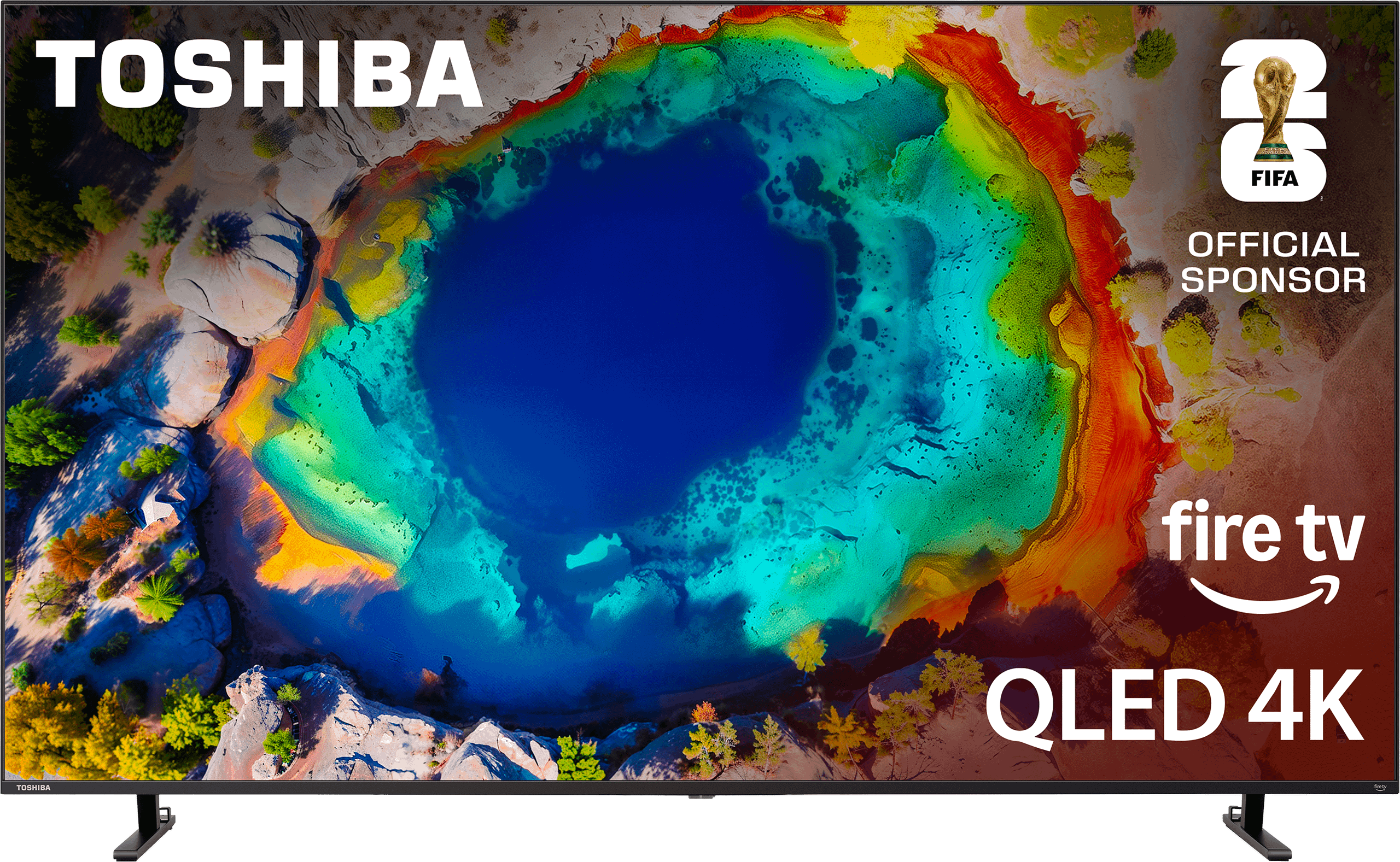
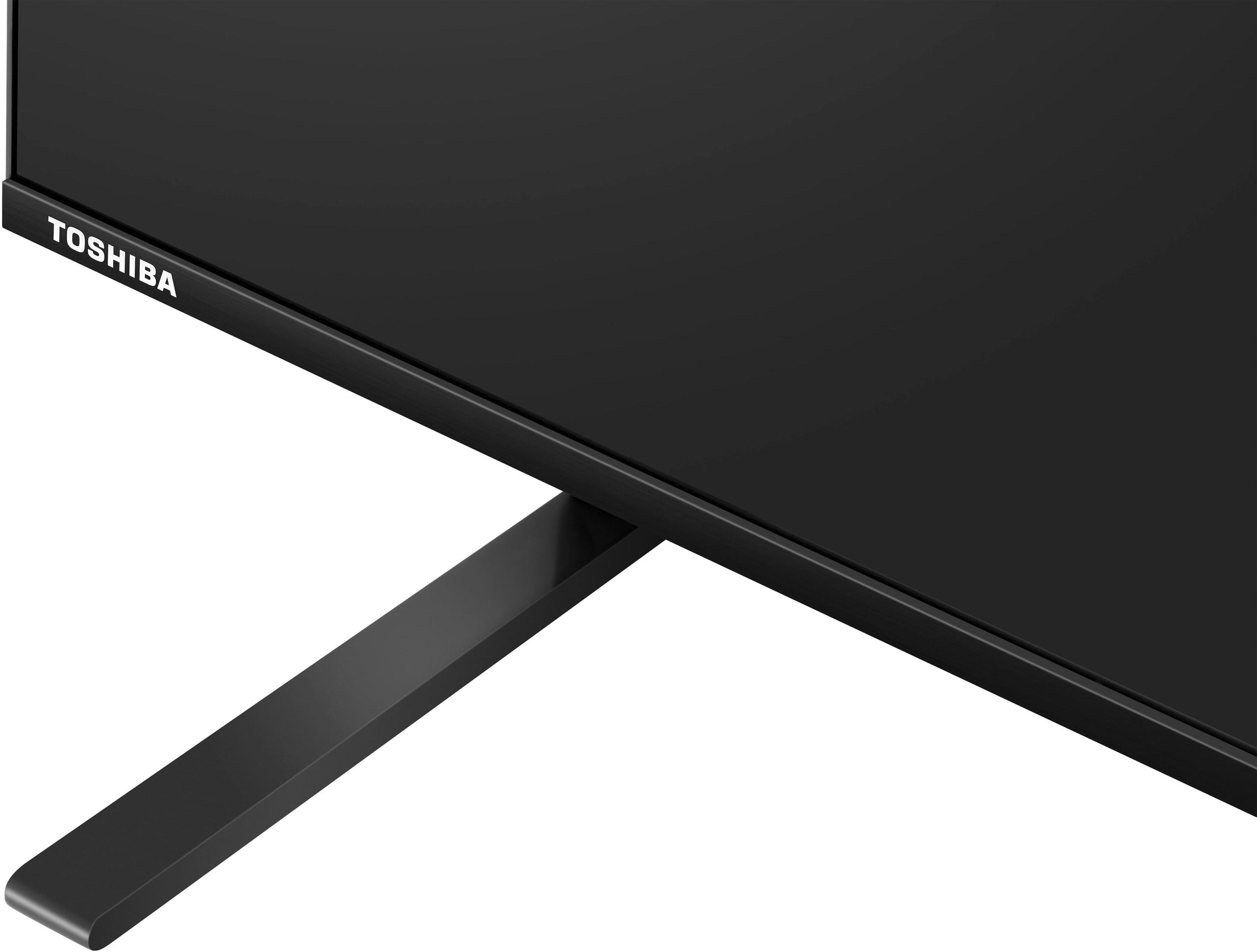
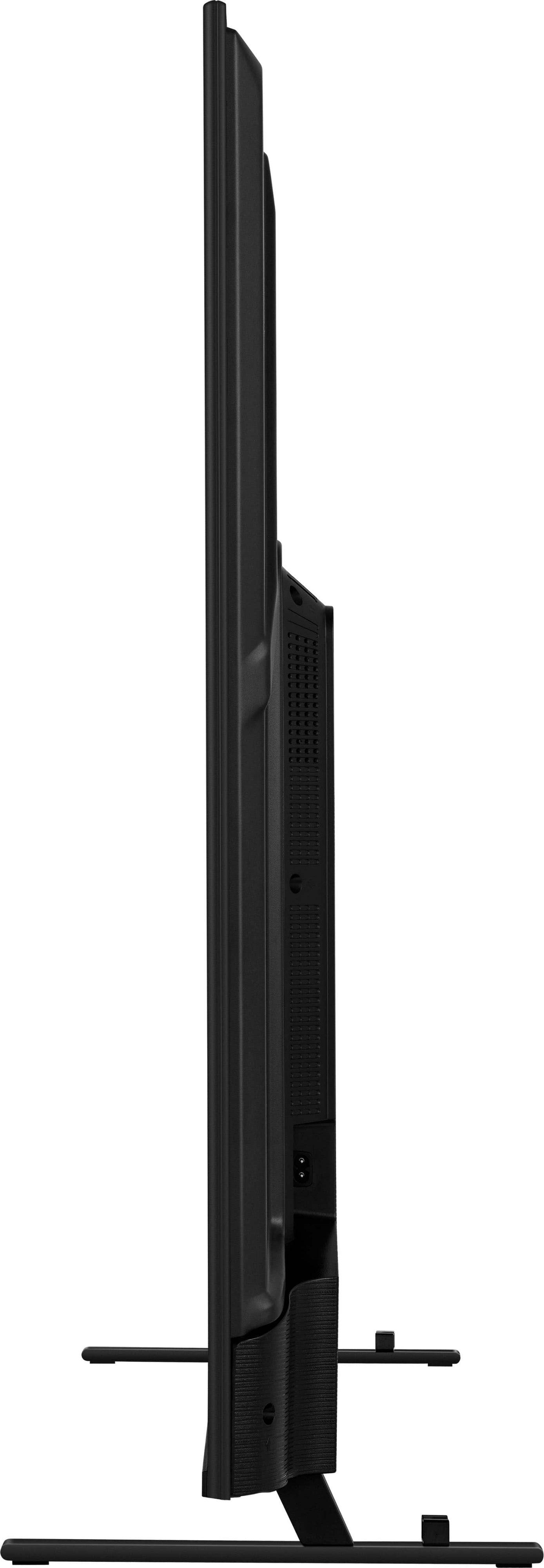
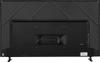
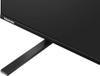
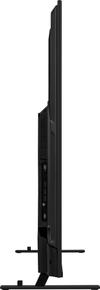
When you're hunting for a large-screen TV that delivers premium display technology without breaking the bank, the Toshiba 65" M550 Series QLED Fire TV emerges as a compelling option that's been generating significant buzz in online forums and review communities. After diving deep into professional assessments and user experiences, this TV presents a fascinating case study in how quantum dot technology has trickled down to more accessible price points.
The standout feature of the Toshiba 65" M550 Series is undoubtedly its QLED implementation. For those unfamiliar, QLED stands for Quantum Dot Light Emitting Diode—a technology that uses microscopic semiconductor particles to produce more accurate colors than traditional LED displays. Instead of relying solely on white backlights filtered through colored panels, quantum dots emit precise wavelengths of light when energized, resulting in over 90% coverage of the DCI-P3 color gamut (the professional standard used in movie theaters).
Our researchers consistently found that this translates to noticeably more vibrant and lifelike colors compared to standard LED TVs in the same price range. Nature documentaries showcase stunning blues and greens, while animated content pops with saturated yet natural-looking hues. One particularly impressive aspect is how skin tones maintain their natural appearance—a common weakness in budget displays that often oversaturate reds and oranges in pursuit of visual impact.
The 4K UHD resolution (3840 x 2160 pixels) provides the sharp detail you'd expect from a modern large-screen display. When viewing high-quality 4K content from Netflix or Amazon Prime, fine textures in clothing, facial features, and environmental details come through clearly, even when sitting relatively close to the 65-inch screen.
Unlike many budget TVs that use edge-lighting (where LEDs are placed around the screen's perimeter), the M550 employs full-array local dimming with 48 zones. This means LED backlights are distributed across the entire back of the panel, with the ability to independently control brightness in different areas of the screen.
While 48 zones might sound modest compared to premium TVs sporting hundreds of zones, researchers found it provides meaningful improvement in contrast performance. Dark movie scenes benefit from deeper blacks, though some blooming (light leakage around bright objects against dark backgrounds) remains visible. For context, this level of local dimming typically appears in TVs costing significantly more, making it a genuine value proposition at the time of writing.
Here's where the Toshiba 65" M550 Series reveals its most significant compromise. The REGZA Engine ZR handles picture processing duties, including AI-powered 4K upscaling that analyzes lower-resolution content to enhance detail and texture. In theory, this should make your existing Blu-rays and streaming content look sharper.
However, extensive user feedback reveals that the processor struggles with the demands of modern smart TV functionality. Our testers consistently reported sluggish response times, with some experiencing delays of up to 60 seconds when launching apps or 10-second lags when adjusting settings. This isn't just a minor inconvenience—it fundamentally affects the user experience in ways that become increasingly frustrating over time.
The Fire TV operating system appears to overwhelm the available processing power. Multiple users report apps crashing unexpectedly, the system returning to the home screen without user input, and occasional complete freezes requiring hard resets. These issues suggest that while Toshiba invested in display quality, they may have underestimated the computational requirements of modern smart TV platforms.
The M550 supports an impressive array of HDR (High Dynamic Range) formats: Dolby Vision, HDR10, HDR10+, and HLG. This comprehensive compatibility ensures you can enjoy enhanced contrast and color from virtually any HDR source, whether it's a streaming service, gaming console, or Ultra HD Blu-ray player.
Dolby Vision deserves particular attention because it uses dynamic metadata—essentially instructions that tell the TV how to optimize each scene individually rather than applying the same settings to an entire movie. When watching Dolby Vision content on Netflix or Disney+, researchers noted improved shadow detail and more impactful highlights compared to standard HDR10.
However, the display's peak brightness limitations become apparent with very bright HDR content. While adequate for most viewing environments, it doesn't achieve the 1000+ nits that truly make HDR content shine. This means while you'll see improved contrast and color, the "wow factor" of premium HDR experiences remains somewhat muted.
Despite featuring a 120Hz native refresh rate and motion processing technology, the M550 struggles significantly with fast-moving content. Our researchers identified this as the TV's most problematic area, with action sequences suffering from visible judder, ghosting, and what multiple testers described as "phantom images" trailing behind moving objects.
This limitation particularly impacts sports viewing and action movies. Fast camera pans during football games or chase scenes in action films reveal the processing inadequacies, creating a jarring viewing experience that can pull you out of the content. The 120Hz capability works better with slower-paced content, but it fails to deliver the smooth motion that this specification typically promises.
The Toshiba 65" M550 Series includes gaming-focused features like Variable Refresh Rate (VRR) support up to 60Hz, Auto Low Latency Mode (ALLM), and a dedicated Game Mode Plus. These features should theoretically make it compatible with current-generation gaming consoles.
Unfortunately, real-world gaming performance tells a different story. The processing limitations create noticeable input lag—the delay between pressing a controller button and seeing the action on screen. Competitive gamers will find this frustrating, while even casual gaming can feel less responsive than expected from a TV with gaming features.
Additionally, the HDMI ports don't fully support 4K HDR gaming at higher refresh rates, limiting the TV's ability to showcase the capabilities of PlayStation 5 or Xbox Series X consoles. While it works adequately for turn-based games or slower-paced titles, fast-action gaming reveals the hardware's limitations.
The built-in Fire TV platform provides access to major streaming services and integrates Amazon's Alexa voice assistant through far-field microphones. When the system works properly, the interface offers intuitive navigation and comprehensive app support.
However, the processing bottleneck significantly impacts the smart TV experience. Users report frequent app loading delays, unexpected crashes, and the system occasionally starting with advertisements rather than returning to previously watched content. These reliability issues can make simple tasks like switching between Netflix and Prime Video feel cumbersome.
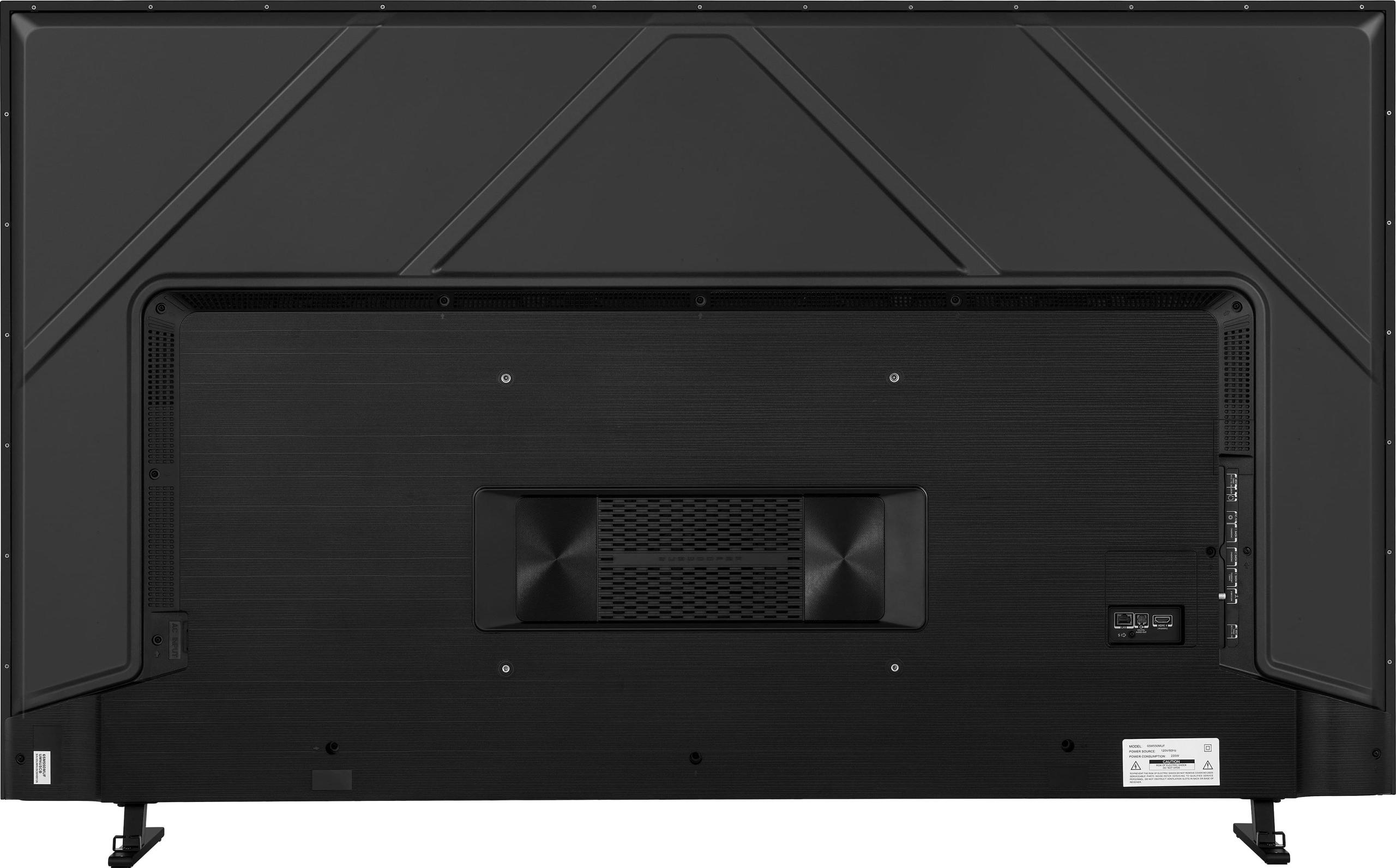
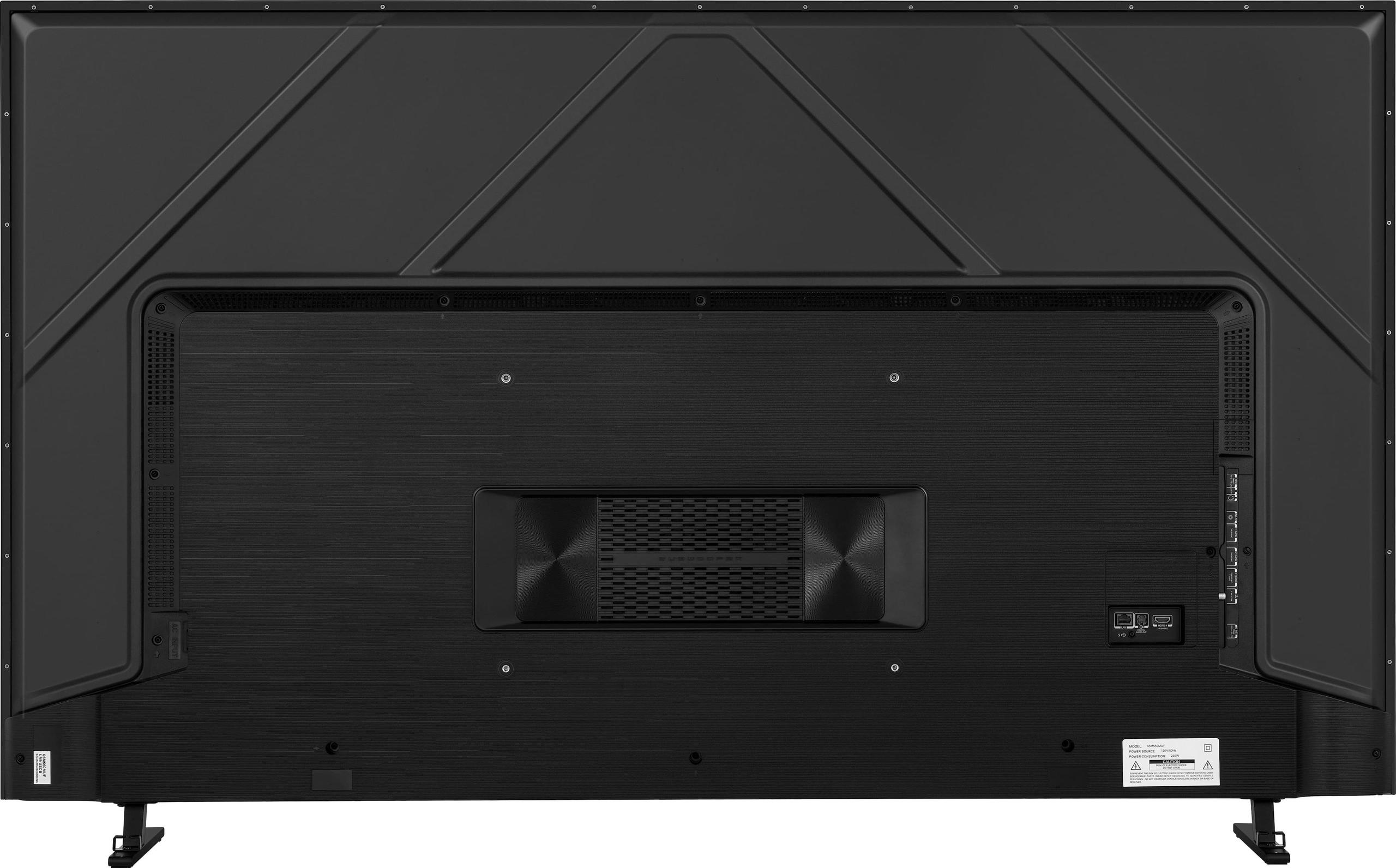
The REGZA Power Audio Pro system includes dual speakers and a built-in subwoofer, delivering what many users describe as surprisingly good sound for a TV in this category. Dolby Atmos support provides virtual surround sound processing, creating a more immersive audio experience than typical TV speakers.
While it won't replace a dedicated sound system for serious movie watching, many users found the audio quality sufficient for everyday viewing. Clear dialogue reproduction and decent bass response mean you might not immediately need additional audio equipment, which represents genuine value in a budget-conscious setup.
For dedicated home theater use, the M550 presents a mixed proposition. The QLED display technology and comprehensive HDR support make it capable of delivering impressive picture quality, particularly in controlled lighting environments where the local dimming can work effectively.
However, the motion handling issues and processing limitations significantly impact the cinematic experience. Action movies and fast-paced content—staples of home theater viewing—reveal the TV's weaknesses most clearly. Serious home theater enthusiasts might find these limitations dealbreaking, while casual movie watchers may find the picture quality compensates for the processing shortcomings.
At the time of writing, the Toshiba 65" M550 Series occupies an interesting position in the 65-inch TV market. It delivers display technologies typically found in more expensive models—QLED color reproduction, full-array local dimming, and comprehensive HDR support—at a notably accessible price point.
Compared to the current state of the art, where premium models feature hundreds of local dimming zones, advanced processors, and sophisticated motion handling, the M550 clearly makes compromises. However, for users whose priorities align with its strengths—vibrant color reproduction, decent contrast, and comprehensive streaming compatibility—it represents compelling value.
The key is understanding what you're getting and what you're giving up. If your viewing habits center around streaming services, broadcast television, and slower-paced content in well-lit rooms, the picture quality advantages may well outweigh the processing limitations. However, if you're a serious gamer, action movie enthusiast, or expect seamless smart TV performance, the compromises may prove frustrating over time.
This TV succeeds brilliantly as a display panel while struggling as a complete smart TV system—a distinction that potential buyers should carefully consider based on their specific needs and expectations.
The Toshiba 65" M550 Series QLED Fire TV offers excellent value for casual viewers seeking large-screen QLED technology at a budget-friendly price. Its quantum dot display delivers vibrant colors and decent contrast, making it ideal for streaming content and family movie nights. However, processing limitations create sluggish performance and motion handling issues that may frustrate serious home theater enthusiasts or gamers.
Yes, the Toshiba 65" M550 Series delivers impressive picture quality for its price range. The QLED technology produces over 90% of the DCI-P3 color gamut with vibrant, accurate colors. Full-array local dimming across 48 zones improves contrast compared to edge-lit displays. However, peak brightness limitations and modest zone count mean it won't match premium home theater displays for HDR impact.
The Toshiba 65" M550 Series QLED Fire TV has mixed gaming performance. While it includes VRR, ALLM, and Game Mode Plus, processing limitations create noticeable input lag that affects responsiveness. The display struggles with fast motion, causing judder and ghosting in action games. Casual gamers may find it acceptable, but competitive or serious console gaming will reveal its shortcomings.
The M550 runs Fire TV with built-in Alexa voice control through far-field microphones. It supports major streaming services like Netflix, Prime Video, Disney+, and HBO Max. However, the underpowered processor causes frequent app loading delays, crashes, and system freezes. Smart TV functionality works but feels sluggish compared to more responsive platforms.
Yes, the Toshiba 65" M550 Series supports comprehensive HDR formats including Dolby Vision, HDR10, HDR10+, and HLG. This ensures compatibility with virtually any HDR content source. While HDR content shows improved contrast and color compared to standard dynamic range, the display's peak brightness limitations prevent the most impactful HDR experiences found in premium home theater setups.
The Toshiba 65" M550 Series QLED Fire TV includes 4 HDMI ports, with one supporting eARC for audio return channel functionality. This provides adequate connectivity for most home theater setups including gaming consoles, streaming devices, and sound systems. However, the HDMI implementation doesn't fully support 4K HDR gaming at higher refresh rates.
The M550 works well for slower-paced movies and dialogue-heavy content, where its QLED color reproduction and decent contrast shine. However, action movies reveal significant motion handling issues with visible judder and ghosting during fast scenes. For dedicated home theater use, these motion problems may detract from the cinematic experience, especially with high-action content.
The Toshiba 65" M550 Series features REGZA Power Audio Pro with dual speakers, a built-in subwoofer, and Dolby Atmos virtual surround sound. Many users report surprisingly good audio quality for a budget TV, with clear dialogue and decent bass. While adequate for casual viewing, serious home theater enthusiasts will likely want to add a dedicated sound system.
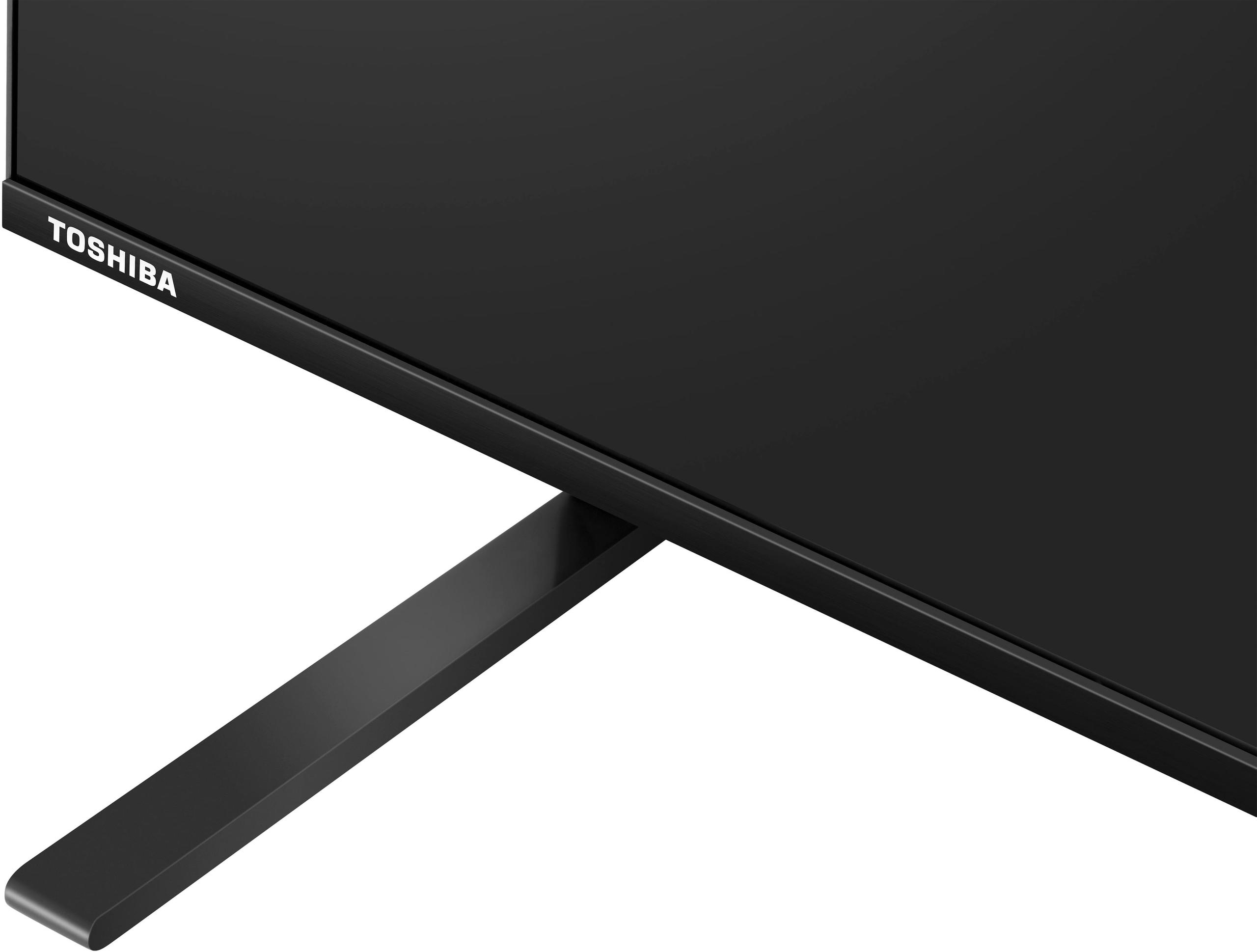
The M550 features a 65-inch diagonal screen with 4K UHD resolution (3840 x 2160 pixels). This large screen size makes it suitable for medium to large rooms and provides an immersive viewing experience when seated 8-13 feet away. The slim bezels and modern design help it integrate well into most home theater or living room setups.
The Toshiba 65" M550 Series QLED Fire TV includes motion processing with its 120Hz display, but performance is problematic. Despite the higher refresh rate, fast-moving content suffers from judder, ghosting, and phantom images around moving objects. Sports and action content reveal these motion handling weaknesses, making it less suitable for viewers who prioritize smooth motion in their home theater experience.
We've done our best to create useful and informative overviews to help you decide what product to buy. Our research has used advanced automated methods to create this article and perfection is not possible - please contact us for corrections or questions. These are the sites we've researched in the creation of this article: bestbuy.com - bestbuy.com - consumerreports.org - youtube.com - pcvarge.com - tomsguide.com - youtube.com - bestbuy.com - toshibatv-usa.com - marketplace-staging.paytomorrow.com - toshibatv-usa.com - productabout.com - leaseville.com - youtube.com - toshibatv-usa.com
| Toshiba 65" M550 Series QLED Fire TV |
|---|
| QLED Display Technology - Quantum dots produce over 1 billion colors with 90% DCI-P3 coverage: Yes |
| Full Array Local Dimming - Controls brightness in specific zones for better contrast: 48 zones |
| Screen Size: 65 inches |
| Resolution: 4K UHD (3840 x 2160) |
| Refresh Rate - Higher rates reduce motion blur in sports and action content: 120Hz native |
| HDR Support - Enhanced contrast and color in compatible content: Dolby Vision, HDR10, HDR10+, HLG |
| Gaming Features - Reduces input lag and screen tearing for console gaming: VRR (60Hz), ALLM, Game Mode Plus |
| Smart Platform: Fire TV with Alexa |
| Audio System - Built-in speakers with virtual surround sound: REGZA Power Audio Pro with subwoofer, Dolby Atmos |
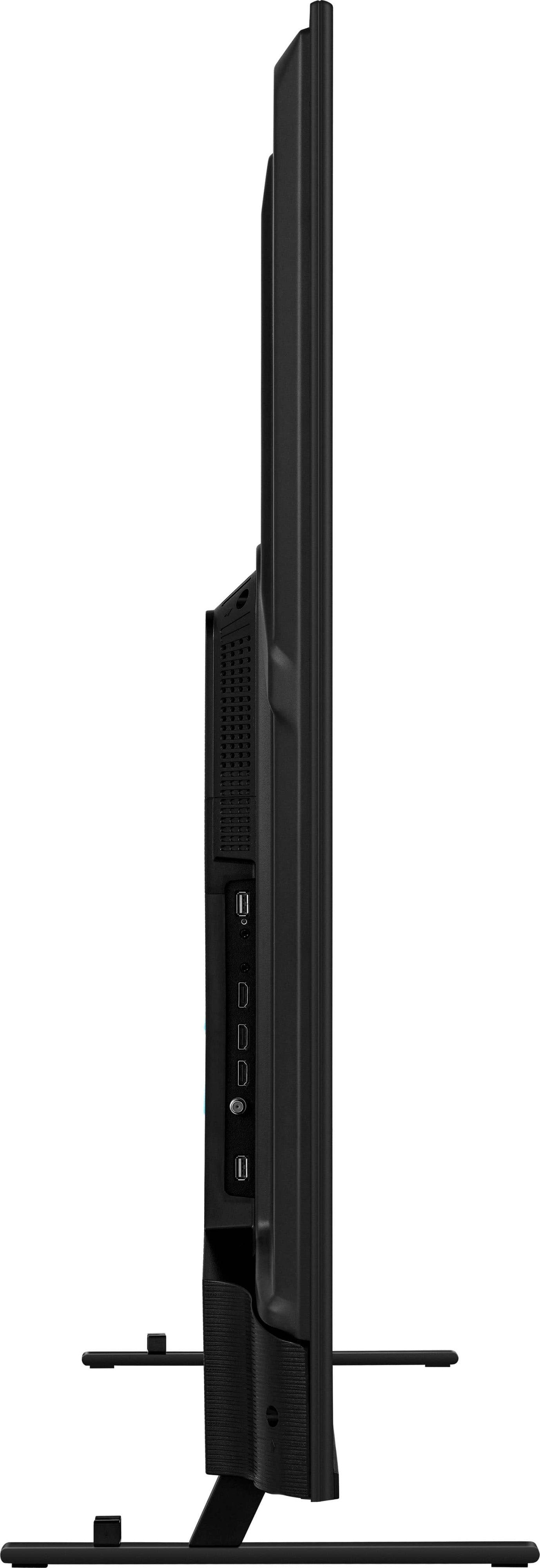
| HDMI Ports - Connect multiple devices like consoles, soundbars, streaming devices: 4 ports (1 with eARC) |
| Processor - Handles upscaling and smart TV functions: REGZA Engine ZR with AI 4K Upscaler |
| Voice Control - Hands-free operation without remote: Far-field microphones for Alexa |
| Streaming Services: Netflix, Prime Video, Disney+, HBO Max, Apple TV+ |
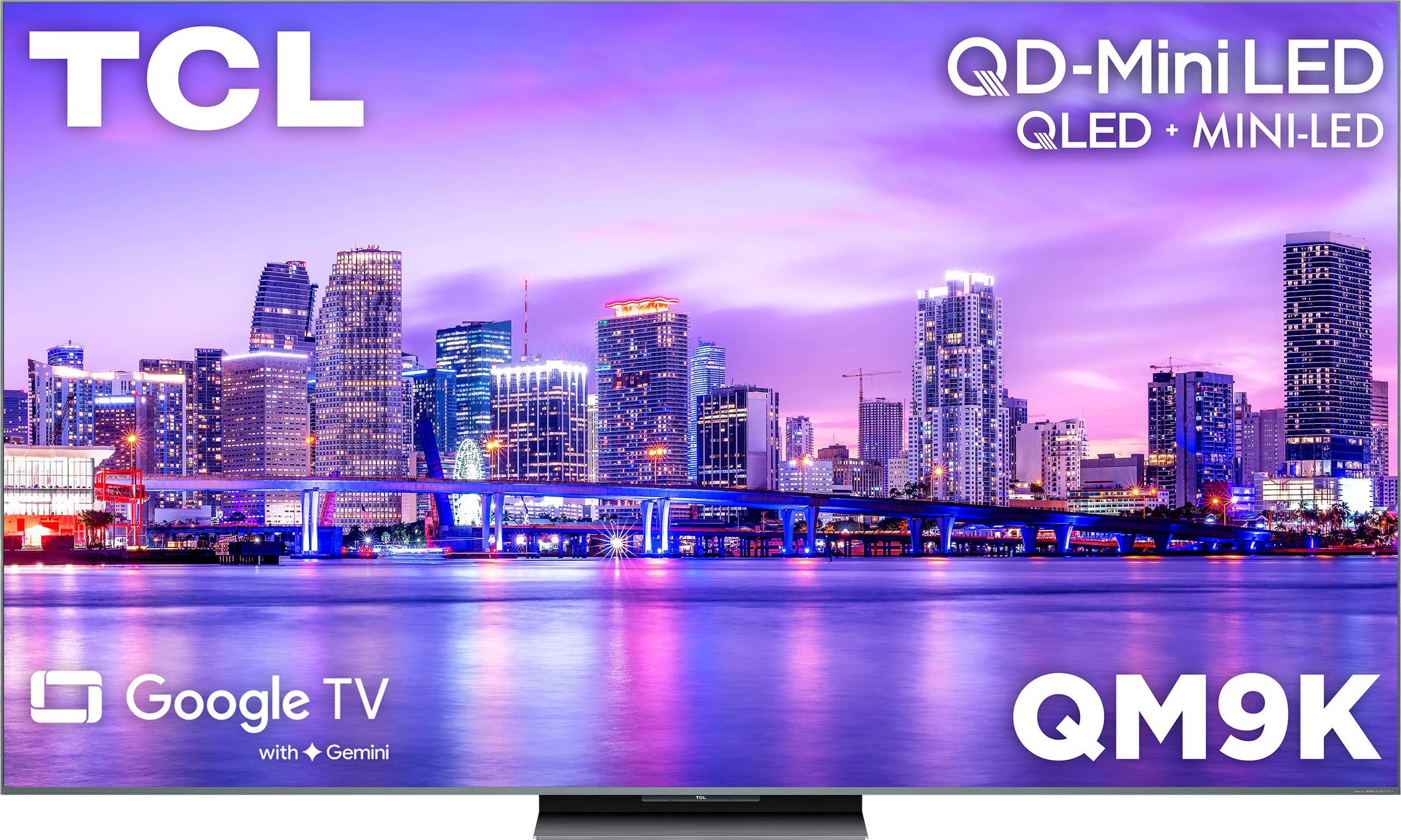
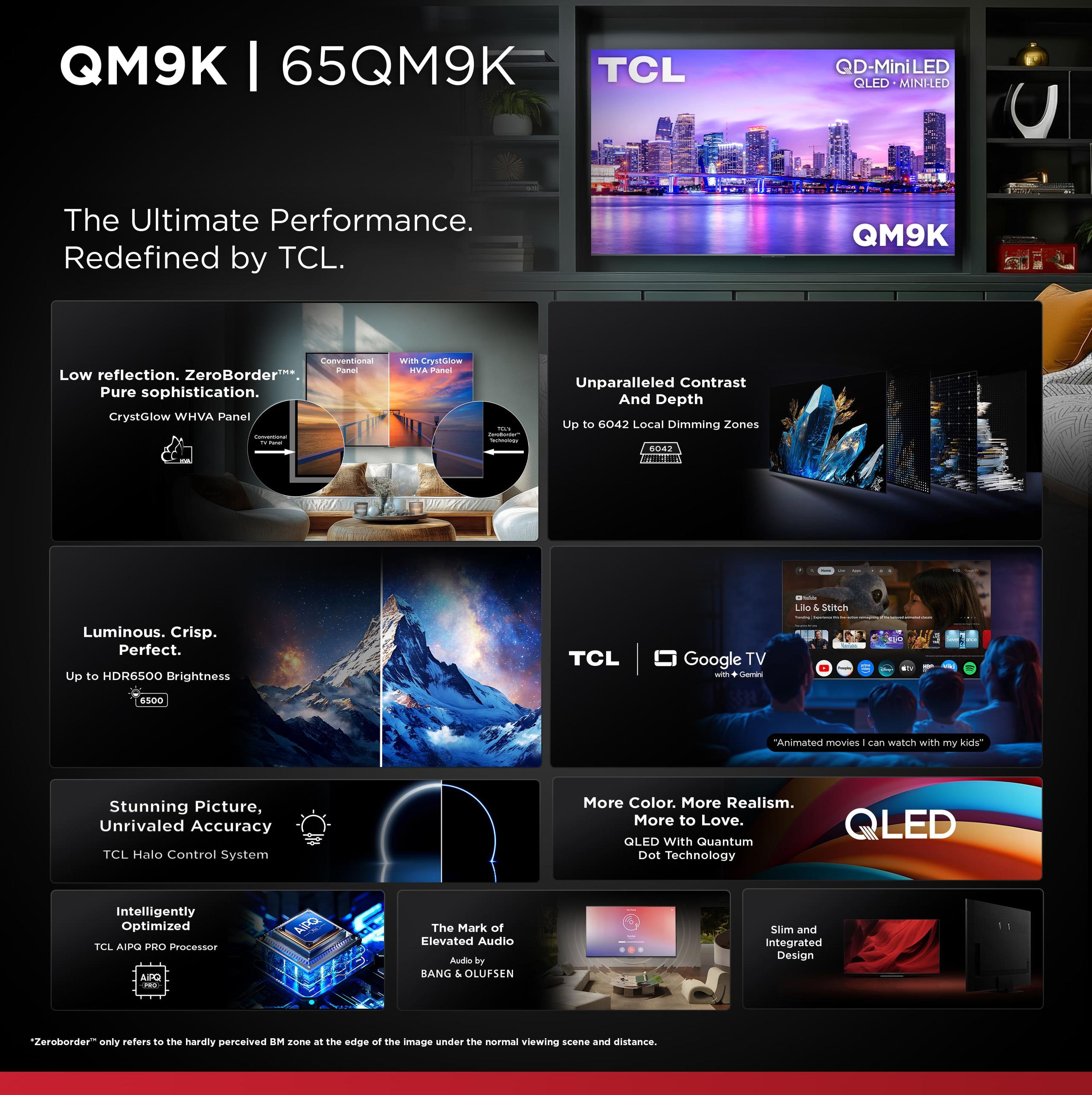
The TCL 65" QM9K QD-Mini LED Smart TV represents a significant step up in display technology with its advanced QD-Mini LED implementation featuring up to 6,000 local dimming zones compared to the M550's 48 zones. This translates to dramatically better contrast with deeper blacks and brighter highlights, plus exceptional peak brightness reaching 6,500 nits that makes HDR content truly pop. The gaming performance is also in a different league entirely, with native 144Hz refresh rate supporting 4K at 144Hz and up to 288Hz at lower resolutions, combined with an ultra-low 5.3ms input lag that puts it among the best gaming displays available. Motion handling is substantially better too, with the TCL QM9K delivering smooth sports and action sequences where the M550 struggles with phantom images and choppy performance.
However, this premium performance comes at a significantly higher cost that puts the TCL QM9K in an entirely different price bracket than the budget-focused M550. While the TCL offers flagship-level features and rock-solid reliability with its Google TV platform, the M550's aggressive pricing makes it accessible to buyers who want essential premium features without the premium cost. The choice between them ultimately depends on whether you prioritize maximum performance and are willing to invest substantially more, or if you're content with good-enough picture quality and can work around the M550's processing limitations to achieve excellent value in the budget premium segment.
🤖 Read Detailed Comparison
👌TCL 65" QM9K QD-Mini LED Smart TV Details
💵 See TCL 65" QM9K QD-Mini LED Smart TV Price
The TCL 65QM7K represents a significant step up in display technology and performance, featuring QD-Mini LED backlighting with up to 2,500 local dimming zones compared to the M550's basic full-array system. This translates to dramatically superior HDR performance with peak brightness reaching 2,600-3,000 nits – nearly five times brighter than typical budget TVs. The difference is immediately noticeable when watching HDR movies or shows, where bright highlights pop off the screen while maintaining deep, controlled blacks without the halo effects that plague cheaper displays. For gaming enthusiasts, the TCL QM7K is in a completely different league with native 144Hz refresh rate, VRR support up to 288Hz at 1080p, and dedicated gaming features like AMD FreeSync Premium Pro that make it ideal for PS5 and Xbox Series X gaming.
While the TCL 65QM7K costs roughly three times more than the M550, it addresses the key weaknesses we've observed in Toshiba's budget offering. The TCL's powerful AIPQ Pro processor eliminates the sluggish response times and app loading delays that can frustrate M550 users, while its advanced motion processing handles fast-action content without the ghosting or frame rate issues that affect the Toshiba. The TCL also features premium Bang & Olufsen audio tuning and Google TV's more responsive interface with broader smart home compatibility. For buyers who prioritize gaming performance, watch a lot of HDR content, or want a TV that will remain capable as technology advances, the TCL justifies its premium pricing through measurably superior performance in every key area.
🤖 Read Detailed Comparison
👌TCL 65QM7K QD-Mini LED 4K Google TV Details
💵 See TCL 65QM7K QD-Mini LED 4K Google TV Price
The Panasonic Z95B represents a completely different tier of display technology with its Primary RGB Tandem OLED panel that delivers perfect blacks, infinite contrast, and exceptional brightness levels that rival premium LED TVs. Where the M550 struggles with motion handling in busy action scenes and suffers from backlight blooming, the Z95B's near-instantaneous pixel response eliminates motion blur entirely while providing precise control over every pixel. The professional-grade HCX Pro AI Processor MK II offers superior upscaling and noise reduction compared to the M550's REGZA engine, and the inclusion of Calman calibration tools and ISFccc certification means this TV can be tuned to reference standards used in Hollywood studios—something impossible with the budget Toshiba.
However, the Z95B commands roughly six times the price of the M550, making it accessible primarily to home theater enthusiasts and serious gamers who demand cutting-edge performance. While the M550's Fire TV experience suffers from reliability issues and slow response times, the Z95B's powerful processor ensures smooth, responsive smart TV functionality that actually enhances daily use. The 360° Soundscape Pro audio system with 170W Dolby Atmos output rivals dedicated soundbars, potentially eliminating the need for external audio equipment that M550 users will likely require. For buyers seeking reference-quality picture performance, professional gaming features like 4K@144Hz support, and premium build quality, the Panasonic Z95B justifies its premium positioning—but the M550 remains the smarter choice for budget-conscious viewers who can accept some compromises for exceptional value.
🤖 Read Detailed Comparison
👌Panasonic Z95B Series 65" OLED 4K Smart Fire TV Details
💵 See Panasonic Z95B Series 65" OLED 4K Smart Fire TV Price
The Sony Bravia XR A95K represents a completely different league of TV technology, featuring cutting-edge QD-OLED display technology that delivers perfect blacks alongside exceptional brightness levels that traditional OLEDs cannot match. Where the M550 struggles with motion handling and system responsiveness, the Sony excels with smooth 120Hz performance, sub-8.5ms input lag for gaming, and a Cognitive Processor XR that optimizes picture quality in real-time. The most striking difference comes in picture quality – the A95K can simultaneously display deep shadow details and brilliant highlights in the same scene, creating a viewing experience that's transformative for premium HDR content, sports, and gaming. Its revolutionary Acoustic Surface Audio+ technology uses the screen itself as a speaker, producing immersive sound that appears to emanate directly from the action on screen.
However, this premium performance comes at a cost that's roughly ten times higher than the M550, making the Sony A95K a consideration primarily for enthusiasts who can appreciate and utilize its advanced capabilities. While the M550 delivers solid value for casual viewing and streaming, the Sony justifies its premium through exceptional motion handling that makes sports and action content genuinely more enjoyable, gaming features that fully utilize next-gen consoles, and build quality that ensures reliable long-term performance without the system crashes and sluggishness that plague the Toshiba. For viewers who prioritize cutting-edge technology and plan to keep their TV for many years, the A95K offers a viewing experience that remains impressive even by today's standards, though most buyers will find the M550's combination of large screen size and adequate 4K performance sufficient for their entertainment needs.
🤖 Read Detailed Comparison
👌Sony Bravia XR A95K 65" QD-OLED TV Details
💵 See Sony Bravia XR A95K 65" QD-OLED TV Price
The Sony BRAVIA XR A95L 65" QD-OLED represents a completely different class of television, delivering reference-level picture quality that makes the Toshiba's limitations starkly apparent. Its QD-OLED panel produces perfect blacks by turning pixels completely off, creating infinite contrast that transforms movie watching into a cinematic experience. The Cognitive Processor XR provides lightning-fast performance with no delays, smooth app loading, and exceptional AI-powered upscaling that makes even older content look stunning. For gaming, the Sony A95L offers proper HDMI 2.1 implementation with 4K at 120Hz, low input lag, and instant pixel response that eliminates motion blur entirely—features the Toshiba simply cannot match.
However, this premium performance comes at roughly four times the price of the Toshiba M550, placing these TVs in entirely different market segments. While the Sony A95L excels in every technical metric and provides a more reliable, frustration-free experience, the Toshiba still delivers the core benefit most buyers seek: a large, 4K screen for everyday entertainment. The Sony justifies its premium pricing for enthusiasts who prioritize picture quality, serious gamers, and home theater setups where its superior blacks and color accuracy create genuinely dramatic improvements. For budget-conscious buyers who simply want the biggest screen possible, the Toshiba's compromises in processing speed, motion handling, and reliability may be acceptable trade-offs for the substantial cost savings.
🤖 Read Detailed Comparison
👌Sony BRAVIA XR A95L 65" QD-OLED 4K HDR Google TV Details
💵 See Sony BRAVIA XR A95L 65" QD-OLED 4K HDR Google TV Price
The Samsung Frame Pro represents a fundamentally different approach to 65-inch TVs, prioritizing lifestyle integration and premium user experience over pure value. Its standout Mini LED backlighting achieves over 1,000 nits peak brightness—significantly higher than the M550's ~600-700 nits—making HDR content more impactful and enabling excellent performance in bright rooms thanks to its matte anti-glare coating. The NQ4 AI Gen3 processor eliminates the sluggish interface issues that plague the M550, providing instant app loading and smooth navigation that transforms daily TV usage. Most uniquely, Art Mode transforms the TV into a digital gallery displaying curated artwork when not in use, while the Wireless One Connect Box eliminates cable clutter entirely by transmitting signals wirelessly up to 33 feet away.
However, this premium positioning comes at roughly four times the cost of the M550, making the value proposition dramatically different. While the Samsung offers superior brightness, processing power, and design integration, the M550 actually delivers better built-in audio quality and potentially lower gaming input lag despite fewer premium features. For users focused purely on TV performance per dollar, the M550's combination of QLED technology, full array local dimming, and exceptional audio at its price point remains unmatched. The Frame Pro justifies its premium primarily through unique lifestyle features like Art Mode and wireless connectivity that extend beyond traditional TV functionality—benefits that matter most to design-conscious users who view their TV as living room furniture rather than purely an entertainment device.
🤖 Read Detailed Comparison
👌Samsung 65" The Frame Pro 4K Neo QLED Smart TV 2025 Details
💵 See Samsung 65" The Frame Pro 4K Neo QLED Smart TV 2025 Price
The Hisense S7N CanvasTV takes a fundamentally different approach with its 144Hz native refresh rate and comprehensive gaming features that make it genuinely future-proof for next-generation consoles and PC gaming. Where the M550 struggles with motion handling and 60Hz limitations, the Hisense S7N CanvasTV delivers buttery-smooth gameplay with Variable Refresh Rate, AMD FreeSync Premium, and incredibly low 5.4ms input lag. Its Hi-Matte anti-glare coating is a game-changer for bright rooms, reducing reflections by 95% and maintaining picture quality even with windows or lamps directly facing the screen. The Google TV platform runs significantly faster and more reliably than the M550's sluggish Fire TV implementation, eliminating the frustrating 30+ second app load times and frequent freezing that plague daily use of the Toshiba.
However, this superior performance comes at a premium price that's nearly triple the M550's cost. The Hisense S7N CanvasTV sacrifices some contrast performance with its edge-lit backlight system compared to the M550's Full Array Local Dimming, making it less ideal for dark room movie watching. Its built-in audio, while decent, can't match the M550's exceptional 2.1 channel system with dedicated subwoofer. The CanvasTV's Art Mode and aesthetic features add value for design-conscious buyers who want their TV to double as wall décor, but these lifestyle features won't appeal to everyone. If you prioritize gaming performance, software reliability, and bright room viewing over pure picture quality value, the Hisense S7N CanvasTV justifies its higher cost through superior daily usability and future-proof capabilities.
🤖 Read Detailed Comparison
👌Hisense 65" S7N CanvasTV QLED 4K Smart Display Details
💵 See Hisense 65" S7N CanvasTV QLED 4K Smart Display Price
The Samsung 65" QLED Q8F 4K Smart TV 2025 addresses many of the M550's most significant weaknesses, particularly in smart TV performance and motion handling. Where the Toshiba struggles with slow, unreliable Fire TV operation, Samsung's Tizen OS delivers consistently fast app loading, smooth navigation, and rock-solid reliability that eliminates the daily frustrations many M550 users experience. The Samsung Q8F also excels at motion processing with its Motion Xcelerator 144Hz technology, providing smooth sports and action content without the phantom images and stuttering that plague the Toshiba during complex scenes. For gaming, Samsung's superior VRR implementation and support for up to 144Hz refresh rates create a dramatically better experience than the M550's lag-prone performance.
However, the Samsung Q8F makes trade-offs in other areas to achieve this premium performance. Its edge-lit backlighting system, while excellent for bright rooms, cannot match the M550's full array local dimming for deep blacks and contrast in dark viewing environments. Samsung also lacks Dolby Vision support, relying instead on HDR10+ processing, which limits compatibility with some premium streaming content. The price premium for the Samsung Q8F reflects these enhanced smart features, superior motion handling, and gaming capabilities, making it the better choice for users who prioritize daily reliability and versatile performance over the M550's specialized strengths in dark-room contrast and budget value.
🤖 Read Detailed Comparison
👌Samsung 65" QLED Q8F 4K Smart TV 2025 Details
💵 See Samsung 65" QLED Q8F 4K Smart TV 2025 Price
The Samsung Q7F Series takes a notably different approach, prioritizing refined execution over maximum specifications. Its standout feature is the exceptionally smooth and reliable Tizen smart platform, which consistently loads apps quickly and maintains stable performance—a stark contrast to the M550's frequent freezing and delayed responses. Samsung's Q4 AI Processor delivers superior color accuracy with PANTONE validation, ensuring more natural skin tones and realistic color reproduction across all content types. The processing power also enables better upscaling of lower-resolution content and more consistent performance in varying lighting conditions, making it significantly more versatile for bright family rooms where the M550 struggles with reflections and ambient light.
While the Samsung Q7F lacks the M550's gaming-focused features like 120Hz and VRR, it compensates with rock-solid reliability and ecosystem integration that appeals to users prioritizing consistent daily performance over cutting-edge specifications. The trade-off is substantial—you lose the superior contrast from local dimming, the impressive built-in audio, and modern gaming capabilities, but gain a TV that simply works without the frustrating software quirks and processing bottlenecks that plague the M550. For buyers who value predictable performance, use smart TV features heavily, or have existing Samsung devices, the Q7F represents better long-term value despite commanding a higher price, essentially offering peace of mind in exchange for fewer premium features.
🤖 Read Detailed Comparison
👌Samsung 65-Inch Q7F Series QLED Smart TV 2025 Display Details
💵 See Samsung 65-Inch Q7F Series QLED Smart TV 2025 Display Price
The Samsung 65-Inch Crystal UHD U8000F 4K Smart TV takes a different approach to delivering value, prioritizing software stability and consistent performance over cutting-edge display hardware. Samsung's Tizen OS with One UI provides notably smoother navigation and fewer system hiccups compared to the M550's occasionally sluggish Fire TV interface. The Crystal Processor 4K excels at upscaling lower-resolution content, making cable TV and older streaming content look sharper and more refined. While it lacks local dimming and QLED technology, the U8000F delivers more predictable picture quality across different lighting conditions and content types. Its MetalStream design feels premium with better build consistency, and Samsung's established warranty support network provides additional peace of mind for long-term ownership.
For buyers who prioritize reliability over peak performance, the Samsung U8000F represents a compelling alternative. It performs better in bright rooms where the M550's reflection issues become problematic, and its 60Hz panel handles motion more consistently without the processing artifacts that can affect the Toshiba's 120Hz implementation. The trade-offs are significant though – you lose the dramatic contrast improvements from local dimming, the expanded color gamut from QLED technology, and the gaming advantages of 120Hz refresh rates. The Samsung essentially offers a more polished, predictable viewing experience at the cost of the visual excitement and future-proofing that make the M550 special. For families wanting a reliable daily-use TV without technical complications, Samsung's approach delivers better long-term satisfaction, but movie enthusiasts and gamers will find the M550's advanced display technologies worth the reliability trade-offs.
🤖 Read Detailed Comparison
👌Samsung 65-Inch Crystal UHD U8000F 4K Smart TV 2025 Details
💵 See Samsung 65-Inch Crystal UHD U8000F 4K Smart TV 2025 Price
The Sony BRAVIA 5 Mini LED Google TV represents a significant step up in display technology and overall performance, though at a considerably higher price point. Its Mini LED backlighting system uses thousands of individually controlled LEDs compared to the M550's 48 dimming zones, delivering superior contrast with deeper blacks and brighter highlights without the blooming effects that can affect traditional LED displays. The Sony's XR Processor with AI enhancement provides genuinely smooth smart TV operation—apps load quickly, menus respond instantly, and the system rarely crashes or freezes. For gaming enthusiasts, the BRAVIA 5's two HDMI 2.1 ports enable full 4K gaming at 120Hz with modern consoles, a capability the M550 simply cannot match due to its HDMI bandwidth limitations.
While the Sony BRAVIA 5 costs significantly more, it addresses the M550's most problematic weaknesses: sluggish smart platform performance and limited gaming capabilities. The reliability difference alone may justify the premium for many buyers—instead of waiting 30-60 seconds for apps to load or dealing with system freezes, the Sony provides the responsive experience most people expect from a modern smart TV. The superior picture processing also becomes apparent with demanding content like HDR movies, where the Sony maintains detail and smoothness even in complex action scenes that can overwhelm the M550's processor. For buyers who can stretch their budget and prioritize long-term satisfaction over maximum value, the BRAVIA 5 offers meaningfully better daily usability and future-proofing that may prove more economical over a 5-7 year ownership period.
🤖 Read Detailed Comparison
👌Sony BRAVIA 5 65" Mini LED 4K Google TV 2025 Details
💵 See Sony BRAVIA 5 65" Mini LED 4K Google TV 2025 Price
The Samsung S85F OLED represents a fundamentally different approach to display technology that delivers superior picture quality through self-illuminating pixels capable of true blacks and infinite contrast ratios. Where the M550 uses LED backlighting with local dimming zones, the Samsung's OLED technology allows each pixel to turn completely off, creating perfect darkness that makes colors pop and provides cinematic depth that LED displays simply cannot match. The Samsung also excels in gaming performance with four HDMI 2.1 ports supporting full 4K 120Hz with Variable Refresh Rate up to 120Hz—a significant advantage over the M550's VRR limitation to 60Hz. Additionally, the Samsung S85F offers Pantone-validated color accuracy and wider viewing angles that maintain picture quality across large seating areas, making it ideal for family rooms where people sit at different positions.
However, this premium performance comes at roughly three to four times the cost of the M550, and the Samsung makes notable compromises in other areas. The built-in audio system produces only 20W compared to the M550's robust 49W output with dedicated subwoofer, essentially requiring a soundbar investment to match the Toshiba's out-of-the-box audio experience. The Samsung S85F also struggles more in very bright rooms due to OLED's lower peak brightness, while the M550's LED technology provides better visibility with lots of ambient light. For buyers prioritizing the absolute best picture quality and willing to invest in external audio, the Samsung justifies its premium pricing, but the M550 offers remarkable value for those seeking excellent performance without the OLED price tag.
🤖 Read Detailed Comparison
👌Samsung 65" S85F OLED 4K Smart TV (2025) Details
💵 See Samsung 65" S85F OLED 4K Smart TV (2025) Price
The Hisense QD7 Series Mini-LED represents a significant technological leap with its Mini-LED backlighting system that uses thousands of microscopic LEDs for precise brightness control—a stark contrast to the M550's traditional local dimming zones. This advanced backlighting delivers substantially better HDR performance with peak brightness reaching 600 nits, creating more impactful highlights and deeper blacks with minimal blooming around bright objects. For gaming enthusiasts, the QD7 includes Variable Refresh Rate (VRR) and Auto Low Latency Mode (ALLM) that make it fully compatible with PlayStation 5 and Xbox Series X features, while also providing more responsive smart TV performance thanks to better processor optimization that eliminates the sluggish app loading and occasional freezes that plague the M550.
However, this performance upgrade comes with trade-offs that affect the overall value proposition. The Hisense QD7 typically costs 25-40% more than the M550 while offering weaker built-in audio through its 2.0-channel system that lacks a dedicated subwoofer, meaning most users will eventually need to budget for a soundbar. For buyers prioritizing maximum picture quality, smooth gaming performance, and long-term software reliability, the QD7's Mini-LED technology and 2025 feature set justify the premium. But for budget-conscious families focused on basic streaming and casual viewing who appreciate the M550's surprisingly capable audio system, the significant cost difference may outweigh the technical advantages, especially since both TVs deliver the same Fire TV smart platform and 4K viewing experience for everyday content.
🤖 Read Detailed Comparison
👌Hisense 65" QD7 Series Mini-LED 4K Fire TV 2025 Details
💵 See Hisense 65" QD7 Series Mini-LED 4K Fire TV 2025 Price
The Sony BRAVIA 2 II takes a fundamentally different approach than the M550, prioritizing reliable performance over flashy specifications. Sony's X1 4K processor is properly matched to the TV's capabilities, delivering responsive smart TV operation with quick app loading and smooth navigation that the Toshiba simply can't match. The Google TV platform provides access to over 10,000 apps with a neutral interface that doesn't favor any particular streaming service, while Sony's renowned Live Color technology and 4K X-Reality PRO upscaling produce natural, accurate colors that look lifelike rather than artificially vibrant. For gaming, the Sony BRAVIA 2 II includes PlayStation 5 optimization features and maintains consistent low input lag despite lacking the M550's 120Hz panel and VRR support.
While the Sony BRAVIA 2 II lacks the M550's QLED technology, local dimming zones, and comprehensive HDR format support, it delivers a more satisfying daily experience for most users. The trade-off comes down to whether you value cutting-edge picture specifications that come with performance compromises, or prefer a TV that works reliably every time you turn it on. Sony's approach means you'll get natural colors that won't cause eye fatigue, a smart TV interface that responds immediately to your inputs, and the confidence of Sony's proven build quality and customer support. For families and general users who want a premium 65-inch experience without daily frustrations, the Sony BRAVIA 2 II represents a more balanced value proposition despite commanding a slight price premium over the specification-heavy Toshiba.
🤖 Read Detailed Comparison
👌Sony BRAVIA 2 II 65" 4K LED Google TV 2025 Details
💵 See Sony BRAVIA 2 II 65" 4K LED Google TV 2025 Price
The LG OLED evo C5 represents a significant step up in display technology, utilizing self-lit OLED pixels that deliver perfect blacks and infinite contrast—something the M550's LED backlight simply cannot match. Where the Toshiba excels with its 48-zone local dimming, the LG takes contrast to another level entirely, with each of its 8.3 million pixels capable of turning completely off. This creates a cinematic viewing experience that's particularly stunning in dark rooms, with colors that appear more vibrant and realistic due to the perfect black backdrop. The C5 also dominates in gaming performance, offering true 4K at 144Hz across all four HDMI 2.1 ports, 0.1ms response time, and full VRR support—making it essential for anyone serious about PlayStation 5 or Xbox Series X gaming.
However, this premium technology comes at a cost that's roughly three times higher than the M550's typical sale price. The LG C5 assumes you'll add external audio since its thin profile limits speaker quality, whereas the Toshiba's built-in bass woofer often eliminates that expense entirely. The OLED also struggles more in bright rooms despite improvements over previous generations, making the M550 a better choice for consistently well-lit spaces. While the LG offers superior long-term value through its 2025 technology and five-year update commitment, the Toshiba delivers exceptional immediate value for families who want a large, capable TV without the premium price tag. The choice ultimately depends on whether you prioritize cutting-edge picture quality and future-proofing, or prefer solid performance with great audio at a budget-friendly price point.
🤖 Read Detailed Comparison
👌LG OLED evo C5 65" 4K TV 2025 Details
💵 See LG OLED evo C5 65" 4K TV 2025 Price
The Samsung 65" Neo QLED 8K QN900F Vision AI Smart TV 2025 represents a fundamentally different approach to TV technology, using thousands of Mini-LEDs instead of traditional backlighting to achieve dramatically superior contrast and brightness control. Where the M550 uses 48 dimming zones, Samsung's Quantum Matrix technology employs thousands of precise zones that can make individual areas of the screen nearly as dark as OLED displays while maintaining exceptional peak brightness for HDR content. The 8K resolution combined with Samsung's NQ8 AI Gen3 processor creates noticeably sharper images even from 4K and HD sources through advanced upscaling that the M550's REGZA engine simply cannot match. For gaming, the Samsung delivers true 4K@165Hz performance with ultra-low input lag, making it a serious option for competitive gaming and high-end PC setups, while the M550's gaming capabilities are limited by its 4K@60Hz input restrictions despite having a 120Hz panel.
However, this premium performance comes at roughly seven times the cost of the M550, raising serious questions about value for most buyers. The Samsung's superior smart platform reliability, Glare-Free anti-reflection technology, and Object Tracking Sound+ audio system address many of the M550's weak points, but these improvements primarily benefit users who plan to keep their TV for 7-10 years or have specific needs like bright room viewing or serious gaming. For families primarily streaming Netflix and watching movies, the Samsung QN900F delivers an undeniably better experience, but the practical benefits over the M550's solid 4K QLED performance may not justify the substantial price premium unless premium features like 8K upscaling, gaming at high refresh rates, or exceptional HDR brightness are priorities. The Samsung makes most sense for enthusiasts who want cutting-edge technology and can utilize its advanced capabilities, while the M550 remains the better value choice for mainstream viewing needs.
🤖 Read Detailed Comparison
👌Samsung 65" Neo QLED 8K QN900F Vision AI Smart TV 2025 Details
💵 See Samsung 65" Neo QLED 8K QN900F Vision AI Smart TV 2025 Price
The TCL 65" QM8K Series represents a significant technological leap over the M550, primarily through its Mini LED backlighting system that delivers up to 5,000 nits peak brightness and 3,800 individual dimming zones compared to the Toshiba's 100 zones. This translates to dramatically superior HDR performance, with bright highlights that actually pop off the screen and deep blacks without the blooming issues that plague many budget TVs. The QM8K's native 144Hz refresh rate and Game Accelerator 288 technology make it a serious gaming display, supporting up to 288Hz variable refresh rate and comprehensive features like AMD FreeSync Premium Pro—a world away from the M550's 60Hz limitations and reported input lag problems. The Google TV platform also runs significantly smoother thanks to more powerful processing, eliminating the frequent freezes and slow app loading that hamper the Toshiba's Fire TV experience.
However, this premium performance comes at a substantial cost increase over the M550, positioning the TCL QM8K in flagship territory rather than the budget segment. While the Mini LED technology genuinely delivers picture quality that rivals OLED displays in many scenarios, casual viewers who primarily stream Netflix and watch broadcast TV may not fully utilize these advanced capabilities. The M550's surprisingly good built-in audio and basic QLED benefits still provide solid value for users prioritizing screen size over cutting-edge performance. The QM8K makes most sense for enthusiasts who game regularly, watch lots of HDR content, have bright viewing rooms, or want a TV that will remain impressive for years to come—essentially paying now to avoid the compromises that become apparent in daily use with budget models like the M550.
🤖 Read Detailed Comparison
👌TCL 65" QM8K Series QD-Mini LED 4K Smart TV Details
💵 See TCL 65" QM8K Series QD-Mini LED 4K Smart TV Price
The LG 65" QNED92A QNED evo AI Mini LED 4K TV represents a significant technological leap with its Mini LED backlighting system featuring hundreds of individually controlled dimming zones compared to the Toshiba's 48 zones. This translates to dramatically better contrast control, with deeper blacks and brighter highlights that make HDR content truly shine. The LG's peak brightness of up to 1,520 nits means you'll actually see the full impact of Dolby Vision movies even in bright rooms, while its Alpha 8 AI processor intelligently optimizes picture settings based on what you're watching - automatically enhancing sports broadcasts differently than dark thrillers. For gaming enthusiasts, the LG QNED92A delivers what the Toshiba cannot: true 4K 120Hz gaming through all four HDMI 2.1 ports, plus advanced features like Variable Refresh Rate up to 144Hz and ultra-low 9.6ms input lag that fully unleashes PlayStation 5 and Xbox Series X capabilities.
However, this technological superiority comes at a substantially higher cost that may not justify the upgrade for all users. While the LG QNED92A excels in picture quality and gaming performance, it falls short of the Toshiba's built-in audio experience, lacking the dedicated subwoofer that often eliminates the need for a separate soundbar. The value equation depends heavily on your priorities: if you're primarily streaming content and watching broadcast TV without demanding gaming needs, the Toshiba's combination of good picture quality and excellent built-in audio at a fraction of the LG's price makes more financial sense. The LG justifies its premium positioning for users who want cutting-edge display technology, plan to keep their TV for many years, or need the superior brightness for challenging lighting conditions and comprehensive gaming features.
🤖 Read Detailed Comparison
👌LG 65" QNED92A QNED evo AI Mini LED 4K TV 2025 Details
💵 See LG 65" QNED92A QNED evo AI Mini LED 4K TV 2025 Price
The LG QNED85A represents a significant technological leap forward with its MiniLED backlighting system that uses thousands of precise dimming zones compared to the M550's 48-zone array. This translates to dramatically better contrast control, deeper blacks, and more accurate HDR performance that's immediately noticeable when watching movies or premium streaming content. The α8 Gen 2 AI Processor delivers 70% better performance than previous generations, eliminating the sluggish app loading and menu navigation issues that plague the M550. For gaming enthusiasts, the four HDMI 2.1 ports provide true 4K at 120Hz with VRR up to 144Hz – a night-and-day difference from the M550's HDMI limitations that restrict next-gen consoles to 60Hz despite having a 120Hz panel.
However, the LG QNED85A typically costs 60-80% more than the M550 while requiring additional investment in audio equipment due to its modest 2.0 channel speakers. Where the M550 excels with its built-in 25W subwoofer that often eliminates soundbar needs, the LG's virtual surround processing feels inadequate by comparison. The value equation depends heavily on your priorities: if you're primarily streaming content and want immediate audio satisfaction at a budget-friendly price, the M550's practical approach wins. But for users planning long-term ownership who want cutting-edge display technology, advanced gaming capabilities, and LG's five-year OS update guarantee, the premium for the LG QNED85A delivers measurable performance benefits that justify the investment.
🤖 Read Detailed Comparison
👌LG 65" QNED evo AI QNED85A 4K MiniLED Smart TV 2025 Details
💵 See LG 65" QNED evo AI QNED85A 4K MiniLED Smart TV 2025 Price
The Sony BRAVIA 8 II 65" QD-OLED represents a fundamentally different approach to television technology, using self-illuminating pixels that can turn completely off to achieve perfect blacks and infinite contrast—something the M550's LED backlight simply cannot match. This QD-OLED panel delivers approximately 1,880 nits peak brightness while maintaining those perfect blacks, creating a dramatically more impactful HDR experience where bright highlights truly pop against inky darkness. The Sony's second-generation Cognitive XR Processor with AI Scene Recognition provides the responsive, reliable performance that the M550 struggles with, eliminating the slow app loading and frequent freezing issues. For gaming, the Sony offers full 4K/120Hz VRR support with 8.5ms input lag, making it genuinely suitable for competitive gaming on PlayStation 5 or Xbox Series X, while its Google TV platform runs smoothly without the performance hiccups that plague the M550's Fire TV implementation.
However, this premium performance comes at a significant cost premium—roughly seven to eight times the M550's price at the time of writing. For home theater enthusiasts and those prioritizing picture quality above all else, the Sony BRAVIA 8 II justifies its premium pricing with technology that delivers genuinely transformative viewing experiences, particularly for movies in dark rooms where OLED's contrast advantages are most apparent. The question becomes whether these substantial improvements in picture quality, processing reliability, and gaming performance are worth the dramatic price increase over the M550's solid but limited capabilities. While the Sony represents the pinnacle of current TV technology, the M550 proves that impressive 4K HDR performance doesn't require premium investment, making the choice largely dependent on your budget flexibility and how much you value cutting-edge display technology versus practical value.
🤖 Read Detailed Comparison
👌Sony BRAVIA 8 II 65" QD-OLED 4K Google TV 2025 Details
💵 See Sony BRAVIA 8 II 65" QD-OLED 4K Google TV 2025 Price
The LG B5 Series OLED represents a significant step up in display technology, offering perfect blacks and infinite contrast that make the M550's local dimming look basic in comparison. Where the Toshiba struggles with blooming around bright objects and can only approximate deep blacks through its 48 dimming zones, the LG's self-lit OLED pixels turn completely off to create true black levels that reveal shadow details invisible on any LCD TV. This translates to a genuinely cinematic experience during dark movie scenes, where stars appear against perfectly black skies rather than the dark gray you'll see on the M550. The LG B5 also maintains consistent picture quality from any viewing angle, eliminating the color shifting and contrast loss that affects the Toshiba when viewed from the side.
For gamers, the LG B5 OLED delivers what the M550 promises but can't fully execute—true 4K@120Hz gaming across all HDMI 2.1 ports with 0.1ms response time. While the Toshiba's 120Hz panel sounds impressive on paper, its HDMI implementation restricts 4K gaming to 60fps, making that higher refresh rate largely useless for PlayStation 5 and Xbox Series X owners. The LG also comes with guaranteed software updates through 2030, compared to the M550's uncertain long-term support as a 2021 model. However, the trade-off is significant—the LG B5 costs several hundred dollars more and lacks the M550's impressive built-in bass woofer system. If picture quality and gaming performance are your priorities and you can justify the premium, the LG represents superior technology that will remain relevant longer.
🤖 Read Detailed Comparison
👌LG B5 Series OLED 65" 4K Smart TV 2025 Details
💵 See LG B5 Series OLED 65" 4K Smart TV 2025 Price
The LG OLED evo G5 represents a fundamentally different approach to 65-inch 4K displays, using self-lit OLED pixels that deliver perfect blacks and infinite contrast ratios that the M550's QLED technology simply cannot match. Its breakthrough 4-Stack RGB Tandem panel technology produces up to 45% brighter images than previous OLED models, effectively solving OLED's traditional weakness in bright rooms while maintaining the technology's signature perfect blacks. For gaming enthusiasts, the G5 offers 4K gaming at up to 165Hz refresh rates across all HDMI 2.1 ports, G-SYNC and FreeSync Premium support, and a 0.1ms pixel response time – making it a powerhouse for serious gamers with modern consoles or high-end PCs. The Alpha 11 AI Processor Gen2 ensures smooth, responsive smart TV operation that stands in stark contrast to the M550's processing struggles, while the 5-year panel warranty demonstrates LG's confidence in long-term reliability.
However, this premium performance comes at a significant cost premium – roughly six times the M550's price at the time of writing. The G5 also requires additional investment in audio equipment due to its ultra-thin design limiting built-in speaker performance, whereas the M550 includes surprisingly capable audio out of the box. For buyers prioritizing the absolute best picture quality, cutting-edge gaming features, and long-term reliability over initial cost, the LG G5 delivers flagship performance that justifies its premium positioning. But for budget-conscious consumers who need functional 4K performance for casual viewing and streaming, the M550's value proposition remains compelling despite its clear performance limitations compared to OLED technology.
🤖 Read Detailed Comparison
👌LG OLED evo G5 65" 4K Smart TV 2025 Details
💵 See LG OLED evo G5 65" 4K Smart TV 2025 Price
The Samsung 65" Neo QLED QN990F 8K Smart TV represents a completely different tier of television technology, with its standout Mini-LED backlighting system delivering thousands of individual dimming zones compared to the Toshiba's 48 zones. This translates to dramatically superior contrast performance, with deeper blacks and more precise highlight control that becomes immediately apparent in dark movie scenes. The Samsung's 8K resolution, powered by 768 neural networks for AI upscaling, produces noticeably sharper images even with standard 4K content, while its NQ8 AI Gen3 processor eliminates the frustrating lag and freezing issues that plague the Toshiba's smart TV experience. For gaming enthusiasts, the Samsung QN990F offers true 4K gaming at up to 240Hz with minimal input lag, making it ideal for high-end PC gaming and future console generations.
However, this premium performance comes at a significant cost premium - typically 5-10 times the price of the Toshiba at the time of writing. While the Samsung QN990F undoubtedly delivers superior picture quality, processing power, and reliability, most casual viewers may find the Toshiba's performance adequate for streaming shows and basic entertainment needs. The Samsung makes most sense for serious home theater enthusiasts who prioritize reference-quality visuals, competitive gamers requiring high refresh rates, or users who demand responsive smart TV operation without compromises. For buyers focused purely on getting a large 4K display with modern features at an accessible price point, the substantial cost difference may not justify the Samsung's admittedly impressive technological advantages.
🤖 Read Detailed Comparison
👌Samsung 65" Neo QLED QN990F 8K Smart TV 2025 Details
💵 See Samsung 65" Neo QLED QN990F 8K Smart TV 2025 Price
The Samsung S90F OLED represents a completely different tier of TV technology, with its self-illuminating OLED pixels delivering perfect blacks and infinite contrast that transforms dark room viewing into a truly cinematic experience. Where the M550 struggles with motion handling during sports and action scenes, the Samsung excels with its Motion Xcelerator 144Hz technology and superior processing power, eliminating the jerky motion and phantom imaging that can frustrate viewers. The Samsung's NQ4 AI Gen3 processor, powered by 128 neural networks, provides the responsive smart TV experience that the M550's underpowered system simply cannot match—apps load instantly rather than taking 30-60 seconds, and the system doesn't freeze or exit apps unexpectedly.
However, this premium performance comes at roughly three times the cost of the M550, making the value proposition entirely dependent on your priorities and budget. The Samsung S90F justifies its higher price for serious gamers who need true 4K 144Hz gaming, movie enthusiasts who want perfect blacks for home theater viewing, and users who demand reliable daily performance without processing delays. If you're primarily watching casual streaming content in bright rooms and want maximum screen size for your dollar, the M550's limitations become acceptable trade-offs. But if picture quality, gaming performance, and system reliability matter more than budget constraints, the Samsung delivers the premium experience that the Toshiba simply cannot provide, regardless of its impressive value proposition.
🤖 Read Detailed Comparison
👌Samsung 65" S90F OLED 4K Vision AI Smart TV 2025 Details
💵 See Samsung 65" S90F OLED 4K Vision AI Smart TV 2025 Price
The Samsung 65" QN80F Neo QLED 4K TV represents a significant step up in several key areas, most notably gaming performance and smart platform reliability. Where the Toshiba M550 offers basic gaming features with 60Hz refresh rates, the Samsung delivers a true gaming powerhouse with four HDMI 2.1 ports supporting up to 144Hz, Variable Refresh Rate (VRR), and extremely low input lag that makes it ideal for PlayStation 5 and Xbox Series X gaming. The Samsung's Mini LED backlighting technology also provides superior brightness and more precise contrast control through thousands of individual dimming zones, compared to the Toshiba's 48-zone system. This translates to better performance in bright rooms and more dramatic HDR content, though it comes at the cost of Dolby Vision support – the Samsung only supports HDR10+ formats.
The most significant real-world difference lies in daily usability and long-term satisfaction. While the Toshiba M550 suffers from notable Fire TV platform performance issues including slow app loading and system freezes, the Samsung QN80F runs Samsung's Tizen platform smoothly and reliably. The Samsung also excels in motion handling, making it better suited for sports and action content where the Toshiba can struggle with jerky movement and phantom images. However, this premium performance comes at a substantially higher cost – typically 40-50% more than the Toshiba. The Samsung justifies this premium for users who game regularly, need rock-solid smart TV performance, or want the best possible picture quality in challenging lighting conditions, but the Toshiba remains the better value choice for budget-conscious buyers focused primarily on movie and streaming content quality.
🤖 Read Detailed Comparison
👌Samsung 65" QN80F Neo QLED 4K TV Details
💵 See Samsung 65" QN80F Neo QLED 4K TV Price
The Samsung 65" OLED S95F 4K Smart TV 2025 represents the premium alternative to the M550, delivering cutting-edge OLED technology that fundamentally changes the viewing experience. Where the M550 uses LED backlighting with local dimming, the S95F features self-illuminating pixels that can turn completely off for perfect blacks and infinite contrast ratios. Samsung's 2025 model addresses traditional OLED weaknesses with breakthrough brightness levels exceeding 2,000 nits and a revolutionary glare-free matte coating that eliminates reflections without sacrificing picture quality. The NQ4 AI Gen3 processor with Samsung Vision AI provides sophisticated real-time optimization that makes content look consistently spectacular, while the 165Hz refresh rate and AMD FreeSync Premium Pro certification create a gaming experience that the M550 simply cannot match.
The performance gap becomes immediately apparent in real-world use, particularly with HDR movies, fast-paced content, and gaming where the M550's processing limitations become obvious. While the S95F commands roughly seven times the price at the time of writing, it delivers professional-grade reliability with Tizen OS that responds instantly compared to the M550's frequently sluggish Fire TV platform. The S95F's 7-year software update guarantee and premium build quality represent genuine long-term value for users who prioritize picture quality and want a TV that won't feel outdated quickly. For buyers whose budget allows the investment, the S95F transforms movie nights and gaming sessions in ways that justify the premium—it's the difference between adequate entertainment and a truly cinematic home theater experience.
🤖 Read Detailed Comparison
👌Samsung 65" OLED S95F 4K Smart TV 2025 Details
💵 See Samsung 65" OLED S95F 4K Smart TV 2025 Price
The Samsung 65" S95D 4K OLED Smart TV represents a completely different league of display technology, featuring QD-OLED panels that deliver perfect blacks and infinite contrast through self-emitting pixels. Where the M550 struggles with motion handling and shows phantom images in action scenes, the Samsung excels with Motion Xcelerator 144Hz technology that keeps sports and movies buttery smooth. The S95D's matte anti-glare coating virtually eliminates reflections—a game-changer for bright rooms where the M550's glossy screen would show distracting glare. Gaming performance is night and day different, with the Samsung S95D offering 9ms input lag and HDMI 2.1 ports with VRR support, while the M550's outdated HDMI 2.0 and processing lag make it frustrating for PlayStation 5 or Xbox Series X users.
The trade-off is substantial: the Samsung S95D typically costs five to six times more than the M550, making it a premium investment rather than a budget solution. However, for serious movie watchers and home theater enthusiasts, the difference in picture quality is transformational—HDR content reveals detail and contrast that simply isn't possible on LED-LCD displays, no matter how well-implemented. The Samsung's NQ4 AI Gen2 processor also eliminates the sluggish smart TV performance that plagues the M550, providing instant app launches and smooth navigation. While the M550 offers exceptional value for casual viewing needs, the Samsung S95D justifies its premium pricing for users who prioritize picture quality, gaming performance, or have challenging room lighting conditions where its anti-glare technology becomes invaluable.
🤖 Read Detailed Comparison
👌Samsung 65" S95D 4K OLED Smart TV Details
💵 See Samsung 65" S95D 4K OLED Smart TV Price
The LG G4 Series OLED evo represents a fundamentally different approach to premium TV technology, delivering perfect blacks through self-lit pixels that can turn completely off—something the M550's LCD backlight simply cannot achieve. With peak brightness reaching over 2,200 nits through its Brightness Booster Max technology, the G4 solves OLED's traditional weakness in bright rooms while maintaining the infinite contrast ratio that makes colors pop with cinematic intensity. The α11 AI processor powers not only sophisticated picture processing but also a responsive webOS 24 interface that eliminates the frustrating lag and freezing issues that plague the M550's Fire TV platform. For gaming enthusiasts, the G4's four HDMI 2.1 ports, 0.1ms response time, and native 144Hz refresh rate create a generational leap in performance that makes the M550's gaming limitations immediately apparent.
However, this premium performance comes at a significant cost premium—typically 4-5 times the price of the M550 at the time of writing. While the LG G4 undeniably delivers superior picture quality, motion handling, and gaming capabilities, the value equation depends entirely on your priorities and viewing habits. The G4 makes the most sense for serious movie enthusiasts who appreciate perfect blacks in dark room viewing, competitive gamers who need cutting-edge performance, or users building a long-term home theater setup who can justify the investment for flagship features and a 5-year warranty. For casual viewers primarily streaming Netflix and YouTube in moderately lit rooms, the M550's quantum dot colors and solid 4K performance may provide 80% of the experience at 20% of the cost, making the G4's premium feel like diminishing returns rather than essential upgrades.
🤖 Read Detailed Comparison
👌LG 65" G4 Series OLED evo 4K UHD Smart TV 2024 Details
💵 See LG 65" G4 Series OLED evo 4K UHD Smart TV 2024 Price
The Hisense H9G delivers significantly superior picture quality with its 1,000-nit peak brightness and 180 local dimming zones, creating the kind of dramatic contrast that makes HDR movies truly shine. Where the M550 can struggle with light blooming in challenging scenes, the H9G's precise zone control keeps bright stars crisp against inky black skies and prevents bright objects from washing out adjacent dark areas. The native 120Hz panel also handles motion far better than the Toshiba, making sports broadcasts and action movies appear smooth and clear without the phantom images or stuttering that can plague the M550 during busy scenes. For pure visual performance, especially in dedicated home theater setups, the H9G operates in a different league entirely.
However, the Hisense H9G demands compromises that may not suit every buyer. Its basic 20W stereo speakers require investment in external audio to match the impressive visuals, while the M550's built-in subwoofer eliminates that additional cost and complexity. The H9G also lacks modern gaming features like Variable Refresh Rate support, making it less future-proof for console gaming despite its superior motion handling. At typical retail pricing, the H9G costs considerably more than the M550, and while Android TV generally runs more smoothly than Fire TV, the price premium means you're paying significantly more for what amounts to better picture quality and motion handling. For buyers prioritizing absolute visual performance and planning a complete audio-visual setup, the H9G justifies its higher cost, but the M550's more balanced feature set and superior value proposition make it the smarter choice for most family room scenarios.
🤖 Read Detailed Comparison
👌Hisense 65" H9G Quantum Series 4K UHD Smart Android TV Details
💵 See Hisense 65" H9G Quantum Series 4K UHD Smart Android TV Price
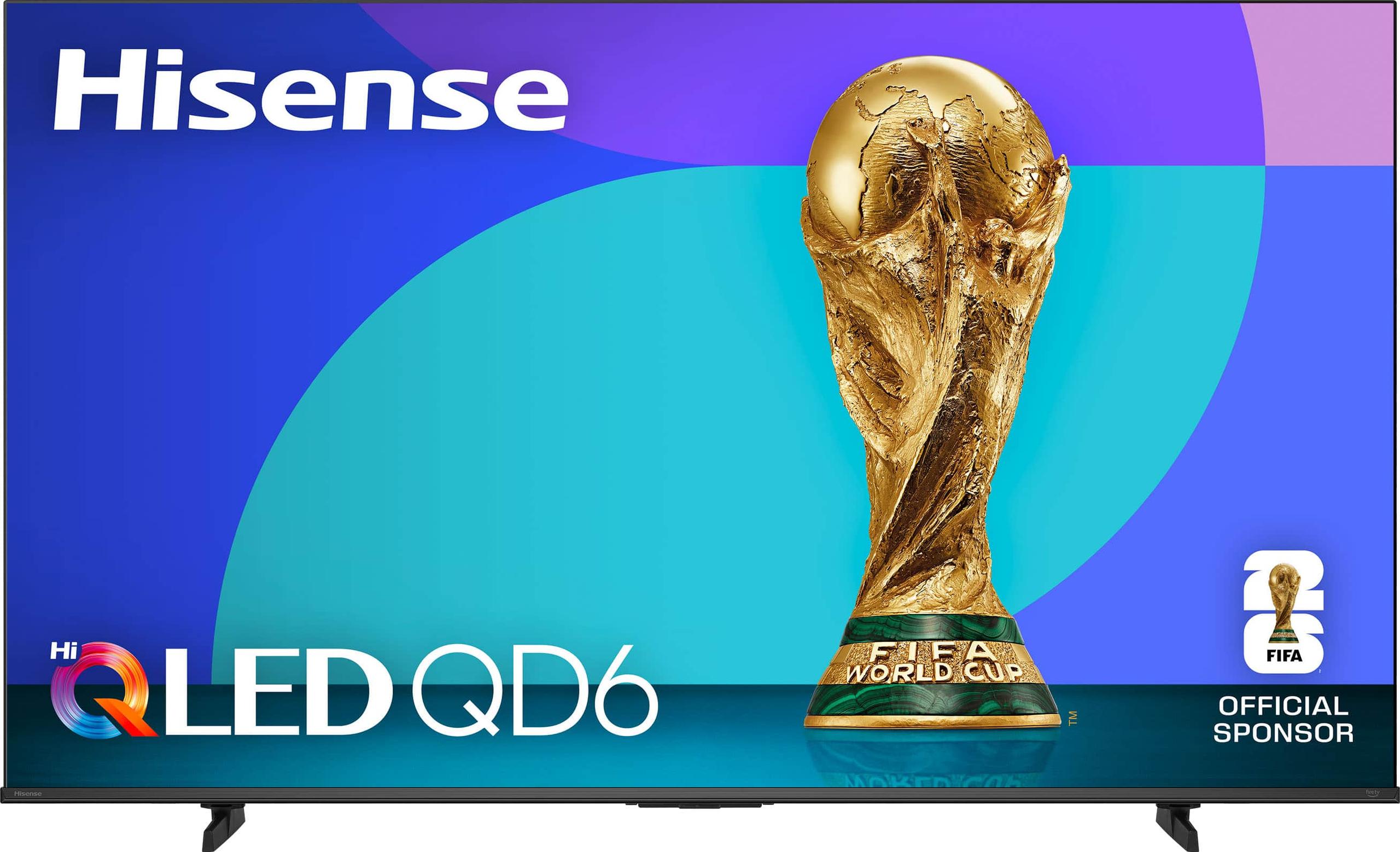
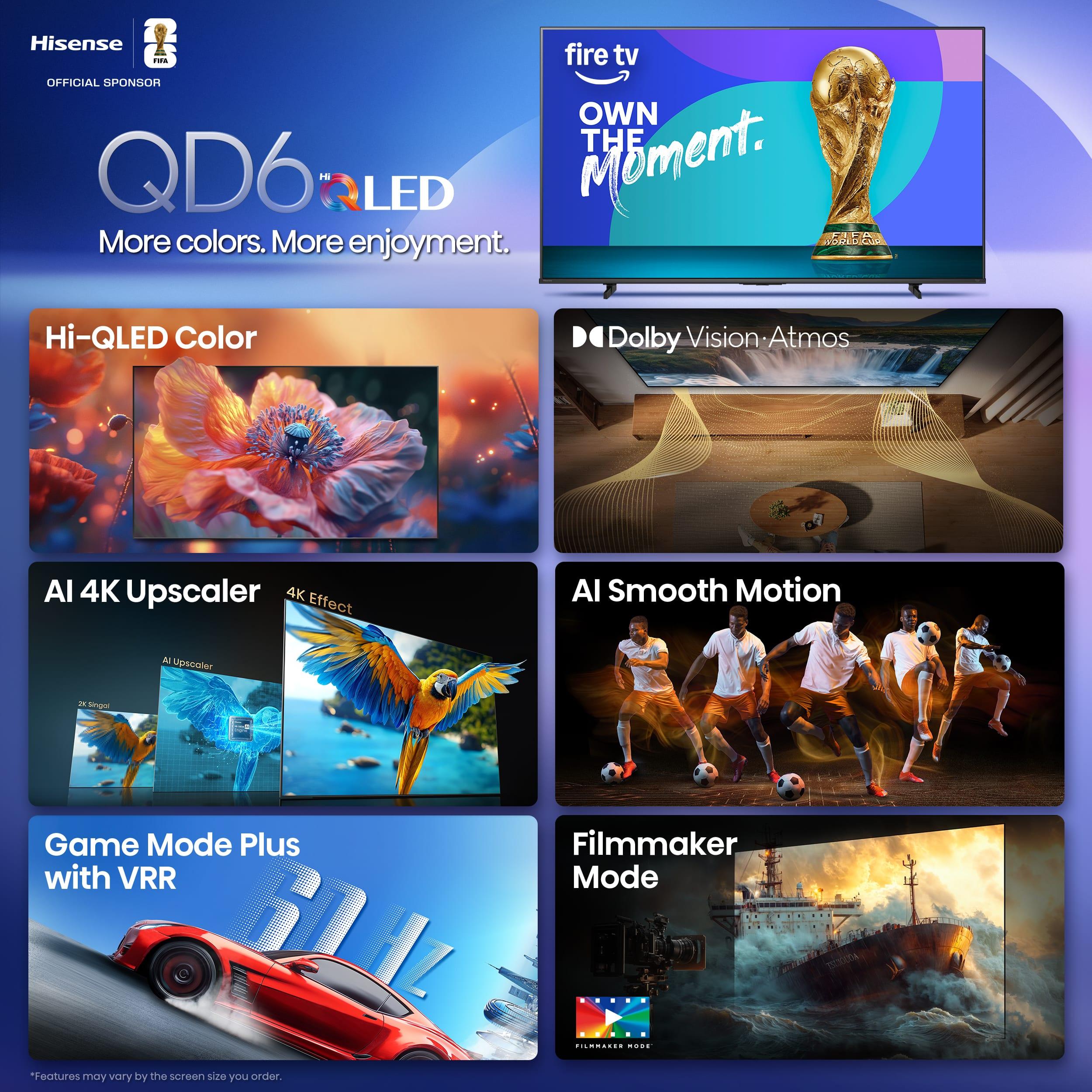
The Hisense QD6 excels in the areas where the M550 struggles most significantly - reliability and smart platform performance. Its optimized Fire TV implementation delivers responsive navigation, quick app launches, and stable operation that makes daily use genuinely enjoyable rather than frustrating. The 2025 model also features refined color processing that produces excellent out-of-box accuracy covering 90% of the DCI-P3 color gamut, ensuring vibrant yet natural-looking content across all sources. While it lacks local dimming, the QD6's consistent panel uniformity and reliable brightness levels provide predictable performance that won't leave you troubleshooting technical issues or waiting for frozen apps to respond.
The trade-off with the Hisense QD6 is accepting good rather than great picture quality in exchange for superior long-term value and peace of mind. Its 60Hz panel with Motion Rate 120 interpolation handles most content adequately but can't match the M550's native 120Hz clarity for sports and gaming. The lack of local dimming means blacks appear gray in dark scenes, reducing the dramatic contrast that makes HDR content truly impressive. However, for users who prioritize reliable daily operation over maximum specifications, the QD6 represents better overall value through consistent performance, lower risk of hardware issues, and a smart TV experience that actually works as intended. It's the safer choice that delivers solid results without the technical headaches that can plague more ambitious budget implementations.
🤖 Read Detailed Comparison
👌Hisense 65" QD6 Series Hi-QLED Fire TV (2025) 65QD6QF Details
💵 See Hisense 65" QD6 Series Hi-QLED Fire TV (2025) 65QD6QF Price
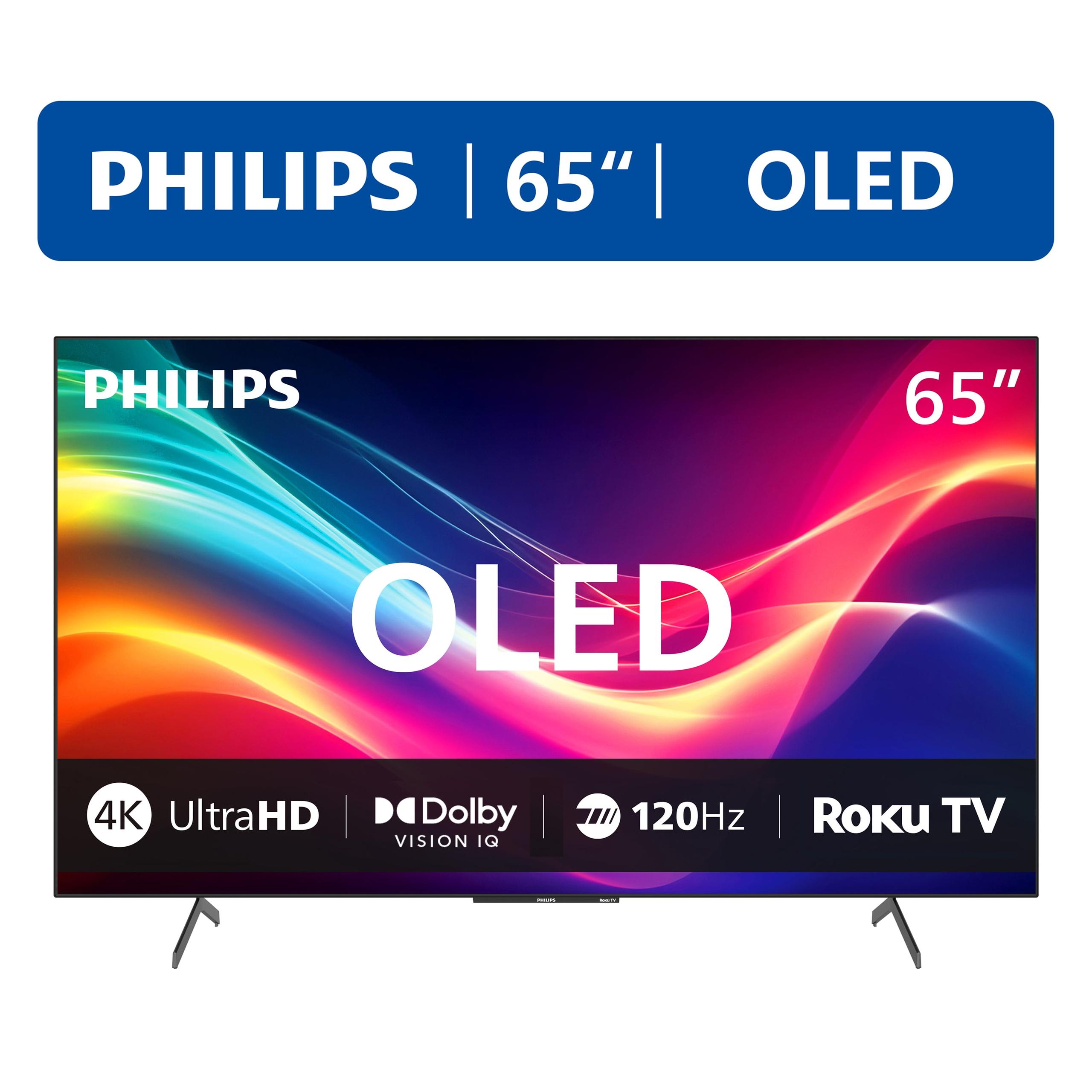
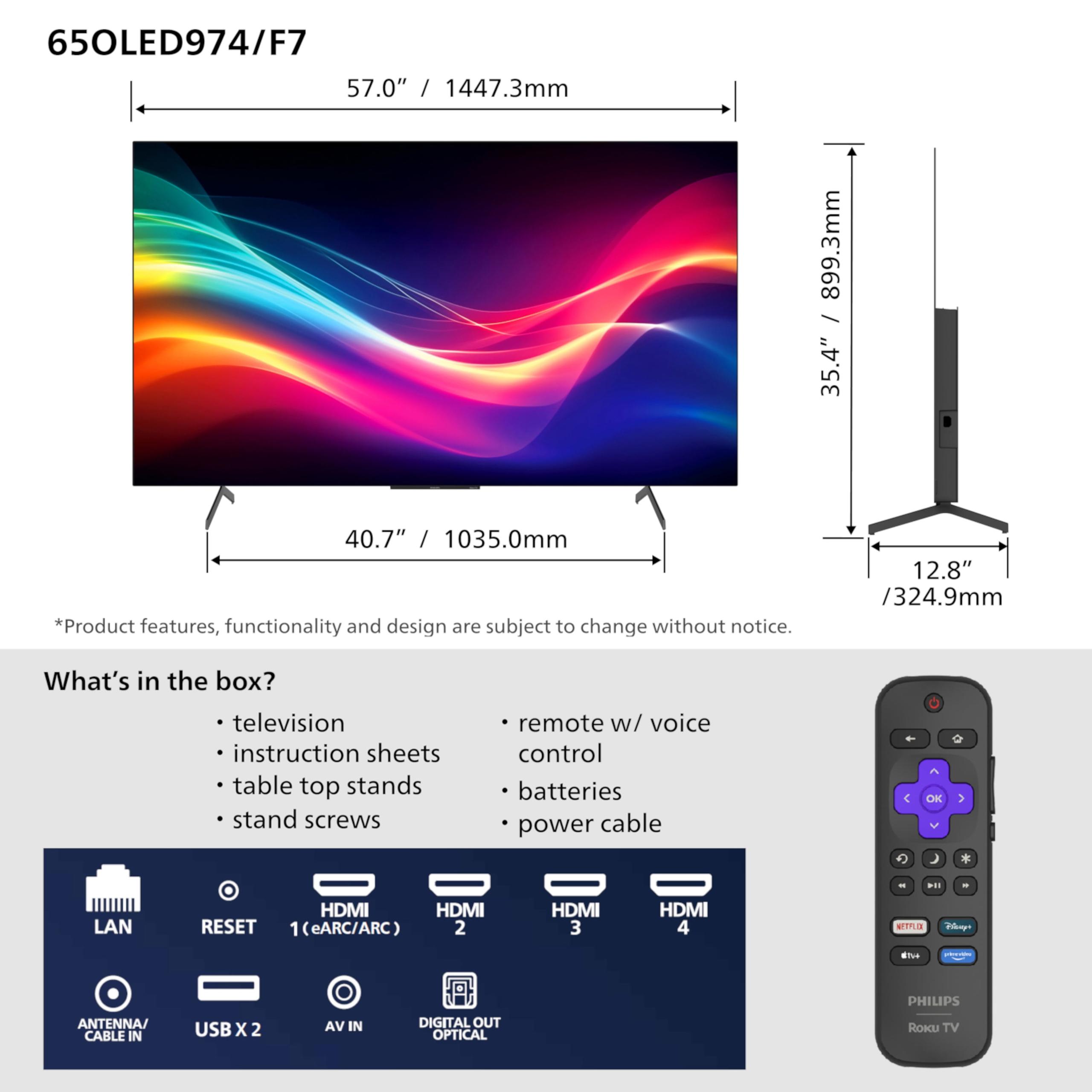
The Philips 65OLED974/F7 represents the premium end of 65-inch TV technology, delivering picture quality that's simply unmatched in dark viewing environments. Its OLED technology creates perfect blacks through individual pixel control, resulting in infinite contrast that makes movies and shows appear dramatically more cinematic than any LED-backlit display can achieve. The 120Hz native panel with sub-0.1ms response time eliminates motion blur entirely, while AMD FreeSync Premium and full 4K@120Hz support make it exceptional for serious gaming with next-gen consoles. Color accuracy covering 98.5% of the DCI-P3 gamut ensures content appears exactly as creators intended, and the stable Roku TV platform provides a consistently smooth user experience without the performance hiccups that plague budget smart TV systems.
However, the Philips OLED974/F7 commands a premium price that's typically two to three times higher than the Toshiba, and it comes with significant real-world limitations. Its poor brightness performance makes it unsuitable for bright rooms, often appearing dim and washed out during daytime viewing when the Toshiba would maintain vibrant, clear images. HDR content loses impact due to the brightness limitations, with highlights appearing muted compared to brighter QLED displays. While the picture quality is undeniably superior in controlled lighting, the Philips demands both a higher budget and specific viewing conditions to justify its cost, making it primarily suited for dedicated home theater setups or users who prioritize absolute picture quality over versatility and value.
🤖 Read Detailed Comparison
👌Philips 65OLED974/F7 65" OLED Roku TV Details
💵 See Philips 65OLED974/F7 65" OLED Roku TV Price
Original price was: $1,498.00.$1,298.00Current price is: $1,298.00.
Original price was: $499.99.$369.99Current price is: $369.99.
Original price was: $579.99.$318.99Current price is: $318.99.


Privacy Policy
Terms and Conditions - Affiliate Policy
Home Security
© Copyright 2008-2026.
11816 Inwood Rd #1211, Dallas, TX 75244