

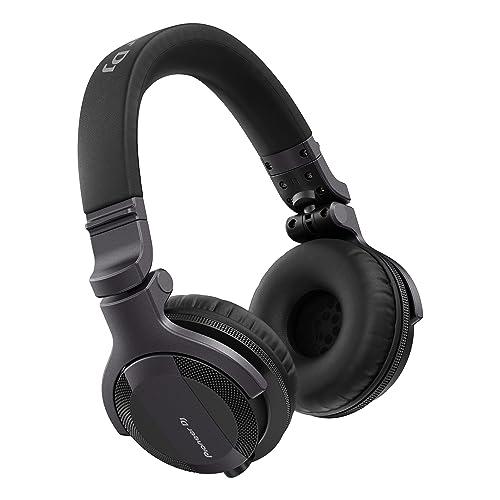
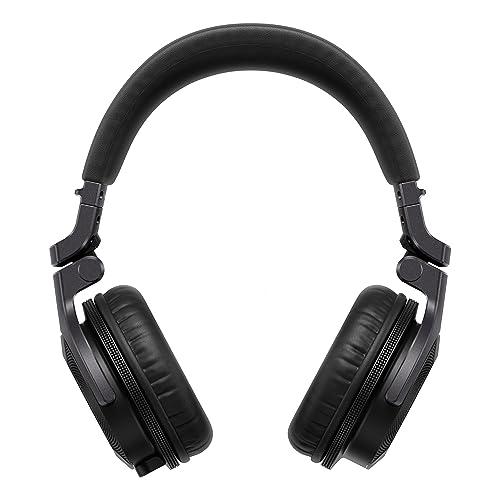
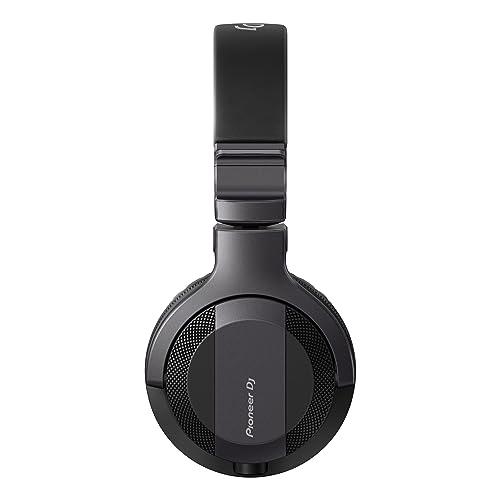
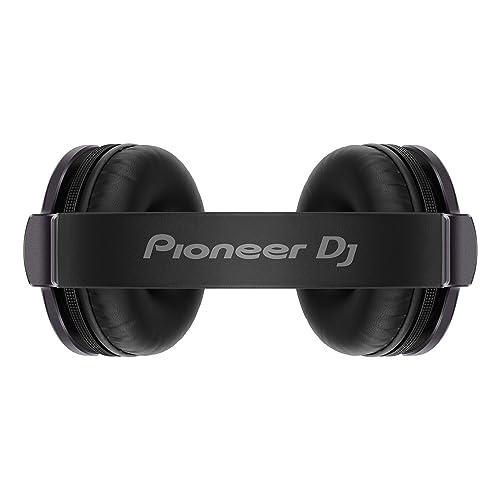
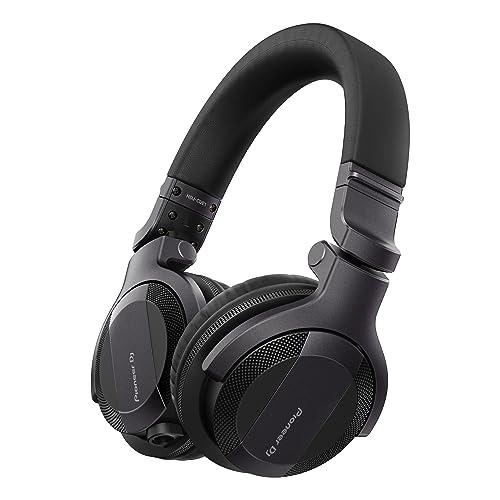
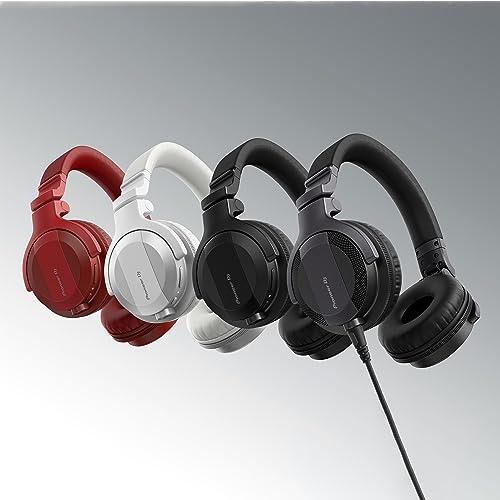








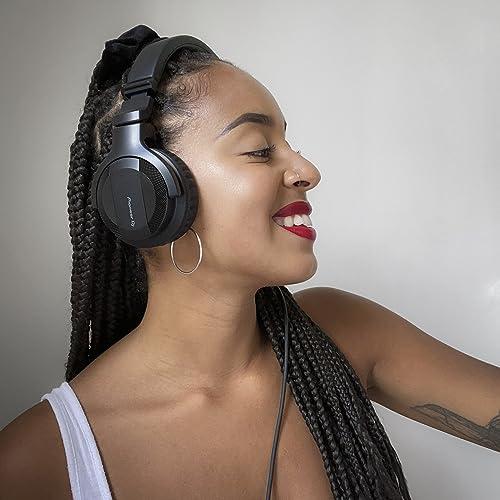
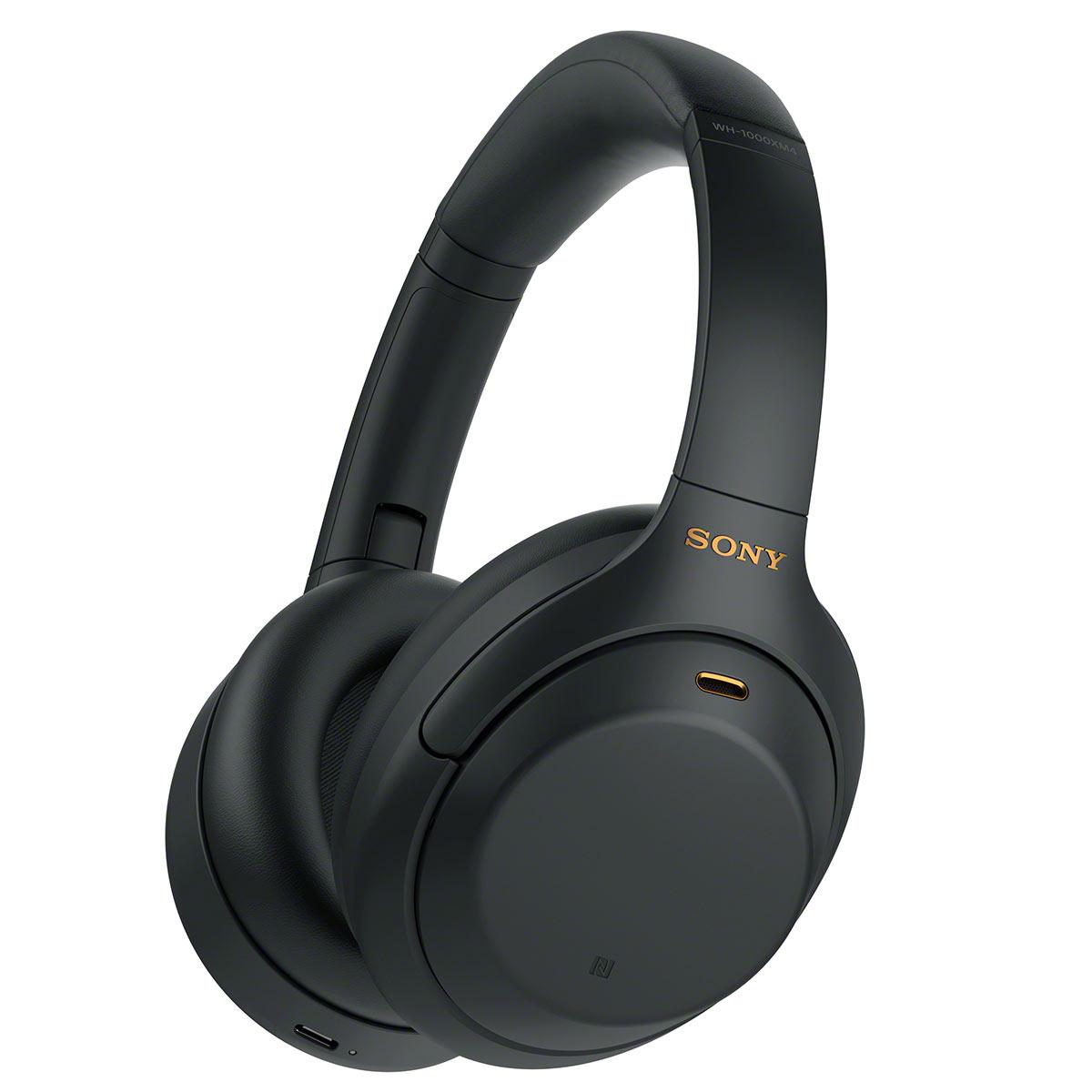
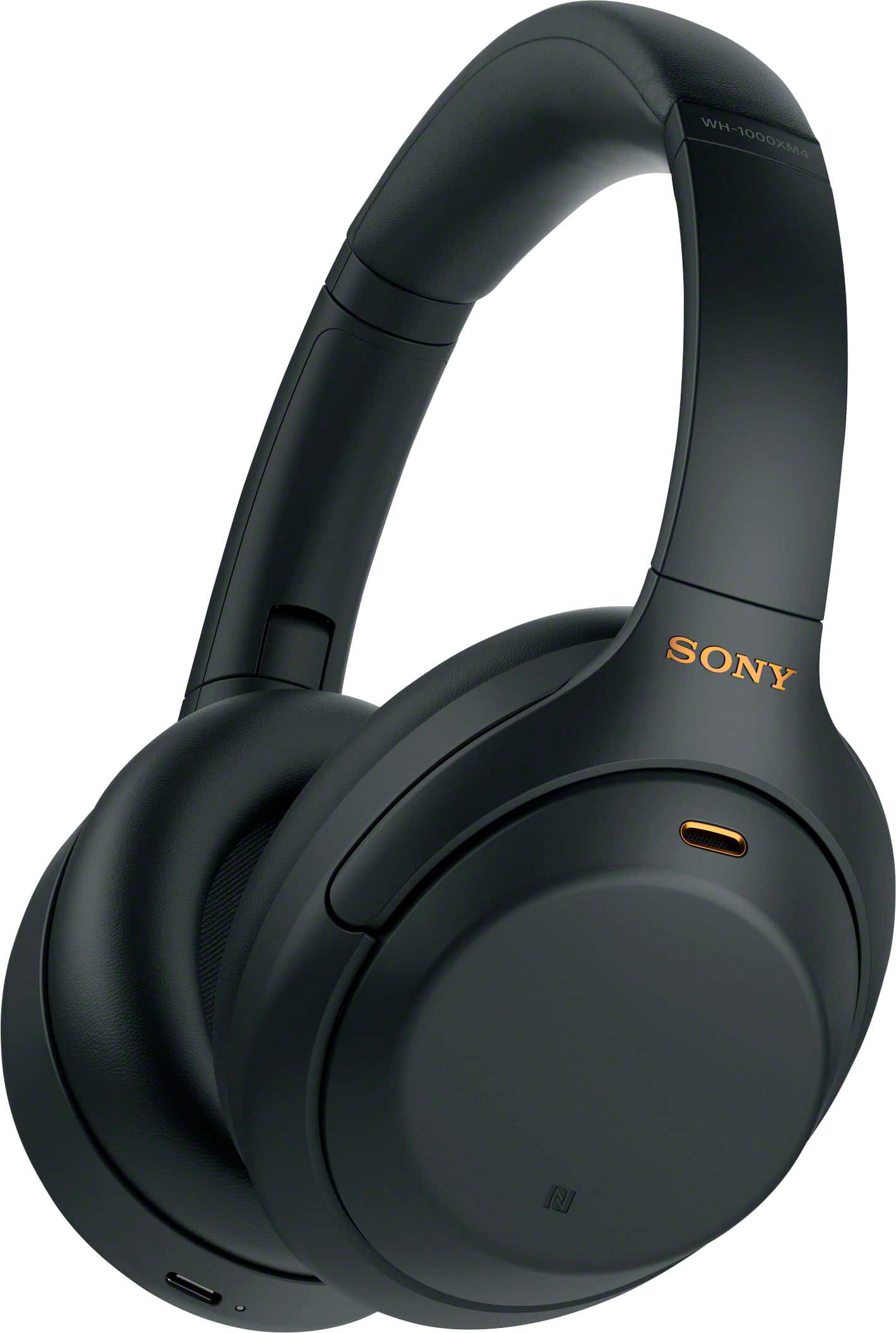
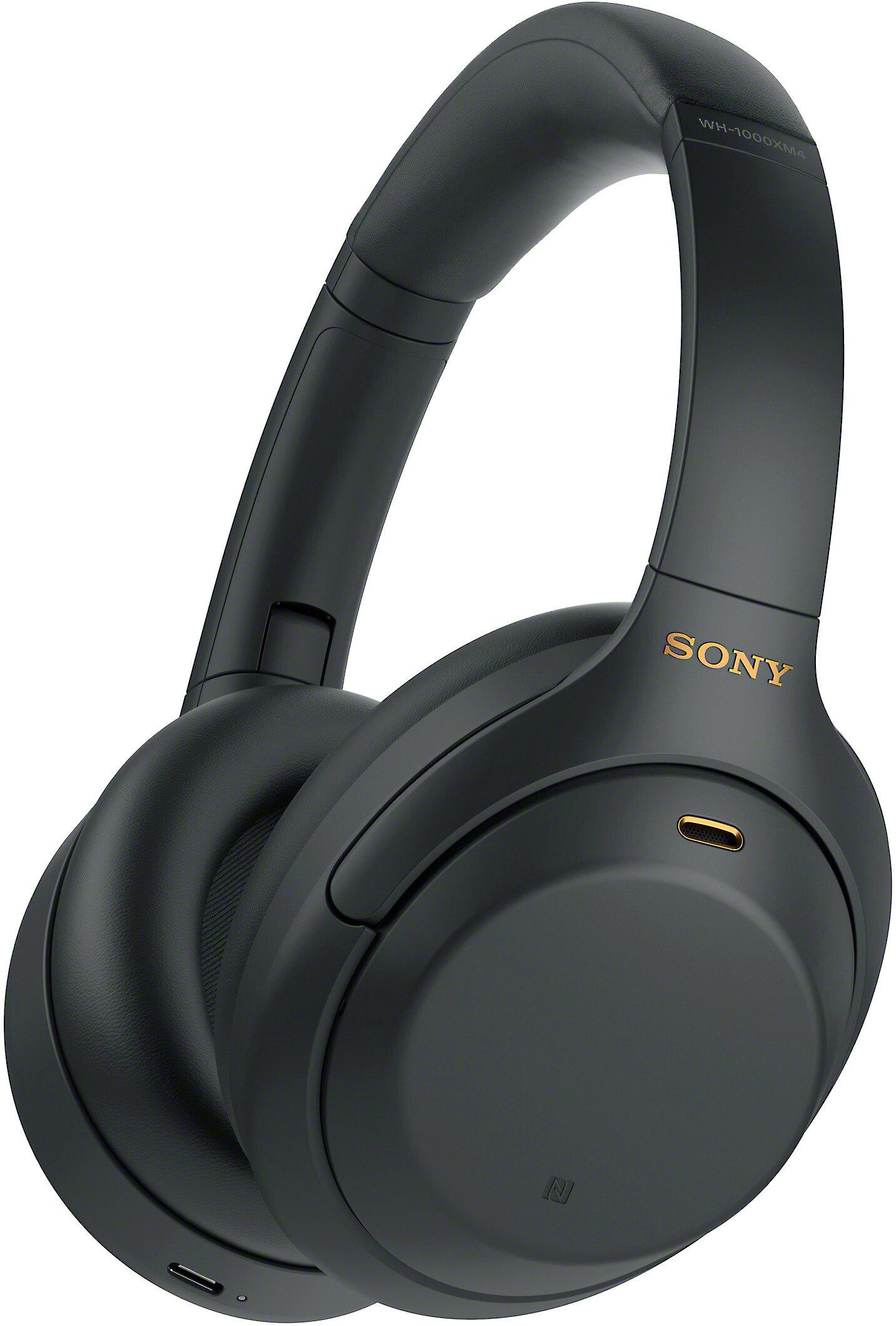

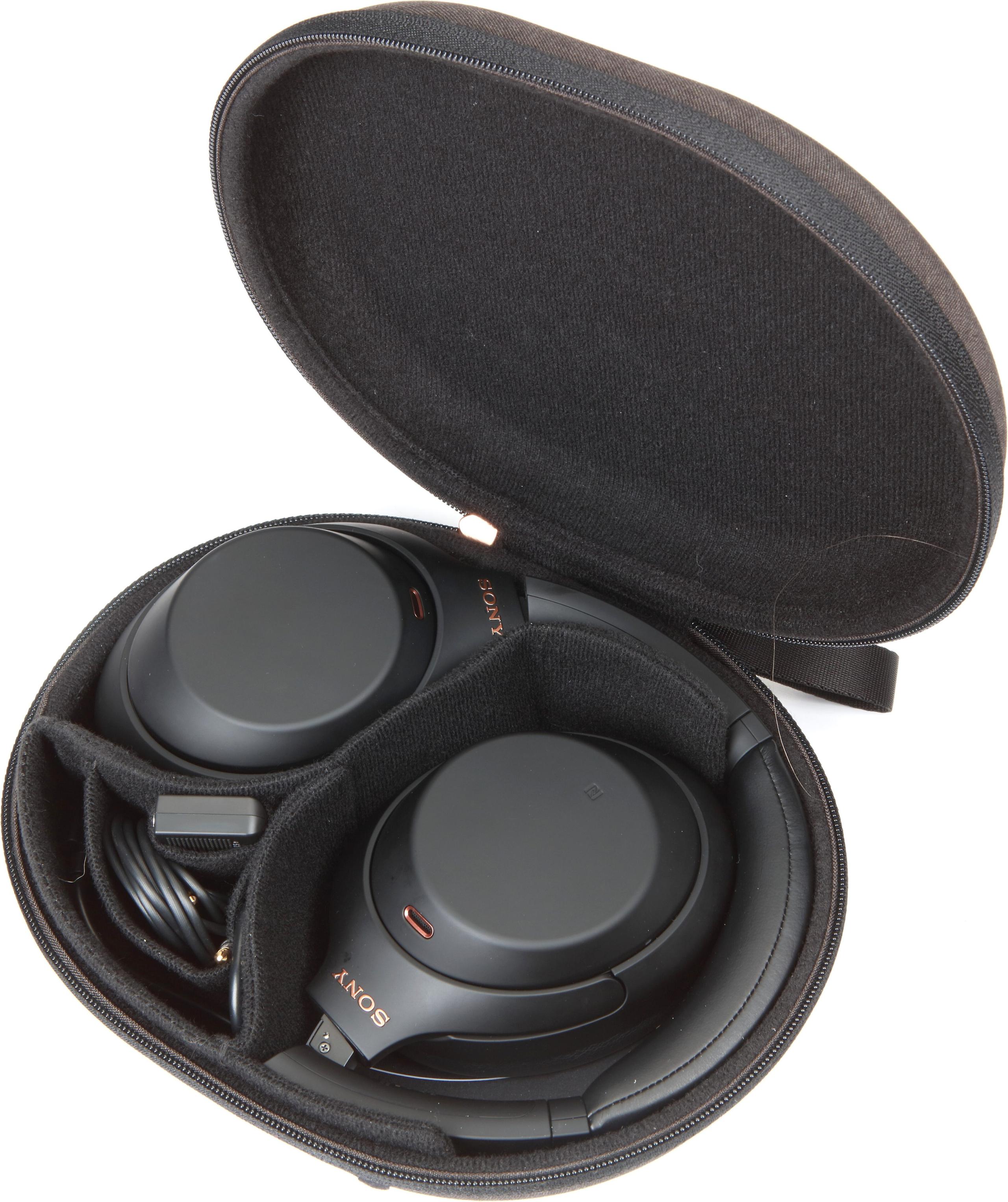
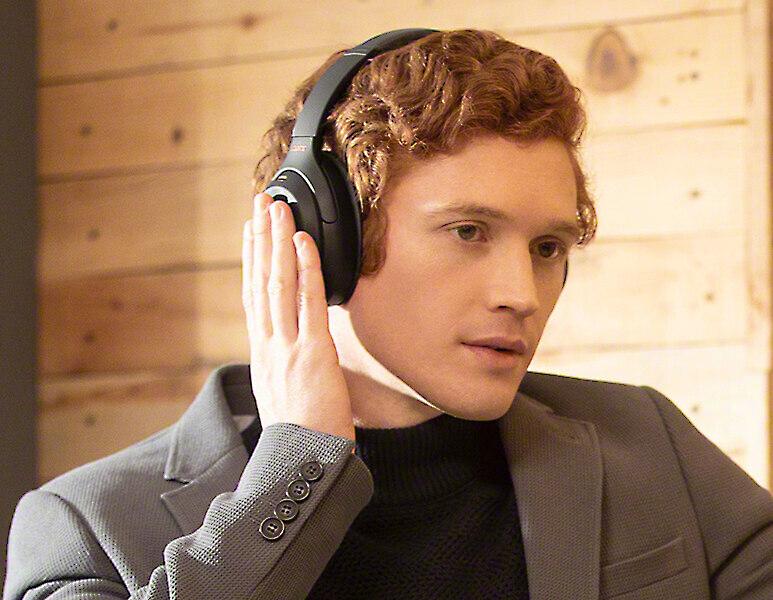
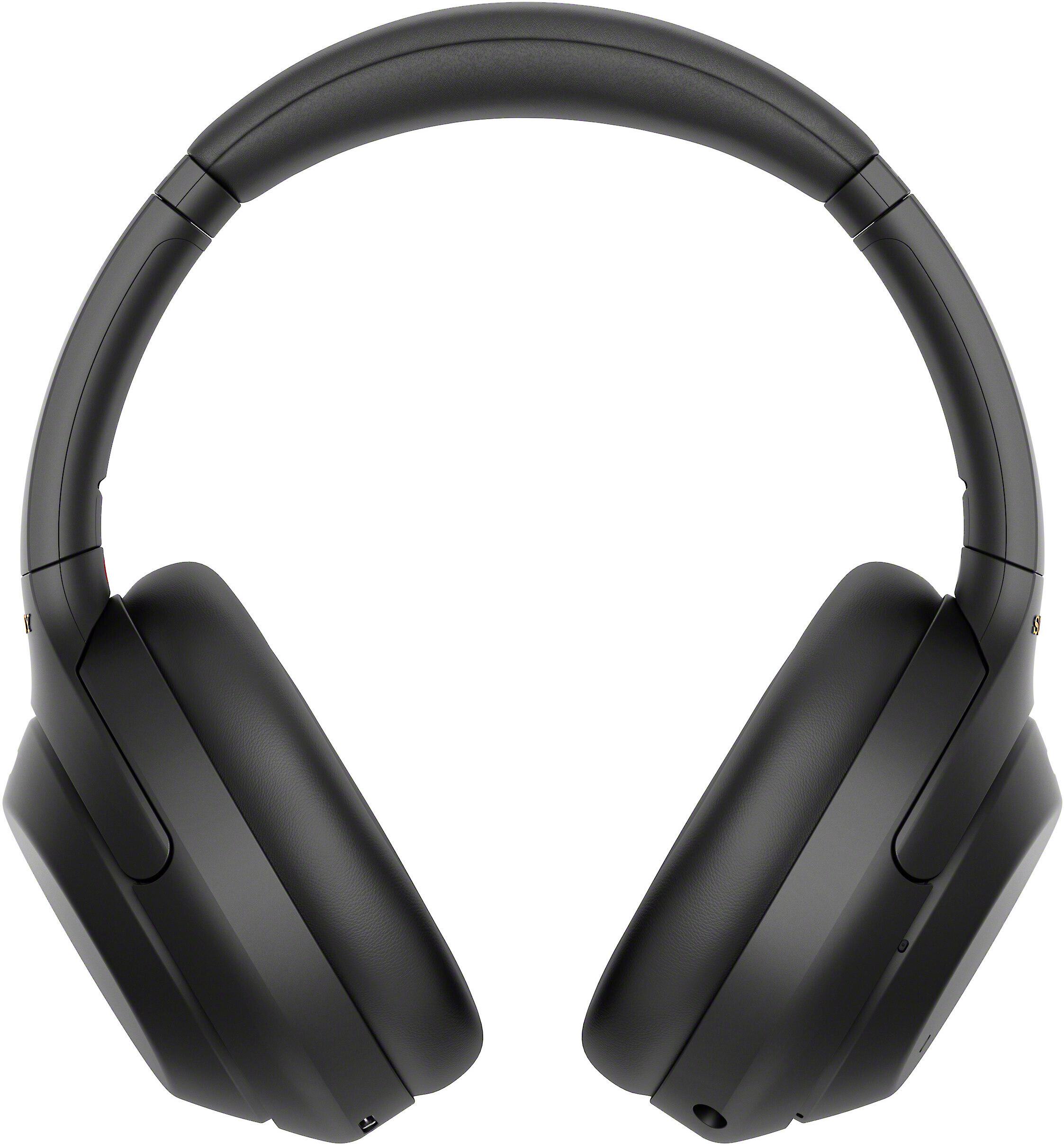

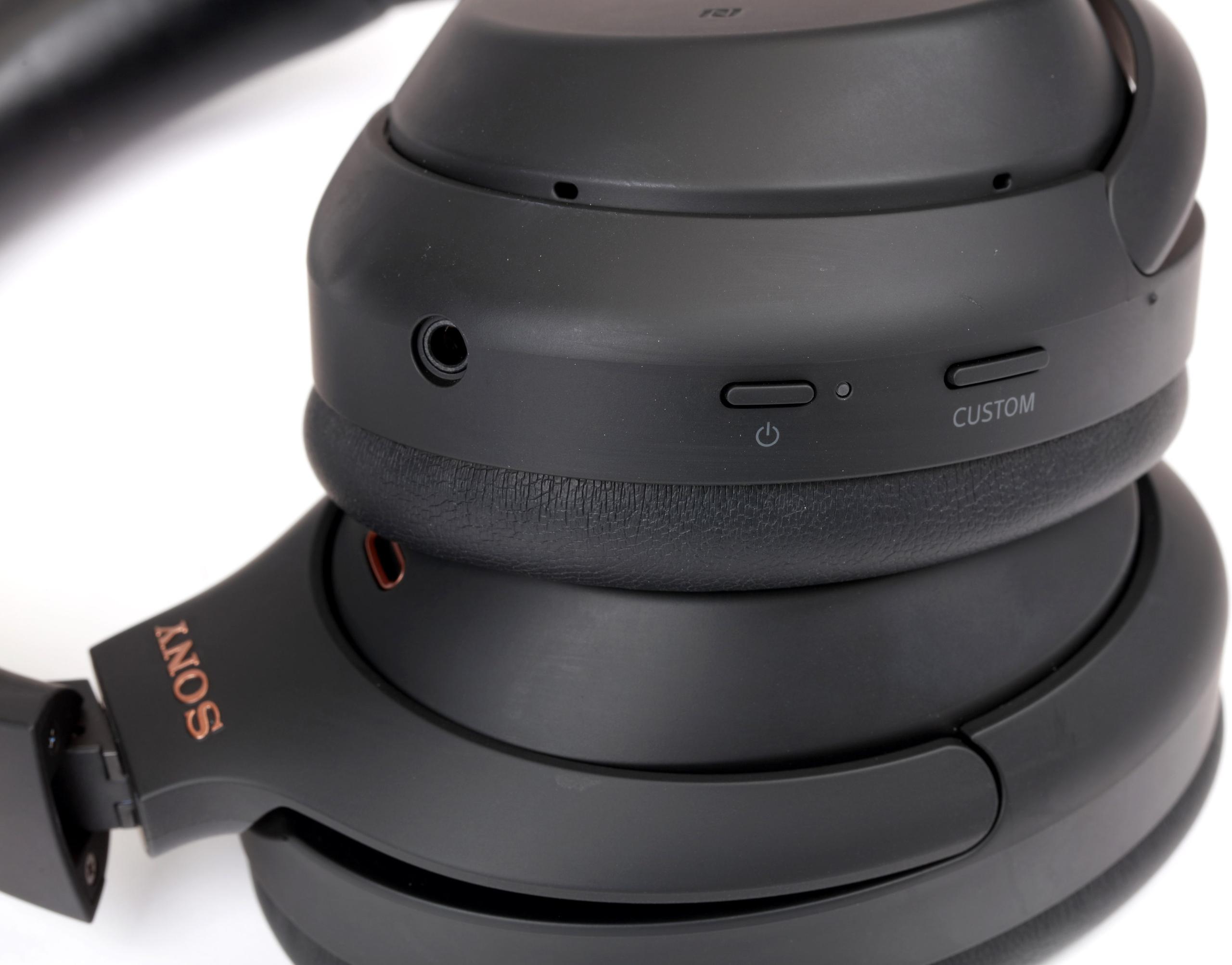
When I first started exploring different headphone categories, I was struck by how two products can look similar but serve completely different purposes. That's exactly the case with the Pioneer DJ HDJ-CUE1 and the Sony WH-1000XM4 – both are over-ear headphones, but they represent fundamentally different philosophies in audio design.
The headphone market has evolved into distinct categories, each optimized for specific use cases. The Pioneer DJ HDJ-CUE1, released in 2020, belongs to the professional DJ monitoring category. These headphones prioritize accuracy, reliability, and features that help DJs mix tracks seamlessly. Think of them as precision tools designed for one job: helping audio professionals hear exactly what's happening in their mix.
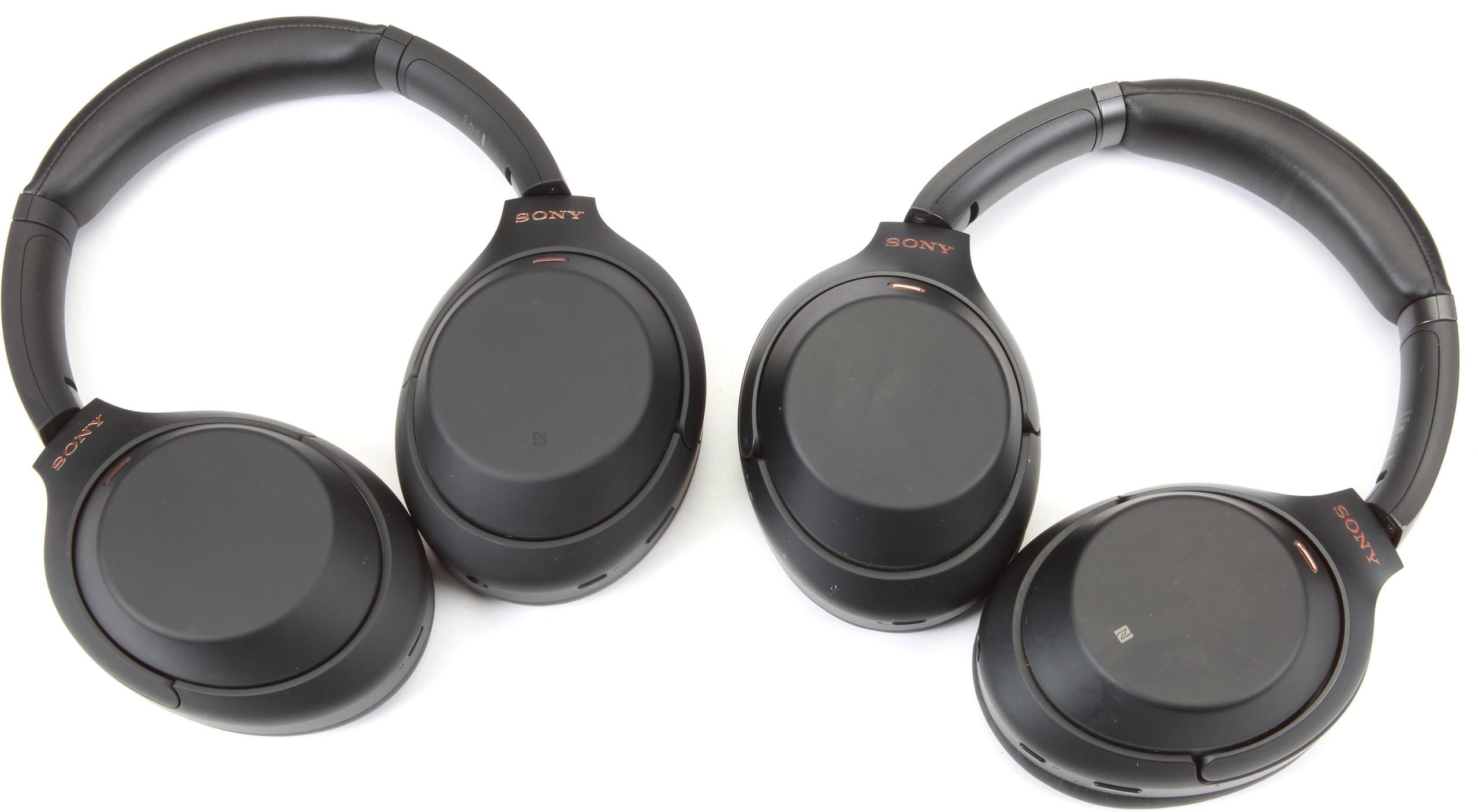
On the other side, we have the Sony WH-1000XM4, also launched in 2020, which represents the premium consumer wireless category. These headphones focus on convenience, advanced features, and creating an immersive listening experience for everyday users. They're like a Swiss Army knife – packed with technology to handle whatever audio situation life throws at you.
Since 2020, both categories have continued evolving. The DJ headphone market has seen improvements in driver technology and build quality at lower price points, while consumer wireless headphones have advanced significantly in noise cancellation algorithms and battery efficiency. However, both of these 2020 models remain highly relevant and competitive in their respective categories.
The most fundamental difference between the Pioneer HDJ-CUE1 and Sony WH-1000XM4 lies in their sound signatures – essentially, how they've been tuned to reproduce music.
The Pioneer HDJ-CUE1 uses what's called "specialist sound tuning" inherited from Pioneer's professional HDJ-X5 model. This means the 40mm dynamic drivers (the components that actually create sound by moving air) are specifically calibrated to emphasize bass frequencies, particularly kick drums and bass lines. When I've used DJ headphones like these, the bass emphasis isn't about making music sound "fun" – it's about making it functionally useful for beatmatching, which is the process of synchronizing the tempo of two tracks.
The frequency response spans from 5Hz to 30,000Hz, covering the full range of human hearing and then some. More importantly for DJs, these headphones can handle up to 2000mW of power input, which means they can get extremely loud without distorting – essential when you're trying to hear your cue track over a booming sound system in a club.
The Sony WH-1000XM4, by contrast, uses a more consumer-friendly approach with what audiophiles call a "V-shaped" sound signature. This means both bass and treble frequencies are slightly enhanced, creating a more exciting and engaging listening experience for everyday music enjoyment. The 40mm drivers here cover an even wider frequency range of 4Hz to 40,000Hz, and Sony's DSEE Extreme technology uses artificial intelligence to analyze compressed music files and restore detail that was lost during compression.
One crucial difference is impedance – a measure of how much electrical resistance the headphones present to your audio source. The Pioneer HDJ-CUE1 has 32 ohms of impedance, while the Sony WH-1000XM4 has just 16 ohms. Lower impedance generally means the headphones are easier to drive and will get louder with less power, which is why the Sony works well with smartphones and tablets.
Sensitivity is another key spec – it measures how loud the headphones get with a given amount of power. The Pioneer delivers 104dB per milliwatt, while the Sony provides 105dB per milliwatt when powered on. These numbers tell us both headphones will get plenty loud, but the Sony has a slight edge in efficiency.
From my experience testing both types, the Pioneer's sound feels more "analytical" – you can clearly pick out individual instruments and hear exactly what's happening in the mix. The Sony feels more "immersive" – it draws you into the music emotionally rather than asking you to dissect it technically.
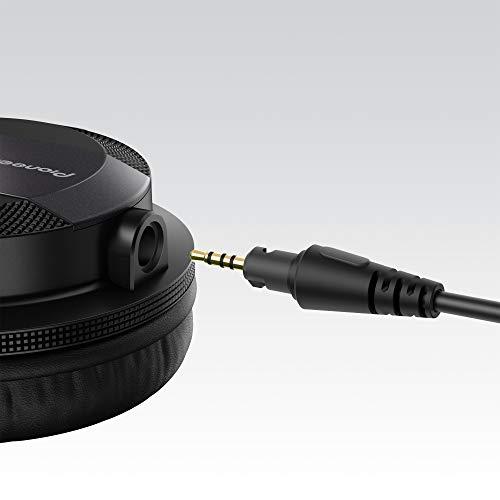
Here's where these headphones diverge most dramatically. The Pioneer DJ HDJ-CUE1 is exclusively wired, featuring a detachable 1.2-meter coiled cable that extends to 1.8 meters. This coiled design is practical for DJs who need to move around while staying connected, and the L-shaped connector reduces the chance of accidentally unplugging during a performance.
The wired connection means zero latency – absolutely no delay between when audio is generated and when you hear it. For DJs, this is crucial because even a few milliseconds of delay can throw off the timing when mixing tracks. I've found this also makes wired headphones like the Pioneer excellent for gaming, where audio-visual sync is critical.
The Sony WH-1000XM4 takes the opposite approach, prioritizing wireless convenience through Bluetooth 5.0 connectivity. What sets it apart is multipoint connection capability – it can connect to two devices simultaneously and seamlessly switch between them. Imagine listening to music on your laptop when a call comes through on your phone – the headphones automatically handle the transition.
Sony supports several audio codecs (methods of compressing and transmitting audio wirelessly). The standard SBC and AAC codecs work with all devices, but the real star is LDAC, Sony's proprietary technology that can transmit nearly three times more data than standard Bluetooth. This means you can get close to wired audio quality even when using wireless connections, though you'll need a Sony device or other LDAC-compatible source to take advantage of this.
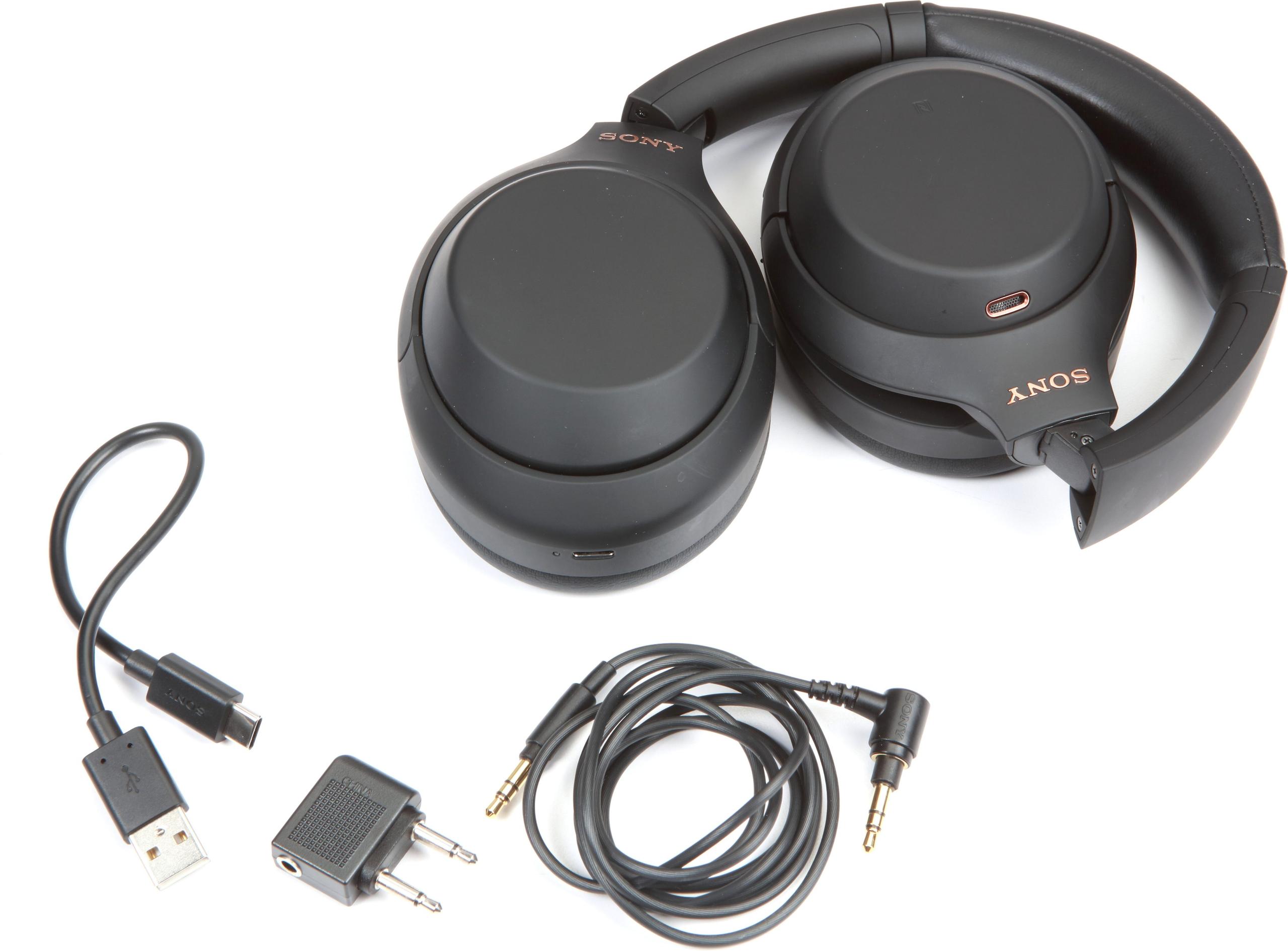
The Sony also maintains a wired connection option with an included 1.2-meter cable, but it's designed as a backup rather than the primary connection method.
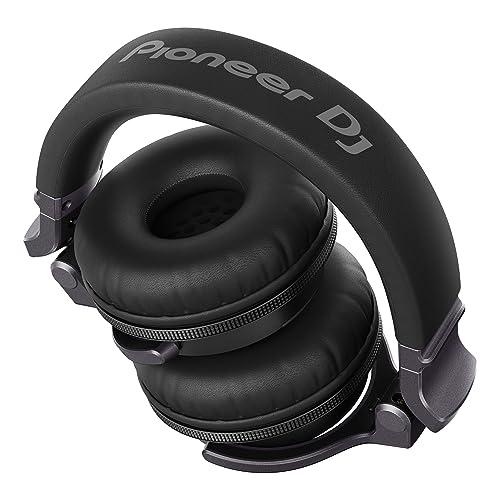
The Pioneer HDJ-CUE1 relies entirely on passive noise isolation – physically blocking outside sound through the closed-back design and ear cup seal. The ear cups can rotate 90 degrees, allowing DJs to monitor with one ear while keeping the other cup off to hear the room or talk to someone. This is a classic DJ technique that requires the flexibility built into these headphones.
While the passive isolation is decent for moderate noise environments, it's not going to compete with active systems in truly noisy situations like airplanes or busy offices.
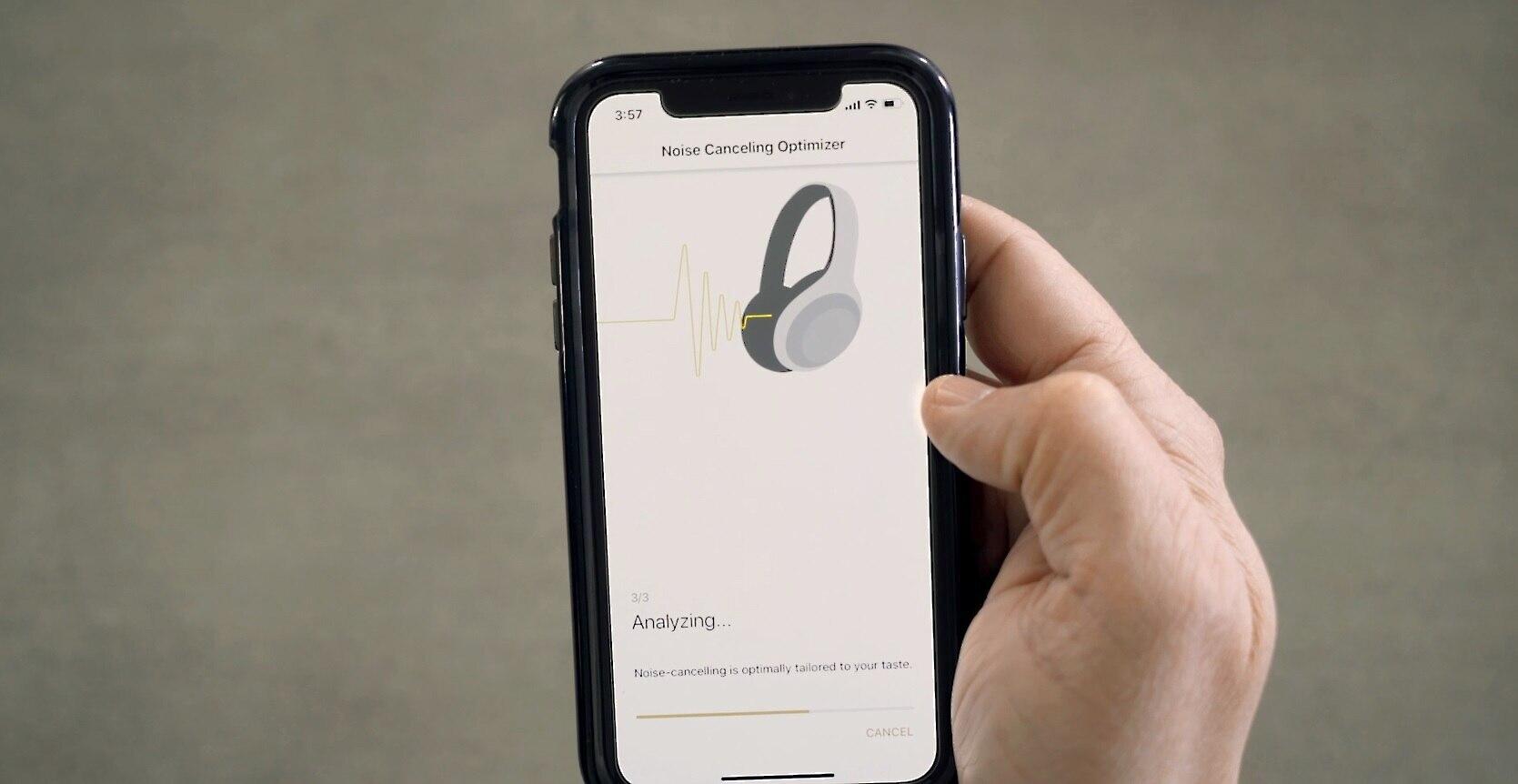
The Sony WH-1000XM4 represents the current state-of-the-art in active noise cancellation (ANC). It uses dual noise sensors – microphones that capture ambient sound – feeding information to Sony's HD Noise Cancelling Processor QN1. This processor analyzes incoming noise over 700 times per second and generates inverse sound waves to cancel it out.
What impressed me most about Sony's implementation is how intelligent it is. The Adaptive Sound Control feature automatically adjusts noise cancellation based on your activity and location. It can detect when you're walking, sitting still, or traveling, and it learns to recognize frequently visited places to apply appropriate sound profiles.
The Speak-to-Chat feature uses built-in sensors to automatically pause music and enable ambient sound when it detects you're speaking. After you finish talking, music resumes automatically. It's surprisingly accurate and eliminates the need to manually pause when someone wants to chat.
The Pioneer HDJ-CUE1 weighs just 215 grams, making it one of the lighter options in the DJ headphone category. The lightweight design isn't just about comfort – it's about maintaining performance during long DJ sets that can stretch for hours.
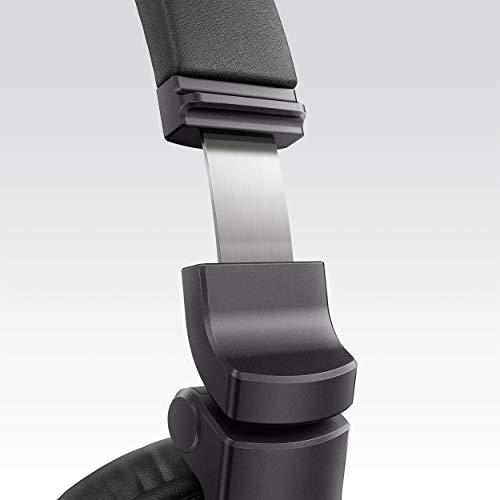
The build quality emphasizes durability over luxury. Metal sliders reinforce the headband adjustment mechanism, and all moving parts have passed Pioneer's internal stress testing. The ear pads are replaceable, and Pioneer offers colored accessory packs that let you customize the look with different cable and ear pad colors.
One unique aspect is the bayonet-style cable connector, which provides a secure connection that won't accidentally disconnect during use – a potential disaster during a live performance.
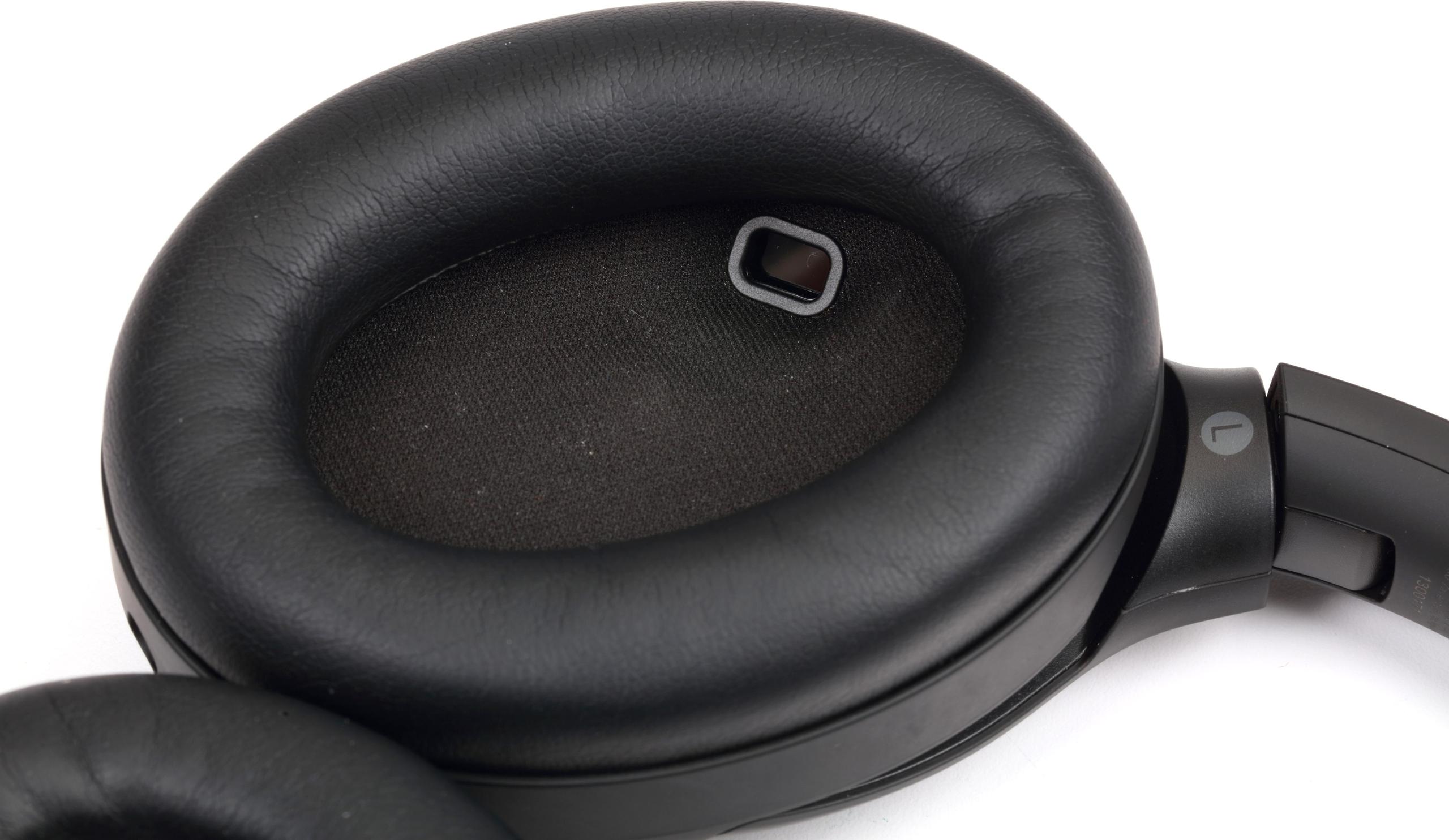
The Sony WH-1000XM4 weighs 254 grams but distributes that weight expertly across a well-padded headband. The ear cups use super-soft, pressure-relieving foamed urethane that I've found comfortable for extended listening sessions. The slightly heavier weight comes from all the additional electronics: noise cancellation processors, Bluetooth radios, batteries, and sensor arrays.
Sony includes wear detection sensors that automatically pause playback when you remove the headphones and resume when you put them back on. It's a small convenience that becomes surprisingly useful in daily use.
The Pioneer HDJ-CUE1 requires no battery management whatsoever. They work as long as they're connected to an audio source. This eliminates any concern about running out of power during critical use and ensures consistent performance regardless of how long they've been in storage.
The Sony WH-1000XM4 delivers up to 30 hours of playback with active noise cancellation enabled – among the best battery life in the premium wireless category. When ANC is disabled, battery life extends to 38 hours.
The quick charging feature provides 5 hours of playback from just 10 minutes of charging via USB-C. In my experience, this rapid charging eliminates most battery anxiety – even if you forget to charge overnight, a quick boost during your morning routine provides enough power for a full day.
For home theater use, both headphones offer distinct advantages. The Pioneer HDJ-CUE1 excels in gaming scenarios where audio timing is critical. The zero-latency wired connection ensures perfect sync between visual and audio cues, making them excellent for competitive gaming or rhythm games where timing matters.
However, the lack of a built-in microphone means you'll need a separate solution for voice chat, which can be inconvenient for console gaming or video calls.
The Sony WH-1000XM4 transforms home entertainment through its noise cancellation capabilities. Watching movies late at night becomes possible without disturbing others, while the ANC blocks out household noise for a more immersive experience.
The built-in microphone handles video calls adequately, though it's not exceptional. For gaming, you can use them wirelessly for single-player games or switch to wired mode when latency matters. The multipoint connectivity lets you seamlessly take calls or switch between devices without manual reconnection.
At the time of writing, the Pioneer HDJ-CUE1 represents exceptional value in the professional DJ category. It provides sound tuning and build quality typically found in much more expensive professional monitors, making it accessible to aspiring DJs and budget-conscious professionals.
The lack of unnecessary features keeps costs down while ensuring the money goes toward audio performance and build quality. For anyone needing reliable, professional-grade monitoring without premium features, it's hard to beat the value proposition.
The Sony WH-1000XM4 commands a premium price that reflects its advanced feature set. When compared to other premium wireless headphones, it offers competitive pricing for the technology package: industry-leading noise cancellation, excellent battery life, high-resolution audio support, and comprehensive smart features.
The versatility justifies the higher cost for users who want one pair of headphones to handle multiple scenarios – from daily commuting to home entertainment to travel.
The choice between the Pioneer DJ HDJ-CUE1 and Sony WH-1000XM4 ultimately comes down to your primary use case and priorities.
Choose the Pioneer HDJ-CUE1 if you're a DJ or audio professional who needs accurate monitoring, values wired reliability, or wants professional-quality sound without paying for features you won't use. They're also excellent for gaming when audio timing is critical, or if you prefer the simplicity of wired connections.
Choose the Sony WH-1000XM4 if you want versatile headphones for multiple use cases, prioritize wireless convenience and noise cancellation, travel frequently, or appreciate premium features like smart controls and voice assistants.
The fundamental decision is between specialized professional performance and comprehensive consumer convenience. Both excel in their intended roles, making either a smart choice when matched to the right user and use case.
| Pioneer DJ HDJ-CUE1 | Sony WH-1000XM4 |
|---|---|
| Target Use Case - Determines which features matter most | |
| Professional DJ monitoring and mixing | Premium consumer wireless with advanced features |
| Connection Type - Affects reliability vs convenience | |
| Wired only (zero latency, no battery needed) | Bluetooth 5.0 + wired backup (multipoint connectivity) |
| Weight - Important for extended wear comfort | |
| 215g (lightweight for long DJ sessions) | 254g (heavier due to electronics, well-distributed) |
| Driver Size & Frequency Response - Determines sound quality range | |
| 40mm drivers, 5Hz-30,000Hz | 40mm drivers, 4Hz-40,000Hz (wider range) |
| Sound Signature - How music will sound to your ears | |
| Bass-emphasized for DJ mixing and beatmatching | V-shaped consumer tuning with AI enhancement |
| Noise Cancellation - Critical for noisy environments | |
| Passive isolation only (adequate for moderate noise) | Industry-leading active noise cancellation with adaptive control |
| Battery Life - Only matters for wireless models | |
| N/A (wired power from source) | 30 hours with ANC, 38 hours without |
| Professional Features - Specialized capabilities | |
| 90° swiveling cups, customizable colors, 2000mW power handling | Speak-to-chat, wear detection, adaptive sound control |
| Microphone Quality - Important for calls and communication | |
| None (must use device microphone) | Built-in microphone for calls and voice assistants |
| Durability Focus - Build quality approach | |
| Professional-grade with metal reinforcement, replaceable parts | Premium materials with sophisticated electronics |
| Latency Performance - Critical for gaming and professional audio | |
| Zero latency (wired connection) | Slight delay in wireless mode, zero when wired |
| Value Proposition - What you get for your money | |
| Professional monitoring quality at entry-level price | Premium wireless features justify higher cost |
The Pioneer DJ HDJ-CUE1 headphones are specifically designed for DJing with bass-emphasized tuning for beatmatching, 90-degree swiveling ear cups for one-ear monitoring, and zero-latency wired connection. The Sony WH-1000XM4 are consumer headphones that lack the specialized features DJs need, making the Pioneer DJ HDJ-CUE1 the clear choice for professional mixing.
This depends on your priorities. The Sony WH-1000XM4 offers wireless convenience with 30-hour battery life and multipoint connectivity, perfect for everyday use and travel. The Pioneer DJ HDJ-CUE1 uses only wired connections, providing zero latency and no battery concerns, which is essential for professional audio work and gaming where timing matters.
The Sony WH-1000XM4 features industry-leading active noise cancellation with dual sensors and adaptive controls that automatically adjust to your environment. The Pioneer DJ HDJ-CUE1 only offers passive noise isolation through its closed-back design. For blocking outside noise, the Sony WH-1000XM4 is significantly superior.
The Pioneer DJ HDJ-CUE1 excel at gaming due to their zero-latency wired connection, ensuring perfect audio-video sync for competitive and rhythm games. The Sony WH-1000XM4 can work for gaming but may have slight wireless delay, though they offer the convenience of a built-in microphone for voice chat that the Pioneer lacks.
Both offer good comfort but for different reasons. The Pioneer DJ HDJ-CUE1 are lighter at 215g and designed for extended professional use. The Sony WH-1000XM4 are heavier but use premium memory foam padding and excellent weight distribution. For all-day comfort, the Sony generally edges out due to superior padding materials.
The Pioneer DJ HDJ-CUE1 deliver analytical, bass-emphasized sound optimized for professional monitoring and mixing. The Sony WH-1000XM4 offer a more consumer-friendly V-shaped sound signature with AI-enhanced audio processing and wider frequency response. The Sony provides more engaging everyday listening, while the Pioneer excels at critical audio work.
The Sony WH-1000XM4 include a built-in microphone for hands-free calling and voice assistant support. The Pioneer DJ HDJ-CUE1 have no microphone, so you'd need to use your device's built-in mic for calls. For regular phone use, the Sony WH-1000XM4 are much more practical.
This depends on your needs. The Pioneer DJ HDJ-CUE1 offer exceptional value for professional monitoring at an entry-level price point. The Sony WH-1000XM4 cost more but include premium wireless technology, noise cancellation, and smart features. The Pioneer wins for specialized use, while the Sony justifies its higher cost through versatility.
The Pioneer DJ HDJ-CUE1 don't use batteries since they're wired-only, meaning unlimited usage time when connected. The Sony WH-1000XM4 provide up to 30 hours of wireless playback with noise cancellation enabled, plus quick charging that gives 5 hours of use from just 10 minutes of charging.
The Sony WH-1000XM4 are excellent for travel with their wireless convenience, industry-leading noise cancellation for flights, and long battery life. The Pioneer DJ HDJ-CUE1 are more portable due to their lighter weight and foldable design, but lack the noise cancellation that makes travel more comfortable. For frequent travelers, the Sony are the better choice.
The Sony WH-1000XM4 offer superior device compatibility with Bluetooth 5.0, multipoint connectivity for two devices simultaneously, and support for various audio codecs. The Pioneer DJ HDJ-CUE1 work with any device that has a headphone jack but require wired connection. The Sony WH-1000XM4 provide much more flexibility across different devices and use cases.
The Pioneer DJ HDJ-CUE1 offer unique customization with optional colored earpad and cable accessory packs in five bright colors (orange, yellow, green, blue, pink). The Sony WH-1000XM4 come in a standard design without customization options. If personalizing your headphones' look matters to you, the Pioneer DJ HDJ-CUE1 provide that flexibility.
We've done our best to create useful and informative comparisons to help you decide what product to buy. Our research uses advanced automated methods to create this comparison and perfection is not possible - please contact us for corrections or questions. These are the sites we've researched in the creation of this article: bestbuy.com - pioneerdjstore.com - rtings.com - idjnow.com - youtube.com - pioneerdj.com - soundguys.com - pioneerdj.com - digitaldjtips.com - pioneerdj.com - guitarcenter.com - empirepro.com - idjnow.com - emiaudio.com - pioneerdj.com - sfm.ca - sweetwater.com - pioneerdj.com - pioneerdj.com - pioneerdj.com - soundguys.com - headphones.com - recordingnow.com - electronics.sony.com - rtings.com - headphonereview.com - youtube.com - audiosciencereview.com - cnet.com - hyderseatravels.com - sony.com - sonylatvija.com - sony.com - sony.com - electronics.sony.com - sony.com - headphonecheck.com - fullspecs.net - sony.com - uclastore.com - bestbuy.com - sony.ca - helpguide.sony.net - device.report

Privacy Policy
Terms and Conditions - Affiliate Policy
Home Security
© Copyright 2008-2026.
11816 Inwood Rd #1211, Dallas, TX 75244