

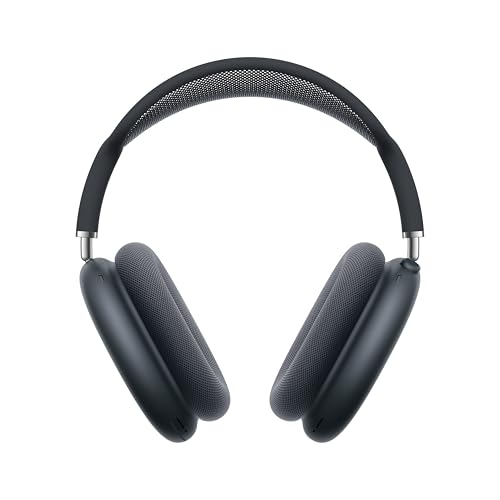
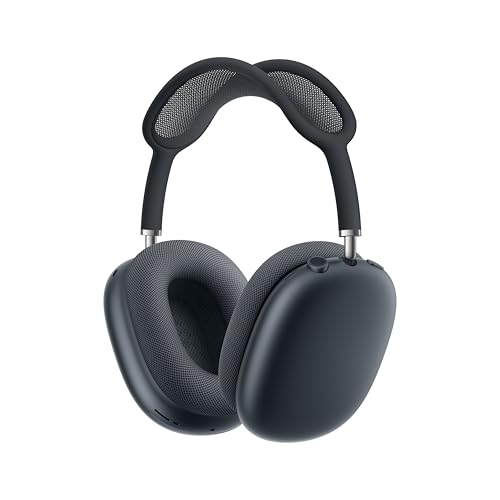
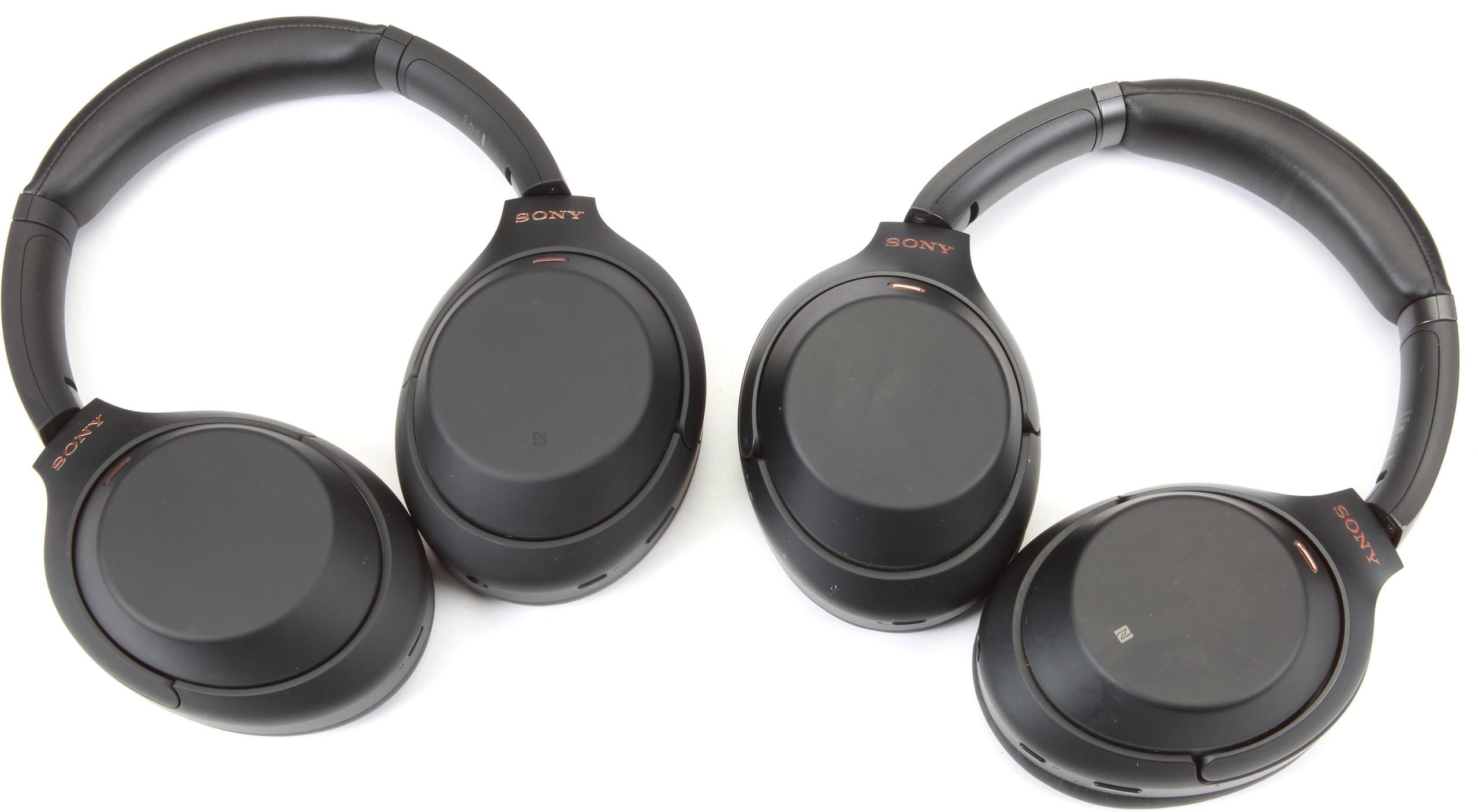
When you're ready to invest in premium wireless headphones, two models consistently rise to the top of every recommendation list: Apple's AirPods Max and Sony's WH-1000XM4. Both represent the pinnacle of what their respective companies can achieve in personal audio, but they take remarkably different approaches to reach that summit.
The premium wireless noise-cancelling headphone market has exploded over the past decade, transforming from a niche category dominated by frequent flyers into a mainstream battleground where tech giants compete for your ears—and your wallet. These aren't just headphones anymore; they're sophisticated computers that happen to play music, packed with processors, sensors, and algorithms that work together to create something approaching audio magic.
Before diving into specifics, it's worth understanding what separates premium headphones from their budget counterparts. At this level, you're not just paying for better drivers (the components that actually produce sound). You're investing in advanced noise cancellation technology, premium materials, computational audio processing, and features that adapt to your environment and preferences.
The main considerations when evaluating premium headphones include audio quality—how accurately and pleasingly they reproduce music—and noise cancellation effectiveness, which determines how well they block unwanted environmental sounds. Comfort becomes crucial since you'll likely wear these for hours at a time, while battery life affects how often you'll need to reach for a charging cable. The feature set encompasses everything from smartphone apps to voice assistant integration, and finally, value proposition—whether the performance justifies the investment.
The AirPods Max, released in 2020, marked Apple's ambitious entry into the premium over-ear headphone market. Apple had already conquered the wireless earbud space with AirPods, but the Max represented something entirely different—a no-compromise approach to wireless audio that prioritizes integration within Apple's ecosystem above all else.
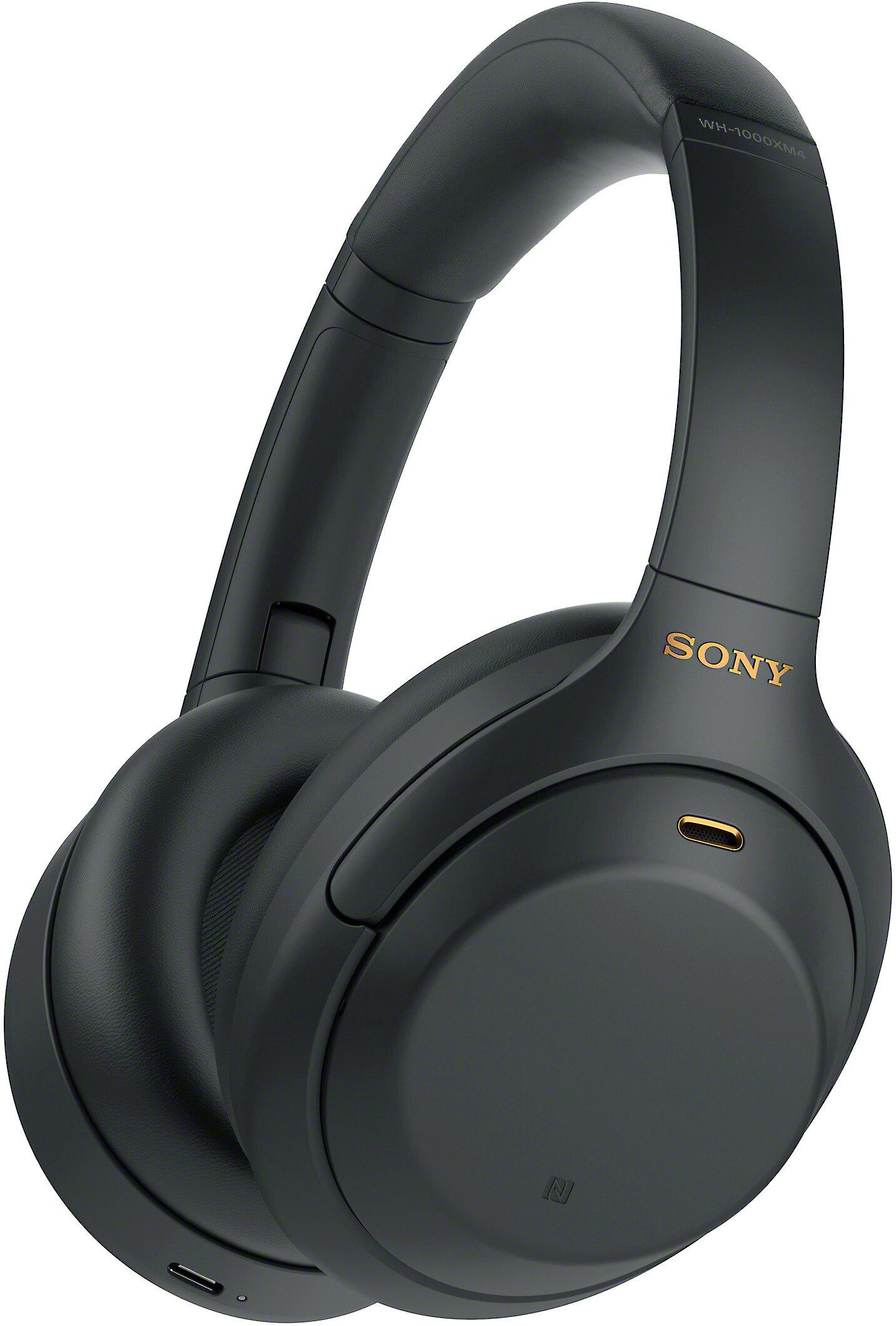
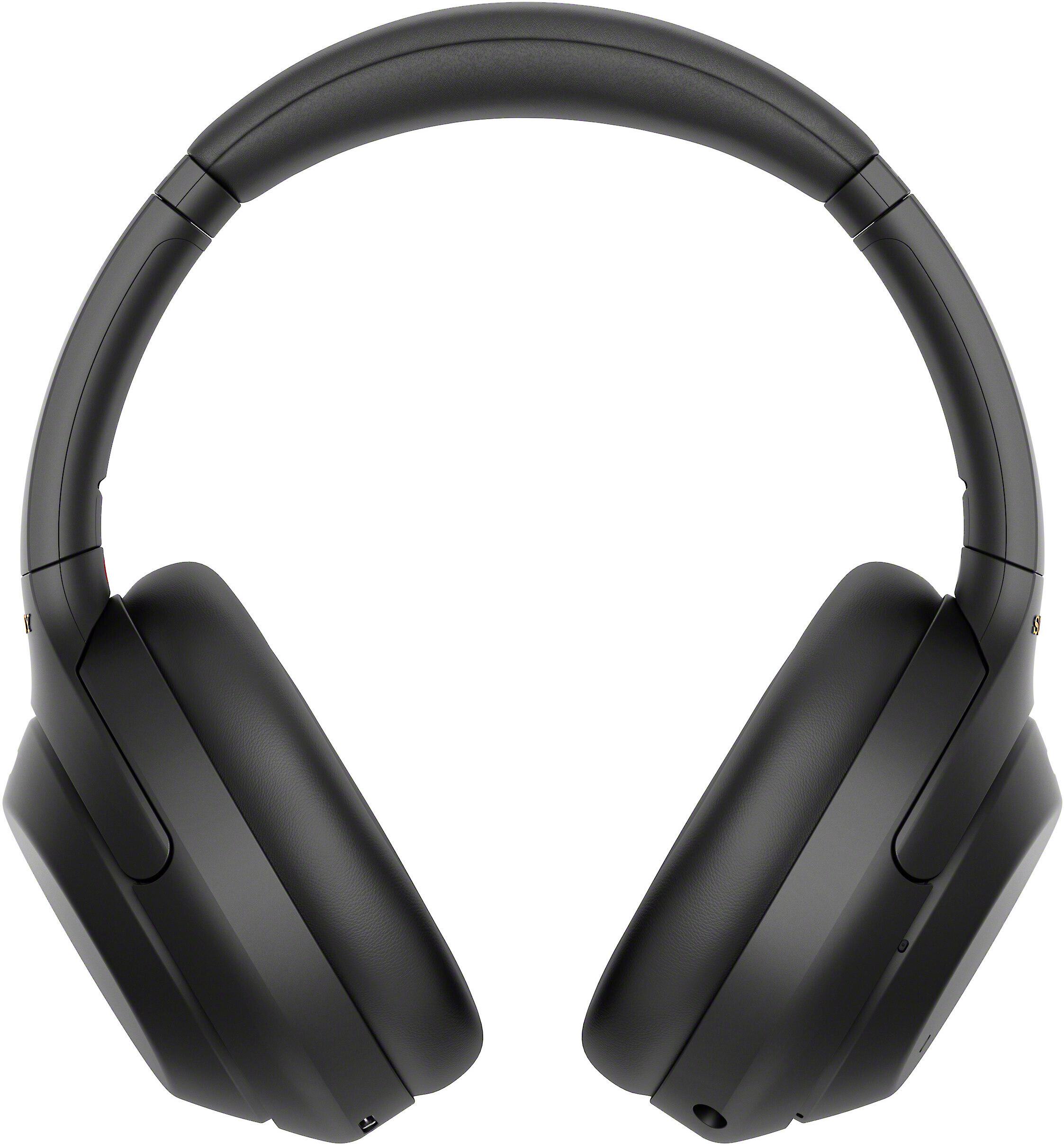
Sony's WH-1000XM4, also launched in 2020, continued the company's established dominance in noise-cancelling headphones. As the fourth generation of Sony's flagship XM series, these headphones refined an already successful formula rather than revolutionizing it. Sony has maintained this leadership position through 2024, with the newer XM5 model building on the XM4's foundation.
The philosophical differences between these approaches become apparent the moment you handle each pair. The AirPods Max feels like a luxury item—all aluminum and stainless steel with the kind of build quality typically reserved for high-end watches. The Sony WH-1000XM4 prioritizes practicality, using high-quality plastics and focusing on features that enhance daily usability.
Apple's AirPods Max delivers what many consider a generational leap in wireless audio quality. Each ear cup houses a custom-designed 40mm dynamic driver engineered specifically for these headphones, paired with Apple's H1 chip that enables computational audio processing. This isn't just marketing speak—the H1 chip performs real-time analysis of your audio, making adjustments 200 times per second to optimize the sound.
The result is remarkably balanced audio reproduction. The midrange, where vocals and most instruments live, comes through with exceptional clarity. I've noticed that vocal-heavy tracks, particularly in genres like jazz and folk, sound incredibly present and detailed through the AirPods Max. The bass response is controlled and tight rather than boomy, while the treble extends well without becoming harsh or fatiguing.
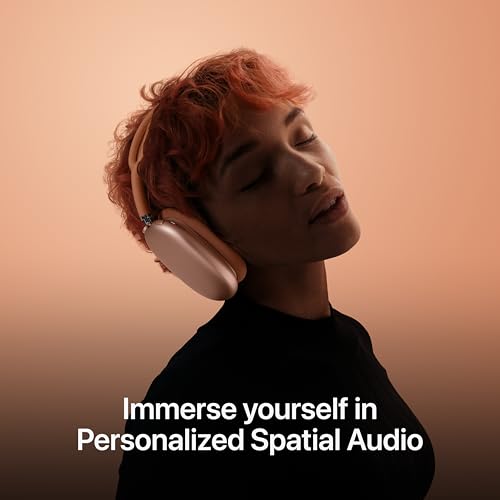
What truly sets the AirPods Max apart is Spatial Audio with dynamic head tracking. Using built-in accelerometers and gyroscopes, the headphones can detect when you move your head and adjust the audio accordingly, creating a convincing surround sound experience. When watching movies, sounds appear to come from specific locations in your room rather than just from the headphones. It's particularly effective with Dolby Atmos content on Apple TV+, Netflix, and other compatible services.
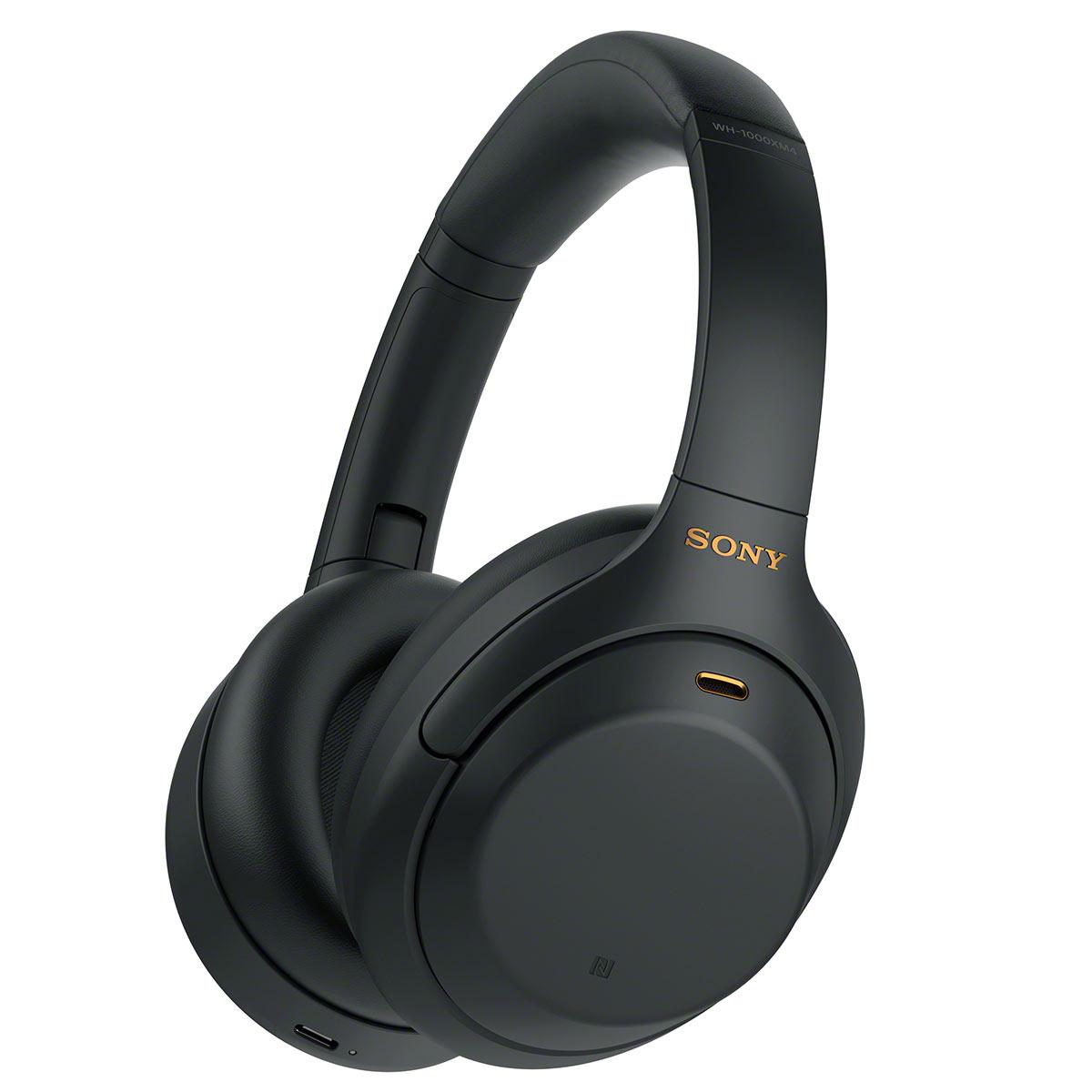
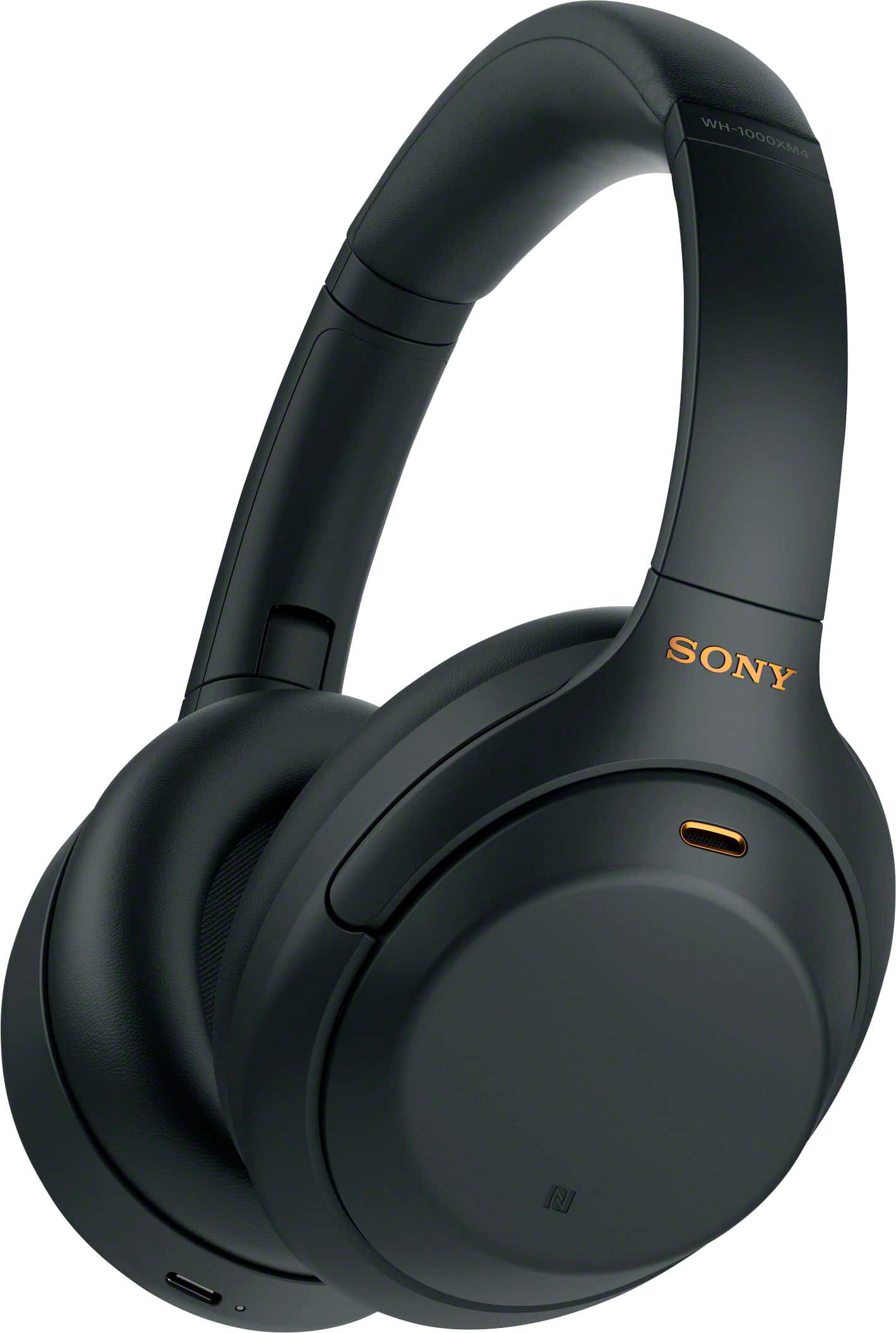
The Sony WH-1000XM4 takes a different but equally valid approach to audio excellence. These headphones use 40mm drivers with Liquid Crystal Polymer diaphragms, which can reproduce frequencies up to 40kHz—well beyond human hearing but important for harmonic content that affects how music sounds.
Sony's secret weapon is DSEE Extreme (Digital Sound Enhancement Engine), which uses artificial intelligence to analyze compressed music files in real-time and restore some of the detail lost during compression. Most music today comes from streaming services that compress audio to save bandwidth, so this feature genuinely improves what you hear from Spotify, Apple Music, or YouTube Music.
The Sony WH-1000XM4 also supports LDAC, a high-resolution Bluetooth codec that transmits roughly three times more data than standard Bluetooth audio. When paired with compatible Android devices, this translates to noticeably better sound quality, especially in the upper frequencies where detail and airiness live.
The sound signature leans slightly warm, meaning there's a gentle emphasis on the lower frequencies that makes music feel fuller and more engaging. While purists might prefer a perfectly neutral response, this tuning works well for popular music genres and long listening sessions.
Noise cancellation is where the Sony WH-1000XM4 truly shines. Sony has been perfecting this technology for over a decade, and it shows. The headphones use dual noise sensor technology—microphones on both the inside and outside of each ear cup—feeding information to Sony's HD Noise Cancelling Processor QN1.
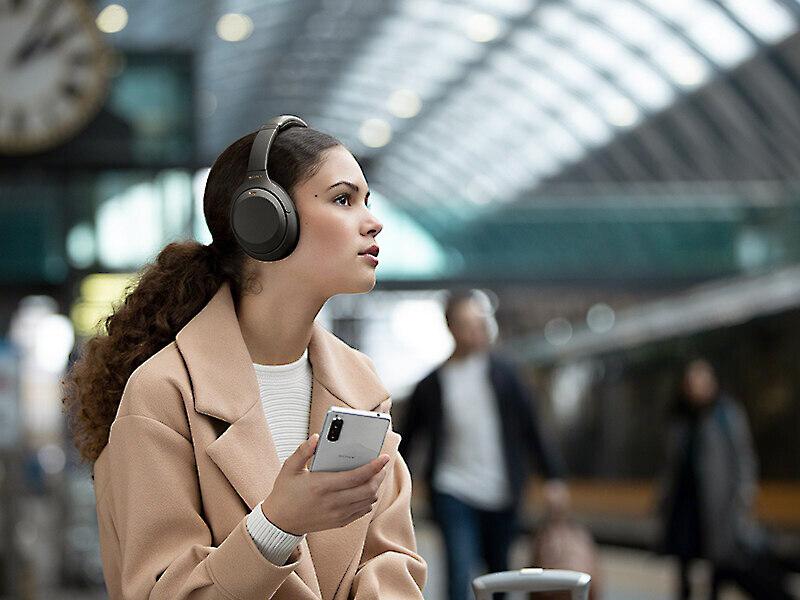
The effectiveness is remarkable, particularly in consistent noise environments like airplanes, trains, or air conditioning systems. The QN1 processor analyzes environmental noise over 700 times per second and generates precise anti-noise signals to cancel it out. During airline travel, the difference between having noise cancellation on and off is dramatic—engine rumble virtually disappears, making it possible to enjoy music at lower, healthier volume levels.
Sony's implementation also includes Atmospheric Pressure Optimizing, which adjusts noise cancellation based on altitude. This feature proves invaluable during flights, where changes in cabin pressure can affect how noise cancellation performs.
The AirPods Max employs eight microphones total—three dedicated to voice pickup and five for noise cancellation—along with the H1 chips in each ear cup. Apple's approach emphasizes computational power over traditional analog processing, using algorithms to identify and cancel different types of noise.
The result is exceptionally effective noise cancellation that handles both consistent sounds (like air conditioning) and unpredictable noises (like conversations or traffic) remarkably well. The AirPods Max creates an almost surreal sense of isolation from your environment when noise cancellation is active.
Apple's Transparency mode deserves special mention. When activated, it uses the external microphones to blend environmental sounds naturally with your audio, creating the impression that you're not wearing headphones at all. This proves invaluable when you need to remain aware of your surroundings or have brief conversations without removing the headphones.
Here's where the fundamental design philosophies create the most significant practical differences. The AirPods Max weighs 13.6 ounces (384 grams), while the Sony WH-1000XM4 comes in at approximately 8.9 ounces (254 grams). That 4.7-ounce difference might not sound significant, but it becomes very noticeable during extended listening sessions.
The AirPods Max uses a unique canopy headband design with a breathable knit mesh that distributes weight across the top of your head. The memory foam ear cushions create an excellent seal, but the overall weight can cause fatigue after 2-3 hours of continuous wear. The premium materials feel luxurious, but luxury comes with mass.
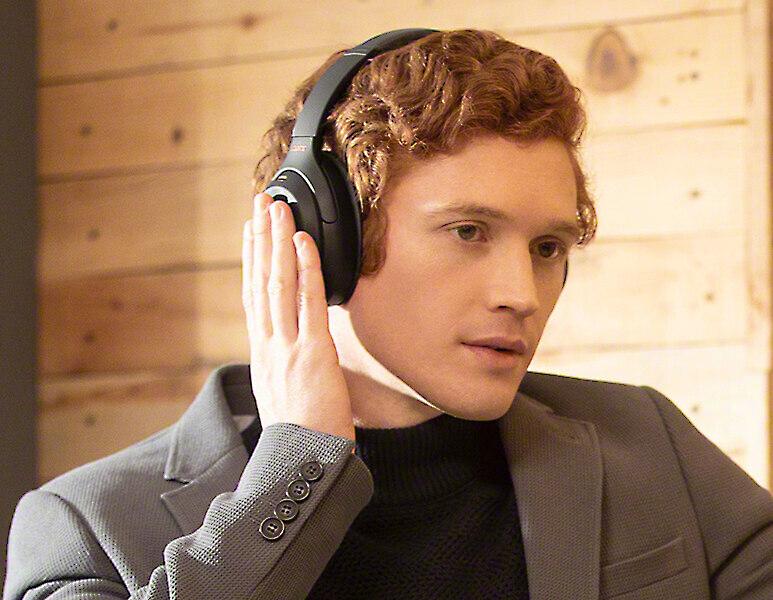
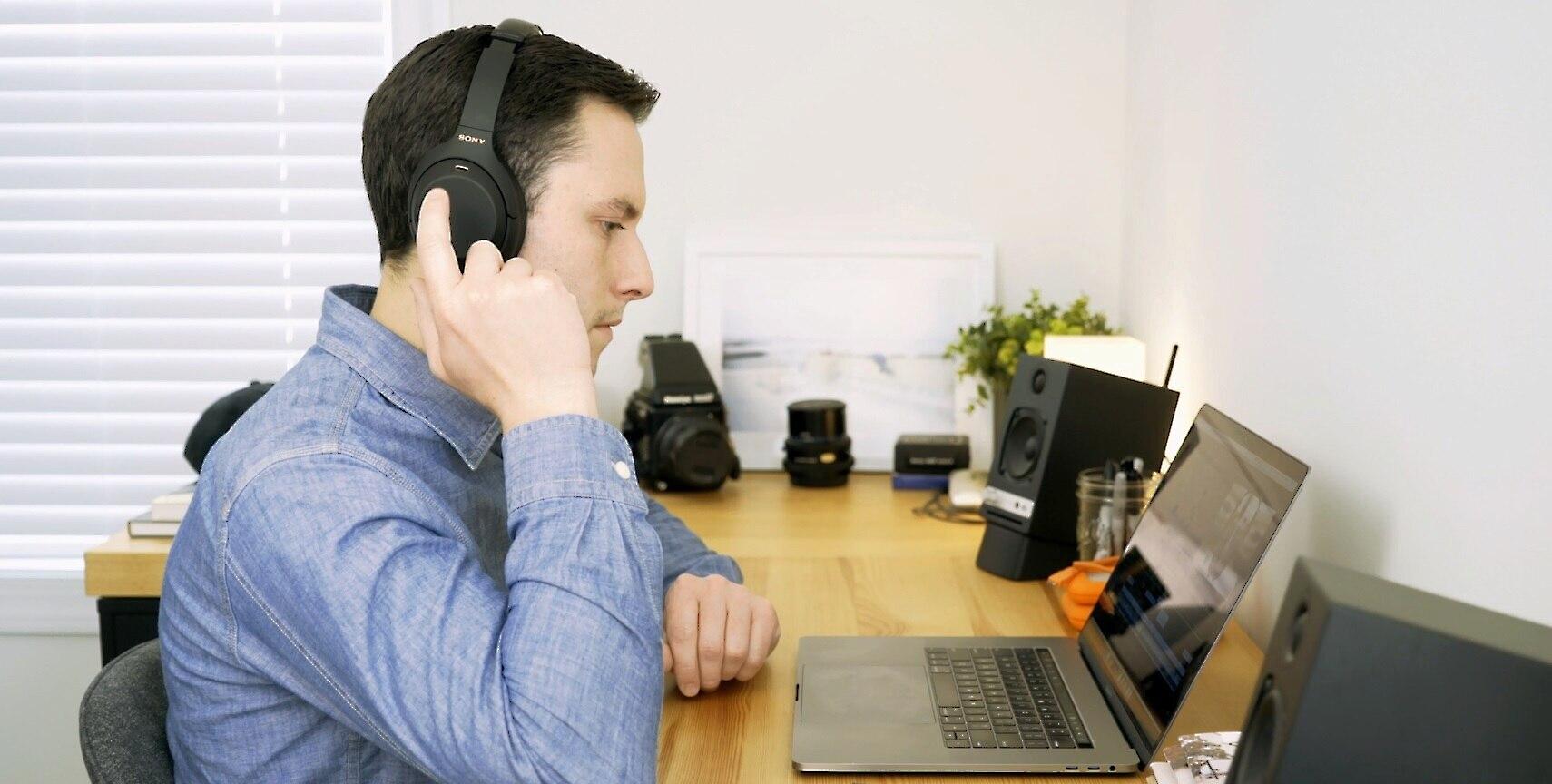
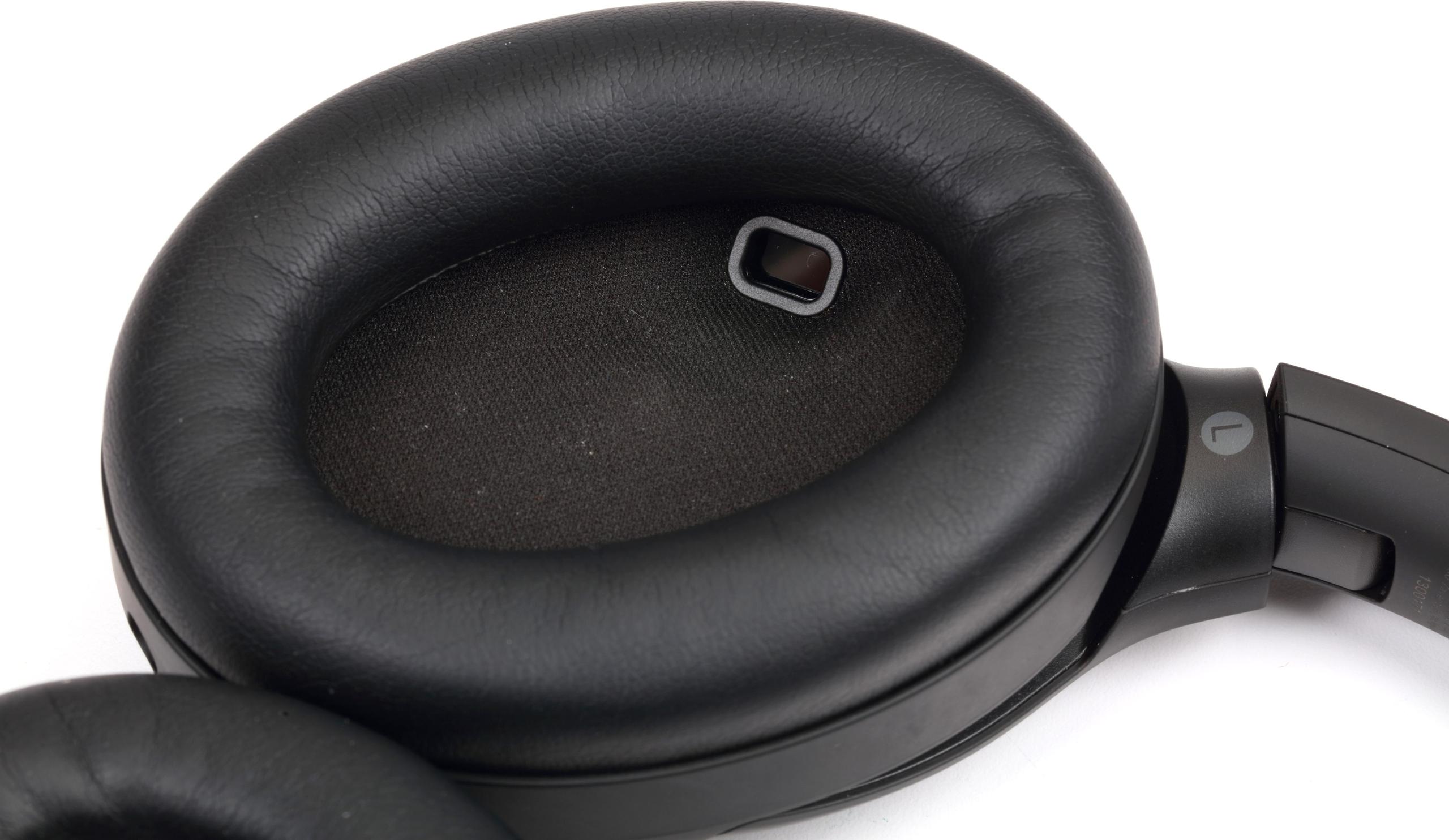
The Sony WH-1000XM4 prioritizes long-term comfort with its lighter construction and excellent weight distribution. The memory foam ear pads are exceptionally soft and create a comfortable seal without excessive clamping force. I've worn these for 6-8 hour sessions without significant discomfort, making them ideal for long flights or extended work sessions.
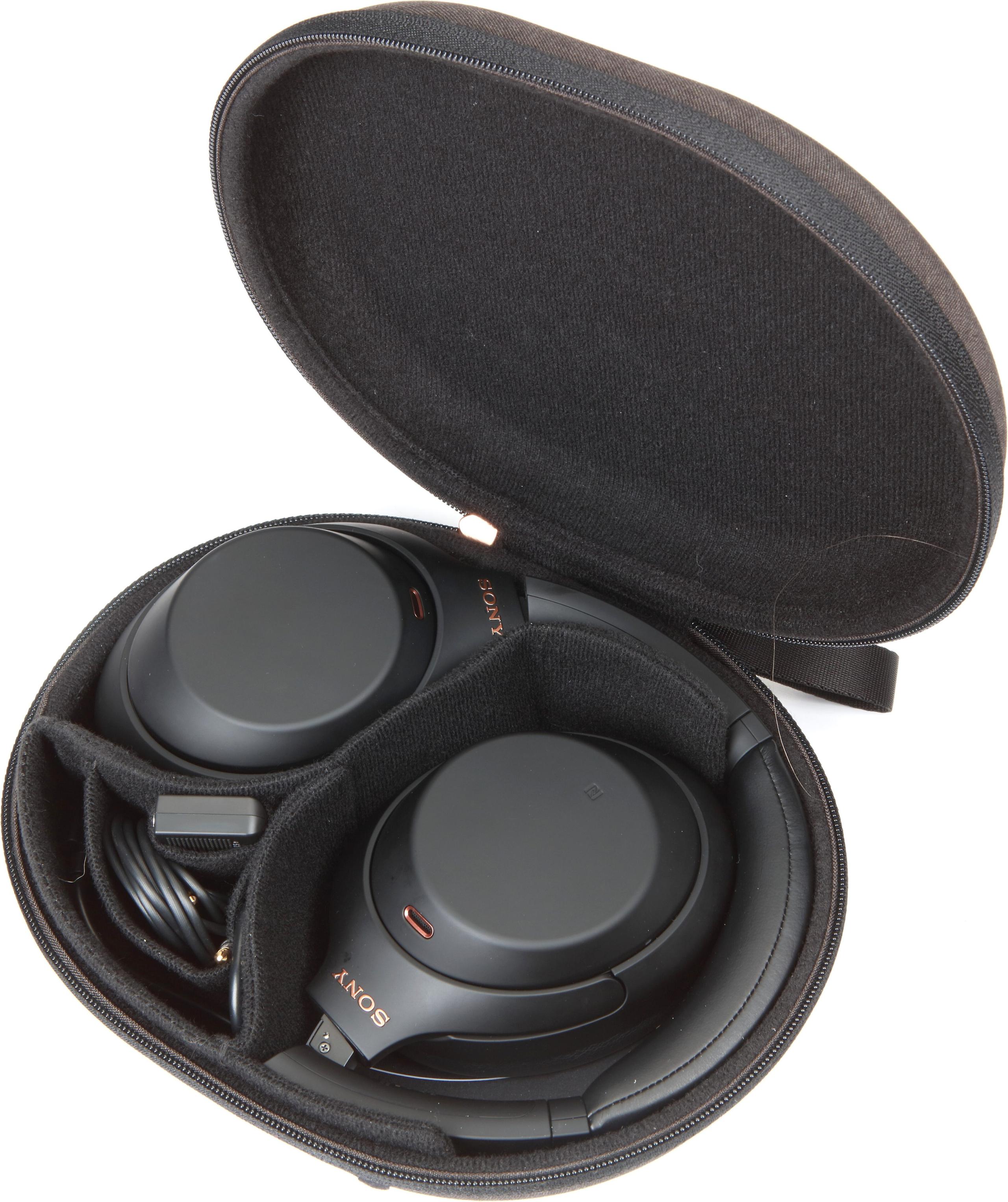
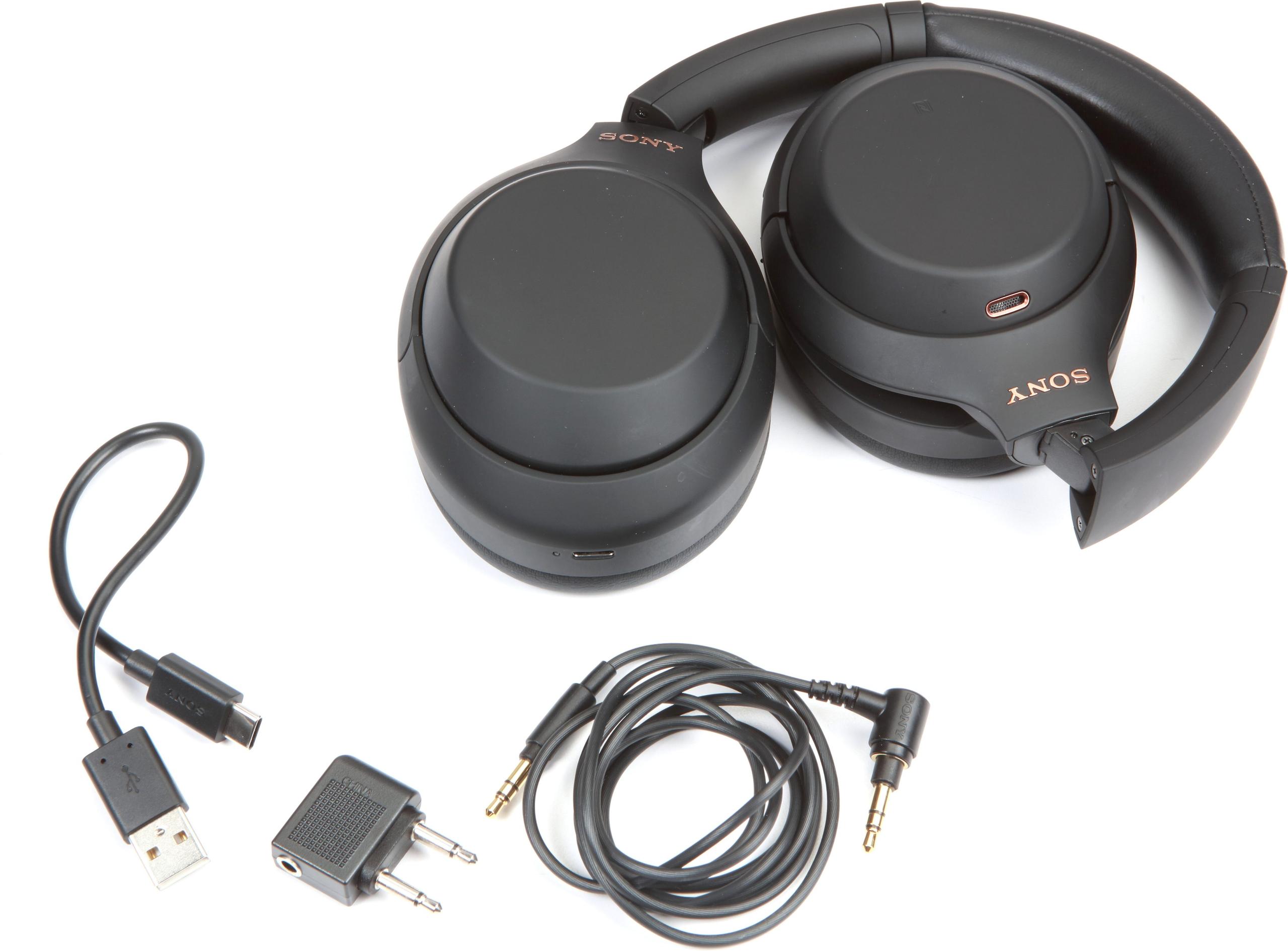
This category reveals another fundamental difference in design philosophy. The Sony WH-1000XM4 folds into a compact form factor and includes a hard-shell carrying case that protects the headphones during travel. The folding mechanism feels robust and well-engineered, inspiring confidence for frequent travel use.
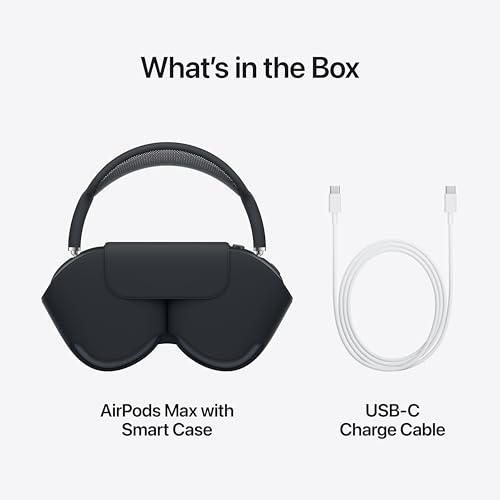
The AirPods Max doesn't fold at all. Apple includes a "Smart Case" that covers the ear cups and puts the headphones into a low-power sleep mode, but it provides minimal protection. The rigid metal construction means these headphones require careful handling during transport, and they take up significantly more space in luggage.
Battery performance often determines how useful premium headphones prove in daily life. The Sony WH-1000XM4 provides up to 30 hours of listening time with noise cancellation enabled, extending to 38 hours with noise cancellation disabled. This exceptional battery life means you can easily go a week or more between charges with moderate use.
The quick charge feature impresses even more—10 minutes of charging provides 5 hours of playback time. This proves invaluable when you're rushing to catch a flight and realize your headphones are dead.
The AirPods Max offers up to 20 hours of listening time with noise cancellation or Transparency mode enabled. While respectable, this represents 33% less battery life than the Sony option. The charging situation improved significantly with the 2024 revision, which switched from Lightning to USB-C charging, but the older Lightning models still circulate in the market.
Both headphones enter low-power modes when not in use, but the AirPods Max requires its Smart Case to achieve ultra-low power consumption, while the Sony WH-1000XM4 automatically manages power consumption through wear detection sensors.
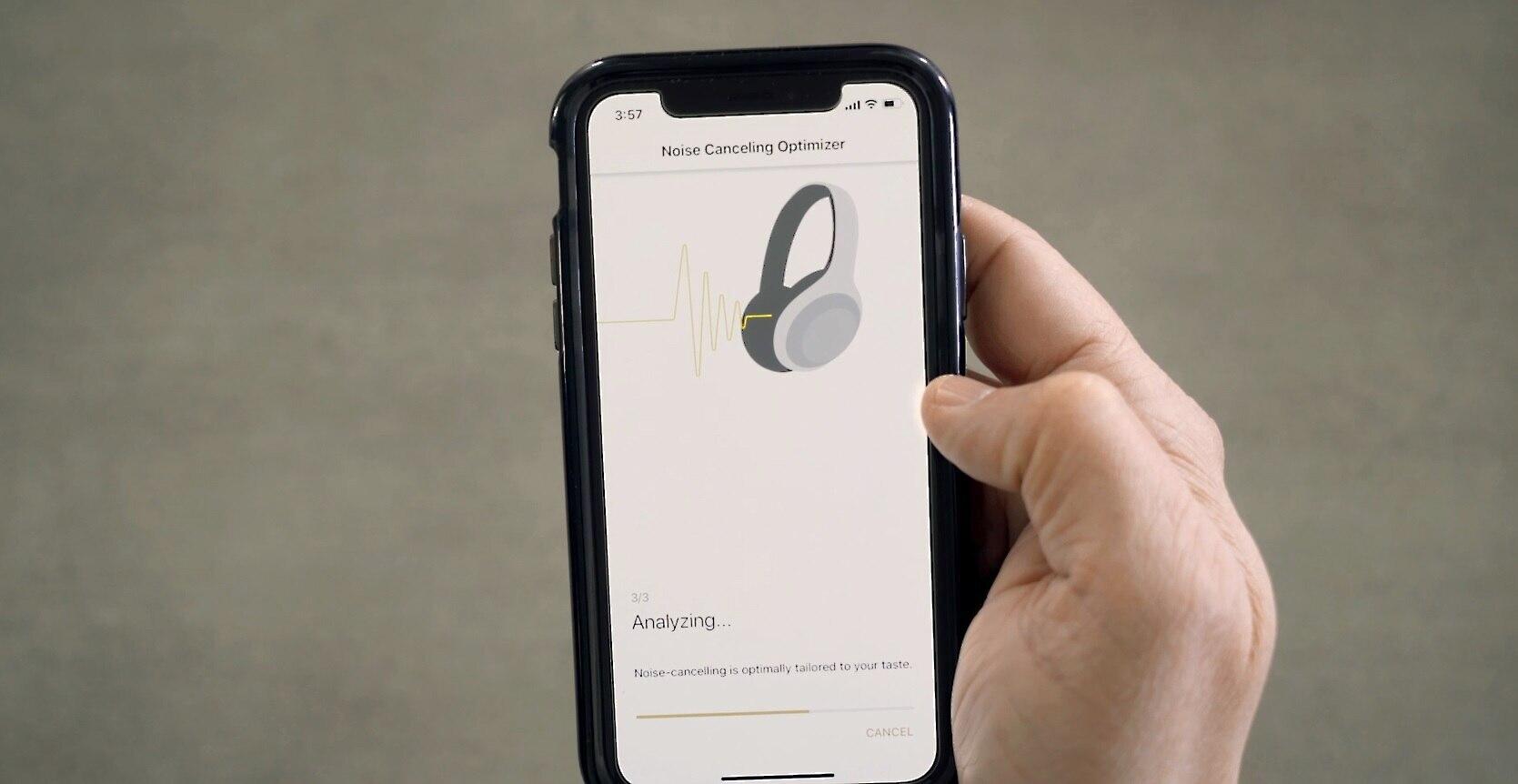
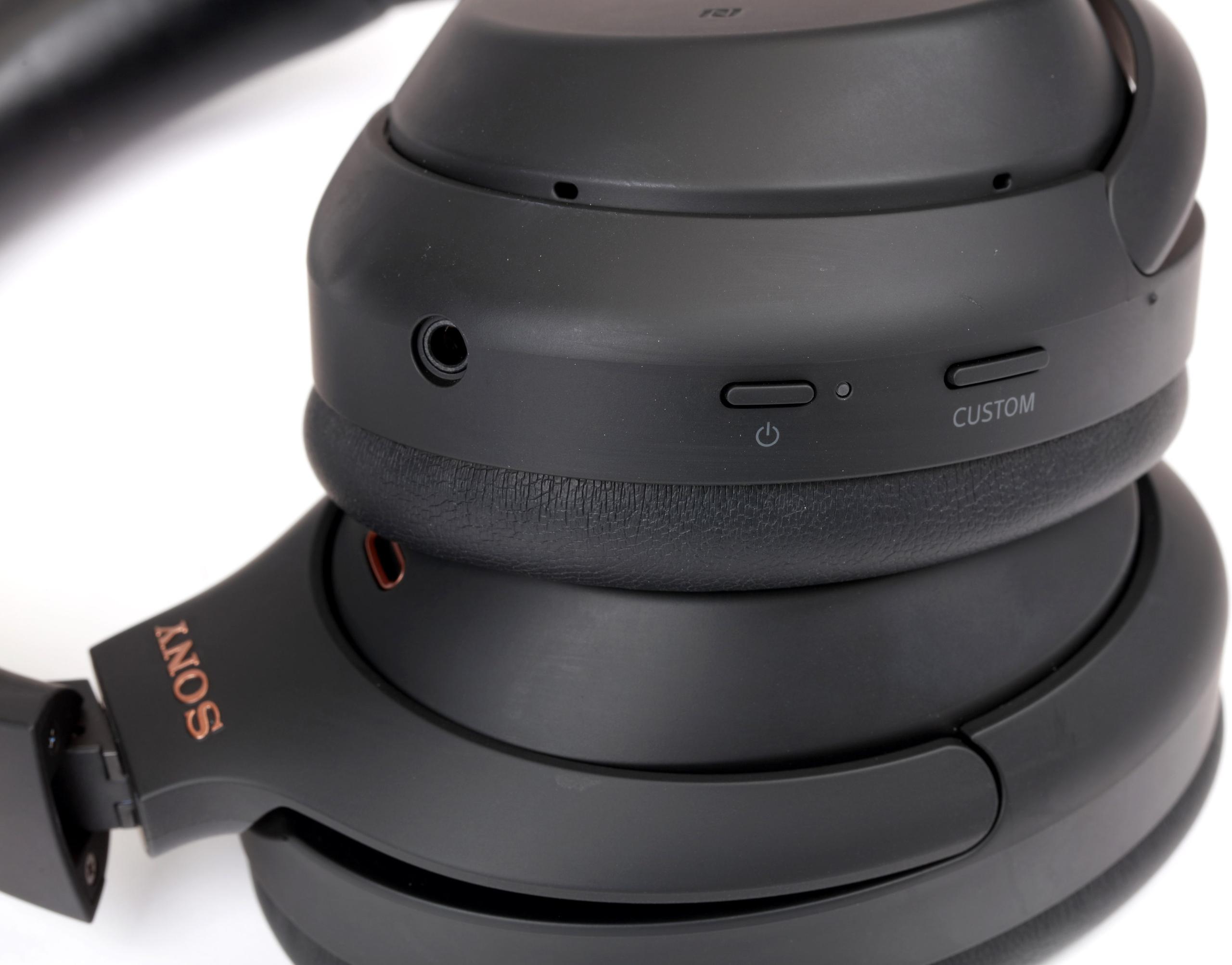
The Sony Headphones Connect app transforms the WH-1000XM4 experience, offering extensive customization options that the AirPods Max simply cannot match. The app provides a complete equalizer for adjusting sound signatures, ambient sound control for fine-tuning noise cancellation levels, and Adaptive Sound Control that automatically switches listening modes based on your location and activity.
One particularly clever feature is Speak-to-Chat, which automatically pauses music and enables ambient sound when the headphones detect that you're speaking. This works surprisingly well for brief conversations, though it occasionally triggers from singing along to music.
The Sony WH-1000XM4 also supports Bluetooth Multipoint connectivity, allowing simultaneous connections to two devices. This proves invaluable for users who need to switch between a laptop for work calls and a smartphone for music throughout the day.
While the AirPods Max lacks a dedicated app and offers minimal customization options, it provides unmatched integration within Apple's ecosystem. The headphones automatically pair with all devices signed into the same iCloud account, and they seamlessly switch between devices based on usage.
The implementation is genuinely impressive—start watching a video on your iPad, and the AirPods Max automatically connects. Answer a phone call on your iPhone, and the headphones instantly switch over. This seamless experience eliminates the frustration of manual device switching that plagues most Bluetooth headphones.
Voice assistant integration works naturally with Siri through "Hey Siri" voice activation, while the Sony WH-1000XM4 supports Google Assistant, Amazon Alexa, and Siri but requires button presses or app configuration for optimal functionality.
Both headphones excel for home entertainment, but in different ways. The AirPods Max provides an exceptional experience with Apple TV 4K, where Spatial Audio creates a convincing surround sound experience. Watching movies feels immersive in a way that traditional headphones rarely achieve, with sounds appearing to come from specific directions rather than simply from the left or right ear cups.
The Sony WH-1000XM4 doesn't offer spatial audio processing, but its superior comfort makes it better suited for extended movie sessions. The warm sound signature proves particularly engaging for action movies and TV shows, where the slight bass emphasis adds weight to explosions and dramatic moments.
For gaming, both headphones introduce some latency (delay) due to Bluetooth transmission, making them less ideal for competitive gaming where timing matters. However, they work well for single-player games and casual gaming where audio delay isn't critical.
Your smartphone choice significantly impacts which headphones provide the better experience. AirPods Max users with Android devices miss out on several key features—you cannot disable noise cancellation (only switch between ANC and Transparency mode), spatial audio doesn't work, and device switching requires manual Bluetooth management.
The Sony WH-1000XM4 provides full functionality regardless of your smartphone choice, with Android users gaining access to LDAC high-resolution audio that iOS doesn't support. The comprehensive Sony app works identically on both platforms.
At the time of writing, the AirPods Max typically commands a significant price premium over the Sony WH-1000XM4—often $200-300 more depending on current promotions and availability. This price difference becomes a crucial factor in the decision-making process.
The Sony WH-1000XM4 frequently appears in sales at roughly half the AirPods Max price, making it an exceptional value proposition. You're getting industry-leading noise cancellation, excellent sound quality, superior battery life, and comprehensive features at a significantly lower price point.
The AirPods Max justifies its premium pricing through superior audio quality, premium materials, and seamless Apple ecosystem integration. However, this value proposition only makes sense if you're deeply invested in Apple devices and prioritize ultimate audio fidelity over practical considerations.
Choose the AirPods Max if you own multiple Apple devices and want the absolute best integration experience. The superior audio quality and Spatial Audio features create genuinely impressive moments, particularly when watching movies or listening to high-quality music. However, be prepared for the weight penalty and reduced portability.
The Sony WH-1000XM4 represents the better choice for most people, offering exceptional value through superior noise cancellation, better battery life, enhanced comfort, and broader device compatibility. The comprehensive app and customization options provide flexibility that the AirPods Max cannot match.
For frequent travelers, the Sony WH-1000XM4 wins decisively through its combination of superior portability, longer battery life, and industry-leading noise cancellation. For audiophiles primarily using headphones in controlled environments, the AirPods Max provides a more refined listening experience that justifies the additional investment.
Both headphones represent excellent choices within their respective strengths, but understanding these differences ensures you'll choose the pair that best matches your priorities, usage patterns, and budget constraints.
| Apple AirPods Max | Sony WH-1000XM4 |
|---|---|
| Audio Quality - Core sound reproduction and fidelity | |
| Apple-designed dynamic drivers with computational audio processing; exceptional midrange clarity and Spatial Audio with Dolby Atmos | 40mm LCP drivers with DSEE Extreme AI upscaling; warm sound signature with LDAC high-res codec support |
| Noise Cancellation - Critical for focus and travel | |
| 8 microphones with H1 chip processing; excellent across all frequencies with superior consistency | Dual noise sensor technology with QN1 processor; industry-leading performance, especially for airplane travel |
| Battery Life - Determines daily usability | |
| Up to 20 hours with ANC enabled | Up to 30 hours with ANC enabled (50% longer) |
| Weight and Comfort - Essential for extended wear | |
| 13.6 oz (384g) premium aluminum construction; can cause fatigue after 2-3 hours | 8.9 oz (254g) lightweight design; comfortable for 6+ hour sessions |
| Portability - Important for travel and storage | |
| Non-folding design with minimal Smart Case protection; requires careful handling | Foldable design with protective hard-shell carrying case; excellent for travel |
| Smart Features - App control and customization options | |
| No dedicated app; seamless Apple ecosystem integration with automatic device switching | Comprehensive Sony app with custom EQ, adaptive controls, multipoint Bluetooth connectivity |
| Quick Charging - Convenience when battery runs low | |
| 5 minutes = 1.5 hours playback | 10 minutes = 5 hours playbook (significantly better) |
| Platform Compatibility - Full feature access across devices | |
| Optimized for Apple devices; limited functionality with Android (no spatial audio, fixed ANC) | Full functionality on all platforms; Android users get LDAC high-res audio |
| Build Materials - Durability and premium feel | |
| Aluminum ear cups with stainless steel frame; luxury construction but scratch-prone | High-quality plastic construction; practical and durable for daily use |
| Voice Assistant Integration - Hands-free control options | |
| Native "Hey Siri" support with seamless Apple integration | Google Assistant, Alexa, and Siri support via button activation |
| Codec Support - Wireless audio transmission quality | |
| AAC only (optimized for Apple devices) | SBC, AAC, and LDAC (highest quality wireless audio with compatible devices) |
| Unique Technologies - Standout features that differentiate each model | |
| Spatial Audio with dynamic head tracking creates immersive surround sound experience | Speak-to-Chat auto-pause, Atmospheric Pressure Optimizing, and AI-powered audio enhancement |
The Apple AirPods Max delivers superior overall audio quality with exceptional midrange clarity and balanced sound reproduction. Apple's computational audio processing creates a more refined listening experience, especially for vocals and acoustic music. The Sony WH-1000XM4 offers very good sound quality with a warmer signature that many find engaging, plus DSEE Extreme AI enhancement for compressed music files.
The Sony WH-1000XM4 provides slightly better noise cancellation performance, particularly for airplane travel and consistent background noise. Sony's dual noise sensor technology has been refined over many generations. The Apple AirPods Max offers excellent noise cancellation with superior handling of unpredictable sounds, but Sony maintains a slight edge in overall effectiveness.
The Sony WH-1000XM4 is significantly more comfortable for extended use, weighing 8.9 ounces compared to the Apple AirPods Max's 13.6 ounces. The lighter Sony headphones can be worn comfortably for 6+ hours, while the heavier AirPods Max may cause fatigue after 2-3 hours despite their premium materials.
The Apple AirPods Max has limited functionality with Android devices. You cannot disable noise cancellation (only switch between ANC and Transparency modes), spatial audio doesn't work, and you miss automatic device switching. The Sony WH-1000XM4 provides full functionality on both Android and iOS, making it the better choice for Android users.
The Sony WH-1000XM4 offers superior battery life with up to 30 hours of playback compared to the Apple AirPods Max's 20 hours. Sony also provides better quick charging with 10 minutes giving 5 hours of playback, while the AirPods Max provides 1.5 hours from a 5-minute charge.
The Apple AirPods Max justifies its premium pricing only if you're deeply invested in Apple's ecosystem and prioritize ultimate audio quality. For most users, the Sony WH-1000XM4 offers better overall value with superior battery life, comfort, noise cancellation, and comprehensive features at a significantly lower price point.
The Sony WH-1000XM4 is far better for travel due to its foldable design, protective carrying case, longer 30-hour battery life, and lighter weight. The Apple AirPods Max doesn't fold and includes only a minimal Smart Case, making it impractical for frequent travel despite excellent audio quality.
The Sony WH-1000XM4 offers extensive customization through the Sony Headphones Connect app, including custom EQ settings, ambient sound control, and adaptive features. The Apple AirPods Max has no dedicated app and provides minimal sound customization options, relying instead on Apple's fixed tuning.
The Apple AirPods Max excels for home entertainment with Spatial Audio and Dolby Atmos support, creating an immersive surround sound experience that makes movies feel more engaging. The Sony WH-1000XM4 provides excellent movie audio with its warm sound signature but lacks spatial audio processing, though its superior comfort makes it better for extended viewing sessions.
The Sony WH-1000XM4 supports Bluetooth Multipoint connectivity, allowing simultaneous connections to two devices for easy switching between work and personal use. The Apple AirPods Max provides seamless automatic switching between Apple devices signed into the same iCloud account but requires manual switching for non-Apple devices.
Both headphones provide adequate call quality for business and personal use. The Apple AirPods Max offers slightly clearer voice pickup due to its advanced microphone array and processing, while the Sony WH-1000XM4 provides good call quality with effective background noise reduction during conversations.
Neither headphones are ideal for competitive gaming due to Bluetooth latency, but both work well for casual gaming. The Apple AirPods Max provides superior spatial awareness in single-player games, while the Sony WH-1000XM4's comfort advantage makes it better for extended gaming sessions. For serious gaming, consider wired headphones instead.
We've done our best to create useful and informative comparisons to help you decide what product to buy. Our research uses advanced automated methods to create this comparison and perfection is not possible - please contact us for corrections or questions. These are the sites we've researched in the creation of this article: recordingnow.com - t3.com - telegraph.co.uk - soundguys.com - youtube.com - forums.macrumors.com - youtube.com - youtube.com - apple.com - support.apple.com - idownloadblog.com - media.distrelec.com - en.wikipedia.org - apple.com - apple.com - support.apple.com - rtings.com - soundguys.com - headphones.com - recordingnow.com - electronics.sony.com - rtings.com - headphonereview.com - youtube.com - audiosciencereview.com - cnet.com - hyderseatravels.com - sony.com - sonylatvija.com - sony.com - sony.com - electronics.sony.com - sony.com - headphonecheck.com - fullspecs.net - sony.com - uclastore.com - bestbuy.com - sony.ca - helpguide.sony.net - device.report

Privacy Policy
Terms and Conditions - Affiliate Policy
Home Security
© Copyright 2008-2026.
11816 Inwood Rd #1211, Dallas, TX 75244