

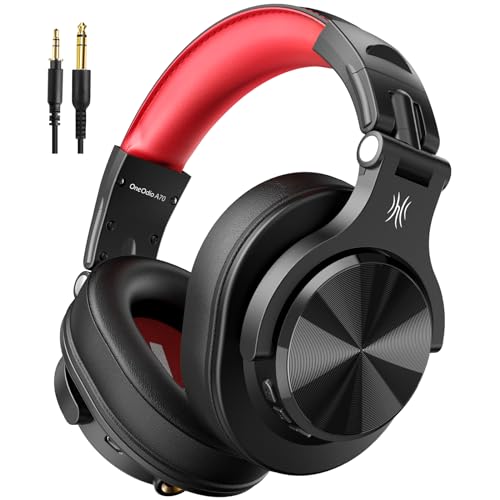




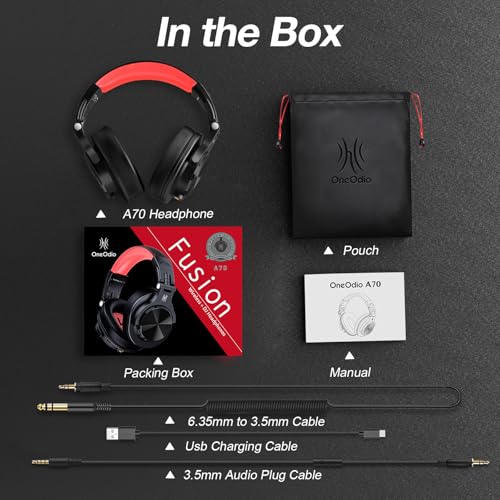
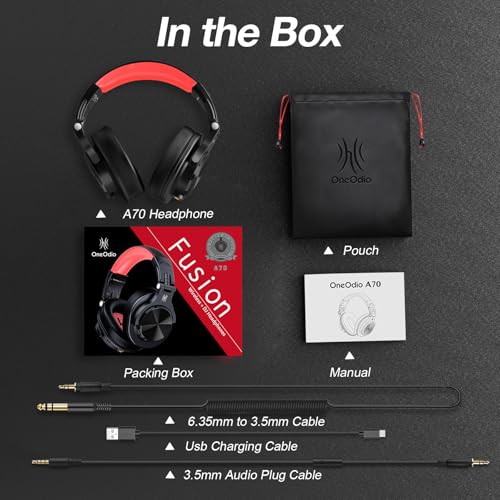
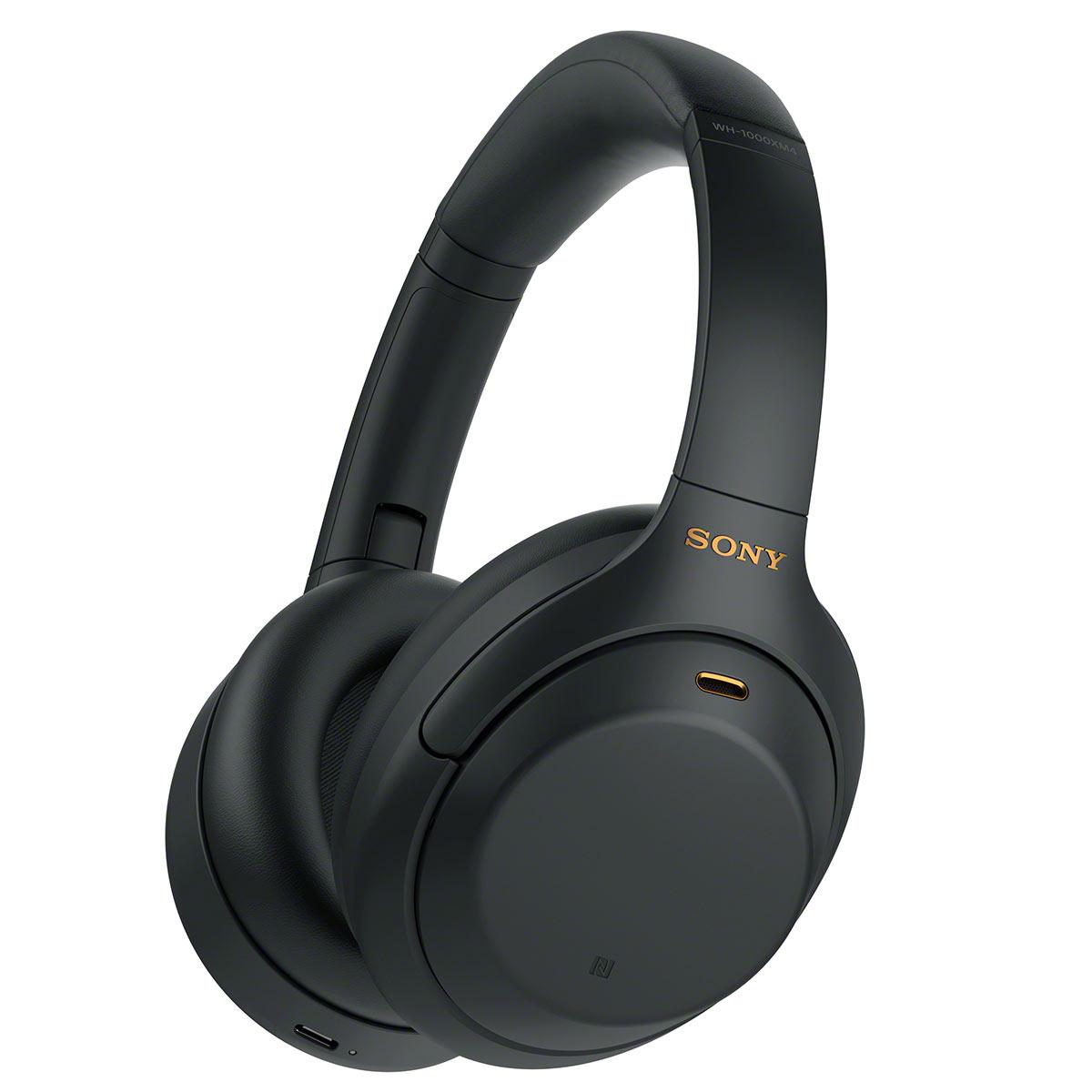
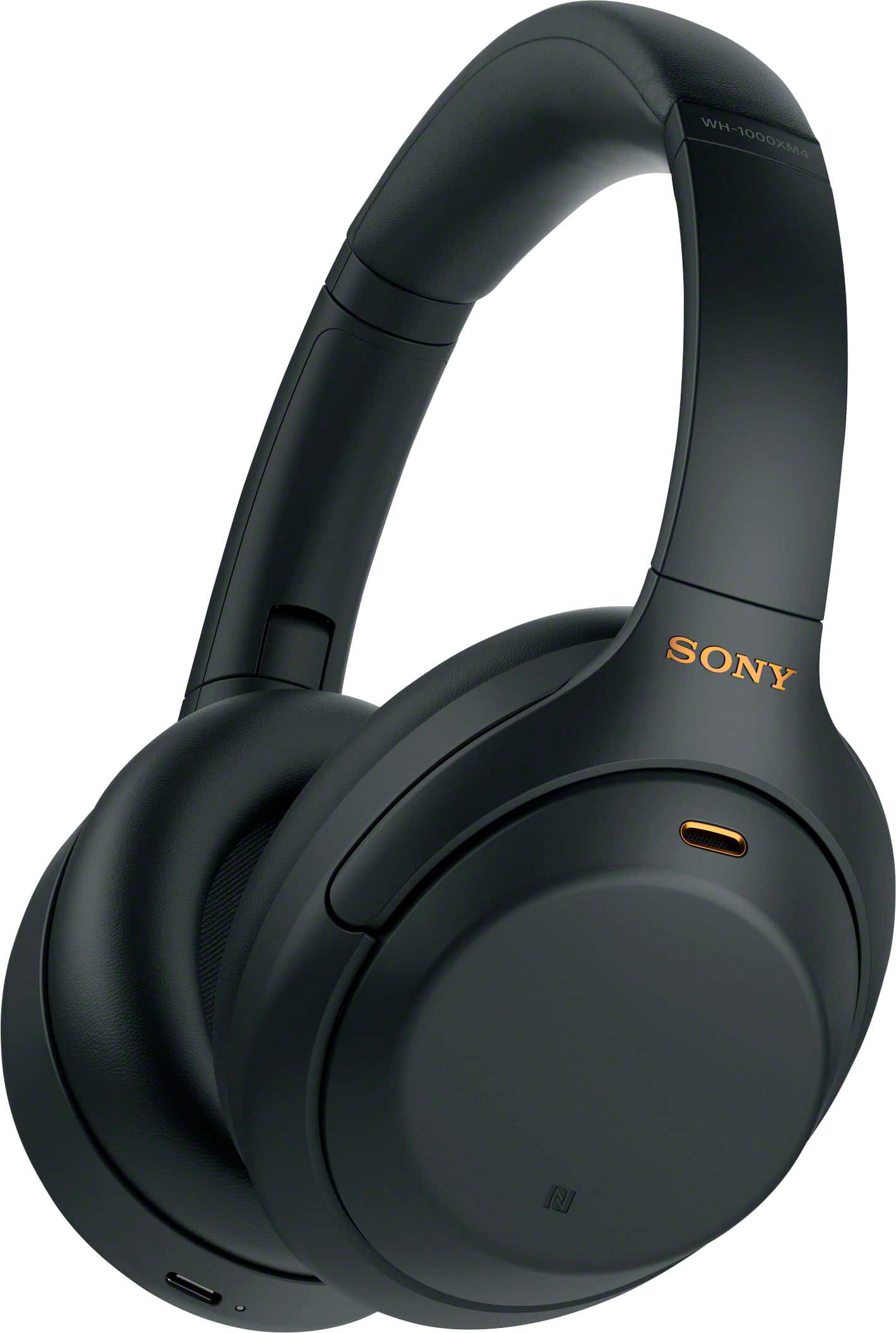
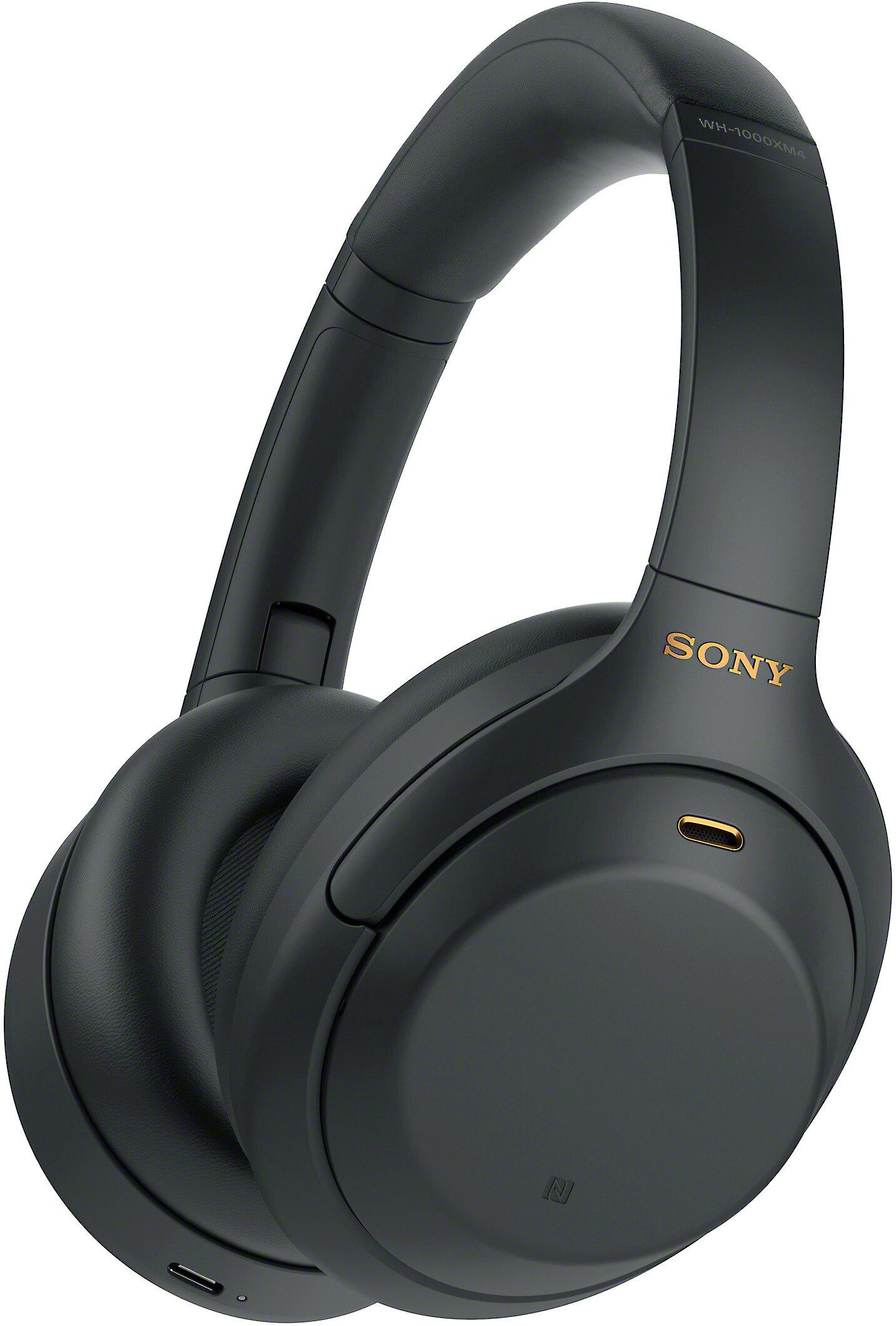

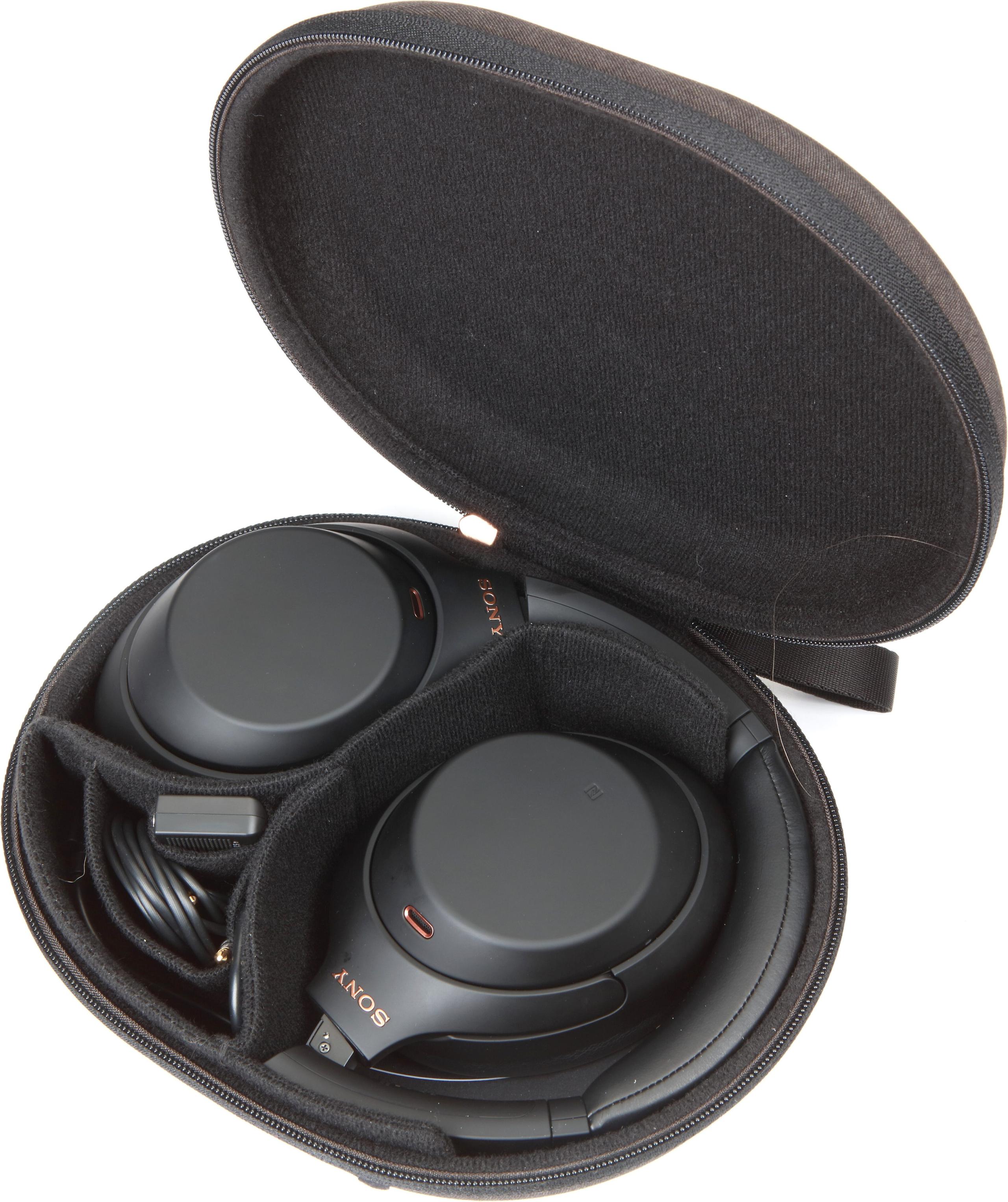



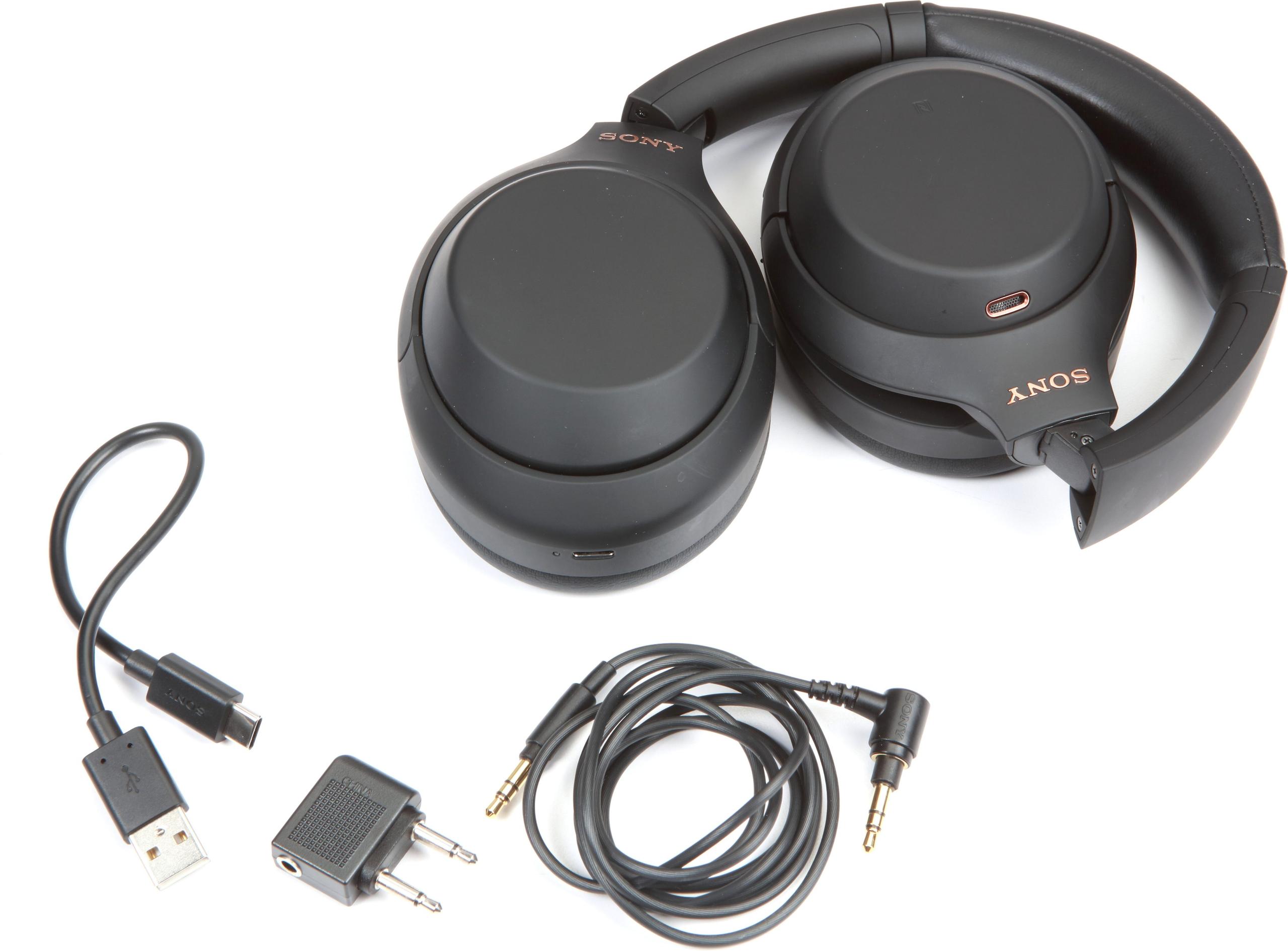
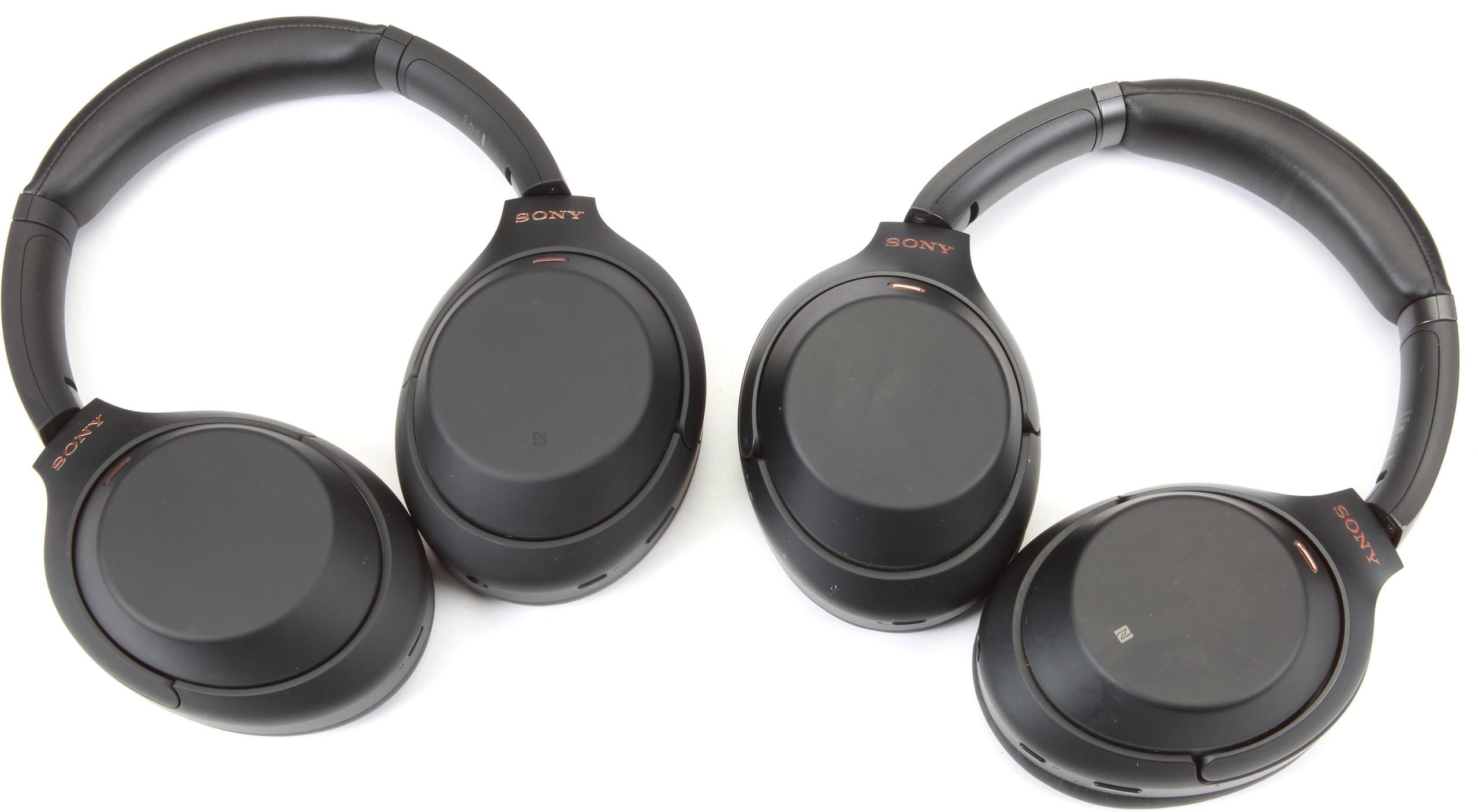
When I first started reviewing headphones seriously, the gap between budget and premium models seemed impossibly wide. Today, that's changing—but not in the way you might think. While budget options have improved dramatically, premium headphones have evolved into sophisticated computing devices that happen to play music. This perfectly illustrates the choice between the OneOdio Fusion A70 and Sony WH-1000XM4.
Released in 2020, the Sony WH-1000XM4 represented the peak of noise-canceling technology at the time, building on years of refinement. The OneOdio Fusion A70, arriving more recently, takes a completely different approach—maximizing battery life and connectivity options while keeping costs low. Four years later, both models remain relevant, though the landscape around them has shifted considerably.
Over-ear wireless headphones serve surprisingly diverse roles in our daily lives. They're personal sound systems for commuting, productivity tools for remote work, entertainment devices for gaming and movies, and sometimes even professional equipment for content creation. This versatility makes choosing the right pair more complex than it initially appears.
The key factors that matter most are sound quality, comfort for extended wear, noise isolation capabilities, battery performance, build quality, and increasingly, smart features that adapt to your environment. At the time of writing, you'll find capable options from around $50 to well over $400, with significant performance jumps at certain price points.
What's particularly interesting is how different manufacturers prioritize these factors. Some focus on pure audio fidelity, others on convenience features, and still others on specific use cases like professional audio work or travel. The OneOdio Fusion A70 and Sony WH-1000XM4 represent two distinct philosophies within this spectrum.
The OneOdio Fusion A70 operates on the principle that most people don't need every advanced feature—they need exceptional value in the areas that matter most to them. At the time of writing, it costs roughly one-quarter of what you'll pay for the Sony WH-1000XM4, yet delivers genuinely useful innovations like 70+ hour battery life and unique audio-sharing capabilities.
The Sony WH-1000XM4, conversely, represents the "spare no expense" approach to solving audio problems. Every component, from the custom noise-canceling chips to the memory foam padding, targets a specific aspect of the listening experience. When Sony developed these headphones, they weren't constrained by hitting a particular price point—they wanted to create the best possible wireless headphones, period.
This philosophical difference permeates every aspect of how these headphones perform and feel to use.
Audio quality represents the most fundamental difference between these models, and it's where your personal preferences will heavily influence the right choice.
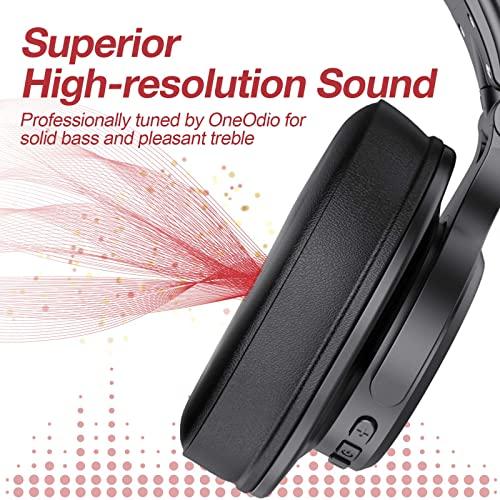
The OneOdio Fusion A70 uses what audio engineers call a "V-shaped" frequency response. This means the bass frequencies (low notes) and treble frequencies (high notes) are emphasized, while the midrange (where most vocals sit) is somewhat recessed. Think of it like a smile-shaped curve on an audio graph.
This tuning creates an immediately engaging sound that makes electronic music, hip-hop, and pop sound exciting and dynamic. The bass hits hard enough to feel almost physical, while cymbal crashes and synthesizer leads cut through clearly. For many listeners, especially those coming from consumer earbuds, this signature sounds "better" than more neutral alternatives because it emphasizes the elements that grab our attention.
However, this approach has trade-offs. Instruments can blur together during complex passages, and vocals sometimes sound distant or hollow. If you're listening to acoustic music, jazz, or classical pieces, the OneOdio Fusion A70 may not reveal the subtle details and natural timbre that make these genres compelling.
The Sony WH-1000XM4 takes the opposite approach with a largely neutral frequency response—meaning it attempts to reproduce audio as it was originally recorded without adding artificial coloration. This is achieved through careful driver design and sophisticated digital signal processing (DSP) that corrects for acoustic imperfections in real-time.
The 40mm drivers use Liquid Crystal Polymer diaphragms, which are lighter and more rigid than typical materials, allowing them to move more precisely and reproduce subtle details. Combined with Sony's DSEE Extreme technology—an AI system that analyzes compressed audio files and attempts to restore information lost during compression—the result is remarkably clean and detailed sound.
What impresses me most about the Sony WH-1000XM4 is its ability to maintain clarity during complex musical passages. Individual instruments occupy distinct spaces in the stereo field, vocals sound natural and present, and there's genuine depth to the soundstage (the sense of three-dimensional space in the music).
The trade-off is that some listeners initially find this neutral signature "boring" compared to more colored alternatives. It takes time to appreciate the subtle details and natural presentation, but once you do, it's hard to go back to heavily processed sound.
Both headphones work well for movies and TV shows, but with different strengths. The OneOdio Fusion A70's bass emphasis makes action scenes feel more impactful—explosions have real weight, and dramatic music swells appropriately. However, dialogue can sometimes get lost in the mix, particularly during scenes with heavy background music or sound effects.
The Sony WH-1000XM4 excels at maintaining clear dialogue while still delivering appropriate impact during action sequences. Its wider soundstage also creates a more convincing sense of directional audio, making it easier to follow movement and ambient sounds in complex scenes. For serious home theater use, particularly with high-quality content, the Sony's accuracy and detail give it a clear advantage.
This represents perhaps the largest functional difference between these headphones, and it's where the price gap becomes most apparent.
The Sony WH-1000XM4 incorporates what was, at the time of its release, the most advanced noise cancellation system available. It uses two microphones on each ear cup to capture ambient sound, then generates precisely inverted sound waves to cancel out unwanted noise—this is called active noise cancellation (ANC).
But Sony goes beyond basic ANC with several intelligent features. The system continuously analyzes your environment and adjusts the cancellation profile accordingly. It can detect whether you're on an airplane, in a coffee shop, or walking down a busy street, then optimize the noise cancellation for each scenario.
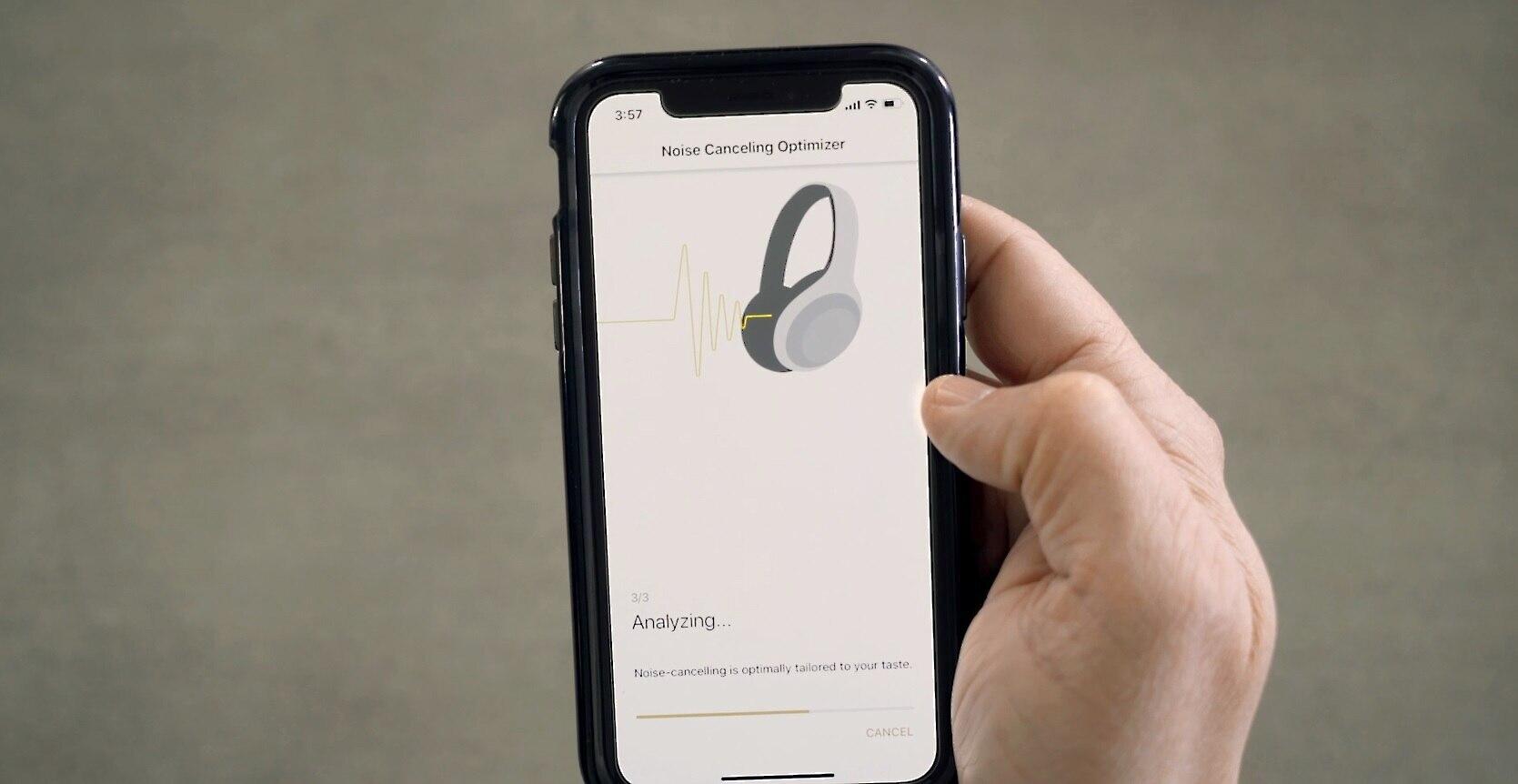
The atmospheric pressure optimizer is particularly clever—it adjusts the ANC algorithm when you're at high altitudes (like in airplanes) where air pressure affects how sound travels. The personal noise cancellation optimizer analyzes the acoustic characteristics between your ears and the headphone drivers, accounting for factors like your head size, glasses, and hair.
In practice, this means the Sony WH-1000XM4 can make a noisy airplane cabin feel almost library-quiet. Low-frequency rumbles disappear entirely, and even mid-frequency sounds like conversations become barely audible. It's genuinely transformative for travel, commuting, or working in noisy environments.
The OneOdio Fusion A70 relies entirely on passive noise isolation—physically blocking sound through the closed-back design and ear pad seal. While this approach can't match active cancellation for low-frequency noise, it's surprisingly effective for many real-world situations.
Passive isolation works best against higher-frequency sounds like keyboard typing, air conditioning, or distant conversations. It also doesn't require power, meaning your noise isolation remains consistent regardless of battery level. Some listeners actually prefer this approach because it doesn't create the slight pressure sensation that some people experience with active noise cancellation.
The limitation is obvious: passive isolation can't do anything about low-frequency rumbles from engines, construction equipment, or similar sources. If you're frequently in these environments, the difference becomes substantial.
Battery life represents one area where the OneOdio Fusion A70 genuinely outperforms its premium competitor, though the story is more nuanced than pure numbers suggest.
The OneOdio Fusion A70 delivers genuinely exceptional battery life—up to 72 hours of playback at moderate volumes. This isn't just marketing exaggeration; it's achievable because the headphones lack power-hungry features like active noise cancellation, advanced signal processing, and always-on sensors.
This extreme longevity changes how you think about the headphones. Instead of worrying about daily charging, you might charge them once every few weeks. For students, travelers without reliable access to power outlets, or anyone who frequently forgets to charge devices, this convenience factor is genuinely valuable.
The 650mAh battery achieves this performance through efficient power management and the absence of complex electronics. It's a straightforward implementation that prioritizes reliability over sophistication.
The Sony WH-1000XM4 offers 30 hours with noise cancellation active, which was exceptional when it launched and remains competitive today. But the real sophistication lies in how it manages power consumption.
Proximity sensors detect when you're wearing the headphones and automatically pause playback when you remove them. Adaptive sound control adjusts noise cancellation intensity based on your activity—using more power in noisy environments and conserving battery in quieter settings. The speak-to-chat feature even pauses music when you start talking, then resumes when you finish.
Quick charging provides genuine convenience: 10 minutes of charging delivers 5 hours of playback. This makes the difference between missing your commute playlist and having music for the entire journey.
While 30 hours might seem limiting compared to the OneOdio's 72 hours, it's important to consider what you're getting for that power consumption—active noise cancellation, adaptive controls, and sophisticated audio processing that simply aren't possible with the OneOdio's approach.
Long-term comfort becomes crucial for any over-ear headphones, and this is where material quality and engineering precision make substantial differences.
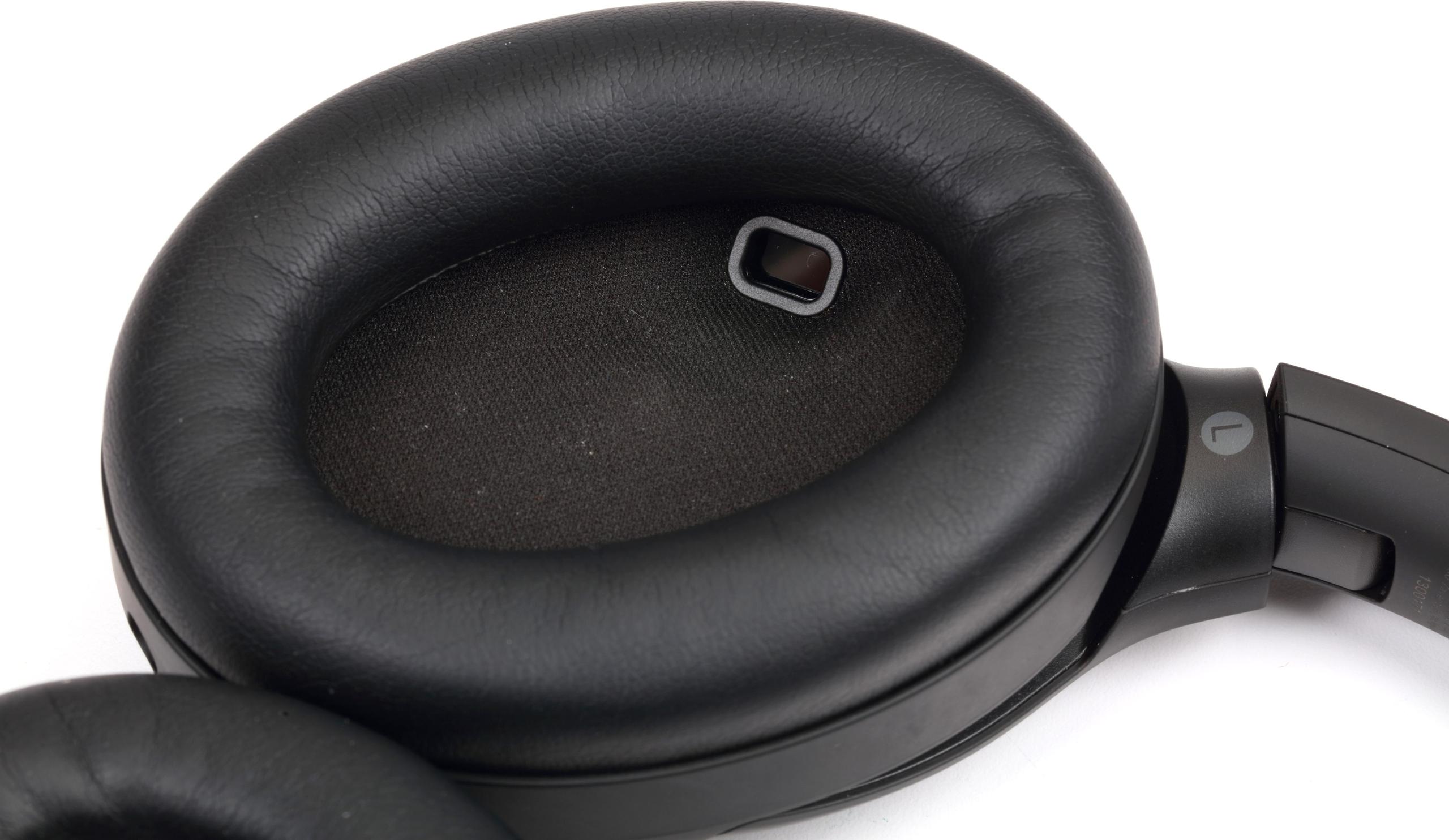
The Sony WH-1000XM4 weighs 254 grams, which is remarkably light for a full-featured noise-canceling headphone. The memory foam ear pads are covered in soft synthetic leather and shaped to distribute pressure evenly around your ears rather than on them.
What impresses me most is the attention to ergonomic details. The headband padding is precisely positioned to avoid pressure points, and the clamping force is calibrated to maintain a good seal without causing discomfort. I can wear these for entire workdays—6+ hours—without significant fatigue.
The materials feel premium throughout. The matte finish resists fingerprints and feels substantial without being heavy. After several years of regular use, my review pair shows minimal wear, suggesting good long-term durability.
The OneOdio Fusion A70 weighs significantly more at 422 grams, and you notice this difference during extended wear. The ear pads use artificial leather with decent cushioning, but the padding is flatter and less conforming than the Sony's memory foam.
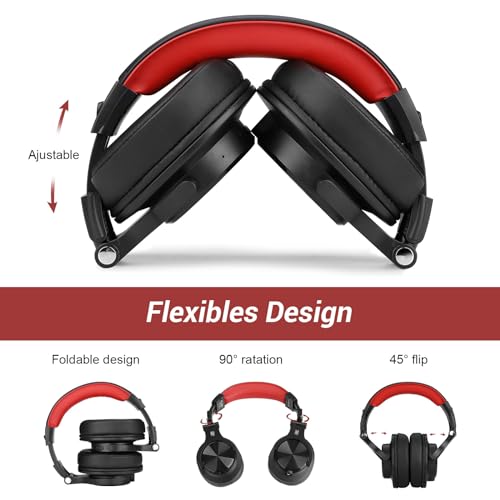
The additional weight comes partly from less expensive materials—more traditional plastics rather than the engineered polymers Sony uses—but also from a design that prioritizes durability over weight optimization. These feel like headphones built to withstand regular use without babying.
Comfort becomes subjective after about an hour of wear. Some users find the extra weight fatiguing, while others appreciate the substantial feel. The straight padding design can create pressure points on the top of your head, though this varies significantly based on head shape.
Modern headphones increasingly function as wearable computers, and this is where the philosophical differences between these models become most apparent.
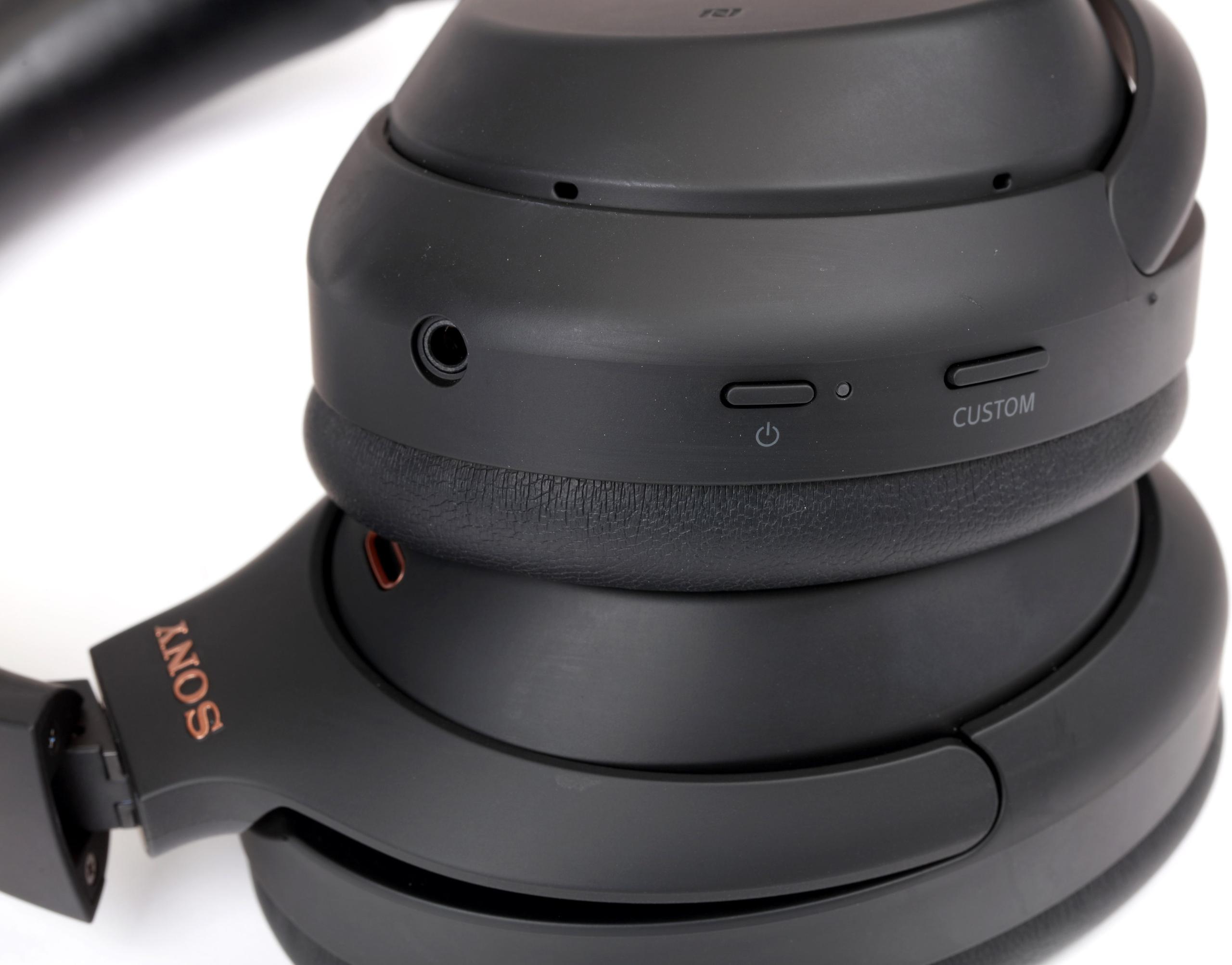
The Sony WH-1000XM4 supports multipoint Bluetooth connectivity, allowing simultaneous connection to two devices. This means you can listen to music from your laptop while remaining connected to your phone for calls—a genuinely useful feature for remote workers.
The Sony Headphones Connect app provides extensive customization options. You can adjust the noise cancellation intensity, create custom EQ curves, and configure adaptive features. The speak-to-chat function automatically pauses music and allows ambient sound when you start talking—useful for quick conversations without removing the headphones.
LDAC codec support enables high-resolution audio transmission over Bluetooth, providing noticeably better sound quality than standard codecs when paired with compatible devices. While not all streaming services provide high-resolution content, the difference is audible with quality sources.
The OneOdio Fusion A70 takes a different approach to connectivity, focusing on versatility rather than intelligence. The SharePort feature allows you to connect a second pair of headphones directly to yours, sharing audio without additional splitters or adapters. This is genuinely innovative for collaborative listening or teaching scenarios.
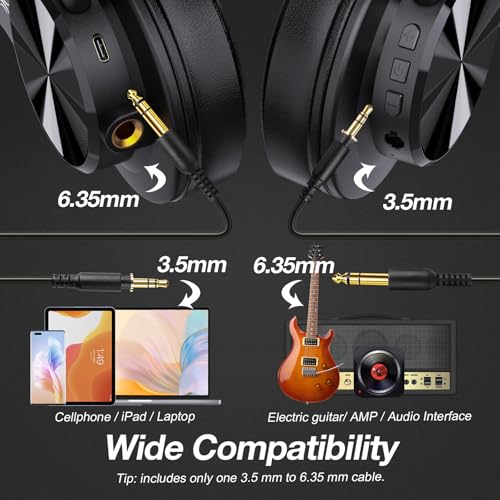
The dual wired connectivity—supporting both 3.5mm and 6.35mm connections—makes these particularly useful for audio production work. The included cables support different use cases: a coiled cable for DJ work and a straight cable with inline microphone for general use.
While lacking sophisticated app integration, this simplicity appeals to users who prefer straightforward operation without managing multiple settings and profiles.
Understanding which headphone makes sense for your situation requires honestly assessing your priorities and usage patterns.
The OneOdio Fusion A70 represents exceptional value for specific use cases. At the time of writing, you can purchase these for roughly one-quarter the cost of the Sony WH-1000XM4, making them accessible to students, budget-conscious consumers, and anyone who needs secondary headphones for specific tasks.
The extreme battery life makes them ideal for extended travel, particularly international trips where charging opportunities may be limited. I'd recommend them for students who need headphones that can survive a semester without regular charging, or for anyone who frequently forgets to charge their devices.
The DJ-focused features—dual connectivity options, SharePort technology, and coiled cables—provide genuine utility for audio production work at a fraction of the cost of professional alternatives. If you're starting out in DJing or audio production and need affordable headphones that work with professional equipment, these offer excellent value.
The bass-heavy sound signature makes them particularly appealing for electronic music, hip-hop, and pop genres. If these represent the majority of your listening and you prefer energetic, fun sound over analytical accuracy, the OneOdio Fusion A70 can be genuinely satisfying.
The Sony WH-1000XM4 makes sense when you need the best possible performance and are willing to pay for it. Frequent travelers will immediately appreciate the transformative effect of excellent noise cancellation—it makes flights, trains, and other noisy environments genuinely pleasant rather than endurable.
For remote workers, the combination of superior comfort, noise cancellation, and smart features like multipoint connectivity creates a productivity tool rather than just an audio device. Being able to seamlessly take calls while listening to focus music, then return to your playlist, removes friction from your workday.
Audiophiles and anyone who listens to diverse musical genres will appreciate the neutral, detailed sound signature. The Sony WH-1000XM4 reveals details and nuances that remain hidden with more colored alternatives, making it rewarding for serious listening.
The premium build quality and extensive feature set also make these headphones more future-proof. Regular firmware updates have continued improving performance since release, and the sophisticated hardware ensures compatibility with emerging audio standards.
The choice between the OneOdio Fusion A70 and Sony WH-1000XM4 ultimately depends on your priorities, budget, and usage patterns.
Choose the OneOdio Fusion A70 if exceptional battery life matters more than advanced features, if you primarily listen to bass-heavy music genres, if you need professional connectivity options at consumer prices, or if budget constraints make the Sony simply impractical.
Choose the Sony WH-1000XM4 if you frequently travel or work in noisy environments, if you appreciate detailed, accurate sound across all music genres, if you want comprehensive smart features and app customization, or if comfort during extended wear is crucial.
At the time of writing, both headphones remain relevant choices in their respective market segments. The OneOdio Fusion A70 continues offering unmatched value for its specific strengths, while the Sony WH-1000XM4 represents mature, refined technology that still competes effectively with newer premium alternatives.
The headphone market has evolved significantly since 2020, but these fundamental trade-offs between features, performance, and price remain constant. Your individual priorities will determine which approach serves you better.
| OneOdio Fusion A70 | Sony WH-1000XM4 |
|---|---|
| Battery Life - Critical for travel and daily use without charging anxiety | |
| Up to 72 hours (exceptional for extended trips) | 30 hours with ANC (industry standard for premium models) |
| Active Noise Cancellation - Essential for travel, commuting, and noisy environments | |
| None (passive isolation only) | Industry-leading dual sensor ANC with adaptive controls |
| Sound Signature - Determines which music genres sound best | |
| V-shaped (bass-heavy, fun for EDM/hip-hop) | Neutral/balanced (accurate for all genres) |
| Weight - Affects comfort during extended listening sessions | |
| 422g (heavier, may cause fatigue) | 254g (lighter, premium comfort) |
| Driver Size - Influences sound quality potential | |
| 40mm dynamic drivers | 40mm LCP drivers with advanced processing |
| Bluetooth Version - Impacts connection stability and range | |
| 5.2 (newer standard) | 5.0 (mature, reliable) |
| Audio Codecs - Determines wireless sound quality ceiling | |
| SBC, AAC (standard quality) | SBC, AAC, LDAC (high-resolution capable) |
| App Integration - Controls customization and smart features | |
| None (basic operation only) | Sony Headphones Connect (extensive customization) |
| Connectivity Options - Flexibility for different use cases | |
| 3.5mm, 6.35mm wired + SharePort sharing | 3.5mm wired + multipoint Bluetooth |
| Quick Charging - Convenience for busy lifestyles | |
| Standard USB charging (~3 hours full) | 10 min = 5 hours playback (USB-C fast charge) |
| Build Quality - Longevity and premium feel | |
| Plastic construction (functional, basic) | Premium materials with memory foam (luxury feel) |
| Smart Features - Convenience and adaptive functionality | |
| None (manual operation) | Speak-to-chat, wear detection, adaptive sound control |
| Price Category - Value proposition at time of writing | |
| Budget tier (~$50-70 range) | Premium tier (~$280-350 range) |
The Sony WH-1000XM4 delivers superior sound quality with balanced, neutral audio reproduction that works well across all music genres. The OneOdio Fusion A70 offers a bass-heavy, V-shaped sound that's fun for electronic music and hip-hop but lacks the detail and accuracy of the Sony WH-1000XM4 for critical listening.
Both headphones work for home theater, but the Sony WH-1000XM4 excels with clear dialogue reproduction and better soundstage for directional audio effects. The OneOdio Fusion A70 provides impactful bass for action scenes but may struggle with dialogue clarity during complex movie soundtracks.
The Sony WH-1000XM4 features industry-leading active noise cancellation that effectively blocks airplane engines, traffic, and office noise. The OneOdio Fusion A70 has no active noise cancellation, relying only on passive isolation from its closed-back design, making it less effective in noisy environments.
The OneOdio Fusion A70 offers exceptional battery life with up to 72 hours of playback, while the Sony WH-1000XM4 provides 30 hours with noise cancellation active. For extended travel without charging access, the OneOdio Fusion A70 has a significant advantage.
The Sony WH-1000XM4 is more comfortable for extended wear, weighing only 254g with premium memory foam padding. The OneOdio Fusion A70 weighs 422g and may cause fatigue during long sessions, though comfort varies by individual head shape and size.
The Sony WH-1000XM4 is superior for travel due to its excellent active noise cancellation, lighter weight, and quick charging capabilities. The OneOdio Fusion A70 offers longer battery life but lacks the noise isolation needed for planes and trains.
Both headphones support Bluetooth connectivity, with the OneOdio Fusion A70 using Bluetooth 5.2 and the Sony WH-1000XM4 using Bluetooth 5.0. The Sony WH-1000XM4 offers multipoint connectivity and higher-quality LDAC codec support for better wireless audio.
The OneOdio Fusion A70 provides exceptional value in the budget category with unique features like 72-hour battery life and dual connectivity options. The Sony WH-1000XM4 justifies its premium positioning with superior sound quality, noise cancellation, and build quality.
Both headphones work for gaming and calls, but the Sony WH-1000XM4 offers better microphone quality and smart features like speak-to-chat. The OneOdio Fusion A70 includes a wired cable with inline microphone but has more basic call handling capabilities.
The Sony WH-1000XM4 features premium materials, refined engineering, and superior durability with a matte finish that resists wear. The OneOdio Fusion A70 uses basic plastic construction that's functional but less refined, though still adequate for regular use.
The OneOdio Fusion A70 offers unique connectivity with both 3.5mm and 6.35mm wired connections plus SharePort technology for audio sharing. The Sony WH-1000XM4 focuses on wireless features with multipoint Bluetooth and standard 3.5mm wired backup.
Choose the OneOdio Fusion A70 if you prioritize exceptional battery life, need budget-friendly pricing, prefer bass-heavy sound, or require professional audio connections. Select the Sony WH-1000XM4 if you want premium sound quality, excellent noise cancellation, superior comfort, or comprehensive smart features for travel and professional use.
We've done our best to create useful and informative comparisons to help you decide what product to buy. Our research uses advanced automated methods to create this comparison and perfection is not possible - please contact us for corrections or questions. These are the sites we've researched in the creation of this article: audiostance.com - attackmagazine.com - soundphilereview.com - versus.com - homestudiobasics.com - versus.com - audiofool.reviews - e-catalog.com - whatgear.net - e-catalog.com - thomannmusic.com - audioreviews.org - oneodio.com - wepc.com - seriousinsights.net - oneodio.com - oneodio.com - audioreputation.com - manuals.plus - newegg.com - musicbliss.com.my - walmart.com - soundguys.com - headphones.com - recordingnow.com - electronics.sony.com - rtings.com - headphonereview.com - youtube.com - audiosciencereview.com - cnet.com - hyderseatravels.com - sony.com - sonylatvija.com - sony.com - sony.com - electronics.sony.com - sony.com - headphonecheck.com - fullspecs.net - sony.com - uclastore.com - bestbuy.com - sony.ca - helpguide.sony.net - device.report

Privacy Policy
Terms and Conditions - Affiliate Policy
Home Security
© Copyright 2008-2026.
11816 Inwood Rd #1211, Dallas, TX 75244