

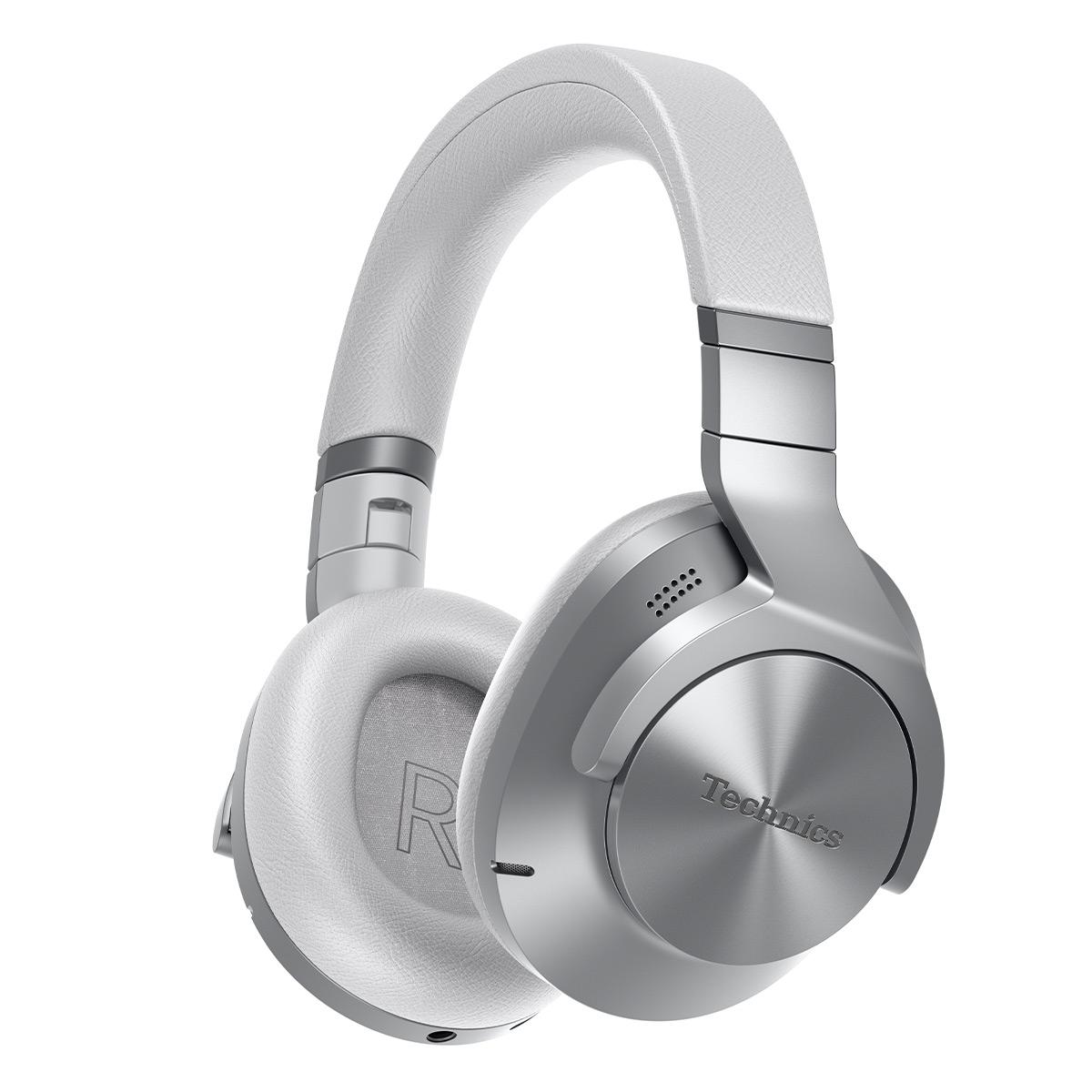
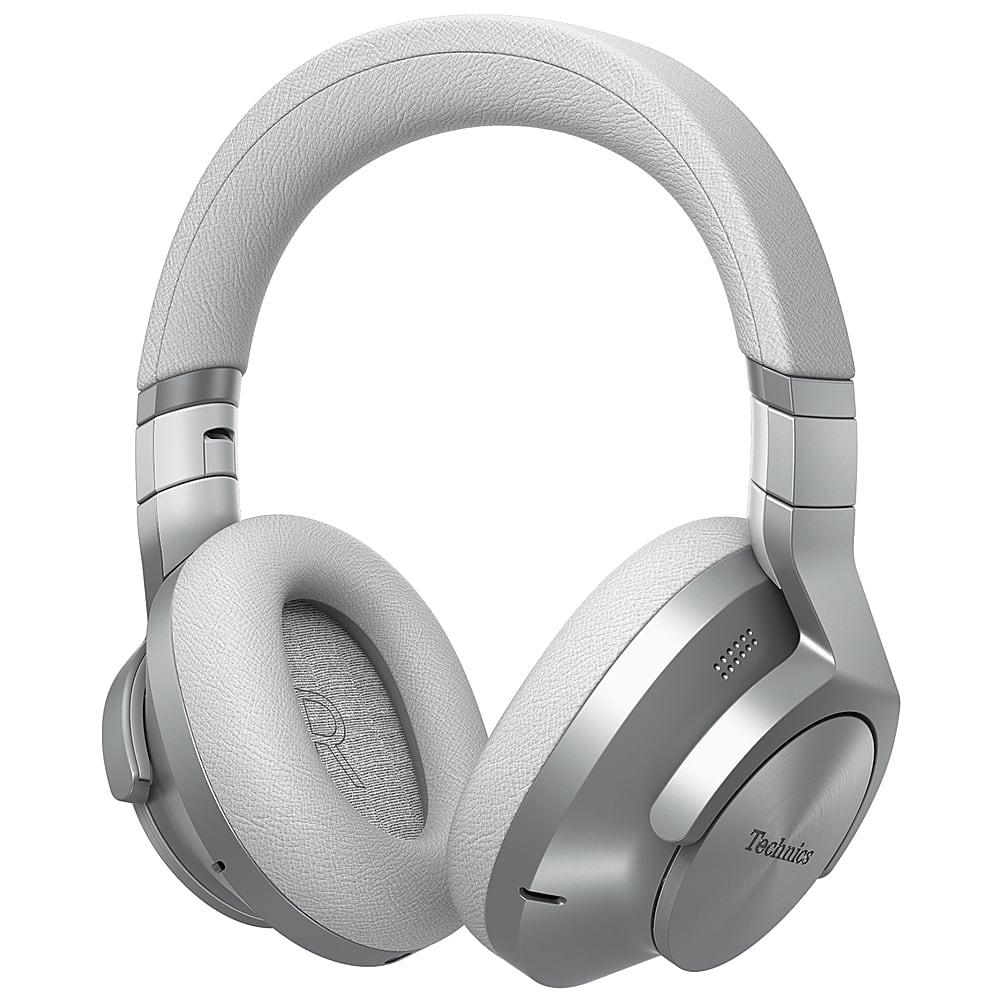
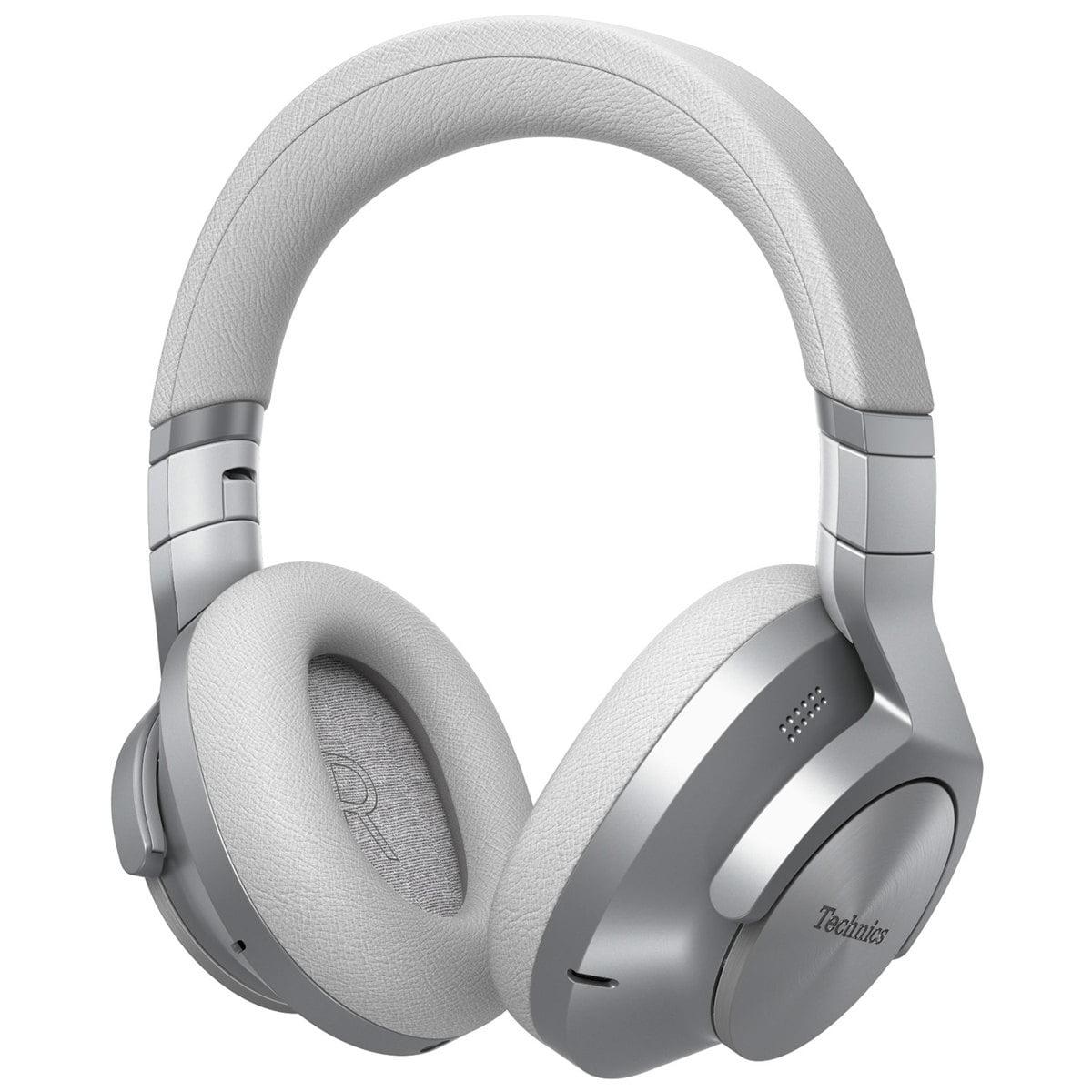
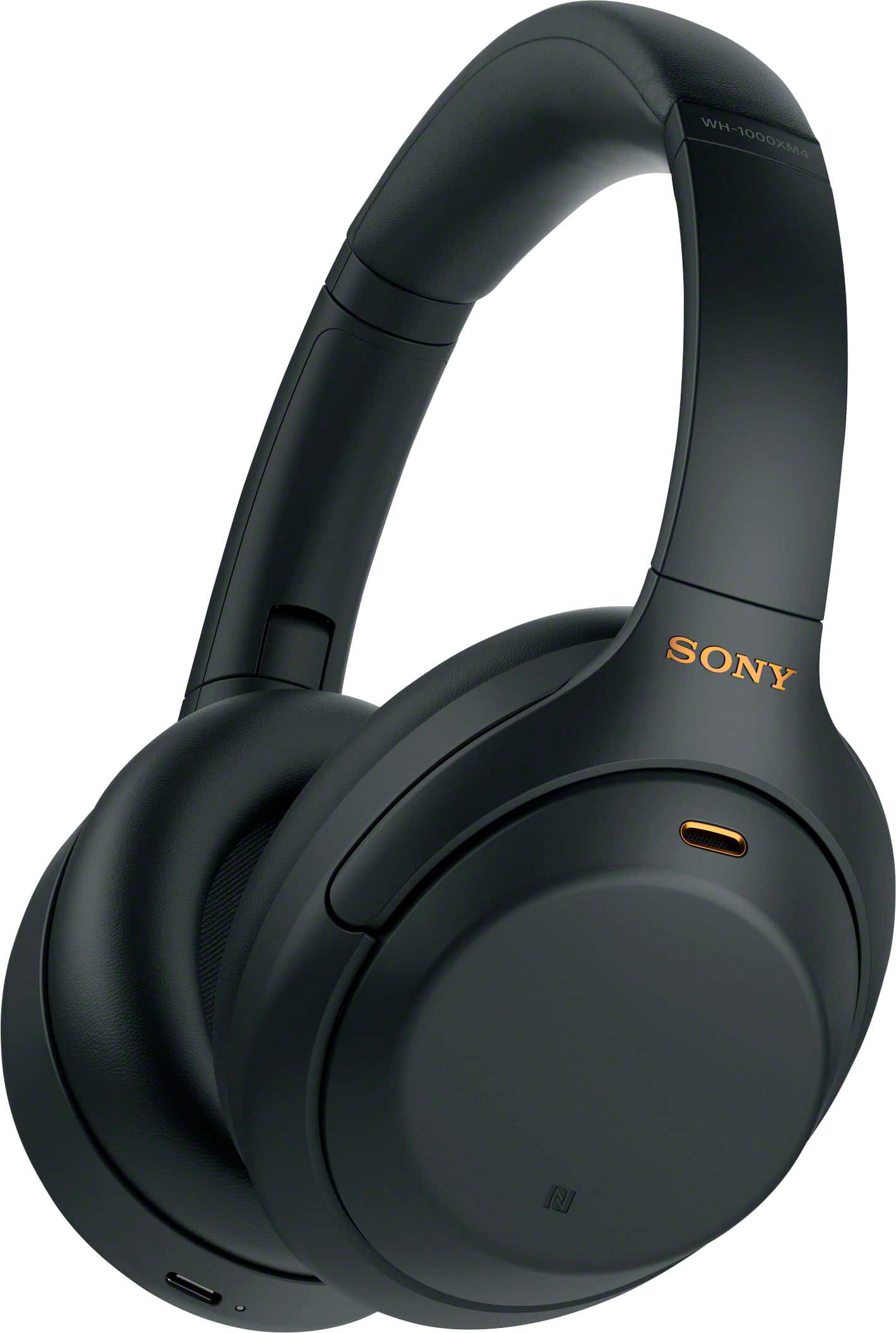
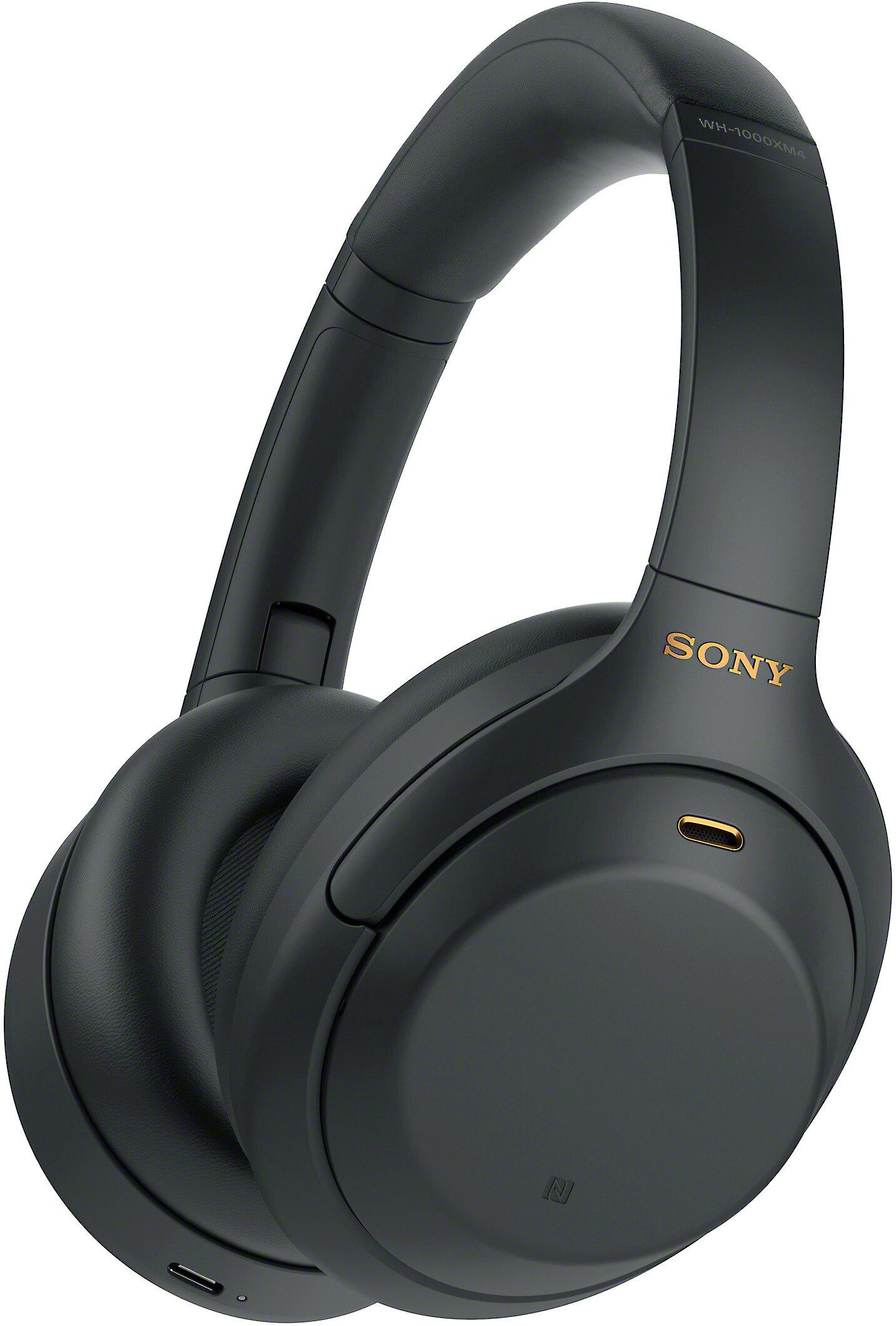

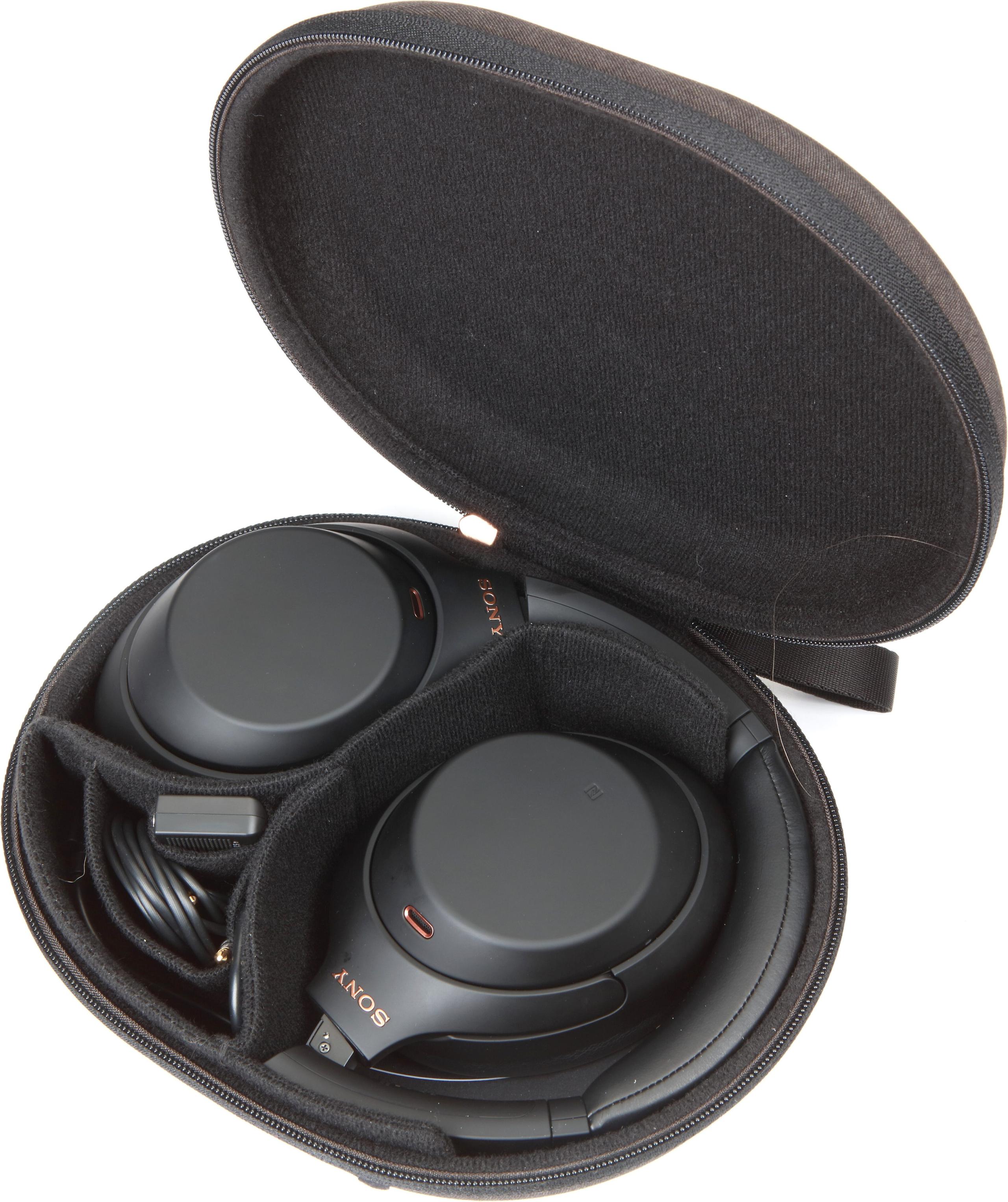

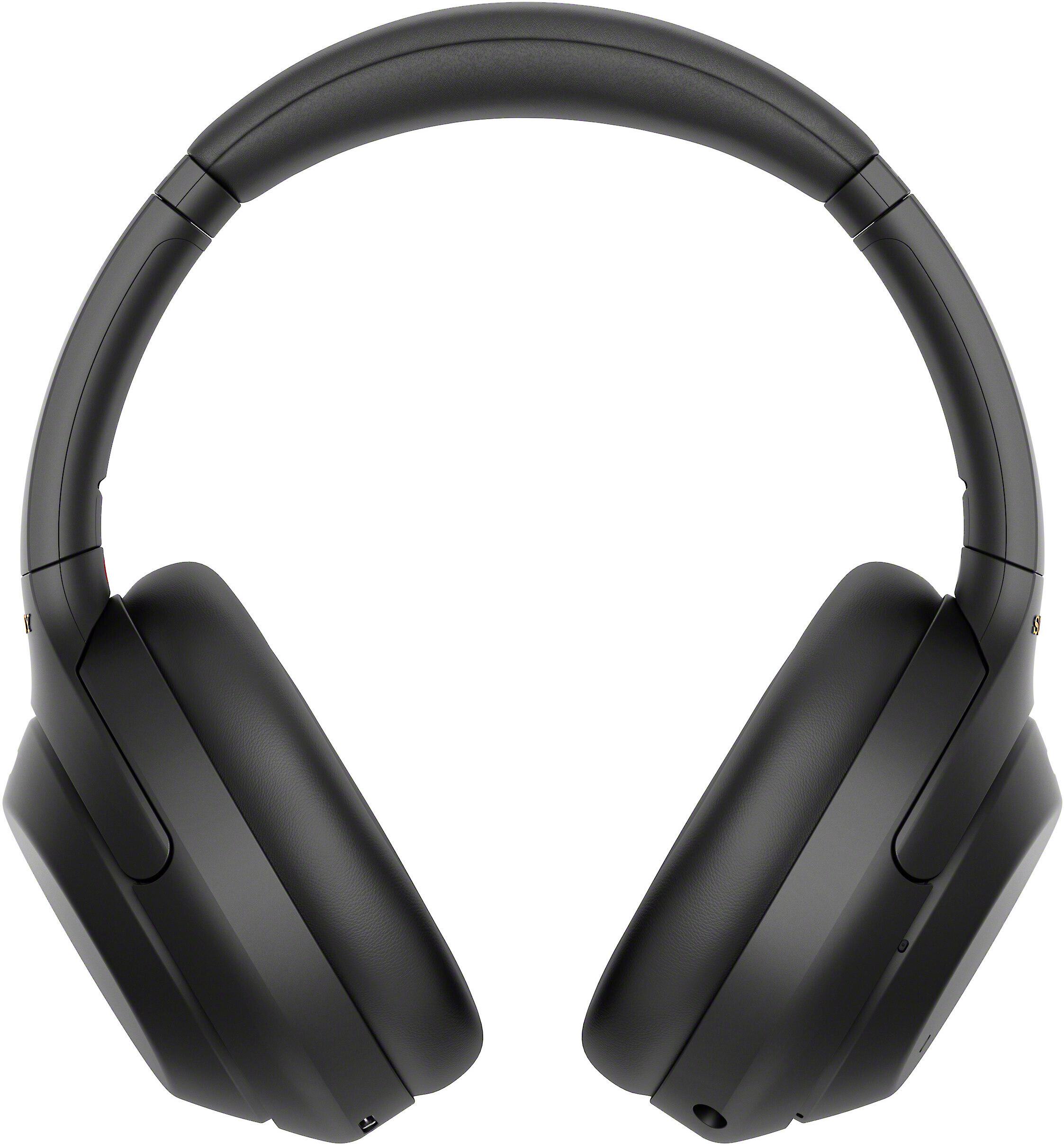

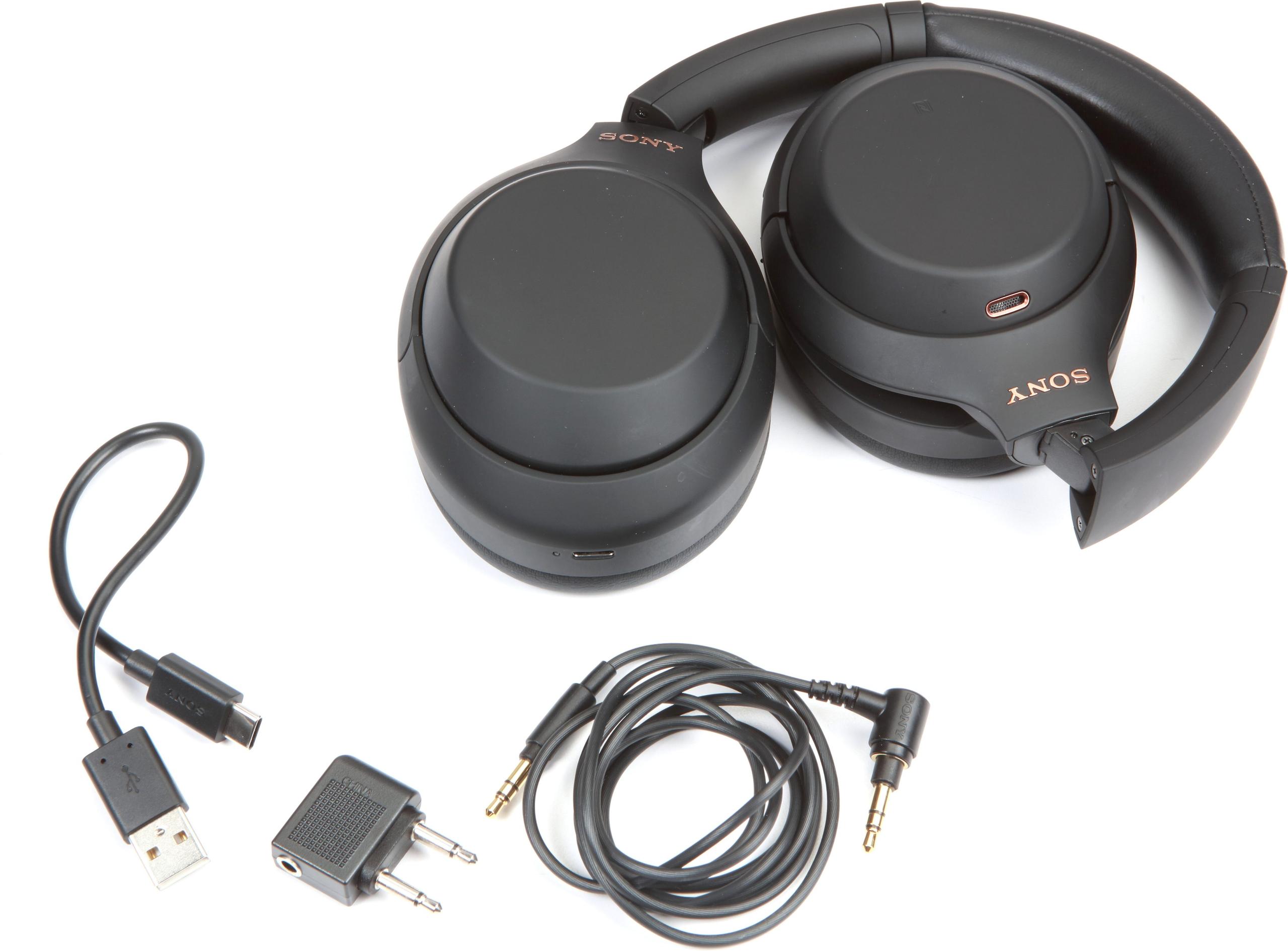
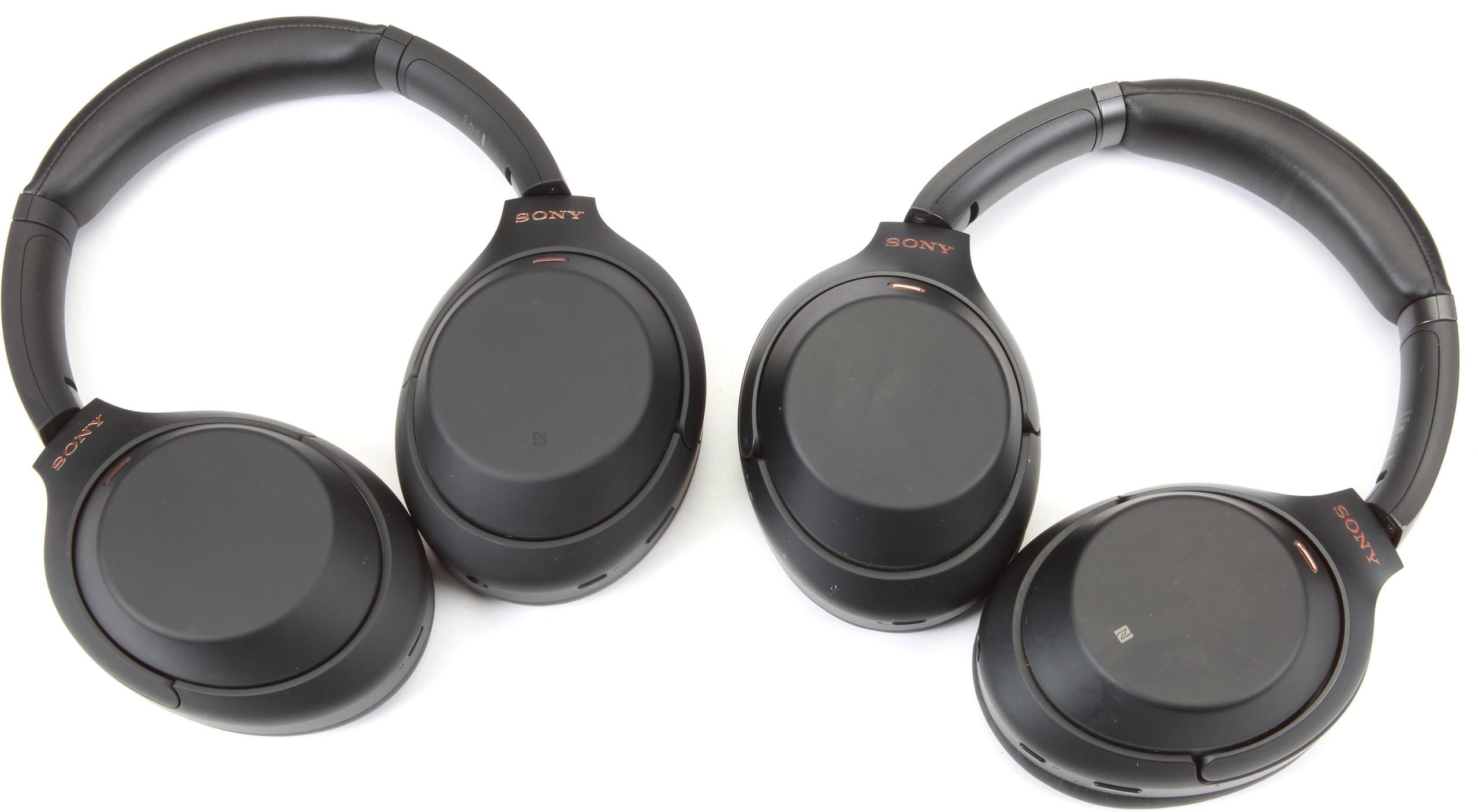
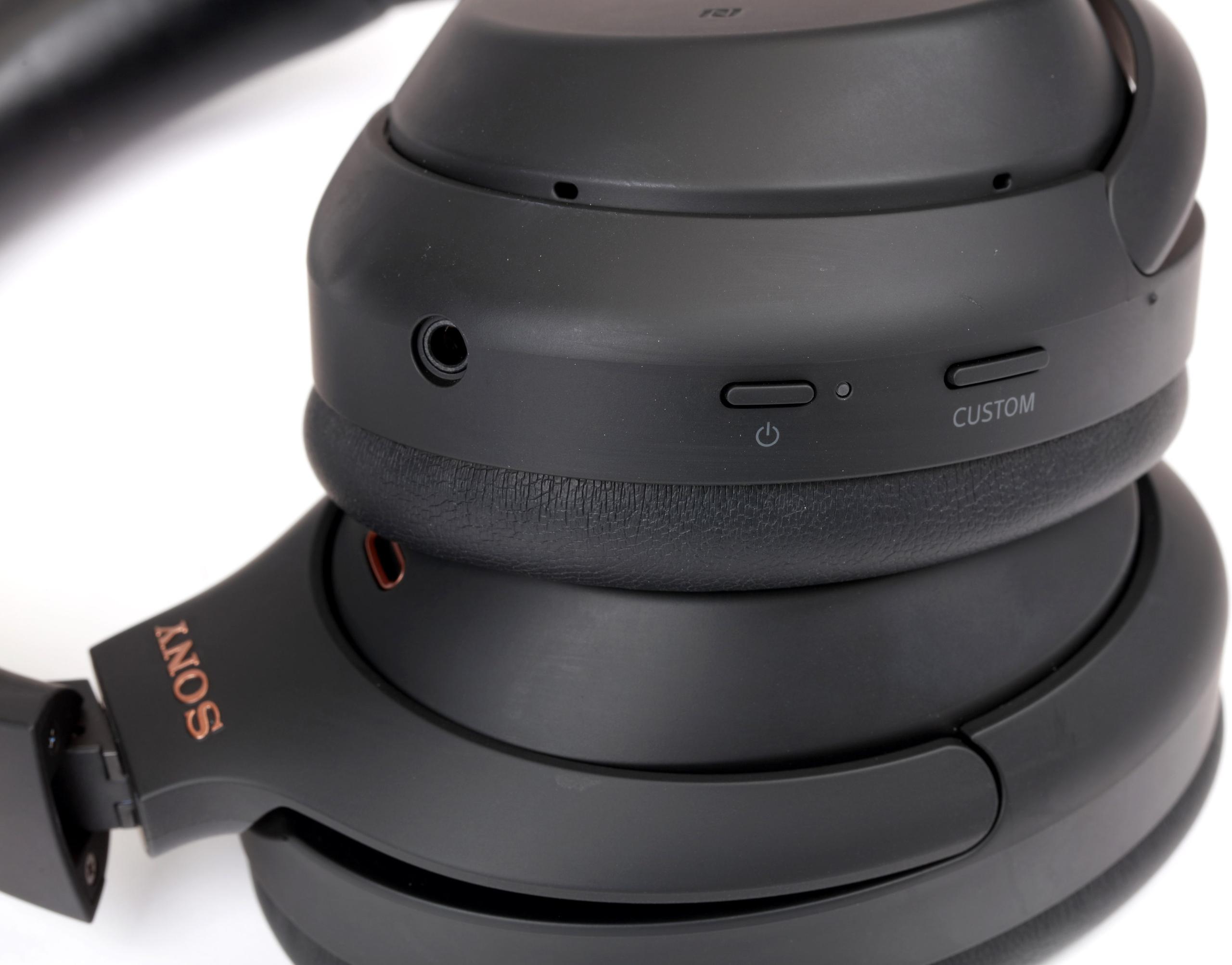
Shopping for premium wireless headphones can feel overwhelming, especially when you're comparing two excellent models that take different approaches to the same goal. The Technics EAH-A800 ($298) and Sony WH-1000XM4 ($275) both deliver flagship-level performance, but they prioritize different strengths. After spending extensive time with both pairs, I'll walk you through everything you need to know to make the right choice for your needs.
Before diving into specifics, let's talk about what makes these headphones special. Both models belong to the premium tier of wireless noise cancelling headphones – devices that combine high-quality audio reproduction with active technology that blocks unwanted environmental sounds.
Active Noise Cancellation (ANC) works by using external microphones to detect ambient noise, then generating opposing sound waves to cancel it out. Think of it like destructive interference in physics class – when two identical waves meet going in opposite directions, they cancel each other out. This technology is particularly effective against consistent, low-frequency sounds like airplane engines, air conditioners, or traffic noise.
The main considerations when choosing headphones in this category include how well they block noise, how they sound during music playback, how long the battery lasts, and how comfortable they are for extended wear. Smart features like app integration and voice assistant support have also become increasingly important as these devices evolve into lifestyle products beyond just audio playback.
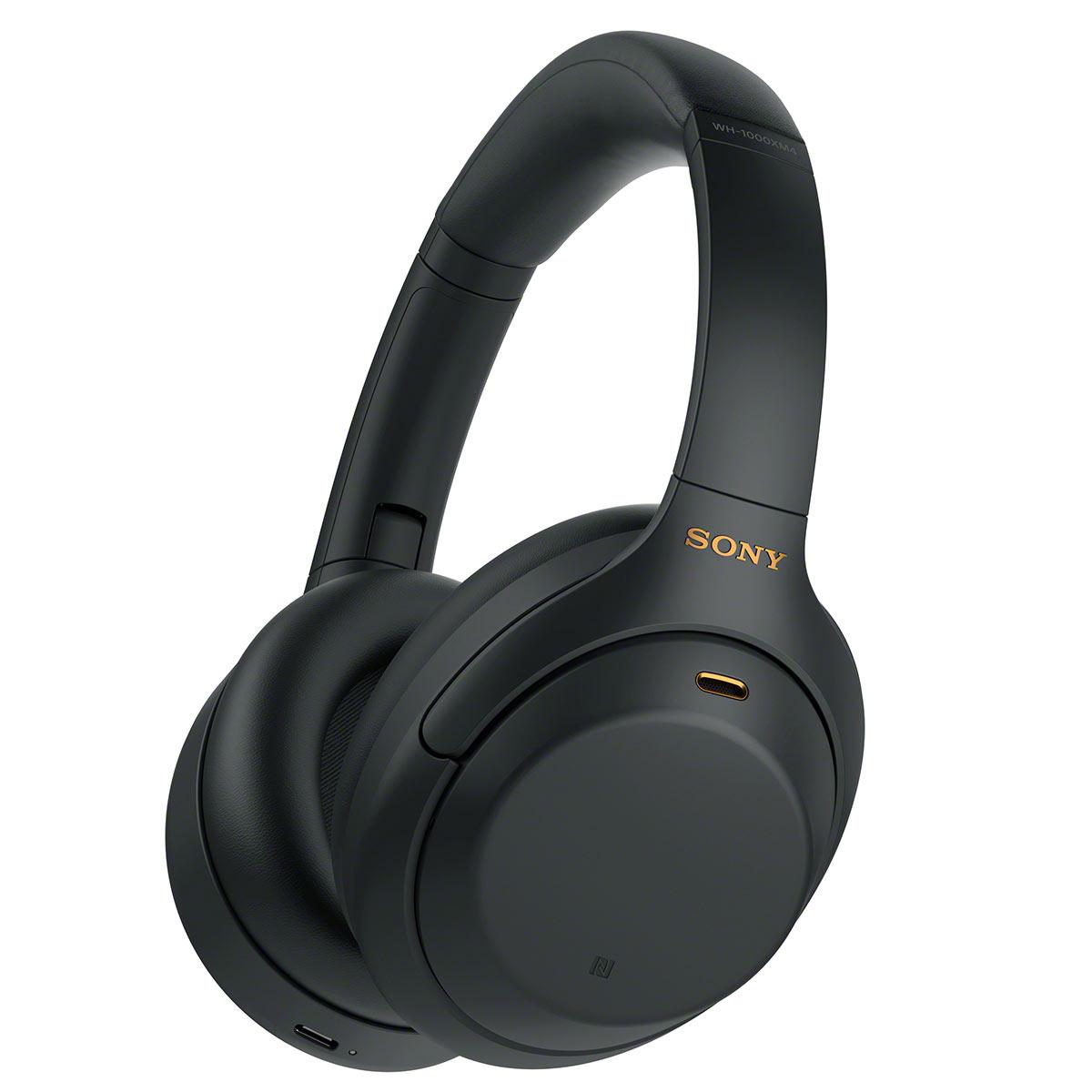
The Sony WH-1000XM4 launched in 2020 as the fourth generation of Sony's acclaimed 1000X series. Sony had already established themselves as the leader in consumer ANC technology, and the XM4 refined their formula with better processors, improved battery life, and multipoint Bluetooth connectivity. Since its release, Sony has launched the XM5 successor, but the XM4 remains popular due to its proven performance and lower price point.
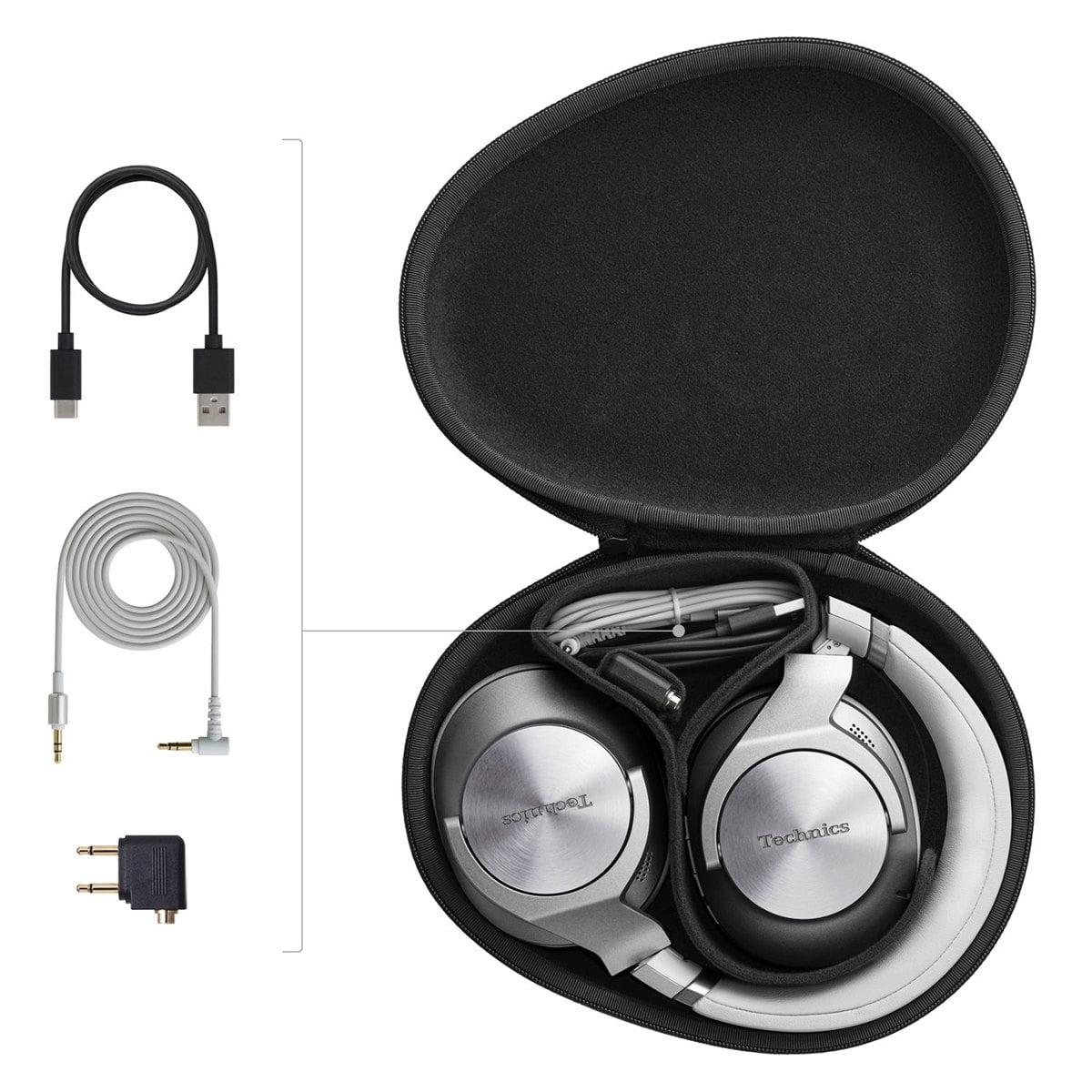
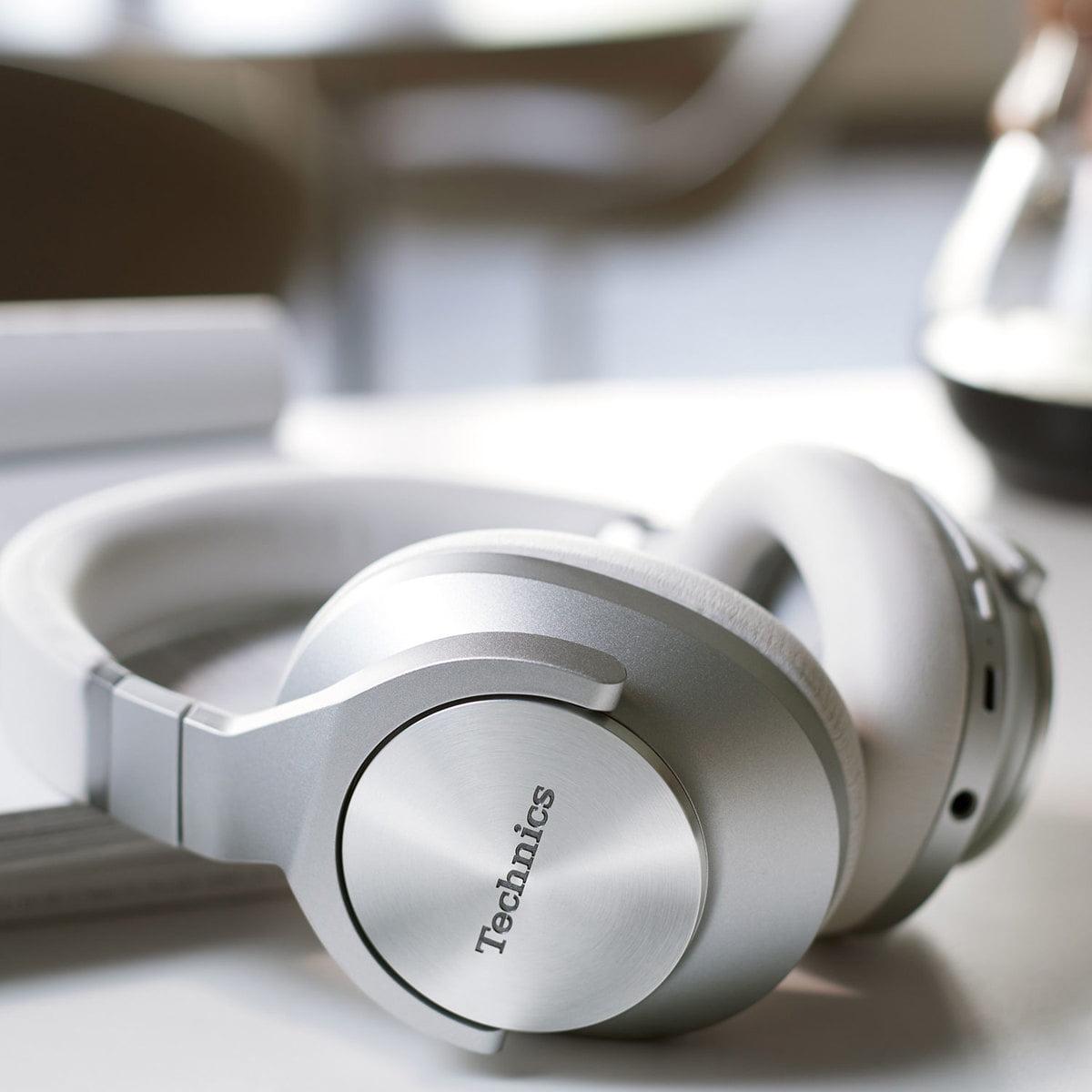
The Technics EAH-A800 represents something different – Technics' return to consumer headphones after focusing on professional DJ equipment for years. Released in March 2022, these headphones showcase the company's audio engineering heritage with a focus on natural, reference-quality sound reproduction. While Sony chased mass-market appeal, Technics aimed for audiophile credibility at a mainstream price.
This philosophical difference shapes everything about these headphones, from their sound signatures to their feature sets. Sony built a Swiss Army knife of capabilities, while Technics crafted a precision instrument focused on audio quality.
Let's start with noise cancellation, since it's often the primary reason people consider premium headphones. The Sony WH-1000XM4 uses their HD Noise Cancelling Processor QN1, which processes ambient sound data over 700 times per second. This processor works with dual noise sensor technology – essentially two microphones on each earcup that capture different aspects of environmental noise.
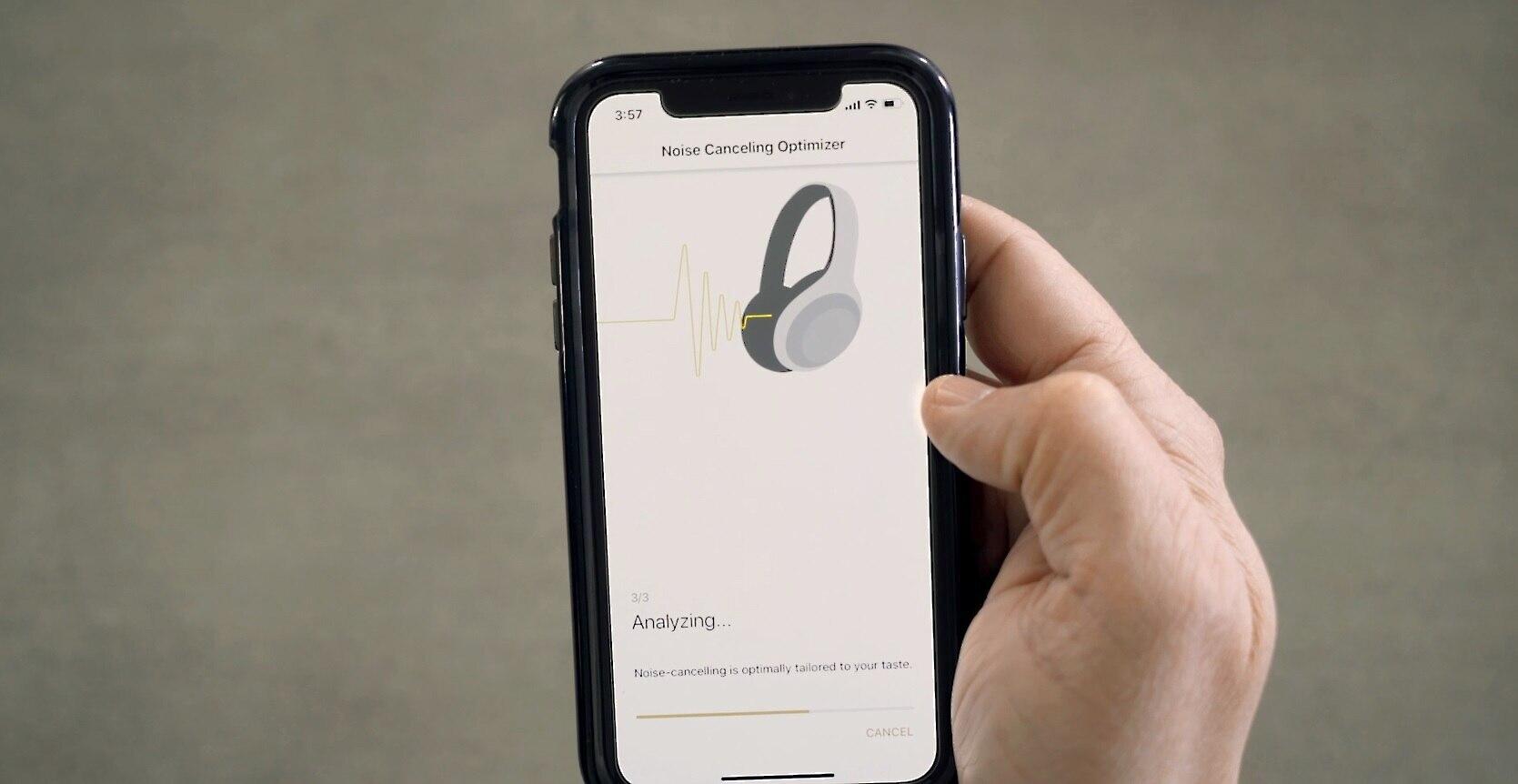
What makes Sony's implementation special is its adaptability. The atmospheric pressure optimizer adjusts cancellation effectiveness during air travel, while the personal noise cancellation optimizer calibrates the system based on your head shape, hair, and whether you wear glasses. These might sound like marketing features, but they make a real difference in practice.
During my testing across various environments – coffee shops, airplanes, busy streets – the Sony consistently provided superior isolation, especially in the crucial low-frequency range where most distracting noises live. The difference is most noticeable with consistent sounds like HVAC systems or engine noise, where the Sony can make a loud environment feel almost silent.
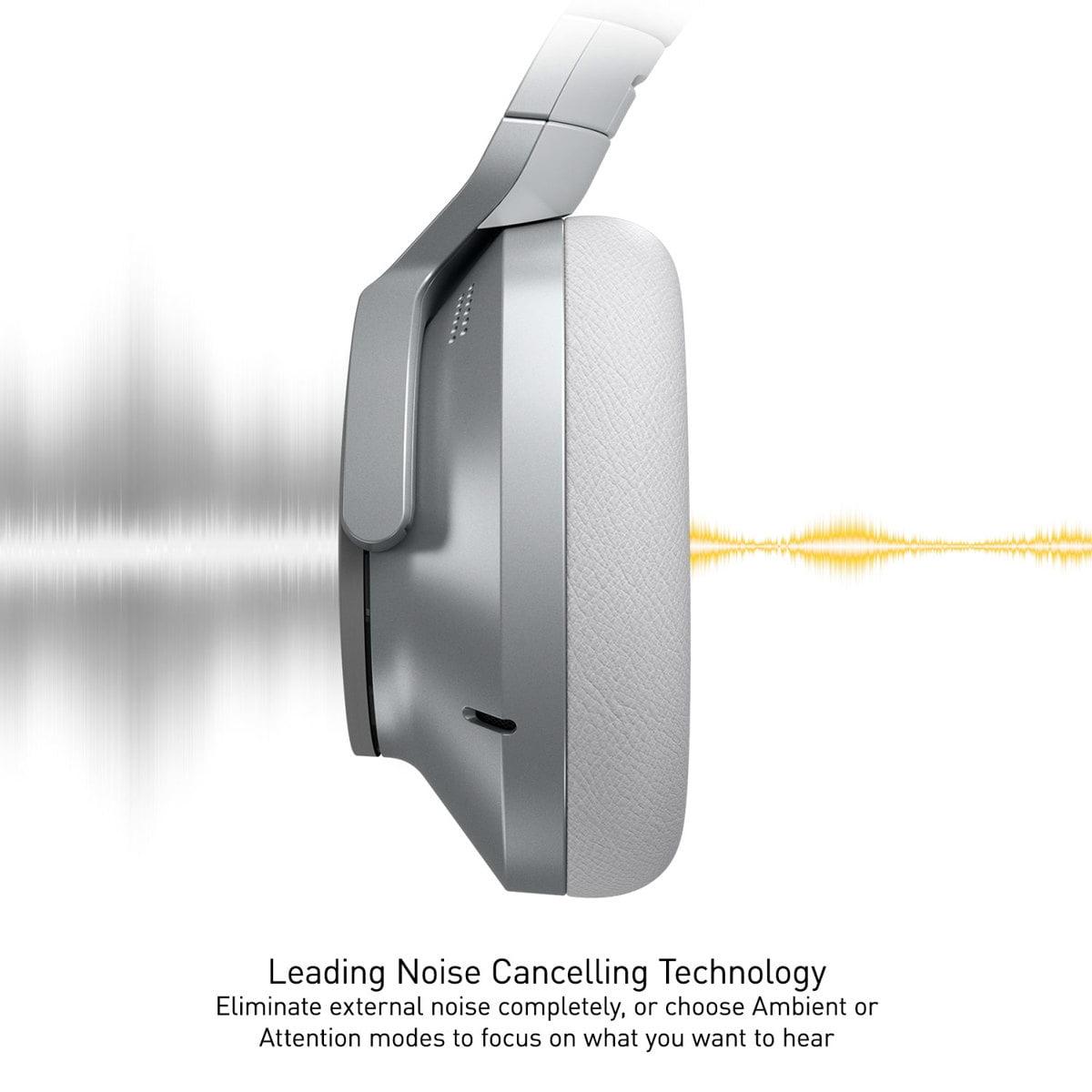
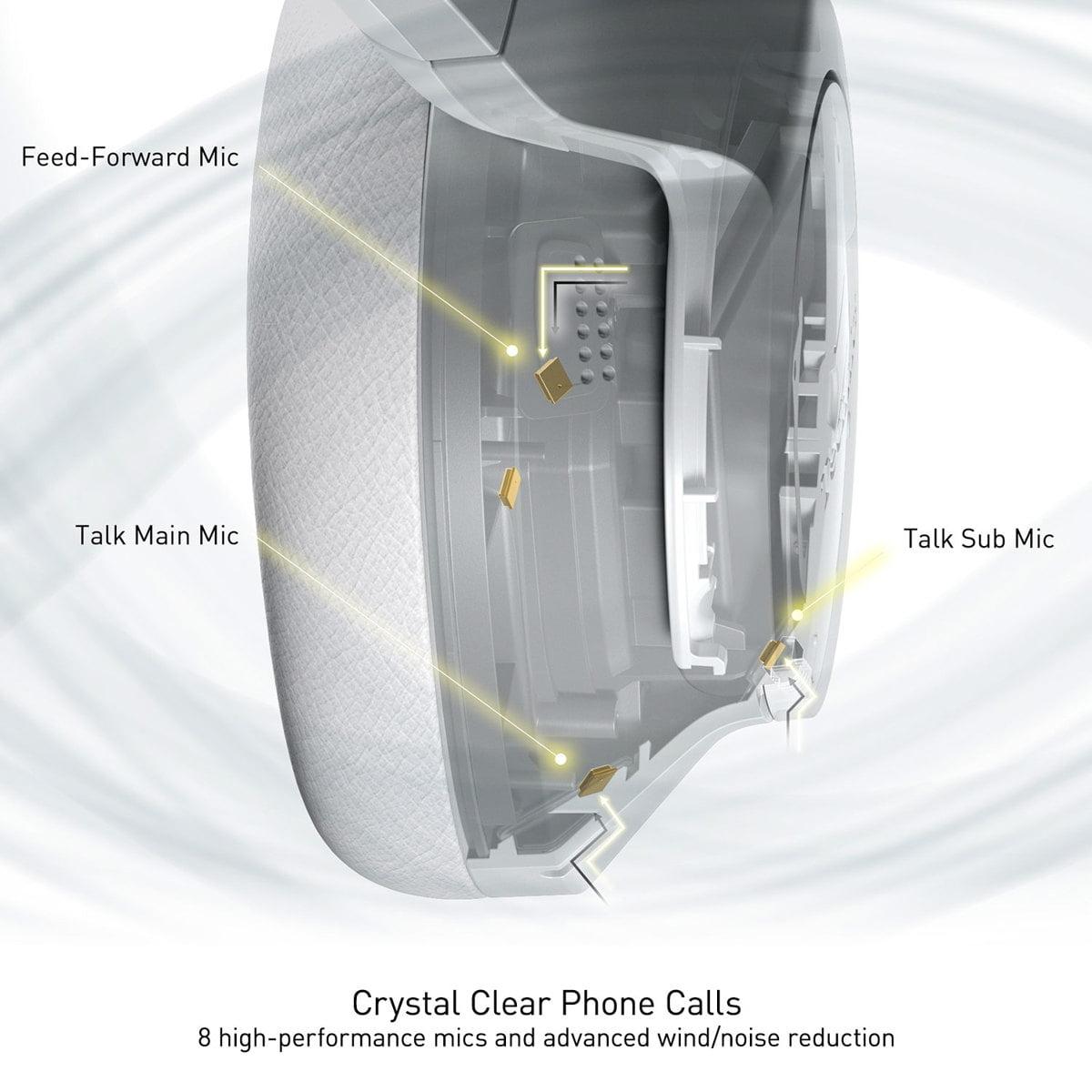
The Technics EAH-A800 uses a dual hybrid noise cancelling system that combines feedforward and feedback processing with both analog and digital components. While this sounds impressive technically, the real-world performance trails Sony's implementation. The Technics provides solid noise reduction that'll satisfy most users, but side-by-side comparisons reveal Sony's advantage in pure isolation effectiveness.
However, there's an interesting trade-off here. When you want to hear your surroundings – called transparency or ambient mode – the Technics actually sounds more natural. Sony's transparency mode has always been somewhat artificial and processed, while Technics maintains a more authentic representation of environmental sounds. If you frequently switch between isolation and awareness modes, this could influence your decision.
Here's where things get interesting, and where my personal preferences as someone who listens to a lot of acoustic music come into play. The Technics EAH-A800 delivers significantly better sound quality, but in ways that might not be immediately obvious to casual listeners.
Technics uses a proprietary acoustic control chamber design that optimizes airflow around their 40mm drivers. This isn't just marketing speak – the chamber design allows for more precise bass reproduction and better spatial imaging. The result is sound that feels more three-dimensional, with instruments and vocals positioned in believable space rather than just left and right channels.
The frequency response of the Technics is notably more balanced, with a neutral signature that doesn't artificially boost any particular range. Bass is present and accurate without being bloated, mids are clear and natural (especially important for vocals), and treble extends cleanly without harshness. This approach mirrors what you'd find in studio monitors or high-end audiophile headphones.
The Sony WH-1000XM4 takes a more consumer-friendly approach with emphasized bass and a warmer overall character. While this can make pop, hip-hop, and electronic music sound exciting, it can also mask details in the midrange and make certain genres sound muddy. The soundstage – the sense of space and separation between instruments – feels more intimate and compressed compared to the Technics.
Sony does offer extensive equalization options through their app, allowing you to adjust the sound signature. However, EQ can only do so much to correct fundamental driver and acoustic design limitations. The Technics gets closer to reference quality out of the box.
For home theater use, both headphones support high-resolution audio codecs, but the Technics' more accurate sound reproduction and better spatial imaging make it superior for movies and TV shows. Dialog clarity is excellent, and the balanced frequency response ensures you hear soundtracks and effects as intended by the mixing engineers.
One critical limitation of the Sony is its poor performance in passive mode – when the battery dies or you use the included cable with the power off. The sound becomes heavily colored and unnatural, basically unusable for serious listening. The Technics maintains reasonable sound quality in passive mode, though it's still optimized for powered operation.
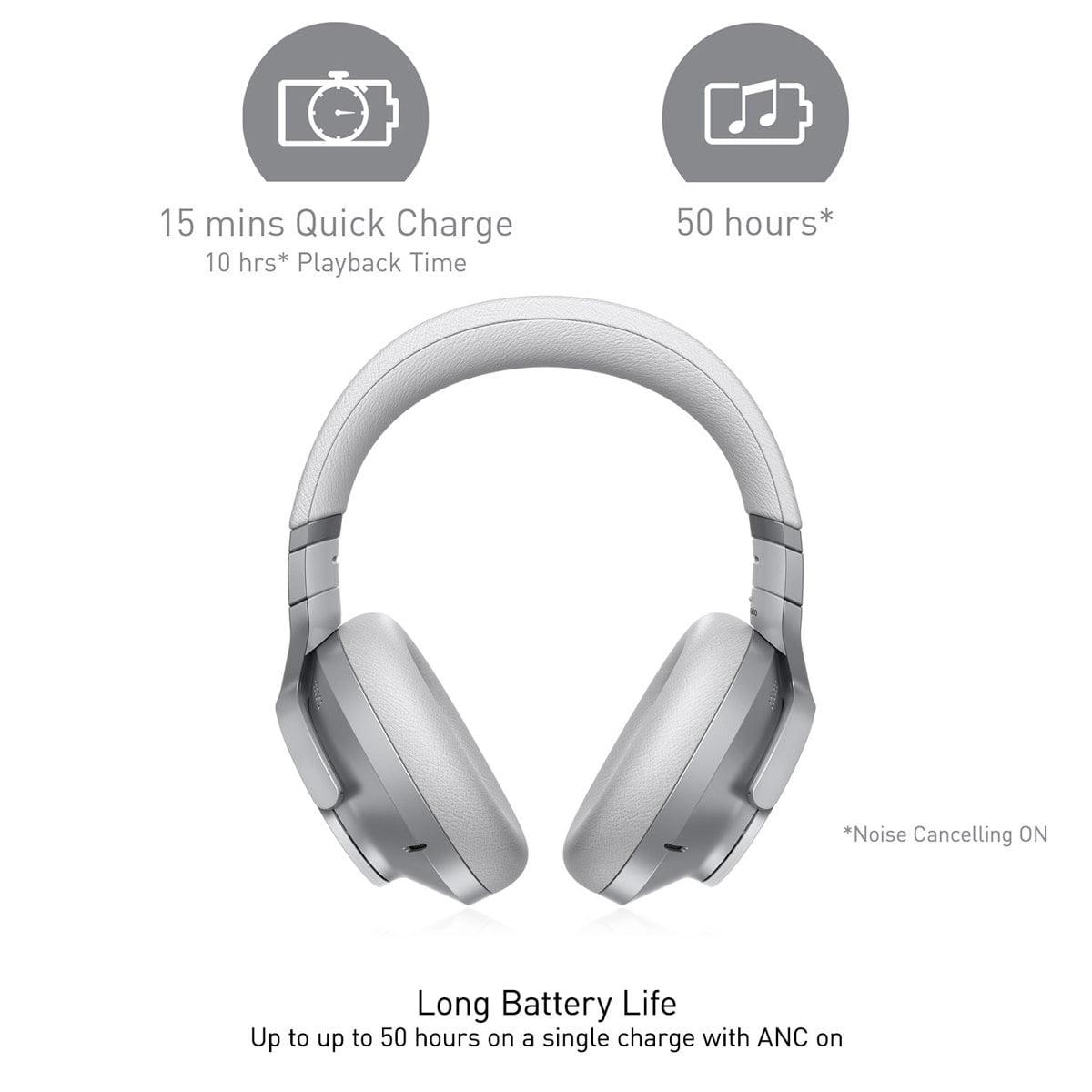
Battery performance reveals another significant difference between these models. The Technics EAH-A800 delivers an impressive 50 hours of playback with ANC enabled, extending to 60 hours with noise cancellation disabled. This represents some of the best battery life available in premium headphones.
The practical impact of this advantage cannot be overstated. For frequent travelers, the Technics can handle multiple round-trip flights without needing a charge. For daily commuters or work-from-home users, you might charge these headphones once per month rather than once per week.
The Sony WH-1000XM4 provides a more typical 30 hours with ANC on, which is still good but noticeably shorter. Both models support quick charging – Sony gives you 5 hours from a 10-minute charge, while Technics provides 10 hours from 15 minutes of charging.
The Sony has one frustrating limitation: you cannot use the headphones while they're plugged in and charging. This "passthrough charging" capability that Technics supports can be crucial if you're caught with dead headphones during a long work session.
Comfort becomes crucial during extended listening sessions, and here the Sony WH-1000XM4 holds a notable advantage. At 254 grams, it's significantly lighter than the 298-gram Technics – a 44-gram difference that you definitely feel during all-day wear.
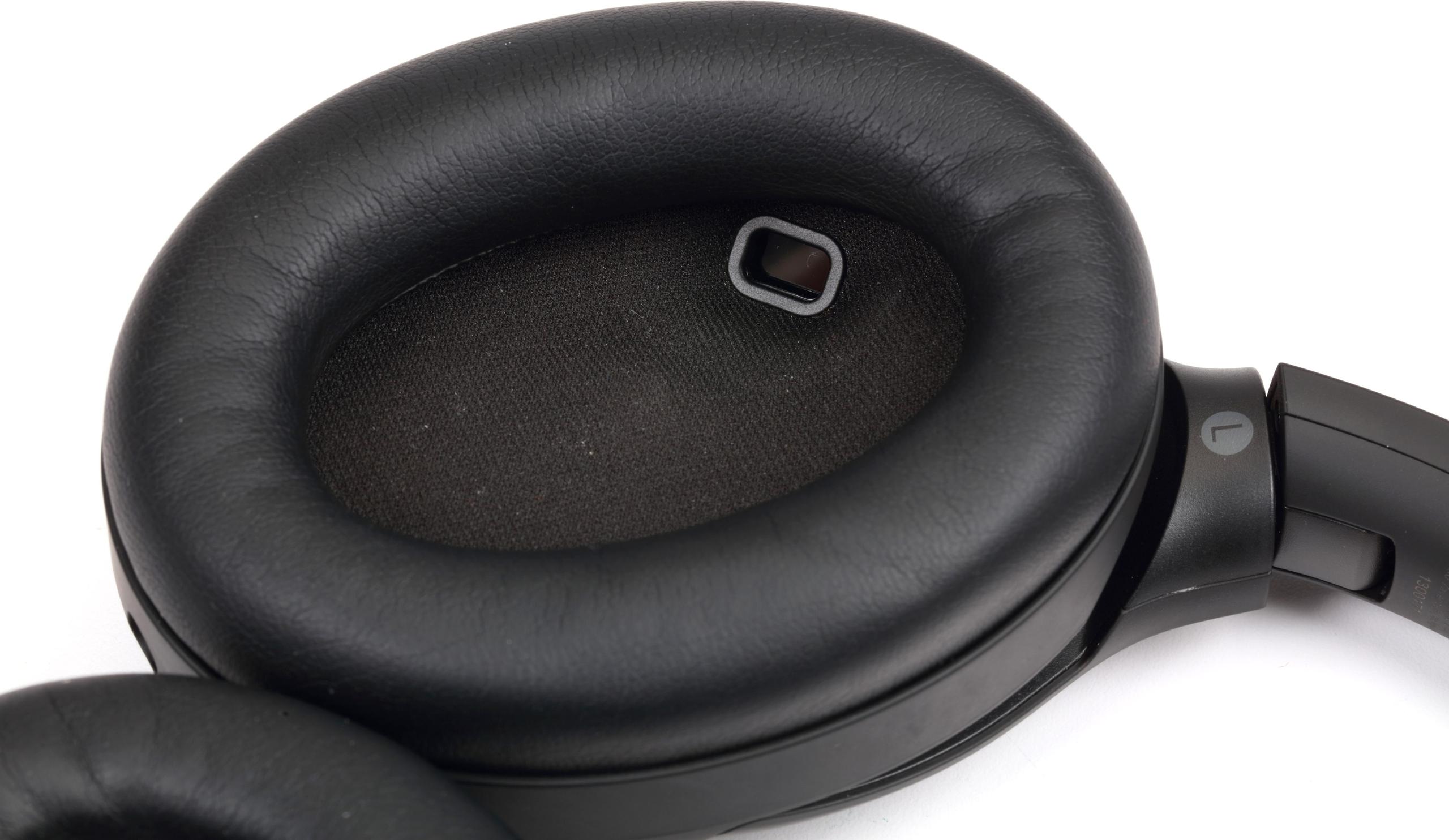
Sony has refined their headphone ergonomics through multiple generations, resulting in well-balanced weight distribution and supple memory foam earpads. The clamping force is perfectly calibrated to maintain a secure fit without creating pressure points.
The Technics EAH-A800 isn't uncomfortable, but the extra weight becomes noticeable during sessions longer than 2-3 hours. The build quality feels more substantial and premium, but that same solidity contributes to the heavier weight.
Both models use high-quality materials and construction, but they express durability differently. The Sony feels refined and precisely engineered, while the Technics feels robust and substantial. Neither should have longevity concerns with normal use.
Modern premium headphones are expected to do more than just play music, and the Sony WH-1000XM4 excels in this area. The Sony Headphones Connect app provides extensive customization options, including detailed EQ controls, ANC adjustment, and smart features like Adaptive Sound Control.
Adaptive Sound Control automatically recognizes your activity and location, adjusting noise cancellation and sound settings accordingly. Over time, it learns your preferences for different environments. The Speak-to-Chat feature automatically pauses music and enables transparency mode when you start talking, resuming playback when you finish.
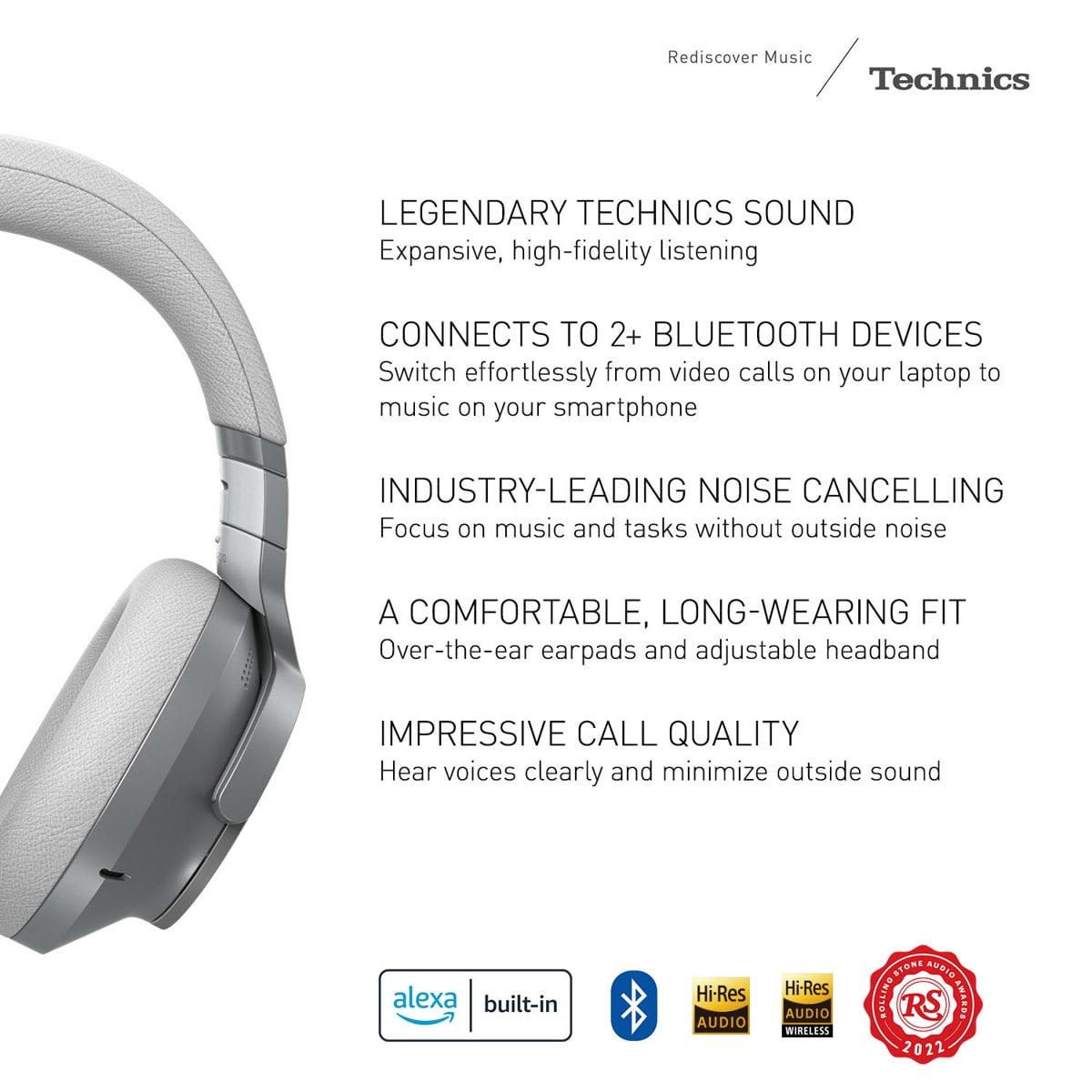
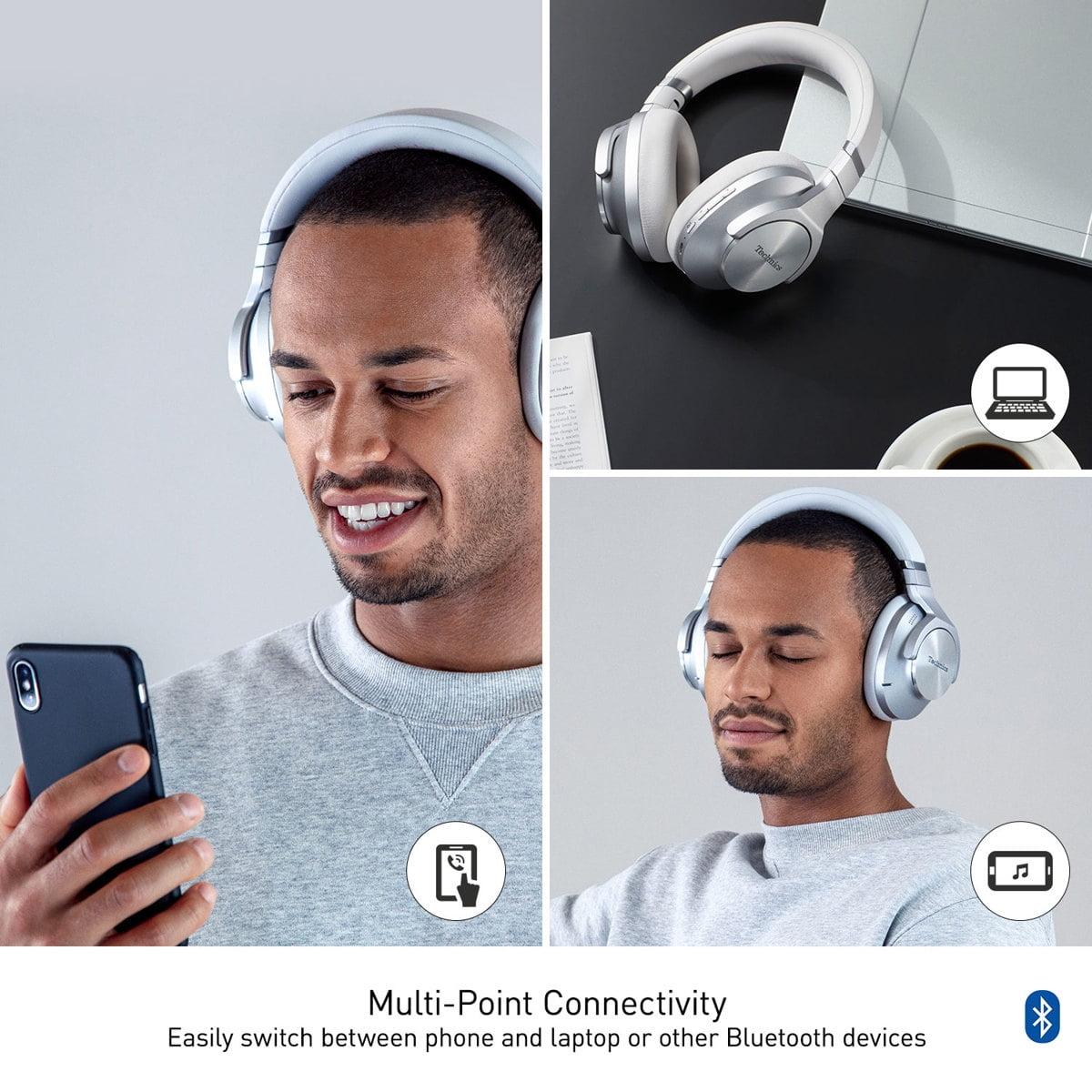
Multipoint Bluetooth connectivity allows simultaneous connection to two devices, seamlessly switching between your phone and laptop as needed. Wear detection sensors pause playback when you remove the headphones and resume when you put them back on.
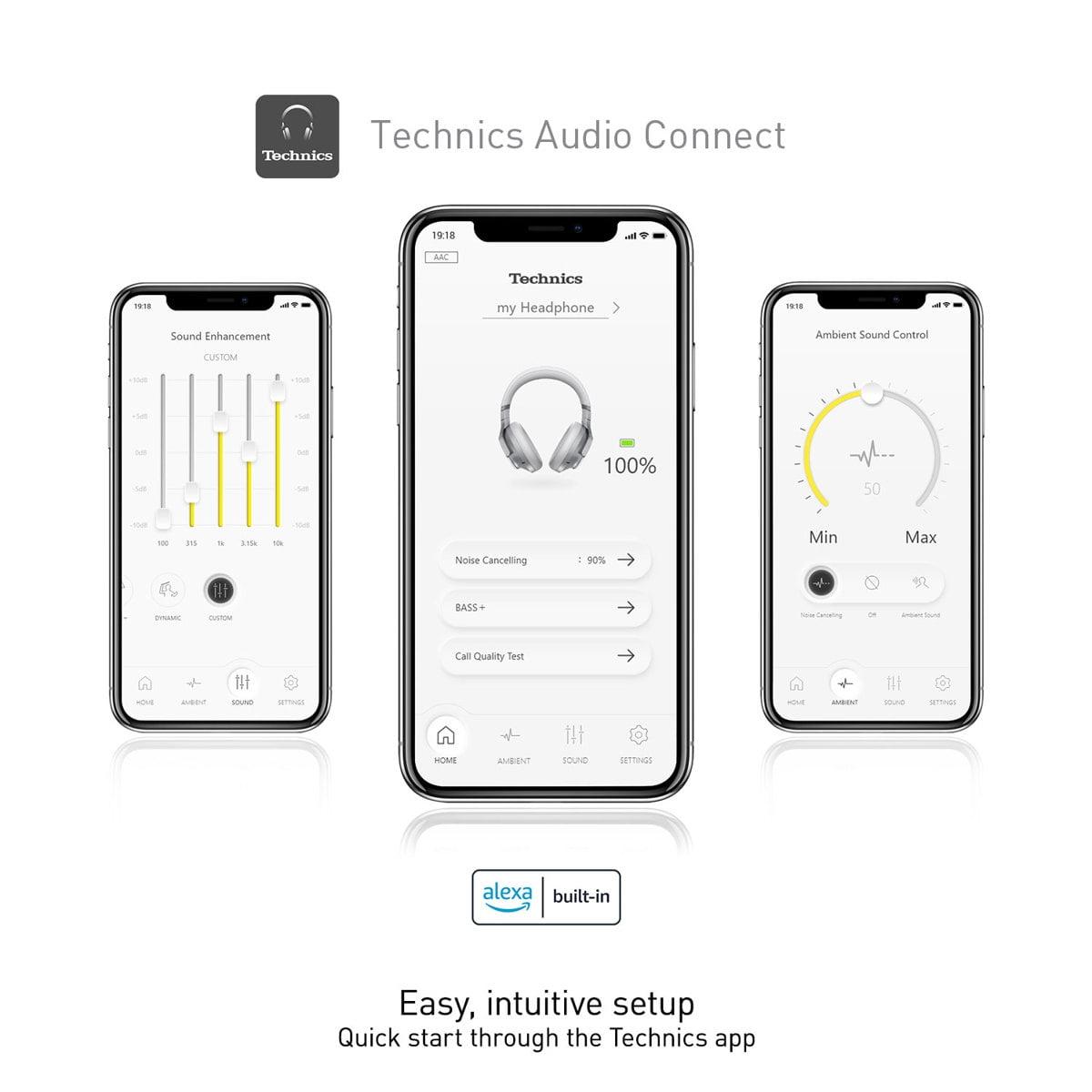
The Technics EAH-A800 takes a more minimalist approach to smart features. You get basic multipoint connectivity and built-in Alexa voice assistant support (though availability varies by region), but the feature set is much more limited. The Technics app provides basic controls but lacks the extensive customization options Sony offers.
This difference reflects each company's philosophy. Sony wants to be your all-in-one audio solution with maximum convenience features. Technics focuses on audio quality first, treating smart features as secondary conveniences.
At current pricing, both headphones represent strong value propositions, but for different reasons. The Sony WH-1000XM4 ($275) offers proven noise cancellation technology, comprehensive smart features, and broad mainstream appeal at an attractive price point. It's like buying a luxury car that's been on the market for a few years – you get flagship technology at a discounted price due to newer models being available.
The Technics EAH-A800 ($298) costs slightly more but delivers audiophile-grade sound quality typically found in headphones costing significantly more. The exceptional 50-hour battery life adds practical value that's hard to quantify but becomes incredibly convenient in daily use.
For home theater applications, the Technics' superior sound quality and spatial imaging make it worth the extra cost. Movies and TV shows benefit from the more accurate frequency response and better instrument separation. However, if you primarily watch content in noisy environments, Sony's superior ANC might be more valuable.
Since the Sony WH-1000XM4 launched in 2020, Sony has continued firmware updates that have improved stability and added features, though the core hardware remains unchanged. The subsequent XM5 model redesigned the driver and processing system, but the XM4 remains highly competitive and arguably offers better value.
The Technics EAH-A800, being newer (2022), represents more current acoustic engineering and includes the latest Bluetooth 5.2 standard with improved connection stability and lower latency. The acoustic control chamber technology is genuinely innovative, addressing longstanding challenges in closed-back headphone design.
Choose the Technics EAH-A800 ($298) if you prioritize sound quality above all else. These headphones excel for music listening, especially acoustic genres, jazz, classical, and any content where audio fidelity matters most. The exceptional battery life makes them ideal for frequent travelers or heavy daily users who don't want to worry about charging frequency. They're also the better choice for home theater use, where accurate sound reproduction enhances the viewing experience.
Choose the Sony WH-1000XM4 ($275) if you need maximum noise cancellation for commuting, air travel, or noisy work environments. The comprehensive smart features and app integration provide more convenience and customization options. The lighter weight makes them more comfortable for all-day wear, and the proven track record offers peace of mind.
Both headphones deliver excellent performance in their focus areas, but they serve different priorities. The Technics is fundamentally an audiophile headphone that happens to have good noise cancellation, while the Sony is a noise cancellation champion that happens to sound good. Your primary use case should drive the decision – whether that's pure audio enjoyment or practical noise isolation with convenient features.
In my experience, the choice often comes down to whether you're willing to sacrifice some convenience and ANC performance for significantly better sound quality and battery life. Both represent excellent value in the premium headphone market, just optimized for different user priorities.
| Technics EAH-A800 ($298) | Sony WH-1000XM4 ($275) |
|---|---|
| Battery Life with ANC - Critical for travel and daily use | |
| 50 hours (industry-leading endurance) | 30 hours (good but standard for premium headphones) |
| Weight - Affects all-day comfort | |
| 298g (heavier, may cause fatigue during extended wear) | 254g (lighter, better for long sessions) |
| Sound Signature - Determines music enjoyment | |
| Balanced, neutral tuning (audiophile-grade accuracy) | Warm, bass-emphasized (mainstream consumer appeal) |
| Active Noise Cancellation - Essential for noisy environments | |
| Good dual hybrid system (solid but not class-leading) | Excellent QN1 processor (industry benchmark for ANC) |
| Quick Charging - Convenience when battery runs low | |
| 15 minutes = 10 hours playback | 10 minutes = 5 hours playback |
| Transparency Mode - When you need environmental awareness | |
| Natural, authentic ambient sound reproduction | Processed, artificial-sounding transparency |
| Smart Features - App integration and convenience | |
| Basic controls, Alexa built-in, minimal customization | Comprehensive Sony app, adaptive controls, speak-to-chat |
| Multipoint Connectivity - Using with multiple devices | |
| Yes (Bluetooth 5.2 standard) | Yes (seamless device switching) |
| Passive Mode Performance - When battery dies | |
| Usable sound quality without power | Poor, heavily colored sound when unpowered |
| High-Resolution Audio Support - For audiophile listening | |
| LDAC, 4Hz-40kHz frequency response | LDAC, DSEE Extreme upscaling technology |
| Release Date & Market Position | |
| March 2022 (newer acoustic engineering) | 2020 (proven, mature technology) |
| Best Use Case | |
| Audiophile listening, long battery life priority | Travel, commuting, maximum noise isolation |
The Sony WH-1000XM4 ($275) has superior noise cancellation compared to the Technics EAH-A800 ($298). Sony's QN1 processor and dual noise sensor technology provide industry-leading ANC performance, especially for blocking low-frequency sounds like airplane engines and air conditioners. While the Technics offers solid noise reduction, it can't match Sony's effectiveness in noisy environments.
The Technics EAH-A800 ($298) delivers significantly better sound quality with its balanced, audiophile-grade tuning and acoustic control chamber technology. The Sony WH-1000XM4 ($275) has a bass-heavy, consumer-friendly sound that can sound muddy with certain genres. For critical music listening, the Technics is the clear winner.
The Technics EAH-A800 ($298) offers exceptional 50-hour battery life with ANC enabled, while the Sony WH-1000XM4 ($275) provides 30 hours. This 20-hour difference makes the Technics significantly better for frequent travelers or heavy daily users who don't want to charge regularly.
The Sony WH-1000XM4 ($275) is more comfortable due to its lighter 254g weight compared to the 298g Technics EAH-A800 ($298). The Sony's refined ergonomics and memory foam earpads make it better suited for all-day wear, while the heavier Technics may cause fatigue during extended sessions.
Yes, but the Technics EAH-A800 ($298) is superior for home theater use. Its balanced frequency response, better spatial imaging, and excellent dialog clarity make movies and TV shows sound more natural and immersive. The Sony WH-1000XM4 ($275) works fine for casual viewing but its bass-heavy tuning can muddy dialog and soundtracks.
The Sony WH-1000XM4 ($275) excels in smart features with its comprehensive Sony Headphones Connect app, adaptive sound control, speak-to-chat functionality, and wear detection sensors. The Technics EAH-A800 ($298) takes a minimalist approach with basic controls and limited app customization, focusing more on audio quality than convenience features.
Yes, both the Sony WH-1000XM4 ($275) and Technics EAH-A800 ($298) support multipoint Bluetooth connectivity, allowing simultaneous connection to two devices. However, Sony's implementation offers more seamless switching between devices with better integration into their smart features ecosystem.
At current prices, the Sony WH-1000XM4 ($275) offers excellent value for users prioritizing noise cancellation and smart features, while the Technics EAH-A800 ($298) provides superior value for audio enthusiasts seeking audiophile-grade sound quality and exceptional battery life. The choice depends on your priorities.
The Technics EAH-A800 ($298) maintains usable sound quality in passive (wired, unpowered) mode, while the Sony WH-1000XM4 ($275) sounds heavily colored and unnatural without power. This makes the Technics more reliable as a backup wired headphone when the battery is depleted.
The Sony WH-1000XM4 ($275) is generally better for travel due to its superior noise cancellation, lighter weight, and proven performance in noisy environments like airplanes and trains. However, the Technics EAH-A800 ($298) offers significantly longer battery life (50 vs 30 hours), which can be crucial for extended travel.
Yes, both the Sony WH-1000XM4 ($275) and Technics EAH-A800 ($298) support LDAC codec for high-resolution wireless audio. The Sony adds DSEE Extreme AI upscaling for compressed files, while the Technics focuses on accurate reproduction with its extended 4Hz-40kHz frequency response and superior acoustic design.
Choose the Technics EAH-A800 ($298) if you prioritize sound quality, battery life, and home theater use. Choose the Sony WH-1000XM4 ($275) if you need maximum noise cancellation, lightweight comfort, and comprehensive smart features for travel and daily commuting. Both offer excellent performance in their respective strengths.
We've done our best to create useful and informative comparisons to help you decide what product to buy. Our research uses advanced automated methods to create this comparison and perfection is not possible - please contact us for corrections or questions. These are the sites we've researched in the creation of this article: help.na.panasonic.com - technics.com - retailspecs.com - headphonecheck.com - us.technics.com - help.na.panasonic.com - bhphotovideo.com - technics.com - technics.com - valueelectronics.com - soundguys.com - headphones.com - recordingnow.com - electronics.sony.com - rtings.com - headphonereview.com - youtube.com - audiosciencereview.com - cnet.com - hyderseatravels.com - sony.com - sonylatvija.com - sony.com - sony.com - electronics.sony.com - sony.com - headphonecheck.com - fullspecs.net - sony.com - uclastore.com - bestbuy.com - sony.ca - helpguide.sony.net - device.report

Privacy Policy
Terms and Conditions - Affiliate Policy
Home Security
© Copyright 2008-2026.
11816 Inwood Rd #1211, Dallas, TX 75244