

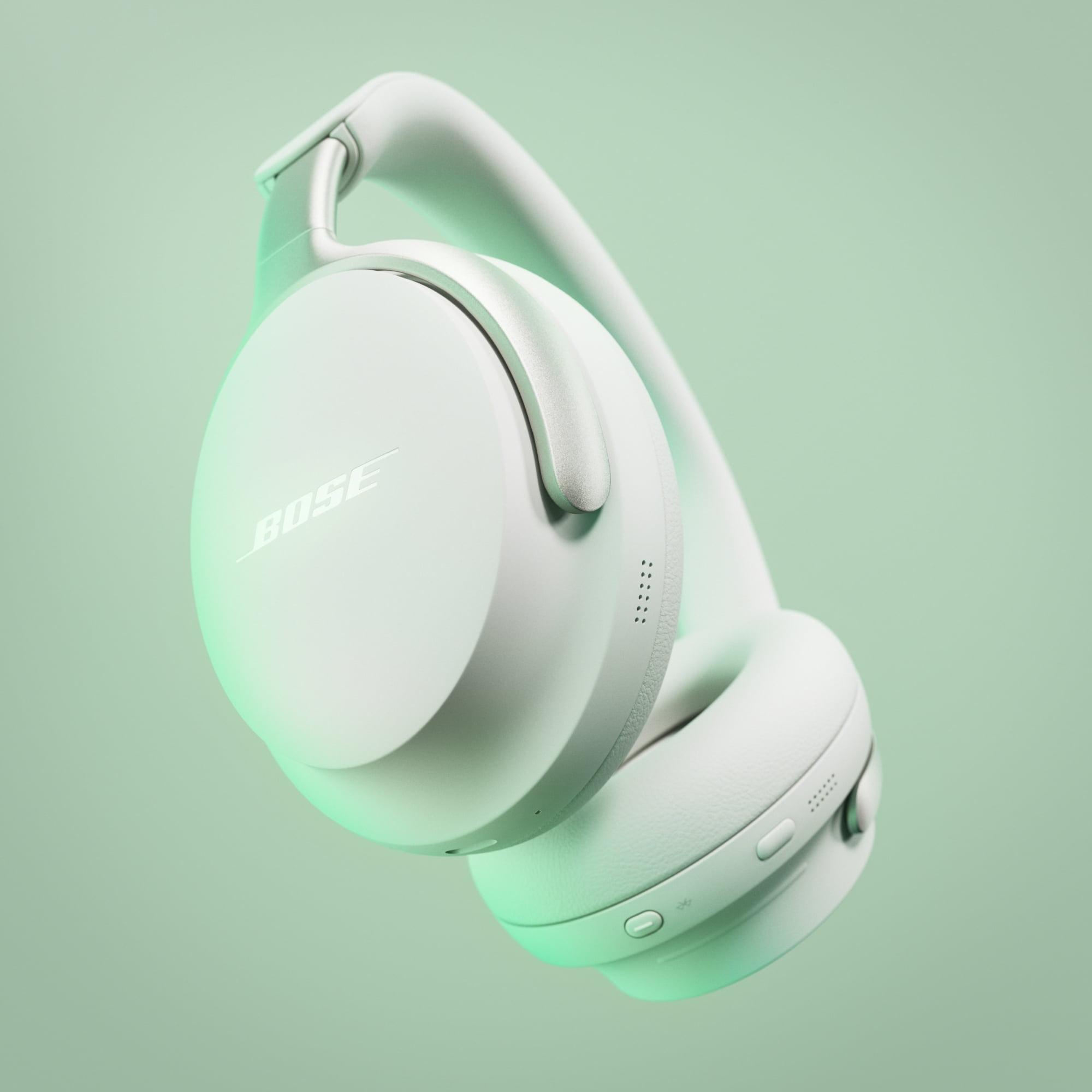
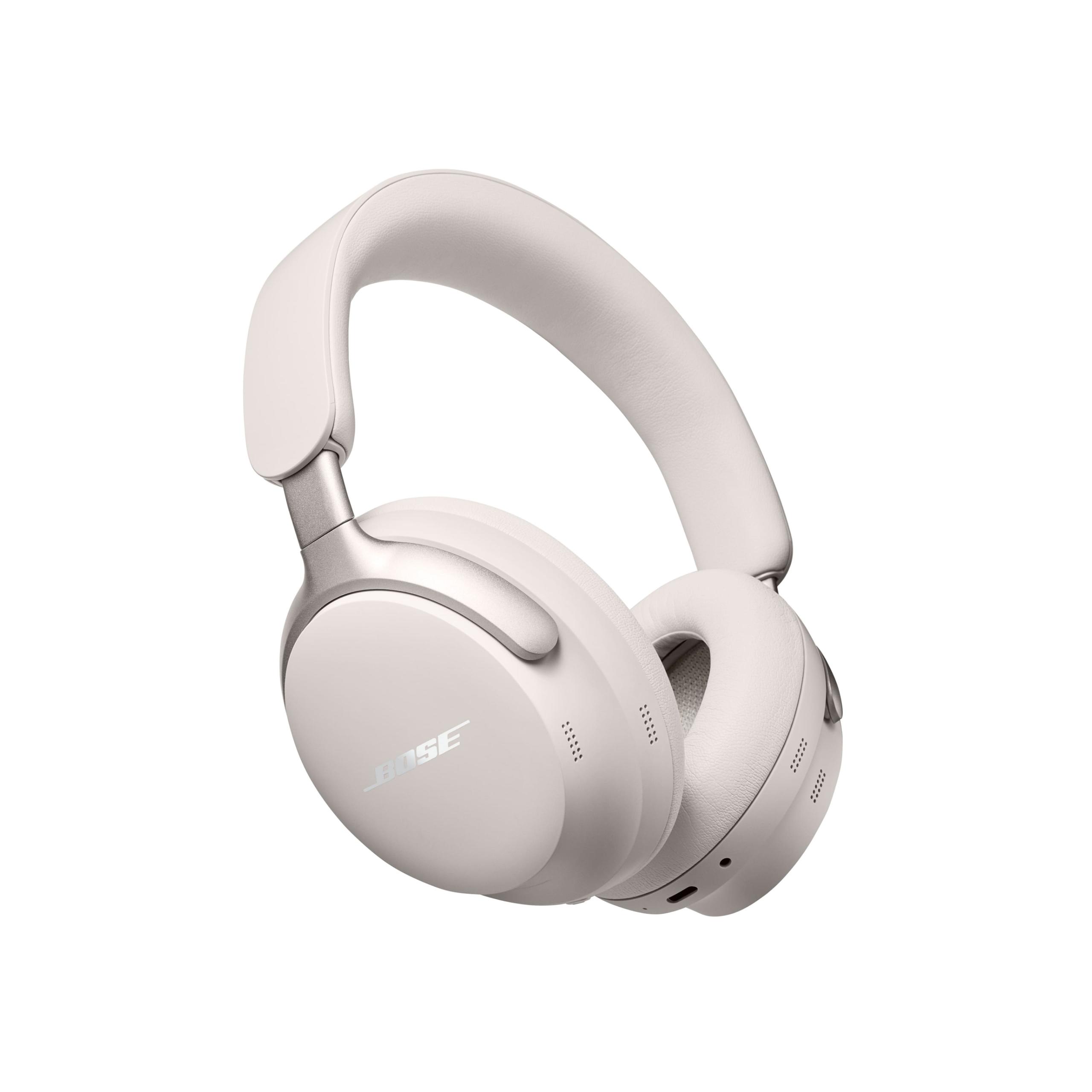
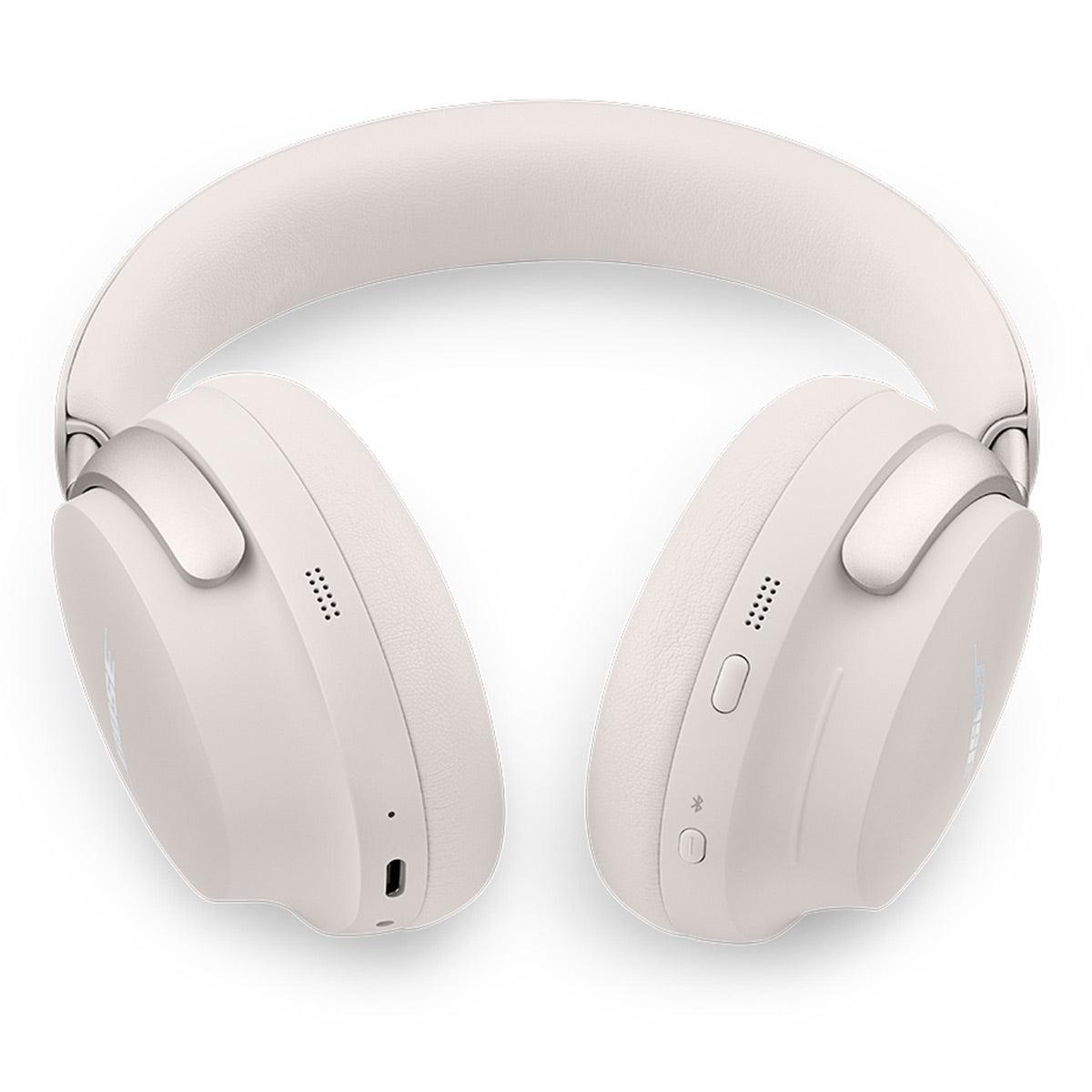
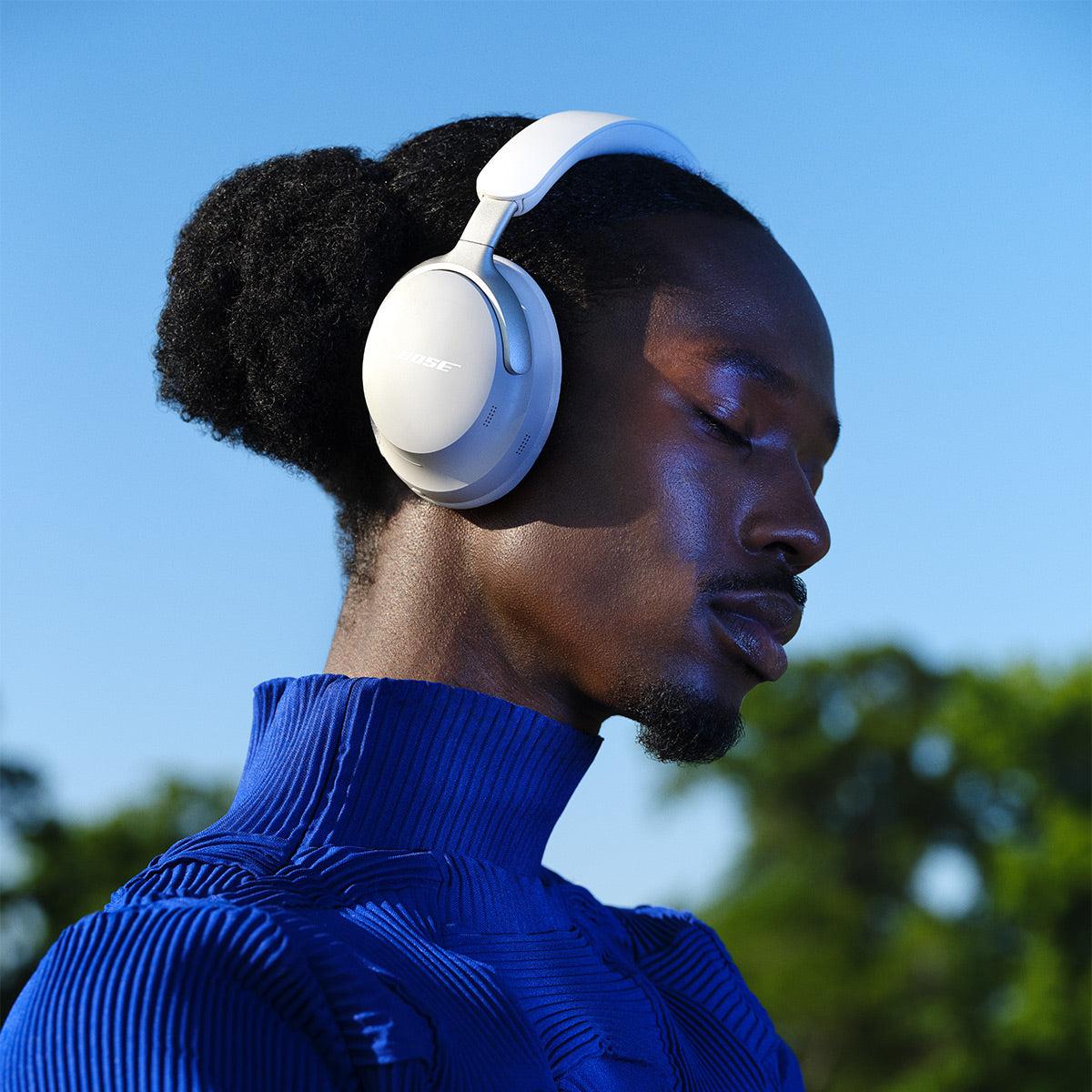
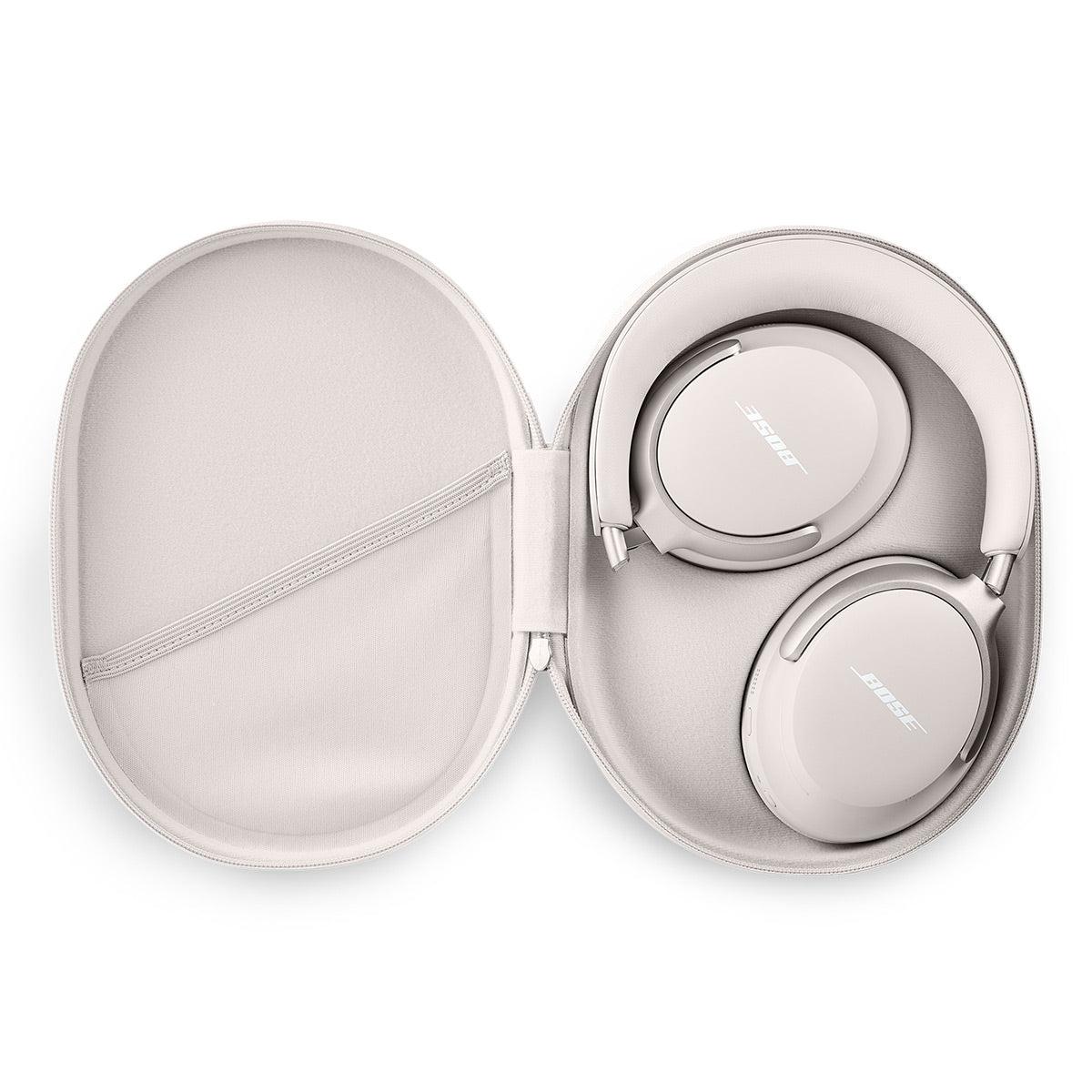
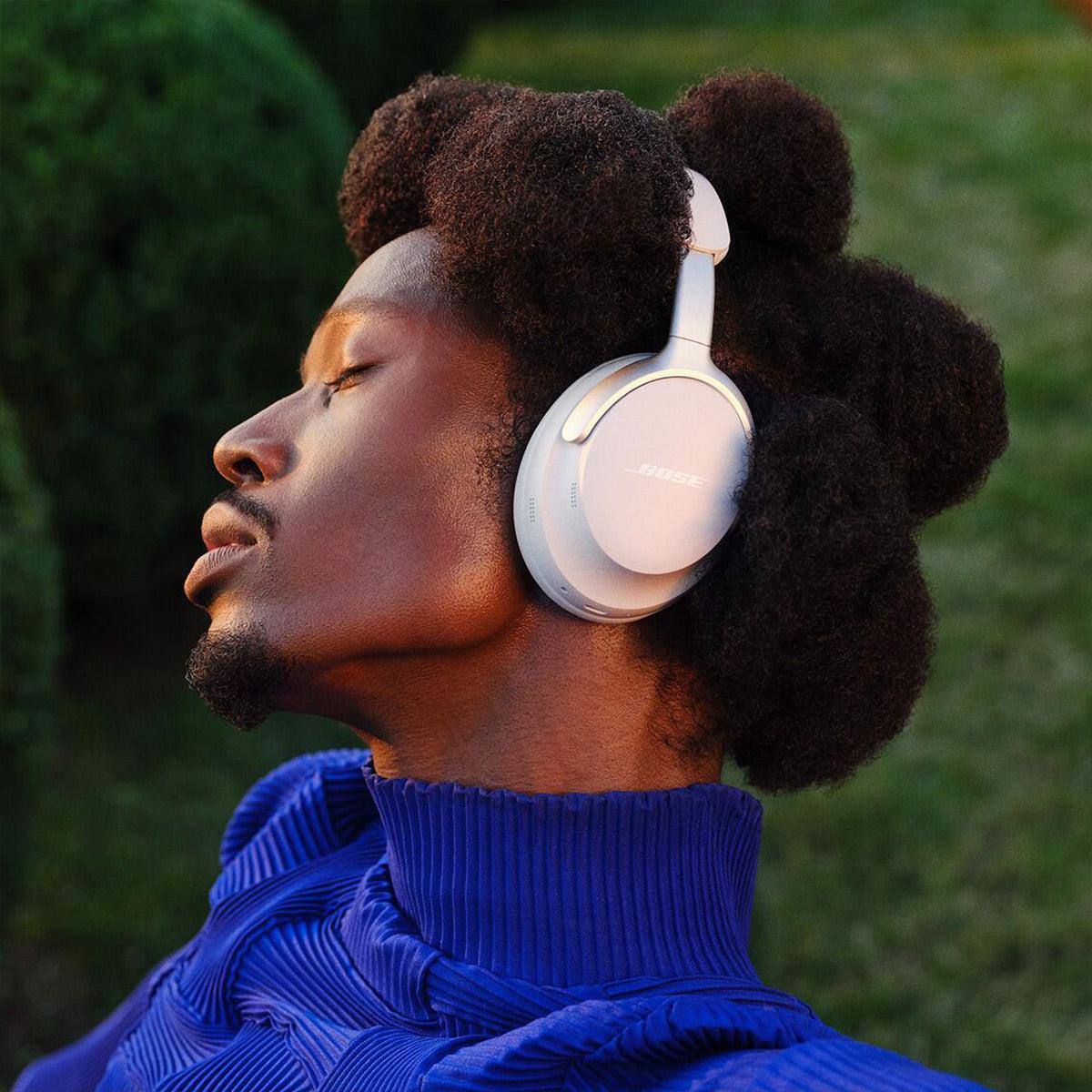
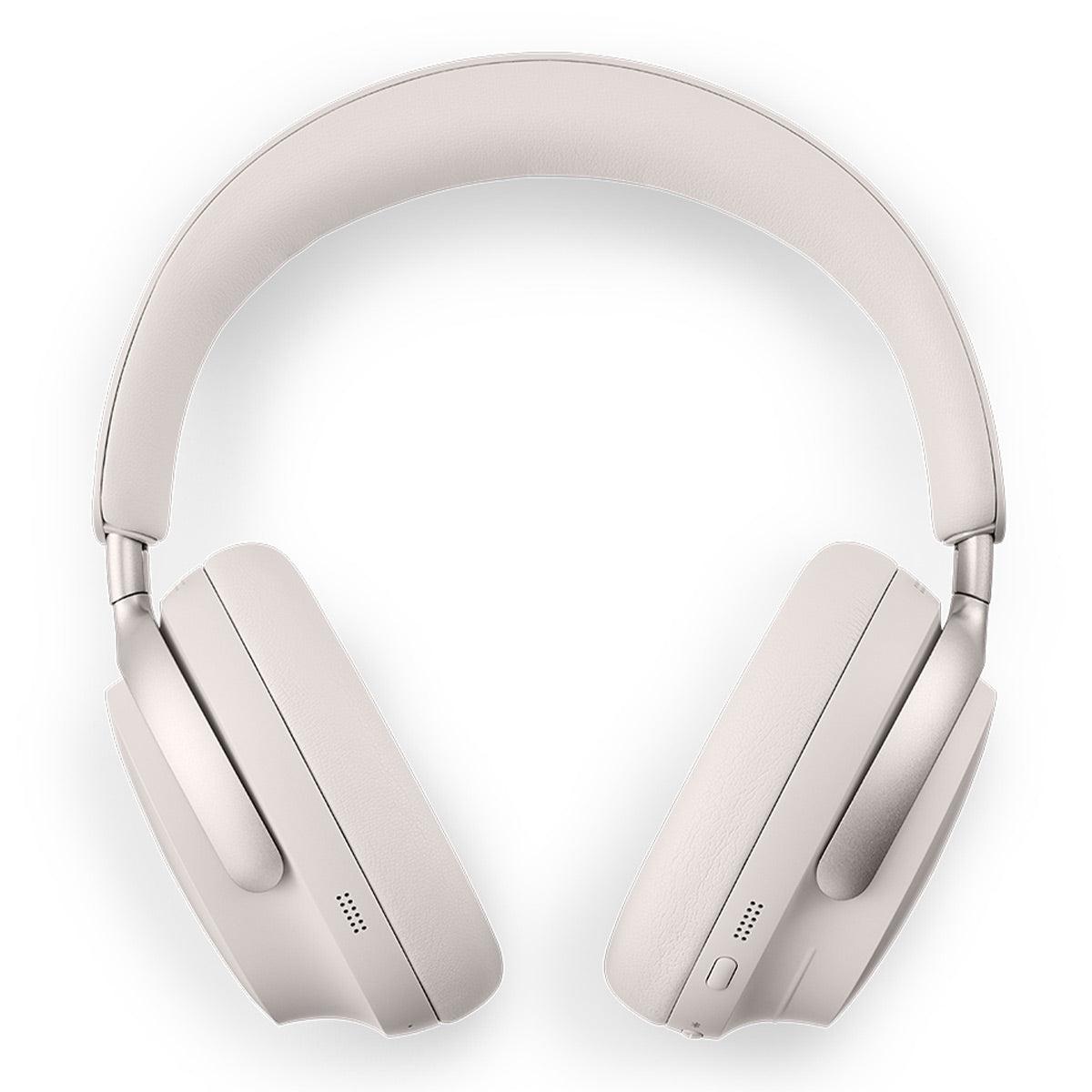
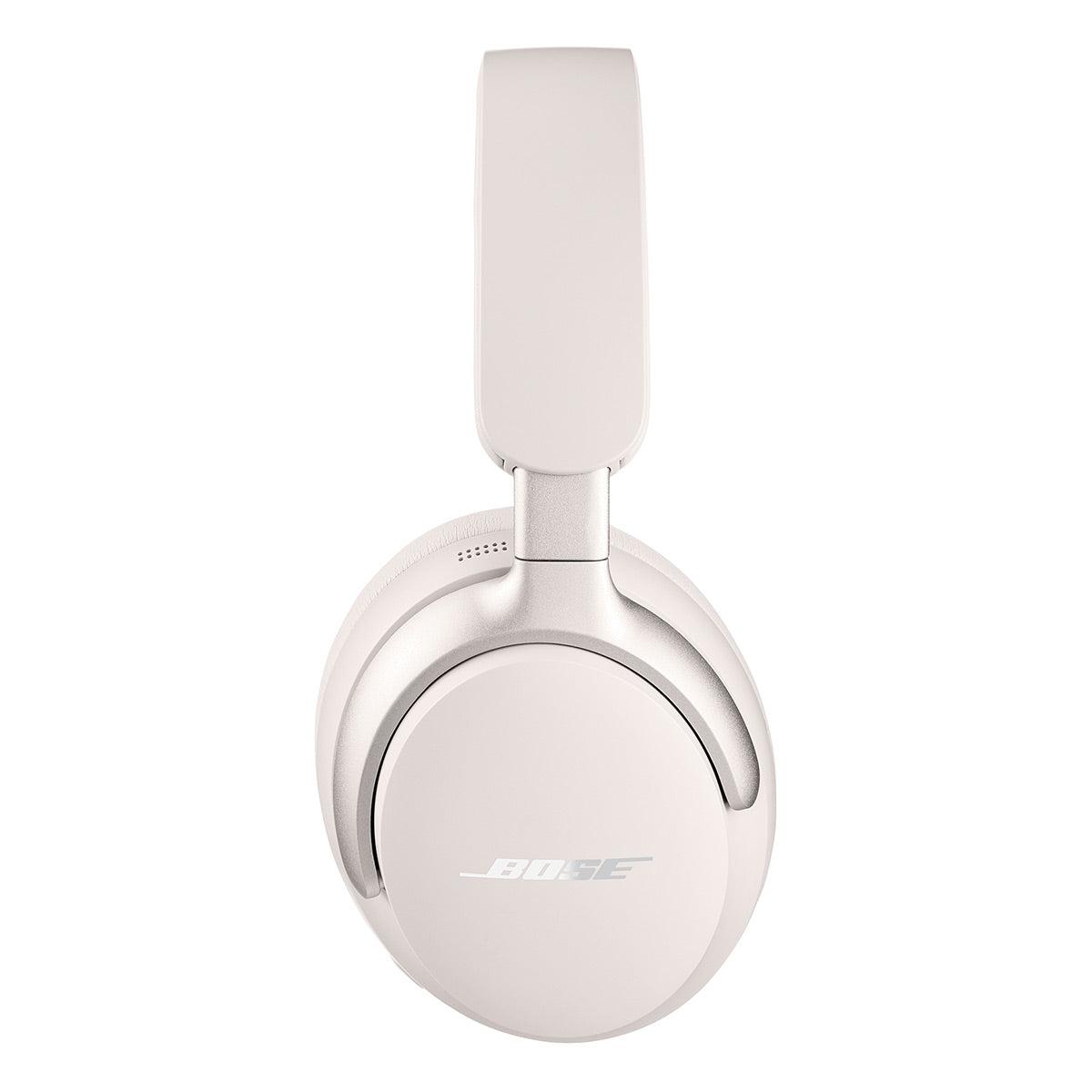

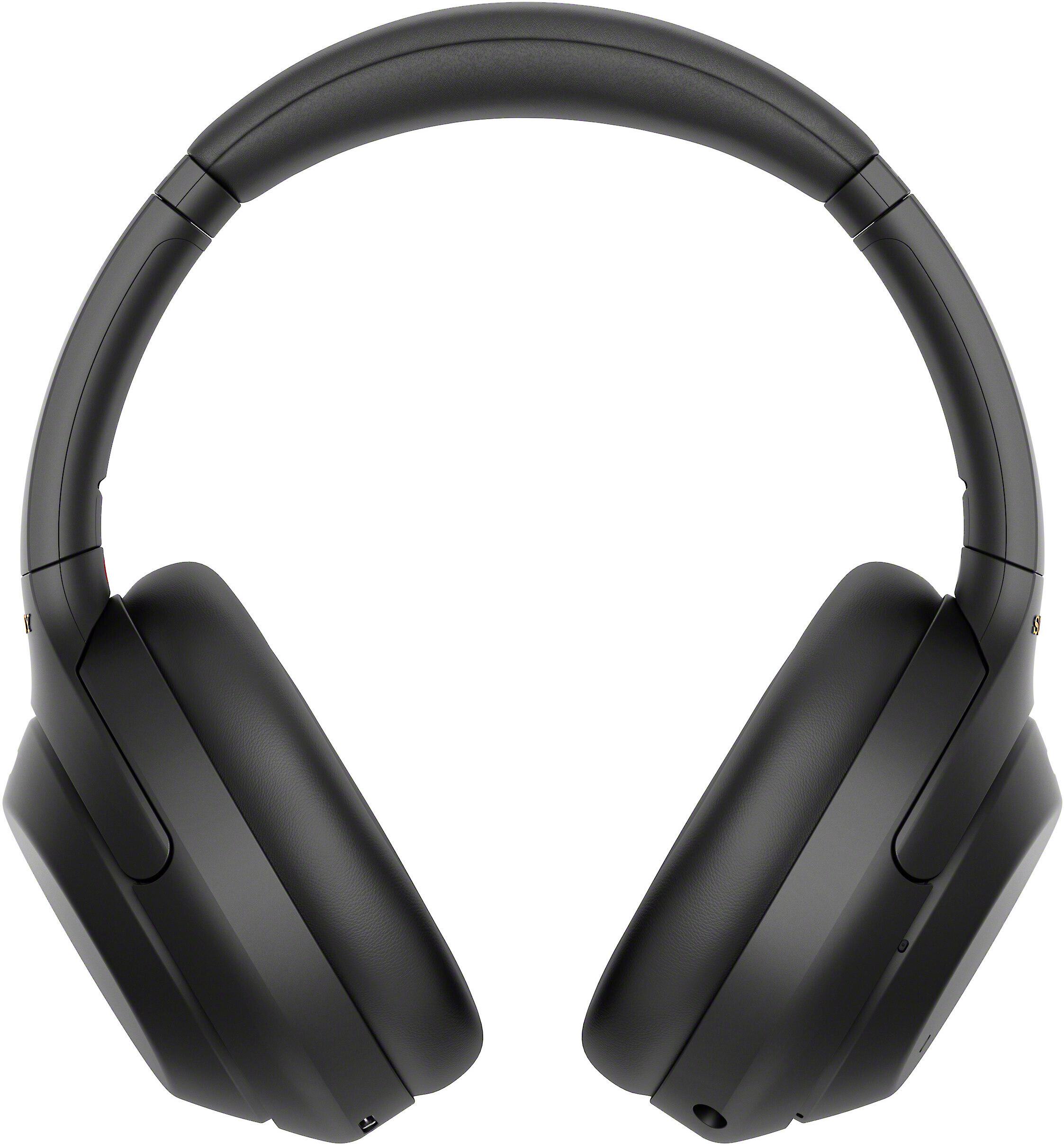

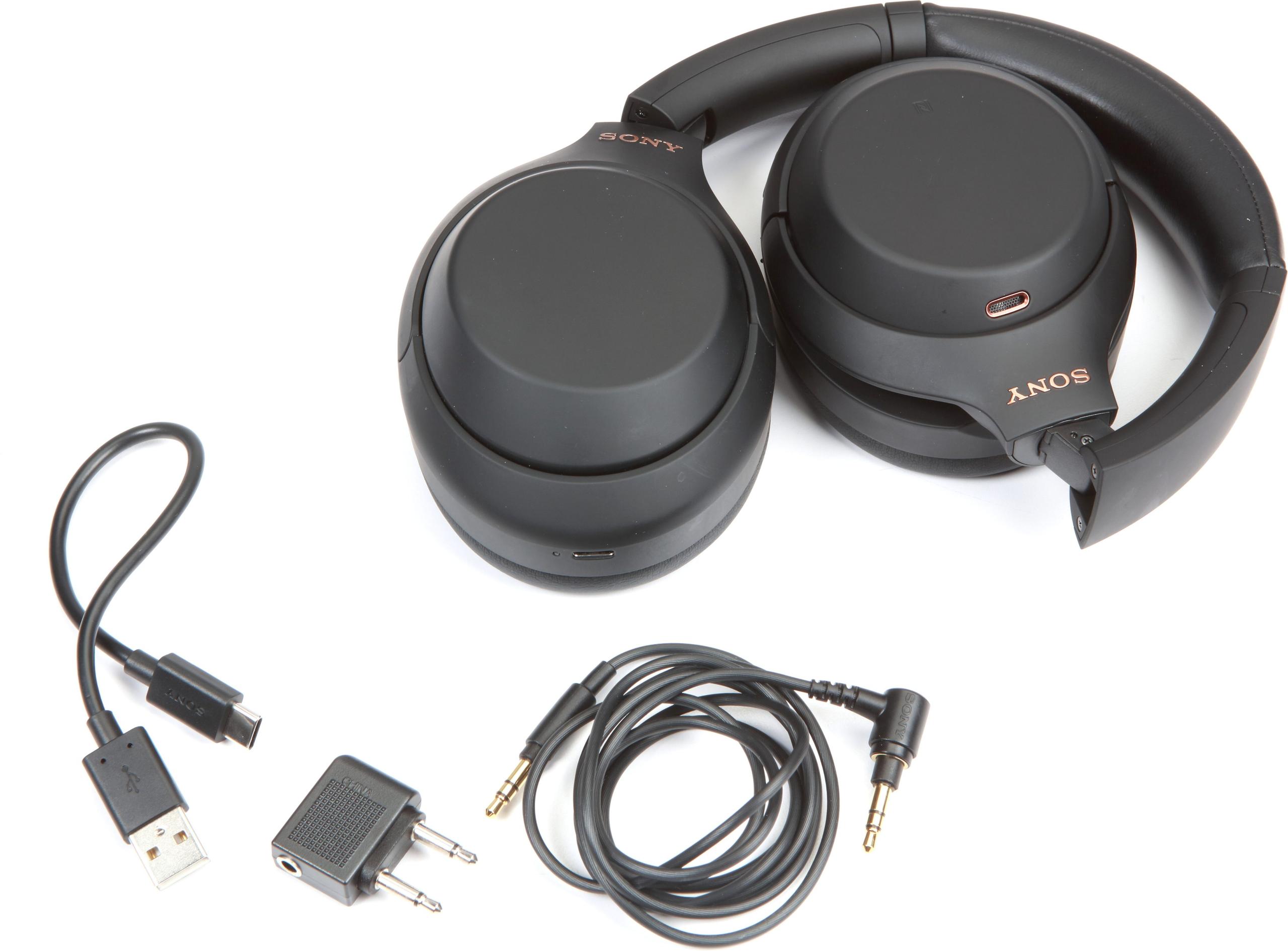
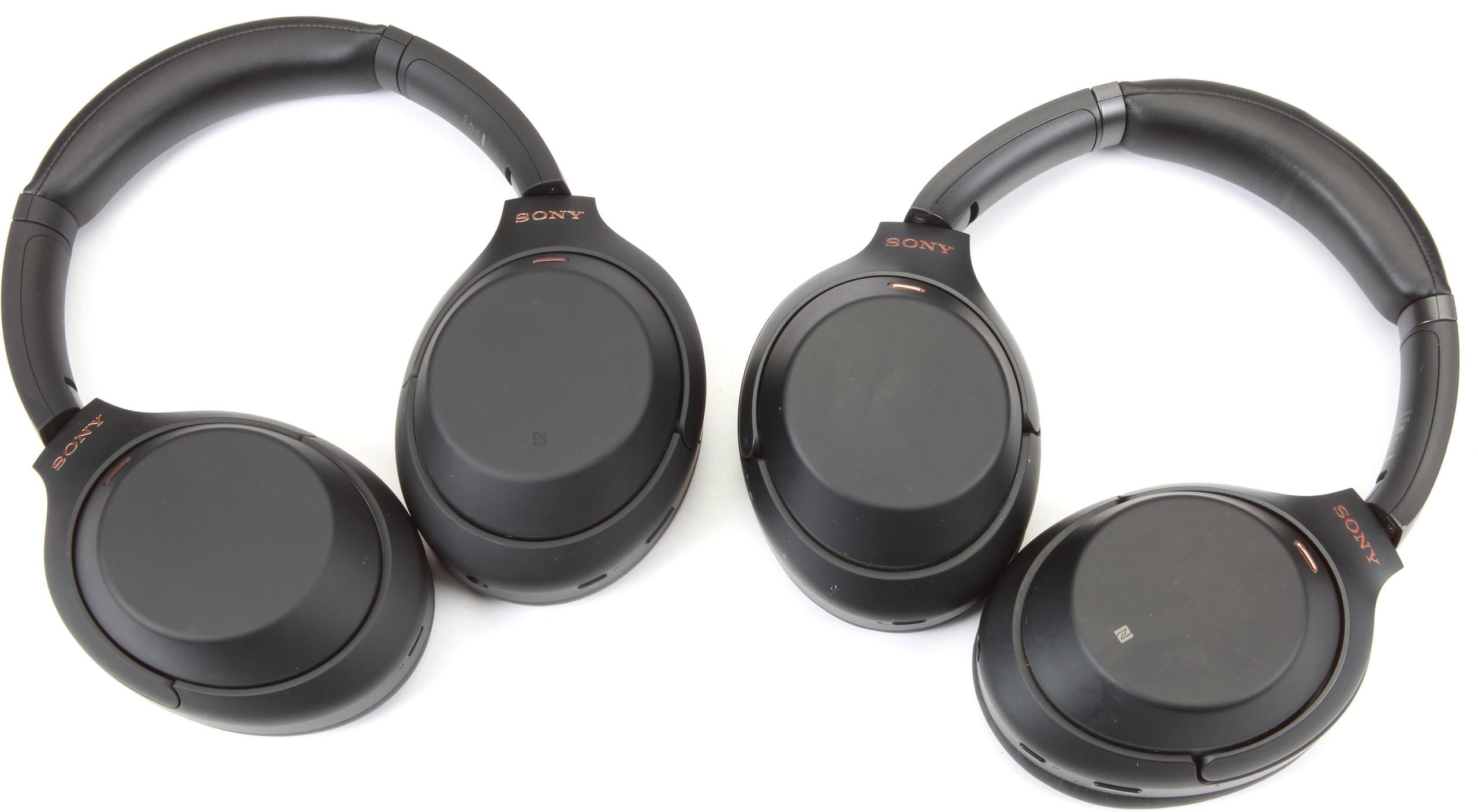
When you're ready to invest in premium wireless headphones, two models consistently rise to the top: the Bose QuietComfort Ultra and the Sony WH-1000XM4. Both promise to transform your listening experience, but they take notably different approaches to achieving audio excellence. After spending considerable time with both headphones, I'll help you understand which one deserves your hard-earned money.
Premium wireless noise-canceling headphones have become essential tools for modern life. Whether you're working from home, commuting on noisy trains, or settling in for a long flight, these headphones serve as your personal audio sanctuary. They combine three critical technologies: high-quality audio drivers for great sound, active noise cancellation (ANC) to block unwanted noise, and wireless connectivity for convenience.
The magic happens when these technologies work together seamlessly. The best models don't just play music—they create an immersive bubble where you can focus, relax, or be entertained without the outside world intruding. But achieving this balance requires sophisticated engineering, which explains why top-tier models command premium prices.
When evaluating headphones in this category, several factors matter most: how effectively they cancel noise across different frequencies, how natural and engaging they sound with various music types, whether they remain comfortable during hours-long sessions, and how long they last on a single charge. Smart features like automatic pausing and adaptive noise control have also become increasingly important as these devices integrate more deeply into our daily workflows.
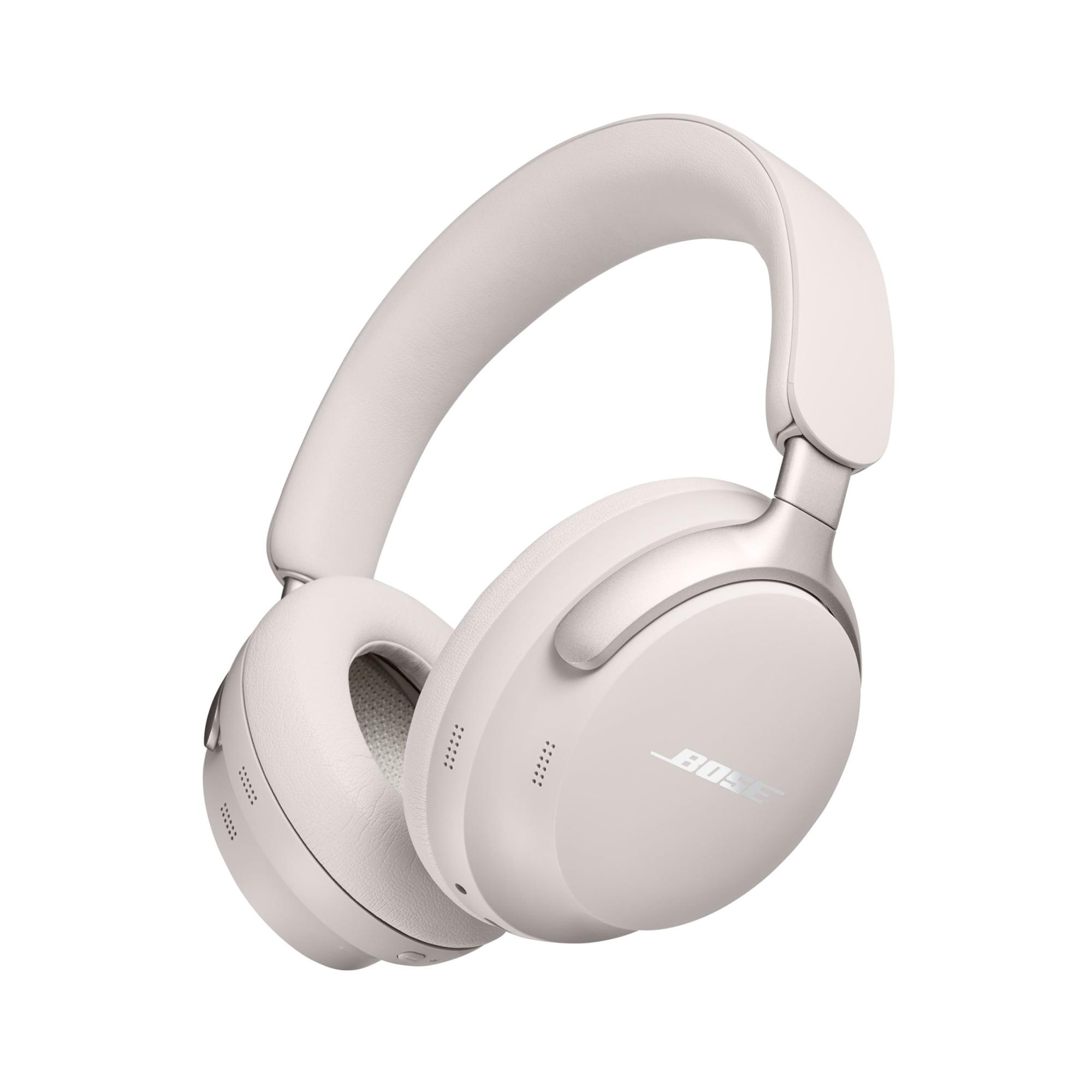
The Bose QuietComfort Ultra, launched in late 2023 at $429, represents Bose's latest flagship effort. It builds on decades of noise-cancellation expertise while introducing spatial audio technology that Bose calls "Immersive Audio." This isn't just a minor update—it's Bose's answer to Apple's spatial audio and represents their most significant technological leap in years.
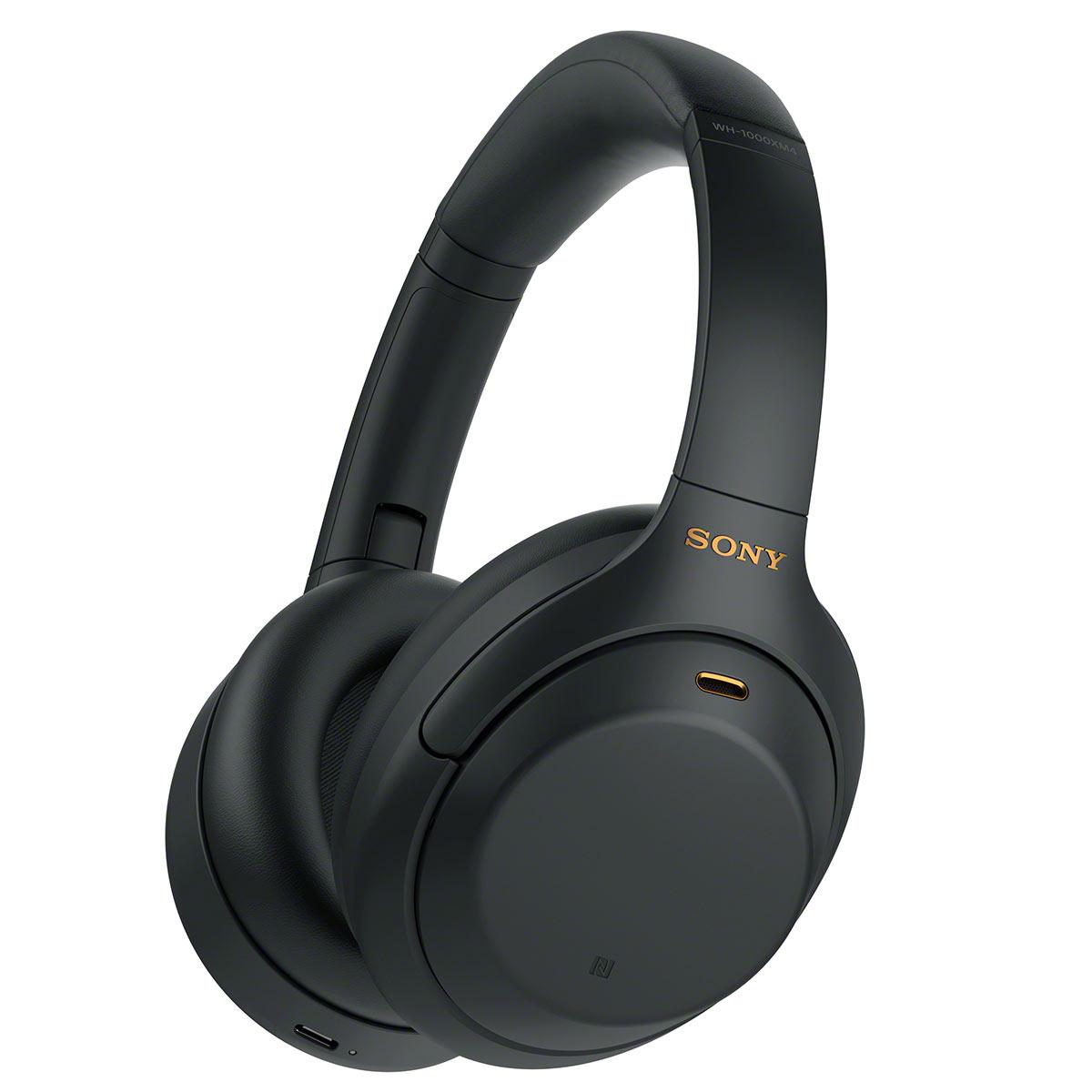
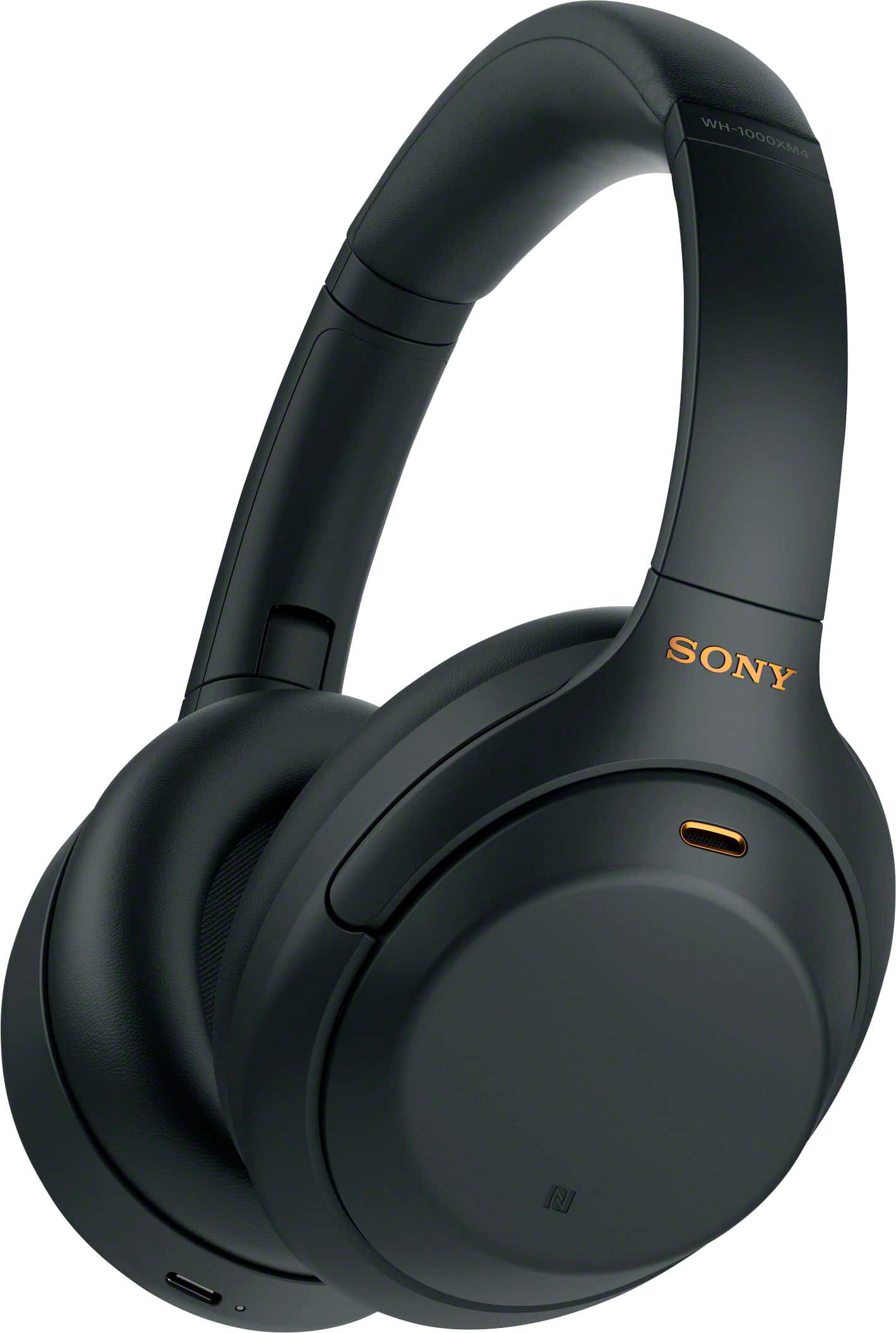
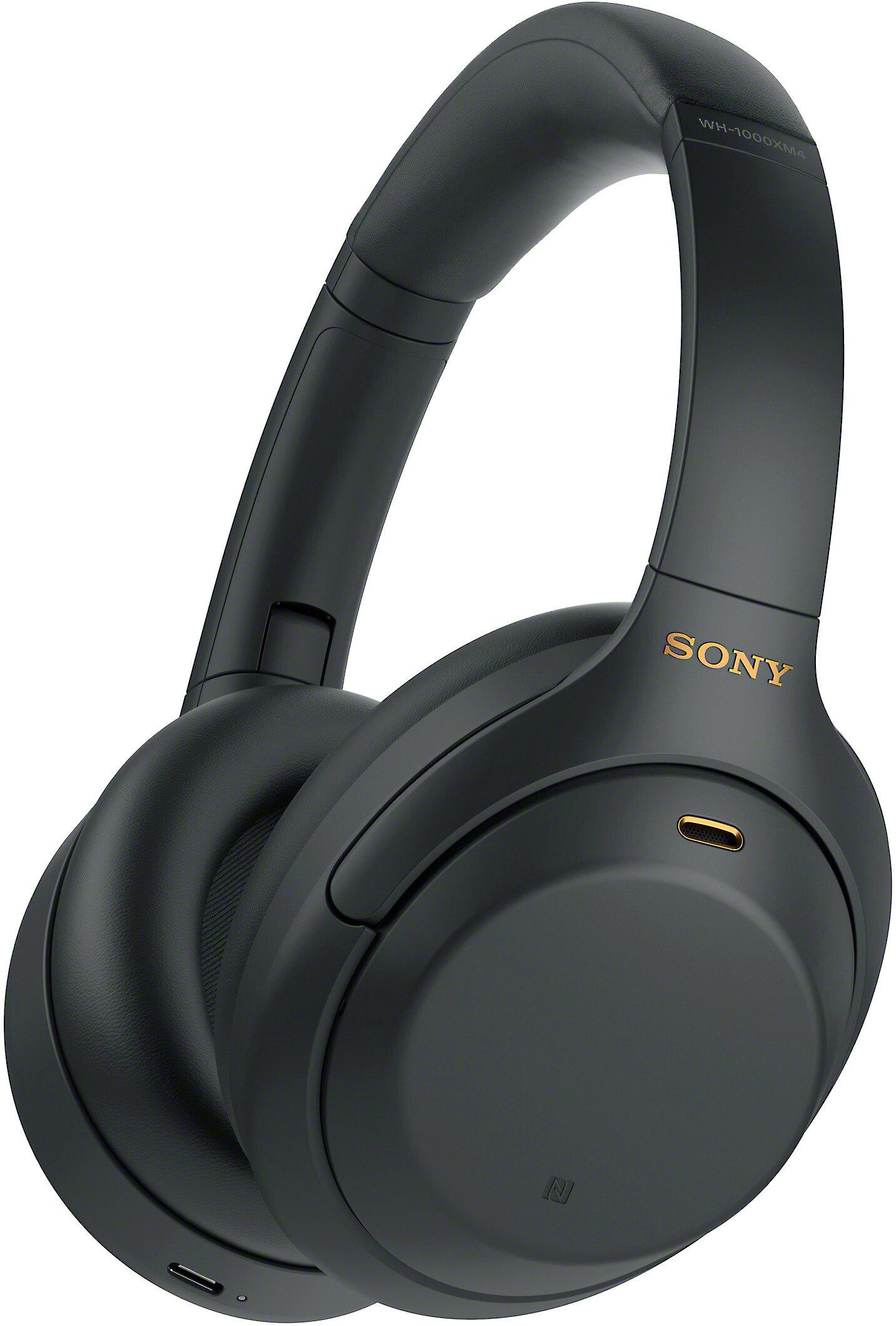
The Sony WH-1000XM4, released in 2020 at $349 (now frequently available for $199-249), might seem like old news, but it remains remarkably competitive. Sony has continued supporting these headphones with firmware updates, and the audio industry's rapid pace of innovation has actually worked in their favor—what was cutting-edge in 2020 is now available at a much more accessible price point.
Since the XM4's release, we've seen improvements in battery efficiency, processing power for noise cancellation, and the integration of AI-powered features. The Ultra incorporates these advances along with new spatial audio processing, while the XM4 benefits from three years of real-world testing and refinement through software updates.
Noise cancellation is where these headphones truly differentiate themselves, and the differences are more nuanced than you might expect. Active noise cancellation works by using microphones to detect external sounds, then generating opposite sound waves to cancel them out. It's like having a sound technician constantly adjusting the audio to keep unwanted noise at bay.
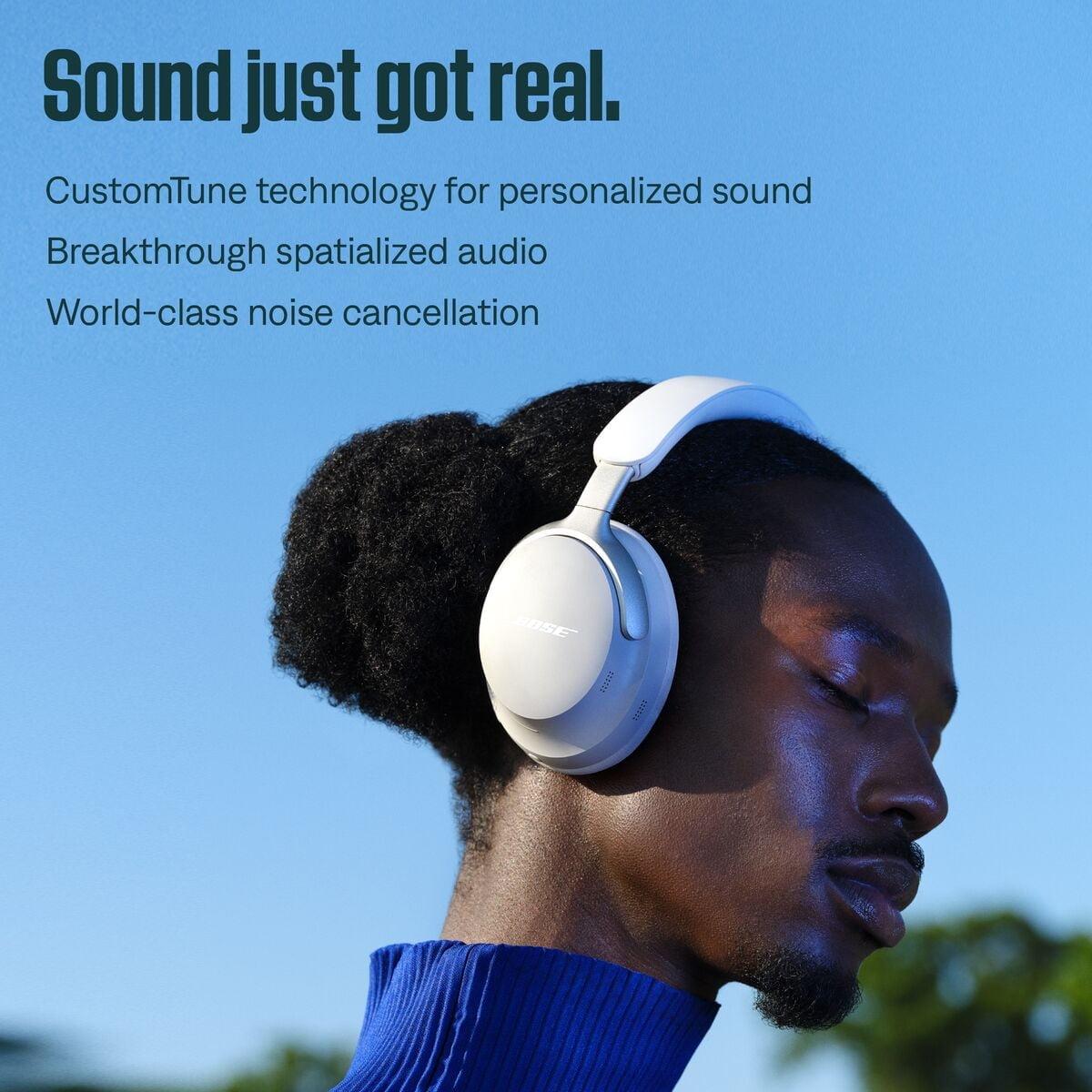
The Bose QuietComfort Ultra employs what I consider the most effective ANC system currently available. Bose's latest algorithms process noise cancellation over 700 times per second, adapting to your environment in real-time. The CustomTune technology is particularly impressive—it actually measures how sound travels through your specific ear canal and adjusts both the audio output and noise cancellation accordingly. This means if you have larger ears or wear glasses that slightly break the seal, the headphones compensate automatically.
During my testing, the Ultra excelled in challenging environments. On a recent cross-country flight, the steady drone of jet engines virtually disappeared, creating an almost eerie silence. Office environments with air conditioning, conversations, and keyboard clicking became remarkably peaceful. The three ANC modes—Quiet for maximum isolation, Aware for transparency, and Immersion for combining spatial audio with noise cancellation—provide flexibility for different situations.
However, the Ultra has one noticeable drawback: a subtle hiss or "noise floor" that becomes apparent in very quiet environments. It's like having a very quiet air conditioner running in the background. Most people won't notice it during active listening, but in complete silence, it's there.
The Sony WH-1000XM4 takes a different approach with its QN1 processor and dual noise sensor technology. The system is incredibly refined, producing virtually no background hiss while still delivering excellent noise cancellation. Sony's atmospheric pressure optimization is brilliant for air travel—it actually adjusts the ANC based on cabin pressure changes, preventing that uncomfortable "suction" feeling some people experience with aggressive noise cancellation.
Where Sony falls slightly behind is with sudden, unpredictable sounds. While both headphones excel at canceling consistent noise like engines or air conditioners, the XM4 occasionally lets through sharp sounds like car horns or sudden conversations. The Ultra handles these irregular noises more effectively, though neither is perfect.
For transparency modes, Bose's Aware mode sounds more natural, allowing ambient sound to pass through without the artificial, processed quality that sometimes plagues Sony's equivalent feature. This makes the Ultra better for situations where you need to remain aware of your surroundings while still enjoying your music.
Sound quality is where personal preference plays a huge role, and these headphones represent distinctly different approaches to audio reproduction. Understanding these differences will help you choose based on your listening habits and preferences.
The Bose QuietComfort Ultra delivers what I'd call an "engaging" sound signature. There's a warmth and richness that makes music feel alive and immediate. The bass response is particularly impressive—not just louder, but more textured and impactful. When listening to electronic music or hip-hop, you can feel the sub-bass frequencies in a way that many headphones simply can't reproduce. The midrange, where vocals and most instruments live, is rich and forward-presenting.
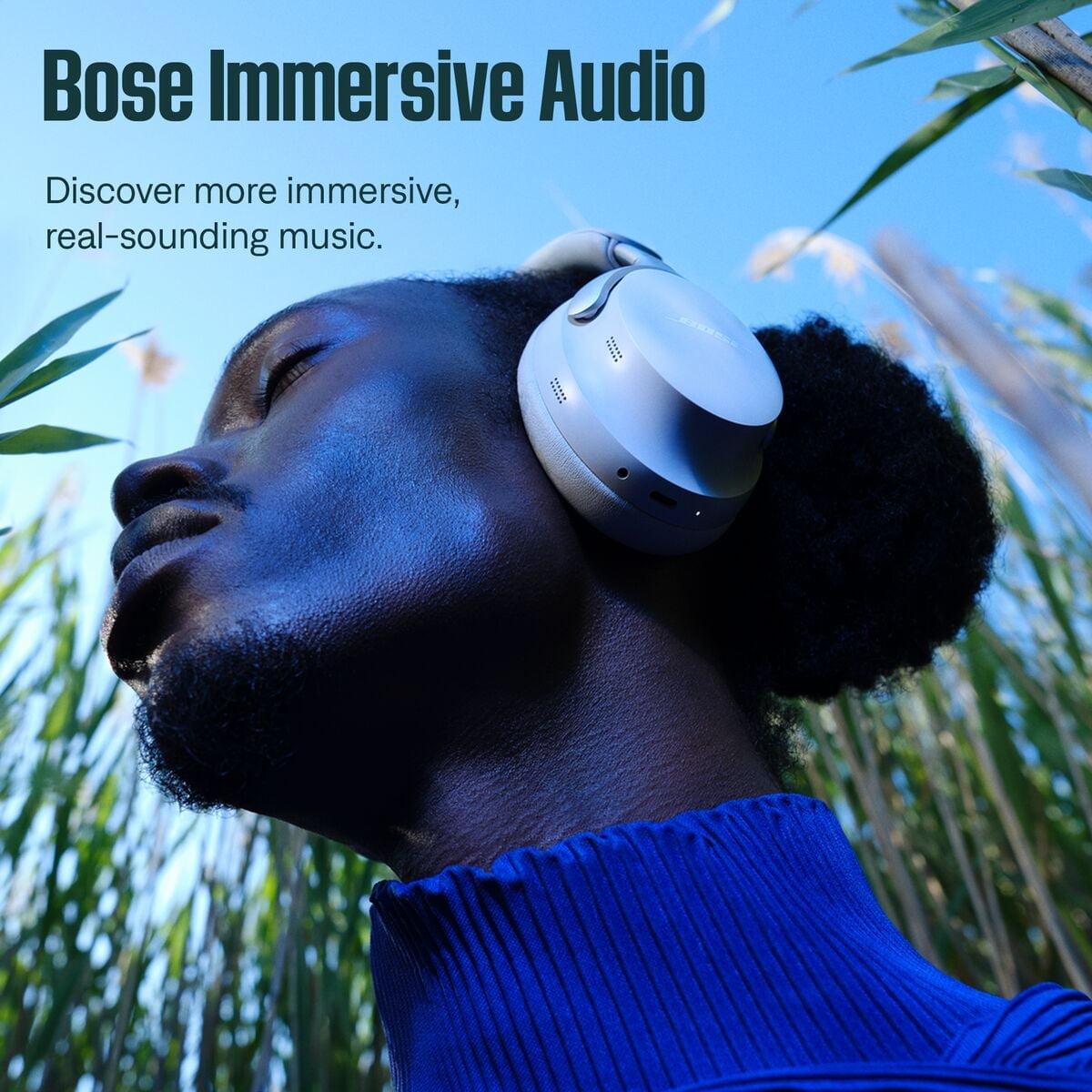
Bose's Immersive Audio feature deserves special attention. Unlike traditional stereo, which places sounds directly between your ears, spatial audio creates the illusion that music is happening in a three-dimensional space around you. The head tracking technology means that as you turn your head, the audio stays anchored to a virtual stage in front of you, just like in real life. It's not a gimmick—it genuinely enhances the listening experience for many types of content, particularly live recordings and carefully mixed studio albums.
However, the Ultra's sound isn't perfect for everyone. The emphasis on warmth and bass can occasionally make the treble (high frequencies) sound less crisp than some listeners prefer. Acoustic music with lots of detail in cymbals and string instruments might not sparkle quite as much as on more neutral headphones.
The Sony WH-1000XM4 pursues a more balanced, reference-oriented approach. The frequency response is closer to what audio engineers call "neutral," meaning it doesn't emphasize any particular frequency range over others. This makes the XM4 excellent for critical listening and for people who want to hear their music as the artist intended.
The Sony's midrange clarity is exceptional. Vocals sound natural and well-defined, while instruments maintain good separation—you can pick out individual elements in complex mixes more easily. The treble is smooth and extended, though some listeners might find it slightly veiled compared to brighter headphones.
Where Sony loses some ground is in sub-bass extension and overall impact. The low end is present and accurate, but it doesn't have the physical presence of the Bose. Additionally, the soundstage (the sense of space and width in the music) feels more intimate and "in-head" compared to the Ultra's more expansive presentation.
Both headphones support high-quality wireless codecs, but they choose different ones. The Ultra supports aptX Adaptive, which dynamically adjusts quality and latency based on your source device and listening conditions. The XM4 supports LDAC, Sony's proprietary codec that can transmit up to three times more data than standard Bluetooth, approaching wired quality with compatible devices.
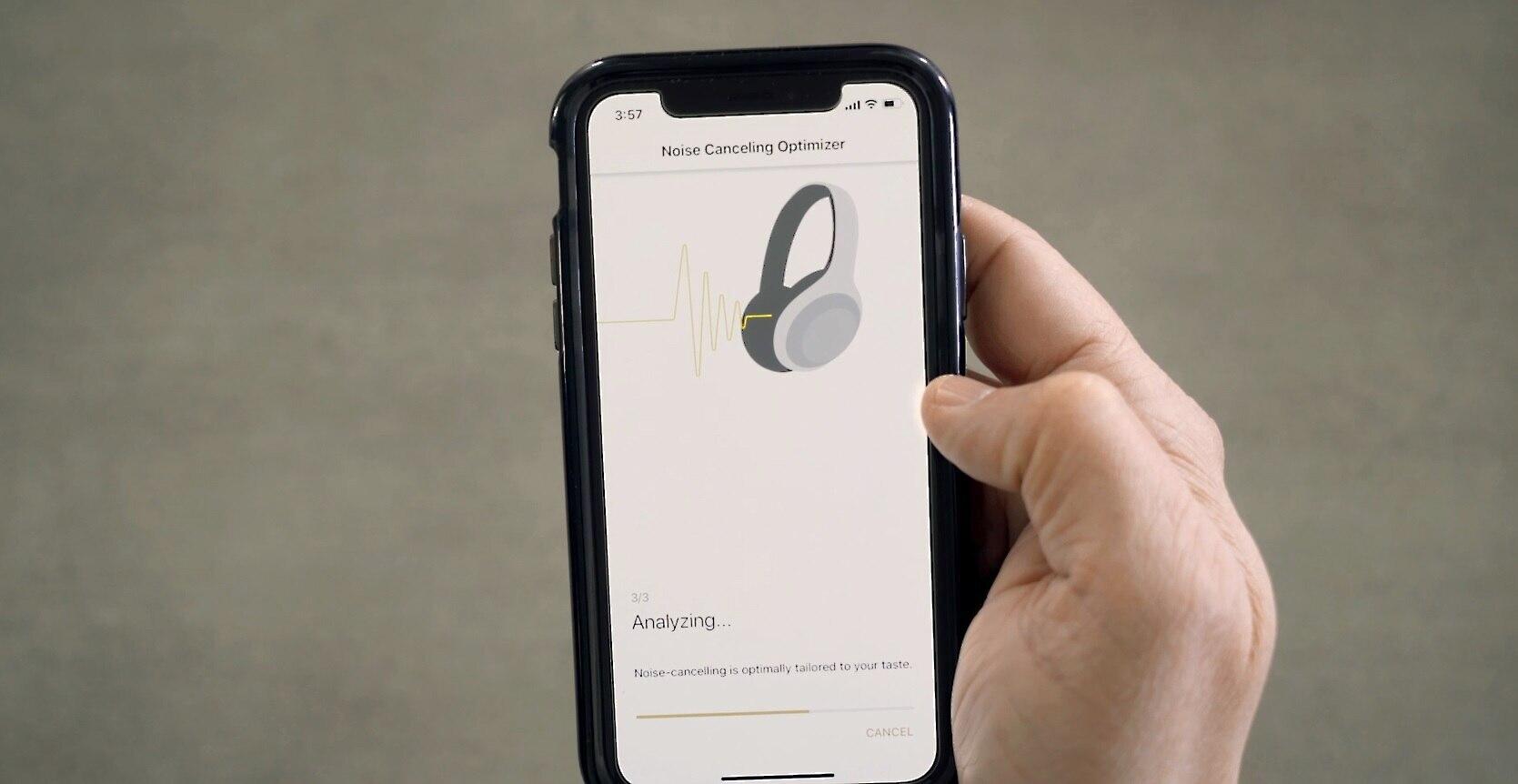
The XM4's companion app includes a comprehensive 10-band equalizer, allowing you to fine-tune the sound to your exact preferences. Bose's app is more limited in this regard, focusing on simplicity over customization. If you enjoy tweaking audio settings, Sony provides much more flexibility.
Comfort becomes critically important when you're wearing headphones for hours at a time, and both models excel here while taking different approaches to achieving all-day wearability.
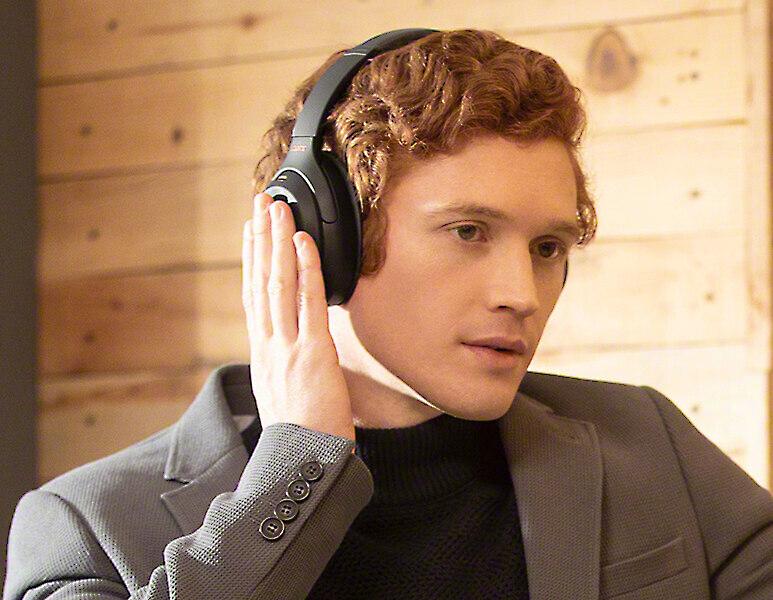
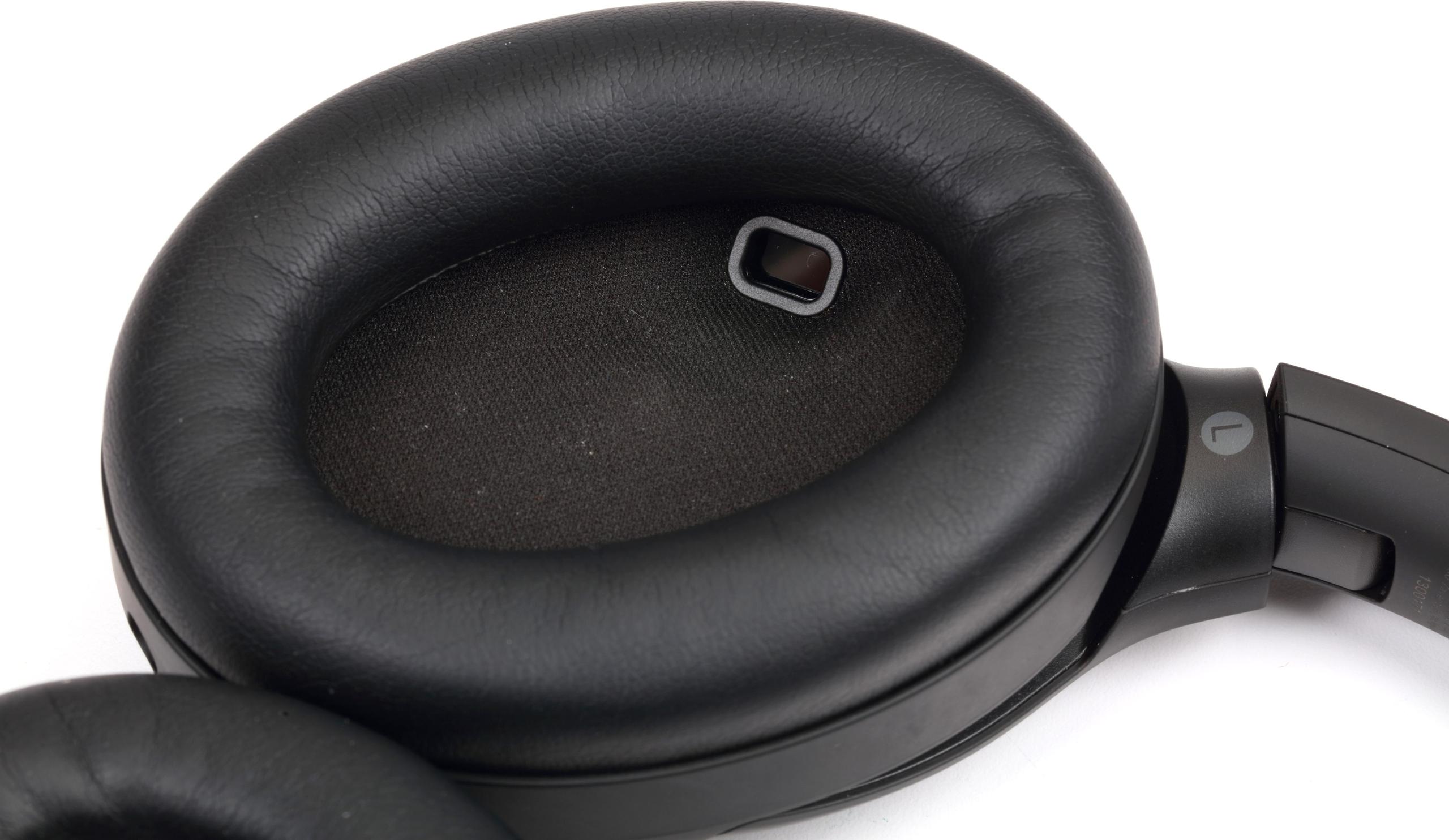
The Bose QuietComfort Ultra features larger ear cups with generously padded protein leather cushions. The padding is soft yet supportive, creating an excellent seal around your ears without feeling tight. The headband distribution is particularly well-engineered—the weight feels evenly distributed rather than creating pressure points. I've worn these for entire transcontinental flights without discomfort.
The Ultra's accommodation for glasses wearers is exceptional. The larger ear cups and softer padding compress slightly to maintain a good seal even with eyeglass arms passing through. However, some users report a sensation similar to cabin pressure changes during extended wear, likely due to the aggressive noise cancellation creating a sealed environment around your ears.
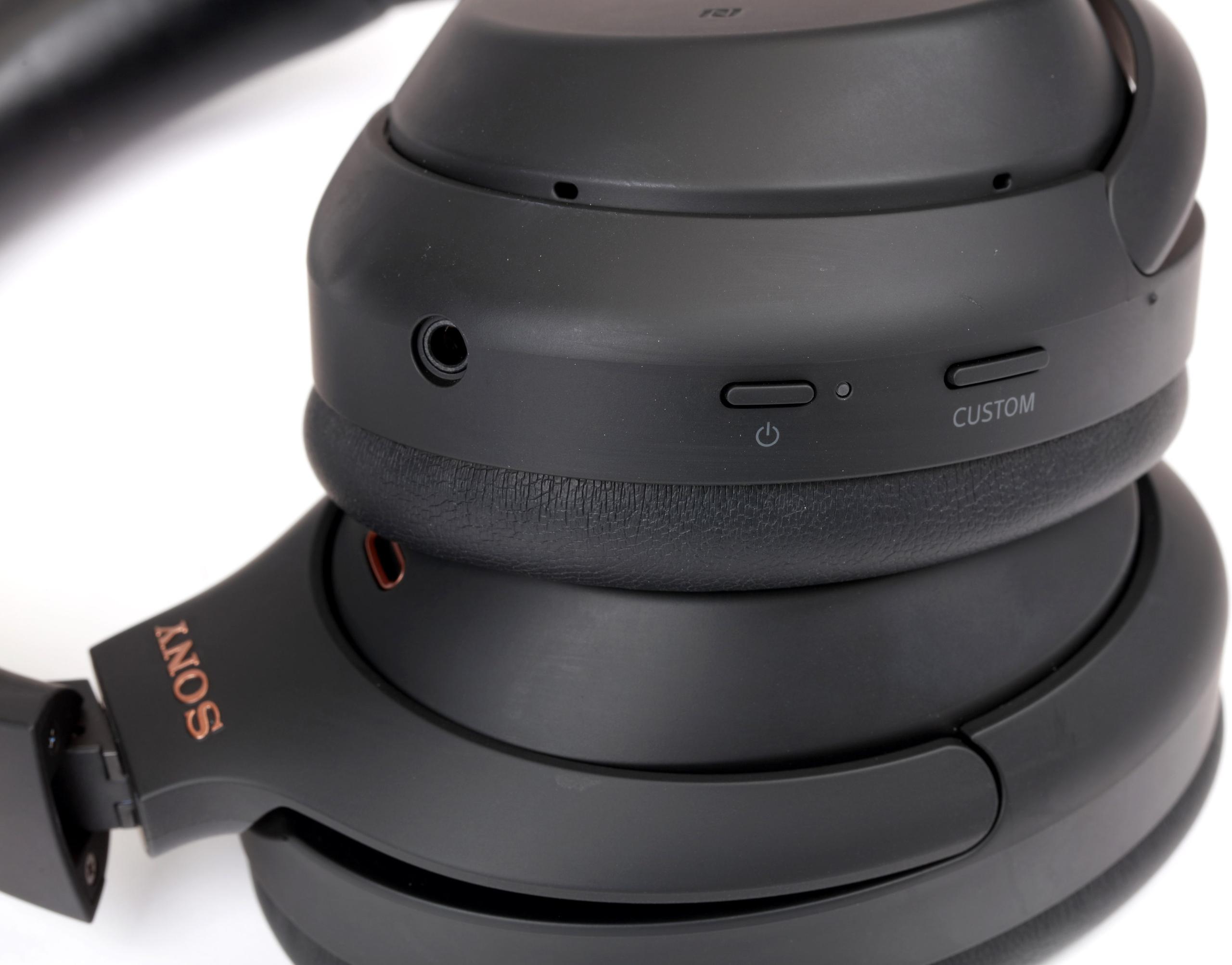
The Sony WH-1000XM4 takes a lighter approach, both literally and figuratively. The overall weight is slightly less than the Bose, and the memory foam ear pads are designed to be breathable during long sessions. The clamping force is moderate—tight enough to maintain a seal but gentle enough to avoid fatigue.
Sony's design works well for most head sizes, but people with smaller heads or those who wear thick-framed glasses might find the seal less consistent, which can impact both comfort and noise cancellation effectiveness. The trade-off is that when they do fit well, they feel less intrusive than the Bose.
Build quality reflects each company's design philosophy. Bose uses premium materials including metal accents and high-grade plastics, creating a headphone that feels substantial and luxurious. The hinges are robust, and the overall construction suggests these headphones will withstand frequent travel and daily use.
Sony's construction is more practical but equally durable. Three years in the market have proven the XM4's reliability—these headphones consistently hold up to daily use, travel, and the occasional drop. The materials feel less premium than Bose's, but they're clearly engineered for longevity rather than luxury.
Battery performance significantly impacts daily usability, and here the Sony WH-1000XM4 holds a clear advantage. With 30 hours of playback with ANC enabled, the XM4 can easily handle a full work week of commuting and office use without needing a charge. The quick charge feature is particularly impressive—just 10 minutes plugged in provides 5 hours of listening time, perfect for those "Oh no, I forgot to charge them" moments.
The Bose QuietComfort Ultra provides 24 hours with ANC active, which is still excellent but noticeably shorter than Sony's offering. The 15-minute quick charge yields 2.5 hours of playback—useful, but not quite as convenient as Sony's implementation.
Both headphones charge via USB-C and include the necessary cables. Neither supports wireless charging, which would be a nice premium touch but isn't essential for most users.
Smart features have become increasingly important as headphones integrate more deeply into our daily routines, and both models offer compelling but different approaches.
The Sony WH-1000XM4 provides the more comprehensive smart feature set. Speak-to-Chat automatically pauses your music when you start talking—perfect for quick conversations without fumbling for controls. Adaptive Sound Control learns your daily patterns and automatically adjusts noise cancellation based on your location and activity. Walking to the coffee shop? It might reduce ANC and increase ambient awareness. Sitting at your desk? Maximum noise isolation kicks in.
The wear detection sensors pause playback when you remove the headphones and resume when you put them back on. The 360 Reality Audio support works with compatible streaming services to create immersive soundscapes, though content availability remains limited.
The Bose QuietComfort Ultra focuses on fewer features but implements them exceptionally well. The Immersive Audio with head tracking is genuinely innovative, creating a spatial listening experience that works across all content, not just specially encoded tracks. The CustomTune technology continuously adapts to your ears and environment without requiring any user input.
The Ultra's touch controls are more reliable and intuitive than Sony's, with fewer accidental activations during normal use. Multipoint Bluetooth connectivity on both models allows seamless switching between devices—answer a phone call while listening to music from your laptop without manually reconnecting.
For home theater use, both headphones can serve as excellent late-night listening solutions, though they're not specifically designed for this purpose. The Bose QuietComfort Ultra excels here thanks to its Immersive Audio technology, which can enhance movie dialogue clarity and create a more spacious soundstage for action sequences. The spatial audio processing makes explosions feel more dimensional and dialogue more natural.
The Sony WH-1000XM4 provides more neutral sound reproduction, which some might prefer for critical movie watching where you want to hear the soundtrack as the director intended. However, the more intimate soundstage can make action movies feel less immersive compared to the Bose.
Both support low-latency codecs that minimize audio delay when watching video content, though dedicated home theater headphones would provide better performance for serious movie enthusiasts.
Value consideration goes beyond simple price comparison, especially since these headphones serve as daily-use tools that can last for years.
The Sony WH-1000XM4, frequently available for $199-249, represents exceptional value in today's market. You're getting 90% of the performance of current flagship models at roughly half the price. The longer battery life, comprehensive app ecosystem, and proven durability make it an easy recommendation for most buyers. The fact that it's a 2020 model actually works in your favor—all the bugs have been worked out, and the feature set has been refined through years of real-world use.
The Bose QuietComfort Ultra at $429 requires more justification. You're paying a premium for the latest technology, superior noise cancellation, and innovative spatial audio features. If you're frequently in challenging acoustic environments—open offices, public transportation, frequent air travel—the noise cancellation improvement alone might justify the extra cost. The Immersive Audio feature, while not essential, genuinely enhances the listening experience for many types of content.
Choose the Bose QuietComfort Ultra if noise cancellation is your absolute priority, you're intrigued by spatial audio technology, comfort during long sessions is crucial, and you're willing to pay extra for the latest innovations. These headphones excel for frequent travelers, people working in noisy environments, and audio enthusiasts who want cutting-edge features.
Choose the Sony WH-1000XM4 if value is important, you want maximum battery life, you enjoy customizing your audio experience, smart features enhance your workflow, and you prefer proven, refined technology. These headphones are ideal for daily commuters, office workers, and pragmatic buyers who want flagship performance without flagship pricing.
Both headphones will serve you well for years. The Sony offers better overall value and longer battery life, while the Bose provides superior noise cancellation and innovative audio technologies. Your choice ultimately depends on whether you prioritize saving money and maximizing battery life, or you're willing to pay more for the absolute best noise cancellation and spatial audio features.
Consider trying both if possible—comfort is highly personal, and the sound signature differences are significant enough that your ears will quickly tell you which approach you prefer. Either choice will dramatically improve your daily audio experience compared to basic headphones or earbuds.
| Bose QuietComfort Ultra Wireless Headphones | Sony WH-1000XM4 Wireless Headphones |
|---|---|
| Price - Current market value for premium ANC headphones | |
| $429 MSRP (newest flagship model) | $349 MSRP, frequently $199-249 on sale (excellent value) |
| Release Date - How cutting-edge the technology is | |
| Late 2023 (latest generation features) | August 2020 (proven, refined technology) |
| Active Noise Cancellation - Most important feature for blocking distractions | |
| Industry-leading with CustomTune ear adaptation | Excellent QN1 processor, cleaner noise floor |
| Battery Life - Critical for all-day use without charging | |
| 24 hours (ANC on), 18 hours with Immersive Audio | 30 hours (ANC on), 38 hours (ANC off) |
| Quick Charging - Essential for last-minute top-ups | |
| 15 minutes = 2.5 hours playback | 10 minutes = 5 hours playback |
| Sound Signature - How your music will actually sound | |
| Warm, engaging with impactful bass and spatial audio | Balanced, neutral with excellent midrange clarity |
| Codec Support - Audio quality over Bluetooth | |
| SBC, AAC, aptX Adaptive (adaptive quality/latency) | SBC, AAC, LDAC (up to hi-res wireless quality) |
| Weight - Comfort during extended wear | |
| 0.560 lb (253g) | 0.560 lb (254g) - virtually identical |
| Smart Features - Modern conveniences that enhance daily use | |
| Immersive Audio with head tracking, CustomTune | Speak-to-Chat, Adaptive Sound Control, 360 Reality Audio |
| App Customization - How much you can personalize the experience | |
| Basic controls, limited EQ options | Comprehensive 10-band EQ, extensive customization |
| Comfort Design - Critical for glasses wearers and long sessions | |
| Larger ear cups, plush protein leather padding | Lighter feel, breathable memory foam pads |
| Multipoint Connectivity - Seamless switching between devices | |
| Yes (connects to 2 devices simultaneously) | Yes (connects to 2 devices simultaneously) |
| Build Materials - Durability and premium feel | |
| Plastic, aluminum accents, protein leather | High-quality plastics, proven 3-year durability record |
The Bose QuietComfort Ultra offers superior noise cancellation, especially for low-frequency sounds like airplane engines and air conditioning. Its CustomTune technology adapts to your specific ear shape for personalized noise blocking. The Sony WH-1000XM4 provides excellent noise cancellation with a cleaner background (less hiss), but isn't quite as effective against sudden, unpredictable sounds. For pure noise blocking power, Bose wins, but Sony offers a more refined experience overall.
The Bose QuietComfort Ultra delivers a warm, engaging sound with impactful bass and rich mids, plus innovative Immersive Audio that creates a 3D listening experience. The Sony WH-1000XM4 offers a more balanced, neutral sound that's closer to what audio engineers intended, with excellent midrange clarity and smoother treble. Bose is better for an exciting, immersive experience, while Sony is ideal for accurate music reproduction.
The Sony WH-1000XM4 provides up to 30 hours of battery life with noise cancellation enabled, compared to 24 hours for the Bose QuietComfort Ultra. Sony also offers superior quick charging—10 minutes gives you 5 hours of playback versus Bose's 15 minutes for 2.5 hours. For all-day use and travel, Sony's longer battery life is a significant advantage.
Both headphones excel at comfort but in different ways. The Bose QuietComfort Ultra features larger ear cups with plush protein leather padding that's especially good for glasses wearers. The Sony WH-1000XM4 is slightly lighter with breathable memory foam pads. Both can be worn comfortably for hours, though some users report a "cabin pressure" sensation with the Bose during extended use due to its aggressive noise cancellation.
The Sony WH-1000XM4 provides exceptional value, frequently available for $199-249 compared to its original $349 price. You get 90% of flagship performance at nearly half the cost of the Bose QuietComfort Ultra at $429. While Bose offers newer technology and superior noise cancellation, Sony's combination of features, performance, and current pricing makes it the better value choice for most buyers.
The Sony WH-1000XM4 offers more comprehensive smart features including Speak-to-Chat (auto-pause when talking), Adaptive Sound Control that learns your routines, and wear detection sensors. The Bose QuietComfort Ultra focuses on fewer but more refined features like Immersive Audio with head tracking and CustomTune technology. Sony provides more everyday conveniences, while Bose offers more innovative audio technologies.
Both headphones handle calls well, but neither excels compared to dedicated business headsets. The Bose QuietComfort Ultra provides slightly better call quality with improved background noise reduction for the person you're speaking with. The Sony WH-1000XM4 offers adequate call quality but voices can sound somewhat thin. Both work fine for occasional calls, but frequent business users might want dedicated communication headphones.
The Bose QuietComfort Ultra excels with electronic music, hip-hop, and pop due to its impactful bass and engaging sound signature. Its Immersive Audio feature enhances live recordings and spatially-mixed content. The Sony WH-1000XM4 performs better with acoustic music, jazz, and classical due to its neutral, balanced sound and excellent instrument separation. Sony also offers extensive EQ customization for fine-tuning any genre.
For home entertainment, the Bose QuietComfort Ultra has an advantage with its Immersive Audio technology that creates a more spacious, theater-like experience for movies. The spatial audio makes dialogue clearer and action scenes more dimensional. The Sony WH-1000XM4 provides more accurate sound reproduction for movies as directors intended, but with a more intimate presentation. Both support low-latency codecs to prevent audio delay during video playback.
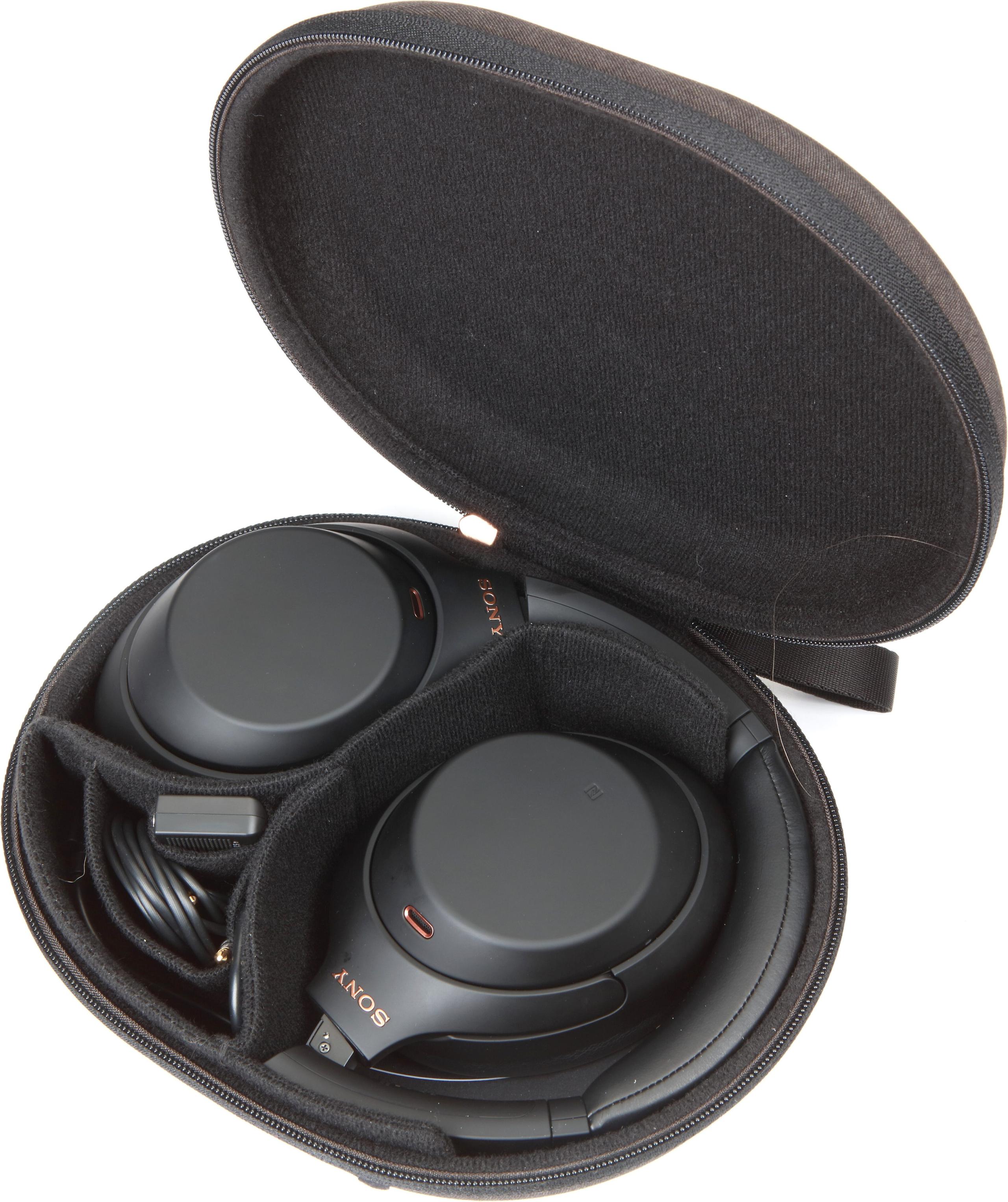
The Sony WH-1000XM4 has a proven track record with three years on the market showing excellent durability for daily use and travel. The Bose QuietComfort Ultra uses premium materials including metal accents and appears well-built, but being newer, lacks the long-term durability data of the Sony. Both include carrying cases and should withstand regular travel, though Sony's longer market presence provides more confidence in long-term reliability.
The Sony WH-1000XM4 offers superior app customization through the Sony Headphones Connect app, featuring a comprehensive 10-band equalizer, extensive noise control options, and detailed sound customization. The Bose QuietComfort Ultra uses the simpler Bose Music app with basic controls and limited EQ options. If you enjoy tweaking settings and personalizing your audio experience, Sony provides much more flexibility and control.
Choose the Bose QuietComfort Ultra if you prioritize the absolute best noise cancellation, want cutting-edge spatial audio features, and don't mind paying premium prices for the latest technology. Choose the Sony WH-1000XM4 if you want excellent performance at a great value, prefer longer battery life, enjoy extensive customization options, and don't need the absolute latest features. For most buyers, Sony's proven performance and current pricing make it the smarter choice.
We've done our best to create useful and informative comparisons to help you decide what product to buy. Our research uses advanced automated methods to create this comparison and perfection is not possible - please contact us for corrections or questions. These are the sites we've researched in the creation of this article: techradar.com - whathifi.com - whathifi.com - whathifi.com - tomsguide.com - youtube.com - stereoguide.com - youtube.com - soundguys.com - soundguys.com - bose.com - headphonecheck.com - bose.com - cnet.com - bhphotovideo.com - boselatam.com - rtings.com - bestbuy.com - assets.bose.com - bose.com - bose.com.au - bose.com - boseapac.com - soundguys.com - headphones.com - recordingnow.com - electronics.sony.com - rtings.com - headphonereview.com - youtube.com - audiosciencereview.com - cnet.com - hyderseatravels.com - sony.com - sonylatvija.com - sony.com - sony.com - electronics.sony.com - sony.com - headphonecheck.com - fullspecs.net - sony.com - uclastore.com - bestbuy.com - sony.ca - helpguide.sony.net - device.report

Privacy Policy
Terms and Conditions - Affiliate Policy
Home Security
© Copyright 2008-2026.
11816 Inwood Rd #1211, Dallas, TX 75244