

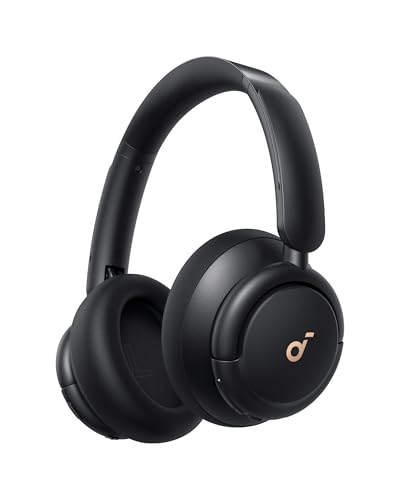

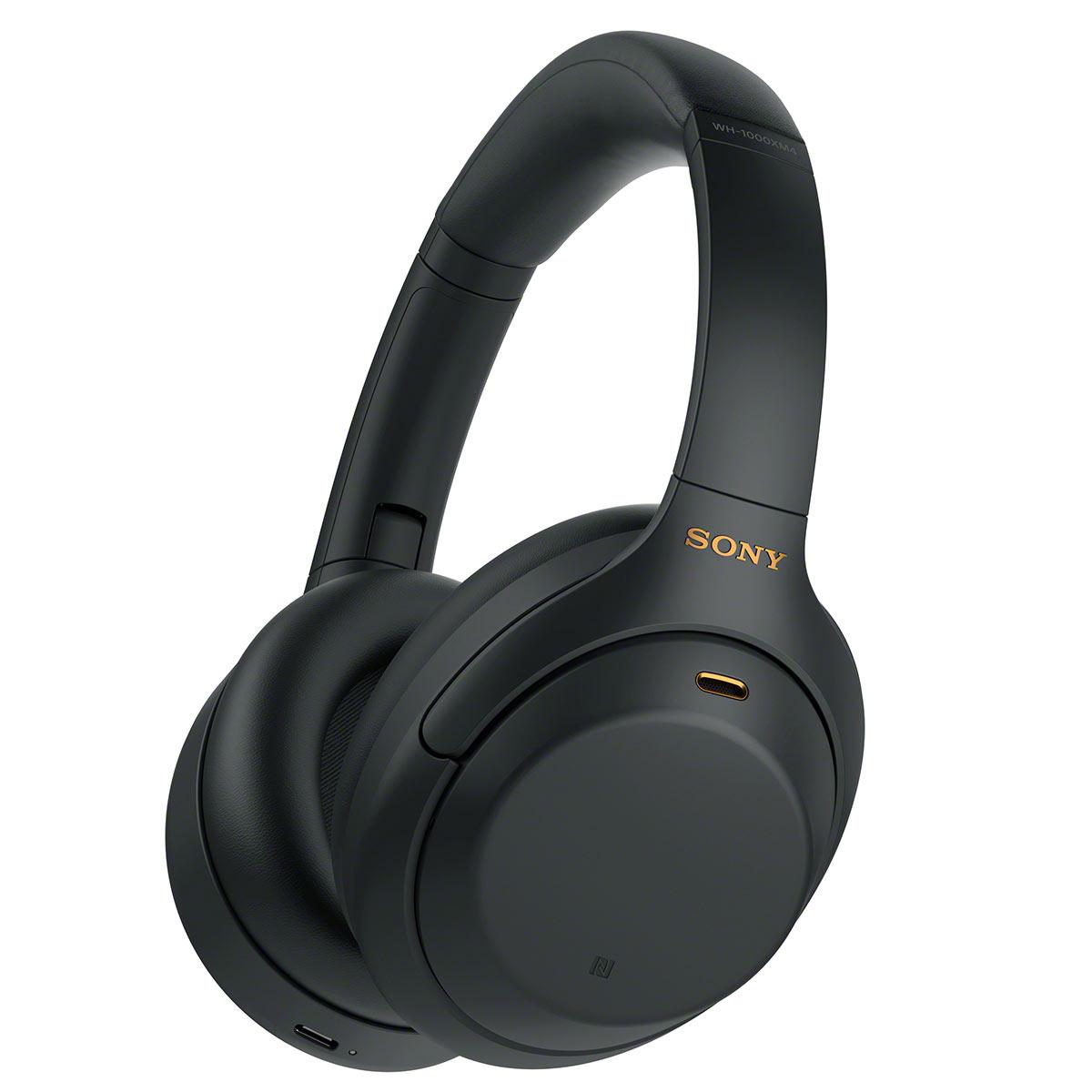
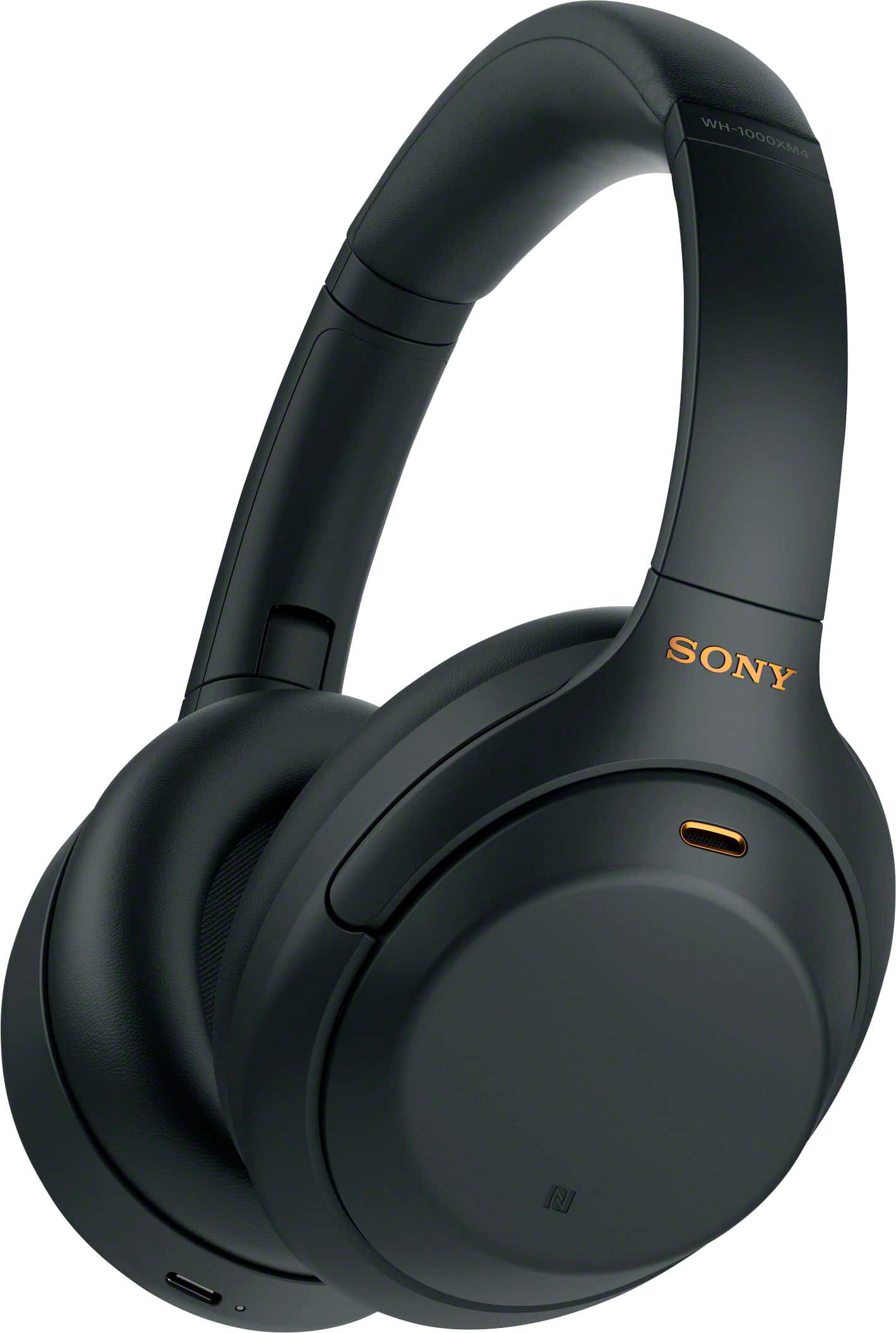
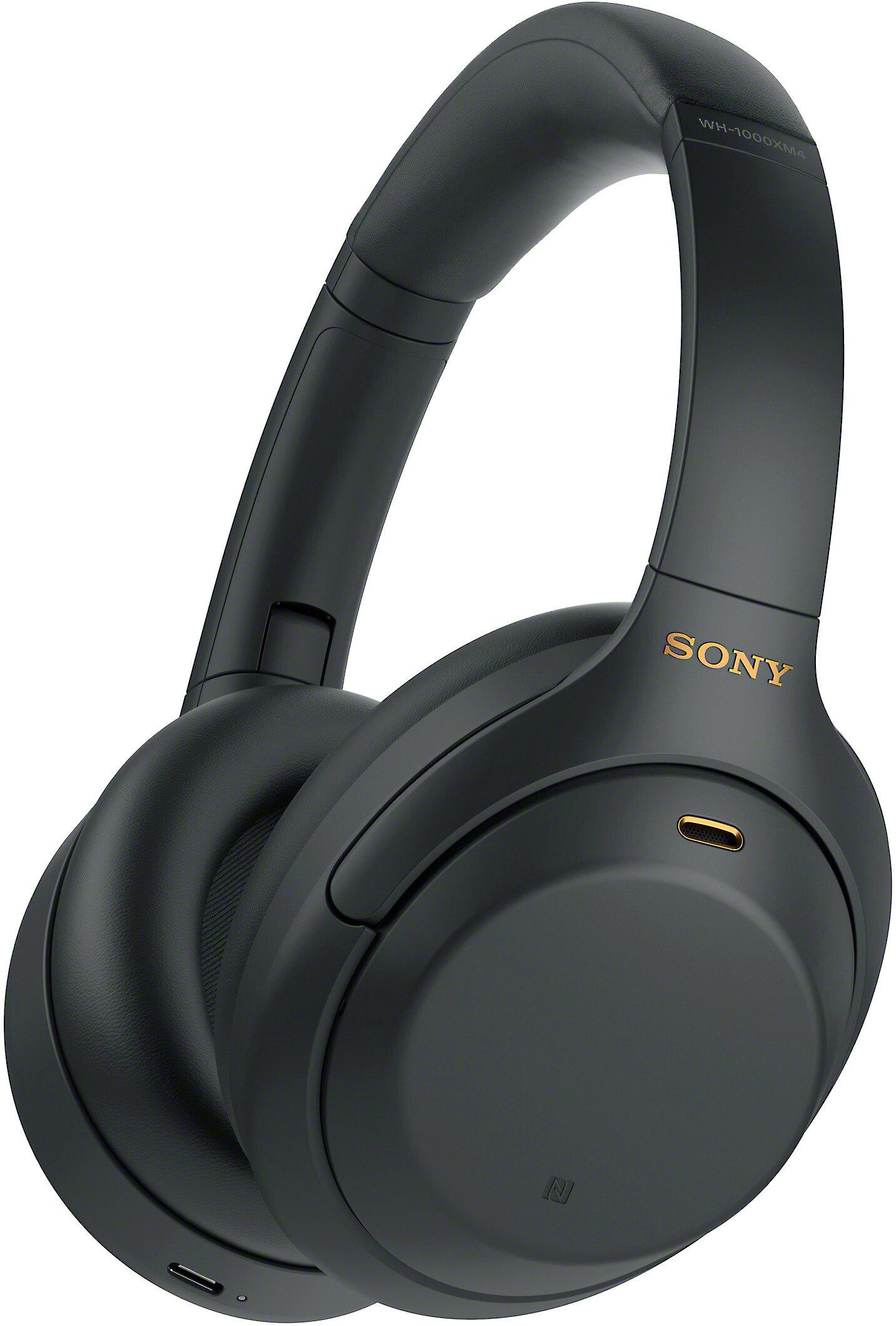

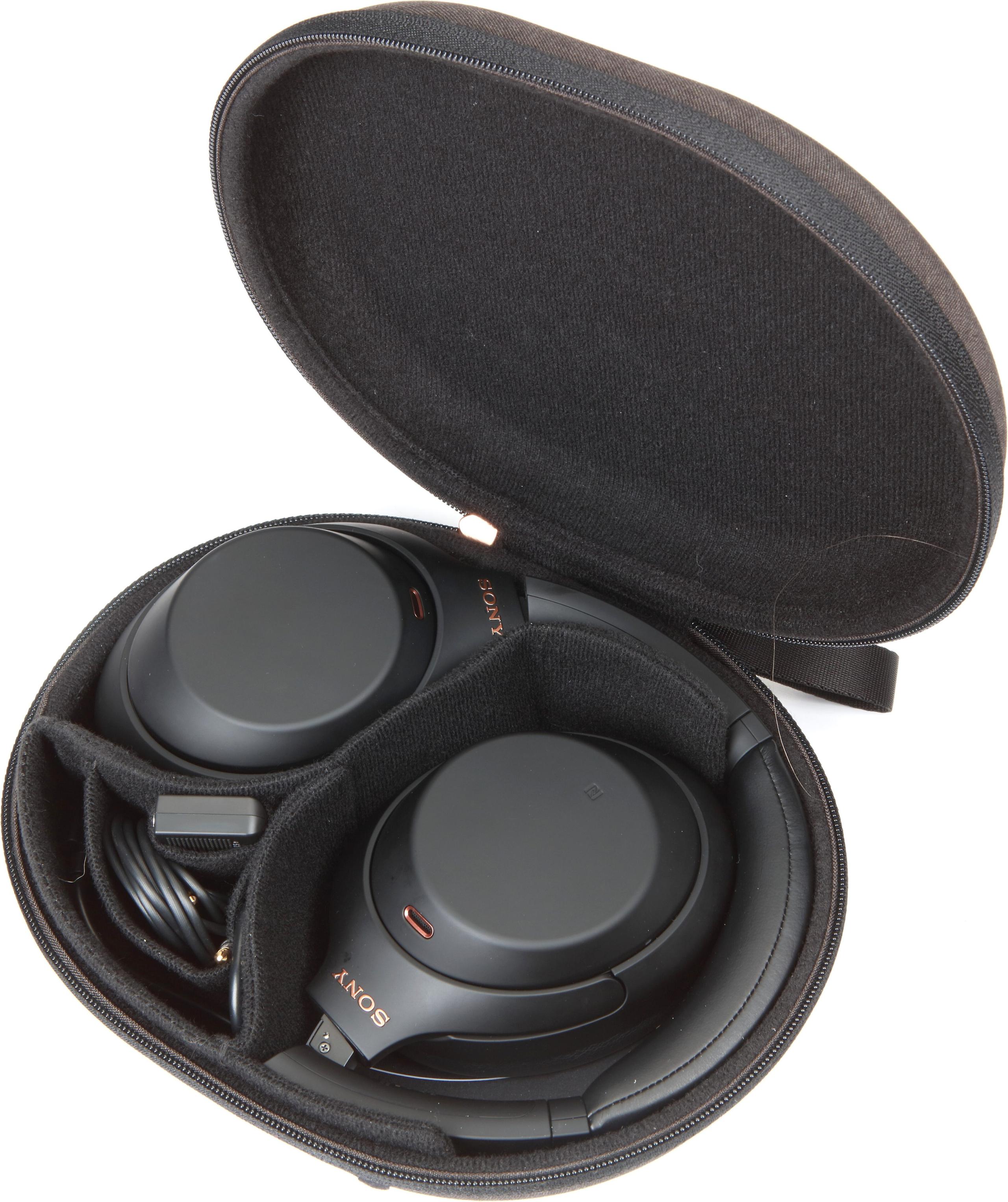
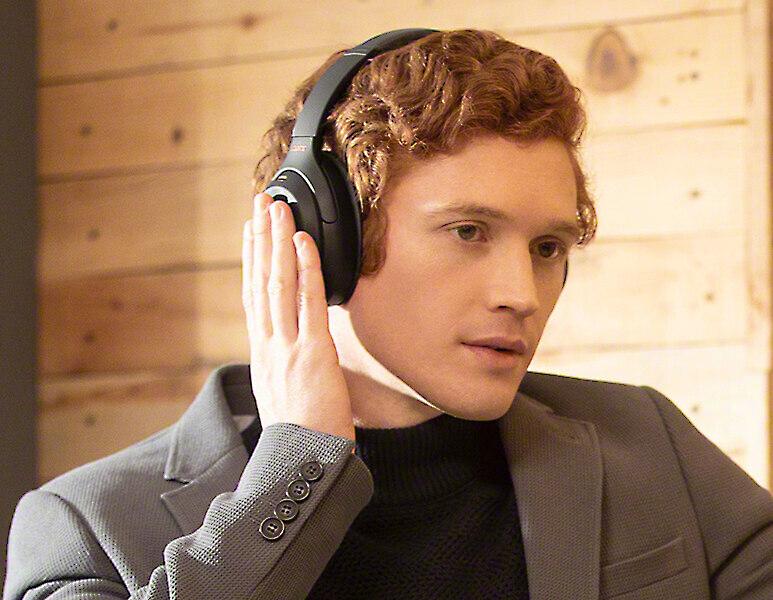
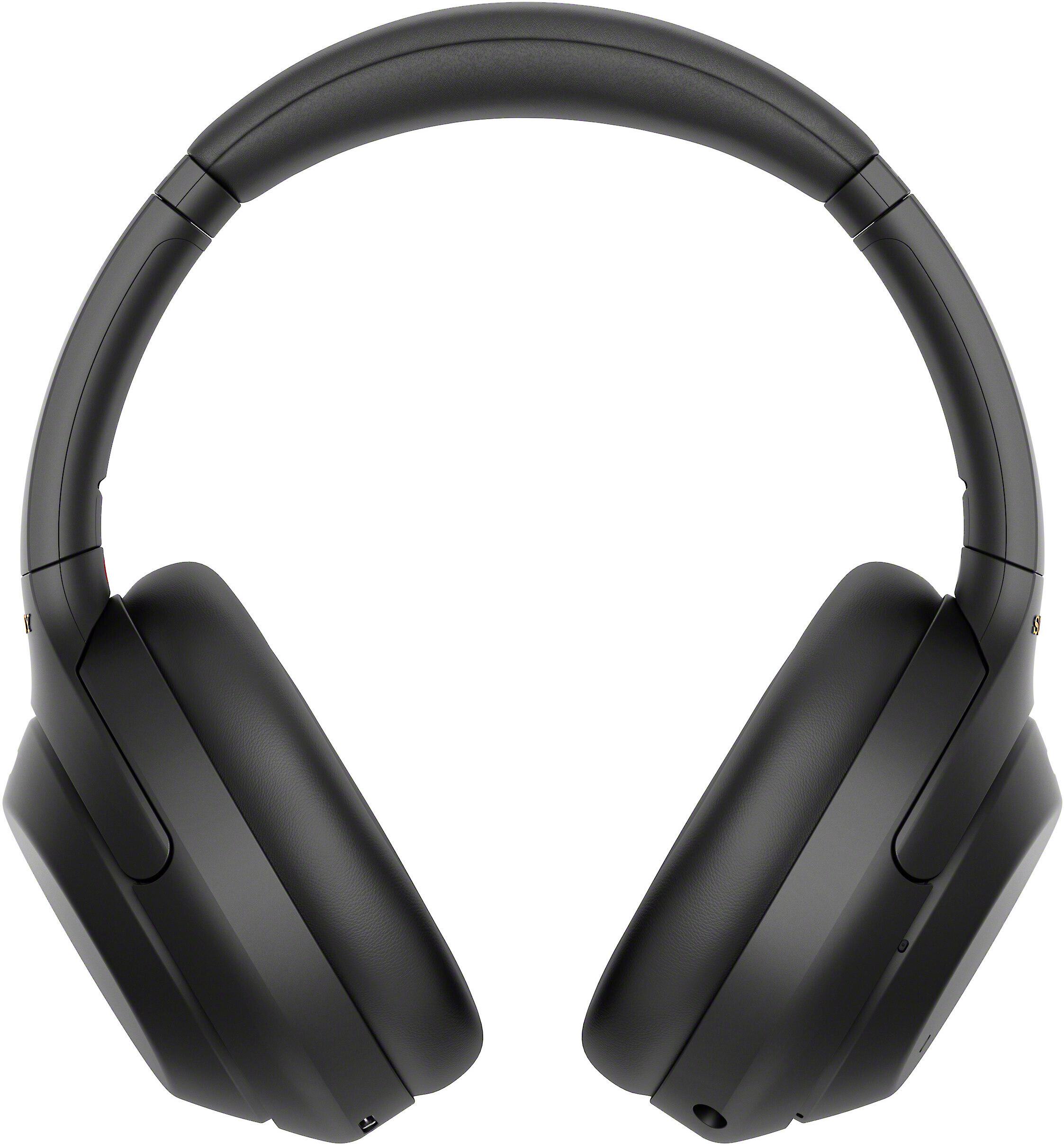

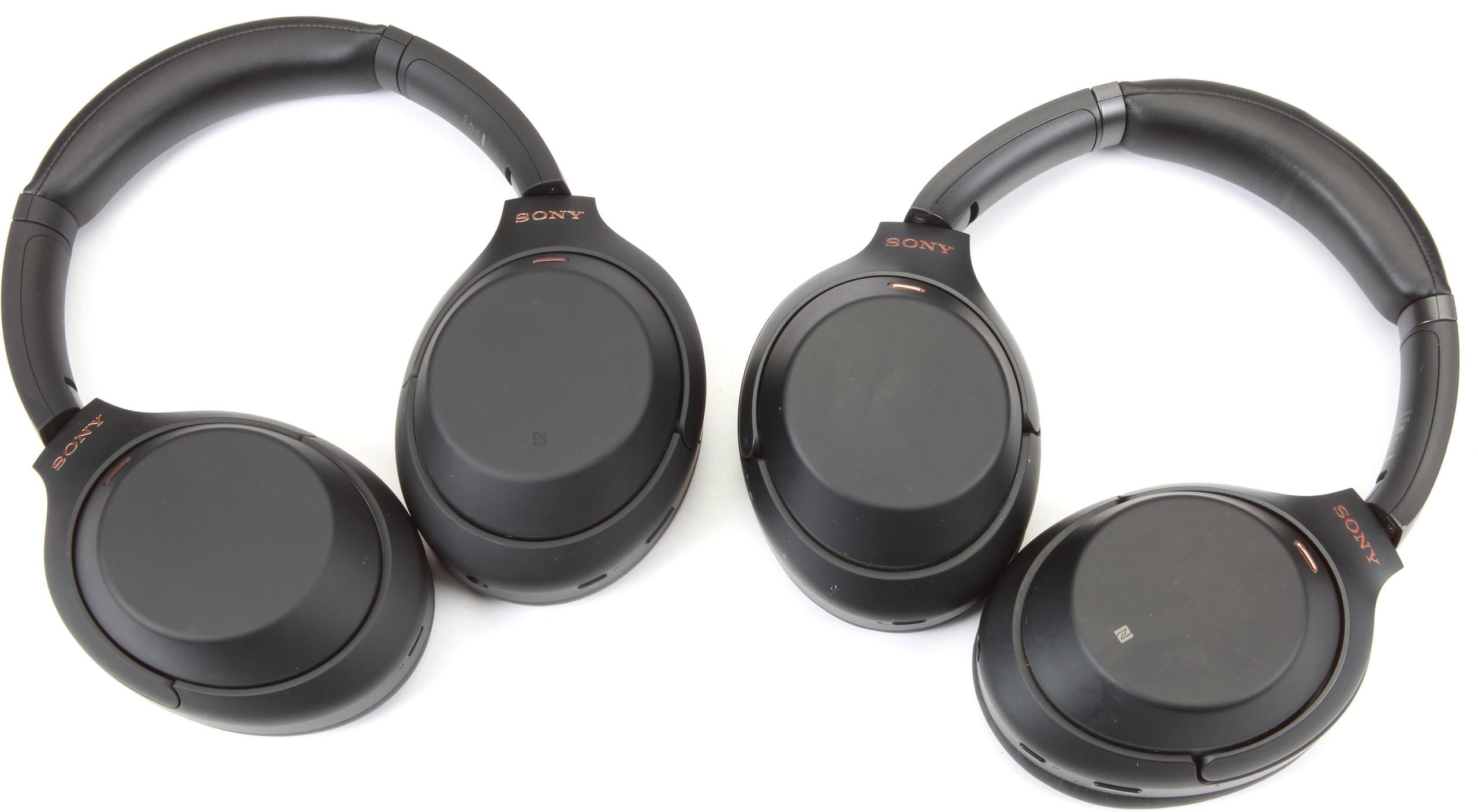
When it comes to wireless noise-canceling headphones, the battle between value and premium performance has never been more interesting. Today, we're diving deep into two headphones that perfectly represent this divide: the budget-friendly Soundcore Life Q30 and Sony's premium WH-1000XM4. Both arrived on the market in 2020, but they take very different approaches to delivering that coveted combination of great sound and peace from the outside world.
The wireless over-ear active noise canceling (ANC) headphone category has exploded in recent years. What started as a luxury feature for frequent flyers has become an essential tool for everyone from students studying in noisy dorms to remote workers trying to focus at home. These headphones don't just play music—they create a bubble of calm around you by actively fighting unwanted noise.
Before we dive into the specifics, let's talk about what really matters in this category. First and most importantly, there's noise cancellation effectiveness—how well these headphones actually block out the world around you. Then we have audio quality, which encompasses everything from how clear voices sound to whether your bass-heavy tracks feel punchy or muddy. Battery life has become increasingly crucial as we rely on these devices throughout long workdays, flights, and commutes. Comfort can make or break your experience during extended listening sessions. Finally, there's the all-important value proposition—what you're getting for your money.
When the Soundcore Life Q30 and Sony WH-1000XM4 both launched in 2020, they represented two very different philosophies. The Q30 aimed to democratize premium features, bringing effective ANC to a much wider audience. The XM4, meanwhile, built on Sony's industry-leading reputation to refine and perfect what many considered the gold standard for consumer ANC headphones.
Since 2020, both products have seen firmware updates and app improvements, but the core hardware remains unchanged. This gives us a perfect snapshot of how these two approaches have aged and whether the premium investment in the Sony WH-1000XM4 still makes sense compared to the budget-friendly Soundcore Life Q30.
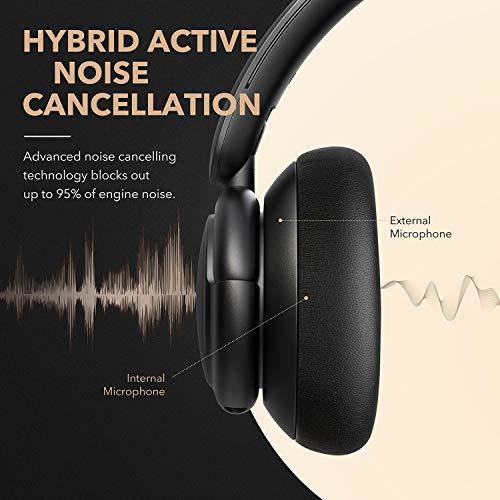
Here's where things get really interesting, and where the price difference between these headphones becomes most apparent. The Sony WH-1000XM4 uses what Sony calls "dual noise sensor technology" with a custom Integrated Processor V1. This isn't just marketing speak—it means there are actually two microphones on each ear cup working together. One microphone faces outward to capture environmental noise, while another faces inward to catch any sound that leaks through. The processor then creates an "anti-noise" signal that cancels out these unwanted frequencies in real-time.
What makes Sony's implementation special is its Adaptive Sound Control. This feature automatically detects what you're doing—whether you're sitting still, walking, or on a train—and adjusts the noise cancellation accordingly. It even learns your favorite locations over time and remembers your preferred settings for each place. There's also atmospheric pressure optimization, which is a game-changer for frequent flyers since it adjusts the ANC to work effectively at different altitudes.
The Soundcore Life Q30, on the other hand, takes a more manual approach. It offers three distinct ANC modes: Transport (optimized for planes and trains), Indoor (focused on office chatter and HVAC systems), and Outdoor (designed to handle wind and traffic noise). While this gives you more direct control, it also means you need to remember to switch modes as your environment changes.
In terms of raw performance, the Sony WH-1000XM4 is objectively superior at noise cancellation. It's particularly effective at blocking low-frequency noise—those constant, droning sounds like airplane engines, air conditioners, and traffic. The Life Q30 does a solid job, especially considering its price point, but it allows more mid-range frequencies through its filter. This means you might still hear some office chatter or children playing, where the Sony would block them more effectively.
However, there's a practical consideration here. For many users, the Life Q30's ANC is "good enough." If you're primarily using these headphones at home or in moderately noisy environments, the difference might not justify the significant price premium of the Sony WH-1000XM4.
This is where personal preference starts to matter more, but there are still some objective differences worth discussing. The Sony WH-1000XM4 features a more balanced sound signature right out of the box. Its frequency response extends from 4Hz all the way up to 40,000Hz, and thanks to Sony's Edge AI processing (developed with Sony Music Studios), it does an excellent job of presenting complex musical passages with good separation and detail.
The Soundcore Life Q30 takes a different approach with what's called a "V-shaped" sound signature. This means it emphasizes both the bass and treble frequencies while pulling back slightly in the midrange. For many popular music genres, this can actually sound quite exciting and engaging. However, with busy or complex tracks, this tuning can make things sound "bloated" or compressed, particularly in the lower frequencies.
Here's where the Life Q30 shows its value-oriented approach: it comes with extensive EQ customization through the Soundcore app, including 22 preset options and a custom equalizer. This means you can tailor the sound to your preferences, though it does require some experimentation to get it right.
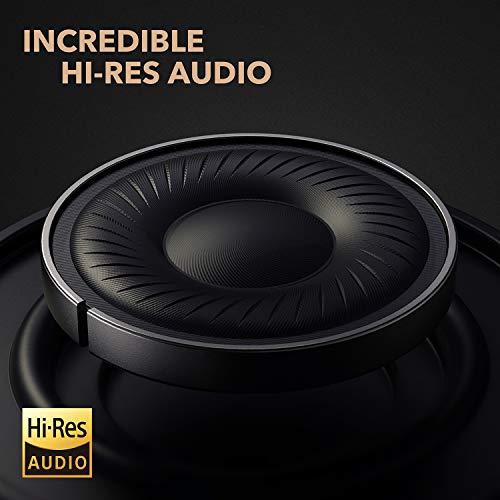
Both headphones support Hi-Res Audio certification, but the Sony WH-1000XM4 goes further with LDAC codec support. LDAC is Sony's proprietary wireless audio technology that can transmit nearly three times more data than standard Bluetooth audio. This means less compression and potentially better sound quality from compatible devices, though you'll need an Android phone or Sony device to take full advantage.
One interesting technical detail: both headphones use 40mm drivers, but the implementation is quite different. The Sony's drivers use a Liquid Crystal Polymer (LCP) diaphragm with aluminum coating, which helps deliver precise, controlled movement across all frequencies. The Life Q30 uses silk diaphragm drivers, which tend to produce a warmer, more colored sound.
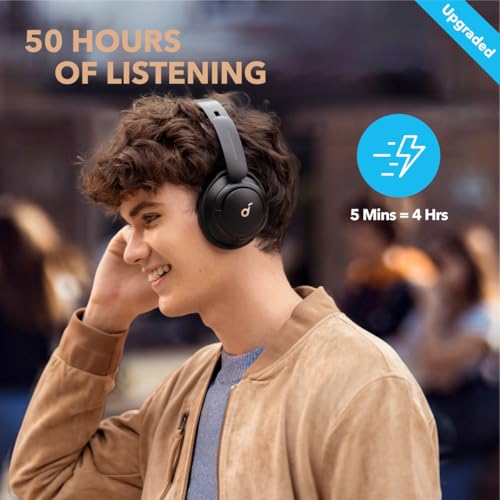
This is where the Soundcore Life Q30 absolutely shines and shows that budget doesn't always mean compromise. With ANC enabled, the Life Q30 delivers an impressive 40-50 hours of playback time. Turn off the noise cancellation, and you're looking at up to 70 hours. That's genuinely best-in-class performance that outpaces even headphones costing twice as much.
The Sony WH-1000XM4, while respectable at 30 hours with ANC enabled, simply can't match this endurance. However, Sony does offer slightly faster quick-charging: 10 minutes of charging gives you 5 hours of playback, compared to the Life Q30's 5-minute charge for 4 hours of music.
For practical use, this battery difference is significant. The Life Q30 might genuinely last weeks between charges for moderate users, while the Sony might need charging every few days with heavy use. Both use USB-C charging, which is convenient and universal.
The Sony WH-1000XM4 does include some smart battery management features, like automatically powering down when you remove the headphones (thanks to built-in proximity sensors) and adjusting performance based on your usage patterns.
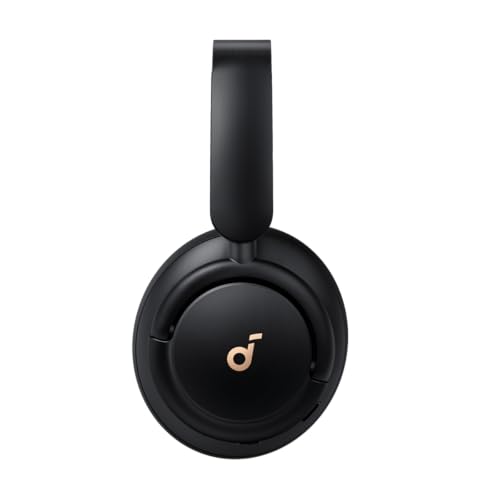
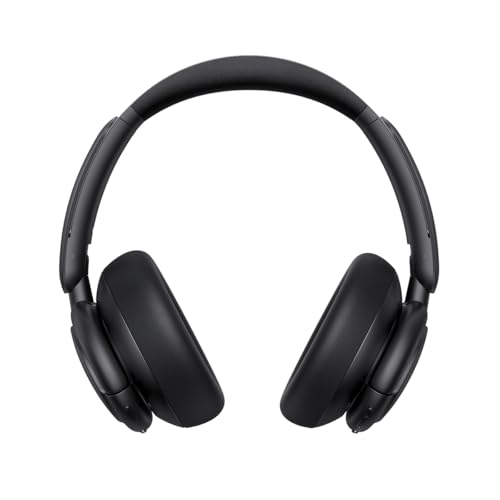
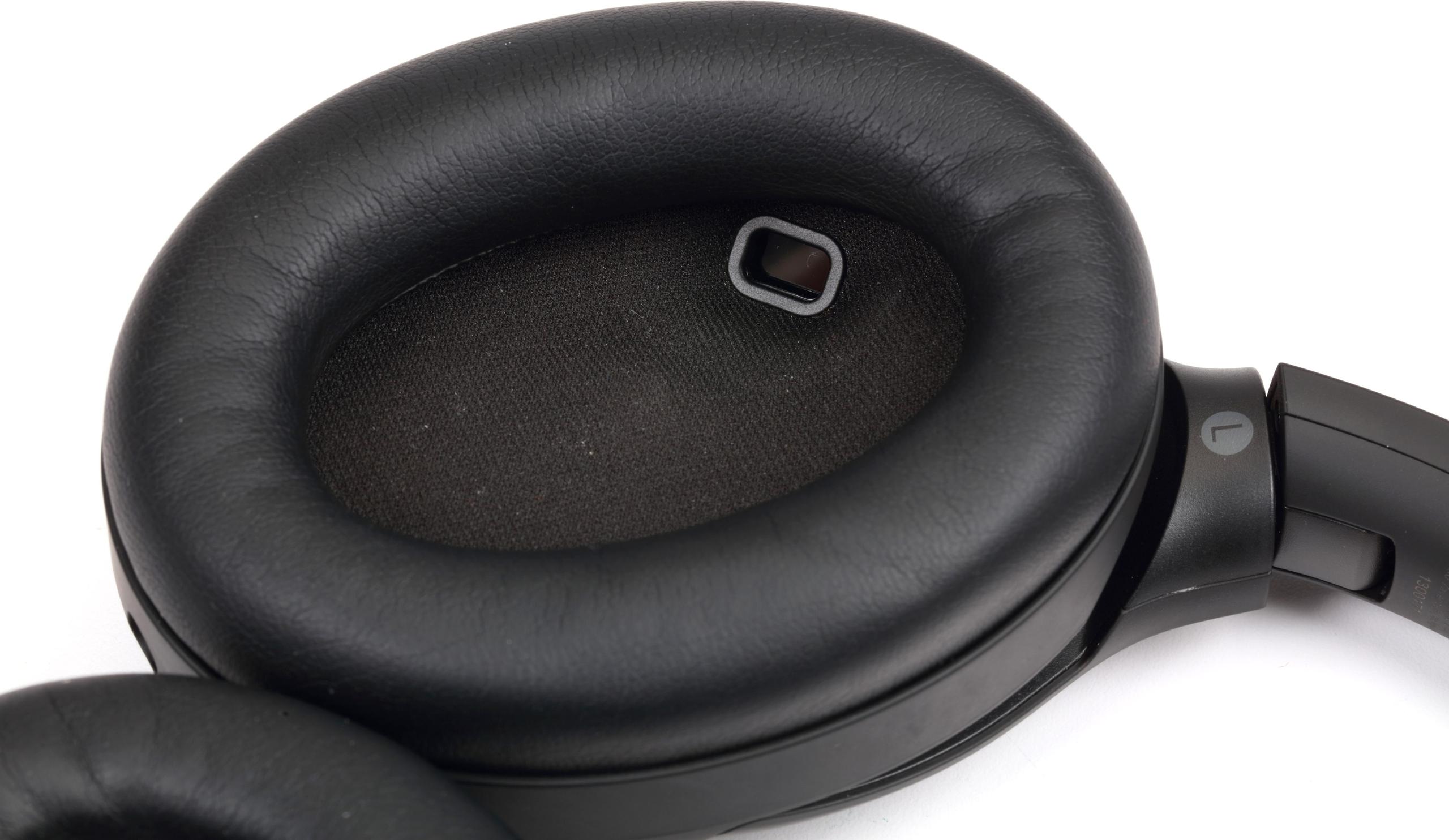
Comfort becomes crucial when you're wearing headphones for hours at a time, and this is another area where the price difference shows. The Sony WH-1000XM4 consistently receives praise for its comfort across different head shapes and sizes. At 254 grams, it's slightly lighter than the Life Q30's 260 grams, and the weight distribution feels more balanced.
Both headphones use memory foam padding, but the implementation differs. The Sony's ear cushions are made from what they call "super-soft, pressure-relieving foamed urethane" that seems to maintain its shape better over time. Multiple users have reported that the Life Q30's ear pads can start to deflate or compress within weeks or months of use, which affects both comfort and the seal needed for effective noise cancellation.
For users with larger ears, this becomes particularly important. The Life Q30 has received mixed reviews on comfort, with some users experiencing pinching or pressure points during extended wear. The Sony WH-1000XM4 generally accommodates a wider range of ear sizes comfortably.
Build quality is another differentiator. The Sony uses higher-grade plastics and more premium materials throughout, while the Life Q30 feels solid for its price point but shows some cost-cutting measures in material choice and finishing touches.
Here's where things get interesting from a usability standpoint. The Sony WH-1000XM4 uses touch controls on the right ear cup, which can be both a blessing and a curse. When they work well, you can swipe to change tracks, tap to pause, or adjust volume with gestures. However, these touch controls are frequently cited as the Sony's biggest weakness—they can be overly sensitive, unresponsive in cold weather, or accidentally triggered when adjusting the headphones.
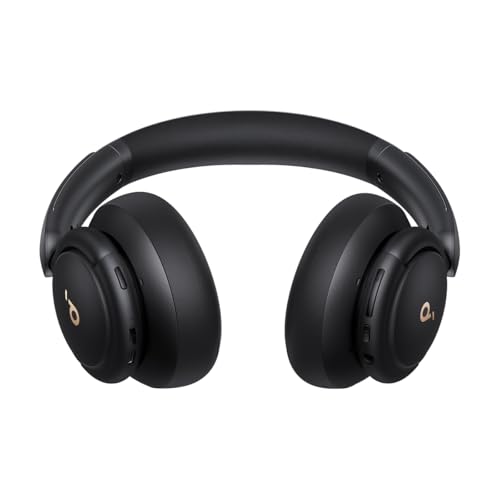
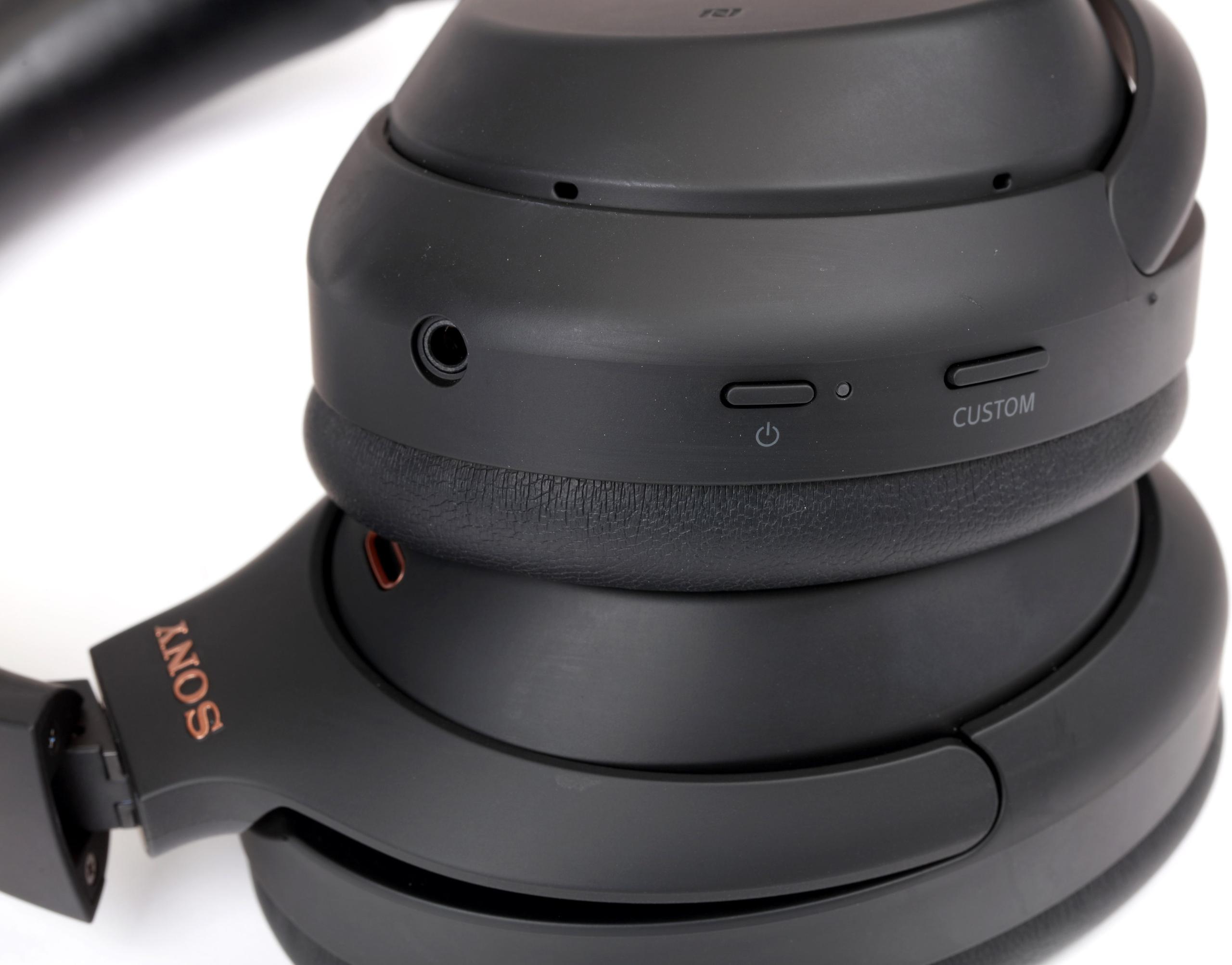
The Soundcore Life Q30 takes the opposite approach with physical buttons, which many users actually prefer. There's no ambiguity about whether you've pressed a button, and they work consistently regardless of weather conditions or gloves.
The Sony WH-1000XM4 includes some genuinely clever features like Speak-to-Chat, which automatically pauses your music and enables ambient sound when you start talking. It also supports 360 Reality Audio, Sony's spatial audio format, though content is still limited.
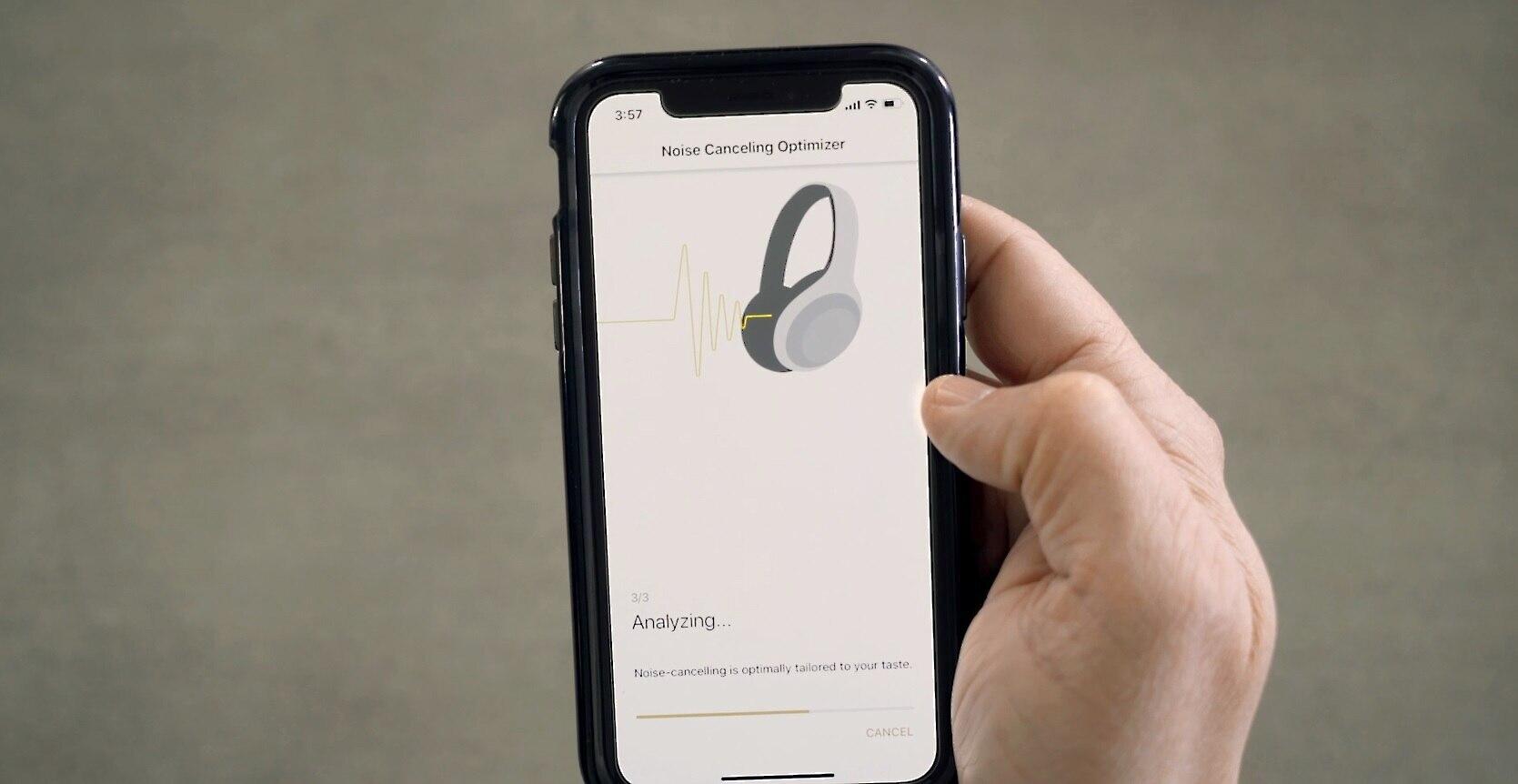
Both headphones offer app support, but Sony's is more comprehensive. The Sony Headphones Connect app provides detailed control over ANC settings, sound customization, and even tracks your listening habits to optimize the adaptive features.
For home theater use, both headphones present interesting options, though neither is specifically designed for this application. The Sony WH-1000XM4 has an advantage here due to its more balanced sound signature and better detail retrieval, which can enhance dialogue clarity and spatial effects in movies.
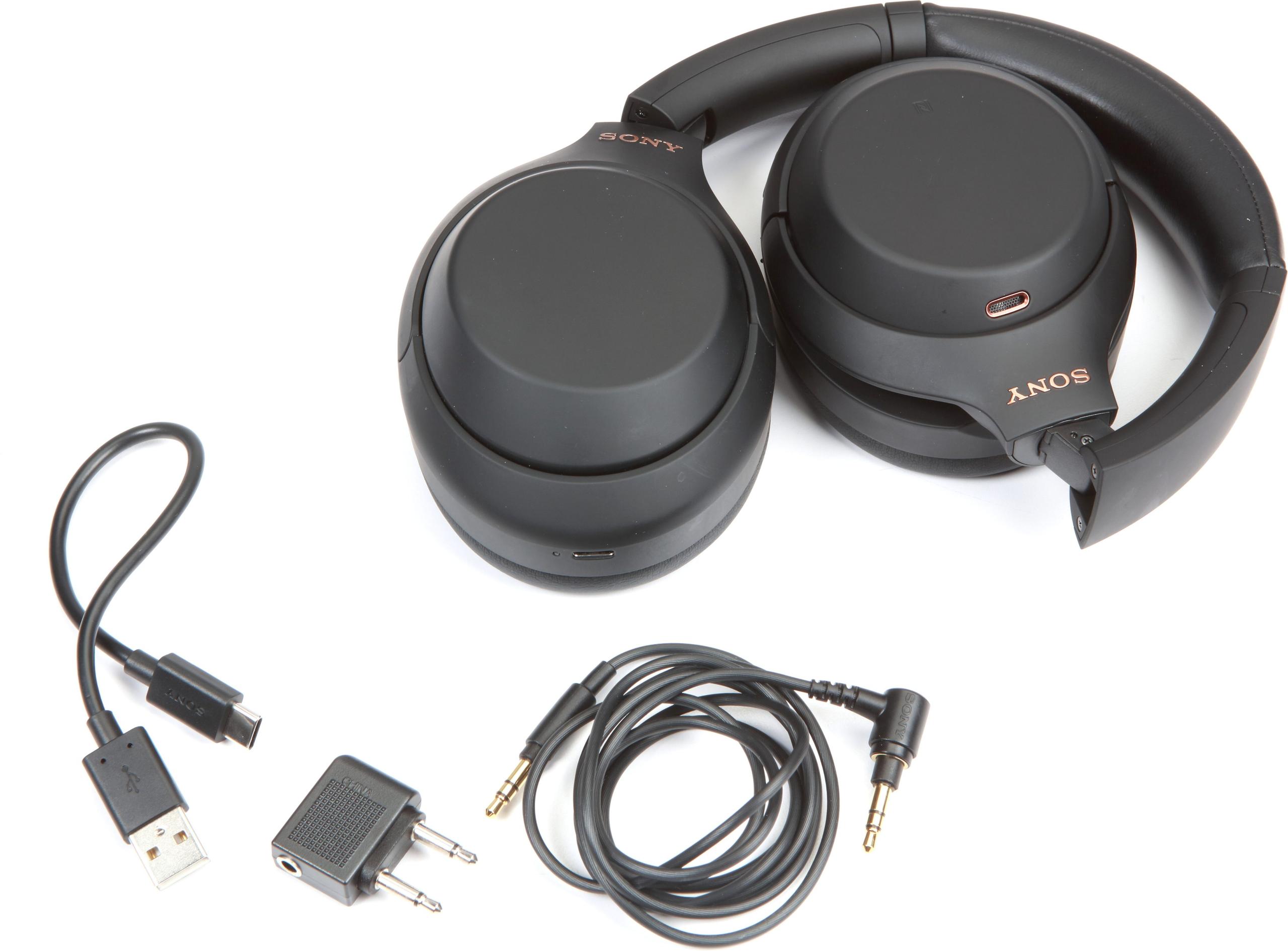
However, both headphones introduce some latency when used wirelessly, which can cause audio-video sync issues. If you plan to use them extensively for TV watching, you'll want to use the included 3.5mm cable for a wired connection, which eliminates latency but also disables some smart features on both models.
The Life Q30's extended battery life could be advantageous for long movie marathons or binge-watching sessions. Its bass-heavy signature might also be enjoyable for action movies, though dialogue might require some EQ adjustment.
At the time of writing, the price gap between these headphones is substantial, with the Soundcore Life Q30 positioned as a budget option and the Sony WH-1000XM4 in the premium tier. This price difference is the key factor in your decision-making process.
If you're primarily looking for effective noise cancellation for studying, working from home, or occasional travel, and you value exceptional battery life, the Life Q30 delivers remarkable performance for its price point. You're getting about 80% of the premium experience at roughly 25% of the cost.
However, if you're a frequent traveler who needs maximum noise isolation, an audiophile who values precise sound reproduction, or someone who appreciates premium build quality and advanced features, the Sony WH-1000XM4 justifies its higher price with objectively superior performance in most areas.
The Sony WH-1000XM4 makes sense if noise cancellation is your absolute top priority, you want the most refined audio experience possible, or you simply prefer premium materials and build quality. Its adaptive features and superior ANC technology really shine in challenging environments like airplanes, trains, or busy offices.
Choose the Soundcore Life Q30 if you want excellent value, prefer physical controls over touch interfaces, need maximum battery life, or are willing to spend time with EQ settings to optimize the sound for your preferences.
Both headphones represent strong choices in their respective price categories. The Life Q30 proves that you don't need to spend premium prices to get solid ANC performance and good sound quality. The Sony WH-1000XM4 demonstrates why it became the benchmark for premium consumer ANC headphones, with technology and refinement that justify the investment for users who need the absolute best performance.
Your choice ultimately comes down to how much you value that extra performance and whether the Sony's advantages in noise cancellation, audio quality, and build quality are worth the significant price premium over the Soundcore Life Q30's exceptional value proposition.
| Soundcore Life Q30 | Sony WH-1000XM4 |
|---|---|
| Active Noise Cancellation - Key feature for blocking distractions | |
| Hybrid ANC with 3 manual modes (Transport/Indoor/Outdoor) - good but requires manual switching | Industry-leading dual noise sensor with adaptive automatic adjustment - superior low-frequency blocking |
| Battery Life - Critical for all-day use without charging | |
| 40-50 hours with ANC (up to 70 hours without) - exceptional endurance, best-in-class | 30 hours with ANC - very good but standard for premium headphones |
| Sound Quality - Affects your music listening experience | |
| V-shaped signature (bass-heavy), requires EQ tuning for balanced sound | Balanced, refined sound with better detail and separation out-of-box |
| Comfort - Essential for extended wear | |
| Memory foam padding, some users report ear pinching issues with larger ears | Consistently comfortable across different head sizes, premium materials |
| Controls - Daily usability factor | |
| Physical buttons (reliable, work with gloves) | Touch controls (advanced but frequently criticized as frustrating) |
| Build Quality - Affects durability and premium feel | |
| Solid for price but some durability concerns (ear pad deflation reported) | Premium materials and construction throughout |
| Smart Features - Convenience and automation | |
| Basic app with EQ customization, manual ANC mode switching | Adaptive Sound Control, Speak-to-Chat, 360 Reality Audio, advanced app |
| Audio Codecs - Wireless sound quality potential | |
| Standard Bluetooth codecs, Hi-Res Audio certified | LDAC support for near-lossless wireless audio (Android/Sony devices) |
| Quick Charging - Convenience when battery runs low | |
| 5-minute charge = 4 hours playback | 10-minute charge = 5 hours playback |
| Weight - Comfort factor for long sessions | |
| 260g (slightly heavier) | 254g (lighter with better weight distribution) |
| Value Proposition - Performance per dollar spent | |
| Exceptional value - 80% of premium performance at budget price | Premium price justified by superior technology and refinement |
The Sony WH-1000XM4 offers superior noise cancellation with industry-leading dual noise sensor technology and adaptive automatic adjustment. The Soundcore Life Q30 provides good ANC with three manual modes (Transport, Indoor, Outdoor) but requires you to switch modes manually and isn't as effective at blocking low-frequency noise like airplane engines or air conditioners.
The Soundcore Life Q30 delivers exceptional battery life with 40-50 hours of playback with ANC enabled, making it best-in-class for endurance. The Sony WH-1000XM4 offers 30 hours with ANC on, which is very good but significantly shorter than the Life Q30's marathon performance.
The Sony WH-1000XM4 provides better balanced, refined sound quality right out of the box with superior detail and instrument separation. The Soundcore Life Q30 has a bass-heavy V-shaped sound signature that can sound exciting but may require EQ adjustment through the app to achieve optimal balance for all music genres.
The Sony WH-1000XM4 is consistently rated as more comfortable across different head sizes, with premium memory foam and better weight distribution. The Soundcore Life Q30 offers decent comfort with memory foam padding, but some users with larger ears report pinching or pressure issues during extended wear.
The Soundcore Life Q30 provides exceptional value, delivering approximately 80% of premium performance at a fraction of the cost of high-end models. The Sony WH-1000XM4 justifies its premium pricing with superior noise cancellation, audio quality, and build materials, making it worth the investment for users who prioritize best-in-class performance.
Both models handle phone calls adequately, but the Sony WH-1000XM4 generally provides clearer call quality with better noise isolation for your voice. The Soundcore Life Q30 offers decent call performance but may struggle more in noisy environments compared to Sony's advanced microphone processing.
This depends on personal preference. The Soundcore Life Q30 uses reliable physical buttons that work consistently and function with gloves. The Sony WH-1000XM4 features touch controls that offer advanced gestures but are frequently criticized for being overly sensitive or unresponsive in certain conditions.
Yes, both the Soundcore Life Q30 and Sony WH-1000XM4 include 3.5mm audio cables for wired use. However, note that active noise cancellation doesn't work when using the Life Q30 in wired mode, while the Sony maintains some processing capabilities when wired.
The Sony WH-1000XM4 excels for travel with superior noise cancellation that's particularly effective against airplane engines and train noise, plus adaptive features that automatically adjust to your environment. The Soundcore Life Q30 offers good travel performance with exceptional battery life that can last entire trips without charging.
Both models work well for home entertainment, though the Sony WH-1000XM4 has an advantage with more balanced sound that enhances dialogue clarity and spatial effects. The Soundcore Life Q30's bass-heavy signature can be enjoyable for action movies but may require EQ adjustment for optimal dialogue clarity.
The Sony WH-1000XM4 offers more advanced app integration with adaptive sound control, speak-to-chat functionality, and detailed customization options. The Soundcore Life Q30 provides basic but functional app support focused primarily on EQ customization and ANC mode selection.
The Soundcore Life Q30 main limitations include less effective noise cancellation than premium models and some reported durability issues with ear pad compression over time. The Sony WH-1000XM4 primary complaint is the frustrating touch controls that many users find unreliable, plus the significantly higher price point compared to budget alternatives like the Life Q30.
We've done our best to create useful and informative comparisons to help you decide what product to buy. Our research uses advanced automated methods to create this comparison and perfection is not possible - please contact us for corrections or questions. These are the sites we've researched in the creation of this article: soundguys.com - recordingnow.com - soundcore.com - theaudiophilecafecom.wordpress.com - versus.com - noisyworld.org - blog.jonsdocs.org.uk - youtube.com - head-fi.org - youtube.com - fullspecs.net - anker-tr.com - soundcore.com - soundcore.com - rtings.com - youtube.com - newegg.com - ifixit.com - headphonesaddict.com - soundguys.com - headphones.com - recordingnow.com - electronics.sony.com - rtings.com - headphonereview.com - youtube.com - audiosciencereview.com - cnet.com - hyderseatravels.com - sony.com - sonylatvija.com - sony.com - sony.com - electronics.sony.com - sony.com - headphonecheck.com - fullspecs.net - sony.com - uclastore.com - bestbuy.com - sony.ca - helpguide.sony.net - device.report

Privacy Policy
Terms and Conditions - Affiliate Policy
Home Security
© Copyright 2008-2026.
11816 Inwood Rd #1211, Dallas, TX 75244