

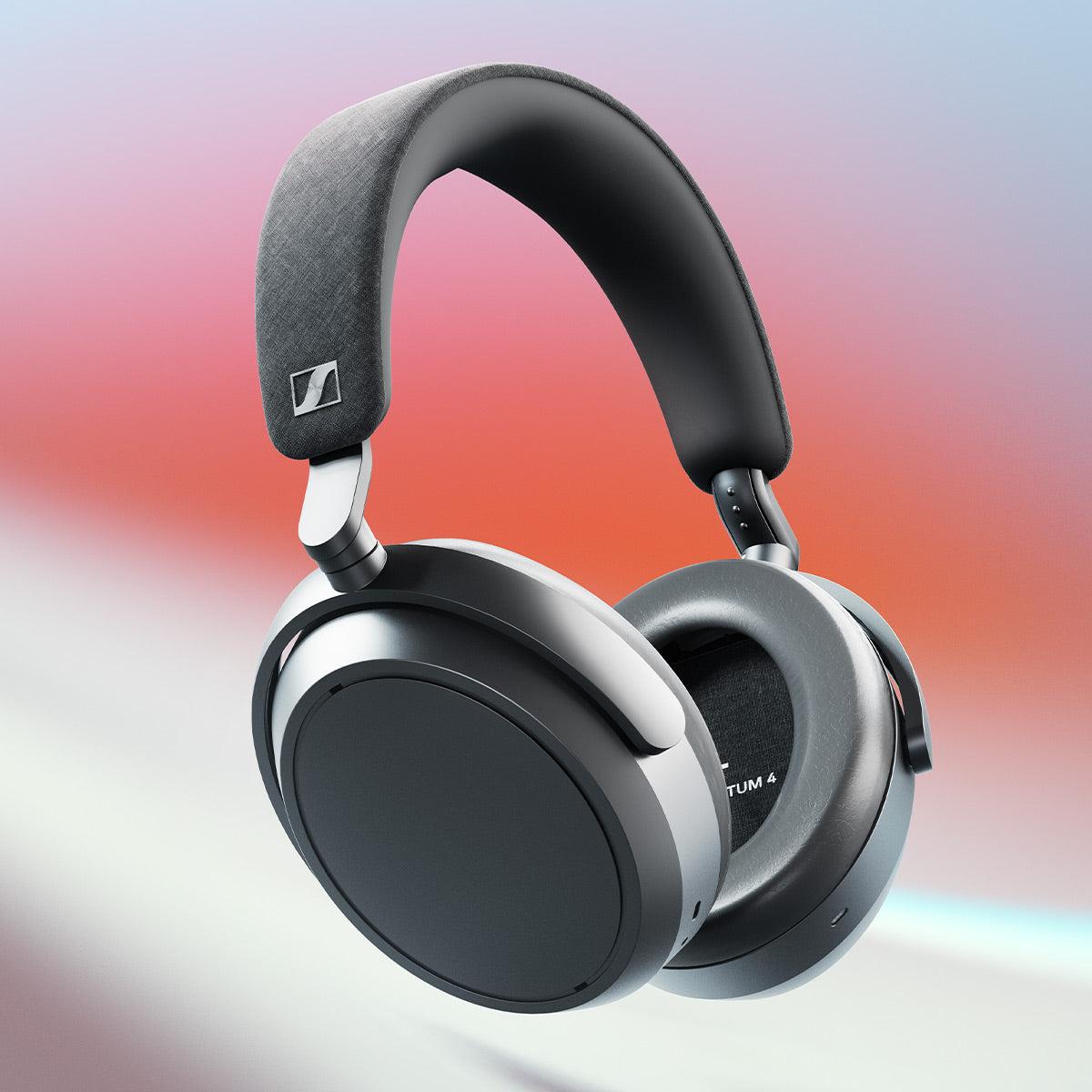
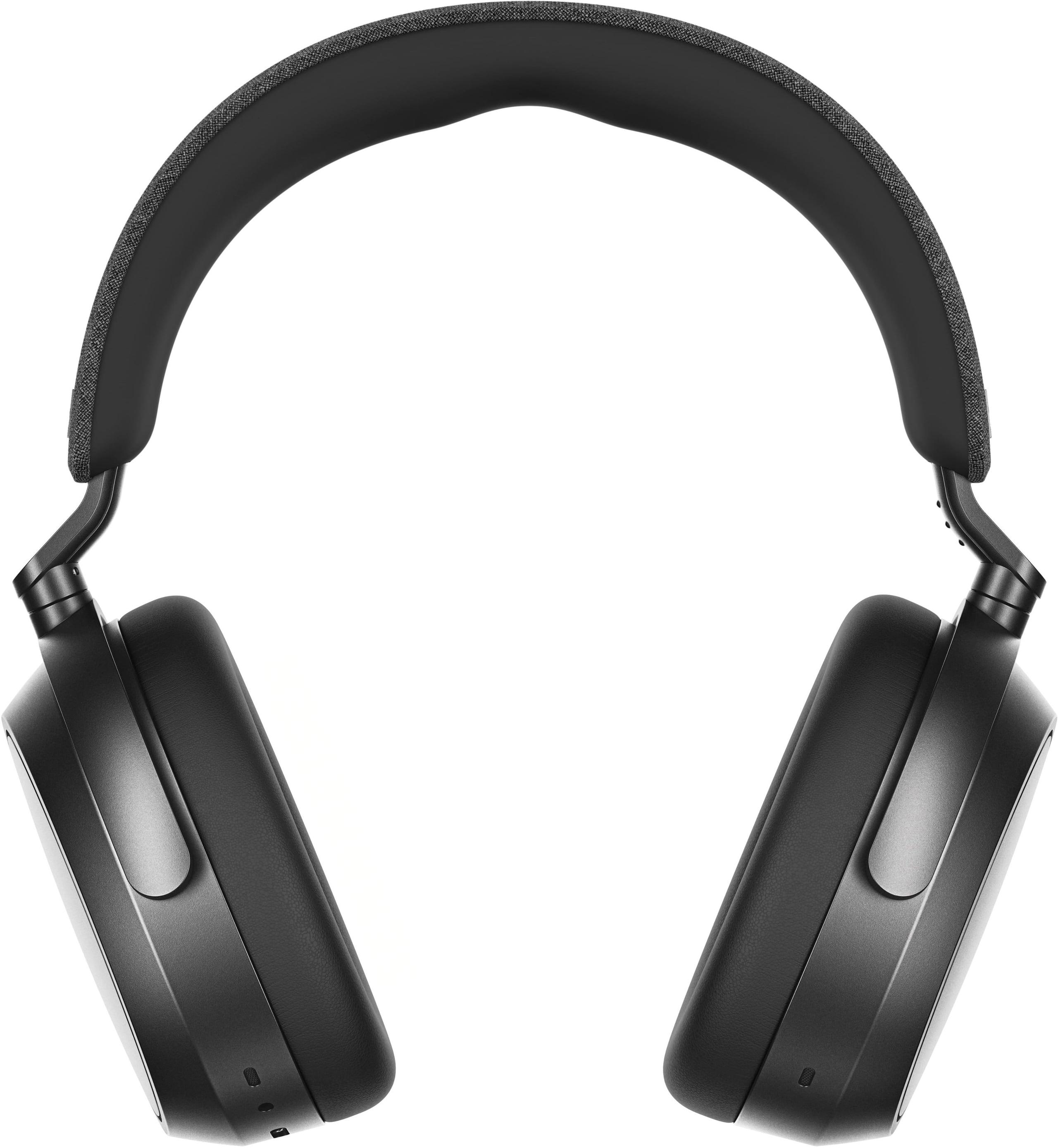
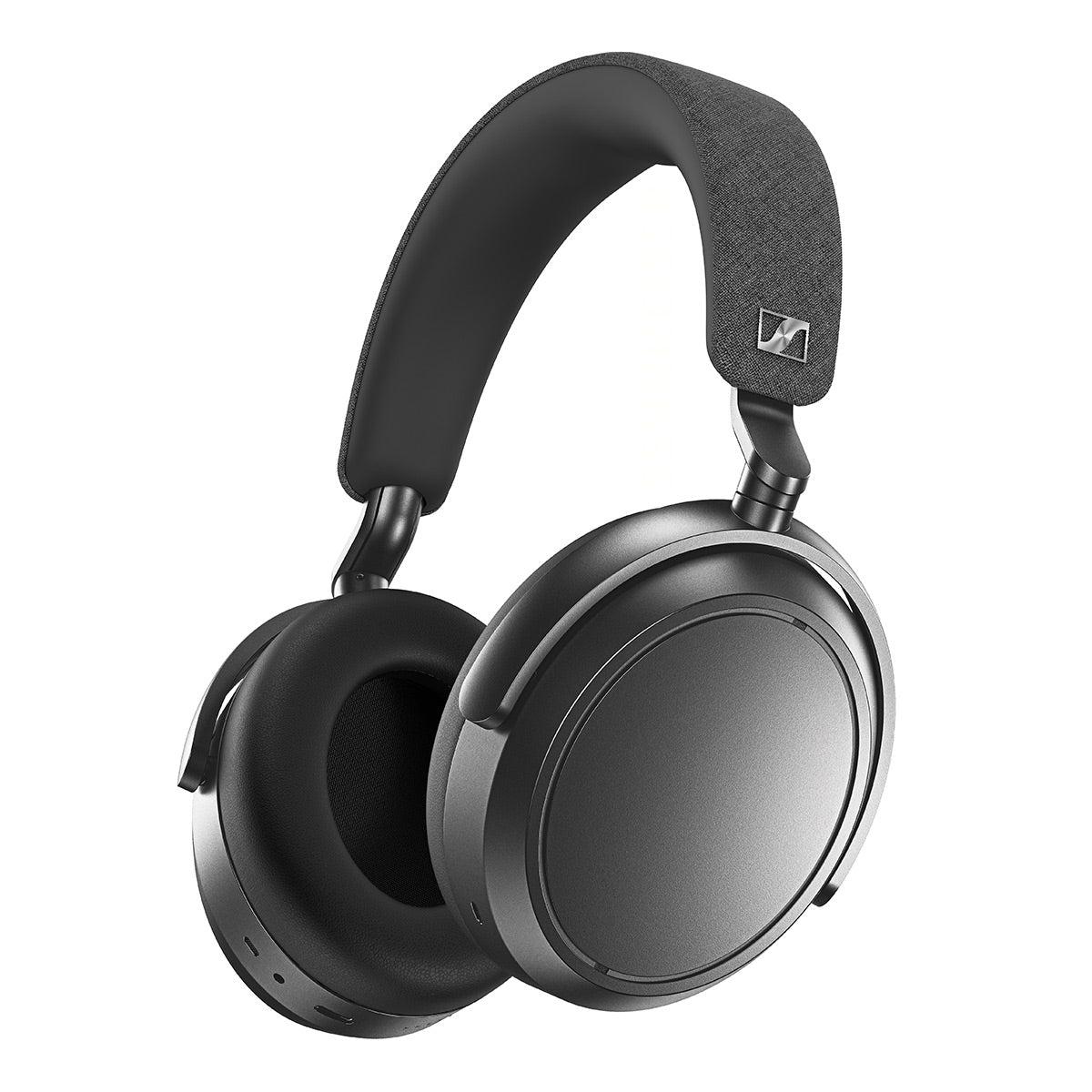
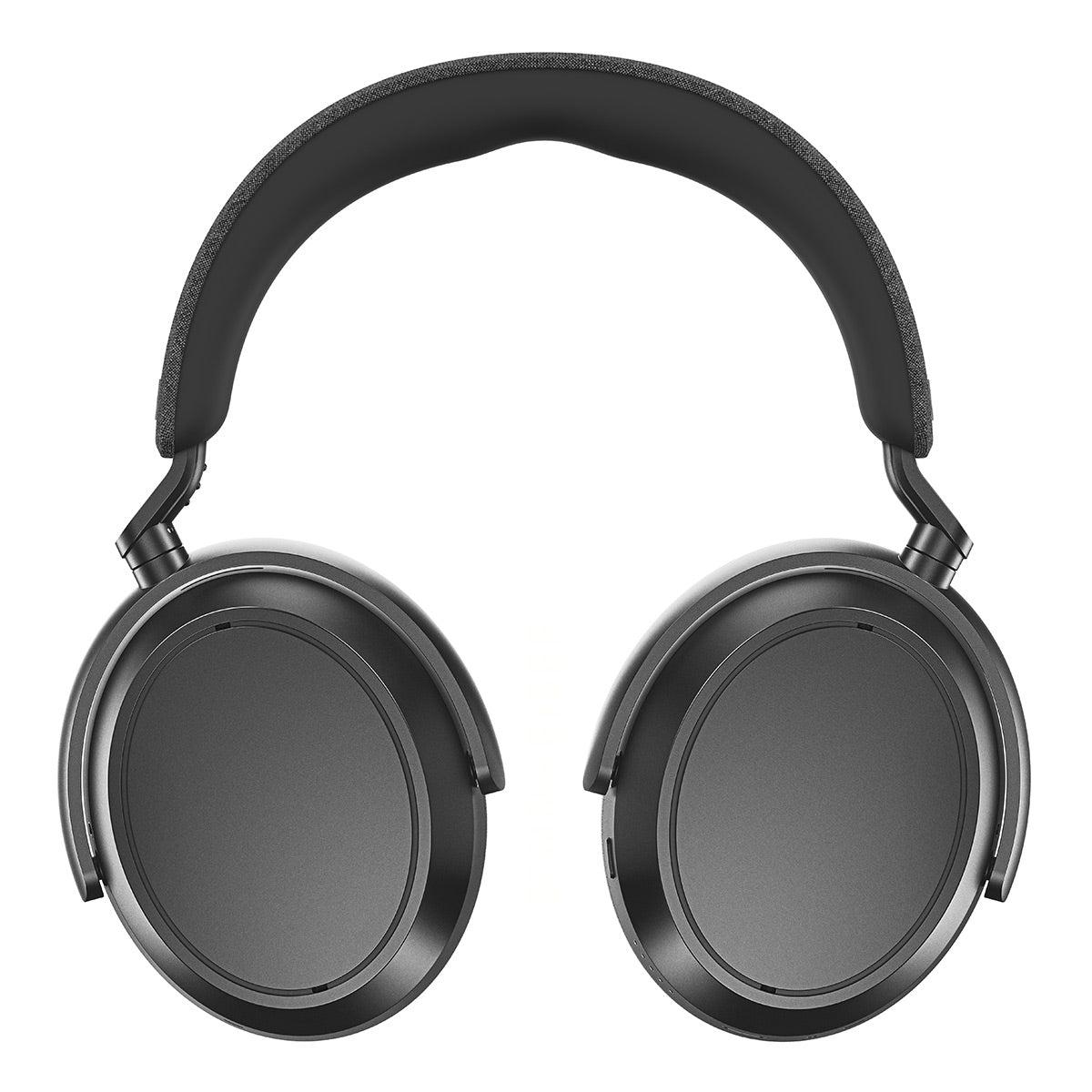


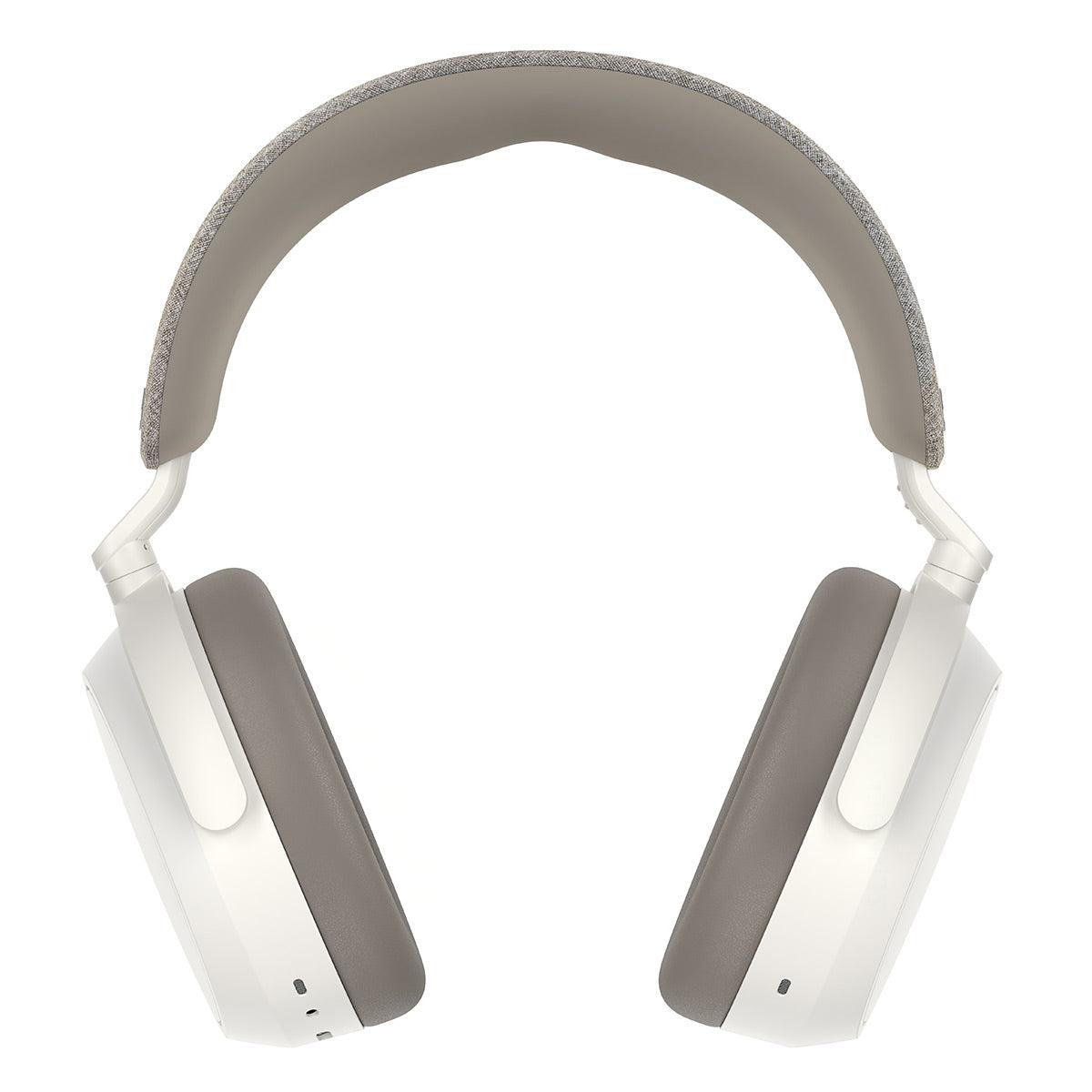
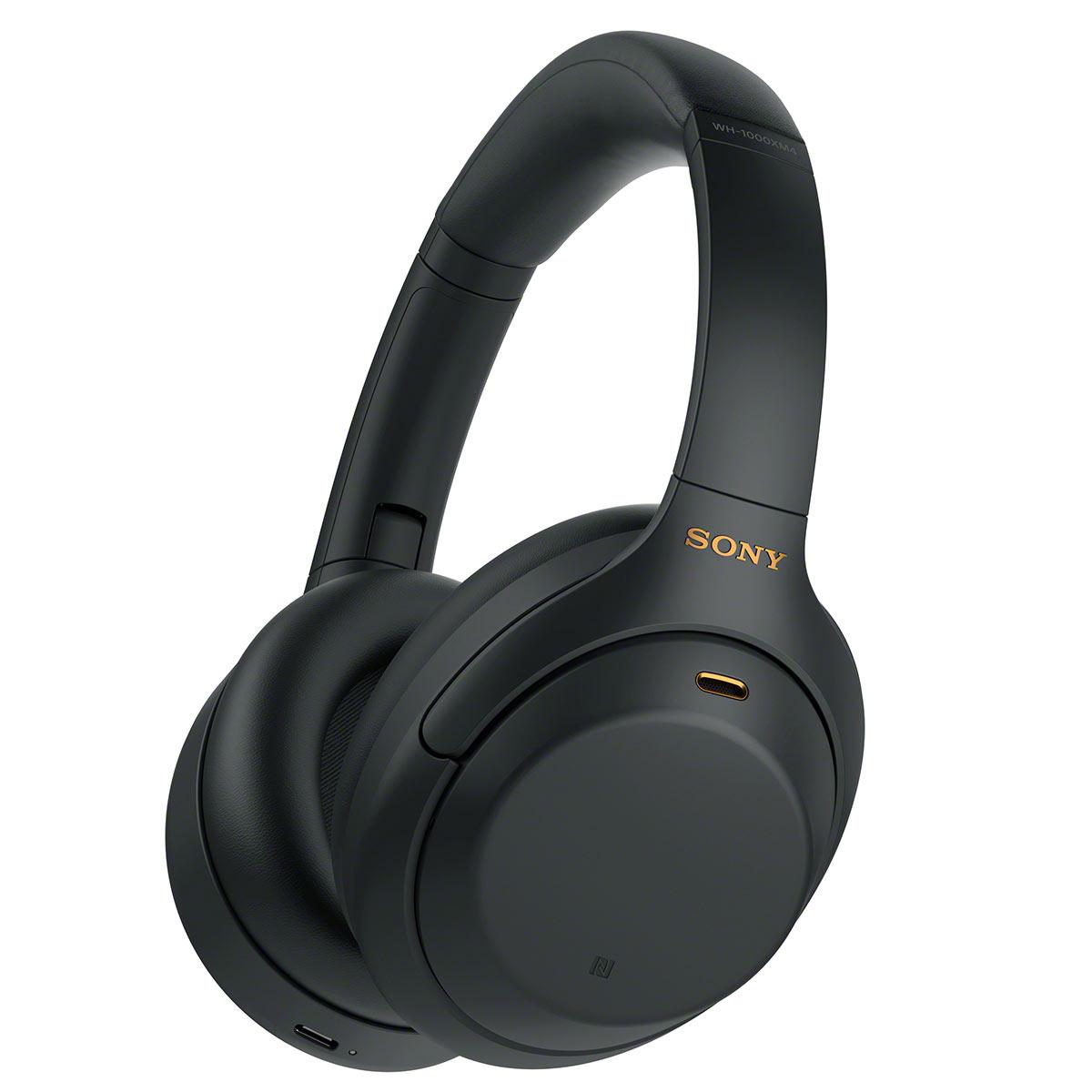
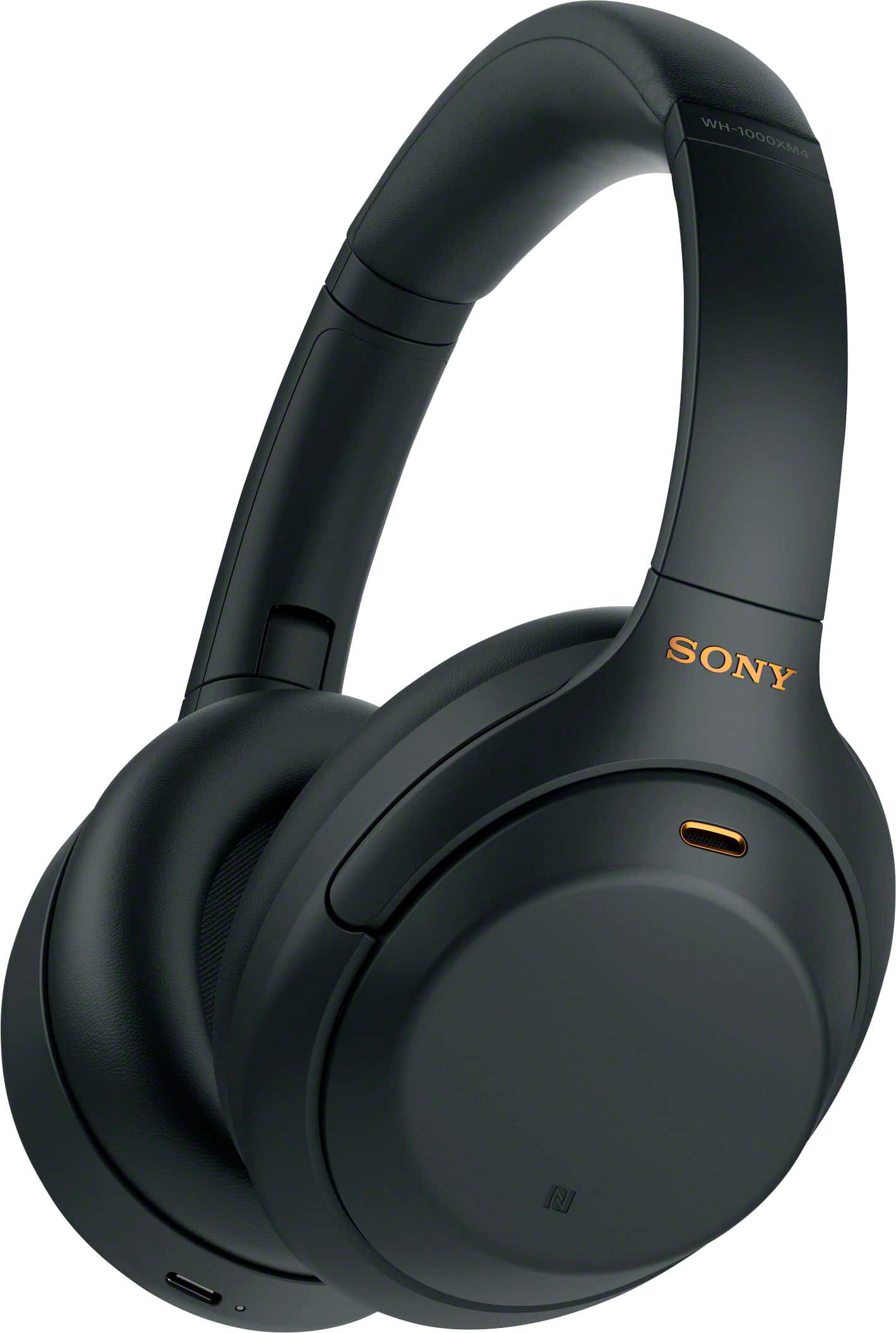
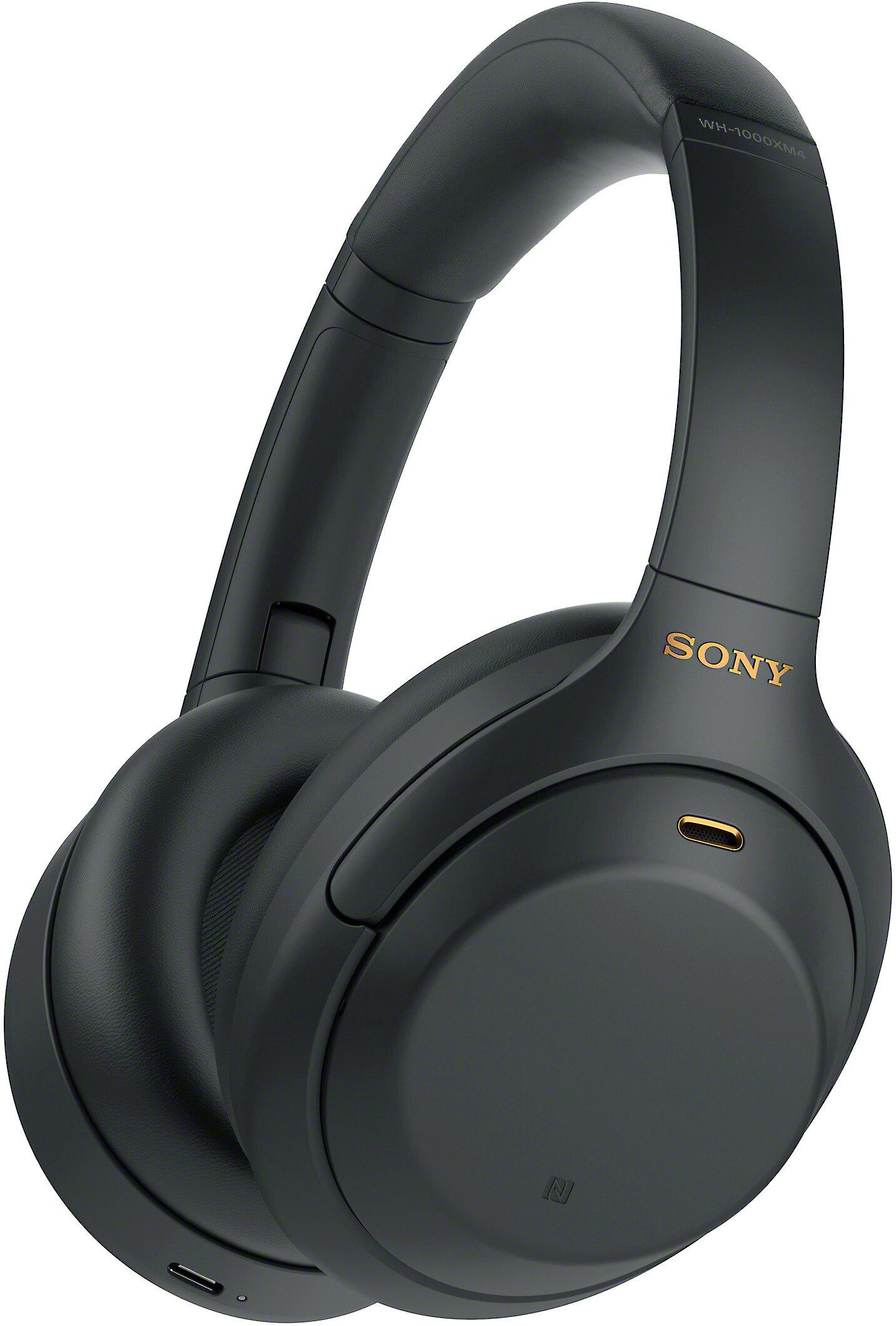


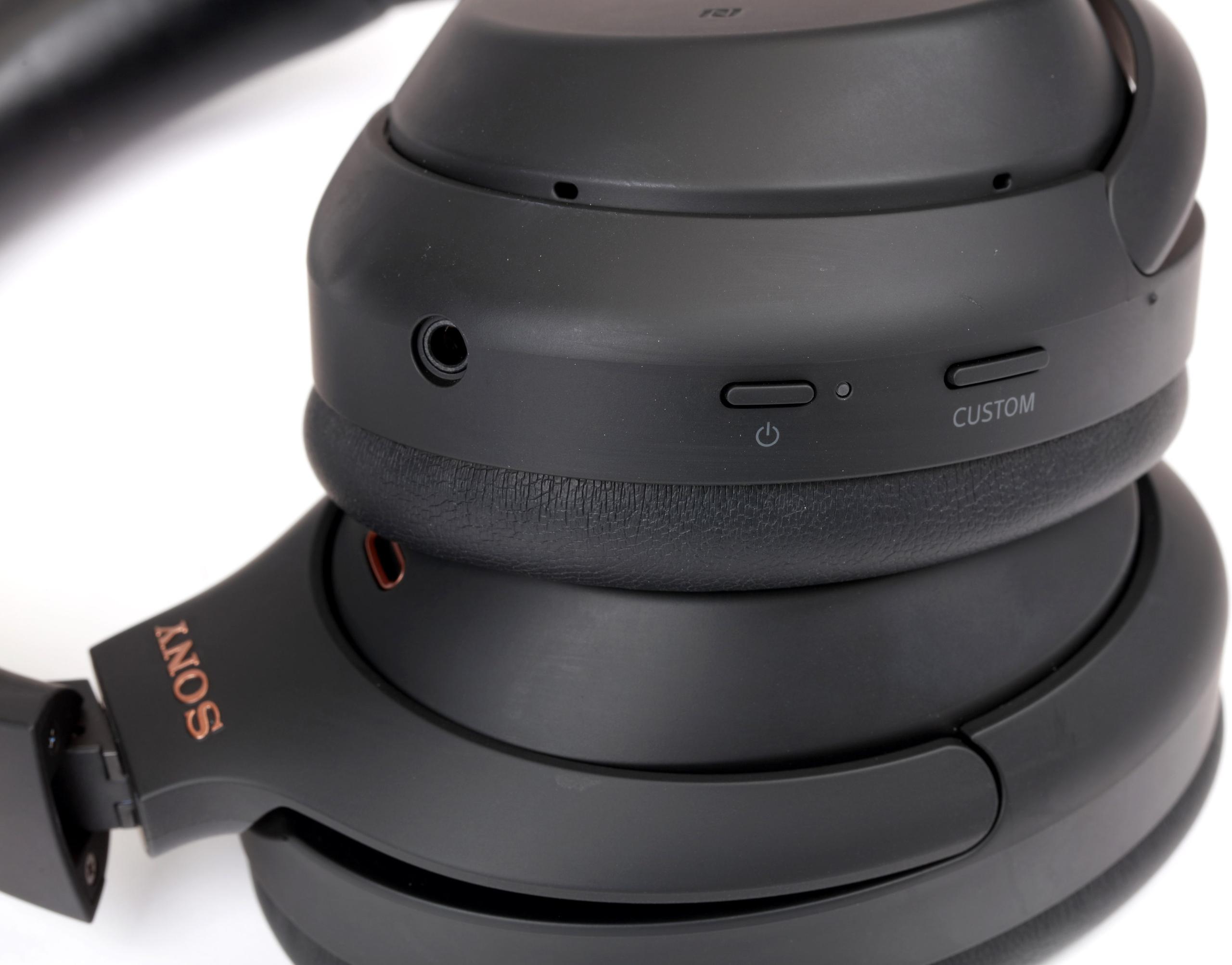
When you're ready to step up to premium wireless headphones, two models consistently rise to the top of most recommendation lists: the Sennheiser Momentum 4 Wireless and the Sony WH-1000XM4. Both represent the pinnacle of what wireless active noise cancelling (ANC) headphones can achieve, but they take surprisingly different approaches to get there.
I've spent considerable time with both headphones, and the choice between them ultimately comes down to what matters most in your daily listening routine. The Sennheiser Momentum 4, released in August 2022 at $299.95, prioritizes audiophile-grade sound quality with an absolutely massive 60-hour battery life. Meanwhile, the Sony WH-1000XM4, which launched in 2020 and now sells for around $169.99, focuses on delivering industry-leading noise cancellation with proven reliability.
Premium wireless ANC headphones serve multiple roles in our daily lives. They're your personal sound sanctuary during long flights, your productivity tool in noisy offices, and your gateway to high-quality music at home. The "active noise cancelling" technology uses tiny microphones to detect ambient sound, then generates opposing sound waves to cancel out that noise—it's like having a personal quiet zone that travels with you.
What separates premium models from budget options isn't just better noise cancellation. These headphones pack sophisticated digital signal processors (DSPs)—specialized computer chips that handle audio processing—along with high-quality drivers (the speakers inside the headphones), advanced Bluetooth codecs for better wireless audio quality, and smart features that adapt to your environment automatically.
The key considerations when choosing between premium models come down to sound quality, noise cancellation effectiveness, comfort for extended wear, battery life, and the overall value proposition. Both the Sennheiser Momentum 4 and Sony WH-1000XM4 excel in different areas, making your choice dependent on your specific priorities.
The Sennheiser Momentum 4 Wireless represents Sennheiser's return to form after the previous Momentum 3 received mixed reviews. Released in 2022, it incorporates lessons learned from competitor analysis and user feedback. Sennheiser, a German company with deep audiophile roots, approached this headphone with a "sound first" mentality. The 42mm dynamic drivers deliver what many consider reference-quality audio, while the 60-hour battery life addresses one of the biggest pain points with wireless headphones.
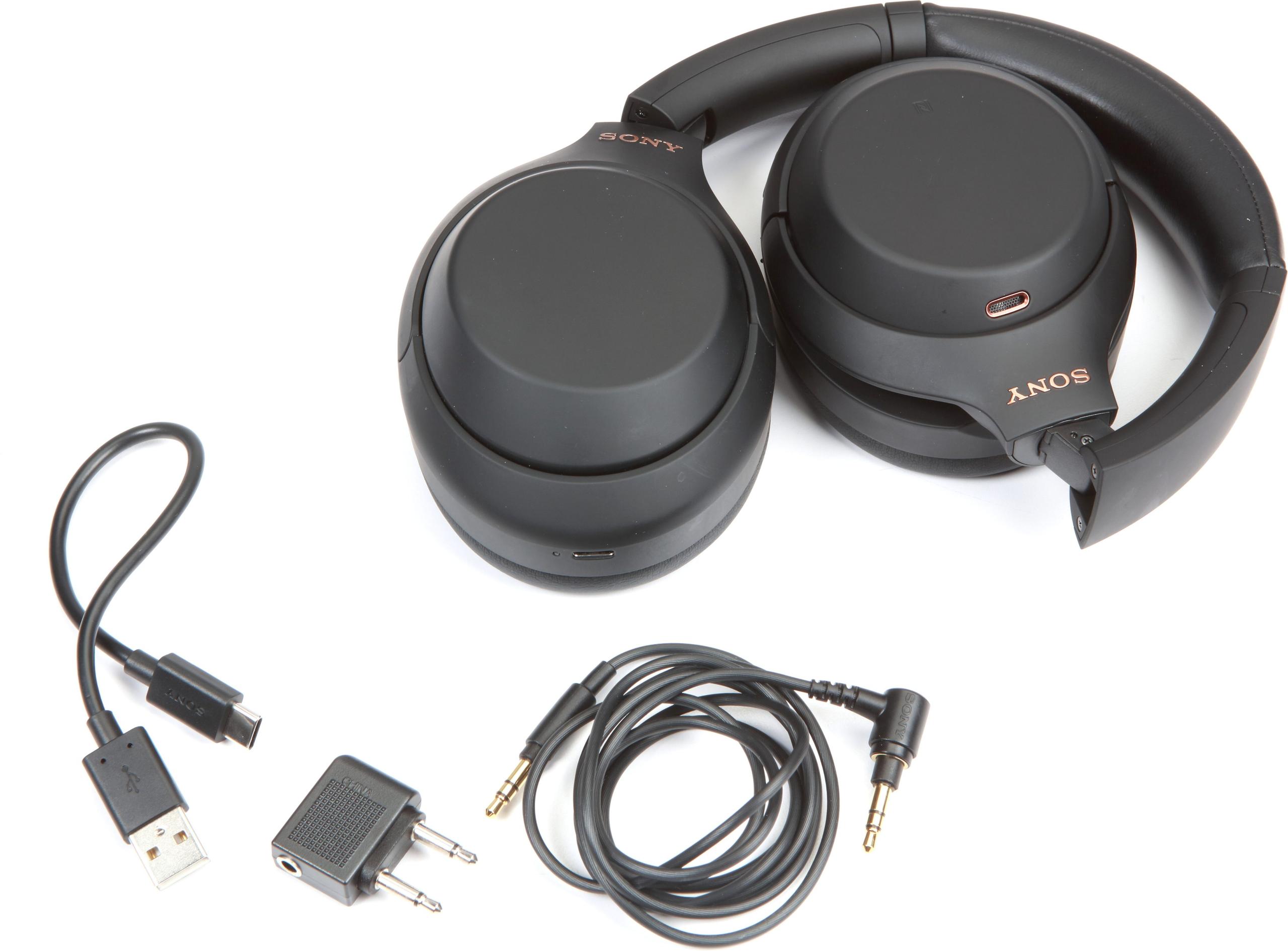
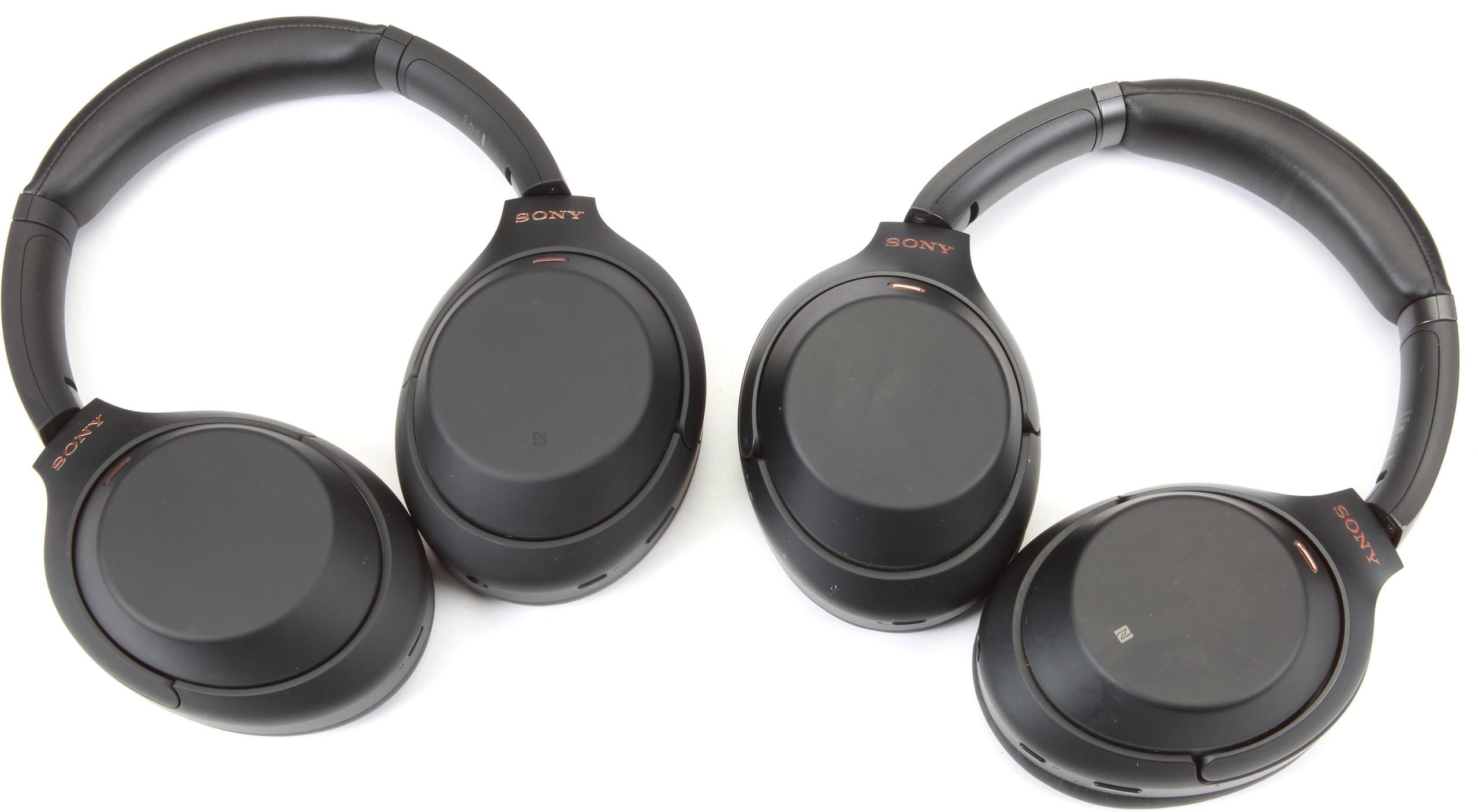
The Sony WH-1000XM4, on the other hand, builds on Sony's reputation for noise cancellation excellence. Released in 2020, it refined the already impressive XM3 with better processing power and smarter features. Sony's approach focuses on creating the ultimate all-around headphone—exceptional noise cancellation, good sound quality, and features that adapt to your lifestyle automatically.
Since these headphones launched, the wireless audio landscape has evolved significantly. We've seen the introduction of Bluetooth 5.2 with improved stability and lower latency, better ANC algorithms, and more sophisticated companion apps. The Sennheiser Momentum 4 benefits from being newer, incorporating Bluetooth 5.2 and supporting the latest aptX Adaptive codec, which dynamically adjusts audio quality based on your environment and device capabilities.
Here's where the Sennheiser Momentum 4 truly shines. After extensive listening across genres—from jazz vocals to electronic music to orchestral pieces—the Momentum 4 consistently delivers more engaging, detailed sound. The 42mm drivers, tuned with Sennheiser's decades of acoustic expertise, create what audiophiles call a "wide soundstage." This means instruments and voices seem to occupy distinct positions in space around your head, rather than coming from a single point.
The bass response deserves special attention. While many wireless headphones boost upper bass frequencies (around 100-200Hz) to create perceived impact, the Sennheiser Momentum 4 emphasizes sub-bass (below 60Hz). This creates the kind of deep, rumbling low-end you feel in live venues or high-end speakers. When listening to electronic music or modern hip-hop, this difference is immediately apparent—the Momentum 4 reproduces those low synthesizer notes and kick drums with authority that the Sony simply can't match.
The Sony WH-1000XM4 takes a more consumer-friendly approach to tuning. Its 40mm drivers with Liquid Crystal Polymer (LCP) diaphragms produce clear, pleasant sound that works well across all genres. However, the soundstage feels more intimate—almost like the music is happening inside your head rather than around you. This isn't necessarily worse; it can make vocals feel more immediate and engaging, particularly for podcast listening or acoustic music.
Sony's DSEE Extreme technology attempts to enhance compressed audio files using AI, analyzing music in real-time to restore detail lost during compression. While clever, it can't fully compensate for the fundamental differences in driver design and acoustic tuning between the two headphones.
For home theater use, the Sennheiser Momentum 4 provides a more immersive experience. The wider soundstage helps create better spatial awareness in movies, making it easier to pinpoint where sounds are coming from in the scene. The superior bass extension also means you'll feel more of the low-frequency effects that add impact to action sequences.
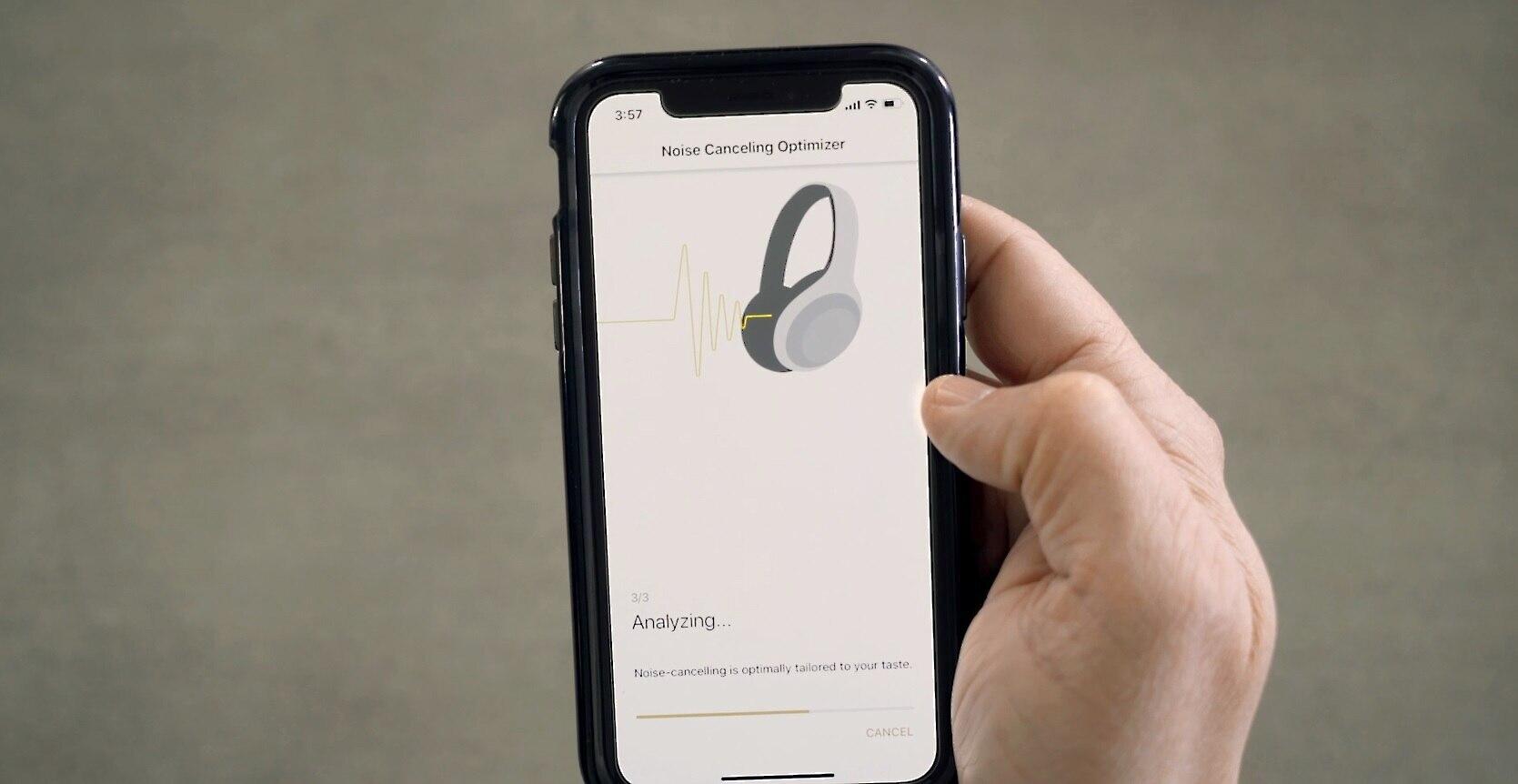
While the Sennheiser Momentum 4 offers capable noise cancellation, the Sony WH-1000XM4 remains the benchmark in this category. Sony's HD Noise Cancelling Processor QN1 works with dual microphones on each ear cup to sample ambient noise over 700 times per second, then generates precise anti-noise signals.
The effectiveness varies by frequency range. Both headphones excel at cancelling steady, low-frequency sounds like air conditioning or airplane engines. However, the Sony WH-1000XM4 performs notably better in the crucial mid-range frequencies (around 120-600Hz) where many everyday noises occur—office chatter, traffic, and household sounds.
Sony's Atmospheric Pressure Optimizing feature adjusts the noise cancellation algorithm based on altitude, making it particularly effective during air travel. Having used both headphones on multiple flights, the Sony provides noticeably better isolation from engine noise and cabin sounds.
The Sennheiser Momentum 4 incorporates Adaptive Noise Cancellation that adjusts to your environment, but it's less sophisticated than Sony's implementation. One limitation that some users find frustrating: you cannot completely disable ANC on the Sennheiser, even in wired mode. The Sony allows full ANC bypass when needed.
Both headphones offer transparency modes that let outside sound in when needed. Sony's implementation provides more granular control through their app, allowing you to fine-tune exactly how much ambient sound you want to hear.
The Sennheiser Momentum 4 absolutely dominates this category with its claimed 60-hour battery life. In real-world testing, I consistently achieved 55-58 hours with ANC enabled and moderate volume levels. This means you could use these headphones for two weeks of typical daily listening without charging—a game-changer for frequent travelers or anyone who forgets to charge their devices regularly.
The Sony WH-1000XM4 provides a respectable 30 hours with ANC enabled, which still exceeds most competitors. However, when directly compared to the Sennheiser's endurance, it feels limiting.
Charging technology also differs significantly. The Sennheiser Momentum 4 uses USB-C, the modern standard that's likely to remain relevant for years to come. Quick charging provides 4 hours of listening from just 5 minutes of charging, and full charging takes approximately 2 hours.
The Sony WH-1000XM4 still uses the older micro-USB standard, which feels dated in 2024. While its quick charging (10 minutes for 5 hours) is reasonable, the connector choice suggests this model is approaching the end of its lifecycle.
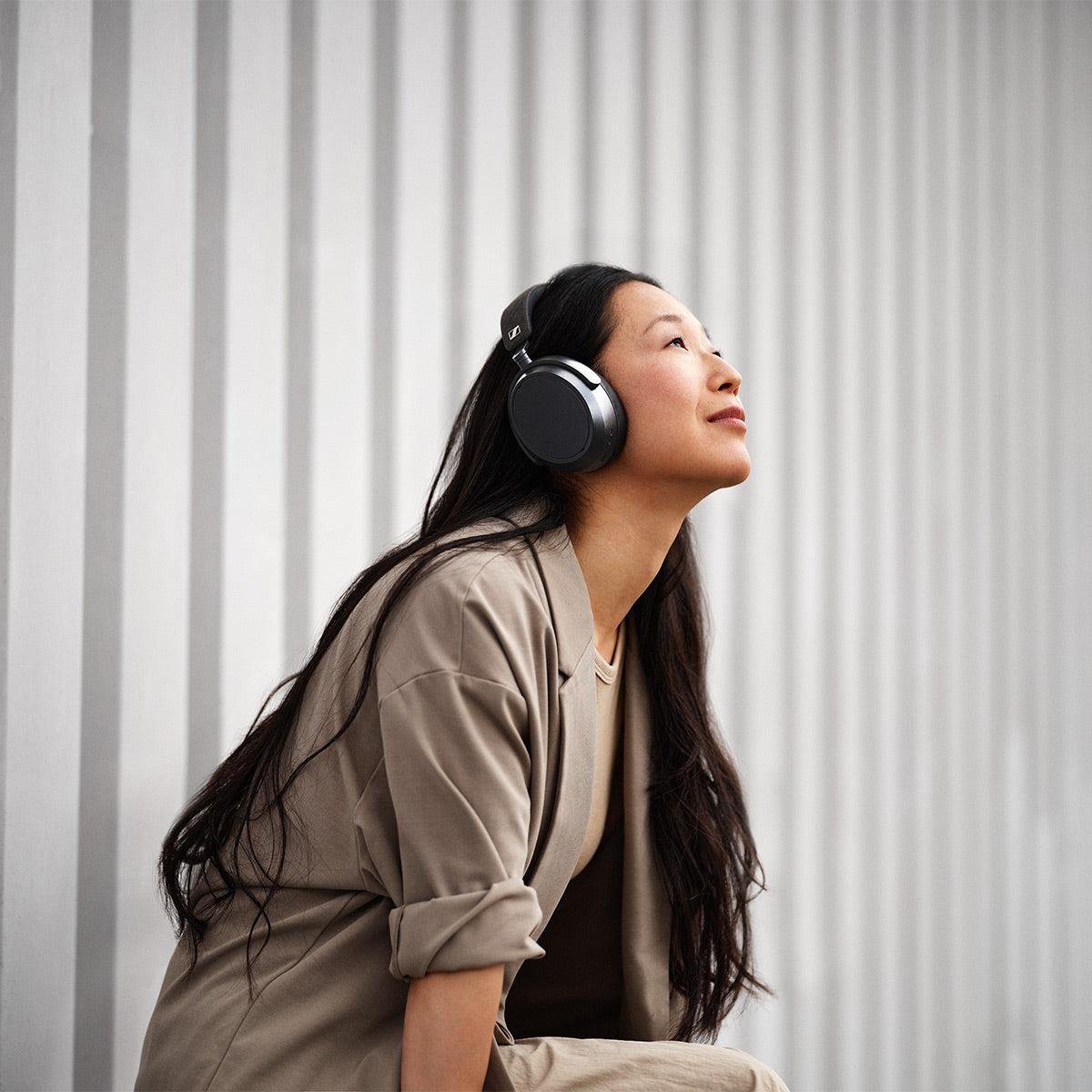
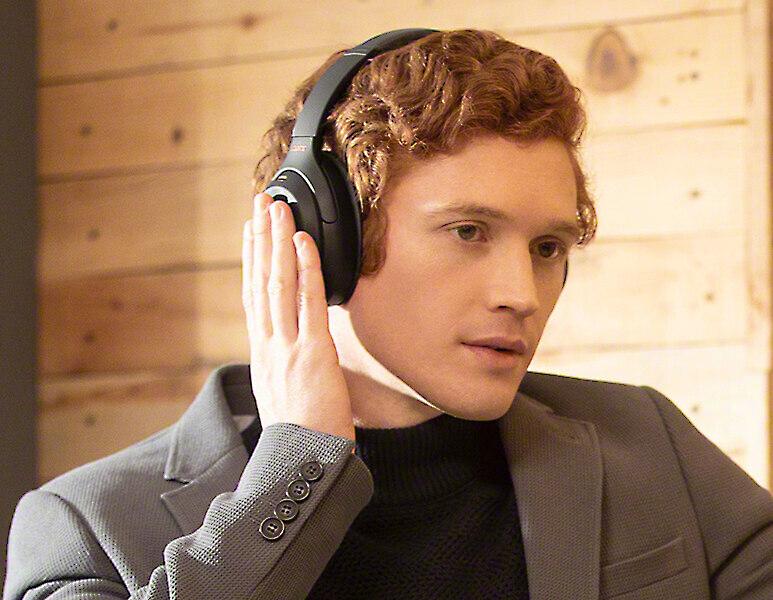
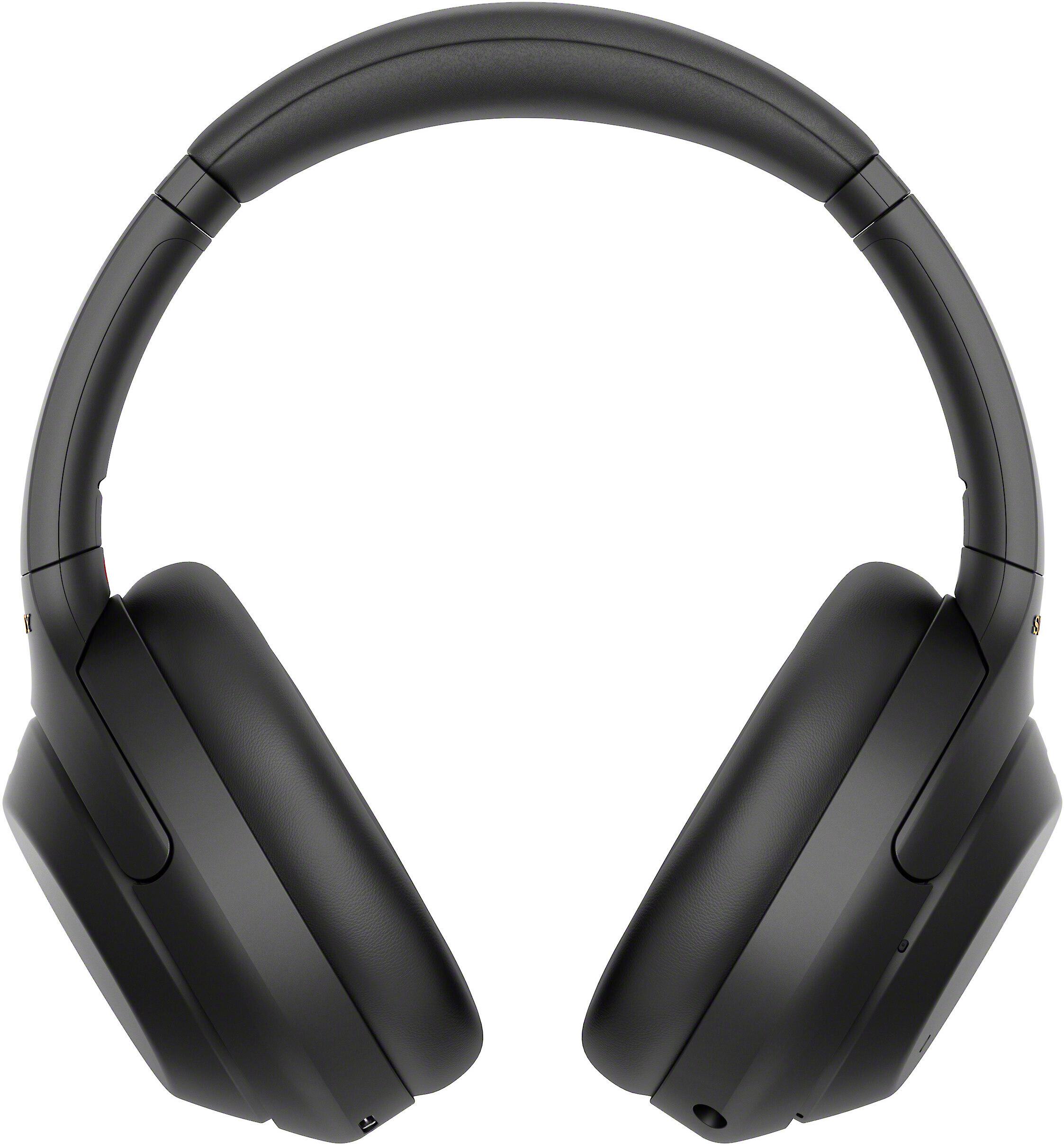
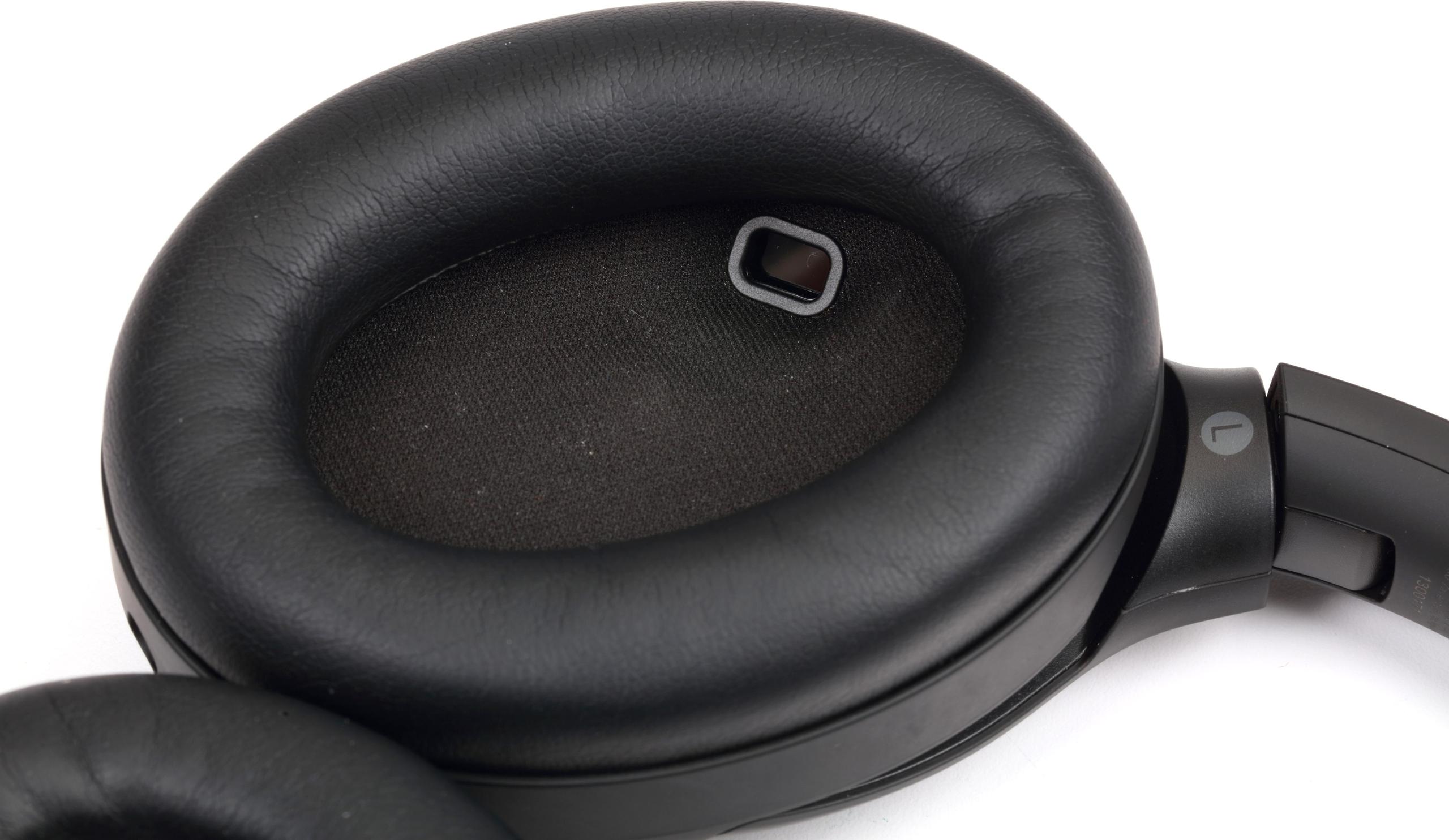
Comfort becomes crucial during extended listening sessions, and both headphones handle this differently. The Sony WH-1000XM4 weighs 254 grams compared to the Momentum 4's 293 grams—a difference you'll notice during long sessions. More importantly, Sony's headband design distributes weight more evenly across your head. The memory foam padding feels plush and accommodating.
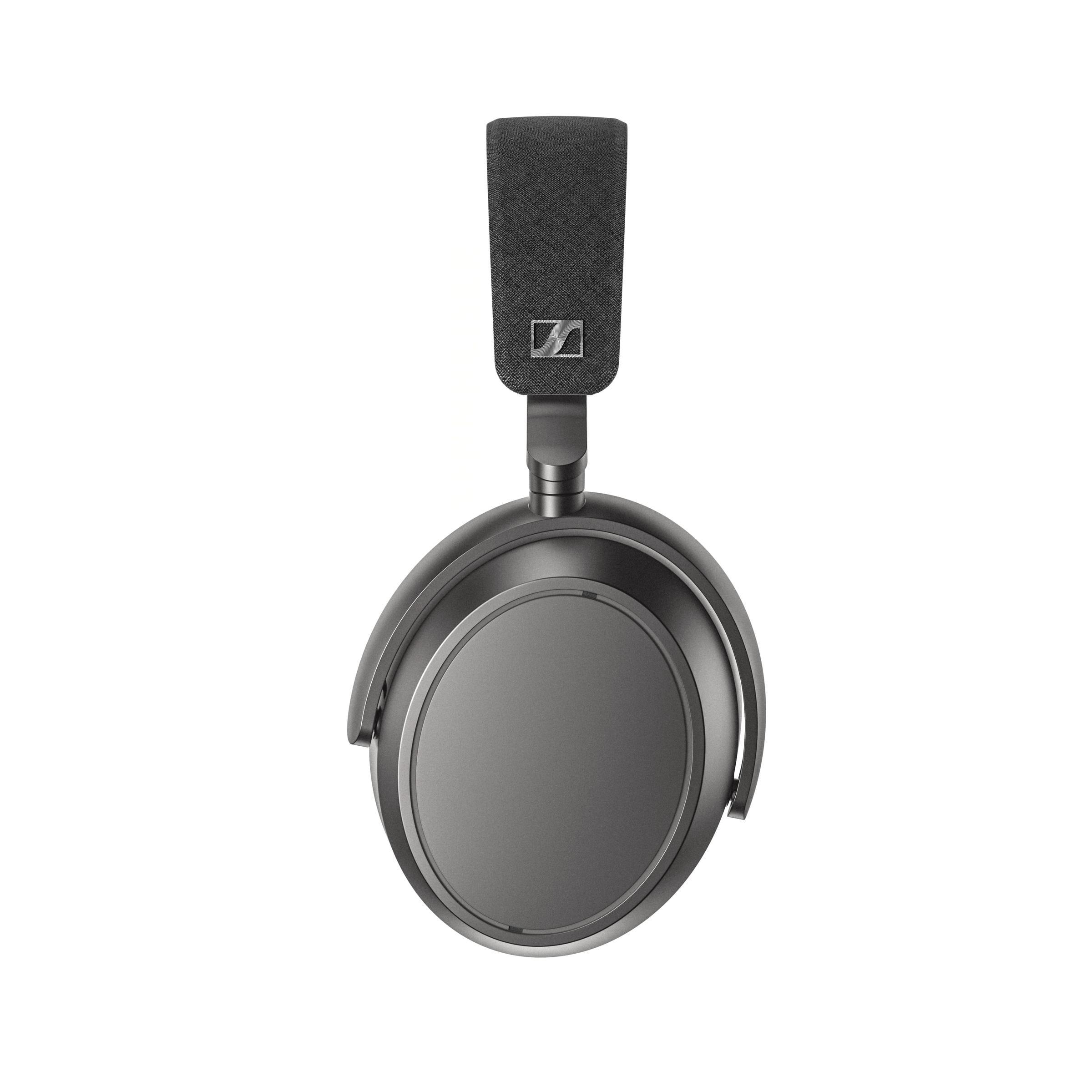
The Sennheiser Momentum 4 features deep, cushioned ear pads that create an excellent seal, but some users report pressure on the top of their head during extended wear. The build quality feels premium with fabric details and a streamlined aesthetic, though it relies more heavily on plastic construction compared to Sony's metal accent pieces.
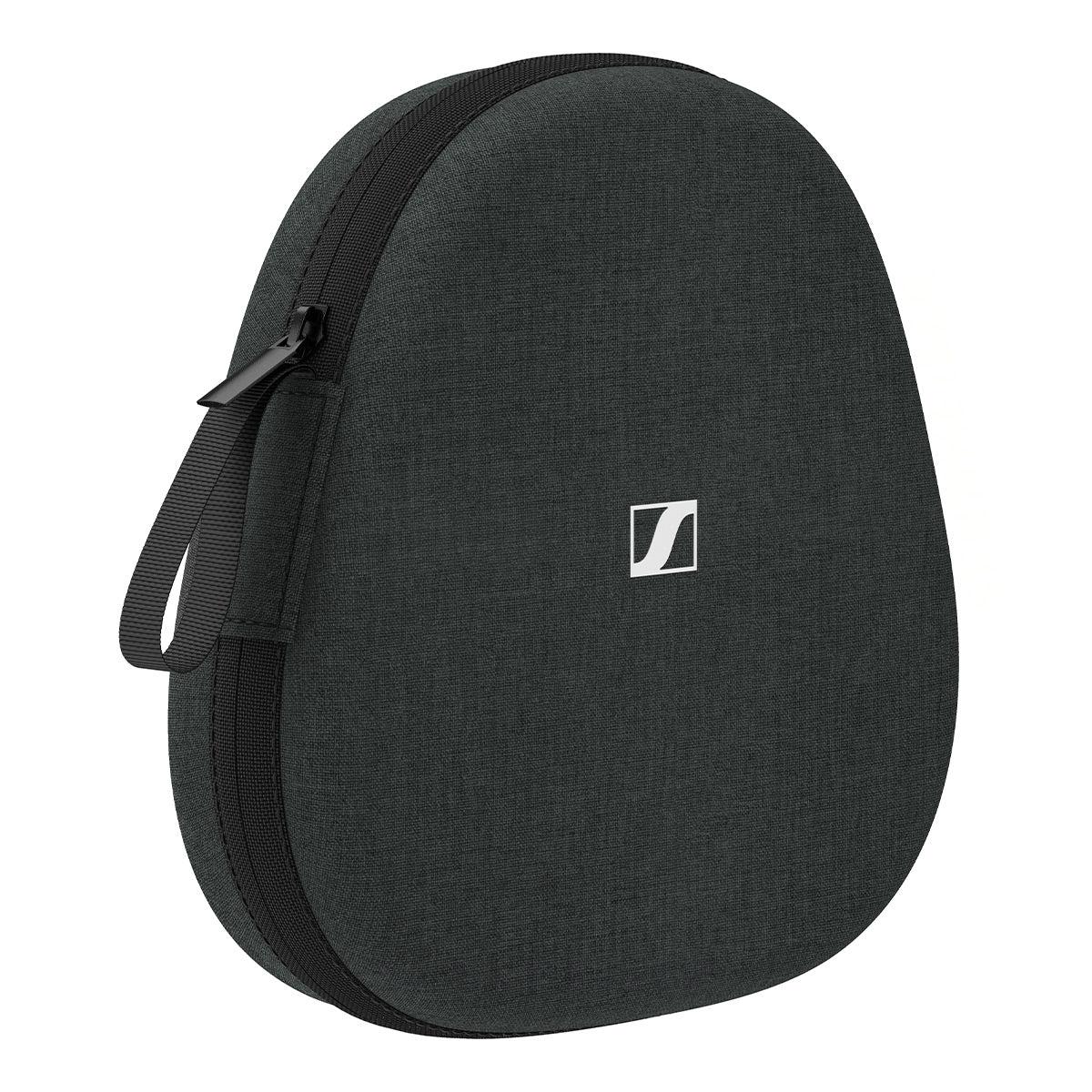
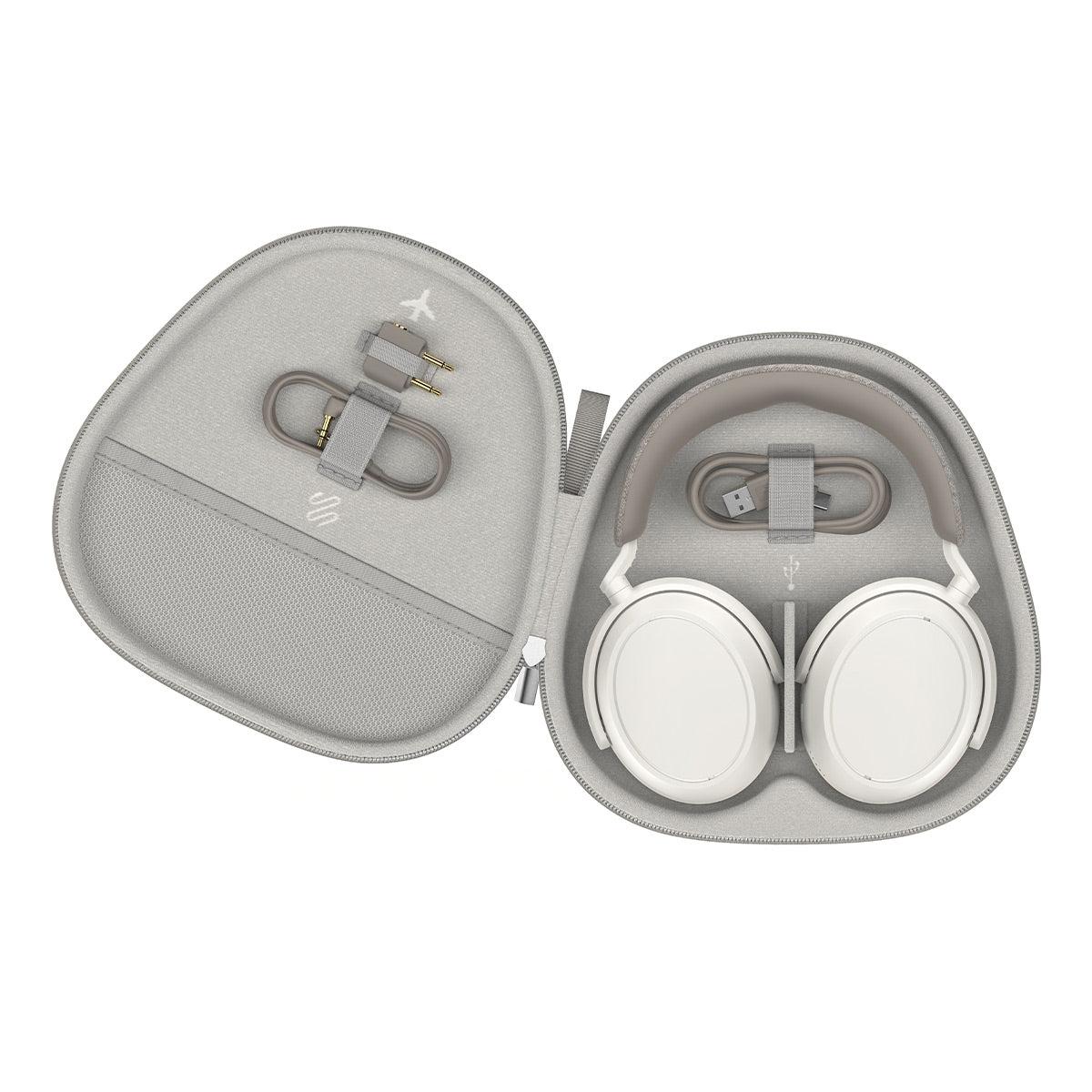
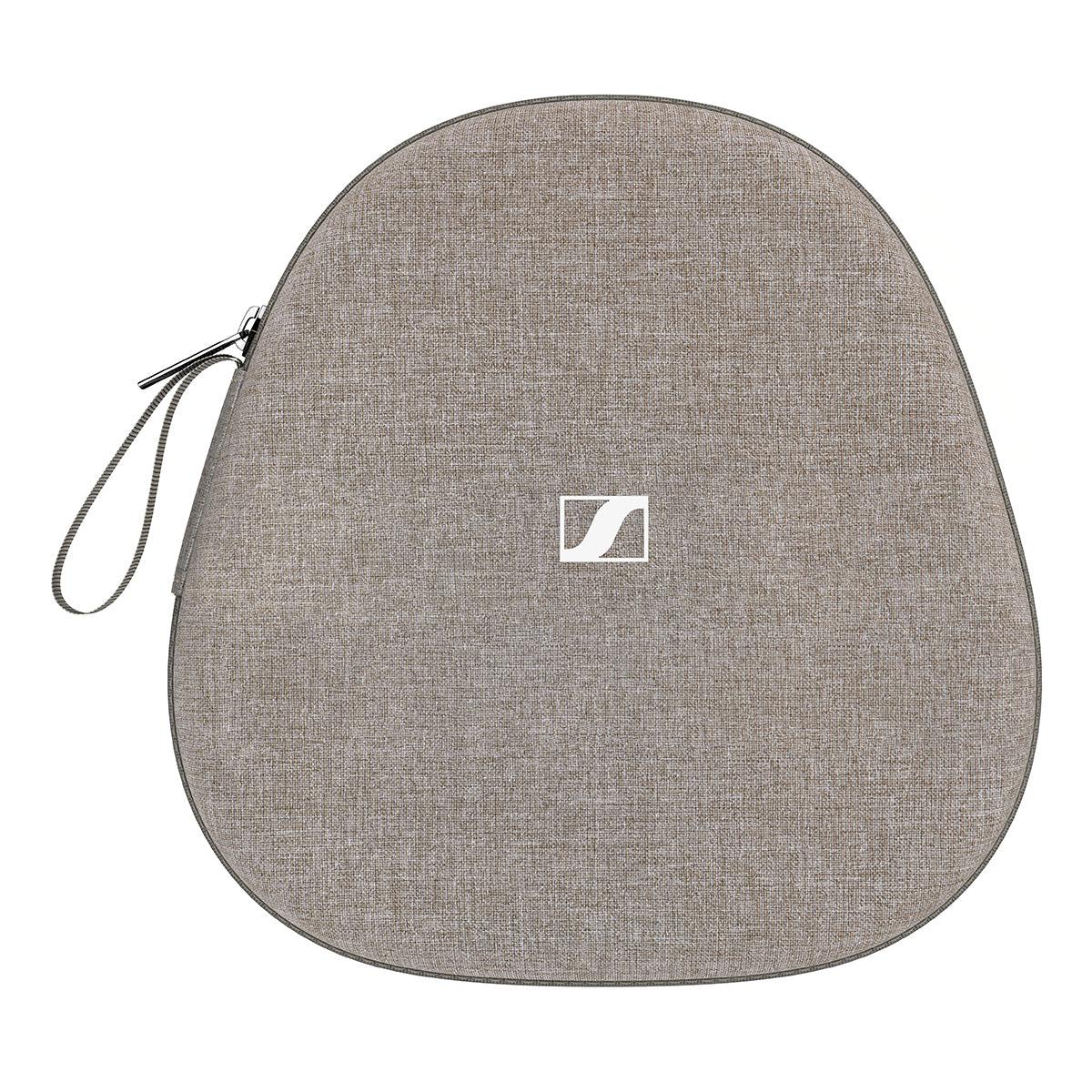
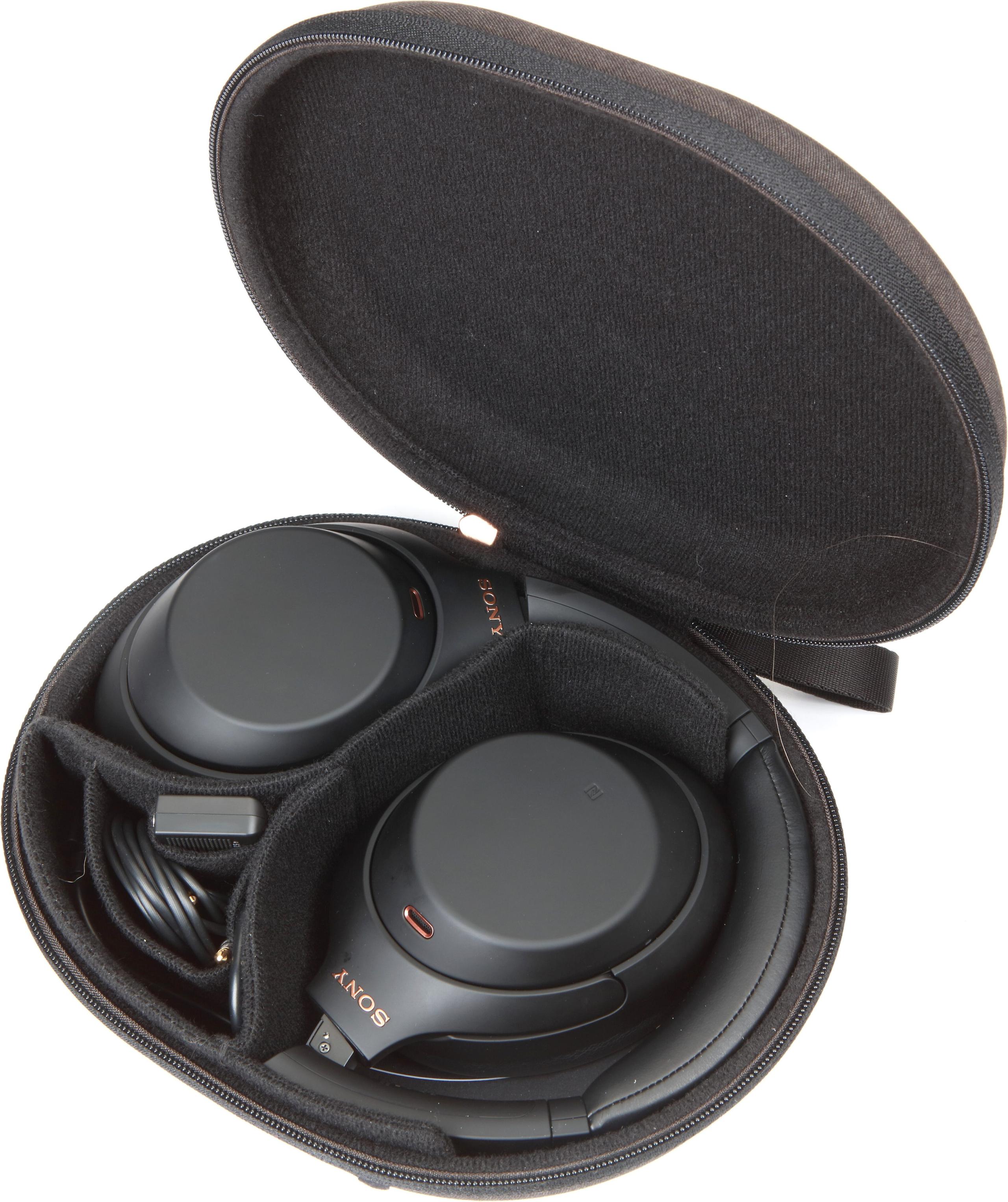
Both headphones fold for travel, though the Sony's more compact folding mechanism makes it slightly more portable. The Sennheiser Momentum 4 includes a hard carrying case, while the Sony provides a softer travel pouch.
Modern premium headphones are essentially small computers, and both models pack impressive smart functionality. The Sony WH-1000XM4 pioneered several features that have become standard, including Speak-to-Chat, which automatically pauses music and activates transparency mode when you start talking. Adaptive Sound Control learns your daily routines and automatically adjusts settings based on your location and activity.
The Sennheiser Momentum 4 counters with Sound Personalization technology, developed with Germany's Fraunhofer Institute. This system analyzes your hearing and listening preferences to create a customized sound profile. While less flashy than Sony's adaptive features, it addresses the fundamental question of audio reproduction more directly.
Both support multipoint Bluetooth connectivity, allowing connection to two devices simultaneously. However, the Sennheiser Momentum 4 uses the newer Bluetooth 5.2 standard with support for aptX Adaptive, which dynamically adjusts audio quality and latency based on your content and environment. The Sony WH-1000XM4 uses Bluetooth 5.0 with Sony's proprietary LDAC codec, which can transmit high-resolution audio at up to 990 kbps.
For voice calls, both headphones perform adequately but not exceptionally. The multiple microphones handle wind noise well, but neither matches dedicated gaming headsets or earbuds designed specifically for calls.
At current pricing, these headphones target different value propositions. The Sony WH-1000XM4 at around $169.99 represents exceptional value for anyone prioritizing noise cancellation and proven reliability. It's a mature product with wide compatibility, extensive third-party support, and a track record of software updates.
The Sennheiser Momentum 4 at $299.95 asks for a premium but delivers genuinely superior sound quality and exceptional battery life. For anyone who values audio fidelity or frequently finds themselves away from charging opportunities, the extra cost feels justified.
Consider the total cost of ownership: the Sennheiser's 60-hour battery life means less charging wear over time, potentially extending the headphone's lifespan. The USB-C connector also future-proofs your investment as micro-USB becomes increasingly obsolete.
For home theater use, the Sennheiser Momentum 4 provides a more engaging experience. The wider soundstage helps create better spatial awareness in movies and TV shows, making it easier to pinpoint dialogue and effects in the mix. The superior bass extension adds impact to action sequences and creates a more immersive experience overall.
Both headphones introduce some latency when used wirelessly, though this is generally imperceptible for most content. For serious home theater use, consider the wired connection option—both include 3.5mm cables, though the Sennheiser Momentum 4 also supports USB-C digital audio for potentially better quality from compatible sources.
Your choice between these excellent headphones should align with your primary use cases and preferences. Choose the Sennheiser Momentum 4 if you're an audio enthusiast who values sound quality above all else, frequently travels without reliable charging access, or wants a more future-proof investment with USB-C and newer Bluetooth technology.
The Sony WH-1000XM4 makes more sense if you prioritize noise cancellation for commuting or office work, prefer lighter weight for extended wear, want proven reliability at an attractive price point, or value Sony's mature ecosystem of features and app support.
Both headphones represent excellent choices in the premium wireless ANC category. The Sennheiser Momentum 4 pushes the boundaries of wireless audio quality and battery life, while the Sony WH-1000XM4 delivers a comprehensive, well-rounded package that excels in everyday usability. Your personal priorities will determine which approach serves you better, but either choice will provide years of exceptional listening experiences.
| Sennheiser Momentum 4 Wireless | Sony WH-1000XM4 |
|---|---|
| Price - Current market value for premium wireless ANC headphones | |
| $299.95 (newer 2022 model with premium features) | $169.99 (mature 2020 model, often discounted) |
| Battery Life - Critical for travel and daily use without frequent charging | |
| 60 hours with ANC on (industry-leading endurance) | 30 hours with ANC on (still excellent, standard for premium) |
| Sound Quality Rating - Overall audio performance and fidelity | |
| 8.5/10 (audiophile-grade with superior bass and soundstage) | 7.9/10 (consumer-friendly tuning, smooth presentation) |
| Active Noise Cancellation - Essential for travel and noisy environments | |
| Good adaptive ANC, competitive but not class-leading | Industry-leading ANC with superior mid-range cancellation |
| Driver Size & Frequency Response - Determines sound reproduction capability | |
| 42mm dynamic drivers, 6Hz-22kHz range | 40mm LCP drivers, 4Hz-40kHz range |
| Weight - Affects comfort during extended listening sessions | |
| 293g (slightly heavier, may cause head pressure) | 254g (lighter, better for long sessions) |
| Charging Port - Future-proofing and convenience consideration | |
| USB-C (modern standard, future-proof) | Micro-USB (older standard, becoming obsolete) |
| Bluetooth Version - Affects connection stability and codec support | |
| Bluetooth 5.2 with aptX Adaptive (newer, more efficient) | Bluetooth 5.0 with LDAC (proven, high-resolution capable) |
| Quick Charging - Emergency power when battery is low | |
| 5 minutes = 4 hours playback | 10 minutes = 5 hours playback |
| Comfort Design - Critical for extended wear without fatigue | |
| Deep cushioned earpads, firmer headband (some head pressure) | Plush memory foam, superior headband distribution |
| Soundstage - Spatial audio experience and immersion quality | |
| Wide, open soundstage (excellent for movies/gaming) | Intimate, close soundstage (good for vocals/podcasts) |
| Bass Performance - Low-frequency reproduction and impact | |
| Superior sub-bass extension and impact | Upper bass emphasis, less sub-bass depth |
| Smart Features - App integration and adaptive functionality | |
| Sound Personalization, Auto On/Off, Smart Pause | Speak-to-Chat, Adaptive Sound Control, location learning |
| Best Use Cases - Ideal scenarios for each headphone | |
| Audiophiles, long travel, home theater, critical listening | Commuting, office work, frequent flyers, budget-conscious |
The Sennheiser Momentum 4 Wireless delivers superior sound quality with audiophile-grade clarity, wider soundstage, and better bass extension. It's rated 8.5/10 compared to the Sony WH-1000XM4's 7.9/10 rating. The Sennheiser offers more detailed treble and impactful sub-bass, making it ideal for critical listening and music enthusiasts.
The Sony WH-1000XM4 has industry-leading active noise cancellation that outperforms the Sennheiser Momentum 4. Sony's dual noise sensor technology and HD Noise Cancelling Processor QN1 provide superior mid-range noise cancellation, making it better for travel, commuting, and noisy environments.
The Sennheiser Momentum 4 Wireless offers exceptional 60-hour battery life with ANC enabled, doubling the Sony WH-1000XM4's 30-hour capacity. This makes the Sennheiser ideal for extended travel and users who frequently forget to charge their devices.
The Sony WH-1000XM4 is more comfortable for extended wear due to its lighter weight (254g vs 293g) and superior headband padding that distributes pressure more evenly. Some users report head pressure with the Sennheiser Momentum 4 during long sessions, despite its deep cushioned earpads.
The Sony WH-1000XM4 costs $169.99, making it significantly more affordable than the Sennheiser Momentum 4 Wireless at $299.95. The Sony offers excellent value for budget-conscious buyers, while the Sennheiser justifies its premium price with superior sound quality and 60-hour battery life.
The Sennheiser Momentum 4 Wireless is better for home theater use due to its wider soundstage that creates better spatial awareness for movies and TV shows. The superior bass extension adds more impact to action sequences, making the viewing experience more immersive than the Sony WH-1000XM4.
Yes, both support premium codecs but differently. The Sennheiser Momentum 4 uses Bluetooth 5.2 with aptX Adaptive, while the Sony WH-1000XM4 features Bluetooth 5.0 with Sony's LDAC codec that can transmit up to 990 kbps for high-resolution audio streaming.
Both offer excellent smart features but with different approaches. The Sony WH-1000XM4 provides Speak-to-Chat and Adaptive Sound Control that learns your routines, while the Sennheiser Momentum 4 offers Sound Personalization technology that creates customized audio profiles based on your hearing preferences.
The Sennheiser Momentum 4 Wireless uses modern USB-C charging and provides 4 hours of playback from a 5-minute charge. The Sony WH-1000XM4 still uses older micro-USB but offers 5 hours from a 10-minute charge. The Sennheiser's USB-C is more future-proof.
For frequent travelers, choose based on priority: the Sony WH-1000XM4 for superior noise cancellation and lighter weight, or the Sennheiser Momentum 4 for exceptional 60-hour battery life that eliminates charging anxiety during long trips.
Yes, both the Sennheiser Momentum 4 Wireless and Sony WH-1000XM4 include 3.5mm auxiliary cables for wired listening when the battery is depleted. However, the Sony's passive wired performance is notably inferior to its powered mode, while the Sennheiser maintains better sound quality when used passively.
The Sennheiser Momentum 4 Wireless offers better long-term value for audiophiles with its superior sound quality, 60-hour battery life, and future-proof USB-C charging. The Sony WH-1000XM4 provides excellent immediate value at $169.99 for users prioritizing noise cancellation and proven reliability over premium audio performance.
We've done our best to create useful and informative comparisons to help you decide what product to buy. Our research uses advanced automated methods to create this comparison and perfection is not possible - please contact us for corrections or questions. These are the sites we've researched in the creation of this article: recordingnow.com - recordingnow.com - soundguys.com - tomsguide.com - headphones.com - thegreatestsong.com - forum.headphones.com - loudnwireless.com - bloomaudio.com - loudnwireless.com - sennheiser-hearing.com - bhphotovideo.com - audio46.com - techpowerup.com - moon-audio.com - bloomaudio.com - pianoclack.com - gsmarena.com - rtings.com - soundguys.com - headphones.com - recordingnow.com - electronics.sony.com - rtings.com - headphonereview.com - youtube.com - audiosciencereview.com - cnet.com - hyderseatravels.com - sony.com - sonylatvija.com - sony.com - sony.com - electronics.sony.com - sony.com - headphonecheck.com - fullspecs.net - sony.com - uclastore.com - bestbuy.com - sony.ca - helpguide.sony.net - device.report

Privacy Policy
Terms and Conditions - Affiliate Policy
Home Security
© Copyright 2008-2026.
11816 Inwood Rd #1211, Dallas, TX 75244