


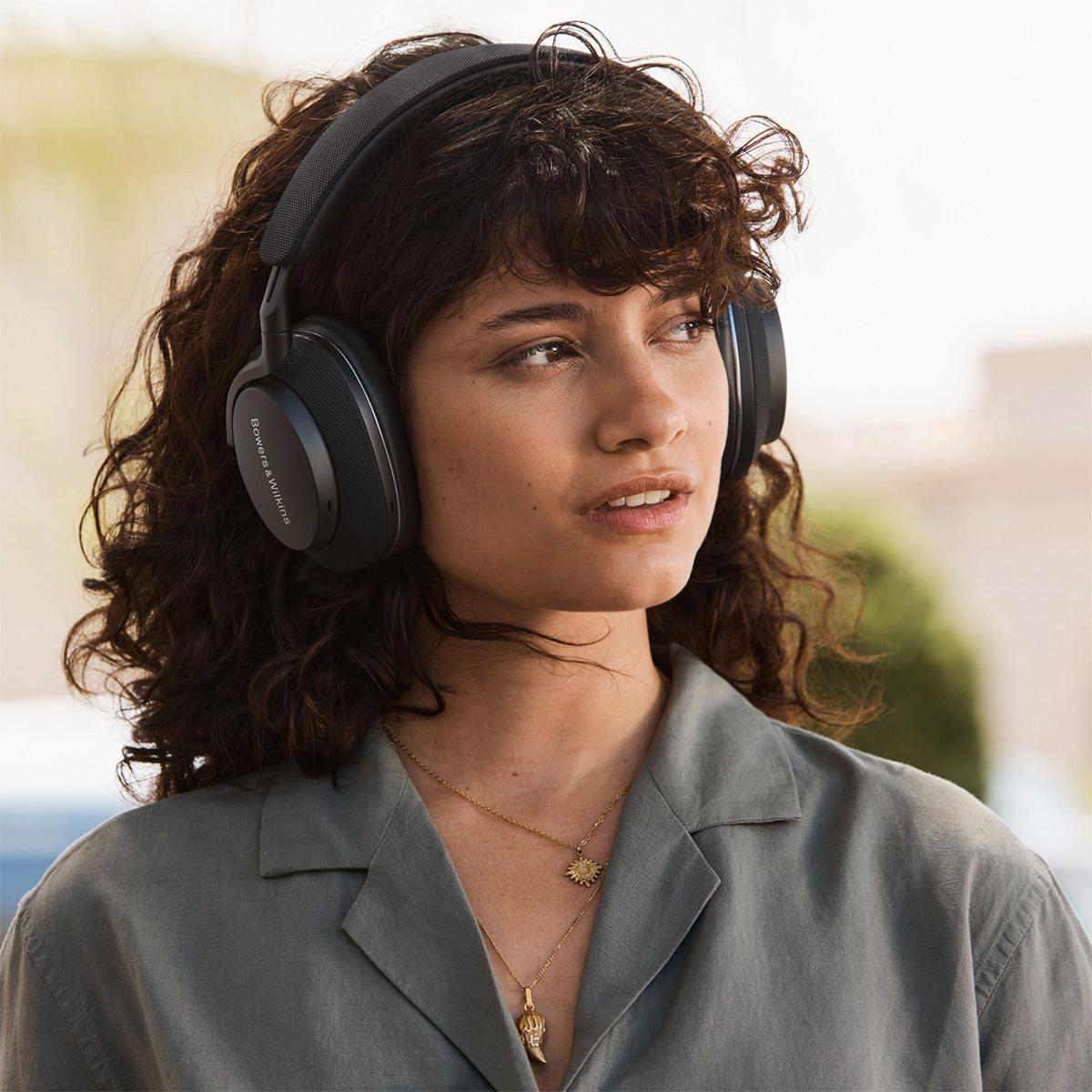
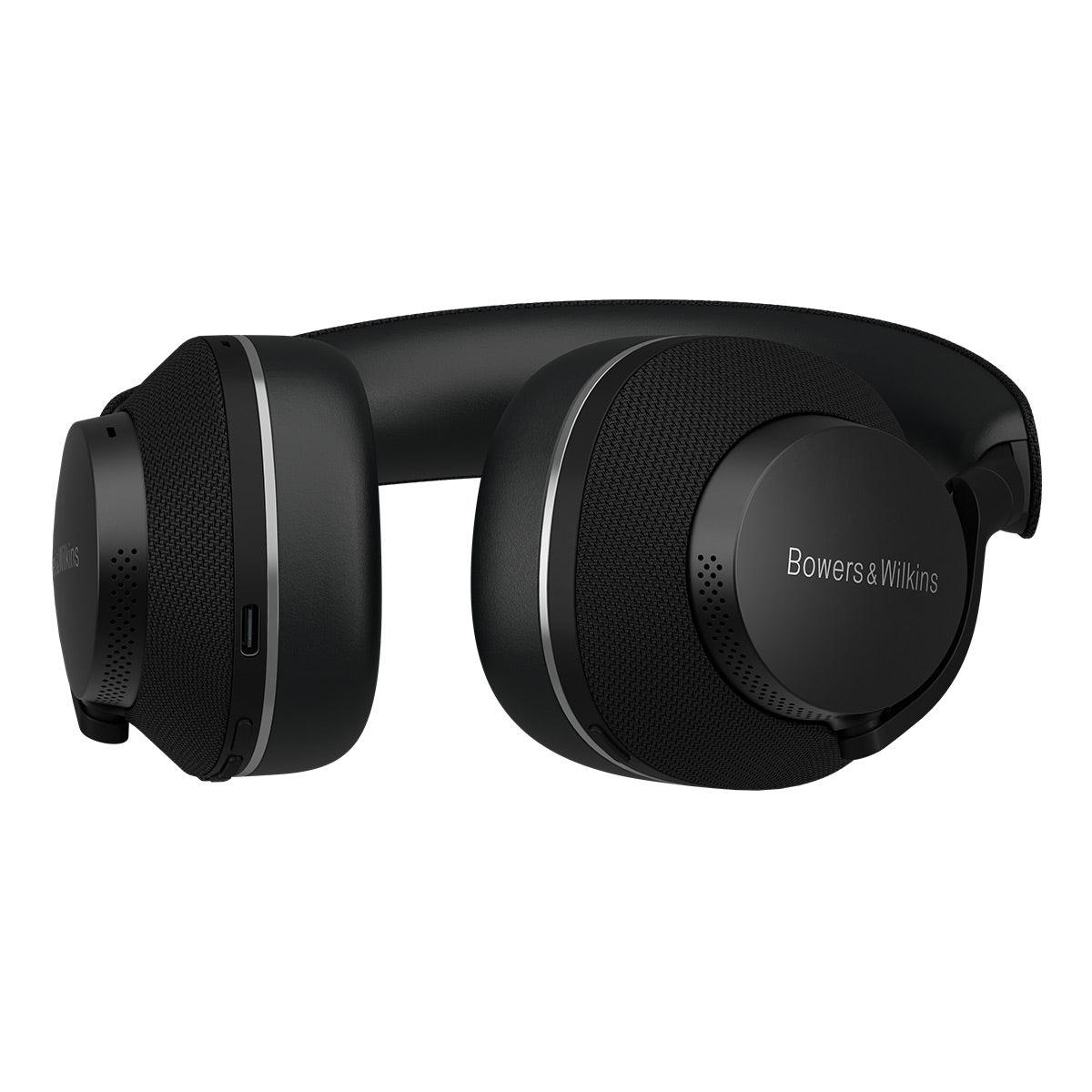
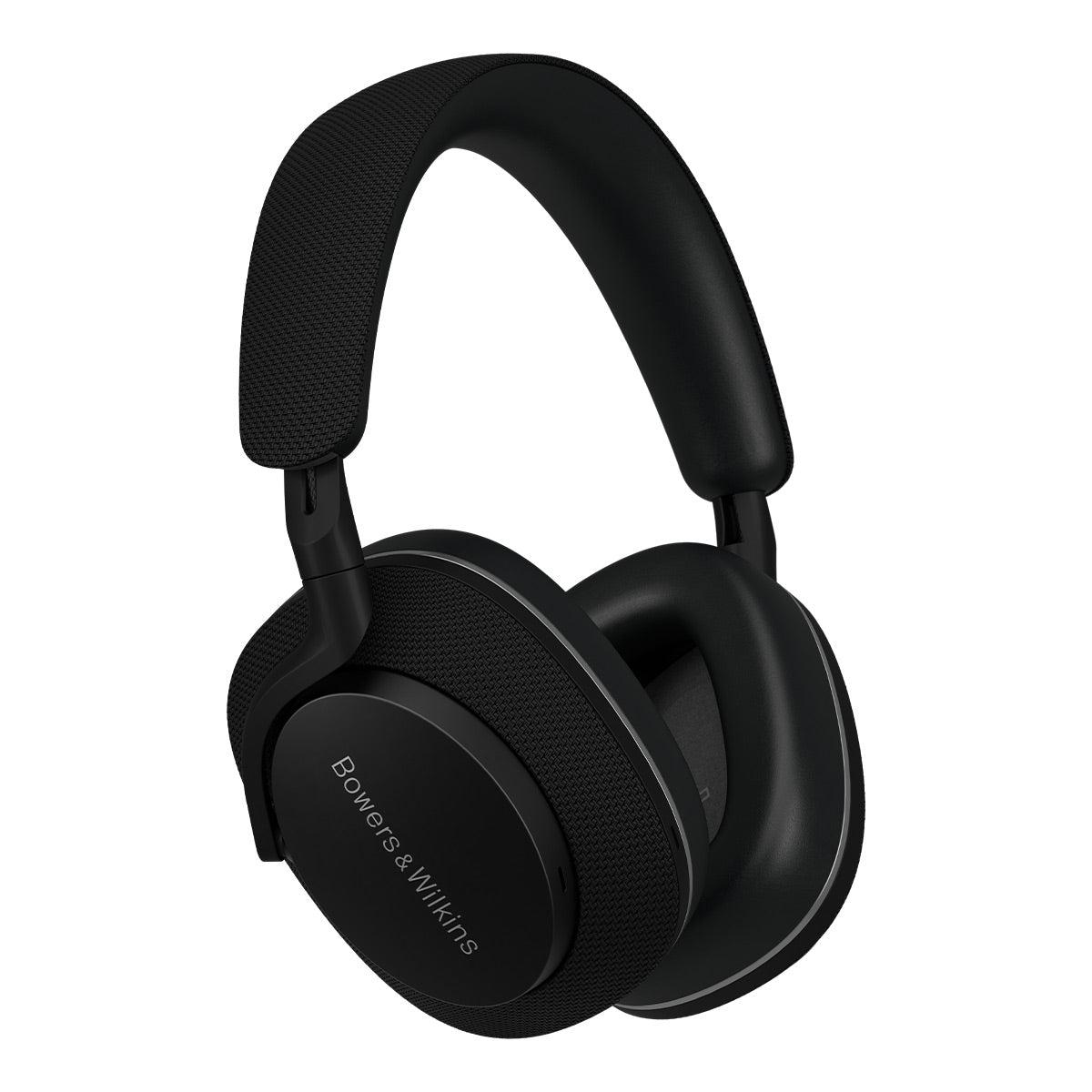
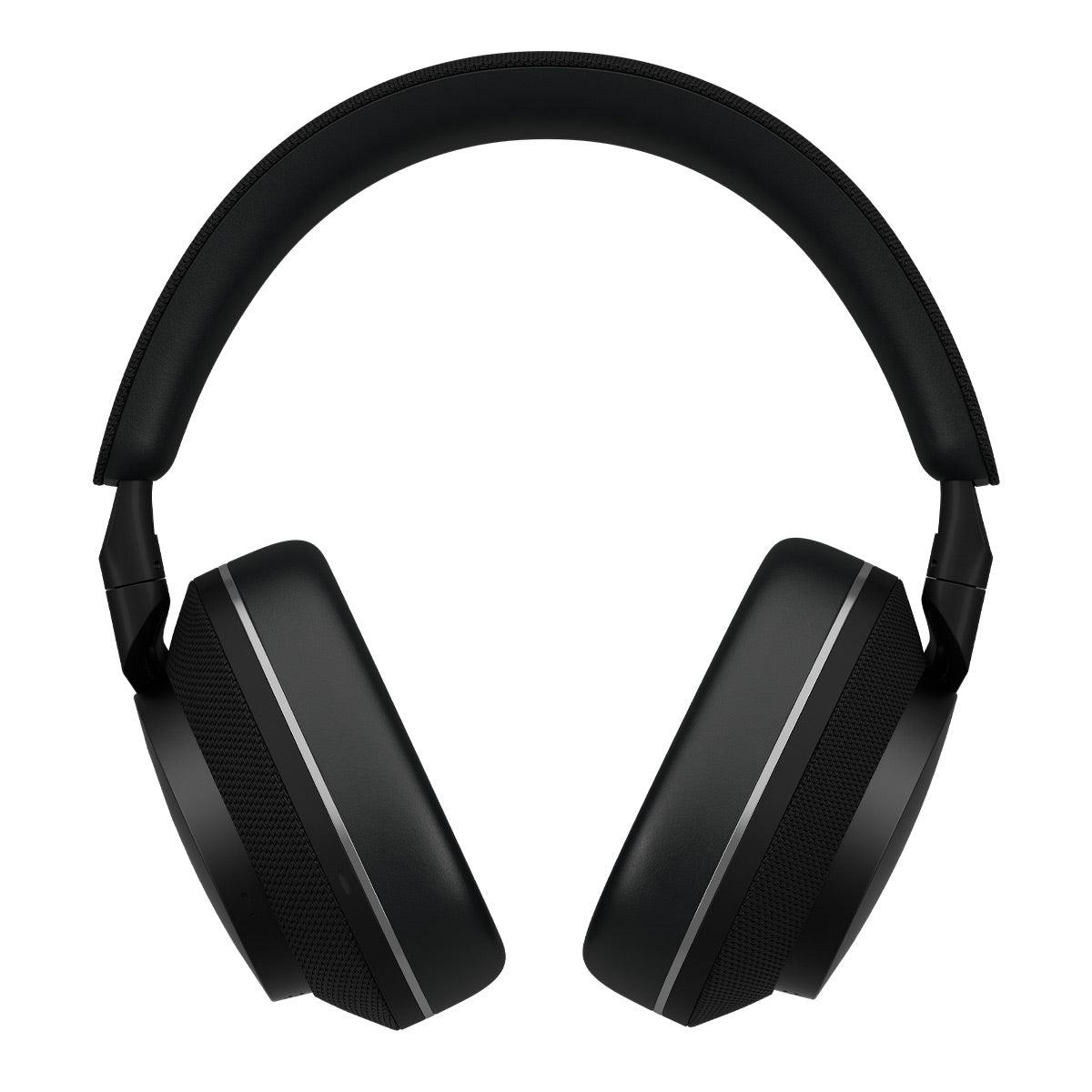
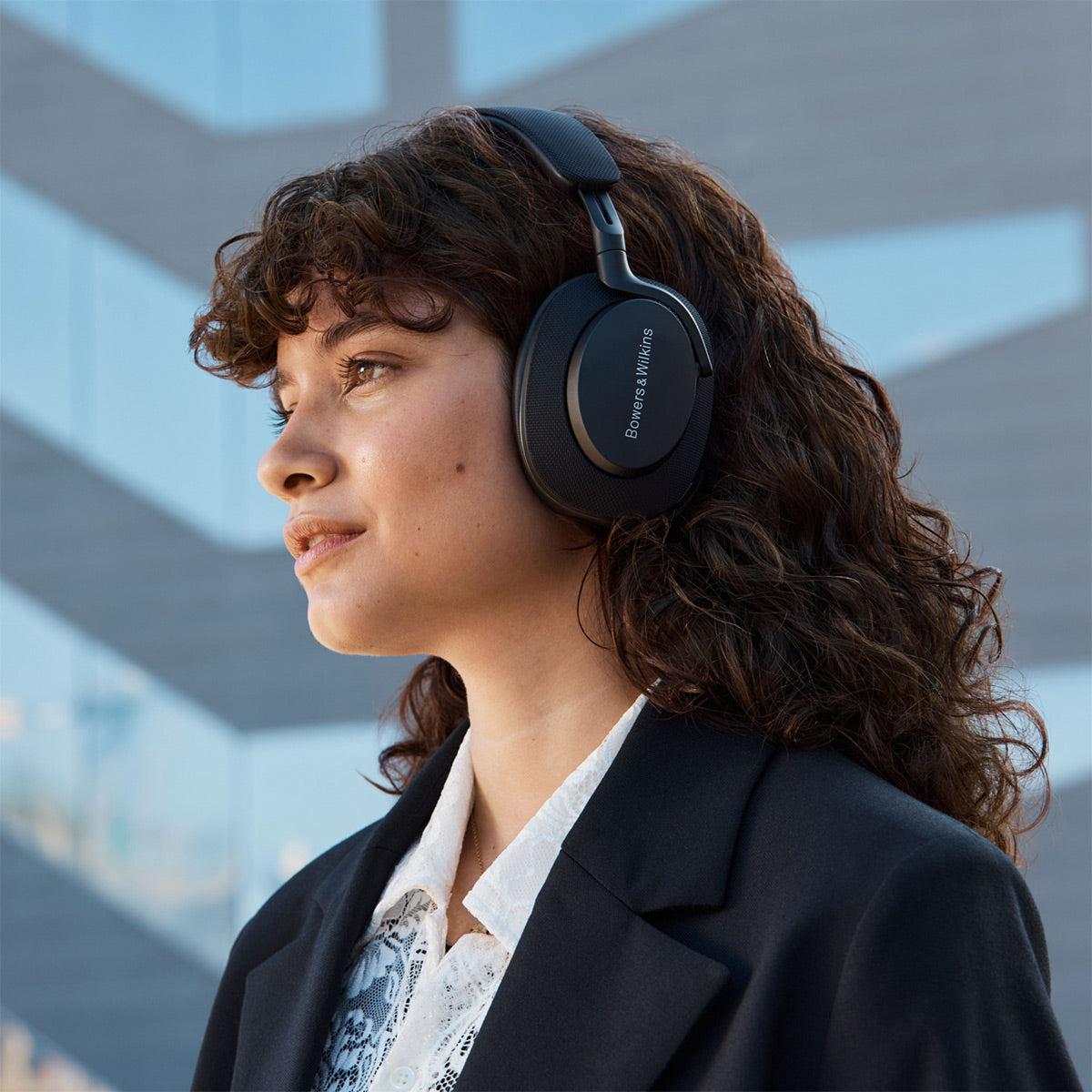
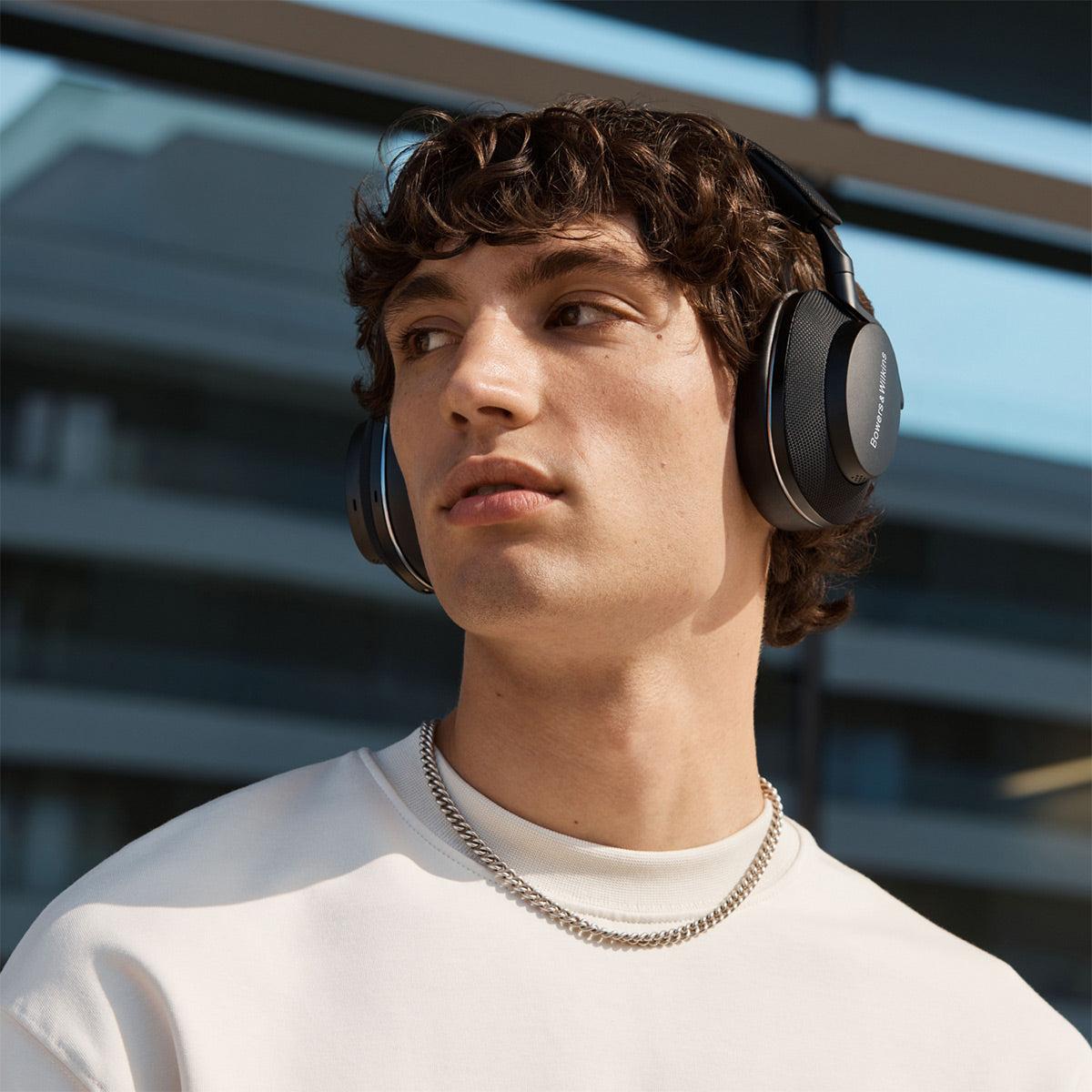
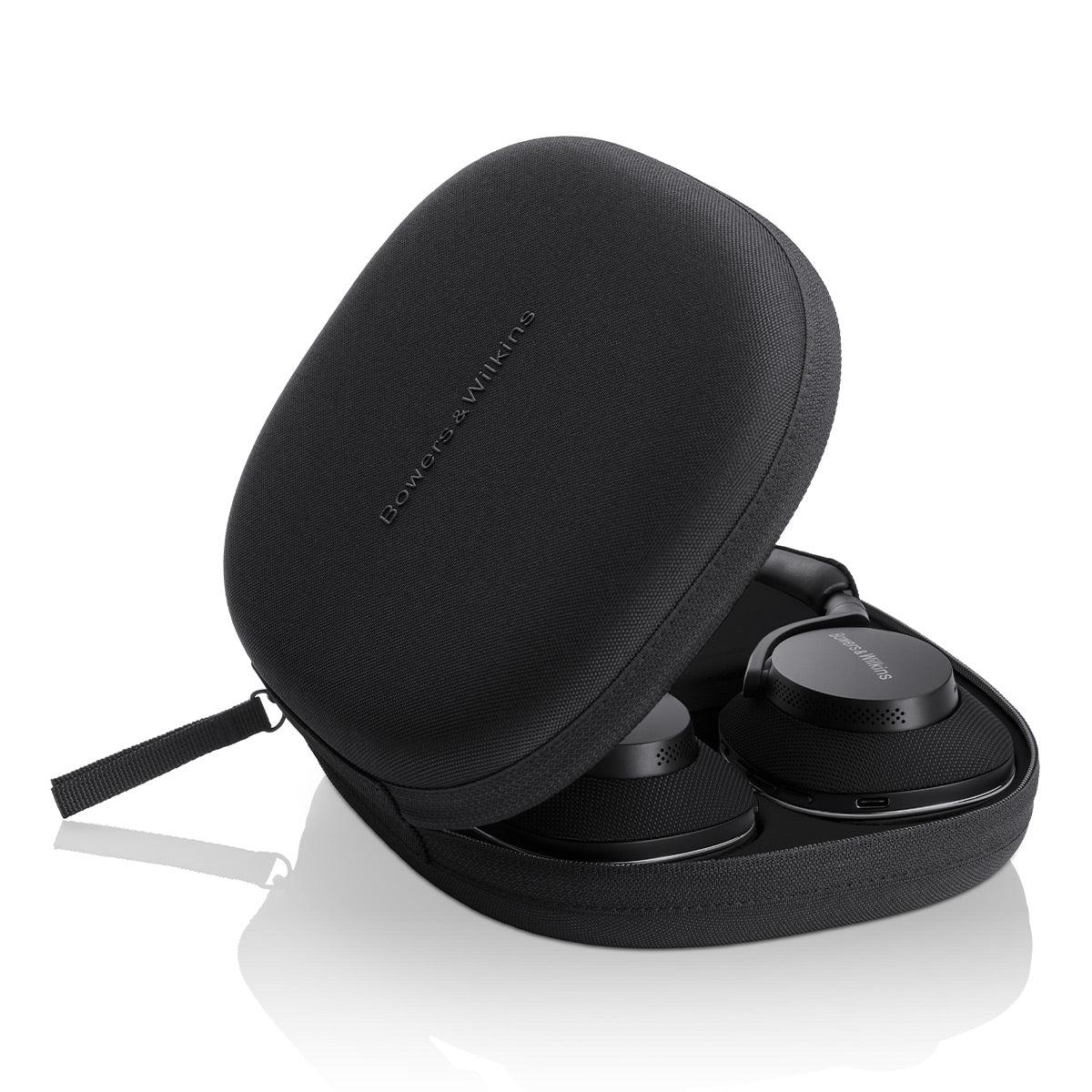
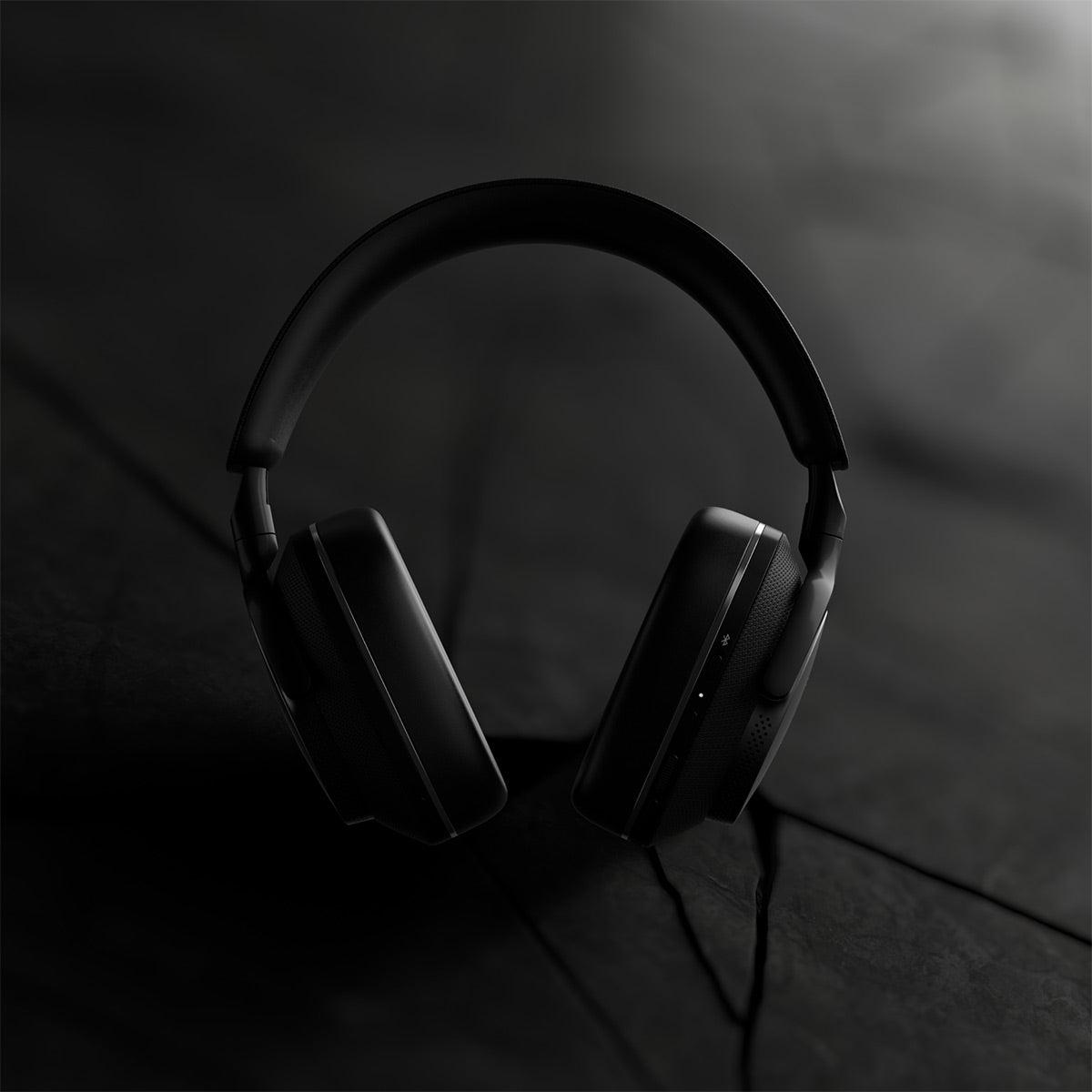
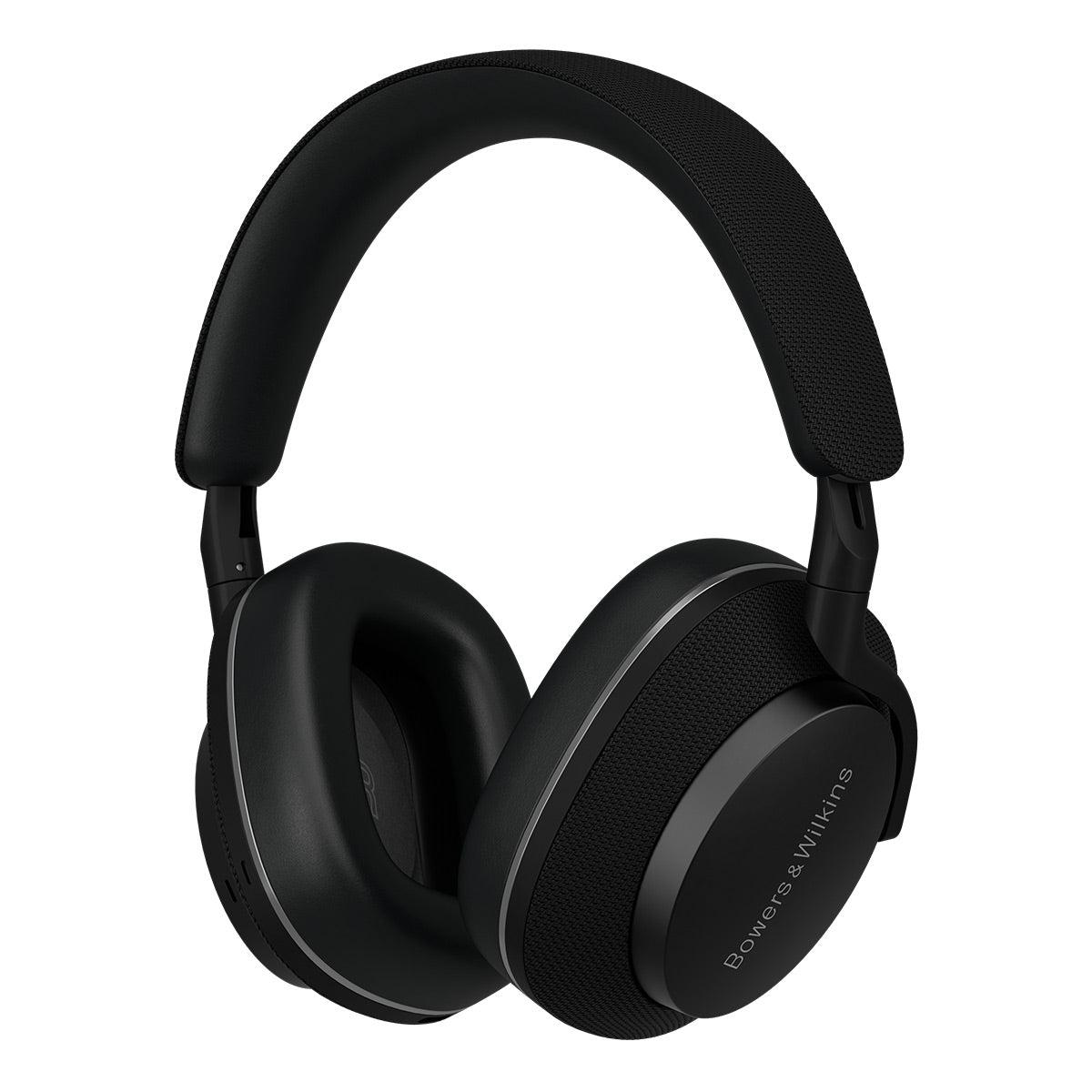
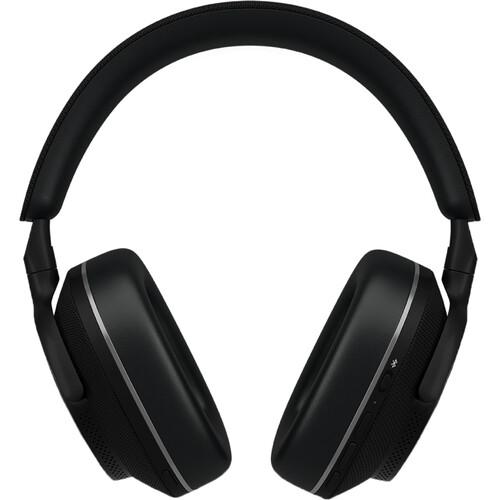
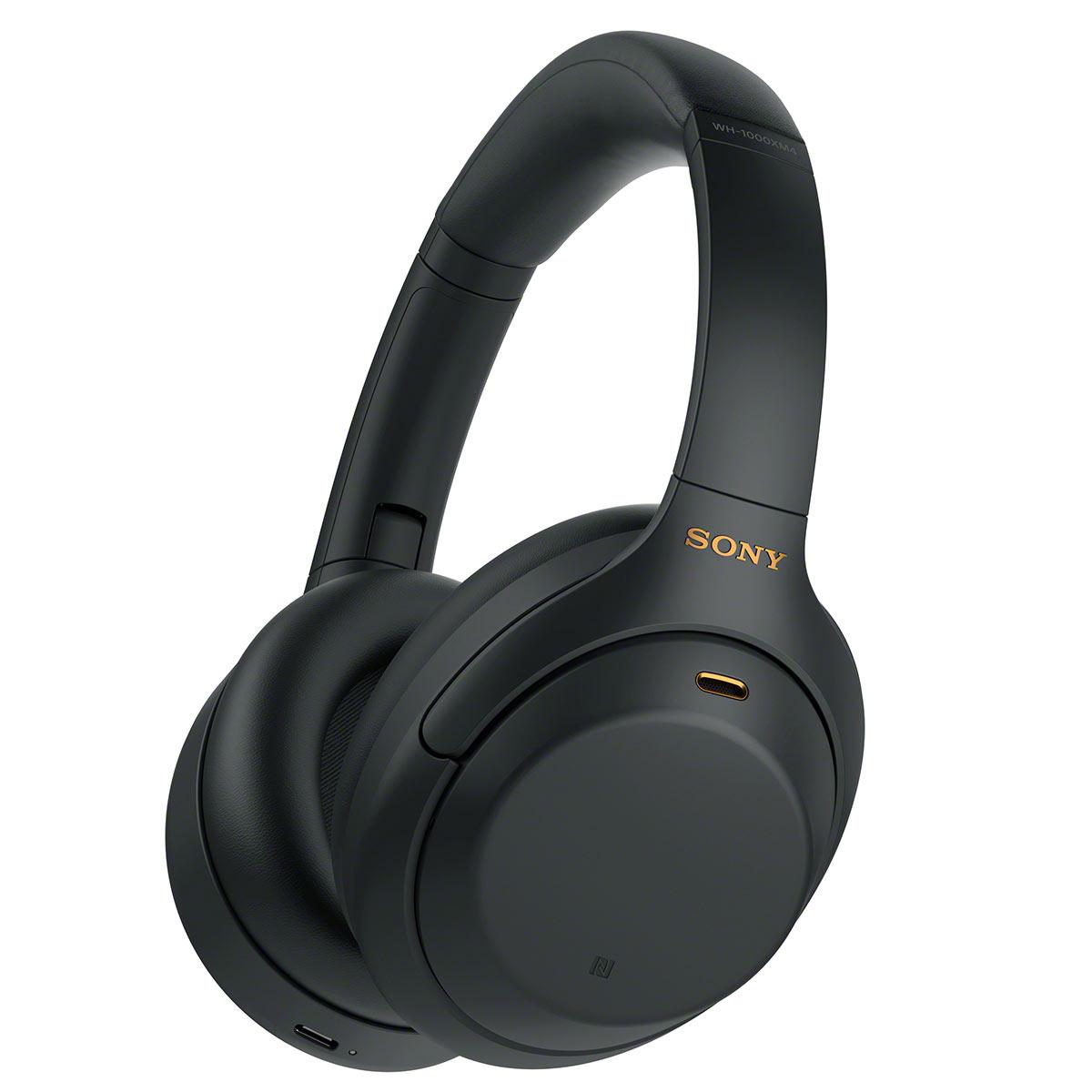
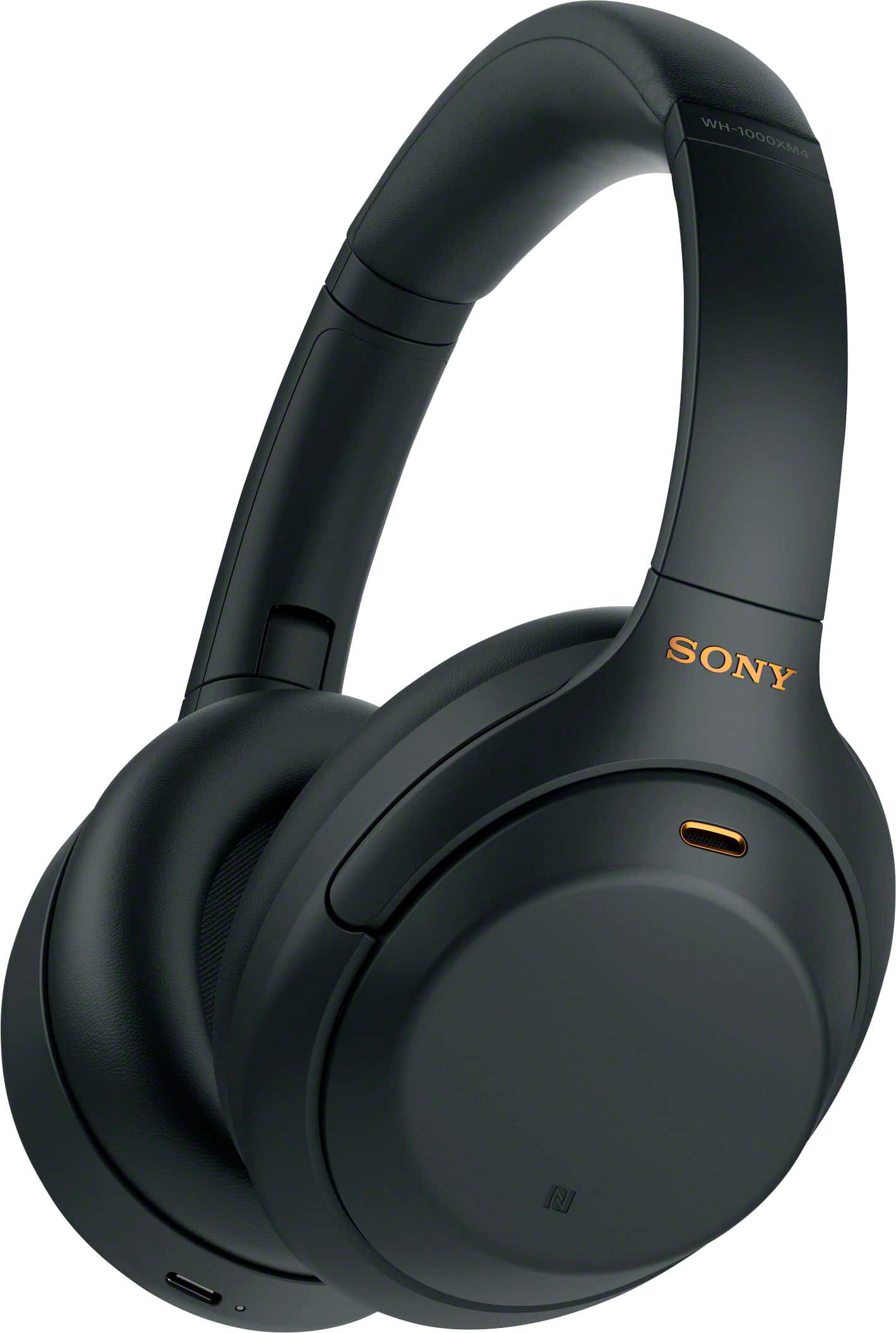
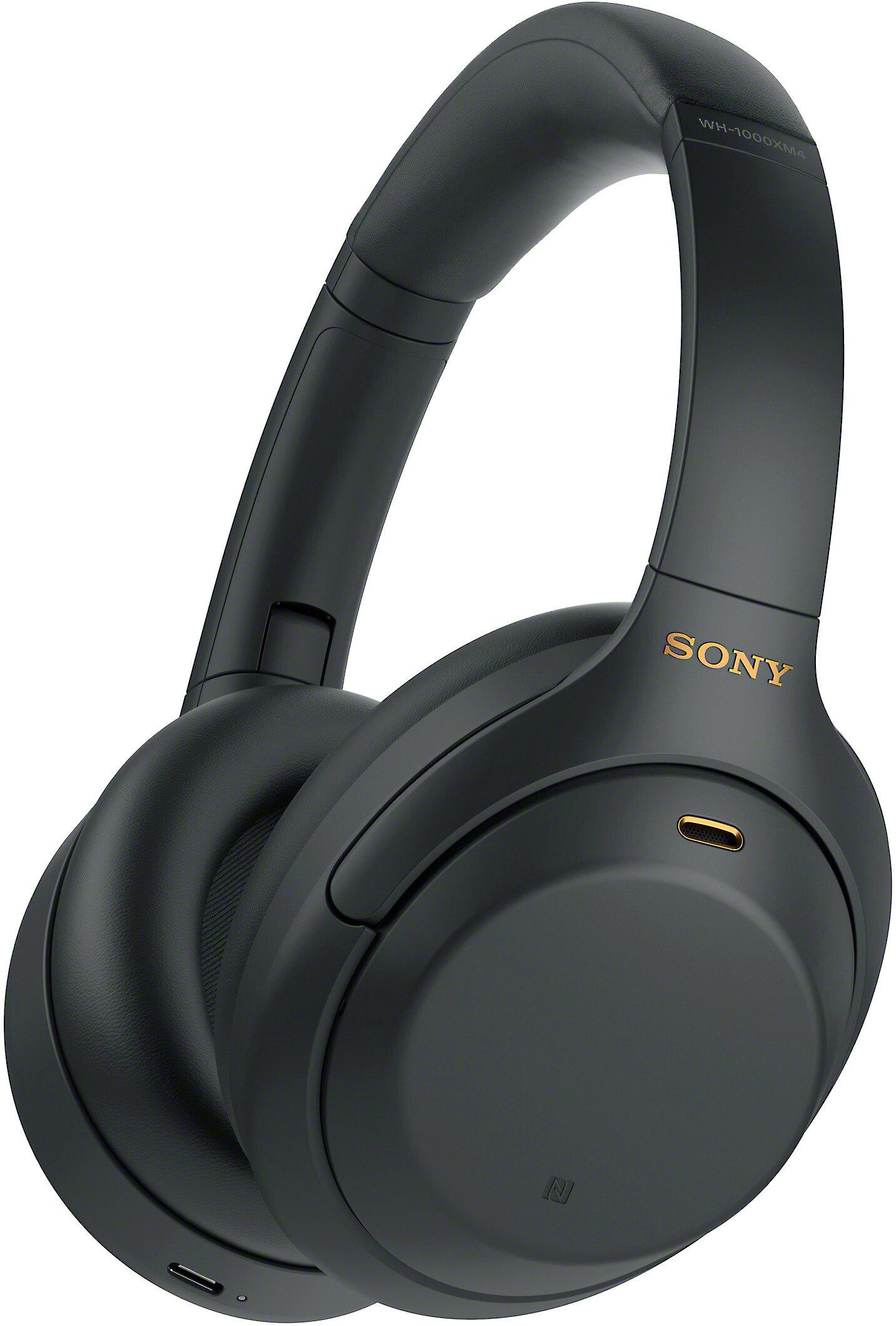

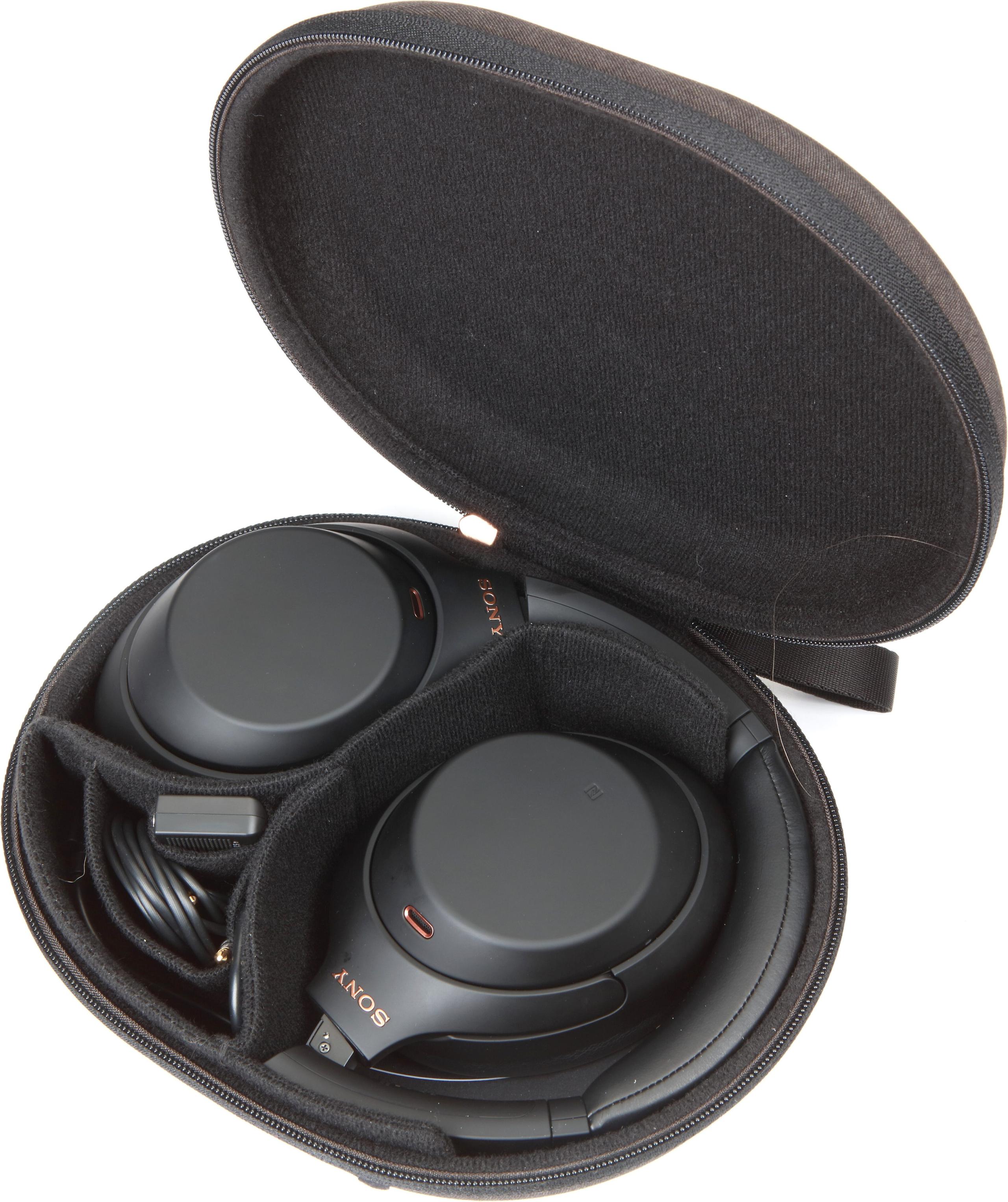

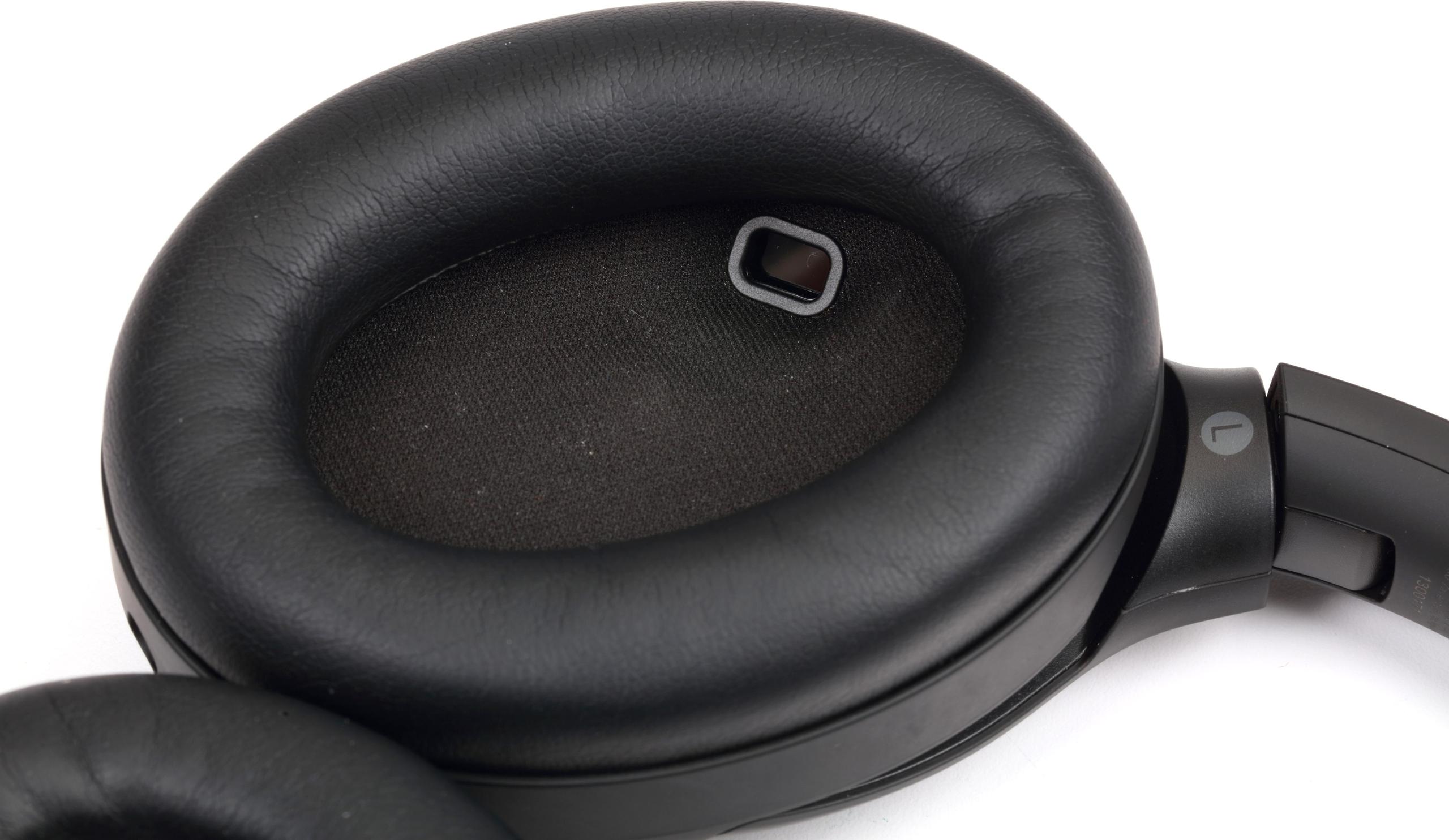
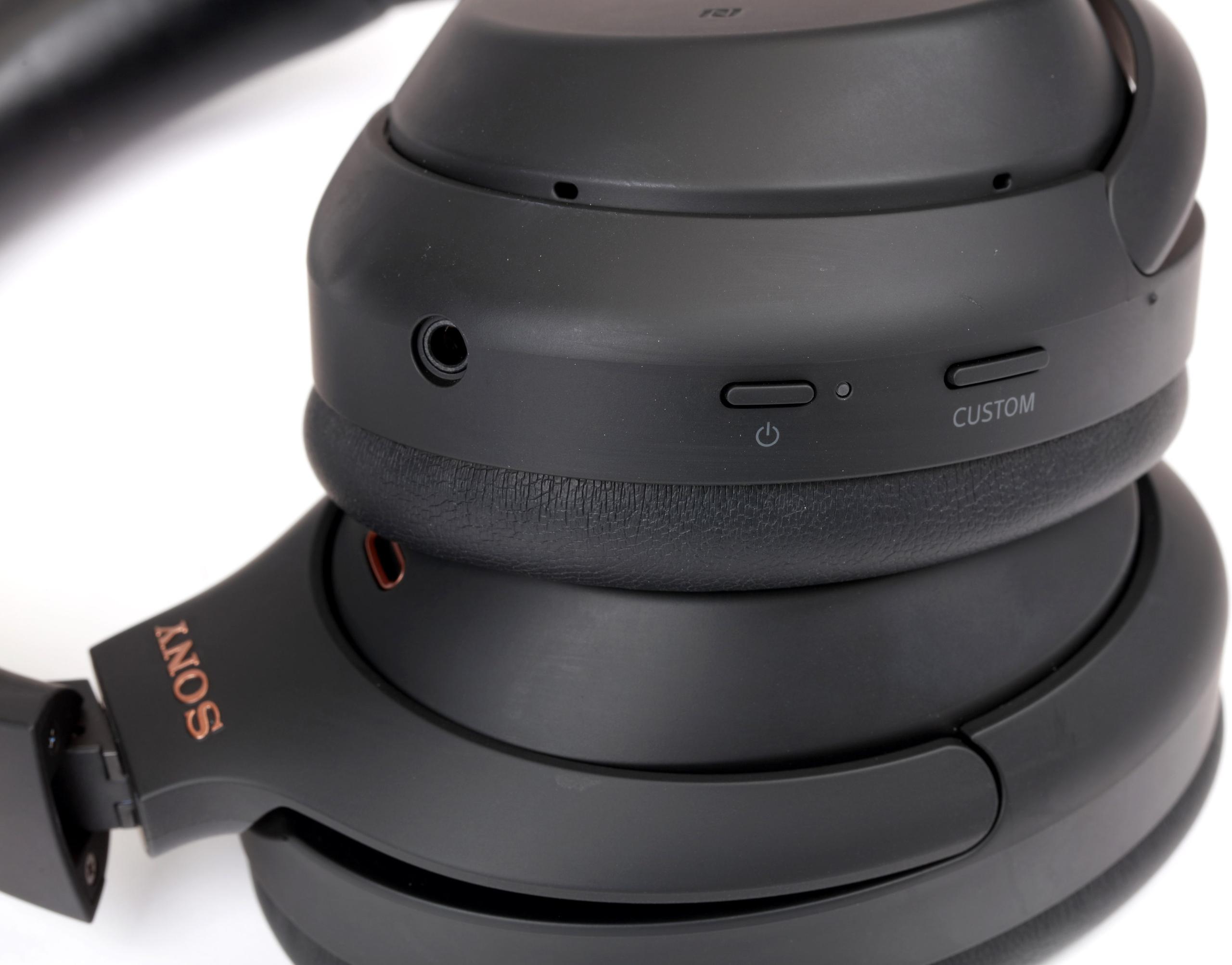
When you're ready to invest in premium wireless headphones, the choice can feel overwhelming. Two standouts that represent different philosophies in high-end audio are the Bowers & Wilkins Px7 S2e ($351.99) and the Sony WH-1000XM4 ($169.99). While both deliver excellent performance, they take distinctly different approaches to what makes a great pair of headphones.
Premium wireless over-ear headphones serve multiple roles in our daily lives. They're your personal concert hall during music listening sessions, productivity tools that block out office distractions, and travel companions that make long flights bearable. The best models excel across several key areas: sound quality that rivals wired headphones, active noise cancellation (ANC) that creates a bubble of silence, comfort for hours-long wear, smart features that adapt to your lifestyle, and battery life that lasts through your longest days.
The technology in this category has evolved rapidly. Digital signal processing (DSP) – essentially computer chips that fine-tune audio in real-time – now handles complex tasks like noise cancellation and sound optimization. Modern headphones also pack multiple microphones, advanced Bluetooth codecs (compression methods that maintain audio quality wirelessly), and AI-powered features that learn your preferences.
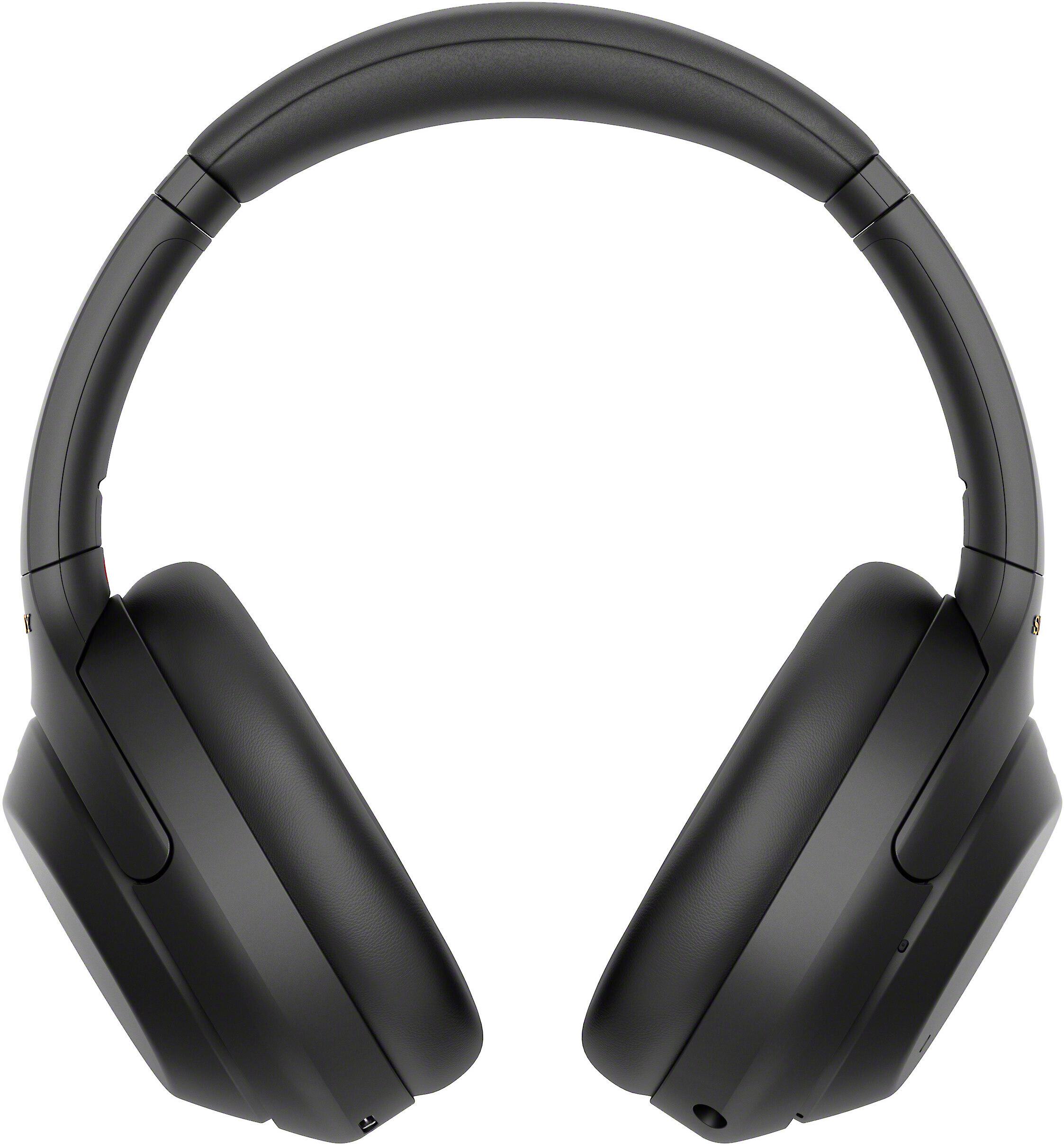
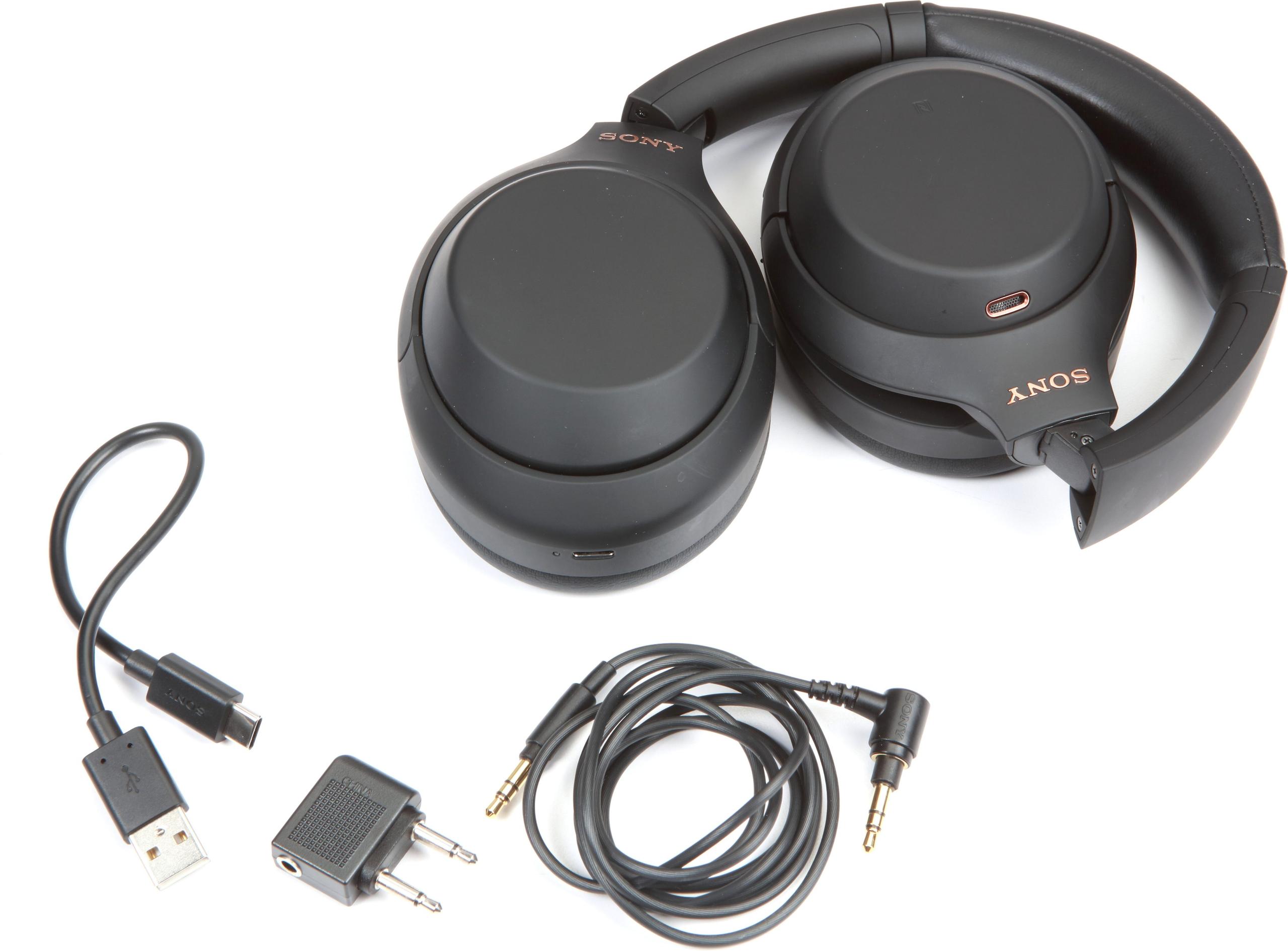
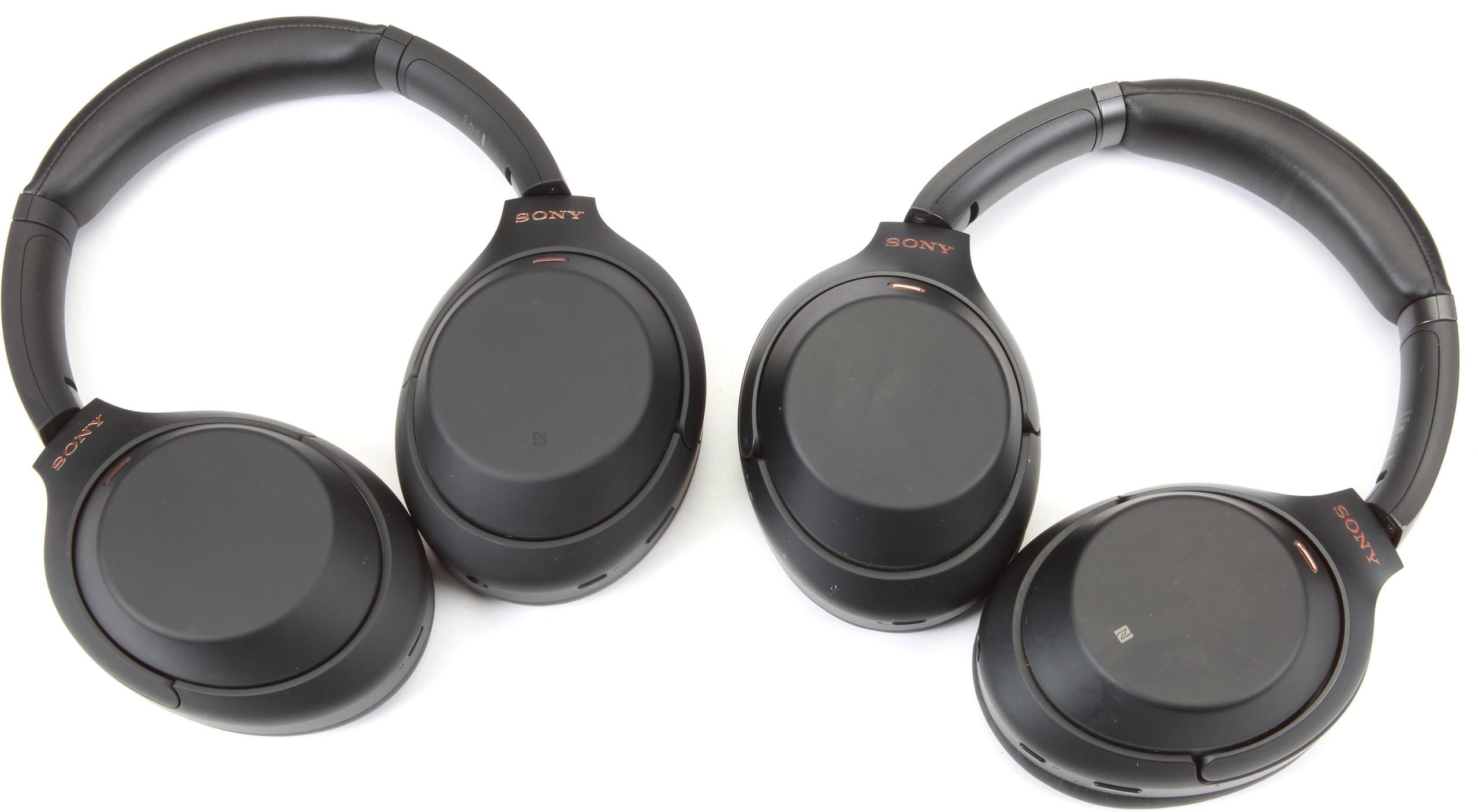
The Sony WH-1000XM4 launched in September 2020 at $350, representing Sony's fourth generation of their flagship noise-canceling headphones. By 2020, Sony had refined their formula to near-perfection, building on years of iterative improvements in noise cancellation algorithms and sound tuning.
The Bowers & Wilkins Px7 S2e arrived much later in September 2023 at $399, marking the second major update to B&W's wireless series in just 18 months. This rapid iteration cycle showed B&W's determination to compete with established leaders like Sony and Bose. The "S2e" designation indicates this is an enhanced version of the second-generation Px7, incorporating lessons learned from their flagship Px8 model.
The three-year gap between these releases means different market contexts. Sony's model represents mature, proven technology that's now available at a significant discount. B&W's offering showcases newer approaches to wireless audio, particularly in sound processing and premium materials.
The Px7 S2e employs a 24-bit digital signal processor that borrows technology from B&W's flagship Px8 headphones. This isn't just marketing speak – the DSP acts like a sophisticated audio engineer, processing your music 16.7 million times per second to optimize every detail. The custom 40mm drivers use bio-cellulose diaphragms, which are essentially plant-based materials that move more naturally than synthetic alternatives, reducing unwanted resonances.
In my listening tests, the Px7 S2e delivers what I'd call an "audiophile" sound signature. Instruments have clear separation in the mix, vocals sit naturally in space, and the overall presentation feels wide and engaging. The bass is present but controlled – you'll hear the full weight of a kick drum without it overpowering the midrange. The treble extends well without becoming harsh, though B&W's app only offers basic bass and treble adjustments rather than detailed EQ control.
Professional reviewers consistently rate these as having the best overall sound quality in their price class. That reputation comes from B&W's ability to balance technical accuracy with musical engagement – the kind of sound that makes you want to rediscover your music collection.
The WH-1000XM4 takes a more analytical approach to sound reproduction. Sony's engineers have created what many consider the most well-balanced consumer headphone available. The frequency response stays remarkably neutral across the spectrum, meaning the headphones don't artificially boost or cut any particular frequencies.
What impresses me most about the Sony's sound is its composure. Complex orchestral pieces maintain their clarity even during loud, dense passages. The bass has real authority – listening to electronic music reveals sub-bass extension that many competitors miss entirely. The timing and rhythm are exceptional, making these headphones particularly engaging for genres like jazz and rock where rhythmic precision matters.
Sony's Headphones Connect app provides comprehensive EQ controls, letting you fine-tune the sound to your preferences. The headphones also support LDAC, Sony's proprietary codec that transmits roughly three times more data than standard Bluetooth, approaching the quality of wired connections when paired with compatible devices.
Active noise cancellation works by using microphones to detect ambient sound, then generating "anti-noise" – sound waves that cancel out the unwanted noise. The effectiveness depends on microphone placement, processing power, and algorithm sophistication.
The WH-1000XM4 employs eight microphones strategically placed around both earcups. Sony's HD Noise Cancelling Processor QN1 analyzes ambient sound over 700 times per second, adjusting the cancellation in real-time. The result is what I can only describe as a "pool of silence" – external sounds simply disappear, leaving a clean background for your music.
Sony's system excels across the entire frequency spectrum. Low-frequency noise from airplane engines vanishes almost completely. Mid-frequency sounds like office chatter are significantly reduced. Even higher frequencies, which are typically harder to cancel, are noticeably suppressed. The adaptive sound control automatically adjusts cancellation based on your activity and environment, learning your preferences over time.
During my testing on flights and in busy offices, the Sony consistently outperformed other headphones in creating a truly isolated listening environment. The difference is particularly noticeable during phone calls – the microphones effectively isolate your voice even in noisy environments.
The Px7 S2e uses six microphones for noise cancellation, but the implementation feels more basic. You get simple on/off control without the granular adjustments or adaptive features Sony offers. The cancellation works adequately for routine use – it'll handle air conditioning noise and general office ambiance – but some external sounds manage to penetrate, particularly in the mid and upper frequency ranges.
The rectangular earcup design, while visually appealing, doesn't create as complete a seal around your ears compared to Sony's more traditional oval shape. This compromises both passive isolation (physical blocking of sound) and active cancellation effectiveness.
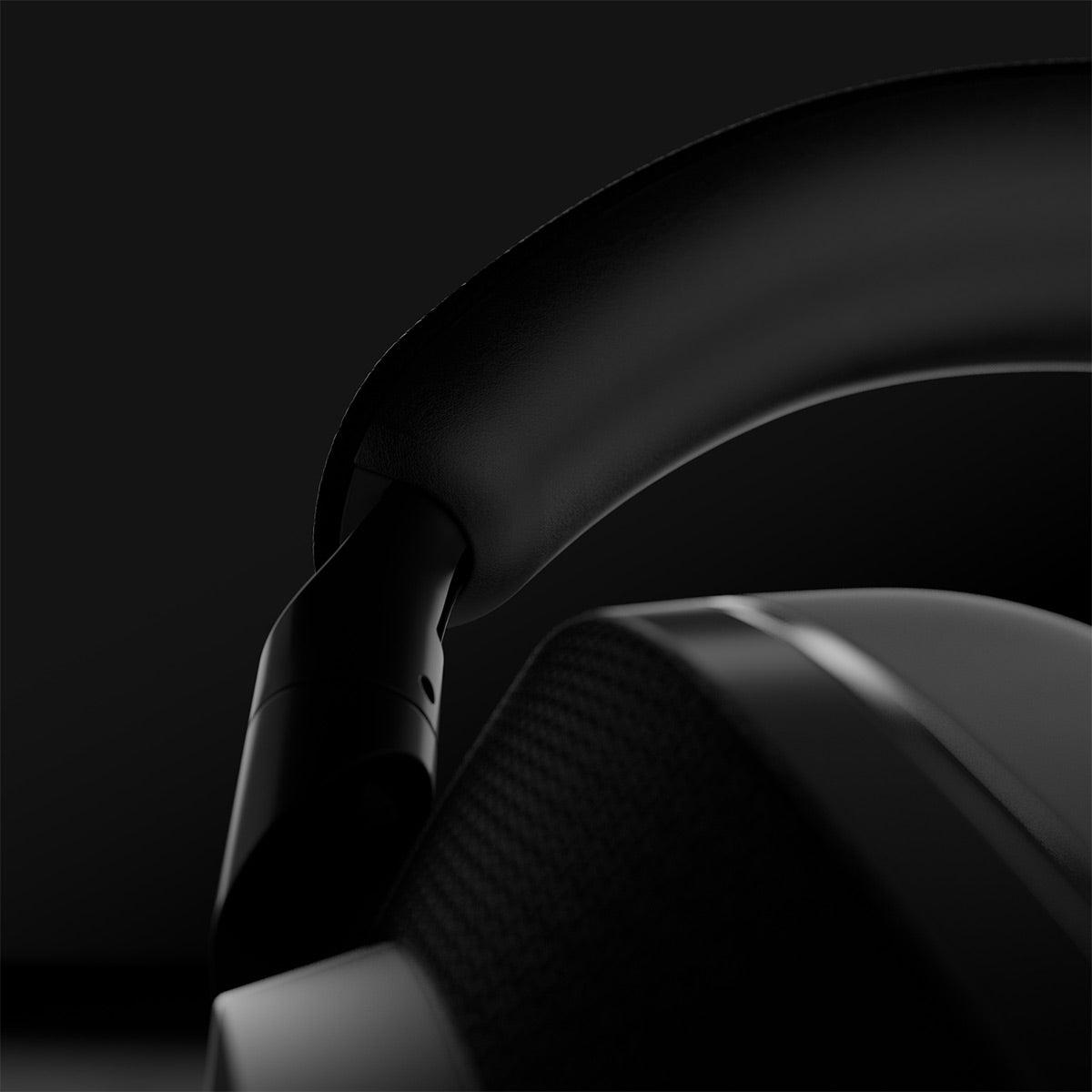
The Px7 S2e showcases B&W's commitment to luxury materials. The memory foam earpads feature a premium fabric finish that feels more sophisticated than typical synthetic leather. Metal accents throughout the design reinforce the premium positioning, and the overall aesthetic is undeniably elegant. Available in colors like Forest Green and Ocean Blue, these headphones make a style statement.
However, premium materials come with weight penalties. At 307 grams, the Px7 S2e feels substantially heavier than many competitors. The rectangular earcups, while distinctive, don't conform as naturally to head shapes as traditional oval designs.
The WH-1000XM4 weighs just 254 grams, making it noticeably lighter during extended wear. Sony prioritized ergonomics over visual flair – the result is a headphone that disappears on your head after a few minutes. The oval earcups create a better seal, improving both comfort and noise isolation.
The build quality, while excellent functionally, doesn't scream luxury like the B&W. The materials are high-quality plastics with a matte finish that resists fingerprints but lacks the premium feel of metal and fabric.
For long listening sessions – whether working from home or during transcontinental flights – I consistently find the Sony more comfortable. The weight distribution and clamping force are perfectly balanced for extended wear.
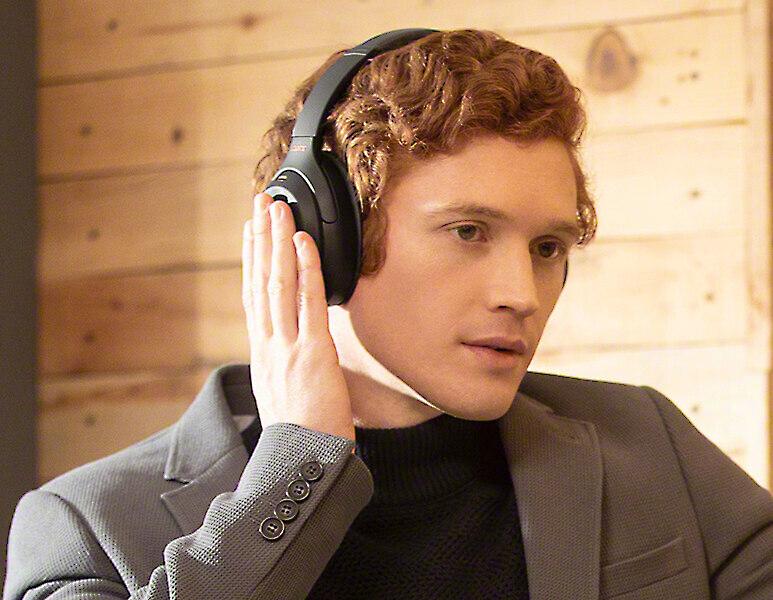
The WH-1000XM4 represents the pinnacle of smart headphone technology. Touch controls on the right earcup handle playbook, volume, and ANC adjustments intuitively. Proximity sensors detect when you remove the headphones, automatically pausing playback to preserve battery life.
The speak-to-chat feature uses built-in sensors to automatically pause music when you start talking, enabling ambient sound so you can have conversations without removing the headphones. Adaptive sound control learns your routine, automatically adjusting noise cancellation based on your location and activity.
Multipoint Bluetooth connectivity allows simultaneous connection to two devices – your phone and laptop, for example. When a call comes in on your phone, the headphones seamlessly switch from computer audio to handle the call, then switch back when finished.
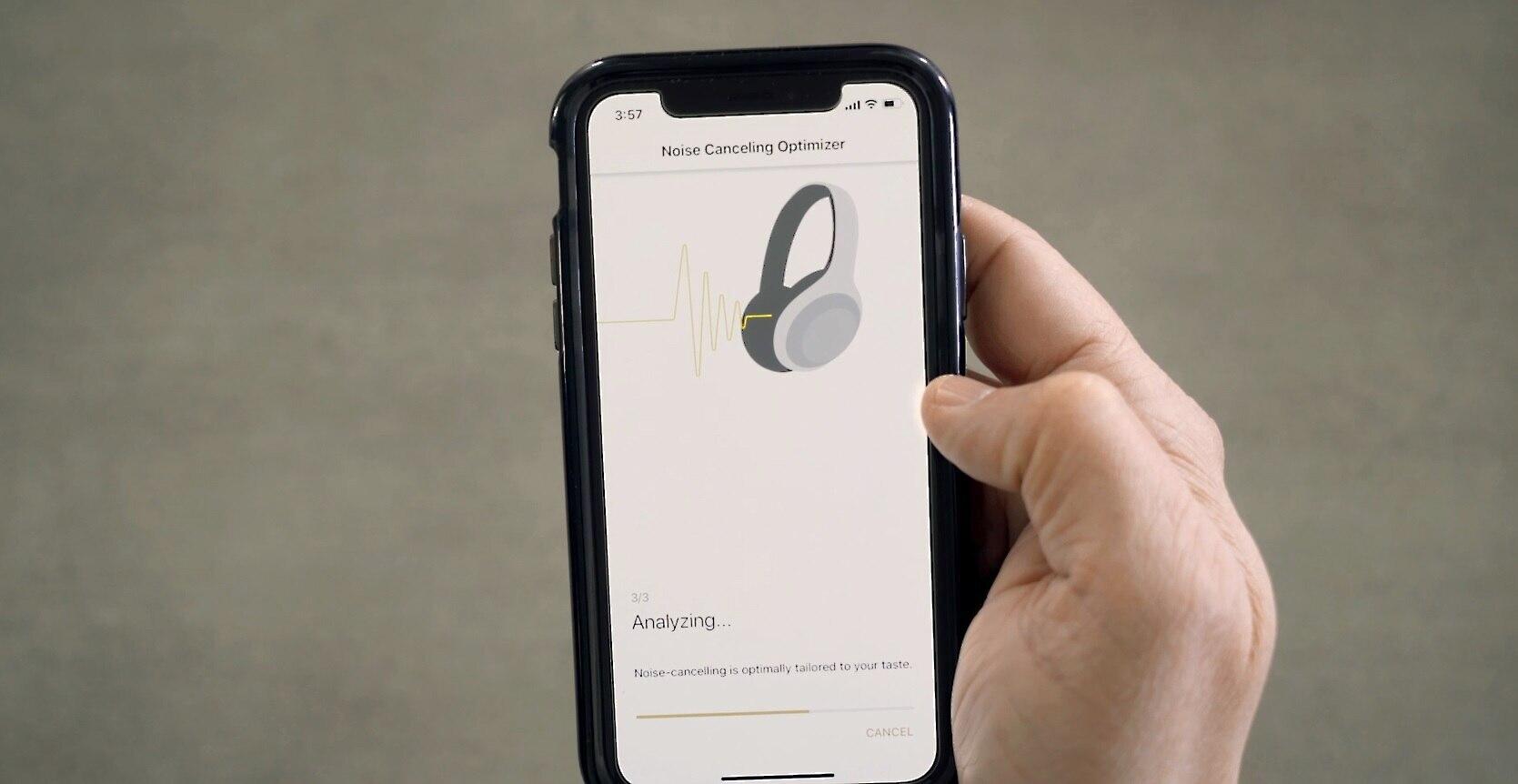
The Headphones Connect app provides extensive customization options: detailed EQ controls, ANC level adjustments, and even a sound quality optimizer that creates a custom profile based on photos of your ears.
The Px7 S2e takes a more focused approach to features. Physical buttons replace touch controls – some users prefer the tactile feedback, while others find it less elegant. The Bowers & Wilkins Music app offers direct streaming from services like Qobuz and Tidal, plus basic EQ adjustments, but lacks the comprehensive customization Sony provides.
Where B&W does excel is water resistance. The IPX7 rating means these headphones can handle heavy rain or intense workout sessions, compared to Sony's IPX4 rating that only protects against light splashes.
Both headphones deliver 30 hours of playback with noise cancellation enabled – impressive endurance that easily handles cross-country flights or full work weeks. Quick charging provides emergency power when needed: Sony offers 5 hours from a 10-minute charge, while B&W requires 15 minutes for the same result.
In real-world use, both consistently meet their rated battery life. I've used the Sony WH-1000XM4 for entire work weeks without charging, and the Px7 S2e handles long flights with power to spare.
While neither headphone is specifically designed for home theater use, both can serve this role effectively. The Sony's more neutral sound signature and wider soundstage make it slightly better for movie watching, where dialogue clarity and spatial audio effects matter. The comprehensive app controls also allow fine-tuning for different content types.
However, both headphones lack dedicated surround sound processing or specific movie modes that you'd find in headphones designed specifically for home theater use. For serious home theater applications, dedicated models with features like Dolby Atmos processing would be more appropriate.
At current pricing, the value equation heavily favors the Sony WH-1000XM4 ($169.99). You're getting industry-leading noise cancellation, comprehensive smart features, excellent sound quality, and superior comfort at roughly half the price of the Bowers & Wilkins Px7 S2e ($351.99).
The Sony represents what I consider exceptional value – flagship performance at a significant discount due to its age and market maturity. Most users will find it delivers 90% of premium headphone performance at 50% of the typical price.
The B&W justifies its premium through superior sound quality and luxury materials, but the value proposition is harder to defend unless audio refinement and brand prestige are your primary concerns.
Choose the Bowers & Wilkins Px7 S2e if you prioritize sound quality above all else, appreciate luxury materials and design, don't need extensive smart features, or want higher water resistance for active use. These headphones serve audiophiles and users who view their headphones as both functional tools and lifestyle accessories.
Choose the Sony WH-1000XM4 if you want the best overall value, need superior noise cancellation for travel or work, value comprehensive smart features and app customization, prefer lighter weight for extended wear, or want modern conveniences like touch controls and multipoint connectivity.
For most users, the Sony represents the smarter purchase. It delivers excellent performance across all categories while costing significantly less. The B&W serves a more specific audience of audio enthusiasts willing to pay extra for marginal improvements in sound quality and premium aesthetics.
Both are excellent headphones that will serve their users well for years. Your choice ultimately depends on whether you prioritize the B&W's audio refinement and luxury appeal, or the Sony's comprehensive feature set and exceptional value proposition.
| Bowers & Wilkins Px7 S2e ($351.99) | Sony WH-1000XM4 ($169.99) |
|---|---|
| Sound Quality - Most important factor for music enjoyment | |
| 24-bit DSP with audiophile tuning, wider soundstage, more engaging presentation | Neutral, well-balanced signature with excellent timing and powerful bass |
| Active Noise Cancellation - Critical for travel and focus | |
| Basic on/off ANC with 6 microphones, adequate but not elite performance | Industry-leading ANC with 8 microphones, creates "pool of silence" effect |
| Weight & Comfort - Matters for long listening sessions | |
| 307g, premium materials but heavier, rectangular earcups | 254g, lighter and more ergonomic, better for extended wear |
| Features & Controls - Convenience and customization options | |
| Physical buttons only, basic app with limited EQ, IPX7 water resistance | Touch controls, comprehensive app with full EQ, multipoint Bluetooth, smart features |
| Battery Life - How long between charges | |
| 30 hours with ANC, 15-minute charge = 5 hours playback | 30 hours with ANC, 10-minute charge = 5 hours playback |
| Build Quality - Premium feel and durability | |
| Luxury materials with fabric earpads and metal accents, premium aesthetics | High-quality plastics, foldable design, less premium look but excellent build |
| Audio Codecs - Wireless sound quality potential | |
| SBC, AAC, aptX Adaptive support | SBC, AAC, LDAC (highest quality wireless codec available) |
| Value Proposition - Performance per dollar spent | |
| Premium pricing for superior sound and luxury materials | Exceptional value with flagship features at nearly half the price |
The Bowers & Wilkins Px7 S2e has superior sound quality with its 24-bit DSP and audiophile tuning derived from their flagship Px8 model. It offers a more engaging, dynamic presentation with better detail retrieval and a wider soundstage. The Sony WH-1000XM4 provides excellent, well-balanced sound that's more neutral but slightly less refined than the B&W.
The Sony WH-1000XM4 has significantly better noise cancellation with industry-leading performance using 8 microphones and advanced processing. It creates a "pool of silence" effect that's superior across all frequencies. The Bowers & Wilkins Px7 S2e offers only basic on/off ANC that's adequate but not elite compared to Sony's adaptive system.
The Sony WH-1000XM4 is more comfortable for extended wear, weighing 254g compared to the heavier 307g Bowers & Wilkins Px7 S2e. Sony's ergonomic design and better weight distribution make it ideal for all-day use, while the B&W's rectangular earcups and premium materials add weight that can cause fatigue during long sessions.
The Sony WH-1000XM4 ($169.99) offers exceptional value, delivering flagship performance at nearly half the price of the Bowers & Wilkins Px7 S2e ($351.99). While the B&W has superior sound quality, the Sony provides 90% of the performance at 50% of the cost, making it the better value for most users.
The Sony WH-1000XM4 has significantly more features including touch controls, multipoint Bluetooth, speak-to-chat, adaptive sound control, and comprehensive app customization. The Bowers & Wilkins Px7 S2e focuses on core audio performance with basic features, physical buttons only, and limited app functionality.
Both the Sony WH-1000XM4 and Bowers & Wilkins Px7 S2e offer identical 30-hour battery life with ANC enabled. However, Sony has slightly faster quick charging with 5 hours of playback from a 10-minute charge compared to B&W's 15-minute charge for the same playback time.
The Sony WH-1000XM4 is better for travel due to its superior noise cancellation, lighter weight, foldable design for compact storage, and comprehensive smart features like adaptive sound control. The Bowers & Wilkins Px7 S2e lacks the elite ANC performance and convenience features that make travel more comfortable.
The Bowers & Wilkins Px7 S2e has more premium build quality with luxury materials including fabric earpads, metal accents, and sophisticated aesthetics. The Sony WH-1000XM4 uses high-quality plastics with excellent functional design but doesn't match the premium look and feel of the B&W model.
The Bowers & Wilkins Px7 S2e is better for workouts with its IPX7 water resistance rating that can handle heavy sweat and rain. The Sony WH-1000XM4 only has IPX4 rating for light splashes. However, both are over-ear headphones that may not be ideal for intense exercise compared to dedicated sports headphones.
The Sony WH-1000XM4 supports LDAC codec, Sony's proprietary technology that transmits three times more data than standard Bluetooth for near-wired quality. The Bowers & Wilkins Px7 S2e supports aptX Adaptive, AAC, and SBC codecs but lacks LDAC support, giving Sony the edge for wireless audio quality.
The Sony WH-1000XM4 is better for phone calls with its advanced microphone array and noise processing that effectively isolates your voice even in noisy environments. The Bowers & Wilkins Px7 S2e has adequate call quality but lacks the sophisticated voice processing and adaptive features that make Sony superior for telephony.
Choose the Bowers & Wilkins Px7 S2e if you're an audiophile who prioritizes sound quality above all else and appreciates luxury materials. Choose the Sony WH-1000XM4 if you want the best overall package with superior noise cancellation, comprehensive features, and exceptional value at $169.99 compared to the B&W's $351.99 price point.
We've done our best to create useful and informative comparisons to help you decide what product to buy. Our research uses advanced automated methods to create this comparison and perfection is not possible - please contact us for corrections or questions. These are the sites we've researched in the creation of this article: recordingnow.com - whathifi.com - bowerswilkins.com - avnation.tv - tomsguide.com - rtings.com - audiograde.uk - youtube.com - soundguys.com - majorhifi.com - telquestintl.com - costco.com - bhphotovideo.com - headphones.com - bowerswilkins.com - thesourceav.com - sweetwater.com - telquestintl.com - sg.tcacoustic.asia - headphonecheck.com - bestbuy.com - img.computerunivers.net - audioadvisor.com - soundguys.com - headphones.com - recordingnow.com - electronics.sony.com - rtings.com - headphonereview.com - youtube.com - audiosciencereview.com - cnet.com - hyderseatravels.com - sony.com - sonylatvija.com - sony.com - sony.com - electronics.sony.com - sony.com - headphonecheck.com - fullspecs.net - sony.com - uclastore.com - bestbuy.com - sony.ca - helpguide.sony.net - device.report

Privacy Policy
Terms and Conditions - Affiliate Policy
Home Security
© Copyright 2008-2026.
11816 Inwood Rd #1211, Dallas, TX 75244