

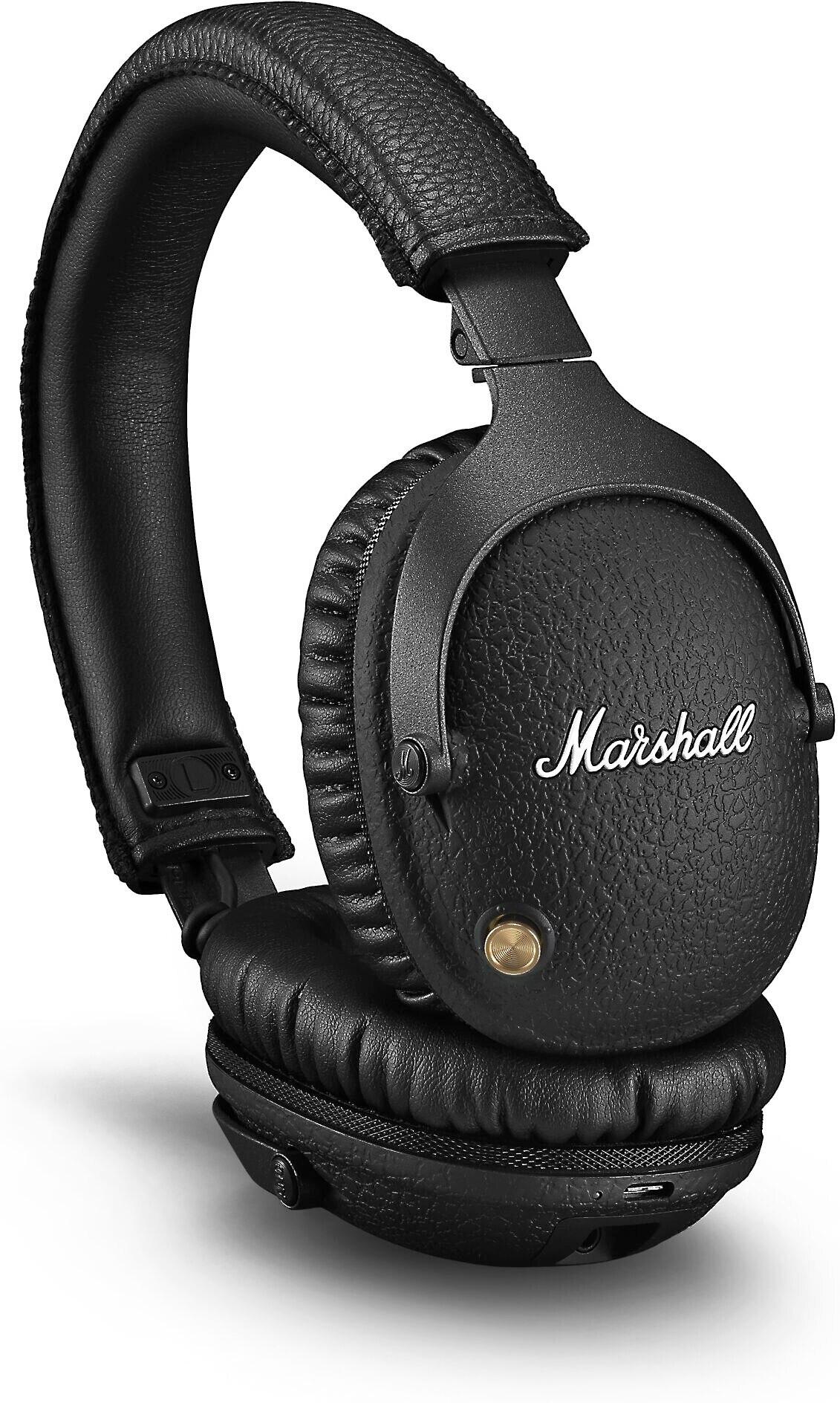
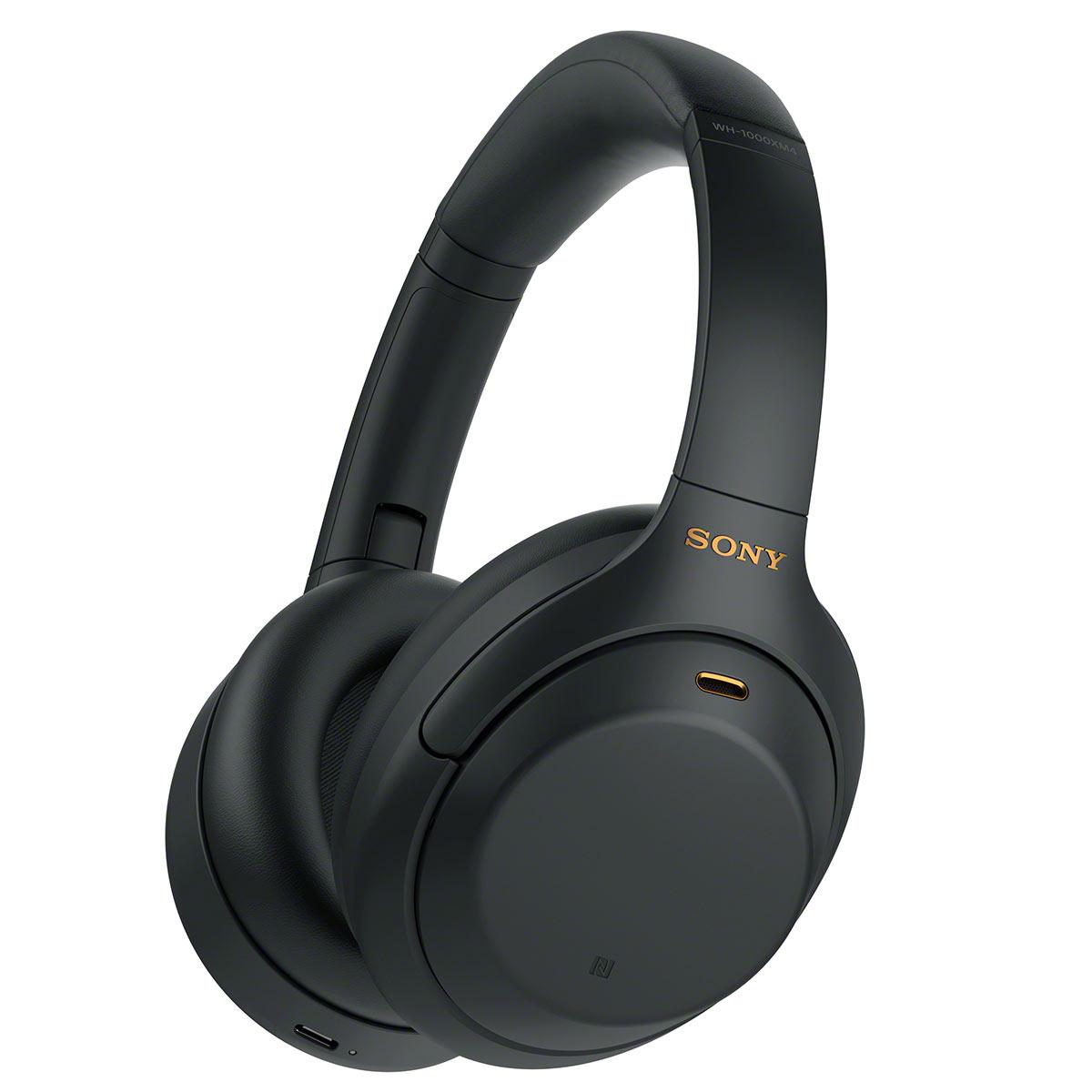
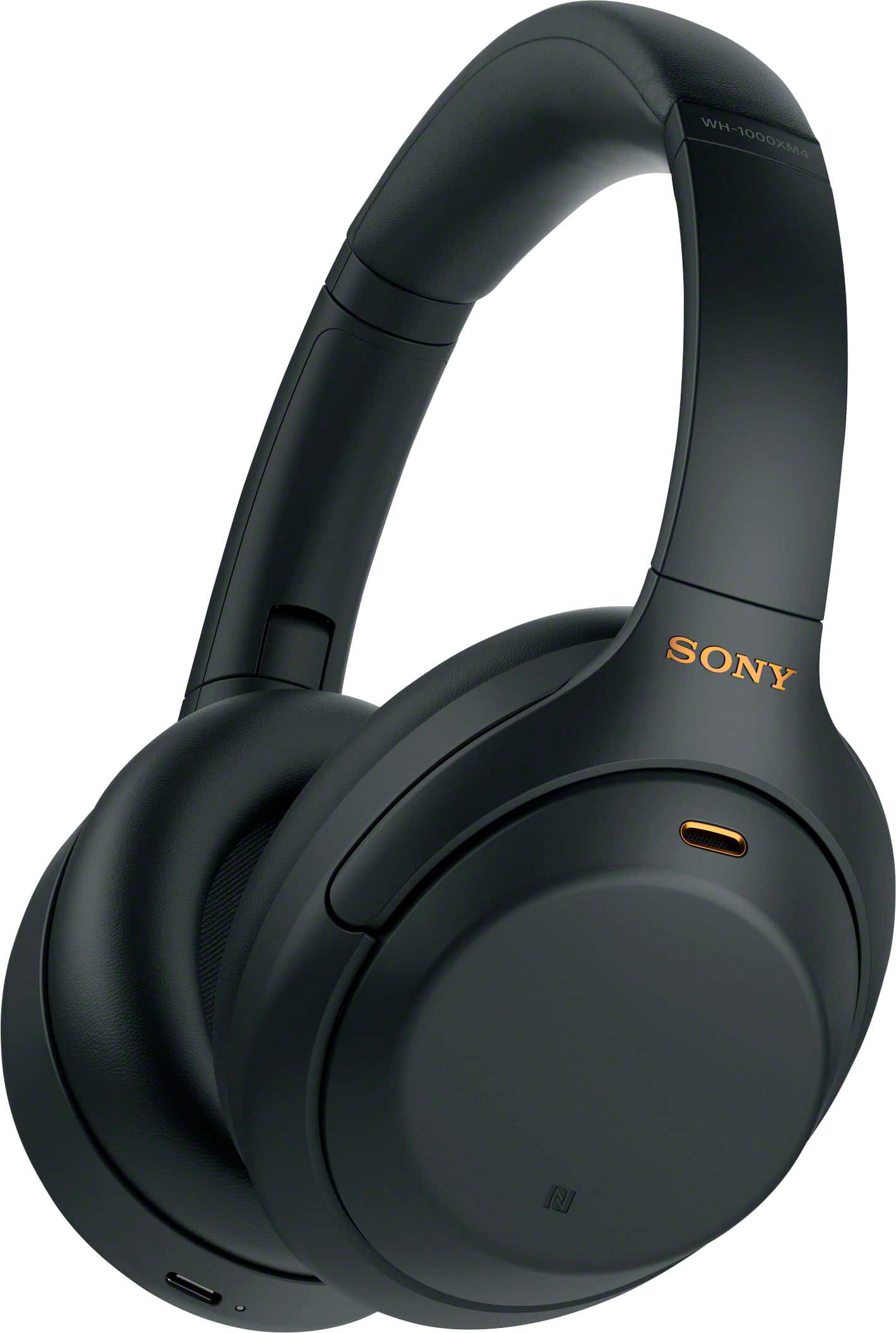
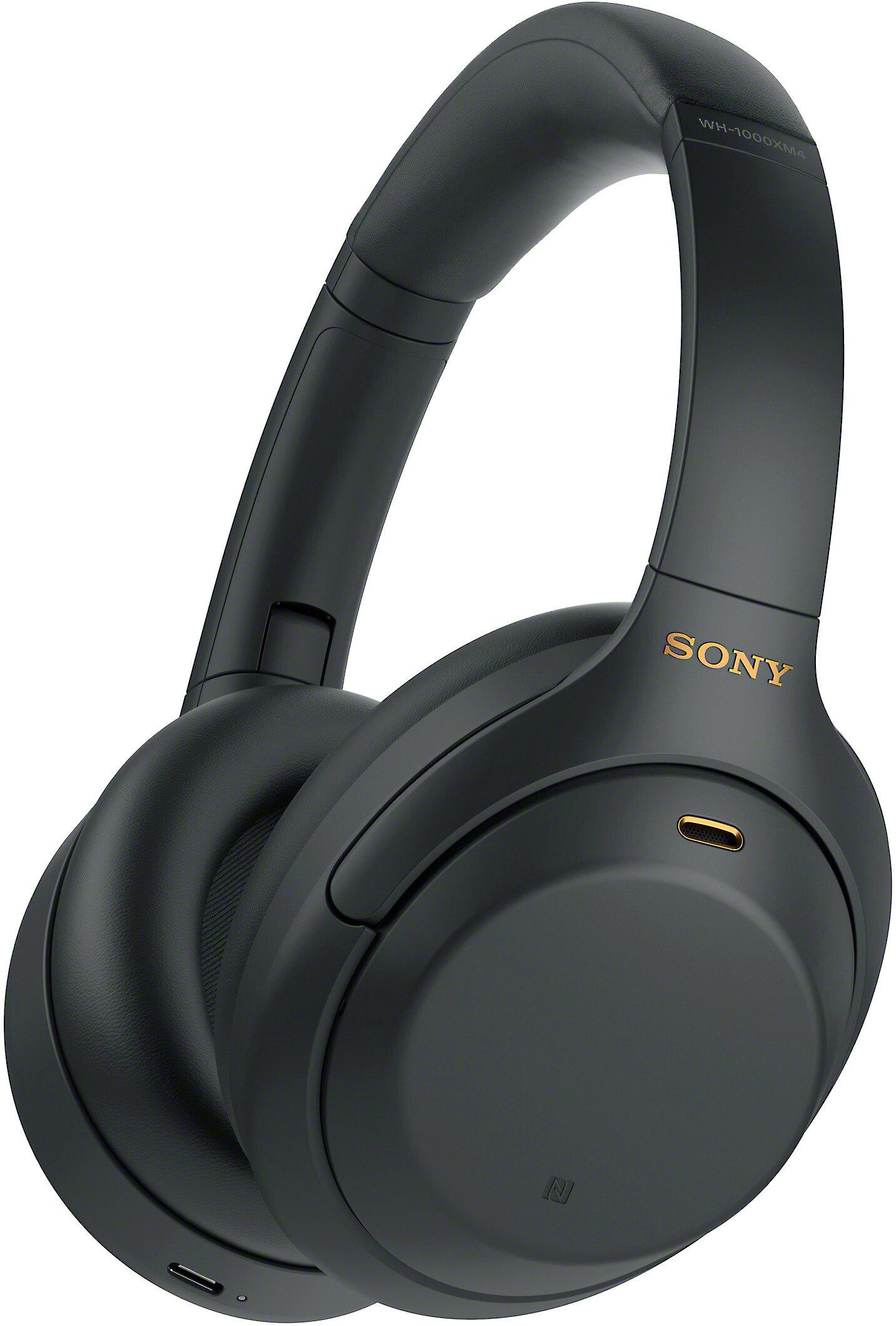

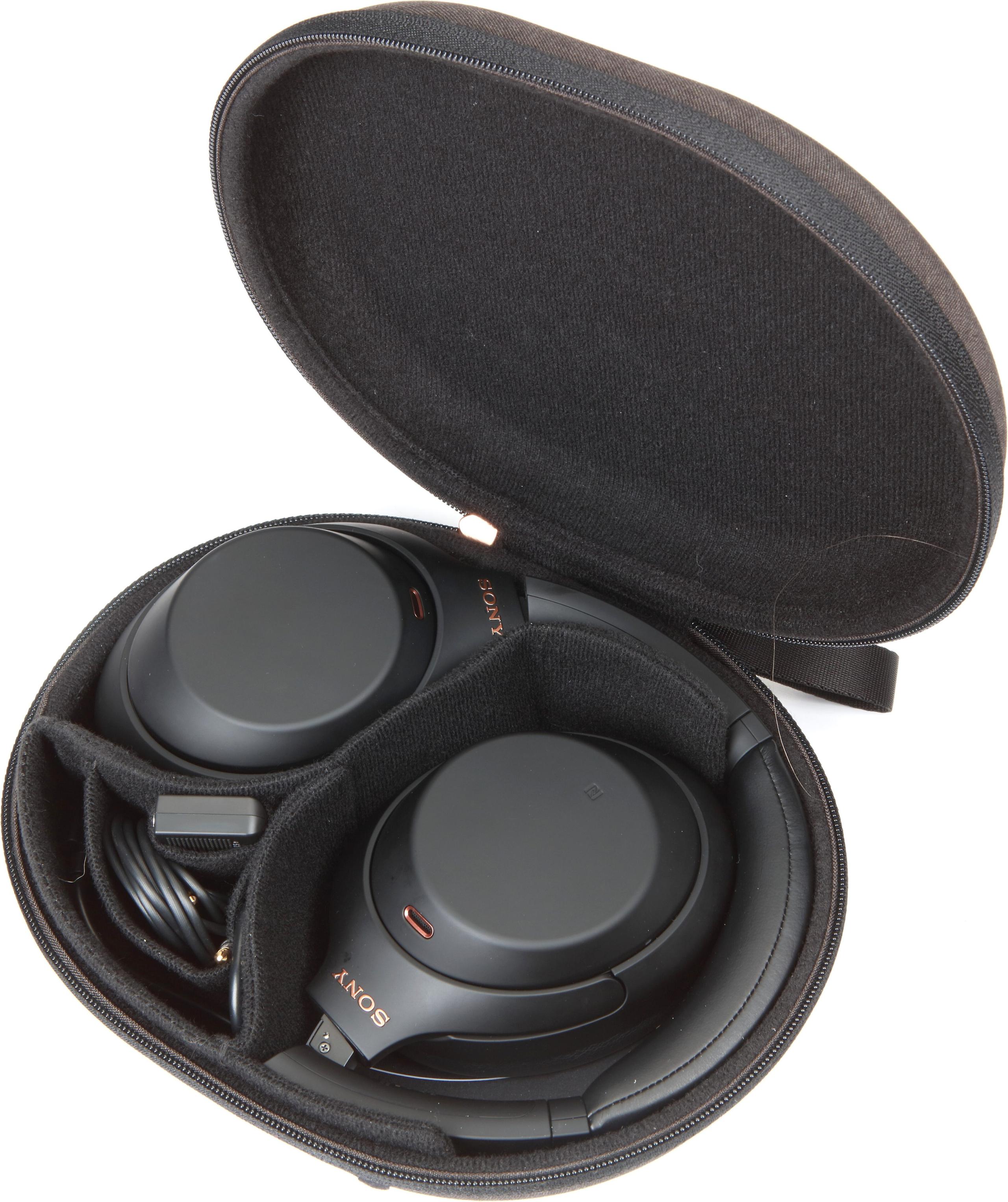
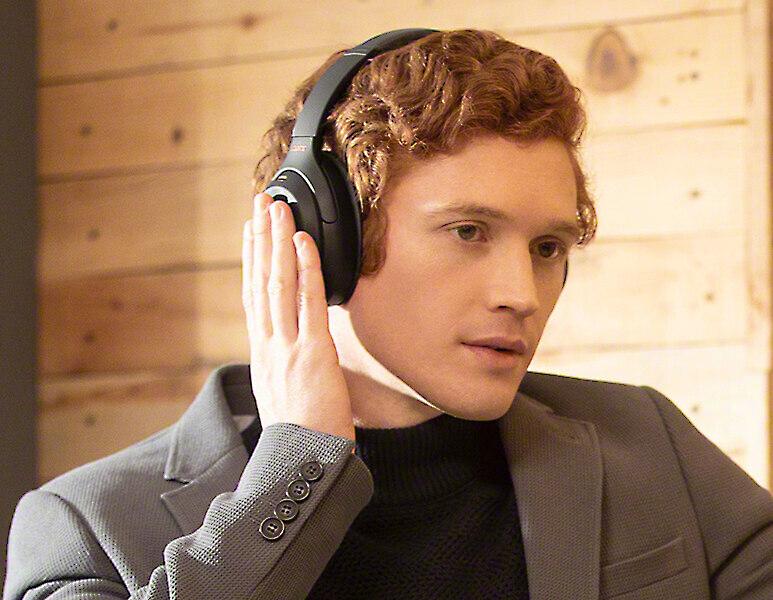
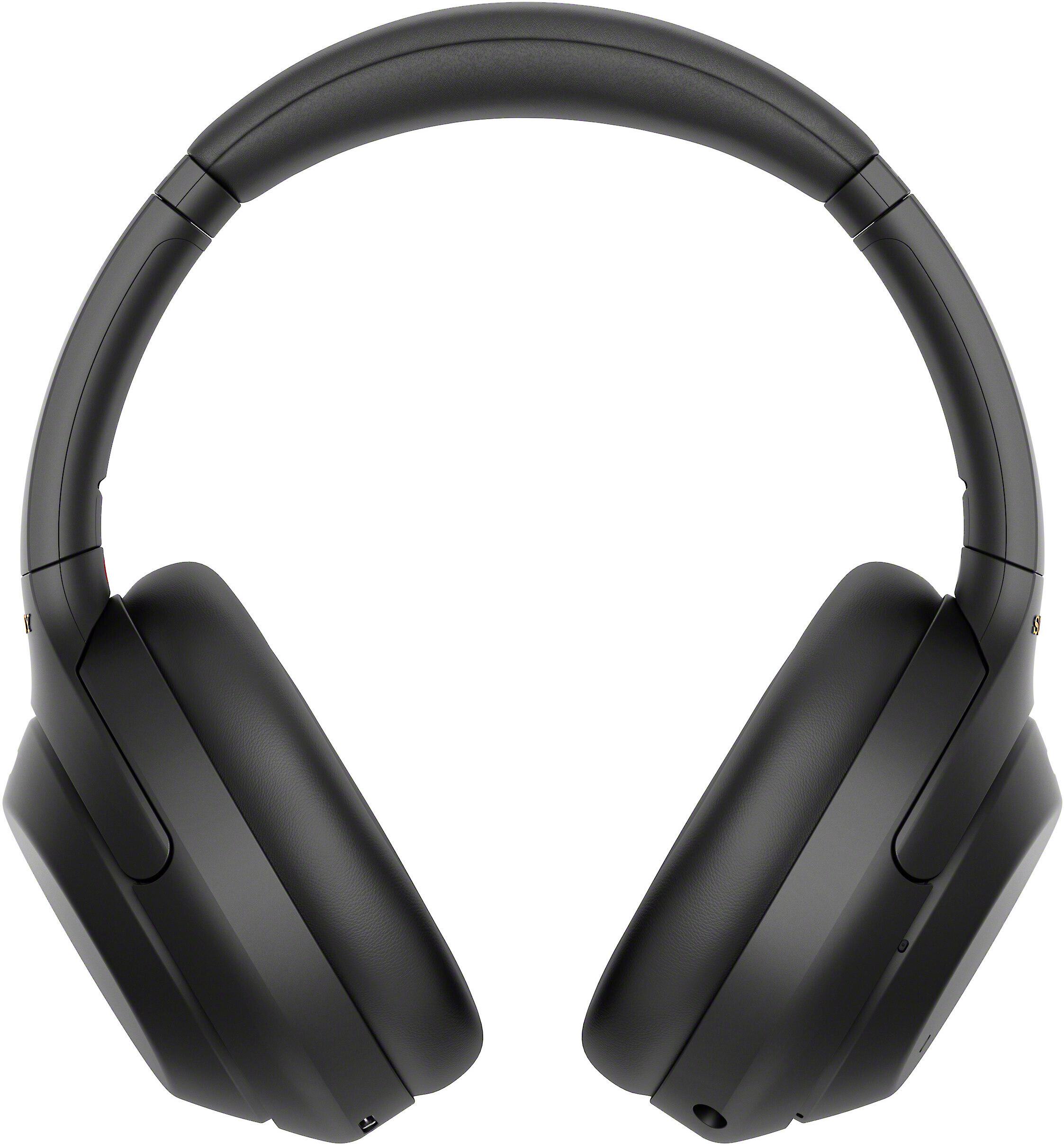

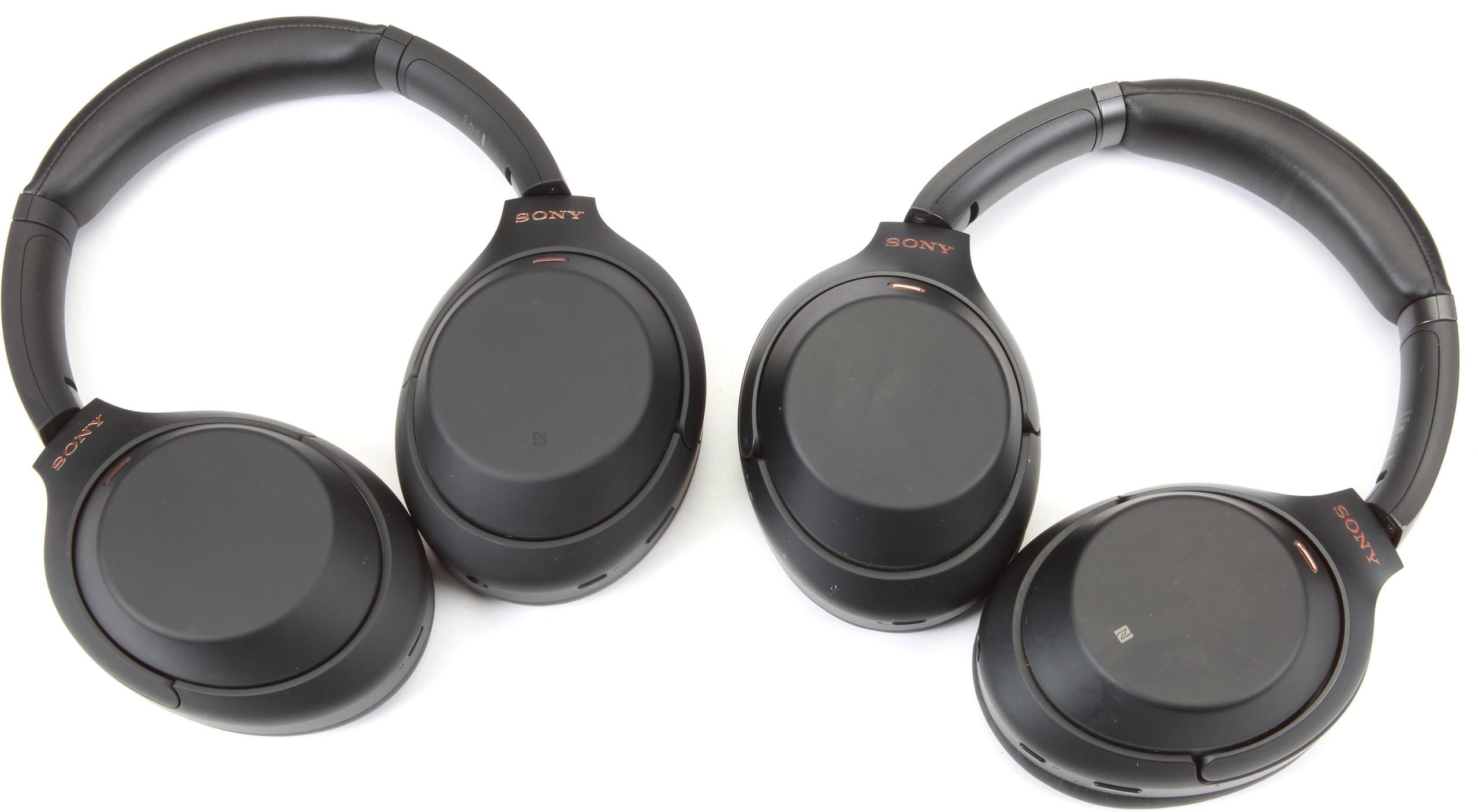
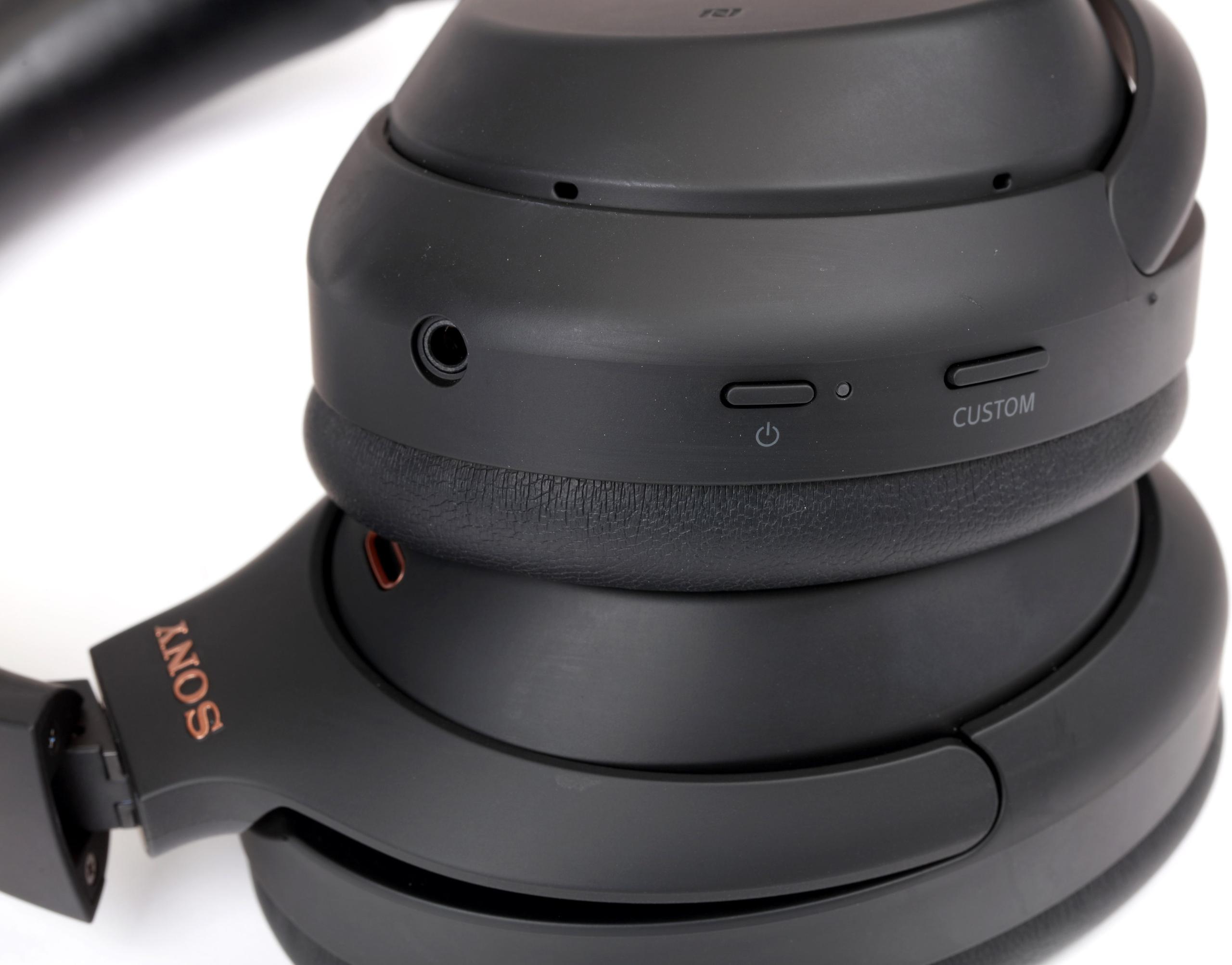
When you're shopping for premium wireless headphones, two names consistently rise to the top: Marshall and Sony. The Marshall Monitor II ANC and Sony WH-1000XM4 represent completely different philosophies in headphone design, yet both target the same discerning listeners who want exceptional sound quality with the convenience of active noise cancellation.
Both headphones launched in 2020, marking an important year for wireless audio technology. The Sony WH-1000XM4 arrived in September as Sony's fourth-generation flagship, building on years of noise-cancellation expertise. The Marshall Monitor II ANC entered the market as Marshall's first serious attempt at competing with established ANC leaders like Sony and Bose. Since their release, both have received regular firmware updates that have improved performance and added features, though Sony has been more aggressive with software enhancements.
Understanding these headphones requires looking beyond simple specifications. They represent two distinct approaches: Sony focuses on cutting-edge technology and adaptive intelligence, while Marshall emphasizes comfort, battery life, and their signature rock-and-roll sound character. Let's dive deep into what makes each special and help you decide which approach suits your needs better.
Before comparing these specific models, it's worth understanding what separates premium wireless headphones from cheaper alternatives. The most obvious difference is active noise cancellation (ANC) – a technology that uses microphones to detect ambient noise and generates inverse sound waves to cancel it out. But ANC is just the beginning.
Premium headphones also feature larger, more sophisticated drivers (the tiny speakers inside each ear cup), better materials, longer battery life, and smart features that adapt to your environment. They typically support higher-quality Bluetooth codecs, which are compression methods that determine how much audio quality is preserved when streaming wirelessly from your phone or computer.
The key considerations when evaluating these headphones include sound quality, noise cancellation effectiveness, comfort during extended use, battery performance, and the intelligence of their adaptive features. Price naturally factors in, but at the time of writing, both the Marshall Monitor II ANC and Sony WH-1000XM4 sit in similar premium price brackets, making the decision more about performance and personal preferences than budget constraints.
The Sony WH-1000XM4 takes a decidedly technical approach to sound reproduction. Its 40mm drivers can reproduce frequencies from an incredibly low 4Hz up to 40,000Hz – well beyond human hearing range. This extended frequency response means you'll hear subtle bass notes and high-frequency details that many headphones simply can't reproduce.
What makes Sony special is their DSEE Extreme technology, which uses artificial intelligence to analyze and enhance compressed music files in real-time. When you're streaming from Spotify or Apple Music, these services compress audio files to save bandwidth, losing some detail in the process. DSEE Extreme actually reconstructs some of that lost information by recognizing instruments, genres, and musical elements, then filling in the gaps intelligently.
The Sony WH-1000XM4 also supports LDAC, Sony's proprietary high-resolution Bluetooth codec. While standard Bluetooth audio transmits about 328 kilobits of data per second, LDAC can push up to 990 kilobits – nearly three times more information. This translates to audio quality that approaches what you'd get from a wired connection.
In practice, the Sony headphones deliver a relatively neutral sound signature with a slight warmth that makes vocals feel intimate and present. The bass is controlled and accurate rather than overpowering, making them suitable for everything from classical music to hip-hop. However, some listeners find the soundstage – the perceived width and depth of the audio – somewhat narrow and intimate, which can feel confining during long listening sessions.
The Marshall Monitor II ANC takes a completely different approach, prioritizing musical character over technical measurements. These headphones are tuned to Marshall's signature sound, which emphasizes the midrange frequencies where guitars and vocals live. If you've ever heard a Marshall amplifier at a rock concert, you'll recognize this sonic signature immediately.
With a frequency response of 20Hz to 20,000Hz, the Marshall Monitor II ANC covers the entire range of human hearing without venturing into the extreme extensions that Sony offers. But raw numbers don't tell the whole story. Marshall's tuning makes guitars sound particularly engaging and present, with a warmth that many listeners find more emotionally involving than Sony's analytical approach.
The Marshall headphones offer three customizable EQ presets accessible via the M-Button on the headphone, plus additional customization through their smartphone app. This gives you flexibility to adjust the sound signature, though many users find the default tuning already suits their preferences, particularly for rock, indie, and guitar-driven music.
For home theater use, both headphones offer interesting possibilities, though neither is specifically designed for this application. The Sony WH-1000XM4's more neutral tuning and wider frequency response make it better for movies and TV shows, where dialog clarity and accurate sound effects matter more than musical engagement.
The Sony's superior noise cancellation also helps in shared living spaces, allowing you to enjoy late-night viewing without disturbing others or being distracted by household noise. However, both headphones introduce some latency (delay) when used wirelessly, which can cause lip-sync issues. For serious home theater use, you'd want to use the wired connection that both headphones provide.
This is where the Sony WH-1000XM4 truly shines and justifies its position as an industry leader. Sony's noise cancellation system is remarkably sophisticated, using dual microphones on each ear cup to continuously monitor ambient noise. The HD Noise Cancelling Processor QN1 then processes this information and generates precise inverse sound waves to cancel out unwanted noise.
What sets Sony apart is the intelligence of their system. The headphones make over 700 adjustments per second, constantly adapting to changes in your environment. They can detect whether you're walking, sitting, or traveling, and adjust the noise cancellation accordingly. The system even accounts for atmospheric pressure changes, making them particularly effective on airplanes where pressure variations can affect ANC performance.
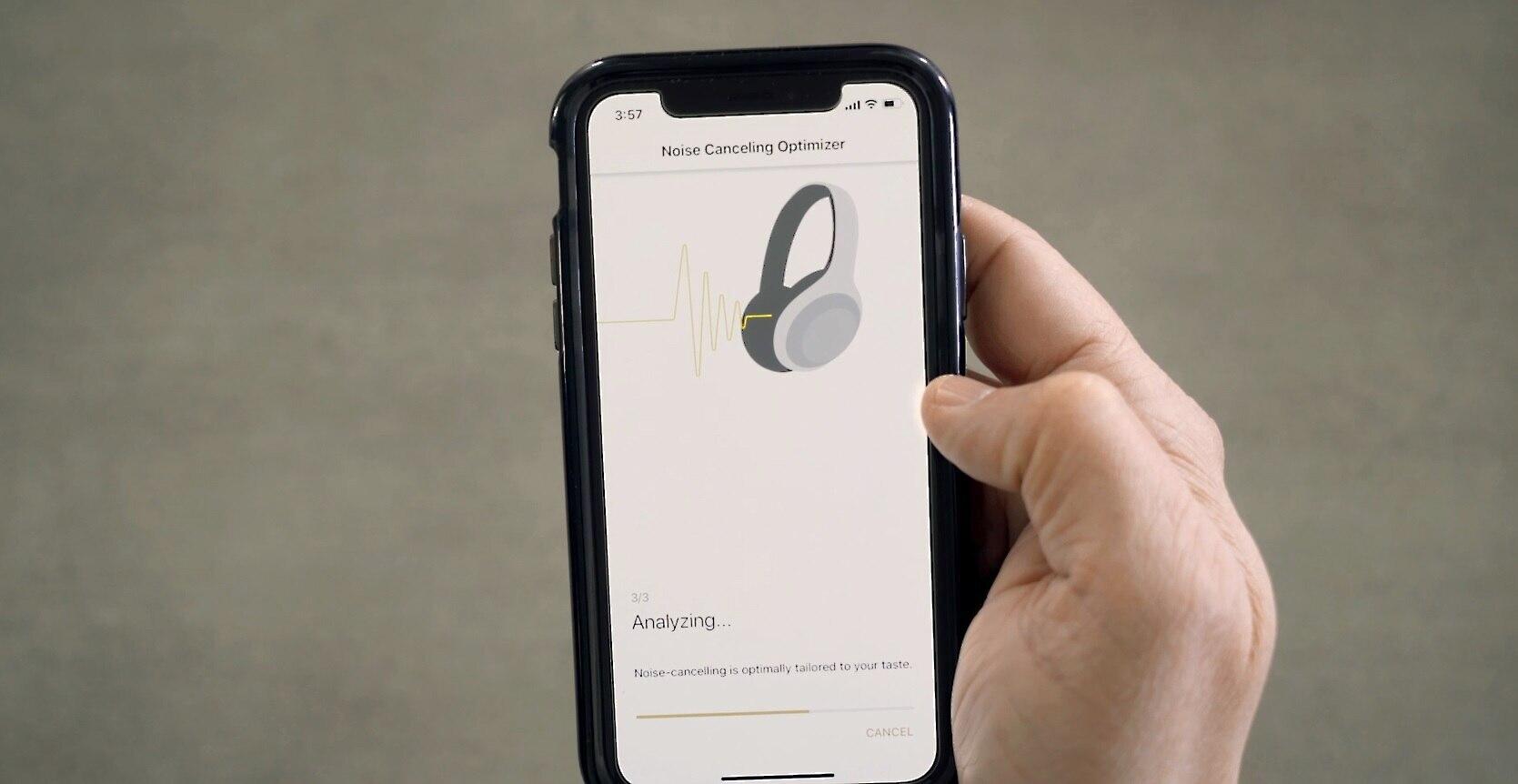
Sony includes a Personal Noise Cancellation Optimizer that analyzes your specific head shape, glasses, and even hairstyle to tailor the cancellation effect. This might sound like marketing fluff, but the difference is genuinely noticeable – the headphones seem to learn your specific fit and optimize accordingly.
The Marshall Monitor II ANC offers solid noise cancellation with 10 adjustable levels through their app, but it's clearly a generation behind Sony's implementation. Marshall's ANC effectively reduces steady, low-frequency noise like air conditioners or airplane engines, but it struggles more with variable sounds and higher frequencies where Sony excels.
However, Marshall compensates somewhat with excellent passive isolation – the physical blocking of sound by the ear cups themselves. The thick, soft ear cushions create a good seal around your ears, providing natural noise reduction even before the active cancellation kicks in.
Battery life is where the Marshall Monitor II ANC truly distinguishes itself. With up to 45 hours of wireless playback when ANC is disabled and 30 hours with ANC enabled, these headphones offer exceptional longevity. This isn't just impressive on paper – it translates to real-world convenience where you might go weeks between charges with moderate use.
The Sony WH-1000XM4 offers respectable battery life at 30 hours with ANC enabled, but it can't match Marshall's endurance. Both headphones support quick charging via USB-C, with the Marshall providing about 5 hours of playback from a 15-minute charge, and Sony offering similar quick-charge performance.
For frequent travelers or users who often forget to charge their devices, Marshall's battery advantage is significant. There's something liberating about headphones that simply don't need regular charging attention. Sony's battery life is still excellent by industry standards, but Marshall sets a new benchmark in this category.
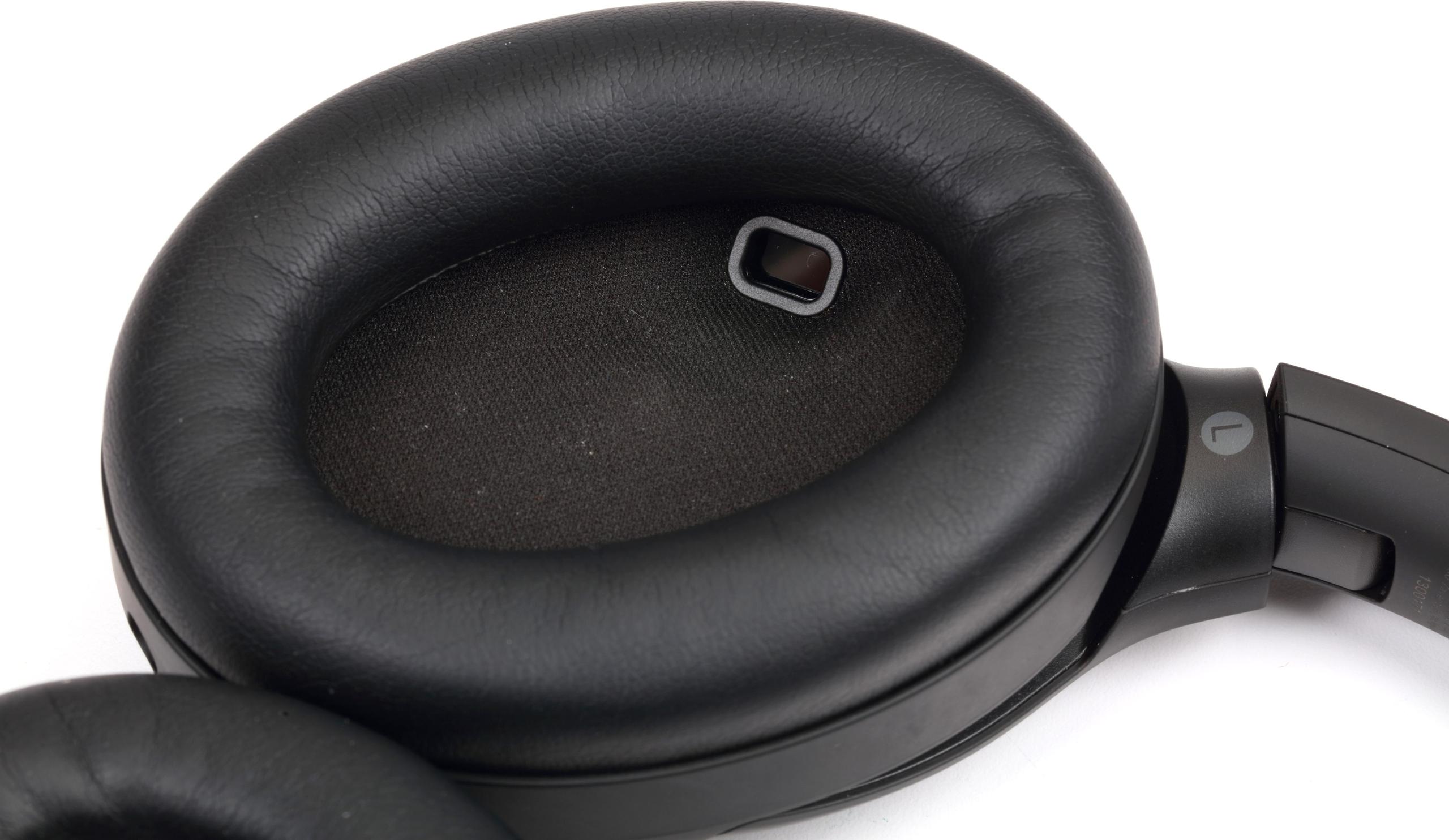
Comfort is subjective, but the Marshall Monitor II ANC has earned consistent praise for all-day wearability. The memory foam ear cushions are particularly soft, and the clamping pressure is perfectly calibrated – tight enough to maintain a good seal for noise cancellation, but gentle enough to avoid fatigue during long sessions.
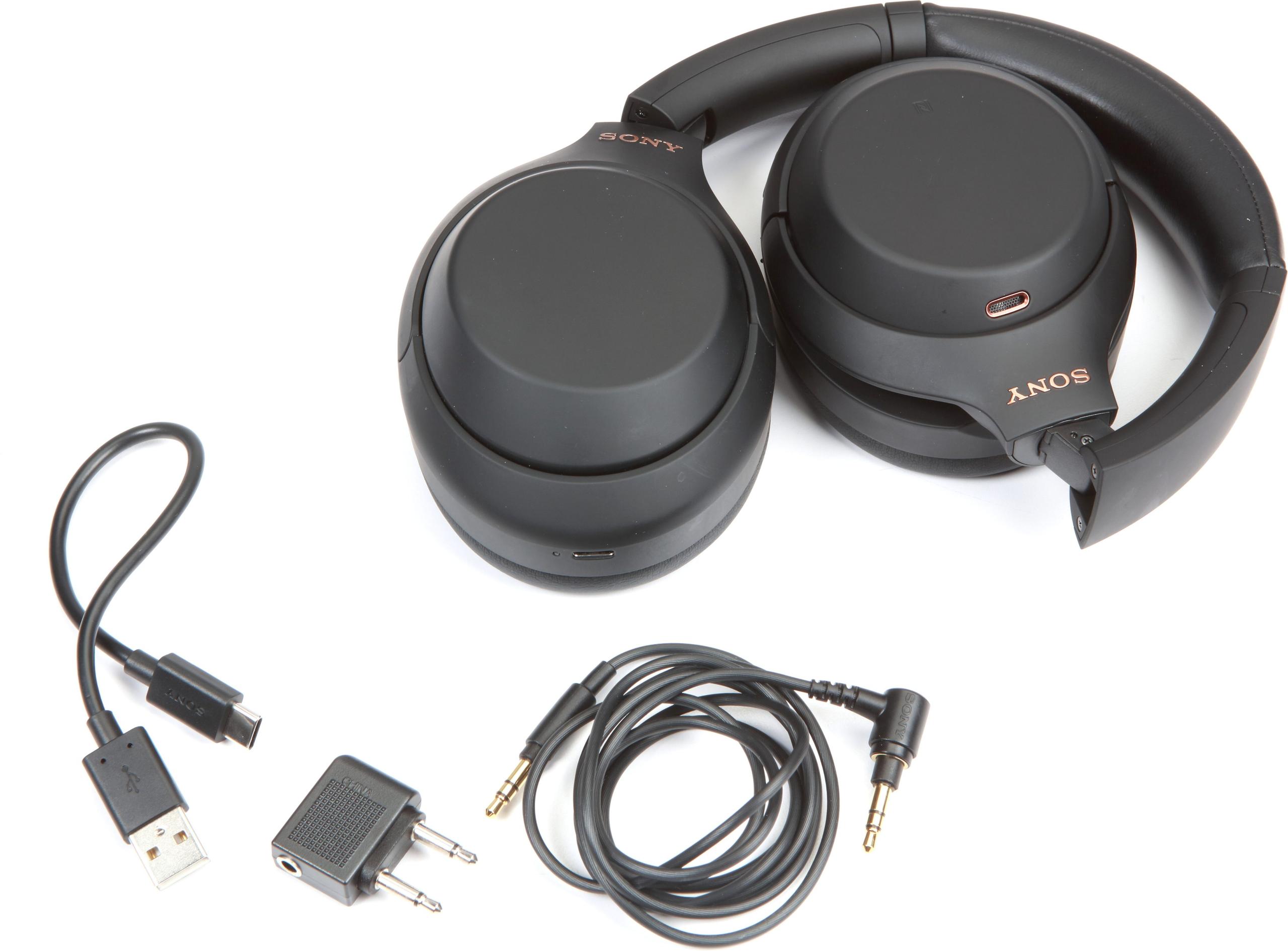
The Marshall headphones fold into an impressively compact form factor, making them exceptionally portable despite their over-ear design. The build quality feels premium with a combination of metal hinges, artificial leather cushions, and the classic Marshall aesthetic that music lovers instantly recognize.
The Sony WH-1000XM4 takes a more technical approach to comfort. At 254 grams, they're lighter than Marshall's 320 grams, which some users prefer for extended wear. The ear cushions use pressure-relieving foamed urethane designed to distribute weight evenly around your ears. Sony's build quality is excellent, using high-grade plastics that feel substantial without being heavy.
Both headphones are well-built and should last for years with reasonable care. Marshall's design appeals more to users who appreciate classic aesthetic elements, while Sony's design prioritizes function and ergonomics over visual flair.
The technology gap between these headphones becomes most apparent in their smart features. The Sony WH-1000XM4 feels like a computer you wear on your head, packed with sensors and intelligence that constantly adapt to your environment and usage patterns.
Multipoint Bluetooth connectivity allows the Sony headphones to connect to two devices simultaneously – you might have them connected to both your laptop and phone, seamlessly switching between a work video call and music streaming. This feature alone can be transformative for productivity-focused users.
Sony's Adaptive Sound Control learns your daily routines and locations, automatically adjusting noise cancellation and ambient sound settings. Walk into your office, and the headphones might reduce ANC to let in important environmental sounds. Board an airplane, and they'll maximize noise cancellation automatically.
The Speak-to-Chat feature uses built-in sensors to detect when you're speaking and automatically pauses your music while allowing ambient sound through. When you finish talking, music resumes automatically. It sounds gimmicky, but it's surprisingly useful in practice.
The Marshall Monitor II ANC takes a more traditional approach with physical controls that many users actually prefer. The multi-directional control knob provides tactile feedback for volume and playbook control, and the programmable M-Button can cycle through EQ presets or activate voice assistants. Marshall's app provides basic but functional control over ANC levels and sound customization.
At the time of writing, both headphones occupy similar premium price points, making the decision more about priorities than budget. The Sony WH-1000XM4 justifies its pricing through advanced technology, industry-leading noise cancellation, and comprehensive smart features. It's the more technically accomplished product and offers better long-term software support.
The Marshall Monitor II ANC provides exceptional value for users who prioritize comfort, battery life, and distinctive sound character over cutting-edge features. The build quality feels premium, and the all-day comfort factor shouldn't be underestimated.
Since their 2020 release, both products have matured through firmware updates. Sony has been particularly aggressive with feature additions and performance improvements, while Marshall has focused on stability and basic functionality enhancements.
Your choice between these headphones should start with identifying your primary use case. If you're a frequent traveler or commuter dealing with airplanes, trains, and busy environments, the Sony WH-1000XM4's superior noise cancellation and adaptive features make it the logical choice. The multipoint connectivity and productivity features also favor Sony for work-focused users.
However, if you primarily listen at home or in quieter environments where maximum noise cancellation isn't crucial, the Marshall Monitor II ANC's exceptional comfort and battery life become more valuable. The Marshall sound signature also appeals to listeners who prefer their music with character and warmth rather than analytical accuracy.
For audio enthusiasts seeking technical performance, the Sony WH-1000XM4 offers superior frequency response, high-resolution codec support, and more accurate sound reproduction. But music lovers who gravitate toward Marshall's guitar-friendly tuning might find Sony's neutral approach somewhat clinical and emotionally distant.
Consider your tolerance for technology complexity as well. Sony's extensive feature set requires some learning and app interaction to fully utilize, while Marshall's approach is more straightforward and traditional.
Both headphones represent excellent choices within the premium wireless ANC category, but they serve different users and priorities. The Sony WH-1000XM4 is the more universally excellent choice with broader appeal and superior technology. The Marshall Monitor II ANC excels in specific areas that may be crucial for certain users – particularly those who value comfort, battery life, and distinctive sound character over cutting-edge features.
Your personal preferences in sound signature, comfort priorities, and feature requirements will ultimately determine which approach serves you better. Both companies have created genuinely impressive products that have earned their place among the best wireless headphones available today.
| Marshall Monitor II ANC | Sony WH-1000XM4 |
|---|---|
| Frequency Response Range - Determines how much bass and treble detail you'll hear | |
| 20Hz–20,000Hz (covers full human hearing range) | 4Hz–40,000Hz (extends well beyond human hearing for enhanced detail) |
| Active Noise Cancellation - Critical for blocking distracting sounds during travel | |
| 10 adjustable levels via app, effective for steady noise | Industry-leading dual sensor technology with 700+ adjustments per second |
| Battery Life with ANC - How long you can listen before needing to recharge | |
| 30 hours (ANC on), 45 hours (ANC off) - exceptional longevity | 30 hours (ANC on), 38 hours (ANC off) - industry standard |
| Weight - Affects comfort during extended listening sessions | |
| 320g (heavier but well-distributed) | 254g (lighter for reduced fatigue) |
| Bluetooth Connectivity - Determines device compatibility and convenience | |
| Standard Bluetooth 5.0, single device connection | Bluetooth 5.0 with multipoint (connect two devices simultaneously) |
| Audio Codecs - Higher quality codecs preserve more detail in wireless streaming | |
| SBC (standard quality) | SBC, AAC, LDAC (high-resolution up to 990kbps) |
| Sound Signature - The overall character and tuning of the audio | |
| Warm, guitar-friendly Marshall signature with punchy mids | Neutral with slight warmth, technically accurate across genres |
| Smart Features - Automated adjustments and convenience functions | |
| Physical controls, basic app, Google Assistant support | Adaptive sound control, speak-to-chat, wear detection, comprehensive app |
| Build Materials - Affects durability and premium feel | |
| Artificial leather cushions, metal hinges, classic Marshall aesthetic | Pressure-relieving urethane foam, high-grade plastics, modern design |
| Quick Charging - How much playback time you get from a short charge | |
| 15 minutes = 5 hours playback via USB-C | 10 minutes = 5 hours playback via USB-C |
| Portability - How easily they pack for travel | |
| Exceptional - folds into compact "pseudo-ball" shape | Good - standard folding design with included hard case |
| Wired Operation - Performance when battery dies or for audiophile listening | |
| Good wired performance with included coiled cable | Poor passive performance, designed for powered use only |
The Sony WH-1000XM4 has significantly better active noise cancellation than the Marshall Monitor II ANC. Sony uses industry-leading dual sensor technology that makes over 700 adjustments per second, while Marshall offers 10 basic ANC levels. For frequent travelers or noisy environments, the Sony headphones provide superior noise blocking performance.
The Marshall Monitor II ANC offers exceptional battery life with up to 45 hours of wireless playback (ANC off) and 30 hours with ANC enabled. The Sony WH-1000XM4 provides 30 hours with ANC on and 38 hours with ANC off. Marshall clearly wins for battery longevity, making it ideal for users who frequently forget to charge their devices.
Both headphones are comfortable, but they excel in different ways. The Marshall Monitor II ANC is praised for exceptional all-day comfort with soft memory foam cushions and perfect clamping pressure. The Sony WH-1000XM4 is lighter at 254g compared to Marshall's 320g, which some users prefer for extended wear. Comfort preference varies by individual head shape and sensitivity.
Only the Sony WH-1000XM4 supports multipoint Bluetooth connectivity, allowing you to connect to two devices simultaneously (like your phone and laptop). The Marshall Monitor II ANC connects to one device at a time. This makes Sony much more convenient for productivity users who switch between devices frequently.
This depends on your preferences. The Sony WH-1000XM4 offers more technically accurate sound with a neutral signature and support for high-resolution LDAC codec. The Marshall Monitor II ANC has a warmer, guitar-friendly sound signature that many find more engaging for rock and indie music. Sony is better for diverse genres, while Marshall excels for guitar-driven music.
The Sony WH-1000XM4 has better call quality with advanced microphone processing and noise reduction during calls. The Marshall Monitor II ANC provides adequate call quality but isn't optimized for voice calls like the Sony. If you frequently take calls with your headphones, Sony is the better choice.
The Sony WH-1000XM4 is better suited for home theater use due to its more neutral sound signature, better dialog clarity, and superior noise cancellation for late-night viewing. Both headphones can be used wired to avoid Bluetooth latency issues. The Marshall Monitor II ANC works for movies but is more music-focused in its tuning.
Yes, both headphones include wired connectivity options. The Marshall Monitor II ANC performs well in wired mode with its included coiled cable. The Sony WH-1000XM4 has poor passive performance and is designed to be used powered on, even when wired. Marshall is more reliable for wired backup use.
The Sony WH-1000XM4 has far more advanced smart features, including adaptive sound control, speak-to-chat, wear detection, and comprehensive app integration. The Marshall Monitor II ANC focuses on simple physical controls and basic app functionality. Sony is significantly ahead in intelligent automation and convenience features.
The Marshall Monitor II ANC has exceptional portability, folding into a very compact shape that's highly travel-friendly. The Sony WH-1000XM4 folds normally and includes a hard carrying case for protection. Both are suitable for travel, but Marshall's compact folding design gives it an edge for space-conscious travelers.
Neither headphone is designed for exercise or active use. Both are over-ear models best suited for stationary listening, commuting, or office work. The Sony WH-1000XM4 has some water resistance while the Marshall Monitor II ANC doesn't specify weather protection. For workouts, consider sports-specific earbuds instead.
Value depends on your priorities. The Sony WH-1000XM4 offers more advanced technology, better noise cancellation, and comprehensive features. The Marshall Monitor II ANC provides exceptional comfort, superior battery life, and distinctive sound character. Sony offers broader appeal and technical superiority, while Marshall excels in specific areas like comfort and battery longevity.
We've done our best to create useful and informative comparisons to help you decide what product to buy. Our research uses advanced automated methods to create this comparison and perfection is not possible - please contact us for corrections or questions. These are the sites we've researched in the creation of this article: soundguys.com - androidcentral.com - headphonereview.com - thestyleinspiration.com - headphonecheck.com - versus.com - blog.son-video.com - bhphotovideo.com - bestbuy.com - versus.com - bhphotovideo.com - stereoguide.com - marshall.com - api.bestbuy.com - soundstagesolo.com - marshall.com - youtube.com - youtube.com - electronicexpress.com - soundguys.com - headphones.com - recordingnow.com - electronics.sony.com - rtings.com - headphonereview.com - youtube.com - audiosciencereview.com - cnet.com - hyderseatravels.com - sony.com - sonylatvija.com - sony.com - sony.com - electronics.sony.com - sony.com - headphonecheck.com - fullspecs.net - sony.com - uclastore.com - bestbuy.com - sony.ca - helpguide.sony.net - device.report

Privacy Policy
Terms and Conditions - Affiliate Policy
Home Security
© Copyright 2008-2026.
11816 Inwood Rd #1211, Dallas, TX 75244