

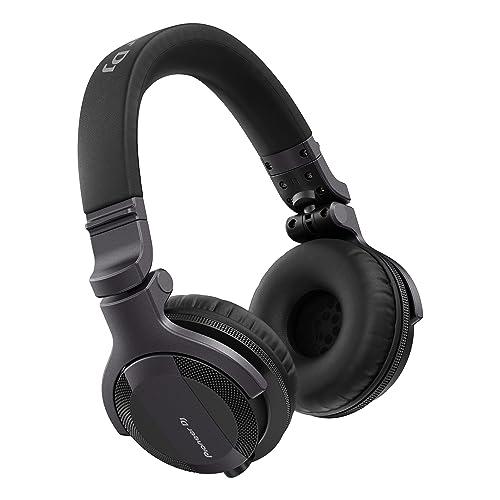
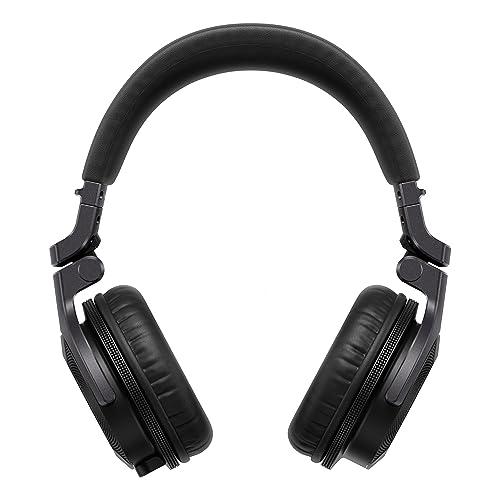
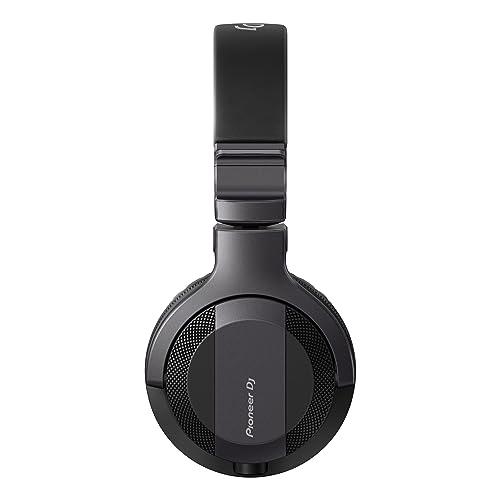
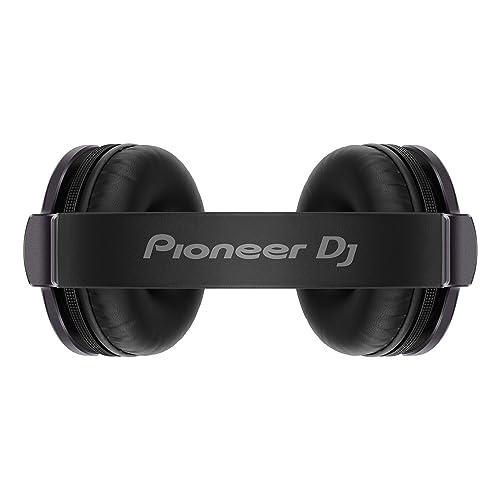
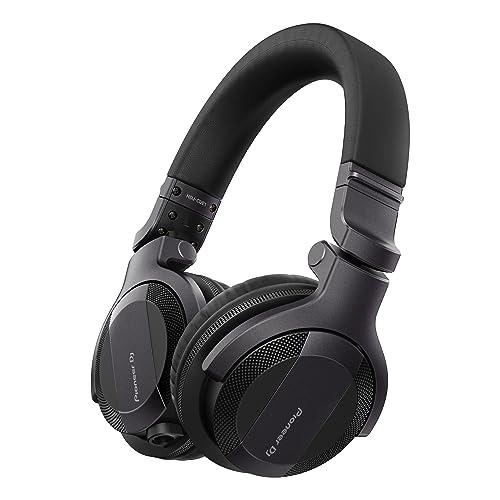
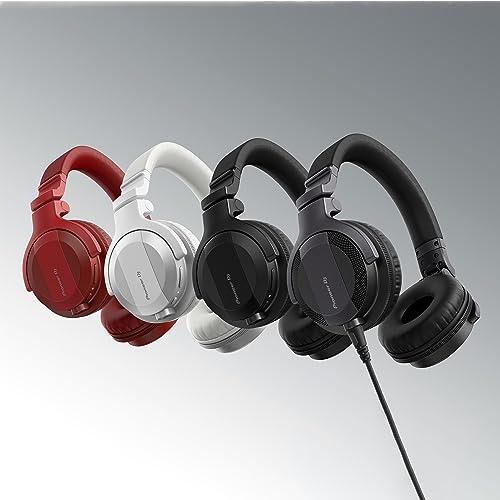


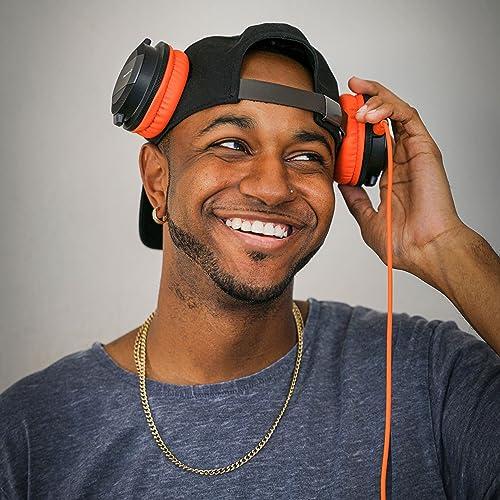
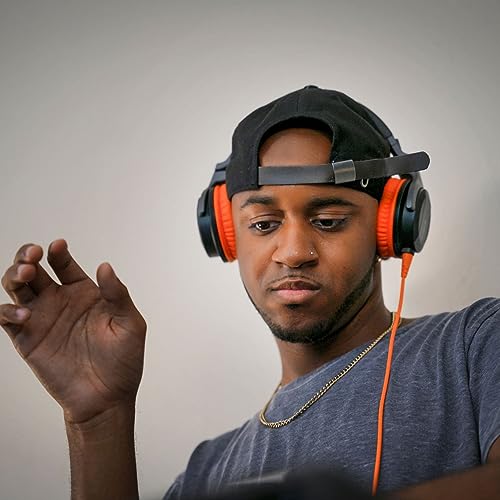
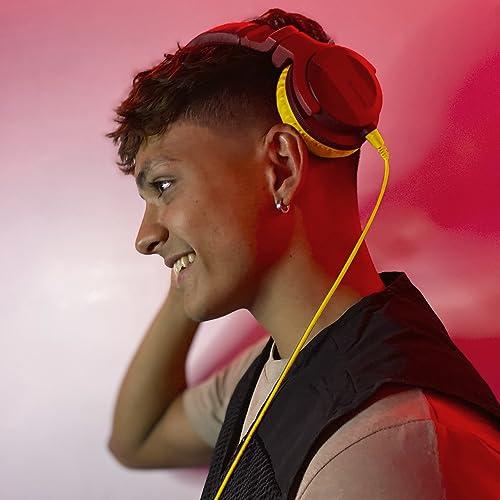


When shopping for headphones, you might find yourself comparing products that seem similar but serve completely different purposes. That's exactly what happens when you look at the Pioneer DJ HDJ-CUE1 and Focal Bathys - two headphones that share the same basic technology but approach audio in fundamentally different ways.
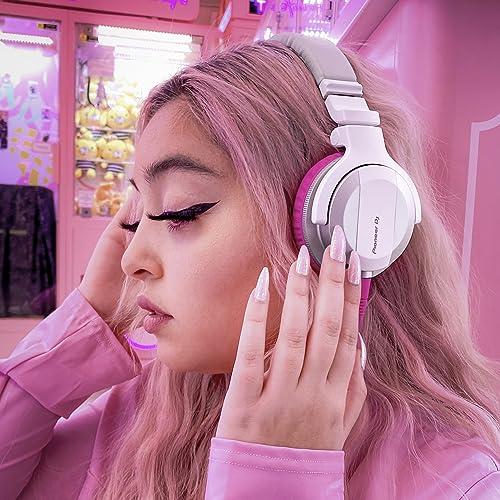
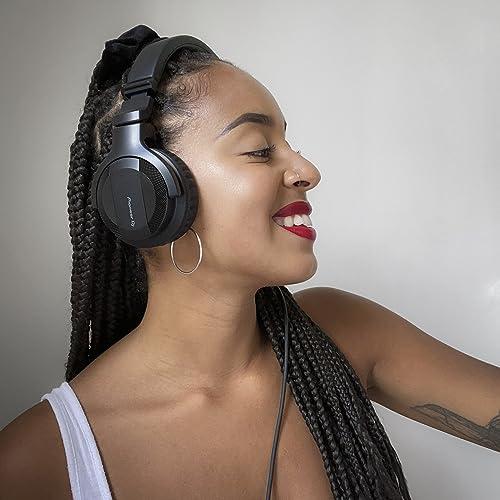
The Pioneer DJ HDJ-CUE1, released in 2020, represents Pioneer's entry-level approach to DJ headphones, focusing on the specific needs of mixing and performance. Meanwhile, the Focal Bathys, launched in 2023, brings French audiophile expertise to the wireless noise-canceling market. Understanding these different philosophies is crucial for making the right choice.
Think of headphones as tools designed for specific jobs. A carpenter wouldn't use a precision screwdriver to frame a house, and similarly, DJ headphones and audiophile headphones optimize for different tasks. The key is understanding what matters most for your intended use.
DJ headphones like the HDJ-CUE1 prioritize features that help with mixing: bass-heavy sound signatures that make kick drums pop, swivel mechanisms for one-ear monitoring, and rugged cables that won't disconnect during performances. The sound tuning deliberately emphasizes certain frequencies to help DJs identify and match beats.
Audiophile headphones like the Focal Bathys aim for accurate sound reproduction across all frequencies, letting you hear music exactly as the artist and engineers intended. They focus on detail retrieval, soundstage (the sense of space and instrument placement), and neutrality rather than emphasizing specific frequency ranges.
At the time of writing, these products sit at vastly different price points - the Pioneer DJ HDJ-CUE1 costs roughly one-tenth the price of the Focal Bathys. This dramatic difference reflects not just build quality, but entirely different target markets and feature sets.
The Pioneer DJ HDJ-CUE1 uses 40mm dynamic drivers tuned specifically for DJ applications. Pioneer inherited this tuning from their professional HDJ-X5 model, creating what they call "specialist sound tuning." This means deliberately boosting low frequencies - particularly in the 60-120 Hz range where kick drums and bass lines live.
This bass emphasis isn't a flaw; it's intentional. When you're mixing electronic music, hip-hop, or house tracks, you need to clearly hear the rhythmic foundation to match tempos between songs. The HDJ-CUE1 makes these elements prominent, sometimes at the expense of midrange detail or vocal clarity. For mixing purposes, this trade-off makes perfect sense.
The frequency response spans from 5 Hz to 30,000 Hz, which looks impressive on paper. However, the real story is in how those frequencies are balanced. Reviews consistently describe the sound as "punchy" and "energetic," with bass that "hits hard" but mids that can sound "recessed" compared to neutral headphones.
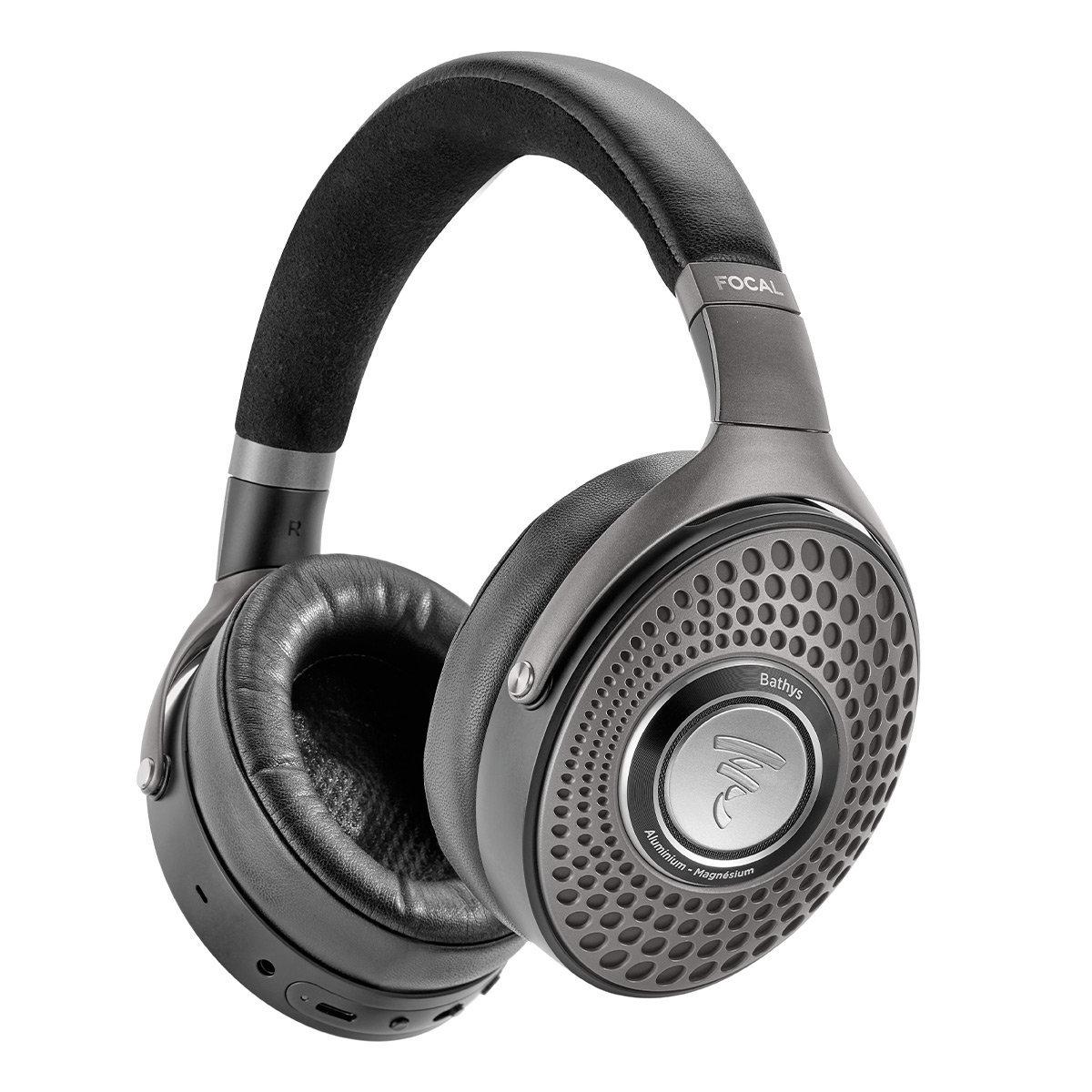
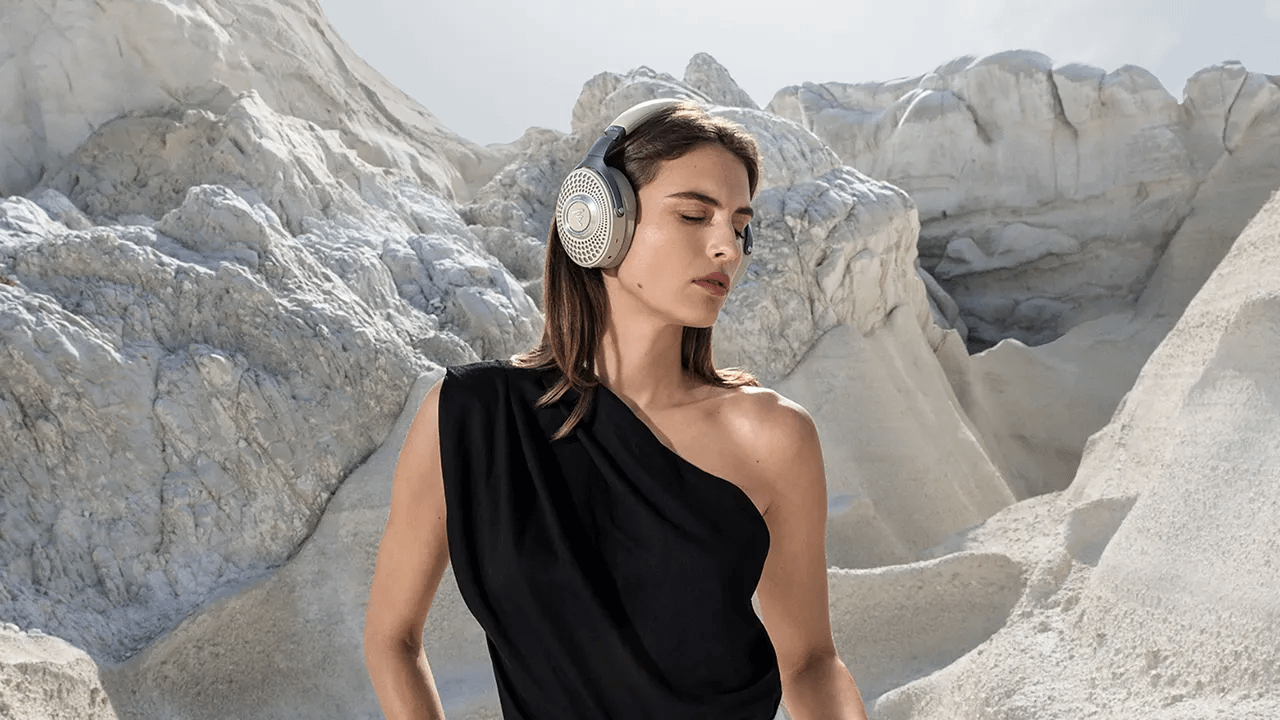
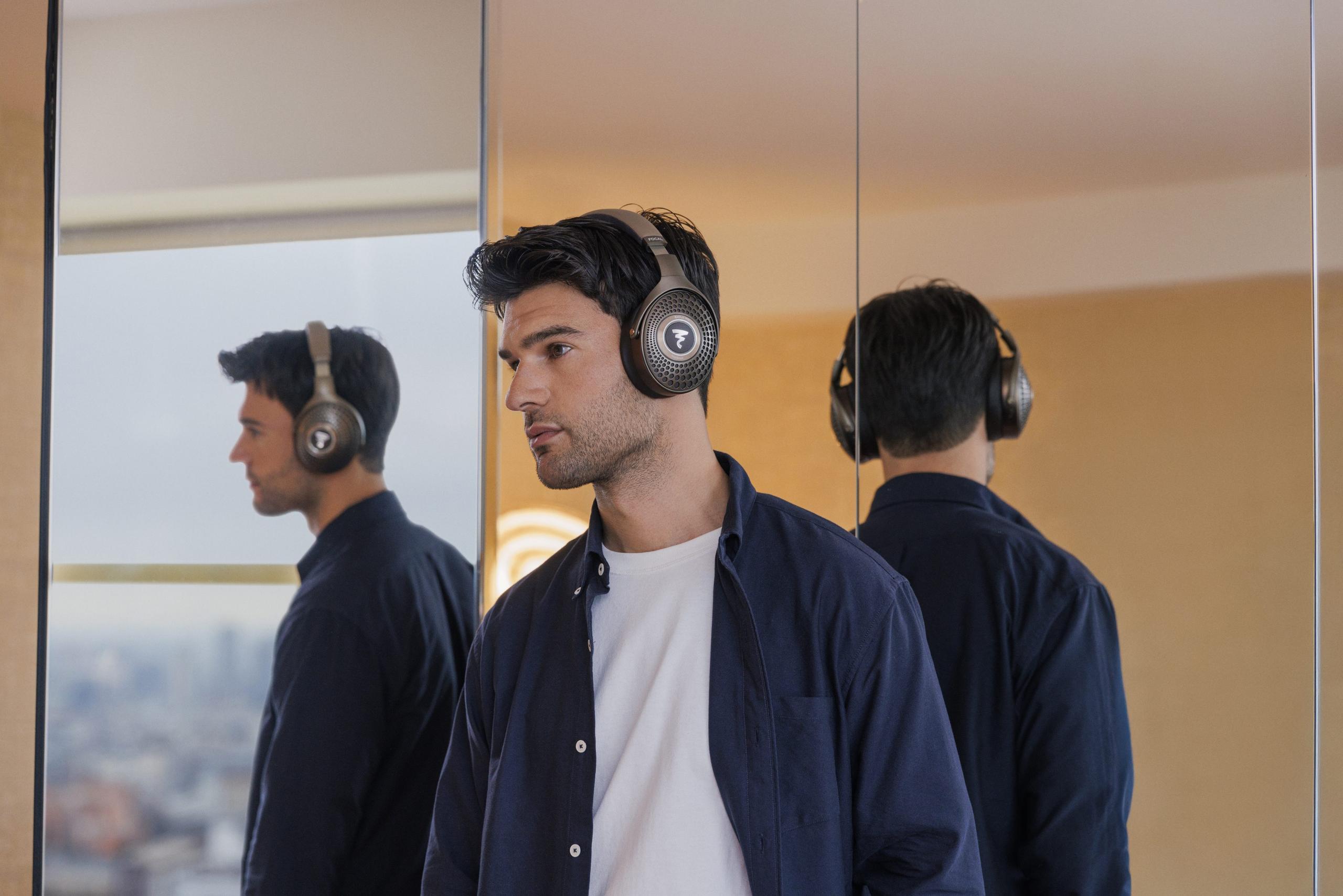
The Focal Bathys takes a completely different approach with their proprietary 40mm aluminum-magnesium drivers featuring Focal's signature 'M'-shaped dome design. These drivers, manufactured in France, aim for what audiophiles call "neutral" reproduction - presenting music without deliberate coloration or emphasis.
The aluminum-magnesium construction combines aluminum's rigidity (which reduces distortion) with magnesium's damping properties (which controls resonance). This technical approach results in what reviewers describe as "audiophile-grade clarity" with a "wide soundstage" - meaning instruments sound properly separated in space rather than jumbled together.
The Focal Bathys presents a "neutral-warm" sound signature. This means the overall tonal balance remains accurate, but with slight warmth in the lower midrange that makes vocals and instruments sound natural rather than clinical. The bass extends deep and remains controlled, the midrange reveals details you might miss on other headphones, and the treble provides sparkle without harshness.
For home theater use, the Bathys excels at reproducing movie soundtracks with proper dynamic range and spatial cues. The active noise cancellation also helps isolate you from household distractions during critical viewing moments.
Both headphones use 40mm drivers, but the similarities end there. The HDJ-CUE1 employs conventional dome-type dynamic drivers optimized for efficiency and durability. With 32-ohm impedance and 104 dB sensitivity, these drivers are designed to work well with DJ mixers, which typically don't have powerful headphone amplifiers.
The Focal Bathys represents a more sophisticated approach. Focal's 'M'-shaped dome technology isn't just marketing - the inverted dome shape affects how sound waves propagate, contributing to better dispersion and reduced distortion. The aluminum-magnesium alloy provides an ideal balance of lightweight construction and acoustic properties.
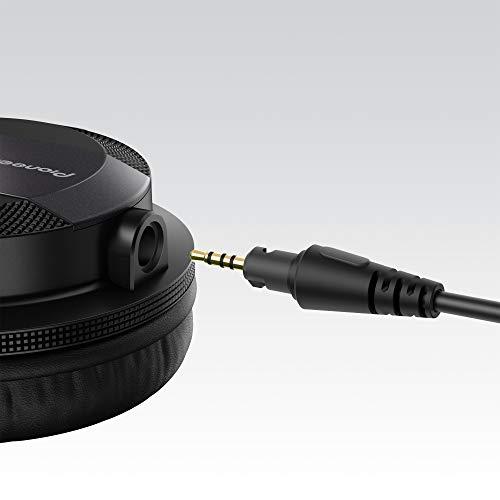
This is where the philosophical differences become most apparent. The Pioneer DJ HDJ-CUE1 offers only wired connectivity through a 1.2-meter coiled cable that extends to 1.8 meters. The L-shaped (right-angled) connector reduces strain and prevents accidental disconnection during performances.
For DJs, this wired-only approach makes perfect sense. Bluetooth introduces latency (delay) that would make beatmatching impossible. Even with modern low-latency codecs, the timing precision required for professional mixing demands the instant response of analog connections.
The Focal Bathys embraces modern connectivity with Bluetooth 5.1, supporting multiple high-quality codecs including aptX Adaptive. More impressively, it includes a USB-DAC mode that accepts digital audio up to 24-bit/192kHz resolution - essentially turning the headphones into a high-end digital-to-analog converter.
This USB-DAC functionality sets the Bathys apart from most wireless headphones. When connected to a computer or compatible device via USB-C, it bypasses your device's internal DAC and uses its own high-quality conversion circuitry. For serious listening or home theater applications, this can provide noticeably better sound quality than standard Bluetooth or even analog connections.
The HDJ-CUE1 relies entirely on passive isolation - the physical barrier created by the closed-back earcups. As on-ear (supra-aural) headphones, they press against your ears rather than surrounding them completely. This provides moderate isolation suitable for home practice sessions but won't block out significant external noise.
The Focal Bathys employs active noise cancellation (ANC) using eight microphones to analyze and counteract ambient noise. The system offers three modes: Silent mode for maximum noise reduction (ideal for flights or commutes), Soft mode for moderate reduction in quieter environments, and Transparency mode that allows important ambient sounds through while maintaining audio quality.
While the Bathys ANC doesn't match the absolute best from Sony or Bose, it provides effective noise reduction for most situations. For home theater use, even moderate ANC helps isolate you from household sounds like air conditioning or distant conversations.
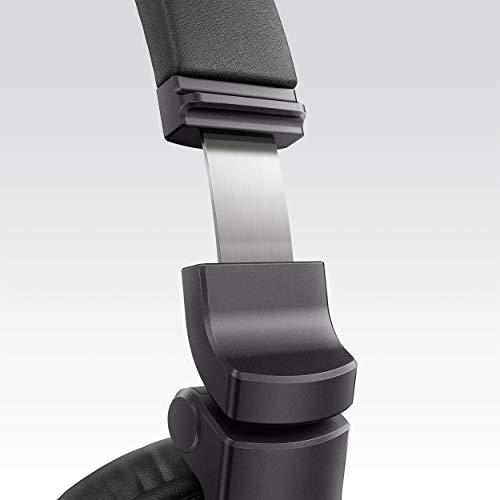
The Pioneer DJ HDJ-CUE1 prioritizes durability and functionality over luxury materials. The lightweight construction (215 grams without cable) uses metal reinforcements in critical stress points, particularly the headband adjustment mechanism. Pioneer subjected all moving parts to rigorous durability testing, knowing that DJ headphones face frequent transport and occasional drops.
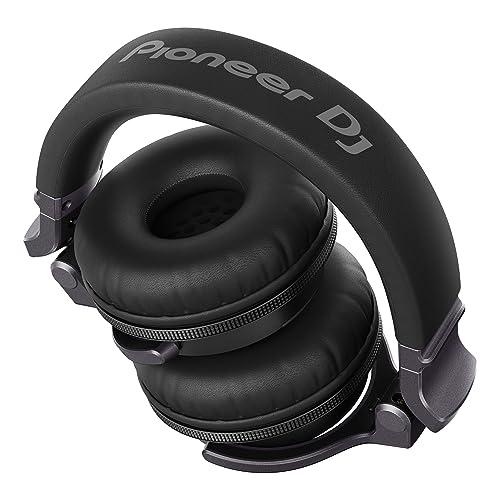
The adjustable, cushioned headband and swivel mechanism allow for comfortable one-ear monitoring - a technique where DJs listen to the upcoming track in one ear while monitoring the live mix with the other. The 90-degree swivel range accommodates this essential DJ technique.
The Focal Bathys takes a luxury approach with magnesium yokes, genuine leather headbands, and microfiber earpads. At 350 grams, they're heavier than the HDJ-CUE1 but distribute weight well across the head. The premium materials justify the higher price point and target the audiophile market that expects both performance and craftsmanship.
Comfort varies significantly between these designs. The HDJ-CUE1's on-ear design works well for shorter sessions and DJ sets where you're frequently adjusting the headphones. However, some users find the clamping force too tight for extended listening, and the on-ear design can cause fatigue during long sessions.
The Focal Bathys's over-ear design generally provides better comfort for extended listening sessions, making them more suitable for long movies or music listening sessions. The larger earpads distribute pressure more evenly, though individual fit varies based on head size and ear shape.
The HDJ-CUE1 includes features specifically designed for mixing applications. The detachable cable uses a secure bayonet connection that won't accidentally disconnect, while the coiled design provides flexibility during performance. The single-sided cable entry reduces tangling and clutter around the DJ booth.
Pioneer offers customization through colored accessory packs, allowing DJs to match their headphones to their style or branding. While purely cosmetic, this personalization option appeals to performers who consider their gear part of their visual presentation.
The Focal Bathys includes contemporary features that make daily use more convenient. The 30-hour battery life (with ANC active) exceeds most competitors, while fast charging provides five additional hours from just 15 minutes of charging.
Voice assistant integration (Alexa, Google Assistant, Siri) allows hands-free control, though this feature proves most useful for phone calls and basic playback control rather than serious listening sessions. The companion mobile app provides custom EQ settings and firmware updates, keeping the headphones current with new features and improvements.
For home theater applications, the Bathys's Bluetooth multipoint capability allows connection to both a TV and phone simultaneously, letting you take calls without manually switching connections.
At the time of writing, the Pioneer DJ HDJ-CUE1 represents exceptional value for its intended purpose. You're getting genuine professional DJ features at an entry-level price point, with build quality that should withstand regular use. The specialized tuning and mechanical features would cost significantly more in higher-end DJ headphones.
However, this value calculation only makes sense if you actually need DJ-specific features. For general music listening, the bass-heavy tuning and lack of modern conveniences limit the HDJ-CUE1's appeal beyond its target market.
The Focal Bathys commands a premium price that reflects advanced driver technology, comprehensive connectivity options, and luxury materials. Compared to other high-end wireless headphones from established audio companies, the pricing aligns with market expectations for this performance level.
The unique USB-DAC functionality alone adds significant value for users with high-quality digital music collections or those seeking optimal performance for home theater applications. This feature essentially eliminates the need for a separate DAC when listening from a computer.
You're learning to DJ or already mixing music regularly. The specialized tuning and mechanical features directly support mixing techniques, while the reliable wired connection ensures zero-latency monitoring. The lightweight design works well for mobile DJs who travel to different venues.
The HDJ-CUE1 also suits electronic music enthusiasts who prefer bass-heavy presentation for genres like dubstep, trap, or house music. If you prioritize reliability over convenience and don't need wireless features, these headphones deliver solid performance at an accessible price point.
You prioritize accurate sound reproduction across all music genres and want the convenience of wireless connectivity without sacrificing audio quality. The comprehensive feature set, including active noise cancellation and extended battery life, makes them excellent all-around headphones for various situations.
For home theater use, the Bathys provides immersive sound reproduction with the flexibility of wireless connectivity. The USB-DAC mode offers optimal quality for computer-based media, while the ANC helps maintain focus during critical viewing moments.
The premium build quality and luxury materials make them suitable for professional environments where appearance matters alongside performance.
The choice between these headphones ultimately depends on identifying your primary use case. If you're specifically interested in DJing or mixing music, the Pioneer DJ HDJ-CUE1 provides specialized tools designed for that exact purpose at remarkable value.
For everyone else, the Focal Bathys offers superior overall audio performance, modern convenience features, and the flexibility to handle various listening scenarios effectively. The higher price reflects genuine technological advancement and premium materials rather than simple markup.
Consider your listening habits, required features, and budget constraints. Both products excel within their intended markets - the key is choosing the market that aligns with your needs and preferences. The dramatic price difference reflects fundamentally different approaches to headphone design, not just build quality variations.
Whether you choose the specialized efficiency of the HDJ-CUE1 or the comprehensive luxury of the Bathys, understanding these differences ensures you'll select the right tool for your audio journey.
| Pioneer DJ HDJ-CUE1 | Focal Bathys |
|---|---|
| Target Audience - Determines which features matter most | |
| Entry-level DJs and electronic music enthusiasts | Audiophiles and premium wireless headphone users |
| Sound Signature - How music will actually sound to you | |
| Bass-heavy tuning for mixing (kick drums emphasized) | Neutral-warm audiophile tuning (balanced across frequencies) |
| Driver Technology - Core component affecting sound quality | |
| 40mm conventional dynamic drivers | 40mm aluminum-magnesium 'M'-shaped dome drivers (made in France) |
| Connectivity Options - How you'll connect to devices | |
| Wired only (1.2m coiled cable, zero latency) | Bluetooth 5.1, wired 3.5mm, and USB-DAC mode (up to 24-bit/192kHz) |
| Weight and Comfort - Critical for extended use | |
| 215g, on-ear design with 90° swivel cups | 350g, over-ear with premium leather and microfiber materials |
| Noise Isolation - How well they block outside sound | |
| Passive isolation only (moderate effectiveness) | Active noise cancellation with 3 modes plus transparency |
| Battery Life - Only relevant for wireless models | |
| N/A (wired only, no battery needed) | 30 hours with ANC on, fast charging (5hrs in 15min) |
| DJ-Specific Features - Essential for mixing applications | |
| One-ear monitoring, L-type connector, replaceable parts | None (designed for listening, not mixing) |
| Premium Features - Modern conveniences and luxury touches | |
| Customizable colored earpads and cables | Voice assistants, companion app with EQ, USB-DAC mode |
| Build Philosophy - Reflects intended use and durability needs | |
| Lightweight, portable, tested for DJ booth conditions | Luxury materials, premium aesthetics, home/travel focused |
| Value Proposition - What you get for the price difference | |
| Professional DJ features at entry-level cost | Audiophile sound quality with comprehensive wireless features |
The Pioneer DJ HDJ-CUE1 are specifically designed for beginner DJs, offering professional mixing features at an entry-level price point. However, if you're a beginner to high-quality audio in general, the Focal Bathys provide superior overall sound quality and modern conveniences like wireless connectivity and noise cancellation.
The Focal Bathys excel for home theater applications with their wide soundstage, accurate sound reproduction, and active noise cancellation that blocks household distractions. The Pioneer DJ HDJ-CUE1 are not optimized for home theater use due to their bass-heavy tuning and lack of noise cancellation features.
The Focal Bathys deliver superior overall sound quality with their audiophile-grade drivers and neutral tuning that accurately reproduces all music genres. The Pioneer DJ HDJ-CUE1 have specialized sound tuning that emphasizes bass for DJ mixing but may not sound as balanced for general music listening.
The Focal Bathys are better suited for extended listening with their over-ear design and premium padding materials. The Pioneer DJ HDJ-CUE1 use an on-ear design that some users find less comfortable during long sessions, though they work well for typical DJ set durations.
The Pioneer DJ HDJ-CUE1 are significantly more portable, weighing only 215 grams with a foldable design perfect for mobile DJs. The Focal Bathys are heavier at 350 grams but include a premium carrying case and offer wireless freedom that eliminates cable management.
The Pioneer DJ HDJ-CUE1 work with any device that has a standard headphone jack, including DJ mixers and controllers. The Focal Bathys offer multiple connectivity options including Bluetooth for phones and tablets, plus USB-DAC mode for high-quality computer audio without additional equipment.
The Focal Bathys significantly outperform with active noise cancellation featuring three different modes for various environments. The Pioneer DJ HDJ-CUE1 rely only on passive isolation from their closed-back design, which provides moderate noise blocking suitable for home practice.
The price difference reflects completely different target markets and feature sets. The Pioneer DJ HDJ-CUE1 offer exceptional value for DJ-specific features at their price point, while the Focal Bathys justify their premium pricing with audiophile-grade sound quality, wireless technology, and luxury materials.
Both excel with electronic music but for different reasons. The Pioneer DJ HDJ-CUE1 emphasize bass and kick drums, making them ideal for mixing electronic genres. The Focal Bathys reveal more detail and nuance in electronic productions, making them better for critical listening to your favorite electronic artists.
The Focal Bathys include a high-quality microphone system with noise reduction for clear phone calls and voice assistant access. The Pioneer DJ HDJ-CUE1 are purely audio headphones without microphone capabilities, designed specifically for music monitoring and mixing applications.
Only the Focal Bathys have a battery, offering up to 30 hours of listening time with active noise cancellation enabled. The Pioneer DJ HDJ-CUE1 are wired-only headphones that don't require charging, making them always ready for use without battery concerns.
The fundamental difference is purpose: the Pioneer DJ HDJ-CUE1 are specialized tools for DJ mixing with features like swivel cups and bass-heavy tuning, while the Focal Bathys are premium wireless headphones designed for audiophile listening with balanced sound, noise cancellation, and modern connectivity features.
We've done our best to create useful and informative comparisons to help you decide what product to buy. Our research uses advanced automated methods to create this comparison and perfection is not possible - please contact us for corrections or questions. These are the sites we've researched in the creation of this article: bestbuy.com - pioneerdjstore.com - rtings.com - idjnow.com - youtube.com - pioneerdj.com - soundguys.com - pioneerdj.com - digitaldjtips.com - pioneerdj.com - guitarcenter.com - empirepro.com - idjnow.com - emiaudio.com - pioneerdj.com - sfm.ca - sweetwater.com - pioneerdj.com - pioneerdj.com - pioneerdj.com - rtings.com - majorhifi.com - stevehuffphoto.com - audio46.com - moon-audio.com - majorhifi.com - head-fi.org - recordingnow.com - headphones.com - moon-audio.com - focal.com - media.focal-naim.com - moon-audio.com - headphones.com - focal.com - audioadvice.com - audioadvisor.com - upscaleaudio.com - thegreatestsong.com - avluxurygroup.com

Privacy Policy
Terms and Conditions - Affiliate Policy
Home Security
© Copyright 2008-2026.
11816 Inwood Rd #1211, Dallas, TX 75244