




When you're shopping for headphones, you might find yourself comparing products that seem similar but are actually designed for completely different purposes. That's exactly what happens when you look at the Pioneer DJ HDJ-CUE1 and Apple AirPods Max – two headphones that couldn't be more different in their approach to audio.
The Pioneer DJ HDJ-CUE1, released around 2020, represents the entry-level professional DJ headphone category. Meanwhile, the Apple AirPods Max, launched in late 2020, established Apple's presence in the premium over-ear headphone market. Understanding these different philosophies is crucial to making the right choice for your needs.
DJ headphones like the Pioneer HDJ-CUE1 are purpose-built tools. They're designed to handle the specific demands of mixing music in loud environments, where you need to hear exactly how one track will blend with another. Think of them like a carpenter's hammer – they're optimized for a specific job rather than general use.
Premium consumer headphones like the Apple AirPods Max take the opposite approach. They're designed to excel across multiple scenarios – listening to music at home, watching movies, taking calls, or blocking out airplane noise during travel. They're more like a high-end Swiss Army knife, offering multiple capabilities in one elegant package.
The key considerations when choosing between these categories include your primary use case, budget constraints, desired audio quality, comfort requirements, and how important advanced features are to your daily routine. At the time of writing, these products sit in dramatically different price tiers, with the Pioneer representing excellent value in the budget category while the Apple commands premium pricing for its advanced feature set.
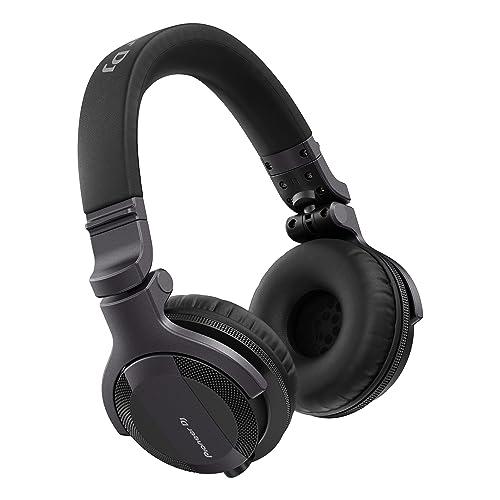
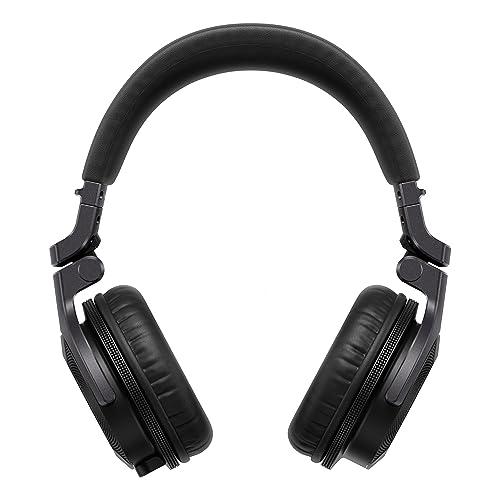
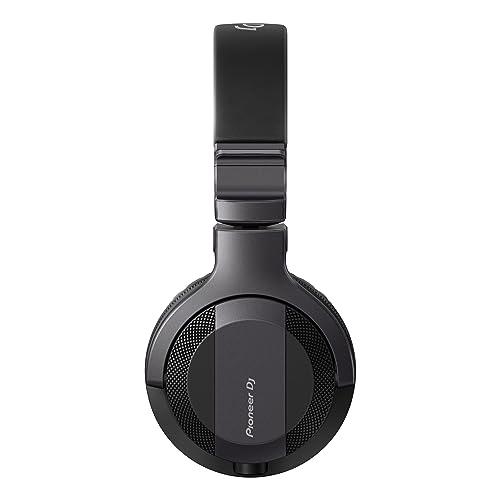
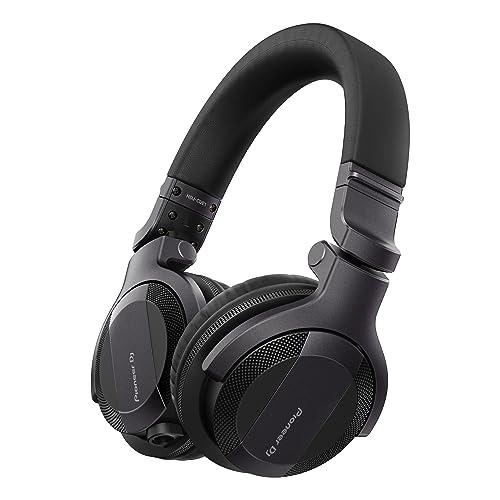
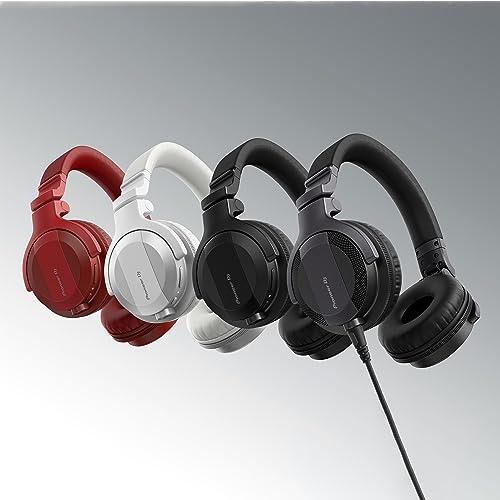
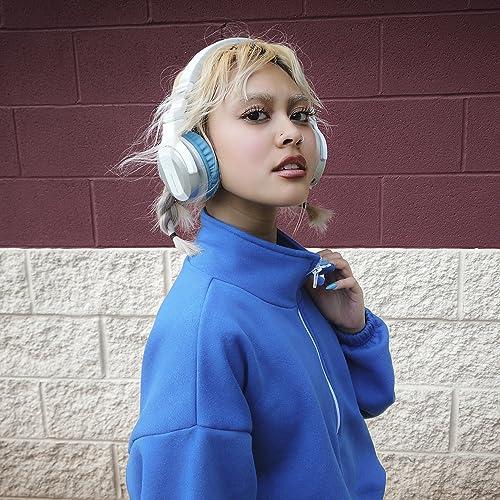
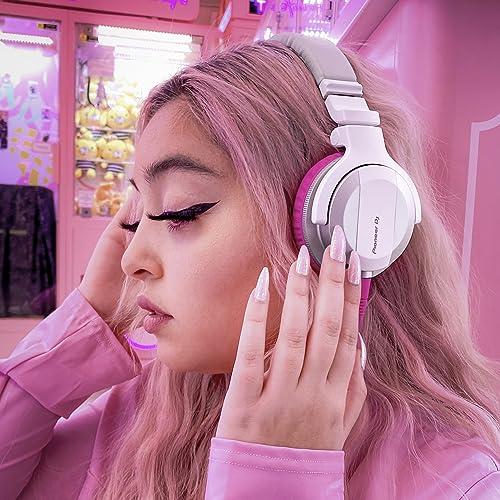
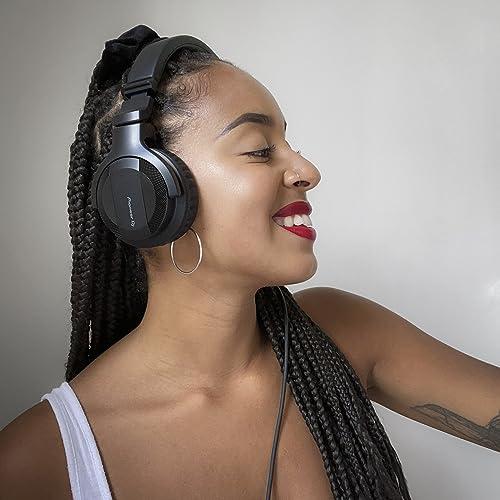
The Pioneer DJ HDJ-CUE1 embodies the "form follows function" principle. Every design element serves a practical purpose for DJ work. The most distinctive feature is the 90-degree swiveling ear cups – this isn't just a neat trick, it's essential for DJ technique. When you're mixing, you need to monitor the incoming track in one ear while keeping the other ear free to hear what's playing live to the audience.
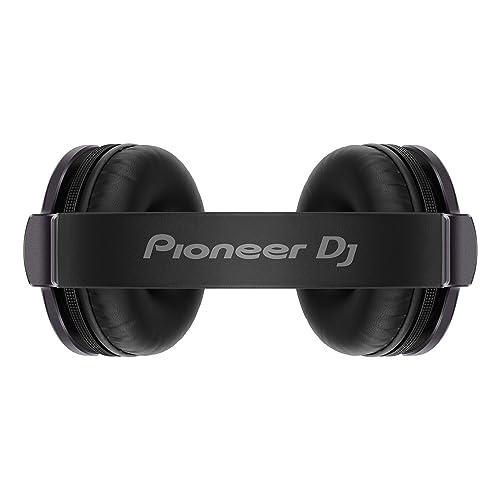
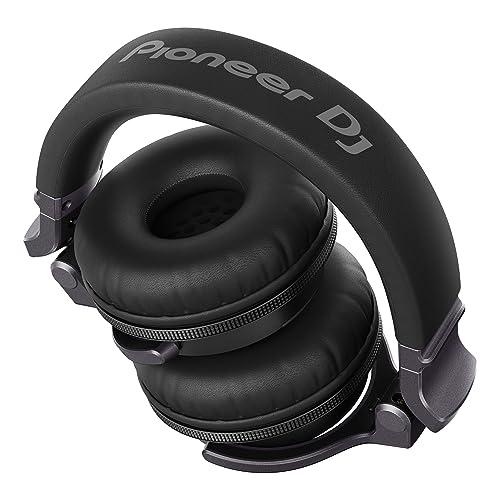
The on-ear design (called "supra-aural" in technical terms) keeps the headphones compact and lightweight at just 215 grams without the cable. This matters when you're wearing headphones for hours during a gig, or when you need to pack them into a DJ bag alongside mixers, controllers, and cables. The headphones fold flat, making them incredibly portable – something you'll appreciate if you've ever tried to fit bulky headphones into an already-stuffed equipment case.
The 40mm dynamic drivers are tuned specifically for DJ monitoring, with emphasis on the low frequencies where kick drums and bass lines live. This isn't about creating the most "accurate" sound reproduction – it's about making sure you can hear the elements that matter most for beatmatching (syncing the tempo of two tracks).
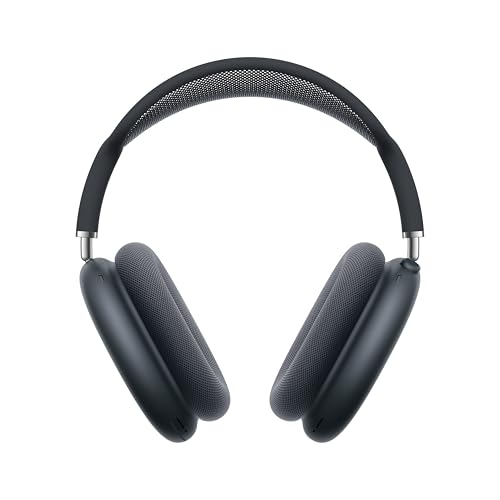
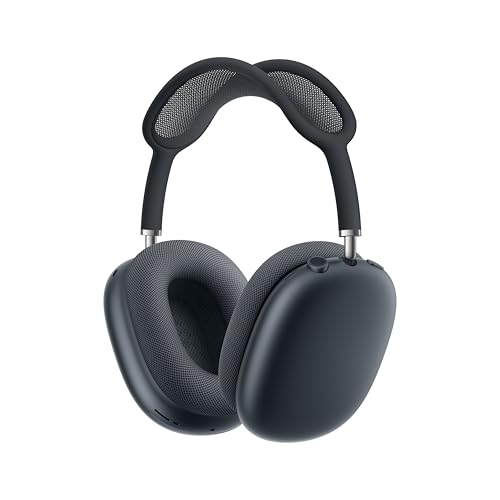
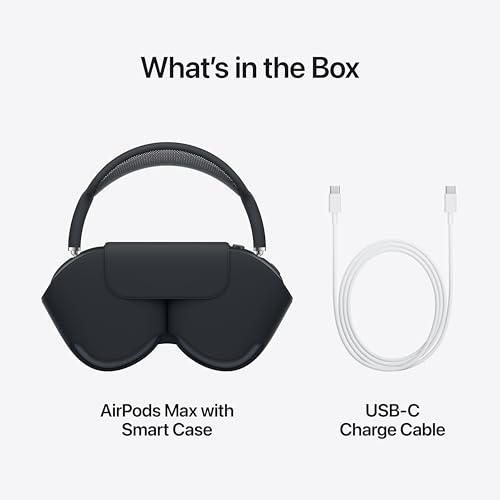
The Apple AirPods Max represents a completely different design philosophy. At 384.8 grams, they're nearly twice the weight of the Pioneer, but that extra mass comes from premium materials: anodized aluminum ear cups, a stainless steel frame, and a distinctive mesh canopy headband that distributes weight evenly across your head.
The over-ear design (circumaural) completely encloses your ears, which provides better passive noise isolation and generally more comfortable long-term wear. However, this also makes them significantly larger and less portable – these headphones don't fold at all, prioritizing structural integrity over convenience.
Each ear cup houses an Apple H1 chip, the same processor used in AirPods Pro. This enables computational audio – essentially, the headphones are constantly running software to optimize your listening experience in real-time. Features like Adaptive EQ automatically adjust the sound based on how the headphones fit your ears, while the Active Noise Cancellation system uses eight microphones to continuously monitor and counter external sounds.
Both headphones use 40mm dynamic drivers, but they're tuned for completely different purposes. The Pioneer DJ HDJ-CUE1 covers an impressive frequency range from 5 Hz to 30,000 Hz on paper, but the real story is in how those frequencies are emphasized.
DJ headphones typically boost the low-end frequencies (roughly 60-250 Hz) because this is where the fundamental elements of electronic music live. When you're beatmatching, you need to clearly hear the kick drum pattern of both tracks to sync them perfectly. The Pioneer's bass-forward tuning makes these elements pop out of the mix, even in noisy club environments.
The midrange frequencies (250 Hz to 4,000 Hz) are present but not emphasized, which can make vocals sound less prominent than they would on consumer headphones. This is actually intentional – DJs often work with instrumental versions of tracks, and the midrange emphasis that makes vocals sound great can sometimes mask the rhythmic elements that are crucial for mixing.
The Apple AirPods Max takes a fundamentally different approach with computational audio processing. Instead of using fixed tuning, the headphones continuously adjust their sound signature based on multiple factors: how they fit your ears, what type of content you're listening to, and even your head movements when using Spatial Audio.
Adaptive EQ is particularly clever – inward-facing microphones measure what you're actually hearing and compare it to the intended sound. If the headphones detect that high frequencies are being muffled by your hair or glasses, they'll boost those frequencies to compensate. This creates a more consistent listening experience across different users and wearing conditions.
The Spatial Audio feature uses accelerometers and gyroscopes to track your head movements. When you're watching a movie and turn your head to the right, the sound shifts to maintain the illusion that audio is coming from your device's screen rather than moving with your head. It sounds gimmicky until you experience it – then it becomes surprisingly immersive, especially for movie watching.
For DJ monitoring, the Pioneer HDJ-CUE1 excels at its intended purpose. The bass emphasis helps with beatmatching, and the swivel cups make single-ear monitoring comfortable and practical. However, this specialized tuning means they're less ideal for general music listening, where the bass-heavy sound signature can overwhelm vocals and acoustic instruments.
The Apple AirPods Max provides more balanced, accurate sound reproduction across genres. Classical music sounds spacious and detailed, rock music has punch without muddiness, and podcasts have clear, natural-sounding voices. The computational audio features particularly shine with modern pop music that's mixed to take advantage of spatial audio effects.
For home theater use, the Apple headphones are exceptional. The combination of Spatial Audio, excellent dynamic range, and comfortable over-ear design makes them ideal for movie watching. The Pioneer headphones, being designed for DJ monitoring, lack the soundstage width and tonal balance that make movies engaging.
The Pioneer DJ HDJ-CUE1 relies entirely on passive noise isolation – the physical barrier created by the ear cups and cushions. On-ear designs generally provide less isolation than over-ear models, but they offer some natural advantages for DJs. You can still hear important environmental cues (like someone trying to get your attention), and the swivel design lets you deliberately expose one ear when needed.
This passive approach works well in DJ booth environments where you need some awareness of your surroundings, but it's less effective for focused listening in noisy environments like airplanes or busy offices.
The Apple AirPods Max employs sophisticated Active Noise Cancellation (ANC) that's among the best available at the time of writing. Eight dedicated microphones continuously sample environmental noise, and the H1 chips generate precise "anti-noise" to cancel unwanted sounds.
This system excels at eliminating constant, low-frequency noises like airplane engines, air conditioning, or traffic. The noise cancellation is so effective that it can feel almost disorienting when you first put them on in a noisy environment – suddenly, the world goes quiet except for your audio content.
The Transparency mode offers a middle ground, using external microphones to pipe in environmental sounds so you can have conversations or hear announcements without removing the headphones. This feature works so naturally that you might forget you're wearing headphones at all.
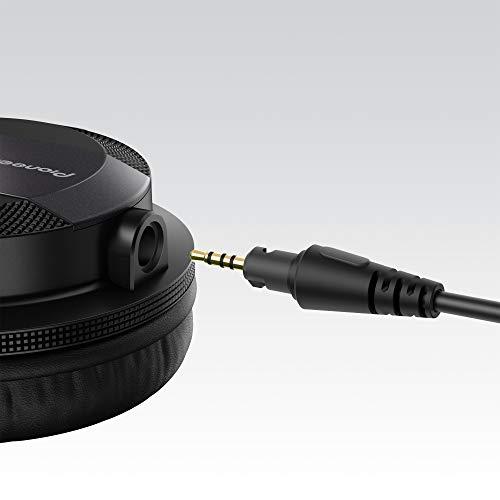
The Pioneer DJ HDJ-CUE1 uses a wired connection exclusively, which might seem outdated but offers significant advantages for professional use. There's zero latency (delay) between the audio source and your ears, which is crucial when you're trying to sync beats precisely. The 1.2-meter coiled cable extends to 1.8 meters, providing flexibility while preventing the tangling issues common with straight cables.
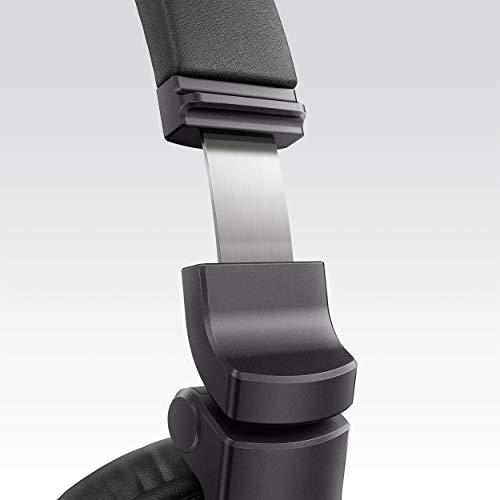
The detachable cable system is particularly practical – cables are often the first component to fail on headphones, and being able to replace just the cable extends the headphones' lifespan significantly. The L-shaped connector reduces stress on the cable connection and is less likely to get caught on equipment.
The Apple AirPods Max showcases wireless technology at its best, but primarily if you're using Apple devices. The H1 chips enable seamless device switching – answer a call on your iPhone, and the headphones automatically disconnect from your iPad. Finish the call, and they switch back to your music without any manual intervention.
Battery life reaches up to 20 hours with Active Noise Cancellation enabled, which is competitive with other premium wireless headphones. The quick charge feature provides 1.5 hours of listening from just 5 minutes of charging, which can be a lifesaver when you're rushing to catch a flight.
However, many of these smart features only work within Apple's ecosystem. Android users can use the headphones via Bluetooth, but they'll miss out on automatic device switching, spatial audio, and some of the computational audio features that make these headphones special.
Comfort becomes crucial during extended listening sessions, and the two designs handle this challenge differently. The Pioneer DJ HDJ-CUE1's lightweight design reduces neck strain, but the on-ear cups can create pressure points during long sessions. This is particularly noticeable for glasses wearers, where the headphone cups press the glasses frames against your head.
The Apple AirPods Max distributes weight more effectively with its mesh canopy headband and larger ear cups that sit around rather than on your ears. The memory foam cushions conform to your ear shape, creating a comfortable seal. However, the 384.8-gram weight can become noticeable during extended wear, especially if you're moving around frequently.
DJ headphones prioritize different comfort factors than consumer models. DJs often wear headphones around their neck between sets, so the Pioneer headphones' compact size and swivel mechanism make them less cumbersome during these periods. The ability to monitor with just one ear also reduces the feeling of isolation that can be uncomfortable during social situations.
Consumer headphones like the Apple AirPods Max optimize for stationary listening comfort. The over-ear design and premium cushioning make them ideal for long listening sessions at home or during travel, but they're less practical for situations where you need to frequently put them on and take them off.
At the time of writing, these products occupy vastly different price tiers, making direct value comparisons challenging. The Pioneer DJ HDJ-CUE1 represents exceptional value in the budget DJ headphone category, offering professional features and build quality at an accessible price point.
The specialized features – swiveling cups, DJ-tuned sound signature, detachable cables, and durable construction – would typically cost significantly more in higher-end DJ headphone lines. For aspiring DJs or those on tight budgets, this represents an excellent entry point into professional DJ equipment.
The Apple AirPods Max commands premium pricing that reflects its advanced technology and luxury materials. The computational audio features, premium build quality, and seamless Apple integration justify the higher cost for users who value these capabilities and can afford the investment.
Consider ongoing costs when evaluating value. The Pioneer DJ HDJ-CUE1 has no battery to eventually degrade, and the replaceable cable system means repairs are often simple and inexpensive. However, the on-ear design may cause the ear cushions to wear faster than over-ear alternatives.
The Apple AirPods Max includes a rechargeable battery that will eventually need service or replacement after several years of use. The premium materials are durable, but aluminum surfaces can show scratches, and replacement parts tend to be expensive when not covered by warranty.
You're primarily interested in DJ work or music production, where the specialized features and sound tuning provide clear advantages. The budget-friendly price makes them accessible for beginners, while the professional features ensure you won't quickly outgrow them as your skills develop.
They're also ideal if you prefer wired reliability over wireless convenience, need maximum portability for mobile DJ setups, or primarily listen to electronic music that benefits from their bass-emphasized tuning.
You're deeply integrated into Apple's ecosystem and want headphones that excel across multiple use cases – music listening, movie watching, phone calls, and noise cancellation. The premium price is justified if you value the advanced computational audio features and luxury build quality.
They're particularly compelling for frequent travelers who need excellent noise cancellation, home theater enthusiasts who want immersive spatial audio, or anyone who prioritizes comfort during long listening sessions.
The most important factor in choosing between these headphones is understanding your primary use case. If you're buying headphones specifically for DJ work, the Pioneer is the obvious choice regardless of budget considerations. If you're looking for premium personal listening headphones and happen to be in Apple's ecosystem, the Apple model offers features and integration that competitors can't match.
For general consumers who aren't DJs, the Pioneer DJ HDJ-CUE1 might seem like a good value, but the specialized tuning and design compromises make them less suitable for diverse listening needs. Similarly, DJs might be tempted by the Apple headphones' impressive specifications, but the lack of swiveling cups and the wireless-only design make them impractical for professional mixing work.
Both products excel within their intended categories, making this less about finding the "better" headphone and more about identifying which category aligns with your needs and budget. Understanding these fundamental differences will help ensure your investment provides the performance and features that matter most for your specific audio requirements.
| Pioneer DJ HDJ-CUE1 Headphones | Apple AirPods Max Wireless Over-Ear Headphones |
|---|---|
| Design Type - Affects comfort and isolation for different use cases | |
| On-ear (supra-aural), compact and foldable | Over-ear (circumaural), premium materials but bulkier |
| Weight - Critical for extended wearing comfort | |
| 215g without cable (lightweight for long DJ sets) | 384.8g (nearly twice as heavy, may cause fatigue) |
| Driver Size and Tuning - Determines sound character and quality | |
| 40mm dynamic, bass-emphasized for DJ monitoring | 40mm custom Apple dynamic with computational tuning |
| Frequency Response - Shows audio range capabilities | |
| 5 Hz - 30,000 Hz (wide range, bass-focused tuning) | Not specified (likely 20 Hz - 20,000 Hz with adaptive EQ) |
| Key Professional Features - Essential capabilities for intended use | |
| 90-degree swiveling ear cups, detachable coiled cable | Active Noise Cancellation, Transparency mode, Spatial Audio |
| Connectivity - Affects latency and device compatibility | |
| Wired only via 3.5mm (zero latency, universal compatibility) | Bluetooth 5.0 wireless with Apple ecosystem integration |
| Battery Life - Only relevant for wireless models | |
| N/A (wired connection, no battery required) | Up to 20 hours with ANC enabled |
| Noise Isolation Method - How they block external sound | |
| Passive isolation only (adequate for DJ booth environments) | Advanced 8-microphone Active Noise Cancellation system |
| Portability - Important for mobile use | |
| Foldable, compact design with coiled cable | Non-folding, requires large Smart Case for transport |
| Target Use Case - Who each product serves best | |
| DJ mixing, beatmatching, music production monitoring | Premium personal listening, travel, home theater, calls |
| Ecosystem Integration - Device compatibility and smart features | |
| Universal 3.5mm works with all audio equipment | Optimized for Apple devices with seamless switching |
| Customization Options - Personalization capabilities | |
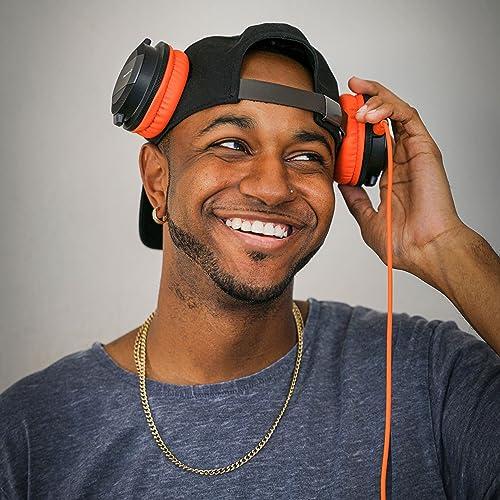
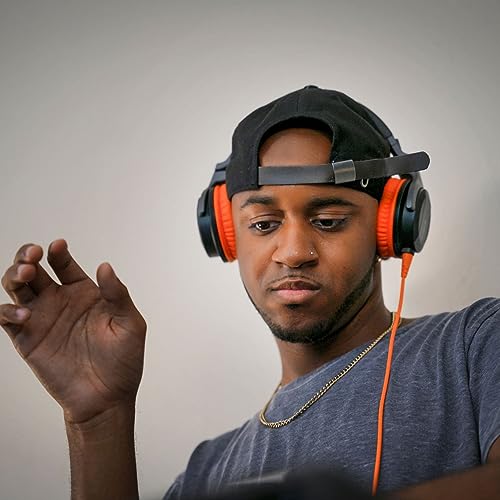
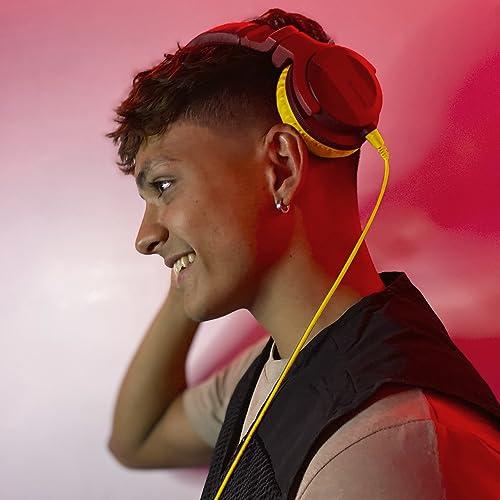
| Interchangeable colored cables and earpads available | Limited to initial color choice selection |
| Durability Focus - Build quality for intended environment | |
| Professional DJ use with replaceable cable system | Premium consumer use with luxury materials |
The Pioneer DJ HDJ-CUE1 Headphones are specifically designed for DJing with 90-degree swiveling ear cups for single-ear monitoring, bass-emphasized tuning for beatmatching, and a detachable coiled cable that won't tangle. The Apple AirPods Max lack these essential DJ features and use wireless connectivity that introduces latency, making them unsuitable for professional mixing work.
The Pioneer DJ HDJ-CUE1 features bass-heavy tuning optimized for DJ monitoring and electronic music, while the Apple AirPods Max offers more balanced, high-fidelity sound with computational audio processing. The Apple headphones provide superior overall audio quality for general listening, but the Pioneer's specialized tuning is better for DJ applications.
The Apple AirPods Max generally offers better comfort for extended stationary listening with its over-ear design, memory foam cushions, and weight-distributing mesh headband. However, at 384.8g, they're nearly twice as heavy as the 215g Pioneer DJ HDJ-CUE1, which may cause more fatigue during active use or movement.
While the Apple AirPods Max can connect to any Bluetooth device, many key features like seamless device switching, Spatial Audio, and computational audio work only with Apple devices. Android users will miss significant functionality, making the Pioneer DJ HDJ-CUE1 a more universally compatible choice with its standard 3.5mm connection.
The Apple AirPods Max features industry-leading Active Noise Cancellation using eight microphones and can dramatically reduce ambient noise. The Pioneer DJ HDJ-CUE1 relies only on passive noise isolation, which is adequate for DJ booth environments but significantly less effective in noisy travel or office situations.
While the Pioneer DJ HDJ-CUE1 can be used for casual listening, their bass-heavy tuning and on-ear design make them less ideal than the Apple AirPods Max for diverse music genres. The Pioneer headphones excel with electronic music but may sound unbalanced with vocals, classical music, or acoustic genres.
The Pioneer DJ HDJ-CUE1 are significantly more portable with their lightweight, foldable design and compact form factor. The Apple AirPods Max don't fold and require a large Smart Case, making them less convenient for travel despite their superior noise cancellation for flights.
The Apple AirPods Max excel for home theater use with Spatial Audio creating an immersive surround sound experience, excellent dynamic range, and comfortable over-ear design for long viewing sessions. The Pioneer DJ HDJ-CUE1 lack the soundstage width and balanced tuning that make movies engaging, as they're optimized for DJ monitoring rather than cinematic content.
The Apple AirPods Max features premium materials including aluminum ear cups and stainless steel frame, while the Pioneer DJ HDJ-CUE1 prioritizes functional durability for professional use. Both are well-built, but the Apple offers luxury materials while the Pioneer focuses on practical features like replaceable cables.
The Pioneer DJ HDJ-CUE1 don't require batteries since they're wired, eliminating concerns about battery degradation or charging. The Apple AirPods Max provides up to 20 hours of wireless listening with Active Noise Cancellation enabled, which is competitive but requires regular charging and eventual battery replacement.
The Apple AirPods Max excel for calls with multiple microphones, noise cancellation that blocks background noise, and seamless integration with phones and video apps. The Pioneer DJ HDJ-CUE1 lack a built-in microphone and aren't designed for communication, making them unsuitable for calls or meetings.
Value depends on your needs: the Pioneer DJ HDJ-CUE1 offers exceptional value for DJing and budget-conscious buyers seeking professional features, while the Apple AirPods Max provides premium value for users wanting advanced technology, superior comfort, and multi-purpose functionality within Apple's ecosystem. Neither is overpriced for their intended market segment.
We've done our best to create useful and informative comparisons to help you decide what product to buy. Our research uses advanced automated methods to create this comparison and perfection is not possible - please contact us for corrections or questions. These are the sites we've researched in the creation of this article: bestbuy.com - pioneerdjstore.com - rtings.com - idjnow.com - youtube.com - pioneerdj.com - soundguys.com - pioneerdj.com - digitaldjtips.com - pioneerdj.com - guitarcenter.com - empirepro.com - idjnow.com - emiaudio.com - pioneerdj.com - sfm.ca - sweetwater.com - pioneerdj.com - pioneerdj.com - pioneerdj.com - recordingnow.com - t3.com - telegraph.co.uk - soundguys.com - youtube.com - forums.macrumors.com - youtube.com - youtube.com - apple.com - support.apple.com - idownloadblog.com - media.distrelec.com - en.wikipedia.org - apple.com - apple.com - support.apple.com - rtings.com

Privacy Policy
Terms and Conditions - Affiliate Policy
Home Security
© Copyright 2008-2026.
11816 Inwood Rd #1211, Dallas, TX 75244