

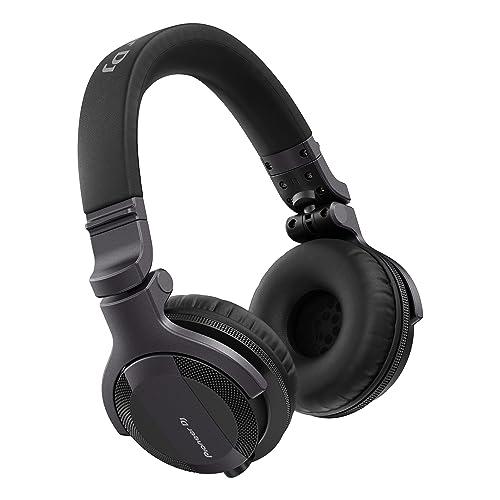
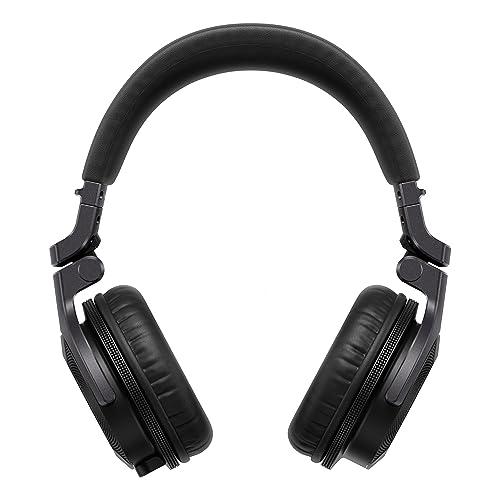
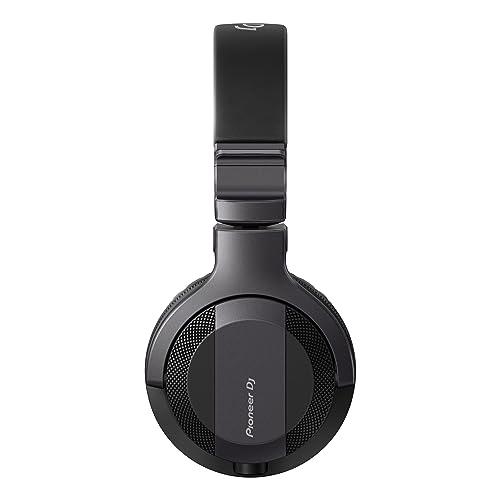
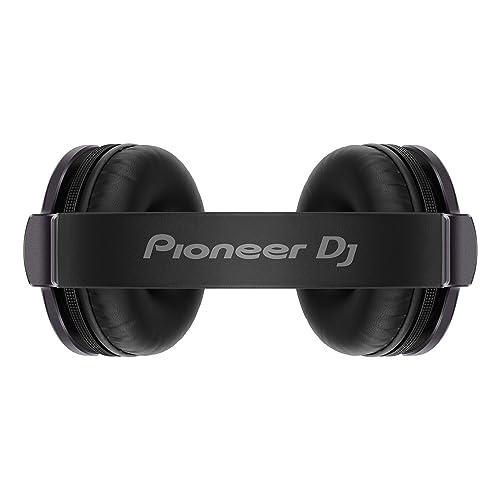
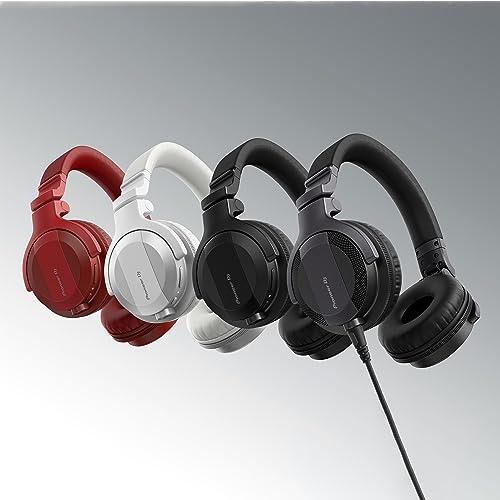








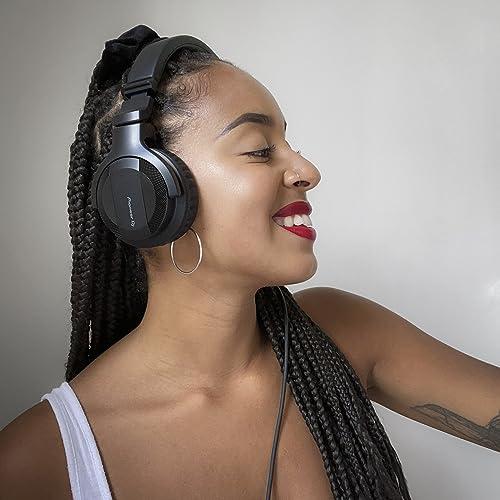
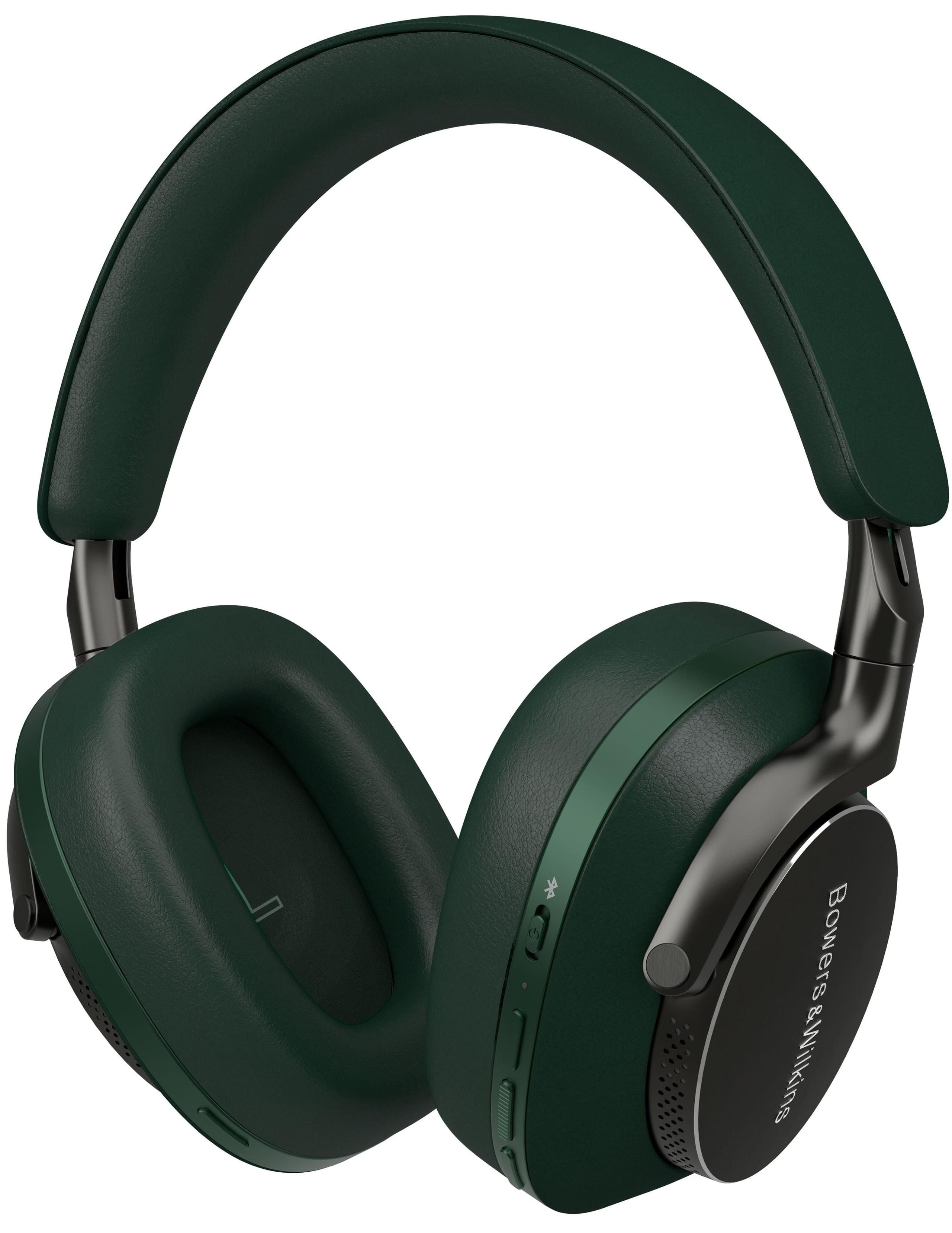
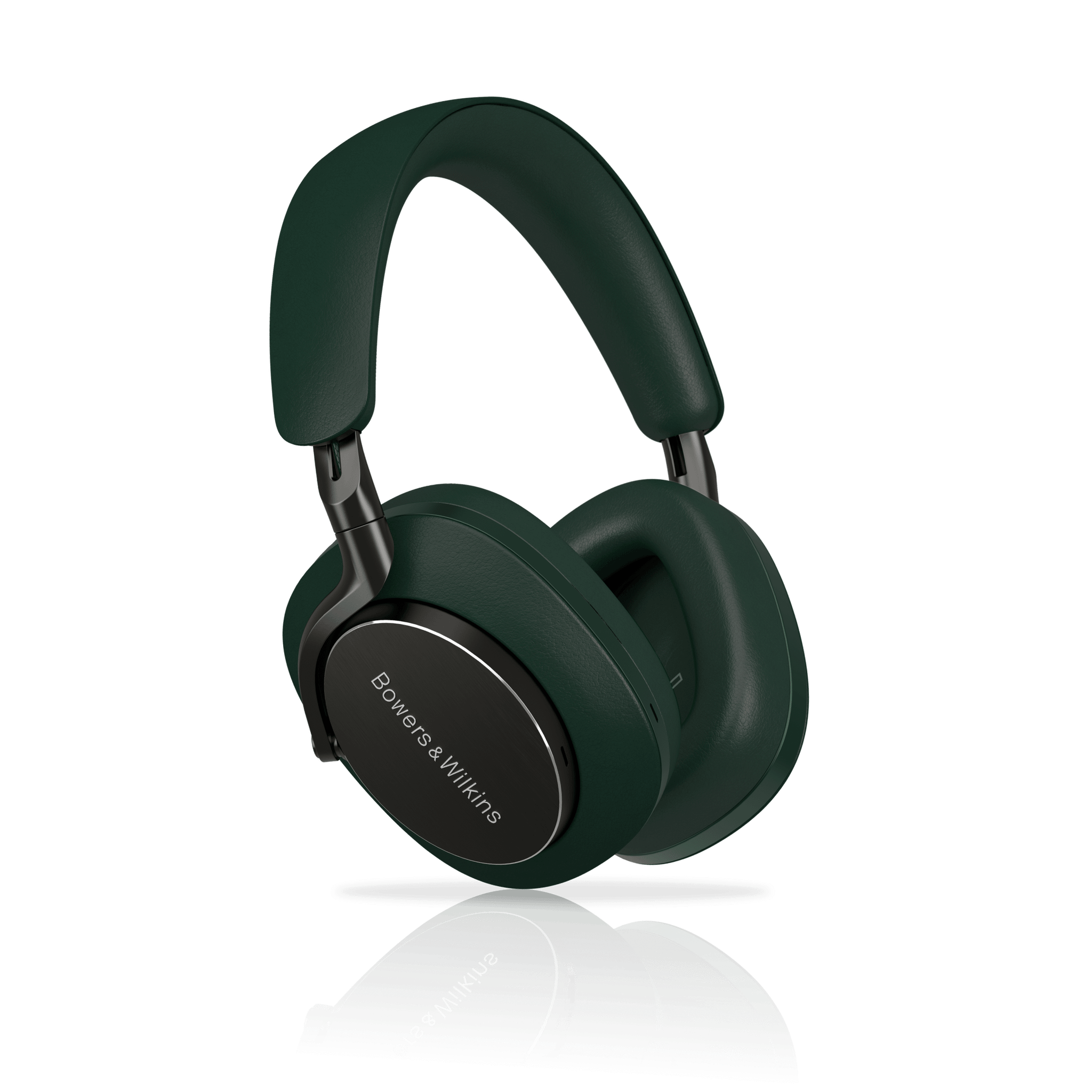
When I first started exploring headphones beyond basic earbuds, I had no idea how specialized this market really is. The Pioneer DJ HDJ-CUE1 and Bowers & Wilkins Px8 represent two completely different philosophies in headphone design – and understanding their differences can save you from making an expensive mistake.
The headphone market splits into many specialized categories, and these two products showcase just how different those categories can be. The Pioneer DJ HDJ-CUE1, released around 2016, is purpose-built for DJs who need to monitor and mix music in live settings. Meanwhile, the Bowers & Wilkins Px8, which arrived in 2022, targets audiophiles who want premium sound quality for casual listening and everyday use.
This isn't just about price differences – though at the time of writing, the Pioneer headphones cost roughly one-eighth of what you'd pay for the Bowers & Wilkins model. These products solve fundamentally different problems for different types of users.
When choosing headphones, you need to consider your primary use case, sound preferences, connectivity needs, budget, comfort requirements, and durability expectations. Getting these priorities straight will help you avoid the common mistake of buying beautiful, expensive headphones that don't actually meet your needs.
The HDJ-CUE1 doesn't try to be neutral or balanced – and that's exactly the point. These headphones feature a deliberately bass-heavy sound signature that emphasizes kick drums and low frequencies. This tuning comes from Pioneer's professional DJ heritage, where the ability to hear and match beats is more important than audiophile-level detail.
The 40mm dynamic drivers in the Pioneer headphones are tuned to make electronic music, hip-hop, and dance tracks sound punchy and energetic. When you're beatmatching – the DJ technique of synchronizing the tempo of two songs – you need to clearly hear those low-frequency elements that provide the rhythmic foundation. The frequency response spans from 5Hz to 30,000Hz, which covers the full range of human hearing, but the emphasis is clearly on the bottom end.
This tuning philosophy means vocals and mid-range instruments might sound somewhat recessed compared to more balanced headphones. For DJ work, this trade-off makes perfect sense. For critical music listening across diverse genres, it might become limiting.
The Px8 takes a completely different approach with its sophisticated 40mm angled carbon cone drivers. These aren't your typical headphone drivers – the carbon fiber material is both incredibly light and rigid, which helps reduce unwanted vibrations that can muddy the sound. The angled positioning improves stereo imaging, creating a more realistic sense of where instruments and voices are positioned in the musical soundscape.
What makes the Bowers & Wilkins headphones particularly impressive is their 24-bit Digital Signal Processor (DSP). Think of this as a tiny computer inside the headphones that can process audio with much more precision than standard 16-bit audio. This processing power allows the headphones to deliver what the company calls "ultra-high-resolution" sound quality.
The sound signature is more balanced than the Pioneer model, with a slight warmth that makes long listening sessions pleasant without being fatiguing. The bass is present and controlled, but it doesn't overpower the midrange where most vocals and instruments live. This approach works well across all music genres, from classical to rock to jazz.
Here's where these two products diverge most dramatically. The HDJ-CUE1 is strictly wired, and that's not an oversight – it's a feature. In professional DJ environments, wireless connections can introduce latency (delay) that makes beatmatching impossible. Even a few milliseconds of delay can throw off a mix completely.
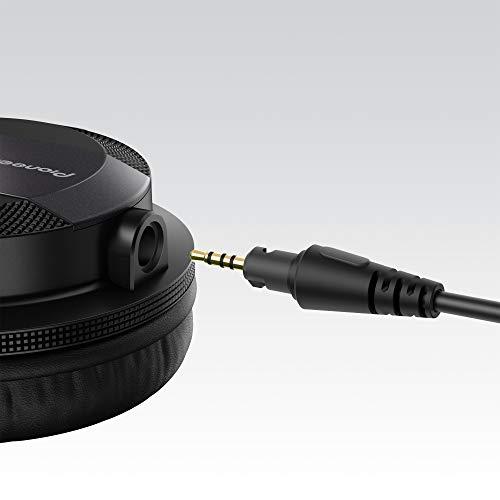
The Pioneer headphones come with a 1.2-meter coiled cable that extends to 1.8 meters. The coiled design prevents tangling and provides flexibility when moving around a DJ booth. The L-shaped connector is less likely to get accidentally disconnected during energetic performances.
The Px8, on the other hand, embraces wireless technology with Bluetooth 5.2 and support for high-quality audio codecs like aptX Adaptive and aptX HD. These codecs can transmit near CD-quality audio wirelessly, though there's still a slight compromise compared to wired connections. For casual listening, this difference is negligible, but for professional applications, it matters.
What impressed me about the Bowers & Wilkins model is its 30-hour battery life. In my experience testing various wireless headphones, most premium models struggle to exceed 20 hours. The quick charging feature provides about 7 hours of playback from just 15 minutes of charging, which has saved me on several occasions when I forgot to charge them overnight.
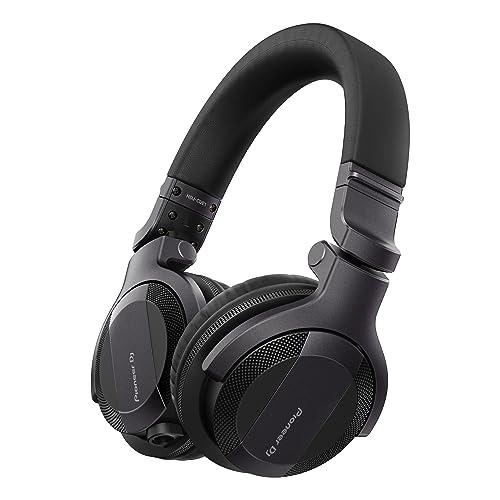
The physical design differences between these headphones tell their own story. The HDJ-CUE1 features an on-ear design that sits on top of your ears rather than around them. This might sound less comfortable, but it serves a purpose – DJs need to quickly put on and remove headphones, and the lighter weight (215 grams) reduces fatigue during long mixing sessions.
The standout feature of the Pioneer headphones is the 90-degree swiveling ear cups. This allows DJs to monitor the music in one ear while listening to the crowd or talking to someone with the other ear. It's a technique called "single-ear monitoring," and it's essential for professional mixing.
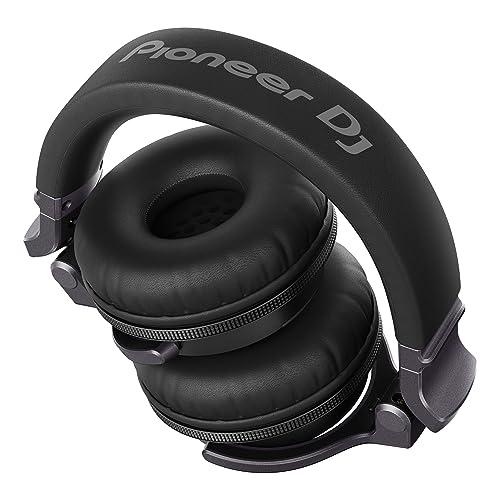
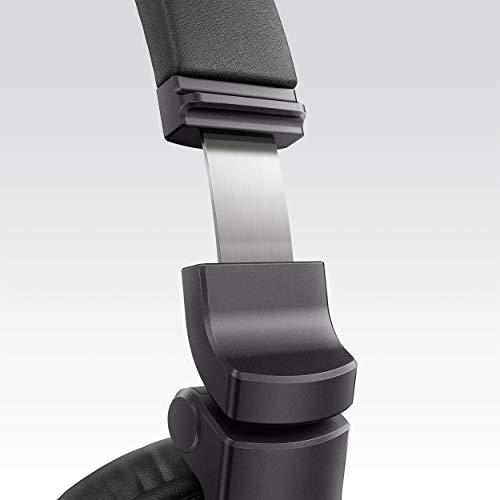
The build quality focuses on durability over luxury. The metal-reinforced headband and robust moving parts are designed to withstand the rigors of touring and frequent transport. The foldable design makes them easy to pack, and the detachable cable means you can replace it if it gets damaged.
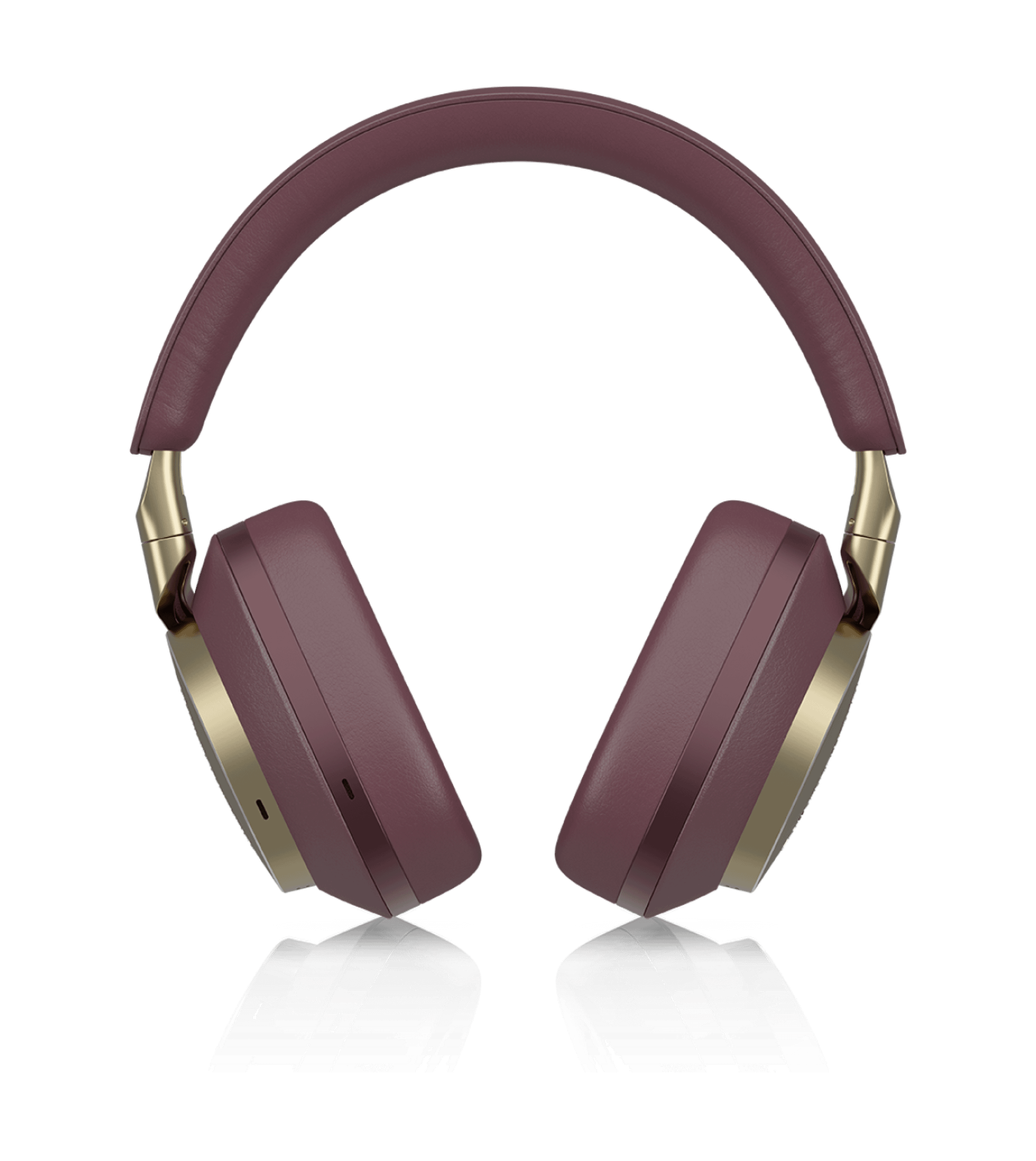
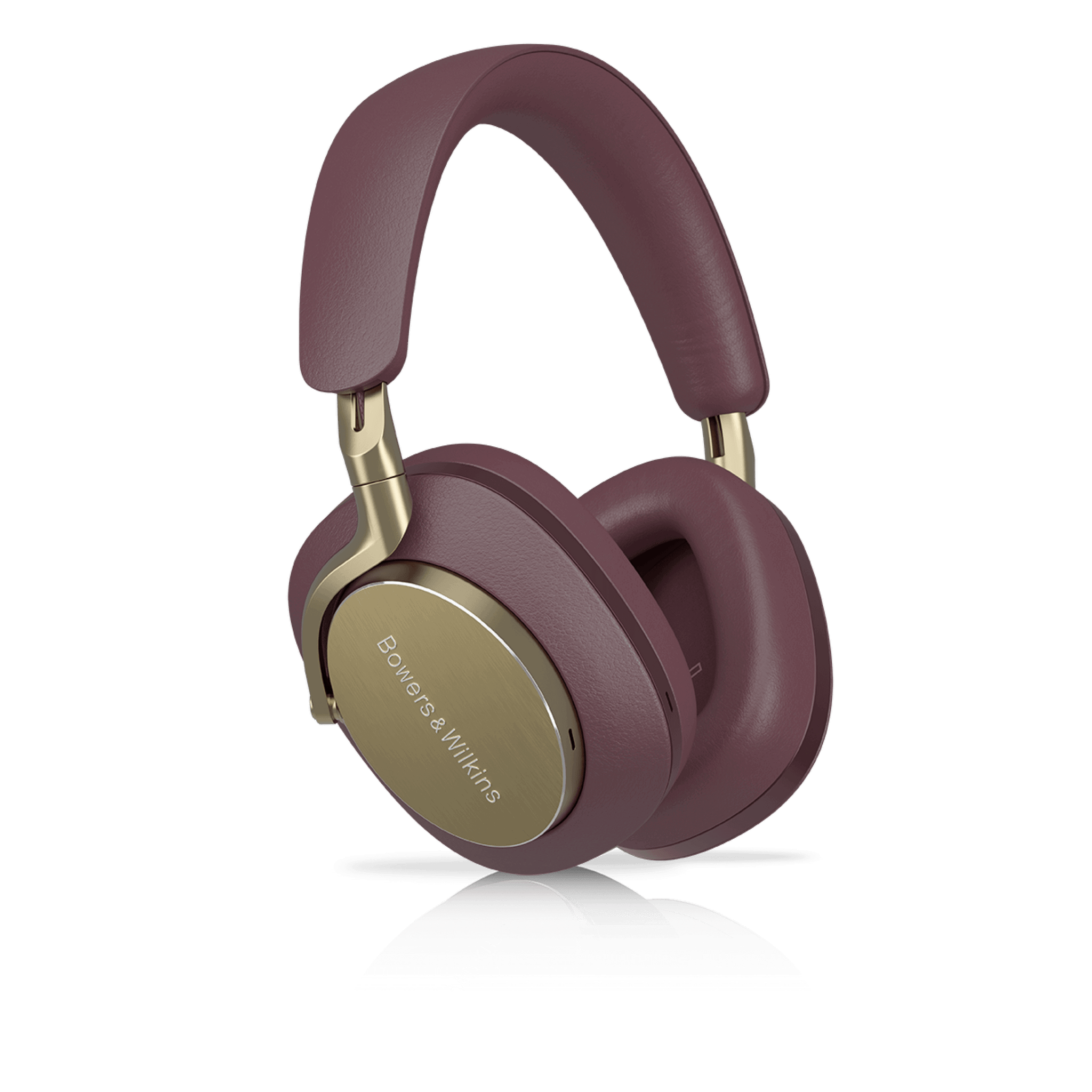
In contrast, the Px8 is all about premium comfort and luxury materials. The over-ear design completely encircles your ears with soft Nappa leather cushioning. At 320 grams, they're heavier than the Pioneer model, but the weight is well-distributed. The cast aluminum construction and memory foam padding make extended listening sessions genuinely comfortable.
I've worn the Bowers & Wilkins headphones for entire workdays without significant discomfort, something I can't say about most headphones. The attention to materials extends to aesthetic details like diamond-cut metal accents and multiple color options including Royal Burgundy and Dark Forest.
The feature set comparison really highlights how different these products are. The HDJ-CUE1 keeps things simple – no batteries, no complex electronics, no apps. The most advanced feature is the customization options, where you can swap out cables and earpads in different colors to personalize the look.
This simplicity is actually a strength for DJ applications. There's nothing to fail, no batteries to die at the worst possible moment, and no complex setup procedures. You plug them in and they work, every time.
The Px8 is packed with modern technology. The hybrid active noise cancellation uses six microphones – four for noise cancellation and two for phone calls. Active noise cancellation works by using microphones to detect ambient noise, then generating "anti-noise" waves that cancel out the unwanted sounds. It's particularly effective against constant sounds like airplane engines or air conditioning.
The wear detection feature automatically pauses your music when you remove the headphones, which seems like a small thing until you get used to it and then use headphones without this feature. The ambient pass-through mode lets you hear important sounds from your environment without removing the headphones entirely.
The Bowers & Wilkins Music App allows you to customize the sound signature, adjust noise cancellation levels, and even stream music directly through the app. While the EQ options aren't as extensive as some competitors, they provide enough adjustment to tailor the sound to your preferences.
For DJ headphones like the HDJ-CUE1, the most critical performance metrics are different from what matters in consumer headphones. Impedance (32 ohms) and sensitivity (104 dB) are optimized to work well with DJ mixers and controllers without requiring additional amplification. The maximum input power of 2000mW means they can handle the high volumes often needed in club environments without distortion or damage.
The bass response needs to be not just present but prominent enough to cut through ambient noise in loud venues. The Pioneer headphones deliver this with their emphasized low-frequency response, though this comes at the cost of some detail in other frequency ranges.
For audiophile headphones like the Px8, different metrics matter more. The carbon cone drivers provide lower distortion across the frequency spectrum, which means you hear more of the original recording and less coloration from the headphones themselves. The 24-bit DSP processing allows for more precise audio reproduction, particularly noticeable with high-resolution music files.
The noise cancellation performance, while not class-leading compared to specialists like Bose or Sony, is quite effective for most environments. In my testing, it handled office noise, coffee shop chatter, and airplane drone quite well, though it struggled somewhat with sudden, sharp sounds.
Neither of these headphones is specifically designed for home theater use, but they can certainly serve that purpose with different results. The HDJ-CUE1's bass-heavy signature can make action movies and gaming more exciting, with explosions and sound effects having real impact. However, the emphasis on low frequencies might make dialogue less clear in complex soundtracks.
The Px8 is better suited for home theater use thanks to its more balanced sound signature and wireless convenience. The detailed midrange reproduction makes dialogue crisp and clear, while the controlled bass response provides satisfying low-frequency effects without overwhelming other elements. The noise cancellation can help create an immersive experience even in less-than-ideal listening environments.
For home theater use, the wireless capability of the Bowers & Wilkins headphones is particularly valuable, allowing you to move around freely without cable constraints. However, if your home theater setup requires wired connections or ultra-low latency for gaming, the Pioneer model might actually be preferable despite its DJ focus.
Since the HDJ-CUE1 was released in 2016, the DJ headphone market has seen improvements in driver technology and build quality, but the fundamental requirements haven't changed much. DJs still need reliable, wired connections and the ability to hear bass frequencies clearly. What has evolved is the integration with modern DJ software and controllers, though this doesn't directly affect headphone design.
The Px8, being much newer (2022), incorporates more recent advances in wireless technology, battery efficiency, and driver materials. The carbon cone technology represents a significant advancement over traditional plastic or metal drivers, offering better performance than what was available when the Pioneer headphones were designed.
Since 2022, we've seen continued improvements in wireless codec support and battery life, but the Bowers & Wilkins model remains competitive in these areas. The biggest changes in the premium headphone market have been in noise cancellation algorithms and app-based customization features.
The decision between the HDJ-CUE1 and Px8 ultimately comes down to understanding what you actually need versus what you think you want.
Choose the Pioneer DJ HDJ-CUE1 if you're serious about DJing or music production, need reliable wired connectivity, have a limited budget, or primarily listen to electronic music and want that bass-forward sound signature. The specialized features like swiveling ear cups and robust build quality make these headphones excellent tools for their intended purpose.
Go with the Bowers & Wilkins Px8 if sound quality across all music genres is your priority, you value premium materials and build quality, you need wireless convenience with excellent battery life, or you want versatile headphones that work well for music, movies, and calls. The significantly higher price point reflects genuine advances in technology and materials.
For most people, the choice is less about which headphones are objectively better and more about which approach better matches their priorities and budget. The Pioneer headphones represent exceptional value in their specialized niche, while the Bowers & Wilkins model offers luxury performance for those willing to pay for it.
Understanding these fundamental differences will help you make a decision you'll be happy with for years to come, rather than getting caught up in features you'll never use or paying for capabilities that don't match your actual needs.
| Pioneer DJ HDJ-CUE1 | Bowers & Wilkins Px8 |
|---|---|
| Price Range - Value proposition and target market | |
| Budget-friendly entry-level DJ headphones | Premium luxury audiophile headphones (roughly 8x more expensive) |
| Release Year - Technology generation and current relevance | |
| 2016 (mature, proven DJ technology) | 2022 (modern wireless tech and advanced materials) |
| Primary Use Case - Core design philosophy | |
| Professional DJ monitoring and mixing | Premium wireless listening and audiophile enjoyment |
| Driver Technology - Sound quality foundation | |
| 40mm dynamic drivers tuned for bass emphasis | 40mm angled carbon cone drivers with 24-bit DSP processing |
| Sound Signature - What music will sound like | |
| Bass-heavy, punchy (ideal for electronic/dance music) | Balanced with slight warmth (excellent across all genres) |
| Connectivity - Reliability vs convenience | |
| Wired only (1.2m coiled cable, zero latency) | Bluetooth 5.2 + wired options (aptX Adaptive, 30hr battery) |
| Design Type - Comfort and monitoring style | |
| On-ear with 90° swiveling cups (DJ single-ear monitoring) | Over-ear closed-back (full immersion and comfort) |
| Build Materials - Durability vs luxury | |
| Lightweight plastic/metal (215g, tour-ready durability) | Premium aluminum and Nappa leather (320g, luxury feel) |
| Active Features - Modern conveniences | |
| None (purely passive, no batteries needed) | ANC, wear detection, app control, voice assistant |
| Noise Isolation - Blocking external sound | |
| Passive isolation only (decent for monitoring) | Hybrid active noise cancellation (effective for travel/office) |
| Customization - Personalizing your gear | |
| Interchangeable colored cables and earpads available | Limited to EQ adjustment via app |
| Professional Features - Specialized capabilities | |
| Swivel cups, coiled cable, mixer-optimized impedance | Multi-device pairing, high-res wireless codecs |
The Pioneer DJ HDJ-CUE1 is specifically designed for DJ use with features like 90-degree swiveling ear cups for single-ear monitoring, zero-latency wired connection, and bass-heavy tuning optimized for beatmatching. The Bowers & Wilkins Px8 is designed for audiophile listening and lacks the specialized DJ features that professionals need.
The Pioneer DJ HDJ-CUE1 is an entry-level DJ headphone focused on professional mixing with wired connectivity and bass-forward sound. The Bowers & Wilkins Px8 is a premium wireless audiophile headphone with advanced features like noise cancellation, luxury materials, and balanced sound reproduction across all music genres.
For overall sound quality and detail across all music genres, the Bowers & Wilkins Px8 is superior with its carbon cone drivers and 24-bit DSP processing. However, the Pioneer DJ HDJ-CUE1 has better sound for DJ applications due to its bass-emphasized tuning that makes beatmatching easier.
The Pioneer DJ HDJ-CUE1 is wired only with a 1.2-meter coiled cable. This design choice ensures zero latency for professional DJ mixing. The Bowers & Wilkins Px8 offers both wireless Bluetooth connectivity with 30-hour battery life and wired options for versatility.
The Bowers & Wilkins Px8 is significantly more comfortable with its over-ear design, Nappa leather cushioning, and memory foam padding. The Pioneer DJ HDJ-CUE1 has an on-ear design that's lighter but less suitable for extended casual listening sessions.
Only the Bowers & Wilkins Px8 features active noise cancellation with a six-microphone array that effectively blocks ambient noise. The Pioneer DJ HDJ-CUE1 relies on passive noise isolation only, which is sufficient for DJ monitoring but not ideal for travel or noisy environments.
The Pioneer DJ HDJ-CUE1 offers exceptional value if you need DJ-specific features at a budget-friendly price point. The Bowers & Wilkins Px8 provides premium materials and advanced technology but at a significantly higher cost that may not justify the performance difference for all users.
Both can work for home theater, but the Bowers & Wilkins Px8 is better suited with its balanced sound signature, wireless convenience, and noise cancellation for immersive viewing. The Pioneer DJ HDJ-CUE1 can make action movies sound exciting due to its bass emphasis, but dialogue clarity may suffer.
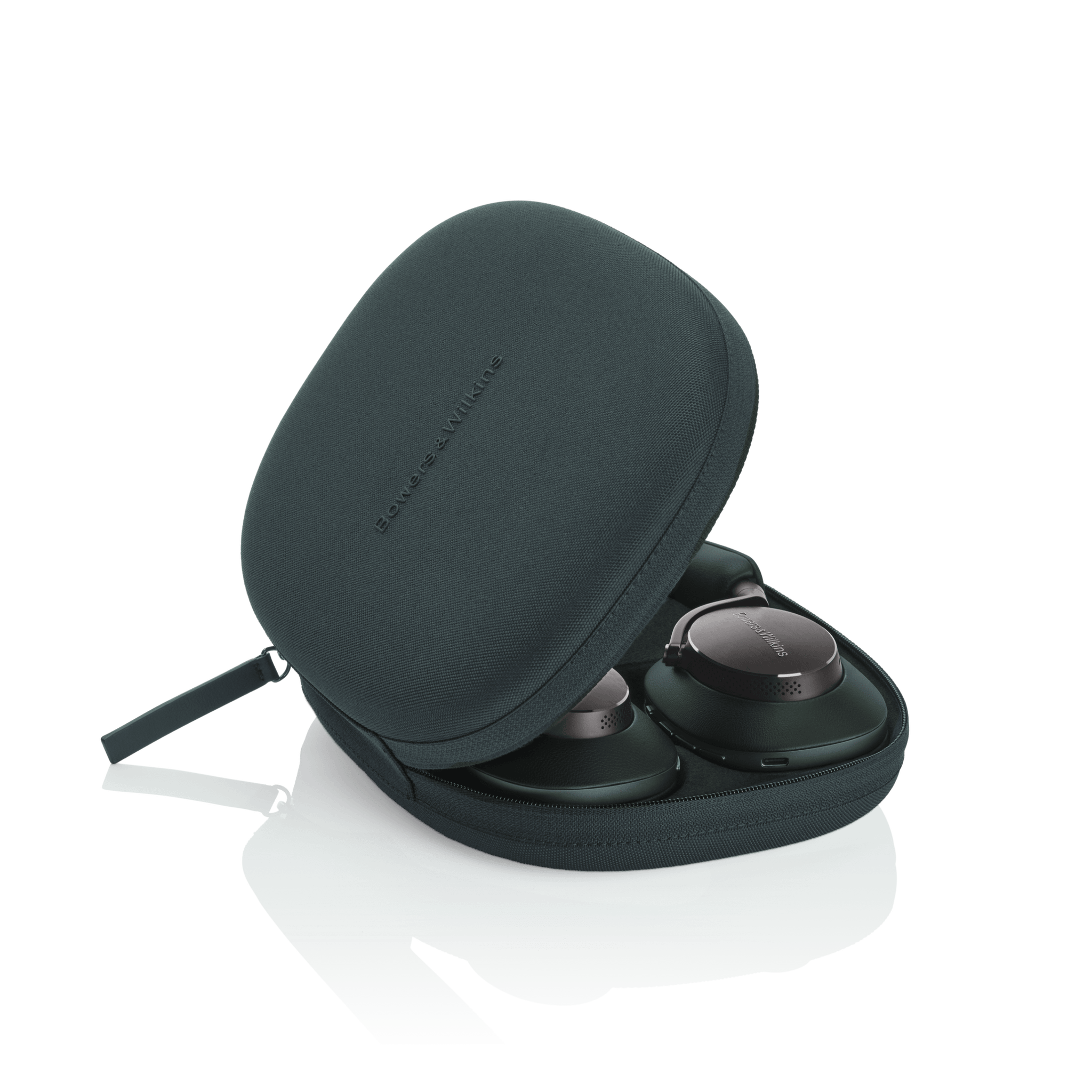
The Pioneer DJ HDJ-CUE1 is built for professional touring with metal-reinforced construction, foldable design, and no electronic components that can fail. The Bowers & Wilkins Px8 uses premium materials but has more complex electronics and a larger carrying case requirement.
The Pioneer DJ HDJ-CUE1 excels with electronic music, hip-hop, and dance genres due to its bass-forward tuning. The Bowers & Wilkins Px8 performs well across all music genres including classical, jazz, rock, and vocal-focused music thanks to its balanced sound signature.
The Pioneer DJ HDJ-CUE1 works with any device that has a standard headphone jack or adapter, making it very compatible. The Bowers & Wilkins Px8 requires Bluetooth capability for wireless use and benefits from devices that support high-quality audio codecs like aptX Adaptive for best performance.
For non-DJ users, the Bowers & Wilkins Px8 is typically the better choice due to its superior comfort, wireless convenience, noise cancellation, and balanced sound quality suitable for all types of content. The Pioneer DJ HDJ-CUE1 is primarily recommended for DJs or those specifically wanting a bass-heavy sound signature at a lower price point.
We've done our best to create useful and informative comparisons to help you decide what product to buy. Our research uses advanced automated methods to create this comparison and perfection is not possible - please contact us for corrections or questions. These are the sites we've researched in the creation of this article: bestbuy.com - pioneerdjstore.com - rtings.com - idjnow.com - youtube.com - pioneerdj.com - soundguys.com - pioneerdj.com - digitaldjtips.com - pioneerdj.com - guitarcenter.com - empirepro.com - idjnow.com - emiaudio.com - pioneerdj.com - sfm.ca - sweetwater.com - pioneerdj.com - pioneerdj.com - pioneerdj.com - whathifi.com - marius.ink - bowerswilkins.com - rtings.com - whathifi.com - whathifi.com - soundguys.com - audio46.com - youtube.com - futureaudiophile.com - listenup.com - telquestintl.com - bowerswilkins.com - bowerswilkins.com - bestbuy.com - bhphotovideo.com - audioholics.com - bowerswilkins.com - bowerswilkins.com - headphone.guru - bhphotovideo.com - bowerswilkins.com

Privacy Policy
Terms and Conditions - Affiliate Policy
Home Security
© Copyright 2008-2026.
11816 Inwood Rd #1211, Dallas, TX 75244