

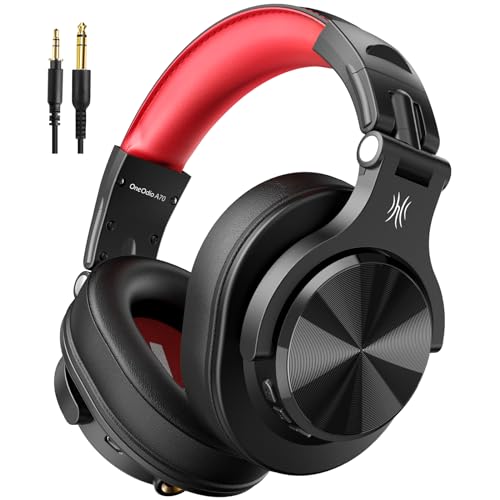
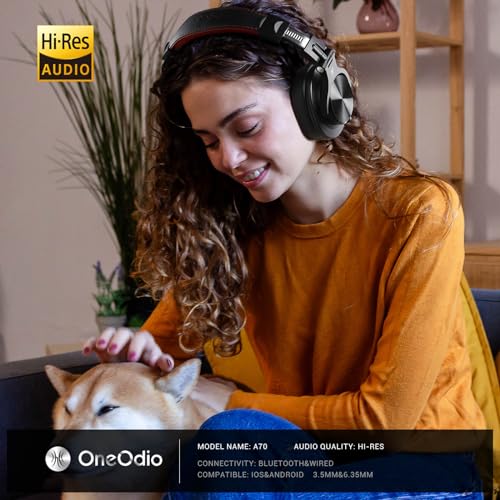


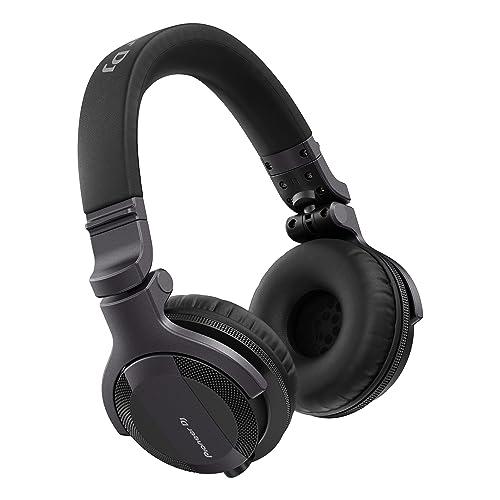
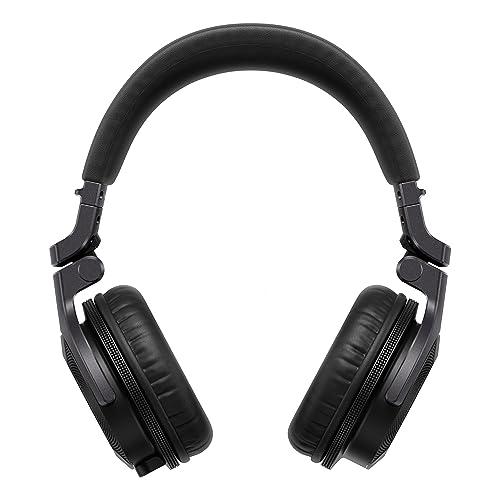
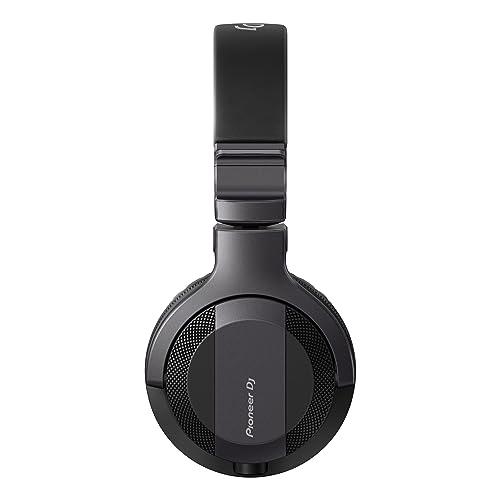
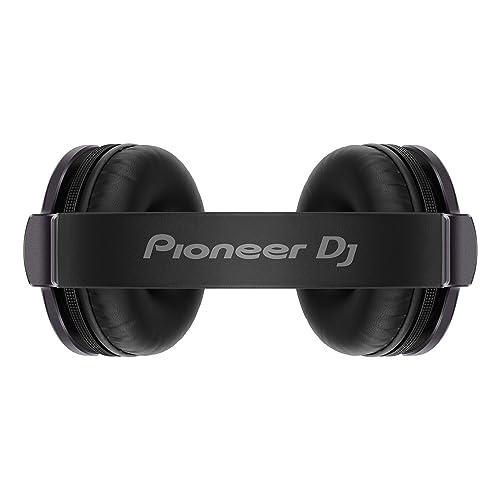
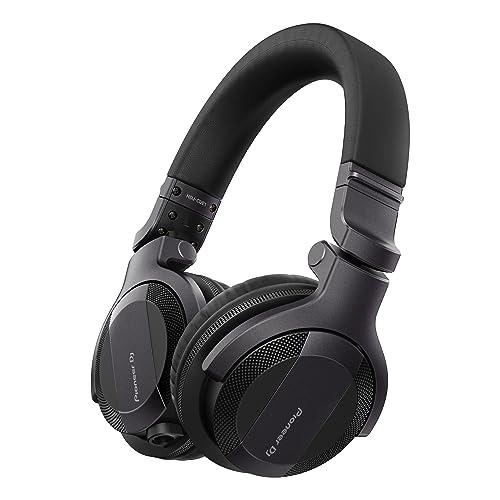
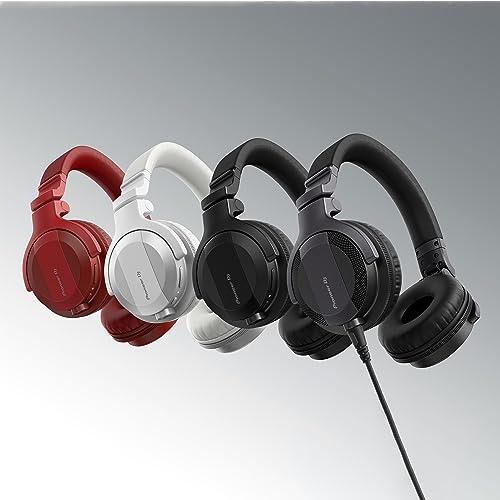



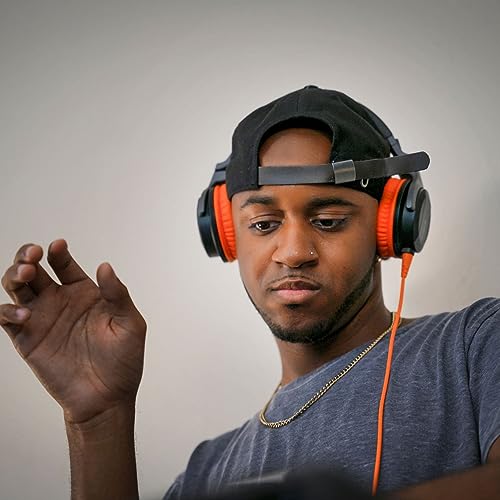



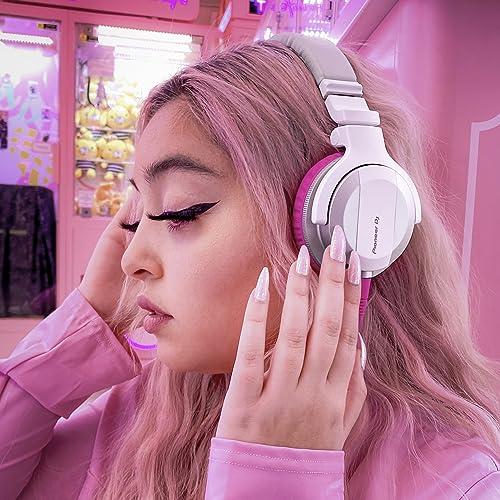
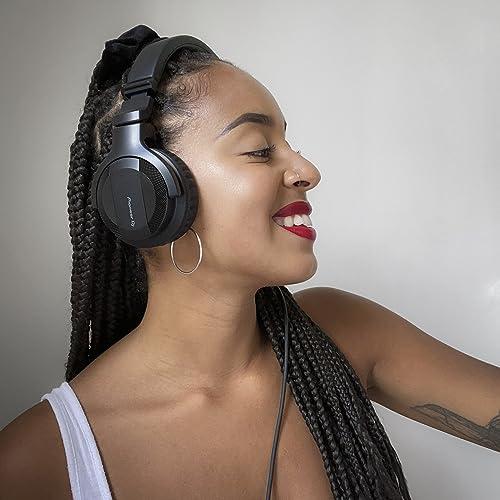
When shopping for headphones, you'll quickly discover that not all 40mm drivers are created equal. The OneOdio Fusion A70 and Pioneer DJ HDJ-CUE1 both feature similar-sized drivers and 32-ohm impedance ratings, but they couldn't be more different in their approach to sound reproduction and user experience. Released in 2020 and 2021 respectively, these headphones represent two distinct philosophies: one prioritizes versatility and wireless convenience, while the other focuses on professional DJ applications with specialized sound tuning.
Understanding these differences is crucial because choosing the wrong type can leave you frustrated with your purchase. The OneOdio Fusion A70 attempts to be everything to everyone – a wireless headphone for commuting, a wired option for studio work, and even a DJ headphone for bedroom mixing. Meanwhile, the Pioneer DJ HDJ-CUE1 takes a laser-focused approach, inheriting professional tuning from Pioneer's higher-end models while remaining accessible to newcomers.
Both headphones occupy the crowded "prosumer" space – that gray area between basic consumer headphones and truly professional gear. However, they approach this market from opposite directions. The OneOdio Fusion A70 starts from a consumer perspective and adds professional features, while the Pioneer DJ HDJ-CUE1 begins with professional requirements and makes them more accessible.
The key considerations when choosing between these approaches include sound signature preferences, connectivity needs, build philosophy, and your primary use case. Sound signature refers to how headphones emphasize different frequencies – some boost bass for fun listening, while others maintain neutrality for accurate monitoring. Connectivity options range from simple wired connections to complex wireless systems with multiple codec support (codecs are the methods used to compress and decompress digital audio for wireless transmission).
Build philosophy matters more than you might think. Consumer-focused headphones often prioritize comfort and portability, while professional models emphasize durability and consistent performance under stress. Your primary workflow – whether casual listening, content creation, or DJ mixing – should heavily influence your decision.
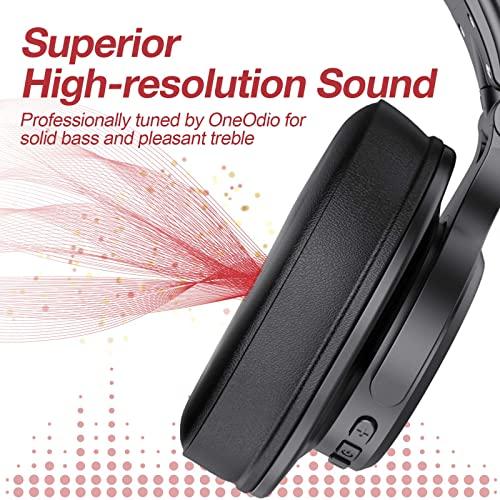
The most significant difference between these headphones lies in their sound signatures and intended applications. The OneOdio Fusion A70 employs what's called a V-shaped frequency response, meaning it emphasizes both the low frequencies (bass) and high frequencies (treble) while slightly reducing the midrange where vocals and many instruments live. This creates an exciting, energetic sound that makes popular music genres like hip-hop, EDM, and pop sound more engaging.
However, this V-shaped tuning comes with trade-offs. The recessed midrange can make vocals sound distant or hollow, and the emphasized bass can mask important details in the lower midrange frequencies. Instrument separation – the ability to distinguish individual instruments in a complex mix – suffers as a result. When I've tested similar V-shaped headphones, I often find myself turning up the volume to hear vocal details, only to have the bass become overwhelming.
The Pioneer DJ HDJ-CUE1 takes a completely different approach. While still bass-heavy, its frequency response is specifically tuned for DJ applications. The emphasis on kick drums and low-frequency content isn't just for fun – it's functional. DJs need to hear the rhythmic elements clearly to match beats between songs, a process called beatmatching. The headphones' 5Hz to 30kHz frequency range might seem narrower than the OneOdio's 20Hz to 40kHz range, but those extreme frequencies are largely irrelevant for practical use.
What matters more is how each headphone handles the frequencies you actually hear. The Pioneer HDJ-CUE1 inherits its sound tuning from the company's professional HDJ-X5 model, which has been refined through years of feedback from working DJs. This professional pedigree shows in the headphone's ability to maintain clarity even when monitoring loud club music.
The sensitivity ratings tell an interesting story too. The OneOdio Fusion A70 rates at 110dB sensitivity, while the Pioneer HDJ-CUE1 comes in at 104dB. Sensitivity measures how loud headphones get with a given amount of power – higher numbers mean louder output. The OneOdio's higher sensitivity might seem advantageous, but it can also mean more noise and distortion at high volumes.
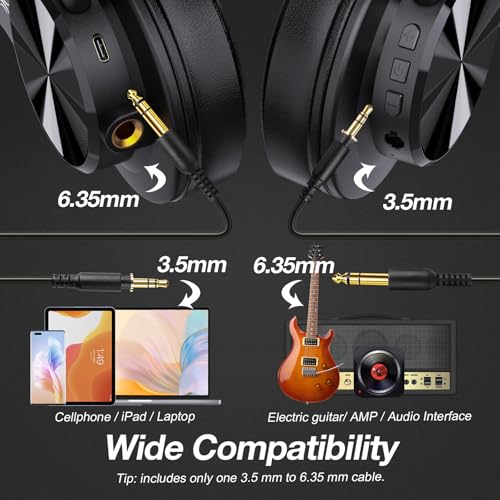
This is where the OneOdio Fusion A70 truly shines and showcases its versatility-first philosophy. The headphones feature dual-mode operation, switching seamlessly between Bluetooth 5.2 wireless and wired connections. But here's where it gets interesting – they can actually connect to two devices simultaneously using their unique dual-jack system.
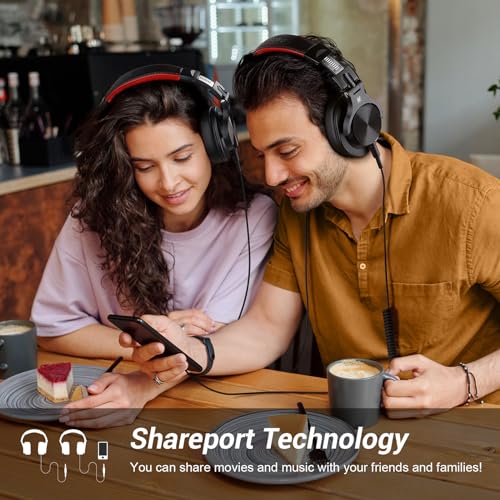
The Fusion A70's SharePort technology is genuinely innovative. When connected wirelessly to your phone, you can use the included cable to connect another pair of headphones, allowing two people to listen to the same Bluetooth stream. This daisy-chaining capability is surprisingly useful for collaborative listening, whether you're sharing music with a friend or teaching someone to DJ.
The wireless performance is equally impressive. With up to 72 hours of battery life, the OneOdio Fusion A70 outlasts nearly every competitor in its price range. This exceptional battery life comes from a 650mAh battery that charges via USB-C in about 2.5 hours. The headphones support both SBC and AAC codecs, ensuring good compatibility with both Android and iOS devices.
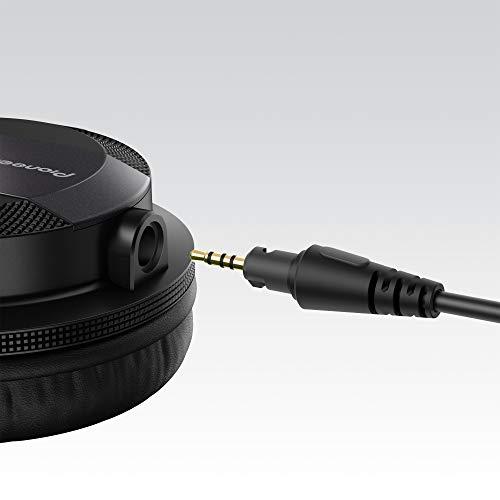
In contrast, the Pioneer DJ HDJ-CUE1 focuses on reliability over versatility. Available in both wired-only and Bluetooth variants, the professional approach prioritizes consistent performance. The detachable coiled cable extends from 1.2 meters to 1.8 meters and features a bayonet connector system that prevents accidental disconnection during performance – a crucial feature when you're DJing a packed dance floor.
The HDJ-CUE1's Bluetooth model offers about 30 hours of battery life, which is respectable but nowhere near the OneOdio's marathon performance. However, the Pioneer's single-sided cable routing eliminates the tangle-prone dual cables that can frustrate working DJs.
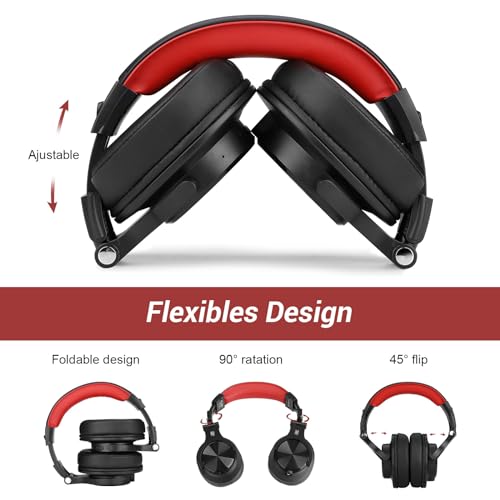
Here's where the different philosophies become most apparent. The OneOdio Fusion A70 weighs just 242 grams and folds flat for easy transport. The predominantly plastic construction keeps weight down and costs reasonable, while memory foam padding provides decent comfort for extended listening sessions.
However, this lightweight approach has limitations. Some users report fit security issues, with the headphones sliding during physical activity – definitely not ideal if you plan to wear them while moving around or performing. The build quality, while adequate for the price point, doesn't inspire confidence for professional use.
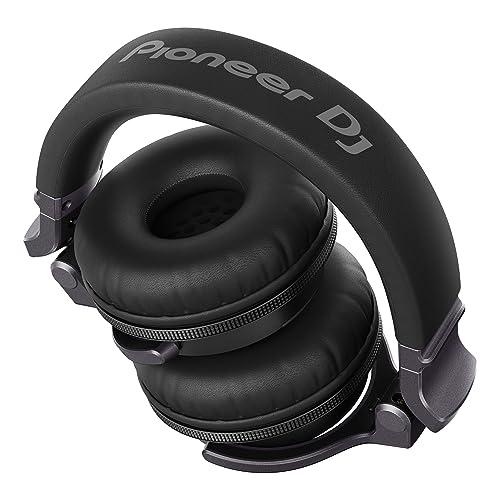
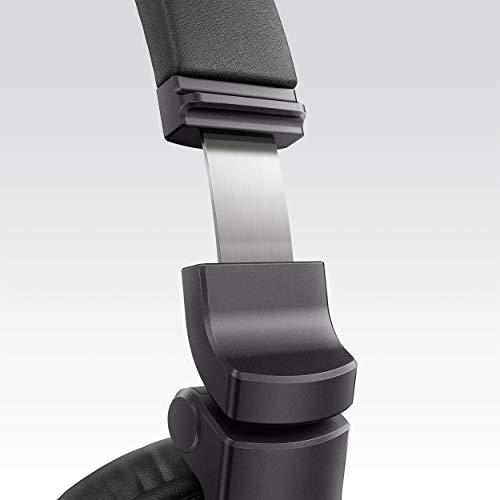
The Pioneer DJ HDJ-CUE1 takes durability seriously. At 215 grams for the wired version, it's actually lighter than the OneOdio despite feeling more substantial. The secret lies in the engineering – extra-strong metal sliders in the headband, rigorous durability testing of all moving parts, and a professional swivel mechanism that allows the ear cups to rotate 90 degrees.
This swivel feature isn't just a gimmick. DJs regularly need to monitor audio with one ear while keeping the other ear open to hear the crowd or communicate with others. The HDJ-CUE1's design enables comfortable one-ear monitoring, with the unused cup resting behind the head or around the neck.
Pioneer also offers customization through colored accessory packs, allowing DJs to personalize their look with orange, yellow, green, blue, or pink cables and ear pads. While purely aesthetic, this customization helps DJs express their personality and brand.
Comfort becomes crucial during extended use, and both headphones face challenges here. The OneOdio Fusion A70 uses an over-ear design that should theoretically provide better comfort than on-ear alternatives. The memory foam padding feels pleasant initially, but some users report fatigue after about an hour of use.
The comfort issues seem related to the headband padding design and clamping force distribution. Over-ear headphones need to balance secure fit with comfortable pressure, and the Fusion A70 occasionally gets this balance wrong. The artificial leather ear pads provide reasonable isolation for casual use but won't block out significant background noise.
The Pioneer DJ HDJ-CUE1 uses an on-ear design that typically provides less isolation than over-ear alternatives. However, the professional design considerations show through in the headband construction and ear cup padding. While some users report the headband feeling tight initially, this often improves with use as the headphones conform to your head shape.
For DJ applications, the HDJ-CUE1's isolation level hits the sweet spot – enough to focus on your mix without completely blocking out the environment. This partial isolation is actually beneficial in DJ booths, where you need to hear both your cued tracks and the room's atmosphere.
When evaluating these headphones, certain performance characteristics matter more than others. For the OneOdio Fusion A70, battery life stands out as the most impressive metric. Seventy-two hours of playback means you could use these headphones for several days of normal use without charging – practically unheard of at this price point in 2024.
The wireless range and connection stability also deserve mention. Bluetooth 5.2 provides solid connectivity up to about 10 meters, and the codec support ensures good compatibility across devices. The ability to simultaneously use wired and wireless connections opens up unique use cases that more expensive headphones often can't match.
For the Pioneer DJ HDJ-CUE1, the most important metrics relate to professional reliability and sound accuracy for mixing applications. The maximum input power of 2000mW means these headphones can handle the high output levels common in DJ mixers without distorting or suffering damage.
The frequency response tuning proves its worth in practical use. While the OneOdio might sound more impressive on first listen with its extended high-frequency response, the Pioneer's more focused tuning provides better functionality for its intended use. The emphasized low frequencies aren't just for show – they're specifically tuned to highlight the kick drums and basslines that DJs use for beatmatching.
While neither headphone was designed primarily for home theater use, both can serve in this capacity with different strengths. The OneOdio Fusion A70's V-shaped sound signature actually works well for movies, where enhanced bass adds impact to explosions and action scenes, while the elevated treble brings out dialogue clarity.
The exceptional battery life makes the Fusion A70 particularly attractive for long movie marathons – you won't need to pause mid-film to charge your headphones. The wireless connectivity eliminates cable management issues in living room setups, though you'll want to ensure your TV or receiver supports the appropriate Bluetooth codecs for best quality.
The Pioneer DJ HDJ-CUE1 can work for home theater, but its bass-heavy tuning might overwhelm dialogue in some films. However, the professional build quality means it'll handle dynamic movie soundtracks without distortion, even at high volumes. The wired connection ensures zero latency, eliminating the audio sync issues that can plague wireless headphones during video playback.
The OneOdio Fusion A70 makes the most sense for users who value versatility and convenience above all else. If you want one pair of headphones that can handle commuting, working from home, casual music listening, and occasional DJ practice, the Fusion A70 delivers impressive capability for the investment required.
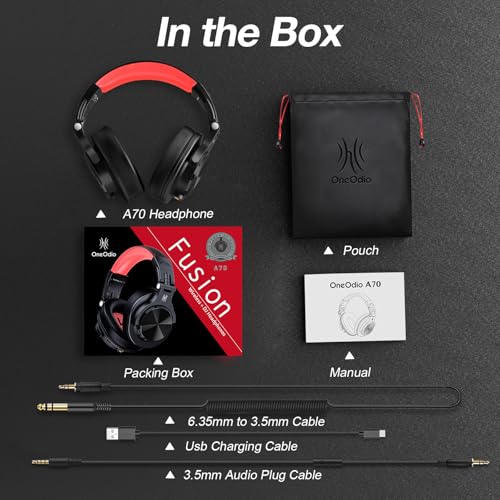
Students and content creators particularly benefit from the extended battery life and dual connectivity options. The ability to quickly switch between devices or share audio with collaborators adds real value to creative workflows. The included carry case and foldable design support the mobile lifestyle that many users require.
However, the OneOdio isn't the best choice if you prioritize sound quality above convenience. The V-shaped tuning, while fun for casual listening, lacks the accuracy needed for critical audio work. The comfort issues during extended use also limit its appeal for professional applications.
The Pioneer DJ HDJ-CUE1 targets a more specific audience but serves that audience extremely well. If you're serious about learning to DJ or already work as a professional, the purpose-built design and proven sound tuning justify the focused approach. The professional build quality means these headphones will survive the rigors of regular gig use.
Even if you're not a DJ, the HDJ-CUE1 makes sense for electronic music enthusiasts who prefer the bass-forward sound signature and appreciate robust build quality. The professional pedigree provides confidence that these headphones will perform consistently over time.
At the time of writing, both headphones offer compelling value propositions within their respective approaches, though pricing can vary significantly based on sales and availability. The decision ultimately comes down to your primary use case and personal priorities.
Choose the OneOdio Fusion A70 if you want maximum versatility and convenience features. The exceptional battery life, unique connectivity options, and all-day comfort make it an excellent choice for users who need one pair of headphones to handle multiple scenarios. Just accept that you're trading some audio accuracy for convenience.
Choose the Pioneer DJ HDJ-CUE1 if you prioritize purpose-built performance and professional reliability. The focused design, proven sound tuning, and robust construction provide better long-term value for users who know exactly what they need from their headphones.
Both headphones have evolved since their initial releases, with firmware updates improving wireless performance and codec support. The underlying approaches remain distinct, however – one emphasizes versatility while the other focuses on specialized excellence. Understanding this fundamental difference will help you make the right choice for your specific needs and ensure satisfaction with your purchase for years to come.
| OneOdio Fusion A70 Bluetooth Over-Ear Headphones | Pioneer DJ HDJ-CUE1 Headphones |
|---|---|
| Battery Life - Critical for wireless convenience and uninterrupted use | |
| Up to 72 hours (exceptional marathon performance) | Up to 30 hours on Bluetooth model (solid for DJ sets) |
| Sound Signature - Determines which music genres sound best | |
| V-shaped with strong bass/treble, recessed mids (fun but not accurate) | Bass-heavy with DJ-focused tuning (professional mixing emphasis) |
| Connectivity Options - Flexibility for different devices and use cases | |
| Bluetooth 5.2 + dual wired (3.5mm/6.35mm simultaneously) | Wired standard, Bluetooth variant available (reliability-focused) |
| Design Type - Affects comfort and isolation during extended use | |
| Over-ear closed-back (better isolation, some fit issues reported) | On-ear closed-back (professional swivel, lighter feel) |
| Driver Size - Larger drivers typically provide better bass response | |
| 40mm dynamic drivers | 40mm dome-type dynamic drivers |
| Frequency Response - Shows the range of sounds the headphones can reproduce | |
| 20Hz - 40kHz (extended range, marketing-friendly specs) | 5Hz - 30kHz (focused on usable frequencies) |
| Weight - Important for comfort during long listening sessions | |
| 242g (lightweight but some stability concerns) | 215g without cable (well-balanced professional build) |
| Special Features - Unique capabilities that set each model apart | |
| SharePort music sharing, dual-device connectivity | 90° swivel cups, customizable colored accessories |
| Target Use Case - The primary application each headphone excels at | |
| Versatile consumer use, content creation, casual DJ practice | Professional DJing, electronic music enthusiasts, live performance |
| Build Philosophy - Approach to durability vs convenience trade-offs | |
| Consumer-focused with foldable portability | Professional-grade with rigorous durability testing |
| Cable Design - Important for DJ use and preventing disconnections | |
| Multiple cables included, dual-jack capability | Single coiled cable (1.2-1.8m), bayonet connector prevents unplugging |
| Impedance & Sensitivity - Determines how loud they get and power requirements | |
| 32Ω, 110dB sensitivity (efficient, works with phones) | 32Ω, 104dB sensitivity, 2000mW max input (professional power handling) |
The OneOdio Fusion A70 is better suited for everyday music listening due to its V-shaped sound signature that makes popular music genres sound exciting and engaging. Its exceptional 72-hour battery life means you can listen for days without charging, making it ideal for commuting, working, or casual listening. The Pioneer DJ HDJ-CUE1 has a more specialized bass-heavy tuning designed for DJ mixing rather than general music enjoyment.
The Pioneer DJ HDJ-CUE1 is specifically designed for DJing with professional tuning inherited from Pioneer's higher-end models, 90-degree swivel cups for one-ear monitoring, and a bayonet connector that prevents accidental unplugging. While the OneOdio Fusion A70 can handle basic DJ practice, its consumer-focused tuning and build quality aren't ideal for professional mixing or live performance situations.
The OneOdio Fusion A70 offers exceptional battery life with up to 72 hours of wireless playback, significantly outperforming most competitors in this price range. The Bluetooth version of the Pioneer DJ HDJ-CUE1 provides about 30 hours of battery life, which is solid for DJ sets but nowhere near the marathon performance of the Fusion A70.
Yes, both headphones work with phones and computers, but the OneOdio Fusion A70 offers more versatility with Bluetooth 5.2 wireless connectivity plus dual wired connections (3.5mm and 6.35mm simultaneously). The Pioneer DJ HDJ-CUE1 comes in wired-only and Bluetooth variants, with the focus on reliable connections rather than multiple connectivity options.
Comfort varies by individual, but the OneOdio Fusion A70 uses an over-ear design with memory foam padding that should theoretically be more comfortable, though some users report fatigue after extended use. The Pioneer DJ HDJ-CUE1 features an on-ear design with professional-grade padding that's designed for long DJ sets, though the headband can feel tight initially.
The OneOdio Fusion A70 works well for home theater use due to its V-shaped sound signature that enhances explosions and dialogue, plus the wireless connectivity eliminates cable management issues. The exceptional battery life means no interruptions during movie marathons. The Pioneer DJ HDJ-CUE1 can work for movies but its bass-heavy tuning might overwhelm dialogue in some content.
Sound quality depends on your intended use. The Pioneer DJ HDJ-CUE1 offers more accurate sound for its specialized DJ applications with professional tuning and better instrument separation. The OneOdio Fusion A70 has a fun, energetic sound with extended frequency response, but the V-shaped tuning can mask vocal details and isn't ideal for critical listening.
The Pioneer DJ HDJ-CUE1 is built for professional durability with metal-reinforced headbands, rigorous testing of moving parts, and construction designed to withstand regular gig use. The OneOdio Fusion A70 has adequate build quality for casual use but features lightweight plastic construction that may not hold up to intensive professional use.
The OneOdio Fusion A70 features unique SharePort technology that allows you to connect another pair of headphones and share your Bluetooth audio stream - a genuinely useful feature for collaborative listening or teaching. The Pioneer DJ HDJ-CUE1 doesn't offer audio sharing capabilities, focusing instead on individual professional use.
Both offer good value in their respective categories. The OneOdio Fusion A70 provides exceptional versatility, battery life, and unique features at a consumer-friendly price point. The Pioneer DJ HDJ-CUE1 offers professional build quality, specialized tuning, and proven reliability for users who need purpose-built DJ headphones.
The OneOdio Fusion A70 works with any device that has Bluetooth or standard headphone jacks, with multiple cables included for different connections. The Pioneer DJ HDJ-CUE1 is designed to work with DJ mixers, audio interfaces, and standard consumer devices, with the coiled cable and bayonet connector optimized for professional DJ equipment.
For beginners, the Pioneer DJ HDJ-CUE1 is the better choice because it provides proper DJ-focused sound tuning, professional build quality, and features like swivel cups that teach proper DJ monitoring techniques. While the OneOdio Fusion A70 can handle basic practice, learning with properly tuned DJ headphones will develop better mixing skills from the start.
We've done our best to create useful and informative comparisons to help you decide what product to buy. Our research uses advanced automated methods to create this comparison and perfection is not possible - please contact us for corrections or questions. These are the sites we've researched in the creation of this article: audiostance.com - attackmagazine.com - soundphilereview.com - versus.com - homestudiobasics.com - versus.com - audiofool.reviews - e-catalog.com - whatgear.net - e-catalog.com - thomannmusic.com - audioreviews.org - oneodio.com - wepc.com - seriousinsights.net - oneodio.com - oneodio.com - audioreputation.com - manuals.plus - newegg.com - musicbliss.com.my - walmart.com - bestbuy.com - pioneerdjstore.com - rtings.com - idjnow.com - youtube.com - pioneerdj.com - soundguys.com - pioneerdj.com - digitaldjtips.com - pioneerdj.com - guitarcenter.com - empirepro.com - idjnow.com - emiaudio.com - pioneerdj.com - sfm.ca - sweetwater.com - pioneerdj.com - pioneerdj.com - pioneerdj.com

Privacy Policy
Terms and Conditions - Affiliate Policy
Home Security
© Copyright 2008-2026.
11816 Inwood Rd #1211, Dallas, TX 75244