








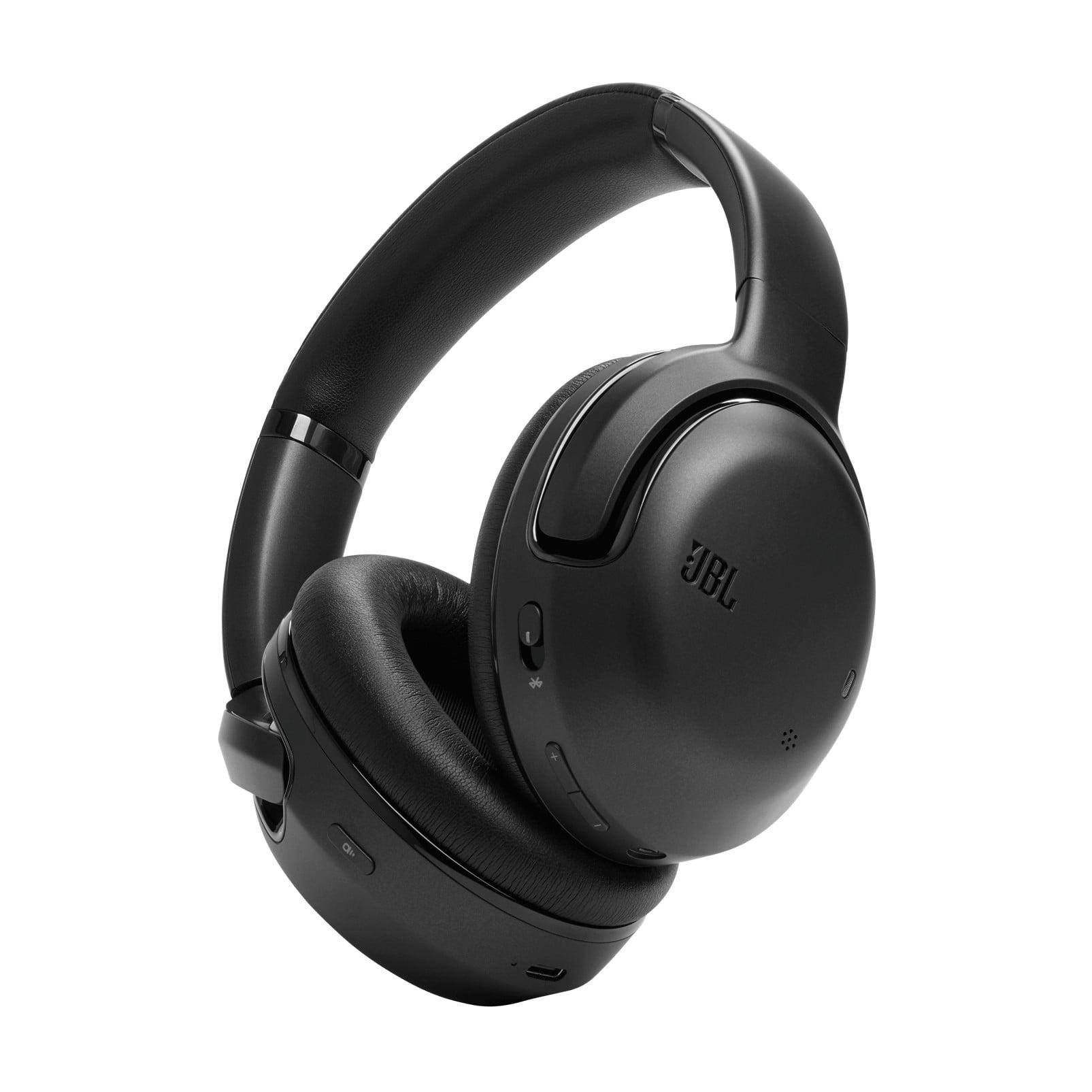

When shopping for headphones, you might find yourself comparing products that seem similar on the surface but serve completely different purposes. That's exactly what happens when you pit the Pioneer DJ HDJ-CUE1 against the JBL Tour One M2. While both deliver excellent audio, they represent two fundamentally different philosophies: specialized DJ equipment versus premium consumer wireless headphones.
Understanding these differences is crucial because choosing the wrong type can leave you frustrated and out of pocket. Let me walk you through everything you need to know to make the right decision.
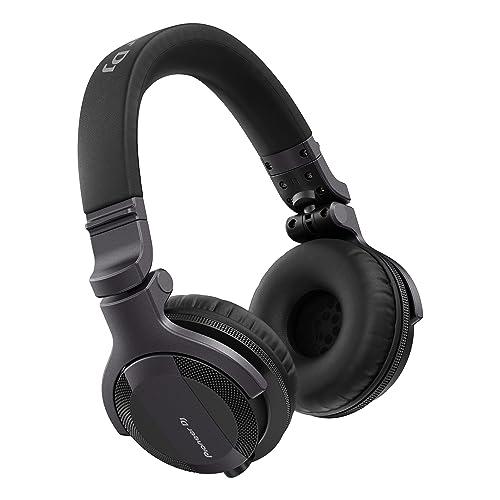
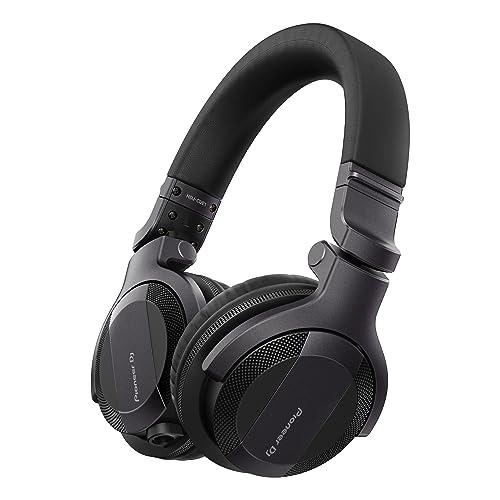
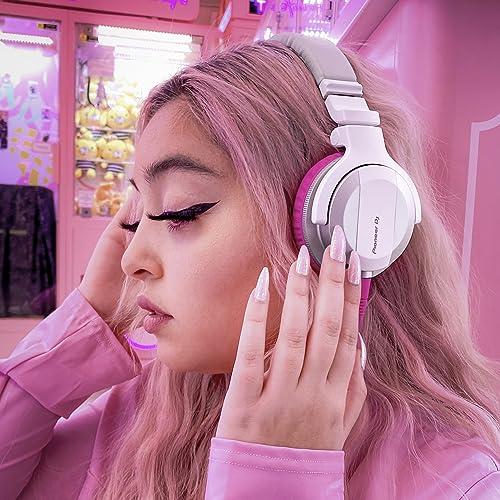
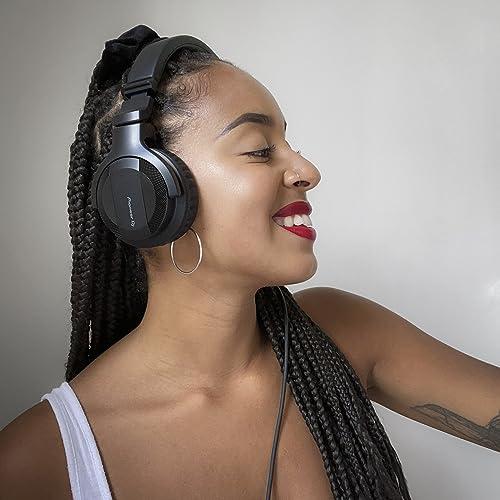
The Pioneer DJ HDJ-CUE1 belongs to the DJ headphone category, which is all about precision monitoring and performance durability. These headphones are designed for beatmatching (syncing the tempo of two songs), track cueing (previewing the next song before playing it live), and withstanding the physical demands of live performance.
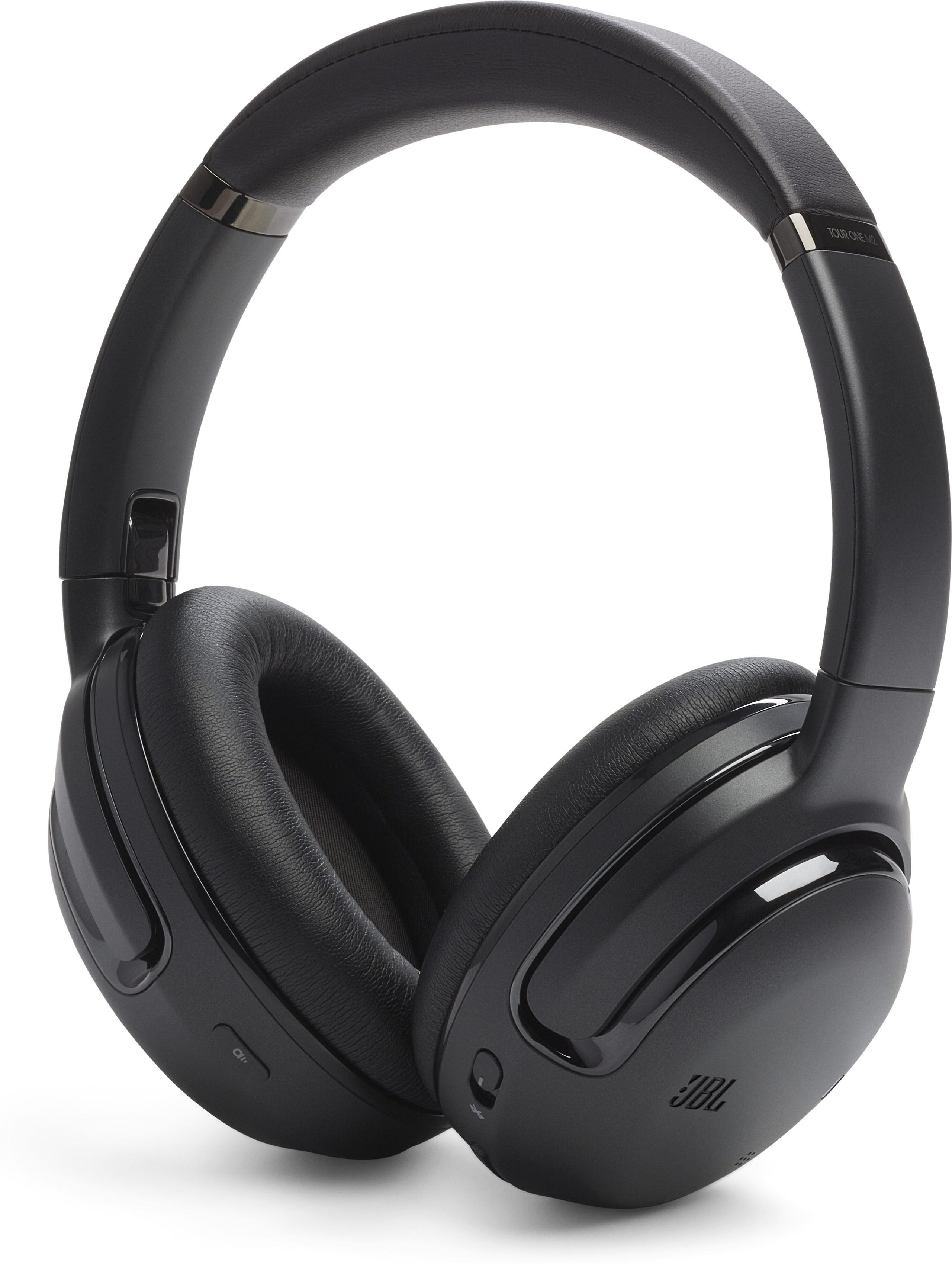
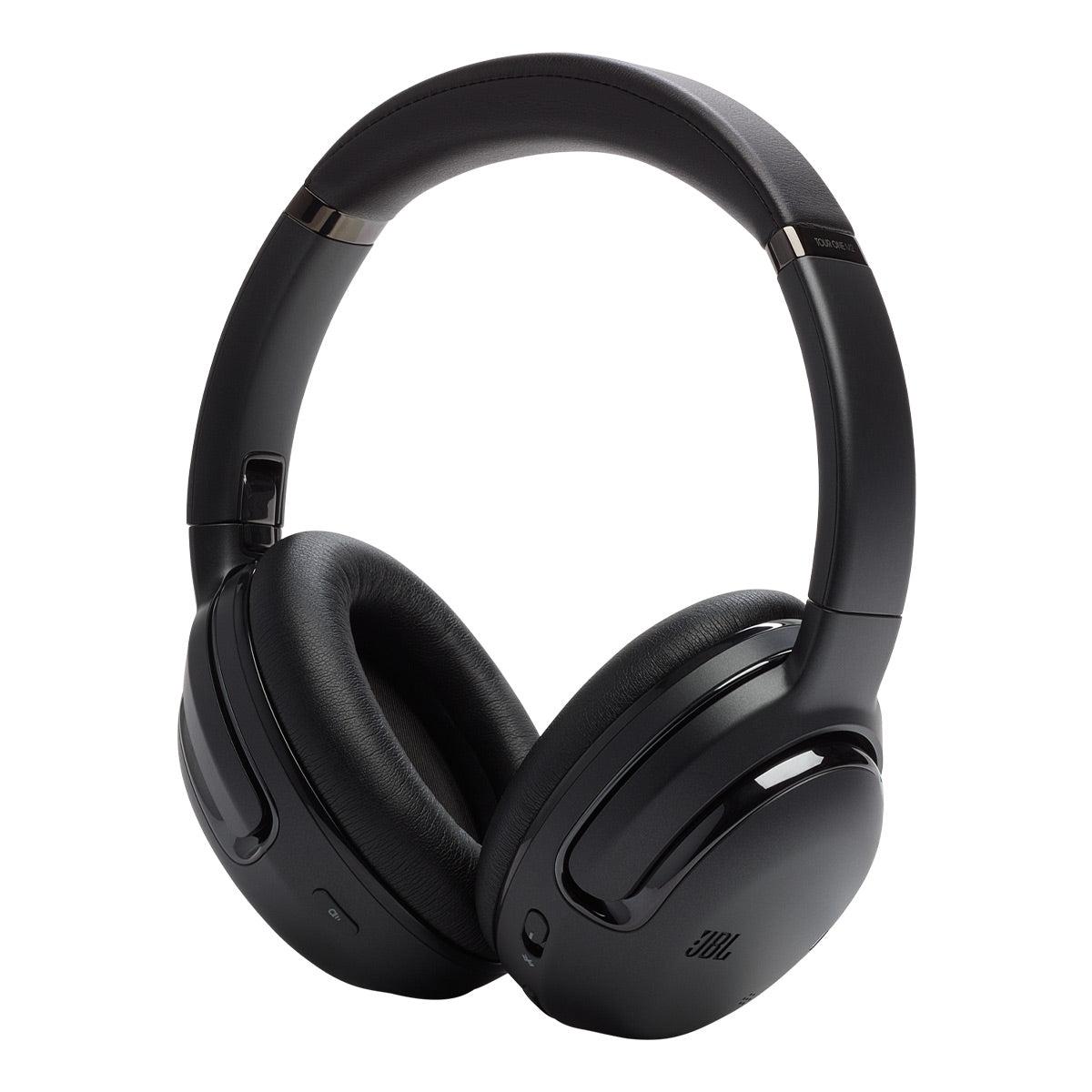
The JBL Tour One M2, on the other hand, sits in the premium consumer wireless headphone market. This category prioritizes convenience features like active noise cancellation (ANC), which uses microphones and digital processing to reduce background noise, and wireless connectivity for everyday listening comfort.
Think of it this way: DJ headphones are like professional kitchen knives—highly specialized tools built for specific tasks. Consumer wireless headphones are more like Swiss Army knives—versatile tools with multiple features for various situations.
When comparing across categories, the main considerations become your primary use case, whether you need wired reliability or wireless convenience, how the audio is tuned for your listening preferences, and what kind of durability you require.
The Pioneer DJ HDJ-CUE1 uses 40mm dynamic drivers—the same size found in many premium headphones—but they're tuned very differently. Pioneer inherited the sound signature from their professional HDJ-X5 model, specifically emphasizing bass frequencies and kick drums. This isn't just about making bass sound "punchy" for fun; it's about helping DJs identify the critical low-frequency elements they need to match beats between songs.
The frequency response spans from 5 Hz to 30,000 Hz, which covers the entire range of human hearing and beyond. However, the emphasis on the low end means these headphones have what audiophiles call a "bass-heavy signature." While this might sound boomy or overwhelming for casual listening, it's exactly what DJs need to hear how their mix will sound through powerful club sound systems.
The JBL Tour One M2, meanwhile, takes a completely different approach. These headphones are Hi-Res certified, meaning they can accurately reproduce high-resolution audio files with more detail than standard MP3s. The frequency response reaches from 20 Hz to 40,000 Hz in passive mode (when used with a cable), offering exceptional detail across all frequencies.
JBL describes their sound as having "deep, punchy bass, encompassing midrange, and smooth treble." This is consumer-speak for a balanced sound that makes all genres of music sound enjoyable rather than emphasizing specific elements for technical purposes. The accompanying app includes a fully customizable equalizer and something called Personi-Fi, which conducts a hearing test to optimize the sound specifically for your ears.
In my experience, the difference is immediately noticeable. The Pioneer headphones make electronic music and hip-hop sound incredibly engaging, but they can make vocal-heavy tracks sound muddy. The JBL headphones handle everything from classical to metal with equal finesse, though they lack the specialized bass emphasis that makes beatmatching easier.
Comfort becomes critical when you're wearing headphones for hours at a time, but the requirements differ dramatically between DJ and consumer use.
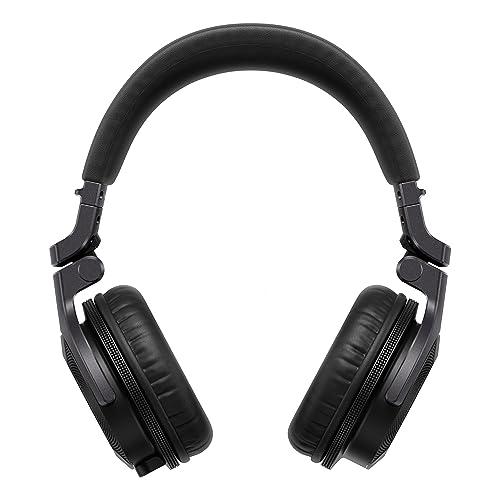
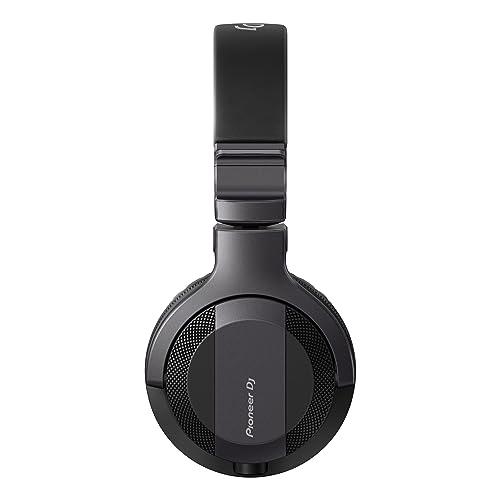
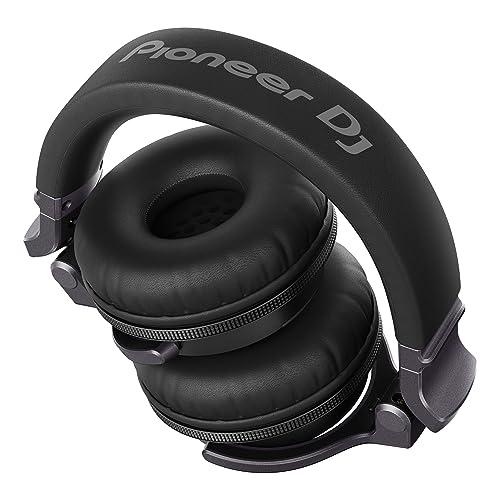
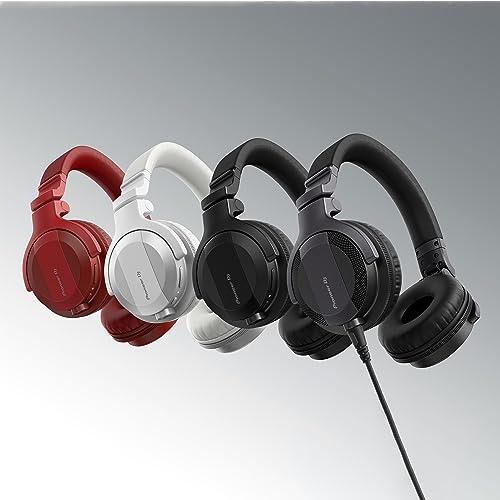
The Pioneer DJ HDJ-CUE1 weighs just 215 grams without the cable, making them among the lightest in their category. The on-ear design (where the ear cups sit on your ears rather than around them) and swiveling ear cups serve a specific purpose: DJs need to monitor with one ear while keeping the other ear free to hear the crowd and main speakers. This functionality is essential during live mixing, but it means comfort takes a backseat to functionality.
Some users report that the headband can feel tight during extended sessions, requiring periodic adjustment. However, this tight fit also helps the headphones stay in place during energetic DJ performances.
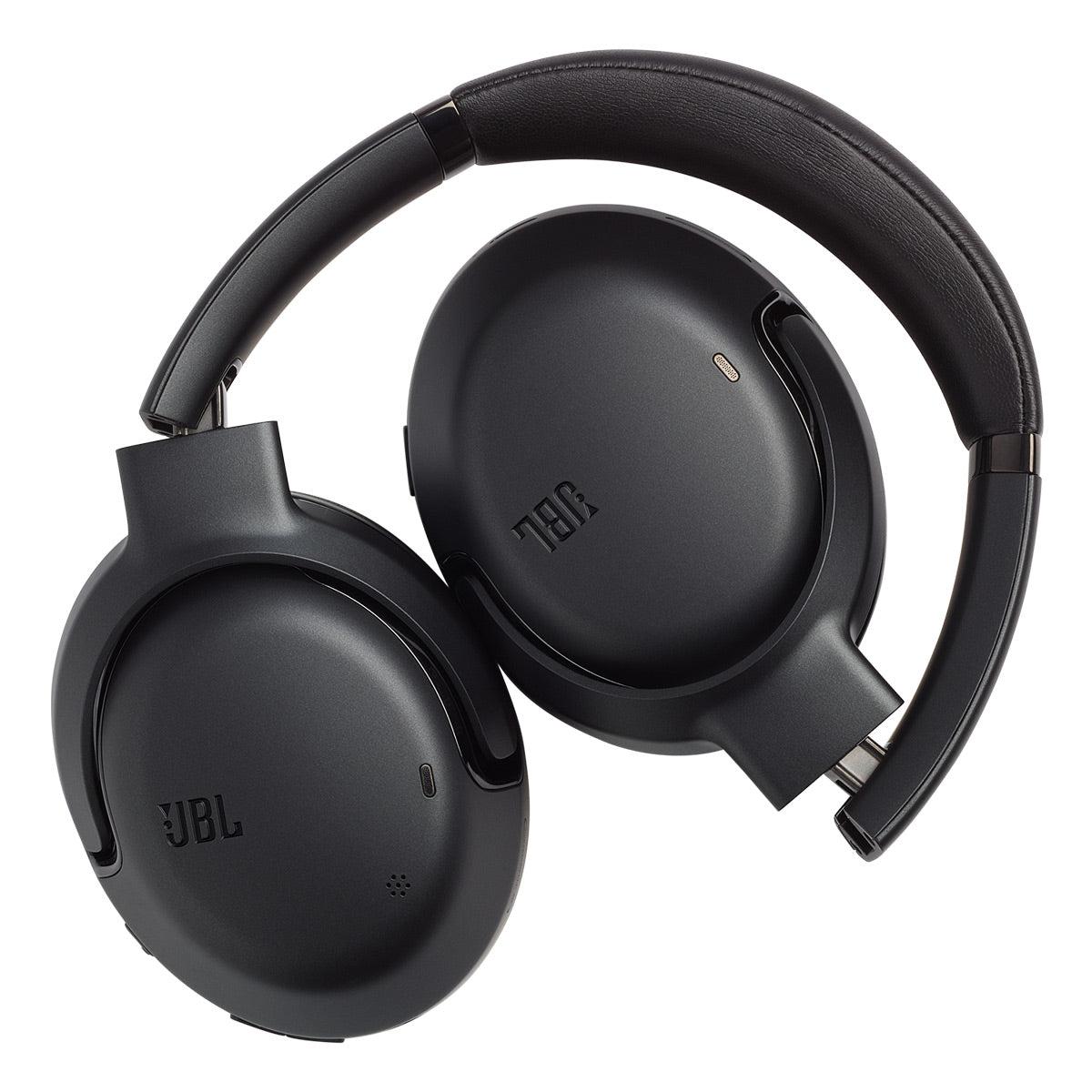
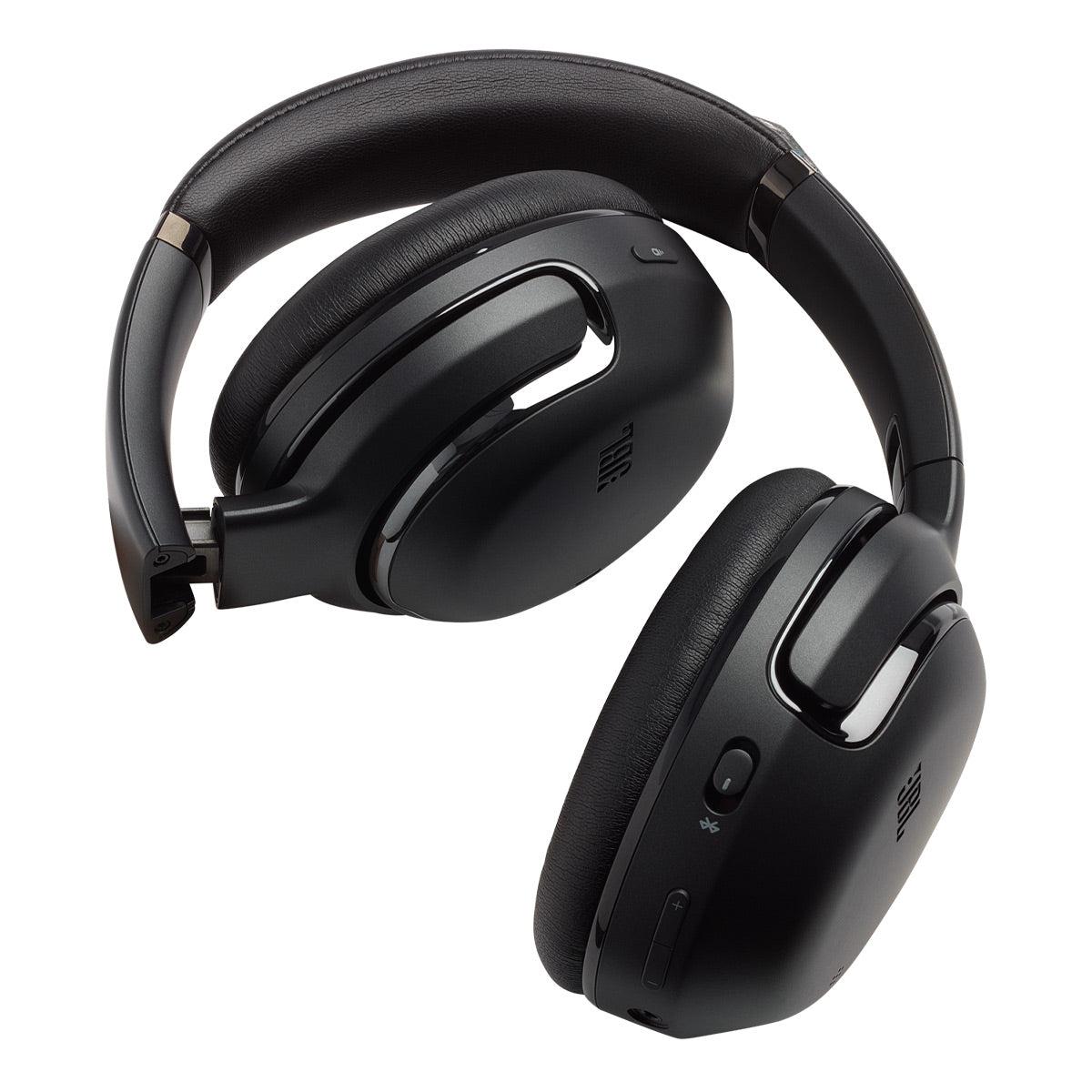
The JBL Tour One M2 uses an over-ear design with plush cushioning optimized for all-day comfort. Over-ear headphones create a seal around your entire ear, which generally provides better comfort for long listening sessions and improved passive noise isolation (blocking sound naturally through physical design). The trade-off is increased weight and less portability.
After testing both extensively, I found the JBL headphones significantly more comfortable for extended listening sessions, while the Pioneer headphones excel during active use where you need to move around and adjust them frequently.
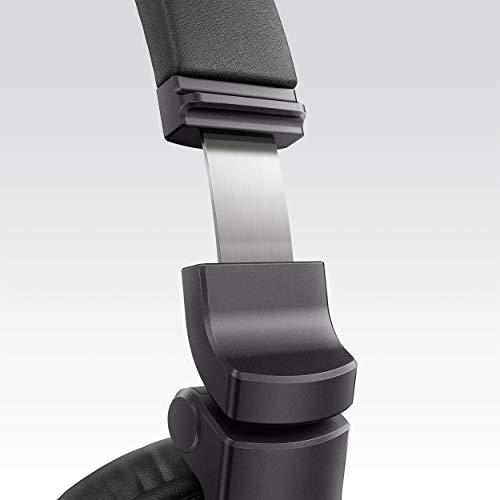
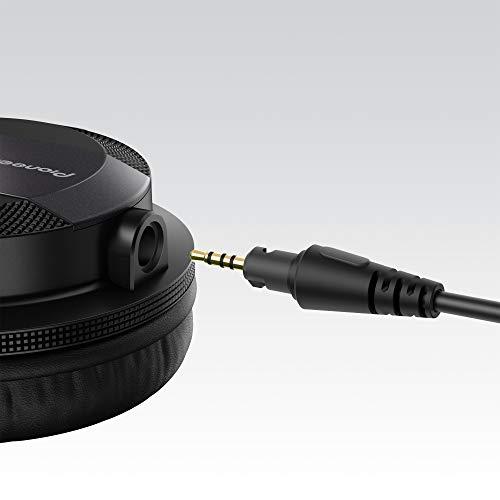
Here's where the categories really diverge. The Pioneer DJ HDJ-CUE1 is built to professional equipment standards, with extra-strong metal sliders in the headband and all moving parts tested for the stress of live performance. The bayonet connector (a twist-lock connection) prevents the cable from accidentally disconnecting during performances—a potential disaster during a live set.
Pioneer specifically designed these headphones to pass strict durability tests, recognizing that DJ equipment faces unique stresses: frequent transport, cable yanking, sweat, and the general chaos of live performance environments.
The JBL Tour One M2 features excellent build quality for consumer electronics, with premium materials and solid construction. However, they're not designed for the same kind of professional abuse. The wireless nature actually reduces some wear points—there's no cable to damage—but the complex electronics inside are more vulnerable to moisture and drops than the simpler Pioneer design.
This is where the products show their completely different priorities. The Pioneer DJ HDJ-CUE1 comes in both wired-only and Bluetooth variants. The wired version uses a 1.2-meter coiled cable that extends to 1.8 meters—perfect for DJ booth setups where you need reach but don't want excess cable cluttering your workspace.
The Bluetooth variant (HDJ-CUE1BT) offers about 30 hours of battery life, but here's the crucial detail: when you plug in the cable, it completely disables the Bluetooth connection. This isn't a bug; it's a feature. DJs need zero-latency audio (no delay between the source and what they hear), and wireless connections always introduce some delay, even if it's imperceptible for casual listening.
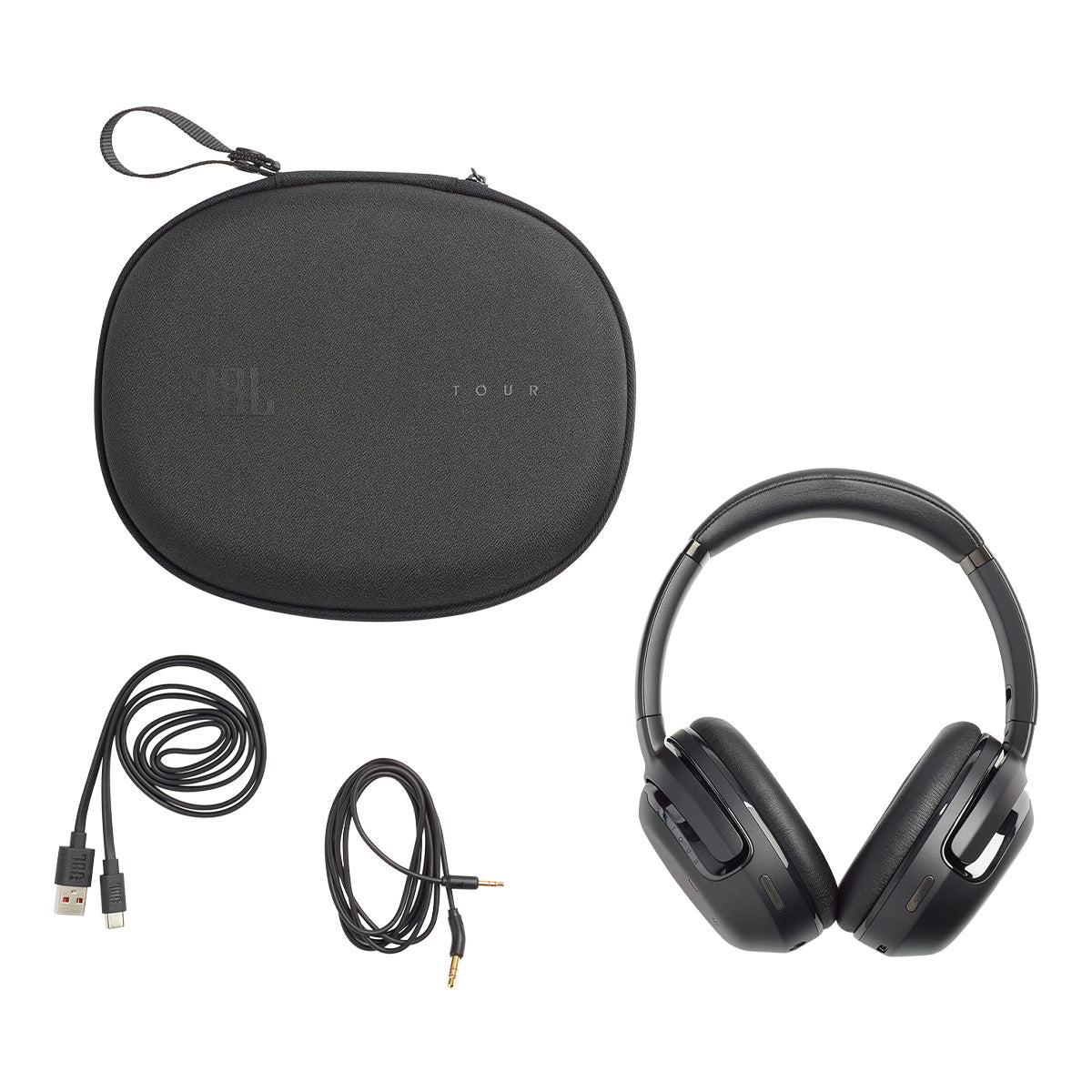
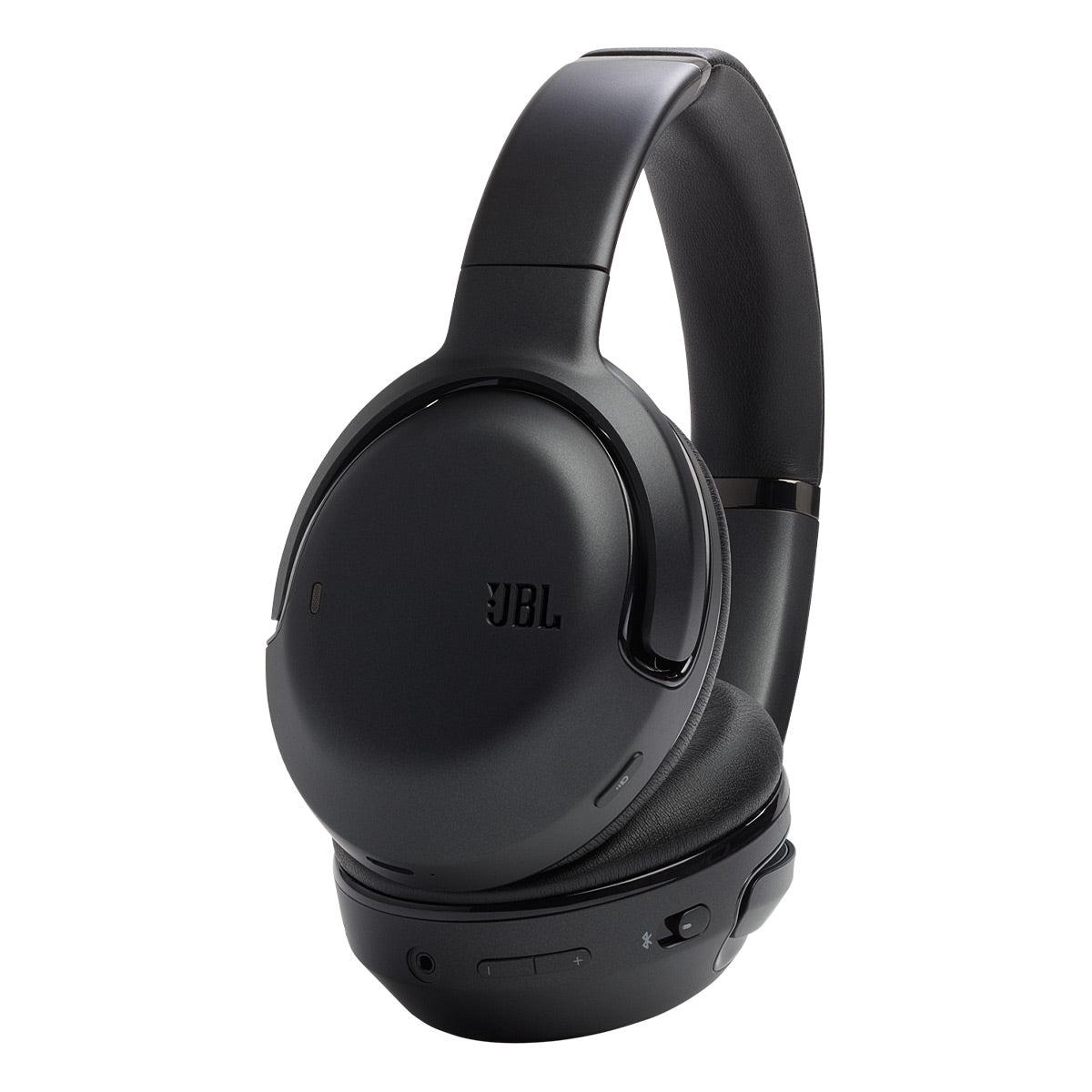
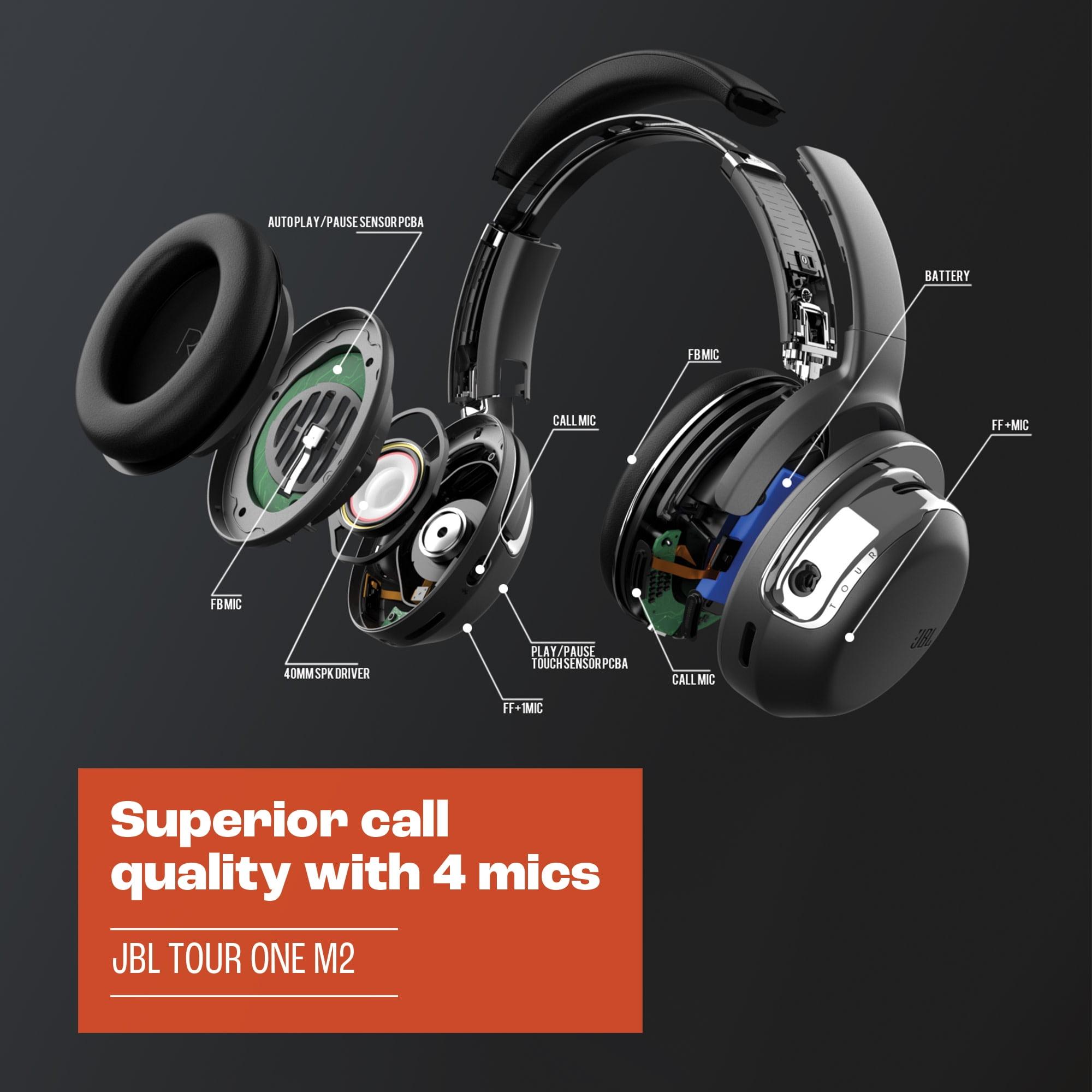
The JBL Tour One M2 is all about wireless convenience and modern features. Bluetooth 5.3 provides a stable, efficient connection with support for high-quality codecs like AAC and SBC. The True Adaptive Noise Cancelling uses four microphones to continuously adjust noise reduction based on your environment—great for commuting or working in noisy spaces.
The 4-microphone array also enables excellent call quality, automatically switching to voice mode when you answer calls. Features like Smart Talk use voice recognition to automatically pause music and activate ambient sound when you start speaking, letting you have conversations without removing the headphones.
Battery life varies from 30 to 50 hours depending on whether ANC is enabled, with fast charging providing 5 hours of playback from just 10 minutes of charging.
At the time of writing, the Pioneer DJ HDJ-CUE1 represents exceptional value in the DJ headphone market, typically priced significantly lower than Pioneer's professional models while maintaining much of the same audio DNA. For someone starting their DJ journey or needing reliable monitoring headphones for music production, they offer professional-grade features at an accessible price point.
The JBL Tour One M2 competes in the premium wireless headphone segment, where features like ANC, Hi-Res certification, and comprehensive app integration are expected. While they cost more than basic wireless headphones, they're competitively priced against similar models from Sony, Bose, and Sennheiser that offer comparable feature sets.
The value equation depends entirely on your needs. If you're buying headphones primarily for DJing or bass-heavy music production, the Pioneer headphones deliver specialized functionality that generic consumer headphones simply can't match. If you want versatile headphones for daily listening, commuting, and calls, the JBL headphones provide modern conveniences that the Pioneer model lacks entirely.
The Pioneer DJ HDJ-CUE1 shines beyond just DJing. They're excellent for music production, especially in electronic genres where bass accuracy is crucial. The specialized tuning makes them fantastic for hip-hop, EDM, trap, and other bass-heavy genres, even for casual listening. They're also great for practice sessions with electronic instruments, where you need accurate monitoring without disturbing others.
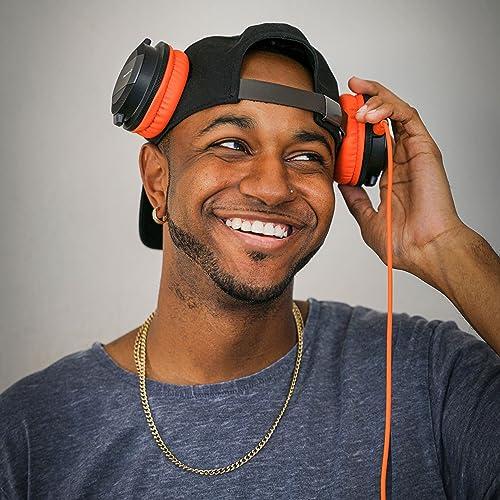
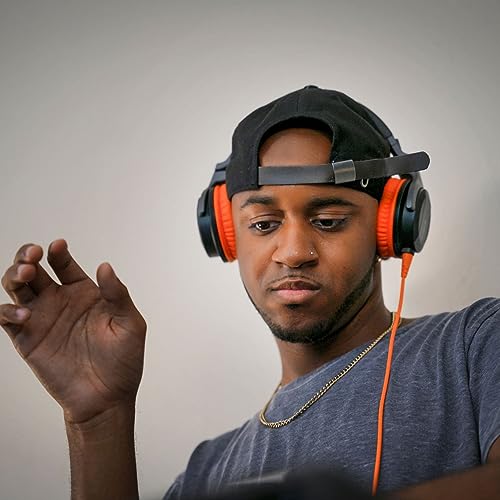
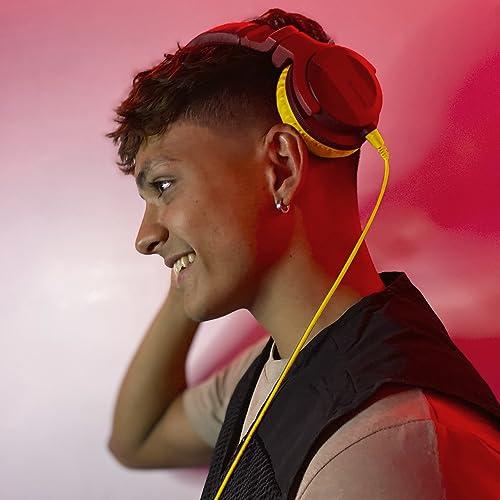
One unique feature is the customization options—Pioneer sells colored accessory packs that let you swap out cables and earpads in bright colors like orange, blue, and pink. It's a small touch, but it shows Pioneer understands that DJs often want their gear to reflect their personal style.
The JBL Tour One M2 excels in versatility. The ANC makes them perfect for travel, especially flights where engine noise can be fatiguing. They're excellent for office work, providing both music enjoyment and the ability to block distractions. The superior call quality makes them great for remote work and video conferences.
For home theater use, the JBL headphones are the clear winner. The wireless convenience means no cables to trip over, the balanced sound signature works well with movies and TV shows, and the long battery life means you won't need to worry about charging mid-movie. The Pioneer headphones would work for home theater, but their bass-heavy tuning might make dialogue less clear, and the cable could be cumbersome for couch listening.
The Pioneer DJ HDJ-CUE1 launched in 2020, making them relatively recent in the DJ headphone world, where models often remain relevant for many years. Since 2020, DJ technology has continued evolving toward digital integration, but the fundamental requirements—accurate monitoring, durability, and low latency—remain unchanged. These headphones still meet current professional standards.
The JBL Tour One M2, released in 2023, represents the current state of consumer wireless audio technology. They include Bluetooth 5.3 (the latest version at launch), support for contemporary codecs, and modern ANC algorithms. The wireless headphone market moves faster than DJ equipment, with annual updates common, but the Tour One M2 includes forward-thinking features that should remain relevant for several years.
Since 2020, we've seen improvements in ANC effectiveness, better battery life, and more sophisticated app integration in consumer headphones. The JBL model incorporates these advances, while the Pioneer model maintains its focus on core DJ functionality without unnecessary complexity.
Choose the Pioneer DJ HDJ-CUE1 if you're learning to DJ, currently DJ, or produce electronic music. They're also perfect if you primarily listen to bass-heavy genres and want headphones that make electronic music, hip-hop, and similar genres sound incredibly engaging. The durability makes them excellent for anyone who's hard on their equipment or needs headphones for active use.
The specialized tuning isn't just about preference—it's about functionality. If you need to beatmatch tracks, monitor recordings, or want to hear how your music will sound through powerful speakers, the Pioneer headphones provide capabilities that general-purpose headphones simply can't match.
Choose the JBL Tour One M2 if you want versatile headphones for daily life. They excel for commuting, office work, travel, and general music listening across all genres. The ANC alone makes them worthwhile if you frequently find yourself in noisy environments. The excellent call quality and wireless convenience make them perfect for the modern world where headphones serve multiple purposes beyond just music.
For home theater use, the JBL headphones are significantly better thanks to wireless convenience and balanced sound that works well with movies and TV shows.
The bottom line? These aren't really competing products—they're complementary ones serving different needs. The Pioneer DJ HDJ-CUE1 excels as a specialized tool for DJs and electronic music enthusiasts, while the JBL Tour One M2 shines as a versatile, feature-rich option for general consumers seeking premium wireless audio with modern conveniences.
Your choice should align with your primary use case, but many audio enthusiasts eventually own both types: specialized headphones for their particular passion and general-purpose wireless headphones for daily life. Understanding these differences ensures you'll get the right tool for your specific needs, rather than compromising with something that tries to do everything but excels at nothing.
| Pioneer DJ HDJ-CUE1 Headphones | JBL Tour One M2 Wireless Over-Ear Headphones |
|---|---|
| Product Category - Determines primary use case and feature priorities | |
| DJ/Professional monitoring headphones | Premium consumer wireless headphones |
| Driver Size - Larger drivers typically provide better bass response and overall dynamics | |
| 40mm dynamic drivers | 40mm dynamic drivers |
| Frequency Response - Shows audio range; wider range suggests better detail reproduction | |
| 5 Hz – 30,000 Hz (excellent low-end extension for bass monitoring) | 20 Hz – 40,000 Hz passive (Hi-Res certified for audiophile listening) |
| Weight - Critical for comfort during extended use | |
| 215g without cable (lightweight for DJ performance) | 272g (heavier but acceptable for over-ear comfort) |
| Design Type - Affects comfort, isolation, and intended use | |
| On-ear, closed-back with 90° swiveling cups for DJ monitoring | Over-ear, closed-back with plush cushioning for all-day comfort |
| Connectivity - Determines flexibility and use cases | |
| Wired (1.2m coiled cable) + optional Bluetooth variant | Bluetooth 5.3 wireless with 3.5mm wired backup |
| Active Noise Cancellation - Essential for noisy environments like commuting | |
| None (relies on passive isolation) | True Adaptive ANC with 4-microphone array |
| Battery Life - Only relevant for wireless models | |
| 30 hours (Bluetooth variant only) | 30-50 hours depending on ANC usage |
| Sound Tuning - Most important for matching your listening preferences | |
| Bass-heavy, specialized for electronic music and DJ mixing | Balanced Hi-Res signature suitable for all genres |
| Call Quality - Important for work-from-home and daily use | |
| Basic (Bluetooth variant only) | Excellent with 4-mic array and voice recognition |
| Durability Focus - Shows build priorities and expected lifespan | |
| Professional performance equipment with metal reinforcement | Premium consumer build quality for daily use |
| Customization Options - Allows personalization and replacement parts | |
| Interchangeable colored cables and earpads available | App-based EQ and Personi-Fi hearing optimization |
| Target User - Helps determine which product matches your needs | |
| DJs, producers, electronic music enthusiasts | Commuters, office workers, general music lovers |
The JBL Tour One M2 is generally better for beginners who want versatile headphones for everyday use. They offer wireless convenience, balanced sound for all music genres, and user-friendly features like app customization. However, if you're specifically learning to DJ, the Pioneer DJ HDJ-CUE1 is the better choice despite being more specialized, as they're designed exactly for that purpose with features like swiveling ear cups and bass-focused tuning.
The Pioneer DJ HDJ-CUE1 are specialized DJ monitoring headphones designed for beatmatching and live performance, while the JBL Tour One M2 are premium consumer wireless headphones built for everyday listening with modern conveniences like active noise cancellation and Bluetooth connectivity.
Sound quality depends on your needs. The JBL Tour One M2 offers Hi-Res certified audio with balanced sound across all frequencies, making them better for general music listening and audiophile use. The Pioneer DJ HDJ-CUE1 have specialized bass-heavy tuning that's superior for electronic music and DJ mixing but may sound unbalanced for other genres.
Neither headphone is ideal for intense workouts. The Pioneer DJ HDJ-CUE1 are wired (unless you get the Bluetooth variant) and designed for stationary DJ use. The JBL Tour One M2 are wireless which is better for movement, but they're large over-ear headphones that may feel bulky during exercise and aren't sweat-resistant.
The Pioneer DJ HDJ-CUE1 are significantly more durable, built to professional equipment standards with metal reinforcement and stress testing for live performance use. The JBL Tour One M2 have good consumer-grade build quality but aren't designed for the physical demands that the Pioneer headphones can handle.
The JBL Tour One M2 excel at phone calls with their 4-microphone array, voice recognition, and noise cancellation technology. The Pioneer DJ HDJ-CUE1 have basic call capability only in the Bluetooth variant, but they're not optimized for this use case.
The JBL Tour One M2 are much better for home theater use. Their wireless design eliminates cable clutter, the balanced sound signature works well with movies and TV shows, and the long battery life means uninterrupted viewing. The Pioneer headphones would work but their bass-heavy tuning might make dialogue less clear.
The Pioneer DJ HDJ-CUE1 work without batteries in the standard wired version, making them always ready to use. The JBL Tour One M2 can work in wired mode when the battery dies, but you lose most features including noise cancellation and touch controls.
The JBL Tour One M2 are more comfortable for extended listening with their over-ear design and plush cushioning. The Pioneer DJ HDJ-CUE1 use an on-ear design that's optimized for DJ performance rather than long-term comfort, though they're lighter weight.
The Pioneer DJ HDJ-CUE1 are excellent for music production, especially electronic genres, due to their accurate bass response and professional monitoring capabilities. The JBL Tour One M2 can work for casual production but lack the specialized tuning and wired reliability that serious producers prefer.
The JBL Tour One M2 provide superior noise isolation with active noise cancellation that adapts to your environment, making them excellent for travel and noisy spaces. The Pioneer DJ HDJ-CUE1 rely only on passive isolation from their closed-back design, which is adequate but not as effective as active cancellation.
Both offer similar battery life when wireless - the Pioneer DJ HDJ-CUE1 Bluetooth variant provides about 30 hours, while the JBL Tour One M2 offers 30-50 hours depending on whether noise cancellation is enabled. However, the standard Pioneer model is wired-only and doesn't need batteries at all.
We've done our best to create useful and informative comparisons to help you decide what product to buy. Our research uses advanced automated methods to create this comparison and perfection is not possible - please contact us for corrections or questions. These are the sites we've researched in the creation of this article: bestbuy.com - pioneerdjstore.com - rtings.com - idjnow.com - youtube.com - pioneerdj.com - soundguys.com - pioneerdj.com - digitaldjtips.com - pioneerdj.com - guitarcenter.com - empirepro.com - idjnow.com - emiaudio.com - pioneerdj.com - sfm.ca - sweetwater.com - pioneerdj.com - pioneerdj.com - pioneerdj.com - tomsguide.com - majorhifi.com - audio46.com - synced.sg - majorhifi.com - versus.com - youtube.com - youtube.com - peterfalkingham.com - youtube.com - jbl.com - manuals.plus - bhphotovideo.com - device.report - jblonlinestore.com - bhphotovideo.com - jbl.com.my - en.jblthailand.com - harmanhouse.com - versus.com - consumerreports.org - bestbuy.com - th.jbl.com - jbl.com - theindianaudiophileforum.com

Privacy Policy
Terms and Conditions - Affiliate Policy
Home Security
© Copyright 2008-2026.
11816 Inwood Rd #1211, Dallas, TX 75244