

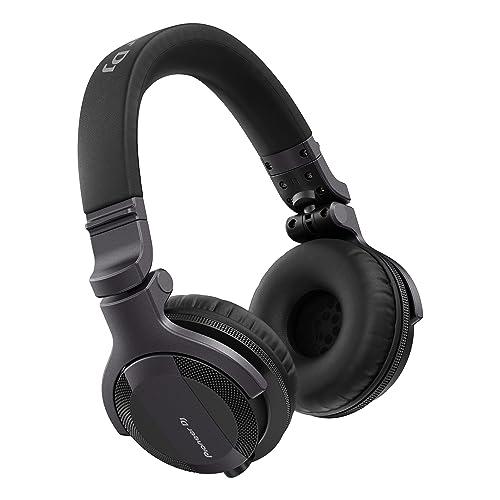
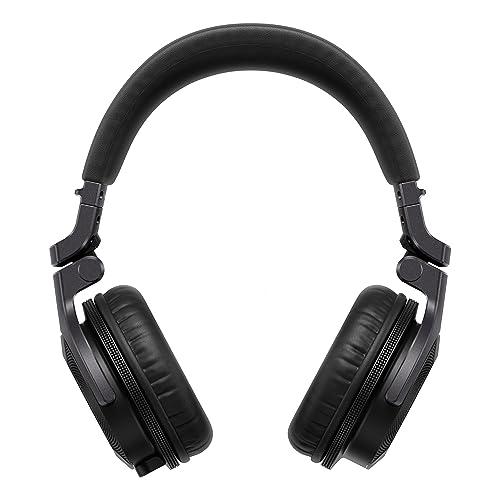
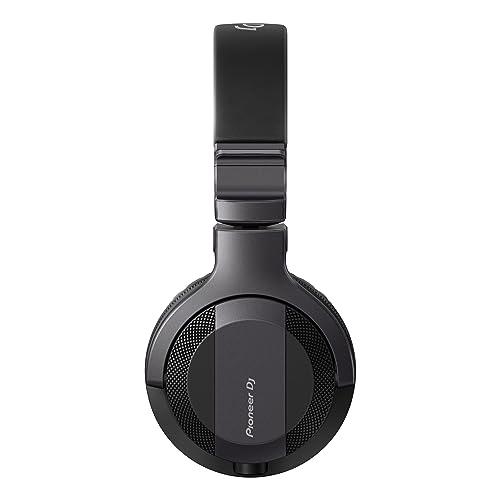
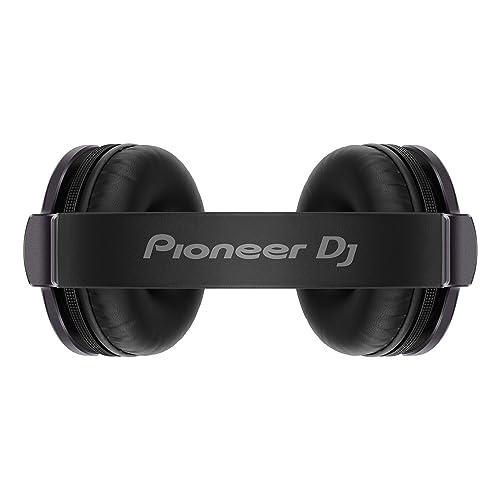
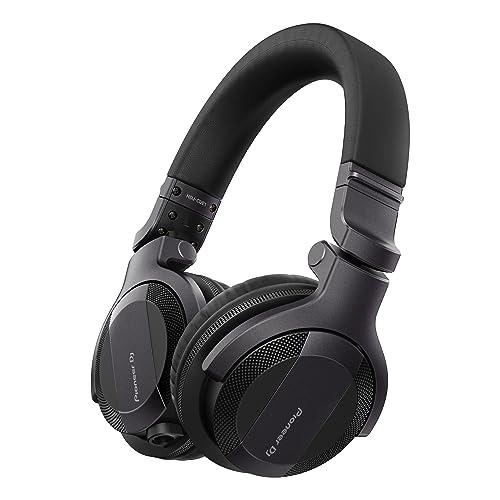
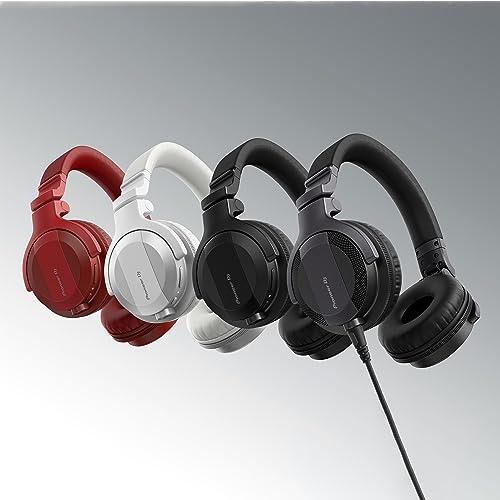



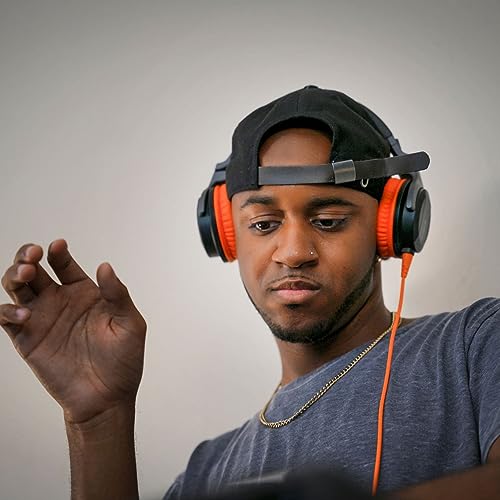




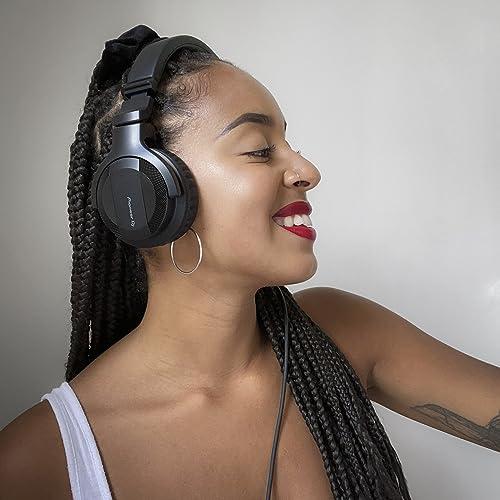
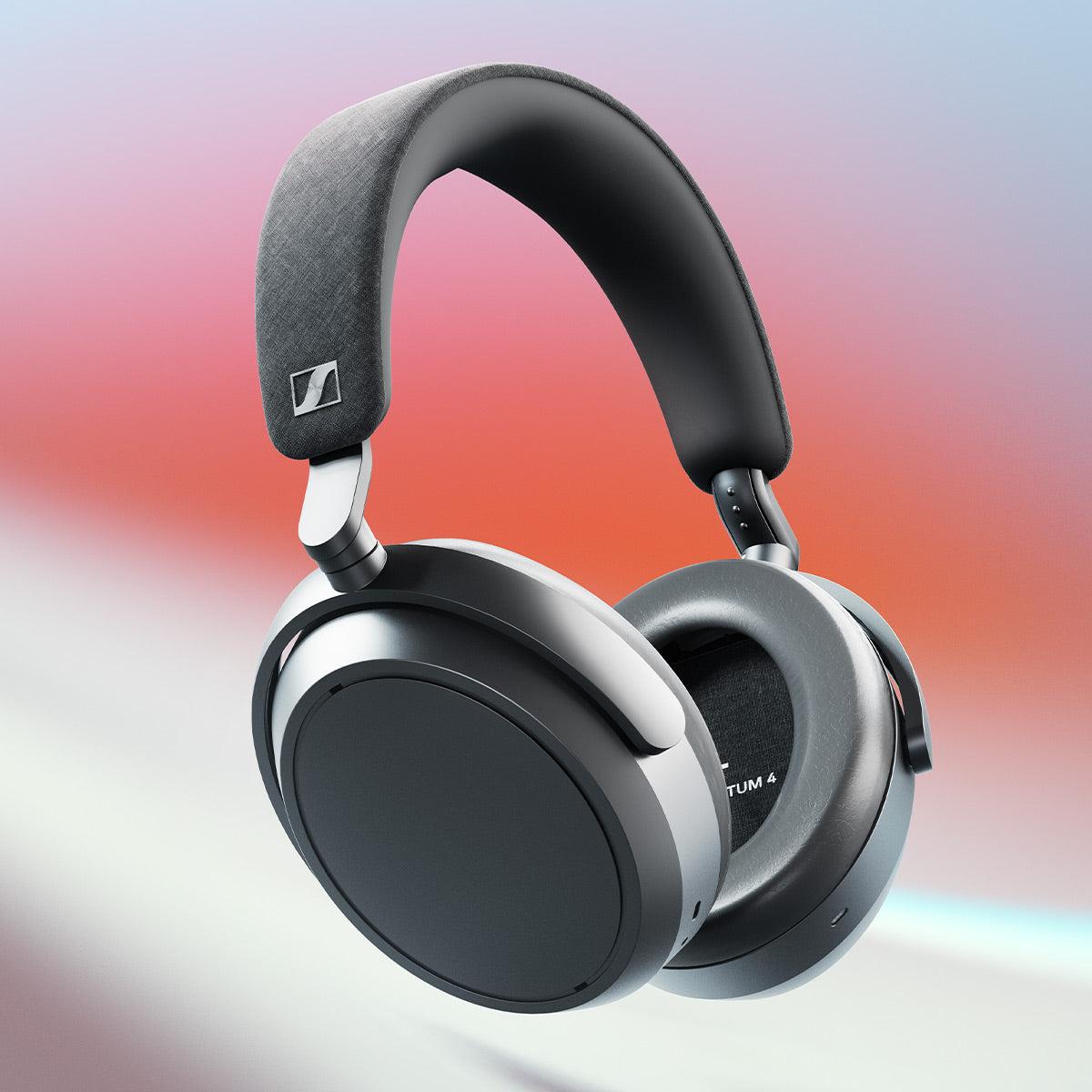


When you're shopping for headphones, it's easy to get overwhelmed by the sheer number of options available. But sometimes you end up comparing products that, while both being headphones, are designed for completely different purposes. That's exactly what we have with the Pioneer DJ HDJ-CUE1 and the Sennheiser Momentum 4 Wireless – two excellent headphones that couldn't be more different in their intended use.
The Pioneer DJ HDJ-CUE1, released in 2021, represents Pioneer's effort to bring professional DJ monitoring capabilities to an entry-level price point. Meanwhile, the Sennheiser Momentum 4 Wireless, launched in 2022, is Sennheiser's flagship consumer wireless headphone, packed with modern conveniences and premium audio engineering. At the time of writing, these headphones sit in completely different price brackets, with the Pioneer being significantly more budget-friendly and the Sennheiser commanding a premium price typical of high-end wireless headphones.
Before diving into specifics, it's crucial to understand what makes each category tick. DJ headphones like the Pioneer HDJ-CUE1 are specialized tools designed for one primary purpose: helping DJs monitor and mix music in real-time. This means they need to be incredibly accurate in reproducing bass frequencies (since that's what DJs use to match beats between songs), durable enough to withstand nightly use in clubs, and comfortable enough for 4-6 hour sets.
The design requirements are quite specific. DJ headphones typically feature rotating ear cups that allow you to monitor with one ear while keeping the other cup away from your ear – a technique called "cue monitoring" that lets DJs preview the next track while the current one plays through the main speakers. They also need to provide good isolation from the loud club environment around them.
Premium consumer wireless headphones like the Sennheiser Momentum 4 Wireless serve a completely different master. These are designed for daily music enjoyment, whether you're commuting, working from home, or just relaxing. They prioritize wireless convenience, battery life, noise cancellation for travel, and overall sound quality across all music genres. The engineering challenges here involve balancing audio quality with wireless transmission, managing battery consumption, and integrating smart features like voice assistants and automatic pause/play.
The most fundamental difference between these headphones lies in their audio tuning philosophy, and this is where understanding frequency response becomes important. Frequency response refers to how well headphones reproduce different pitches – from deep bass (low frequencies around 20-200 Hz) to bright treble (high frequencies from 2,000-20,000 Hz).
The Pioneer DJ HDJ-CUE1 features an impressive frequency response range of 5 Hz to 30,000 Hz – that's exceptionally wide for headphones in this price range. However, the real story is in how Pioneer has tuned these frequencies. The headphones inherit their sound signature from Pioneer's professional HDJ-X5 model, which means they're deliberately bass-heavy.
This isn't a flaw – it's a feature. When you're DJing, you need to clearly hear kick drums and bass lines to match the tempo between two songs (called beatmatching). If the bass frequencies aren't prominent enough, it becomes much harder to sync tracks properly. The Pioneer HDJ-CUE1 emphasizes frequencies between 60-200 Hz, making these crucial elements stand out clearly in the mix.
The trade-off is that vocals and some instruments in the midrange (around 200-2,000 Hz) can sound slightly recessed or less prominent. For general music listening, this can make some songs sound less balanced than they would on neutral headphones. However, for genres like hip-hop, EDM, trap, and house music – genres commonly played by DJs – this tuning often makes the music sound more exciting and engaging.
The Sennheiser Momentum 4 Wireless takes a different approach with what audio engineers call a "soft V-shaped" tuning. This means there's some elevation in both the bass and treble regions, but it's more subtle and musical than the Pioneer's approach. The frequency response spans 6 Hz to 22 kHz, which is excellent for wireless headphones.
What makes the Sennheiser special is its 42mm dynamic driver system, which Sennheiser has engineered to deliver their "Signature Sound." This tuning provides punchy bass when needed but doesn't overwhelm the midrange frequencies where vocals and most instruments live. The treble is also enhanced, but in a way that adds sparkle and detail rather than harshness.
The result is headphones that handle a much wider variety of music genres well. Whether you're listening to classical, rock, jazz, or electronic music, the Sennheiser Momentum 4 Wireless provides a more balanced and natural presentation. The soundstage – the perceived width and depth of the audio image – is also notably wider than most competitors in this category.
The physical design differences between these headphones perfectly illustrate how form follows function in audio equipment design.
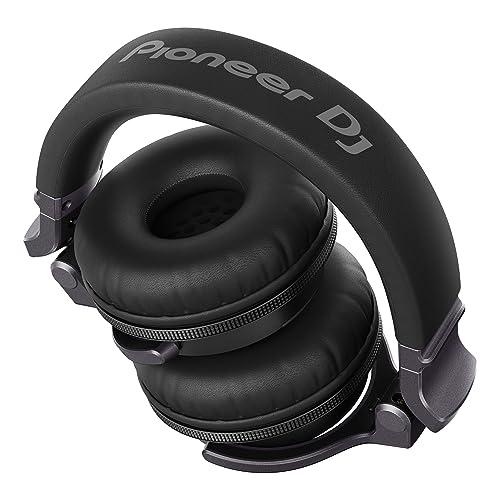
The Pioneer DJ HDJ-CUE1 uses an on-ear (also called supra-aural) design, where the ear cups rest on your ears rather than around them. At 215 grams without the cable, they're quite lightweight – an important consideration when you're wearing them for hours during a DJ set.
The key feature here is the 90-degree rotating ear cups. This might seem like a small detail, but it's absolutely crucial for DJ work. During a performance, you need to be able to quickly lift one ear cup to hear what's playing through the main speakers while keeping the other ear monitoring your cue channel. The swivel mechanism makes this natural and comfortable.
However, some users find the headband can feel tight during extended listening sessions. This is partly intentional – you don't want your headphones falling off during an energetic performance – but it can cause discomfort for casual listening. The on-ear design also provides less passive noise isolation than over-ear headphones, which is actually beneficial in a DJ booth where you need some awareness of your surroundings.
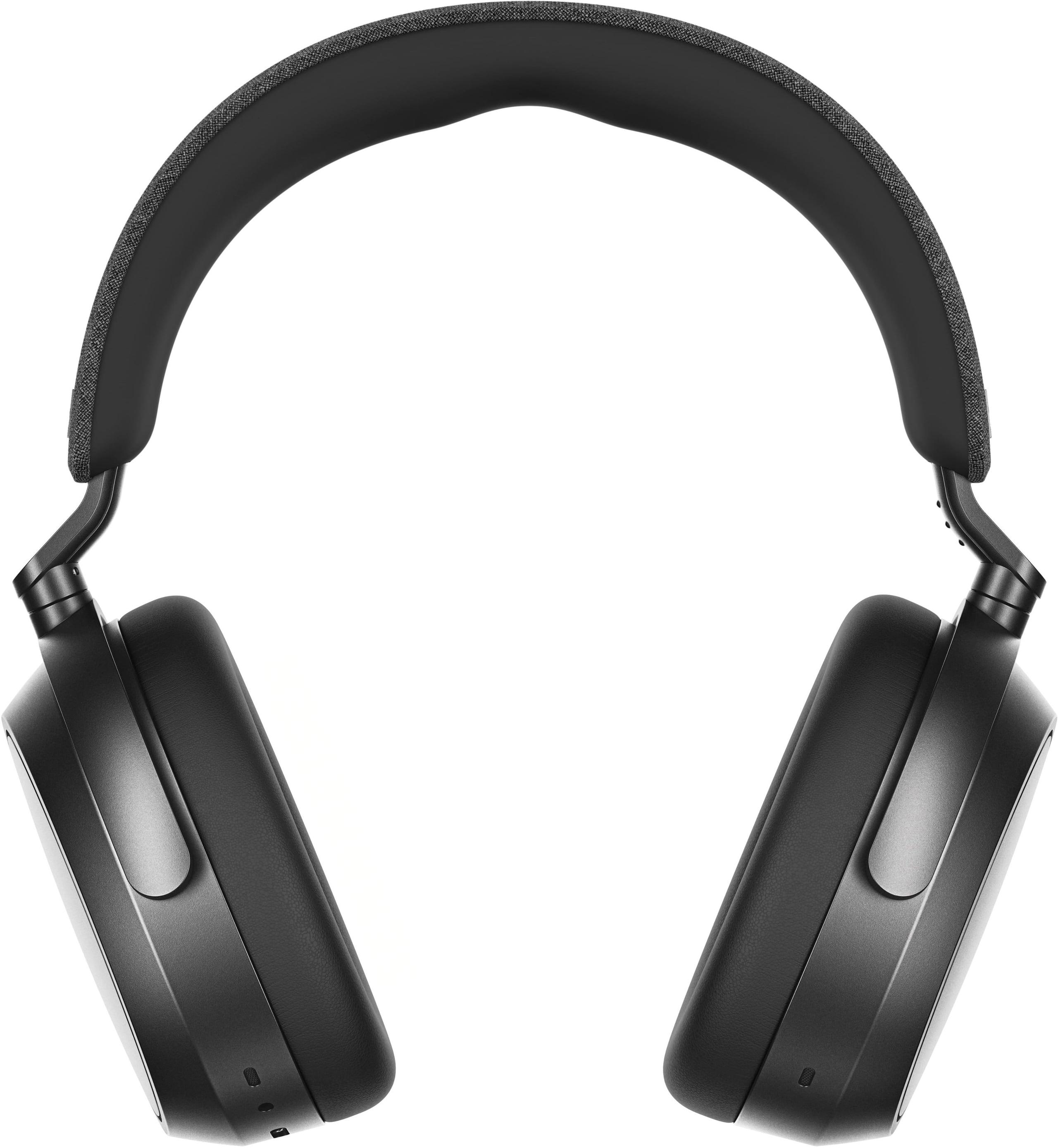
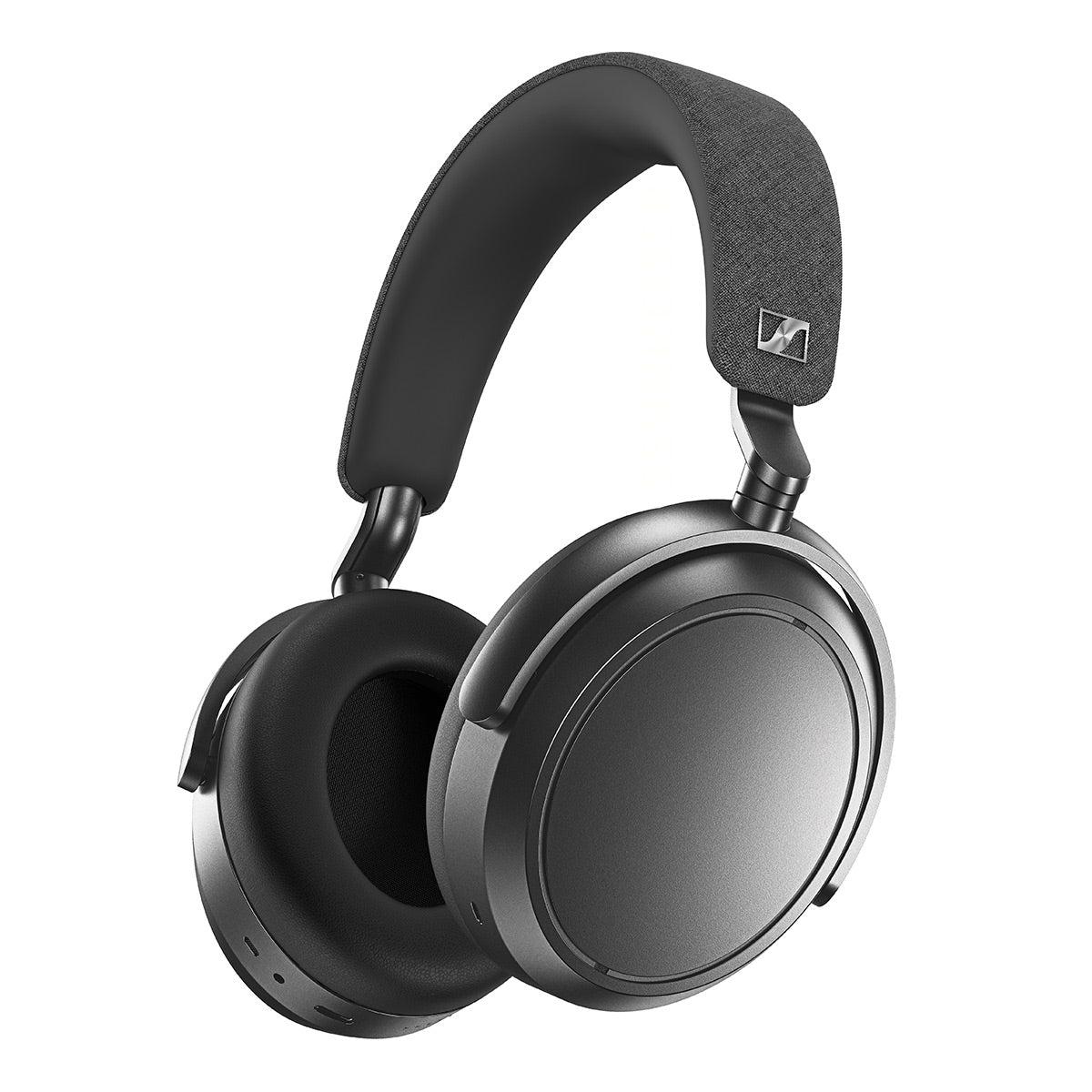
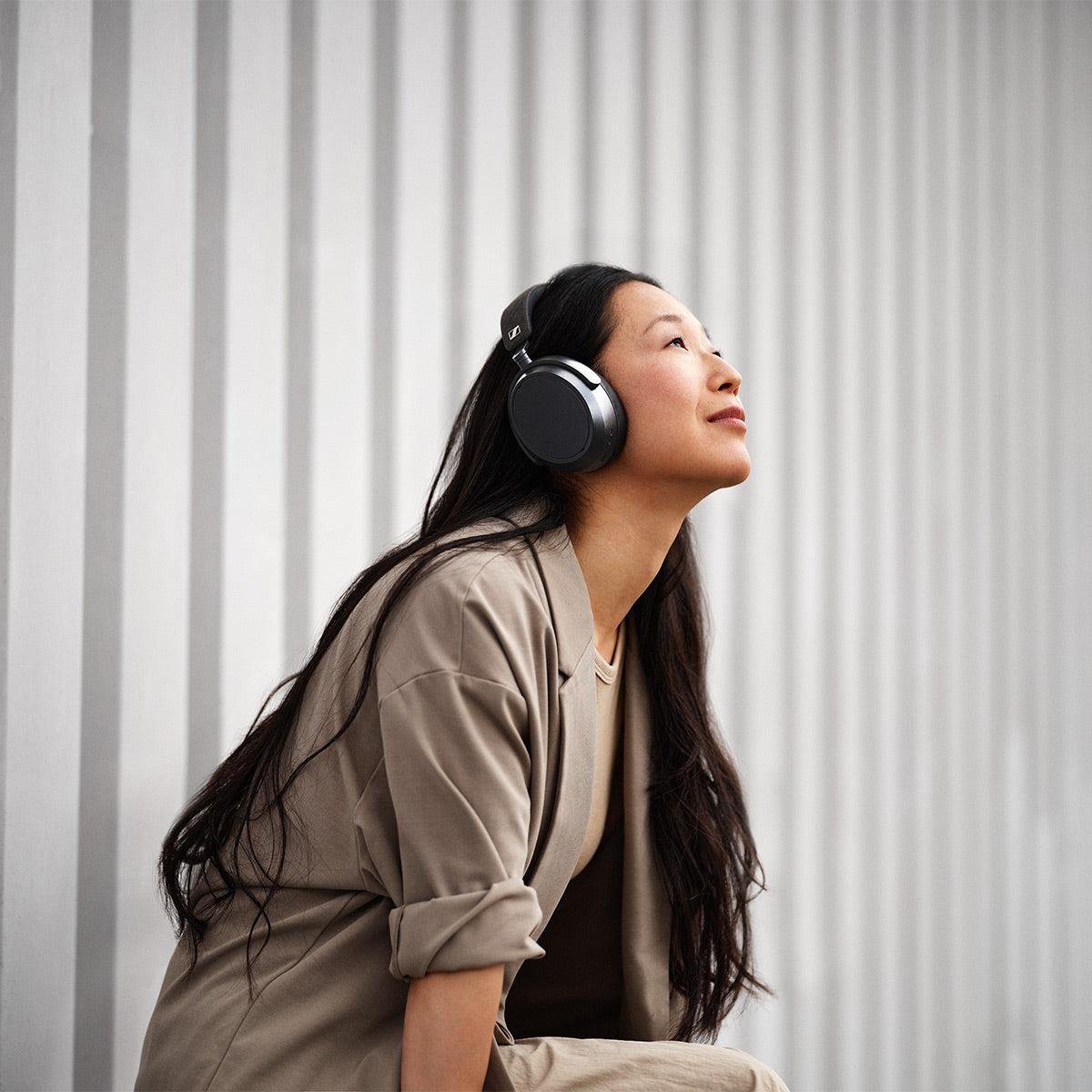
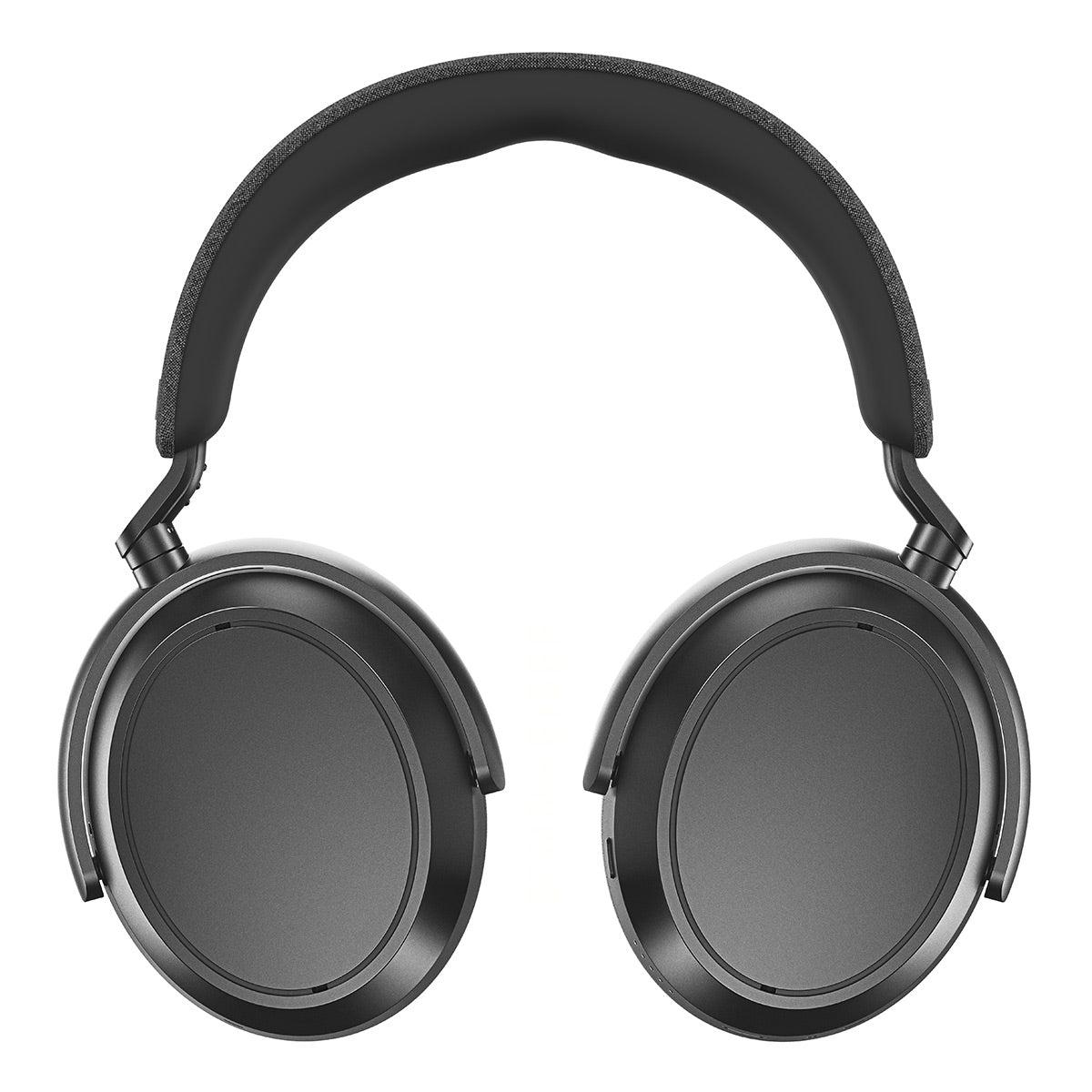
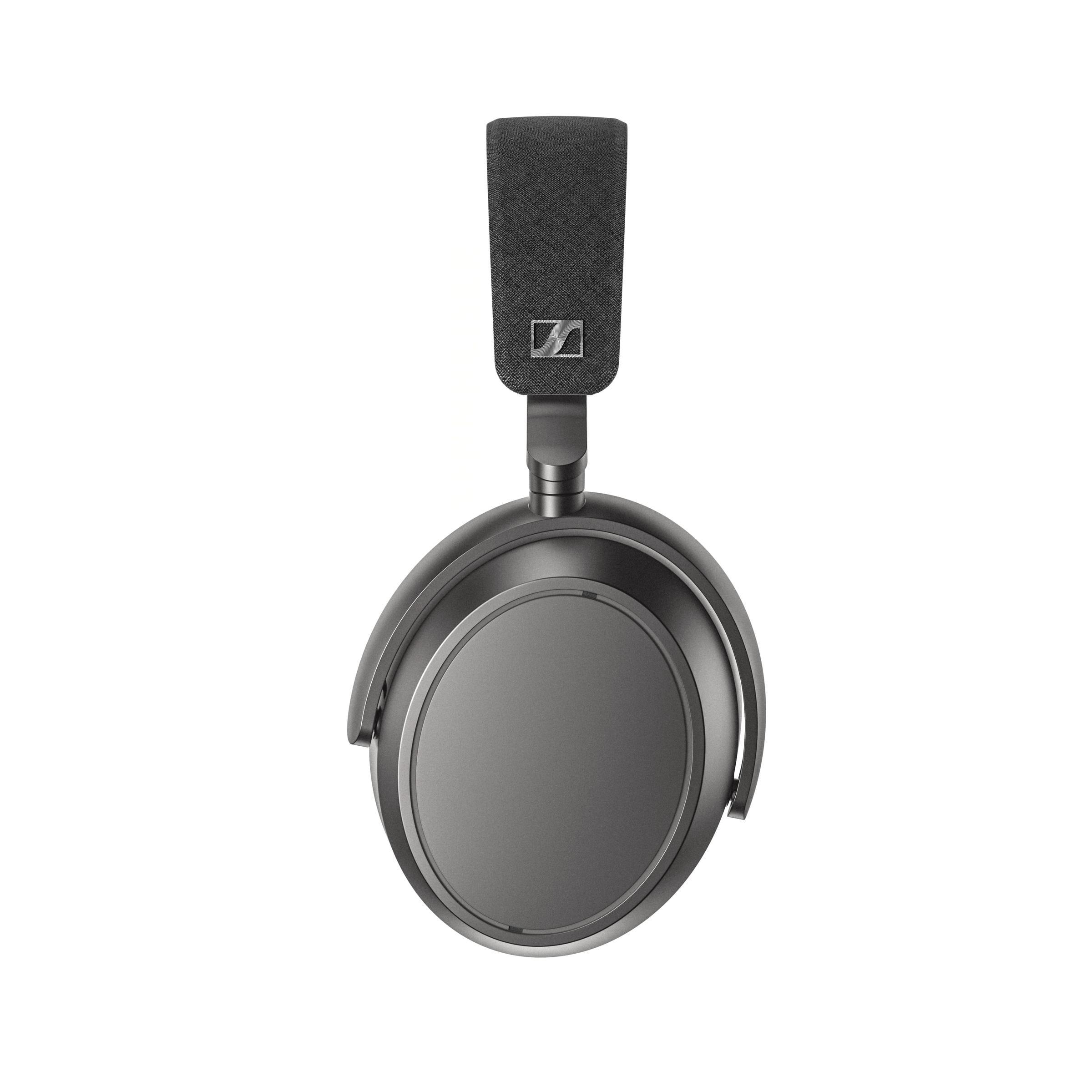
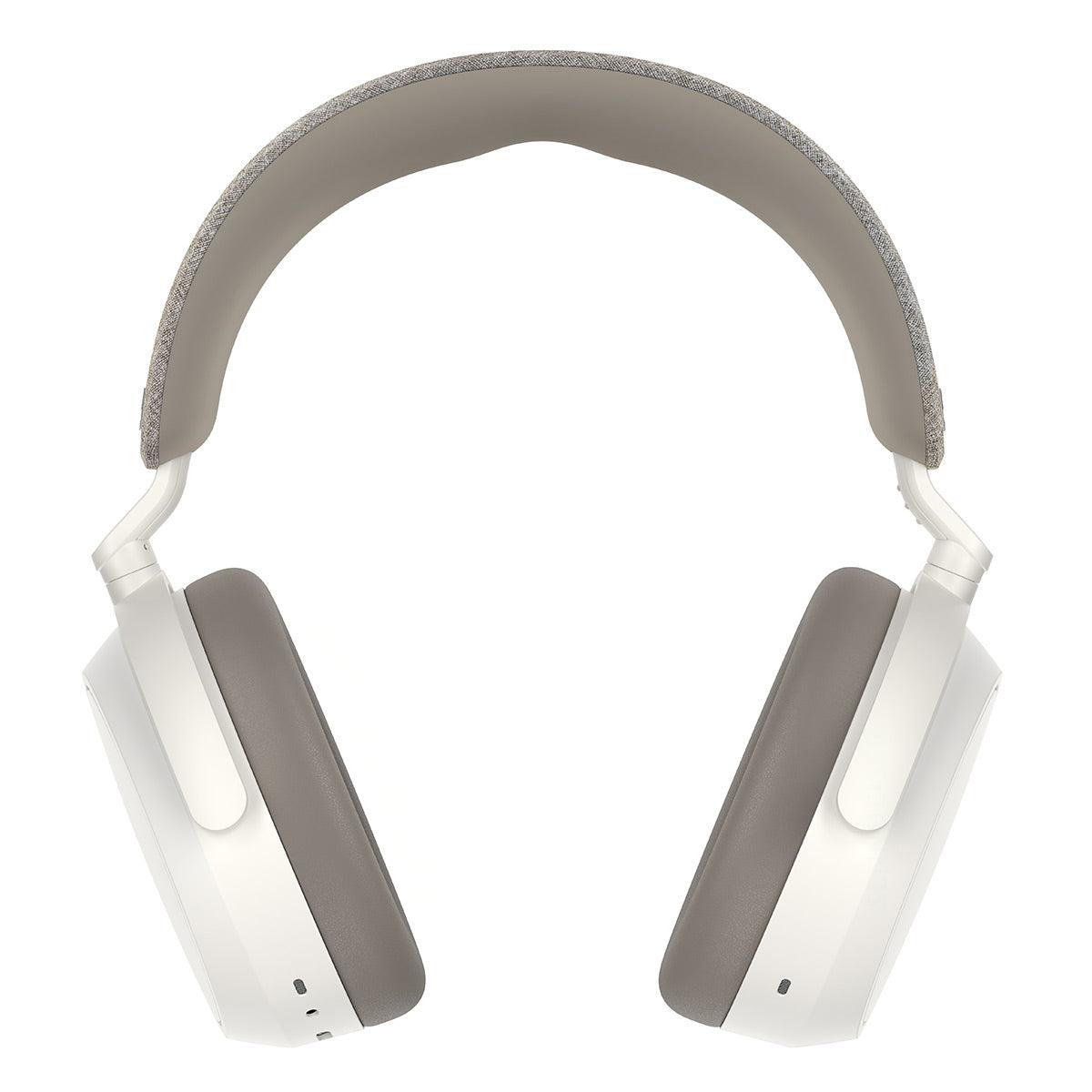
The Sennheiser Momentum 4 Wireless uses an over-ear (circumaural) design with deep, cushioned ear pads that completely surround your ears. At 293 grams, they're heavier than the Pioneer, but the weight is distributed well across a padded headband, making them comfortable for extended listening sessions.
The over-ear design provides better passive noise isolation, which is exactly what you want for commuting or working in noisy environments. The ear pads are made from premium materials with fabric details that feel luxurious and breathe better than synthetic leather alternatives.
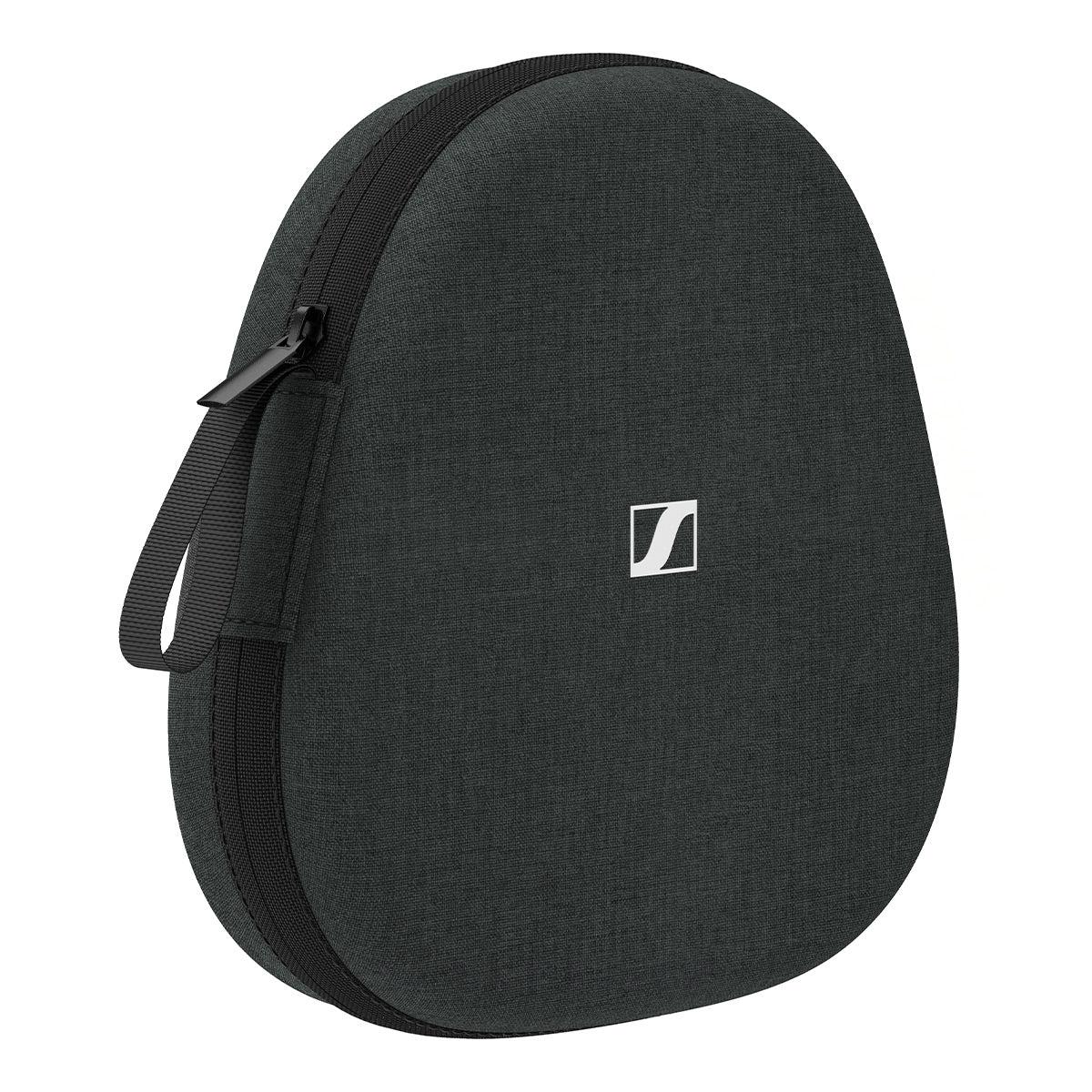
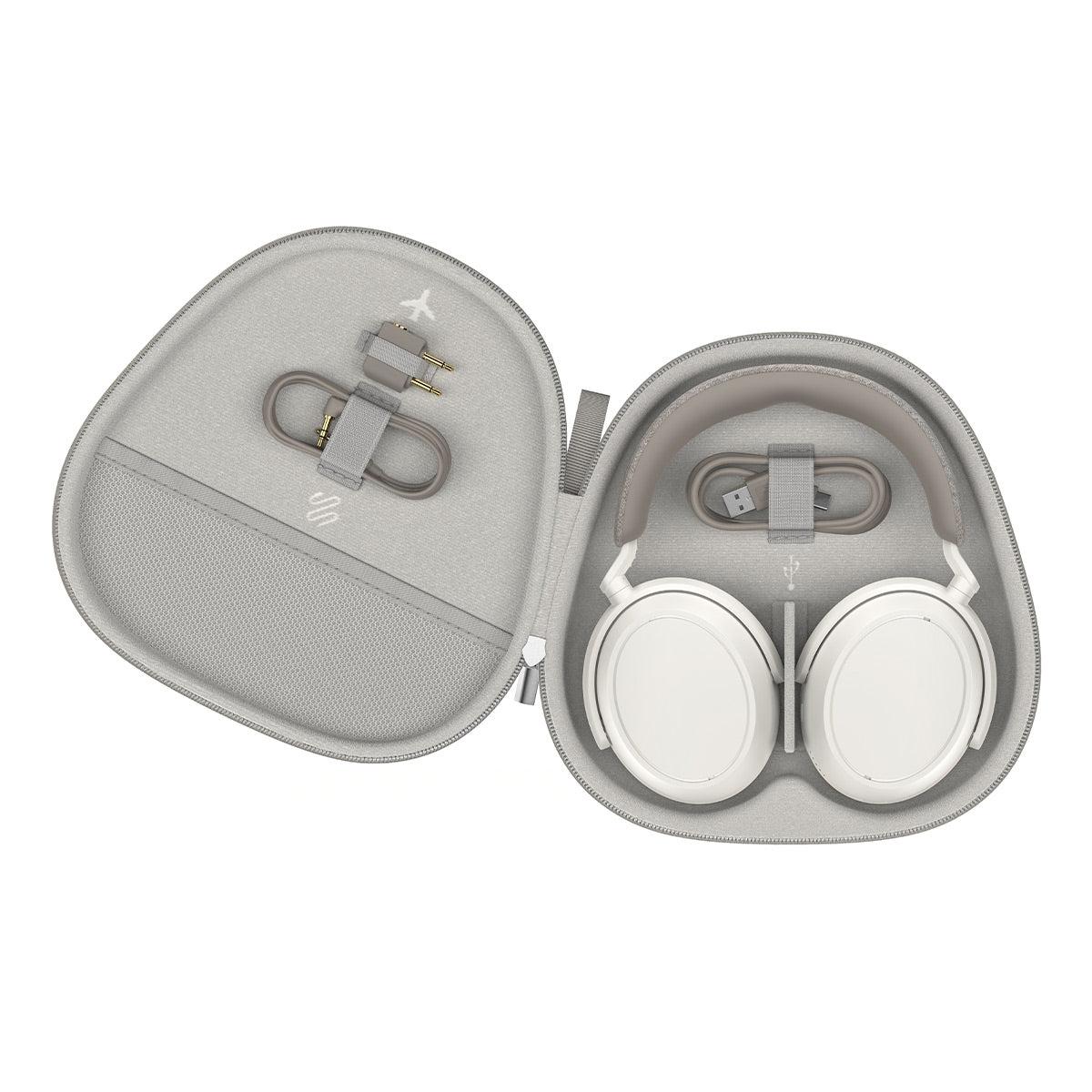
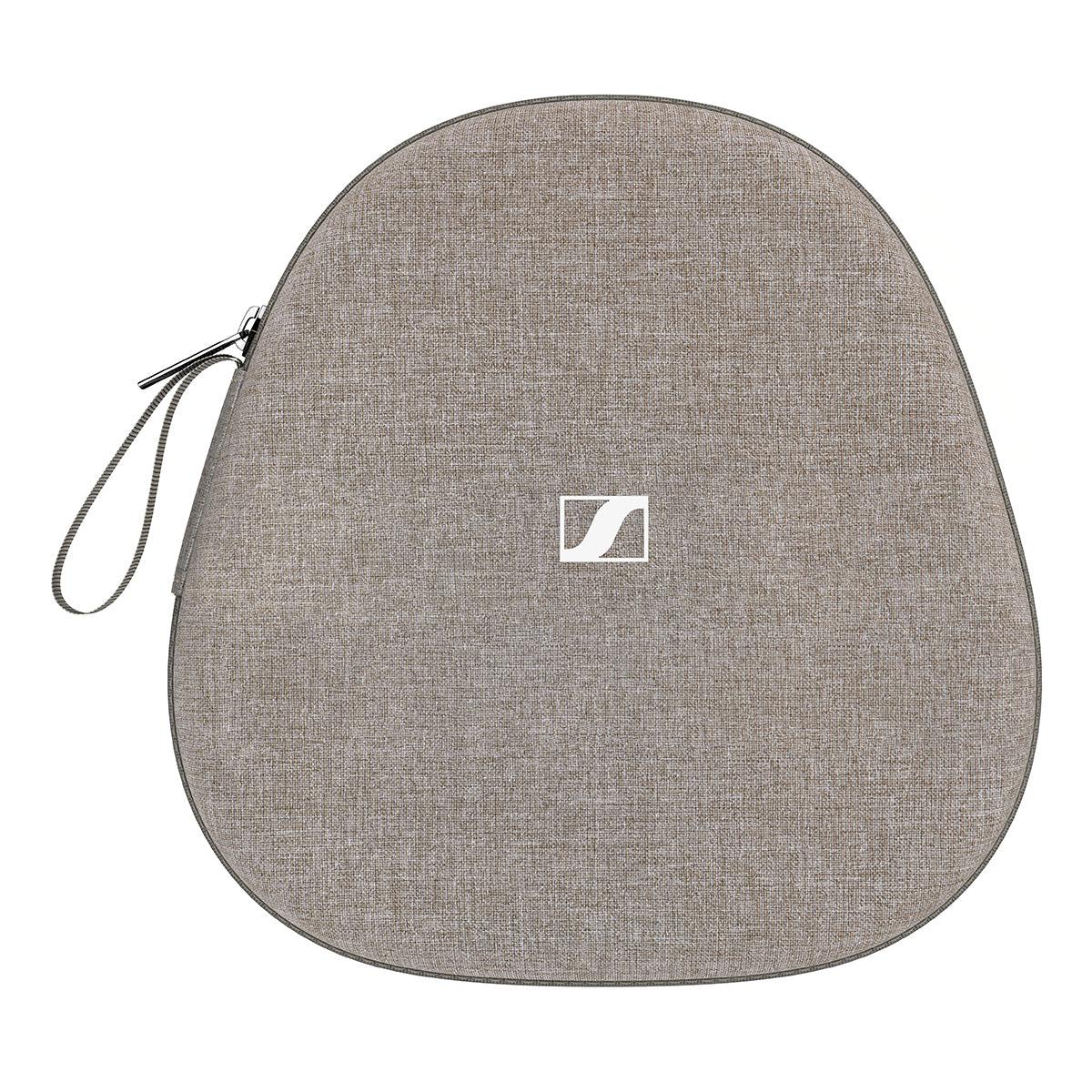
One clever design feature is the fold-flat mechanism that makes these headphones more travel-friendly. When you consider that these are primarily designed for mobile use, this practical touch makes sense. The Sennheiser Momentum 4 Wireless also includes a hard carrying case, showing Sennheiser's attention to the mobile lifestyle these headphones are designed for.
This is perhaps the biggest fundamental difference between these headphones, and it highlights why you can't simply compare them based on price alone.
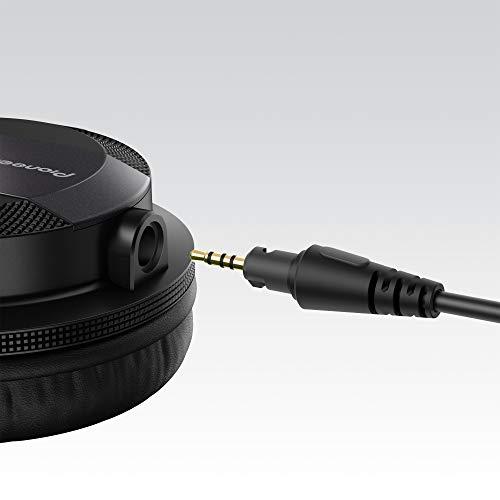
The Pioneer DJ HDJ-CUE1 is exclusively wired, featuring a detachable 1.2-meter coiled cable that extends to 1.8 meters. For DJ applications, this isn't a limitation – it's a requirement. When you're mixing music, any delay between what you hear and what you're doing can throw off your timing. Even the best wireless headphones have some latency (delay) of 20-40 milliseconds, which might not sound like much but can make beatmatching nearly impossible.
The coiled cable design is practical for DJ booths, where you need some flexibility to move around but don't want a long cable getting tangled in equipment. The L-shaped (angled) connector at the end helps prevent accidental unplugging – something that could be embarrassing during a performance.
The detachable nature of the cable is also a durability feature. Cables are often the first thing to fail on headphones, and being able to easily replace them extends the headphones' useful life significantly.
The Sennheiser Momentum 4 Wireless represents the current state of the art in wireless audio transmission. Using Bluetooth 5.2, these headphones support multiple high-quality audio codecs including aptX Adaptive, which can automatically adjust the bitrate and latency based on your listening conditions.
Here's where it gets technical: when audio is transmitted wirelessly, it needs to be compressed to fit through the Bluetooth connection. Different codecs (compression algorithms) handle this differently. Basic SBC codec provides universal compatibility but mediocre quality. AAC works well with Apple devices. aptX and especially aptX Adaptive provide near-CD quality with compatible Android devices.
The Sennheiser Momentum 4 Wireless intelligently switches between these codecs depending on your source device and environmental conditions. In a crowded area with lots of wireless interference, it might use a more robust codec with lower latency. In a quiet environment with good signal strength, it can use higher quality encoding.
The standout feature here is battery life – up to 60 hours of continuous playback. This is roughly double what most premium wireless headphones offer and means you can go nearly a week of typical use without charging. When you do need to charge, a 5-minute quick charge provides 4 hours of playbook time.
Both headphones deal with unwanted noise, but they use completely different approaches.
The Pioneer DJ HDJ-CUE1 relies entirely on passive noise isolation – the physical barrier created by the ear cups and cushions. With an on-ear design, this isolation is decent but not exceptional. You'll get some reduction of ambient noise, but it's not designed to block out airplane engines or subway rumble.
For DJ applications, this is actually preferable. You need some awareness of your environment – the crowd's energy, other performers, venue staff trying to communicate with you. Complete isolation would be counterproductive in a professional setting.
The Sennheiser Momentum 4 Wireless features hybrid adaptive active noise cancellation (ANC). This technology uses microphones to detect ambient noise and then generates inverse sound waves to cancel it out. "Hybrid" means it uses both feedforward microphones (outside the ear cup) and feedback microphones (inside the ear cup) for more effective cancellation across different frequencies.
The "adaptive" part means the system continuously monitors your environment and adjusts the level of cancellation accordingly. In a quiet room, it might reduce the effect to preserve audio quality. On an airplane, it ramps up the cancellation to block engine noise.
While the ANC on the Sennheiser Momentum 4 Wireless is competitive, it's not quite at the level of category leaders like the Sony WH-1000XM5 or Bose QuietComfort series. However, it's more than adequate for most real-world situations and doesn't significantly impact the sound quality when activated.
The transparency mode is equally useful – with a touch control, you can let ambient sound through without removing the headphones. This is perfect for brief conversations or staying aware of announcements.
This is where the generational and philosophical differences between these products become most apparent.
The Pioneer DJ HDJ-CUE1 keeps things simple because complexity can be a liability in professional environments. There's no app, no digital signal processing, no wireless pairing to worry about. You plug them in, and they work. The most "smart" feature is the customizable appearance – you can purchase separate colored cable and earpad sets to personalize the look.
This simplicity is actually a strength for the target audience. When you're in the middle of a set with hundreds of people dancing, you don't want to troubleshoot connectivity issues or worry about battery levels.
The Sennheiser Momentum 4 Wireless embraces the modern connected lifestyle with a comprehensive feature set. The Sennheiser Smart Control app provides access to a full equalizer, preset sound modes, and a unique "Sound Personalization" feature developed with the Fraunhofer Institute.
Sound Personalization is particularly interesting – it analyzes your listening habits and hearing characteristics to create a custom sound profile. While the effectiveness varies between individuals, it represents the kind of advanced audio processing that's only possible in digital headphones.
The touch controls on the right ear cup handle music playback, volume, ANC control, and voice assistant access. Auto-pause functionality stops music when you remove the headphones and resumes when you put them back on. These might seem like small conveniences, but they add up to a more seamless user experience.
Four beamforming microphones with wind noise suppression ensure clear phone calls, and the system automatically switches between devices if you have multiple paired. For people juggling phone calls, music, and video conferences throughout the day, these features eliminate a lot of friction.
While neither headphone is specifically designed for home theater use, they each bring different strengths to this application.
The Pioneer DJ HDJ-CUE1 offers some advantages for home theater, particularly for action movies and content with prominent bass. The wired connection eliminates any lip-sync issues that can occur with wireless headphones. The bass emphasis can make explosions and musical scores more impactful, though dialogue might sound slightly recessed.
However, the on-ear design may become uncomfortable during a long movie, and the bass-heavy tuning isn't ideal for dialogue clarity in dramas or comedies.
The Sennheiser Momentum 4 Wireless is generally better suited for home theater use, with better overall frequency balance that handles dialogue, music, and sound effects more naturally. The over-ear comfort makes them suitable for long viewing sessions. However, you'd want to use the included wired connection for video content to avoid latency issues, which somewhat defeats the purpose of wireless headphones.
For serious home theater use, both manufacturers make dedicated products that would serve better than these consumer or DJ-focused models.
At the time of writing, these headphones occupy very different price points, making direct value comparisons somewhat challenging. The Pioneer DJ HDJ-CUE1 offers exceptional value if you need DJ monitoring capabilities or enjoy bass-heavy music genres. You're getting professional-grade driver engineering and build quality at an entry-level price point.
The Sennheiser Momentum 4 Wireless justifies its premium pricing with advanced wireless technology, exceptional battery life, comprehensive smart features, and superior overall sound quality. If you're looking for daily-use wireless headphones that excel across all music genres, the price differential represents good value for what you receive.
Choose the Pioneer DJ HDJ-CUE1 if you're a DJ (beginner or experienced), prioritize bass-heavy music reproduction, need zero-latency monitoring for gaming or production work, or simply want reliable wired headphones without complex features. They're also an excellent choice if budget is the primary concern and you don't need wireless functionality.
Choose the Sennheiser Momentum 4 Wireless if you want premium wireless headphones for daily music listening, frequently travel or commute and need noise cancellation, value long battery life and smart features, or listen to diverse music genres that benefit from balanced sound reproduction.
The key insight is that these aren't really competing products – they're specialized tools for different applications. The Pioneer DJ HDJ-CUE1 excels as a purpose-built professional monitor, while the Sennheiser Momentum 4 Wireless succeeds as a premium lifestyle product. Understanding which category matches your needs will make the decision straightforward.
| Pioneer DJ HDJ-CUE1 | Sennheiser Momentum 4 Wireless |
|---|---|
| Primary Use Case - Determines if the product fits your needs | |
| DJ monitoring and mixing (specialized tool) | Premium wireless listening (daily use) |
| Connectivity - Impacts latency and convenience | |
| Wired only (zero latency, professional requirement) | Bluetooth 5.2 wireless + wired option (modern convenience) |
| Driver Size & Frequency Response - Affects sound quality and range | |
| 40mm drivers, 5 Hz - 30 kHz (exceptionally wide range) | 42mm drivers, 6 Hz - 22 kHz (excellent for wireless) |
| Sound Signature - Determines music genre suitability | |
| Bass-heavy DJ tuning (great for EDM, hip-hop, mixing) | Balanced audiophile tuning (versatile across all genres) |
| Design Type - Impacts comfort and isolation | |
| On-ear with 90° rotating cups (DJ monitoring essential) | Over-ear circumaural (superior long-term comfort) |
| Weight - Affects extended wear comfort | |
| 215g without cable (lightweight for DJ sets) | 293g (heavier but well-distributed) |
| Noise Management - Important for environment use | |
| Passive isolation only (allows environmental awareness) | Hybrid Active Noise Cancellation + Transparency Mode |
| Battery Life - Critical for wireless models | |
| N/A (wired power from source) | 60 hours wireless (industry-leading endurance) |
| Smart Features - Modern convenience factors | |
| None (professional simplicity) | Touch controls, auto-pause, voice assistant, app EQ |
| Build Quality Focus - Durability for intended use | |
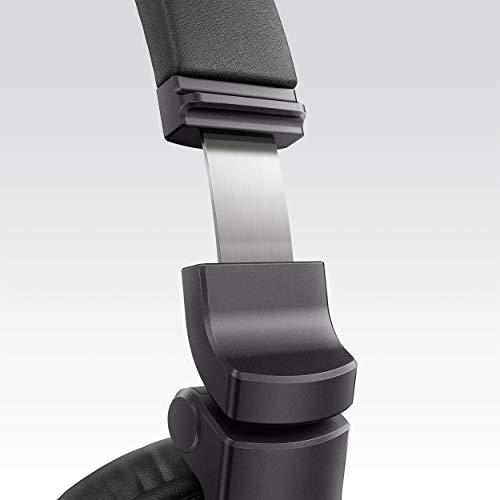
| Professional booth durability, metal reinforcement | Premium consumer materials, travel-friendly folding |
| Cable System - Practical considerations | |
| Detachable 1.2m coiled cable (extends to 1.8m) | Includes both USB-C charging and 3.5mm audio cables |
| Customization Options - Personalization possibilities | |
| Interchangeable colored cables and earpads available | App-based EQ and Sound Personalization technology |
No, these serve completely different purposes. The Pioneer DJ HDJ-CUE1 are specialized DJ monitoring headphones designed for mixing and performance, while the Sennheiser Momentum 4 Wireless are premium consumer headphones for everyday wireless listening. They're in different categories entirely.
The Sennheiser Momentum 4 Wireless offer better overall sound quality for general music listening. They have a more balanced, audiophile-tuned sound that works well across all genres. The Pioneer DJ HDJ-CUE1 are deliberately bass-heavy for DJ mixing, which can make vocals and mids sound less prominent during casual listening.
For DJing, you need wired headphones like the Pioneer DJ HDJ-CUE1. Wireless headphones have latency (delay) that makes beatmatching impossible. The Sennheiser Momentum 4 Wireless cannot be used for professional DJ mixing due to this wireless delay, even though they include a wired cable option.
The Sennheiser Momentum 4 Wireless are significantly more comfortable for extended use. Their over-ear design with deep cushioned earpads distributes weight better than the on-ear Pioneer DJ HDJ-CUE1, which some users find tight during long sessions. The Sennheiser model is designed for all-day wear.
Only the Sennheiser Momentum 4 Wireless are suitable for calls, featuring four beamforming microphones with wind noise suppression and automatic call handling. The Pioneer DJ HDJ-CUE1 have no microphone and are designed purely for audio monitoring.
The Sennheiser Momentum 4 Wireless provide superior noise management with hybrid active noise cancellation plus over-ear passive isolation. The Pioneer DJ HDJ-CUE1 only offer basic passive isolation through their on-ear design, which is intentional since DJs need some environmental awareness.
The Pioneer DJ HDJ-CUE1 are better for gaming due to their wired connection eliminating audio lag, which is crucial for competitive gaming. However, their bass-heavy tuning may not be ideal for hearing directional audio cues. The Sennheiser Momentum 4 Wireless have wireless latency that can affect gaming performance.
This depends on your needs. The Pioneer DJ HDJ-CUE1 offer exceptional value if you need DJ monitoring or prefer bass-heavy music, providing professional-grade features at an entry-level price. The Sennheiser Momentum 4 Wireless justify their premium pricing with advanced wireless features, 60-hour battery life, and superior overall sound quality.
Neither is ideal for home theater, but the Sennheiser Momentum 4 Wireless are better suited due to their balanced sound and comfortable over-ear design for long viewing sessions. You'd want to use the wired connection to avoid lip-sync issues. The Pioneer DJ HDJ-CUE1 bass emphasis might overpower dialogue in movies.
The Pioneer DJ HDJ-CUE1 don't have batteries since they're wired headphones that draw power from your audio source. The Sennheiser Momentum 4 Wireless offer exceptional 60-hour battery life, which is roughly double what most premium wireless headphones provide.
Both are durable but for different use cases. The Pioneer DJ HDJ-CUE1 are built for professional booth environments with metal-reinforced construction and replaceable cables. The Sennheiser Momentum 4 Wireless offer consumer-focused durability with premium materials and a fold-flat travel design, but aren't designed for heavy professional use.
Choose the Pioneer DJ HDJ-CUE1 if you're a DJ, prefer bass-heavy music, need zero-latency wired monitoring, or want professional audio quality on a budget. Choose the Sennheiser Momentum 4 Wireless if you want premium wireless headphones for daily music listening, need noise cancellation for travel, value long battery life, or listen to diverse music genres requiring balanced sound.
We've done our best to create useful and informative comparisons to help you decide what product to buy. Our research uses advanced automated methods to create this comparison and perfection is not possible - please contact us for corrections or questions. These are the sites we've researched in the creation of this article: bestbuy.com - pioneerdjstore.com - rtings.com - idjnow.com - youtube.com - pioneerdj.com - soundguys.com - pioneerdj.com - digitaldjtips.com - pioneerdj.com - guitarcenter.com - empirepro.com - idjnow.com - emiaudio.com - pioneerdj.com - sfm.ca - sweetwater.com - pioneerdj.com - pioneerdj.com - pioneerdj.com - recordingnow.com - recordingnow.com - soundguys.com - tomsguide.com - headphones.com - thegreatestsong.com - forum.headphones.com - loudnwireless.com - bloomaudio.com - loudnwireless.com - sennheiser-hearing.com - bhphotovideo.com - audio46.com - techpowerup.com - moon-audio.com - bloomaudio.com - pianoclack.com - gsmarena.com - rtings.com

Privacy Policy
Terms and Conditions - Affiliate Policy
Home Security
© Copyright 2008-2026.
11816 Inwood Rd #1211, Dallas, TX 75244