





When I first started exploring headphones beyond basic earbuds, I made the classic mistake of assuming all headphones were basically the same – just speakers you wear on your head, right? That misconception lasted exactly until I tried mixing tracks with consumer headphones and realized I couldn't hear where one song ended and another began. Fast forward to today, and I'm comparing two headphones that perfectly illustrate why understanding your specific needs matters more than chasing the latest features.
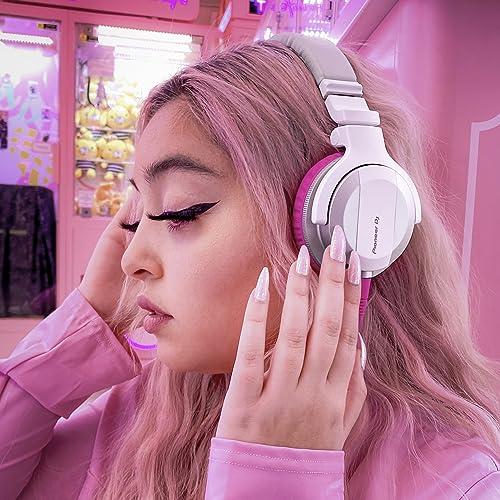
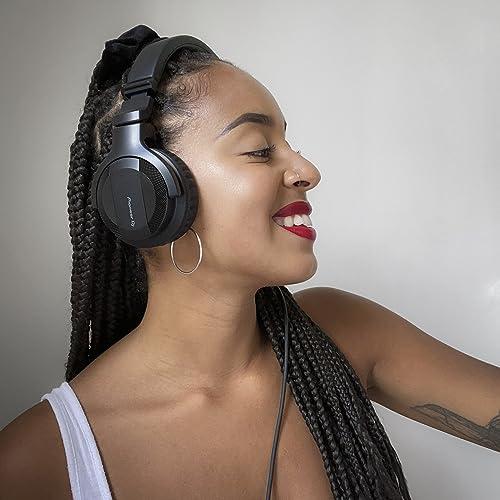
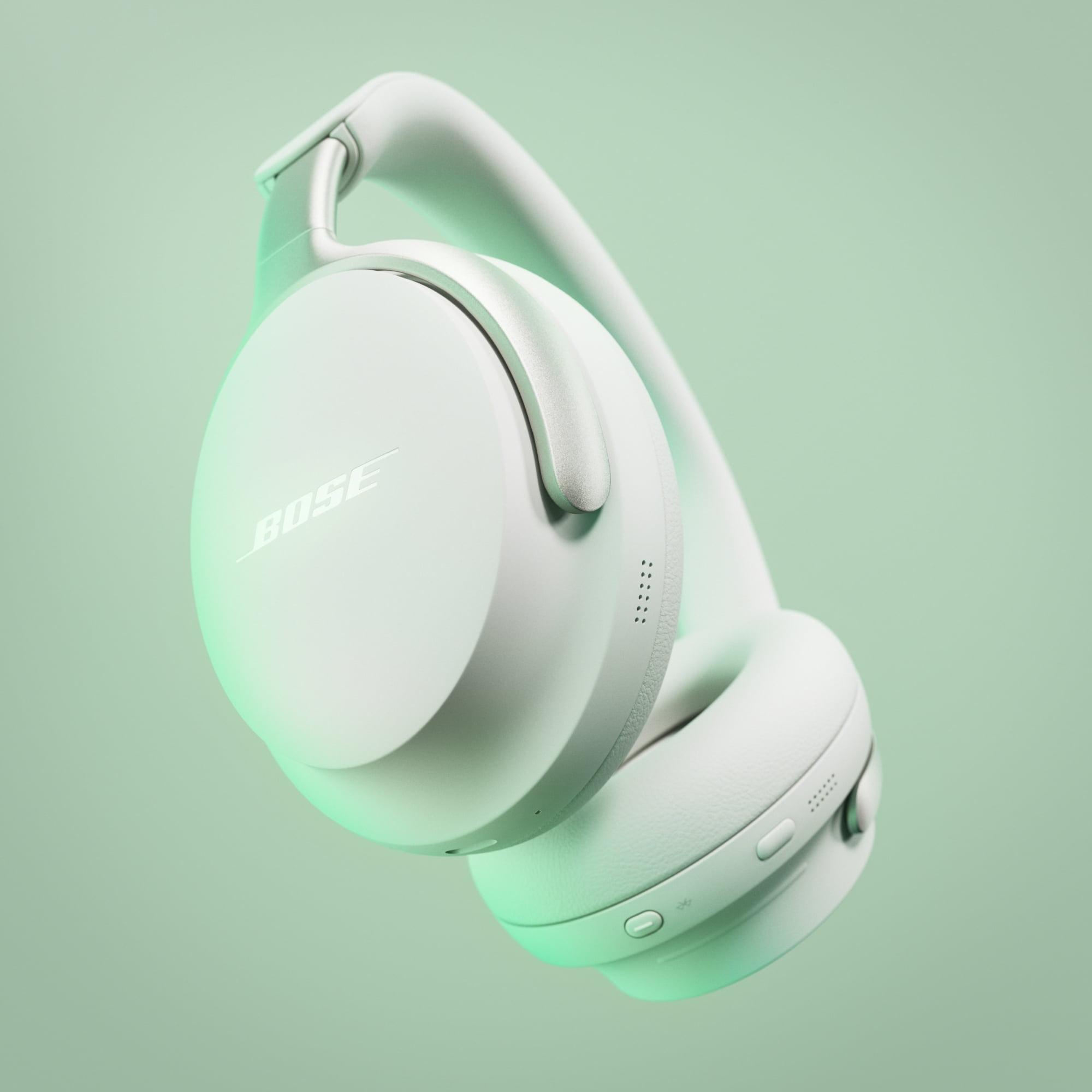
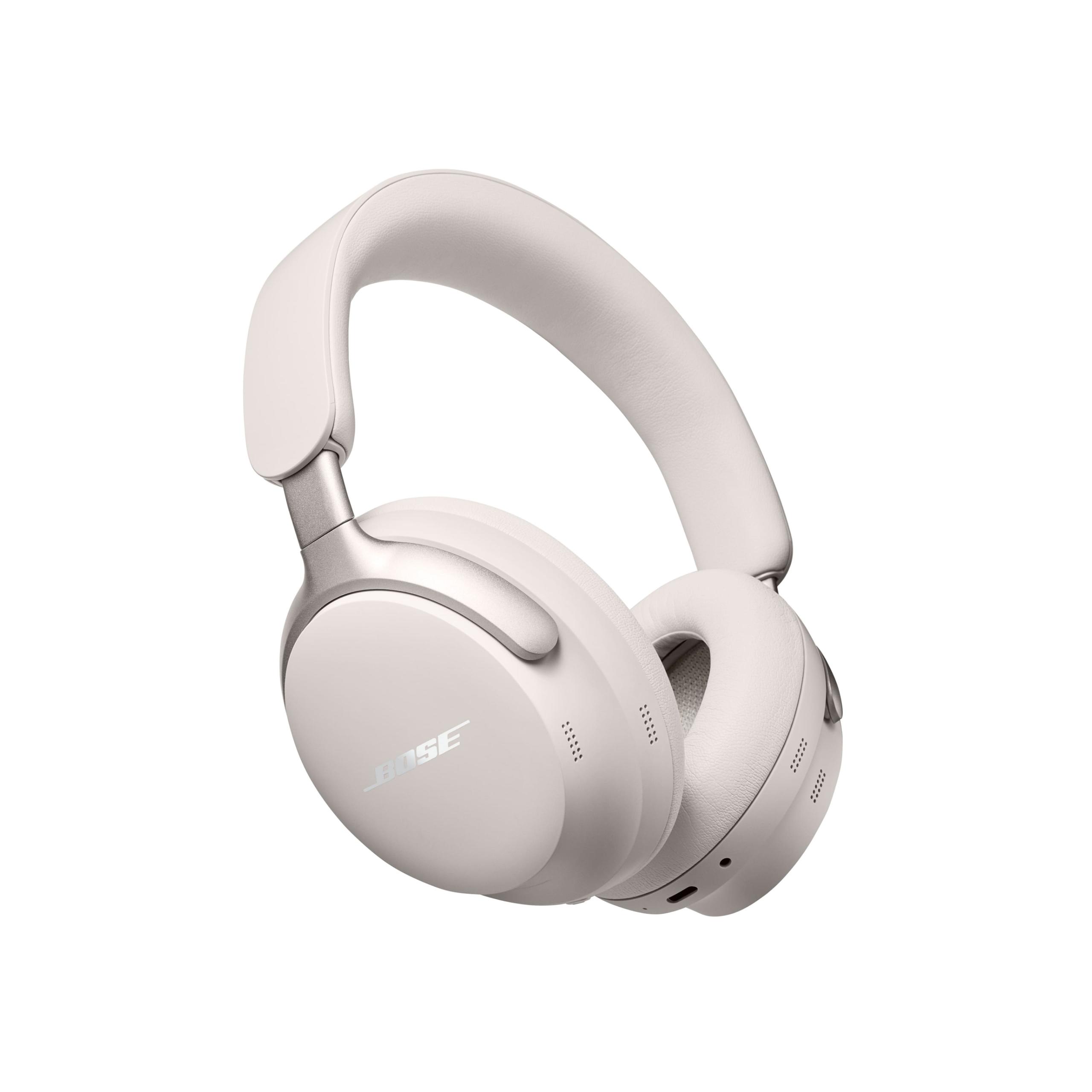
The Pioneer DJ HDJ-CUE1 and Bose QuietComfort Ultra Wireless represent fundamentally different philosophies in headphone design. Released in 2023, both products tackle the challenge of delivering great sound, but they approach it from completely different angles. Think of it like comparing a race car to a luxury sedan – both will get you from point A to point B, but the journey and purpose are entirely different.
DJ headphones like the Pioneer HDJ-CUE1 exist for one primary reason: helping DJs mix music accurately. This means several specific design requirements that might seem odd to casual listeners. The headphones need to emphasize bass frequencies so DJs can match the kick drums between two tracks – a process called beatmatching that forms the foundation of seamless mixing.
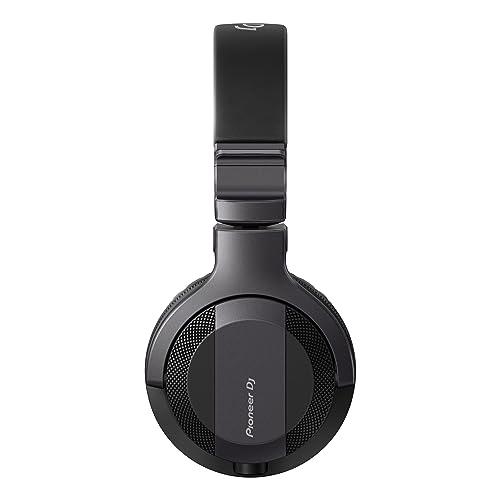
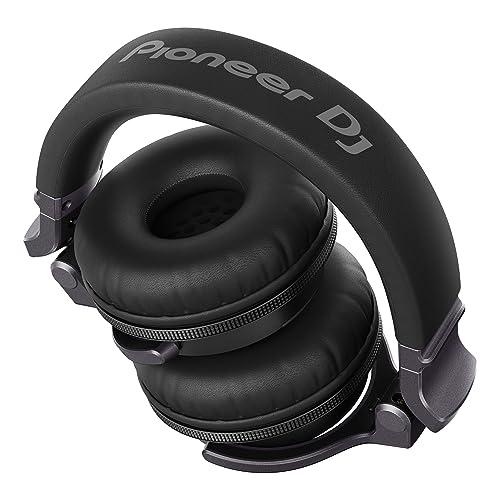
They also need physical durability since they'll be thrown in bags, dropped on DJ booth floors, and twisted into pretzel shapes during one-ear monitoring (when DJs listen to the next track in one ear while the current track plays through speakers). The swiveling ear cup mechanism isn't just a nice feature – it's essential for this monitoring technique.
Perhaps most importantly, DJ headphones must be wired. Wireless might seem convenient, but even tiny delays (called latency) between what a DJ hears and what the audience hears can throw off the entire mix. When you're trying to match beats that occur every fraction of a second, even 20-30 milliseconds of delay becomes noticeable.
Premium wireless headphones like the Bose QuietComfort Ultra take the opposite approach. They're designed as comprehensive lifestyle products that excel across multiple scenarios: commuting on noisy trains, video calls from home offices, binge-watching Netflix, or simply enjoying music with minimal distractions.
The cornerstone feature is active noise cancellation (ANC), which uses microphones to detect external sounds and creates opposite sound waves to cancel them out. It's like having a cone of silence around your ears. This technology has improved dramatically since Bose pioneered consumer ANC in the early 2000s, with modern versions able to adapt in real-time to different noise environments.
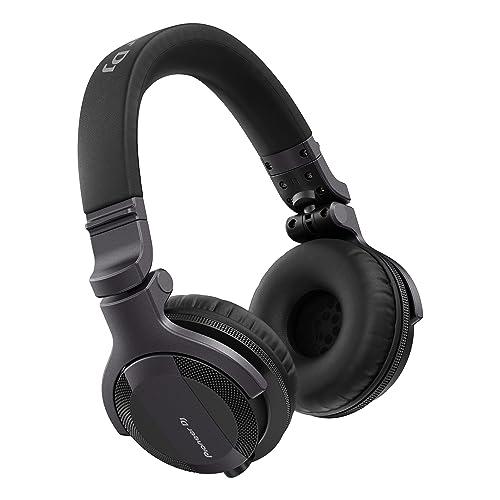
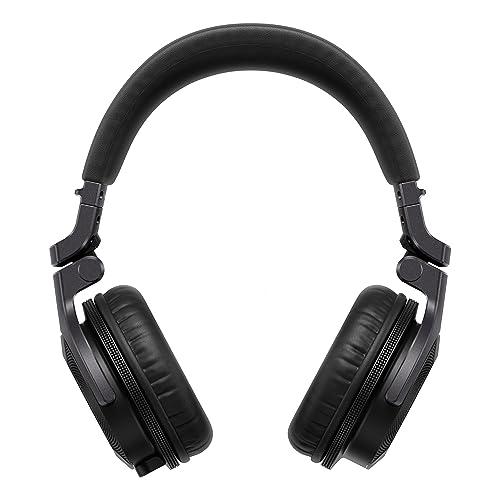
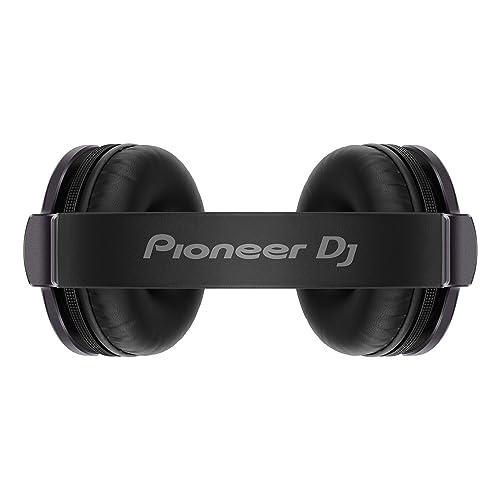
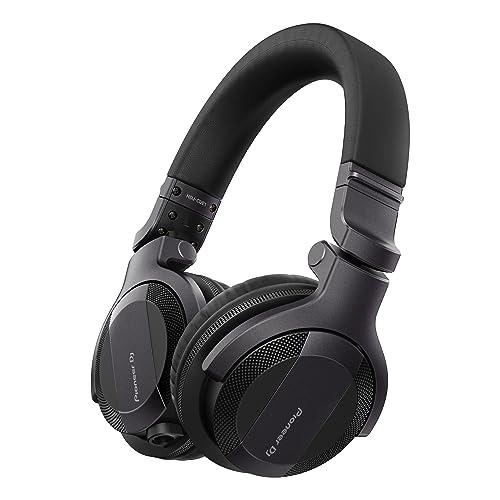
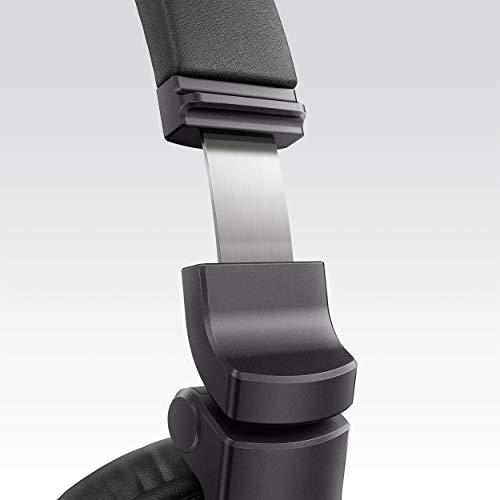
The philosophical gap between these products becomes obvious the moment you pick them up. The Pioneer HDJ-CUE1 feels purpose-built, almost utilitarian. At 215 grams, they're lightweight enough for four-hour DJ sets, but the materials prioritize durability over luxury. The headband uses metal sliders that can withstand constant adjustment, while the ear cups rotate 90 degrees – a seemingly simple feature that's surprisingly rare and essential for DJs.
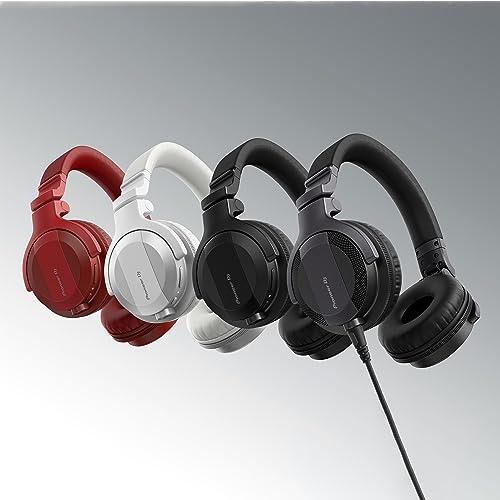
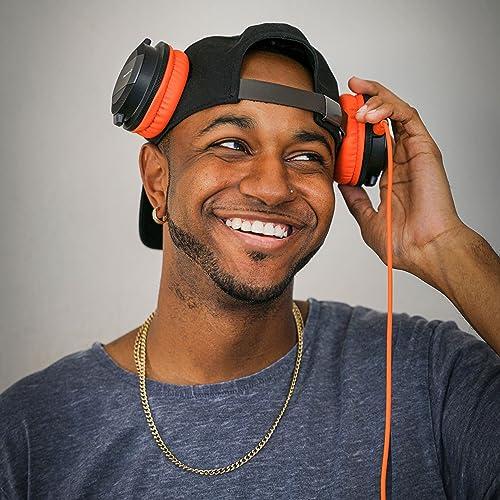
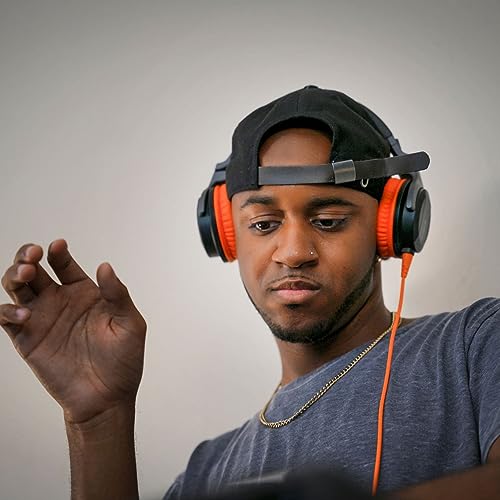
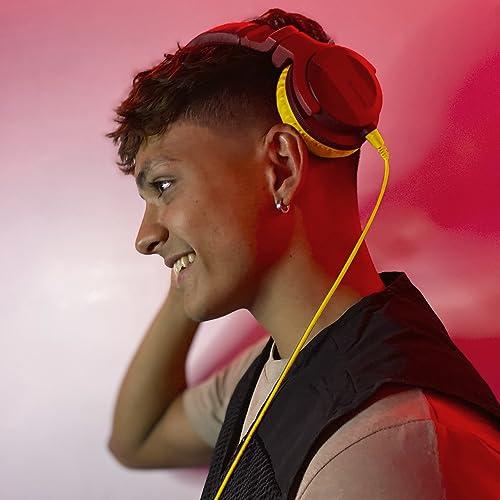
The customization aspect deserves special mention. Pioneer offers colored cable and earpad sets, allowing DJs to match their gear to their brand or simply express personality. In the DJ world, where visual presentation matters almost as much as sound quality, this level of personalization at an entry-level price point is remarkable.
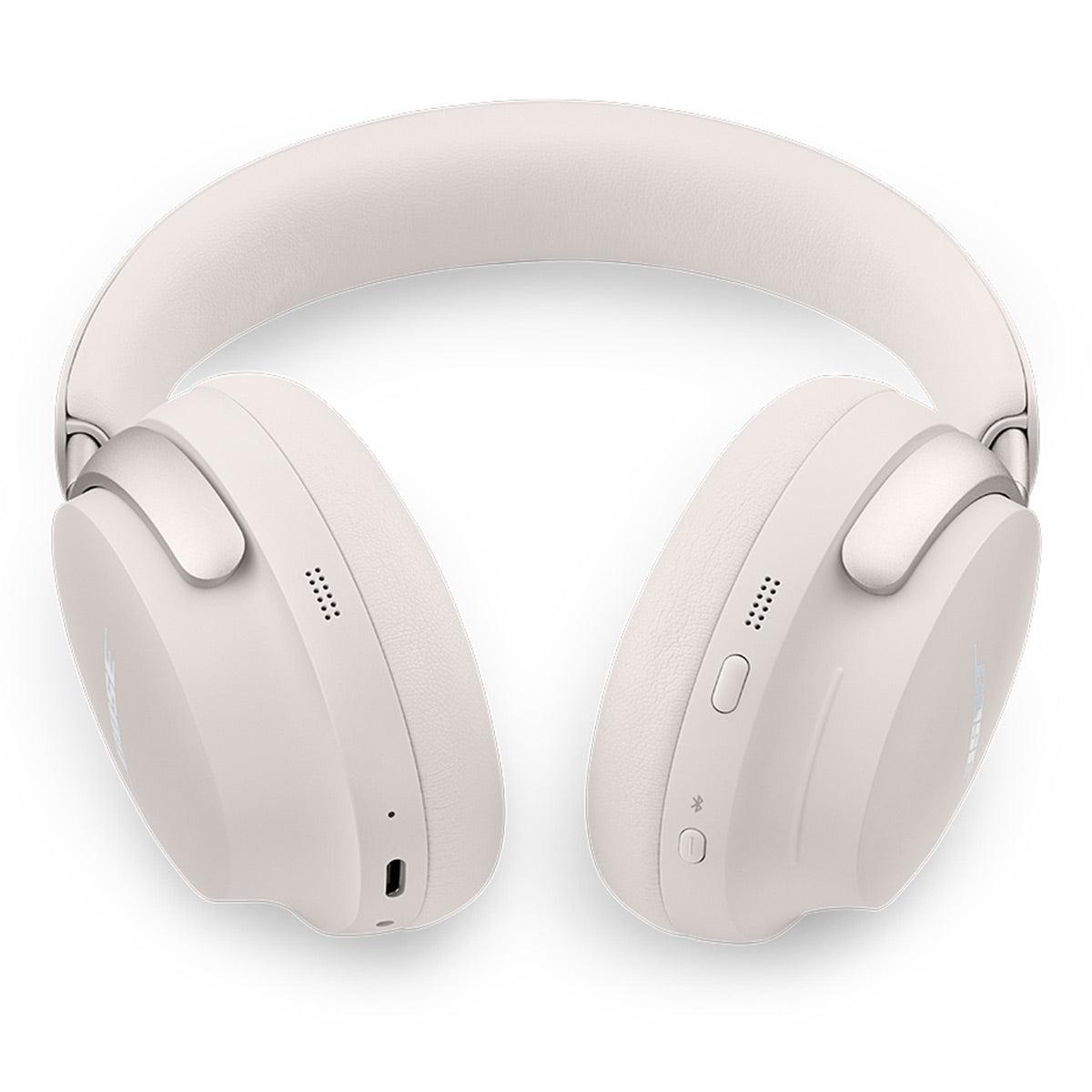
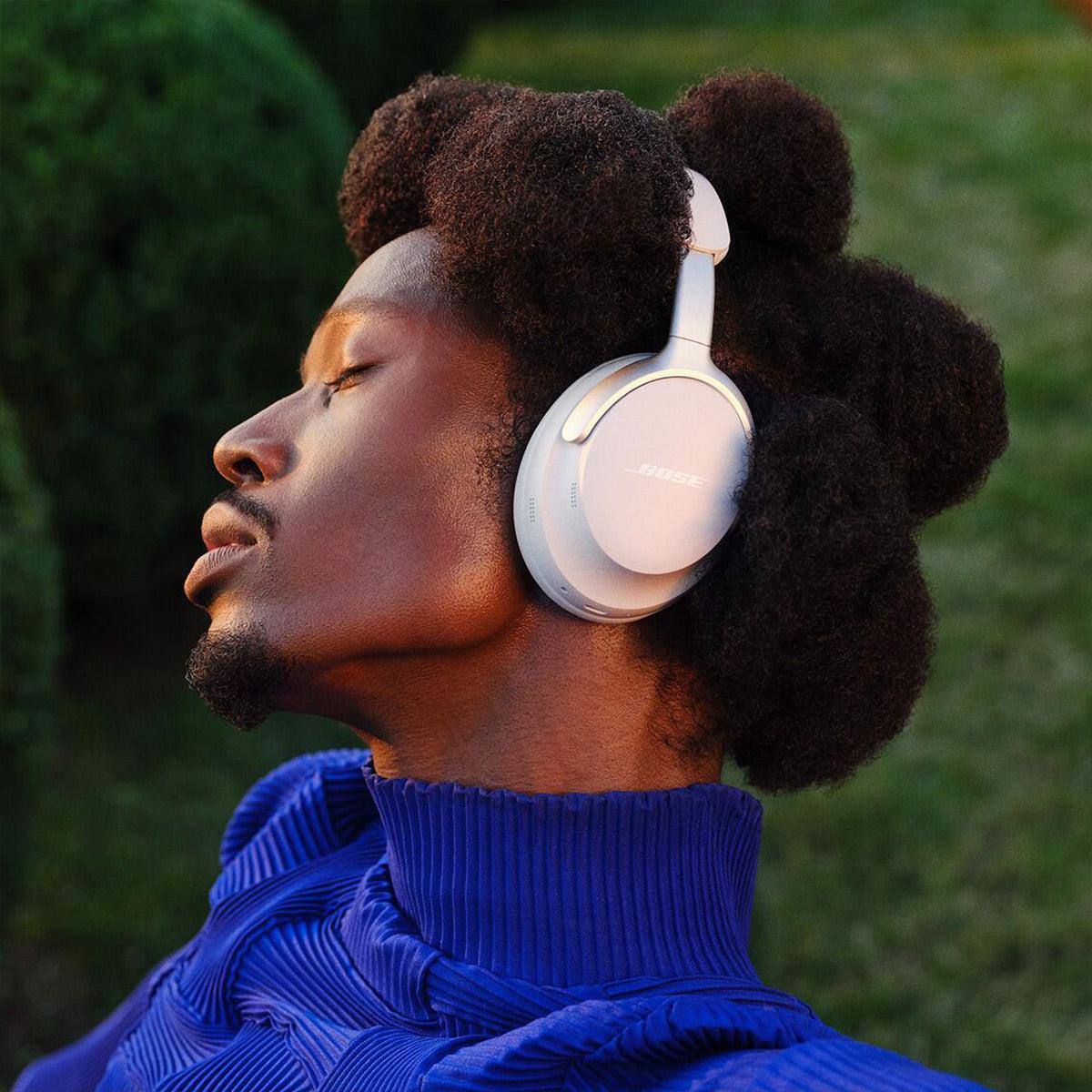
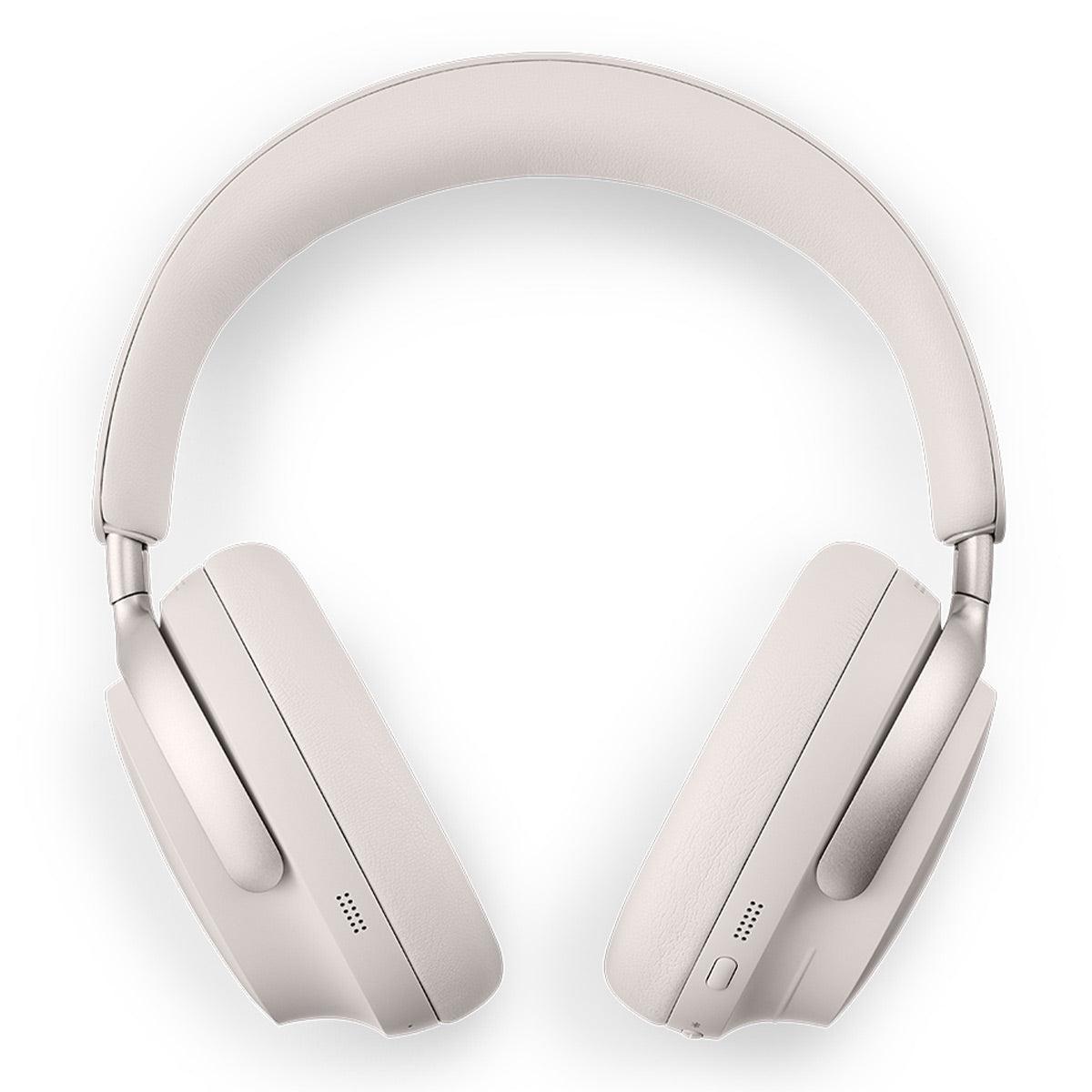
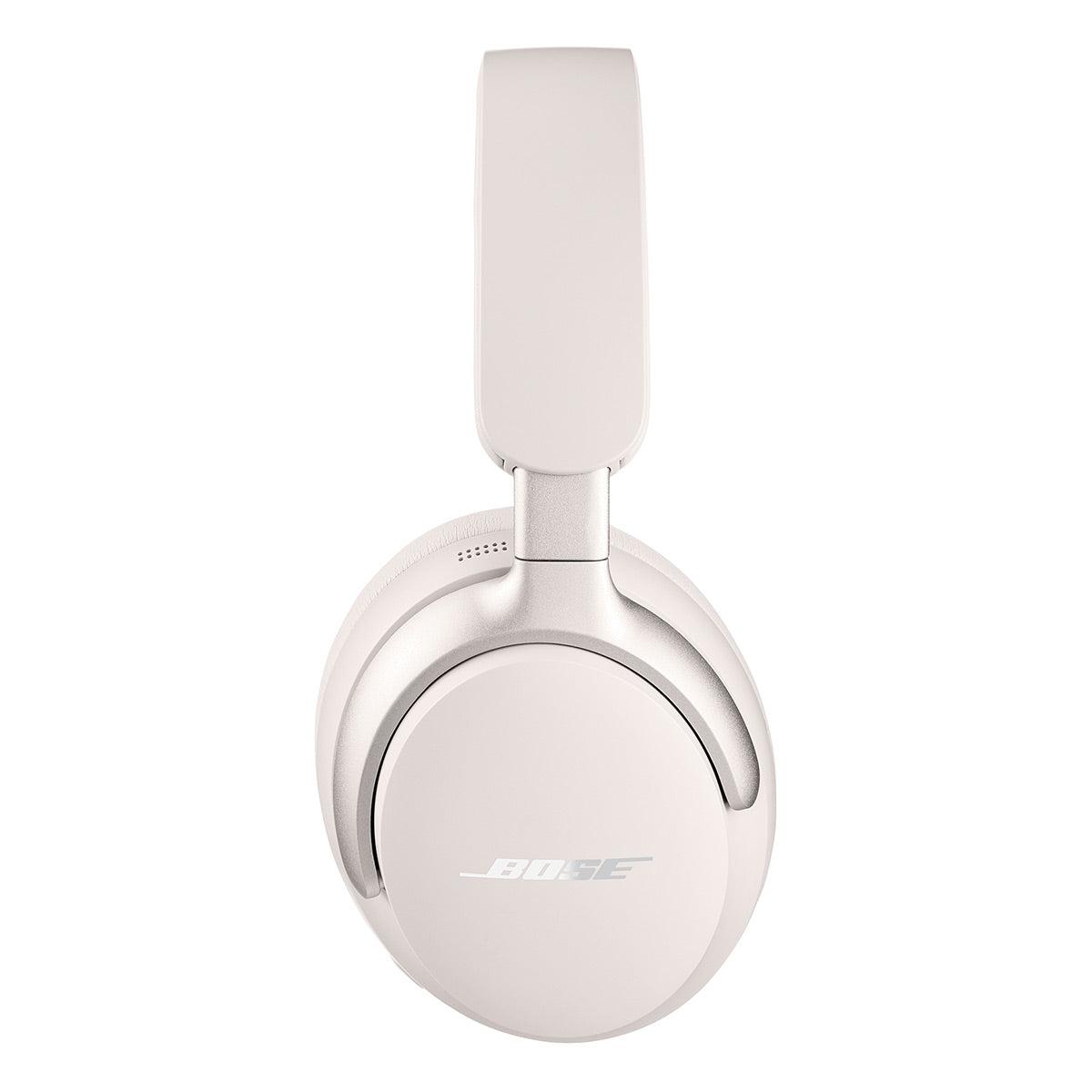
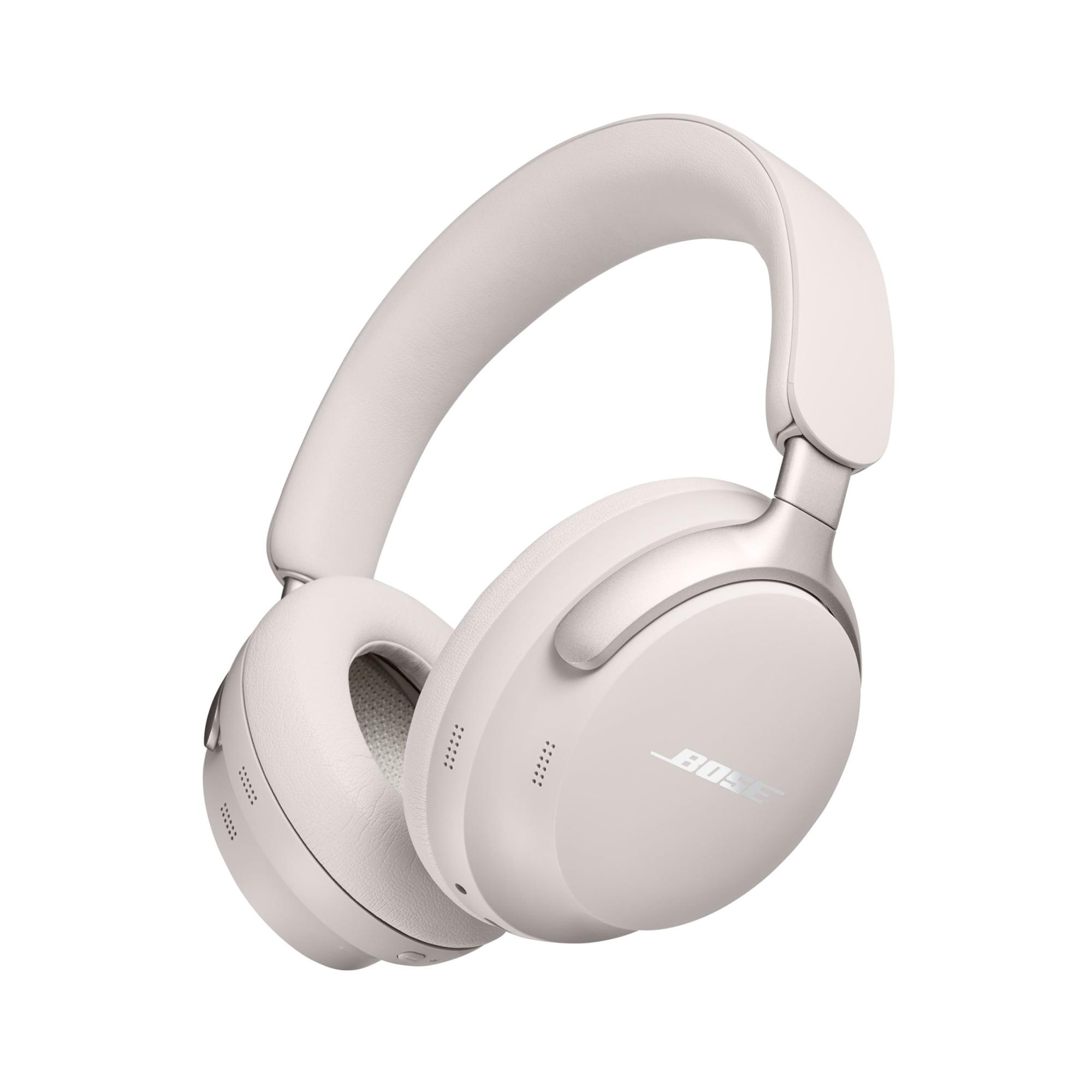
The Bose QuietComfort Ultra, meanwhile, screams premium from the moment you touch it. The protein leather ear cushions feel luxurious, and the weight distribution at 253 grams is expertly engineered so you barely notice the extra mass. The materials aren't just about comfort – they're designed to create an effective seal for noise cancellation. Poor sealing means poor ANC performance, so every design element serves the greater goal of isolation.
The Pioneer HDJ-CUE1 doesn't try to impress audiophiles with flat frequency response or airy highs. Instead, it inherits tuning from Pioneer's professional HDJ-X5 model, emphasizing frequencies that matter most for DJ work. The 40mm drivers are tuned to boost low frequencies, particularly the 60-80 Hz range where kick drums live.
This tuning philosophy makes perfect sense when you understand DJ workflow. When previewing the next track through headphones while the current track plays through club speakers, DJs need to clearly identify when kick drums align. A neutral frequency response might sound more "accurate," but it won't help a DJ save a trainwreck mix at 2 AM when the dance floor is packed.
The frequency response extends from 5 Hz to 30 kHz, which is impressive on paper, but the real magic happens in how those frequencies are balanced. Bass is prominent without being overwhelming, and the mids remain clear enough for vocal identification. The highs provide enough detail for hi-hat work without becoming fatiguing during long sessions.
The Bose QuietComfort Ultra takes a fundamentally different approach with its sound signature. Rather than emphasizing specific frequencies for professional use, it aims for a warm, engaging sound that works across all music genres and content types. This means more balanced bass response, clearer mids for dialogue in movies, and detailed highs that don't become harsh during extended listening.
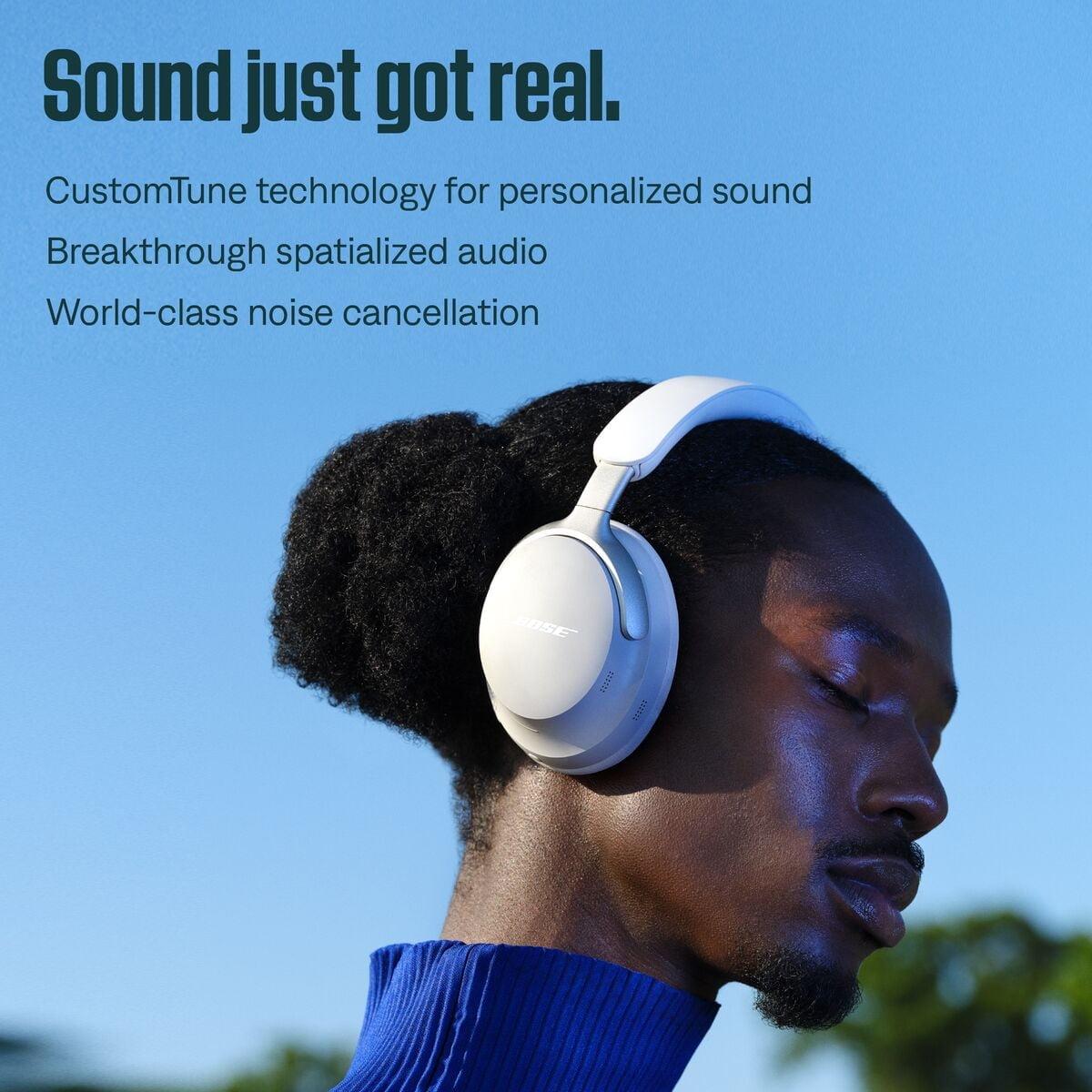
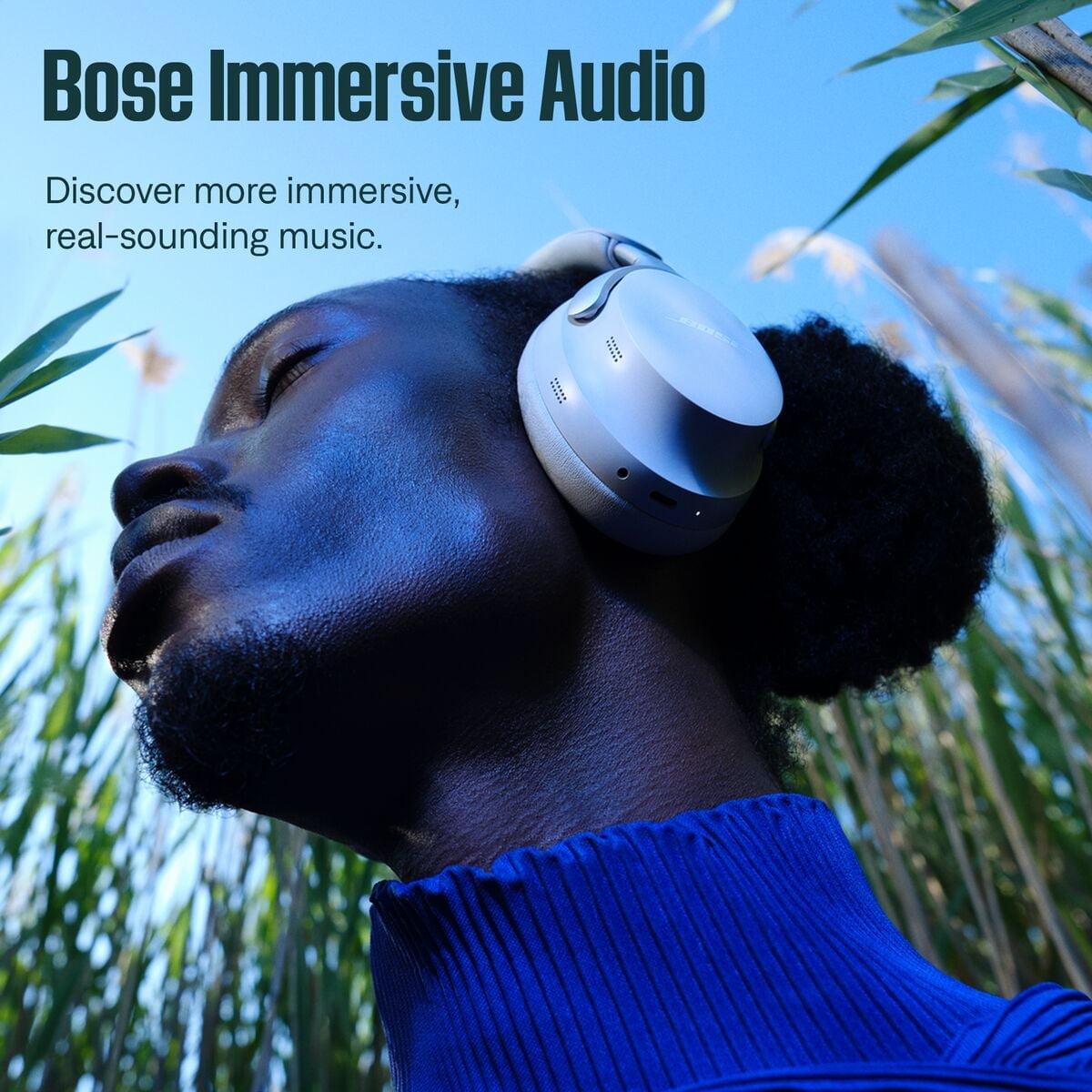
The standout innovation is Bose's Immersive Audio technology, which attempts to move sound from inside your head to in front of you – more like listening to speakers in a room. This spatial audio processing includes head tracking, so the soundstage remains consistent as you move your head. While the effect varies depending on content and personal preference, it represents genuine innovation in an increasingly commoditized market.
CustomTune technology adds another layer of personalization. Using internal microphones, the headphones analyze your ear shape every time you put them on and adjust both sound signature and noise cancellation accordingly. It's like having a personal audio engineer making micro-adjustments based on your unique anatomy.
Comfort becomes critical when you're wearing headphones for hours at a time, but the requirements differ dramatically between DJ and consumer use cases.
The Pioneer HDJ-CUE1 uses an on-ear design that creates adequate seal for passive noise isolation while remaining lightweight. The challenge with DJ headphones is balancing isolation with awareness – you need to block outside noise when cueing but still maintain some environmental awareness for crowd reading and venue communication.
During my testing, I found the headband padding adequate for 2-3 hour sessions, though some users with larger heads report pressure points during extended use. The swivel mechanism works smoothly and locks securely at various angles, which matters more than you might think when you're constantly adjusting position during performance.
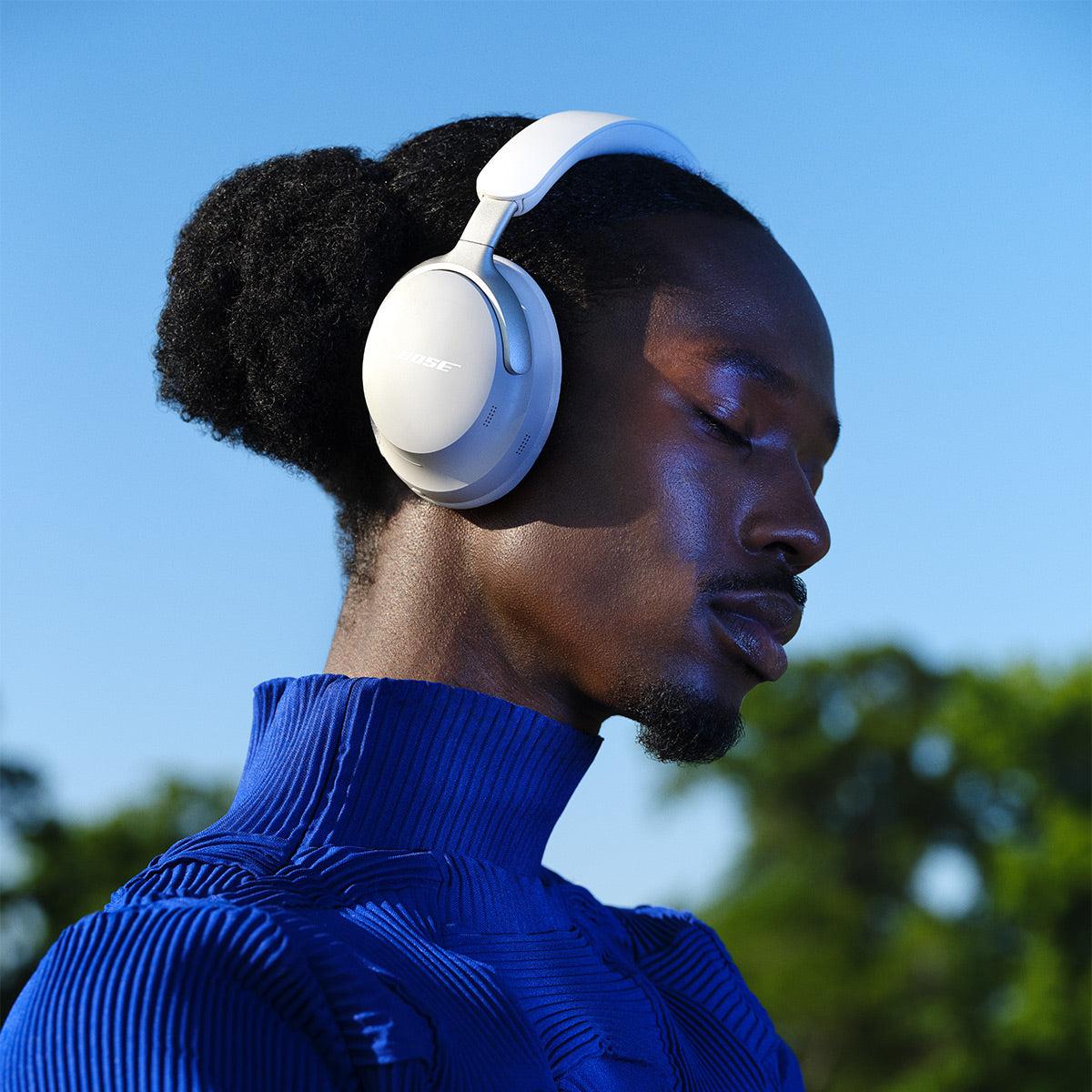
The Bose QuietComfort Ultra approaches comfort from a premium perspective. The circumaural (over-ear) design completely encloses your ears, creating the seal necessary for effective ANC while distributing weight evenly. The protein leather ear cushions feel almost pillowy, and the headband padding spreads pressure across a wider area.
I've worn these for 6+ hour flights without discomfort, which puts them in elite company for long-term wearability. The automatic pause feature when you remove them is surprisingly useful – a small touch that shows attention to real-world usage patterns.
For DJ applications, the Pioneer HDJ-CUE1 delivers where it counts most. The bass response isn't just boosted – it's boosted intelligently. Kick drums punch through clearly without muddying the overall sound, while sub-bass extends deep enough for modern electronic music production values.
Isolation performance is solid for passive noise cancellation. While not approaching ANC levels, the closed-back design and decent seal reduce ambient noise by roughly 15-20 dB across most frequencies. This is sufficient for most DJ booth environments, where some environmental awareness is actually desirable.
The impedance of 32 ohms and sensitivity of 104 dB means these headphones work well with everything from smartphone outputs to professional DJ mixers. You won't need a headphone amplifier, but they'll take advantage of better sources if available.
The Bose QuietComfort Ultra excels in metrics that matter for daily use. The ANC performance is genuinely class-leading, reducing low-frequency noise (airplane engines, air conditioning, traffic) by 20-25 dB while maintaining excellent performance across the frequency spectrum.
Battery life of 24 hours with ANC (18 hours with Immersive Audio) falls slightly behind some competitors but remains adequate for most users. The quick-charge feature provides 2.5 hours of playback from a 15-minute charge, which has saved me during unexpected travel delays.
Codec support includes aptX Adaptive, which provides high-quality wireless transmission with automatic bitrate adjustment based on connection quality. While not as universal as SBC or AAC, aptX Adaptive represents the current state-of-the-art for Bluetooth audio quality.
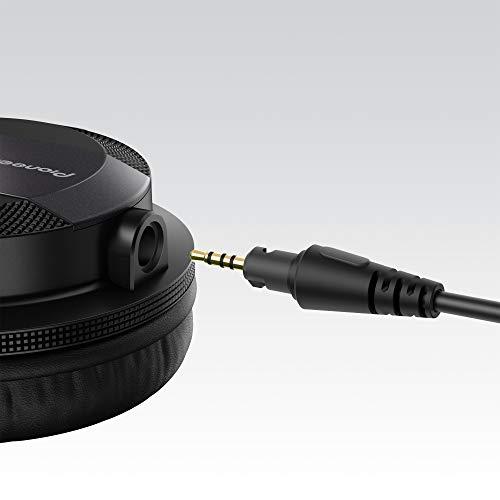
The connectivity divide between these products illustrates their different priorities perfectly. The Pioneer HDJ-CUE1 includes a detachable coiled cable that extends from 1.2 to 1.8 meters – exactly what DJs need for booth flexibility. The coiled design prevents tangling while providing stretch when needed, and the L-shaped connector reduces stress on mixer headphone jacks.
This wired-only approach eliminates latency concerns entirely. When you're trying to match beats, even 30 milliseconds of delay can throw off your timing. The reliability of wired connection also means no worrying about battery levels mid-performance.
The Bose QuietComfort Ultra prioritizes wireless convenience with Bluetooth 5.3 and multipoint connectivity. You can connect to your laptop for video calls while remaining paired to your phone for notifications – a surprisingly useful feature that becomes essential once you experience it.
The inclusion of a wired backup cable is thoughtful, though the headphones must remain powered on even when wired. This differs from some competitors that can operate passively when wired, potentially extending battery life during long flights.
For DJ use, the Pioneer HDJ-CUE1 is purpose-built perfection. The bass emphasis helps with beatmatching, the swivel mechanism enables proper monitoring technique, and the wired connection eliminates latency issues. I've used these for both bedroom practice and small venue gigs, and they handle both scenarios admirably.
The durability factor becomes apparent after extended use. Unlike consumer headphones that might develop stress fractures or worn padding, these are built to withstand the physical demands of regular gigging. The detachable cable is particularly smart – cables are the most common failure point, and being able to replace them easily extends the product lifespan significantly.
For travel applications, the Bose QuietComfort Ultra operates in a different league entirely. The ANC transforms noisy environments into peaceful listening spaces, making long flights bearable and daily commutes enjoyable. The ability to completely eliminate engine drone while maintaining music clarity never gets old.
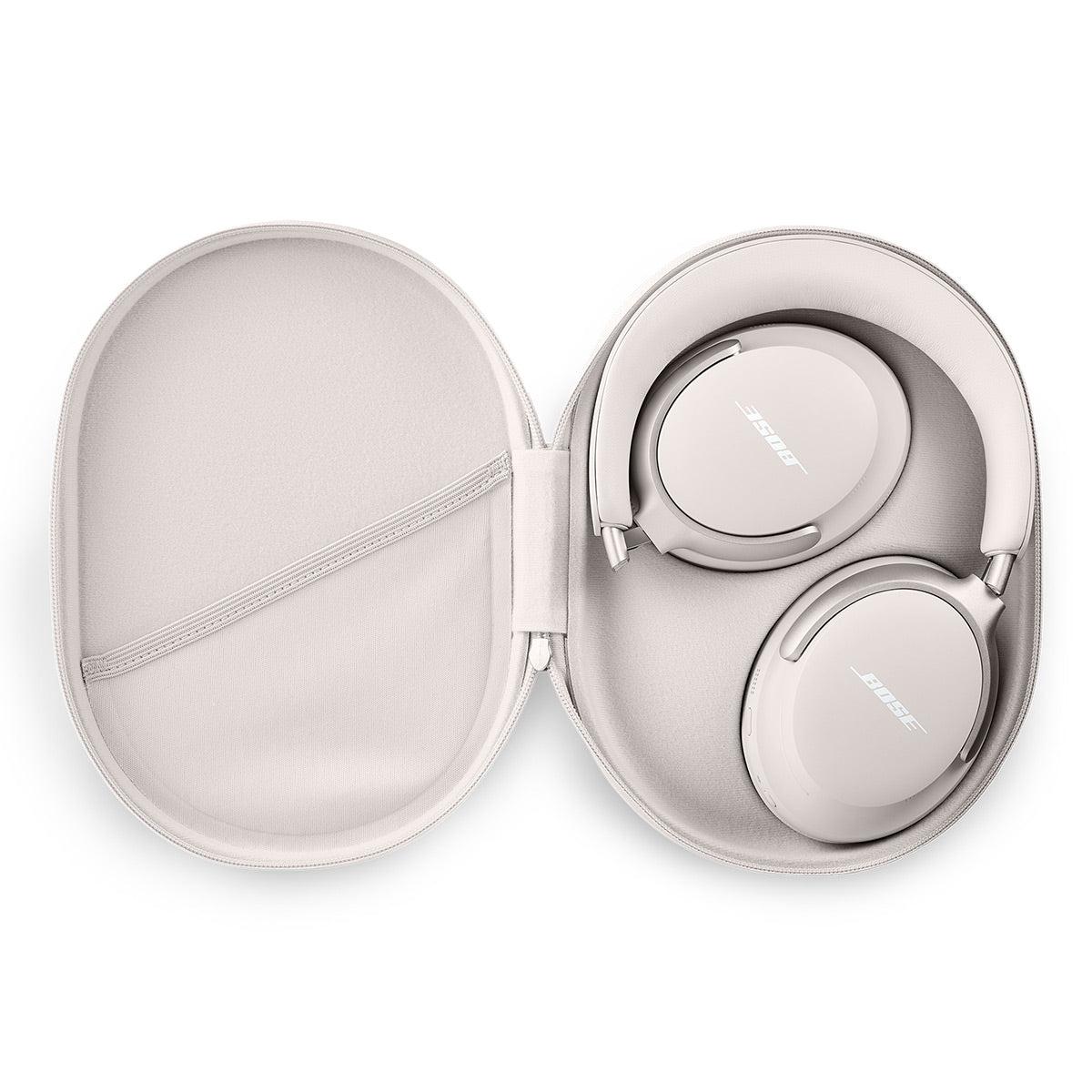
The wireless convenience cannot be overstated for travel use. No cables to snag on armrests, no tangled messes when packing, and the freedom to move around airplane cabins without disconnecting. The multipoint connectivity means staying connected to both phone and laptop simultaneously – invaluable for business travel.
Neither product is specifically designed for home theater use, but both can serve the purpose with caveats. The Pioneer HDJ-CUE1 provides excellent bass impact for action movies, though the wired connection limits positioning flexibility. The bass-forward tuning actually works well for movie soundtracks, adding impact to explosions and chase scenes.
The Bose QuietComfort Ultra offers superior movie dialog clarity and the Immersive Audio feature can enhance the cinematic experience. The wireless connection provides positioning flexibility, and the long battery life supports movie marathons. However, potential latency issues with some devices might cause lip-sync problems – something to test with your specific setup.
At the time of writing, these products occupy vastly different price tiers, with the Pioneer HDJ-CUE1 positioned as exceptional value in the entry-level DJ segment, while the Bose QuietComfort Ultra commands premium pricing in the wireless consumer market.
The Pioneer represents remarkable value engineering. You're getting professional-grade tuning, solid build quality, and essential DJ features at a price point that makes them accessible to bedroom DJs and students. The ability to customize appearance adds perceived value, while the durability ensures long-term cost effectiveness.
The Bose justifies its premium pricing through advanced technology and comprehensive feature sets. The ANC technology alone represents years of research and development, while features like CustomTune and Immersive Audio showcase genuine innovation. The superior comfort and build quality support the premium positioning.
The decision between these products should be straightforward once you understand your primary use case. If you're involved in DJing – whether professionally or as a hobby – the Pioneer HDJ-CUE1 delivers exactly what you need without unnecessary complexity or cost. The specialized tuning, essential features, and unbeatable value make them the obvious choice for music mixing applications.
For general consumer use, particularly if you travel frequently or work in noisy environments, the Bose QuietComfort Ultra provides comprehensive solutions that justify the investment. The combination of class-leading ANC, superior comfort, and innovative features creates an experience that transforms how you interact with audio content daily.
The key insight is that both products excel precisely because they don't try to be everything to everyone. The Pioneer focuses ruthlessly on DJ requirements, while the Bose delivers premium consumer features. Understanding which category matches your needs will guide you toward the right choice.
Neither product is a compromise – they're both excellent at what they're designed to do. Your job is simply figuring out which "what" matches your requirements.
| Pioneer DJ HDJ-CUE1 | Bose QuietComfort Ultra Wireless |
|---|---|
| Design Type - Determines comfort and intended use case | |
| On-ear, closed-back with 90° swiveling cups for DJ monitoring | Over-ear, closed-back with premium materials for all-day comfort |
| Connectivity - Affects reliability and convenience | |
| Wired only (1.2m coiled cable, extends to 1.8m) | Wireless with Bluetooth 5.3 + wired backup option |
| Weight - Important for extended wearing sessions | |
| 215g (lightweight for long DJ sets) | 253g (well-distributed for premium comfort) |
| Driver Size & Frequency Response - Core audio performance specs | |
| 40mm drivers, 5 Hz - 30 kHz response | Not specified, but optimized for balanced consumer listening |
| Sound Signature - Most important for matching your music preferences | |
| Bass-heavy tuning optimized for DJ beatmatching and electronic music | Balanced, warm signature with spatial audio technology |
| Noise Cancellation - Critical for travel and noisy environments | |
| Passive isolation only (adequate for DJ booth use) | Active noise cancellation with multiple modes (industry-leading) |
| Battery Life - Only relevant for wireless models | |
| N/A (wired power from source device) | 24 hours with ANC (18 hours with Immersive Audio enabled) |
| Special Features - Unique capabilities that justify the investment | |
| Customizable colored cables/earpads, professional durability testing | CustomTune ear analysis, Immersive Audio with head tracking, multipoint Bluetooth |
| Impedance & Sensitivity - Determines if you need an amplifier | |
| 32Ω impedance, 104 dB sensitivity (works with any device) | Optimized for wireless use, no amplifier needed |
| Target Use Case - Most important factor in your decision | |
| DJ mixing, music production, electronic music listening | Travel, commuting, general listening, calls, multimedia |
| Durability Focus - Matters for professional or heavy use | |
| Metal headband sliders, detachable cables, built for gigging abuse | Premium materials focused on comfort over extreme durability |
| Value Proposition - Cost vs features at time of writing | |
| Exceptional value for DJ-specific features and professional sound tuning | Premium pricing justified by advanced ANC technology and comprehensive feature set |
The Pioneer DJ HDJ-CUE1 headphones are specifically designed for DJing with bass-heavy tuning for beatmatching, 90-degree swiveling ear cups for one-ear monitoring, and zero-latency wired connection. The Bose QuietComfort Ultra Wireless are not suitable for professional DJ use due to wireless latency and consumer-focused tuning.
The Bose QuietComfort Ultra Wireless features industry-leading active noise cancellation that's essential for travel and noisy environments. The Pioneer DJ HDJ-CUE1 only offers passive noise isolation, which is sufficient for DJ booth use but won't block airplane engines or office noise.
For general music listening, the Bose QuietComfort Ultra Wireless offers more balanced, refined sound across all genres with spatial audio technology. The Pioneer DJ HDJ-CUE1 has bass-heavy tuning optimized for electronic music and DJ mixing, which may overwhelm other genres.
The Bose QuietComfort Ultra Wireless provides convenience features like multipoint Bluetooth, 24-hour battery life, and freedom from cables, justifying the premium for daily use. The Pioneer DJ HDJ-CUE1 wired design eliminates latency and battery concerns, making it more reliable for professional applications.
The Bose QuietComfort Ultra Wireless excels in comfort with over-ear design, premium padding, and excellent weight distribution for all-day wear. The Pioneer DJ HDJ-CUE1 on-ear design is lightweight but may cause pressure points during extended sessions.
The Bose QuietComfort Ultra Wireless includes advanced microphone arrays optimized for calls with background noise reduction. The Pioneer DJ HDJ-CUE1 has basic wired functionality but lacks microphone optimization for voice communication.
The Pioneer DJ HDJ-CUE1 provides exceptional value for DJ-specific features and professional sound tuning at an entry-level price point. The Bose QuietComfort Ultra Wireless commands premium pricing but justifies it through advanced noise cancellation technology and comprehensive features.
Neither the Pioneer DJ HDJ-CUE1 nor Bose QuietComfort Ultra Wireless are designed for sports use. Both lack water resistance ratings and their over-ear/on-ear designs aren't secure enough for vigorous physical activity.
The Bose QuietComfort Ultra Wireless is optimized for mobile use with wireless convenience, app integration, and smartphone-friendly features. The Pioneer DJ HDJ-CUE1 works with any device having a headphone jack but requires the wired connection.
The Pioneer DJ HDJ-CUE1 works directly with any audio source due to 32-ohm impedance and doesn't require amplification. The Bose QuietComfort Ultra Wireless is designed for wireless use and doesn't need additional equipment beyond the included charging cable.
The Bose QuietComfort Ultra Wireless is superior for travel with class-leading noise cancellation, wireless convenience, long battery life, and premium comfort for flights and daily commutes. The Pioneer DJ HDJ-CUE1 lacks noise cancellation and has cables that can be inconvenient during travel.
The Bose QuietComfort Ultra Wireless works well for movies with clear dialog, spatial audio features, and wireless freedom for couch positioning. The Pioneer DJ HDJ-CUE1 provides impactful bass for action movies but the wired connection limits positioning flexibility and the bass-heavy tuning may not suit all content types.
We've done our best to create useful and informative comparisons to help you decide what product to buy. Our research uses advanced automated methods to create this comparison and perfection is not possible - please contact us for corrections or questions. These are the sites we've researched in the creation of this article: bestbuy.com - pioneerdjstore.com - rtings.com - idjnow.com - youtube.com - pioneerdj.com - soundguys.com - pioneerdj.com - digitaldjtips.com - pioneerdj.com - guitarcenter.com - empirepro.com - idjnow.com - emiaudio.com - pioneerdj.com - sfm.ca - sweetwater.com - pioneerdj.com - pioneerdj.com - pioneerdj.com - techradar.com - whathifi.com - whathifi.com - whathifi.com - tomsguide.com - youtube.com - stereoguide.com - youtube.com - soundguys.com - soundguys.com - bose.com - headphonecheck.com - bose.com - cnet.com - bhphotovideo.com - boselatam.com - rtings.com - bestbuy.com - assets.bose.com - bose.com - bose.com.au - bose.com - boseapac.com

Privacy Policy
Terms and Conditions - Affiliate Policy
Home Security
© Copyright 2008-2026.
11816 Inwood Rd #1211, Dallas, TX 75244