

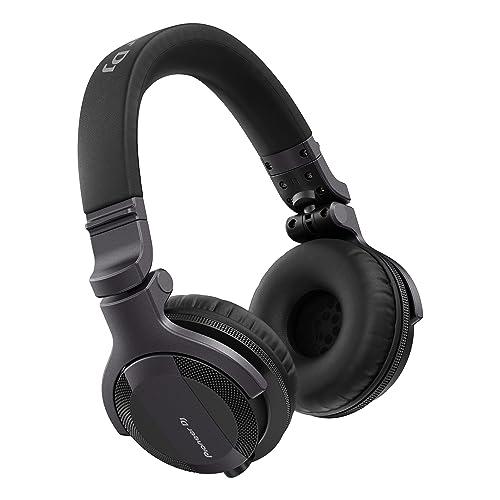
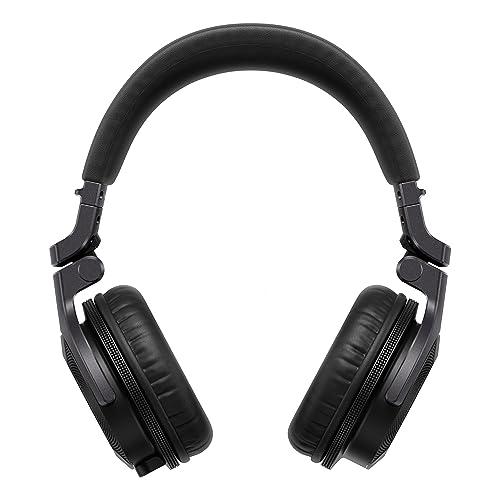
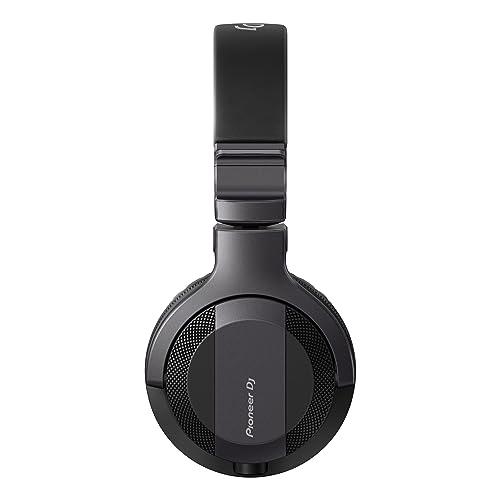
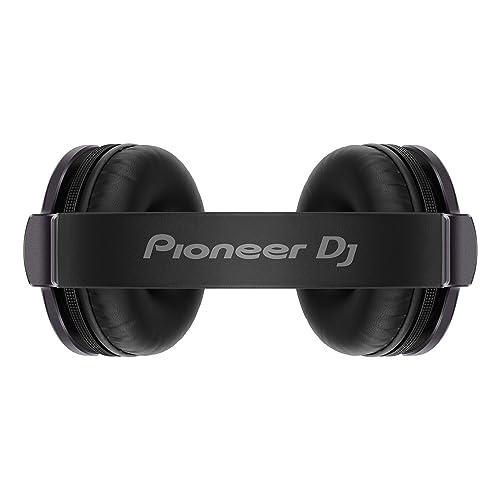
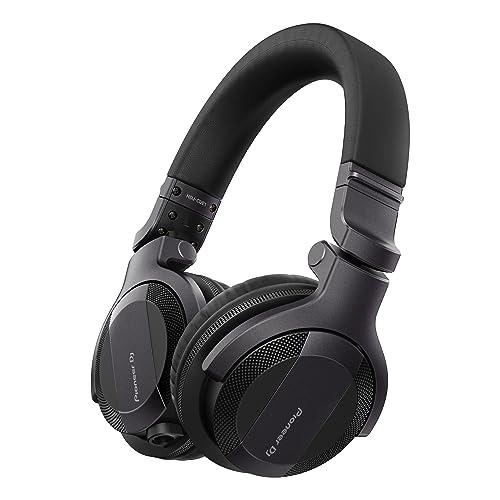
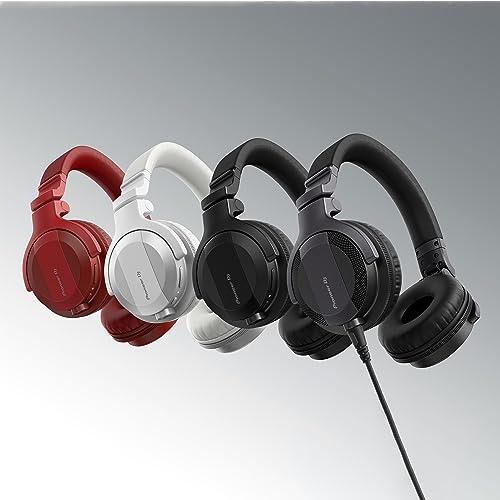



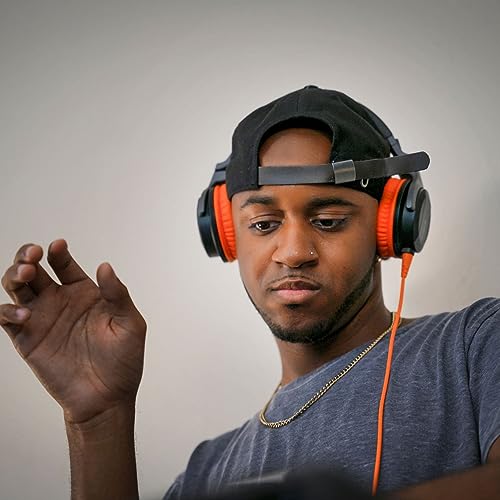




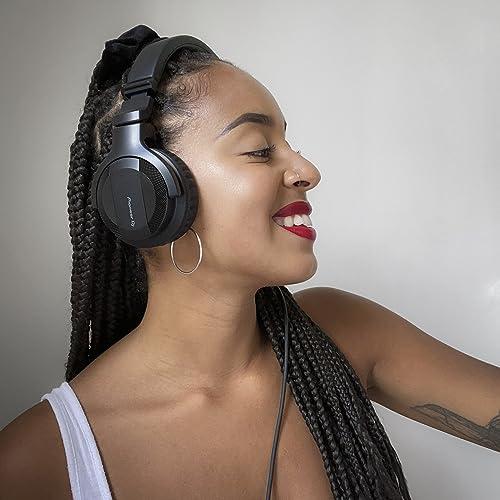
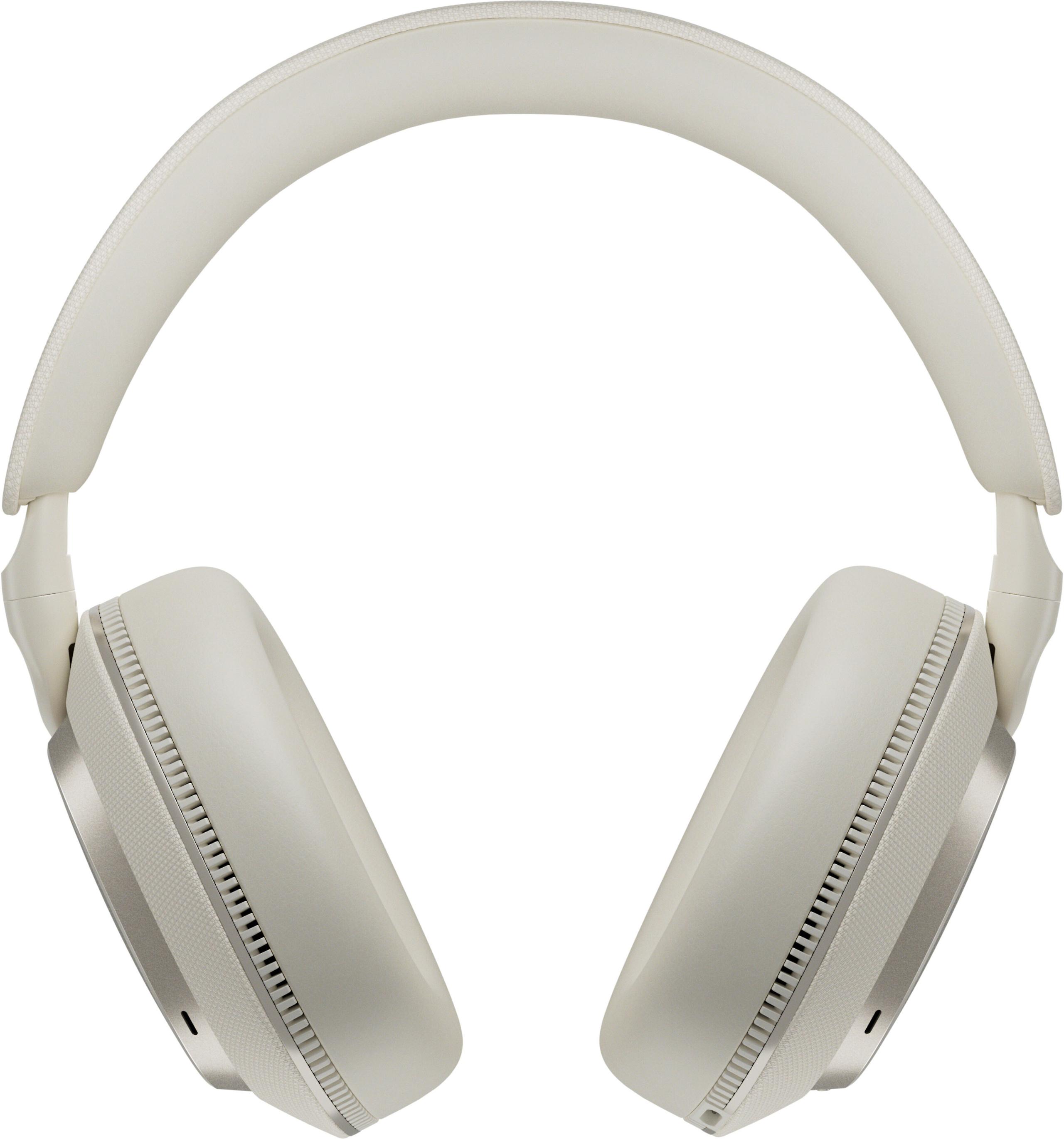
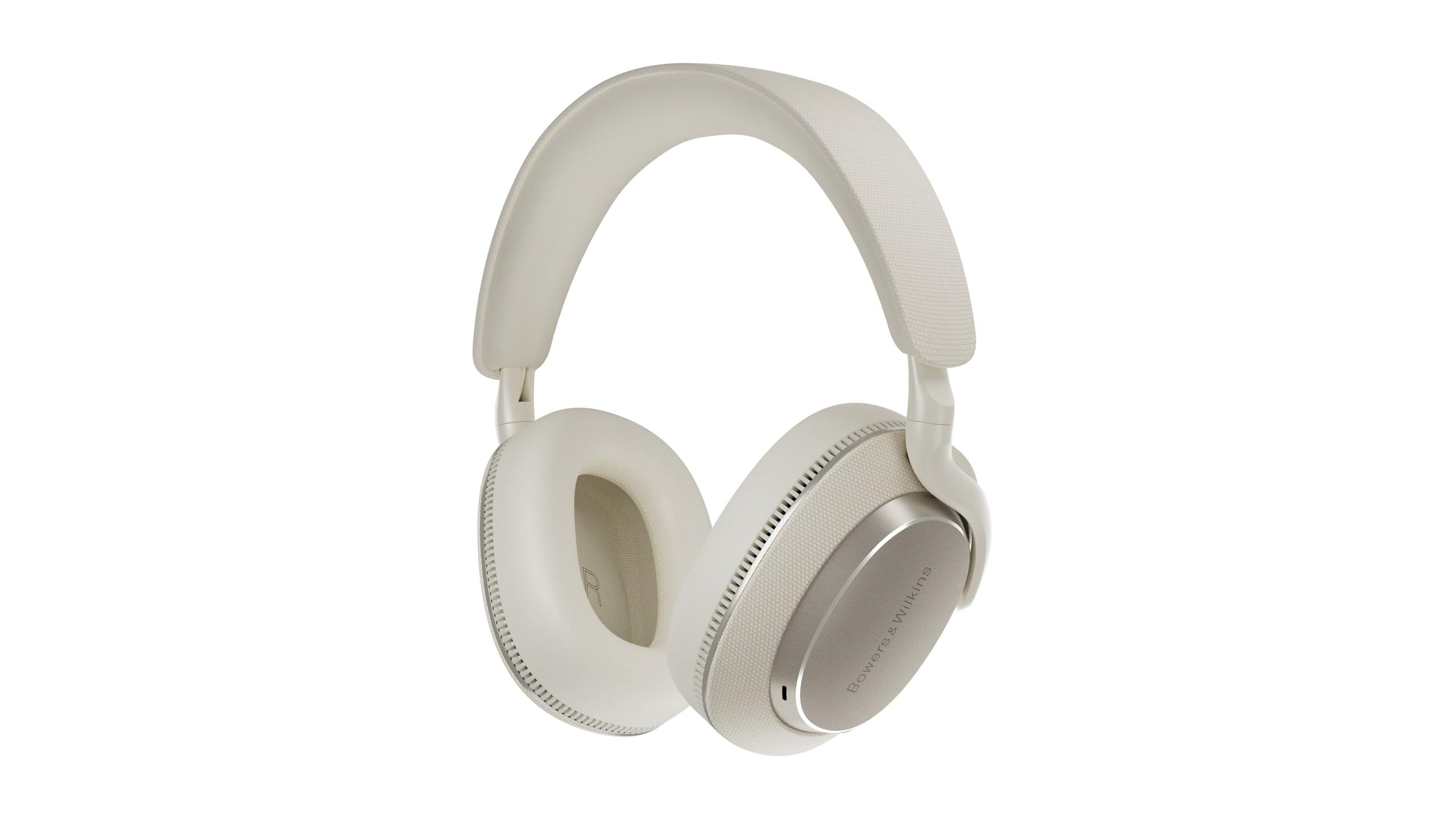
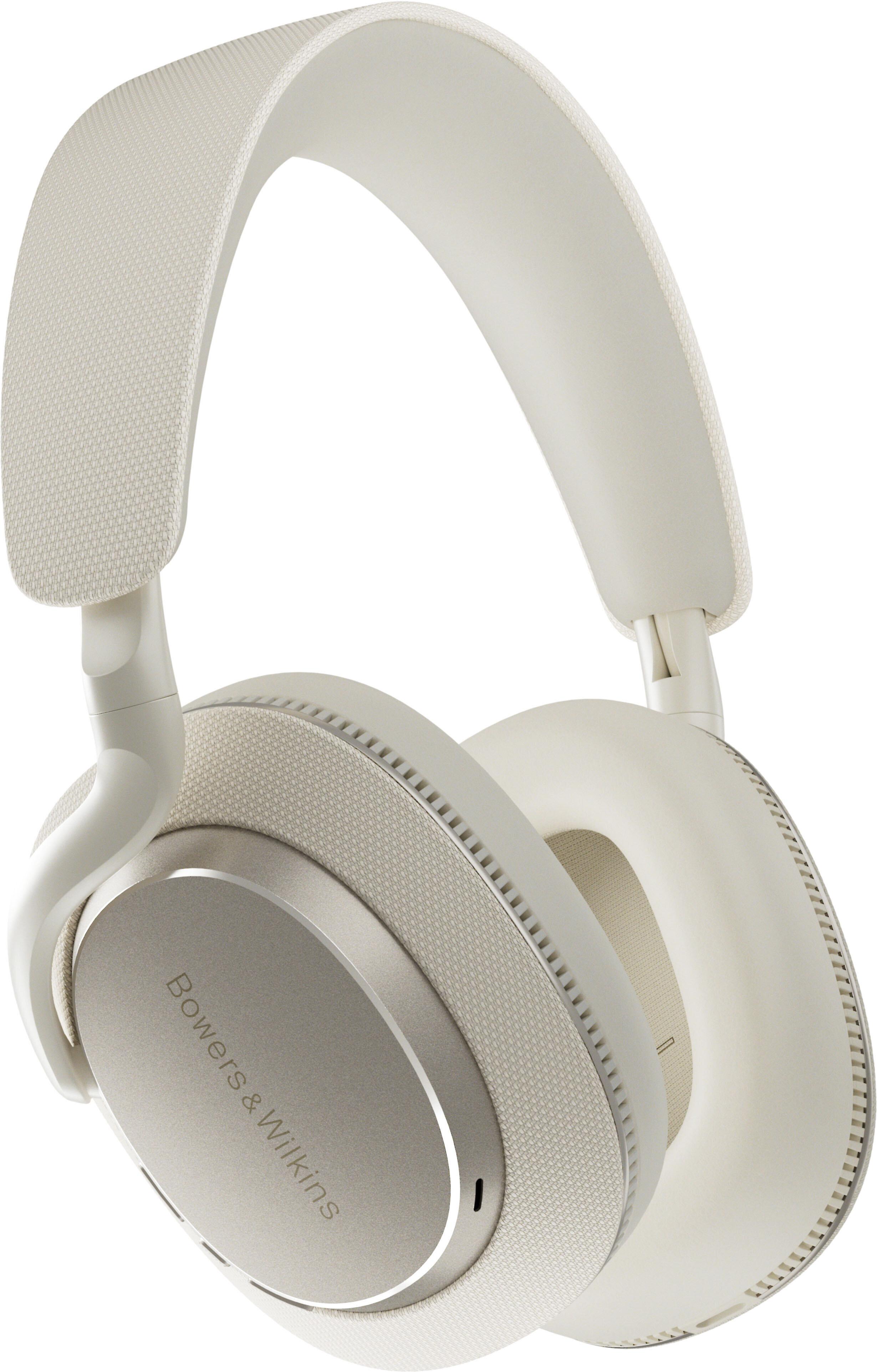
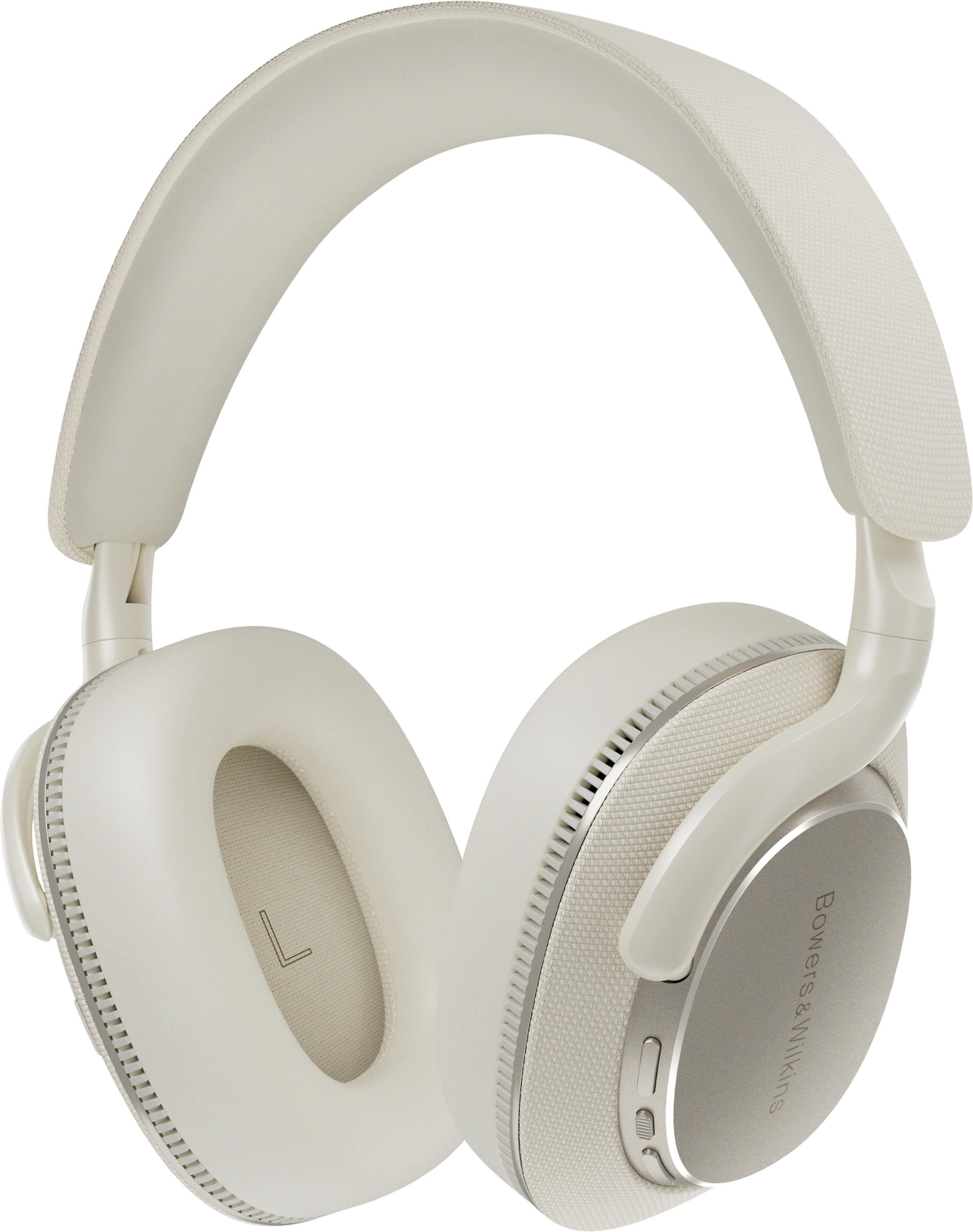
When you walk into a headphone store today, you're faced with an overwhelming array of choices. Some headphones cost less than a decent meal, while others could fund a small vacation. Two headphones that perfectly illustrate this range are the Pioneer DJ HDJ-CUE1 and the Bowers & Wilkins Px7 S3. At first glance, you might wonder why we're even comparing them—they're from completely different worlds. But here's the thing: both serve specific purposes brilliantly, and understanding their differences can help you make a much better buying decision.
The HDJ-CUE1 represents the entry point into professional DJ monitoring, released in recent years as Pioneer's answer to budget-conscious DJs who still want reliable, purpose-built gear. Meanwhile, the Px7 S3, launched in 2024, showcases the latest in premium wireless audio technology, building on Bowers & Wilkins' decades of acoustic engineering expertise. At the time of writing, you're looking at roughly a six-to-one price difference between these models, which immediately tells you they're targeting very different audiences.
Before we dive deep, let's establish what we're dealing with. DJ headphones like the Pioneer HDJ-CUE1 are specialized tools designed for a specific job: helping DJs mix music seamlessly. They prioritize features like bass emphasis (so you can hear kick drums clearly), durability (because DJ booths can be rough environments), and practical design elements like swiveling ear cups that let you monitor with one ear while keeping the other free.
Premium consumer headphones like the Bowers & Wilkins Px7 S3 take a completely different approach. They're designed for high-fidelity listening across all types of content—music, movies, podcasts, and calls. They emphasize balanced sound reproduction, comfort for long sessions, and modern conveniences like wireless connectivity and noise cancellation.
Think of it this way: the HDJ-CUE1 is like a professional chef's knife—sharp, durable, and perfect for its intended use. The Px7 S3 is more like a high-end kitchen appliance—sophisticated, versatile, and designed to enhance your overall experience.
Here's where things get really interesting. Both headphones use 40mm drivers (the little speakers inside the ear cups), but they couldn't sound more different if they tried.
The Pioneer HDJ-CUE1 employs what's called a bass-heavy or "V-shaped" sound signature, but taken to an extreme that serves DJ needs. When you're mixing electronic dance music, hip-hop, or any bass-heavy genre, you need to clearly hear the kick drum pattern to match beats between songs—a process called beatmatching. The HDJ-CUE1's frequency response spans from 5 Hz to 30 kHz, but it's deliberately tuned to emphasize frequencies below 100 Hz where those crucial kick drums live.
This isn't a flaw; it's intentional. I've spent time with various DJ headphones, and the ones that try to be "balanced" often make it harder to pick out the rhythmic elements that matter most in a mix. The trade-off is that vocals can sound somewhat recessed, and the overall presentation isn't what you'd want for casual music listening. But for its intended purpose, this tuning works brilliantly.
The headphones also feature 32-ohm impedance, which is a measure of electrical resistance. This relatively low impedance means they'll get plenty loud when plugged into DJ mixers, smartphones, or laptops without needing additional amplification.
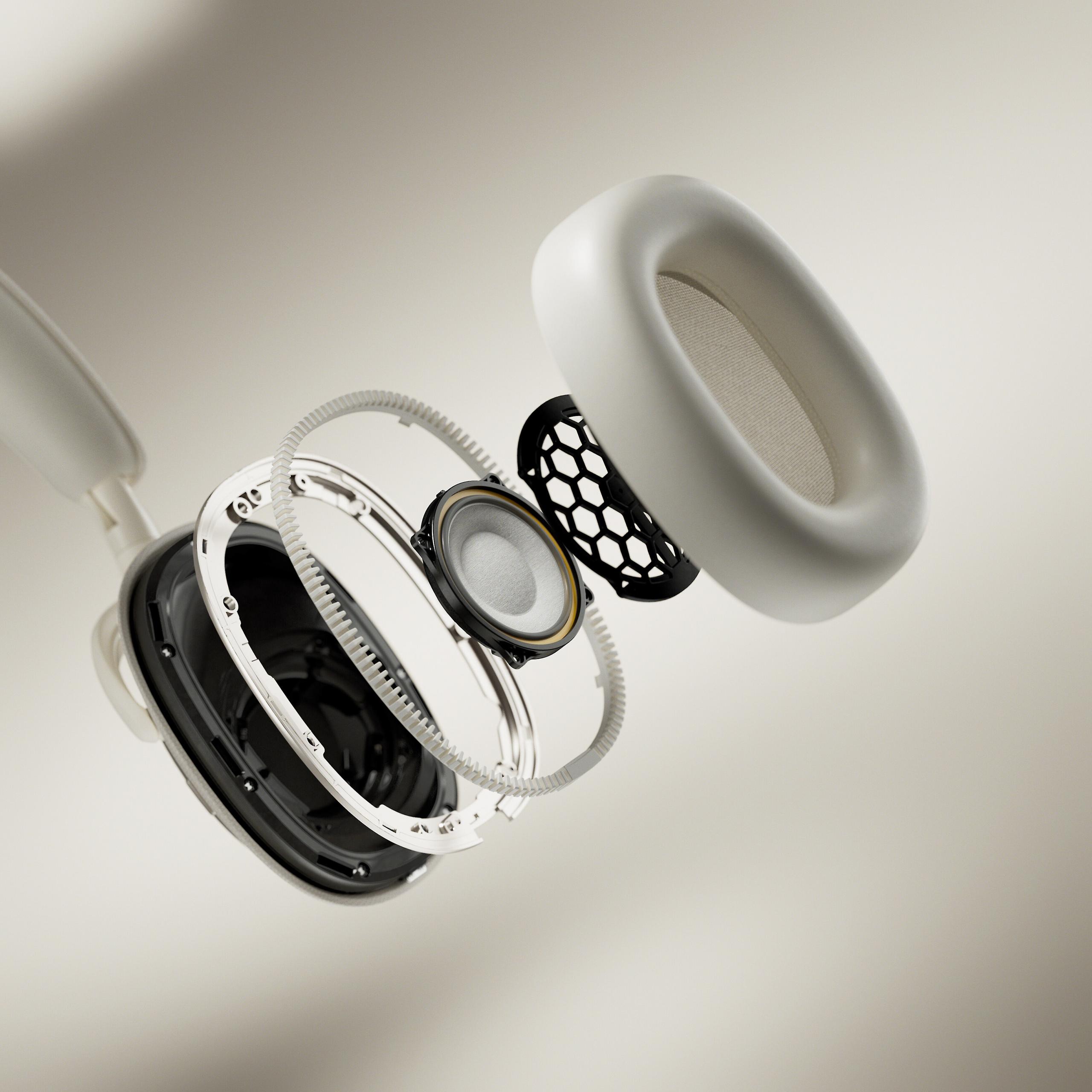
The Bowers & Wilkins Px7 S3 takes an entirely different philosophical approach. Its 40mm bio-cellulose drivers (bio-cellulose is a plant-based material that's lighter and stiffer than traditional plastic) are designed for accuracy and detail retrieval across the entire frequency spectrum. These drivers are powered by dedicated amplification circuits and a 24-bit digital signal processor (DSP)—essentially a tiny computer that optimizes the audio signal.
What makes this special is the level of detail you can hear. Where the HDJ-CUE1 might blur together the different instruments in a complex orchestral passage, the Px7 S3 separates them into distinct layers. You can follow individual violin sections, hear the subtle reverb tail on a snare drum, or pick out the breathing between vocal phrases.
The Px7 S3 also supports high-resolution audio formats up to 24-bit/96kHz through its USB-C connection. Without getting too technical, this means it can reproduce audio with much more detail than standard CD quality. It's like the difference between watching a movie in standard definition versus 4K—more information means a richer, more detailed experience.
For home theater use, the Px7 S3 really shines. Its soundstage—the sense of space and positioning in audio—creates an immersive experience whether you're watching action movies or intimate dramas. The bass response is controlled and powerful without overwhelming dialogue, which is crucial for movie soundtracks.
This is where the different target audiences become crystal clear.
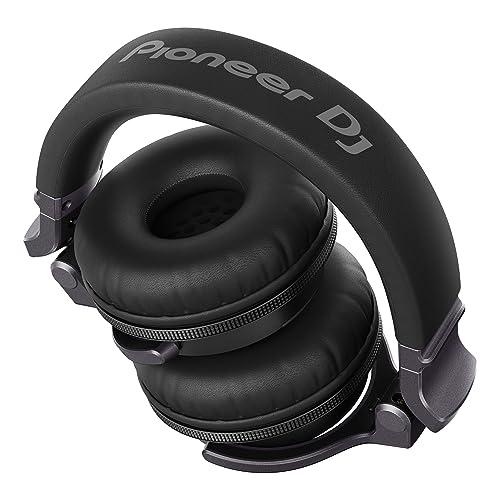
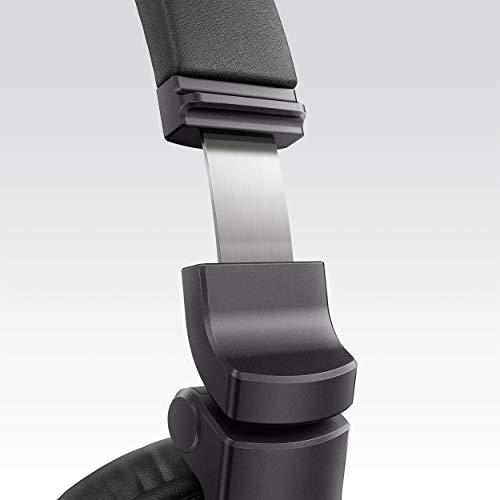
The Pioneer HDJ-CUE1 is built like a piece of professional equipment, because that's exactly what it is. The headband uses metal-reinforced sliders that can withstand the constant adjustments DJs make during sets. The ear cups swivel 90 degrees, allowing the classic one-ear monitoring technique that every DJ needs to master.
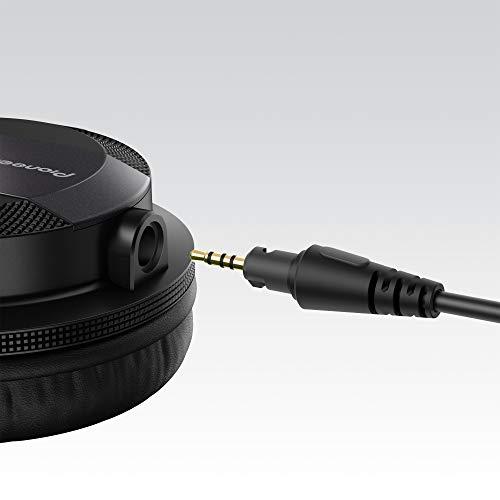
At just 215 grams, these headphones won't cause neck strain during long sets. The detachable coiled cable (which stretches from 1.2 meters to 1.8 meters) is a particularly clever touch—it gives you freedom of movement while reducing the chance of accidentally yanking the cable out of your mixer mid-set.
One unique feature is the customization options. Pioneer sells colored accessory packs that let you swap out the ear pads and cables in different colors—orange, yellow, green, blue, or pink. It's a small touch, but it lets DJs personalize their gear and match their style.
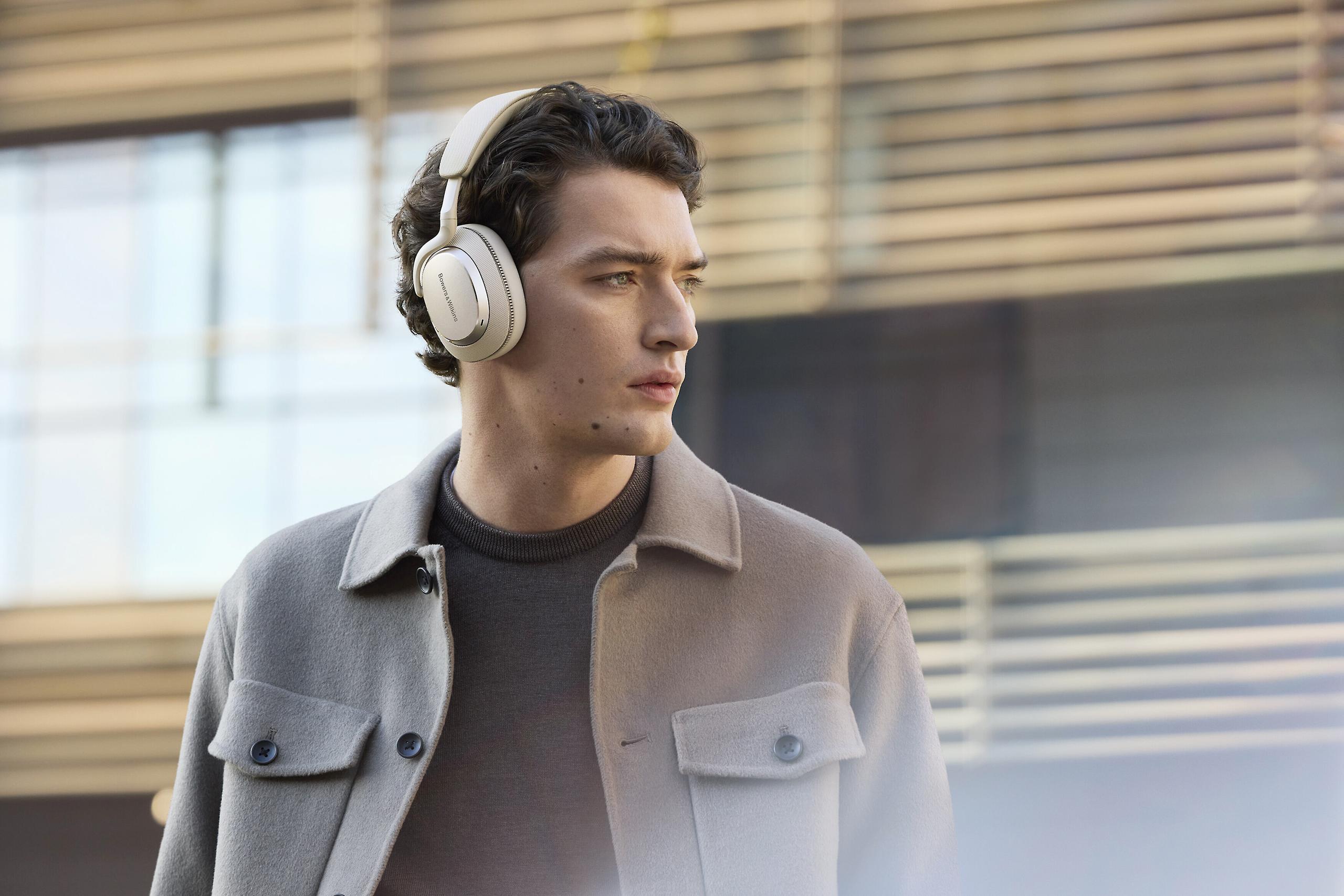
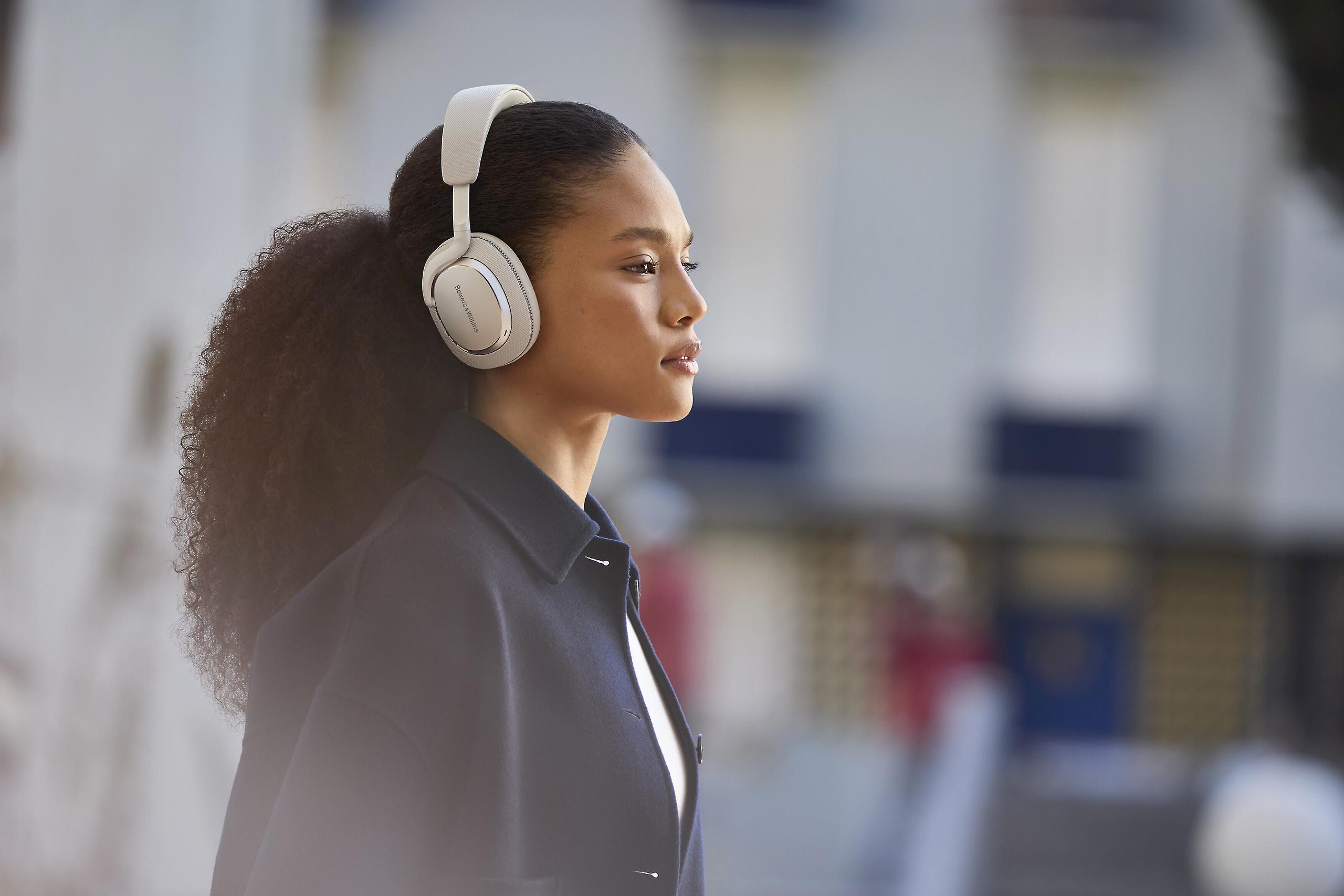
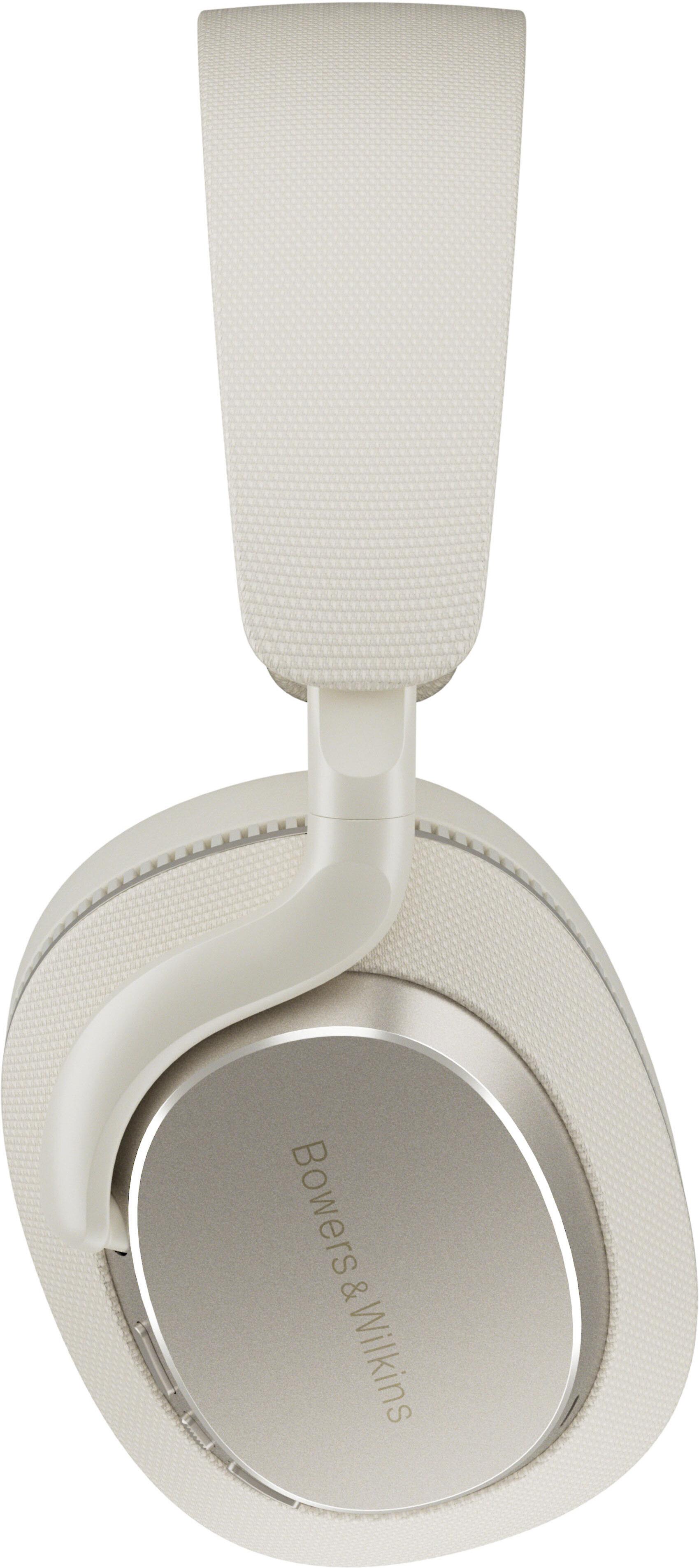
The Bowers & Wilkins Px7 S3, at 298 grams, is heavier but uses that weight purposefully. The metal housing isn't just for show—it reduces unwanted vibrations that can color the sound. The memory foam padding on both the headband and ear cups creates a seal around your ears that's crucial for both comfort and sound quality.
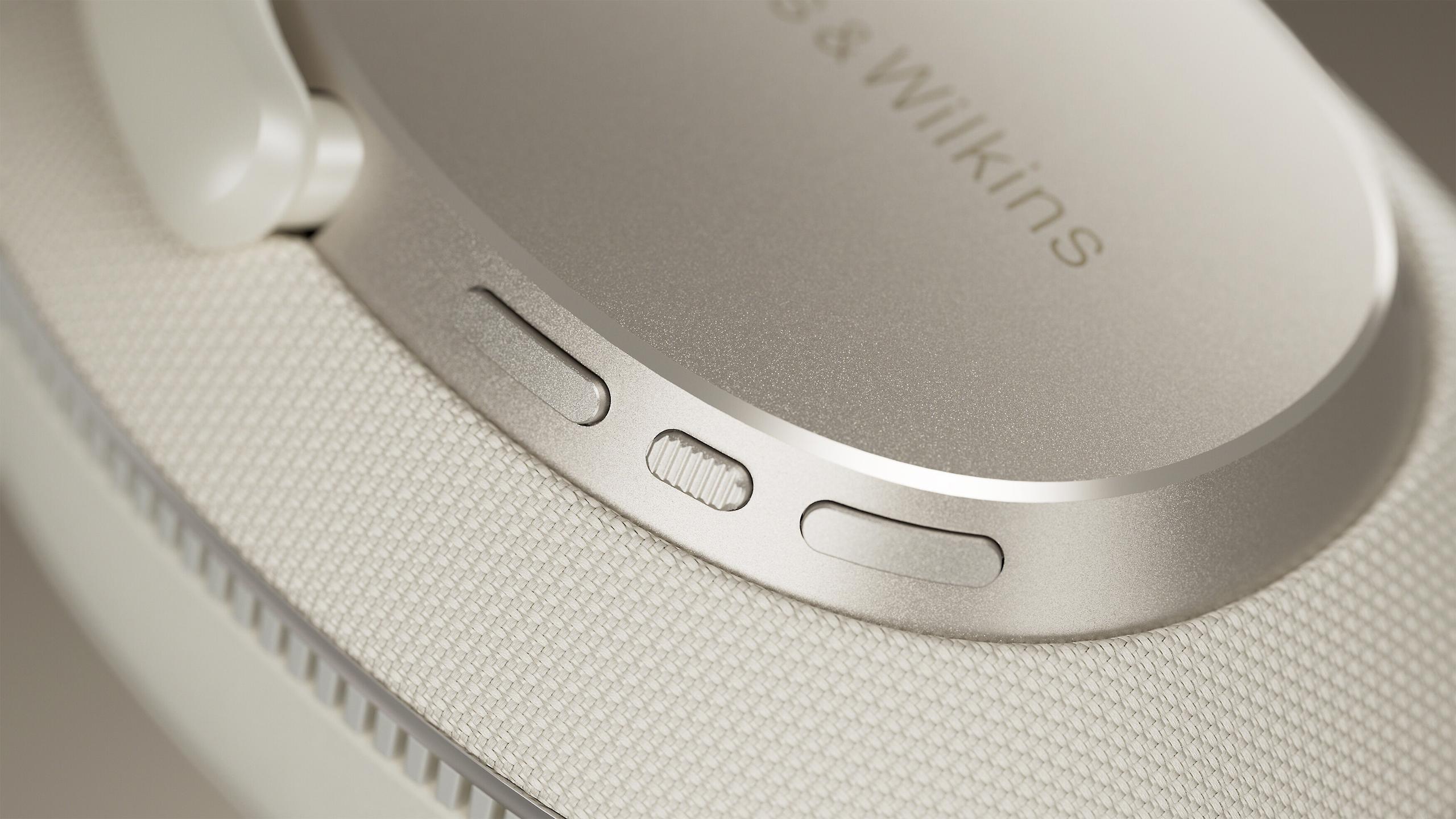
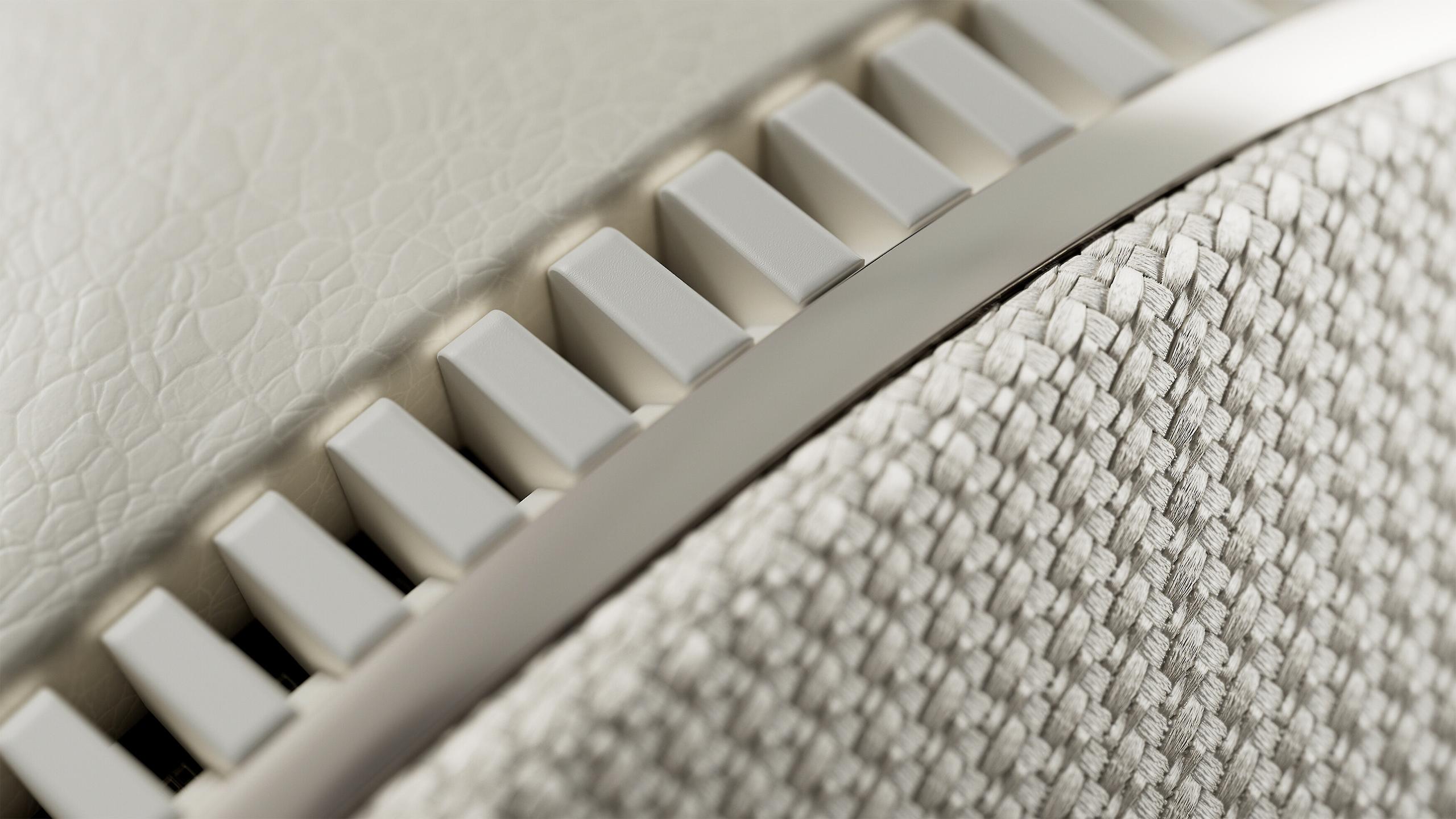
The build materials tell a story of premium positioning: leather on the cushions, metal on the buttons and ear cups, and high-quality fabric on the headband. These aren't just aesthetic choices—each material is selected for its acoustic and tactile properties.
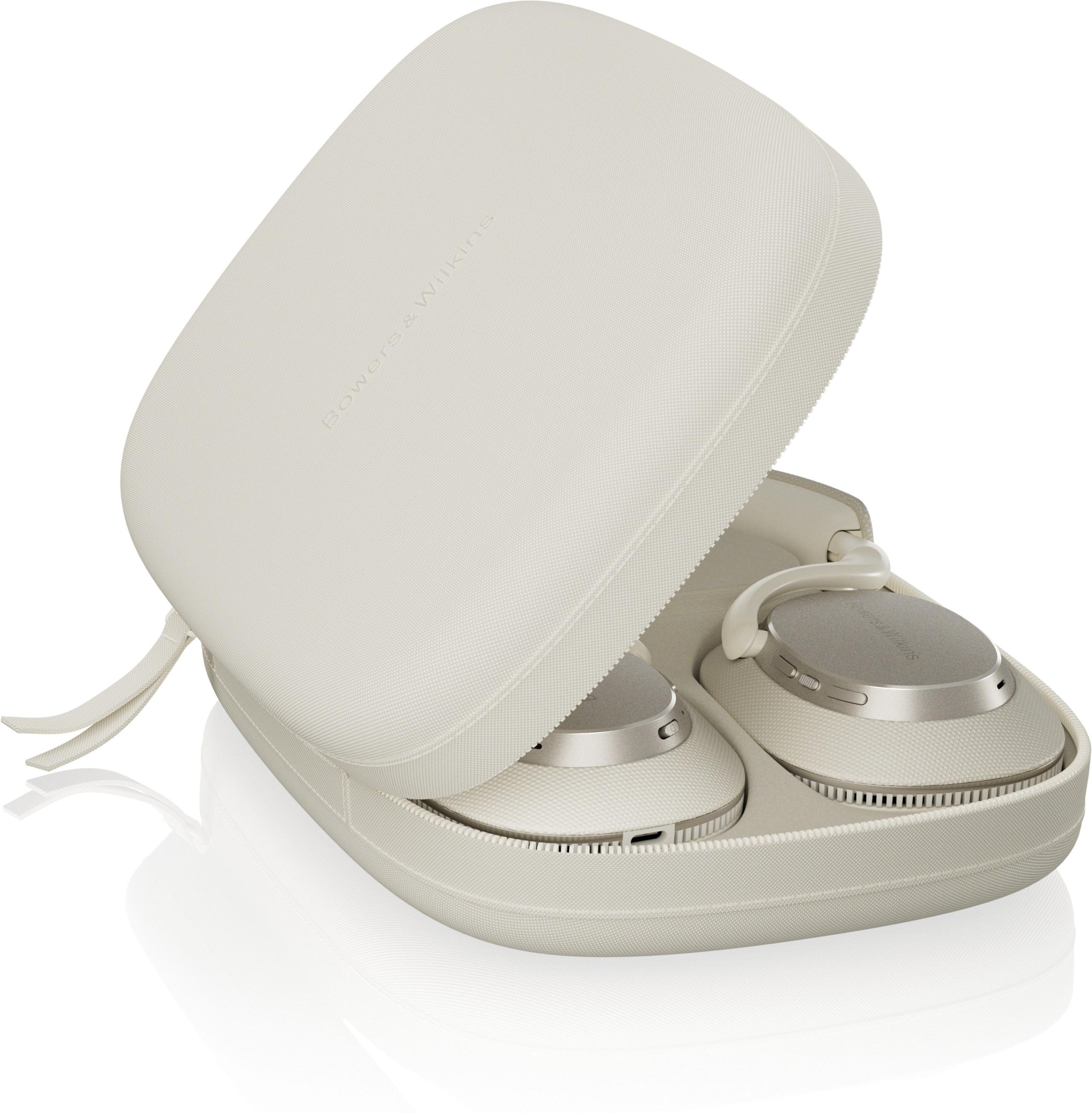
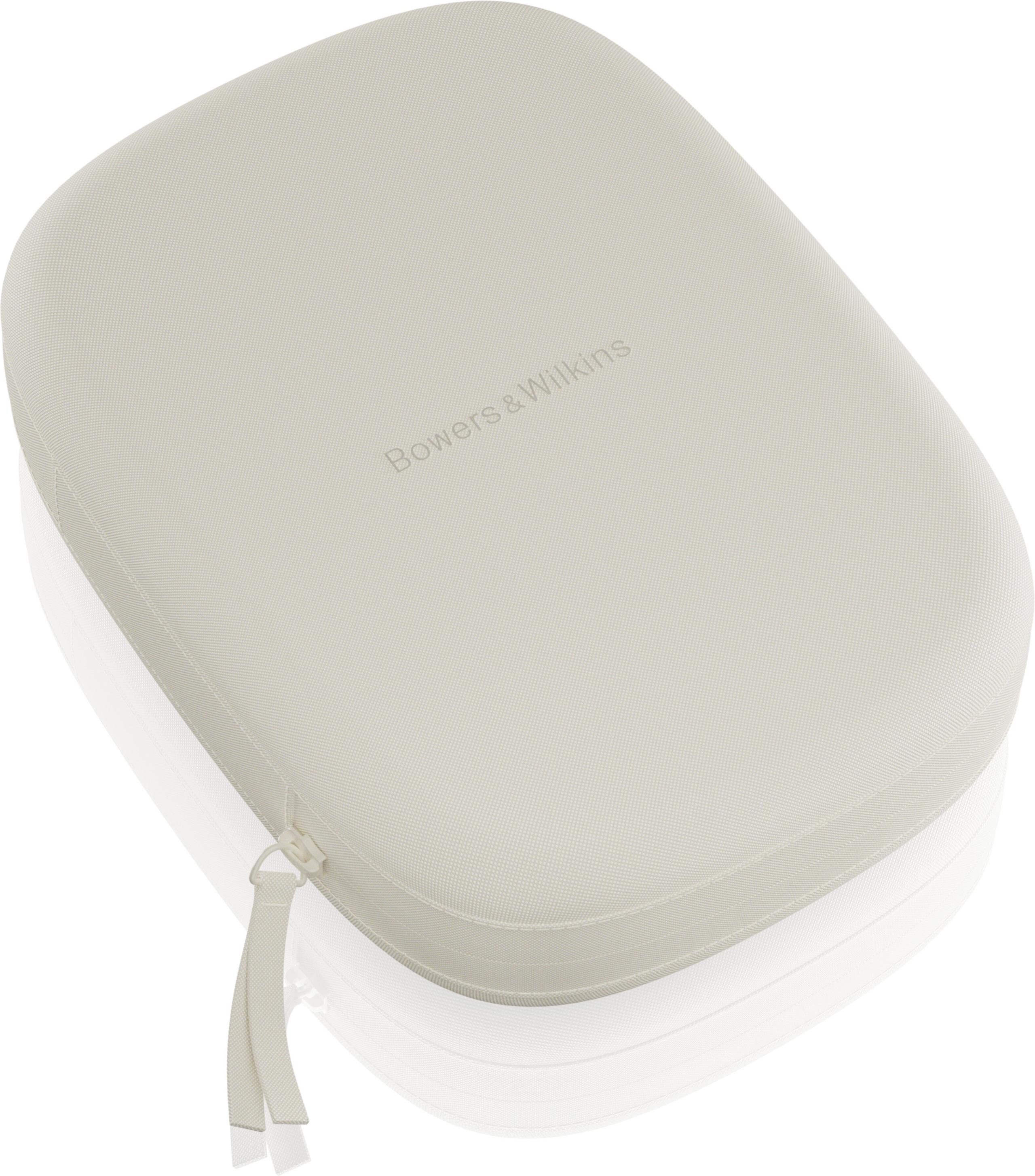
The included carrying case is a hard-shell design that actually protects your investment, unlike the flimsy pouches that come with many headphones. This attention to detail extends throughout the product experience.
Here's where the six-year technology gap between product categories becomes most apparent.
The Px7 S3 supports Bluetooth 5.3 with an impressive array of high-quality audio codecs. Let me break down what this means: codecs are essentially compression algorithms that squeeze audio data to send it wirelessly. Lower-quality codecs (like basic SBC) sacrifice sound quality for reliability. Higher-quality codecs like aptX Lossless can transmit audio without any compression, meaning wireless can theoretically sound as good as wired.
The Px7 S3 supports aptX Lossless, aptX Adaptive (which adjusts quality based on your environment), aptX HD, and standard codecs like AAC. It also features multipoint connectivity, so you can be connected to your laptop for a video call while also paired to your phone for music—switching between them seamlessly.
The HDJ-CUE1, being wired-only, doesn't deal with any of these compromises. For DJ applications, this is actually an advantage—there's zero latency (delay) between the audio source and what you hear, which is crucial for precise beatmatching.
This is where the Px7 S3 really shows its sophistication. Its active noise cancellation (ANC) system uses eight microphones—four in each ear cup—to create what's called a "hybrid" system. Some microphones face outward to detect ambient noise, while others face inward to monitor what's actually reaching your ears.
The system continuously analyzes your environment and generates inverse sound waves to cancel out unwanted noise. It's particularly effective at eliminating constant, low-frequency sounds like airplane engines, air conditioning, or traffic. The Px7 S3 also includes a transparency mode that uses the same microphone array to pipe in environmental sounds when you need awareness of your surroundings.
For home theater use, ANC can be transformative. It lets you enjoy movies at lower volumes by eliminating household noise—air conditioning, refrigerator hum, neighbor sounds—that would otherwise force you to turn up the volume.
The Px7 S3 delivers up to 30 hours of playback with ANC enabled, which is genuinely impressive in the premium headphone category. More importantly, it supports fast charging: 15 minutes plugged in gives you about 7 hours of listening time. This makes it practical for daily use and travel.
The USB-C connection serves double duty—it charges the headphones and can also function as a digital audio input for the highest possible sound quality when connected to computers or mobile devices.
The Bowers & Wilkins Music app transforms the Px7 S3 from good headphones into a personalized audio system. The five-band equalizer lets you adjust specific frequency ranges to match your preferences or compensate for hearing differences. There's also a "TrueSound" mode that bypasses all processing for the most accurate reproduction possible.
The app integrates with streaming services and handles firmware updates, ensuring your headphones improve over time. This kind of ongoing software support has become standard for premium headphones but was rare just a few years ago.
The HDJ-CUE1, by contrast, is entirely analog. What you hear is what you get, with no digital processing or customization options. For some users, this simplicity is actually preferable—there's something to be said for gear that just works without requiring smartphone apps or software updates.
If you're learning to DJ or regularly mixing electronic music, the HDJ-CUE1 is purpose-built for your needs. The bass emphasis makes it easy to hear kick drum patterns, and the durable construction means they'll survive the inevitable bumps and drops that come with DJ booth environments.
I've used similar DJ headphones, and the ability to swivel one ear cup away while keeping the other sealed is absolutely crucial for monitoring. Try doing that with traditional headphones and you'll quickly understand why DJs pay extra for this feature.
The Px7 S3 excels in home theater scenarios. The balanced sound reproduction means dialogue stays clear while explosions maintain their impact. The noise cancellation lets you enjoy late-night movies without disturbing others or needing excessive volume.
The spatial characteristics of the soundstage create an immersive experience that rival many dedicated home theater headphones. Action sequences feel expansive while intimate dialogue scenes maintain clarity and presence.
Here, the Px7 S3 is in a league of its own. The combination of comfort, battery life, and noise cancellation makes long flights or daily commutes much more pleasant. The ability to take calls seamlessly and switch between devices adds practical value for busy lifestyles.
The HDJ-CUE1, while portable, isn't really designed for this use case. The bass-heavy tuning can be fatiguing for long listening sessions with varied content, and the lack of noise cancellation means you'll need higher volumes in noisy environments.
At the time of writing, these headphones represent very different value propositions in their respective markets.
The HDJ-CUE1 offers exceptional value for its intended purpose. You're getting professional-grade features and build quality at an entry-level price point. For beginning DJs or electronic music enthusiasts on a budget, it's hard to find comparable functionality elsewhere.
The Px7 S3 asks a premium price but delivers premium performance across multiple use cases. You're paying for advanced wireless technology, sophisticated noise cancellation, high-resolution audio capability, and the kind of build quality that should last for years. In the context of premium wireless headphones, the pricing is competitive with similar offerings from Sony and Bose, while often delivering superior sound quality.
Choose the Pioneer HDJ-CUE1 if you're primarily interested in DJing, mixing electronic music, or need durable headphones for active use. The specialized tuning and practical features make it excellent for its intended purpose, and the low price makes it accessible for beginners or as backup gear for professionals.
The bass-heavy sound signature also works well if you primarily listen to electronic dance music, hip-hop, or other bass-focused genres for casual listening. Just understand that they're not designed for balanced reproduction across all music types.
Choose the Bowers & Wilkins Px7 S3 if you want premium sound quality for varied content, need modern features like noise cancellation and wireless connectivity, or plan to use headphones for extended periods across different activities—music, movies, calls, and gaming.
The investment makes sense if audio quality is a priority and you'll use the headphones regularly. The advanced features and build quality position these as headphones you'll keep for years rather than replace as technology evolves.
These two headphones perfectly illustrate how different design philosophies serve different needs. The HDJ-CUE1 is a specialized tool that excels at its specific job, while the Px7 S3 is a sophisticated instrument designed for versatile, high-quality audio reproduction.
Neither is objectively better than the other—they're simply optimized for different purposes and budgets. Understanding what you actually need from your headphones, rather than getting caught up in specifications or brand prestige, will lead you to the right choice. Whether that's a purpose-built DJ tool or a premium wireless experience depends entirely on how and where you plan to use them.
| Pioneer DJ HDJ-CUE1 Headphones | Bowers & Wilkins Px7 S3 Wireless Over-Ear Headphones |
|---|---|
| Product Category - Determines core functionality and target use | |
| Entry-level DJ monitoring headphones | Premium wireless noise-cancelling headphones |
| Driver Technology - Affects overall sound quality and detail | |
| 40mm dynamic drivers (DJ-tuned) | 40mm bio-cellulose drivers with dedicated amplification |
| Sound Signature - How the headphones color your music | |
| Bass-heavy tuning for DJ beatmatching | Balanced audiophile tuning with slight V-shape |
| Connectivity - Impacts convenience and audio quality options | |
| Wired only (3.5mm with coiled cable) | Bluetooth 5.3 + USB-C wired (supports aptX Lossless) |
| Active Noise Cancellation - Essential for travel and noisy environments | |
| None (passive isolation only) | Advanced ANC with 8-microphone array |
| Battery Life - Only matters for wireless models | |
| N/A (wired) | 30 hours with ANC, 15-min quick charge = 7 hours |
| Weight - Affects comfort during extended use | |
| 215g (lightweight for long DJ sets) | 298g (heavier but premium materials) |
| Ear Cup Design - Determines fit and professional features | |
| On-ear with 90-degree swivel for DJ monitoring | Over-ear with memory foam for extended comfort |
| Customization Options - Personalization and sound tuning | |
| Interchangeable colored cables/earpads (sold separately) | 5-band EQ via app, multiple ANC modes |
| Durability Focus - Important for professional vs consumer use | |
| Built for DJ booth abuse with metal-reinforced headband | Premium materials but designed for careful consumer use |
| High-Resolution Audio Support - For audiophile-quality playback | |
| Standard resolution only | 24-bit/96kHz via USB-C connection |
| Call Quality - Matters for all-purpose headphone use | |
| Not designed for calls | Crystal-clear calls with ADI Pure Voice technology |
| Target User - Who gets the most value from each product | |
| Beginning DJs, electronic music fans, budget-conscious buyers | Audiophiles, frequent travelers, premium wireless users |
The Pioneer DJ HDJ-CUE1 is specifically designed for beginner DJs, offering professional features at an entry-level price point. However, if you're a beginner to high-quality audio in general, the Bowers & Wilkins Px7 S3 provides a more versatile experience with superior sound quality across all types of content. Choose the HDJ-CUE1 if you're learning to DJ, or the Px7 S3 if you want premium headphones for everyday listening.
The Bowers & Wilkins Px7 S3 excels for home theater use with its balanced sound signature, active noise cancellation, and spacious soundstage that creates an immersive movie experience. The Pioneer DJ HDJ-CUE1 is not ideal for movies due to its bass-heavy tuning that can overwhelm dialogue and its lack of comfort features for extended viewing sessions.
For overall audio fidelity and detail, the Bowers & Wilkins Px7 S3 delivers superior sound quality with its bio-cellulose drivers, dedicated amplification, and support for high-resolution audio up to 24-bit/96kHz. The Pioneer DJ HDJ-CUE1 has good sound quality for its specific purpose but uses a bass-heavy tuning that prioritizes DJ functionality over balanced reproduction.
The Pioneer DJ HDJ-CUE1 is wired-only with a detachable coiled cable, which eliminates latency issues crucial for DJ work. The Bowers & Wilkins Px7 S3 is primarily wireless with Bluetooth 5.3 and advanced codec support, but can also be used wired via USB-C for the highest audio quality and charging.
The Bowers & Wilkins Px7 S3 is significantly more comfortable with its over-ear design, memory foam padding, and ergonomic construction designed for extended use. The Pioneer DJ HDJ-CUE1 uses an on-ear design that can become uncomfortable during long sessions, though it's adequate for typical DJ sets.
Only the Bowers & Wilkins Px7 S3 features active noise cancellation with an advanced 8-microphone system that effectively blocks ambient noise. The Pioneer DJ HDJ-CUE1 provides only passive noise isolation through its closed-back design, which is sufficient for DJ monitoring but won't block external sounds like air conditioning or traffic.
The Pioneer DJ HDJ-CUE1 is specifically tuned for electronic music with emphasized bass response that makes kick drums and low-end elements very prominent. While the Bowers & Wilkins Px7 S3 can handle bass-heavy music well with its balanced approach, the HDJ-CUE1 is purpose-built for these genres and DJ mixing requirements.
The Bowers & Wilkins Px7 S3 excels at phone calls with its advanced microphone array and ADI Pure Voice technology that provides crystal-clear call quality with background noise suppression. The Pioneer DJ HDJ-CUE1 is not designed for phone calls and lacks microphone capabilities.
The Pioneer DJ HDJ-CUE1 is built specifically for durability with metal-reinforced components, swiveling ear cups, and construction designed to withstand the rigors of DJ booth environments. The Bowers & Wilkins Px7 S3 uses premium materials and solid construction but is designed for careful consumer use rather than professional abuse.
The Pioneer DJ HDJ-CUE1 doesn't use a battery since it's wired-only, providing unlimited use time when connected. The Bowers & Wilkins Px7 S3 offers up to 30 hours of battery life with ANC enabled, plus fast charging that provides 7 hours of use from just 15 minutes of charging.
Both headphones offer excellent value in their respective categories. The Pioneer DJ HDJ-CUE1 provides exceptional value for DJ monitoring and bass-heavy music listening at a budget-friendly price. The Bowers & Wilkins Px7 S3 delivers premium value with advanced features, superior build quality, and audiophile-level sound reproduction that justifies its higher price point.
The Bowers & Wilkins Px7 S3 offers extensive sound customization through its companion app with a 5-band equalizer and preset modes including TrueSound for reference listening. The Pioneer DJ HDJ-CUE1 has no sound customization options but offers visual customization with optional colored cables and earpads that can be purchased separately.
We've done our best to create useful and informative comparisons to help you decide what product to buy. Our research uses advanced automated methods to create this comparison and perfection is not possible - please contact us for corrections or questions. These are the sites we've researched in the creation of this article: bestbuy.com - pioneerdjstore.com - rtings.com - idjnow.com - youtube.com - pioneerdj.com - soundguys.com - pioneerdj.com - digitaldjtips.com - pioneerdj.com - guitarcenter.com - empirepro.com - idjnow.com - emiaudio.com - pioneerdj.com - sfm.ca - sweetwater.com - pioneerdj.com - pioneerdj.com - pioneerdj.com - techradar.com - recordingnow.com - tomsguide.com - tomsguide.com - loudersound.com - whathifi.com - headphonecheck.com - loudnwireless.com - recordingnow.com - techradar.com - bowerswilkins.com - bhphotovideo.com - audio46.com - bowerswilkins.com - smarthomesounds.co.uk - audioadvisor.com - audiograde.uk - bowerswilkins.com - my.tcacoustic.asia - whathifi.com

Privacy Policy
Terms and Conditions - Affiliate Policy
Home Security
© Copyright 2008-2026.
11816 Inwood Rd #1211, Dallas, TX 75244