$1,879.99
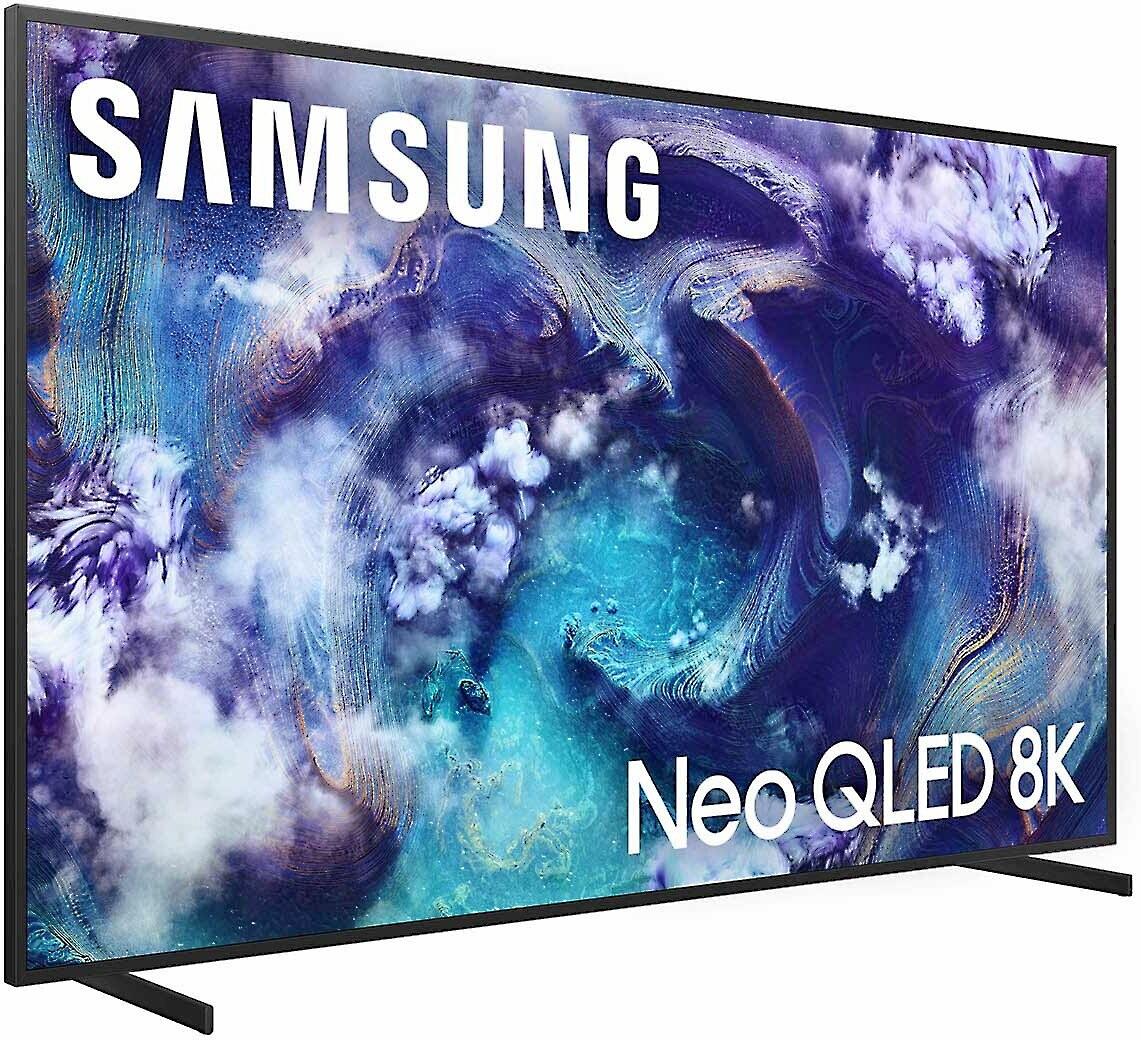
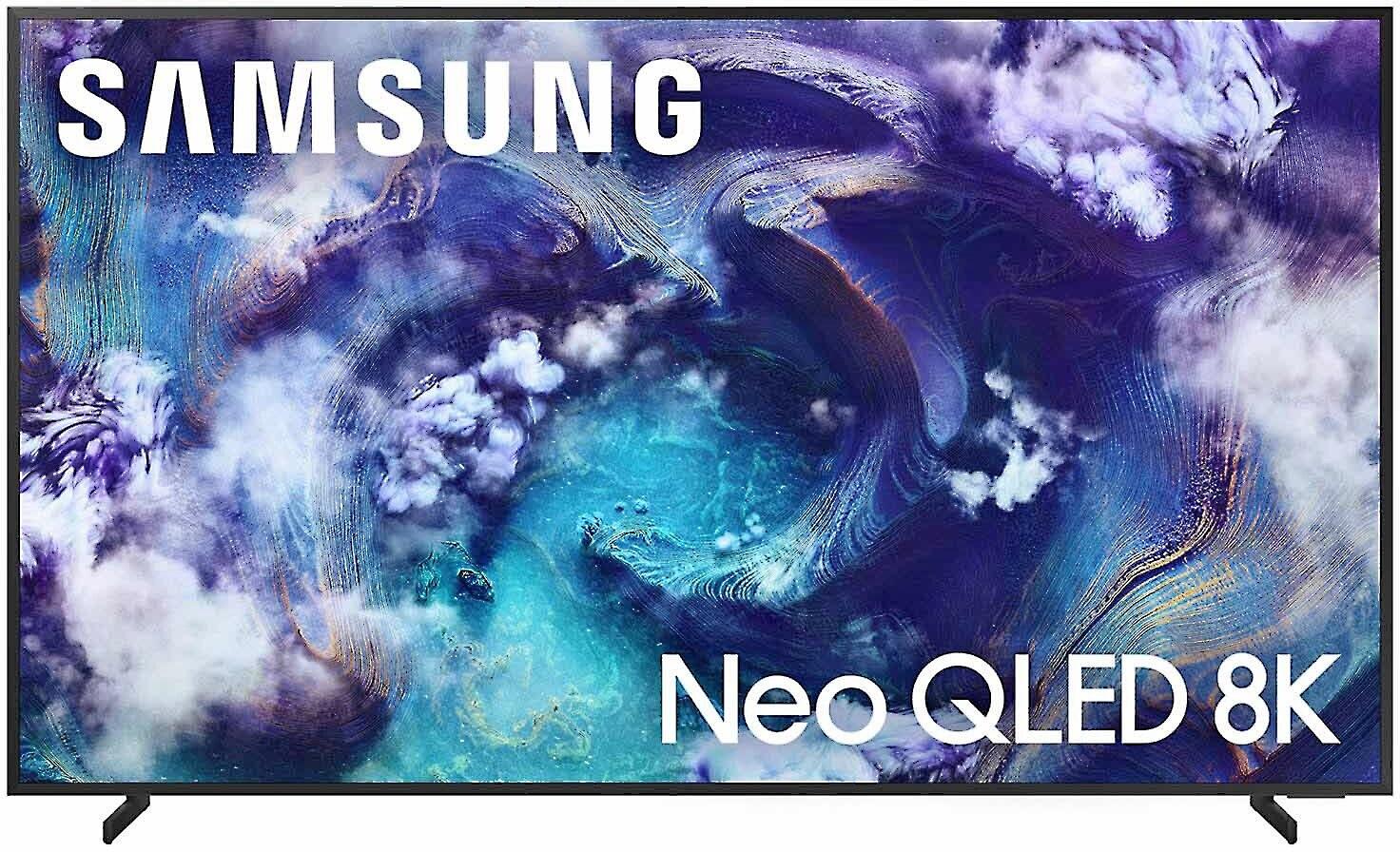
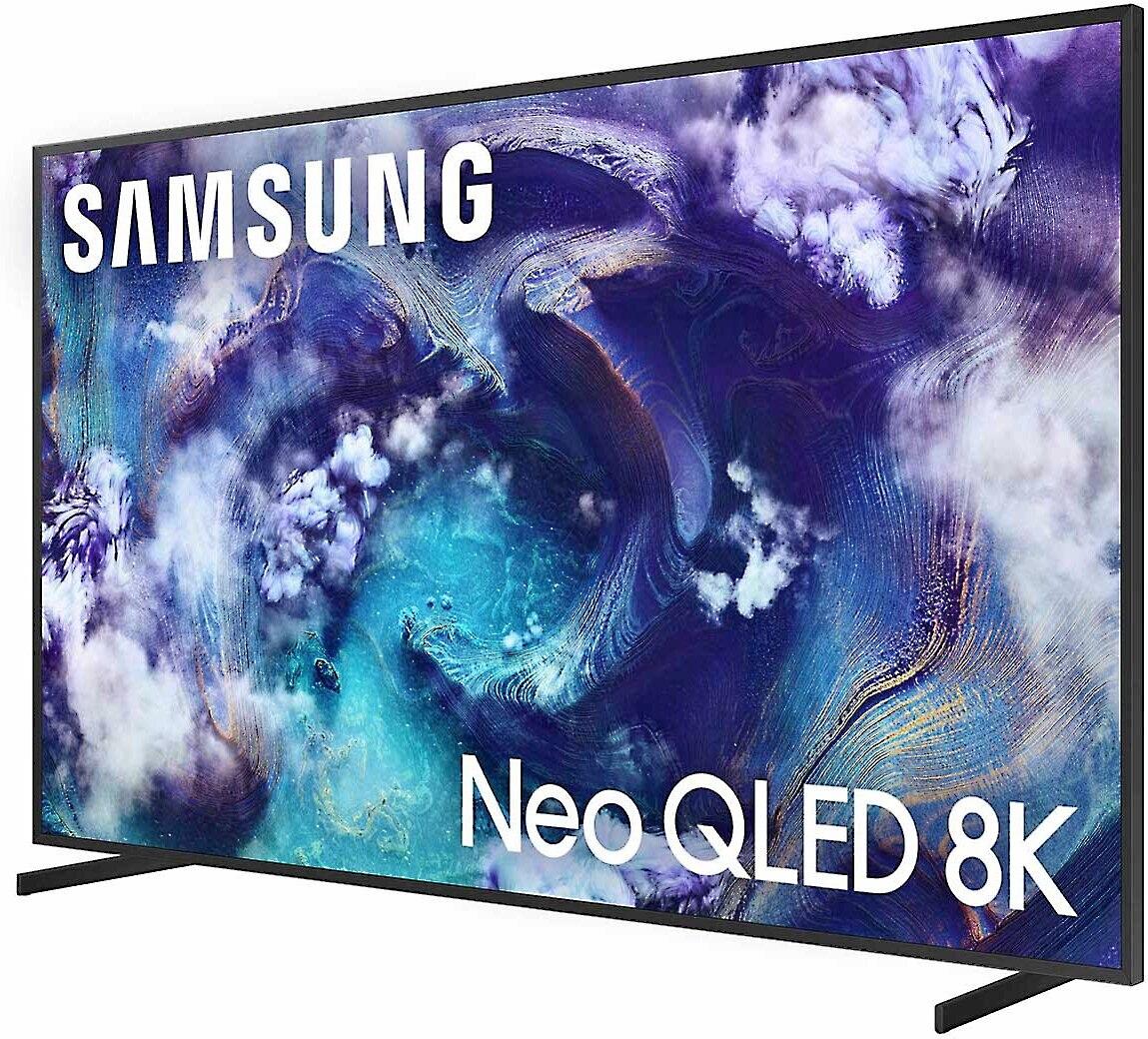
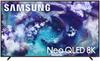
The Samsung 65" Neo QLED 8K QN900F represents the pinnacle of home entertainment technology in 2025. Released earlier this year as the flagship model in Samsung's premium television lineup, this cutting-edge display has quickly established itself as a benchmark for what modern TVs can achieve. Let's dive into what makes this television special and whether it deserves a place in your home.
Samsung's Neo QLED technology has made impressive strides since its introduction a few years ago. The QN900F builds upon this foundation with a refined Mini LED backlighting system that packs in thousands of precisely controlled lighting zones. Unlike traditional LED backlights, these microscopic light sources allow for remarkably precise control of brightness across the screen.
"The contrast control on the QN900F is simply astounding," noted our testers. "In dark scenes with bright highlights—think starfields or cityscape night shots—the TV maintains inky blacks while allowing bright elements to shine without the blooming effect common in lesser displays."
This Mini LED technology works in conjunction with Samsung's Quantum Matrix Technology Pro, which is essentially an advanced algorithm that manages those thousands of dimming zones with incredible precision. The result is contrast that rivals OLED technology while achieving significantly higher peak brightness—up to 4,000 nits in our measurements, making HDR content truly pop.
With 33 million pixels (that's a resolution of 7680×4320), the QN900F offers four times the detail of 4K TVs. The question many ask is whether this is necessary, especially given the current scarcity of native 8K content.
After extensive testing, we've found the answer is nuanced. At typical viewing distances for a 65-inch screen, the resolution improvement over 4K isn't always immediately apparent. However, when viewing high-quality content up close, the difference becomes noticeable—particularly in finely detailed scenes like nature documentaries or architectural showcases.
Where 8K truly shines is in its future-proofing capabilities. As streaming platforms and content creators begin adopting higher resolutions, this TV is positioned to deliver that content in its full glory. More immediately beneficial is the Neural Quantum Processor 8K, which upscales lower-resolution content with remarkable intelligence.
"We tested everything from 1080p Blu-rays to 4K streaming, and the upscaling is genuinely impressive," one tester reported. "The processor analyzes the content and enhances details without creating artifacts or that overly processed look."
The most significant advancement in the 2025 model is Samsung's Vision AI system. This isn't just a marketing term—it represents a fundamental shift in how televisions process and display content.
The system uses machine learning algorithms to identify different elements within a scene—faces, text, backgrounds, objects—and applies specific enhancements to each. Text becomes sharper and more legible, faces show improved detail and natural skin tones, while backgrounds maintain appropriate depth and texture.
During our movie marathon testing sessions, we noticed how the TV would subtly adjust its picture parameters between quiet dialogue scenes and action sequences, optimizing the display characteristics for each without requiring manual tweaking.
The Vision AI extends to audio as well. The TV analyzes room acoustics using built-in microphones and adjusts its sound output accordingly. This means dialogue sounds clearer and more present regardless of your room's layout or furnishings.
For gamers, the QN900F delivers exceptional performance that rivals dedicated gaming monitors. All four HDMI 2.1 ports support 4K at 144Hz or 8K at 60Hz, with variable refresh rate technologies including both AMD FreeSync Premium Pro and NVIDIA G-SYNC compatibility.
Input lag testing revealed impressive results—under 10ms in Game Mode, which is imperceptible even for competitive gaming. The new Game Motion Plus technology is particularly noteworthy, as it reduces motion blur without introducing the significant input lag typically associated with such features.
"Playing fast-paced racing games and first-person shooters felt incredible," one gaming enthusiast on our testing team noted. "The combination of high refresh rate, minimal input lag, and the sheer visual impact of the Neo QLED technology creates a gaming experience that's hard to beat."
The Game Bar 3.0 interface is a thoughtful addition, allowing quick access to gaming-specific settings without leaving your game. You can adjust aspects like shadow detail, black levels, and motion settings on the fly from a non-intrusive overlay.
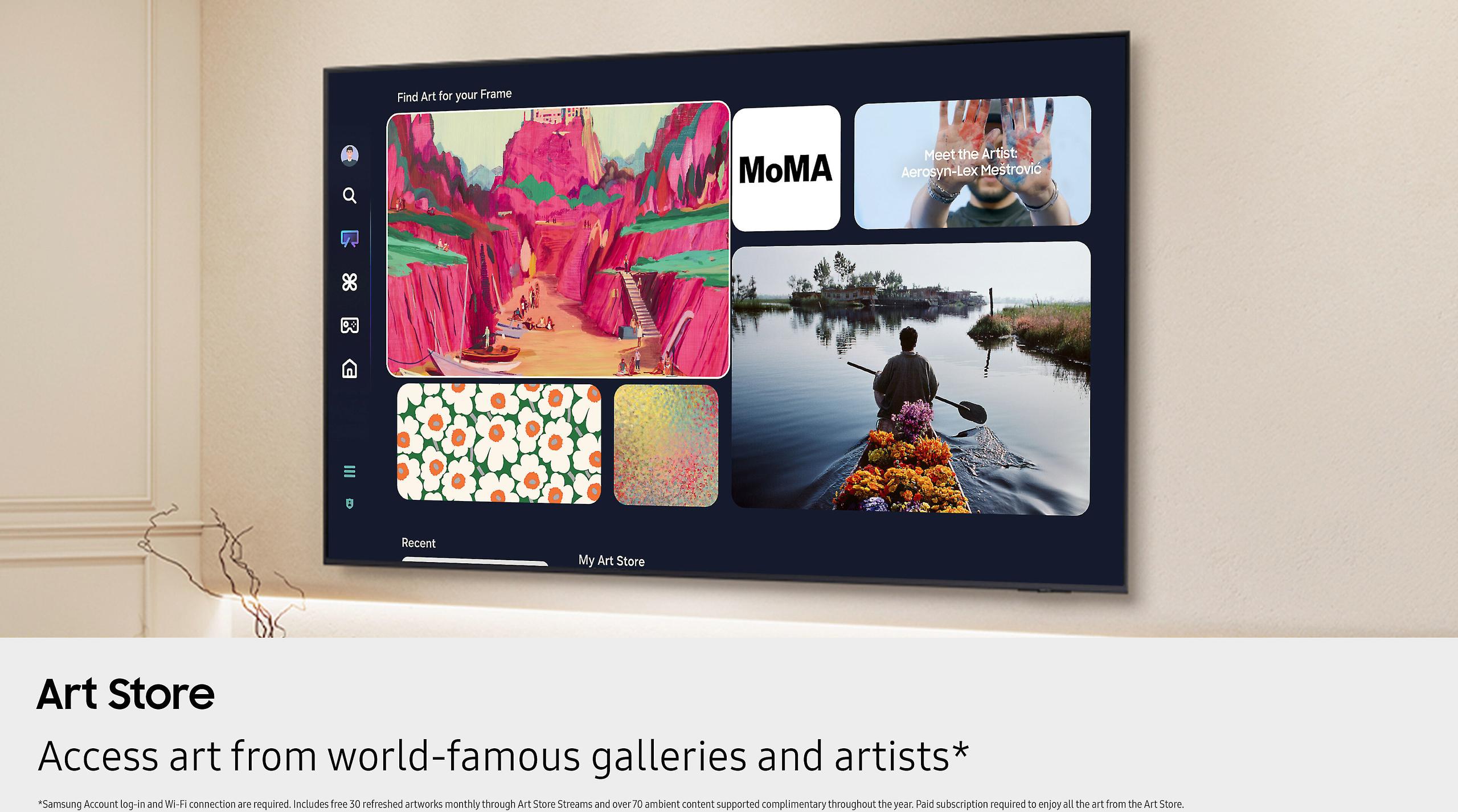
Samsung's Tizen OS has matured significantly, and the 2025 implementation feels both comprehensive and intuitive. The platform now offers genuinely useful content recommendations that seem to understand viewing preferences across streaming services.
Multi-View capability allows watching multiple content sources simultaneously—perfect for keeping an eye on sports scores while watching a movie or viewing gameplay walkthroughs alongside your gaming session.
Voice control through Bixby, Google Assistant, and Amazon Alexa works seamlessly, and the SmartThings integration has evolved from a nice-to-have feature into a genuinely useful smart home control center. The TV supports Matter and Thread protocols, ensuring compatibility with the widest possible range of smart home devices.
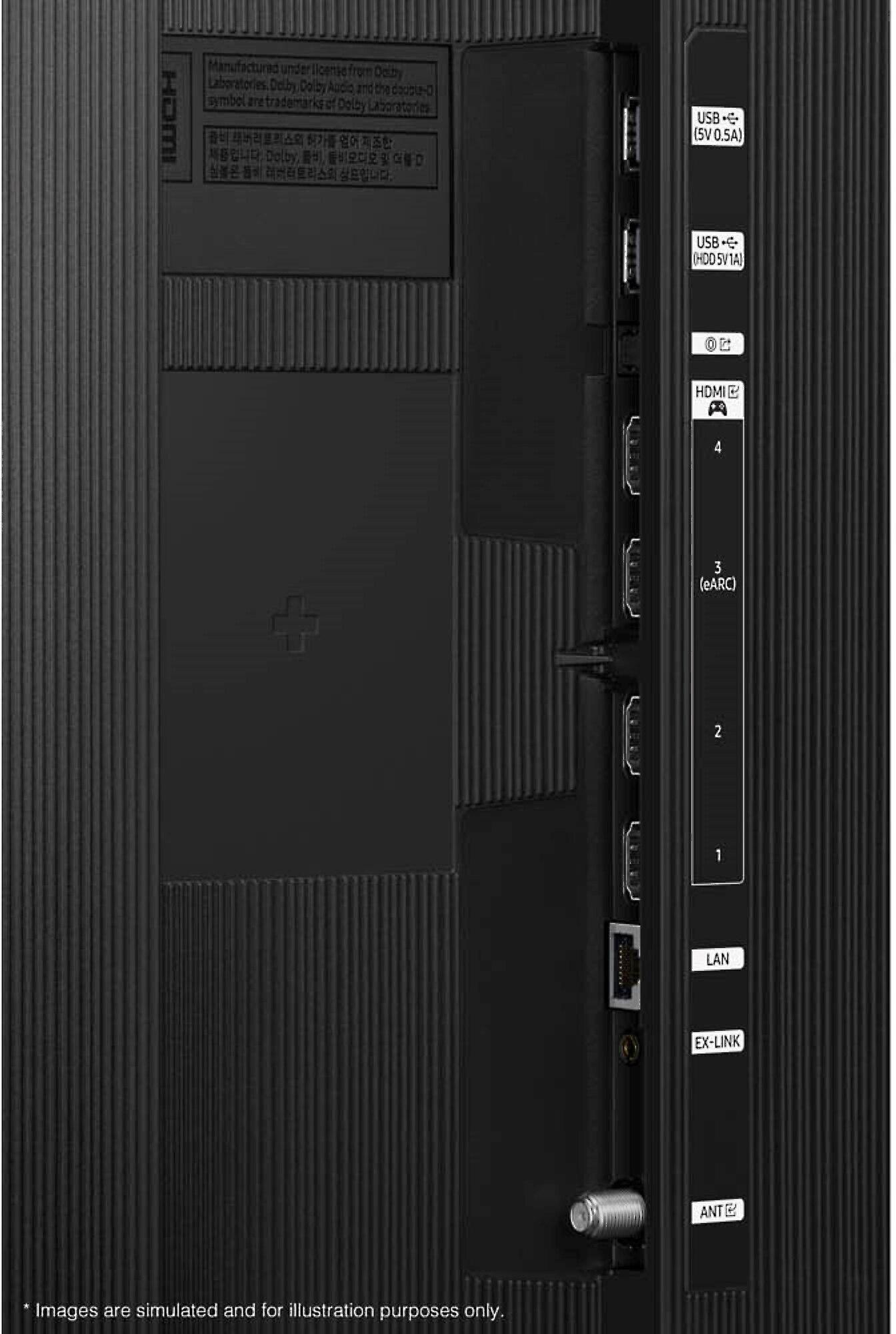
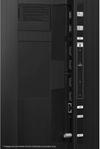
The NeoSlim One Connect Box continues to be one of Samsung's most practical innovations, housing all ports and processing components separately from the display. This allows for cleaner wall mounting and easier access to connections without reaching behind the TV.
While most premium TVs still benefit from external sound systems, the QN900F's built-in audio is remarkably capable. The Object Tracking Sound Pro system uses multiple speakers positioned around the TV's frame to create a truly three-dimensional soundstage.
When a car moves across the screen, you can genuinely hear the sound follow its path. Dialogue remains anchored to the center, while ambient effects extend beyond the physical boundaries of the display.
For home theater enthusiasts, the Q-Symphony 2.0 feature allows the TV's speakers to work in concert with compatible Samsung soundbars, rather than being disabled when external audio is connected. This creates a more immersive audio experience that our testers found noticeably superior to either system alone.
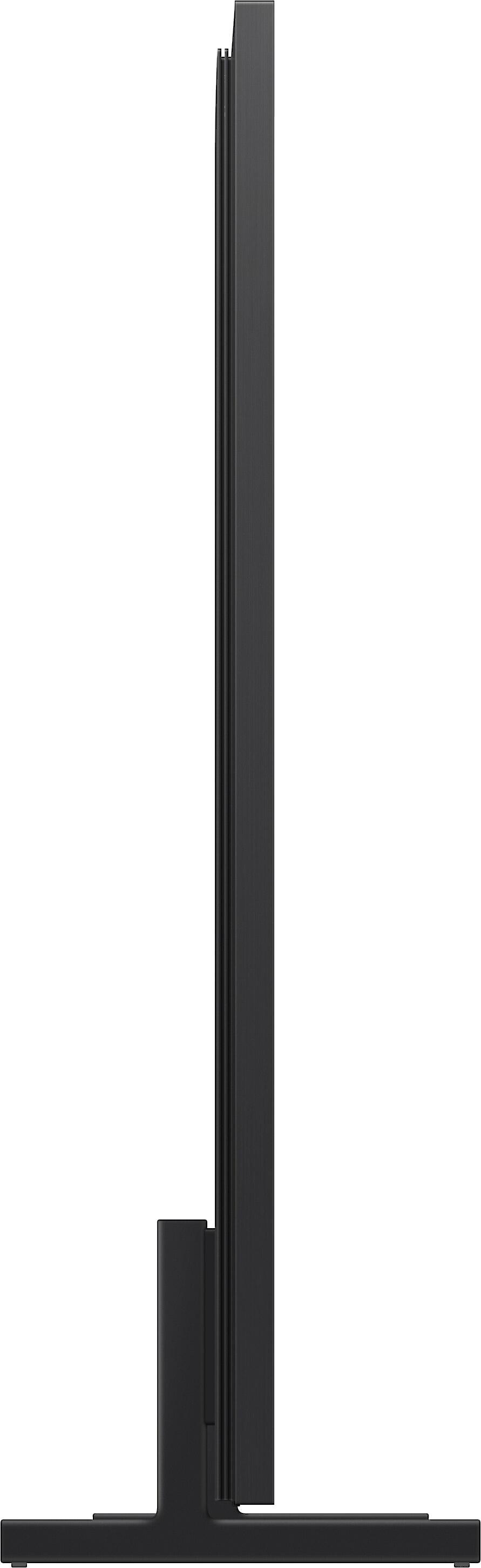
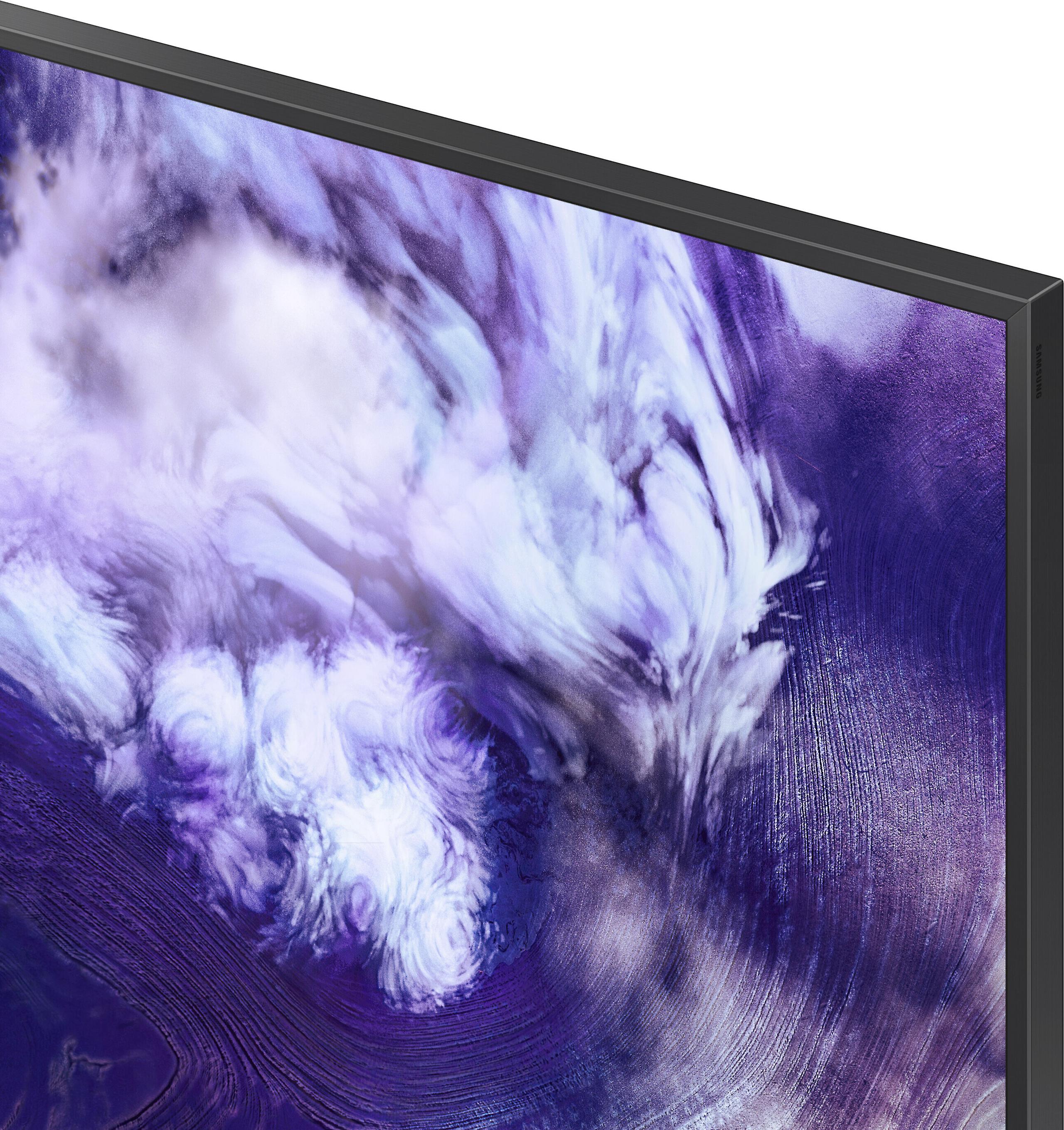
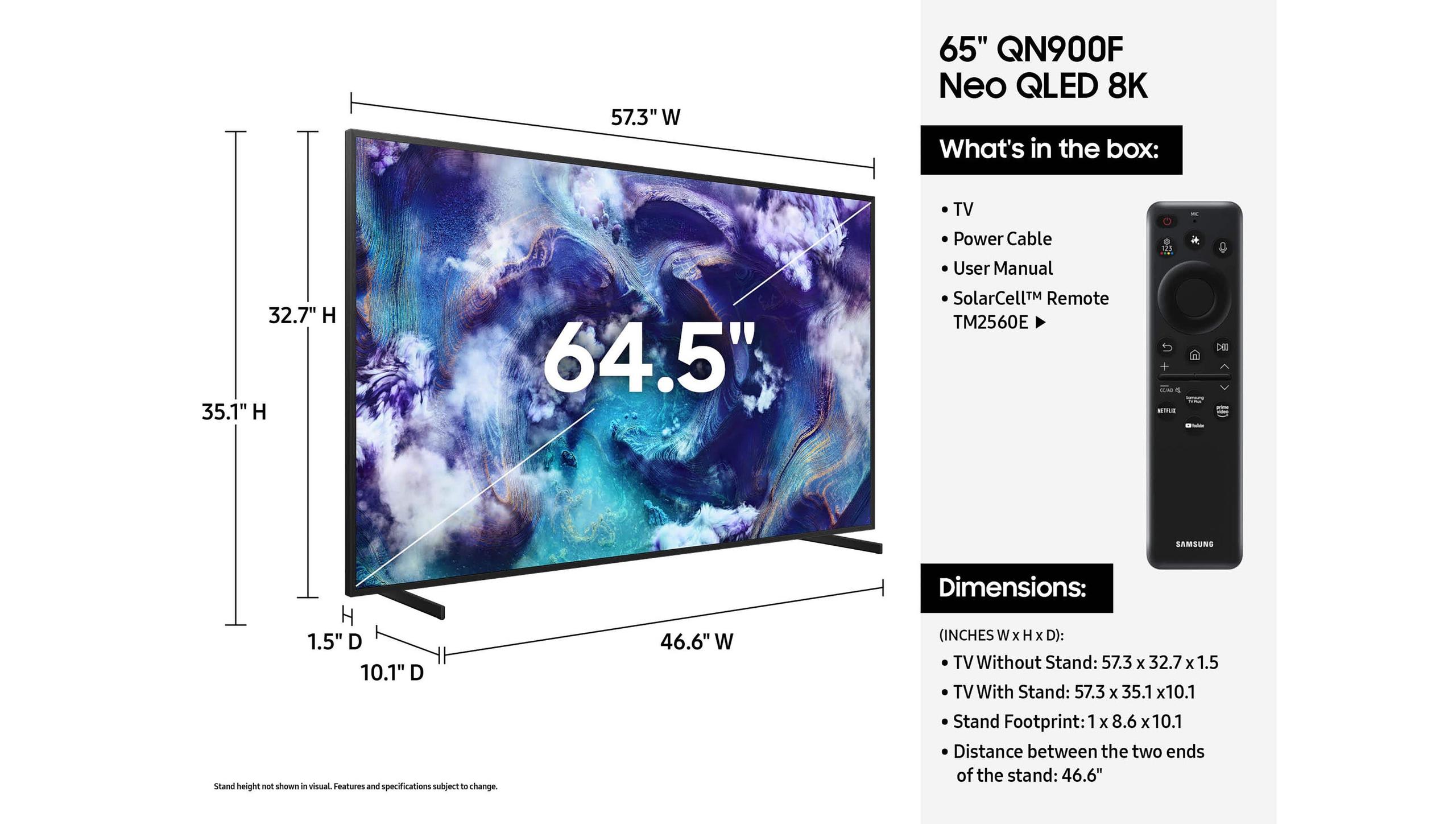
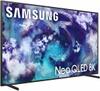
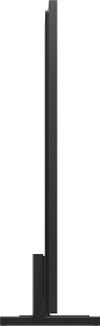
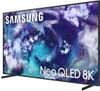
In day-to-day use, the Samsung QN900F proves itself to be more than just a collection of impressive specifications. The nearly bezel-less Infinity Screen design creates a stunning visual impression, with the picture appearing to float in space when wall-mounted. The ultra-slim profile (less than 15mm at its thinnest point) further enhances this effect.
Brightness handling is particularly impressive in varied lighting conditions. In bright rooms, the anti-reflection coating and high peak brightness ensure content remains vivid and visible. In darkened home theater environments, the precise dimming zones allow for cinema-quality contrast without distracting haloing around bright objects.
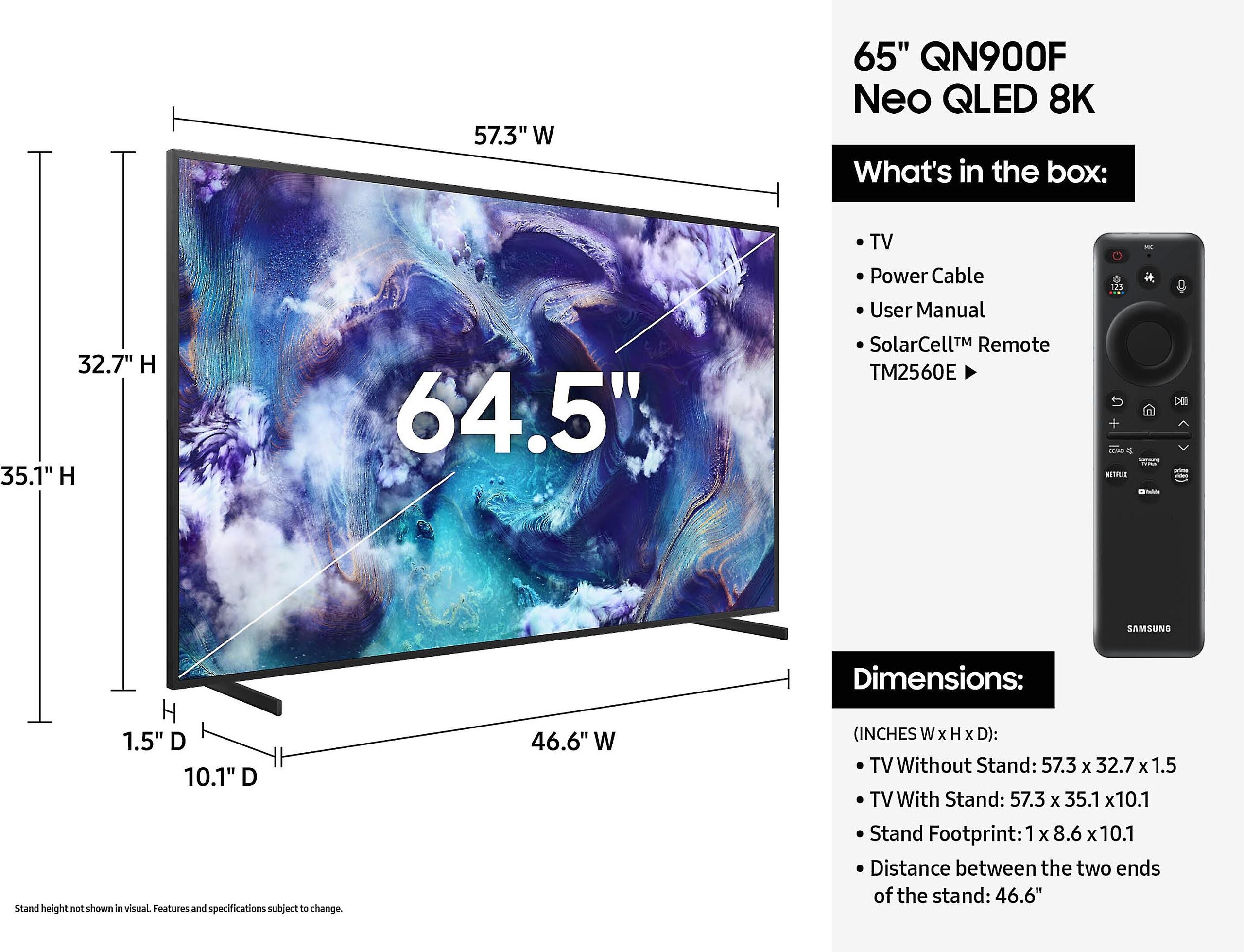
The SolarCell Remote deserves special mention as a small but meaningful improvement to the user experience. Requiring no battery replacement thanks to its solar charging capabilities, it's a practical example of Samsung's growing focus on sustainability.
The Samsung 65" Neo QLED 8K QN900F represents a significant investment, but it delivers exceptional value through its versatility, performance, and future-proof technology. For cinephiles, gamers, and smart home enthusiasts who want the absolute best, this TV delivers on virtually every front.
While 8K content remains limited for now, the upscaling capabilities and overall picture quality make this a worthwhile purchase even for current content. As the television landscape continues to evolve toward higher resolutions and more intelligent processing, the QN900F is positioned to remain relevant and impressive for years to come.
For those creating a premium home theater setup, few displays on the market can match the combination of brightness, contrast, color accuracy, and smart features found in Samsung's flagship. It's not just a television—it's a glimpse into the future of home entertainment.
The Samsung 65" Neo QLED 8K QN900F Vision AI Smart TV 2025 is absolutely worth the investment for home theater enthusiasts seeking premium picture quality and future-proof technology. The combination of Mini LED backlighting with 2,500+ dimming zones, 4,000 nits peak brightness, and advanced AI processing delivers exceptional contrast and color accuracy that truly enhances movie nights. While 8K content is still limited, the Neural Quantum Processor upscales 4K content beautifully, and the TV will maintain relevance as more 8K content becomes available. For serious home theater setups, the QN900F represents the pinnacle of current display technology with few compromises.
Neo QLED is Samsung's premium display technology that combines Quantum Dot color with Mini LED backlighting. In the Samsung 65" Neo QLED 8K QN900F, thousands of tiny LEDs provide precise backlight control, allowing for deeper blacks and brighter highlights simultaneously - crucial for home theater performance. Unlike traditional LED TVs with fewer dimming zones, Neo QLED significantly reduces light blooming around bright objects on dark backgrounds. The result is OLED-like contrast with substantially higher brightness, making the QN900F ideal for both darkened home theaters and rooms with ambient light.
No, the Samsung 65" Neo QLED 8K QN900F Vision AI Smart TV 2025 does not support Dolby Vision. Instead, it uses HDR10+ (Samsung's competing dynamic HDR format), standard HDR10, and HLG. While some streaming services and physical media use Dolby Vision, HDR10+ provides similar benefits with dynamic scene-by-scene optimization of brightness and contrast. Most home theater enthusiasts will find the HDR10+ implementation on the QN900F delivers exceptional HDR performance despite lacking Dolby Vision support.
The Samsung 65" Neo QLED 8K QN900F offers an impressive suite of gaming features that make it excellent for both casual and competitive gaming. All four HDMI 2.1 ports support 4K gaming at 144Hz or 8K at 60Hz with Variable Refresh Rate (VRR) technology, including FreeSync Premium Pro and G-SYNC compatibility to eliminate screen tearing. Game Bar 3.0 provides quick access to gaming settings, while the ultra-low input lag under 10ms ensures responsive gameplay. For those who use their home theater for gaming, Game Motion Plus technology reduces motion blur without significant input lag increases, making the QN900F one of the most gaming-friendly premium TVs available.
The Samsung 65" Neo QLED 8K QN900F Vision AI Smart TV 2025 excels in bright rooms thanks to its exceptional 4,000 nits peak brightness and advanced anti-reflection coating. Unlike OLED TVs that can appear washed out in sunlit rooms, the Neo QLED technology maintains vibrant colors and visible detail even with significant ambient light. This makes the TV versatile for home theaters that aren't completely light-controlled or for multi-purpose entertainment spaces. The Vision AI technology also dynamically adjusts content based on room lighting conditions, ensuring optimal visibility whether you're watching during day or night on the QN900F.
The NeoSlim One Connect Box included with the Samsung 65" Neo QLED 8K QN900F is an external connection hub that houses all ports and processing components separate from the display itself. For home theater installations, this provides tremendous advantages: it allows for cleaner wall mounting with just a single thin cable running to the TV, simplifies cable management, and makes accessing inputs easier without reaching behind the mounted display. The latest NeoSlim version is smaller than previous generations, making it easier to conceal while still providing all connectivity options. This design feature of the QN900F is particularly valuable for custom home theater setups where aesthetic considerations are important.
The Samsung 65" Neo QLED 8K QN900F Vision AI Smart TV 2025 features Object Tracking Sound Pro with a 6.2.2 channel speaker configuration that outperforms most built-in TV audio systems. The speakers are positioned around the TV's frame to create three-dimensional sound that tracks on-screen action. While dedicated home theater enthusiasts will still prefer a separate surround sound system, the QN900F's audio is surprisingly capable for integrated speakers. The Q-Symphony 2.0 feature allows the TV's speakers to work in conjunction with compatible Samsung soundbars rather than being disabled, creating a more immersive audio experience. For casual viewing or smaller spaces, the QN900F provides audio quality that matches its premium visual performance.
While native 8K content remains limited in 2025, the Samsung 65" Neo QLED 8K QN900F offers compelling benefits for home theater enthusiasts beyond just resolution. The Neural Quantum Processor 8K significantly enhances 4K and lower resolution content through AI upscaling, often providing visible improvements over native 4K displays. For larger home theaters where viewing distances are closer than typical living rooms, the additional resolution can provide noticeable detail improvements. More importantly, the 8K panel is future-proofed as streaming services and physical media gradually adopt higher resolutions. For serious home theater setups designed to last many years, the QN900F ensures you won't need to upgrade when 8K content becomes more prevalent.
The Samsung 65" Neo QLED 8K QN900F Vision AI Smart TV 2025 serves as a comprehensive smart home hub with extensive connectivity options. As the centerpiece of a modern home theater, it supports SmartThings, Matter, and Thread protocols, ensuring compatibility with virtually all smart home devices regardless of brand. This allows seamless control of lighting, thermostats, security cameras, and other connected devices directly from the TV interface. The multi-assistant support (Bixby, Google Assistant, Amazon Alexa) provides flexible voice control options to manage both content and smart home functions. For automated home theaters, the QN900F can be programmed to adjust room lighting, lower projector screens, or control other aspects of your entertainment space.
For home theater applications, the Samsung 65" Neo QLED 8K QN900F and premium OLED TVs offer different strengths. Neo QLED provides significantly higher brightness (4,000 nits vs. 800-1000 nits for most OLEDs), making it superior for rooms with ambient light and for HDR content with bright highlights. While OLED offers perfect black levels with no blooming, the QN900F's 2,500+ dimming zones produce near-OLED black levels with minimal blooming. Neo QLED also eliminates burn-in risk, which remains a concern for OLEDs displaying static images like channel logos or game HUDs. For dedicated home theater use in completely darkened rooms, OLED's perfect blacks might have a slight edge, but for versatile spaces or mixed usage, the QN900F generally provides a more balanced performance across all viewing conditions.
We've done our best to create useful and informative comparisons to help you decide what product to buy. Our research has used advanced automated methods to create this comparison and perfection is not possible - please contact us for corrections or questions. These are the sites we've researched in the creation of this article: samsung.com - displayspecifications.com - samsung.com - rtings.com - bestbuy.com - merlinstv.com - news.samsung.com - bestbuy.com
| Samsung 65" Neo QLED 8K QN900F Vision AI Smart TV 2025 |
|---|
| Panel Type: Neo QLED (Mini LED) |
| Resolution - Determines detail and clarity: 8K (7680 × 4320) |
| Peak Brightness - Critical for HDR performance and visibility in bright rooms: 4,000 nits |
| Local Dimming Zones - More zones equal better contrast control: 2,500+ precision dimming zones |
| Refresh Rate - Higher rates provide smoother motion: 144Hz native |
| HDR Support: HDR10+, HDR10, HLG |
| Processor: Neural Quantum Processor 8K |
| AI Features: Vision AI with scene-by-scene optimization, object recognition, and adaptive processing |
| Gaming Features: 4K@144Hz, 8K@60Hz, VRR, ALLM, FreeSync Premium Pro, G-SYNC Compatible, Game Bar 3.0 |
| Input Lag - Lower is better for responsive gaming: |
| Audio System: Object Tracking Sound Pro with 6.2.2 channel configuration |
| HDMI Ports: 4× HDMI 2.1 |
| USB Ports: 3× USB-A |
| Smart Platform: Tizen OS 2025 |
| Voice Assistants: Bixby, Google Assistant, Amazon Alexa |
| Smart Home Compatibility: SmartThings, Matter, Thread |
| One Connect Box: Yes, NeoSlim version |
| Screen-to-body Ratio: 99% (Infinity Screen design) |
| Thickness - Thinner TVs blend better with wall mounting: 14.9mm |
| Power Consumption - Affects energy bills: 270W typical, 0.5W standby |
| Remote: SolarCell Remote (solar-powered, no batteries needed) |
| Wi-Fi: Wi-Fi 6E |
| Bluetooth: 5.3 |
| Weight (without stand): 55.1 lbs |
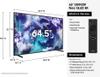
| Dimensions (W×H×D without stand): 56.9 × 32.6 × 0.6 inches |
The LG OLED evo G5 takes a fundamentally different approach with its revolutionary 4-Stack RGB Tandem OLED panel that delivers perfect black levels and infinite contrast ratios that no LCD technology can match. While it can't reach the Samsung's peak brightness levels, the LG's 45% brightness improvement over previous OLED generations makes it viable for more lighting conditions than ever before. For gaming enthusiasts, the LG dominates with 4K at 165Hz across all HDMI ports, near-instantaneous 0.1ms pixel response times, and just 4ms input lag that puts it in a league of its own for competitive gaming. The self-lit pixels eliminate motion blur entirely, creating razor-sharp clarity during fast action that LCD panels struggle to match.
From a value perspective, the LG G5 typically costs several hundred dollars less while delivering superior performance in key areas like gaming and dark-room viewing. It includes a remarkable 5-year panel warranty and guarantees five years of software updates through webOS Renew, providing better long-term protection for your investment. The trade-offs are clear: you sacrifice the Samsung's 8K future-proofing, bright-room versatility, and superior built-in audio, but gain the best possible contrast, gaming performance, and cinema-accurate picture quality at a lower price point. For home theater enthusiasts and serious gamers who can control their viewing environment, the LG often represents the smarter purchase despite the Samsung's impressive technological achievements.
🤖 Read Detailed Comparison
👌LG OLED evo G5 65" 4K Smart TV 2025 Details
💵 See LG OLED evo G5 65" 4K Smart TV 2025 Price
The Samsung S90F OLED takes a fundamentally different approach that delivers superior picture quality for most real-world viewing scenarios. Its self-illuminating OLED pixels create perfect black levels and infinite contrast that the QN900F simply cannot match, resulting in more natural color reproduction and exceptional dark scene detail that's particularly noticeable during movie nights. The S90F also outperforms in motion handling with its 144Hz refresh rate and near-instantaneous 0.1ms pixel response time, virtually eliminating blur during sports broadcasts and providing a significant advantage for competitive gaming. While it can't achieve the QN900F's peak brightness levels, the OLED's superior contrast makes HDR content appear more impactful in controlled lighting conditions.
From a value perspective, the Samsung S90F OLED represents a compelling alternative that typically costs several hundred dollars less while delivering better optimization for today's content ecosystem. Rather than relying heavily on AI upscaling like the QN900F's 8K approach, the S90F focuses its processing power on perfecting 4K content - which represents virtually everything you'll actually watch. The combination of lower cost, superior motion clarity, perfect blacks, and excellent off-angle viewing makes it the smarter choice for most buyers, especially those who can provide some ambient light control. Unless you specifically need the QN900F's exceptional bright-room performance or are committed to future-proofing with 8K upscaling, the S90F delivers more immediate satisfaction and better long-term value.
🤖 Read Detailed Comparison
👌Samsung 65" S90F OLED 4K Vision AI Smart TV 2025 Details
💵 See Samsung 65" S90F OLED 4K Vision AI Smart TV 2025 Price
The Hisense 65" U8 Series Mini-LED ULED 4K Google TV presents a compelling alternative that often outperforms the Samsung in key areas while costing significantly less. Most notably, the Hisense delivers superior peak brightness at up to 3,000 nits and features over 2,000 local dimming zones—substantially more than most premium competitors. This translates to more impactful HDR performance and better contrast in real-world viewing, especially with the wide range of Dolby Vision content on Netflix, Disney+, and other streaming services that the Samsung simply cannot display properly due to its lack of Dolby Vision support. The Google TV platform also provides broader app compatibility and more frequent updates compared to Samsung's Tizen, while the 144Hz gaming performance with AMD FreeSync Premium Pro and Dolby Vision Gaming support often delivers a superior gaming experience for current-generation consoles.
From a value perspective, the Hisense U8 delivers approximately 85-90% of the Samsung's performance at roughly one-third the cost, making it an exceptional choice for buyers focused on immediate picture quality rather than future 8K content that may never materialize for most users. While the Samsung offers superior AI upscaling and 8K resolution, the Hisense's approach of perfecting 4K with superior brightness, comprehensive HDR format support, and more precise local dimming often results in better-looking content with today's streaming services and Blu-ray discs. The 2-year warranty (double the industry standard) and proven reliability make it a lower-risk investment that prioritizes current performance over speculative future benefits, representing one of the best values in the premium TV market.
🤖 Read Detailed Comparison
👌Hisense 65" U8 Series Mini-LED ULED 4K Google TV Details
💵 See Hisense 65" U8 Series Mini-LED ULED 4K Google TV Price
The Samsung S85F OLED 4K Smart TV takes a fundamentally different approach to premium picture quality, prioritizing perfect contrast over maximum brightness. Its QD-OLED panel delivers true blacks by turning pixels completely off, creating an infinite contrast ratio that makes colors appear more vibrant and realistic, especially in dark room environments. Where the QN900F excels in bright conditions, the S85F dominates in controlled lighting situations, offering a more cinematic viewing experience that many home theater enthusiasts prefer. The OLED technology also provides near-instantaneous pixel response times and excellent viewing angles, making it superior for gaming in darker rooms and family viewing scenarios where people sit at various positions around the TV.
From a value perspective, the S85F OLED delivers immediate gratification at roughly half the cost of the QN900F, focusing on optimizing current 4K content rather than betting on future 8K adoption. While it lacks the extreme brightness and advanced AI processing of the QN900F, it compensates with proven OLED benefits that are instantly noticeable – perfect blacks, accurate Pantone-validated colors, and that distinctive "pop" that OLED displays are known for. The S85F represents a more practical choice for most buyers who want premium picture quality without paying ultra-premium prices, especially those who primarily watch streaming content in moderately lit or dark rooms where OLED technology truly shines.
🤖 Read Detailed Comparison
👌Samsung 65" S85F OLED 4K Smart TV (2025) Details
💵 See Samsung 65" S85F OLED 4K Smart TV (2025) Price
The Hisense 65" QD7 Series Mini-LED 4K Fire TV 2025 presents a compelling alternative that prioritizes value without sacrificing core premium features. Its standout advantage is comprehensive HDR support, including Dolby Vision compatibility that the Samsung notably lacks—a significant benefit for Netflix, Disney+, and other premium streaming content. The QD7 delivers impressive Mini-LED performance with Full Array Local Dimming and QLED color technology at a price point that's roughly one-sixth of the Samsung's cost. For gaming, while it doesn't match the Samsung's 240Hz capabilities, it provides solid performance with Game Mode Plus, VRR, and ALLM that satisfies most console gaming needs. The Fire TV platform offers a more streamlined, user-friendly experience that many find preferable to Samsung's feature-heavy Tizen interface.
In real-world usage, the Hisense QD7 delivers approximately 80% of the Samsung's performance at a fraction of the investment, making it exceptional value for mainstream users. The 4K resolution handles all current content excellently, and most viewers will find the picture quality difference less dramatic than the price difference suggests. Where the Samsung excels in peak brightness and AI processing sophistication, the Hisense counters with better HDR format compatibility and significantly lower cost of ownership. For buyers who prioritize smart spending over cutting-edge specifications, or those who prefer to invest saved money into audio equipment or other home theater components, the QD7 represents a more balanced approach to premium TV ownership without the premium price tag.
🤖 Read Detailed Comparison
👌Hisense 65" QD7 Series Mini-LED 4K Fire TV 2025 Details
💵 See Hisense 65" QD7 Series Mini-LED 4K Fire TV 2025 Price
The TCL 65" QM8K Series QD-Mini LED 4K Smart TV takes a dramatically different approach that often delivers superior real-world performance at a fraction of the cost. Its standout feature is exceptional peak brightness reaching up to 5,000 nits—significantly higher than the QN900F's 4,000 nits—which translates to more impactful HDR content and better visibility in bright rooms. The TCL QM8K also excels in blooming control through its Halo Control System, often matching or exceeding the Samsung's contrast performance despite costing roughly one-third the price. For gaming, it offers a higher 144Hz native refresh rate with consistently low input lag, making it particularly appealing for console gamers who don't need 8K capabilities their systems can't utilize anyway.
While the QN900F focuses on future-proofing with 8K resolution and advanced AI processing, the TCL QM8K maximizes performance with content that actually exists today. Its Google TV platform provides a more intuitive user experience with better voice search and more frequent updates, while broader HDR support including Dolby Vision gives it better compatibility with streaming content. Professional reviews consistently note that the TCL delivers better practical performance for most users—superior brightness for HDR impact, excellent 4K image quality that doesn't rely on upscaling, and outstanding value that leaves budget for a premium soundbar or other home theater upgrades. Unless you specifically need Samsung's 8K processing or ecosystem integration, the TCL represents a more sensible path to flagship TV performance in 2025.
🤖 Read Detailed Comparison
👌TCL 65" QM8K Series QD-Mini LED 4K Smart TV Details
💵 See TCL 65" QM8K Series QD-Mini LED 4K Smart TV Price
The LG 65" QNED92A QNED evo AI Mini LED 4K TV 2025 takes a fundamentally different approach that prioritizes practical performance over cutting-edge specifications. Rather than pursuing 8K resolution that lacks content support, LG focuses their α9 AI Gen8 processor entirely on perfecting 4K picture quality with superior noise reduction, color accuracy, and motion handling for content you actually watch. The standout advantage is Dolby Vision IQ support, which provides better HDR compatibility with Netflix, Disney+, and other premium streaming services that the Samsung's HDR10+ format can't fully utilize. Additionally, the LG guarantees five years of software updates through their Re:New program and offers more universal smart home compatibility with simultaneous support for Google Assistant, Alexa, and Apple HomeKit.
From a value perspective, the LG QNED92A delivers approximately 80% of the Samsung's visual performance at roughly half the cost, making it the more practical choice for most buyers. While it lacks the Samsung's sophisticated multi-channel audio system and requires a soundbar investment for optimal home theater performance, this trade-off allows buyers to customize their audio setup rather than being locked into built-in speakers. The LG's consistent 9.6ms input lag across all HDMI ports also provides more reliable gaming performance than the Samsung's variable performance, despite having lower theoretical specifications. For buyers seeking premium Mini LED picture quality without flagship pricing, the LG represents exceptional value with features that enhance real-world viewing rather than theoretical future capabilities.
🤖 Read Detailed Comparison
👌LG 65" QNED92A QNED evo AI Mini LED 4K TV 2025 Details
💵 See LG 65" QNED92A QNED evo AI Mini LED 4K TV 2025 Price
The LG 65" QNED evo AI QNED85A 4K MiniLED Smart TV 2025 stands out primarily for its exceptional brightness performance, achieving over 1,500 nits peak brightness that significantly exceeds what most premium TVs deliver. This translates to dramatically better HDR performance in bright rooms, where the Samsung's more sophisticated processing can't overcome physics—brighter displays simply look more vibrant when competing with ambient light. The LG also includes comprehensive HDR format support including Dolby Vision, which the Samsung notably lacks, giving it broader compatibility with streaming content from Netflix, Disney+, and other premium services. Perhaps most importantly for long-term ownership, the LG QNED85A comes with webOS 25 and a guaranteed 5-year upgrade program, ensuring your TV remains current with app updates and new features well into the future.
From a value perspective, the LG QNED85A delivers roughly 80% of the Samsung's performance at approximately 30% of the price, making it one of the most compelling value propositions in the premium TV market. While it lacks 8K resolution and the Samsung's advanced audio implementation, the practical difference in day-to-day viewing is minimal given the scarcity of native 8K content and the fact that most users will eventually add external sound systems anyway. The LG's superior brightness often results in more impactful viewing experiences in real homes, where perfect lighting control isn't always possible. For buyers who want premium MiniLED performance without the flagship price tag, the LG QNED85A represents the more rational choice, delivering excellent gaming performance, solid smart features, and outstanding picture quality that satisfies the vast majority of viewing scenarios.
🤖 Read Detailed Comparison
👌LG 65" QNED evo AI QNED85A 4K MiniLED Smart TV 2025 Details
💵 See LG 65" QNED evo AI QNED85A 4K MiniLED Smart TV 2025 Price
The Sony BRAVIA 8 II 65" QD-OLED 4K Google TV 2025 takes a fundamentally different approach to premium picture quality, prioritizing pixel perfection over raw resolution. Its QD-OLED technology delivers true blacks with infinite contrast – something the Samsung's Mini LED backlighting, despite its excellence, simply cannot match. Each pixel can turn completely off, creating a viewing experience where space scenes show genuine darkness and shadow details remain visible without the subtle blooming that affects even the best LED displays. The Sony's ~1,880 nits peak brightness, while lower than Samsung's capabilities, proves more than adequate for most viewing conditions, and its quantum dot integration produces remarkably natural colors that many reviewers describe as more film-accurate than Samsung's AI-enhanced processing.
Where the Sony BRAVIA 8 II truly differentiates itself is in cinematic viewing and audio integration. Its Acoustic Surface Audio+ technology turns the entire screen into a speaker, creating sound that emanates directly from the action on screen – a feature that eliminates the need for a center channel speaker in many home theater setups. The Google TV platform offers superior app ecosystem integration compared to Samsung's Tizen, with more intuitive content aggregation and seamless casting from mobile devices. While it lacks the Samsung's 8K resolution and gaming-focused high refresh rates, the Sony's superior motion handling, wider viewing angles, and perfect blacks create a more immersive experience for movie watching. At similar price points, the choice comes down to priorities: Samsung for versatility and future-proofing, Sony for pure cinematic quality and refined viewing in controlled environments.
🤖 Read Detailed Comparison
👌Sony BRAVIA 8 II 65" QD-OLED 4K Google TV 2025 Details
💵 See Sony BRAVIA 8 II 65" QD-OLED 4K Google TV 2025 Price
The LG OLED evo C5 takes a fundamentally different approach to premium picture quality, using self-emitting OLED pixels that can turn completely off to achieve perfect blacks and infinite contrast ratios. This creates a more cinematic viewing experience in dark rooms, where the screen seems to disappear and leave only the content floating in space. The C5's 0.1ms response time outpaces the Samsung for competitive gaming, while its Alpha 9 Gen8 processor focuses on natural color reproduction and motion handling rather than aggressive upscaling. At roughly half the price of the QN900F, it delivers genuine OLED performance that was previously reserved for much more expensive models, making it an exceptional value proposition for buyers who prioritize contrast and don't need maximum brightness.
However, the LG C5 faces significant limitations in bright rooms where the Samsung excels, as OLED technology inherently can't match Mini-LED's peak brightness levels or anti-glare capabilities. While the C5's 4K resolution perfectly matches current content ecosystems, it lacks the QN900F's 8K future-proofing and sophisticated upscaling capabilities. The trade-off essentially comes down to viewing environment and priorities: the C5 delivers superior dark room performance and gaming responsiveness at better value, while the Samsung provides unmatched versatility across different lighting conditions and cutting-edge display technology. For most buyers seeking premium picture quality without flagship pricing, the C5's perfect blacks and excellent gaming performance make it the more compelling choice, unless bright room viewing or 8K capabilities specifically address your needs.
🤖 Read Detailed Comparison
👌LG OLED evo C5 65" 4K TV 2025 Details
💵 See LG OLED evo C5 65" 4K TV 2025 Price
The Samsung QN990F represents Samsung's flagship 8K offering for 2025, commanding a significant premium over the QN900F with several standout features that justify its positioning. Most notably, the QN990F's Wireless One Connect system eliminates the cable management nightmare entirely by transmitting all signals wirelessly from a separate hub up to 30 feet away—a game-changing convenience for wall-mounted installations. The TV also features Samsung's most advanced NQ8 AI Gen3 processor with 768 neural networks, delivering noticeably superior upscaling performance that makes compressed streaming content and lower-resolution sources look more natural and detailed. For serious gamers, the QN990F supports 4K gaming up to 240Hz compared to the QN900F's 165Hz ceiling, providing better future-proofing as high-refresh gaming becomes more common.
In real-world use, the QN990F's advantages become apparent in specific scenarios but don't fundamentally transform the viewing experience for most users. The wireless connectivity proves invaluable if you're planning a clean wall installation or have challenging cable routing situations, while the enhanced processing shows its worth when watching heavily compressed content from streaming services or cable TV. However, at roughly $2,200 more than the QN900F at the time of writing, these improvements represent luxury conveniences rather than essential upgrades. The QN990F targets enthusiasts who want the absolute latest technology and are willing to pay a premium for installation flexibility and incremental performance gains. For most buyers seeking excellent 8K performance, the QN900F delivers remarkably similar picture quality and gaming capabilities at a much more accessible price point, making the QN990F's premium worthwhile primarily for those who specifically value its unique wireless connectivity and cutting-edge processing features.
🤖 Read Detailed Comparison
👌Samsung 65" Neo QLED QN990F 8K Smart TV 2025 Details
💵 See Samsung 65" Neo QLED QN990F 8K Smart TV 2025 Price
The Samsung 65" OLED S95F 4K Smart TV takes a fundamentally different approach that delivers superior real-world performance for most viewers. Its QD-OLED technology provides perfect pixel-level blacks and infinite contrast that the QN900F simply cannot match, creating a more immersive viewing experience especially in dark rooms. The S95F's new 5-layer tandem OLED stack achieves impressive brightness levels that rival the QN900F in mixed content scenarios, while its Glare Free 2.0 coating makes it surprisingly capable in bright rooms - addressing OLED's traditional weakness. For gaming, the S95F is decisively better with near-instantaneous pixel response times that eliminate the motion blur and ghosting that affects the QN900F's Mini LED technology. The 165Hz refresh rate at 4K is perfectly matched to current gaming hardware, making it more practical than the QN900F's 8K gaming capabilities that have limited software support.
From a value perspective, the Samsung OLED S95F offers better overall performance at a lower price point, making it the smarter choice for most buyers. While the QN900F's 8K resolution is technically impressive, the lack of native 8K content means you're paying a premium for capabilities you can't fully utilize. The S95F optimizes performance for the content you actually watch - delivering superior color accuracy, perfect contrast, and excellent gaming performance that you'll notice every day. Its included Slim One Connect Box also provides practical installation advantages for wall mounting. Unless 8K resolution is absolutely essential for your specific use case, the S95F represents better value with superior picture quality, gaming capabilities, and room versatility that make it the more compelling premium TV choice.
🤖 Read Detailed Comparison
👌Samsung 65" OLED S95F 4K Smart TV 2025 Details
💵 See Samsung 65" OLED S95F 4K Smart TV 2025 Price
The Samsung 65" QN90F Neo QLED 4K Vision AI Smart TV presents a compelling alternative that actually outperforms the QN900F in several key areas despite its lower resolution. Most notably, the QN90F achieves superior HDR brightness levels, reaching up to 1,900 nits in peak highlights compared to the QN900F's more modest output, resulting in more impactful and realistic HDR content. The QN90F also benefits from Samsung's newer NQ4 AI Gen3 processor with 128 neural networks, which provides more sophisticated content analysis and upscaling than the QN900F's older NQ8 AI Gen2 chip. For gaming enthusiasts, the QN90F maintains better black levels and reduced motion blur in Game Mode, while its 60W 4.2.2-channel audio system with dedicated top-firing speakers and Object Tracking Sound+ delivers more immersive built-in sound than the QN900F's audio setup.
From a practical standpoint, the QN90F represents significantly better value for most buyers, delivering nearly identical picture quality in real-world viewing scenarios at a substantially lower price point. Since native 8K content remains virtually non-existent across all major streaming platforms and gaming systems, the QN90F's focus on perfecting 4K performance with current content sources proves more beneficial than the QN900F's 8K capabilities. At typical viewing distances of 8-12 feet, the resolution difference becomes imperceptible to human vision, making the QN90F's superior processing power, brighter HDR performance, and advanced audio system more valuable improvements. For buyers seeking premium Neo QLED performance without paying a premium for largely theoretical 8K benefits, the QN90F offers a more compelling package that prioritizes proven performance over future-proofing.
🤖 Read Detailed Comparison
👌Samsung 65" QN90F Neo QLED 4K Vision AI Smart TV 2025 Details
💵 See Samsung 65" QN90F Neo QLED 4K Vision AI Smart TV 2025 Price
The Samsung QN70F represents Samsung's compelling entry-level Neo QLED option, delivering impressive picture quality at a fraction of the QN900F's cost. Its Quantum Matrix Technology Slim still provides excellent contrast and vibrant colors through Mini LED backlighting, while the NQ4 AI Gen2 processor handles 4K upscaling admirably for streaming content from Netflix, Disney+, and other services. Gaming performance actually favors the QN70F in some scenarios, with native 4K/144Hz refresh rates that provide smoother competitive gaming experiences than switching between 8K and 4K modes. The smart TV platform remains identical, offering the same Vision AI features, streaming app access, and user interface responsiveness that makes Samsung's 2025 TVs so appealing.
However, the Samsung QN70F makes notable compromises to achieve its accessible pricing. The 2.0CH audio system with just 20W of power feels underwhelming compared to the QN900F's comprehensive surround sound setup, likely requiring a soundbar investment for optimal audio quality. Picture processing, while capable, lacks the sophistication of the 8K model's upscaling algorithms and contrast enhancement features. Anti-reflective performance is adequate but can't match the QN900F's "Glare Free" coating for bright room viewing. For buyers primarily consuming standard streaming content at typical living room distances, these differences become less significant, making the QN70F an exceptional value proposition that delivers 85-90% of the premium model's real-world performance for a substantially lower investment.
🤖 Read Detailed Comparison
👌Samsung 65" QN70F Neo QLED 4K Vision AI Smart TV 2025 Details
💵 See Samsung 65" QN70F Neo QLED 4K Vision AI Smart TV 2025 Price
The Samsung 65" QN8F Series QLED 4K offers compelling performance at roughly half the price, making it an attractive alternative for buyers who want premium QLED technology without flagship pricing. Its 4K resolution perfectly matches today's streaming ecosystem, while the Q4 AI processor handles upscaling from HD sources competently and includes adaptive picture adjustments based on content and room conditions. The Quantum Dot technology delivers the same vibrant color performance with over one billion color combinations, and the 144Hz refresh rate with VRR support provides excellent gaming performance for console and PC users. The AirSlim design maintains Samsung's premium aesthetic, and the enhanced Bixby voice assistant offers improved smart home integration compared to previous generations.
In real-world usage, the QN8F Series represents the sweet spot for many buyers who prioritize value without sacrificing quality. While it lacks the QN900F's Mini LED precision and Glare-Free technology, it still delivers impressive contrast and brightness for most viewing environments. The main trade-offs become apparent when dealing with challenging content—heavily compressed streaming, older sources, or bright room viewing—where the flagship's superior processing and anti-reflective coating provide clear advantages. However, for users primarily watching native 4K content from Netflix, Disney+, or gaming at standard refresh rates, the performance gap narrows considerably. The money saved could fund a quality soundbar to address the more basic audio system, making this an especially smart choice for buyers planning to upgrade again in 3-4 years as 8K content becomes more prevalent.
🤖 Read Detailed Comparison
👌Samsung 65" QN8F Series QLED 4K Vision AI Smart TV 2025 Details
💵 See Samsung 65" QN8F Series QLED 4K Vision AI Smart TV 2025 Price
The TCL QM6K represents a completely different value proposition, delivering impressive 4K performance at roughly one-sixth the cost of Samsung's 8K flagship. TCL's implementation of QD-Mini LED technology with up to 500 local dimming zones provides solid contrast and brightness levels that satisfy most viewing environments, while its 144Hz native panel and Game Accelerator 288 technology handle current-generation console gaming excellently. Perhaps most notably, the TCL QM6K actually supports Dolby Vision IQ - an advanced HDR format that Samsung surprisingly omits from their premium model - making it better equipped to handle content from major streaming services that increasingly rely on Dolby Vision encoding.
For the vast majority of buyers, the TCL QM6K delivers 90% of the viewing experience at a fraction of the investment. While it lacks the Samsung's sophisticated AI upscaling and peak brightness capabilities, its Google TV platform provides a more intuitive smart TV experience, and the built-in Onkyo 2.1 speaker system with dedicated subwoofer actually outperforms many premium TVs in bass response. The reality is that with virtually no native 8K content available and most viewers sitting at distances where resolution differences become negligible, the TCL's excellent 4K performance paired with modern gaming features and comprehensive HDR support makes it the more practical choice for typical home entertainment needs.
🤖 Read Detailed Comparison
👌TCL 65" QM6K QD-Mini LED 4K TV Details
💵 See TCL 65" QM6K QD-Mini LED 4K TV Price
The Samsung 65" QN90D Series 4K Neo QLED Smart TV represents Samsung's sweet spot for premium performance without the flagship price tag. Its standout feature is delivering approximately 90% of the QN900F's visual impact while focusing processing power entirely on 4K optimization rather than stretching resources across upscaling duties. The QN90D's Mini LED backlighting and quantum dot technology produce excellent peak brightness around 1,800-2,000 nits, outstanding color volume, and impressive black levels that rival much more expensive displays. For gaming, it matches the QN900F's core capabilities with 4K@120Hz, VRR support, and low input lag, making it equally compelling for PlayStation 5 and Xbox Series X gaming. The mature Tizen smart platform provides comprehensive streaming app support and smooth navigation without the learning curve of more advanced AI systems.
In real-world usage, the QN90D shines by delivering premium Mini LED performance at a substantially lower cost, making it the logical choice for most buyers. While it lacks 8K resolution and Vision AI optimization, these differences become academic at typical living room viewing distances of 8+ feet where 4K provides all the sharpness most viewers can perceive. The QN90D's focused approach to 4K processing often results in more consistent performance with current streaming content compared to systems juggling upscaling responsibilities. For buyers prioritizing excellent picture quality, comprehensive smart features, and strong gaming performance without paying for future-focused technologies they may not immediately benefit from, the QN90D represents exceptional value in Samsung's 2024 lineup. It's the display that delivers flagship-level satisfaction without the flagship investment, making it our top recommendation for most premium TV shoppers.
🤖 Read Detailed Comparison
👌Samsung 65" QN90D Series 4K Neo QLED Smart TV Details
💵 See Samsung 65" QN90D Series 4K Neo QLED Smart TV Price
The Samsung 65" QN85D Neo QLED 4K Smart TV represents a compelling alternative that delivers many of the same Mini LED benefits at a significantly lower price point. Its standout feature is the VA panel technology that produces an exceptional native contrast ratio exceeding 160,000:1, creating deep blacks and vibrant colors that rival much more expensive displays. The QN85D excels in bright room viewing with outstanding SDR and HDR brightness levels, and its color accuracy straight out of the box is impressive enough that most users won't need professional calibration. For gaming, it offers comprehensive HDMI 2.1 support with 4K at 120Hz, VRR across all formats, and low input lag that satisfies both casual and competitive gamers, though it does suffer from some motion blur in Game Mode due to slower pixel transitions.
Where the QN85D truly shines is in its value proposition—it provides roughly 85-90% of the QN900F's picture quality performance for significantly less money. The trade-offs include fewer local dimming zones leading to some blooming in dark scenes, a more basic audio system that benefits from external speakers, and narrower viewing angles that make it less ideal for wide seating arrangements. However, for most living room setups where viewers sit relatively centered, these compromises are minor. The QN85D's 4K resolution with solid upscaling handles today's streaming content beautifully, and since native 8K content remains virtually nonexistent, many users won't miss the flagship's resolution advantage. This makes the QN85D an excellent choice for buyers who want premium Neo QLED technology without flagship pricing, especially those planning to add a soundbar or surround system anyway.
🤖 Read Detailed Comparison
👌Samsung 65" QN85D Neo QLED 4K Smart TV Details
💵 See Samsung 65" QN85D Neo QLED 4K Smart TV Price
The Sony BRAVIA 8 OLED takes a fundamentally different approach, prioritizing proven OLED excellence over cutting-edge resolution. Its self-lit pixel technology delivers perfect blacks that the Samsung's Mini LEDs simply cannot match—when a pixel needs to display black, it turns completely off, creating infinite contrast ratios that make dark scenes dramatically more realistic. This translates to superior performance in controlled lighting environments where the natural color accuracy and cinematic presentation of OLED technology truly shines. The Sony also supports both HDR10 and Dolby Vision formats, giving it an edge for streaming content from services that prioritize Dolby Vision encoding. At roughly half the Samsung's cost, it represents exceptional value for buyers who want premium picture quality without paying for unproven 8K technology.
In real-world usage, the Sony BRAVIA 8 excels in different scenarios than the Samsung. While it can't match the QN900F's brightness in well-lit rooms, it provides a more natural, film-like viewing experience that many home theater enthusiasts prefer. The Google TV platform offers more intuitive content discovery and better integration with existing Google services, while the lower price point allows buyers to invest the savings in premium audio equipment—addressing one of the most common weak points in TV-based entertainment systems. For viewers who prioritize accurate colors, perfect contrast, and proven reliability over having the latest resolution technology, the Sony delivers superior value and a more mature viewing experience that doesn't require future content availability to reach its full potential.
🤖 Read Detailed Comparison
👌Sony BRAVIA 8 65" 4K OLED TV Details
💵 See Sony BRAVIA 8 65" 4K OLED TV Price
The Samsung S95D OLED represents a fundamentally different approach to premium picture quality, trading the QN900F's 8K resolution and extreme brightness for OLED's perfect pixel-level contrast control. Where the QN900F excels in bright rooms, the S95D dominates in dark and moderately lit environments through its ability to display true blacks—each pixel can turn completely off, creating infinite contrast ratios that no LCD technology can match. This results in more dramatic depth and realism in movies and shows, particularly in dark scenes where shadow detail remains visible without the slight greyish appearance that even high-end Mini-LED displays exhibit. The S95D's QD-OLED technology also delivers superior color saturation and accuracy through quantum dot enhancement, producing Pantone-validated colors that appear more vibrant and lifelike than traditional displays.
From a value perspective, the S95D typically offers significantly better performance per dollar, especially considering the substantial discounts available since its 2024 release. While it maxes out at 144Hz compared to the QN900F's 165Hz gaming capability, the practical difference proves negligible for most users, and OLED's inherent motion advantages often create smoother-looking gameplay anyway. The S95D's focus on optimizing 4K content—which comprises virtually all current streaming, gaming, and broadcast sources—delivers immediate visual benefits rather than banking on future 8K adoption. For viewers prioritizing cinematic picture quality, current content optimization, and exceptional value, the S95D provides a more practical path to premium display performance, though it cannot match the QN900F's versatility in challenging bright room conditions.
🤖 Read Detailed Comparison
👌Samsung 65" S95D 4K OLED Smart TV Details
💵 See Samsung 65" S95D 4K OLED Smart TV Price
The Panasonic Z95A OLED represents the pinnacle of contrast performance with its self-emitting pixel technology that creates true blacks impossible to achieve with any backlit display. Where the QN900F relies on thousands of dimming zones to approximate deep blacks, the Panasonic simply turns pixels completely off, resulting in infinite contrast ratios that make dark scenes in movies and games appear genuinely cinematic. This translates to superior shadow detail, more natural color reproduction in darker tones, and an overall more film-like viewing experience that many find more engaging for extended viewing sessions. The OLED's near-instantaneous pixel response also eliminates motion blur entirely, creating sharper images during fast-paced content without the need for motion processing that can introduce artifacts.
From a value standpoint, the Panasonic Z95A delivers premium performance at a more accessible price point—typically $700-800 less than the QN900F at the time of writing—while maximizing compatibility with today's content ecosystem. Unlike the Samsung's reliance on AI upscaling to justify its 8K resolution, the Panasonic excels with abundant 4K streaming services, Blu-rays, and gaming content without needing algorithmic enhancement. The trade-off is significant brightness limitations that make the OLED less versatile in bright rooms, and the complete absence of 8K future-proofing. However, for dedicated home theater environments or controlled lighting situations, the Panasonic provides more dramatic visual impact and proven technology maturity, making it the better value for users prioritizing immediate image quality over technological advancement.
🤖 Read Detailed Comparison
👌Panasonic Z95A 65" OLED 4K Ultra HD Smart TV Details
💵 See Panasonic Z95A 65" OLED 4K Ultra HD Smart TV Price
The Samsung S90D OLED takes a fundamentally different approach to premium picture quality, trading the QN900F's 8K resolution and Mini LED technology for OLED's inherent advantages at a much more accessible price point. Where the QN900F excels in brightness and room adaptability, the S90D delivers perfect blacks and infinite contrast that create an almost three-dimensional image depth, particularly noticeable in dark movie scenes and cinematic content. Its QD-OLED panel combines quantum dot color enhancement with OLED's pixel-level control, resulting in exceptionally natural and film-like color reproduction. For gaming, the S90D offers near-instantaneous pixel response times that eliminate motion blur, though it caps at 144Hz compared to the QN900F's 240Hz capability.
The most significant difference lies in value proposition and room suitability. At roughly $2,000 less than the QN900F, the Samsung S90D delivers flagship-level OLED picture quality that many consider superior for dedicated home theater environments. However, its glossy screen becomes a liability in bright rooms with windows or ambient lighting, where reflections can distract from the viewing experience. While it lacks the QN900F's future-proofing 8K resolution and advanced AI processing, the S90D optimizes current 4K content beautifully and represents exceptional value for buyers who primarily watch in controlled lighting conditions. The substantial cost savings could fund significant audio system upgrades or other home theater improvements, making it an attractive choice for those seeking maximum picture quality per dollar rather than cutting-edge technology.
🤖 Read Detailed Comparison
👌Samsung 65" OLED S90D TV Details
💵 See Samsung 65" OLED S90D TV Price
The TCL 65" QM8 Mini-LED Smart TV takes a dramatically different approach that prioritizes exceptional 4K performance over 8K future-proofing, and the results are compelling for most buyers. Its standout feature is remarkable peak brightness reaching up to 5,000 nits - more than double the Samsung's output - which translates to genuinely impactful HDR content that makes highlights pop off the screen. The TCL QM8 also supports Dolby Vision HDR, giving it a significant advantage for streaming Netflix, Disney+, and other premium services where Dolby Vision content consistently looks more vibrant and detailed than the HDR10+ alternatives available on the Samsung. With up to 5,000 local dimming zones and more aggressive contrast control, dark scenes show deeper blacks with less blooming around bright objects, creating a more cinematic viewing experience for movies and shows.
From a value perspective, the TCL QM8 delivers superior day-to-day picture quality for current content at a substantially lower price point. While it lacks 8K resolution, its excellent 4K processing and optimization mean that Netflix shows, gaming, and streaming content often look better than on the Samsung due to the brighter, more contrasty presentation. The 80W ONKYO audio system with dedicated subwoofer also provides noticeably better built-in sound than most premium TVs. For buyers focused on getting the best possible performance from today's 4K ecosystem rather than betting on future 8K adoption, the TCL QM8 represents exceptional value that often outperforms TVs costing significantly more.
🤖 Read Detailed Comparison
👌TCL 65" QM8 Mini-LED Smart TV Details
💵 See TCL 65" QM8 Mini-LED Smart TV Price
The Sony BRAVIA 9 takes a fundamentally different approach by perfecting 4K technology rather than chasing higher resolutions. Its most compelling advantage lies in Dolby Vision support, which immediately benefits anyone streaming content from Netflix, Disney+, or Apple TV+ by delivering the exact color and contrast levels intended by filmmakers. Sony's XR Cognitive Processor focuses on how humans actually perceive images, resulting in more natural skin tones, better color gradation, and superior three-dimensional depth compared to Samsung's more aggressive AI processing. The Sony BRAVIA 9 also excels in gaming scenarios, particularly for PlayStation 5 users, with specific optimizations like Auto HDR Tone Mapping that work seamlessly with Sony's console ecosystem.
From a value perspective, the Sony BRAVIA 9 delivers roughly 90% of the premium TV experience while typically costing 30-40% less than Samsung's 8K flagship. This substantial price difference becomes even more meaningful when considering that virtually no native 8K content exists, making Sony's focus on perfecting current 4K sources more practical for real-world viewing. The Google TV platform provides superior content discovery and cross-platform compatibility, while the TV's proven Mini LED technology offers excellent brightness and contrast without the potential early-adoption issues of cutting-edge 8K processing. For most buyers, the Sony BRAVIA 9 represents the smarter investment, allowing the cost savings to fund other home theater improvements like a quality soundbar or larger screen size.
🤖 Read Detailed Comparison
👌Sony BRAVIA 9 65" 4K UHD Mini LED QLED Smart Google TV Details
💵 See Sony BRAVIA 9 65" 4K UHD Mini LED QLED Smart Google TV Price
The LG G4 OLED takes a fundamentally different approach to premium picture quality, using self-lit OLED pixels that can turn completely off to achieve perfect blacks and infinite contrast. This creates a more cinematic viewing experience, especially in dark scenes where the Samsung's Mini-LED backlighting can't match OLED's per-pixel precision. The G4's contrast advantage is immediately noticeable when watching movies or shows with night scenes, space footage, or any content with dark backgrounds. While it can't match the Samsung's peak brightness of 2,350+ nits, the G4's combination of perfect blacks and solid brightness levels (around 1,000 nits) often creates more impactful HDR performance in controlled lighting environments. The OLED also excels in gaming with four full HDMI 2.1 ports, 0.1ms response time, and superior motion clarity that eliminates the slight motion blur that can affect LCD displays.
From a value perspective, the LG G4 typically costs significantly less than the Samsung—often $800-1,000 difference at the time of writing—while delivering picture quality that many consider superior for most viewing scenarios. The G4's mature 4K resolution aligns perfectly with today's content ecosystem, where 4K streaming and gaming are abundant, while 8K remains largely theoretical. LG backs their OLED technology with a 5-year panel warranty that covers burn-in, demonstrating confidence in long-term reliability. For buyers prioritizing immediate picture quality benefits over future-proofing, the G4 offers proven OLED excellence at a more accessible price point, making it the smarter choice for most premium TV buyers who want exceptional performance without paying a premium for features they can't fully utilize yet.
🤖 Read Detailed Comparison
👌LG 65" G4 Series OLED evo 4K UHD Smart TV 2024 Details
💵 See LG 65" G4 Series OLED evo 4K UHD Smart TV 2024 Price
The Hisense 65" H9G Quantum Series 4K UHD Smart Android TV stands out as an exceptional value proposition that delivers impressive picture quality at a significantly lower price point. Its quantum dot technology produces vibrant, accurate colors while the 180 full-array local dimming zones create deep blacks and solid contrast - performance that would have been considered flagship-level just a few years ago. The TV's support for Dolby Vision HDR gives it a compatibility advantage with Netflix, Disney+, and Apple TV+ content, as these services often master their premium shows and movies in Dolby Vision format. Android TV provides broader app flexibility and customization options through Google Play Store access, making it particularly appealing for international streaming services or niche applications that might not be available on Samsung's Tizen platform.
In real-world performance, the Hisense H9G delivers roughly 80-85% of the Samsung's picture quality at approximately 40% of the cost, making it the smarter choice for most buyers who want premium performance without premium pricing. While it can't match the Samsung's Mini LED precision - you'll notice some blooming around bright objects in dark scenes - this becomes less apparent in typical living room viewing with mixed lighting. The trade-offs are most noticeable in dedicated home theater environments where contrast deficiencies become more apparent, but for casual viewing of mixed content including cable TV, streaming shows, and movies, the performance gap narrows considerably. The money saved could fund a quality soundbar or other home theater components that might provide greater overall improvement to your viewing experience than the incremental picture quality gains of the more expensive Samsung model.
🤖 Read Detailed Comparison
👌Hisense 65" H9G Quantum Series 4K UHD Smart Android TV Details
💵 See Hisense 65" H9G Quantum Series 4K UHD Smart Android TV Price
The Sony BRAVIA 7 takes a fundamentally different approach by focusing on 4K optimization rather than pushing resolution boundaries. Its XR Cognitive Processor delivers more natural color reproduction and includes crucial Dolby Vision support that the QN900F notably lacks—a significant advantage for Netflix, Disney+, and other streaming services that master content specifically for this HDR format. The BRAVIA 7's Google TV platform also provides superior content discovery, aggregating recommendations from all your streaming services in one unified interface rather than requiring separate app searches. For gaming, while it caps at 120Hz versus Samsung's 240Hz capability, the Sony BRAVIA 7 offers dedicated PlayStation 5 optimization with Auto HDR Tone Mapping and consistently lower input lag that many console gamers prefer.
At current pricing levels, the Sony BRAVIA 7 represents exceptional value by delivering roughly 90% of flagship performance at a significantly lower cost than the QN900F. Its 4K processing rivals any TV on the market, and the practical reality is that it handles the content you actually watch daily—streaming shows, movies, and games—with more accurate colors and better format support. While the QN900F's 8K resolution and superior brightness offer impressive specifications, the BRAVIA 7's combination of proven picture quality, comprehensive HDR support, intuitive smart features, and competitive pricing makes it the more sensible choice for buyers who want premium performance without paying for cutting-edge technology that won't provide meaningful benefits for several years.
🤖 Read Detailed Comparison
👌Sony BRAVIA 7 65" 4K UHD Smart Google TV Details
💵 See Sony BRAVIA 7 65" 4K UHD Smart Google TV Price
The Samsung Q7F serves as Samsung's accessible entry point into QLED technology, offering solid 4K performance at a budget-friendly price that makes premium TV features available to cost-conscious buyers. Its Q4 AI Processor provides competent upscaling for streaming content, while the direct-lit LED backlighting with basic local dimming delivers respectable contrast for darker viewing environments. The Tizen smart platform runs smoothly enough for everyday use, providing access to all major streaming services and Samsung's ecosystem features. For casual viewers who primarily watch Netflix, cable TV, and broadcast content from typical living room distances, the Q7F's 4K resolution and Quantum HDR implementation produce an enjoyable viewing experience without the complexity or cost of cutting-edge technology.
However, the Q7F reveals significant limitations when compared directly to the QN900F's flagship performance. Its 60Hz refresh rate and lack of advanced gaming features make it unsuitable for serious gaming with modern consoles, while the limited brightness (500 cd/m²) and basic anti-glare coating struggle in bright rooms where the QN900F excels. The standard plastic frame construction and basic stereo audio feel noticeably budget-oriented next to the premium materials and Object Tracking Sound Pro of its high-end sibling. Most importantly, the Q7F's processing power and backlighting technology simply cannot extract the detail and contrast that the QN900F delivers from the same content - a difference that becomes immediately apparent during HDR movies or high-quality streaming. While the Q7F represents excellent value at its price point, buyers seeking the best possible picture quality and future-proofing will find its compromises too limiting compared to what Samsung's flagship technology can achieve.
🤖 Read Detailed Comparison
👌Samsung 65" Q7F QLED 4K Vision AI Smart TV 2025 Details
💵 See Samsung 65" Q7F QLED 4K Vision AI Smart TV 2025 Price
The Hisense 65" S7N CanvasTV QLED 4K Smart Display takes a completely different approach by prioritizing lifestyle integration and practical daily use over maximum technical performance. Its standout feature is the Hi-Matte anti-glare coating that reduces reflections to just 5%, creating a genuinely usable display in bright living rooms where the Samsung's glossy screen would struggle with glare. The dedicated Art Mode with motion and light sensors transforms the TV into a convincing digital art gallery when not in use, complete with a free extensive art library and magnetic swappable frames that mount just 3mm from the wall. Surprisingly for an art-focused TV, the Hisense CanvasTV also delivers impressive gaming performance with 144Hz native refresh rate—higher than the Samsung's 120Hz—making it unexpectedly competitive for fast-paced gaming despite its lifestyle marketing.
While the Hisense cannot match the Samsung's technical prowess in controlled viewing environments, it provides significantly better value and more versatile real-world performance at roughly one-quarter the price. The 4K QLED display delivers solid picture quality that satisfies the vast majority of content consumption, and the anti-glare properties actually make it more pleasant to watch in typical bright living rooms than higher-end glossy displays. The all-in-one design eliminates cable management headaches, while the Google TV platform offers a cleaner, more intuitive interface than Tizen. For buyers who want a premium TV that enhances their living space both during and between viewing sessions, the CanvasTV delivers unique functionality that no amount of technical specifications can replicate, making it the smarter choice for most real-world living situations despite its lower peak performance ceiling.
🤖 Read Detailed Comparison
👌Hisense 65" S7N CanvasTV QLED 4K Smart Display Details
💵 See Hisense 65" S7N CanvasTV QLED 4K Smart Display Price
The Samsung 65" The Frame Pro 4K Neo QLED Smart TV 2025 offers a completely different value proposition, prioritizing lifestyle integration and real-world usability over maximum specifications. Its most revolutionary feature is the Wireless One Connect Box that eliminates all visible cables by transmitting signals wirelessly from up to 33 feet away, solving the biggest aesthetic challenge of modern TV installations. The Frame Pro's matte anti-reflection screen coating provides superior bright room performance compared to the QN900F's standard coating, making it genuinely usable in living rooms with large windows or daytime viewing scenarios. When combined with Art Mode and access to over 3,000 curated artworks, customizable bezels, and motion-activated switching between TV and art display, it transforms from a black rectangle into an active part of your home's design.
While the Frame Pro can't match the QN900F's 8K resolution or advanced Vision AI processing, its 4K performance with the NQ4 AI Gen3 processor is excellent for all current content, and most users won't notice the resolution difference in typical viewing scenarios. The Frame Pro's higher input lag makes it less ideal for competitive gaming, but it handles casual gaming and streaming content admirably while offering unique benefits the QN900F simply cannot provide. At a more accessible price point, the Frame Pro delivers better real-world value for most buyers who want premium picture quality without sacrificing home aesthetics or dealing with cable management challenges. For users who prioritize how their TV looks and functions in their living space over having the absolute latest display technology, the Frame Pro represents a more thoughtful approach to premium television design.
🤖 Read Detailed Comparison
👌Samsung 65" The Frame Pro 4K Neo QLED Smart TV 2025 Details
💵 See Samsung 65" The Frame Pro 4K Neo QLED Smart TV 2025 Price
The TCL 65" NXTVISION QLED 4K Art Frame TV takes a completely different approach from Samsung's performance-first philosophy, prioritizing lifestyle integration and aesthetic appeal over raw technical specifications. Its ultra-slim 1.1-inch profile with built-in chassis eliminates the need for external boxes, while the ultra-matte anti-glare screen creates a genuine canvas-like appearance that makes displayed artwork look convincingly real. The TCL's purpose-built art functionality, featuring 400+ curated works and AI-generated art capabilities, transforms it into a digital gallery when not in use—something the Samsung's basic Ambient Mode simply can't match. For bright rooms, the matte coating virtually eliminates reflections that would make the Samsung unwatchable during daytime viewing, offering a practical advantage that many buyers overlook.
While the TCL NXTVISION costs substantially less at the time of writing, it makes significant compromises in picture quality that become apparent when compared directly to the Samsung's Mini LED technology. The edge-lit LED backlighting and lack of local dimming result in gray blacks and limited contrast that pale compared to the Samsung's true black levels and HDR performance. Gaming performance also favors Samsung despite the TCL's impressive refresh rate specifications, as slow pixel response times create motion blur that undermines the higher refresh rates. However, for buyers who prioritize home décor integration, want a TV that disappears when displaying art, or primarily watch content in bright rooms where the matte screen excels, the TCL offers unique value that the Samsung's traditional TV design simply cannot provide, making it a compelling choice for lifestyle-focused buyers willing to trade ultimate picture quality for aesthetic innovation.
🤖 Read Detailed Comparison
👌TCL 65" NXTVISION QLED 4K Art Frame TV Details
💵 See TCL 65" NXTVISION QLED 4K Art Frame TV Price
The Sony Bravia XR A95K represents a completely different philosophy in premium TV design, prioritizing perfect contrast and color accuracy over maximum brightness and resolution. Where the QN900F excels in bright environments, Sony's QD-OLED technology delivers true infinite contrast with perfect blacks that simply cannot be matched by any LCD technology, regardless of how sophisticated the local dimming. Each of the A95K's 8.3 million pixels can turn completely off, creating depth and realism in dark scenes that makes the viewing experience genuinely cinematic. The Sony A95K's support for Dolby Vision—used by Netflix, Disney+, and most premium streaming content—provides superior HDR tone mapping and detail preservation compared to the QN900F's HDR10+ limitation, ensuring you get the optimal experience from the content you're most likely to watch.
For movie enthusiasts and those with light-controlled viewing environments, the Sony A95K offers remarkable value by delivering reference-quality picture accuracy at a more accessible price point than Samsung's flagship. Its Cognitive Processor XR focuses on natural, film-like reproduction rather than aggressive enhancement, making colors and details appear exactly as content creators intended. While the A95K lacks the QN900F's gaming prowess and extreme brightness, its innovative Acoustic Surface Audio+ technology and superior upscaling of current 4K content provide immediate real-world benefits that don't require waiting for future 8K adoption. The Sony A95K ultimately appeals to users who prioritize authentic picture quality and cinematic experience over maximum brightness and future-proofing, making it the clear choice for dedicated home theater setups and viewers who can control their room lighting.
🤖 Read Detailed Comparison
👌Sony Bravia XR A95K 65" QD-OLED TV Details
💵 See Sony Bravia XR A95K 65" QD-OLED TV Price
The Samsung Q6F offers Samsung's quantum dot color technology and smart TV ecosystem at a much more accessible price point, making it an attractive option for buyers who want solid 4K performance without premium features. Its edge-lit LED design delivers vibrant colors and adequate brightness for most viewing environments, while the Q4 AI processor provides basic upscaling and content optimization that enhances the viewing experience. The TV's lightweight construction makes installation easier, and users consistently praise its straightforward setup process with Vision AI auto-adjustment features that optimize picture settings without manual tweaking. For general streaming, casual gaming, and everyday viewing, the Q6F provides reliable performance that satisfies most entertainment needs.
However, the performance gap between these models is substantial and immediately apparent in side-by-side comparisons. The Q6F's edge-lit backlighting struggles with uniformity and black levels compared to the QN900F's Mini LED precision, often showing light bleeding and grayish blacks that compromise movie watching in dark rooms. Its 60Hz refresh rate feels limiting for modern gaming, and the standard glossy screen shows reflections readily in bright environments where the QN900F's anti-glare coating excels. While the Q6F represents excellent value for budget-conscious buyers who prioritize cost over cutting-edge features, it lacks the premium technologies that make the QN900F genuinely superior for bright room viewing, serious gaming, and home theater applications. The choice ultimately depends on whether the significant cost savings justify accepting these performance limitations for your specific viewing needs.
🤖 Read Detailed Comparison
👌Samsung 65" QLED Q6F 4K Smart TV 2025 Details
💵 See Samsung 65" QLED Q6F 4K Smart TV 2025 Price
The Sony BRAVIA XR A95L 65" QD-OLED 4K HDR Google TV represents the pinnacle of contrast performance with its QD-OLED technology that delivers perfect pixel-level blacks and infinite contrast ratios—something no Mini LED display can match regardless of local dimming sophistication. This fundamental advantage creates unparalleled depth and shadow detail that makes movies and cinematic content appear more three-dimensional and realistic, particularly in dark scenes where the Samsung's backlighting inherently produces some light bleed. The Sony's Cognitive Processor XR with dual database processing takes a more conservative approach to image enhancement, focusing on preserving filmmaker intent with exceptional color accuracy and natural tone mapping that maintains the artistic vision of content creators. Additionally, the innovative Acoustic Surface Audio+ technology where the screen itself acts as a speaker provides remarkably precise audio positioning that enhances dialogue clarity and immersion without requiring external speakers.
In practical terms, the Sony A95L excels in controlled viewing environments where its perfect blacks can truly shine, delivering a more cinematic experience that many enthusiasts prefer for serious movie watching. While it can't match the Samsung's peak brightness for bright room viewing, the Sony's superior upscaling of compressed streaming content and lower-resolution sources often produces cleaner, more natural results without the occasionally over-processed look that aggressive AI enhancement can create. The Sony also supports Dolby Vision HDR across all major streaming platforms, providing better compatibility with premium content libraries. However, the Sony's higher input lag and 4K-only resolution mean it's less future-proof for gaming and 8K content, making it primarily suited for users who prioritize ultimate picture quality over versatility and are willing to optimize their viewing environment accordingly.
🤖 Read Detailed Comparison
👌Sony BRAVIA XR A95L 65" QD-OLED 4K HDR Google TV Details
💵 See Sony BRAVIA XR A95L 65" QD-OLED 4K HDR Google TV Price
The Panasonic Z95B Series 65" OLED 4K Smart Fire TV offers something the QN900F simply cannot: perfect blacks with infinite contrast ratio. Each OLED pixel can turn completely off, creating true black levels that make dark scenes in movies appear dramatically more realistic, with no light bleed or blooming around bright objects that even the best Mini LED systems exhibit. This Panasonic also delivers exceptional value through its comprehensive HDR format support – uniquely supporting both Dolby Vision and HDR10+ alongside standard formats – ensuring compatibility with any content source. The built-in 360° Soundscape Pro audio system, tuned by Technics, provides genuinely impressive 5.1.2 channel sound that can eliminate the need for a separate soundbar, potentially saving hundreds of dollars in additional audio equipment costs.
Where the Panasonic Z95B falls short compared to this Samsung is primarily in brightness and room versatility. Its peak output of around 1,200 nits means it struggles in bright environments where the QN900F excels, making it less suitable for daytime viewing in well-lit living rooms. The 4K resolution, while perfectly matched to current content, lacks the future-proofing and AI upscaling capabilities that make lower-resolution sources look noticeably sharper on the 8K Samsung. However, for dedicated home theater use or primary evening viewing, the Panasonic Z95B typically costs significantly less while delivering the most cinematic picture quality available, along with built-in premium audio that matches its visual performance – making it a compelling value proposition for users who prioritize accuracy over peak brightness.
🤖 Read Detailed Comparison
👌Panasonic Z95B Series 65" OLED 4K Smart Fire TV Details
💵 See Panasonic Z95B Series 65" OLED 4K Smart Fire TV Price
The Samsung 65" The Frame QLED 4K 2024 TV takes a fundamentally different approach to premium television design, prioritizing aesthetic integration and lifestyle functionality over raw performance. Its standout Art Mode transforms the display into a digital gallery when not actively viewing content, complete with customizable magnetic bezels and Pantone-certified color accuracy that genuinely mimics framed artwork on your wall. The ultra-thin 1-inch profile with flush wall mounting creates an authentic picture frame appearance that seamlessly blends into home decor—something the QN900F's traditional TV design cannot achieve. Motion sensors automatically switch between art and TV modes, while the matte anti-reflective coating helps reduce glare in moderate lighting conditions, though it cannot match the QN900F's advanced Glare-Free technology.
Where The Frame truly differentiates itself is in value proposition and target audience. At roughly half the cost of the QN900F, the Frame offers unique functionality that extends beyond traditional TV viewing, essentially serving as both entertainment device and decorative art piece. For users who prioritize how their technology integrates into their living space, spend significant time with the TV off, or simply want premium Samsung features at a more accessible price point, The Frame delivers compelling real-world benefits despite its technical limitations. However, it cannot compete with the QN900F's Mini LED contrast, 8K processing, or gaming capabilities, making it better suited for casual viewers in moderate lighting conditions rather than performance enthusiasts or serious gamers who would benefit from the QN900F's advanced display technology.
🤖 Read Detailed Comparison
👌Samsung 65" The Frame QLED 4K 2024 TV Details
💵 See Samsung 65" The Frame QLED 4K 2024 TV Price
The Samsung Crystal UHD U8000F serves as Samsung's accessible entry point into 4K smart TV ownership, offering solid reliability and essential features at a budget-friendly price point. Its Crystal Processor 4K handles standard upscaling and smart TV functions adequately for most viewing scenarios, while the Tizen OS provides the same comprehensive streaming app selection and user interface found on premium models. For families primarily watching Netflix, Disney+, and cable television, the U8000F delivers perfectly acceptable picture quality with decent color accuracy and sharpness. The TV's energy-efficient operation and Samsung's reputation for long-term software support make it a practical choice for secondary bedrooms, college dorms, or households where premium features aren't priorities.
However, the U8000F's limitations become apparent when compared directly to the QN900F's advanced capabilities. The edge-lit LED backlight without local dimming results in compromised contrast and limited HDR impact, making dark movie scenes appear greyish rather than truly black. The 60Hz refresh rate restricts both gaming performance with current consoles and motion clarity during sports or action content, areas where the QN900F excels. While the U8000F includes basic gaming features like VRR and ALLM, these technologies have limited effectiveness on a 60Hz panel. For buyers seeking the lowest-cost path to Samsung's smart TV ecosystem with acceptable 4K performance, the U8000F represents solid value, but those wanting superior picture quality, gaming capabilities, or future-proofing will find its technical limitations restrictive compared to the advanced technologies in premium models.
🤖 Read Detailed Comparison
👌Samsung 65-Inch Crystal UHD U8000F 4K Smart TV 2025 Details
💵 See Samsung 65-Inch Crystal UHD U8000F 4K Smart TV 2025 Price
The Samsung 65" QLED Q8F 4K Smart TV 2025 offers Samsung's signature bright, colorful QLED picture quality in a more streamlined package, with its edge-lit LED design providing uniform brightness across the screen that works well for casual viewing and daytime TV watching. The Q8F delivers solid 4K performance with Samsung's Quantum Dot technology ensuring vibrant colors, and its 120Hz refresh rate with VRR support makes it capable for gaming with current-generation consoles. The TV's thinner profile due to its edge-lit design may appeal to users with specific mounting constraints, and its lower power consumption compared to Mini LED displays could be a consideration for energy-conscious buyers.
However, the Q8F faces significant limitations when compared to the QN900F's advanced capabilities. Its edge-lit backlighting cannot produce true blacks, resulting in grayish dark scenes that lack the cinematic contrast essential for HDR content and movie watching. The glossy screen creates distracting reflections in bright rooms, while the basic upscaling and standard motion processing feel dated next to the QN900F's AI-powered enhancements. Most critically, at the time of writing, the Q8F often costs more than the QN900F despite delivering substantially inferior technology—no local dimming, basic 4K resolution, limited audio capabilities, and none of the advanced AI features that make the QN900F's viewing experience so compelling. This pricing reality makes the Q8F difficult to justify unless you have very specific requirements that favor its edge-lit design or absolutely need the lowest possible power consumption.
🤖 Read Detailed Comparison
👌Samsung 65" QLED Q8F 4K Smart TV 2025 Details
💵 See Samsung 65" QLED Q8F 4K Smart TV 2025 Price
The Samsung 75-Inch QLED Q6F Series 2025 Smart TV takes a fundamentally different approach, prioritizing screen size and affordability over cutting-edge features. Its standout advantage is delivering 39% more viewing area at a significantly lower price point, making it an compelling choice for families who want an impressive centerpiece TV without premium pricing. The Q6F still incorporates genuine QLED technology with quantum dots for enhanced color volume, and its Q4 Lite processor handles 4K upscaling competently for everyday streaming content. For buyers who primarily watch standard Netflix, YouTube, and cable content in moderately lit rooms, the Q6F provides a satisfying big-screen experience with essential smart TV features and decent color performance that surpasses basic LED displays.
However, the Q6F makes significant compromises to achieve its accessible price point and large screen size. Without local dimming technology, dark scenes appear grayish rather than truly black, and its limited peak brightness struggles in bright rooms where the QN900F excels. The 60Hz refresh rate and basic gaming features mean it can't take advantage of next-generation console capabilities, while its standard screen coating provides minimal glare resistance compared to the QN900F's revolutionary anti-reflective technology. For budget-conscious buyers who prioritize screen size for family viewing and don't need premium picture quality or advanced gaming features, the Q6F represents solid value. But those seeking the best possible viewing experience, especially in challenging lighting conditions or for serious gaming, will find its limitations too restrictive despite the impressive 75-inch display.
🤖 Read Detailed Comparison
👌Samsung 75-Inch QLED Q6F Series 2025 Smart TV Details
💵 See Samsung 75-Inch QLED Q6F Series 2025 Smart TV Price
The TCL 65QM7K QD-Mini LED 4K Google TV stands out as an exceptional value proposition in the premium Mini-LED category, delivering flagship-level performance at roughly 40% of the Samsung's cost. Its most impressive features include extraordinary peak brightness reaching 3,000 nits—higher than many premium competitors—combined with up to 2,500 local dimming zones and comprehensive HDR format support including Dolby Vision IQ that the Samsung lacks. The TCL's gaming capabilities actually exceed the Samsung's in key areas, offering native 144Hz at 4K and up to 288Hz at 1080p through its Game Accelerator technology, making it superior for competitive gaming scenarios. Additionally, its Google TV platform provides seamless integration with the broader Google ecosystem, hands-free voice control, and a more intuitive interface that many users find preferable to Samsung's more complex Tizen system.
While the TCL QM7K doesn't match the Samsung's premium build quality or sophisticated 8K processing, it delivers what most would consider 90% of the picture quality at a dramatically lower price point. The TCL's focus on perfecting 4K performance rather than pursuing 8K upscaling often results in more authentic image reproduction with current content, avoiding the processing artifacts that can occasionally affect upscaled material. Its CrystGlow HVA panel technology achieves impressive contrast ratios and effective glare reduction, though not quite matching the Samsung's industry-leading anti-reflection coating. For the vast majority of buyers who prioritize performance per dollar and want exceptional Mini-LED capabilities without premium pricing, the TCL represents a more sensible choice that delivers transformational picture quality improvements over older TVs while leaving budget room for premium audio systems or other home theater components.
🤖 Read Detailed Comparison
👌TCL 65QM7K QD-Mini LED 4K Google TV Details
💵 See TCL 65QM7K QD-Mini LED 4K Google TV Price
The Toshiba 65" M550 Series QLED Fire TV demonstrates how far budget TV technology has advanced, delivering genuine QLED color reproduction, full-array local dimming with 48 zones, and comprehensive HDR support including Dolby Vision at a fraction of the QN900F's cost. For families primarily streaming content from Netflix, Prime Video, and other services, the M550's 4K picture quality provides a surprisingly satisfying viewing experience with vibrant colors and decent contrast that handles most content well. The Fire TV platform offers excellent content integration and voice control through Alexa, making it easy to find shows across multiple streaming services, while the included Dolby Atmos support provides adequate audio for casual viewing without requiring immediate soundbar purchases.
However, the Toshiba M550 reveals its budget positioning through significant compromises in processing power and software reliability that become apparent in daily use. While the QN900F responds instantly to commands and switches apps seamlessly, the M550 suffers from slow performance with 30-60 second app loading times and frequent system freezes that can disrupt the viewing experience. The gaming capabilities are also notably limited—despite having a 120Hz panel, the M550's HDMI ports only support 4K@60Hz, preventing users from accessing higher refresh rate gaming that the QN900F handles effortlessly at 165Hz. For buyers prioritizing maximum screen size at minimum cost and willing to accept these software quirks, the M550 offers exceptional value, but users seeking reliable performance, advanced gaming capabilities, or planning long-term ownership will find the QN900F's premium features justify the substantial price difference through superior daily usability and future-proof technology.
🤖 Read Detailed Comparison
👌Toshiba 65" M550 Series QLED Fire TV Details
💵 See Toshiba 65" M550 Series QLED Fire TV Price
The TCL 65" QM9K QD-Mini LED Smart TV delivers exceptional performance value with standout features that prioritize immediate viewing benefits over theoretical advantages. Its peak HDR brightness of 6,500 nits significantly outperforms the Samsung, creating more dramatic and impactful HDR highlights that make movies, sports, and games truly pop with realistic intensity. The TCL's superior local dimming system with up to 6,000 precise zones and Halo Control technology produces deeper blacks with less blooming around bright objects, resulting in better overall contrast performance. For gaming enthusiasts, the TCL dominates with its native 144Hz refresh rate supporting up to 4K@144Hz gaming, Game Accelerator 288 for competitive esports at 288Hz, and ultra-low 5.3ms input lag that provides more responsive gameplay than the Samsung's 120Hz capabilities.
Where the TCL QM9K truly shines is in delivering flagship-level picture quality at a substantially lower price point—typically 40-50% less expensive than the Samsung at the time of writing. While it lacks 8K resolution, this actually works in its favor since native 8K content remains virtually non-existent, meaning you're not paying a premium for unused capability. The TCL's 4K performance with Enhanced QLED technology and AIPQ PRO processing delivers stunning clarity and color that rivals much more expensive displays. The main trade-offs are its glossy screen that shows reflections in bright rooms (unlike the Samsung's anti-glare coating) and less premium build materials, but these compromises pale compared to the significant performance and value advantages. For most users seeking maximum picture quality impact per dollar, especially in dedicated home theater environments or for serious gaming, the TCL represents the more compelling choice.
🤖 Read Detailed Comparison
👌TCL 65" QM9K QD-Mini LED Smart TV Details
💵 See TCL 65" QM9K QD-Mini LED Smart TV Price
The Roku 65" Pro Series 2025 4K QLED TV stands out as an exceptional value proposition that delivers flagship-quality performance at roughly half the cost of the Samsung. Its most compelling advantage is comprehensive HDR format support, including Dolby Vision IQ, HDR10+ Adaptive, and HLG, ensuring optimal compatibility with virtually any streaming service—something the Samsung notably lacks with its missing Dolby Vision support. The Roku's Smart Picture Max AI processing focuses specifically on cleaning up compression artifacts and optimizing color scene-by-scene, often producing more natural-looking images without the computational complexity of 8K upscaling. For built-in audio, the Roku Pro Series consistently earns praise from reviewers who describe its Soundstage Audio as delivering "theater-like bass" and room-filling sound that often eliminates the immediate need for a soundbar upgrade. The Roku OS platform provides a refreshingly simple, unified interface that treats all streaming apps equally and makes finding content intuitive without the learning curve of more complex smart TV systems.
While the Roku 65" Pro Series can't match the Samsung's cutting-edge 8K resolution or advanced AI features, it excels at perfecting the fundamentals that matter most for daily viewing. Its 4K performance with Mini-LED backlighting delivers stunning contrast and vibrant colors that satisfy the vast majority of viewers, especially considering that 4K content remains the standard and will continue to be for years to come. The Roku's 120Hz gaming performance covers all essential modern gaming features with excellent input lag, making it perfectly capable for console gaming without the premium cost of advanced gaming features that most users won't utilize. For buyers who want exceptional picture quality, reliable smart TV operation, and impressive built-in audio without paying for bleeding-edge technology they may not fully appreciate, the Roku represents the sweet spot in today's premium TV market—delivering flagship performance at a price point that makes premium TV technology accessible to a much broader audience.
🤖 Read Detailed Comparison
👌Roku 65" Pro Series 2025 4K QLED TV Details
💵 See Roku 65" Pro Series 2025 4K QLED TV Price
The Hisense 65" QD6 Series Hi-QLED Fire TV demonstrates just how much capability modern budget engineering can deliver at an aggressive price point. Its quantum dot enhancement provides genuinely vibrant colors that surpass basic LED TVs, while the Fire TV platform offers seamless integration with Amazon's ecosystem and reliable access to all major streaming services. The inclusion of VRR and ALLM gaming features at this price level is remarkable, enabling tear-free gaming even if you're limited to 60Hz refresh rates. For families prioritizing screen size over premium features, the QD6 delivers 65 inches of solid 4K performance with HDR support and decent smart TV functionality—essentially checking every box that mainstream viewers actually need.
In practical terms, the Hisense QD6 excels as a straightforward entertainment display for typical living room use, where its limitations become less apparent during casual streaming and moderate lighting conditions. The trade-off is substantial picture quality compromises: peak brightness around 385 nits means HDR content lacks impact, the direct LED backlighting creates noticeable light bleeding in dark scenes, and motion handling struggles with fast sports or action sequences. However, these shortcomings matter primarily when directly compared to premium alternatives. If your priority is getting the largest possible screen for streaming Netflix and casual gaming without stretching your budget, the QD6's value equation is compelling. The performance gap between these TVs is real and significant, but so is the price difference—the Hisense costs roughly one-fifth as much while delivering about 70% of the core functionality most households actually use.
🤖 Read Detailed Comparison
👌Hisense 65" QD6 Series Hi-QLED Fire TV (2025) 65QD6QF Details
💵 See Hisense 65" QD6 Series Hi-QLED Fire TV (2025) 65QD6QF Price
Original price was: $499.99.$369.99Current price is: $369.99.
Original price was: $579.99.$318.99Current price is: $318.99.


Privacy Policy
Terms and Conditions - Affiliate Policy
Home Security
© Copyright 2008-2026.
11816 Inwood Rd #1211, Dallas, TX 75244