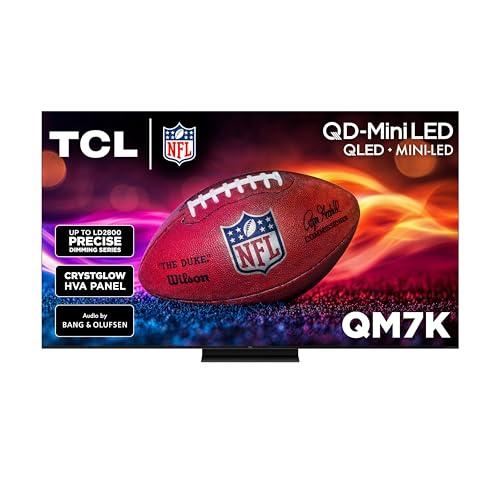
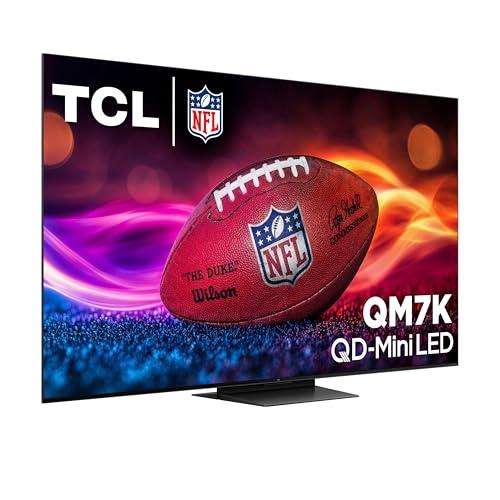
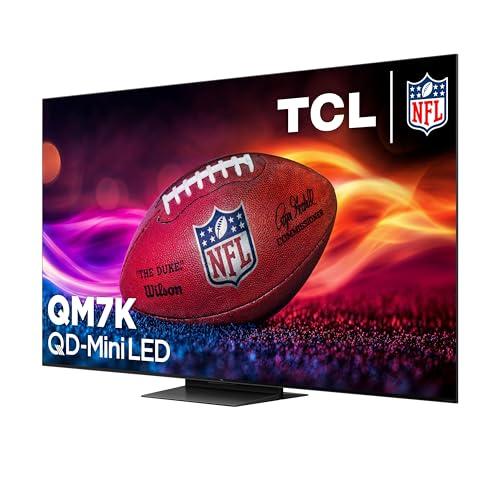
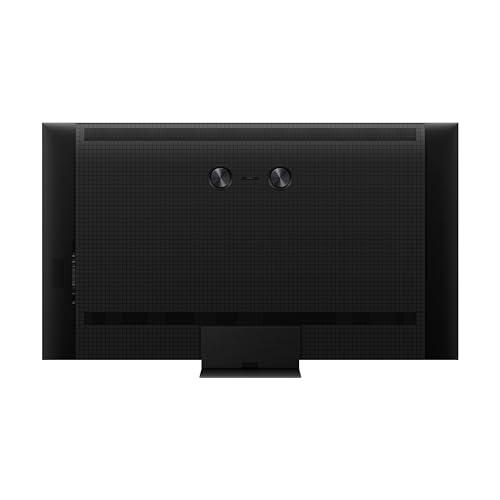
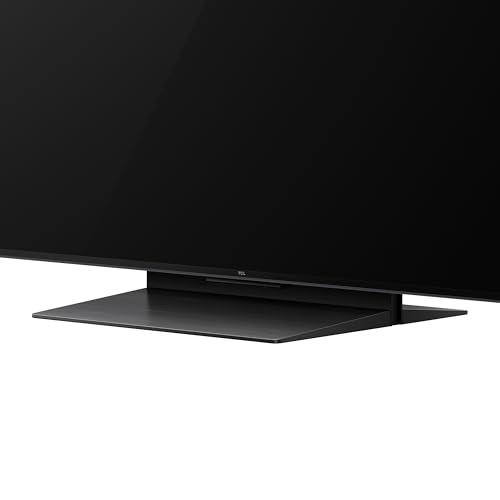
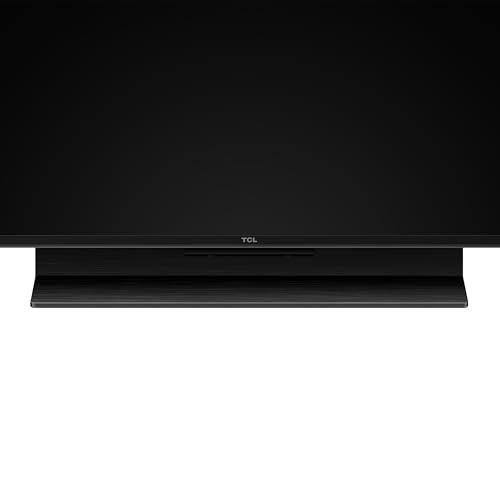
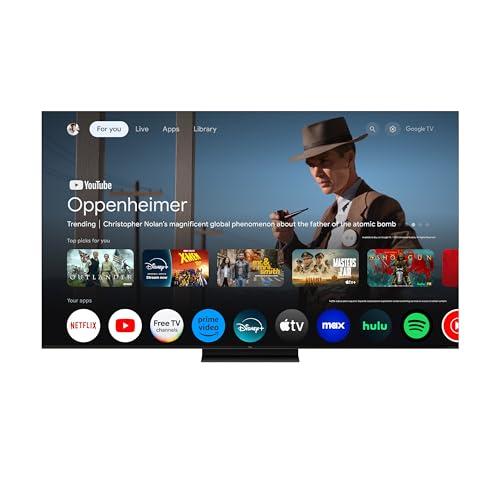
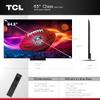
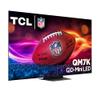
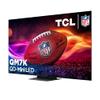
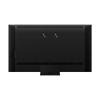
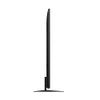
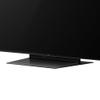
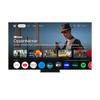
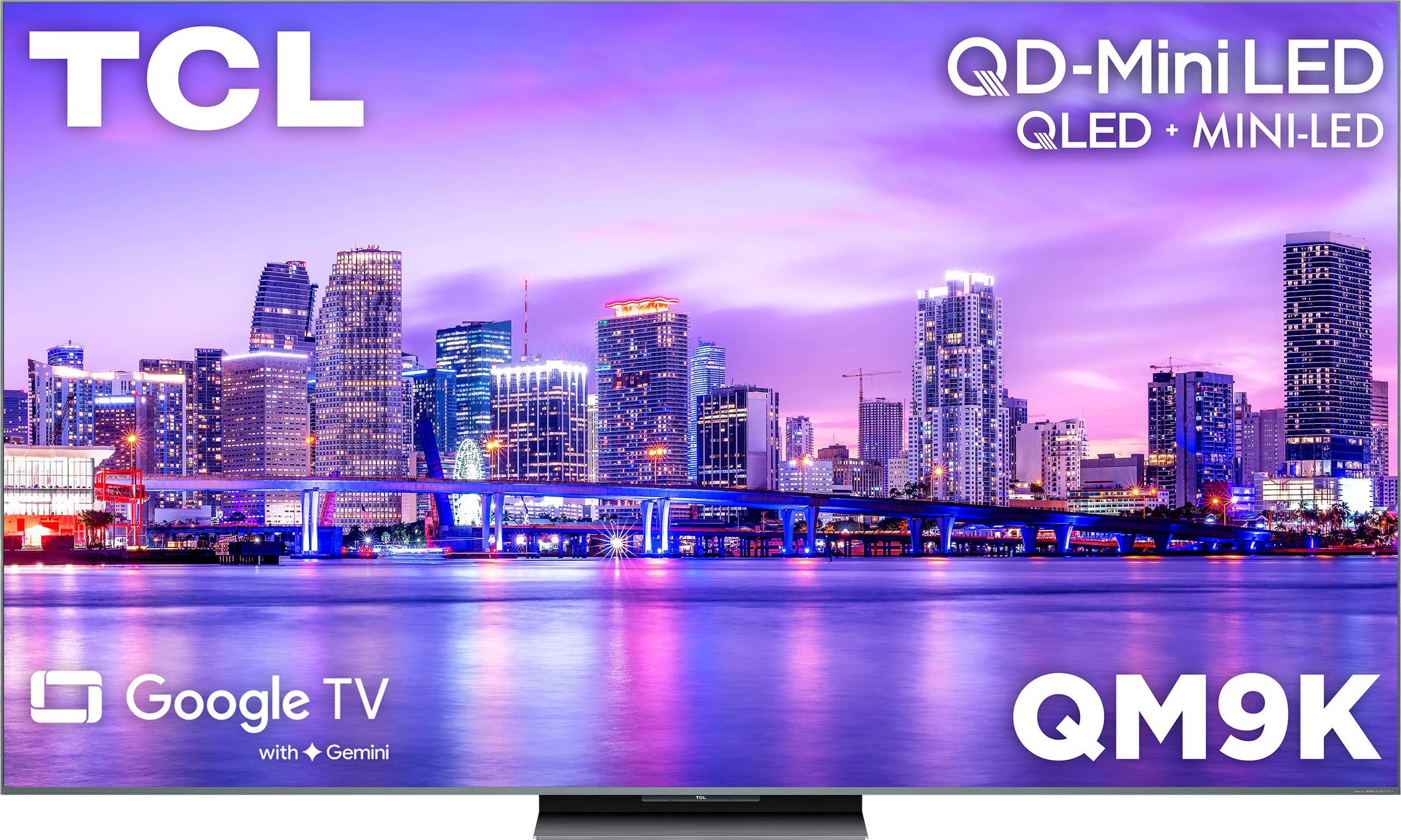
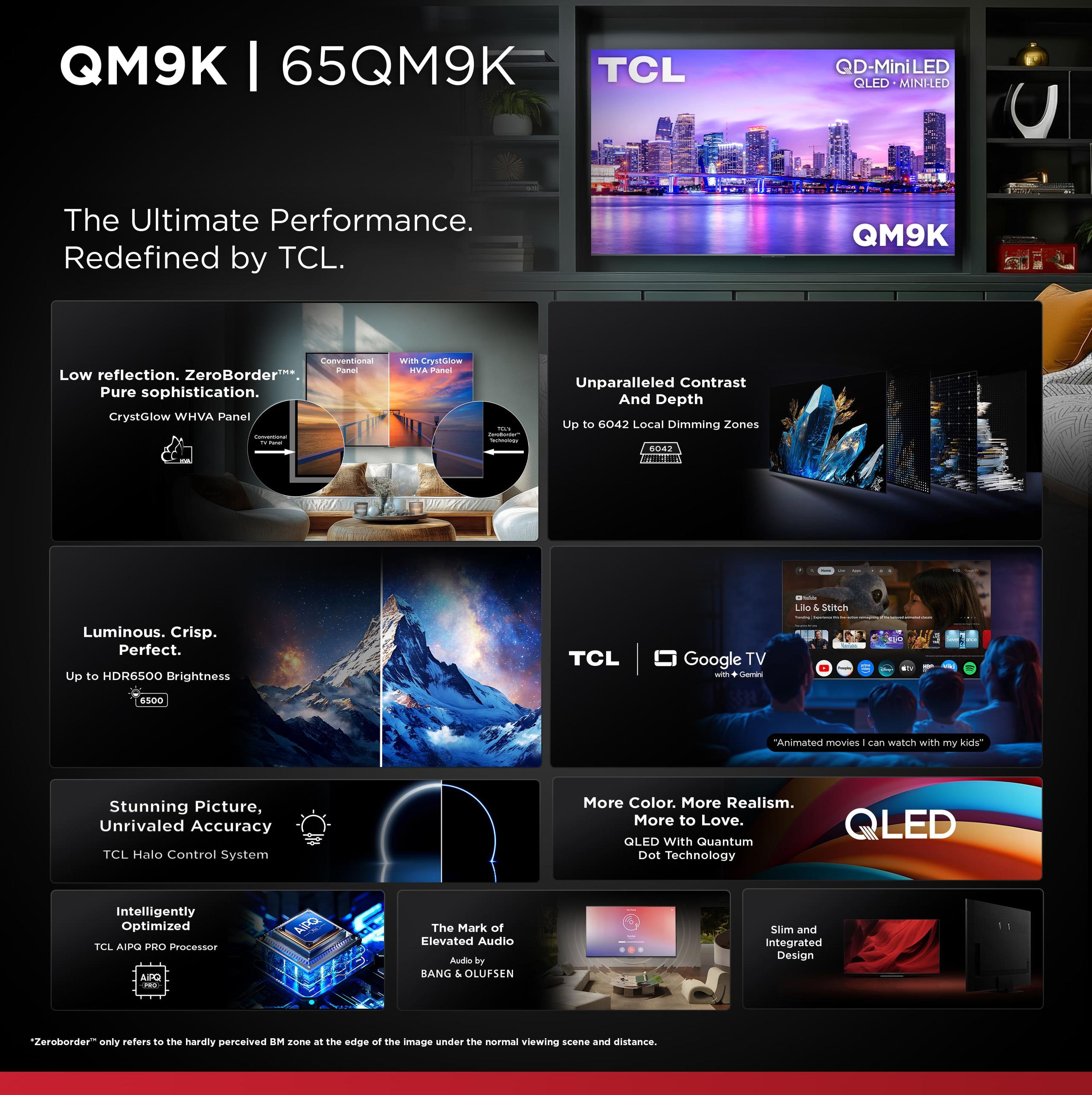
TCL 65QM7K QD-Mini LED 4K Google TV

We may earn from purchases via affiliate links

Original price was: $1,499.99.Current price is: $777.99.

Product Description

TCL 65QM7K QD-Mini LED 4K Google TV: A Comprehensive Overview

The TCL 65QM7K represents one of the most intriguing developments in the mid-range television market, bringing flagship-level display technology within reach of mainstream consumers. After extensive research into both professional evaluations and user experiences, it's clear this TV punches well above its weight class, particularly for gaming enthusiasts and home theater setups.

What Makes QD-Mini LED Special

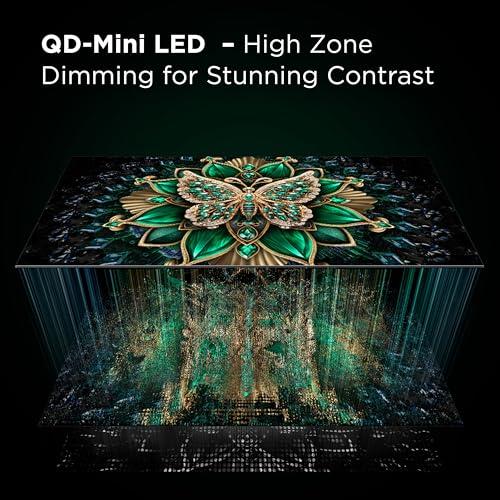
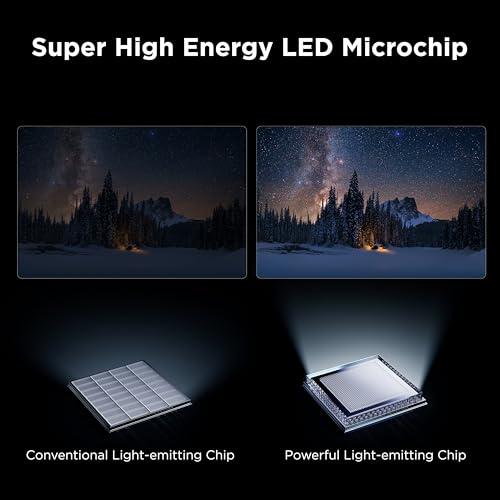
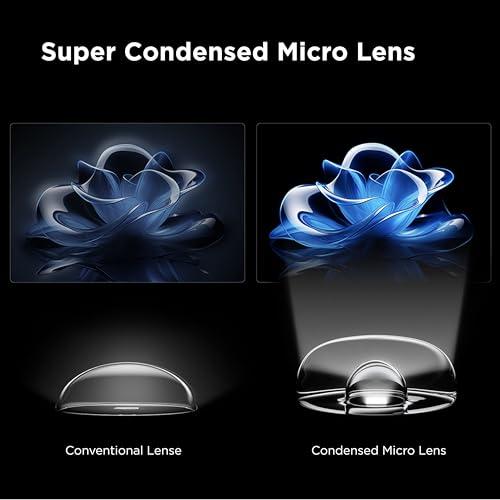
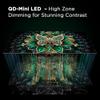
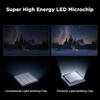
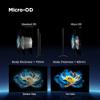
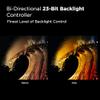
The standout feature of the TCL 65QM7K is its QD-Mini LED backlight system—a hybrid technology that combines two cutting-edge approaches. Mini LED backlighting uses thousands of tiny LEDs (much smaller than traditional LED backlights) to create precise zones of brightness control. This means when you're watching a movie with stars against a dark sky, the TV can make the stars brilliantly bright while keeping the surrounding darkness truly black.

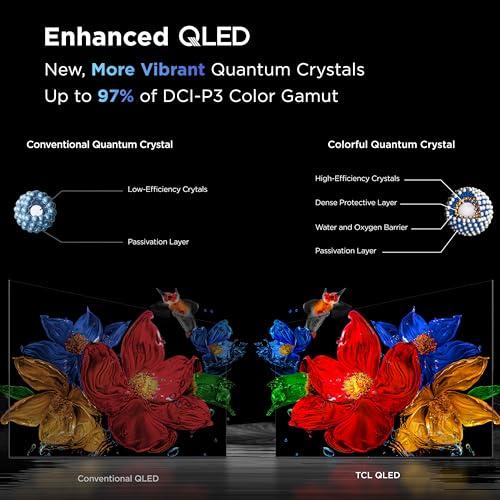
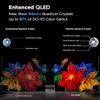
The "QD" part stands for Quantum Dot, which is essentially a layer of microscopic crystals that transform the backlight into purer, more vibrant colors. Think of it as a color filter that makes reds redder and blues bluer without sacrificing brightness. Our researchers found that this combination delivers some of the most impressive contrast ratios in this price category, with the TV achieving a 7,000:1 static contrast ratio—meaning whites are 7,000 times brighter than the deepest blacks.

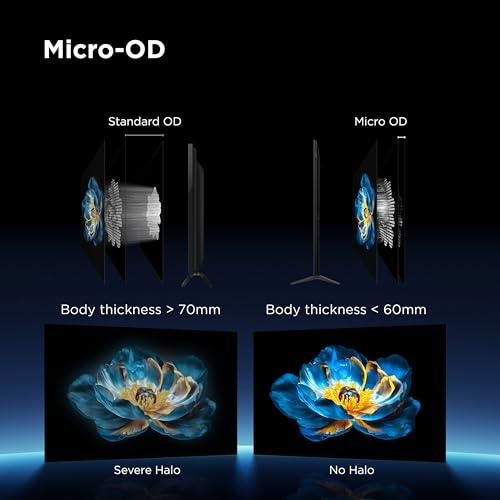
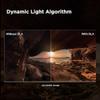
What's particularly impressive is the implementation of up to 2,500 local dimming zones. These are individual sections of the backlight that can be controlled independently. Most budget TVs have fewer than 100 zones, while premium models might have 1,000-2,000. Having 2,500 zones means the TV can be incredibly precise about where light appears on screen, reducing the "blooming" effect where bright objects create unwanted halos in dark scenes.

Gaming Performance That Actually Matters

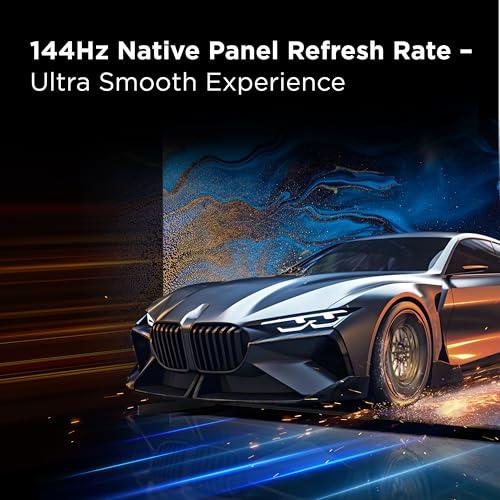
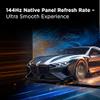
The gaming capabilities of the TCL 65QM7K set it apart in the mid-range category. The native 144Hz refresh rate means the display can show up to 144 unique frames per second—crucial for smooth motion in fast-paced games. For context, most TVs max out at 60Hz, while gaming-focused models typically offer 120Hz. The extra headroom here is genuinely noticeable when playing competitive games or fast sports titles.

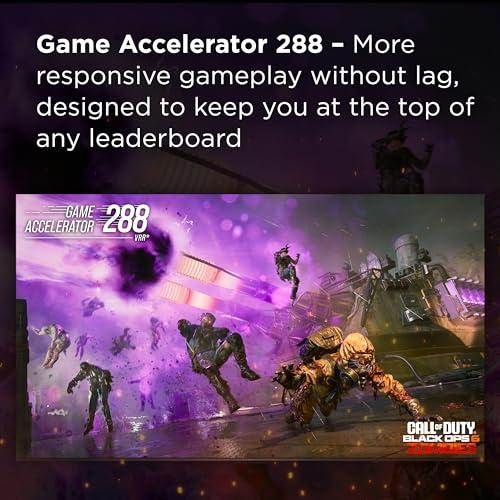
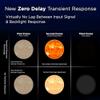
What's even more impressive is the "Game Accelerator 288" feature, which can push the refresh rate up to 288Hz at 1080p resolution. While this might sound like marketing fluff, our research indicates that serious gamers do notice the difference, particularly in esports titles where every millisecond of response time matters. The TV also supports Variable Refresh Rate (VRR) technology, which synchronizes the display's refresh rate with your gaming device's frame output, eliminating screen tearing—those annoying horizontal lines that appear when the game and display get out of sync.

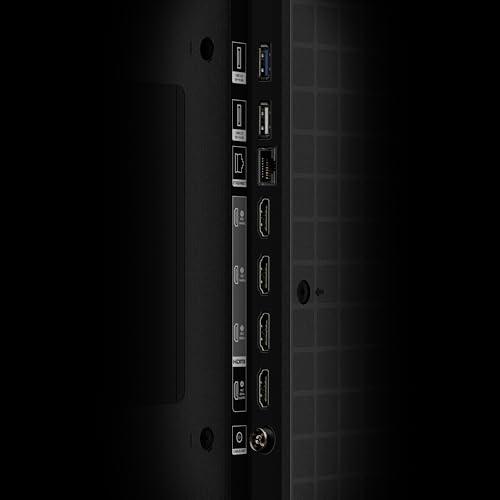
The inclusion of two HDMI 2.1 ports is significant for modern gaming setups. These ports can handle 4K resolution at 120Hz with full HDR, unlike older HDMI 2.0 ports that would force you to choose between high resolution or high refresh rates. For users with both a PlayStation 5 and Xbox Series X, this means both consoles can take full advantage of their capabilities simultaneously.

Display Technology Deep Dive

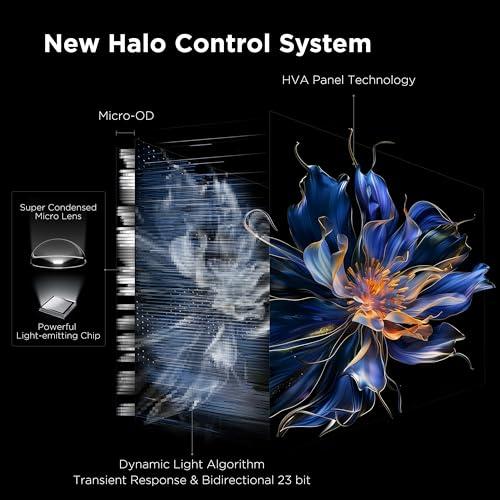
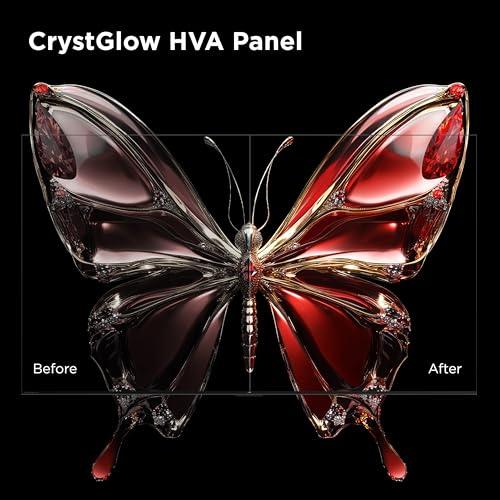
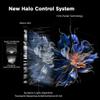
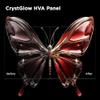
The CrystGlow HVA (High Vertical Alignment) panel deserves special attention. TCL has engineered the liquid crystal structure to mimic butterfly wings at a microscopic level, which sounds exotic but serves a practical purpose. This structure allows the crystals to align more precisely, creating better contrast and reducing the viewing angle problems that plague many LCD TVs.

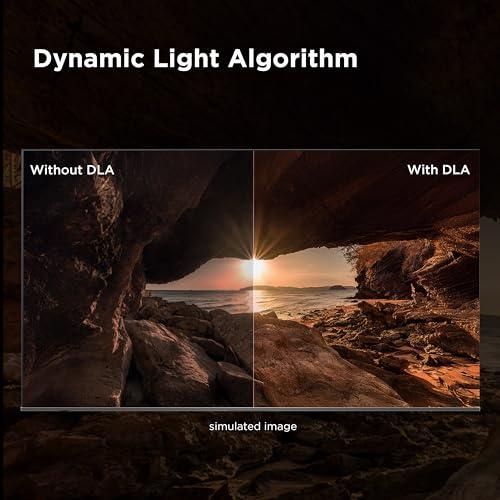
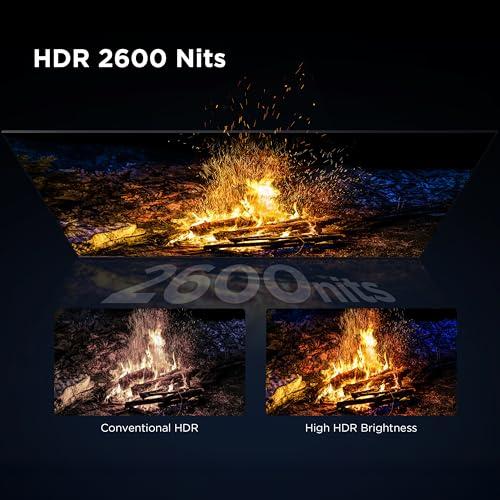
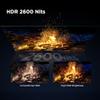
Peak brightness reaches an impressive 3,000 nits in HDR content, which puts it in flagship territory. For comparison, a typical mid-range TV might hit 600-800 nits, while premium models usually top out around 1,500-2,000 nits. This high brightness isn't just about showing off—it's essential for proper HDR (High Dynamic Range) content. When you're watching a movie with scenes that transition from a dark cave to bright sunlight, those 3,000 nits allow the TV to recreate something closer to what your eyes would see in real life.

The TV supports all major HDR formats: Dolby Vision IQ, HDR10+, HDR10, and HLG (Hybrid Log-Gamma). The "IQ" part of Dolby Vision is particularly clever—it uses a built-in light sensor to adjust the HDR processing based on your room's lighting conditions. In a bright living room during the day, it cranks up the brightness and contrast. At night in a dark room, it dials things back to prevent eye strain while maintaining detail.

Smart Platform and AI Features

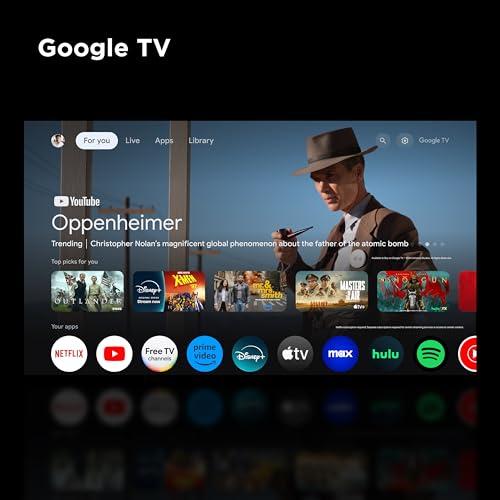
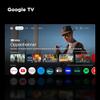
Google TV has matured significantly, and the implementation on the TCL 65QM7K feels polished and responsive. Unlike some smart TV platforms that feel like afterthoughts, Google TV integrates seamlessly with the broader Google ecosystem while remaining open to other services. The interface aggregates content from multiple streaming services, making it easier to find something to watch without jumping between apps.

The AiPQ Pro processor handles several interesting AI-powered features. AI upscaling takes lower-resolution content and intelligently adds detail to make it look better on the 4K screen. While it can't work miracles with heavily compressed streaming content, users report noticeable improvements with cable TV and older movies. The AI scene detection automatically adjusts picture settings based on what you're watching—sports get enhanced motion processing, while movies receive cinema-optimized color and contrast.

Voice control works without needing the remote, thanks to a far-field microphone array. In practice, this means you can say "Hey Google, play Stranger Things on Netflix" from across the room, and the TV responds reliably. The integration extends to smart home control, allowing the TV to serve as a hub for connected devices.

Audio Quality and Home Theater Integration

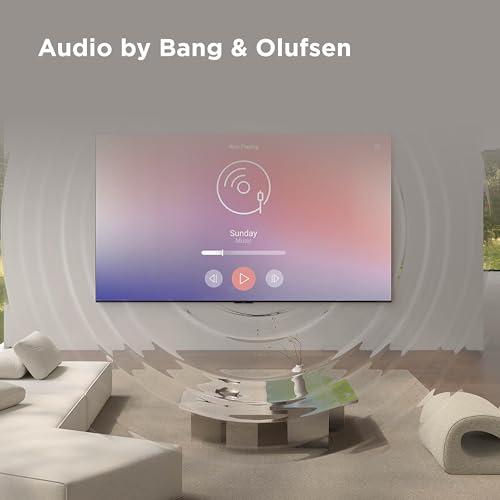
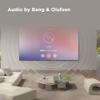
The Bang & Olufsen audio partnership brings legitimacy to the TV's sound system. The 60W setup includes Dolby Atmos processing, which creates a sense of three-dimensional audio by bouncing sound off your ceiling. While it can't match a dedicated surround sound system, users consistently report being impressed by the audio quality, particularly compared to the thin, tinny sound typical of modern flat-panel TVs.

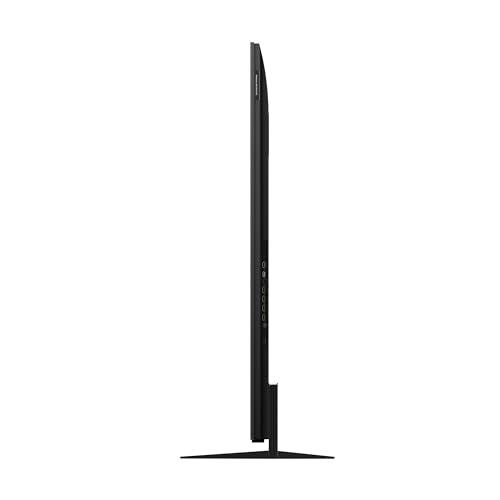
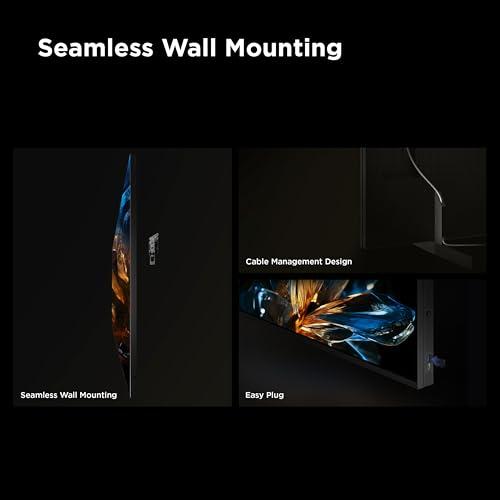
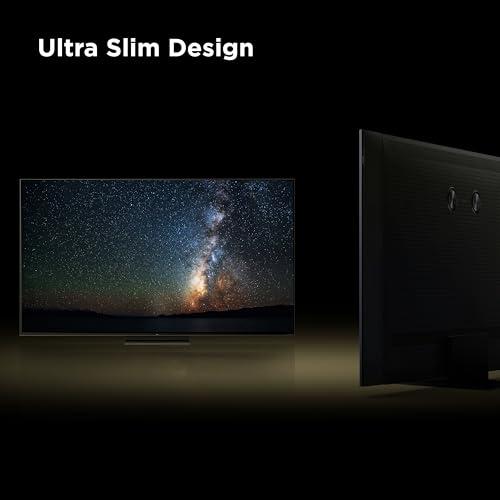
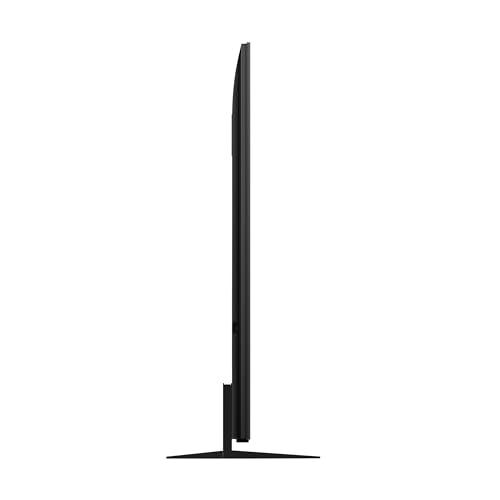
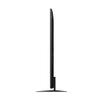
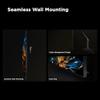
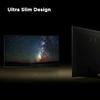
For serious home theater applications, the TCL 65QM7K excels as a display while accommodating external audio systems. The eARC (enhanced Audio Return Channel) HDMI port can send high-quality Dolby Atmos and DTS audio to a compatible soundbar or receiver. The TV's slim profile also makes it practical for wall mounting, which many home theater enthusiasts prefer for the cleanest installation.

Current State of the Art Comparison

At the time of writing, the television market is dominated by three main technologies: OLED (Organic LED), QD-OLED (Quantum Dot OLED), and various forms of LCD with advanced backlighting. OLED TVs offer perfect blacks because each pixel can turn completely off, but they struggle with peak brightness and can suffer from burn-in with static images. QD-OLED combines OLED's perfect blacks with quantum dot color enhancement, but remains expensive.

The QD-Mini LED approach in the TCL 65QM7K represents a sweet spot, offering most of the contrast benefits of OLED technology while achieving much higher peak brightness and avoiding burn-in concerns. While it can't match OLED's perfect blacks in every scenario, the difference is often negligible in real-world viewing conditions, and the superior brightness makes HDR content significantly more impactful.

Compared to flagship models from Samsung, LG, and Sony, the TCL holds its ground remarkably well. Professional calibrators note that while premium models might edge out the TCL in color accuracy and motion processing, the differences require side-by-side comparison to notice. For most users, the performance gap doesn't justify the substantial price premium of flagship alternatives.

Value Proposition and Considerations

The TCL 65QM7K delivers flagship-level features at what researchers consistently describe as exceptional value. The combination of advanced display technology, comprehensive gaming features, and sophisticated smart platform integration typically requires spending significantly more on competing models from established premium brands.

However, some limitations should be noted. The TV has only two HDMI 2.1 ports, which could be constraining for users with multiple gaming consoles, a PC, and other high-bandwidth devices. Some blooming is still visible in extreme high-contrast scenarios, though it's well-controlled compared to budget TVs. The built-in audio, while impressive for a TV, won't satisfy users accustomed to high-end audio systems.

The Bottom Line

The TCL 65QM7K succeeds in bringing genuinely premium display technology to a broader audience without significant compromises. Its gaming performance rivals dedicated gaming displays, while its home theater capabilities satisfy all but the most demanding enthusiasts. The smart platform integration eliminates the need for external streaming devices, and the build quality feels reassuringly solid.

For users upgrading from older LCD or basic LED TVs, the improvement in picture quality is immediately apparent and consistently impressive. The TV represents a significant step forward in making advanced display technologies accessible, proving that you don't need to spend flagship money to get flagship-level performance in most scenarios that matter.

TCL 65QM7K QD-Mini LED 4K Google TV Deals and Prices

Is TCL 65QM7K QD-Mini LED 4K Google TV Worth It?

Yes, the TCL 65QM7K offers exceptional value for home theater enthusiasts and gamers. It delivers flagship-level features like QD-Mini LED technology, 3,000 nits peak brightness, and 2,500 local dimming zones at a mid-range price point. The combination of superior HDR performance, 144Hz gaming capabilities, and comprehensive smart features makes it a compelling choice for most users seeking premium display quality without paying flagship prices.

What is QD-Mini LED Technology in the TCL 65QM7K?

QD-Mini LED combines Mini LED backlighting with Quantum Dot enhancement. The TCL 65QM7K uses thousands of tiny LEDs for precise local dimming control, while Quantum Dots improve color accuracy and vibrancy. This hybrid approach delivers deeper blacks, brighter highlights, and more vivid colors compared to standard LED TVs, making it ideal for home theater setups where contrast and color performance are critical.

How Good is the TCL 65QM7K for Gaming?

The TCL 65QM7K excels for gaming with its native 144Hz refresh rate, VRR support up to 144Hz, and Game Accelerator 288 feature that reaches 288Hz at 1080p. It includes two HDMI 2.1 ports for 4K 120Hz gaming, AMD FreeSync Premium Pro certification, and ultra-low input lag. These features make it excellent for both console gaming and PC gaming in home theater environments.

What HDR Formats Does the TCL 65QM7K Support?

The TCL 65QM7K supports all major HDR formats including Dolby Vision IQ, HDR10+, HDR10, and HLG. Dolby Vision IQ is particularly noteworthy as it automatically adjusts HDR processing based on your room's ambient lighting conditions, optimizing the viewing experience for both bright and dark home theater environments.

How Bright is the TCL 65QM7K Display?

The TCL 65QM7K achieves peak brightness of 3,000 nits, placing it in flagship territory for HDR performance. This high brightness level ensures excellent HDR impact and makes the TV suitable for bright living rooms while still delivering impressive performance in dedicated dark home theaters. The brightness significantly exceeds most mid-range TVs which typically peak around 600-1,000 nits.

Does the TCL 65QM7K Have Good Sound Quality?

The TCL 65QM7K features a 60W audio system developed in partnership with Bang & Olufsen, supporting Dolby Atmos and DTS Virtual:X. While the built-in audio quality is above average for a TV, serious home theater enthusiasts will likely want to pair it with a dedicated soundbar or surround sound system for optimal audio performance. The TV includes eARC support for high-quality audio passthrough.

How Many HDMI Ports Does the TCL 65QM7K Have?

The TCL 65QM7K includes four HDMI ports total: two HDMI 2.1 ports that support 4K at 120Hz with VRR and ALLM for gaming, and two HDMI 2.0 ports for standard devices. One HDMI port includes eARC support for connecting soundbars or AV receivers. This configuration covers most home theater setups, though users with multiple gaming consoles may find the two HDMI 2.1 ports limiting.

What Smart TV Platform Does the TCL 65QM7K Use?

The TCL 65QM7K runs Google TV with Chromecast built-in, offering access to all major streaming services and apps. It includes voice control via Google Assistant, Alexa compatibility, and Apple AirPlay 2 support. The platform provides excellent integration for smart home control and content discovery, making it suitable for modern connected home theater setups.

How is the TCL 65QM7K's Picture Quality in Dark Rooms?

The TCL 65QM7K delivers excellent picture quality in dark rooms thanks to its 2,500 local dimming zones and 7,000:1 static contrast ratio. The QD-Mini LED technology provides deep blacks while maintaining bright highlights, though some minor blooming may be visible in extreme high-contrast scenes. For dedicated home theater rooms, the performance rivals much more expensive OLED alternatives while offering superior peak brightness.

Does the TCL 65QM7K Support Wall Mounting?

Yes, the TCL 65QM7K is compatible with standard VESA 300 x 300mm wall mounts. The TV's slim profile and sturdy construction make it well-suited for wall mounting in home theater installations. At approximately 57 pounds without the stand, it's manageable for professional installation while maintaining a premium aesthetic when wall-mounted.

Sources

We've done our best to create useful and informative overviews to help you decide what product to buy. Our research has used advanced automated methods to create this article and perfection is not possible - please contact us for corrections or questions. These are the sites we've researched in the creation of this article: bestbuy.com - businessinsider.com - tomsguide.com - tomsguide.com - rtings.com - tomsguide.com - youtube.com - rtings.com - consumerreports.org - youtube.com - youtube.com - displayspecifications.com - youtube.com - tcl.com - tcl.com - tcl.com - youtube.com - rcwilley.com - bestbuy.com - tclcentral.com - displayspecifications.com - tomsguide.com - tcl.com - brandsmartusa.com - tcl.com - tcl.com - gizmochina.com - nfm.com - dolby.com - alexraytv.com

Specs
Specs Table
TCL 65QM7K QD-Mini LED 4K Google TV
Peak Brightness - Essential for HDR impact and bright room viewing: 3,000 nits
Local Dimming Zones - Controls blooming and creates precise contrast: Up to 2,500 zones
Gaming Refresh Rate - Determines motion smoothness and competitive advantage: 144Hz native, up to 288Hz at 1080p
Panel Technology - Affects contrast, colors, and viewing angles: QD-Mini LED with CrystGlow HVA
HDR Format Support - Ensures compatibility with premium content: Dolby Vision IQ, HDR10+, HDR10, HLG
HDMI 2.1 Ports - Required for 4K 120Hz gaming from modern consoles: 2 ports
VRR Support - Eliminates screen tearing in games: Up to 144Hz with AMD FreeSync Premium Pro
Contrast Ratio - Measures difference between brightest whites and darkest blacks: 7,000:1 static, 30 million:1 dynamic
Smart Platform: Google TV with Chromecast built-in
Audio System - Built-in sound quality and features: 60W Bang & Olufsen with Dolby Atmos
Voice Control - Hands-free operation capability: Far-field microphone array with Google Assistant
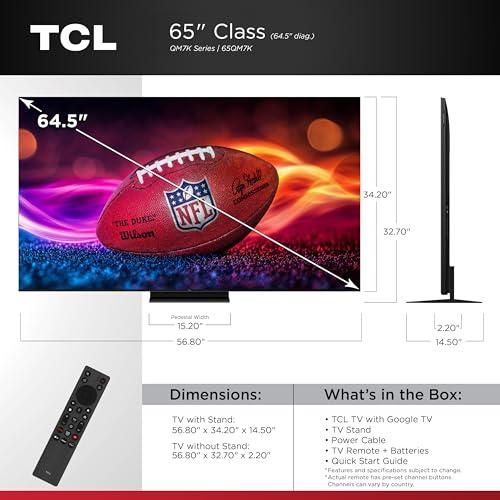
Screen Size: 65 inches
Resolution: 4K Ultra HD (3840 x 2160)
Connectivity: Wi-Fi 5, Bluetooth 5.4, 4 HDMI ports, USB 3.0/2.0
Weight: Approximately 57 lbs without stand
VESA Mount Compatibility: 300 x 300mm
Comparisons

Compared to Panasonic Z95B Series 65" OLED 4K Smart Fire TV

The Panasonic Z95B represents a fundamentally different approach to premium picture quality, using advanced RGB Tandem OLED technology that delivers perfect blacks and infinite contrast ratios that the TCL simply cannot match. Where the TCL excels in brightness with its 2,600+ nit output, the Panasonic counters with superior color accuracy, professional-grade calibration support, and that distinctive OLED "looking through a window" image quality that creates an almost cinematic viewing experience. The Panasonic Z95B also includes genuinely impressive built-in audio with its 170W 360° Soundscape Pro system tuned by Technics, potentially eliminating the need for a separate soundbar—something the TCL's 60W system cannot claim.
However, this superior picture quality and audio come at a significant cost premium, with the Panasonic Z95B typically priced nearly three times higher than the TCL. While the OLED delivers reference-quality performance that justifies its flagship positioning, it also means choosing a display that's best suited for controlled lighting environments and careful content curation. The TCL's brighter, more versatile performance in various lighting conditions, combined with its superior smart platform and exceptional value proposition, makes it the more practical choice for most buyers who want flagship-level features without the flagship price tag.
🤖 Read Detailed Comparison
👌Panasonic Z95B Series 65" OLED 4K Smart Fire TV Details
💵 See Panasonic Z95B Series 65" OLED 4K Smart Fire TV Price

Compared to Sony Bravia XR A95K 65" QD-OLED TV

The Sony Bravia XR A95K represents a fundamentally different approach to premium picture quality, using cutting-edge QD-OLED technology that combines self-emissive pixels with quantum dot enhancement. Where the TCL excels in brightness, the Sony delivers perfect infinite contrast with absolutely no blooming around bright objects—every pixel can turn completely off for true blacks that make dark movie scenes appear genuinely cinematic. The Sony's color accuracy is exceptional straight out of the box, with its Cognitive Processor XR delivering natural, lifelike colors that often surpass the TCL's quantum dot implementation without requiring calibration. Perhaps most impressively, the Sony's Acoustic Surface Audio+ technology turns the entire screen into a speaker, creating immersive sound quality that rivals dedicated soundbars and eliminates the need for additional audio equipment in many setups.
However, this technological sophistication comes at a significant cost premium—typically 60-80% more than the TCL at the time of writing. The Sony A95K also faces real-world limitations that make the TCL more versatile: its moderate peak brightness means it performs best in controlled lighting environments rather than bright living rooms, and its 120Hz maximum refresh rate falls short of the TCL's gaming-focused 144Hz capability. For dedicated home theater enthusiasts with dark viewing rooms who prioritize absolute picture quality over value, the Sony justifies its premium pricing with genuinely superior contrast and built-in audio. But for most users seeking flagship-level performance without flagship pricing, especially those in brighter rooms or focused on gaming, the TCL delivers the better balance of performance and value while getting remarkably close to the Sony's picture quality at a much more accessible price point.
🤖 Read Detailed Comparison
👌Sony Bravia XR A95K 65" QD-OLED TV Details
💵 See Sony Bravia XR A95K 65" QD-OLED TV Price

Compared to Sony BRAVIA XR A95L 65" QD-OLED 4K HDR Google TV

The Sony BRAVIA XR A95L represents a fundamentally different approach to premium TV technology, using QD-OLED panels that deliver perfect blacks and infinite contrast through individually controlled pixels. While its 1,300-nit peak brightness falls well short of the QM7K's 3,000-nit capability, the Sony's perfect pixel-level control creates an unmatched dark room viewing experience with zero blooming or halo effects around bright objects. The Acoustic Surface Audio+ technology turns the entire screen into a speaker, providing dialogue placement and sound positioning that traditional TV speakers simply cannot match. Sony's Cognitive Processor XR and premium build quality justify its position at the top of the market, with exceptional color accuracy that requires minimal calibration and processing refinements that enhance everything from streaming content to Blu-ray movies.
However, the Sony A95L commands roughly 2.5-3 times the price of the QM7K while delivering what amounts to incremental improvements in specific viewing scenarios. Its lower peak brightness makes it less versatile in bright rooms, and the 120Hz gaming limitation means it can't match the QM7K's competitive gaming capabilities. The value proposition becomes questionable unless perfect blacks and premium aesthetics are absolute priorities—the QM7K delivers 85-90% of the premium TV experience at 35-40% of the cost. For most buyers, the Sony's advantages in dark room contrast and build quality don't justify the significant price premium, especially considering the QM7K's superior brightness versatility and gaming performance make it more adaptable to varied real-world usage scenarios.
🤖 Read Detailed Comparison
👌Sony BRAVIA XR A95L 65" QD-OLED 4K HDR Google TV Details
💵 See Sony BRAVIA XR A95L 65" QD-OLED 4K HDR Google TV Price

Compared to Samsung 65" QLED Q8F 4K Smart TV 2025

The Samsung Q8F 2025 represents a more budget-conscious approach to premium TV technology, offering solid QLED performance at a significantly lower price point than the TCL QM7K. Samsung's strength lies in its mature Tizen smart platform with comprehensive SmartThings Hub integration, making it an excellent choice for users already invested in Samsung's ecosystem or those prioritizing smart home control. The Q8F's Dual LED backlighting and Quantum HDR+ deliver respectable brightness and color performance that works well in bright living rooms, while features like Q-Symphony soundbar integration and Object Tracking Sound Lite provide a pathway for audio upgrades. For everyday viewing of streaming content, sports, and casual gaming, the Samsung Q8F delivers a premium experience without the technical complexity or cost premium of Mini LED technology.
However, the performance gap between these TVs becomes apparent in demanding scenarios. The Samsung Q8F's edge-lit design simply cannot match the TCL QM7K's contrast performance, peak brightness, or blooming control—differences that are immediately noticeable during HDR movie nights or dark room viewing sessions. While Samsung's processing delivers pleasant, natural-looking images, it lacks the visual impact and precision that Mini LED enables. The Q8F costs approximately $350 less at the time of writing, making it an attractive option for buyers who want premium features without flagship performance, but serious home theater enthusiasts and picture quality purists will find the TCL's superior display technology worth the additional investment for its transformative improvement in viewing experience.
🤖 Read Detailed Comparison
👌Samsung 65" QLED Q8F 4K Smart TV 2025 Details
💵 See Samsung 65" QLED Q8F 4K Smart TV 2025 Price

Compared to Samsung 65-Inch Q7F Series QLED Smart TV 2025 Display

The Samsung Q7F takes a fundamentally different approach as an entry-level QLED that prioritizes brand reliability and basic premium features at a more accessible price point. Samsung's strength lies in its established Tizen smart platform with over 2,700 free channels through Samsung TV Plus, excellent integration with Samsung devices and SmartThings ecosystems, and the company's reputation for long-term software support and customer service. The TV delivers Samsung's signature vibrant, punchy colors that many viewers prefer, along with solid build quality featuring a lightweight design that's easy to wall mount and adjust. For buyers already invested in Samsung's ecosystem or those who value brand familiarity over cutting-edge specs, the Q7F provides a straightforward, reliable QLED experience without complexity.
However, the performance gap between these TVs is substantial and reflects their different target markets. The Samsung Q7F lacks local dimming entirely, meaning it can't achieve the deep blacks and dramatic contrast that make the TCL's Mini LED technology so compelling for movies and HDR content. Its 500-nit peak brightness and 60Hz refresh rate limit its effectiveness in bright rooms and for gaming, making it suitable primarily for casual viewing in controlled lighting conditions. While the Samsung costs significantly less, buyers should understand they're getting basic QLED performance rather than the premium display technology and gaming capabilities that define modern flagship features. The Q7F makes sense for secondary rooms, casual viewers, or those prioritizing initial cost savings over long-term performance, but it represents a clear step down in virtually every meaningful specification compared to the TCL's advanced feature set.
🤖 Read Detailed Comparison
👌Samsung 65-Inch Q7F Series QLED Smart TV 2025 Display Details
💵 See Samsung 65-Inch Q7F Series QLED Smart TV 2025 Display Price

Compared to Samsung 65-Inch Crystal UHD U8000F 4K Smart TV 2025

The Samsung 65-Inch Crystal UHD U8000F takes a fundamentally different approach, prioritizing brand reliability and essential smart features at the most accessible price point possible. Its standout feature is Samsung TV Plus, which provides access to over 2,700 free streaming channels without requiring additional subscriptions—a genuine value-add for budget-conscious buyers looking to minimize monthly streaming costs. The TV delivers solid color accuracy out of the box for standard content and integrates well with Samsung's ecosystem through Tizen OS and SmartThings Hub compatibility. For users already invested in Samsung devices, this creates a seamless smart home experience that shouldn't be overlooked.
However, the performance gap between these models is substantial rather than incremental. The Samsung U8000F uses basic edge-lit LED backlighting without local dimming zones, limiting it to around 300 nits peak brightness compared to the QM7K's 2,600+ nits. In practical terms, this means the Samsung struggles with HDR content impact and performs poorly in bright rooms, while its 60Hz refresh rate with HDMI 2.0 connections can't take advantage of next-generation gaming console capabilities. The Samsung works best for viewers who primarily watch standard content in darker rooms and don't need advanced gaming features. At roughly one-third the price, it represents solid value for basic 4K functionality, but buyers should understand they're getting entry-level performance that may feel outdated as streaming and gaming standards continue to evolve.
🤖 Read Detailed Comparison
👌Samsung 65-Inch Crystal UHD U8000F 4K Smart TV 2025 Details
💵 See Samsung 65-Inch Crystal UHD U8000F 4K Smart TV 2025 Price

Compared to Samsung 65" The Frame Pro 4K Neo QLED Smart TV 2025

The Samsung Frame Pro takes a fundamentally different approach, prioritizing lifestyle integration over raw performance. Its standout feature is the ability to transform into a convincing piece of wall art when not in use, complete with customizable bezels and museum-quality color accuracy through Pantone validation. The matte anti-glare screen eliminates reflections entirely, making it exceptional for bright living rooms where the QM7K's glossy panel would struggle with glare. Samsung's innovative Wireless One Connect Box enables completely cable-free wall mounting by housing all connections in a separate unit that communicates wirelessly up to 10 meters away—a genuine advantage for clean, minimalist installations.
However, the Samsung Frame Pro makes significant performance sacrifices for these lifestyle benefits. Peak HDR brightness reaches only around 1,000 nits compared to the QM7K's 3,000 nits, resulting in less impactful HDR content and reduced visual drama in movies and shows. Gaming performance is particularly poor with input lag exceeding 30ms, making it unsuitable for serious gaming compared to the QM7K's sub-5ms response. The audio system is also weaker at 40W versus the QM7K's 60W Bang & Olufsen setup. While the Frame Pro costs significantly more, that premium buys unique aesthetic integration rather than better TV performance—making it ideal for formal living spaces where design matters more than pure picture quality, but a poor choice for dedicated entertainment or gaming setups.
🤖 Read Detailed Comparison
👌Samsung 65" The Frame Pro 4K Neo QLED Smart TV 2025 Details
💵 See Samsung 65" The Frame Pro 4K Neo QLED Smart TV 2025 Price

Compared to Samsung 65" The Frame QLED 4K 2024 TV

The Samsung 65" The Frame QLED 4K 2024 TV takes a fundamentally different approach with its lifestyle-focused design that transforms into a digital art gallery when not displaying entertainment content. Its standout anti-glare matte coating significantly reduces reflections compared to the QM7K's glossy screen, making it genuinely more watchable in bright rooms with large windows or direct lighting. The customizable magnetic bezels and One Connect Box create an undeniably cleaner wall installation, while the Art Mode with motion sensor activation provides a unique dual-purpose functionality that no performance-focused TV can match. For users who prioritize aesthetic integration and want their TV to enhance rather than dominate their living space, these design innovations offer real daily benefits that justify the premium positioning.
However, when it comes to pure performance metrics, the Frame falls considerably short of the QM7K's capabilities. Its edge-lit QLED panel lacks local dimming zones entirely and peaks at roughly 600 nits compared to the QM7K's 3,000-nit output, resulting in significantly less impactful HDR performance and weaker contrast in dark scenes. Gaming enthusiasts will find the Frame's single HDMI 2.1 port and 120Hz refresh rate limiting compared to the QM7K's dual HDMI 2.1 setup and 144Hz native performance. While the Frame delivers adequate picture quality and includes premium touches like Pantone art certification, it typically costs $200-400 more than the QM7K while offering substantially less brightness, contrast control, and gaming functionality. The value proposition only makes sense if you specifically need the lifestyle features and anti-glare benefits, as the QM7K delivers superior entertainment performance in virtually every measurable category.
🤖 Read Detailed Comparison
👌Samsung 65" The Frame QLED 4K 2024 TV Details
💵 See Samsung 65" The Frame QLED 4K 2024 TV Price

Compared to LG 65" QNED evo AI QNED85A 4K MiniLED Smart TV 2025

The LG 65" QNED evo AI QNED85A takes a fundamentally different approach to Mini-LED technology, prioritizing color accuracy, viewing angles, and long-term value over raw brightness performance. While it can't match the TCL's dramatic 2,600+ nits peak brightness, the LG's superior tone mapping often produces more natural, film-like images that preserve director intent. The standout advantage is its wide viewing angles—a significant benefit for families or anyone with sectional seating arrangements—where the LG maintains consistent color accuracy from the sides while the TCL's VA panel suffers noticeable color shift and brightness loss. The LG QNED85A also includes four HDMI 2.1 ports compared to the TCL's two, making it more practical for users with multiple gaming consoles or high-bandwidth devices.
From a value perspective, the LG QNED85A offers compelling long-term ownership benefits that extend beyond initial picture quality. LG's unprecedented 5-year software update guarantee ensures the TV remains current with new streaming apps and features, while the advanced AI capabilities like Voice ID and Microsoft Copilot integration represent genuine attempts at making the TV more intuitive over time. The trade-offs are clear: you sacrifice some HDR impact and gaming refresh rate capabilities, and the built-in audio requires a soundbar investment for the best experience. However, for buyers prioritizing consistent picture quality across viewing positions, future-proofing, and comprehensive smart features, the LG QNED85A often represents better overall value, especially when considering the total cost of ownership over several years.
🤖 Read Detailed Comparison
👌LG 65" QNED evo AI QNED85A 4K MiniLED Smart TV 2025 Details
💵 See LG 65" QNED evo AI QNED85A 4K MiniLED Smart TV 2025 Price

Compared to Sony BRAVIA 8 II 65" QD-OLED 4K Google TV 2025

The Sony BRAVIA 8 II represents a fundamentally different approach to premium picture quality, using QD-OLED technology that delivers perfect pixel-level blacks and infinite contrast ratio—something the TCL's Mini-LED technology simply cannot match. While the TCL excels with its 3,000-nit peak brightness, the Sony's perfect blacks create a more three-dimensional, cinema-like viewing experience that's immediately apparent in dark scenes. The Sony BRAVIA 8 II's Acoustic Surface Audio+ technology also sets it apart, turning the entire screen into a speaker for remarkably natural sound placement where dialogue appears to come directly from characters on screen. Sony's processing refinement shines through with studio-calibrated streaming modes and more accurate color reproduction out of the box, making it the clear choice for home theater purists who prioritize image accuracy over raw brightness.
However, the Sony BRAVIA 8 II comes with significant trade-offs that make the TCL a more practical choice for many buyers. At roughly double the TCL's price point, the Sony's premium positioning is hard to justify unless you're specifically seeking OLED's perfect blacks and have a dedicated dark room setup. The Sony's 1,880-nit peak brightness, while impressive for OLED, can't compete with the TCL's daytime HDR performance in bright living rooms. Additionally, the Sony BRAVIA 8 II caps at 120Hz refresh rate compared to the TCL's 144Hz gaming capabilities, and carries the inherent OLED risk of burn-in with static content—concerns that don't exist with the TCL's LCD-based technology. For most real-world viewing scenarios involving mixed lighting conditions, gaming, and value considerations, the TCL delivers a more well-rounded package despite the Sony's technical superiority in specific areas.
🤖 Read Detailed Comparison
👌Sony BRAVIA 8 II 65" QD-OLED 4K Google TV 2025 Details
💵 See Sony BRAVIA 8 II 65" QD-OLED 4K Google TV 2025 Price

Compared to LG B5 Series OLED 65" 4K Smart TV 2025

The LG B5 Series OLED takes a fundamentally different approach to premium picture quality, delivering perfect blacks and infinite contrast that the TCL simply cannot match despite its impressive Mini LED technology. Where the TCL excels in brightness for well-lit rooms, the LG dominates in dark environments with true zero-nit black levels that create stunning contrast and reveal shadow details that would be lost on LED-based displays. The OLED's self-lit pixels eliminate blooming entirely, producing clean transitions between light and dark areas that make movies and cinematic content particularly immersive. Additionally, the LG B5 offers four HDMI 2.1 ports compared to the TCL's two, making it more versatile for users with multiple gaming consoles and high-bandwidth devices.
From a gaming perspective, the LG B5 Series OLED counters the TCL's higher refresh rates with an ultra-fast 0.1ms response time that competitive gamers will appreciate, though it caps at 120Hz versus the TCL's 144Hz capability. The OLED's color accuracy tends to be more natural and cinema-accurate, appealing to home theater enthusiasts who prioritize authenticity over the TCL's more vibrant, saturated presentation. However, the LG does come with OLED's traditional concerns about potential burn-in with static content and generally commands a price premium over the TCL's aggressive positioning. For buyers with dedicated dark rooms or those who prioritize perfect blacks and natural colors over maximum brightness, the LG B5 represents the classic OLED experience at its most accessible price point, though the TCL remains the better choice for bright rooms and users seeking maximum value in Mini LED technology.
🤖 Read Detailed Comparison
👌LG B5 Series OLED 65" 4K Smart TV 2025 Details
💵 See LG B5 Series OLED 65" 4K Smart TV 2025 Price

Compared to Sony BRAVIA 5 65" Mini LED 4K Google TV 2025

The Sony BRAVIA 5 takes a markedly different approach than the TCL, prioritizing refined picture processing and ecosystem integration over raw specifications. Sony's XR Processor with cognitive intelligence excels at content analysis, producing more natural color reproduction and sophisticated upscaling that often looks more film-like than the TCL's more dramatic enhancement. The BRAVIA 5's XR Triluminos Pro technology focuses on color accuracy rather than extended gamut, making it particularly appealing for movie enthusiasts who want to see content exactly as directors intended. PlayStation 5 owners will appreciate the seamless integration features like Auto HDR Tone Mapping and Auto Genre Picture Mode, plus the refined 120Hz gaming performance with G-SYNC support.
However, the Sony BRAVIA 5 makes significant compromises to hit its price point. While Sony doesn't specify peak brightness or local dimming zone counts, expert reviews consistently note that it lacks the TCL's impressive brightness output and contrast control precision. This translates to less impactful HDR performance and reduced effectiveness in bright rooms. The Sony also caps gaming at 120Hz compared to the TCL's 144Hz capability, making it less future-proof for high-refresh gaming. At a higher price point than the TCL, the BRAVIA 5 essentially asks buyers to pay more for Sony's brand reputation and processing expertise while accepting lower raw performance specifications—a trade-off that makes sense for brand loyalists and PlayStation owners but harder to justify for performance-focused buyers seeking maximum value.
🤖 Read Detailed Comparison
👌Sony BRAVIA 5 65" Mini LED 4K Google TV 2025 Details
💵 See Sony BRAVIA 5 65" Mini LED 4K Google TV 2025 Price

Compared to Samsung 65" S85F OLED 4K Smart TV (2025)

The Samsung 65" S85F OLED takes a fundamentally different approach to premium picture quality, using self-emitting OLED pixels that can turn completely off to achieve perfect blacks and infinite contrast. This creates a more cinematic viewing experience in dark rooms, where the image appears to float against true black backgrounds rather than the subtle gray levels you'll notice with the TCL's Mini LED system. The Samsung also delivers superior color accuracy with Pantone validation, ensuring more natural skin tones and precise color reproduction that professionals would appreciate. Its four HDMI 2.1 ports provide better connectivity for multi-console gaming setups, and the seven-year software update commitment significantly outlasts the TCL's typical 2-3 year support cycle.
However, the Samsung S85F makes significant compromises in real-world performance that limit its versatility. With peak brightness around 750 nits compared to the TCL's 2,600+ nits, HDR content loses much of its impact in bright rooms, and daytime viewing can appear washed out when competing with ambient light from windows. The lower refresh rate ceiling (120Hz vs 144Hz native) also makes it less future-proof for high-end PC gaming. While OLED burn-in risk is minimal with modern protections, it remains a consideration for mixed usage patterns that the TCL handles without concern. At typical pricing, the Samsung commands a premium for picture quality benefits that only shine in optimal dark room conditions, making the TCL's brighter, more versatile performance the better value for most living room setups.
🤖 Read Detailed Comparison
👌Samsung 65" S85F OLED 4K Smart TV (2025) Details
💵 See Samsung 65" S85F OLED 4K Smart TV (2025) Price

Compared to Samsung 65" QLED Q6F 4K Smart TV 2025

The Samsung 65" QLED Q6F brings Samsung's polished smart TV experience and ecosystem integration as its primary strengths. The Tizen platform offers excellent SmartThings Hub functionality, making it a natural choice for users already invested in Samsung phones, soundbars, or appliances. Samsung TV Plus provides hundreds of free streaming channels, and the Q-Symphony feature allows seamless coordination with compatible Samsung soundbars. The build quality feels solid and reliable, backed by Samsung's established customer service network and brand reputation that many buyers value for long-term ownership confidence.
However, the performance gap between these models is substantial in nearly every meaningful category. The Samsung Q6F uses basic LED backlighting without local dimming, resulting in washed-out blacks and noticeable blooming around bright objects—a stark contrast to the QM7K's precise Mini LED control. Peak brightness falls well short of the TCL's 3,000-nit capability, making HDR content appear dim and less impactful. Gaming performance is particularly limited with only 60Hz refresh rate and no VRR support, while the 20W audio system feels underwhelming compared to the Bang & Olufsen-tuned speakers we've experienced on the TCL. The absence of Dolby Vision support also limits compatibility with premium streaming content. While the Samsung delivers adequate performance for basic viewing needs and offers strong smart home integration, the TCL provides dramatically superior picture quality, gaming capabilities, and overall value that's difficult to justify overlooking unless Samsung ecosystem compatibility is your primary concern.
🤖 Read Detailed Comparison
👌Samsung 65" QLED Q6F 4K Smart TV 2025 Details
💵 See Samsung 65" QLED Q6F 4K Smart TV 2025 Price

Compared to Samsung 75-Inch QLED Q6F Series 2025 Smart TV

The Samsung 75-Inch QLED Q6F Series 2025 takes a fundamentally different approach, prioritizing screen size and ecosystem integration over cutting-edge display technology. Its standout feature is the impressive 75-inch screen that delivers 32% more viewing area than the TCL, creating a genuinely immersive experience that transforms how movies and shows feel in larger rooms. The Quantum Dot technology produces vibrant, saturated colors that remain consistent across brightness levels, while Samsung's mature Tizen platform offers seamless integration with Galaxy devices and access to Samsung TV Plus's extensive free channel lineup. For families invested in Samsung's ecosystem or those with large living spaces, the Samsung Q6F provides excellent bang-for-buck in the big-screen QLED category.
However, the trade-offs become apparent when comparing performance metrics side-by-side. The Samsung Q6F lacks the local dimming zones and peak brightness that make HDR content truly impactful, resulting in less dramatic contrast and muted highlights compared to the TCL's mini-LED system. Gaming capabilities are particularly limited, with standard 60Hz refresh rates and basic HDMI 2.0 connectivity that can't match the TCL's future-proof gaming features. The 20W audio system also falls short of the TCL's Bang & Olufsen setup, likely requiring additional investment in external speakers. Ultimately, the Samsung Q6F succeeds as a size-focused value proposition—if your priority is maximum screen real estate with solid everyday performance rather than premium picture quality and gaming features, it delivers compelling room-filling presence at an accessible price point.
🤖 Read Detailed Comparison
👌Samsung 75-Inch QLED Q6F Series 2025 Smart TV Details
💵 See Samsung 75-Inch QLED Q6F Series 2025 Smart TV Price

Compared to Hisense 65" U8 Series Mini-LED ULED 4K Google TV

The Hisense 65" U8 Series stands out primarily for its exceptional peak brightness of 3,000 nits and superior anti-glare technology, making it notably better for bright room viewing where the TCL QM7K might struggle with reflections. Its Pantone-validated color accuracy delivers more precise out-of-box performance for movies and professional content, while the included 2-year warranty provides double the coverage of TCL's standard protection. The Hisense U8 also future-proofs your investment with Wi-Fi 6E and NEXTGEN TV ATSC 3.0 support, ensuring compatibility with upcoming broadcast and networking standards that the TCL currently lacks.
From a value perspective, the Hisense U8 Series typically costs less while delivering comparable overall performance, making it the clear winner for budget-conscious buyers seeking flagship features. However, it sacrifices some refinement compared to the TCL QM7K - you'll get fewer local dimming zones (2,000+ vs 2,500), which translates to slightly more blooming in dark scenes, and the gaming experience isn't as comprehensive without features like Game Accelerator 288 or the advanced Game Master interface. The built-in audio, while featuring a 2.1.2 multi-channel setup, lacks the warmth and musicality of the TCL's Bang & Olufsen tuning. For most users prioritizing brightness, value, and future compatibility over gaming prowess and dark room precision, the Hisense U8 represents the smarter purchase.
🤖 Read Detailed Comparison
👌Hisense 65" U8 Series Mini-LED ULED 4K Google TV Details
💵 See Hisense 65" U8 Series Mini-LED ULED 4K Google TV Price

Compared to TCL 65" QM8K Series QD-Mini LED 4K Smart TV

The TCL QM8K represents TCL's flagship Mini LED offering and delivers noticeably superior performance in several key areas. Most significantly, it achieves up to 5,000 nits peak brightness compared to the QM7K's 3,000 nits, making HDR highlights substantially more impactful and improving performance in bright rooms where the QM7K might struggle to maintain contrast. The flagship also features 3,800 local dimming zones versus 2,500 on the QM7K, resulting in more precise contrast control and less blooming around bright objects in dark scenes. Additionally, the QM8K uses an advanced WHVA panel that maintains better color accuracy and brightness when viewed from angles, addressing one of the QM7K's main limitations for larger rooms or off-center seating.
From a value perspective, the QM8K typically commands a significant premium that can be hard to justify for many buyers, as the QM7K already delivers excellent Mini LED performance for most viewing scenarios. However, when sales bring the pricing closer together, the flagship becomes compelling even for budget-conscious buyers who want the absolute best picture quality. The QM8K also includes future-proofing features like Wi-Fi 6 and ATSC 3.0 support that the QM7K lacks. For dedicated home theater setups or users who prioritize cutting-edge HDR performance and viewing flexibility, the additional investment in the QM8K pays dividends in daily viewing experiences, particularly with high-quality HDR content where the brightness and contrast advantages become immediately apparent.
🤖 Read Detailed Comparison
👌TCL 65" QM8K Series QD-Mini LED 4K Smart TV Details
💵 See TCL 65" QM8K Series QD-Mini LED 4K Smart TV Price

Compared to LG 65" QNED92A QNED evo AI Mini LED 4K TV 2025

The LG QNED92A takes a more refined approach to Mini LED technology, prioritizing precision over raw power. Its hundreds of individually controlled dimming zones create exceptionally clean contrast with minimal blooming, making it particularly well-suited for dark home theater environments where subtle shadow details matter most. The QNED color technology delivers 100% Color Volume certification, ensuring colors remain accurate and natural at any brightness level—a stark contrast to the TCL's more vibrant, consumer-friendly color tuning. LG's webOS 25 platform offers a more polished smart TV experience with guaranteed software updates for five years through their Re:New Program, addressing long-term usability concerns that plague many smart TVs. The four HDMI 2.1 ports provide superior connectivity flexibility for users with multiple next-gen devices.
However, the LG QNED92A makes significant trade-offs for this refinement. Peak brightness tops out around 1,520 nits—substantially dimmer than the TCL's 2,600 nits—which limits HDR impact and performance in bright rooms. Gaming capabilities are restricted to standard 120Hz, missing the TCL's competitive advantage in high-refresh PC gaming. Most critically, the LG commands a considerable price premium over the TCL while delivering less raw performance in key areas like brightness and gaming. For users prioritizing cinema accuracy, premium software support, and refined user experience over maximum performance per dollar, the LG justifies its premium. But for most buyers seeking the best balance of features, performance, and value, the TCL's superior brightness, gaming capabilities, and aggressive pricing make it the more compelling choice.
🤖 Read Detailed Comparison
👌LG 65" QNED92A QNED evo AI Mini LED 4K TV 2025 Details
💵 See LG 65" QNED92A QNED evo AI Mini LED 4K TV 2025 Price

Compared to Sony BRAVIA 2 II 65" 4K LED Google TV 2025

The Sony BRAVIA 2 II takes a fundamentally different approach, prioritizing Sony's renowned color processing and brand reliability over raw technical specifications. Where the TCL QM7K impresses with brightness and gaming features, Sony's strength lies in its natural, film-accurate color reproduction powered by the 4K Processor X1 and Live Color technology. The BRAVIA 2 II excels at making standard definition content look its best through 4K X-Reality PRO upscaling, and many viewers prefer Sony's color tuning for its cinematic quality, even though it can't match the TCL's wider color gamut or peak brightness. Sony's implementation of Google TV also tends to be more stable and refined, with thoughtful PlayStation 5 integration that automatically optimizes picture settings for gaming versus movie content.
However, the Sony BRAVIA 2 II's limitations become apparent when compared directly to the QM7K's capabilities. The traditional LED backlighting with basic frame dimming can't produce the deep blacks or bright highlights that make HDR content truly impactful, and the 60Hz refresh rate with no VRR support means it's quickly outpaced by the TCL for any serious gaming applications. While the Sony offers solid value for buyers prioritizing brand trust and natural color processing at an entry-level price point, it represents a more conservative choice that sacrifices the advanced display technology and future-proofing features that make the TCL QM7K such a compelling mid-range option. For viewers whose primary concerns are reliability, ease of use, and Sony's color expertise rather than cutting-edge performance, the BRAVIA 2 II serves its intended market well, but it clearly operates in a different performance class than TCL's QD-Mini LED flagship.
🤖 Read Detailed Comparison
👌Sony BRAVIA 2 II 65" 4K LED Google TV 2025 Details
💵 See Sony BRAVIA 2 II 65" 4K LED Google TV 2025 Price

Compared to LG OLED evo C5 65" 4K TV 2025

The LG OLED evo C5 represents the pinnacle of current display technology with its self-emissive OLED panel delivering perfect blacks and infinite contrast that the TCL simply cannot match. Each of the 8.3 million pixels can turn completely off, creating a depth and realism in dark scenes that's particularly stunning for movie watching and cinematic content. The C5's superior color accuracy out of the box, ultra-thin Gallery Design, and four HDMI 2.1 ports make it the premium choice for home theater enthusiasts and console gamers who need maximum connectivity. Its 0.1ms response time eliminates motion blur entirely, while webOS 25 provides one of the most polished smart TV experiences available with LG's commitment to five years of software updates.
However, the LG C5's advantages come at a significant cost premium—often 40-50% more than the TCL—while delivering meaningful benefits primarily in dark room viewing scenarios. In bright living rooms where most TVs actually live, the C5's ~800-1000 nit brightness limitation and lack of anti-glare coating can make it struggle against ambient light where the TCL excels. The OLED's potential for burn-in, while minimal with modern protection features, still requires more careful usage consideration compared to the TCL's worry-free operation. For buyers seeking the absolute best picture quality in controlled lighting and willing to pay premium prices, the C5 justifies its cost, but the TCL delivers roughly 80% of the performance at 60% of the price, making it the better value for most real-world viewing environments.
🤖 Read Detailed Comparison
👌LG OLED evo C5 65" 4K TV 2025 Details
💵 See LG OLED evo C5 65" 4K TV 2025 Price

Compared to LG OLED evo G5 65" 4K Smart TV 2025

The LG OLED evo G5 represents a fundamentally different approach to premium display technology, using self-lit pixels that can turn completely off to achieve perfect blacks and infinite contrast. Its new 4-Stack RGB Tandem OLED panel delivers up to 45% brighter images than previous OLED generations, addressing one of the technology's traditional weaknesses while maintaining OLED's signature advantages. For dark room viewing and home theater setups, the G5's picture quality is genuinely superior—shadow details appear with perfect clarity, and bright objects against dark backgrounds show zero blooming or halo effects. The display also excels with viewing angles, maintaining consistent picture quality from any seating position, and its Gallery Design allows it to mount flush to the wall like artwork when not in use.
However, the LG G5 comes at roughly double the cost of the TCL QM7K while delivering lower peak brightness, which impacts HDR performance in bright rooms and daytime viewing scenarios. The OLED's slim design also limits built-in audio quality compared to the TCL's Bang & Olufsen system, and it offers the same gaming features but at a significant price premium. While the G5 provides the ultimate picture quality experience for controlled lighting environments and represents cutting-edge display technology, the TCL QM7K delivers 80% of the premium TV experience at 40% of the cost, making it the more practical choice for most buyers who want flagship-level performance without flagship pricing.
🤖 Read Detailed Comparison
👌LG OLED evo G5 65" 4K Smart TV 2025 Details
💵 See LG OLED evo G5 65" 4K Smart TV 2025 Price

Compared to Samsung 65" Neo QLED QN990F 8K Smart TV 2025

The Samsung QN990F represents the premium alternative with genuine technological advantages, most notably its NQ8 AI Gen3 processor featuring 768 neural networks that deliver superior upscaling of lower-resolution content. When watching older movies, broadcast television, or compressed streaming content, Samsung's processing creates noticeably cleaner, more detailed images than the TCL's capabilities. The 8K resolution, while offering minimal benefits with current content at normal viewing distances, enables this advanced upscaling to work more effectively. Additionally, the Samsung QN990F features premium design elements like a nearly edgeless display, wireless One Connect box for clutter-free installation, and Object Tracking Sound Pro that creates more immersive positional audio than the TCL's Bang & Olufsen system.
However, the Samsung QN990F's advantages come with significant trade-offs that favor the TCL for most users. Samsung lacks Dolby Vision support, meaning Netflix, Disney+, and Apple TV+ content won't display with the enhanced color and brightness information that these services provide—a notable limitation given how much premium streaming content uses Dolby Vision. The Samsung's 120Hz refresh rate also falls short of the TCL's 144Hz gaming capabilities, making it less future-proof for high-frame-rate gaming. Most critically, the price difference between these models is substantial, often three to four times higher for the Samsung, making it difficult to justify unless you specifically value cutting-edge processing technology and premium aesthetics over practical performance and comprehensive HDR format support.
🤖 Read Detailed Comparison
👌Samsung 65" Neo QLED QN990F 8K Smart TV 2025 Details
💵 See Samsung 65" Neo QLED QN990F 8K Smart TV 2025 Price

Compared to Sony BRAVIA 8 65" 4K OLED TV

The Sony BRAVIA 8 takes a fundamentally different approach with OLED technology, where each pixel generates its own light and can turn completely off to create perfect blacks and infinite contrast. This results in a dramatically different viewing experience, particularly in dark rooms where the OLED's ability to display true black creates an almost three-dimensional depth that the TCL's mini-LED backlighting, despite its 2,500 zones, simply cannot match. The Sony also excels in viewing angles, maintaining consistent color and contrast when viewed from the side—a significant advantage for families with wide seating arrangements. Additionally, Sony's Acoustic Surface Audio+ technology turns the entire screen into a speaker, creating unique spatial audio positioning where dialogue appears to come directly from characters on screen.
However, the Sony BRAVIA 8 makes significant compromises that limit its versatility compared to the TCL. Its peak brightness of around 800-900 nits means it struggles in bright living rooms where the TCL's 3,000-nit capability shines, and this brightness limitation also reduces HDR impact during daytime viewing. The Sony typically costs substantially more while offering a 120Hz refresh rate compared to the TCL's 144Hz gaming capability and missing HDR10+ support. For most buyers, especially those with bright living spaces or who prioritize gaming performance and value, the TCL delivers more practical everyday performance. The Sony justifies its premium primarily for dedicated home theater setups or evening viewing where its perfect blacks and cinematic color accuracy create an unmatched experience, but it requires the right environment and viewing habits to realize its potential.
🤖 Read Detailed Comparison
👌Sony BRAVIA 8 65" 4K OLED TV Details
💵 See Sony BRAVIA 8 65" 4K OLED TV Price

Compared to Samsung QN900D Series 65" Neo QLED 8K Smart TV

The Samsung QN900D represents Samsung's flagship 8K approach, offering some genuine advantages over the QM7K. Its peak brightness exceeds 2,000 nits compared to the TCL's 1,500 nits, delivering more impactful HDR highlights and better performance in very bright rooms. The Samsung's NQ8 AI Gen3 processor provides superior upscaling capabilities, making lower-resolution content look sharper on its 8K panel. For gaming enthusiasts, the Samsung QN900D offers lower input lag (6ms vs 10ms), four HDMI 2.1 ports instead of two, and support for 4K at 240Hz input from high-end gaming PCs. The built-in audio system significantly outperforms the TCL with its 6.2.4 channel setup and Object Tracking Sound technology, creating genuinely immersive audio without external speakers.
However, the Samsung QN900D comes with meaningful trade-offs that limit its appeal for many buyers. Most critically, it lacks Dolby Vision support, meaning you'll miss out on the premium HDR experience offered by Netflix, Disney+, and Apple TV+ content that the QM7K handles beautifully. The 8K resolution advantage is largely theoretical since no streaming services, gaming consoles, or physical media offer native 8K content. At typical viewing distances, the visual difference between 4K and upscaled 8K content is minimal for most viewers. The Samsung QN900D typically costs 30-40% more than the QM7K while delivering incremental rather than transformational improvements in real-world performance. Unless you specifically need its superior gaming connectivity, premium audio, or absolute peak brightness, the QM7K provides about 90% of the Samsung's performance at roughly 70% of the cost, making it the more practical choice for most home theater setups.
🤖 Read Detailed Comparison
👌Samsung QN900D Series 65" Neo QLED 8K Smart TV Details
💵 See Samsung QN900D Series 65" Neo QLED 8K Smart TV Price

Compared to Samsung 65" OLED S90D TV

The Samsung 65" OLED S90D takes a fundamentally different approach with its self-emitting OLED pixels that deliver perfect blacks and infinite contrast—something the TCL simply cannot match despite its impressive local dimming zones. When watching movies in a darkened room, the Samsung's ability to turn pixels completely off creates a truly cinematic experience with shadow details that remain visible without any grayish tint. The ultra-slim 1.6-inch profile also delivers premium aesthetics that make the TCL look bulky by comparison, and Samsung's refined Tizen OS offers smooth performance with excellent SmartThings integration for those already invested in Samsung's ecosystem.
However, the Samsung S90D makes significant trade-offs that limit its versatility compared to the TCL. Peak brightness maxes out around 800-1,000 nits versus the TCL's blazing 3,000 nits, making it poorly suited for bright rooms where it can appear washed out and lose HDR impact. The Samsung also lacks Dolby Vision support—a notable omission given how common this HDR format has become on Netflix and Disney+. Gaming enthusiasts will find the 120Hz maximum refresh rate limiting compared to the TCL's 144Hz native capability and 288Hz gaming modes. At typical pricing, the Samsung commands a premium for OLED technology while offering fewer features, making it primarily appealing to viewers who prioritize contrast over brightness and watch predominantly in dark environments where OLED's strengths can shine.
🤖 Read Detailed Comparison
👌Samsung 65" OLED S90D TV Details
💵 See Samsung 65" OLED S90D TV Price

Compared to TCL 65" QM8 Mini-LED Smart TV

The TCL QM8 represents TCL's flagship Mini-LED offering and delivers genuinely superior performance in several key areas. Its standout feature is the dramatically higher peak brightness of up to 5,000 nits compared to the QM7K's 3,000 nits, creating more impactful HDR highlights that make movie scenes with bright skies, explosions, or reflective surfaces significantly more realistic. The QM8 also doubles the local dimming zones to over 5,000, resulting in cleaner contrast transitions and less blooming around bright objects on dark backgrounds – a difference that's immediately noticeable when watching letterboxed movies or playing games with bright UI elements. Additionally, the QM8's ONKYO 2.1.2 channel audio system with dedicated subwoofer and up-firing speakers provides substantially better built-in sound quality, potentially eliminating the need for an immediate soundbar upgrade that many QM7K owners eventually pursue.
However, the QM8 comes with trade-offs that may not justify its significantly higher cost for many buyers. While its picture quality improvements are real, the QM7K already delivers about 80-85% of the QM8's visual performance at a much more accessible price point. The QM8 also falls behind in gaming performance, offering only 120Hz native refresh rate and 144Hz VRR compared to the QM7K's superior 144Hz native panel and 288Hz VRR capabilities. For most viewing scenarios – including bright rooms, HDR content, and mixed entertainment use – the QM7K provides such strong performance that the QM8's advantages, while measurable, don't dramatically change the day-to-day viewing experience. The QM8 makes sense for buyers who prioritize absolute peak performance and have the budget for flagship features, but the QM7K offers exceptional value by delivering flagship-level capabilities at a more reasonable cost.
🤖 Read Detailed Comparison
👌TCL 65" QM8 Mini-LED Smart TV Details
💵 See TCL 65" QM8 Mini-LED Smart TV Price

Compared to Sony BRAVIA 9 65" 4K UHD Mini LED QLED Smart Google TV

The Sony BRAVIA 9 takes a more refined approach to Mini LED technology, prioritizing sophisticated processing and premium audio over raw specifications. Sony's XR Backlight Master Drive may use fewer local dimming zones than the TCL's 2,500, but the company's decades of display expertise shine through in more natural color reproduction and superior motion handling. The standout feature is undoubtedly the 2.2.2-channel audio system with up-firing beam tweeters that creates genuine spatial audio - a rare achievement for built-in TV speakers. At around 1,800 nits peak brightness, it can't match the TCL's HDR punch, but Sony's color science produces more film-accurate images that many viewers prefer for cinematic content. The Wi-Fi 6 connectivity and PlayStation 5 optimization features also add practical value for Sony ecosystem users.
However, this refinement comes at a significant premium with more conservative gaming specifications. While the Sony BRAVIA 9's 120Hz refresh rate handles current console gaming perfectly well, it lacks the future-proofing of the TCL's 144Hz native rate and 288Hz VRR capabilities. For buyers prioritizing built-in audio quality, natural color reproduction, and brand prestige, the Sony justifies its higher price. But for most users seeking maximum performance per dollar - especially gamers and those with bright viewing environments - the TCL's aggressive specifications and superior brightness deliver more tangible benefits in daily use. The Sony represents the premium choice for viewers who value processing refinement over raw capabilities, while the TCL offers flagship performance at a more accessible price point.
🤖 Read Detailed Comparison
👌Sony BRAVIA 9 65" 4K UHD Mini LED QLED Smart Google TV Details
💵 See Sony BRAVIA 9 65" 4K UHD Mini LED QLED Smart Google TV Price

Compared to TCL 65" QM9K QD-Mini LED Smart TV

The TCL 65" QM9K represents TCL's flagship Mini-LED achievement, delivering premium performance that justifies its higher price through several key upgrades. With 6,000 local dimming zones compared to the QM7K's 2,500, it provides dramatically better contrast control and virtually eliminates the blooming effects that can occasionally distract during dark movie scenes. The exceptional 6,500 nit peak brightness creates HDR highlights that truly pop off the screen, while the ultra-low 5.3ms input lag makes it ideal for competitive gaming where every millisecond counts. Additional premium touches include Google Gemini AI integration, presence sensors for automatic adjustments, and a superior Bang & Olufsen 2.1.1 audio system with dedicated subwoofer that delivers noticeably richer sound.
In practical terms, the QM9K excels in scenarios where the QM7K shows its limitations – complex HDR scenes maintain perfect shadow detail without crushing blacks, bright room viewing remains comfortable even with intense ambient light, and fast-paced gaming feels more responsive and fluid. The advanced CrystGlow WHVA panel technology also provides slightly better off-angle viewing and reduced reflections. However, these improvements come at a significant premium that's only worthwhile for home theater enthusiasts, competitive gamers, or users who demand the absolute best performance. For buyers with flexible budgets who plan to keep their TV for many years, the QM9K's superior technology offers better future-proofing, but the performance gap rarely proves dramatic enough to justify stretching beyond comfortable spending limits.
🤖 Read Detailed Comparison
👌TCL 65" QM9K QD-Mini LED Smart TV Details
💵 See TCL 65" QM9K QD-Mini LED Smart TV Price

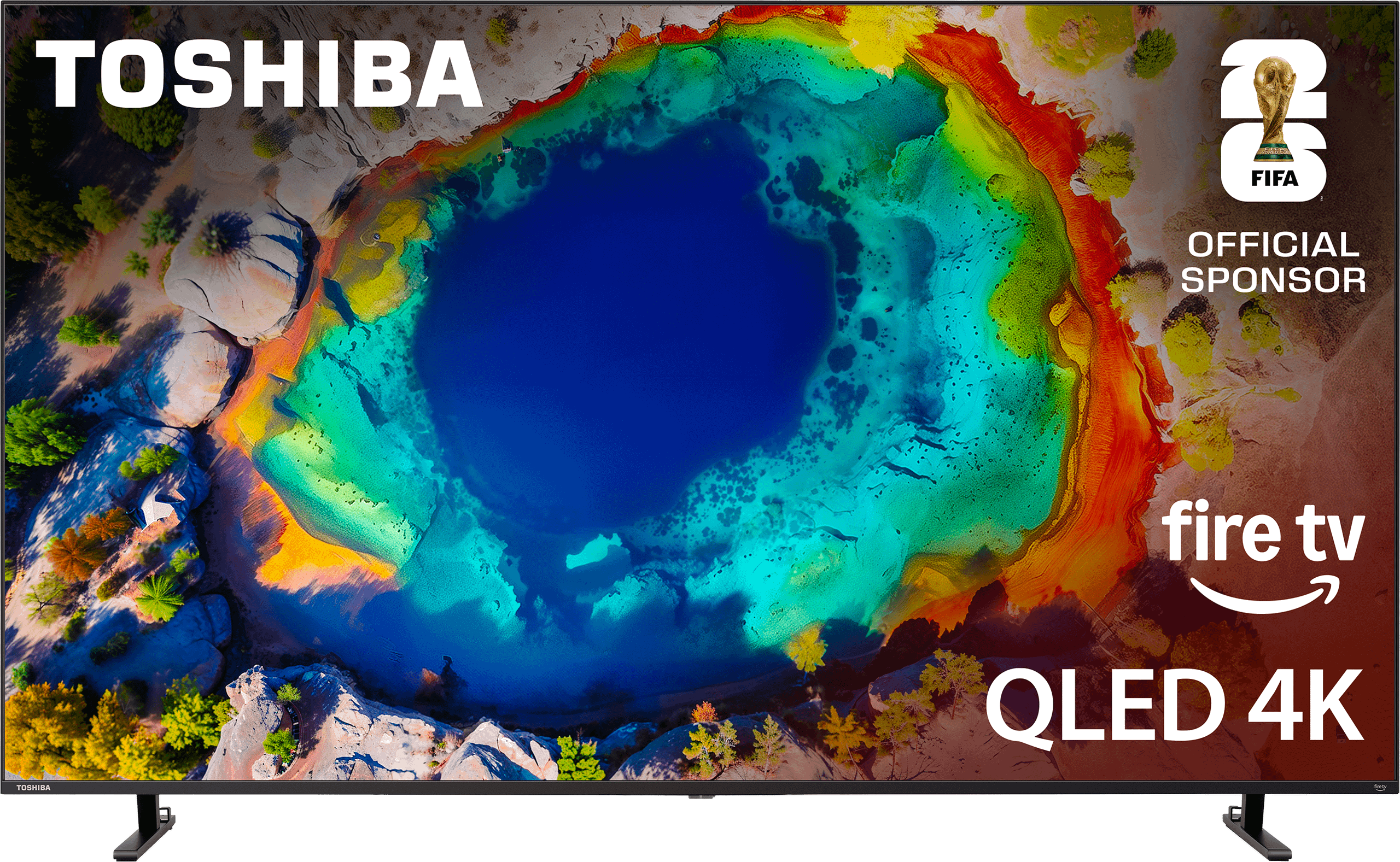
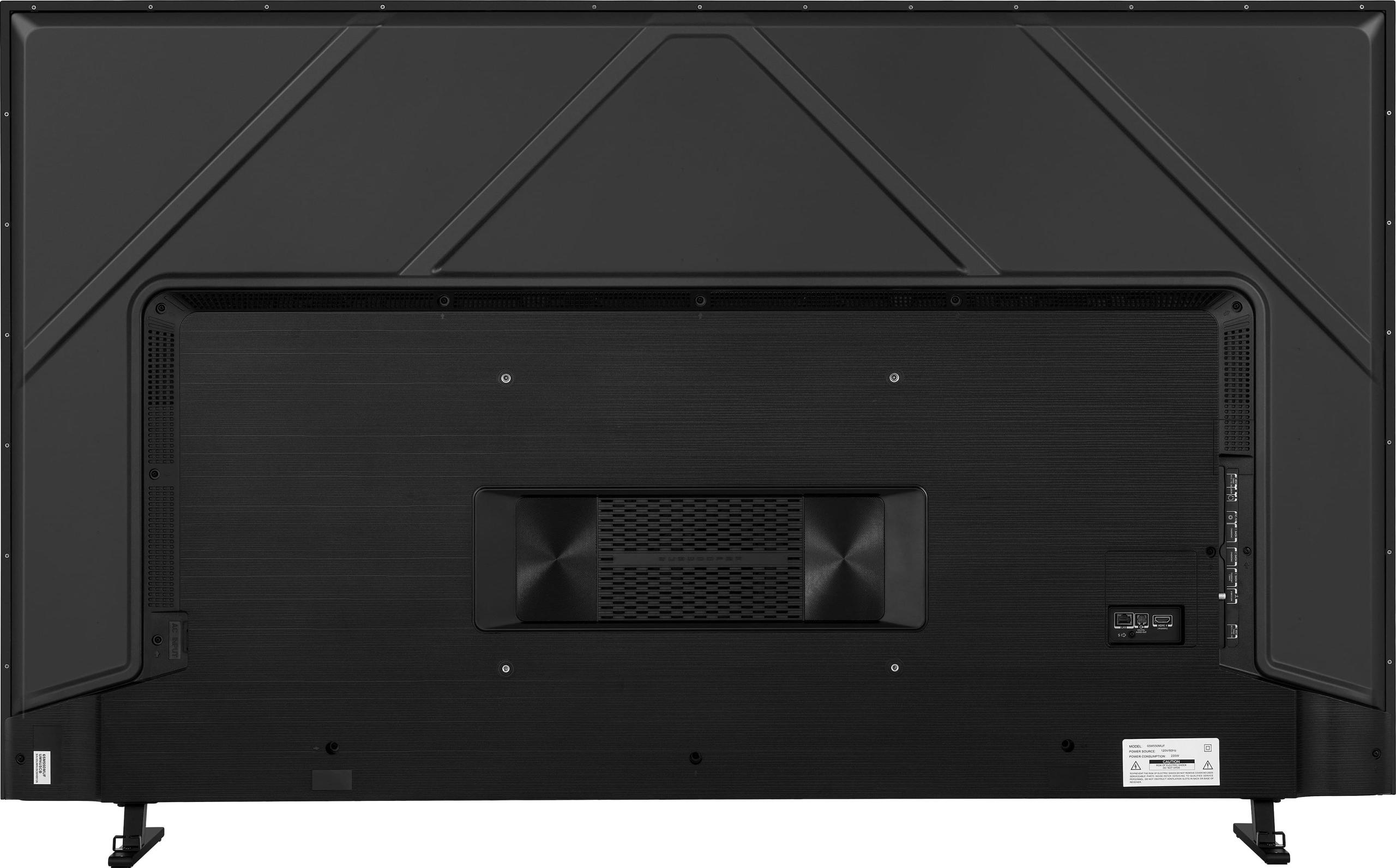
Compared to Toshiba 65" M550 Series QLED Fire TV

The Toshiba 65" M550 Series QLED Fire TV stands out primarily for its exceptional value proposition, delivering solid 4K picture quality and essential smart features at roughly one-third the cost of the QM7K. Despite its budget positioning, the M550 includes genuine QLED technology with quantum dots for enhanced color reproduction, covering about 90% of the DCI-P3 color gamut, and Full Array Local Dimming that provides better contrast than basic edge-lit TVs. The Fire TV platform offers seamless integration with Amazon's ecosystem, including far-field microphones for hands-free Alexa control, making it particularly appealing for users already invested in Amazon services. For casual viewing of streaming content, broadcast television, and older gaming consoles, the M550 delivers a surprisingly satisfying experience that punches above its weight class.

However, the Toshiba M550 reveals its budget constraints in areas where the QM7K excels. Professional reviews consistently highlight processing limitations that result in slower response times, occasional system freezes, and motion handling issues during fast-action content that the QM7K's advanced processor easily handles. The M550's 60Hz 4K limitation and basic gaming features make it unsuitable for modern console gaming, while its lower peak brightness means HDR content lacks the impact and vibrancy that the QM7K delivers effortlessly. For buyers prioritizing immediate affordability over long-term performance, or those upgrading from much older TVs where any 4K display represents a significant improvement, the Toshiba M550 offers remarkable value. But users seeking the best possible picture quality, gaming performance, or future-proofing will find the QM7K's premium features worth the additional investment.
🤖 Read Detailed Comparison
👌Toshiba 65" M550 Series QLED Fire TV Details
💵 See Toshiba 65" M550 Series QLED Fire TV Price

Compared to Roku 65" Pro Series 2025 4K QLED TV

The Roku 65" Pro Series 2025 takes a different approach that prioritizes user experience and ecosystem integration over raw performance metrics. Its standout feature is the lightning-fast Roku TV platform that powers on instantly—literally under a second according to user reports—compared to the slower boot times typical of most smart TVs. The Roku also incorporates Wi-Fi 6 connectivity for faster streaming and navigation, plus a rechargeable backlit Voice Remote Pro with a clever "find my remote" button on the TV itself that makes the remote beep when pressed. For bright room viewing, the Roku actually outperforms the TCL with superior SDR brightness and glare handling that maintains picture quality even with windows or ambient lighting nearby, making it better suited for family rooms where you can't control lighting conditions.
While the Roku 65" Pro Series 2025 can't match the TCL's peak HDR brightness or gaming refresh rates, it delivers a more polished overall package for users who value simplicity and reliability. The integrated Roku ecosystem eliminates the need for external streaming devices while providing one of the most intuitive smart TV interfaces available, with a unified home screen that seamlessly blends apps, live TV, and personal content. At a typical premium of $200-300 over the TCL's pricing, the Roku essentially asks buyers to pay extra for convenience features like instant responsiveness, future-proof Wi-Fi connectivity, and the streamlined user experience that Roku is known for. For buyers who prioritize ease of use over maximum performance specifications, or those with bright viewing environments, the Roku justifies its higher cost through superior day-to-day usability and bright room optimization.
🤖 Read Detailed Comparison
👌Roku 65" Pro Series 2025 4K QLED TV Details
💵 See Roku 65" Pro Series 2025 4K QLED TV Price

Compared to Hisense 65" H9G Quantum Series 4K UHD Smart Android TV

The Hisense 65" H9G does have some noteworthy strengths that made it competitive when it launched in 2020. Its most significant advantage lies in black level performance—despite having only 180 local dimming zones compared to the TCL's 2,500+, the H9G produces deeper, more uniform blacks with less blooming around bright objects in dark scenes. This makes it particularly appealing for dedicated home theater environments with controlled lighting where you're primarily watching movies. The H9G also delivers more natural, film-accurate colors out of the box without calibration, which some viewers prefer over the TCL's more vivid default settings. Additionally, its quantum dot technology still provides solid color reproduction and HDR support across all major formats.
However, the four-year technology gap becomes apparent in nearly every other performance category. The Hisense H9G peaks at just 1,000 nits compared to the TCL's 2,600 nits, making HDR content significantly less impactful, especially in rooms with any ambient lighting. More critically for modern use, it completely lacks HDMI 2.1 connectivity, limiting gaming to 4K/60Hz without variable refresh rate support—a major drawback for anyone with next-generation consoles. The older Android TV platform feels sluggish compared to Google TV, and the 20W audio system is notably weak. While the H9G was an excellent TV in its time, it's difficult to justify its typically higher pricing against the TCL's superior brightness, gaming capabilities, modern connectivity, and better audio system. Unless you're exclusively watching movies in a dark room and can find the H9G heavily discounted, the TCL represents a clear evolution in TV technology at a better value proposition.
🤖 Read Detailed Comparison
👌Hisense 65" H9G Quantum Series 4K UHD Smart Android TV Details
💵 See Hisense 65" H9G Quantum Series 4K UHD Smart Android TV Price

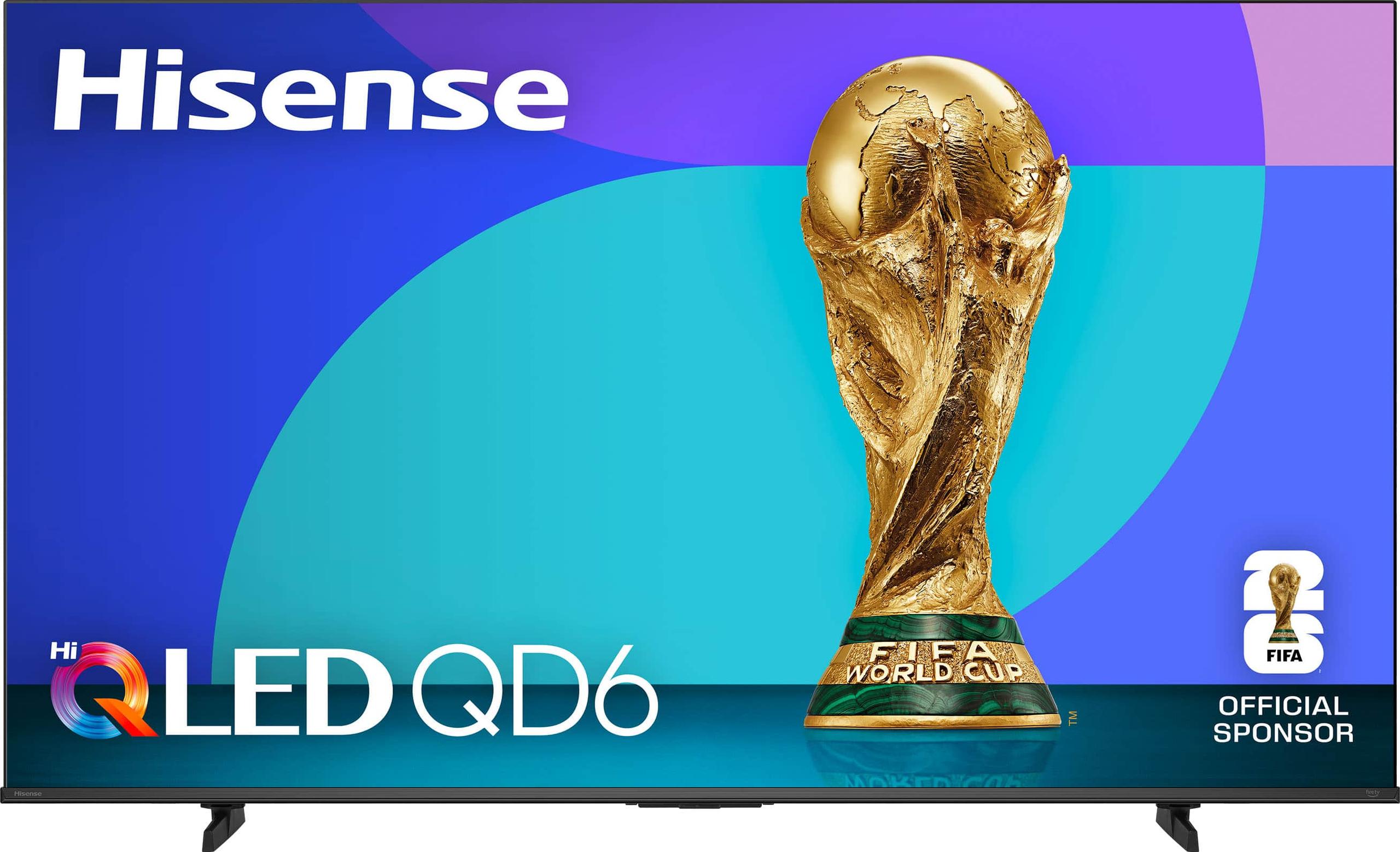
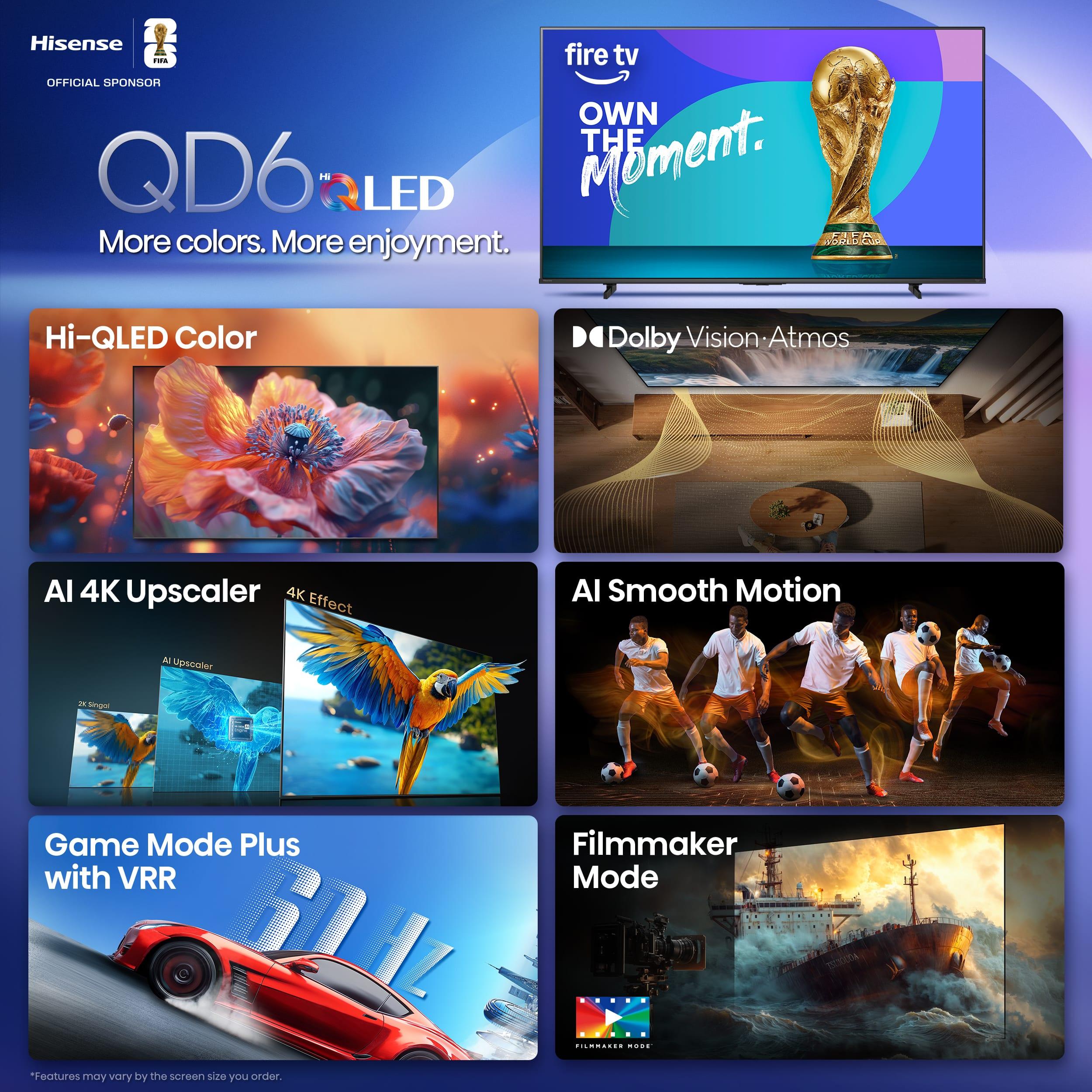
Compared to Hisense 65" QD6 Series Hi-QLED Fire TV (2025) 65QD6QF

The Hisense 65" QD6 Series offers compelling value as a budget-friendly entry point into quantum dot technology, delivering vibrant colors and solid 4K performance at a fraction of the TCL's cost. Its Fire TV platform provides seamless integration for Amazon Prime users and includes comprehensive voice assistant support through Alexa, Google Assistant, and Apple HomeKit. The QD6 covers 90% of the DCI-P3 color space with decent out-of-box accuracy, making it a significant upgrade over older LED TVs for viewers who primarily watch in controlled lighting conditions. For casual gamers, it includes VRR and ALLM support with respectably low input lag, handling basic console gaming adequately despite its 60Hz limitation.

However, the performance gap becomes apparent in direct comparison—the Hisense QD6's 385-nit peak brightness and complete lack of local dimming zones result in washed-out HDR content and black lift issues that the TCL's Mini-LED technology easily avoids. While the Hisense works well for evening viewing and moderate room lighting, it struggles in bright environments where the TCL excels. The HDMI 2.0 ports also limit future gaming potential to 4K@60Hz, which may feel restrictive as game technology advances. For budget-conscious buyers who prioritize getting into the 65-inch 4K market without premium features, the QD6 represents solid value, but those seeking long-term satisfaction and premium picture quality will find the TCL's higher investment worthwhile for its superior contrast, brightness, and gaming capabilities.
🤖 Read Detailed Comparison
👌Hisense 65" QD6 Series Hi-QLED Fire TV (2025) 65QD6QF Details
💵 See Hisense 65" QD6 Series Hi-QLED Fire TV (2025) 65QD6QF Price

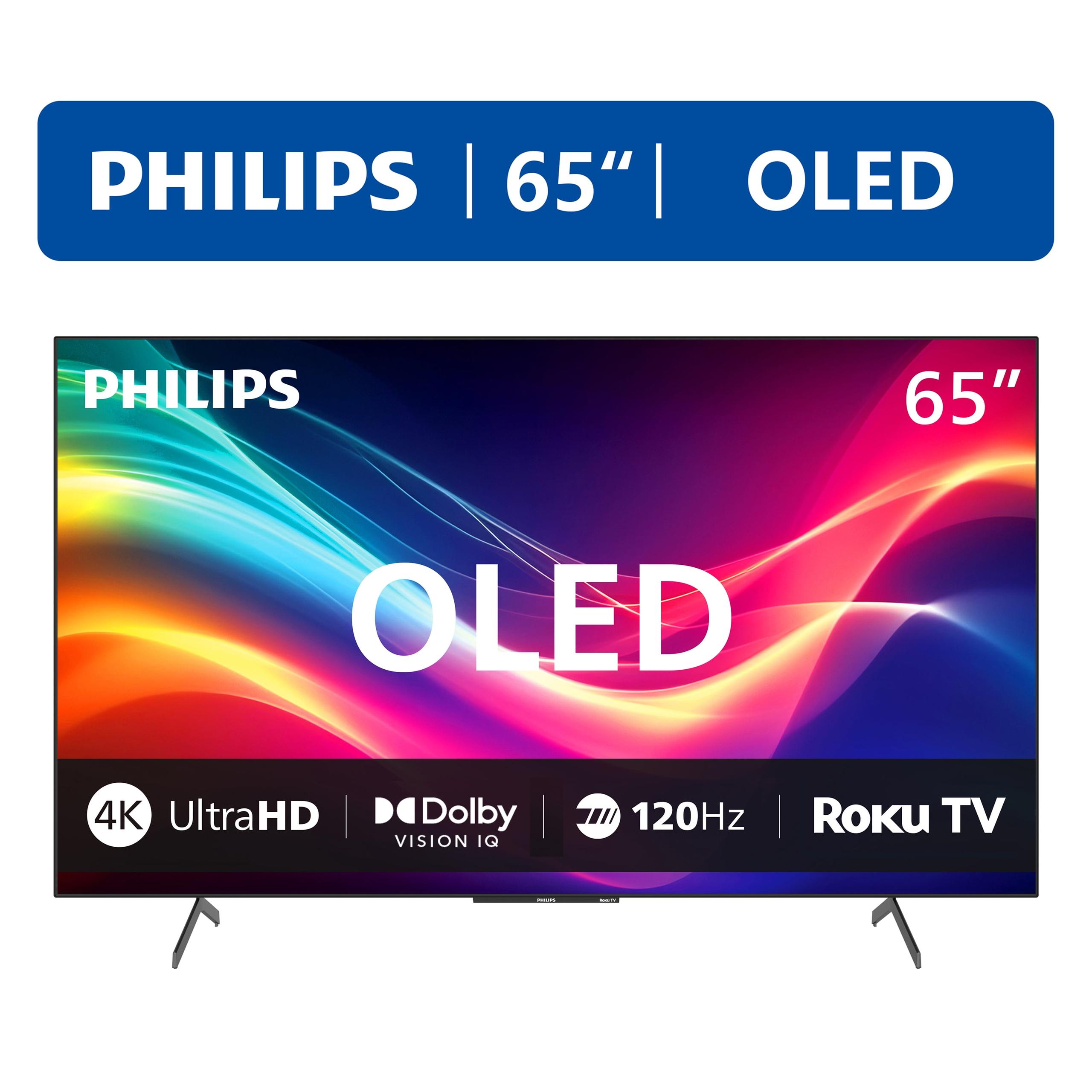
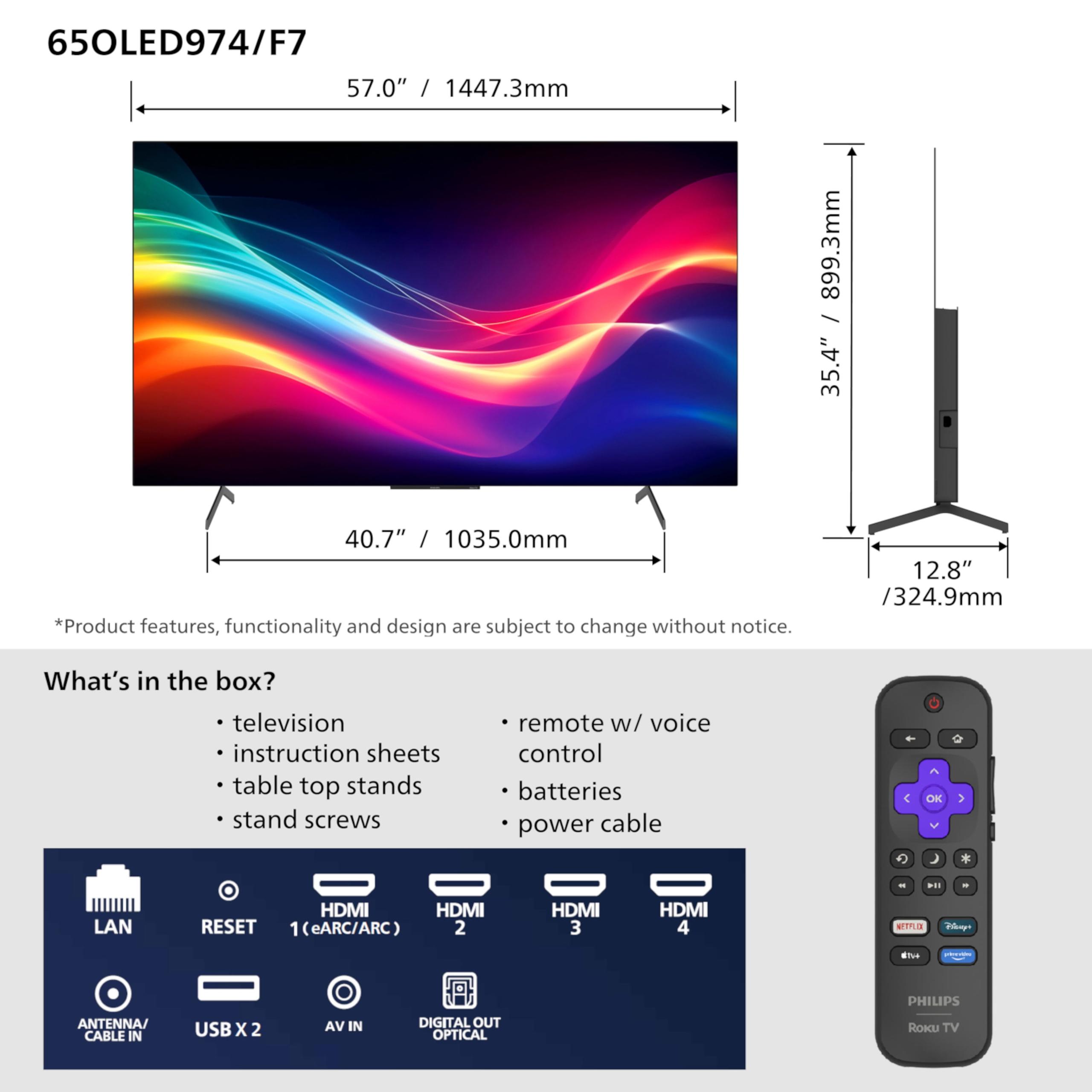
Compared to Philips 65OLED974/F7 65" OLED Roku TV

The Philips 65OLED974/F7 offers the holy grail of display technology with its OLED panel delivering perfect blacks and infinite contrast ratio that no Mini LED can match. Each of its 8 million pixels can turn completely off, creating an almost ethereal viewing experience where space scenes look like windows into actual darkness and shadow details remain perfectly preserved without any blooming or halo effects. The OLED technology also provides exceptional viewing angles up to 176 degrees, ensuring consistent image quality from any seating position—a significant advantage for family viewing scenarios. Additionally, the Philips features Roku TV's famously simple and intuitive interface, which many users prefer over more complex smart platforms for its straightforward navigation and comprehensive app selection.
However, the Philips 65OLED974/F7 comes with a critical limitation that affects real-world usability: poor peak brightness that makes it unsuitable for well-lit rooms and dramatically reduces HDR impact. Where the TCL shines in bright living rooms and delivers dazzling HDR highlights, the Philips requires dark room conditions to perform at its best, essentially limiting when and where you can enjoy its superior black levels. The OLED also typically costs more while offering less versatile performance, more modest built-in audio, and lower refresh rates for gaming. Unless you're specifically building a dedicated dark room home theater where perfect blacks are the primary concern, the Philips' brightness limitations and higher cost make it a less practical choice for most viewing scenarios, despite its undeniable technical excellence in contrast performance.
🤖 Read Detailed Comparison
👌Philips 65OLED974/F7 65" OLED Roku TV Details
💵 See Philips 65OLED974/F7 65" OLED Roku TV Price

You May Also Like:

Uncategorized

Shop the Category
our-favorite-plants-(and-how-we-keep-them-alive)

Buying Guides

Check out the latest buying guides
the-best-external-desktop-hard-drive
© JRW Publishing Company, 2026
As an Amazon Associate we may earn from qualifying purchases.
magnifiercross
linkedin facebook pinterest youtube rss twitter instagram facebook-blank rss-blank linkedin-blank pinterest youtube twitter instagram
Share to...