

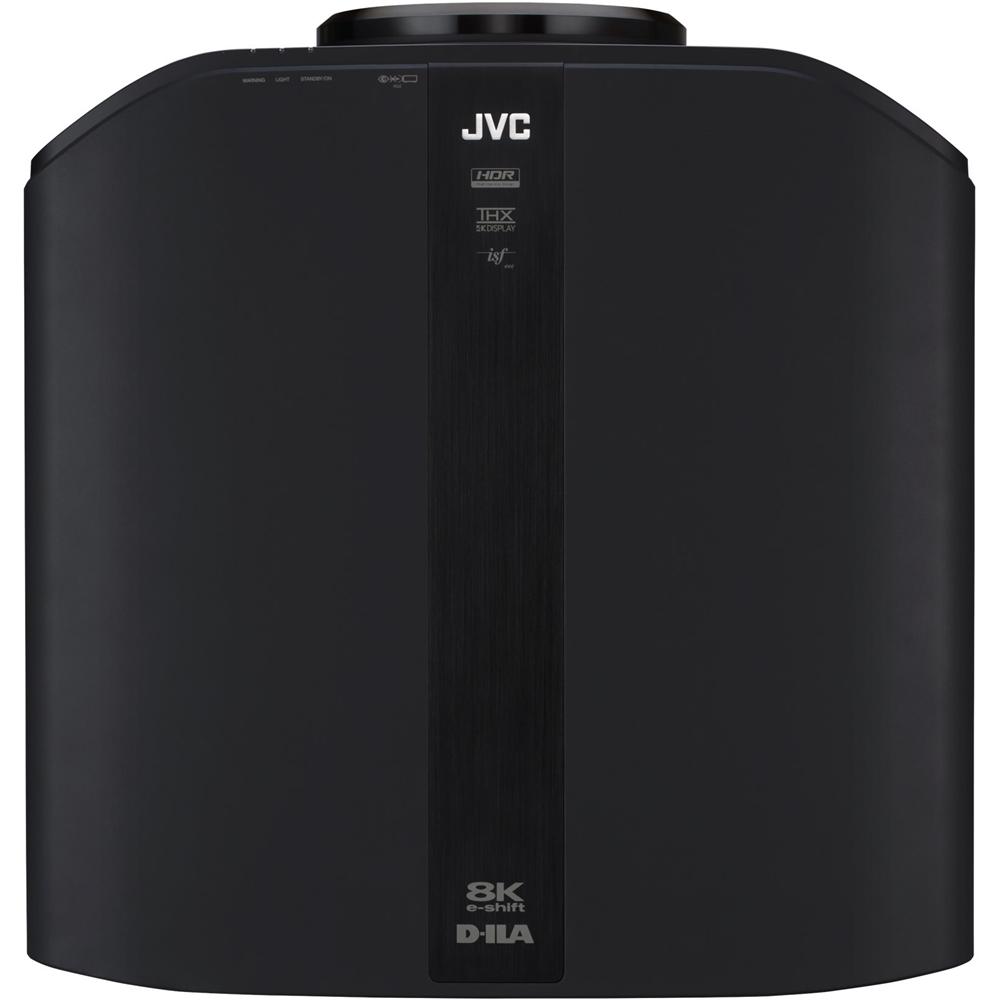
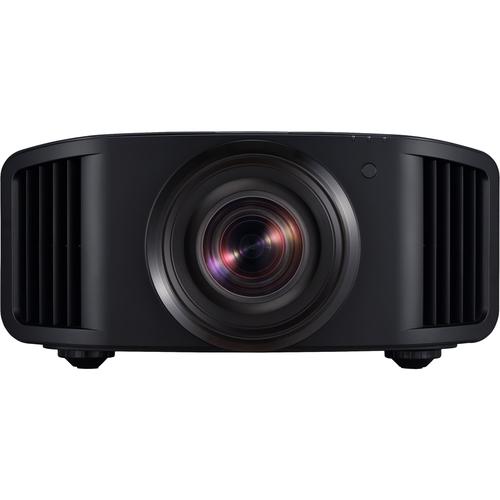
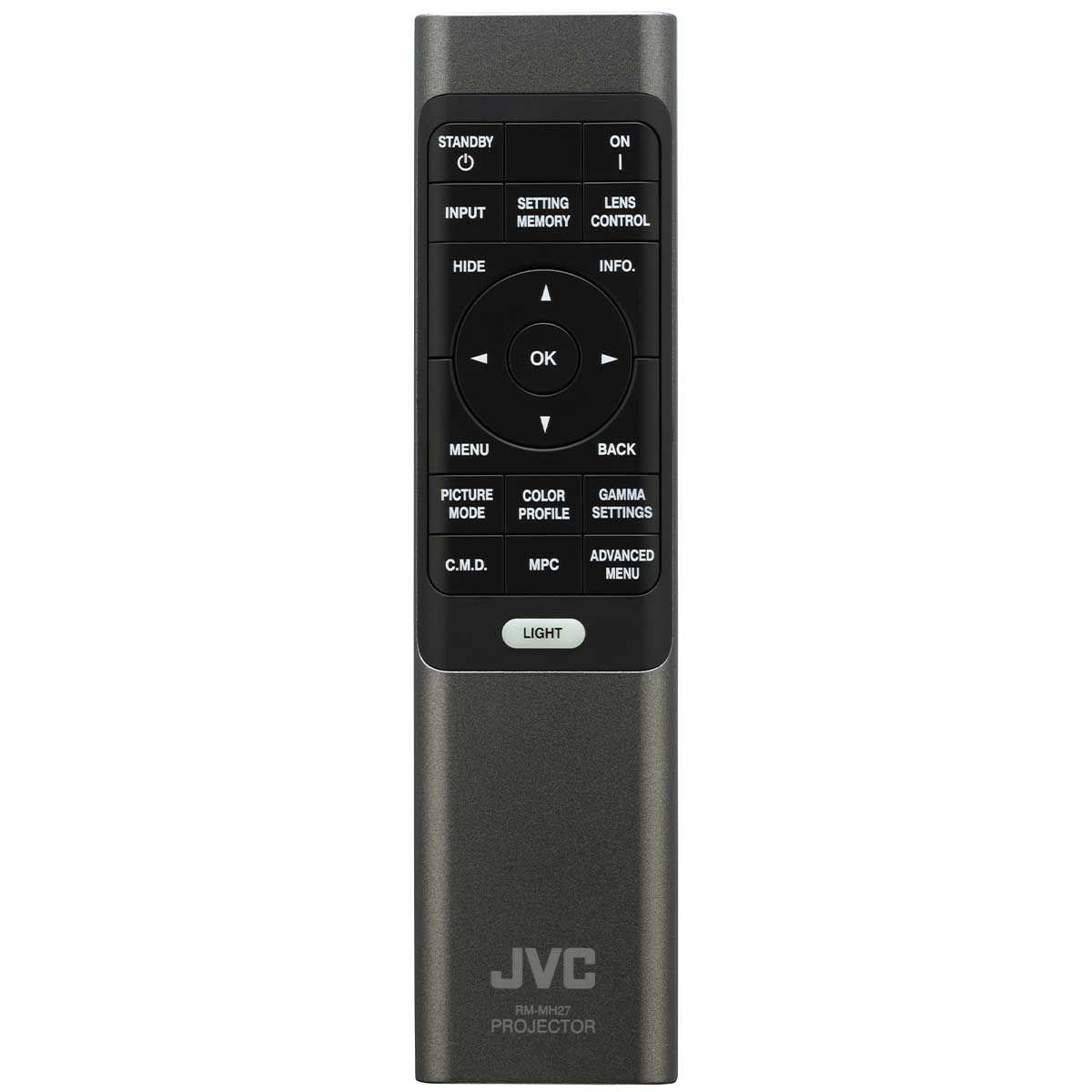
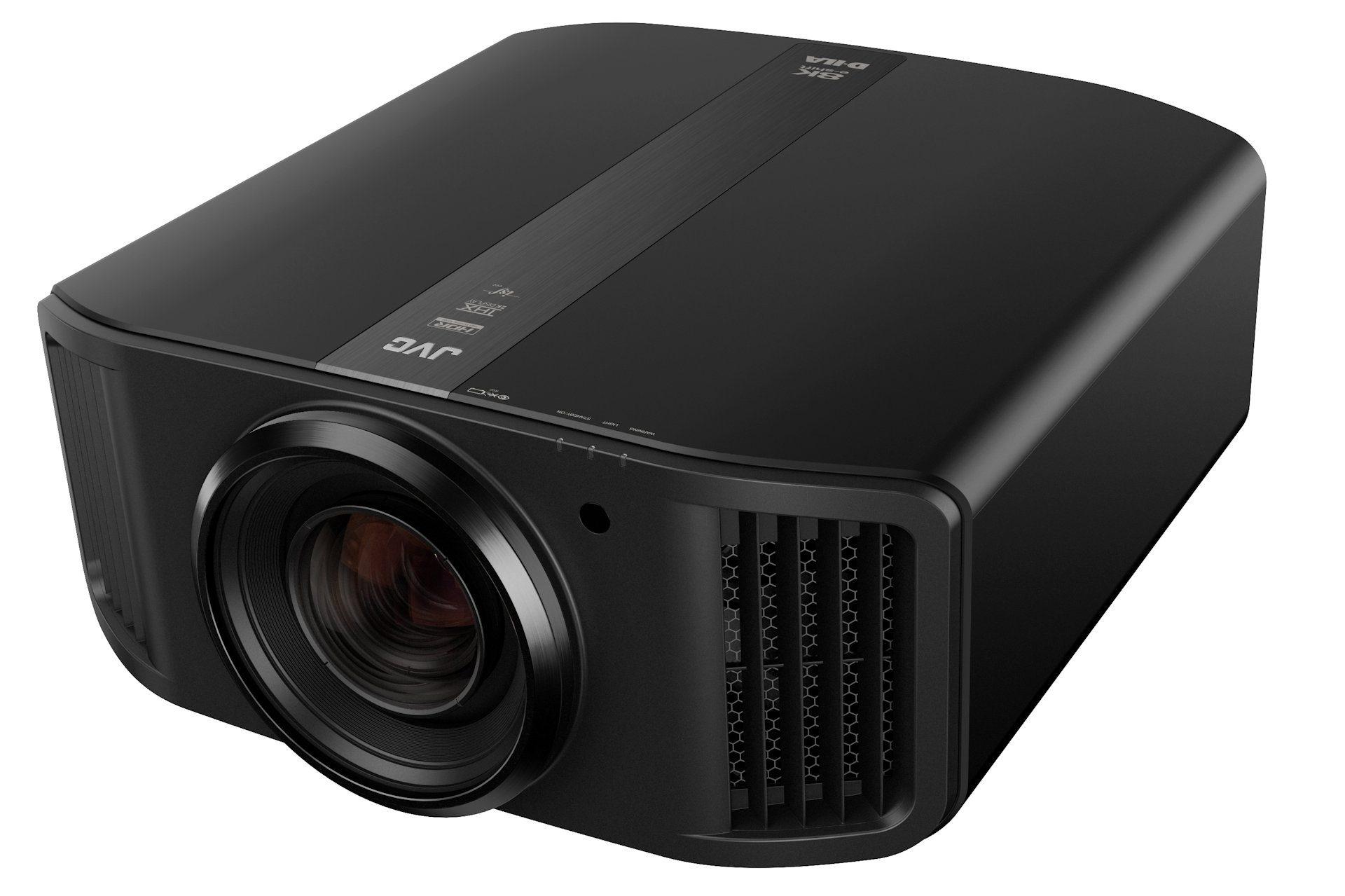
When you're ready to step up from a regular TV to a massive projected image, the world of premium projectors can feel overwhelming. Today's high-end projectors split into two distinct camps: versatile entertainment hubs that work in various lighting conditions, and dedicated cinema systems that prioritize absolute image quality above all else. The XGIMI Horizon 20 Max and JVC DLA-NX9 represent these two philosophies perfectly—and at dramatically different price points.
Understanding what separates a $3,000 projector from an $18,000 one isn't just about the money. It's about fundamentally different approaches to home entertainment, each with compelling advantages depending on your space, priorities, and viewing habits.
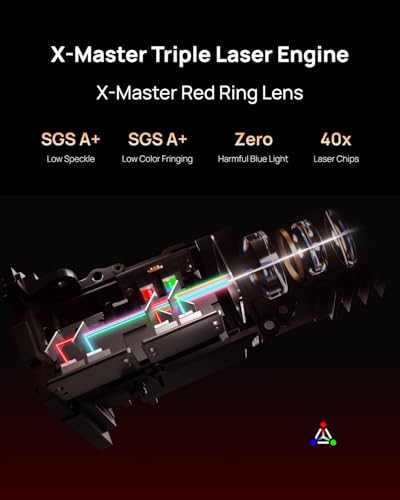
The projector world has split into two clear directions over the past few years. On one side, you have laser-powered brightness champions like the XGIMI Horizon 20 Max, released in 2025 with cutting-edge RGB triple-laser technology. These projectors can pump out enough light to create watchable images even in rooms with ambient light—something impossible just a few years ago.
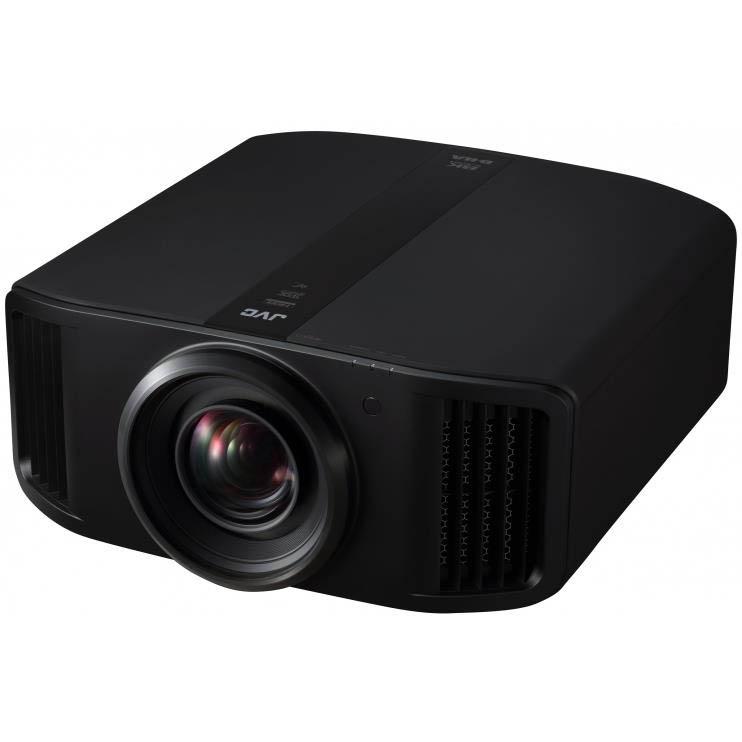
On the other side sit contrast masters like the JVC DLA-NX9, which launched in 2018 as the world's first 8K e-shift projector. While its core technology remains impressive today, it represents a more traditional approach: squeeze every ounce of image quality from a controlled, darkened environment.
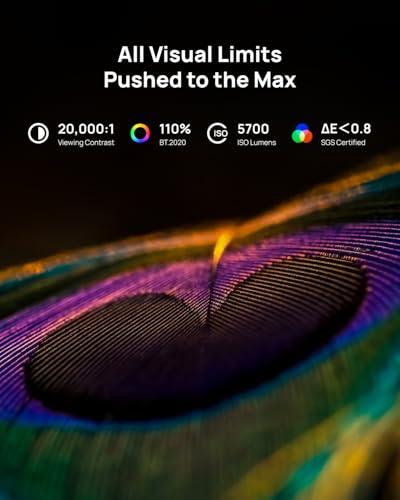
The technical difference comes down to how these projectors create light. The Horizon 20 Max uses RGB lasers—separate red, green, and blue laser diodes that combine to create incredibly bright, pure colors. This system can output 5,700 ISO lumens (a standardized brightness measurement) while maintaining excellent color accuracy. ISO lumens matter because they represent real-world brightness, not the inflated marketing numbers some manufacturers use.
The DLA-NX9, meanwhile, uses a traditional mercury lamp producing 2,200 lumens. That's less than half the brightness, but here's the key: it doesn't need to be brighter. This projector's strength lies in its contrast ratio—the difference between the brightest whites and deepest blacks it can display. At 100,000:1 native contrast (expandable to 1,000,000:1 with dynamic iris control), it creates blacks so deep they seem to disappear into the screen.
Most people underestimate how revolutionary high brightness has become for projector placement and usability. The XGIMI Horizon 20 Max produces enough light that you can watch movies during the day with curtains open—something that would wash out completely on the JVC DLA-NX9.
This brightness advantage extends beyond just ambient light tolerance. When you're projecting onto a 100-inch or larger screen, you're spreading the same amount of light over a massive area. Higher brightness projectors maintain image punch and color saturation at these sizes, while dimmer projectors can look washed out even in dark rooms.
The trade-off is that laser projectors like the Horizon 20 Max can't achieve the absolute black levels of lamp-based systems. In a completely dark room, you might notice that "black" areas of the screen have a slight gray tint compared to the true black of the DLA-NX9. Whether this matters depends on your viewing environment and sensitivity to such details.
Both projectors deliver 4K images, but through different technological approaches. The JVC DLA-NX9 uses three separate 0.69-inch D-ILA panels (JVC's version of LCoS technology) to create native 4K resolution. Each panel handles one color—red, green, or blue—and the combination creates the full image. This three-panel design inherently produces better color separation and accuracy than single-chip systems.
The XGIMI Horizon 20 Max uses a single 0.47-inch DMD (Digital Micromirror Device) chip with XPR (eXpanded Pixel Resolution) technology. This system rapidly shifts the image to display more pixels than the chip natively contains, effectively creating 4K resolution from a lower-resolution chip. While this produces sharp 4K images, purists argue it's not "true" 4K since the chip itself isn't 4K native.
Here's where the JVC gets interesting: it takes its native 4K image and uses proprietary 8K e-shift technology to create an 8K-equivalent display (8192 x 4320 pixels). The system shifts pixels diagonally by half a pixel width and combines the information to quadruple the perceived pixel density. Combined with JVC's Multi Pixel Control processing, this creates noticeably sharper images, especially on screens larger than 120 inches.
The 8K enhancement isn't marketing fluff—it's visible on high-quality content. Think of it like anti-aliasing in video games, smoothing out jagged edges and creating more natural-looking textures. However, you need excellent source material and a large screen to see the difference clearly.
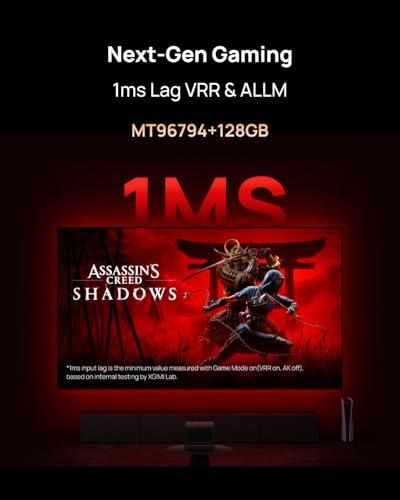
Gaming reveals the generational difference between these projectors most clearly. The XGIMI Horizon 20 Max was designed with modern gaming in mind, featuring HDMI 2.1 connectivity and support for Variable Refresh Rate (VRR)—a technology that synchronizes the projector's refresh rate with your gaming console's output to eliminate screen tearing and stuttering.
The input latency numbers tell the story: the Horizon 20 Max achieves just 1ms latency at 1080p/240Hz, 2.2ms at 1080p/120Hz, and 3ms at 4K/60Hz. Input latency is the delay between pressing a button and seeing the action on screen—critical for competitive gaming. These numbers rival dedicated gaming monitors.
The JVC DLA-NX9, released in 2018, predates the current gaming renaissance. Its approximately 35ms input latency works fine for single-player games but becomes problematic for anything requiring quick reactions. The projector includes a Low Latency Mode that helps somewhat, but it can't compete with modern gaming-optimized displays.
Gaming capabilities extend beyond just latency. The XGIMI includes gaming-specific features like Black Equalizer (brightens dark areas without affecting overall image brightness), Virtual Crosshairs, and picture modes optimized for different game genres. These might seem gimmicky, but they genuinely help in competitive scenarios.
Both projectors excel at color reproduction but take different approaches. The XGIMI Horizon 20 Max achieves 110% BT.2020 color coverage with Delta E values below 0.8 across all major color standards. Delta E measures color accuracy—values below 1.0 are considered imperceptible to the human eye under normal viewing conditions.
The laser light source provides several advantages: consistent color output over time (no lamp degradation), instant on/off capability, and precise color control. The RGB laser system can hit colors that traditional lamp-based projectors struggle with, particularly deep reds and vibrant greens.
The JVC DLA-NX9 covers 100% of the DCI-P3 color gamut used in digital cinema, with THX 4K certification ensuring it meets strict color accuracy standards. The three-panel D-ILA system inherently produces excellent color separation since each color gets its own dedicated panel. This design eliminates the color wheel effects (rainbow artifacts) that can occasionally appear on single-chip DLP projectors.
JVC's approach focuses on authenticity rather than eye-catching vibrancy. The color reproduction aims to match what filmmakers intended when they mastered their content for cinema release. This philosophy appeals to movie purists who want the most accurate representation possible.
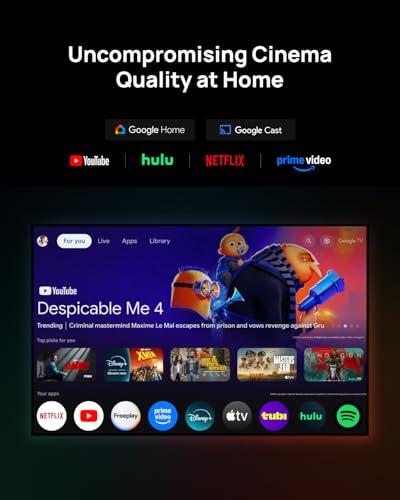
The difference in smart features perfectly illustrates these projectors' target audiences. The XGIMI Horizon 20 Max runs Android TV 11, providing direct access to Netflix, Disney+, Amazon Prime, YouTube, and other streaming services without any external devices. Google Home integration enables voice control, and Wi-Fi 6 connectivity ensures smooth streaming even with high-bandwidth 4K content.
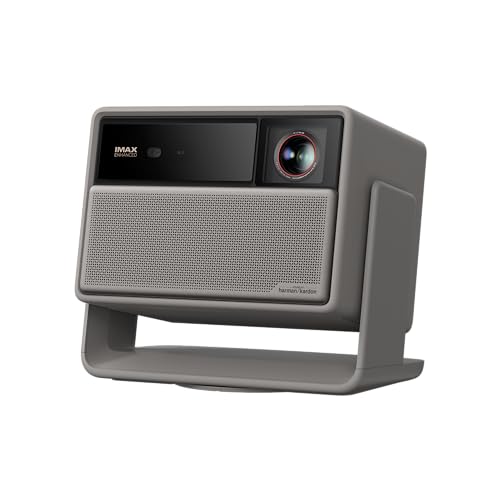
This all-in-one approach extends to audio with dual 12W Harman/Kardon speakers. While these won't replace a dedicated surround sound system, they're surprisingly capable for casual viewing and eliminate the need for external speakers in smaller rooms. The ISA 5.0 auto-setup system handles focus, keystone correction, and screen alignment automatically—you can literally plug it in and start watching within minutes.
The JVC DLA-NX9 takes the opposite approach: it's a pure display device requiring external components for smart features, streaming, and audio. This isn't a limitation—it's by design. Custom theater installations typically use dedicated media servers, streaming devices, and surround sound systems chosen specifically for the room and user preferences.
The JVC integrates with professional control systems through RS-232C, LAN, and trigger outputs. Installation Mode saves up to 10 different lens and picture settings, allowing installers to optimize the projector for different content types and viewing scenarios.
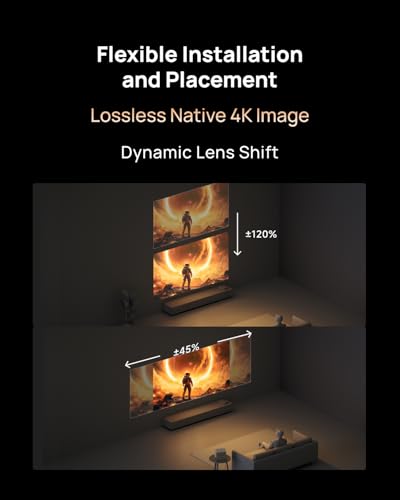
Setting up these projectors reveals their fundamental philosophical differences. The XGIMI Horizon 20 Max emphasizes user-friendly setup with motorized lens shift (both horizontal and vertical) that's unprecedented at this price point. Most projectors under $5,000 require physical repositioning to align the image properly, but the Horizon 20 Max lets you adjust the image position electronically.
The ISA 5.0 system uses cameras and sensors to automatically detect screen edges, correct keystoning (image distortion from angled projection), avoid obstacles like lighting fixtures, and even adjust color temperature based on wall color. This technology makes proper setup accessible to anyone, not just AV professionals.
Professional installation isn't required, but the JVC DLA-NX9 practically demands it. The projector includes a premium 100mm diameter all-glass lens with 18 elements arranged in 16 groups—engineering that's more complex than many camera lenses. This optical system provides extensive zoom and shift capabilities but requires careful alignment and calibration to achieve its full potential.
Professional calibration involves using specialized meters and software to measure the projector's output and adjust hundreds of parameters to achieve perfect color accuracy, gamma response, and grayscale tracking. This process can take several hours and costs $1,000-3,000 additional, but the results justify the expense for serious enthusiasts.
Your room largely determines which projector makes sense. The XGIMI Horizon 20 Max works in almost any space thanks to its high brightness output. You can use it in living rooms with large windows, basements with fluorescent lighting, or dedicated theater rooms with complete light control. This flexibility makes it ideal for renters, families with multi-purpose spaces, or anyone who wants great image quality without architectural modifications.
The brightness advantage becomes crucial for larger screen sizes. At 120+ inches, even a 5,700-lumen projector starts working harder to maintain image quality. The JVC's 2,200 lumens simply can't provide adequate brightness for very large screens unless the room is completely dark.
The JVC DLA-NX9 requires—and rewards—a properly prepared theater room. This means blackout curtains, dark wall and ceiling colors, controlled seating positions, and ideally, a dedicated screen rather than a painted wall. In return, you get the kind of deep, immersive image quality that approaches commercial cinema standards.
Room acoustics matter more with the JVC since you'll need a separate audio system. The room needs to accommodate speakers, subwoofers, and potentially acoustic treatments to achieve the full experience the projector enables.
At time of writing, the price difference between these projectors is substantial—the XGIMI costs roughly one-sixth of the JVC. However, total ownership costs tell a more complex story.
The XGIMI Horizon 20 Max includes everything needed for immediate use: smart TV features, decent audio, and automated setup. The RGB laser light source should last approximately 20,000 hours without user-replaceable parts, and there's no lamp to replace or filter to clean.
The JVC DLA-NX9 requires additional investments: professional installation ($1,000-3,000), external streaming device ($100-500), surround sound system ($2,000-10,000+), and eventual lamp replacement (approximately $400-600 every 4,500 hours). The total system cost often exceeds $25,000.
However, value isn't just about money—it's about performance per dollar and how well a product serves its intended purpose. The JVC delivers image quality that was impossible to achieve in consumer products just a decade ago, while the XGIMI provides theater-level brightness and smart features at a price that seemed fantasy when the JVC was released.
Based on extensive research into user experiences and professional reviews, the choice between these projectors usually becomes clear once you honestly assess your needs and constraints.
Choose the XGIMI Horizon 20 Max if you want maximum versatility and value. It excels for families, gamers, sports viewing, and anyone who wants excellent image quality without room modifications or professional installation. The combination of high brightness, gaming optimization, and smart features creates an entertainment hub that handles everything well.
The JVC DLA-NX9 makes sense for dedicated home theater enthusiasts with properly prepared rooms and budgets that extend well beyond the projector itself. If you're building a theater room with professional installation, controlled lighting, and a high-end audio system, the JVC's superior contrast and 8K enhancement technology become worthwhile investments.
Consider your primary use cases honestly. If you watch Netflix as often as you watch films, game regularly, or need daytime viewing capability, the XGIMI serves those needs better. If you're primarily interested in movie watching in a controlled environment and appreciate the finest details that separate good from exceptional image quality, the JVC justifies its premium.
The projector market has evolved to offer genuinely excellent options at different price points. Seven years after the JVC DLA-NX9's release, the XGIMI Horizon 20 Max demonstrates how much technology has advanced and democratized. Both projectors excel at what they're designed to do—the key is choosing the one whose strengths align with your entertainment priorities and living situation.
| XGIMI Horizon 20 Max 4K Projector | JVC DLA-NX9 8K e-shift Home Theater Projector |
|---|---|
| Brightness - Critical for ambient light viewing and large screens | |
| 5,700 ISO lumens (excellent for daytime viewing) | 2,200 lumens (requires completely dark room) |
| Light Source Technology - Affects lifespan and color consistency | |
| RGB Triple Laser (20,000+ hour lifespan, no replacements) | 265W Mercury Lamp (4,500 hour lifespan, requires replacement) |
| Native Resolution - Foundation of image sharpness | |
| 4K XPR via single 0.47" DMD chip | Native 4K via three 0.69" D-ILA panels |
| Maximum Output Resolution - Enhanced detail capability | |
| Standard 4K (3840 x 2160) | 8K e-shift enhanced (8192 x 4320) |
| Contrast Ratio - Determines black levels and image depth | |
| 20,000:1 (good for bright room viewing) | 100,000:1 native (exceptional for dark theater rooms) |
| Gaming Performance - Input lag for responsive gameplay | |
| 1-3ms latency, 240Hz support, HDMI 2.1 with VRR | ~35ms latency, limited gaming optimization |
| Smart TV Features - Built-in streaming and convenience | |
| Android TV 11 with Netflix, Disney+, voice control | None (requires external streaming device) |
| Audio System - Eliminates need for external speakers | |
| Dual 12W Harman/Kardon speakers built-in | No built-in audio (requires external sound system) |
| Setup and Installation - Ease of use and flexibility | |
| ISA 5.0 auto-setup, plug-and-play ready | Professional installation and calibration required |
| Lens System - Image positioning and optical quality | |
| Motorized lens shift, standard optics | Premium 100mm all-glass lens with extensive zoom/shift |
| HDR Support - Enhanced dynamic range capability | |
| Dolby Vision, HDR10+, IMAX Enhanced | HDR10, HLG with Frame Adapt HDR |
| Color Accuracy - Professional-grade color reproduction | |
| 110% BT.2020, ΔE<0.8 across all standards | 100% DCI-P3, THX 4K certified |
| Release Year - Technology generation and feature currency | |
| 2025 (latest connectivity and smart features) | 2018 (established premium cinema technology) |
| Room Requirements - Installation flexibility | |
| Works in bright rooms, living spaces, multi-purpose areas | Requires dedicated dark theater room with light control |
| Total System Cost - Complete setup investment needed | |
| All-inclusive at projector price point | Requires additional $10,000+ for installation, audio, streaming |
The XGIMI Horizon 20 Max is significantly better for bright rooms with its 5,700 ISO lumens output from RGB triple laser technology. This brightness allows you to watch movies and shows during daytime with windows open or lights on. The JVC DLA-NX9 produces only 2,200 lumens and requires a completely darkened room to perform properly.
The XGIMI Horizon 20 Max delivers standard 4K resolution (3840 x 2160) using XPR pixel-shifting technology. The JVC DLA-NX9 starts with native 4K from three D-ILA panels, then uses proprietary 8K e-shift technology to create 8K-equivalent resolution (8192 x 4320) with noticeably sharper detail on large screens over 120 inches.
The XGIMI Horizon 20 Max excels for gaming with ultra-low input latency of 1-3ms depending on resolution, HDMI 2.1 connectivity, 240Hz support, and Variable Refresh Rate (VRR). The JVC DLA-NX9 has approximately 35ms input latency and limited gaming optimization, making it suitable only for casual single-player games.
The XGIMI Horizon 20 Max runs Android TV 11 with built-in Netflix, Disney+, Amazon Prime, YouTube, and Google Home integration. The JVC DLA-NX9 has no smart TV features and requires an external streaming device like Apple TV, Roku, or dedicated media server for content access.
The JVC DLA-NX9 delivers superior black levels with 100,000:1 native contrast ratio that can expand to 1,000,000:1 with dynamic iris control. The XGIMI Horizon 20 Max offers 20,000:1 contrast ratio, which is good but cannot match the deep blacks achievable by the JVC's three-panel D-ILA system in dark rooms.
The XGIMI Horizon 20 Max includes dual 12W Harman/Kardon speakers that provide surprisingly good sound quality for an all-in-one solution. The JVC DLA-NX9 has no built-in speakers and requires a separate surround sound system, which is typical for dedicated home theater installations.
The XGIMI Horizon 20 Max offers plug-and-play setup with ISA 5.0 auto-calibration that handles focus, keystone correction, screen alignment, and obstacle avoidance automatically. The JVC DLA-NX9 requires professional installation and calibration to achieve optimal performance, typically adding several thousand dollars to the total cost.
The XGIMI Horizon 20 Max uses RGB laser technology with an estimated 20,000+ hour lifespan and no user-replaceable parts. The JVC DLA-NX9 uses a traditional mercury lamp lasting approximately 4,500 hours in low mode, requiring periodic replacement at several hundred dollars per lamp.
For screens over 120 inches, the choice depends on your room. The XGIMI Horizon 20 Max maintains brightness and color saturation on large screens thanks to its high lumen output. The JVC DLA-NX9 excels on large screens in dark rooms where its 8K e-shift technology and superior contrast create exceptionally detailed, cinema-quality images.
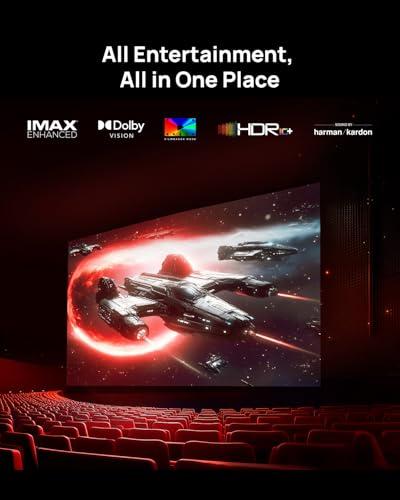
The XGIMI Horizon 20 Max supports Dolby Vision, HDR10+, HDR10, HLG, and is IMAX Enhanced certified with dynamic tone mapping. The JVC DLA-NX9 supports HDR10 and HLG with Frame Adapt HDR technology that offers static, scene-by-scene, or frame-by-frame tone mapping control for precise image optimization.
The XGIMI Horizon 20 Max provides exceptional value as an all-in-one entertainment solution with high brightness, gaming optimization, smart features, and built-in audio at a consumer-friendly price point. The JVC DLA-NX9 offers superior image quality for dedicated home theater rooms but requires significant additional investment in professional installation, external audio systems, and streaming devices.
The XGIMI Horizon 20 Max works in virtually any room thanks to its high brightness output and flexible setup options, making it ideal for living rooms, basements, or multi-purpose spaces. The JVC DLA-NX9 requires a dedicated, light-controlled theater room with blackout curtains, dark surfaces, and proper acoustic treatment to achieve its full potential.
We've done our best to create useful and informative comparisons to help you decide what product to buy. Our research uses advanced automated methods to create this comparison and perfection is not possible - please contact us for corrections or questions. These are the sites we've researched in the creation of this article: dustinabbott.net - projectorcentral.com - youtube.com - us.xgimi.com - youtube.com - tweaktown.com - youtube.com - us.xgimi.com - youtube.com - youtube.com - thesmarthomehookup.com - youtube.com - us.xgimi.com - global.xgimi.com - projector-database.com - youtube.com - projectorscreen.com - avsforum.com - crutchfield.com - avnirvana.com - flanners.com - projectorcentral.com - soundandvision.com - jvc.com - eu.jvc.com - directappliance.com

Privacy Policy
Terms and Conditions - Affiliate Policy
Home Security
© Copyright 2008-2026.
11816 Inwood Rd #1211, Dallas, TX 75244