

When it comes to creating an incredible home theater experience, few decisions carry as much weight as choosing the right projector. Today's laser projectors have transformed what's possible in home entertainment, delivering cinema-quality images that would have been unthinkable just a few years ago. But with advanced technology comes complex choices, especially when comparing two very different approaches to the same goal.
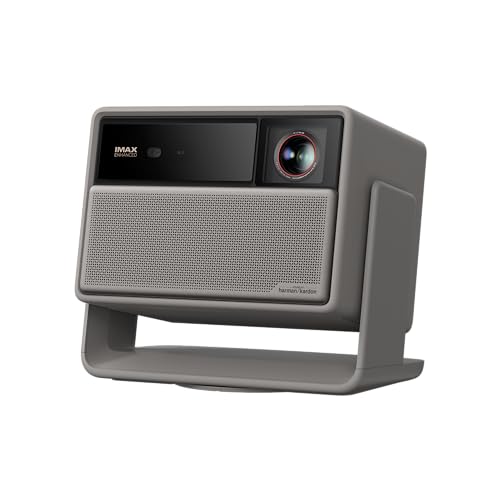
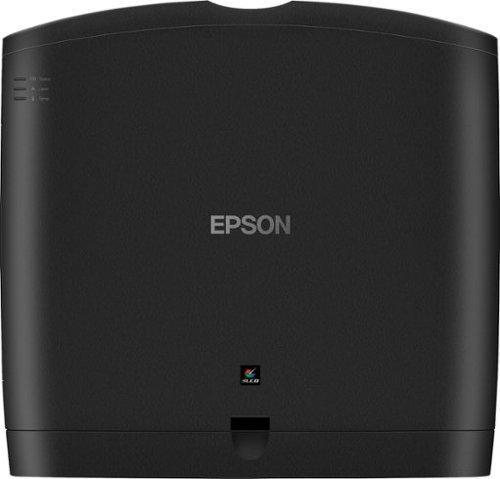
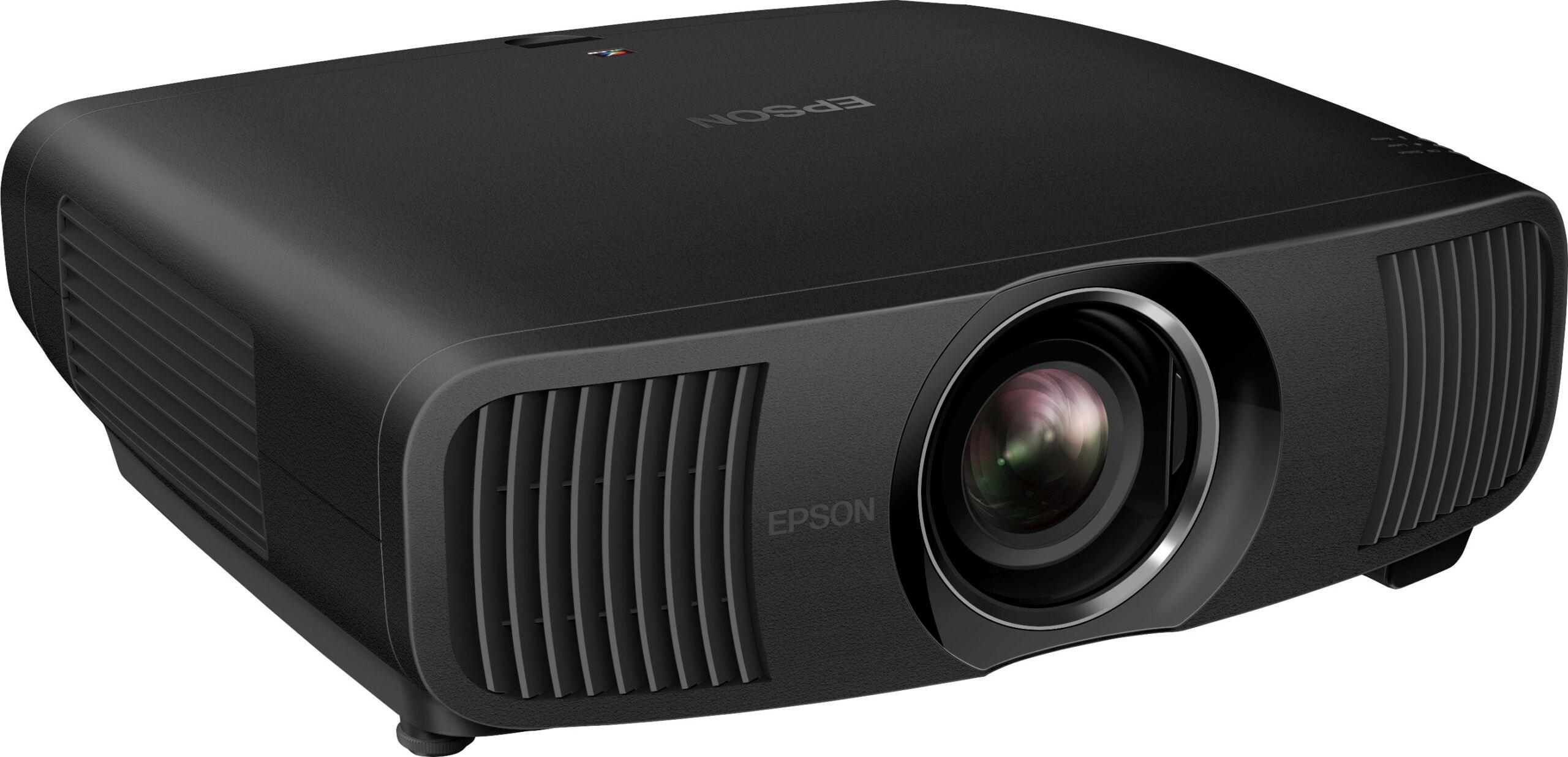
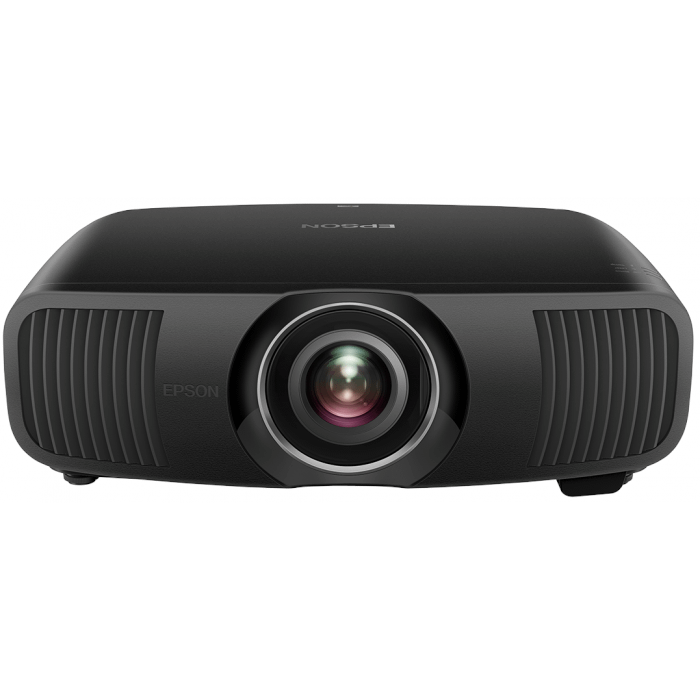
The XGIMI Horizon 20 Max and Epson Pro Cinema LS12000 represent two distinct philosophies in high-end projection technology. Released in 2024 and 2022 respectively, these projectors showcase how the industry has evolved to serve different needs. The XGIMI Horizon 20 Max embodies the modern trend toward bright, versatile, all-in-one entertainment hubs, while the Epson Pro Cinema LS12000 represents the traditional approach of professional-grade image processing optimized for dedicated theater rooms.
Understanding which approach suits your situation requires diving deep into what makes each projector tick—and more importantly, what that means for your viewing experience.
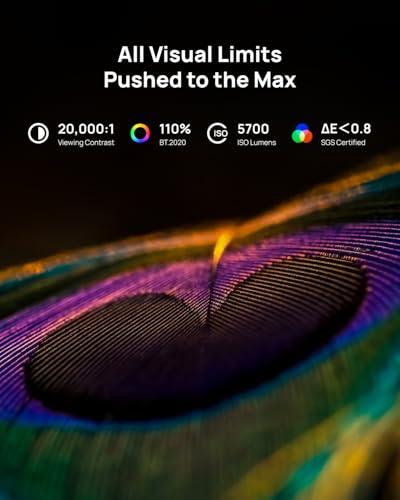
The most immediately obvious difference between these projectors lies in their brightness output, and this single specification fundamentally changes how each projector fits into your life. The XGIMI Horizon 20 Max produces an impressive 5,700 ISO lumens, while the Epson Pro Cinema LS12000 delivers 2,700 lumens. That's more than double the brightness—but what does that actually mean in practical terms?
Lumens measure the total amount of visible light a projector produces. In simple terms, more lumens means a brighter image that can compete with ambient light sources like windows, ceiling lights, or even sunlight streaming through blinds. The difference here isn't subtle—it's transformative.
With the XGIMI Horizon 20 Max, you can genuinely watch movies during the day in a typical living room with some lights on. Sports games become vibrant and engaging even with afternoon sun filtering through windows. This kind of brightness opens up projection to spaces that previously couldn't accommodate it effectively. Based on expert measurements and user feedback, this projector maintains excellent image quality even in challenging lighting conditions that would wash out most competitors.
The Epson Pro Cinema LS12000, while still bright by historical standards, requires more controlled conditions to deliver its best performance. This isn't necessarily a weakness—many home theater enthusiasts prefer the controlled environment of a dedicated theater room anyway. In a properly darkened space, the Epson's 2,700 lumens provides plenty of punch for screens up to 150 inches without feeling dim.
The brightness difference also affects screen size capabilities. The XGIMI can drive larger screens effectively in brighter conditions, while the Epson works best with smaller to medium screens unless your room is very dark.
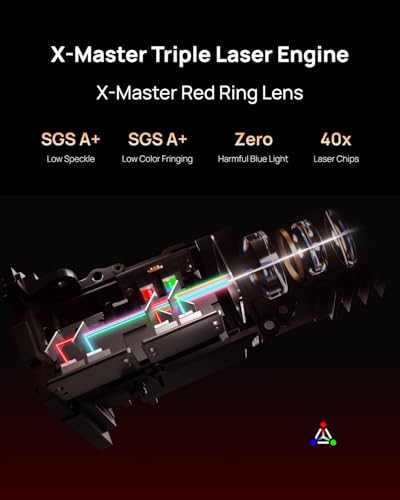
These projectors use fundamentally different technologies to create their images, and understanding this helps explain their different strengths. The XGIMI Horizon 20 Max employs a single-chip DLP (Digital Light Processing) system combined with an RGB triple laser light source. DLP uses millions of tiny mirrors that tilt rapidly to create pixels, while the triple laser system produces pure red, green, and blue light that's more accurate than traditional lamp-based projectors.
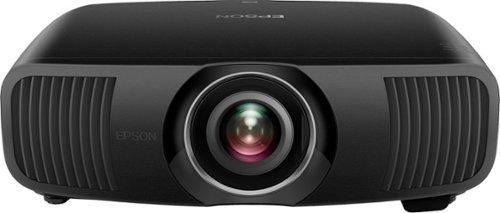
The Epson Pro Cinema LS12000 takes a different approach with its 3LCD system. This technology uses three separate LCD panels—one each for red, green, and blue—working simultaneously. The advantage is that 3LCD displays all three colors continuously, rather than sequentially, which can eliminate the "rainbow effect" that some people notice with DLP projectors (brief flashes of color separation, particularly noticeable when moving your eyes quickly).
Both projectors achieve 4K resolution through pixel-shifting technology rather than having native 4K panels. This means they start with 1080p resolution and use precise optical shifting to display each pixel in four slightly different positions, effectively creating a 4K image. While purists sometimes debate pixel-shifting versus native 4K, the practical reality is that both approaches here deliver genuinely sharp 4K images that look noticeably better than 1080p.
The XGIMI's XPR (eXpanded Pixel Resolution) system combined with its powerful processing delivers remarkably crisp images, while the Epson's Precision Shift Glass Plate technology working with three separate LCD panels creates its own form of enhanced detail.
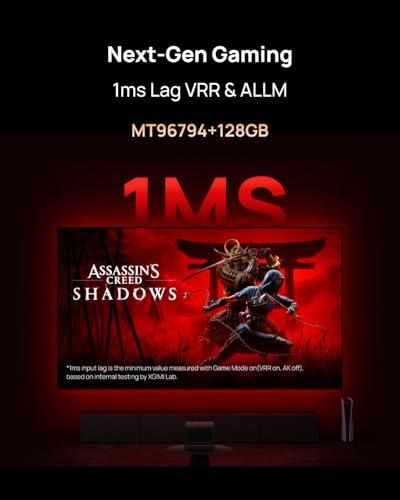
For gaming enthusiasts, the performance gap between these projectors is substantial and decisive. The XGIMI Horizon 20 Max has been engineered specifically with gaming in mind, delivering input lag as low as 1 millisecond at 1080p and 240Hz refresh rates. Input lag is the delay between when your controller sends a signal and when you see the result on screen—crucial for competitive gaming where every millisecond counts.
The XGIMI supports refresh rates up to 240Hz at 1080p and 120Hz at 1080p, with 4K gaming at 60Hz. This high refresh rate support means smoother motion in fast-paced games, reduced motion blur, and a more responsive feel. Variable Refresh Rate (VRR) technology synchronizes the projector's refresh rate with your gaming device's output, eliminating screen tearing and stuttering.
Gaming-specific features like Black Equalizer enhance shadow detail in dark game scenes, while Virtual Crosshairs can overlay aiming reticles for improved precision. These might sound like gimmicks, but they reflect a serious commitment to gaming performance that competitive players appreciate.
The Epson Pro Cinema LS12000 tells a different story. With 20ms input lag at 4K and a maximum 60Hz refresh rate, it's adequate for casual gaming but won't satisfy serious gamers or those using the latest PlayStation 5 or Xbox Series X consoles at their full potential. This isn't a flaw—it's simply evidence that the Epson was designed with movie watching as the primary focus.
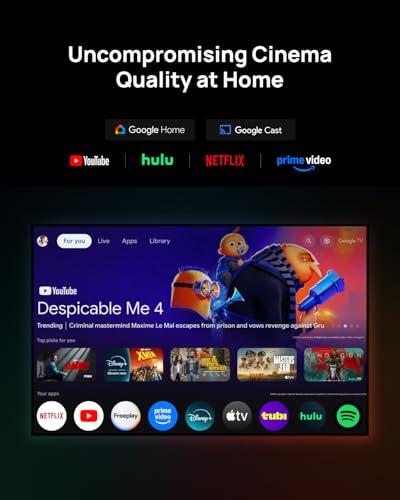
The convenience factor heavily favors the XGIMI Horizon 20 Max, which includes Google TV integration with access to Netflix, Disney+, Amazon Prime Video, and other streaming services built right in. This eliminates the need for external streaming devices and creates a truly plug-and-play experience. The projector also includes ISA 5.0 (Intelligent Screen Adaptation) technology that automatically adjusts focus, corrects keystone distortion, and even avoids obstacles when projecting.
This automated setup is genuinely impressive in practice. The projector can detect your wall color and adjust accordingly, automatically focus the image, and correct for angles without manual intervention. For most users, this transforms setup from a potentially frustrating technical challenge into a simple process.
The XGIMI also includes dual 12W Harman Kardon speakers that provide surprisingly good sound quality for a projector. While dedicated speakers will always sound better, the built-in audio is good enough for casual viewing and eliminates another component from your setup.
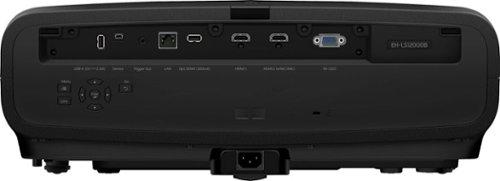
The Epson Pro Cinema LS12000 takes the opposite approach. It has no smart features, no built-in speakers, and requires external devices for streaming and audio. This might sound like a disadvantage, but it's actually intentional. Professional home theater installations typically use dedicated AV receivers, separate streaming devices, and custom speaker systems. The Epson focuses entirely on image quality and professional connectivity options like RS232 control and trigger outputs for automated systems.
While the XGIMI Horizon 20 Max wins on brightness and convenience, the Epson Pro Cinema LS12000 fights back with superior contrast performance. The Epson achieves a dynamic contrast ratio of 2,500,000:1 compared to the XGIMI's 20,000:1 native contrast. Dynamic contrast uses the projector's ability to adjust the laser output in real-time, creating deeper blacks in dark scenes and brighter highlights when needed.
In practice, this means the Epson excels in dark room movie watching, particularly with content that has significant shadow detail. The deeper blacks create more realistic nighttime scenes and add depth to the image that's immediately noticeable when comparing side-by-side with other projectors.
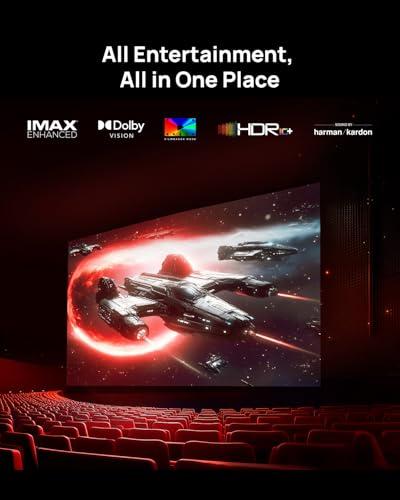
The XGIMI counters with exceptional color accuracy, achieving a Delta E of less than 0.8 across major color standards. Delta E measures how far a displayed color is from the intended color—lower numbers are better, and anything under 1.0 is considered excellent. The projector also supports Dolby Vision, the premium HDR format that provides scene-by-scene optimization for the best possible image.
Both projectors handle HDR (High Dynamic Range) content well, but differently. HDR expands the range between the darkest and brightest parts of an image, creating more realistic lighting. The XGIMI supports more HDR formats including Dolby Vision, while the Epson focuses on HDR10 and HDR10+ with sophisticated processing.
For color reproduction, the Epson's 3LCD technology has a fundamental advantage in that it displays red, green, and blue simultaneously rather than sequentially. This can result in more natural color gradations and eliminates potential color separation artifacts. However, the XGIMI's laser light source provides exceptionally pure colors with 110% BT.2020 color coverage, meaning it can display more of the color spectrum than traditional projectors.
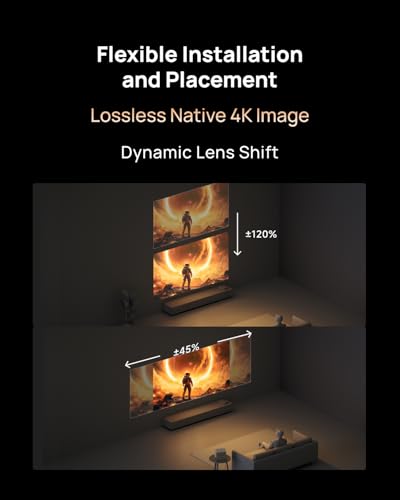
The Epson Pro Cinema LS12000 shines in professional installation scenarios. Its advanced motorized lens provides extensive horizontal and vertical shift capabilities (±47% horizontal, ±96% vertical), allowing flexible projector placement without image distortion. The 2.1x powered zoom lets installers fine-tune the image size precisely. These features matter enormously in custom theater rooms where the projector might need to be mounted in a specific location due to ceiling joists, HVAC, or aesthetic requirements.
The Epson is also ISF (Imaging Science Foundation) certified, meaning qualified technicians can professionally calibrate it for optimal performance in your specific room. This calibration process can dramatically improve image quality but requires expertise and specialized equipment.
The XGIMI Horizon 20 Max takes a different approach, using artificial intelligence and automation to handle most adjustments automatically. While it lacks the fine manual controls of the Epson, its intelligent systems work remarkably well for typical home installations. The automated approach is particularly valuable for users who want excellent results without needing professional help or spending hours adjusting settings.
Based on extensive research into user experiences and expert reviews, these projectors excel in different scenarios. The XGIMI Horizon 20 Max consistently impresses users with its versatility. Families report being able to enjoy movie nights without closing all the blinds, gamers praise the responsive performance with PlayStation 5 and Xbox Series X consoles, and casual users appreciate the simple setup process.
The Epson Pro Cinema LS12000 receives high marks from home theater enthusiasts who prioritize image quality in controlled environments. Users consistently praise its color accuracy, black levels, and professional features. However, some note that it requires more planning and potentially professional help to achieve optimal results.
Reliability appears excellent for both projectors, with laser light sources rated for 20,000+ hours of operation—roughly 10-15 years of typical use. The Epson has a longer track record, having been available since 2022, while the XGIMI represents newer technology released in 2024.
At the time of writing, these projectors occupy different price segments, with the XGIMI Horizon 20 Max positioned as a premium but accessible option, while the Epson Pro Cinema LS12000 sits in the professional installation category with correspondingly higher pricing.
The XGIMI's value proposition centers on its all-in-one nature. When you factor in that it eliminates the need for separate streaming devices, speakers, and potentially professional installation, the total system cost becomes more reasonable. Its exceptional brightness also provides future-proofing as screen sizes and ambient light expectations continue to increase.
The Epson's value lies in its specialized excellence and professional ecosystem. For dedicated home theater rooms, its superior contrast and professional features can justify the higher investment, particularly when professional calibration maximizes its potential.
After evaluating both approaches extensively, the choice comes down to your specific situation and priorities.
Choose the XGIMI Horizon 20 Max if you want maximum flexibility and convenience. It's ideal for families using living rooms or multi-purpose spaces, gamers requiring cutting-edge performance, or anyone who values plug-and-play simplicity. Its exceptional brightness makes it the clear choice for bright rooms, daytime viewing, or large screen sizes. The gaming performance alone makes it compelling for households with serious gamers.
The Epson Pro Cinema LS12000 is the better choice for dedicated home theater rooms where image quality takes priority over convenience. If you're building a custom theater, plan to hire professionals for installation and calibration, or primarily watch movies in controlled lighting, the Epson's superior contrast and professional features justify its approach.
For most consumers, the XGIMI Horizon 20 Max provides better overall value due to its versatility and all-in-one design. However, serious home theater enthusiasts willing to invest in proper setup and room control will appreciate the Epson's more specialized excellence.
The projector market has evolved dramatically, and both of these excellent options represent the pinnacle of their respective approaches. Your choice should align with how and where you'll actually use your projector—not just your ideal scenario, but your real-world viewing habits and room constraints.
| XGIMI Horizon 20 Max 4K Projector | Epson Pro Cinema LS12000 4K PRO-UHD Laser Projector |
|---|---|
| Brightness - Most critical spec for room flexibility and screen size | |
| 5,700 ISO lumens (excellent for bright rooms and large screens) | 2,700 lumens (requires controlled lighting for optimal performance) |
| Light Engine Technology - Affects color reproduction and reliability | |
| RGB Triple Laser with single-chip DLP | Laser Array with 3-chip 3LCD |
| Native Resolution - Both use pixel-shifting for 4K | |
| 1080p with XPR pixel-shifting to 4K | 1080p with Precision Glass Plate shifting to 4K |
| Contrast Ratio - Critical for dark scene detail and image depth | |
| 20,000:1 native contrast | 2,500,000:1 dynamic contrast (superior black levels) |
| Gaming Performance - Input lag at 4K/60Hz | |
| 3ms (exceptional for competitive gaming) | 20ms (adequate for casual gaming only) |
| High Refresh Rate Support - Important for smooth gaming | |
| Up to 240Hz at 1080p, 120Hz at 1080p | Maximum 60Hz at all resolutions |
| HDR Format Support - Affects premium streaming content quality | |
| Dolby Vision, HDR10+, HDR10, HLG, IMAX Enhanced | HDR10+, HDR10, HLG (no Dolby Vision support) |
| Smart TV Integration - Eliminates need for streaming devices | |
| Google TV with Netflix, Disney+, Prime Video built-in | None (requires external streaming device) |
| Built-in Audio - Reduces component count | |
| Dual 12W Harman Kardon speakers | No internal speakers (requires external audio system) |
| Automatic Setup Features - Simplifies installation | |
| ISA 5.0 with autofocus, keystone correction, obstacle avoidance | Manual setup with professional motorized lens controls |
| Professional Installation Features - For custom theater rooms | |
| Limited manual adjustments, designed for consumer use | Extensive lens shift (±96% vertical, ±47% horizontal), 2.1x zoom |
| HDMI Connectivity - Future-proofing for gaming consoles | |
| HDMI 2.1 with eARC, standard HDMI | Dual HDMI 2.1 ports (better for multiple high-bandwidth sources) |
| Laser Life Expectancy - Long-term reliability | |
| 20,000+ hours | 20,000 hours |
| Weight and Size - Installation considerations | |
| Compact design, approximately 11.9 lbs | Large and heavy at 28 lbs (requires substantial mounting) |
| Warranty Coverage - Purchase protection | |
| 2 years | 3 years with replacement program |
The XGIMI Horizon 20 Max is significantly brighter with 5,700 ISO lumens compared to the Epson Pro Cinema LS12000's 2,700 lumens. This makes the XGIMI Horizon 20 Max much better for rooms with ambient light, while the Epson Pro Cinema LS12000 requires controlled lighting for optimal performance.
The XGIMI Horizon 20 Max is far superior for gaming with just 3ms input lag at 4K and support for up to 240Hz refresh rates. The Epson Pro Cinema LS12000 has 20ms input lag and maxes out at 60Hz, making it suitable only for casual gaming.
Only the XGIMI Horizon 20 Max includes smart TV features with Google TV and built-in apps like Netflix and Disney+. The Epson Pro Cinema LS12000 has no smart features and requires an external streaming device like Apple TV or Roku.
The Epson Pro Cinema LS12000 delivers superior contrast with its 2,500,000:1 dynamic contrast ratio, creating deeper blacks and better shadow detail in dark scenes. The XGIMI Horizon 20 Max offers good contrast at 20,000:1 but can't match the Epson's black levels.
The XGIMI Horizon 20 Max is designed for easy self-installation with automatic focus, keystone correction, and obstacle avoidance. The Epson Pro Cinema LS12000 benefits from professional installation due to its advanced lens controls and calibration requirements.
The XGIMI Horizon 20 Max supports more HDR formats including Dolby Vision, HDR10+, HDR10, HLG, and IMAX Enhanced. The Epson Pro Cinema LS12000 supports HDR10+, HDR10, and HLG but lacks Dolby Vision support.
The XGIMI Horizon 20 Max includes dual 12W Harman Kardon speakers that provide decent sound quality. The Epson Pro Cinema LS12000 has no built-in speakers and requires a separate audio system.
The Epson Pro Cinema LS12000 excels in dedicated theater rooms with its superior contrast, professional calibration options, and advanced lens controls. The XGIMI Horizon 20 Max is better suited for multi-purpose living spaces due to its brightness and convenience features.
Both the XGIMI Horizon 20 Max and Epson Pro Cinema LS12000 feature laser light sources rated for approximately 20,000 hours of operation, which equals roughly 10-15 years of typical home use.
The XGIMI Horizon 20 Max typically offers better overall value due to its all-in-one design, eliminating the need for separate streaming devices and speakers. The Epson Pro Cinema LS12000 provides specialized value for dedicated theater installations where image quality is the top priority.
Both the XGIMI Horizon 20 Max and Epson Pro Cinema LS12000 deliver 4K images through advanced pixel-shifting technology rather than native 4K panels. Both produce genuinely sharp 4K images that are noticeably better than 1080p projection.
The XGIMI Horizon 20 Max is much easier to set up with its intelligent automatic adjustments, built-in streaming, and user-friendly interface. The Epson Pro Cinema LS12000 requires more technical knowledge and potentially professional help to achieve optimal results.
We've done our best to create useful and informative comparisons to help you decide what product to buy. Our research uses advanced automated methods to create this comparison and perfection is not possible - please contact us for corrections or questions. These are the sites we've researched in the creation of this article: dustinabbott.net - projectorcentral.com - youtube.com - us.xgimi.com - youtube.com - tweaktown.com - youtube.com - us.xgimi.com - youtube.com - youtube.com - thesmarthomehookup.com - youtube.com - us.xgimi.com - global.xgimi.com - projector-database.com - techradar.com - projectorreviews.com - safeandsoundhq.com - news.epson.com - youtube.com - projectorcentral.com - bestbuy.com - projectorcentral.com - digitalhomecreations.com - new-age-electronics.com - flanners.com - paulsonsav.com

Privacy Policy
Terms and Conditions - Affiliate Policy
Home Security
© Copyright 2008-2026.
11816 Inwood Rd #1211, Dallas, TX 75244