


When you're ready to transform your living room or home theater into something that rivals the local cinema, premium 4K laser projectors represent the pinnacle of home entertainment technology. These aren't your typical budget projectors—we're talking about sophisticated machines that cost more than many people's cars but deliver an experience that can genuinely replace traditional flat-panel TVs for serious movie enthusiasts.
The laser projector market has exploded in recent years, moving from ultra-expensive professional installations to consumer-accessible (though still premium) territory. Two standout models represent different philosophies in this space: the XGIMI Horizon 20 Max, released in 2024, and Sony's BRAVIA Projector 8, also launched in 2024. Both use laser light sources instead of traditional bulbs, meaning they'll last 20,000+ hours without the brightness degradation that plagued older projector technology.
The fundamental difference between these projectors lies in their approach to creating that massive, cinema-quality image on your wall.
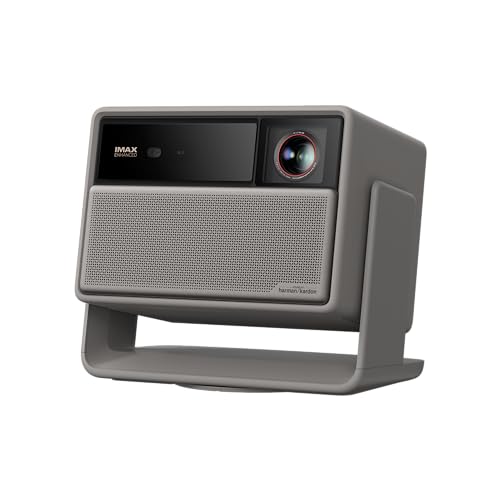
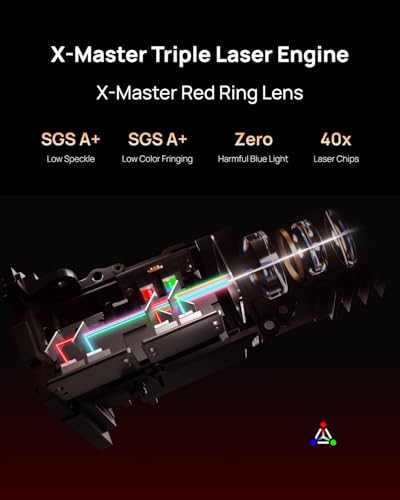
The XGIMI Horizon 20 Max uses what's called an RGB triple-laser engine paired with a single-chip DLP (Digital Light Processing) system. Think of it as three incredibly bright colored lasers—red, green, and blue—working together to create every color you see. The "triple laser" design minimizes something called laser speckle, which can create a shimmering effect that some people find distracting. To achieve 4K resolution, it uses pixel-shifting technology, where the chip rapidly moves each pixel to four different positions, effectively quadrupling the resolution from what the physical chip can display.
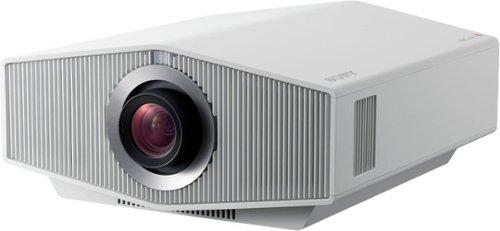
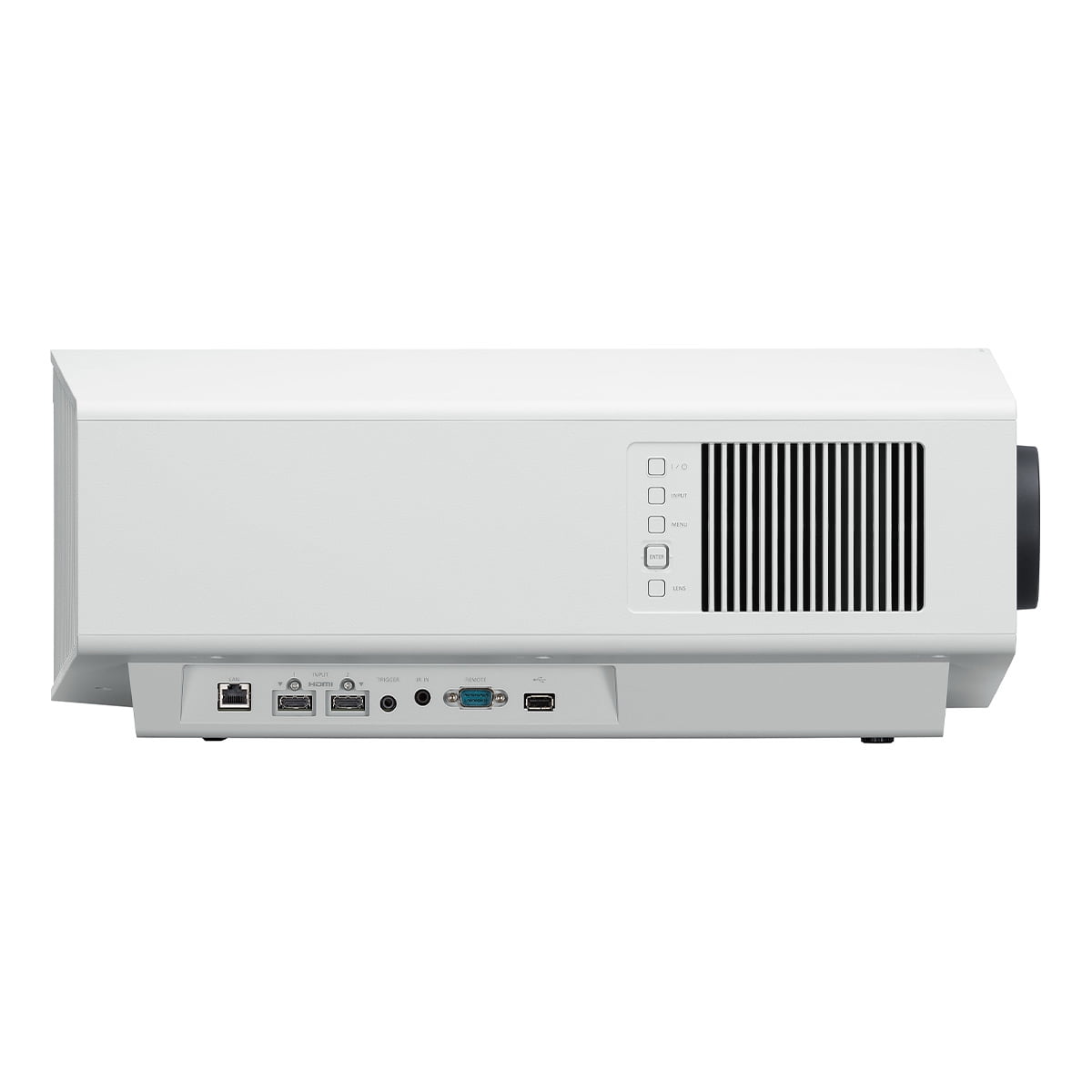
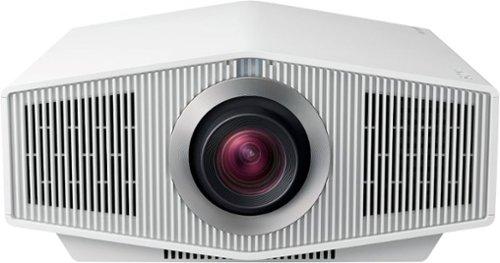
The Sony BRAVIA Projector 8, on the other hand, takes a more traditional high-end approach with three separate SXRD (Sony's version of LCoS technology) panels—one each for red, green, and blue light. This means true native 4K resolution without any pixel shifting. Each panel displays the full 3840×2160 resolution simultaneously. Sony pairs this with a Z-Phosphor laser, which uses blue lasers to excite phosphor materials that create the other colors.
Both approaches have merit, but they lead to very different user experiences and optimal use cases.
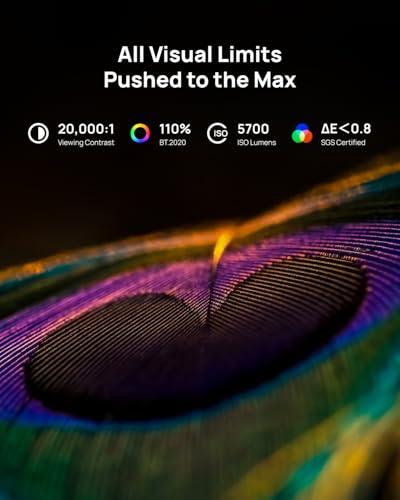
Here's where the philosophical divide becomes most apparent. The XGIMI Horizon 20 Max delivers a staggering 5,700 ISO lumens of brightness—among the brightest consumer projectors available. To put this in perspective, most living rooms require at least 3,000 lumens for decent daytime viewing, while dedicated dark theater rooms can work with as little as 1,500-2,000 lumens.
The Sony BRAVIA Projector 8 produces 2,700 ANSI lumens, which is still substantial but represents a completely different use case philosophy. Sony designed this projector for dedicated home theaters where you control the lighting completely.
This brightness difference isn't just about numbers—it fundamentally changes how you'll use these projectors. The XGIMI can deliver a watchable image during a sunny afternoon in your living room, while the Sony requires dimmed lights even for optimal evening viewing. However, in a properly darkened room, the Sony's lower brightness actually becomes an advantage, allowing for deeper blacks and better overall contrast.
The resolution technology debate gets technical quickly, but the practical differences matter enormously for your viewing experience.
The Sony BRAVIA Projector 8 delivers true native 4K, meaning every pixel you see corresponds directly to a physical pixel on the imaging panels. This results in incredibly sharp text, precise geometric shapes, and the kind of detail that makes you notice things in movies you've never seen before. The three-chip design also eliminates something called the "rainbow effect"—brief flashes of red, green, and blue that some people can see with single-chip projectors, especially during fast motion or when moving their eyes quickly.
The XGIMI Horizon 20 Max achieves 4K through pixel-shifting, and modern implementations have become remarkably good. XGIMI's processing minimizes the artifacts that plagued earlier pixel-shifting projectors, and most viewers won't notice the difference during typical movie watching. However, if you're displaying computer content, text, or high-contrast geometric patterns, the difference becomes more apparent.
Color reproduction showcases another interesting trade-off. The XGIMI covers 110% of the BT.2020 color space with exceptional color accuracy (ΔE<0.8), while the Sony covers 95% of DCI-P3. These numbers require some context: BT.2020 is a wider color standard that includes more vibrant colors, while DCI-P3 is the standard used in commercial cinemas. The Sony's approach prioritizes accuracy to film standards, while XGIMI pushes for maximum color vibrancy.
For gamers, these projectors offer dramatically different experiences, and the XGIMI Horizon 20 Max clearly takes the lead in raw performance metrics.
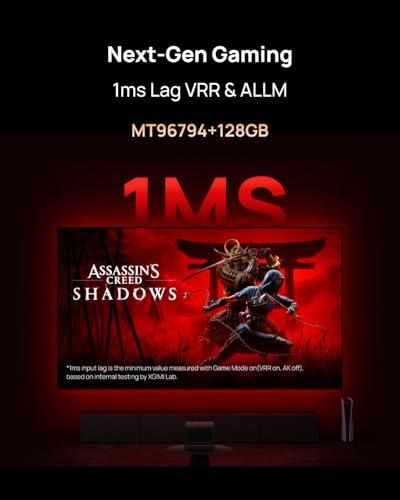
The XGIMI delivers genuinely impressive gaming performance with 1ms input lag at 1080p/240Hz, 2.2ms at 1080p/120Hz, and 3ms at 4K/60Hz. These numbers rival dedicated gaming monitors, which is remarkable for a projector. The support for variable refresh rate (VRR) and refresh rates up to 240Hz means competitive gamers can actually use this projector seriously.
The Sony BRAVIA Projector 8 offers respectable but not outstanding gaming performance: 21ms at 4K/60Hz and 12ms at 4K/120Hz. While these numbers work fine for casual gaming and single-player experiences, competitive multiplayer gaming might feel slightly sluggish compared to dedicated gaming displays.
However, the Sony's superior image processing means games look more cinematic and film-like, which some players prefer for story-driven single-player experiences. The question becomes whether you prioritize competitive responsiveness or visual refinement.
This represents perhaps the most practical day-to-day difference between these projectors.
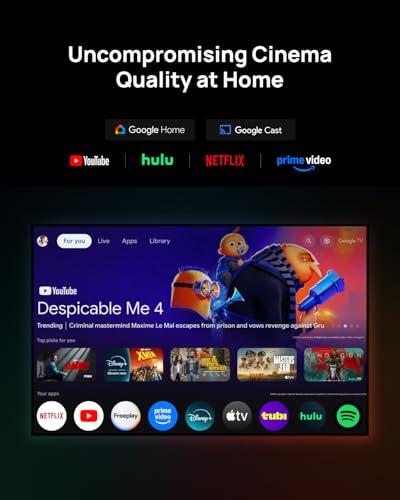
The XGIMI Horizon 20 Max functions as a complete entertainment system. Built-in Google TV provides access to Netflix, Disney+, YouTube, and virtually every streaming service without additional hardware. Google Home integration means voice control for everything from adjusting volume to searching content. The 4GB of RAM and 128GB of storage ensure smooth performance even with multiple apps running.
The built-in Harman Kardon speakers deserve special mention—they're surprisingly capable for projector speakers, delivering enough volume and clarity for most viewing situations. While audiophiles will still prefer dedicated sound systems, the convenience factor is enormous for casual setup.
The Sony BRAVIA Projector 8 takes the opposite approach: it's designed for integration into professional home theater systems. There are no built-in streaming apps, no Wi-Fi, and no speakers. Instead, Sony focuses on professional control system integration with platforms like Control4 and Crestron. This means seamless integration with lighting control, automated screen deployment, and whole-home audio systems.
The setup experience reflects each projector's target market perfectly.
The XGIMI Horizon 20 Max includes ISA 5.0 (Intelligent Screen Adaptation) technology that handles most setup automatically. Point it roughly at your wall, and it automatically focuses, corrects keystone distortion, avoids obstacles, and even compensates for wall color. For most people, setup means plugging it in and pointing it at the wall—the projector handles the rest.
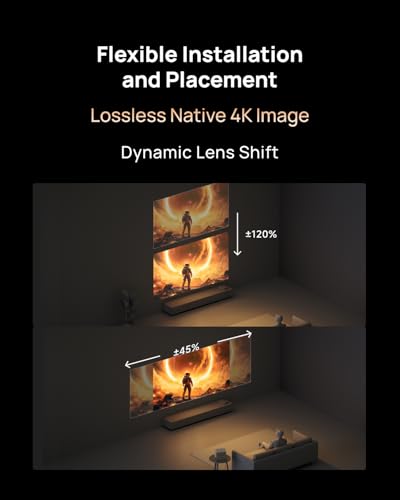
The Sony BRAVIA Projector 8 offers more precise control but requires more expertise. The 2.1X powered zoom lens, extensive lens shift capabilities (±36% horizontal, ±85% vertical), and professional mounting options provide installation flexibility that custom installers love. However, getting optimal performance requires careful calibration and proper room treatment.
For dedicated home theater use, both projectors excel but in different scenarios.
The Sony BRAVIA Projector 8 truly shines in a properly designed theater room with controlled lighting, acoustic treatment, and dedicated seating. The native 4K resolution, precise color calibration, and film-accurate processing create an experience that closely matches commercial cinema presentation. The XR Processor analyzes content frame-by-frame, applying dynamic tone mapping that preserves the director's intent while maximizing the visual impact of HDR content.
The XGIMI Horizon 20 Max offers more flexibility for multipurpose spaces. Its exceptional brightness means you don't need complete darkness, making it perfect for family rooms that serve multiple functions. The automatic setup features mean you can mount it permanently but still achieve optimal image quality without professional calibration.
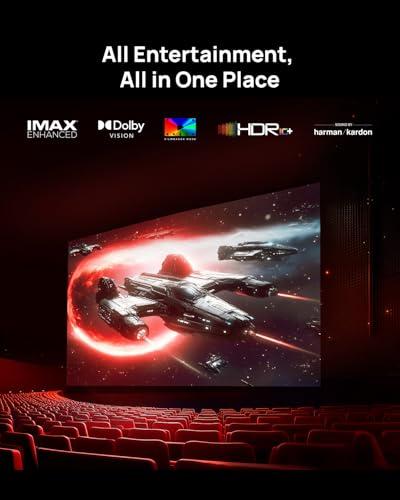
For HDR content specifically, both handle Dolby Vision, HDR10+, and standard HDR10, but they approach dynamic range differently. The Sony's precise laser modulation creates deeper blacks and more gradual highlight roll-off, while the XGIMI's higher peak brightness can make HDR highlights more impactful in bright rooms.
At the time of writing, these projectors target different value propositions despite similar premium pricing tiers.
The XGIMI Horizon 20 Max represents exceptional value for its feature set, delivering cinema-quality performance with all necessary components included. When you factor in the built-in speakers, streaming capabilities, and automated setup, it replaces multiple components that would cost several thousand dollars separately.
The Sony BRAVIA Projector 8 requires additional investment in streaming devices, audio systems, and potentially professional installation, but delivers reference-quality image performance that justifies its premium positioning for serious enthusiasts.
Based on extensive research into user experiences and expert reviews, here's how to decide between these exceptional projectors:
Choose the XGIMI Horizon 20 Max if you want cinema-quality performance without the complexity of a dedicated theater room. It's perfect for living rooms, family rooms, or any space where you can't control lighting completely. The combination of exceptional brightness, built-in smart features, and automated setup makes it the most practical choice for most users. Gaming enthusiasts will particularly appreciate the ultra-low input lag and high refresh rate support.
Choose the Sony BRAVIA Projector 8 if you're building a dedicated home theater and prioritize absolute image quality over convenience. The native 4K resolution, professional-grade processing, and integration capabilities make it the better choice for serious film enthusiasts who want the most accurate possible representation of the filmmaker's vision.
The reality is that both projectors deliver experiences that will spoil you for conventional televisions. The XGIMI makes that experience accessible in more situations and with less complexity, while the Sony pushes image quality to reference standards for those willing to create the proper environment.
For most people reading this, the XGIMI Horizon 20 Max offers the better balance of performance, convenience, and value. But if you're planning a serious home theater investment and want the absolute best image quality money can buy, the Sony BRAVIA Projector 8 justifies its premium positioning through uncompromising performance.
Either choice will transform how you experience movies at home—the question is whether you prioritize flexibility and convenience or absolute reference quality in a controlled environment.
| XGIMI Horizon 20 Max | Sony BRAVIA Projector 8 |
|---|---|
| Brightness - Determines room lighting flexibility and daytime usability | |
| 5,700 ISO lumens (exceptional for bright rooms and daytime viewing) | 2,700 ANSI lumens (designed for controlled lighting environments) |
| Resolution Technology - Affects image sharpness and detail clarity | |
| Pixel-shifting 4K via single-chip DLP (excellent for movies, minor artifacts with text) | True native 4K with three SXRD panels (reference-quality sharpness) |
| Gaming Performance - Critical for responsive gameplay | |
| 1ms input lag at 1080p/240Hz, 3ms at 4K/60Hz (competitive gaming ready) | 21ms at 4K/60Hz, 12ms at 4K/120Hz (good for casual gaming) |
| Smart Features - Determines need for additional streaming devices | |
| Built-in Google TV, Google Home, Wi-Fi 6, 4GB RAM, 128GB storage | No smart features (requires external streaming device) |
| Audio Integration - Affects total system cost and complexity | |
| Dual 24W Harman Kardon speakers built-in (eliminates need for separate audio) | No speakers (requires separate audio investment of $500-5000+) |
| Setup Complexity - Important for DIY installation | |
| ISA 5.0 automatic calibration (autofocus, keystone, obstacle avoidance) | Manual setup with professional-grade controls (benefits from expert installation) |
| Color Performance - Impacts color accuracy and vibrancy | |
| 110% BT.2020 coverage, ΔE<0.8 accuracy (vibrant, highly accurate colors) | 95% DCI-P3 coverage with XR Triluminos Pro (cinema-accurate colors) |
| Light Source Technology - Affects longevity and maintenance | |
| RGB triple laser engine (20,000+ hour lifespan, consistent brightness) | Z-Phosphor laser (20,000+ hour lifespan, precise light modulation) |
| Installation Flexibility - Determines placement options | |
| Standard throw ratio with automated adjustments (versatile placement) | 2.1X zoom lens with extensive lens shift (professional installation options) |
| Target Use Case - Helps determine best fit for your needs | |
| Multipurpose living spaces with variable lighting conditions | Dedicated home theater rooms with controlled environment |
The XGIMI Horizon 20 Max is significantly better for bright rooms with its 5,700 ISO lumens output, allowing for daytime viewing and use in well-lit spaces. The Sony BRAVIA Projector 8 produces 2,700 lumens and is designed for controlled lighting environments like dedicated home theaters.
The Sony BRAVIA Projector 8 offers true native 4K with three separate panels displaying full 3840×2160 resolution simultaneously. The XGIMI Horizon 20 Max uses pixel-shifting technology to achieve 4K resolution from a single chip, which works excellently for movies but may show slight artifacts with text or graphics.
The XGIMI Horizon 20 Max excels for gaming with ultra-low 1ms input lag at 1080p/240Hz and support for refresh rates up to 240Hz. The Sony BRAVIA Projector 8 offers 21ms input lag at 4K/60Hz, which is acceptable for casual gaming but not ideal for competitive play.
The XGIMI Horizon 20 Max is plug-and-play with built-in Google TV, speakers, and streaming apps. The Sony BRAVIA Projector 8 requires external streaming devices and speakers, adding to the total system cost but offering more customization flexibility.
Both offer excellent color performance but with different approaches. The XGIMI Horizon 20 Max covers 110% BT.2020 with vibrant, highly accurate colors (ΔE<0.8). The Sony BRAVIA Projector 8 covers 95% DCI-P3 with cinema-accurate color reproduction optimized for film content.
The XGIMI Horizon 20 Max features automatic setup with ISA 5.0 technology that handles focus, keystone correction, and obstacle avoidance automatically. The Sony BRAVIA Projector 8 offers professional-grade manual controls that provide more precision but benefit from expert installation.
For dedicated dark home theaters, the Sony BRAVIA Projector 8 delivers reference-quality performance with true native 4K and film-accurate processing. For multipurpose spaces that serve as both living rooms and theaters, the XGIMI Horizon 20 Max offers better flexibility with its superior brightness.
The XGIMI Horizon 20 Max offers 20,000:1 contrast ratio with excellent performance in various lighting conditions. The Sony BRAVIA Projector 8 provides nearly infinite dynamic contrast through precise laser modulation, delivering deeper blacks in controlled environments.
Both projectors support major HDR formats including HDR10, HDR10+, and Dolby Vision. The XGIMI Horizon 20 Max also includes IMAX Enhanced support, while the Sony BRAVIA Projector 8 focuses on cinema-standard HDR processing with frame-by-frame optimization.
Both the XGIMI Horizon 20 Max and Sony BRAVIA Projector 8 feature laser light sources rated for 20,000+ hours of operation, eliminating the need for lamp replacements that plague traditional projectors.
The XGIMI Horizon 20 Max provides better overall value with its all-in-one design including speakers, streaming, and automated setup features. The Sony BRAVIA Projector 8 offers premium value for dedicated theater enthusiasts who prioritize absolute image quality and don't mind additional component costs.
The XGIMI Horizon 20 Max can effectively replace a TV for daily use thanks to its brightness, built-in smart features, and room flexibility. The Sony BRAVIA Projector 8 works best as a dedicated theater solution rather than an everyday TV replacement due to its controlled lighting requirements.
We've done our best to create useful and informative comparisons to help you decide what product to buy. Our research uses advanced automated methods to create this comparison and perfection is not possible - please contact us for corrections or questions. These are the sites we've researched in the creation of this article: dustinabbott.net - projectorcentral.com - youtube.com - us.xgimi.com - youtube.com - tweaktown.com - youtube.com - us.xgimi.com - youtube.com - youtube.com - thesmarthomehookup.com - youtube.com - us.xgimi.com - global.xgimi.com - projector-database.com - projectorreviews.com - valueelectronics.com - stereonet.com - crutchfield.com - audioholics.com - crutchfield.com - projectorcentral.com - pro.sony - electronics.sony.com - cepro.com - community.verizon.com

Privacy Policy
Terms and Conditions - Affiliate Policy
Home Security
© Copyright 2008-2026.
11816 Inwood Rd #1211, Dallas, TX 75244