

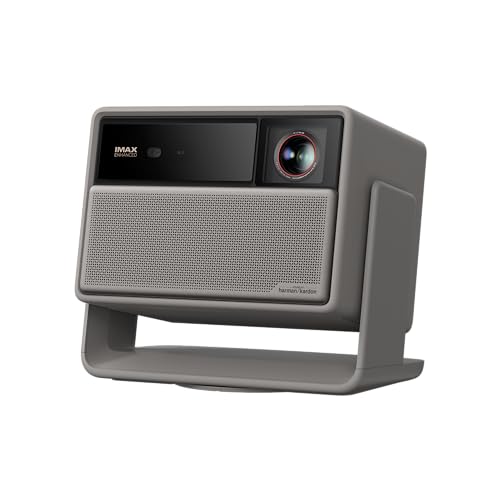


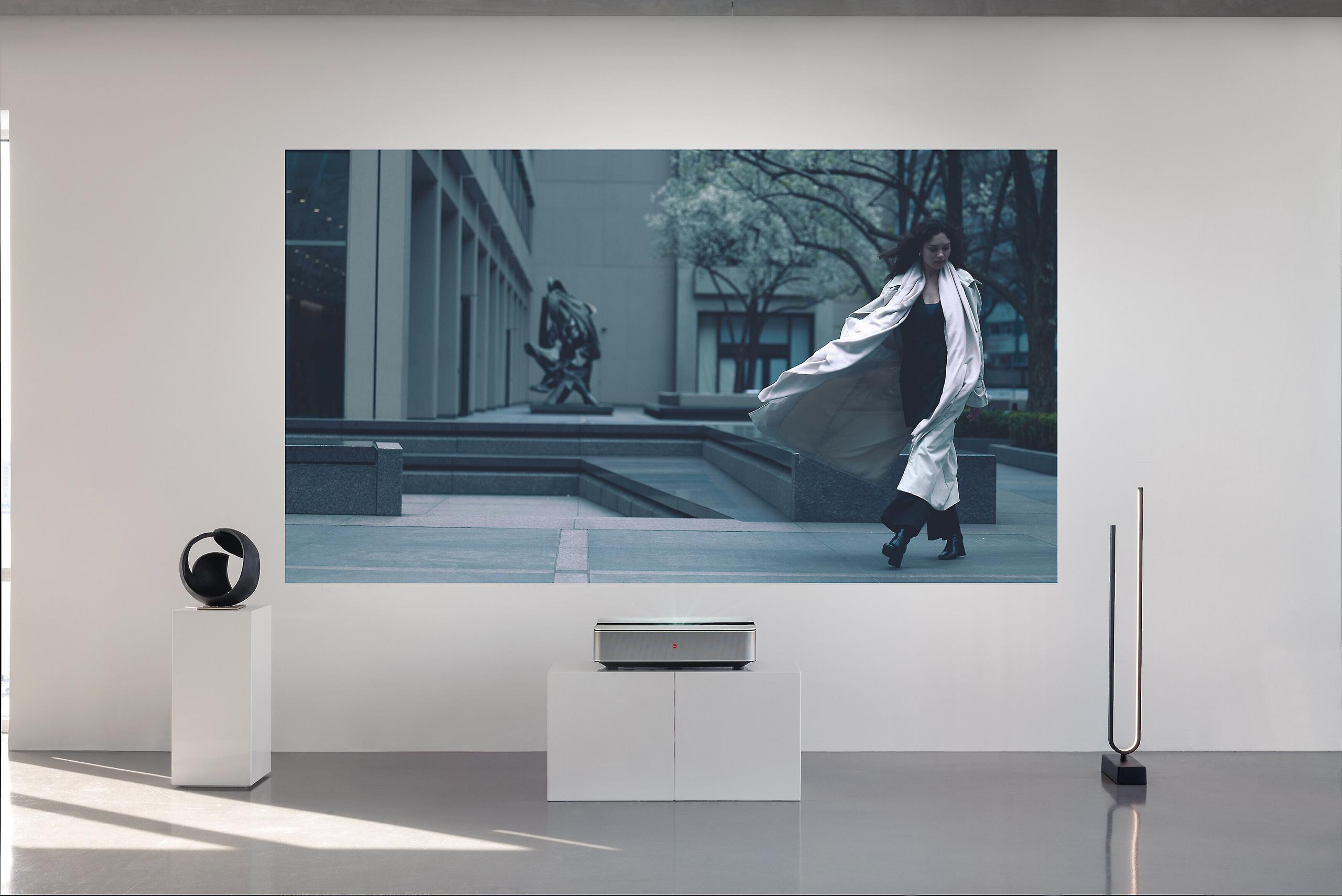
When you're ready to upgrade from a regular TV to a true cinema experience, projectors offer something special that no flat-screen can match: genuinely massive images that transform your living space. But choosing the right projector means understanding two completely different approaches to getting those big-screen thrills. The XGIMI Horizon 20 Max and Leica Cine 1 represent the best of both worlds—traditional long-throw power versus cutting-edge ultra-short-throw convenience.
Released in 2024, both projectors showcase the latest advances in laser projection technology, but they solve very different problems. The story of these two projectors really reflects how home theater has evolved to meet modern living spaces and viewing habits.
Think of projectors like cameras—the distance between the lens and your "film" (the wall or screen) determines everything about how they work. Traditional projectors need lots of room to breathe, sitting far back to create big images. Ultra-short-throw projectors flip this concept entirely, using complex mirror systems to bounce massive images from just inches away.
The XGIMI Horizon 20 Max follows the traditional long-throw approach, requiring roughly 8-12 feet of distance depending on your desired screen size. This isn't necessarily a limitation—it's actually an advantage for dedicated theater rooms where you can optimize everything for pure performance.
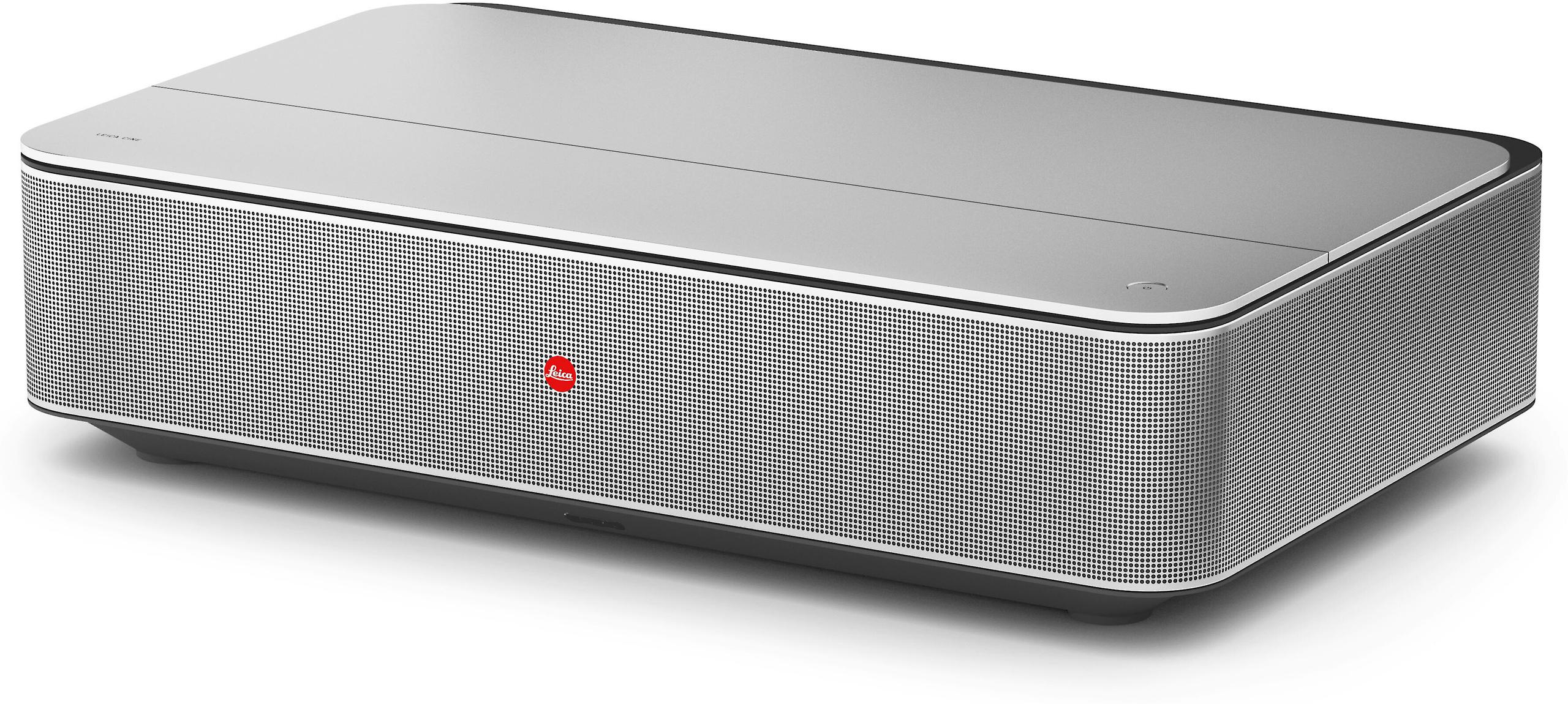
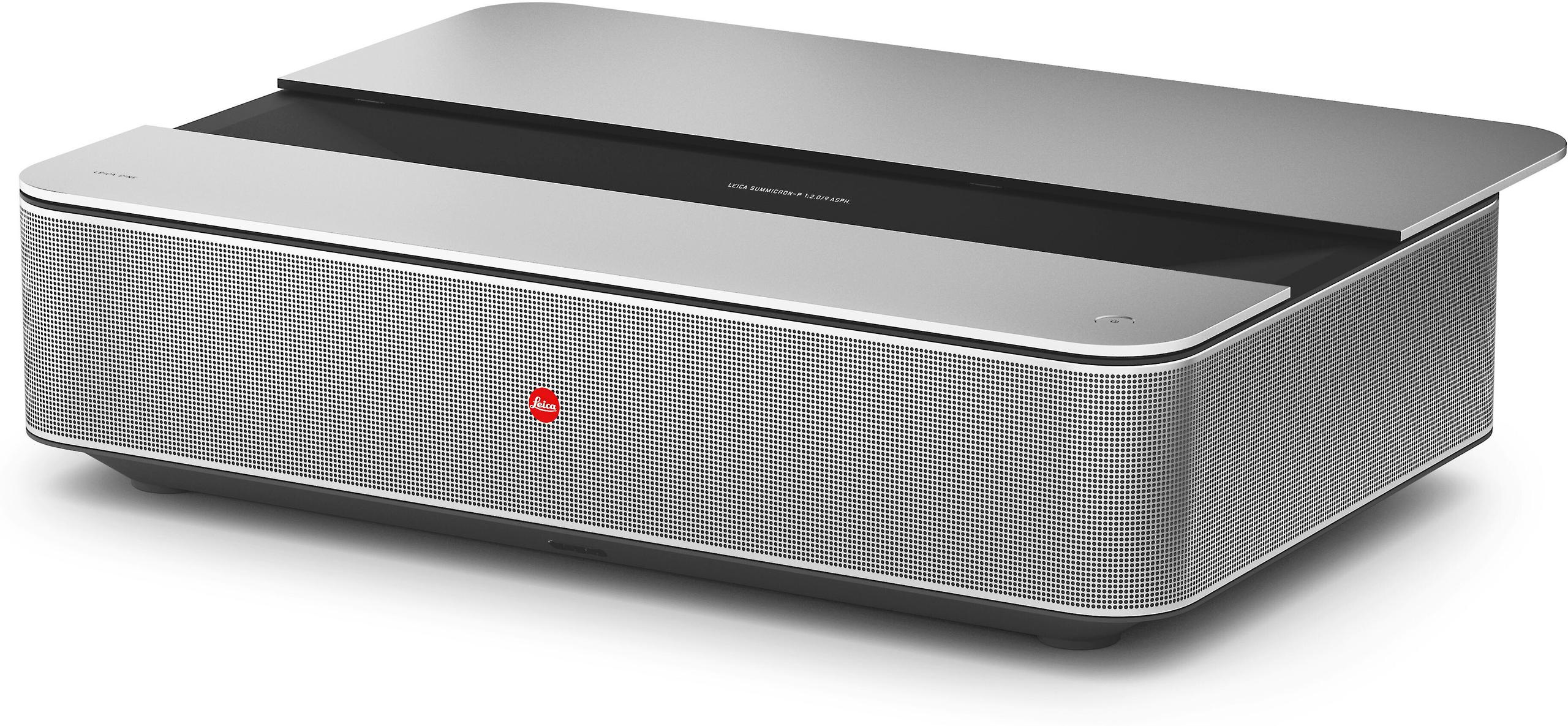
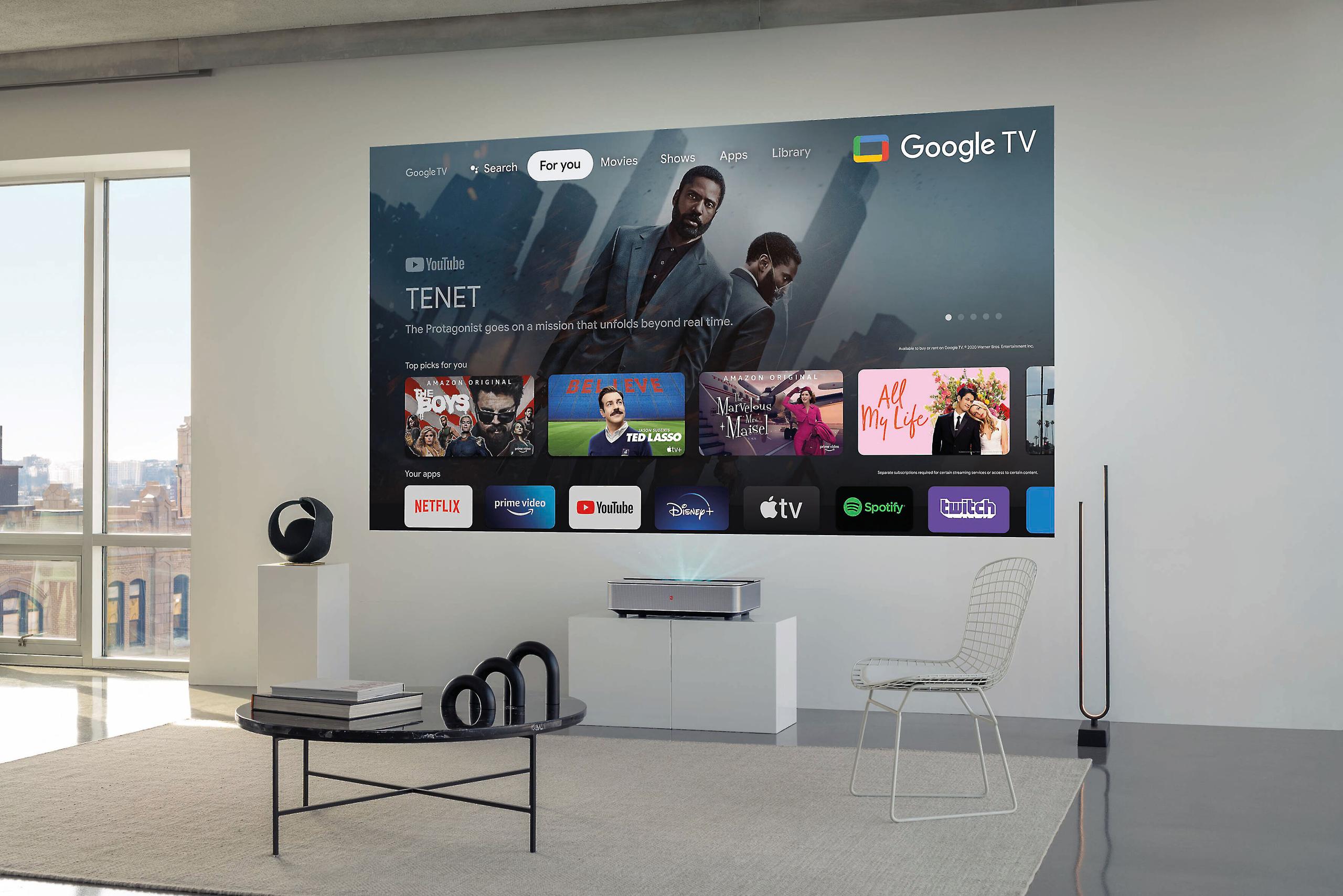
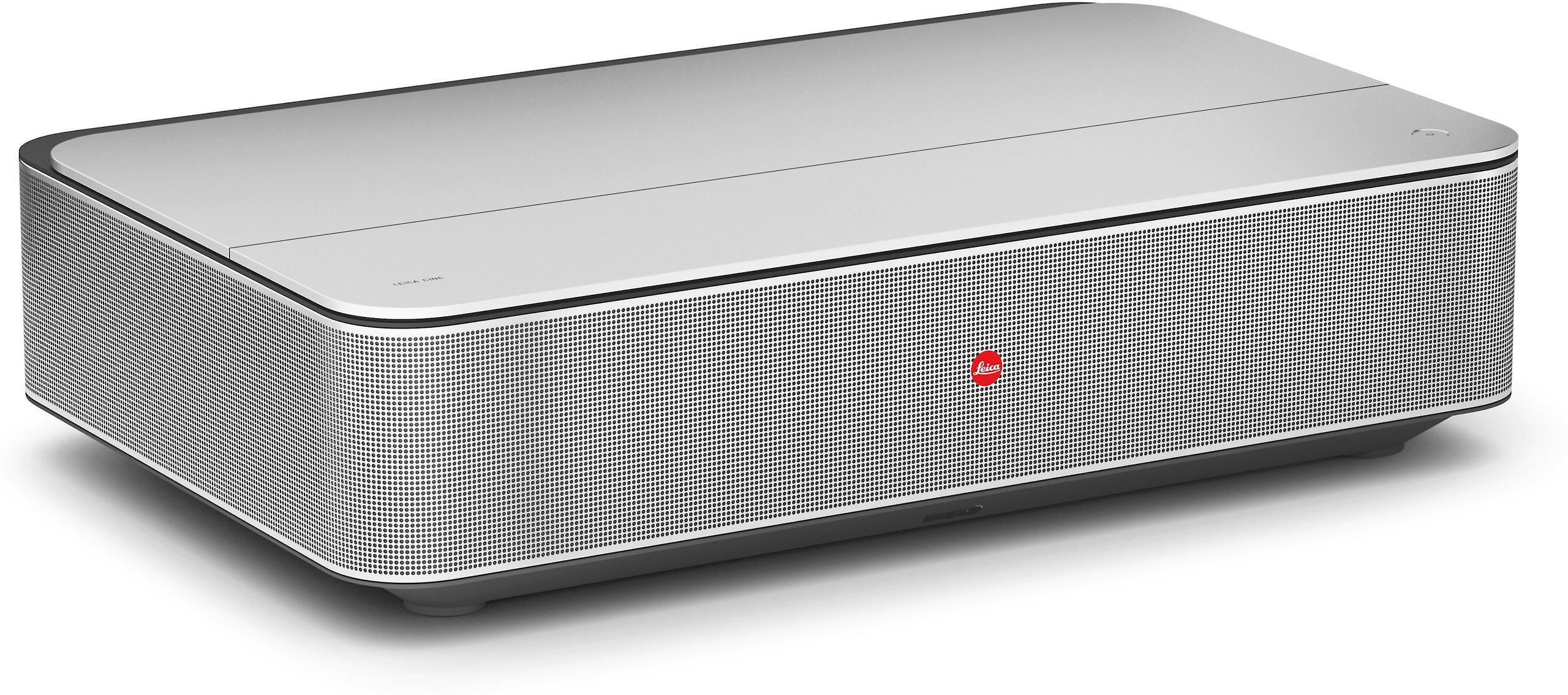
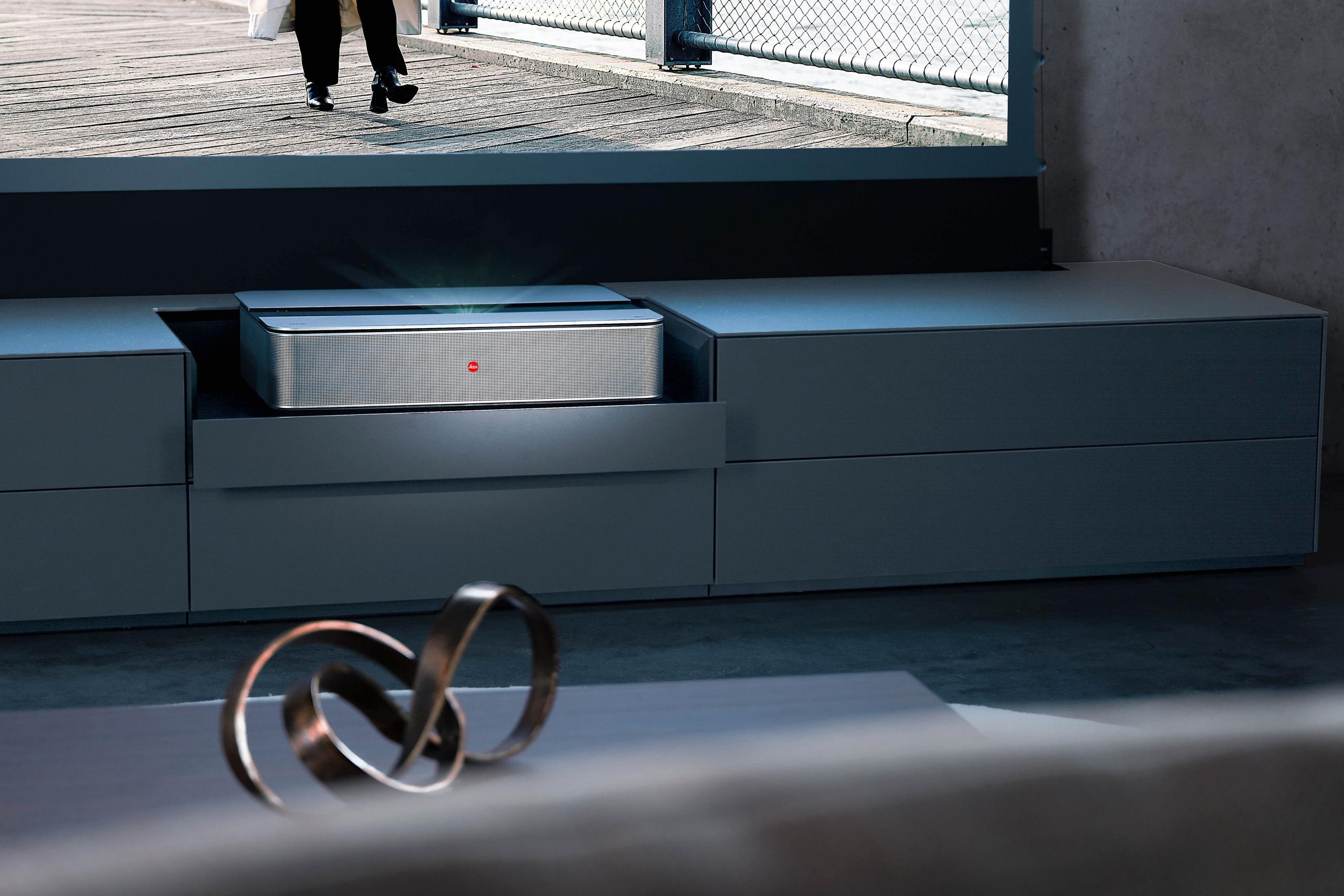
The Leica Cine 1, meanwhile, represents the ultra-short-throw revolution. With its 0.25:1 throw ratio (technical speak for "sits really close"), it can create a 120-inch image from just 14.3 inches away from your wall. This seemingly magical feat requires incredibly precise engineering—think of it like a periscope, but instead of letting you peek around corners, it's spreading light perfectly across a huge surface from almost no distance.
Both approaches have their place, and understanding which fits your life better is the first step toward projector happiness.
Here's where things get interesting from a technology standpoint. Both projectors use triple-laser light sources, but they approach brightness and image quality from opposite philosophical directions.
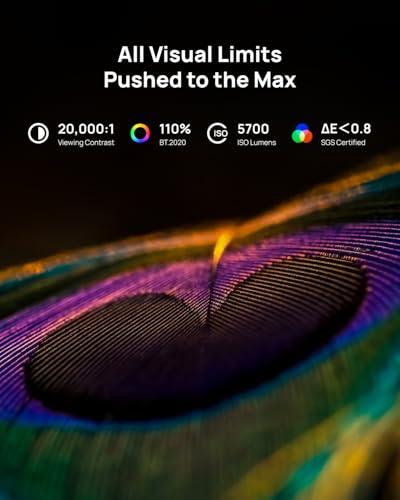
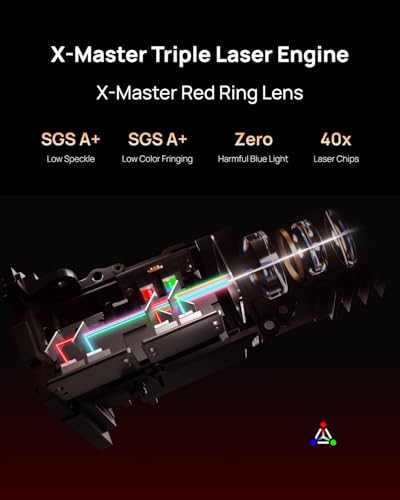
The XGIMI Horizon 20 Max follows the "more is more" philosophy with its X-Master RGB Triple Laser Engine pumping out 5,700 ISO lumens. To put that in perspective, most budget projectors struggle to hit 2,000 lumens, and even premium models often cap out around 4,000. This isn't just marketing fluff—that extra brightness translates directly into real-world performance. When afternoon sunlight streams through your windows, or when you don't want to dim every light for movie night, brightness becomes your best friend.
The Leica Cine 1 takes a more refined approach with 3,000 lumens, but pairs this with something special: genuine Leica optics. If you know cameras, you know Leica makes some of the finest lenses in the world. Their Summicron lens system in this projector isn't just marketing—it's the same optical DNA that makes their cameras cost more than most cars. This means edge-to-edge sharpness that stays crisp even in the corners, minimal chromatic aberration (those annoying color fringes you sometimes see), and overall image quality that prioritizes precision over raw power.
Both use 0.47-inch DMD chips with XPR pixel-shifting technology—essentially a high-speed wobbling mirror that makes each pixel do double duty to create 4K-level detail from a 1080p chip. It's not "true" 4K like you'd find in $50,000 professional projectors, but the results are genuinely impressive and far sharper than standard 1080p.
If you've never owned a projector, you might think brightness is just about making things "brighter." But in reality, brightness determines where and when you can actually use your projector.
The XGIMI Horizon 20 Max's 5,700 lumens create a fundamentally different viewing experience than traditional projectors. Based on our research into user experiences, this projector handles daytime viewing remarkably well—something that would wash out completely on dimmer models. That 90% brightness advantage over the Leica Cine 1 isn't just a number; it's the difference between a projector you use only at night versus one you can enjoy anytime.
However, raw lumens don't tell the complete story. The Leica Cine 1's 3,000 lumens, while lower, benefit from its ultra-short-throw design. Because UST projectors sit so close to the screen, there's less light loss over distance. Plus, UST setups almost always pair with Ambient Light Rejecting (ALR) screens—specialized surfaces that reflect projected light toward you while absorbing room lighting from above. This combination can make 3,000 lumens feel surprisingly bright in the right setup.
The practical difference? The XGIMI Horizon 20 Max gives you more flexibility with standard screens or even painted walls, while the Leica Cine 1 really shines when properly paired with premium ALR screens that can add significant cost to your setup.
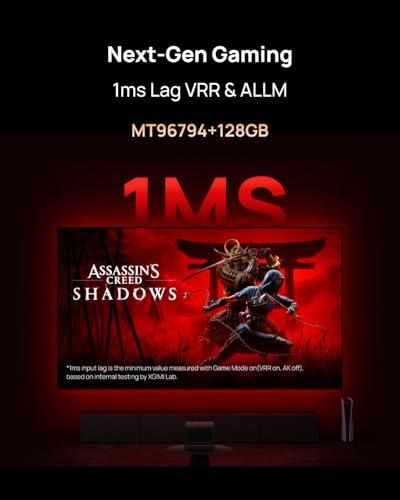
For gamers, input lag—the delay between pressing a button and seeing the action on screen—can make or break the experience. This is where the XGIMI Horizon 20 Max absolutely dominates.
With 1ms input lag at 1080p/240Hz, this projector competes directly with the best gaming monitors. Even at 4K/60Hz, it maintains just 3ms of lag. To put this in perspective, anything under 10ms feels essentially instantaneous for most players, and anything under 20ms is considered excellent for projectors. The XGIMI Horizon 20 Max isn't just good for a projector—it's legitimately competitive with dedicated gaming displays.
The Leica Cine 1 offers respectable gaming performance but clearly wasn't designed with esports in mind. Its input lag numbers, while not terrible, position it more as an entertainment-focused projector that can handle gaming rather than a gaming-first machine.
Both projectors support modern gaming features like Variable Refresh Rate (VRR) and Auto Low Latency Mode (ALLM), which eliminate screen tearing and automatically switch to fast response modes when gaming consoles are detected.
This is where things get nuanced. The XGIMI Horizon 20 Max achieves remarkable color accuracy with a Delta E of less than 0.8 across all major color standards—technical speak for "the colors you see match what the filmmaker intended" with professional-level precision. Its 20,000:1 contrast ratio and 110% BT.2020 color coverage create images with deep blacks and vibrant colors.
But the Leica Cine 1 counters with something harder to quantify: optical excellence. That Summicron lens delivers edge-to-edge sharpness that many projectors struggle to match. If you've ever noticed how some projectors look sharp in the center but softer around the edges, you'll appreciate what premium optics bring to the table.
The Leica Cine 1 also includes Leica Image Optimization (LIO™), which applies sophisticated processing algorithms to enhance image quality in real-time. Think of it as the projector equivalent of the computational photography that makes smartphone cameras so impressive.
Both projectors excel with HDR content, supporting Dolby Vision, HDR10+, and IMAX Enhanced. This means whether you're streaming the latest Marvel movie or watching a nature documentary, you're getting enhanced contrast and color that makes images pop off the screen.
Here's where these projectors diverge most dramatically in practical terms. The XGIMI Horizon 20 Max needs traditional projector placement—either ceiling-mounted or on a rear shelf. This means running cables, potentially dealing with HVAC ducts or ceiling fixtures, and accepting that someone walking between the projector and screen will cast shadows.
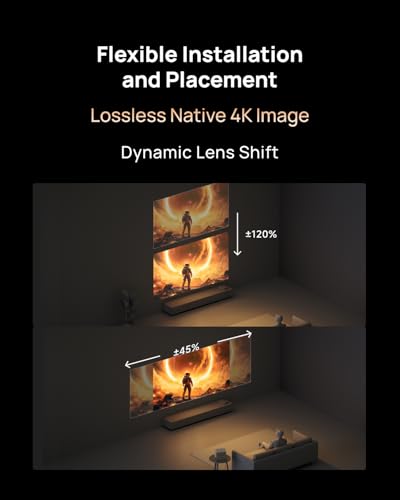
The beauty of the traditional approach, though, is flexibility. With optical zoom and lens shift (the ability to move the image up, down, or sideways without moving the projector), you can fine-tune placement without compromising image quality. The XGIMI Horizon 20 Max's ISA 5.0 system even handles focus, keystone correction, and obstacle avoidance automatically.
The Leica Cine 1 solves installation headaches by sitting on a TV stand or low cabinet. No ceiling mounting, no cable runs across the room, no shadows when people walk by. For apartments, condos, or homes where ceiling mounting isn't practical, this convenience is transformative.
However, UST projectors are pickier about setup. They need level surfaces, specific distances from the wall, and really benefit from specialized screens. The motorized lens adjustments help with fine-tuning, but there's less room for error in placement.
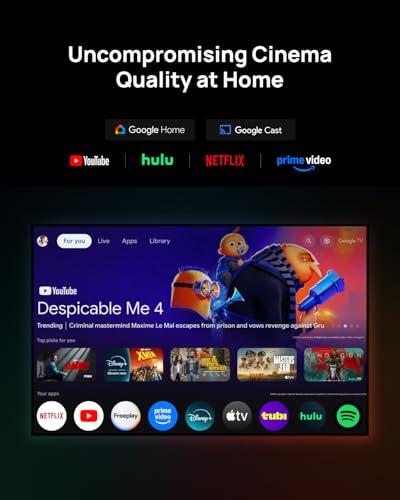
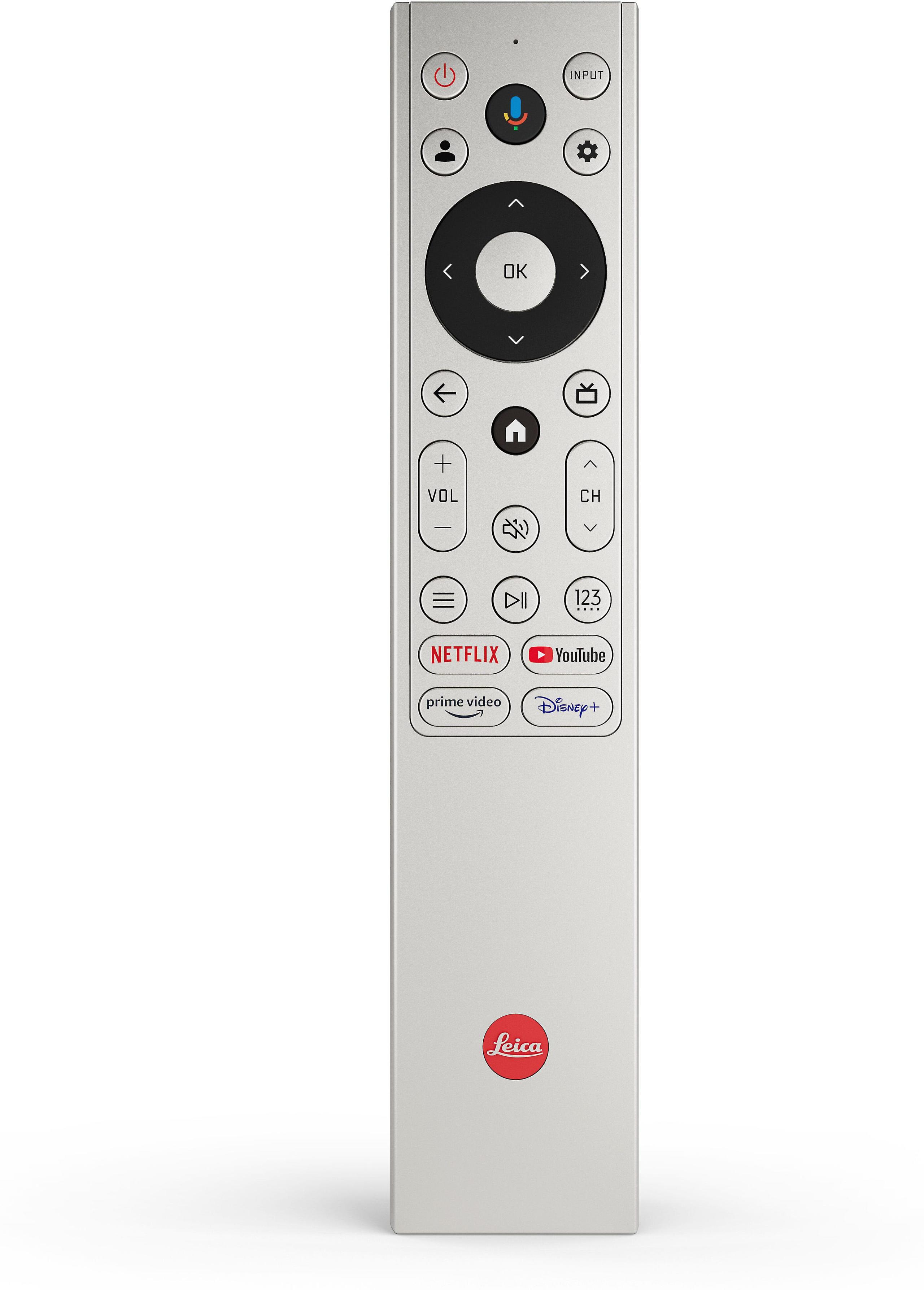
Both projectors embrace the smart TV era, but with different approaches. The XGIMI Horizon 20 Max runs Google TV, giving you access to Netflix, Disney+, and virtually every streaming service with a familiar interface. It includes Wi-Fi 6 for smooth streaming and supports casting from phones and tablets.
The Leica Cine 1 uses the VIDAA platform with built-in apps for major streaming services. While not as comprehensive as Google TV, it covers the basics most users need.
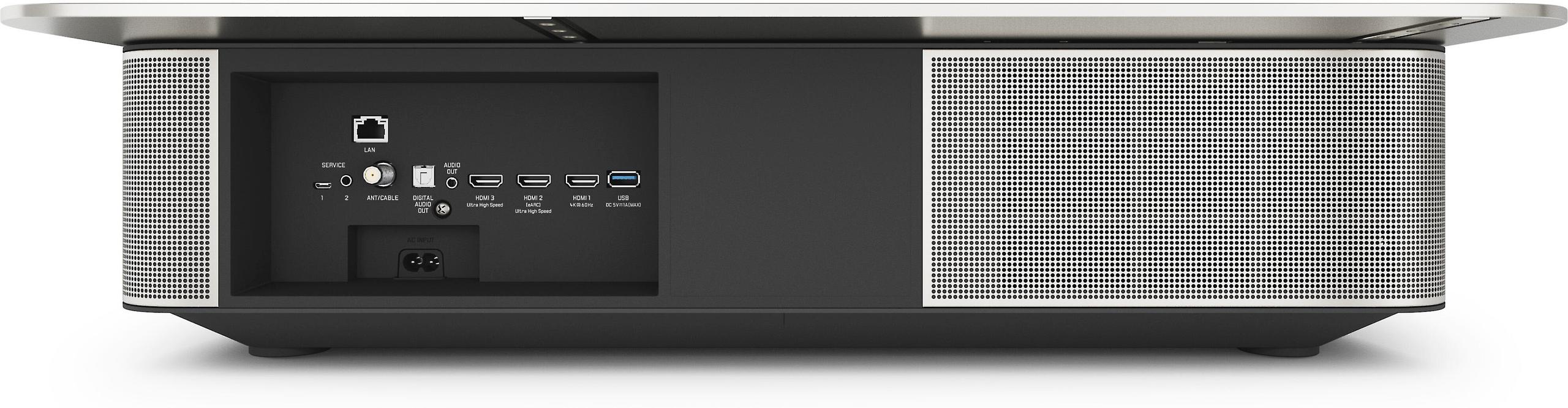
Connectivity-wise, the XGIMI Horizon 20 Max includes HDMI 2.1 support, which matters for next-gen gaming consoles and future-proofing. The Leica Cine 1 sticks with HDMI 2.0, which handles current content fine but lacks some advanced gaming features.
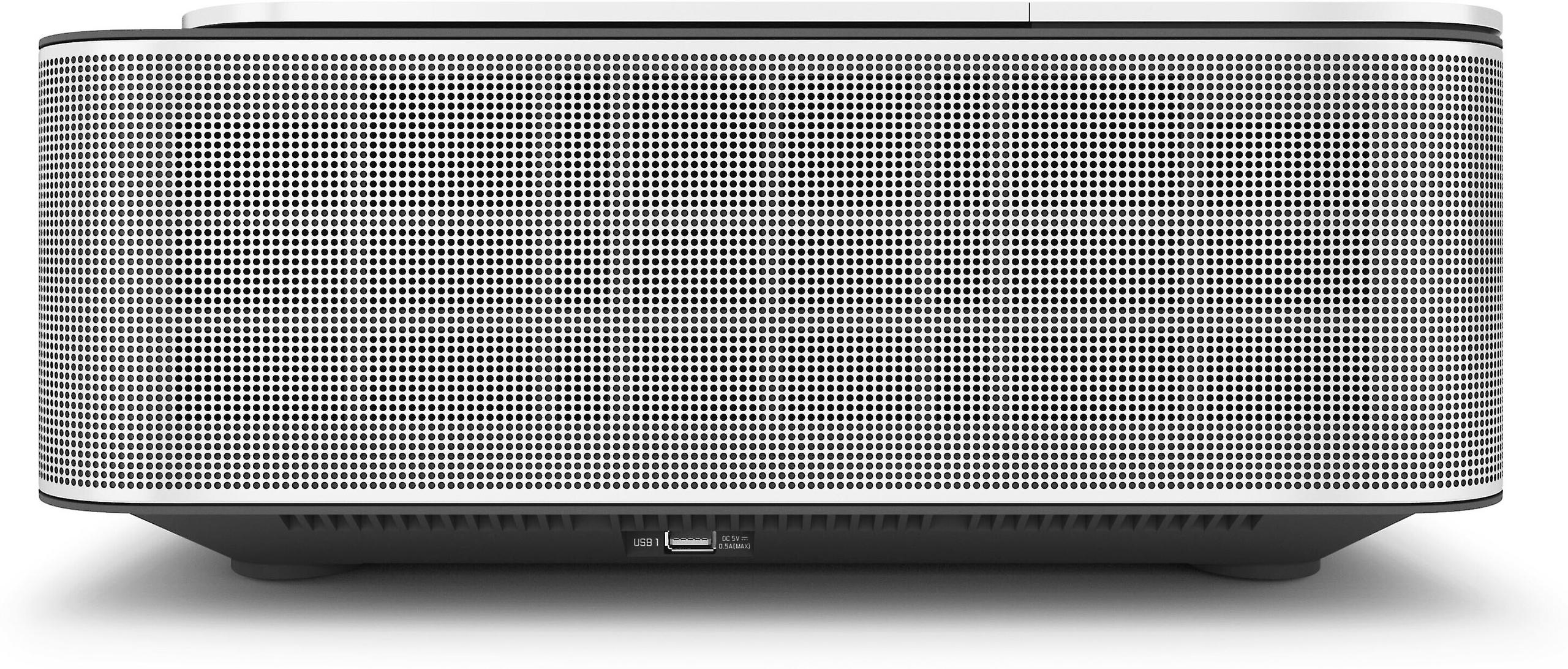
Both projectors include surprisingly capable built-in speakers. The XGIMI Horizon 20 Max features Harman Kardon-tuned audio that provides decent room-filling sound, while the Leica Cine 1 offers DTS surround processing.
However, for serious home theater use, you'll likely want external audio regardless of which projector you choose. These built-in systems work well for casual viewing but can't match dedicated soundbars or surround sound systems.
At the time of writing, these projectors occupy very different price tiers, with the Leica Cine 1 commanding a significant premium over the XGIMI Horizon 20 Max. This price difference reflects their different target markets and engineering approaches.
The XGIMI Horizon 20 Max delivers exceptional performance per dollar, offering flagship-level brightness, gaming performance, and features at a mainstream premium price point. When you consider that many inferior projectors cost similar amounts, the value proposition becomes clear.
The Leica Cine 1 asks you to pay for convenience, optical excellence, and the Leica brand premium. Whether that's worth it depends on how much you value the ultra-short-throw convenience and optical perfection.
Choose the XGIMI Horizon 20 Max if you have a dedicated media room or flexible living space where ceiling mounting is possible. It's perfect for serious gamers, anyone who watches during the day, or users who want maximum performance without paying ultra-premium prices. The superior brightness means you can use standard screens or even painted walls effectively.
The Leica Cine 1 makes sense for modern homes where convenience trumps raw performance. If you live in an apartment, have high ceilings that make mounting difficult, or simply want the cleanest possible installation, the UST approach is compelling. Just budget for a quality ALR screen to maximize its potential.
For home theater enthusiasts who prioritize image quality above all else, the Leica Cine 1's optical excellence might justify its premium pricing. If you're the type who notices subtle differences in sharpness and color accuracy, the Summicron lens delivers tangible benefits.
These projectors represent two different philosophies of home cinema. The XGIMI Horizon 20 Max maximizes performance and value while accepting traditional installation requirements. The Leica Cine 1 prioritizes convenience and optical refinement while asking for a significant price premium.
Neither approach is inherently better—they solve different problems for different users. Your room layout, budget, and priorities will determine which philosophy aligns with your needs. But both projectors demonstrate how far laser projection technology has advanced, delivering genuinely cinematic experiences that would have required professional equipment just a few years ago.
The future of home entertainment is big, bright, and increasingly accessible. Whether you choose raw performance or refined convenience, you're getting a front-row seat to that evolution.
| XGIMI Horizon 20 Max 4K Projector | Leica Cine 1 120" UST Projector |
|---|---|
| Brightness - Most critical spec for daytime viewing and screen flexibility | |
| 5,700 ISO lumens (excellent for bright rooms, works with any screen) | 3,000 lumens (requires controlled lighting or ALR screen for best results) |
| Projection Type - Determines installation requirements and room layout | |
| Long-throw (requires 8-12+ feet distance, ceiling mount recommended) | Ultra-short-throw (sits 14.3" from wall, no mounting required) |
| Gaming Performance - Input lag determines competitive gaming viability | |
| 1ms at 1080p/240Hz, 3ms at 4K/60Hz (esports-ready performance) | Higher input lag (suitable for casual gaming, not competitive) |
| Optical System - Affects image sharpness and installation flexibility | |
| Standard laser projection with optical zoom and lens shift | Premium Leica Summicron lens with motorized adjustments |
| Resolution Technology - Both use pixel-shifting for 4K-like detail | |
| 0.47" DMD with XPR technology (enhanced 4K from 1080p chip) | 0.47" DMD with XPR technology (enhanced 4K from 1080p chip) |
| Color Accuracy - Professional color standards compliance | |
| ΔE < 0.8 across all major color gamuts (industry-leading precision) | Excellent accuracy with Leica Image Optimization processing |
| HDR Support - Modern streaming and gaming compatibility | |
| Dolby Vision, HDR10+, IMAX Enhanced, Filmmaker Mode | Dolby Vision, HDR10+, HLG (comprehensive HDR support) |
| Smart Platform - Built-in streaming and app ecosystem | |
| Google TV with full Netflix licensing and Wi-Fi 6 | VIDAA platform with major streaming apps |
| Connectivity - Future-proofing and device compatibility | |
| HDMI 2.1 with eARC + HDMI 2.0, USB 3.0/2.0 ports | Multiple HDMI 2.0 ports, standard USB connectivity |
| Audio System - Integrated speakers for all-in-one convenience | |
| Dual 12W Harman Kardon speakers | 2x10W speakers with DTS True Surround processing |
| Laser Lifespan - Long-term reliability and maintenance costs | |
| 20,000+ hours (approximately 15+ years at 4 hours daily use) | 25,000+ hours (approximately 17+ years at 4 hours daily use) |
| Screen Requirements - Additional equipment needed for optimal performance | |
| Works excellently with standard screens or painted walls | Strongly benefits from specialized ALR screens ($500-2000+) |
| Target Use Case - Primary intended audience and scenarios | |
| Dedicated theaters, gaming, bright rooms, maximum performance | Modern living rooms, space-constrained homes, optical precision |
The XGIMI Horizon 20 Max is significantly brighter at 5,700 lumens compared to the Leica Cine 1's 3,000 lumens. This makes the XGIMI Horizon 20 Max much better for rooms with ambient light or daytime viewing, while the Leica Cine 1 performs best in darker, controlled lighting conditions.
The XGIMI Horizon 20 Max is a long-throw projector that needs 8-12+ feet of distance from your screen and typically requires ceiling mounting. The Leica Cine 1 is an ultra-short-throw projector that sits just 14.3 inches from your wall on a TV stand or cabinet, making it perfect for modern living rooms where ceiling mounting isn't practical.
The XGIMI Horizon 20 Max is superior for gaming with just 1ms input lag at 1080p and support for 240Hz refresh rates. It also includes HDMI 2.1 for next-gen consoles. The Leica Cine 1 offers decent gaming performance but isn't optimized for competitive gaming or high refresh rates.
The XGIMI Horizon 20 Max works well with standard projection screens or even painted walls due to its high brightness. The Leica Cine 1 strongly benefits from specialized ALR (Ambient Light Rejecting) screens to maximize its performance, which adds significant cost to your setup.
Both offer excellent image quality but in different ways. The XGIMI Horizon 20 Max delivers industry-leading color accuracy with ΔE < 0.8 and superior brightness. The Leica Cine 1 features premium Summicron optics for exceptional edge-to-edge sharpness and reduced optical distortions, making it ideal for users who prioritize optical precision.
The XGIMI Horizon 20 Max requires a traditional setup with significant room depth for proper installation, often needing ceiling mounting. The Leica Cine 1 is designed for space-constrained homes, sitting close to your wall like a soundbar and requiring minimal room depth.
The XGIMI Horizon 20 Max offers exceptional value with flagship performance at a more accessible price point. The Leica Cine 1 commands a significant premium for its ultra-short-throw convenience and Leica optics, making it a luxury choice that may not suit budget-conscious buyers.
Yes, both the XGIMI Horizon 20 Max and Leica Cine 1 use 0.47" DMD chips with XPR pixel-shifting technology to display 4K content. While not native 4K, both deliver sharp, detailed images that are noticeably better than standard 1080p projection.
The XGIMI Horizon 20 Max runs Google TV with full access to Netflix and other streaming apps, plus Wi-Fi 6 support. The Leica Cine 1 uses the VIDAA platform with built-in apps for major streaming services, though it's not as comprehensive as the Google TV ecosystem.
For dedicated home theater rooms, the XGIMI Horizon 20 Max typically performs better due to its superior brightness, contrast, and gaming capabilities. However, if your home theater has space constraints or you prefer the cleanest installation possible, the Leica Cine 1's ultra-short-throw design might be more appealing.
Both projectors include integrated audio systems. The XGIMI Horizon 20 Max features Harman Kardon-tuned speakers, while the Leica Cine 1 offers DTS surround processing. However, serious home theater users will likely prefer external audio systems for the best sound quality.
Choose the XGIMI Horizon 20 Max if you have flexible space and want maximum brightness and gaming performance. Select the Leica Cine 1 if you need ultra-short-throw convenience for modern living spaces and prioritize premium optics over raw brightness. Your room layout and installation preferences will largely determine the better choice.
We've done our best to create useful and informative comparisons to help you decide what product to buy. Our research uses advanced automated methods to create this comparison and perfection is not possible - please contact us for corrections or questions. These are the sites we've researched in the creation of this article: dustinabbott.net - projectorcentral.com - youtube.com - us.xgimi.com - youtube.com - tweaktown.com - youtube.com - us.xgimi.com - youtube.com - youtube.com - thesmarthomehookup.com - youtube.com - us.xgimi.com - global.xgimi.com - projector-database.com - trustedreviews.com - leicacamerausa.com - hometechnologyreview.com - projectorreviews.com - richersounds.com - whathifi.com - crutchfield.com - projectorcentral.com - cdn11.bigcommerce.com - leicarumors.com - leica-camera.com

Privacy Policy
Terms and Conditions - Affiliate Policy
Home Security
© Copyright 2008-2026.
11816 Inwood Rd #1211, Dallas, TX 75244