

The world of 4K projectors has dramatically evolved over the past few years, creating distinct categories that serve very different needs. On one side, you have bright, feature-packed entertainment hubs designed for living rooms. On the other, you'll find reference-grade cinema projectors built for dedicated home theaters. The XGIMI Horizon 20 Max and JVC DLA-NZ700 represent the pinnacle of these two approaches—and choosing between them requires understanding what type of viewing experience you're after.
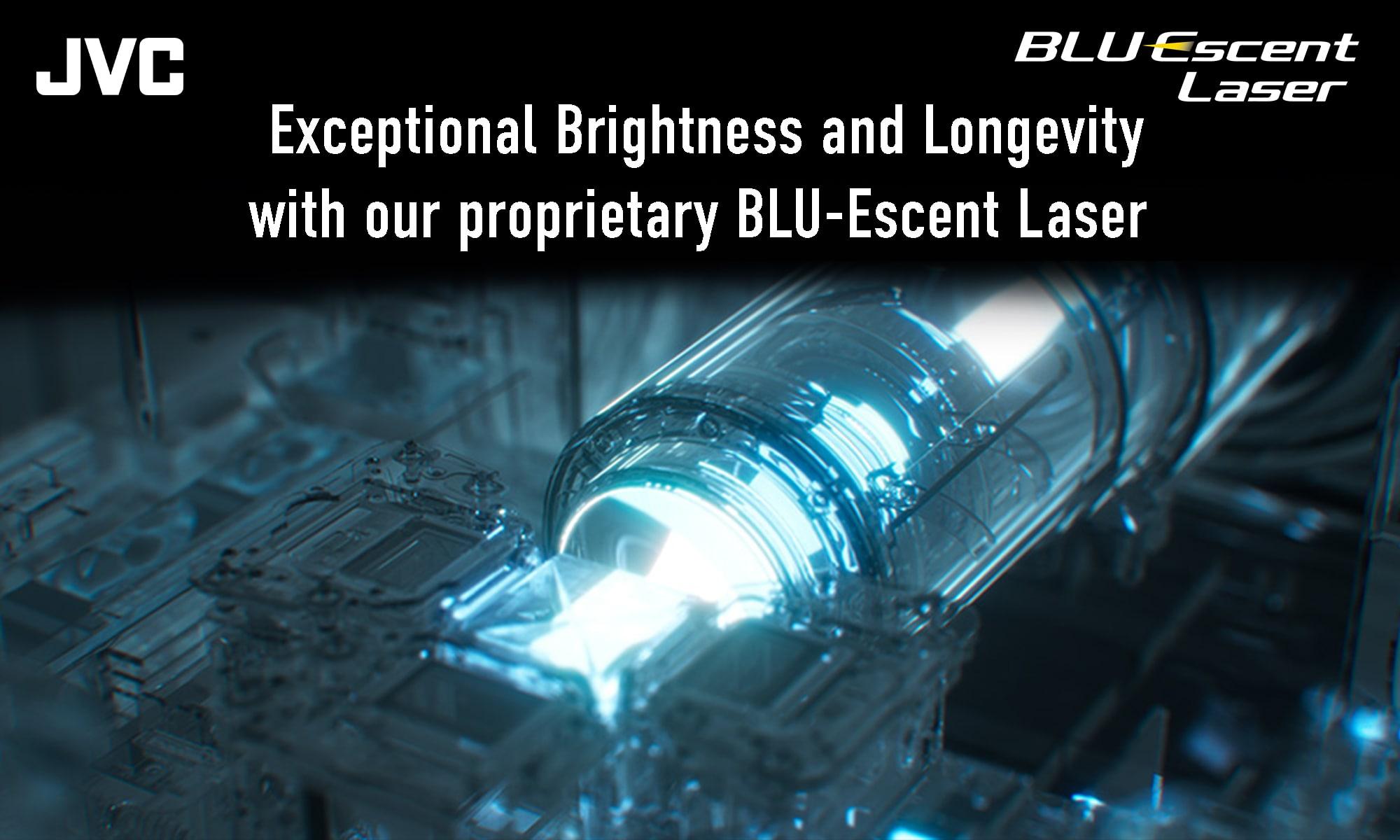
Before diving into these specific models, it's worth understanding what separates today's 4K projectors from earlier generations. The biggest advancement has been laser light sources, which have largely replaced traditional lamps. Laser projectors offer several key advantages: they last much longer (typically 20,000 hours versus 3,000-5,000 for lamps), maintain consistent brightness over their lifetime, and can achieve much higher brightness levels while using less power.
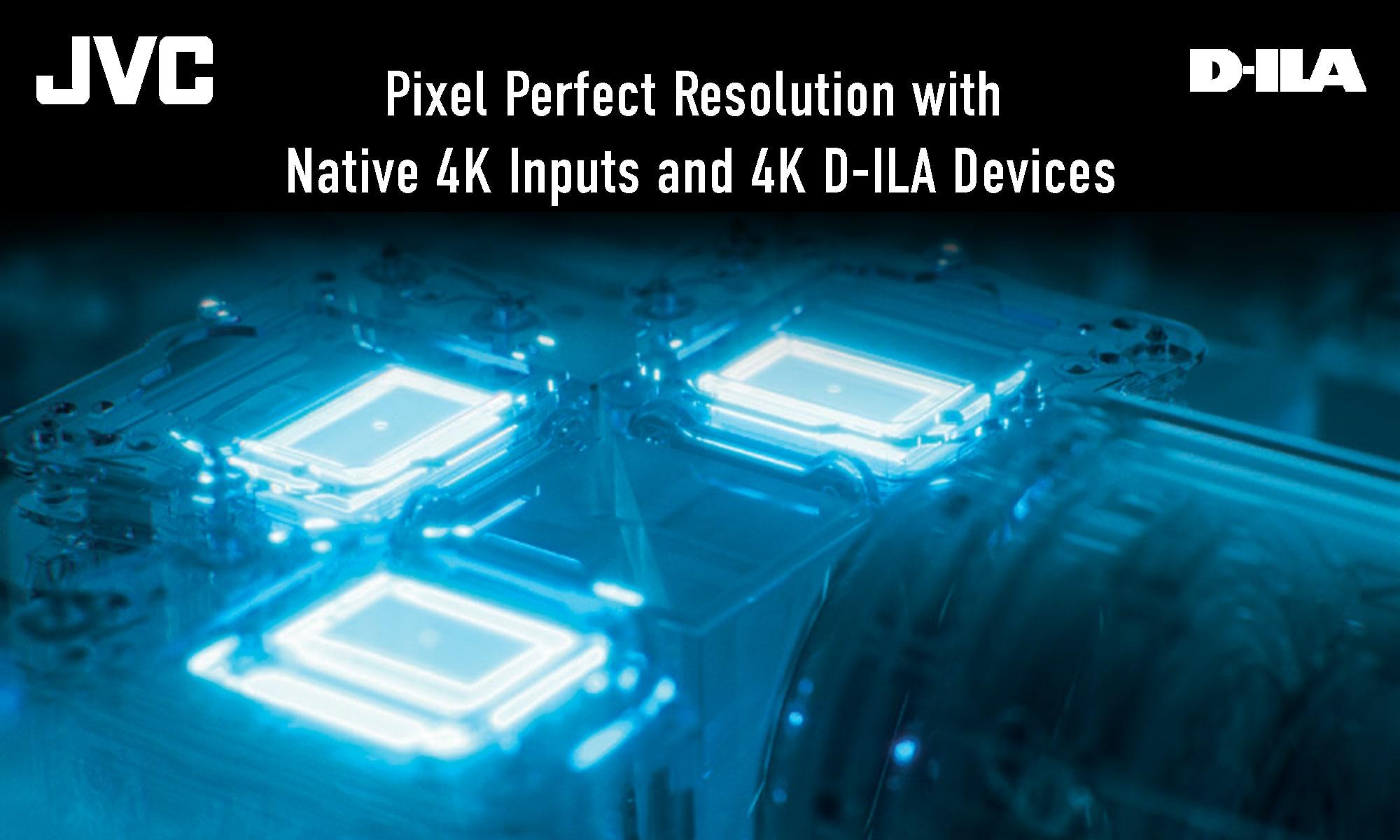
However, not all "4K" is created equal. True native 4K projectors use display chips that physically contain 8.3 million pixels arranged in a 4096 x 2160 grid. These projectors, like the JVC DLA-NZ700, can display every single pixel of a 4K image without any processing tricks. Pixel-shifting 4K projectors, like the XGIMI Horizon 20 Max, use smaller chips with fewer physical pixels but rapidly shift the image to create the impression of higher resolution. Both approaches can produce excellent results, but they excel in different scenarios.
The contrast ratio—the difference between the brightest whites and deepest blacks a projector can display—remains one of the most important specifications for image quality. Higher contrast ratios create more realistic, three-dimensional looking images with better shadow detail and more vibrant colors.
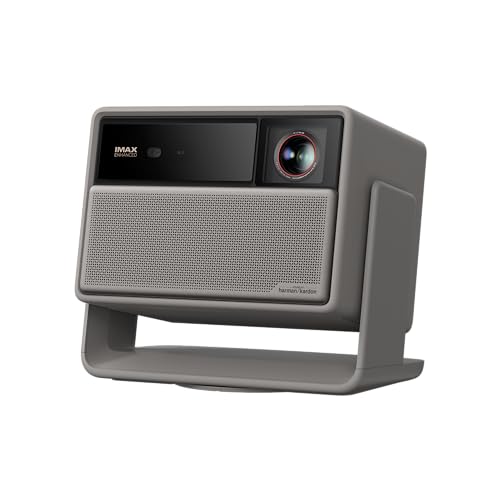
Released in 2024, the XGIMI Horizon 20 Max represents XGIMI's flagship effort to create the ultimate living room projector. This projector tackles the biggest challenge facing most home projector users: achieving a great image in rooms with ambient light.
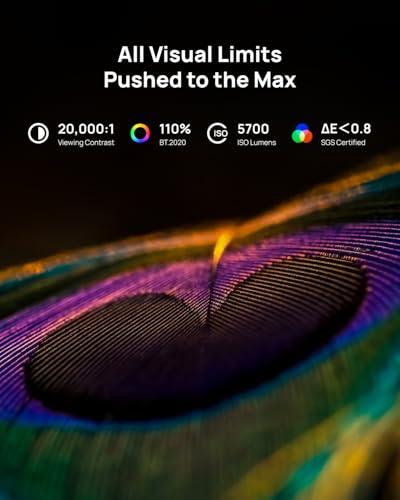
The standout feature of the XGIMI Horizon 20 Max is its remarkable 5,700 ISO lumen output. To put this in perspective, most home theater projectors produce between 1,500-3,000 lumens. This extra brightness makes a dramatic difference in real-world use. Based on professional measurements and user feedback, this projector maintains vivid, watchable images even in living rooms with windows and normal lighting—something that would wash out most other projectors.
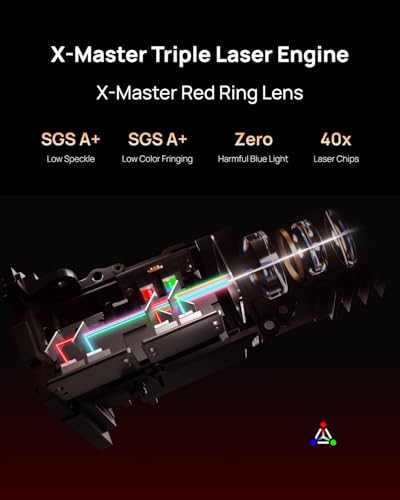
The RGB triple-laser engine is the key technology enabling this brightness. Unlike single-color laser projectors that use color wheels or phosphor wheels to create different colors, RGB systems use separate red, green, and blue lasers. This approach eliminates color artifacts like the "rainbow effect" that some people see with single-chip projectors, while also enabling much higher brightness levels and better color accuracy.
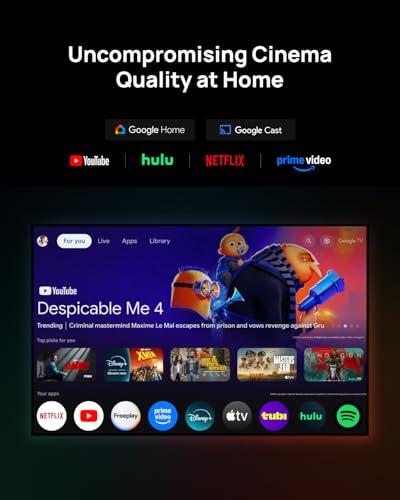
What sets the XGIMI Horizon 20 Max apart from traditional home theater projectors is its comprehensive smart platform. Running Google TV, it includes built-in apps for Netflix, Amazon Prime, Disney+, and other streaming services. This eliminates the need for external streaming devices—a significant convenience and cost savings.
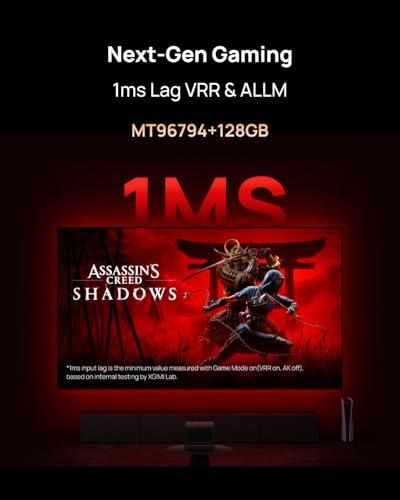
For gamers, this projector is genuinely impressive. The 1ms input lag at 1080p/240Hz puts it in the same league as dedicated gaming monitors. Input lag is the delay between when you press a button and when the action appears on screen—crucial for competitive gaming. Even at 4K resolution, the 3ms input lag is excellent. The projector also supports Variable Refresh Rate (VRR), which eliminates screen tearing and stuttering by matching the display refresh rate to your gaming console's output frame rate.
Gaming features like Black Equalizer (which brightens dark areas without overexposing bright areas) and Virtual Crosshairs show that XGIMI designed this projector with serious gamers in mind, not just casual users.
The ISA 5.0 system deserves special mention because it addresses one of the biggest barriers to projector adoption: complex setup. This system automatically handles focus, keystone correction (fixing the trapezoidal distortion when projecting at an angle), obstacle avoidance, and even wall color calibration. For most users, this means you can place the projector, turn it on, and get a properly aligned, focused image within minutes.
The XGIMI Horizon 20 Max uses pixel-shifting technology rather than native 4K. While the results are sharp and detailed, pixel-shifting can't match the absolute clarity of true native 4K, especially with fine text or detailed patterns. The 20,000:1 contrast ratio, while good for a bright projector, can't compete with dedicated home theater models in terms of black level performance.
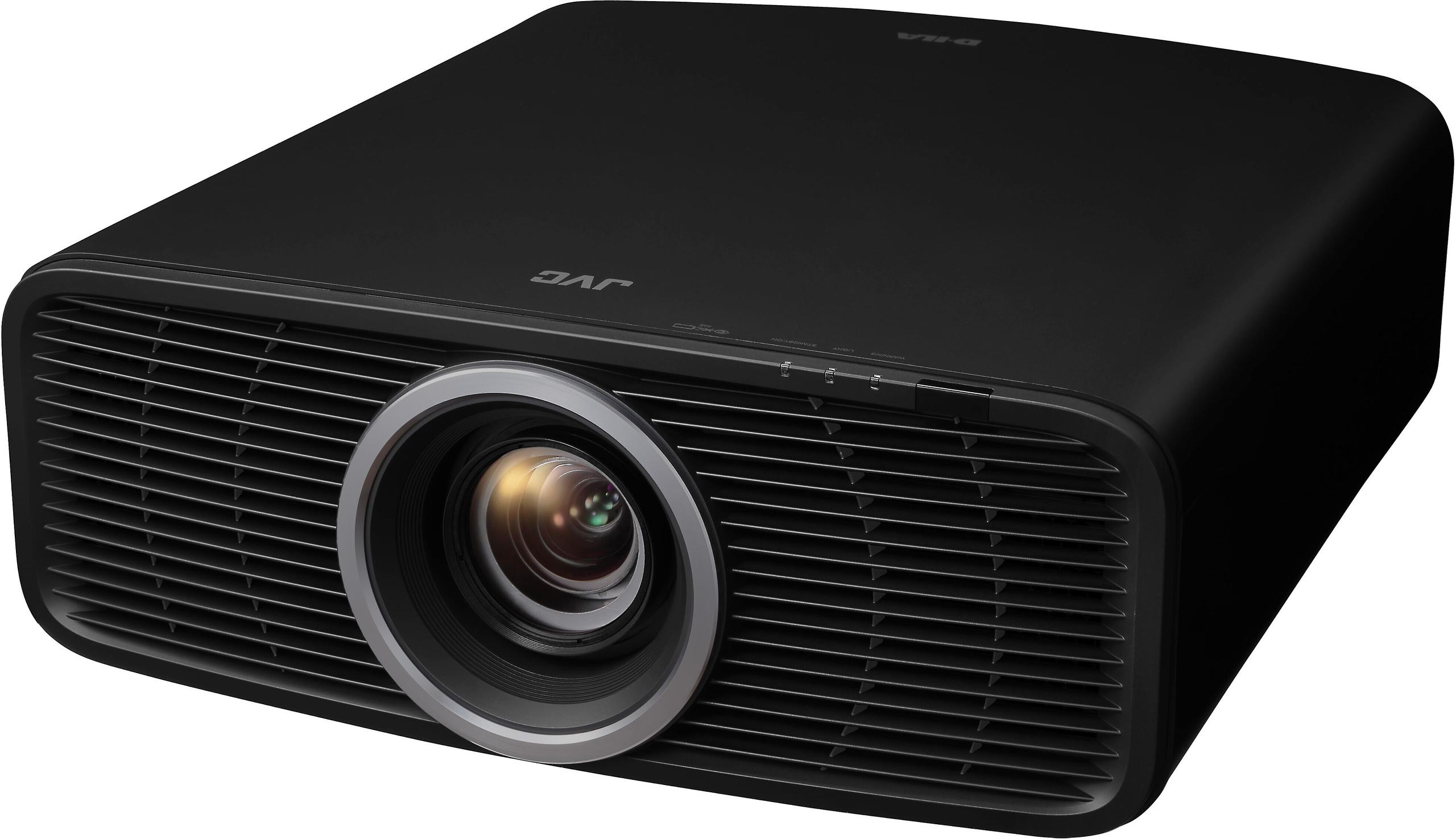
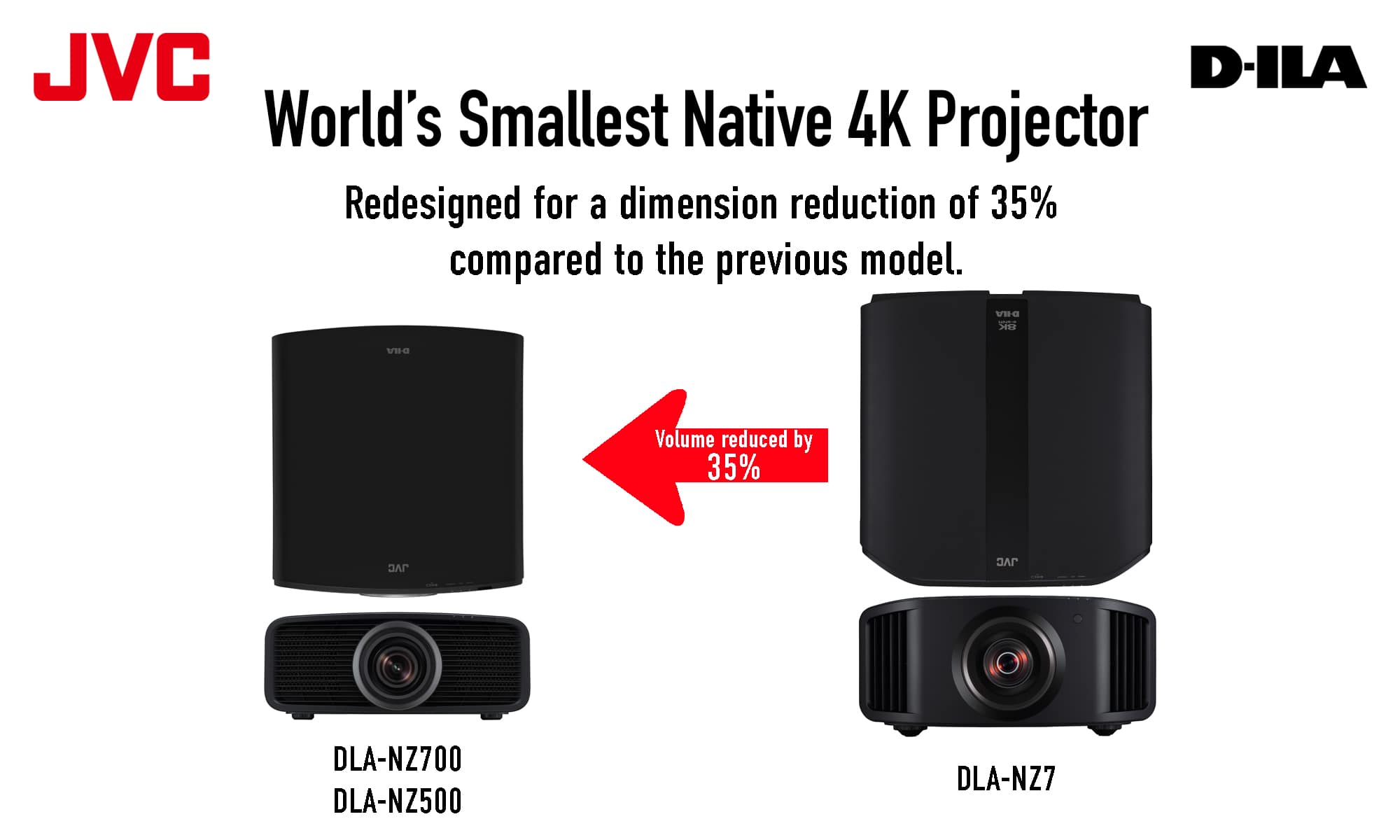
The JVC DLA-NZ700, released in 2024, represents JVC's latest evolution in their acclaimed D-ILA projector line. D-ILA (Direct Drive Image Light Amplifier) is JVC's proprietary display technology, similar to LCOS (Liquid Crystal on Silicon) used by other manufacturers. What makes D-ILA special is its ability to achieve exceptionally high contrast ratios and smooth gradations.
The most significant advantage of the JVC DLA-NZ700 is its genuine native 4K resolution using three 0.69-inch D-ILA panels. Each panel handles one primary color (red, green, or blue), and together they can display every single pixel of a 4K image simultaneously. This results in incredibly sharp images with fine detail that pixel-shifting systems simply cannot match.
The difference is most noticeable with computer-generated content, fine text, architectural details, and complex patterns. While pixel-shifting can create convincing 4K images, native 4K has a clarity and precision that's immediately apparent when viewed side-by-side.
The 80,000:1 native contrast ratio of the JVC DLA-NZ700 is where this projector truly excels. Professional measurements have actually shown it exceeding this specification, reaching over 88,000:1 in optimal conditions. This level of contrast creates images with inky black backgrounds, brilliant highlights, and smooth gradations between light and dark areas.
The Deep Black Tone Control feature further enhances dark scene performance by extending shadow detail while maintaining true blacks. This technology analyzes each frame and adjusts the darkest tones to reveal hidden details without raising the overall black level—crucial for movies with dark cinematography.
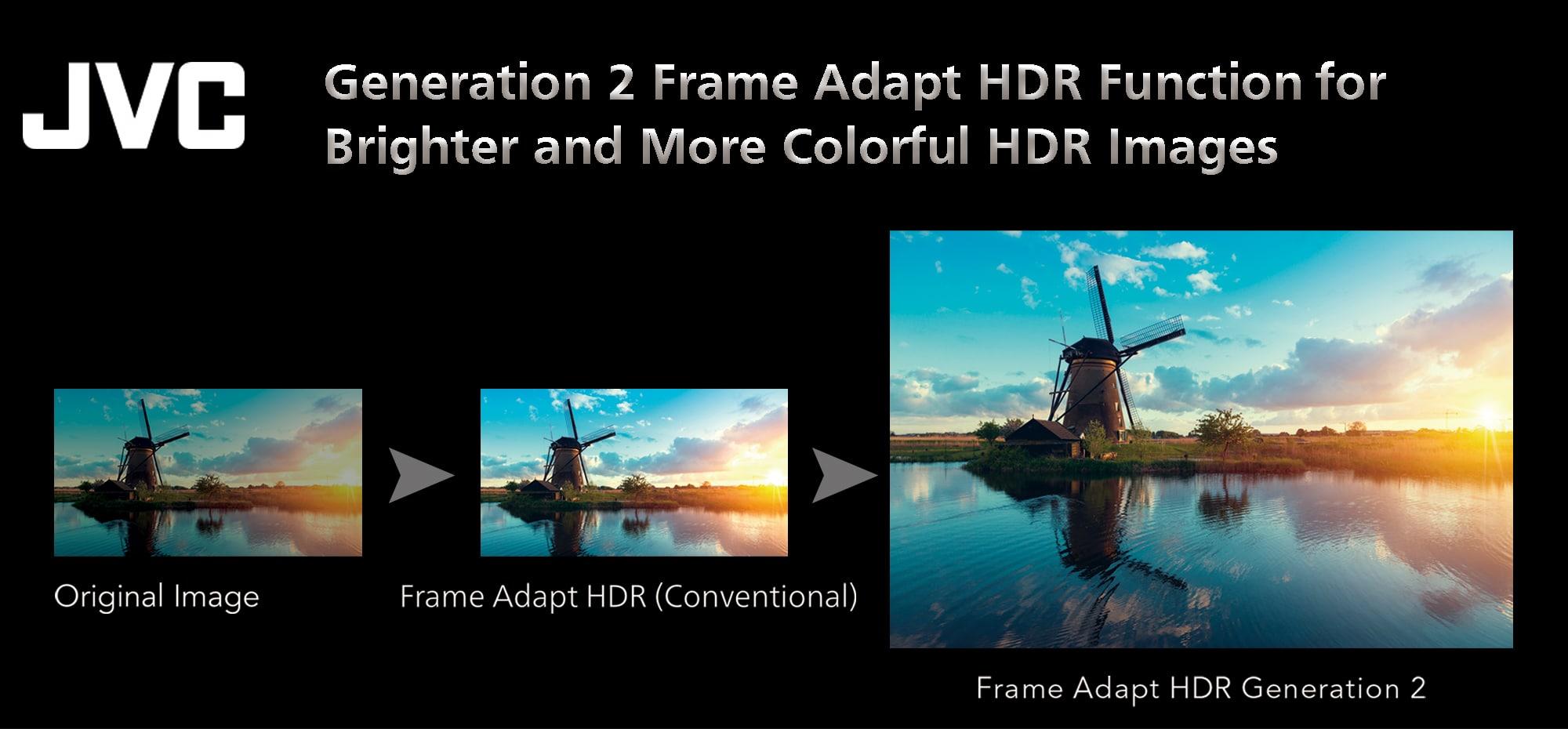
The JVC DLA-NZ700 includes ISF (Imaging Science Foundation) certification, meaning it meets professional standards for color accuracy and calibration. The Frame Adapt HDR with dynamic tone mapping analyzes HDR content frame-by-frame, adjusting the image parameters to optimize each scene. This ensures that HDR content looks correct regardless of how it was mastered.
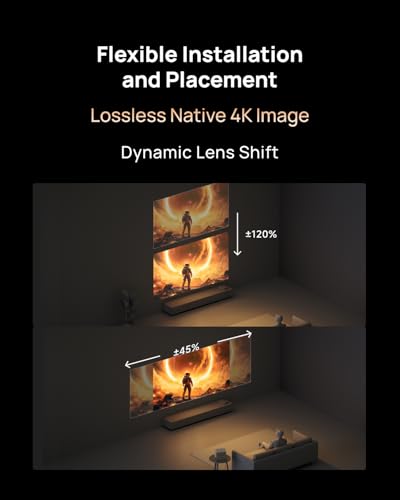
The 80mm, 15-element lens system provides exceptional sharpness across the entire image, while the extensive lens shift capabilities (±80% vertical, ±34% horizontal) offer installation flexibility rarely seen in projectors. This means you can mount the projector significantly off-center from your screen and still achieve a perfectly rectangular image.
At 2,300 lumens, the JVC DLA-NZ700 requires a dark room to perform at its best. Any ambient light will wash out the subtle shadow details and reduce the perceived contrast that makes this projector special. It also lacks any smart features, requiring external streaming devices for content access.
This is where these projectors serve completely different markets. The XGIMI Horizon 20 Max at 5,700 lumens can handle living rooms with normal lighting, making it suitable for daytime viewing and rooms where you can't completely control ambient light. The JVC DLA-NZ700 at 2,300 lumens is designed for dedicated dark rooms where you can minimize ambient light.
For most people with typical living spaces, the XGIMI's brightness advantage is transformative. You can watch movies with friends without closing all the blinds and turning off every light. However, if you have a dedicated home theater room, the JVC's lower brightness is actually beneficial—it allows for the deep blacks that create a more cinematic experience.
The JVC DLA-NZ700 delivers superior image quality in terms of pure resolution and contrast. The native 4K resolution provides sharper details, especially in fine textures, text, and geometric patterns. The exceptional contrast ratio creates more three-dimensional, realistic images with better color saturation and depth.
The XGIMI Horizon 20 Max produces very good image quality that will satisfy most users, especially considering its significantly lower price point at the time of writing. The pixel-shifting 4K is convincing for most content, and the high brightness actually enhances color vibrancy in bright rooms.
For gaming, the XGIMI Horizon 20 Max is clearly superior. The ultra-low input lag, high refresh rate support, and gaming-specific features make it an excellent choice for console gaming. The JVC DLA-NZ700, while capable of 4K gaming, lacks the specialized gaming optimizations and has higher input lag.
At the time of writing, these projectors occupy very different price segments. The XGIMI Horizon 20 Max offers exceptional value by including smart features, speakers, and automated setup that would cost thousands of dollars to add to a traditional projector setup. The JVC DLA-NZ700 commands a significant premium but delivers reference-grade image quality that typically requires much more expensive equipment.
When calculating total cost, remember that the XGIMI Horizon 20 Max is essentially plug-and-play, while the JVC DLA-NZ700 requires external streaming devices, a sound system, and potentially professional calibration to reach its full potential.
The XGIMI Horizon 20 Max prioritizes simplicity. The automatic calibration system handles most setup tasks, and the integrated stand provides immediate usability. Most users can achieve good results within minutes of unboxing.
The JVC DLA-NZ700 benefits from careful installation and professional calibration. While it offers extensive adjustment options, optimizing these settings requires expertise or professional help. The investment in proper setup pays dividends in image quality, but it adds complexity and cost.
You're looking for a versatile projector that can handle various lighting conditions and room types. This projector excels if you want to watch movies during the day, if your viewing room has windows or ambient lighting, or if you're a gamer who values low input lag and high refresh rates. The all-in-one design makes it perfect for users who want great performance without the complexity of a multi-component system.
The XGIMI Horizon 20 Max is also ideal if you value convenience features like built-in streaming, automatic setup, and integrated audio. It's the better choice for most families and casual users who want excellent performance without becoming projection enthusiasts.
You have a dedicated home theater room or can effectively control ambient lighting in your viewing space. This projector is for serious movie enthusiasts who prioritize ultimate image quality and are willing to invest in proper setup and calibration.
The JVC DLA-NZ700 makes sense if you already have or plan to build a complete home theater system with external audio, streaming devices, and room treatments. It's the choice for users who view their projector as a long-term investment and want reference-grade performance that will remain impressive for years to come.
These two projectors represent different philosophies in home projection. The XGIMI Horizon 20 Max prioritizes versatility, convenience, and bright room performance, making advanced projection technology accessible to mainstream users. The JVC DLA-NZ700 focuses on ultimate image quality and cinema authenticity for dedicated enthusiasts.
Your choice should align with your space, usage patterns, and priorities. If you want one device that can handle everything from casual daytime viewing to serious gaming, the XGIMI delivers exceptional value and performance. If you're building a reference-grade home theater and want the best possible image quality, the JVC justifies its premium positioning with uncompromising performance.
Both projectors represent the current state-of-the-art in their respective categories, and either choice will deliver a viewing experience that surpasses traditional TVs in terms of screen size and immersion. The key is honestly assessing your viewing environment, usage patterns, and whether you prioritize convenience or ultimate performance.
| XGIMI Horizon 20 Max | JVC DLA-NZ700 |
|---|---|
| Brightness - Critical for room lighting flexibility and daytime viewing | |
| 5,700 ISO lumens (exceptional for bright rooms and daytime use) | 2,300 lumens (requires dark room for optimal performance) |
| Display Technology - Determines image sharpness and pixel accuracy | |
| 0.47" DMD with XPR pixel-shifting (very good 4K reproduction) | True native 4K with three 0.69" D-ILA panels (genuine 4K pixels) |
| Contrast Ratio - Most important for deep blacks and image depth | |
| 20,000:1 native (good for bright projector category) | 80,000:1 native (reference-grade cinema performance) |
| Gaming Performance - Essential for console and PC gaming | |
| 1ms input lag at 240Hz, supports VRR and ALLM (gaming optimized) | 4K@60Hz only, higher input lag (cinema-focused) |
| Smart Features - Affects convenience and total system cost | |
| Google TV built-in with streaming apps and voice control | No smart features (requires external streaming devices) |
| Audio System - Important for all-in-one convenience | |
| Dual 24W Harman Kardon speakers included | No built-in speakers (requires external audio system) |
| Setup Complexity - Affects user experience and installation cost | |
| ISA 5.0 automatic calibration (plug-and-play ready) | Manual setup recommended, benefits from professional calibration |
| Lens Flexibility - Important for room layout and installation options | |
| Motorized optical zoom with lens shift | 1.6x motorized zoom with extensive lens shift (±80% vertical) |
| HDR Support - Critical for modern content compatibility | |
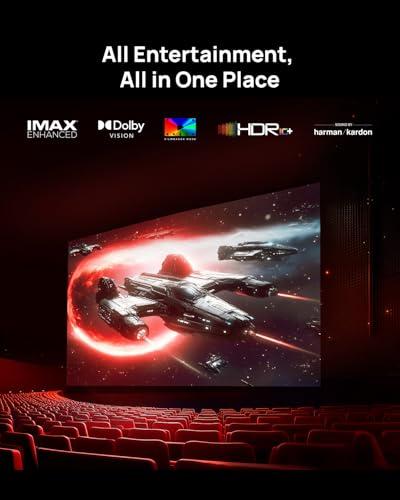
| Dolby Vision, HDR10+, HDR10, HLG, IMAX Enhanced | HDR10, HDR10+, HLG with Frame Adapt dynamic tone mapping |
| Laser Lifespan - Long-term ownership cost consideration | |
| ~20,000 hours (maintenance-free operation) | ~20,000 hours with 101-step brightness control |
| Target Use Case - Determines which projector fits your needs | |
| Bright room entertainment hub with gaming and streaming | Dedicated dark room cinema with reference-grade image quality |
The XGIMI Horizon 20 Max is significantly brighter at 5,700 ISO lumens compared to the JVC DLA-NZ700 at 2,300 lumens. This makes the XGIMI much better for rooms with ambient light or daytime viewing, while the JVC requires a dark room for optimal performance.
Only the JVC DLA-NZ700 has true native 4K resolution using three 0.69-inch D-ILA panels. The XGIMI Horizon 20 Max uses pixel-shifting technology with a 0.47-inch DMD chip to create 4K images, which produces very good results but isn't technically native 4K.
The XGIMI Horizon 20 Max is far superior for gaming with 1ms input lag at 240Hz, support for Variable Refresh Rate (VRR), and gaming-specific features like Black Equalizer. The JVC DLA-NZ700 focuses on cinema quality and lacks gaming optimizations.
The XGIMI Horizon 20 Max includes Google TV with built-in streaming apps like Netflix, Amazon Prime, and Disney+. The JVC DLA-NZ700 has no smart features and requires external streaming devices like Apple TV or Roku.
The JVC DLA-NZ700 delivers superior contrast with an 80,000:1 native contrast ratio compared to the XGIMI Horizon 20 Max at 20,000:1. This gives the JVC much deeper blacks and more cinematic image quality in dark rooms.
The XGIMI Horizon 20 Max includes dual 24W Harman Kardon speakers for complete audio solution. The JVC DLA-NZ700 has no built-in speakers and requires a separate sound system for audio.
The XGIMI Horizon 20 Max is much easier to set up with ISA 5.0 automatic calibration that handles focus, keystone correction, and screen alignment automatically. The JVC DLA-NZ700 requires manual setup and benefits from professional calibration.
Both the XGIMI Horizon 20 Max and JVC DLA-NZ700 offer approximately 20,000-hour laser lifespans, providing years of maintenance-free operation compared to traditional lamp projectors that need replacement every few thousand hours.
The XGIMI Horizon 20 Max supports more HDR formats including Dolby Vision, HDR10+, HDR10, HLG, and IMAX Enhanced. The JVC DLA-NZ700 supports HDR10, HDR10+, and HLG but includes advanced Frame Adapt dynamic tone mapping for superior HDR processing.
Neither projector supports 4K@120Hz. The XGIMI Horizon 20 Max maxes out at 4K@60Hz but offers 1080p@240Hz for competitive gaming. The JVC DLA-NZ700 is limited to 4K@60Hz and focuses on cinema rather than high refresh gaming.
For dedicated home theater rooms, the JVC DLA-NZ700 offers superior image quality with true native 4K and exceptional contrast, though at a premium cost. The XGIMI Horizon 20 Max provides excellent value for versatile use with built-in smart features and bright room capability.
The XGIMI Horizon 20 Max excels in living rooms with ambient light and can handle daytime viewing thanks to its 5,700-lumen output. The JVC DLA-NZ700 performs best in dedicated dark theater rooms where its superior contrast and black levels can shine.
We've done our best to create useful and informative comparisons to help you decide what product to buy. Our research uses advanced automated methods to create this comparison and perfection is not possible - please contact us for corrections or questions. These are the sites we've researched in the creation of this article: dustinabbott.net - projectorcentral.com - youtube.com - us.xgimi.com - youtube.com - tweaktown.com - youtube.com - us.xgimi.com - youtube.com - youtube.com - thesmarthomehookup.com - youtube.com - us.xgimi.com - global.xgimi.com - projector-database.com - simplehomecinema.com - soundapproach.com - jvc.com - projectorreviews.com - valueelectronics.com - youtube.com - crutchfield.com - stereonet.com - projectorcentral.com - manual3.jvckenwood.com

Privacy Policy
Terms and Conditions - Affiliate Policy
Home Security
© Copyright 2008-2026.
11816 Inwood Rd #1211, Dallas, TX 75244